Skip to content

Does Adding Lemon to Japanese Green Tea Enhance the Benefit?

Subscribe to Youtube See all videos

Green tea is a healthy drink with numerous health advantages; you can't drink it without getting any benefits! On the other hand, lemons are a staple source of vitamin C. So it's not just consumed as a flavoring in different dishes but also added to various drinks, including water. And did you know it's also common to add it to green tea?

Many tea manufacturing companies sell teas with lemon flavoring. But what does lemon have to do with the health benefits of green tea, if any? Does it offer any benefits to drinkers? In this article, you'll discover the reasons for adding lemon to your favorite green tea drinks to make the most of the tea's health benefits.

Combining green tea with lemon not only enhances the flavor but also creates a synergistic effect that elevates the nutritional profile of your beverage. The antioxidants in green tea—particularly catechins—are sensitive to digestive processes, and lemon's acidic nature helps preserve and boost their absorption in the body. This simple pairing transforms your daily cup into a more potent health drink that supports everything from metabolism to immune function.

Powerhouse Fat Burner

While green tea and lemon are natural fat burners by themselves, imagine combining these two powerhouses for weight loss. For example, you might start your day by drinking a dash of lemon juice or a slice of the said fruit in your green tea. But adding lemon to your green tea boosts the latter's weight-loss benefits with catechins. Additionally, the caffeine content of the tea leaves requires your body to exert more energy.

Green tea fat burner

Lemon is a booster for removing toxins from our bodies, acting as a natural detoxifier. It also provides nutrition for your body—the most prevalent is vitamin C. Through detoxification, your blood is cleansed from toxins, which will let your body absorb more nutrients and weight loss boosters such as those found in green tea.

The lemon also helps in the production of hydrochloric acid, which improves digestion. It also slows down the absorption of food, ensuring the nutrients from the food you take fully break down in your body. Finally, lemon keeps you active and kick-starts your energy, which would require burning more than your usual number of calories without drinking a cup of green tea with a slice of lemon.

What makes this combination even more effective is its ability to curb appetite naturally and reduce unnecessary snacking throughout the day. The polyphenols in green tea are known to regulate blood sugar levels, which helps prevent sudden hunger spikes. Meanwhile, lemon water can create a feeling of fullness when consumed warm, especially on an empty stomach. Together, they support mindful eating habits and sustainable weight loss, making them a great addition to any balanced diet plan.

Toxin Removal

Toxin removal is not just beneficial for weight loss; it also fights illnesses in the later stages of our lives. That's because green tea with lemon cleanses your other organs too. This includes the kidneys, boosting enzymes, and producing more bile in the liver for easier digestion. It can also reduce the surplus in the intestines (including fats and other blockers that might lead to cancer and heart attacks or strokes). So even a damaged liver could be improved by regularly drinking a cup of green tea with lemon.

Because green tea provides these anti-disease catechins that prevent the buildup of plaques surrounding the arteries, these are not fully absorbed by the body. Further, vitamin C in the lemon thoroughly cleanses the intestines and blood vessels and helps absorb nutrients.

In a study by Purdue University, putting lemon in a cup of green tea helps as much as 13 times more to absorb the catechins and retains almost 80% of the catechins in our body. These catechins fight disease while also increasing the metabolic rate in our bodies. In contrast, much of the alcohol and unwanted fats from meat and other unhealthy foods are removed from your body thanks to the vitamin C produced in lemon.

Drinking this miracle combination of lemon and green tea is even more effective in preventing stroke, asthma, cancer, obesity, heart disease, and diabetes. This is because blood flow is streamlined and cleansed, acting as natural dialysis for your body, thanks to the boost of lemon's vitamin C.

This is because blood flow is streamlined and enhanced, allowing oxygen and nutrients to circulate more efficiently throughout the body. Improved circulation supports cellular repair and regeneration while helping the body expel waste more effectively through the skin, lungs, and digestive tract. Over time, consistent consumption of green tea with lemon can contribute to a noticeable boost in overall vitality, clearer skin, and reduced inflammation—key indicators of a body free from toxic buildup.

I think plain green tea is the best

Iron Absorption

Iron is an essential nutrient. It's necessary to produce more red blood cells in our body and preserve energy, focus, gastrointestinal processes, the immune system, and body temperature regulation.

However, drinking green tea may inhibit the absorption of such vitamins in our body as one of its side effects. But fret not! Studies also show that a slice or squeeze of lemon would already prevent such inhibition.

This happens because the vitamin C in lemon transforms non-heme iron—commonly found in plant-based foods—into a form that’s easier for the body to absorb. So, when you pair green tea with a bit of lemon, not only do you preserve iron absorption, but you also help maximize the nutritional value of iron-rich meals like leafy greens, legumes, or fortified grains. This small addition can be especially beneficial for people at risk of iron deficiency, such as vegetarians, vegans, or individuals with anemia.

(Do you like sweetened tea? Here are 10 ways to sweeten your matcha green tea.)

Boosts Immune System

Being a good source of vitamin C, drinking green tea with lemon also helps boost your immune system, staving off coughs and colds, especially in humid or cold seasons. So if you have a cold, then simply sipping a cup of green tea with lemon and getting a lot of rest can make a big difference!

The antioxidant properties of both green tea and lemon work together to strengthen your body’s defense mechanisms on a cellular level. Green tea contains epigallocatechin gallate (EGCG), a powerful compound known to inhibit the growth of viruses and bacteria, while lemon enhances the production of white blood cells needed to fight infections. This combination not only shortens the duration of common illnesses but also helps the body build long-term resistance to seasonal bugs and environmental stressors.

Be Like Wolverine: Quick Wound Cure

Vitamin C in your green tea naturally heals your wounds quicker than doing nothing to them. Citrus fruits like lemon also make your bones and teeth stronger. An added benefit of lemon is that it also alkalizes the body, which balances our PH levels. Balancing the pH levels reduces the uric acid in our body, which causes joint pain.

In addition to faster healing, the collagen-boosting effects of vitamin C play a vital role in tissue repair and skin regeneration. Collagen is a structural protein that helps close wounds, maintain skin elasticity, and strengthen connective tissues. When you drink green tea with lemon regularly, you're not just speeding up recovery—you’re also supporting the body’s natural ability to repair itself from daily wear and tear, injuries, and even post-surgery recovery.

(You don't want to miss this post next: Can Green Tea Heal Oral Lichen Plants?)

Love Your Skin

Your skin also glows since unwanted toxins that are harmful to our skin and cause blemishes and pimples are also gone. Further, it naturally reduces the redness of your skin, soothes irritation, and prevents fine lines and wrinkles. In addition, folic acid and vitamin B are produced in your green tea with lemon, which would make your hair healthier.

Indeed, green tea with lemon is all about beauty and cleansing from the inside out!

Drinking green tea

It's never too early for youngsters to take care of their bodies to delay the diseases of aging. They can do this by consuming a cup of green tea with lemon zest daily with warm water. On the other hand, old people should drink this elixir to prevent other illnesses and cure their aches.

Be mindful, of course, that adding this citrus flavor changes the flavor of your green tea. A squeeze of lemon added to green teas produced from cheaper materials makes them more flavorful. At the same time, the natural flavor and aroma of exquisite green teas can change because of the sour taste of lemon.

Moreover, the combination of antioxidants from green tea and vitamin C from lemon helps combat oxidative stress—a major factor behind premature aging. These antioxidants neutralize free radicals that damage skin cells, leading to dullness, age spots, and sagging. With regular consumption, this dynamic duo supports a more even complexion, improved skin texture, and a radiant, youthful glow. It's like giving your skin a daily internal facial, without any harsh chemicals or expensive creams.

Did you learn a lot about green tea in this post?

Here are three more to read next:

FAQs about Adding Lemon to Japanese Green Tea

How much lemon should I actually add to green tea — more is better, right?

Less than people think. The studies showing improved catechin absorption used the equivalent of about a teaspoon of fresh lemon juice (5 ml) per cup of tea — that's enough citric acid to stabilize the catechins through digestion. More than that doesn't add absorption; it just makes the tea more sour and starts working against the umami that makes Japanese green tea worth drinking.

A practical rule: a single thin slice of lemon, or a 5–10 second squeeze of fresh juice into a cup. Bottled lemon juice is fine if it's the only option, but the fresh juice has more vitamin C intact and a cleaner flavor. Avoid lemon "flavoring" in pre-bottled drinks — that's usually citric acid plus artificial flavor and it doesn't deliver the same effect.

If you're sensitive to acid (acid reflux, sensitive teeth), even less is fine — a couple of drops still meaningfully boosts EGCG bioavailability. The absorption math doesn't need a lot of acid; it just needs some.

Does adding lemon affect the caffeine in green tea — does it speed up or slow down absorption?

Lemon doesn't have a meaningful effect on caffeine absorption — the citric acid acts on catechins, not on caffeine. So if you're drinking green tea for the focus or the energy boost, adding lemon won't change how fast the caffeine hits or how long it lasts. The effect is specific to polyphenol stability.

What does matter for caffeine absorption is whether you drink the tea on an empty stomach (faster, peakier) versus with food (slower, more even). Lemon doesn't shift that curve. If you want to soften the caffeine peak, eating a little protein or fat with the tea works; lemon doesn't.

One indirect effect: lemon's vitamin C does seem to help your body absorb non-heme iron from food. If you regularly drink green tea with meals, the catechin-iron interaction (which can reduce iron absorption) is partially offset by lemon's vitamin C. Small effect, but real for people who care about iron status.

Should I add the lemon while the tea is hot, or wait until it cools — does timing matter?

Add it while the tea is warm but not boiling. Boiling water + lemon juice destroys some of the vitamin C in the lemon (it's heat-sensitive above ~150°F / 65°C) and can give the catechins a brief over-extraction spike. The sweet spot is to brew your tea normally at 175°F (80°C) for sencha (煎茶), let it sit in the cup for about 60 seconds to drop closer to 160°F, then add the lemon. Our how-to-brew guide walks through the temperature ladder for different teas if you want the full breakdown.

For cold brew, lemon is the easier add — the cold extraction is gentle on both the catechins and the vitamin C, so timing doesn't matter much. Just mix the cold tea with a squeeze of lemon and ice, no temperature math required.

Avoid adding lemon to a tea that's already gone cold and sat for a while. Catechins start oxidizing within an hour or two of brewing, and at that point the lemon is mostly cosmetic — the absorption boost works on fresh catechins, not on degraded ones.

How to Brew Tasty Japanese Green Tea

Can I use bottled lemon juice, or do I really need fresh lemon?
Fresh is meaningfully better for two reasons. First, vitamin C: bottled lemon juice has been pasteurized and sat on a shelf, which destroys most of the vitamin C content (often down to 10–20% of fresh). Second, flavor: the volatile aromatics that make lemon taste "bright" are nearly gone in bottled juice — what's left is mostly citric acid without the lift. The catechin-stabilizing effect still works, but you lose the experience.

If fresh isn't realistic (travel, office), bottled is fine for the absorption math but I'd rather skip the lemon and drink the tea straight than use shelf-stable bottled juice. The absorption boost is small enough that the trade-off in flavor isn't worth it. Better to save the lemon ritual for when you have real lemons. The Sencha Lover Gift Set actually tastes great unmodified — for a tea this good, lemon is a flavor accent, not a fix.

Frozen-fresh lemon juice (squeeze and freeze in ice-cube trays) is the practical compromise. You get most of the vitamin C and aromatics preserved, and you can drop a cube into iced tea or warm a small portion for hot tea. Worth the 10 minutes of prep once a month.

Does honey + lemon + green tea actually help with a cold or sore throat?

Yes, but mostly for symptom relief, not for shortening the cold. Honey is one of the few cough remedies with solid randomized-trial evidence — a teaspoon coats and soothes the throat as effectively as some over-the-counter cough syrups, especially in children. Lemon adds vitamin C and clears congestion through aroma. Green tea brings antioxidants and a mild antibacterial effect from the catechins. None of those cure the cold — they make symptoms more bearable.

The combo works best slightly cooler than steaming hot — too hot and the honey loses its enzymatic activity, plus it irritates an already-raw throat. Around 140°F (60°C) is comfortable, soothing, and keeps the honey functional. A teaspoon of honey, half a lemon's juice, a cup of brewed sencha or hojicha (ほうじ茶) is the standard recipe.

Hojicha is honestly the better tea base when you're sick — lower caffeine (so it doesn't disrupt rest), gentler on the stomach, and the roasted flavor pairs better with honey than vegetal sencha does. It's what I drink when I'm under the weather.

Buy Premium Japanese Green Tea

80 reviews

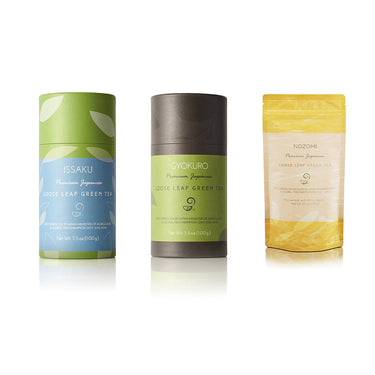
Matcha - Ceremonial Japanese Powdered Green Tea

$39.00
Quick view

This ceremonial matcha is crafted from the finest Japanese green tea, grown in nutrient-rich soil enhanced with compostable grasses and sugarcane through the Chagusaba method, which gives the tea a natural sweetness and exceptional flavor. In collaboration with researchers from Shizuoka University, farmers ensure that the soil quality consistently produces tea of the highest standard.

Renowned among top Japanese chefs for its unmatched aroma, this matcha is made by carefully shading the plants before harvest to boost caffeine and amino acids, then meticulously drying, de-stemming, and grinding the leaves into a fine powder. Made from the Yabukita cultivar, this 1.8 oz (50g) matcha comes in a high-quality, air-tight paper tube canister, providing a luxurious and authentic Japanese tea experience.

2 reviews

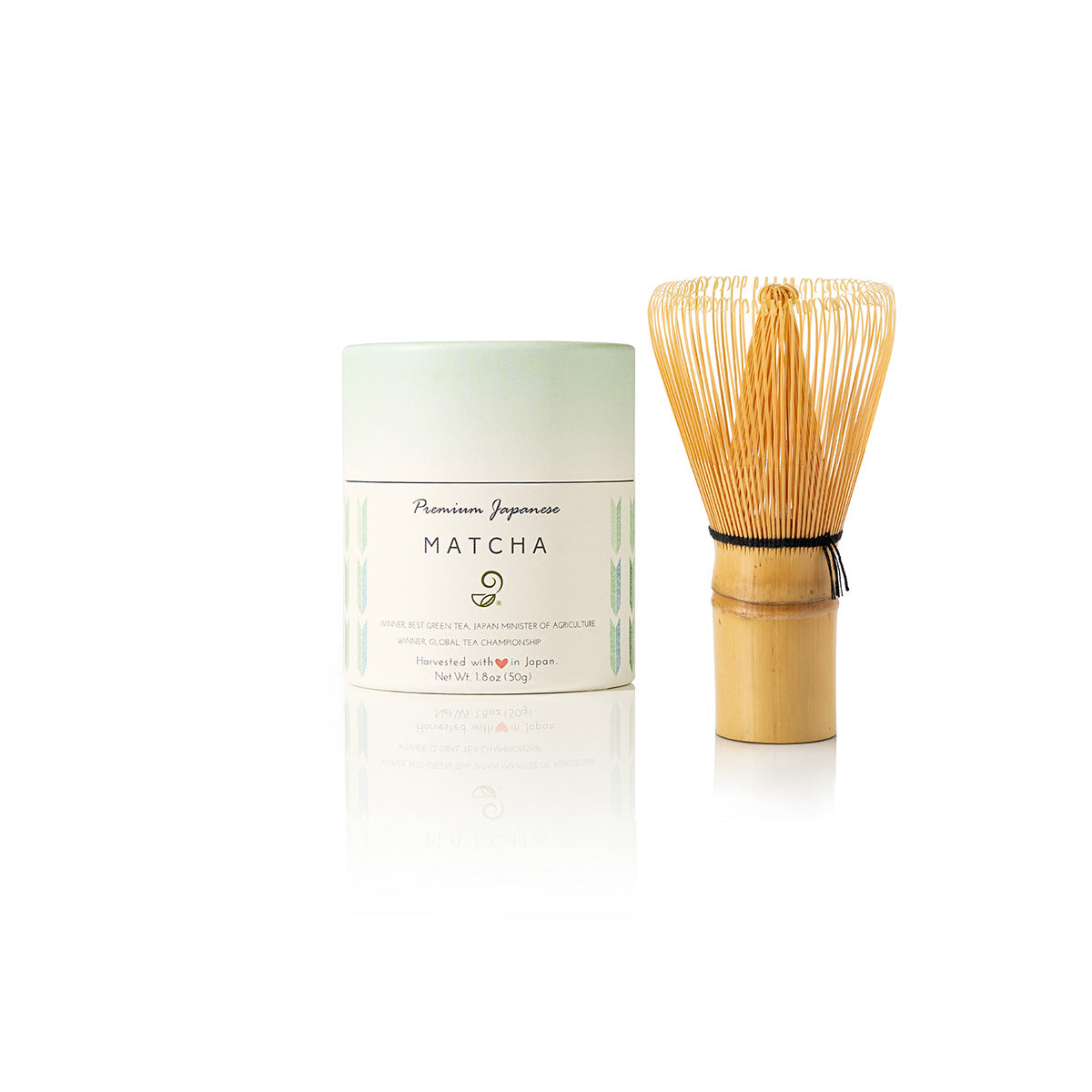
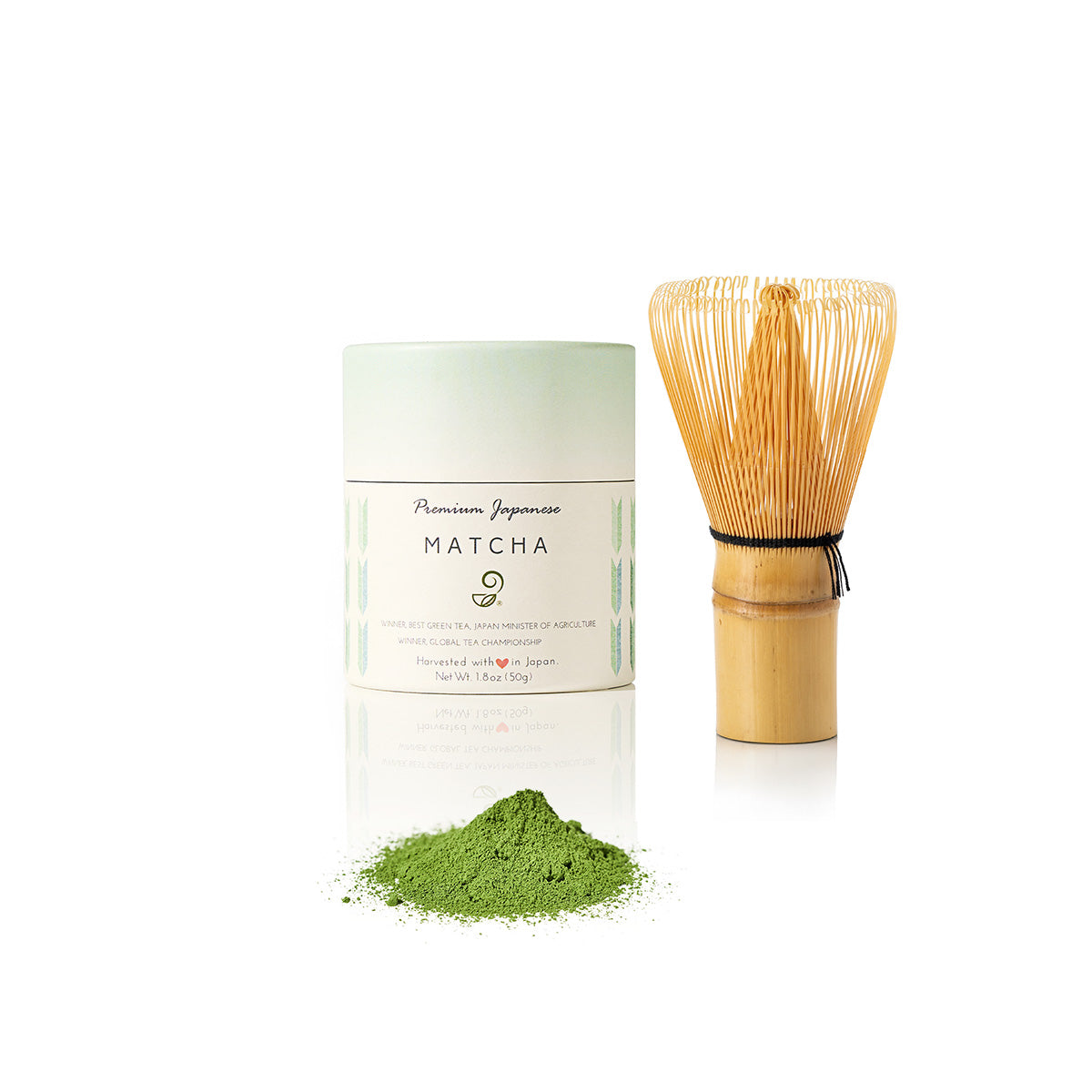
Matcha and Chasen Whisk Gift Set

$74.00 $66.00
Quick view

This set features a premium matcha made from the finest Japanese green tea, cultivated in soil enriched with compostable grasses and sugarcane to bring out a natural sweetness. In collaboration with researchers from Shizuoka University, farmers carefully study soil conditions to enhance flavor quality. The tea plants are shaded before harvest to increase caffeine and amino acid content, then skillfully dried, de-stemmed, and ground into a fine powder, creating a matcha with a luxurious aroma and taste highly regarded by top Japanese chefs.

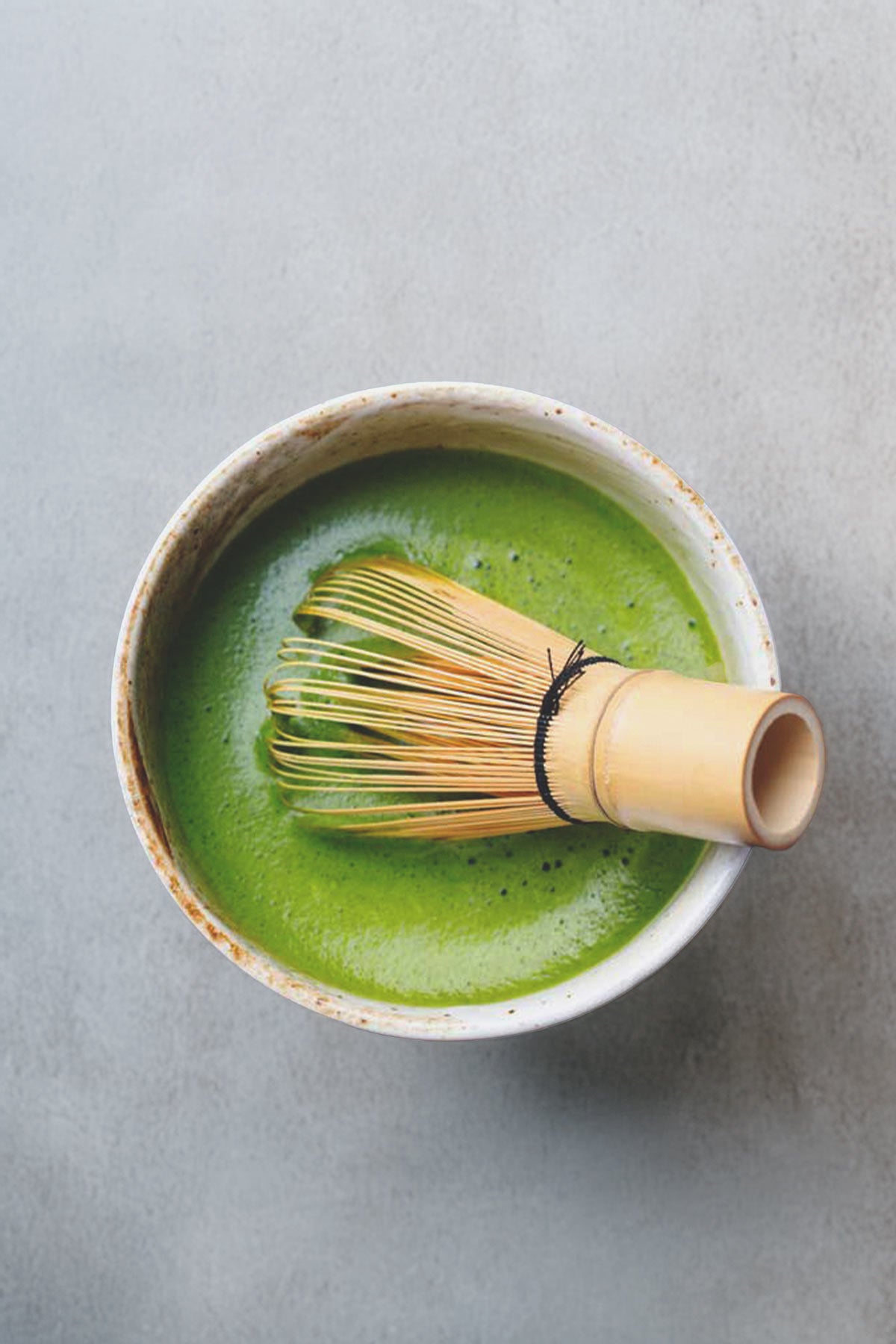
Paired with the matcha is a traditional 100-prong bamboo chasen whisk, considered the highest-grade among matcha tools. Unlike common 40-60 prong versions, this finely crafted whisk is widely used in high-end tea ceremonies in Japan. Its balanced dimensions offer the perfect design for preparing a smooth and frothy bowl of authentic matcha.

97 reviews

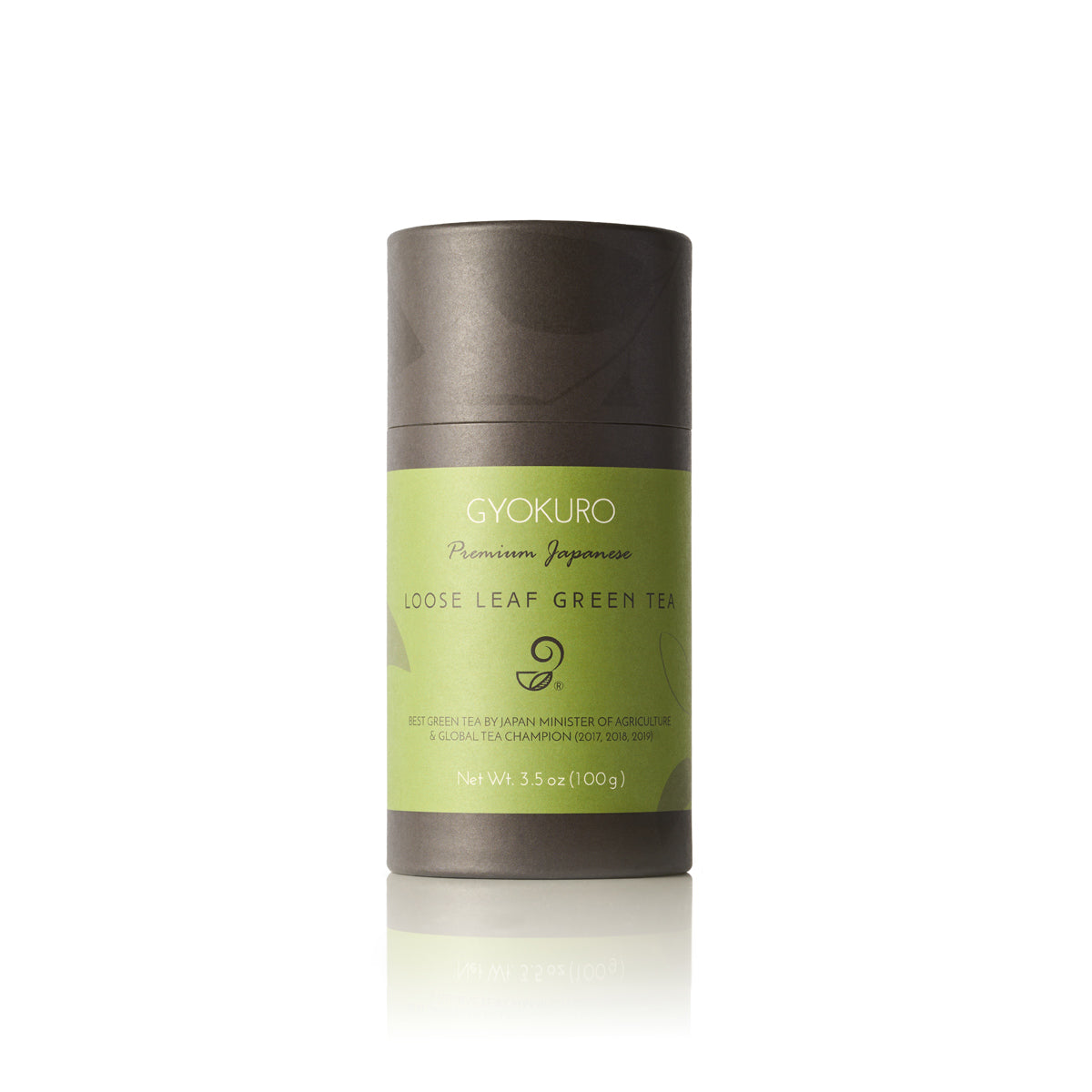
Gyokuro - Shaded Imperial Premium Green Tea

$65.00
Quick view

Gyokuro, also known as "jade dew" or "jewel dew tea," is a premium Japanese green tea shaded from the sun for 20 days using specially made mats, a method that boosts caffeine levels and strengthens amino acids to create a sweeter, richer flavor. This extended shading process results in dark, mossy green leaves with an unmistakable aroma and a complex taste that is layered yet balanced. Cultivated by the Chagusaba method in nutrient-rich sugarcane soil and made from the Yabukita cultivar, this loose-leaf authentic Gyokuro is offered in a high-quality, air-tight paper tube canister (chyazutsu) to preserve its exceptional freshness and flavor. Each 3.5 oz (100g) full-size package steeps 30–40 cups, and a convenient single-serve sample is also available.

85 reviews

Gokuzyo Aracha - High-Grade Unrefined Green Tea

$39.00
Quick view

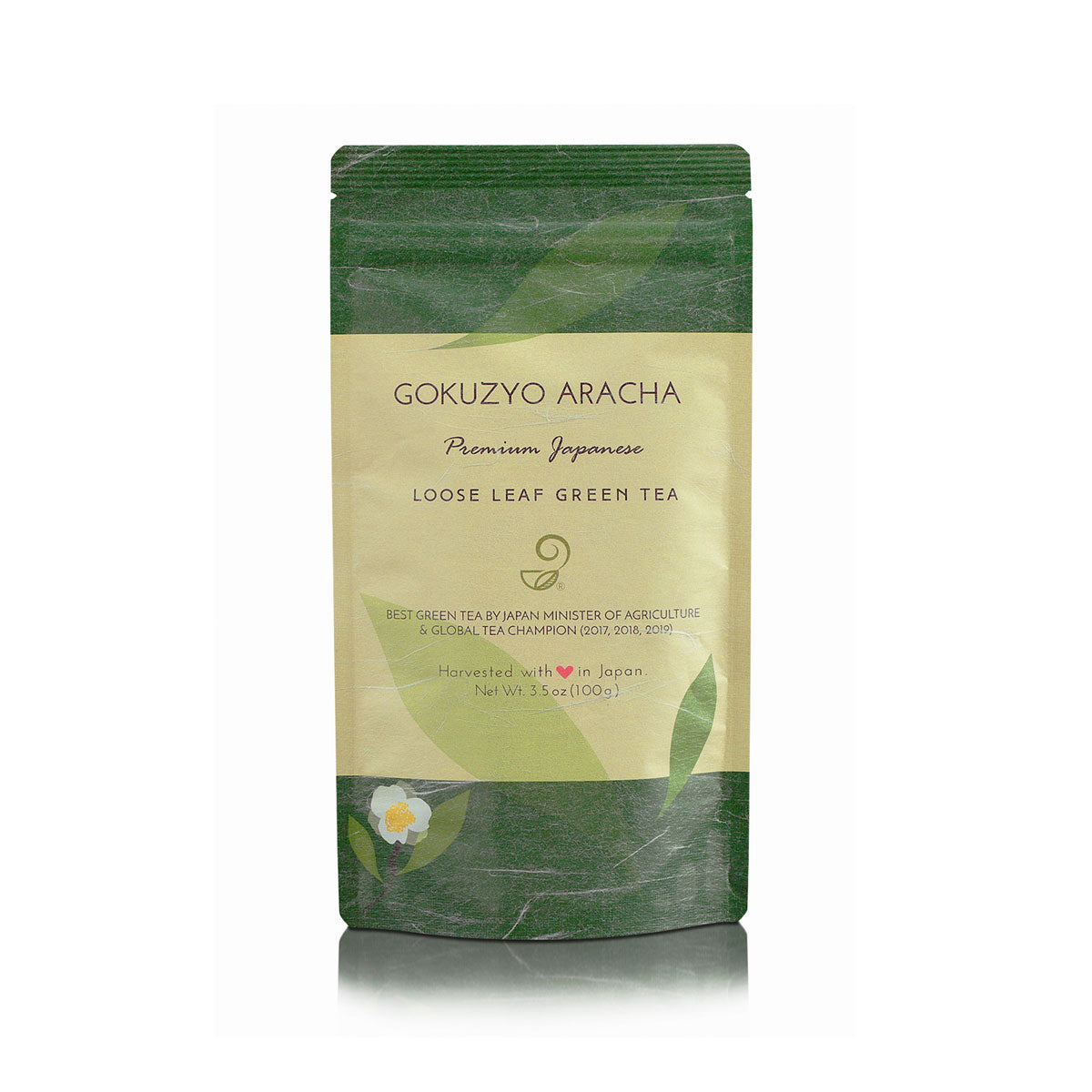
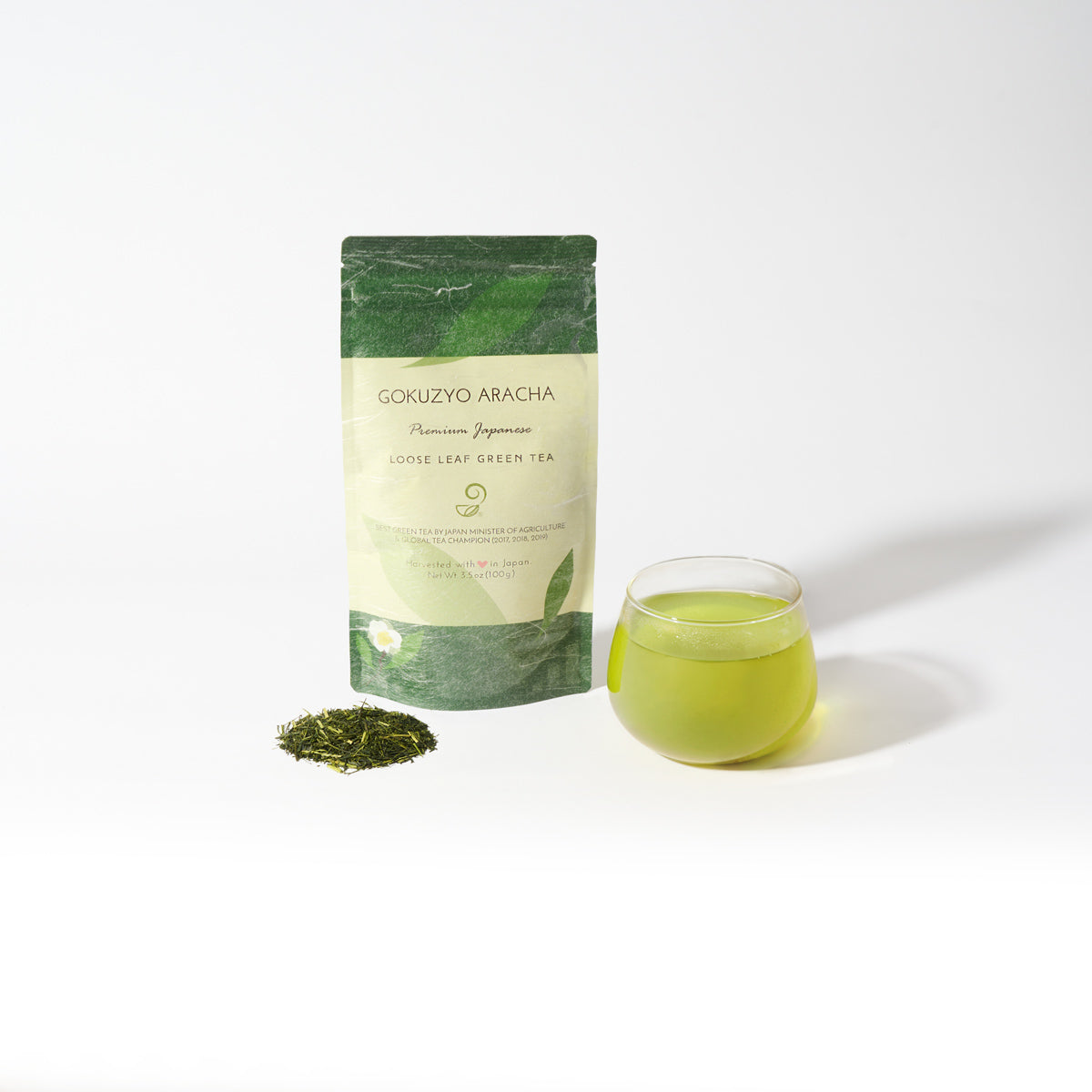
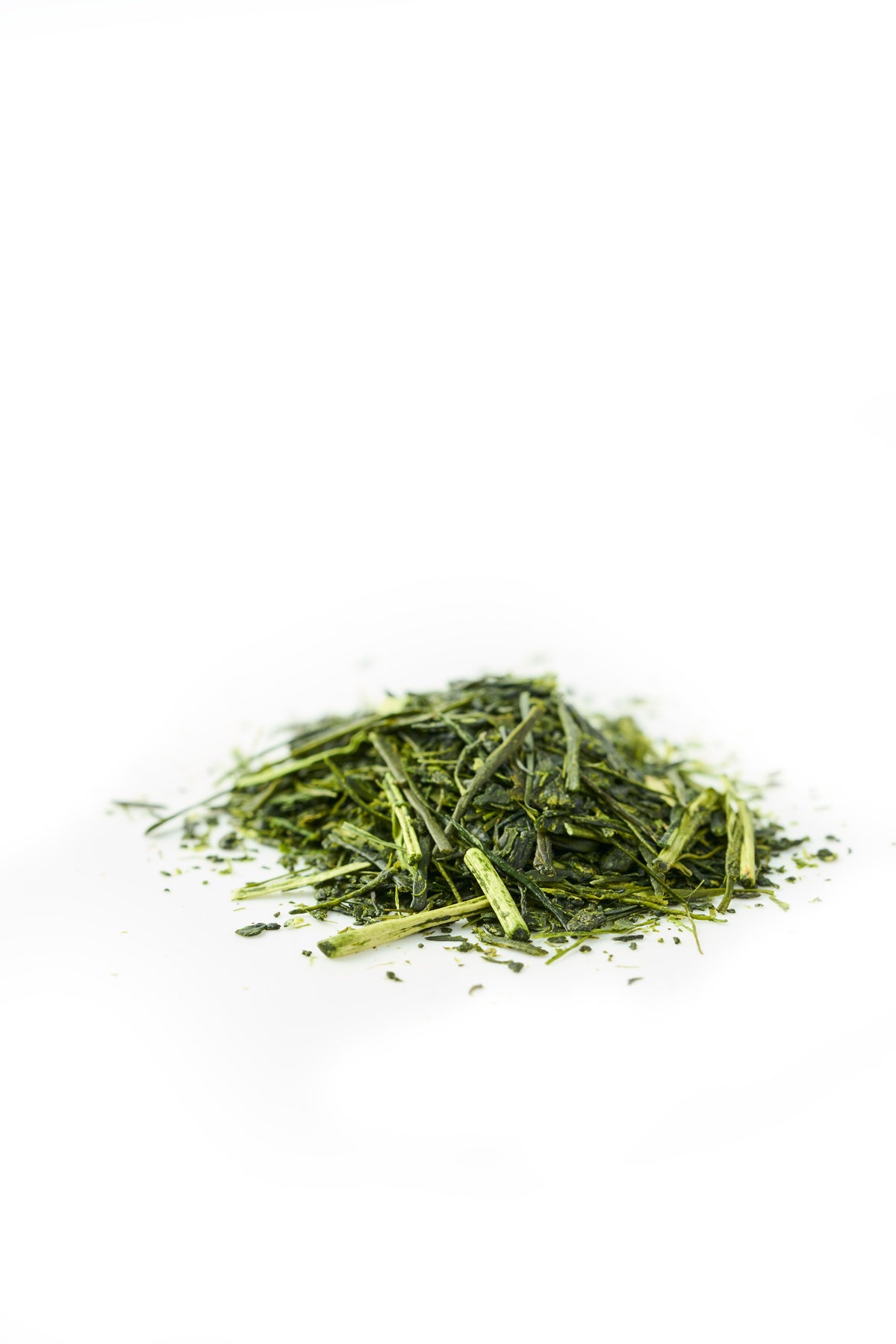
Gokyuzyo 極上, meaning "The Highest Grade," and Aracha 荒茶, meaning "wild tea" or "crude tea," offer a rare opportunity to enjoy green tea in its most natural, unrefined state. Unlike most green teas that undergo further processing, Aracha retains its original shape and includes twig tea, coarse leaves, and powdered tea, producing a beautifully colored drink with a mild, unique taste and higher nutrient content. Traditionally enjoyed by tea farmers for generations, this authentic Fukamushi Sencha is cultivated using the Chagusaba method in nutrient-rich sugarcane soil and made from the Yabukita cultivar. Available in a 3.5 oz (100g) eco-friendly resealable package or as a convenient 0.3 oz (10g) single-serve sample, it offers a truly traditional Japanese tea experience.

114 reviews

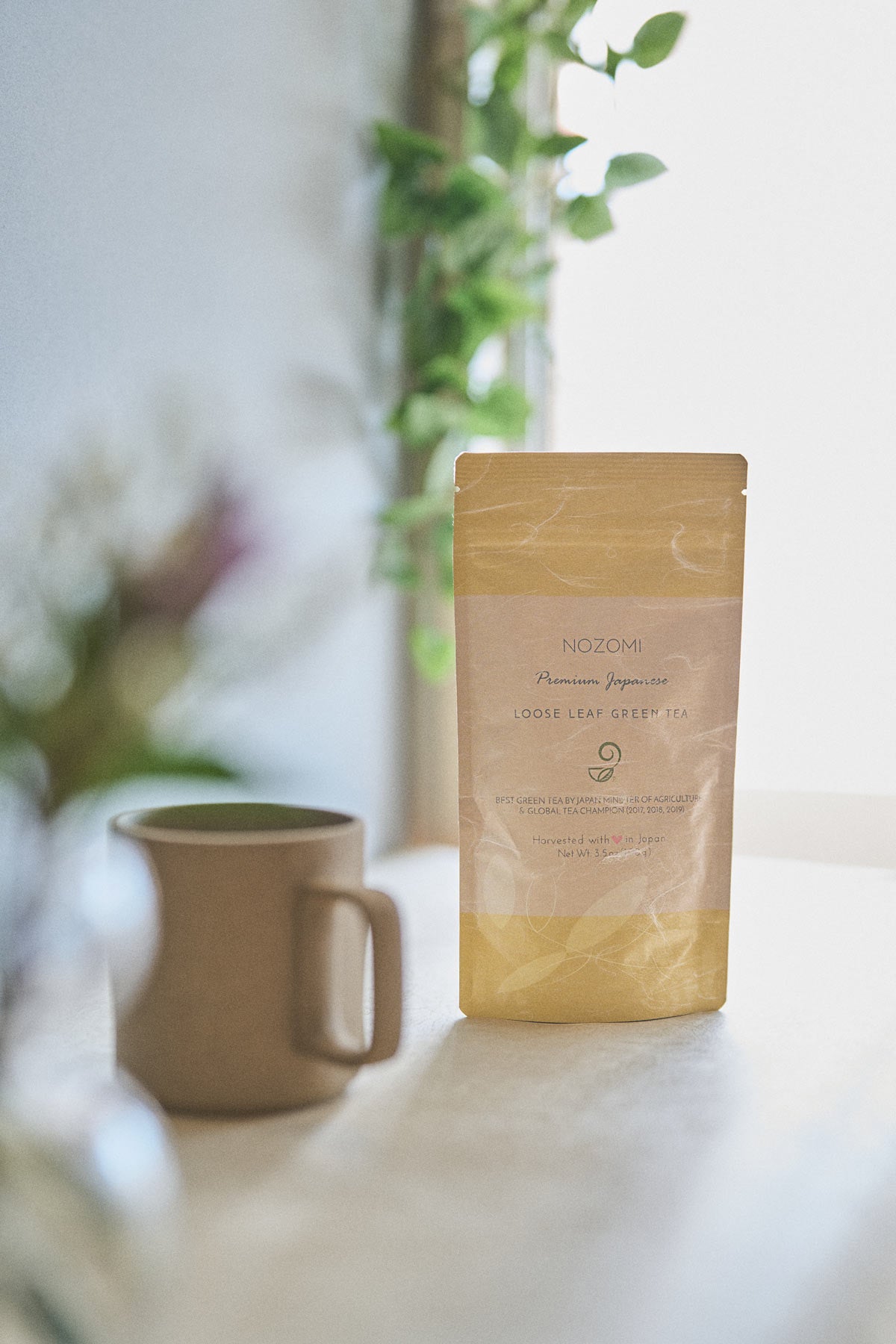
Nozomi - Covered Kabusecha Green Tea

$39.00
Quick view

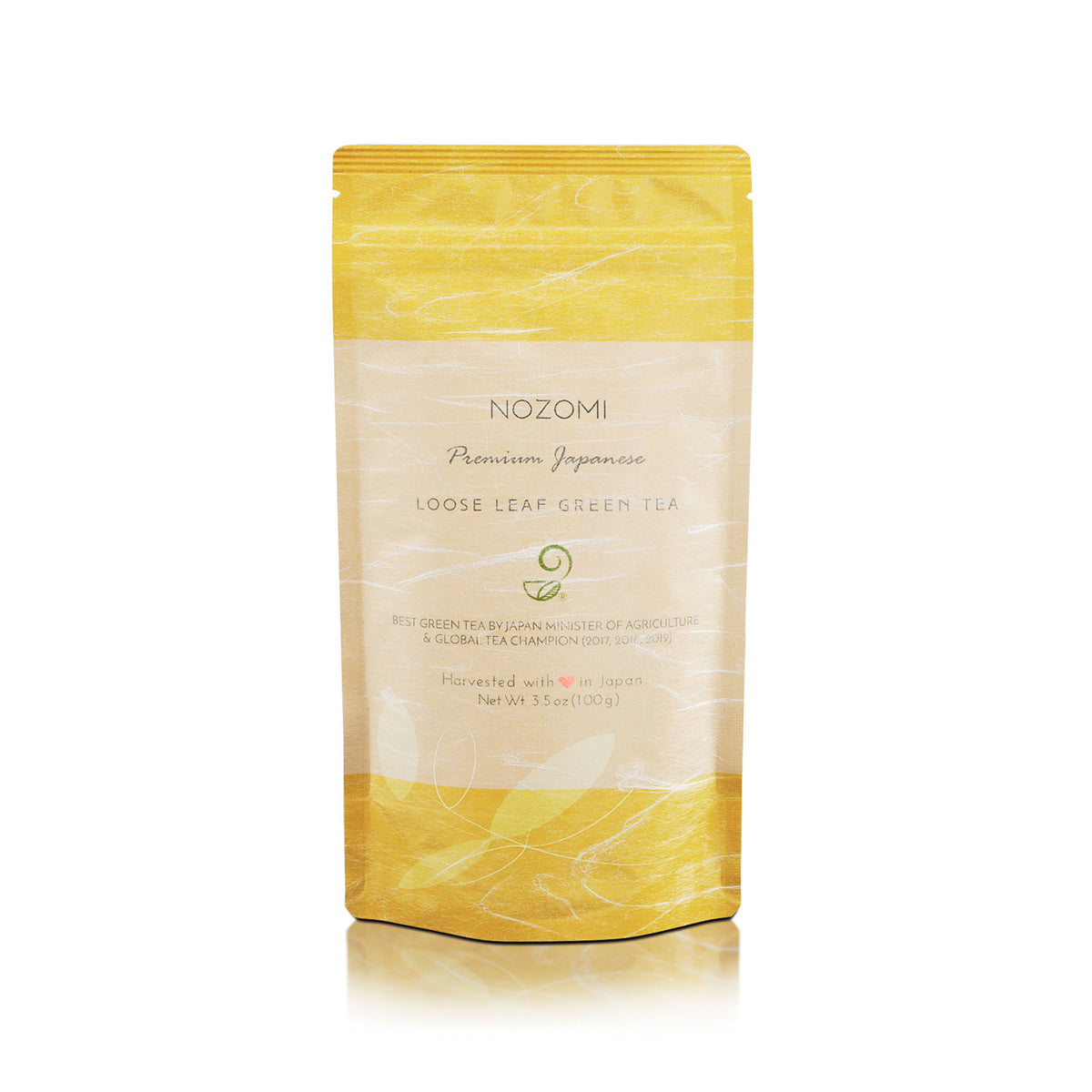
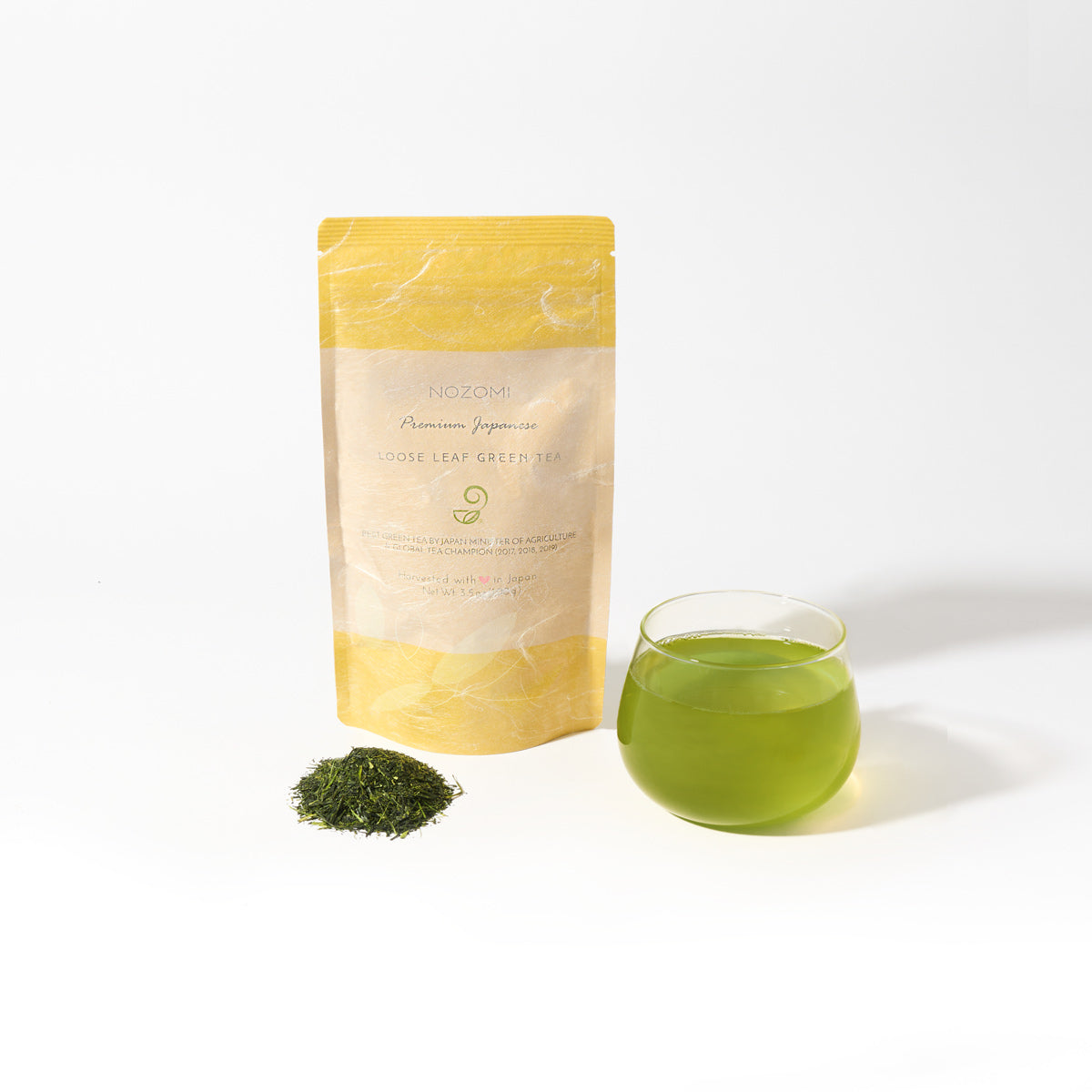
Nozomi is a premium kabuse-cha, or "Covered Green Tea," shaded by a special net for about 7 to 10 days before the new sprouts emerge, creating a balance of flavors that is milder and more accessible than gyokuro, which undergoes a longer shading period. This shorter covering time increases the chlorophyll content and reduces bitterness, resulting in a tea with a mild, slightly sweet taste and a refreshing aftertaste. Cultivated using the Chagusaba method in nutrient-rich sugarcane soil and made from the Yabukita cultivar, Nozomi offers a subtle richness that makes it an ideal choice for everyday enjoyment. Available in a 3.5 oz (100g) eco-friendly resealable package that steeps 30–40 cups or as a convenient 0.3 oz (10g) single-serve sample, Nozomi brings a refined yet approachable green tea experience.

45 reviews

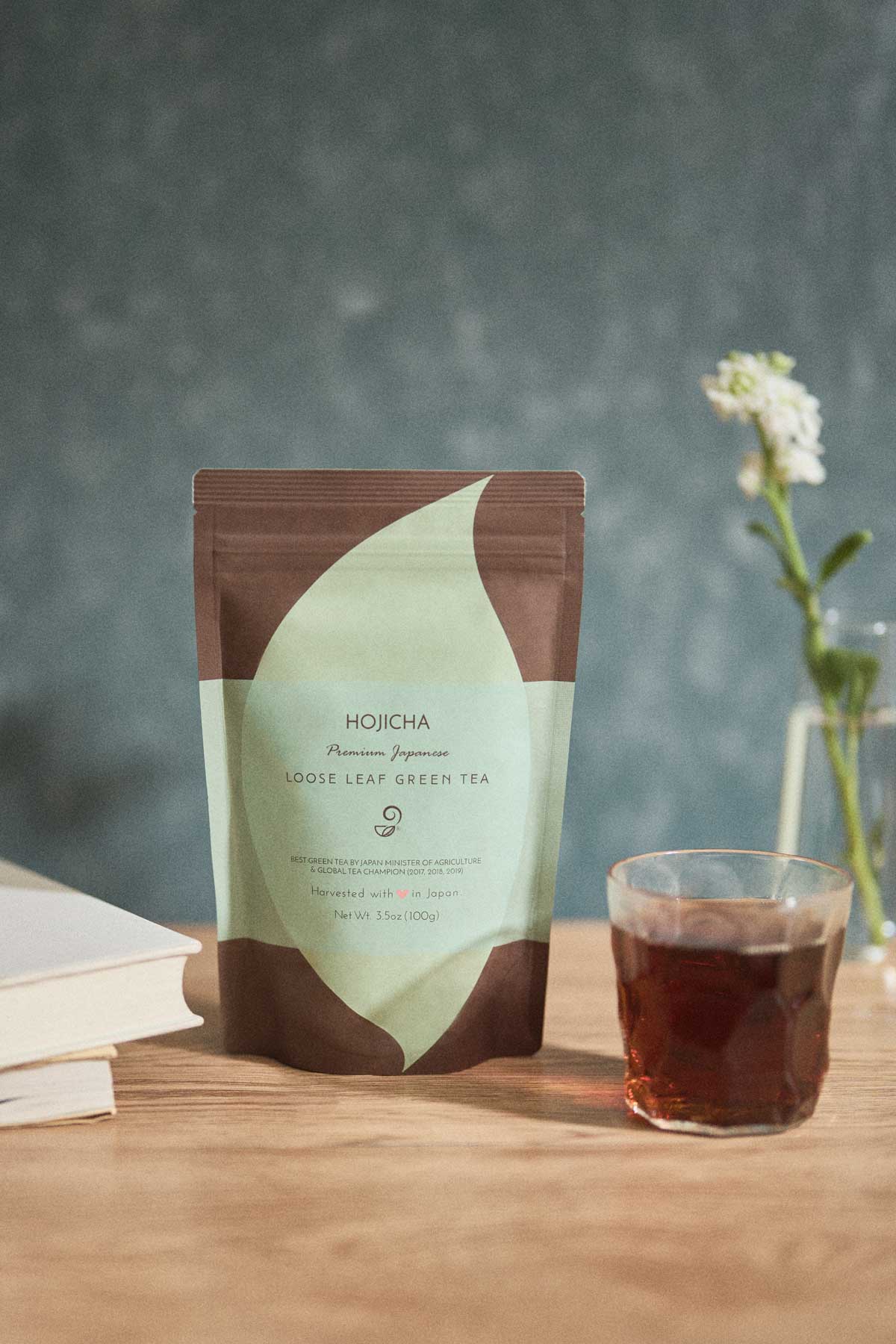
Hojicha - Roasted Green Tea

$25.00
Quick view

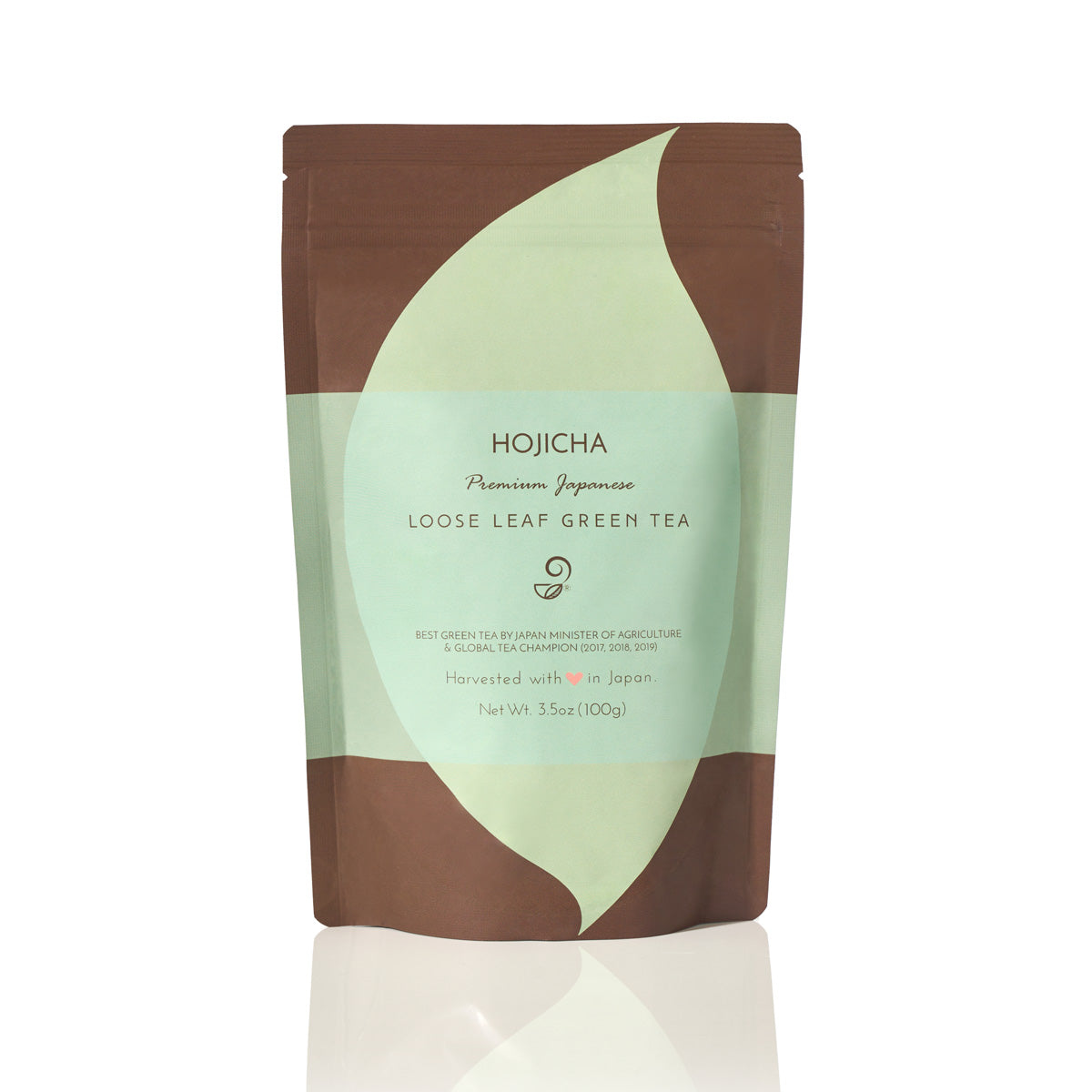
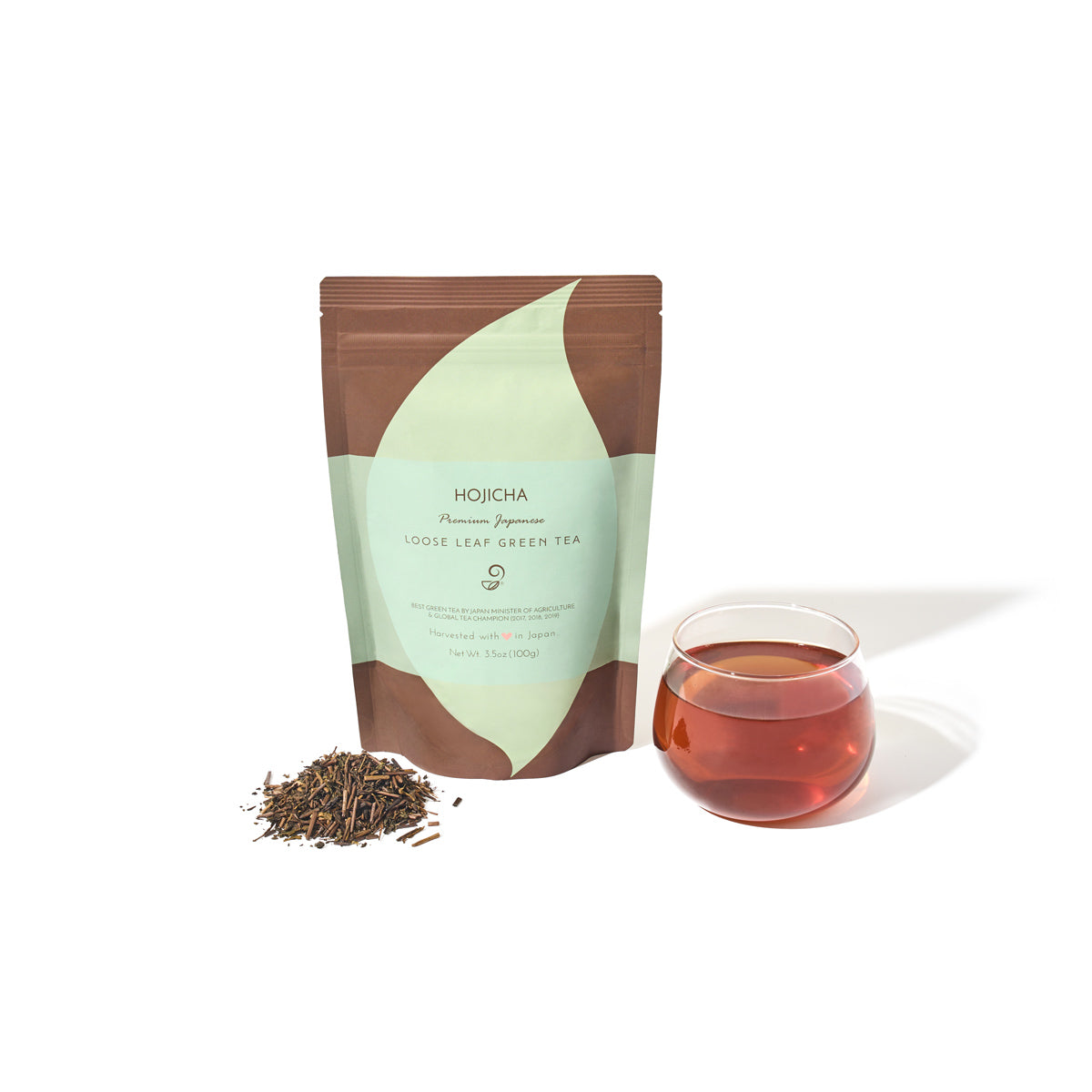
Our roasted green tea, known as hojicha (ほうじ茶), is crafted from freshly harvested premium green tea carefully roasted in porcelain over charcoal to maximize flavor while retaining more catechins than typical hojicha on the market. With lower caffeine and a smoother, less bitter taste compared to steamed green tea, it is an ideal choice for evening relaxation and is gentle enough for kids and pregnant women. Cultivated using the Chagusaba method in nutrient-rich sugarcane soil, this loose-leaf authentic Japanese roasted green tea, made from the Yabukita cultivar, also pairs beautifully with oily foods. Each eco-friendly resealable package contains 3.5 oz (100g) of tea, enough to steep 30–40 comforting cups.


Related Articles You May Be Interested

Is it Okay to Drink Green Tea on an Empty Stomach?
Is Using The Microwave Good For Green Tea? - The Answer May Surprise You
9 Must See Places in Tokyo for Tea Lovers
Is Drinking Green Tea with Milk Bad For You? - Green Tea Quiz
10 Trendy Green Tea Cocktail Recipes You Will Love

Get Free Bonus Books

Join Green Tea Club

Sign up for free to the Green Tea Club to get advice and exclusive articles about how to choose Japanese Tea, and tips, tricks, and recipes for enjoying Japanese tea.

Unsubscribe anytime. It’s free!

About the author

Kei Nishida

Kei Nishida

Author, CEO Dream of Japan

info@japanesegreenteain.com

Certification: PMP, BS in Computer Science

Education: Western Washington University

Kei Nishida is a passionate Japanese green tea connoisseur, writer, and the founder and CEO of Japanese Green Tea Co., a Dream of Japan Company.
Driven by a deep desire to share the rich flavors of his homeland, he established the only company that sources premium tea grown in nutrient-rich sugarcane soil—earning multiple Global Tea Champion awards.

Expanding his mission of introducing Japan’s finest to the world, Kei pioneered the launch of the first-ever Sumiyaki charcoal-roasted coffee through Japanese Coffee Co. He also brought the artistry of traditional Japanese craftsmanship to the global market by making katana-style handmade knives—crafted by a renowned katana maker—available outside Japan for the first time through Japanese Knife Co.

Kei’s journey continues as he uncovers and shares Japan’s hidden treasures with the world.

Learn more about Kei Nishida

Related Posts

Simply Donabe — New Cookbook from TOIRO's Naoko-san Is Out!

Simply Donabe is here! We celebrated TOIRO's Naoko-san's new cookbook at a special dinner at Camélia in DTLA — see our p

Read More
Introducing New Product - Meet Hojicha Powder
Introducing A New Product - Meet Hojicha Powder

Discover the game-changing Hojicha powder your kitchen has been waiting for — richer flavor, easier recipes, and surpris

Read More
Yokohama Peach is offered as a regular menu at Okayama Kobo Cafe!
Yokohama Peach is offered as a regular menu at Okayama Kobo Cafe! + Recap Video of Pop-up on 2/8/2026 at Anaheim, CA

We are excited to announce that our Yokohama Peach is now available on the regular menu at the popular Japanese Bakery,

Read More
2 comments on Does Adding Lemon to Japanese Green Tea Enhance the Benefit?
  • Kei Nishida
    Kei NishidaApril 22, 2023

    Hi Laura,
    Thank you very much for your question.
    Green tea contains antioxidants that are beneficial for health. Decaf green tea contains all of the same antioxidants and health benefits of regular tea — without the caffeine Decaf green tea helps in promoting heart health by lowering the triglyceride and cholesterol levels in your body A December 2018 study found that decaffeinated green tea polyphenols prevented weight gain in mice with obesity, suggesting that decaf green tea may play a role in maintaining weight.

    However, it is important to note that decaf green tea still contains some caffeine and has fewer antioxidants than caffeinated green tea.

  • Laura Bieber
    Laura Bieber April 22, 2023

    I am trying to eliminate caffeine due to having Sjogrens syndrome. Does decaf green tea have the same benefits?

Leave a comment

Your email address will not be published..

Cart

Your cart is currently empty.

Start Shopping

Select options