Skip to content

Should You Drink Your Tea Before or After You Eat? – Green Tea Quiz

It is refreshing to drink either cold or hot tea, especially during snack time. But for absorbing all the health benefits and having a nutritious meal, is it better to drink tea before, during, or after eating?

Let's explore the tea-drinking time, and let's sip our teas!

We feel relieved when we drink tea, especially after eating Japanese or Chinese food. We think our tummies become light, and our digestive system absorbs the nutrients. Green tea contains catechins, antioxidants that repair cell damage, boost the immune system, and are responsible for the health benefits, which reduce digestive problems by increasing enzymes to break down the food more effectively. Furthermore, we feel that all the fats and oil we intake are already melting inside our bodies.

Is it best to drink green tea after a meal?

It feels good to drink tea after eating, but green tea and other kinds of tea block the absorption of food nutrients in our body. You might be wondering now how tea blocks absorption if the catechins from tea have health benefits and nutrients that help our digestive system. The answer is you will get the health benefits of tea and the nutrients from the foods when you drink tea 30 to 1 hour after your meal.

If you want the best absorption of health benefits from green tea and you will have a lunch after breakfast or supposedly have a snack time hours after lunch, it is best to drink green tea 2 hours after mealtime. Just don't drink green tea late at night because if you do, you will have difficulty trying to sleep.

Drinking on an empty stomach

You can drink 2 hours before mealtime except before breakfast, as the catechin and the low caffeine content can cause liver damage. In addition, since green tea has remaining tannins (found in plants with antioxidant properties and that cause a bitter taste in green tea), these can increase stomach acids causing ulcers and acid reflux.

Why does tea block nutrient absorption?

Drinking hot tea after a meal Is not bad. However, it slows down the absorption of nutrients, especially iron. Tannins are there to protect the Camellia sinensis (green tea plant) from being eaten by pests and parasitic plants. They also contain antioxidants to fight inflammation and protect us from diabetes and heart disease. The downside of tannins is when taking green tea while having a meal, the tannins bind with iron, calcium, zinc, and other nutrients. That is why in short, green tea blocks vitamins and iron absorption.

Benefits of Green tea on Digestion

Now, we know when to consume green tea for health correctly. Let's see how green tea makes us feel better after eating.

Green tea's caffeine content and exercise help us burn fat and feel full earlier than usual. It also lowers blood sugar. In addition, both prebiotics and probiotics found in green tea destroy harmful gut bacteria and, at the same time, allow healthy gut bacteria to thrive.

Green tea is safe to consume, and nothing bad will happen even if you drink it during your mealtime, although just like other activities and things, don't drink green tea excessively. Also, don't forget to drink water for hydration.

FAQs about Drinking Green Tea Before or After Meals

How long should I wait after eating before drinking green tea?

Aim for at least 30 minutes; an hour is better. Studies on iron absorption show that drinking tea right alongside a meal can block 60–70% of non-heme iron uptake, but a 30-minute gap drops that to around 30%, and an hour brings it down further. So the rough rule of thumb is: finish your meal, do something else for half an hour, then put the kettle on. The tannins in green tea are what bind to iron, calcium, and zinc — that's the mechanism.

If you specifically want green tea's catechins to do their digestive work without competing with the meal you just ate, 1–2 hours is the sweet spot. I usually wait about 45 minutes after lunch myself — long enough that the food has settled, short enough that the tea still feels like part of the meal.

Is it really bad to drink green tea on an empty stomach in the morning?
For most people it's not dangerous, but it can cause stomach discomfort if you're sensitive. The catechins and tannins are mildly astringent, and on an empty stomach they can stir up acid reflux, mild nausea, or jittery feelings (the caffeine hits faster with no food). If you have a known sensitive stomach, ulcers, or acid reflux, skip the empty-stomach cup.

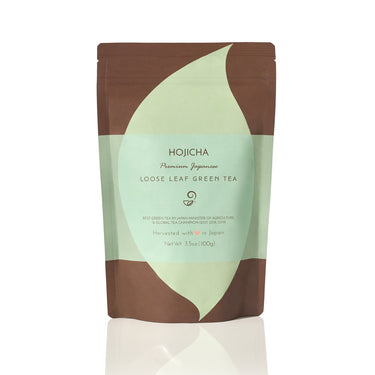
If you want tea first thing in the morning anyway, switch to hojicha (ほうじ茶) — it's roasted, which removes most of the harsh tannins and catechins, and it has very little caffeine. It's gentle enough for early morning even before food. That's actually the traditional Japanese morning tea for kids and elders for this exact reason.

Can I drink green tea WITH my meal if I'm not iron-deficient?
Honestly, yes — if you're a healthy adult eating a varied diet, drinking green tea with a meal is fine. The iron-blocking issue mostly matters for people who are already low on iron: menstruating women, vegetarians and vegans (who rely on harder-to-absorb non-heme iron from plants), pregnant women, and people with diagnosed anemia. For everyone else, the modest reduction in iron uptake from one cup of tea isn't going to tip you into deficiency.

That said, if you're going to drink tea with food regularly, the easy fix is to use higher-quality leaves and brew lighter rather than heavy-handed. A clean, fresh single-origin sencha brewed at the right temperature has plenty of flavor without being aggressively tannic. The Sencha Lover Gift Set is a good way to taste the difference between cultivars and find one that pairs naturally with how you eat.

Does adding lemon to green tea cancel out the iron-blocking effect?

It helps a lot, actually. Vitamin C dramatically improves non-heme iron absorption — it converts iron into a form your gut can take up more easily, which more or less neutralizes the tannin problem. So a squeeze of lemon in your green tea (especially if you're drinking it close to a plant-based meal) is a smart move if iron is on your mind.

Lemon also has other genuine benefits with green tea — it stabilizes the catechins so more of them survive digestion. We wrote a whole piece on the lemon question, whether adding lemon enhances the benefits, if you want the full breakdown.

Does Adding Lemon to Japanese Green Tea Enhance the Benefit?

Does the same timing rule apply to matcha, or is it different?
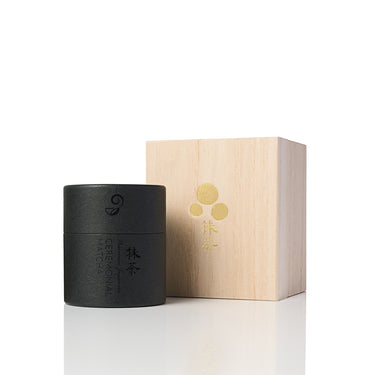
Same rules, but more strictly — because with matcha (抹茶) you're drinking the whole pulverized leaf, not an infusion, so you're getting a much higher concentration of tannins, catechins, and caffeine in the same volume of liquid. The iron-blocking effect is more pronounced, and the caffeine kick is sharper.

So treat matcha the same way: wait at least 30–60 minutes after a meal, don't drink it on a totally empty stomach if you're caffeine-sensitive, and skip it in the late afternoon if you have trouble sleeping. The flip side is that matcha's L-theanine balances the caffeine, so the energy lift is smoother and longer than coffee. A late-morning or early-afternoon bowl, an hour after lunch, is the classic Japanese pattern.

Related products

8 reviews

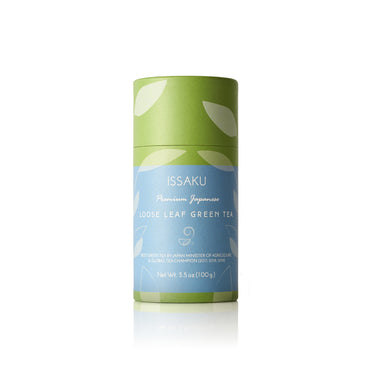
The Sencha Lover Gift Set - Premium Japanese Green Tea Set Package
$179.00 $159.99
Quick view

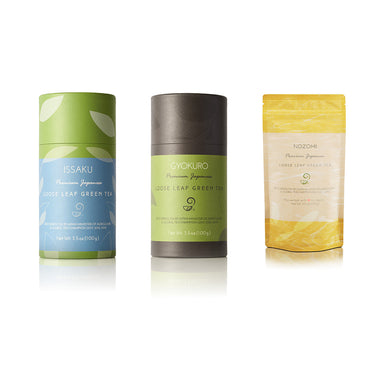
This tea set features three exceptional Japanese green teas, each crafted with care and traditional techniques. Issaku Reserve, a Global Tea Champion winner in 2017 and 2019, is a rare masterpiece created by Farm Master Mr. Arahata at Arahataen Green Tea Farm. Handpicked once a year from the first flush and processed with advanced methods, Issaku represents the highest-grade deep-steamed green tea, available only in limited quantities even in Japan.

The set also includes Gyokuro, a premium shaded green tea known for its rich, sweet flavor and deep mossy green color. Grown under special mats for 20 days to increase caffeine and amino acid levels, Gyokuro offers a layered, smooth taste unlike any other. Completing the collection is Nozomi, a fine Kabuse-cha, or "Covered Green Tea," carefully grown under nets to gently shade the leaves just before new sprouts emerge, resulting in a soft, rich, and refined flavor profile.

42 reviews

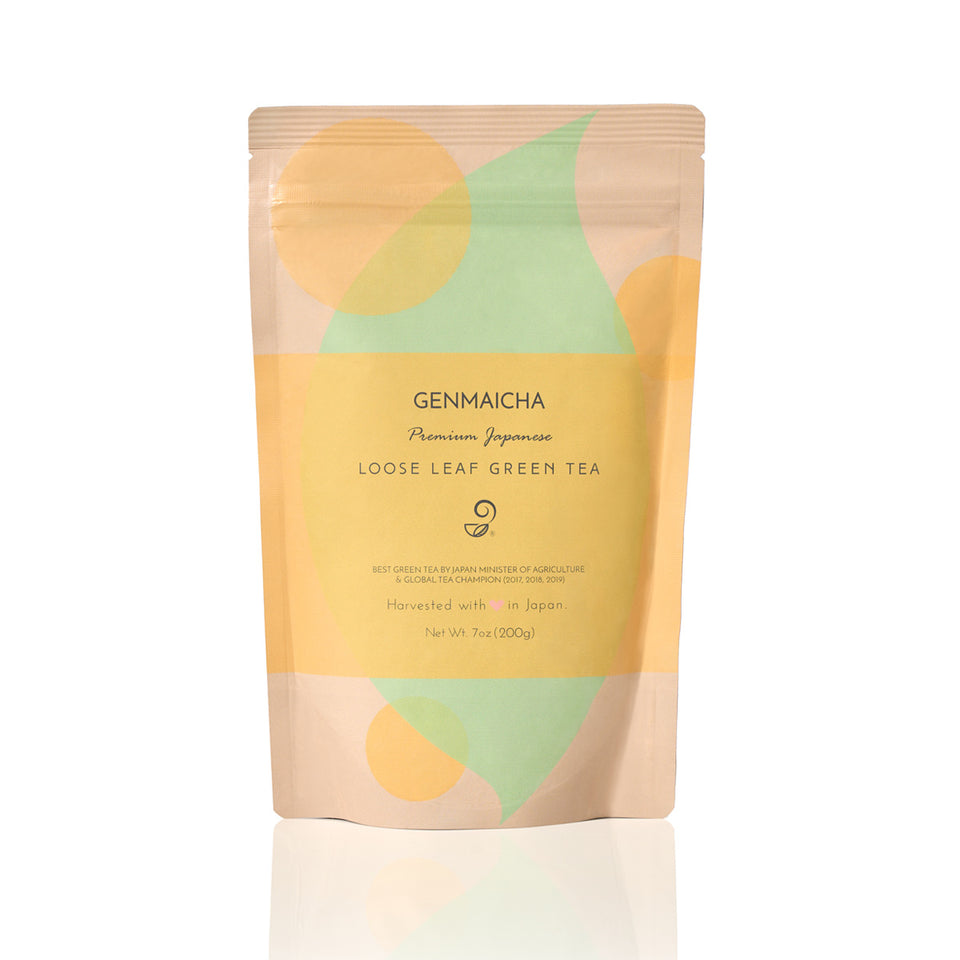
Genmaicha - Green Tea with Roasted Brown Rice

$30.00
Quick view

Our premium Japanese Genmaicha blends high-quality green tea with roasted popped brown rice (genmai 玄米), often nicknamed "popcorn tea" because the roasting process sounds like popcorn popping. Popular especially among the older generation in Japan for its mild flavor and lower caffeine content, this tea is easier on the stomach while still offering a rich, comforting taste. The brown rice used is premium Japanese mochi-gome (もち米) sticky rice, enhancing the tea’s nutty, aromatic profile. Made from Fukamushi Sencha and cultivated using the Chagusaba method in nutrient-rich sugarcane soil, this Genmaicha features the Yabukita cultivar and comes in a 7.0 oz (200g) eco-friendly resealable package, enough to steep 50–60 cups.

45 reviews

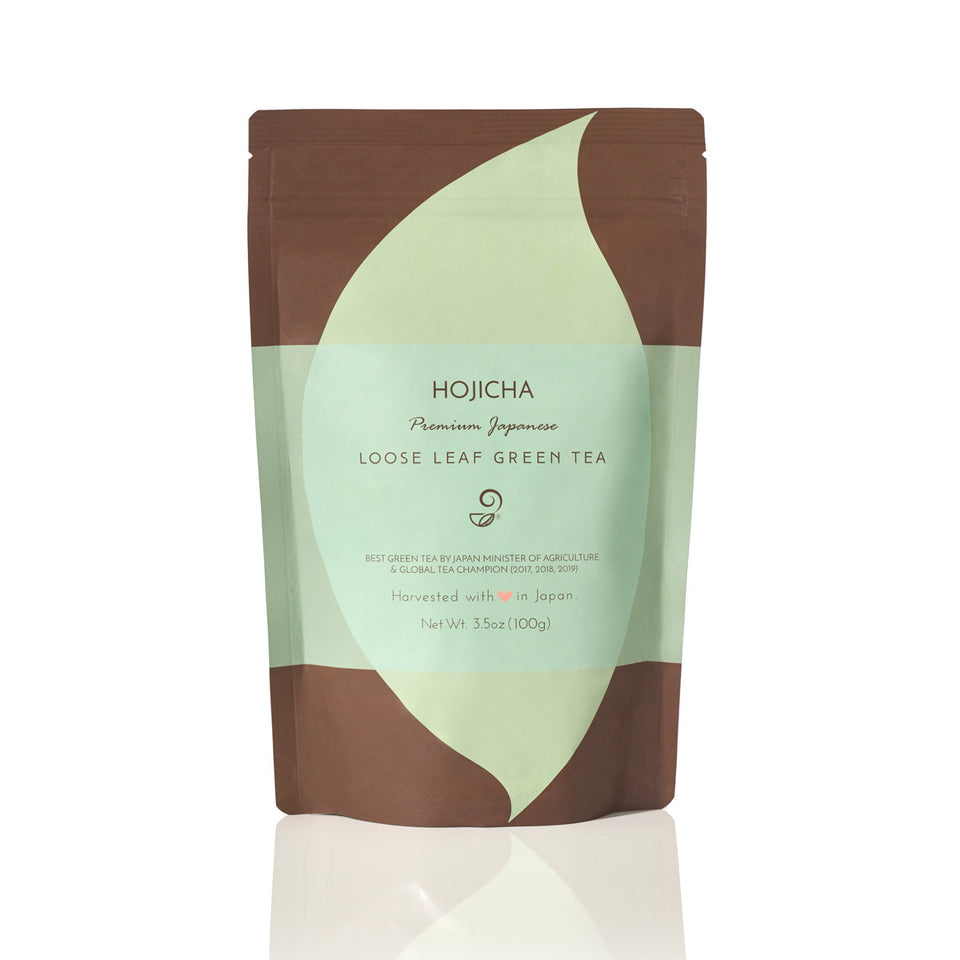
Hojicha - Roasted Green Tea

$25.00
Quick view

Our roasted green tea, known as hojicha (ほうじ茶), is crafted from freshly harvested premium green tea carefully roasted in porcelain over charcoal to maximize flavor while retaining more catechins than typical hojicha on the market. With lower caffeine and a smoother, less bitter taste compared to steamed green tea, it is an ideal choice for evening relaxation and is gentle enough for kids and pregnant women. Cultivated using the Chagusaba method in nutrient-rich sugarcane soil, this loose-leaf authentic Japanese roasted green tea, made from the Yabukita cultivar, also pairs beautifully with oily foods. Each eco-friendly resealable package contains 3.5 oz (100g) of tea, enough to steep 30–40 comforting cups.

1 review

Hojicha Genmaicha Trio Gift Set - Premium Japanese Green Tea Set Package
$90.00 $72.00
Quick view

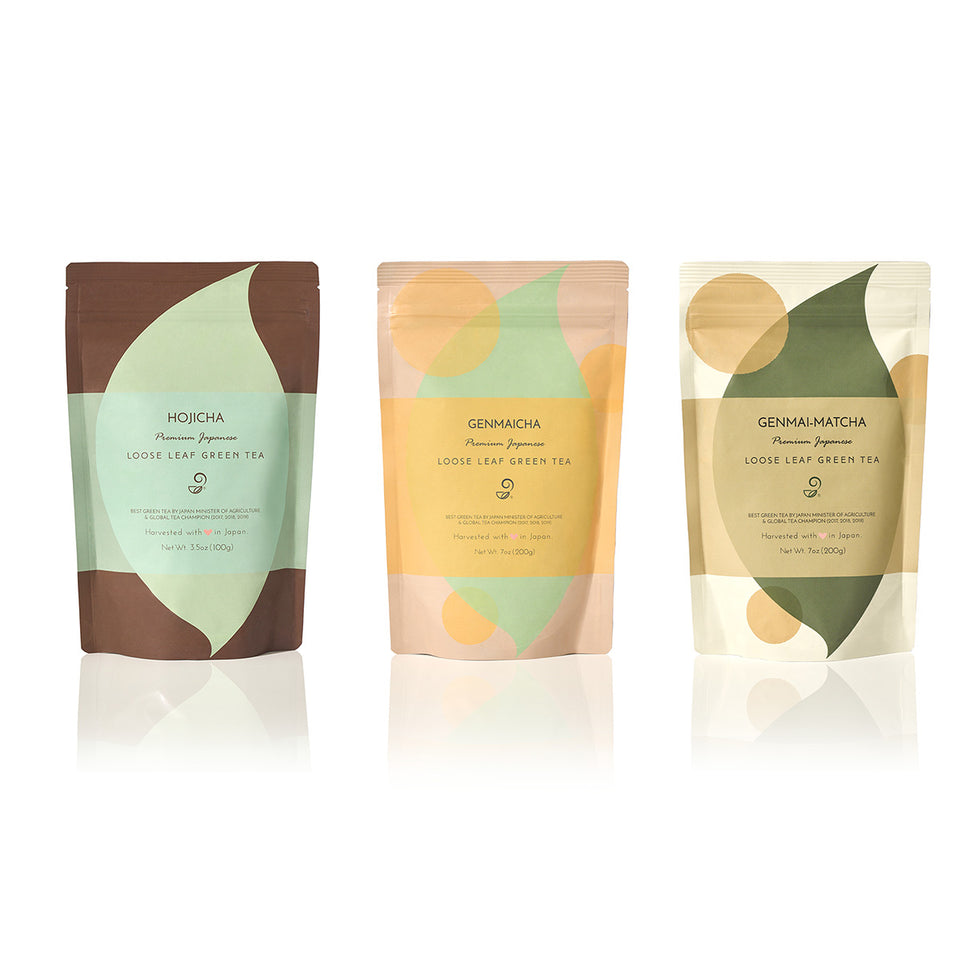
This special tea set features three traditional Japanese teas, each offering a unique and satisfying experience. Hojicha is made by roasting Bancha leaves at high temperatures, resulting in a reddish-brown tea with a rich umami flavor and a warm, toasty aroma. Genmaicha combines green tea with roasted brown rice, creating a nutty, aromatic flavor that is both comforting and ideal for enjoying between meals.

The set also includes Genmai Matcha, crafted using premium green tea grown in nutrient-rich sugarcane soil in Japan. Thanks to this special soil, the tea offers an award-winning aroma, a smooth and gentle flavor, and significantly less bitterness and astringency, providing a refreshing and healthful drinking experience.


Related Articles You May Be Interested

Is it Okay to Drink Green Tea on an Empty Stomach?
Does Adding Lemon to Tea Reduce Caffeine? – Green Tea Quiz
Green Tea for Digestion: Does it Help?
Does Adding Lemon to Japanese Green Tea Enhance the Benefit?
Everything You Need to Know About Different Types of Japanese tea

Get Free Bonus Books

Join Green Tea Club

Sign up for free to the Green Tea Club to get advice and exclusive articles about how to choose Japanese Tea, and tips, tricks, and recipes for enjoying Japanese tea.

Unsubscribe anytime. It’s free!

About the author

Kei Nishida

Kei Nishida

Author, CEO Dream of Japan

info@japanesegreenteain.com

Certification: PMP, BS in Computer Science

Education: Western Washington University
Kei Nishida is a passionate Japanese green tea connoisseur, writer, and the founder and CEO of Japanese Green Tea Co., a Dream of Japan Company.

Driven by a deep desire to share the rich flavors of his homeland, he established the only company that sources premium tea grown in nutrient-rich sugarcane soil—earning multiple Global Tea Champion awards.

Expanding his mission of introducing Japan’s finest to the world, Kei pioneered the launch of the first-ever Sumiyaki charcoal-roasted coffee through Japanese Coffee Co. He also brought the artistry of traditional Japanese craftsmanship to the global market by making katana-style handmade knives—crafted by a renowned katana maker—available outside Japan for the first time through Japanese Knife Co.

Kei’s journey continues as he uncovers and shares Japan’s hidden treasures with the world.

Learn more about Kei Nishida

Related Posts

Introducing New Product - Meet Hojicha Powder
Introducing A New Product - Meet Hojicha Powder

Discover the game-changing Hojicha powder your kitchen has been waiting for — richer flavor, easier recipes, and surpris

Read More
Yokohama Peach is offered as a regular menu at Okayama Kobo Cafe!
Yokohama Peach is offered as a regular menu at Okayama Kobo Cafe! + Recap Video of Pop-up on 2/8/2026 at Anaheim, CA

We are excited to announce that our Yokohama Peach is now available on the regular menu at the popular Japanese Bakery,

Read More
The Story Behind Our Booth Backdrop: Craftsmanship, Engineering, and Sacred Wood
Behind the Scenes – How We Made the Event Booth & Backdrop Using Sacred Wood

Discover how our one-of-a-kind event booth came to life—from Japanese Kōshi (格子) design and rare Port Orford Cedar to mo

Read More
Leave a comment

Your email address will not be published..

Cart

Your cart is currently empty.

Start Shopping

Select options