Skip to content

Do You Know How To Prepare And Serve Green Tea Correctly?

Are you positive you’re getting the most from your green tea? Don't miss these tips for how to prepare green tea and serve it correctly to find out!

What Is Green Tea?

Green tea, which is made from Camellia sinensis leaves, is widely known to have a wealth of health benefits. The tea originated in the country of China before quickly spreading throughout the Asian continent. Today, people all around the globe consume the delicious drink as a way to improve their health, boost their immunity, and enhance their brain functions.

Nevertheless, many westerners don’t understand the precious protocols involved with how to prepare green tea. In fact, most opt instead for the faster, more convenient method.

There Is No Universal Procedure For How To Prepare Green Tea

There is often a misconception that there is a singular, universal procedure for how to prepare green tea and other Chinese and Japanese teas.

This couldn’t be further from the truth.

The various preparation techniques are very diverse, much like the people who enjoy the drink on a regular basis.

Sen no Rikyu, who greatly influenced the traditional Japanese tea ceremony, often expressed the simplistic nature of preparing tea. He also placed great emphasis on one’s own honesty.

The renowned tea master also concluded that proper preparation required nothing more than boiling the water, making the tea, and enjoying it.

Even with the Japanese "Way of Tea" ceremony, the chain of events tends to differ based on venue, season, time of day, and other factors. With this in mind, it is best to rely on the wisdom of Sen no Rikyu.

As long as you’re true to yourself, there is no wrong choice for how to prepare green tea.

How To Prepare Green Tea: The Basic Protocol

For the people of China and Japan, brewing green tea is truly an art. For others, extravagance is not a necessity. Again, as Sen no Rikyu pointed out, simplicity is best.

Despite the mythology associated with traditional tea ceremonies, the most common preparation methods are straightforward.

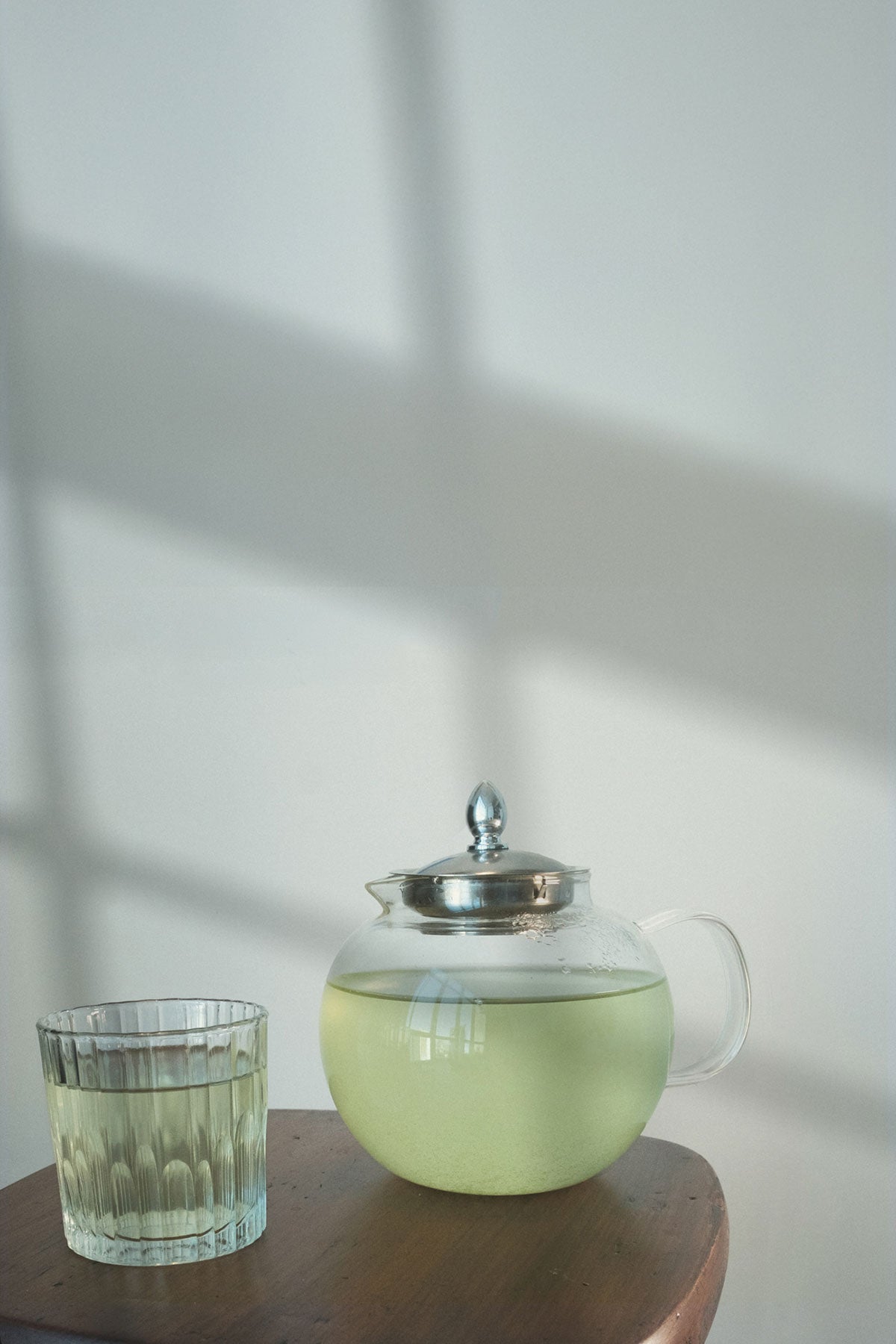
  • First and foremost, grab the teapot, or Kyusu.
  • The teapot should be preheated with hot water.
  • Pour out the water and add the tea leaves to the pot.
  • Then, add hot water to the pot and wait it out.
  • Give the tea enough time to take on a life of its own.

Before long, that delicious aroma will fill your nostrils. After that, you can add the concoction to your teacups and enjoy.

Choosing a Teapot

There are many factors to consider when shopping for a new teapot.

  • Clay is the most popular material utilized to create Chinese teapots, which says a lot about the quality of the material. The type of firing utilized during the production process is extremely important, along with the type of clay utilized to create the teapot. Purple clay is derived from Yixing, a county-level city in the People’s Republic of China, and is the most popular among Chinese teapot manufacturers.
  • High-fired teapots constructed from thin clay are perfect for everyday tea use and a necessity for white, oolong, and green teas.
  • Low-fired teapots are more suitable for Pu-erh, black tea, or red tea because they are constructed from a more porous and thicker clay.

Did you know we offer a great selection of teaware, and each tea set design guarantees the perfect infusion of Japanese green tea? Click here to shop our collection.

Source Of Water

If you are an avid tea drinker, you probably understand the importance of water. And you can't talk about how to prepare green tea without including the water you use!

When selecting a specific type of water for tea, you must consider that water is not man-made but, in fact, something Mother Nature provides. However, some manufacturers produce different types of water. These include sterile water, spring water, drinking water, and distilled water, while others are created right in the comfort of your own home.

The processes that are most often utilized to create artificial water are reverse osmosis, filtration, and boiling.

The beauty of water is that it can enhance the flavors of the tea, depending on where it comes from and how it is produced.

To get the most out of your tap water, if this is the source you prefer, filter out the impurities before adding them to the tea.

You can do this by using a fine strainer or store-bought filter. Just flush the water through the filter to remove all of the impurities, which can produce a foul odor and taste. The end result will be a delicious cup of tea with flavors that will roll off your tongue.

Click here to read more about how to choose a water filter for brewing tasty Japanese green tea.

If you don't have access to a filter, you can boil the water to remove the bacteria. This takes about 20 minutes at the maximum temperature level. The key is to eliminate the elements that are responsible for altering the flavors, effects, and aromas of the tea.

Water Temperature Is Paramount

After you’ve acquired the best water, it is time to get started!

Temperature will play a paramount role in determining the aroma and flavor that you’re able to achieve. Nevertheless, your own personal preferences should not be ignored.

The temperature selected will alter the potency and boldness of the tea. Preparing the tea at a lower temperature helps to prolong its flavor. Alternatively, a higher temperature can help extract the tea’s scrumptious aroma with greater effect.

Many consumers will prefer to find a balance between aroma, flavor, and astringency. This is why sencha is so incredibly popular in Japan.

When prepared at a temperature of 70 degrees Celsius, sencha will deliver a pleasant flavor while the bitterness will be minimized. Increasing the temperature to 90 degrees Celsius can provide a better balance while simultaneously promoting a strong aroma.

To truly find that sweet spot, it's helpful to experiment extensively with different preparation methods and different varieties of tea.

Different Teas

Learning how to prepare green tea masterfully can be very complicated considering the sheer number of variables involved.

Your tea of choice and your taste buds will prove to be very important.

While it is possible to follow tutorials, it's generally best to find your own unique style.

For example, the specific amount of tea leaves to add depends on your tea of choice. For Sencha, it's best to stick with 2 grams. If you prefer Gyokuro, increase the quantity of leaves to 3.3 grams.

Also, the amount of water and general infusion time will differ based on your aforementioned choices. For standard Sencha, you should progressively increase the heat to 80 or 90 degrees Celsius while adding 90 ml of water to the pot. It will typically take 60 seconds to complete the infusion process.

Drinking green tea habitually is truly a way of life. If you sincerely want to reap the benefits of green tea, experiment with how to prepare it until you’re able to find the method you like best.

FAQs about Preparing and Serving Japanese Green Tea Correctly

Is there really a "correct" way to prepare green tea, or is that just snobbery?

There's no universal correct way — but there are well-tested defaults that produce a noticeably better cup, and Japanese tea drinking is more sensitive to those defaults than most other tea traditions. Water temperature, steep time, leaf-to-water ratio, and order of operations all change the cup measurably. "Correct" mostly means "calibrated to what the leaf was designed for." Our Japanese green tea brewing guide walks through the practical defaults if you want a starting frame.

That said, the snobbery part is real too. Some Japanese tea writers treat any deviation from a particular school's method as wrong, when the deviation is just a different style. The honest position is that there's a spectrum — beginner mistakes that genuinely make the tea worse (boiling water on premium gyokuro), and stylistic preferences that are just personal taste (whether to use one teapot or three).

If you're new, follow the defaults until your palate develops opinions of its own. Then experiment.

Does the kettle and teapot really matter, or can I use anything?

The kettle matters less than people think — any clean kettle that gets you to the right temperature works. Variable-temperature electric kettles are useful because they let you set the exact temperature without guessing. Stovetop is fine if you have a thermometer or you've calibrated by feel.

The teapot matters more, but mostly because of fit and material. A traditional Japanese kyusu (急須) — a side-handle clay teapot, often Tokoname-yaki — is designed for the small volumes and short steeps that Japanese green tea wants. It pours quickly (you don't want leaves sitting in water past the steep time), and the unglazed clay subtly mellows the tea over months of use.

Western-style teapots with built-in infusers usually work fine but aren't ideal — the infusers are often too small for Japanese leaves to expand properly, and the pour is slower. If you're getting serious, a small kyusu (around 200ml) is the upgrade. If you're casual, anything that pours fast and holds 1-2 cups is good enough.

What are the most common mistakes when serving guests Japanese green tea?
Three common mistakes: pouring uneven amounts, leaving the leaves in the pot between cups, and serving from a single pour rather than multiple short ones. The first one matters because Japanese tea steeps unevenly — the first pour out is weaker than the last pour out from the same brew, so if you fill one guest's cup completely before moving to the next, you've given them dramatically different teas. The traditional fix is to pour a little into each cup in rotation, then a little more, then a little more, until all cups are full and balanced.

Leaving leaves in the pot between cups over-extracts the next round. The fix is to pour out everything from the kyusu each time, then add fresh water for the next steep. The leaves are still in the pot, but they're not sitting in water.

Single long pours instead of short repeated steeps under-uses the leaves. Japanese green tea is meant to be drunk in 2-3 short steeps, not one long one. Treating it like Western tea (one long brew, dump leaves) wastes most of what you bought. The Sencha Lover Gift Set lets you practice this rhythm with multiple cultivars in one session — card below.

Why pour into rotating cups instead of filling one at a time?

Because Japanese green tea concentration changes as you pour from the kyusu. The first liquid out of the spout is weaker (less time in contact with the leaves at the bottom), and the last liquid out is stronger (more concentrated, more contact). So if you fill cup 1 completely, then cup 2, then cup 3 — your guests are drinking three different teas. Cup 1 is watery, cup 3 is bitter.

The solution is to pour in rotation: a third into cup 1, a third into cup 2, a third into cup 3, then back to cup 1, and so on. By the time the kyusu is empty, all cups have a balanced average concentration. It looks fussy until you realize why — and once you understand it, you do it automatically.

In a Japanese tea ceremony or a serious tasting, this rotation is observed precisely. In casual home serving, you can let it slide for a single guest, but for two or more, the difference between rotation and sequential pouring is noticeable enough that it's worth doing.

Does it matter who pours first or last among guests?

In formal Japanese hospitality, the most senior guest is typically served first (this is the guest of honor, the shōkyaku 正客 in tea ceremony settings), and pouring proceeds by seniority from there. The host is served last. The reasoning is hospitality — you serve the guest you most want to honor first.

In casual home settings, the rules are looser, but the same logic often applies: the eldest guest, the visitor from out of town, or the person being celebrated tends to get the first cup. It's a small gesture but in Japanese culture small gestures of order are how respect is communicated.

If you don't know your guests' seniority well, just go around the table in a clear direction and don't break it mid-pour. The gesture of consistency is what reads as thoughtful — not the specific order.

Related products

8 reviews

The Sencha Lover Gift Set - Premium Japanese Green Tea Set Package
$179.00 $159.99
Quick view

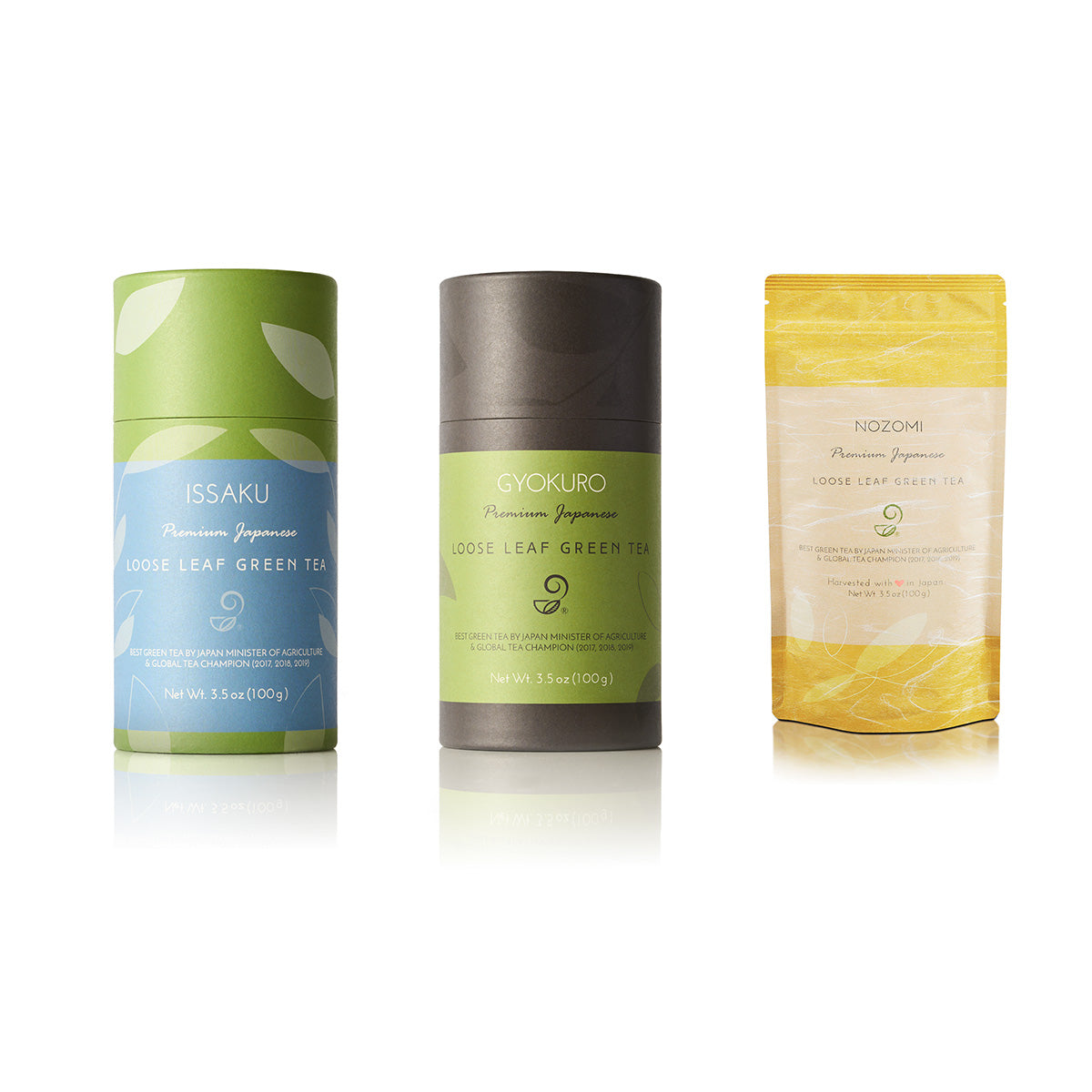
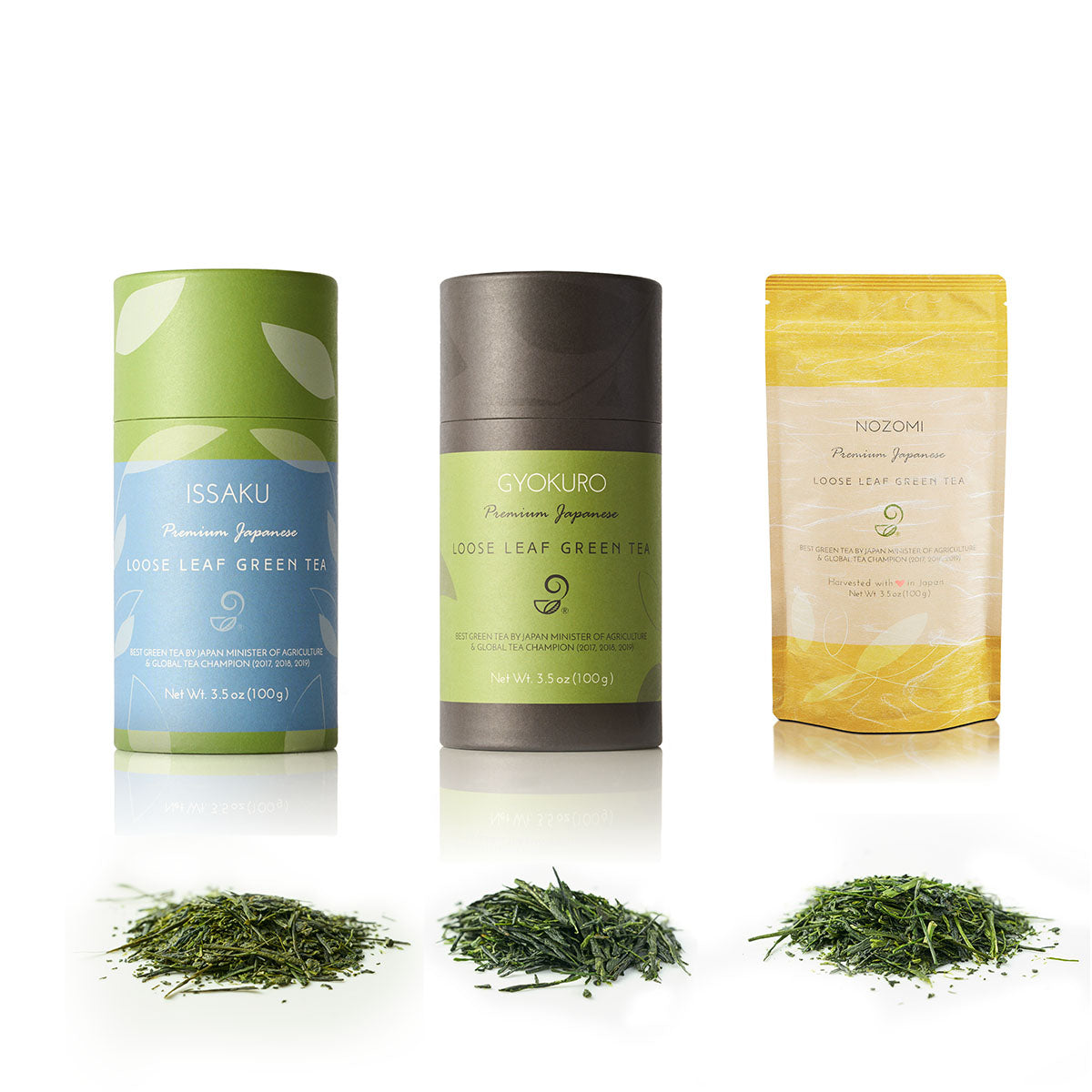
This tea set features three exceptional Japanese green teas, each crafted with care and traditional techniques. Issaku Reserve, a Global Tea Champion winner in 2017 and 2019, is a rare masterpiece created by Farm Master Mr. Arahata at Arahataen Green Tea Farm. Handpicked once a year from the first flush and processed with advanced methods, Issaku represents the highest-grade deep-steamed green tea, available only in limited quantities even in Japan.

The set also includes Gyokuro, a premium shaded green tea known for its rich, sweet flavor and deep mossy green color. Grown under special mats for 20 days to increase caffeine and amino acid levels, Gyokuro offers a layered, smooth taste unlike any other. Completing the collection is Nozomi, a fine Kabuse-cha, or "Covered Green Tea," carefully grown under nets to gently shade the leaves just before new sprouts emerge, resulting in a soft, rich, and refined flavor profile.

97 reviews

Gyokuro - Shaded Imperial Premium Green Tea

$65.00
Quick view

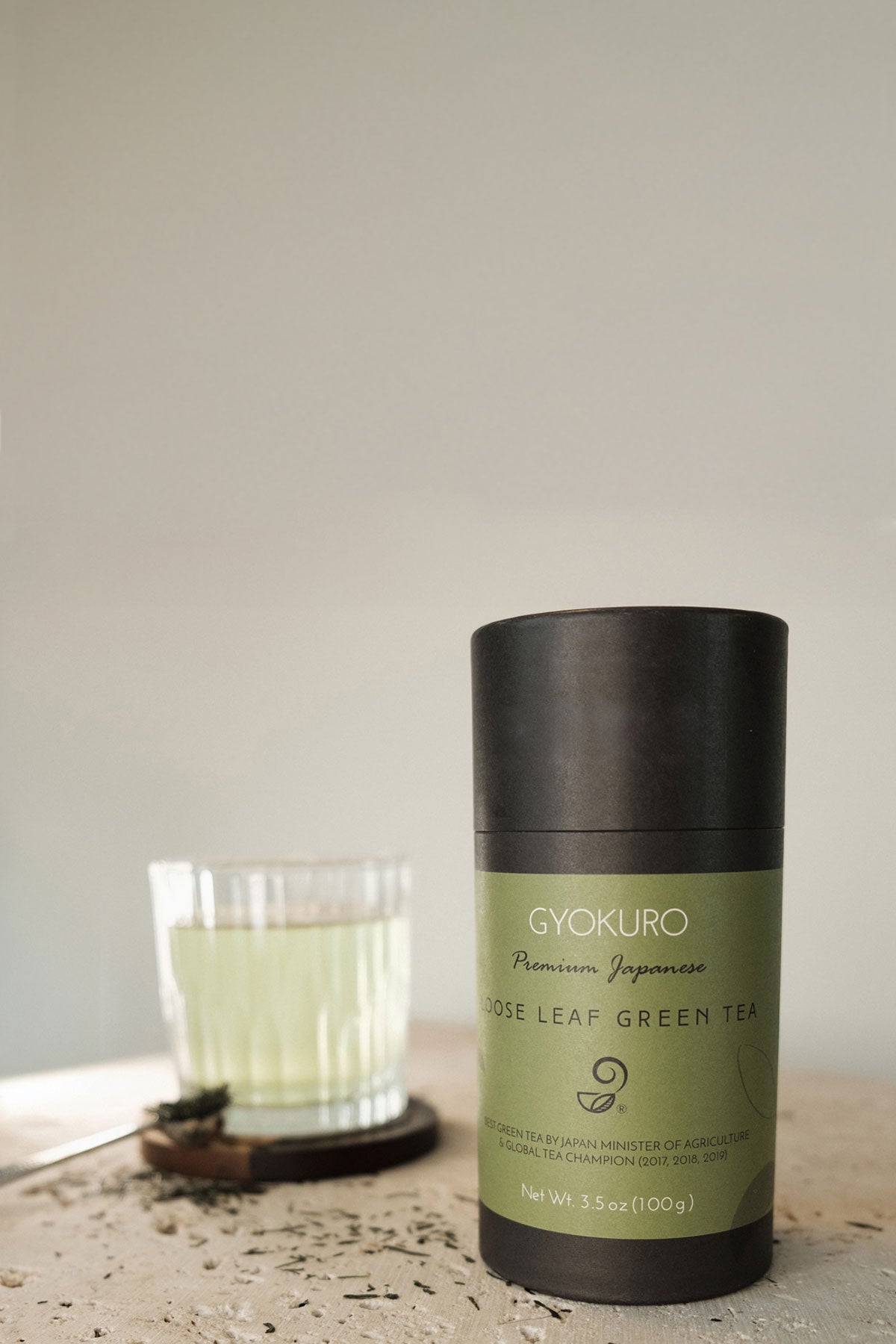
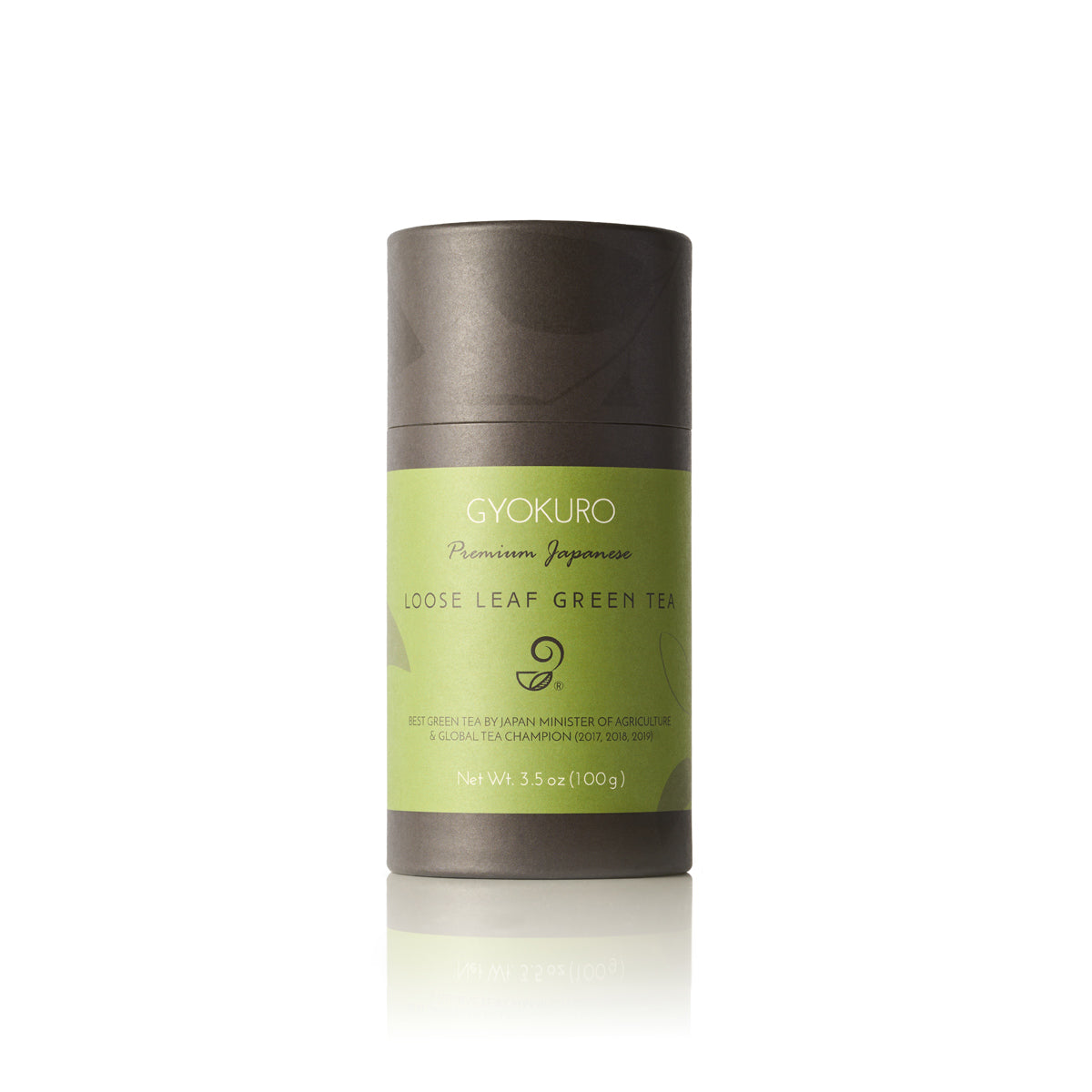
Gyokuro, also known as "jade dew" or "jewel dew tea," is a premium Japanese green tea shaded from the sun for 20 days using specially made mats, a method that boosts caffeine levels and strengthens amino acids to create a sweeter, richer flavor. This extended shading process results in dark, mossy green leaves with an unmistakable aroma and a complex taste that is layered yet balanced. Cultivated by the Chagusaba method in nutrient-rich sugarcane soil and made from the Yabukita cultivar, this loose-leaf authentic Gyokuro is offered in a high-quality, air-tight paper tube canister (chyazutsu) to preserve its exceptional freshness and flavor. Each 3.5 oz (100g) full-size package steeps 30–40 cups, and a convenient single-serve sample is also available.

45 reviews

Hojicha - Roasted Green Tea

$25.00
Quick view

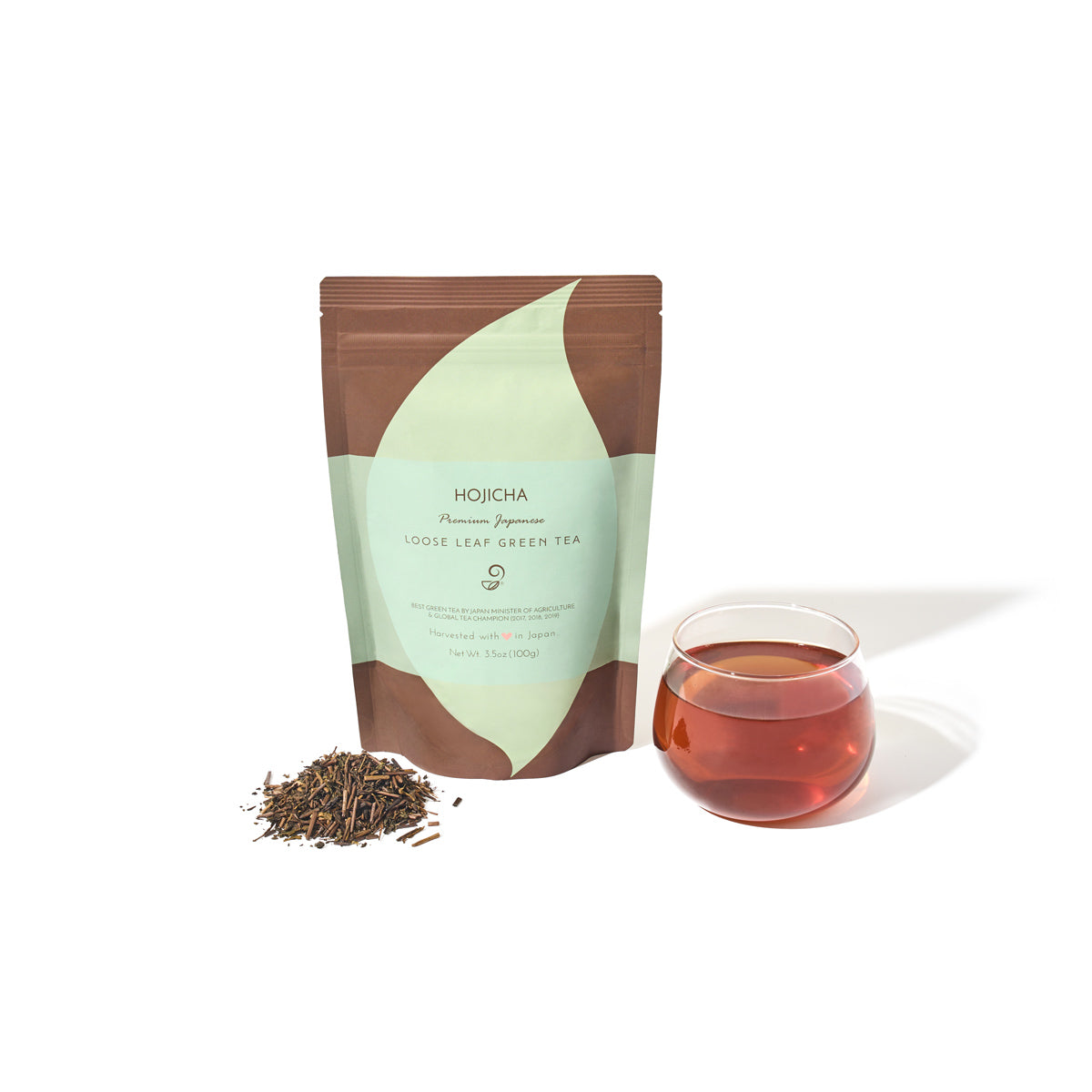
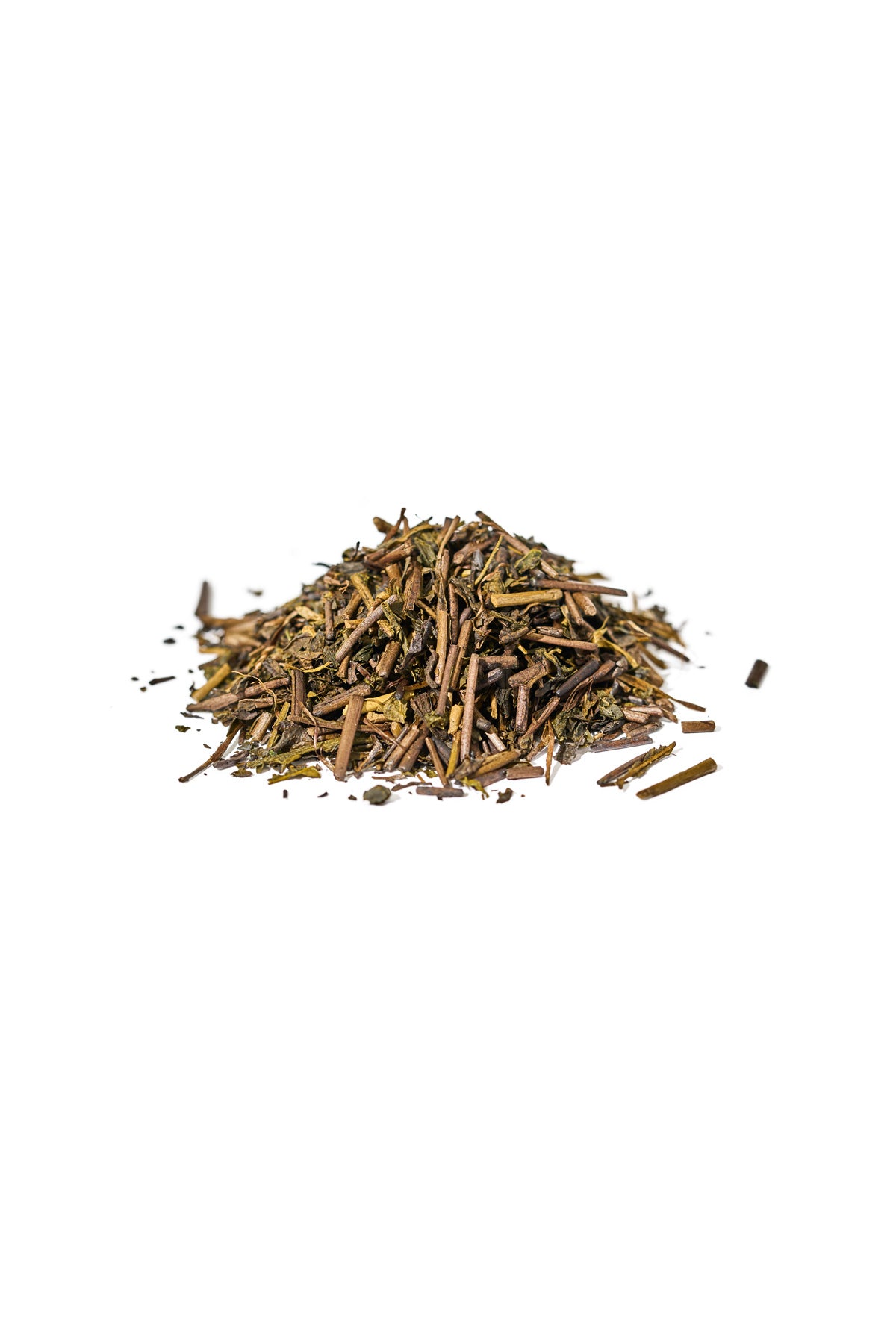
Our roasted green tea, known as hojicha (ほうじ茶), is crafted from freshly harvested premium green tea carefully roasted in porcelain over charcoal to maximize flavor while retaining more catechins than typical hojicha on the market. With lower caffeine and a smoother, less bitter taste compared to steamed green tea, it is an ideal choice for evening relaxation and is gentle enough for kids and pregnant women. Cultivated using the Chagusaba method in nutrient-rich sugarcane soil, this loose-leaf authentic Japanese roasted green tea, made from the Yabukita cultivar, also pairs beautifully with oily foods. Each eco-friendly resealable package contains 3.5 oz (100g) of tea, enough to steep 30–40 comforting cups.

80 reviews

Matcha - Ceremonial Japanese Powdered Green Tea

$39.00
Quick view

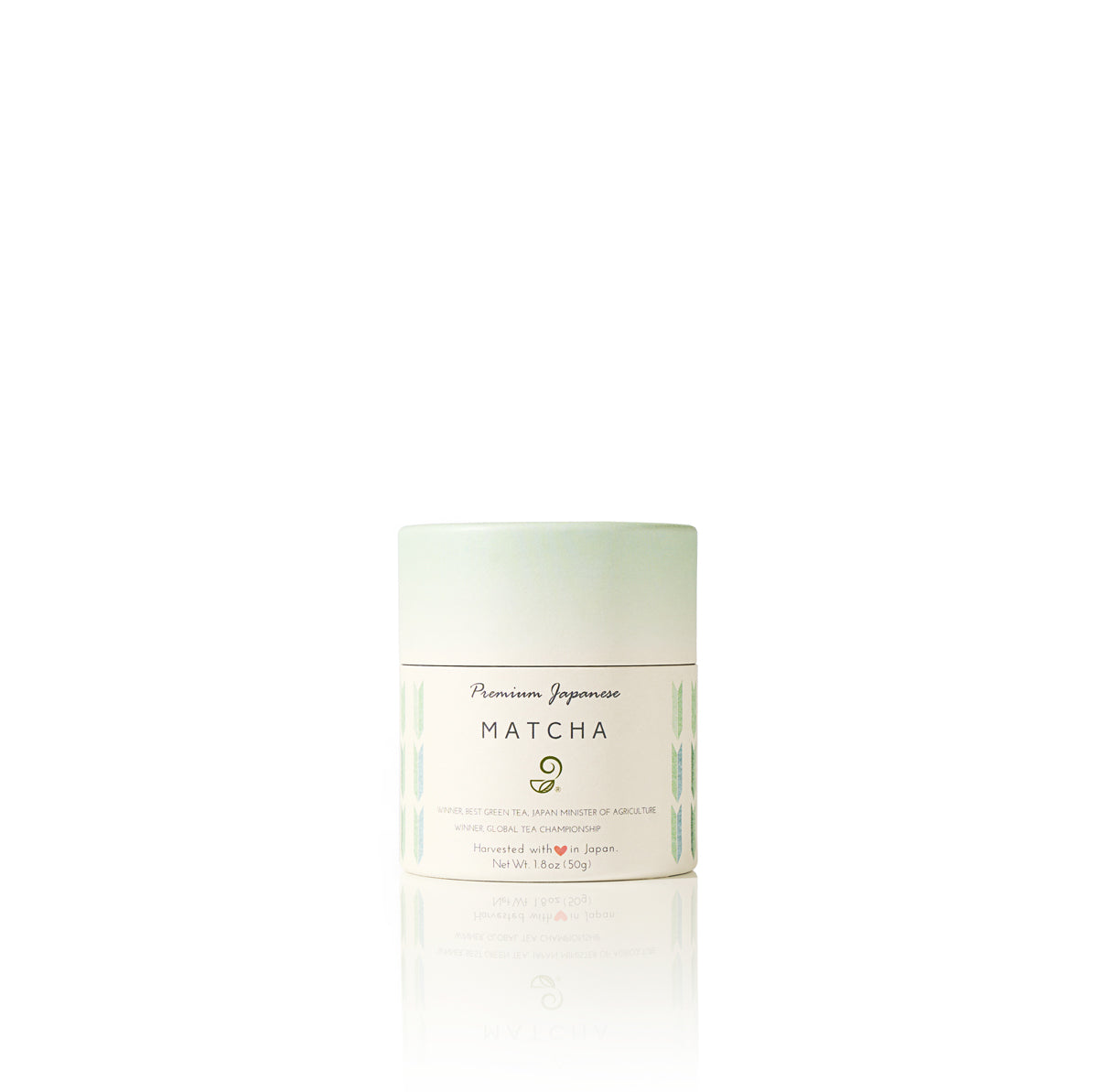
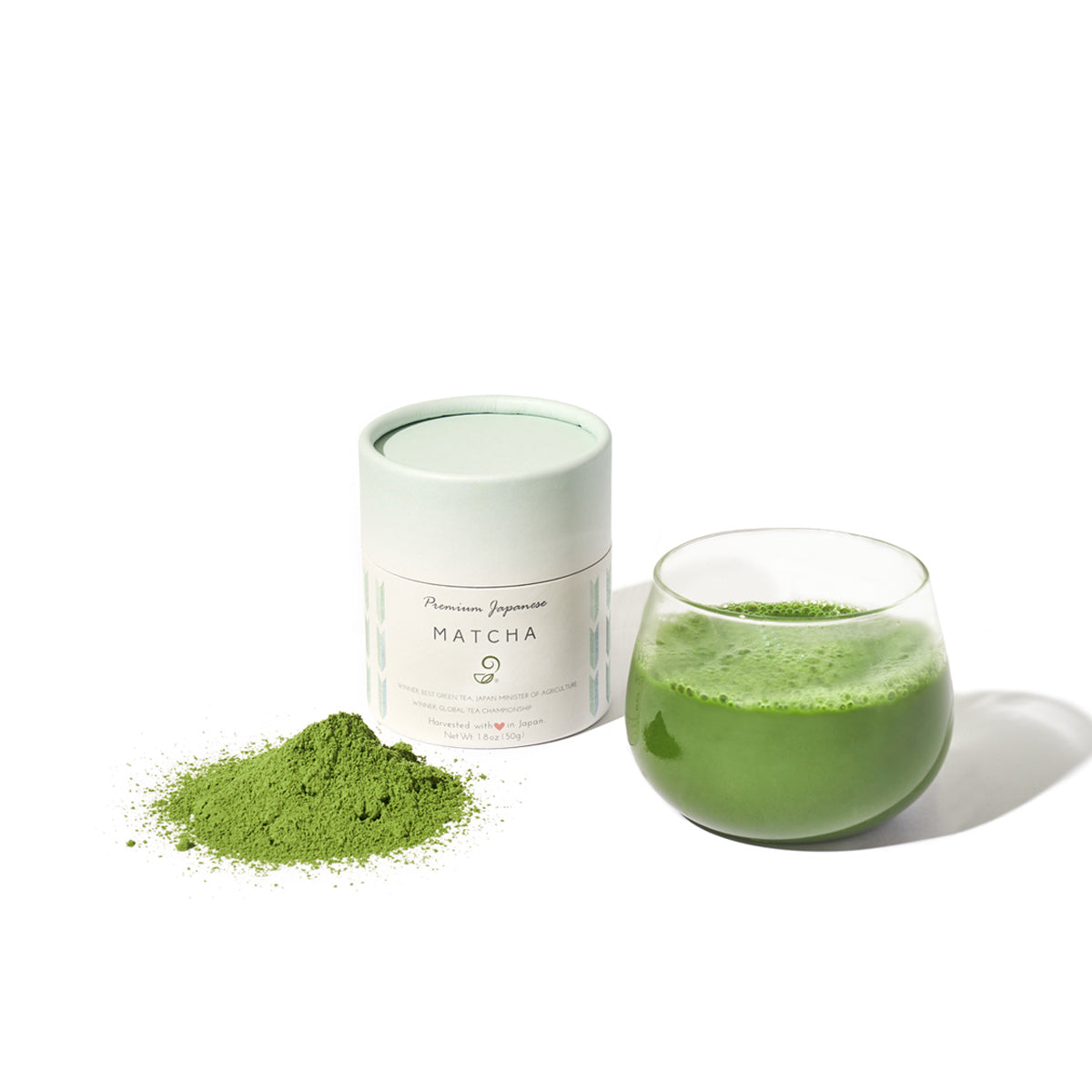
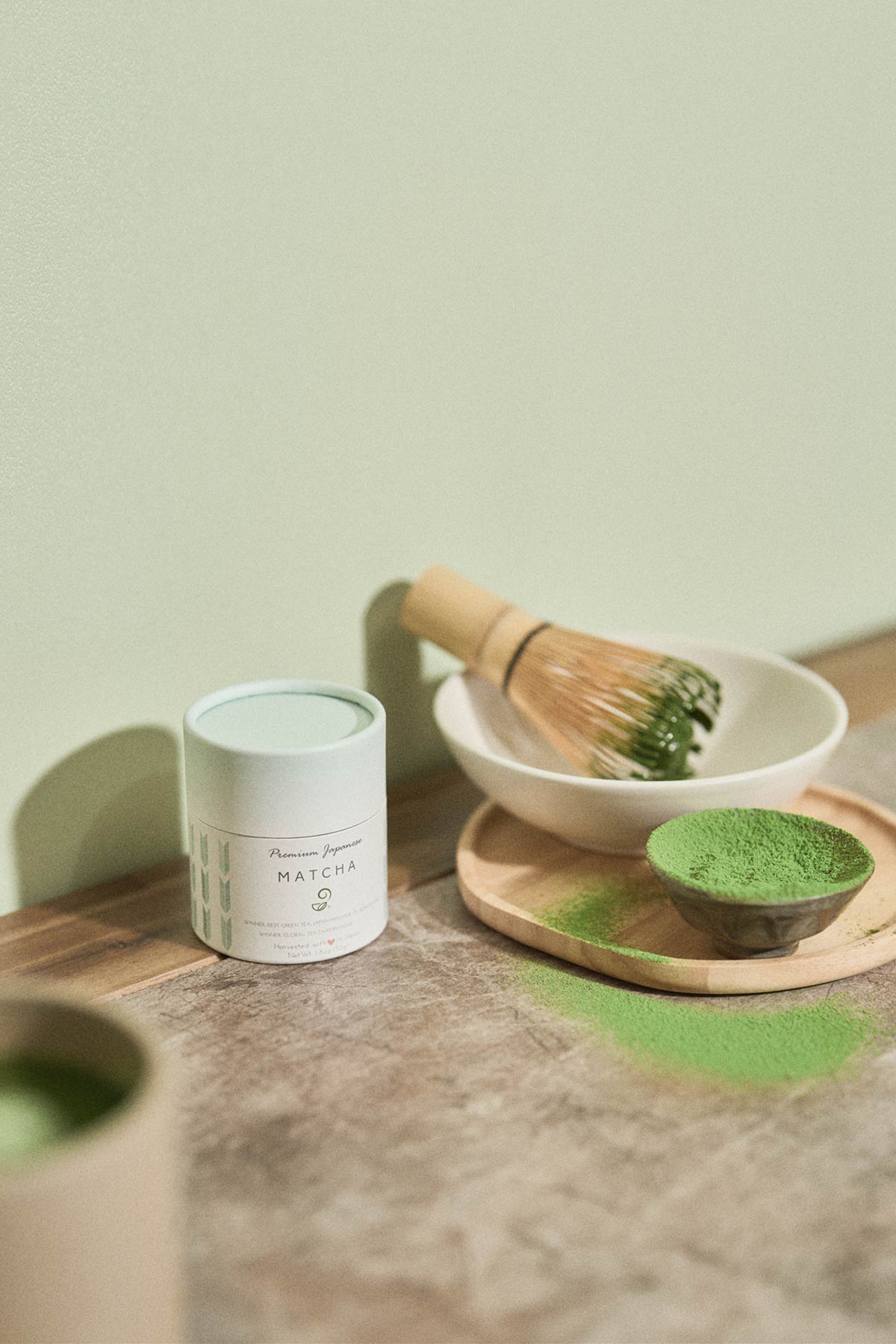
This ceremonial matcha is crafted from the finest Japanese green tea, grown in nutrient-rich soil enhanced with compostable grasses and sugarcane through the Chagusaba method, which gives the tea a natural sweetness and exceptional flavor. In collaboration with researchers from Shizuoka University, farmers ensure that the soil quality consistently produces tea of the highest standard.

Renowned among top Japanese chefs for its unmatched aroma, this matcha is made by carefully shading the plants before harvest to boost caffeine and amino acids, then meticulously drying, de-stemming, and grinding the leaves into a fine powder. Made from the Yabukita cultivar, this 1.8 oz (50g) matcha comes in a high-quality, air-tight paper tube canister, providing a luxurious and authentic Japanese tea experience.

42 reviews

Genmaicha - Green Tea with Roasted Brown Rice

$30.00
Quick view

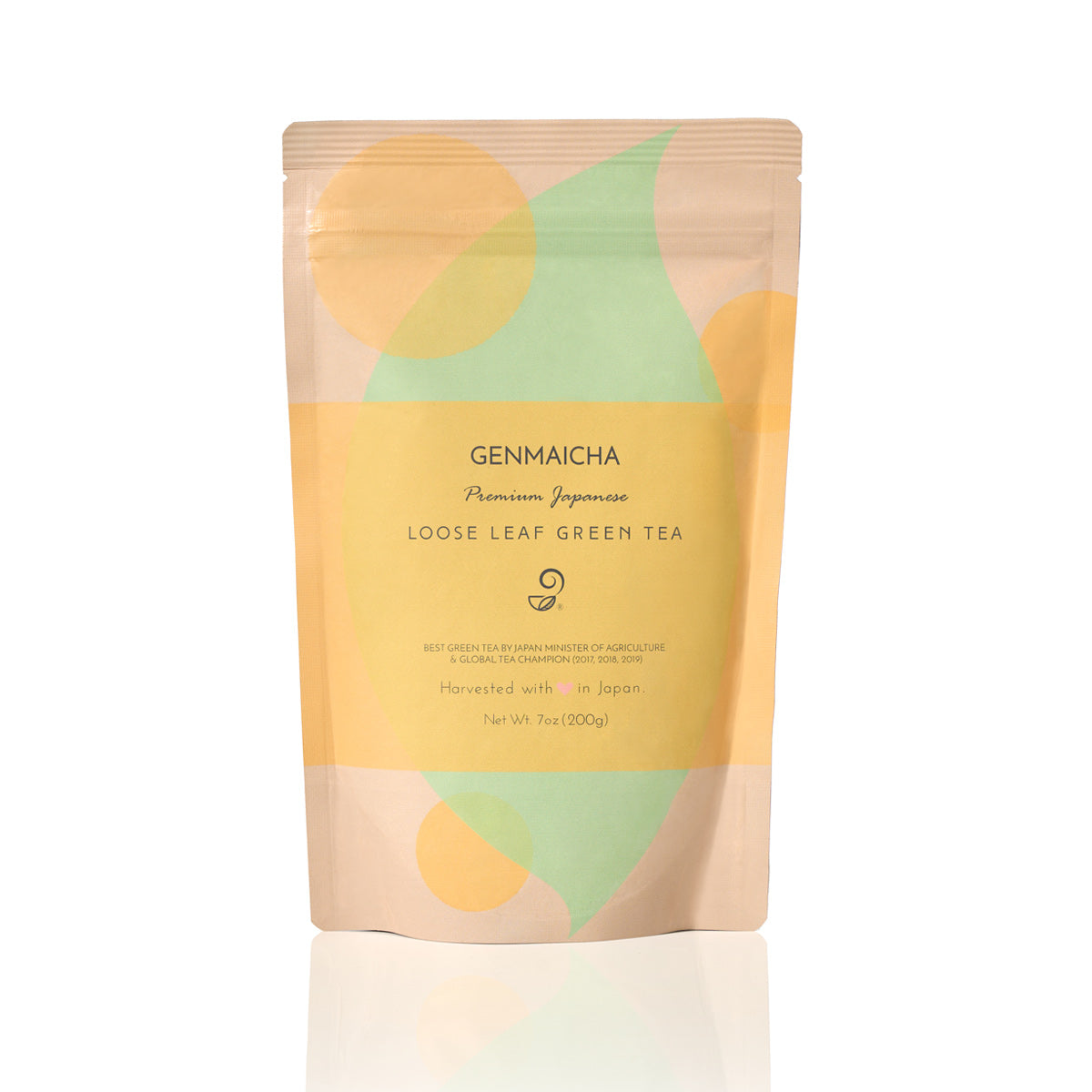
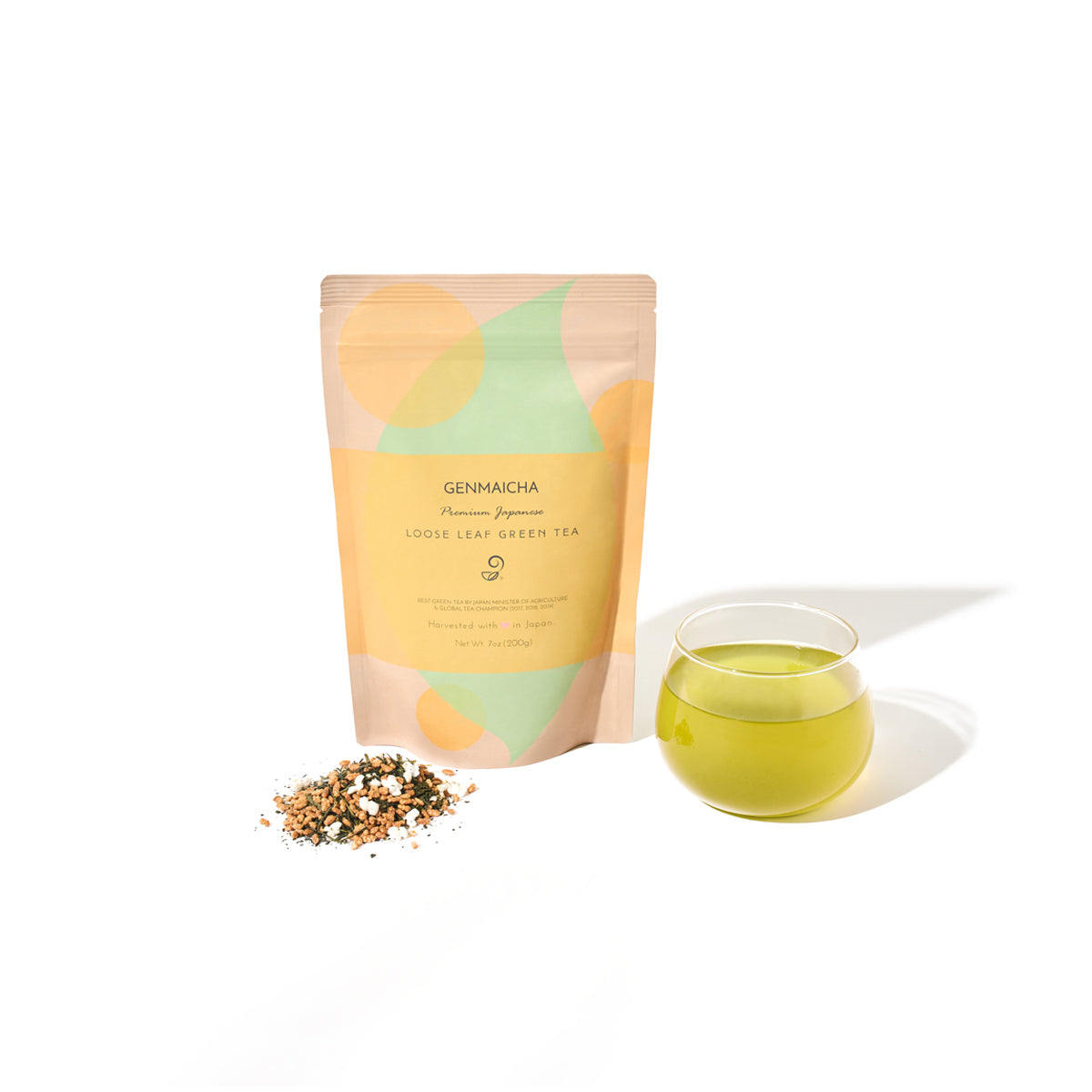
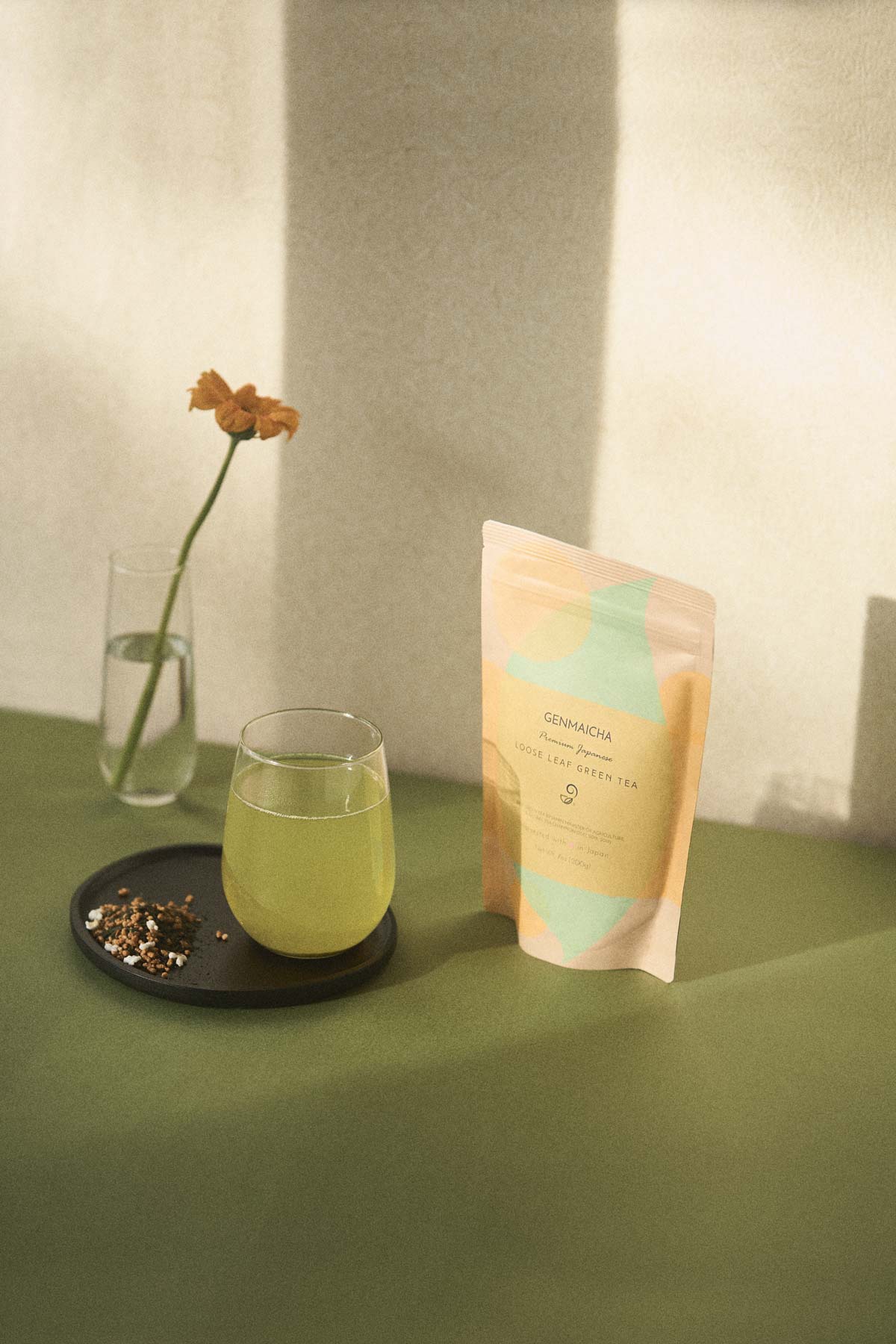
Our premium Japanese Genmaicha blends high-quality green tea with roasted popped brown rice (genmai 玄米), often nicknamed "popcorn tea" because the roasting process sounds like popcorn popping. Popular especially among the older generation in Japan for its mild flavor and lower caffeine content, this tea is easier on the stomach while still offering a rich, comforting taste. The brown rice used is premium Japanese mochi-gome (もち米) sticky rice, enhancing the tea’s nutty, aromatic profile. Made from Fukamushi Sencha and cultivated using the Chagusaba method in nutrient-rich sugarcane soil, this Genmaicha features the Yabukita cultivar and comes in a 7.0 oz (200g) eco-friendly resealable package, enough to steep 50–60 cups.


Related Articles You May Be Interested

Truths and Myths About Green Tea
Is Drinking Too Much Green Tea Bad for You?
Green Tea and Milk: 10 Ways to Enjoy It
Brewing Up Perfection with the Breville BTM800XL One-Touch Teapot
Can Green Tea Ease OCD Symptoms?

Get Free Bonus Books

Join Green Tea Club

Sign up for free to the Green Tea Club to get advice and exclusive articles about how to choose Japanese Tea, and tips, tricks, and recipes for enjoying Japanese tea.

Unsubscribe anytime. It’s free!

About the author

Kei Nishida

Kei Nishida

Author, CEO Dream of Japan

info@japanesegreenteain.com

Certification: PMP, BS in Computer Science

Education: Western Washington University

Kei Nishida is a passionate Japanese green tea connoisseur, writer, and the founder and CEO of Japanese Green Tea Co., a Dream of Japan Company.

Driven by a deep desire to share the rich flavors of his homeland, he established the only company that sources premium tea grown in nutrient-rich sugarcane soil—earning multiple Global Tea Champion awards.

Expanding his mission of introducing Japan’s finest to the world, Kei pioneered the launch of the first-ever Sumiyaki charcoal-roasted coffee through Japanese Coffee Co. He also brought the artistry of traditional Japanese craftsmanship to the global market by making katana-style handmade knives—crafted by a renowned katana maker—available outside Japan for the first time through Japanese Knife Co.

Kei’s journey continues as he uncovers and shares Japan’s hidden treasures with the world.

Learn more about Kei Nishida

Related Posts

Behold: Balmuda's "The MoonKettle" — Where Boiling Water Becomes Art

We were privileged to be invited by Balmuda's Private MoonKettle Launch Event. Here are videos of it and everything you

Read More
OC Japan Fair April 2026 — Visit Us at Booth #A8!
OC Japan Fair Spring 2026 Recap (April 3 - 5 2026)

We were at OC Japan Fair again! April 3-5 2026 with new products, Miki Pon's art debut and more. Here is a recap video f

Read More
Super Mario and Japanese Green Tea

Super Mario and green tea share a hometown! Watch our Yoshi Matcha Cookies video recipe + discover how Nintendo and matc

Read More
Leave a comment

Your email address will not be published..

Cart

Your cart is currently empty.

Start Shopping

Select options