Skip to content

5 Ways To Drink Tea To Detoxify Your Body


It's always relaxing and refreshing to drink tea early in the morning, late in the afternoon, or any time you need a boost from stress and a hectic schedule. Its antioxidant properties detoxify the body, getting rid of harmful free radicals to promote overall health and wellness. Also, it’s believed that regularly drinking tea can reduce the risk of heart disease, diabetes, and cancer.

In this post, you'll learn the different ways to drink tea to help detoxify your body.

What Is Tea?

Tea is a popular and widely consumed drink, possessing a relaxing aroma. All types of tea come from Camellia sinensis, an evergreen shrub that originated in East Asia. It’s commonly prepared by boiling water or pouring hot water over fresh or cured Camellia sinensis leaves. Drinking three to five cups of green tea per day reaps innumerable health benefits.

Here are some good-to-know facts about tea:

Tea variety

  • Commercially Available: Tea products can be bought from supermarkets and grocery stores. Also, they’re widely sold online from all parts of the world, such as Blue Poppy.
  • Tea Processing: The tea-making process involves plucking, withering, or allowing the wilting and softening of the tea leaves; rolling or shaping the leaves; wringing out the juices; oxidizing (the tea leaf interacts with oxygen); and drying or firing.
  • Types of Tea: The five basic types of tea include green tea, white tea, black tea, oolong, and pu-erh.

1. Add Loose White Tea In Hot Water 

White tea pertains to an unprocessed tea, and its name was obtained from the fuzzy white ‘down’ of newly opened buds. After white tea has been plucked, it is withered and dry. The leaves aren't shaped or rolled. White teas tend to produce yellow or very pale green liquor with flavor and aroma.

White tea, among other types of tea, is considered the least processed tea. For this reason, it retains the highest number of antioxidants. According to a study, tea polyphenols present in white and green teas, particularly the catechins, are potent antioxidants and antimicrobial agents that have great benefits for human health. That's why drinking white tea is a great way to detoxify your body.

Here's how to prepare white tea:

  • Add loose white tea to a teapot.
  • Pour hot water over the white tea leaves. The ideal water temperature is 170 to 185°F (75 to 85°C). Don't use boiling water because it ruins the white tea's delicate flavor.
  • Allow the white tea leaves to seep in for about five to eight minutes.
  • Strain and serve white tea. White tea has a refreshing taste and can be enjoyed either as a cold or hot brew. Add more dry white tea leaves for a stronger tea. You can experiment to create the perfect balance of flavor that suits your preferences.

For food pairing, white tea goes well with lightly flavored seafood, cucumber salad, or a fish recipe. You can drink white tea alone in between meals. Accentuate white tea's subtle notes by adding wildflower honey or fireweed honey, which are delicately flavored.

2. Drink Good Quality Japanese Green Tea 

While white tea is unprocessed, green tea is withered and rolled after it is plucked. Japanese green tea is usually associated with good quality tea, with beautiful and consistent size and shape of the leaves. Drinking good-quality Japanese green tea provides detoxification and relaxation for the body with its toasty, grassy flavor and yellow or green liquor color.

According to a 2007 study, concentrated chemicals in green tea dramatically boost the production of key detoxification enzymes among people with low levels of beneficial proteins. With the increase in detoxification enzymes, more harmful toxins in the body are eliminated, which helps prevent diseases.

Here's how to check the quality of green tea:

  • Smell the green tea aroma while you taste and drink.
  • Agitate the green tea in your mouth and then breathe it out through your nose.
  • Allow the tea to settle in your mouth and throat.
  • Observe the taste of the green tea as you exhale through your nose.

Some perfect examples of food to pair with green tea include chicken, turkey, root vegetables, light-style pizzas, and light stir-fry. Smokey green tea doesn’t go well with sweets because they bring out the bitterness of green tea.

3. Best Way to Serve Oolong Tea 

Oolong tea has a more complex flavor as compared to white and green teas. This tea is time-consuming to create because it’s rolled and oxidized repeatedly, along with the other basic steps of tea processing.

Most oolongs come from China and Taiwan and are usually twisted or balled. Oolong is between black and green tea, which is 8% to 80% oxidized, measured by the amount of red or brown on the tea leaf while it’s being made.

Here's how to brew oolong tea:

  • Prepare Things You'll Need: The things you'll need to make oolong tea include loose oolong tea, a mug with an infuser, filtered water, a measuring spoon, a measuring cup, a tea scale, an electric kettle with a temperature setting, and a timer.
  • Boil Filtered Water: Use an electric kettle to get the exact water temperature you need. Oolong tea is best brewed at a water temperature of 185° to 208°F. Bring the water to a boil. Let it cool for several minutes.
  • Warm up the mug: Pour hot water into the mug. Swirl it around and discard the water.
  • Add Oolong Tea: Put two teaspoons or 6 grams of loose oolong tea into the mug and add hot water.
  • Steep: Steep oolong tea for about ten seconds, discard the water, and then take out the infuser, throwing out the water in the mug to rinse or wake up the oolong leaves to unfurl. Add a cup of water and cover the teapot, and then steep the oolong tea for about 45 seconds. Producing good-quality oolong involves steeping it multiple times.
  • Serve: Take out the infuser, serve, and drink. Never leave the oolong tea in hot water beyond the recommended steeping time. That's why using an infuser is highly recommended because you can put it aside while drinking tea.
  • Second Steep: After drinking the first cup, do a second steep in hot water for one minute and fifteen seconds. Steep oolong tea all over again in hot water and add thirty seconds to the previous tea steep time. Reaching the fifth steep pushes oolong tea to get its best flavors.

4. Pair Your Black Tea 

black tea


Black tea is the easiest type of tea to brew because you only need boiling water, while other tea types are extremely sensitive to water temperature. Black teas have the strongest flavors and are the only style of tea taken with milk and sugar. Also, they’re the most popular iced tea bases.

If you want to pair your black tea with food, here are some recommendations:

  • Tea Sandwiches: Black tea can be paired with a cheddar cheese tea sandwich or the curried chicken sandwich.
  • Hearty Rich Foods: Black teas have robust flavors that are paired well with rich, warm foods like roast meats (e.g., lamb, venison, or beef).
  • Pasta: Black teas also go well with heavy pasta dishes, such as lasagna.

5. Pu'erh Tea and Milk Infusion

Pu'erh tea undergoes a tea process that green tea also undergoes. Before pu'erh tea leaves are dried, they’re aged and pressed hard into dense cakes or as loose leaves. Pu'erh is a type of fermented tea in which the aging process may last from a few months to a couple of years. Well-stored and very old pu'erhs are known as "living teas," like wine, and are highly prized for their woodsy, musty, or earthy scent and rich, smooth flavor.

Milk and tea provide a synergistic effect, detoxifying your body and making your immune system stronger. With the antioxidant and antimicrobial properties of pu'erh tea and the vitamins and minerals of milk, your body will greatly benefit from this tea and milk infusion recipe. This recipe has a mellow, delightful, and smooth character, giving sweet, honeyed feelings. It helps protect you against colds and eliminate the toxins in your body.

Here's the recipe for the healthy milk pu-erh tea with bee honey:

  • Brew the pu-erh tea leaves with hot water twice. Serve in cups.
  • Add some milk to the well-brewed tea leaves.
  • Stir the milk pu-erh tea and let it cool for a few minutes, or about 106 degrees Fahrenheit, before adding honey to the blend.
  • Mix the blend well, and then drink it while it is hot.

    Conclusion

    There are different types of tea available, and there are plenty of ways to drink tea to help detoxify your body. You can simply add loose white tea leaves to hot water. High-quality Japanese green tea leaves are best served with turkey and chicken.

    On the other hand, drinking oolong tea produced through multiple steeping times is highly recommended for the best tea drinking experience because of its high-quality flavor and aroma. If you're looking for a sweet tea recipe, you can try making a healthy milk pu-erh tea. You can choose the best tea that suits your taste and mood to detoxify your body and improve your health.

    FAQs about Tea and Detoxification

    Does drinking tea actually "detoxify" your body, or is that just marketing?

    Mostly marketing language for a real but smaller effect. Your liver and kidneys handle detoxification; no beverage substitutes for that, and "detox" as a wellness term doesn't have a precise medical meaning. What tea actually does is provide antioxidants that support liver function, hydration that supports kidney filtration, and (with green tea specifically) catechins that mildly enhance the liver's normal detoxification enzymes.

    So tea modestly supports the systems doing actual detoxification rather than "flushing toxins" itself. The wellness-industry framing exaggerates the effect; the underlying biology is real but small.

    If you have genuine liver function concerns, see a doctor — green tea isn't a treatment for any liver condition. If you're looking for general wellness support, daily green tea contributes meaningfully alongside hydration, sleep, and exercise without needing the "detox" framing.

    What's the most effective tea for liver support specifically?

    Green tea (matcha, sencha) and dandelion root tea both have meaningful evidence for liver support. Green tea catechins (especially EGCG) support the liver's CYP450 enzyme system that handles drug and toxin clearance. Dandelion root tea has a longer folk-medicine tradition for liver support and modest clinical evidence. Combining both daily (green tea morning/afternoon, dandelion root tea evening) is a common protocol. The matcha (抹茶) delivers the highest catechin concentration per serving.

    Other teas with some liver-support evidence: milk thistle tea, schisandra tea, turmeric tea (with black pepper for absorption). All have smaller evidence bases than green tea but stack reasonably well for people specifically focused on liver health.

    What doesn't work: "detox tea" blends marketed for liver cleansing with senna or other laxative herbs. The bowel-emptying effect creates a temporary feeling of "cleanliness" but doesn't actually support liver function and can cause electrolyte imbalances at high intake. Skip those.

    Should I do a tea "cleanse" — multiple cups a day for a week?

    No, the cleanse framing leads people astray. Drinking 8+ cups of green tea daily for a week doesn't "detox" you faster than drinking 3-5 cups daily for months. The catechins your liver can metabolize per day is a fixed maximum; pushing intake higher just generates more excreted unchanged compounds, not more detox effect.

    Steady daily consumption (3-5 cups) over months and years produces the documented liver-support benefits. Concentrated week-long "cleanses" produce mostly placebo effect and possibly some caffeine over-stimulation side effects.

    The right framing: tea is a long-game wellness practice, not a sprint intervention. The benefits compound over years of consistent daily intake; spike weeks add nothing meaningful.

    How does tea help with hydration vs. plain water?

    Tea hydrates roughly as well as water, despite the old myth that caffeinated drinks are dehydrating. Studies consistently show that the diuretic effect of moderate caffeine doesn't outweigh the fluid intake of a typical cup of tea — you're net-positive on hydration after drinking tea. So tea counts toward daily water intake at typical drinking volumes.

    Tea adds value beyond hydration through the antioxidant compounds, which water doesn't deliver. So for daily consumption, alternating tea and water is functionally similar to drinking only water on the hydration metric, with the bonus of catechins and L-theanine from tea.

    Where pure water is meaningfully better than tea: high-volume hydration during exercise, around iron-rich meals (catechins reduce iron absorption), or when you specifically need to dilute something in your system (acute illness, after eating something problematic). For everyday hydration, tea is fine.

    Are there any teas to avoid if I'm trying to support my body's detoxification?

    "Detox tea" blends with senna, cascara, or other strong laxative herbs are the main category to skip. They produce a temporary feeling of "clean" through forced bowel evacuation but disrupt electrolyte balance, can cause dependency over weeks of use, and don't actually improve liver or kidney function.

    Heavy-sugar tea drinks (commercial bottled iced teas with added sugar, sweetened bubble tea, sweetened matcha lattes) work against detox-supportive goals because the sugar load adds metabolic stress. The tea-vs-water choice doesn't matter much; the added sugar is the problem.

    Stick with simple unflavored green tea (sencha, matcha, hojicha), unsweetened or lightly-sweetened with honey, drunk between meals, for the cleanest liver and kidney support. The fancy "cleanse" products are usually a downgrade from plain quality green tea.

    DETOX WITH OUR PREMIUM GREE TEAS

    149 reviews

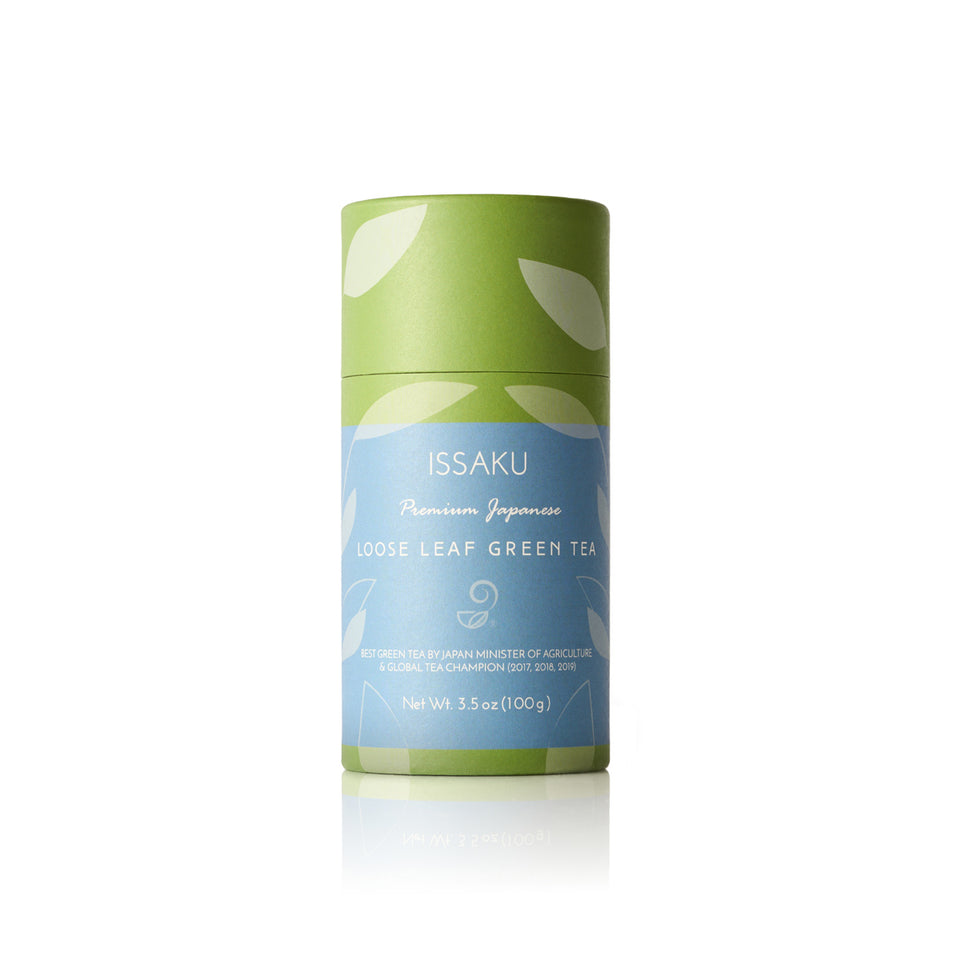
    Issaku Reserve - Limited Premium Green Tea (Global Tea Champion 2017, 2019)

    $80.00
    Quick view

    Issaku Reserve is a premium green tea masterpiece created by Mr. Arahata at Arahataen Green Tea Farm, offering a truly authentic and traditional Japanese tea experience. Handpicked once a year from new crops and crafted through a meticulous, complex process, Issaku Reserve is the farm’s highest-grade tea, produced in limited quantities and prized even in Japan. Winner of the Global Tea Championship in 2017 and 2019, this exceptional tea is made from the Yabukita cultivar and cultivated using the Chagusaba method in nutrient-rich sugarcane soil. It comes in a high-quality, air-tight paper tube canister containing 3.5 oz (100g), enough to steep 30–40 cups, with a single-serve 0.3 oz (10g) sample also available to preserve its rich flavor and outstanding freshness.

    97 reviews

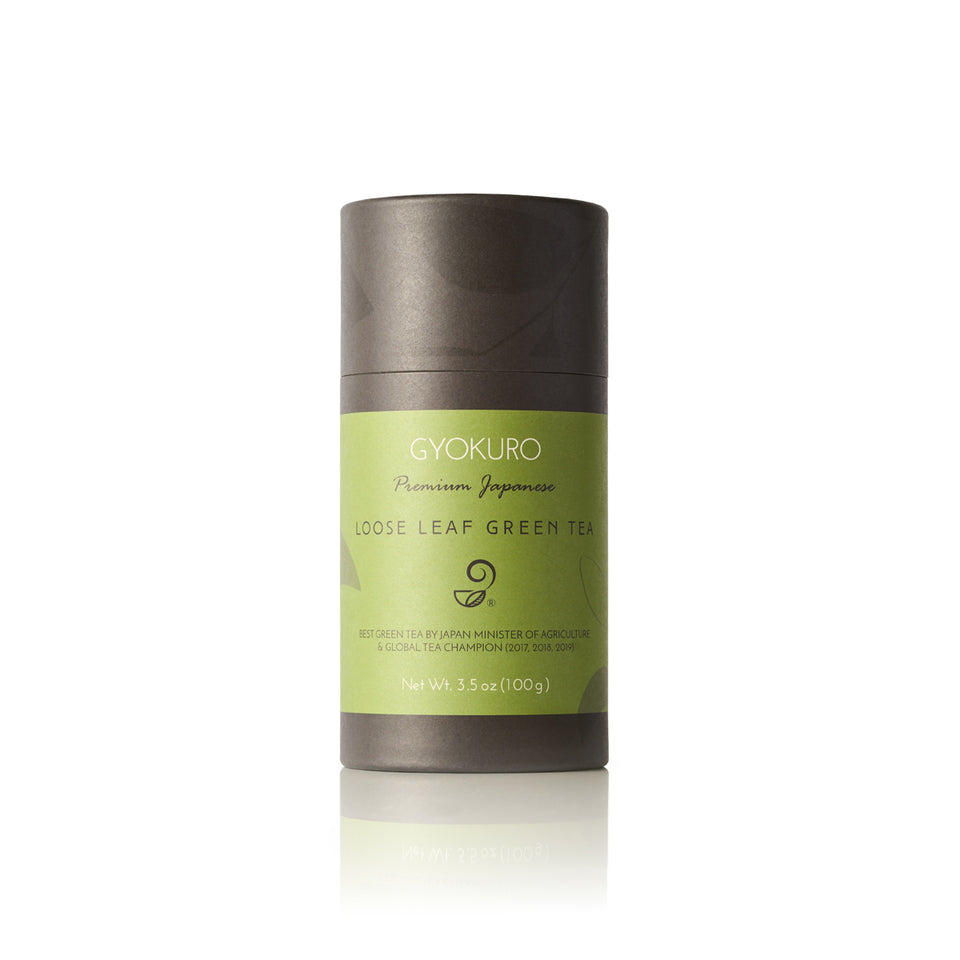
    Gyokuro - Shaded Imperial Premium Green Tea

    $65.00
    Quick view

    Gyokuro, also known as "jade dew" or "jewel dew tea," is a premium Japanese green tea shaded from the sun for 20 days using specially made mats, a method that boosts caffeine levels and strengthens amino acids to create a sweeter, richer flavor. This extended shading process results in dark, mossy green leaves with an unmistakable aroma and a complex taste that is layered yet balanced. Cultivated by the Chagusaba method in nutrient-rich sugarcane soil and made from the Yabukita cultivar, this loose-leaf authentic Gyokuro is offered in a high-quality, air-tight paper tube canister (chyazutsu) to preserve its exceptional freshness and flavor. Each 3.5 oz (100g) full-size package steeps 30–40 cups, and a convenient single-serve sample is also available.

    85 reviews

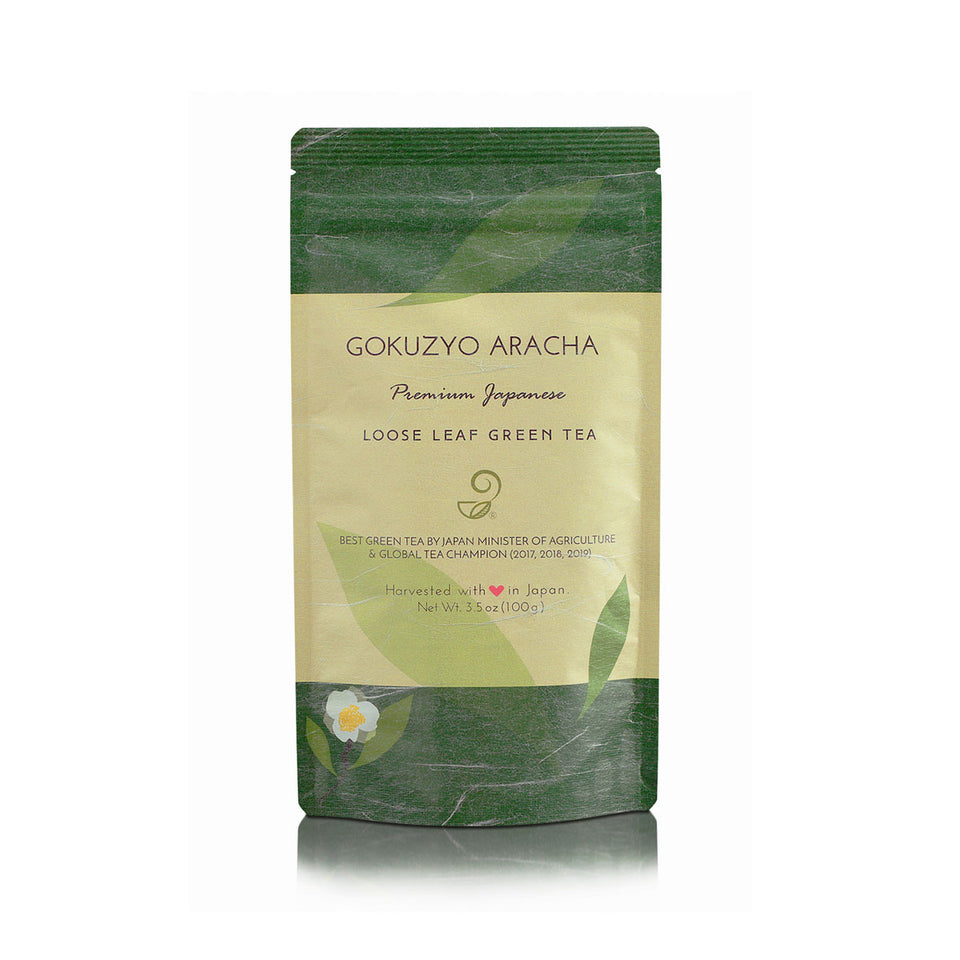
    Gokuzyo Aracha - High-Grade Unrefined Green Tea

    $39.00
    Quick view

    Gokyuzyo 極上, meaning "The Highest Grade," and Aracha 荒茶, meaning "wild tea" or "crude tea," offer a rare opportunity to enjoy green tea in its most natural, unrefined state. Unlike most green teas that undergo further processing, Aracha retains its original shape and includes twig tea, coarse leaves, and powdered tea, producing a beautifully colored drink with a mild, unique taste and higher nutrient content. Traditionally enjoyed by tea farmers for generations, this authentic Fukamushi Sencha is cultivated using the Chagusaba method in nutrient-rich sugarcane soil and made from the Yabukita cultivar. Available in a 3.5 oz (100g) eco-friendly resealable package or as a convenient 0.3 oz (10g) single-serve sample, it offers a truly traditional Japanese tea experience.

    114 reviews

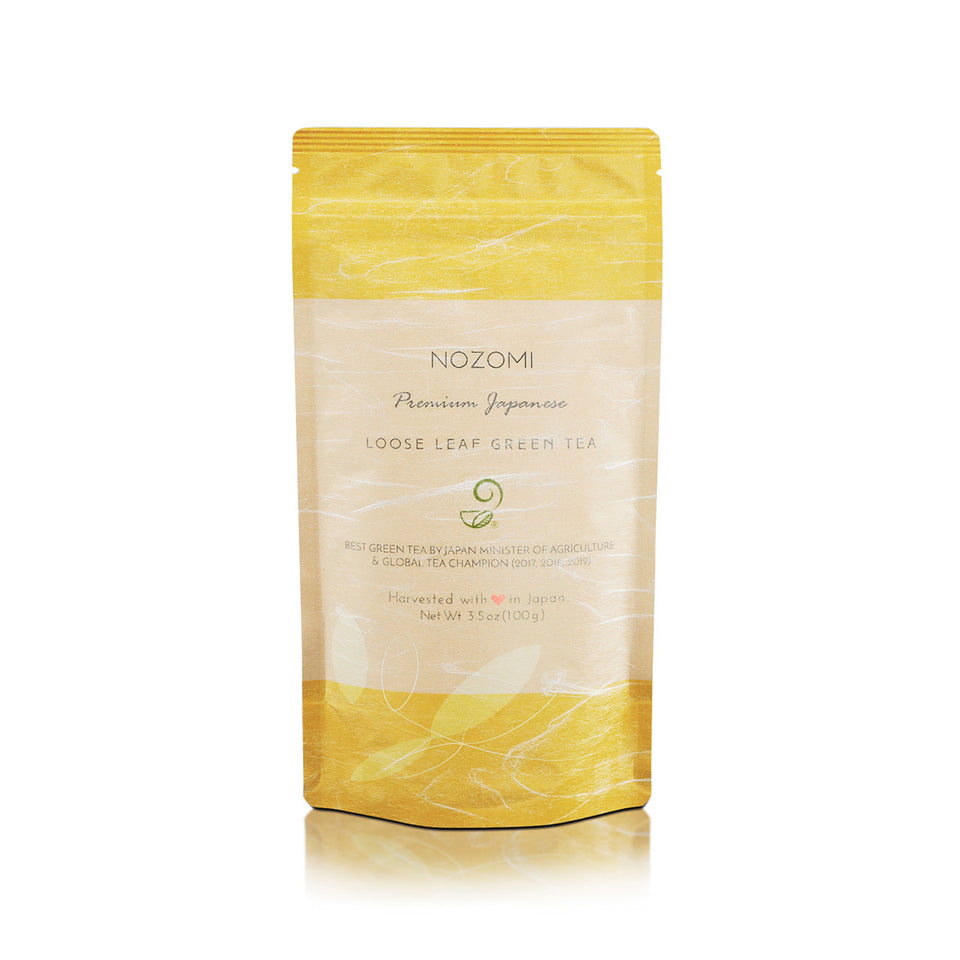
    Nozomi - Covered Kabusecha Green Tea

    $39.00
    Quick view

    Nozomi is a premium kabuse-cha, or "Covered Green Tea," shaded by a special net for about 7 to 10 days before the new sprouts emerge, creating a balance of flavors that is milder and more accessible than gyokuro, which undergoes a longer shading period. This shorter covering time increases the chlorophyll content and reduces bitterness, resulting in a tea with a mild, slightly sweet taste and a refreshing aftertaste. Cultivated using the Chagusaba method in nutrient-rich sugarcane soil and made from the Yabukita cultivar, Nozomi offers a subtle richness that makes it an ideal choice for everyday enjoyment. Available in a 3.5 oz (100g) eco-friendly resealable package that steeps 30–40 cups or as a convenient 0.3 oz (10g) single-serve sample, Nozomi brings a refined yet approachable green tea experience.

    85 reviews

    Japanese Diet Pu-Erh Tea - Saryu Soso (30 tea bags)

    $35.00
    Quick view

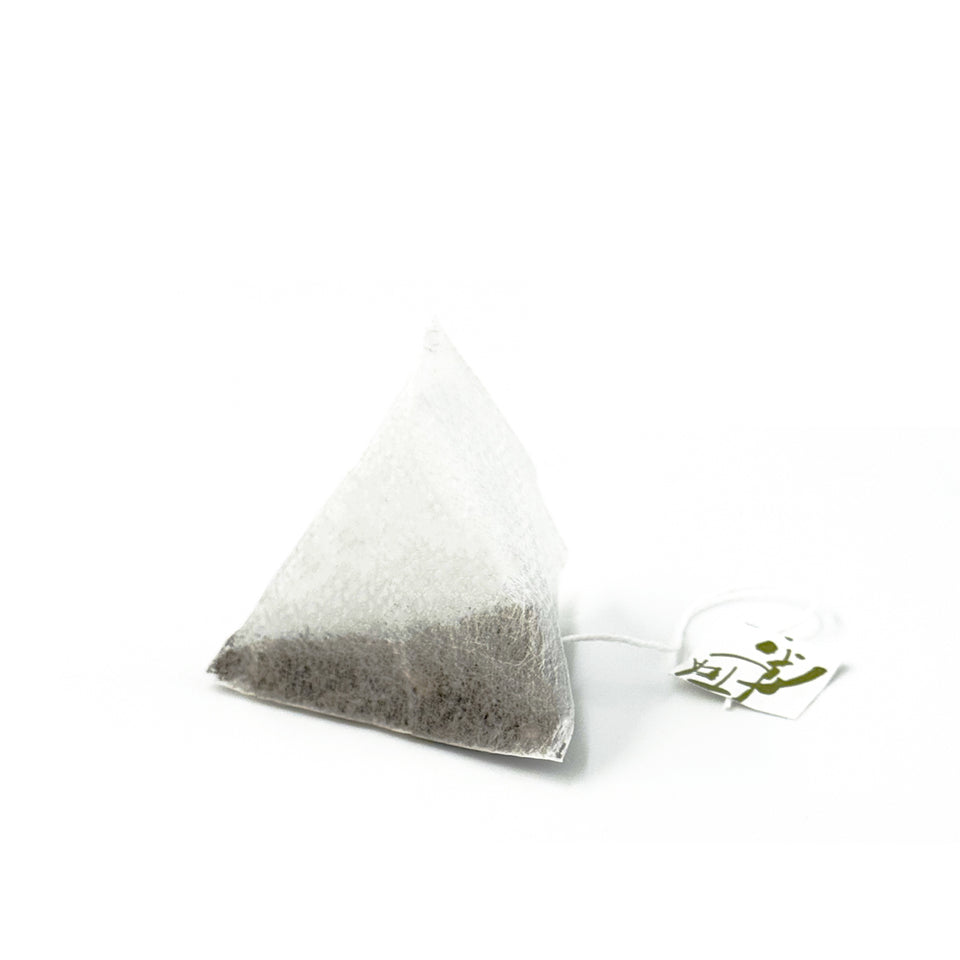
    Japanese Diet Pu-Erh Tea—Saryu Soso is a nationally award-winning tea from Japan, celebrated for its dietary and skincare benefits and containing 1.7 times more tannic acid than traditional Chinese Pu-Erh tea. Developed in collaboration with Shizuoka University and utilizing patented bacteria by Mr. Denbei Kawamura, this tea produces Teadenol, a natural component that promotes healthy skin. Fermented for 80 hours in a High-Tech Clean Room using semiconductor-level technology, Saryu Soso offers an exceptionally pure and refined experience. Cultivated by the Chagusaba method in nutrient-rich sugarcane soil and made from the Yabukita cultivar, each resealable aluminum bag contains 30 pyramid-shaped tea bags, delivering a perfect balance of tradition, innovation, and health benefits.


    Related Articles You May Be Interested

    Why Japanese Green Tea is Perfect for Intermittent Fasting + How to Guide, What to do & What not to do
    Why Japanese Green Tea is Perfect for Intermittent Fasting + How to Guide, What to do & What not to do
    Japanese Green Tea For Diet: Benefits & Science
    Japanese Green Tea For Diet: Benefits & Science
    Does a Cup of Tea count as Water Intake? - Green Tea Quiz
    Does a Cup of Tea count as Water Intake? - Green Tea Quiz
    Is Using The Microwave Good For Green Tea? - The Answer May Surprise You
    Is Using The Microwave Good For Green Tea? - The Answer May Surprise You
    Which Tea Kettle Should I Use to Brew Japanese Green Tea?
    Which Tea Kettle Should I Use to Brew Japanese Green Tea?

    Get Free Bonus Books

    Join Green Tea Club

    Sign up for free to the Green Tea Club to get advice and exclusive articles about how to choose Japanese Tea, and tips, tricks, and recipes for enjoying Japanese tea.

    Unsubscribe anytime. It’s free!

    About the author

    Kei Nishida

    Kei Nishida

    Author, CEO Dream of Japan

    info@japanesegreenteain.com

    Certification: PMP, BS in Computer Science

    Education: Western Washington University

    Kei Nishida is a passionate Japanese green tea connoisseur, writer, and the founder and CEO of Japanese Green Tea Co., a Dream of Japan Company.

    Driven by a deep desire to share the rich flavors of his homeland, he established the only company that sources premium tea grown in nutrient-rich sugarcane soil—earning multiple Global Tea Champion awards.

    Expanding his mission of introducing Japan’s finest to the world, Kei pioneered the launch of the first-ever Sumiyaki charcoal-roasted coffee through Japanese Coffee Co. He also brought the artistry of traditional Japanese craftsmanship to the global market by making katana-style handmade knives—crafted by a renowned katana maker—available outside Japan for the first time through Japanese Knife Co.

    Kei’s journey continues as he uncovers and shares Japan’s hidden treasures with the world.

    Learn more about Kei Nishida

    Related Posts

    Behold: Balmuda's "The MoonKettle" — Where Boiling Water Becomes Art
    Behold: Balmuda's "The MoonKettle" — Where Boiling Water Becomes Art

    We were privileged to be invited by Balmuda's Private MoonKettle Launch Event. Here are videos of it and everything you

    Read More
    OC Japan Fair April 2026 — Visit Us at Booth #A8!
    OC Japan Fair Spring 2026 Recap (April 3 - 5 2026)

    We were at OC Japan Fair again! April 3-5 2026 with new products, Miki Pon's art debut and more. Here is a recap video f

    Read More
    Super Mario and Japanese Green Tea
    Super Mario and Japanese Green Tea

    Super Mario and green tea share a hometown! Watch our Yoshi Matcha Cookies video recipe + discover how Nintendo and matc

    Read More
    Leave a comment

    Your email address will not be published..

    Cart

    Your cart is currently empty.

    Start Shopping

    Select options