Skip to content

Chinese Puerh Tea vs Japanese Puerh Tea

Tea is unique in many ways. This uniqueness is not limited to a brand name, nor is it limited to flavors, smells, colors, or cultivars. In fact, the more we invest in tea, the more we learn about its properties, effects, and ultimately what we can get from it. Without exploring the details of tea, this post’s focus is on a particularly historically unique tea that originates from Yunnan, China: pu’er tea. I want to spend the next few moments not only detailing pu’er tea and its importance to Chinese tea tradition but also highlighting Japanese innovation and how they have arrived at their own pu’er tea.

What is pu’er tea?

There are two ways to answer this question: the simple way and the detailed way. The simplest answer is that pu’er tea is a rare fermented tea that is originally from Yunnan, China. This tea is made from "wild old tree" leaves. Unfortunately, this answer leaves out many details and requires added details to fully understand what makes it truly special.

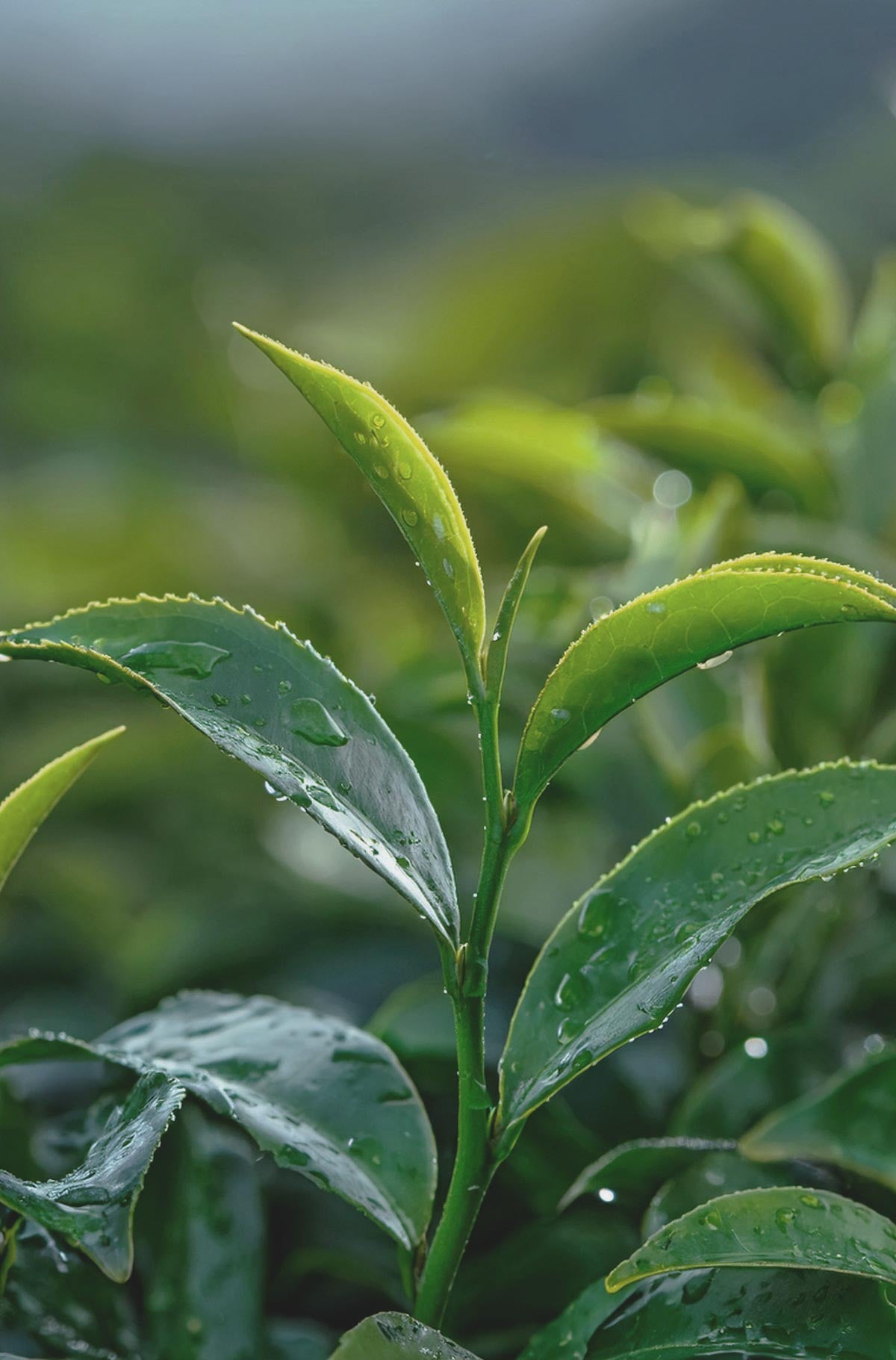
Technically speaking, for tea to be designated "pu’er," it must be grown in Yunnan Province in China (in 2008, for example, the Chinese implemented strict geographical requirements for making pu’er tea) and be processed from the Camellia sinensis assamica plant. The Assamica variety is one of two varieties used in making all teas around the world. This variety is generally considered more tropical than its sister, Camellia sinensis sinensis. It also has larger leaves and flourishes in warmer temperatures.

This technicality is cemented in two processes for producing the end product. As you can imagine, it is not as simple as plucking leaves from the plant and drying them out. The traditional method, also known as "raw pu'er," involves the plucking of a bud and 3 or 4 leaves. The 3rd and 4th leaves that are plucked are leaves that have stayed on the tree for a longer period of time and contain more nutrients and flavor. The leaves are then fried in a pan. This process selectively activates and inactivates certain enzymes, which help define pu’er. The leaves are then withered or rolled and then left to dry under the sun, unlike many other types of tea. One of the immediate benefits of drying the leaves in the sun is that the leaves do not overheat to the point of destroying the remaining enzymes. Another benefit is that the leaves ferment in the sun. The raw tea is overtaken by the fermentation of mold and is then compressed, often into a cake-like form, where it sits in a more controlled environment. Oddly enough, some raw pu’er tea ages for 50 years or more! This entire process turns it more into a black tea and helps define its uniqueness.

I like both Japanese and Chinese Tea

Ripe pu’er stands out as a separate process for creating pu’er. The leaves go through a similar process of being plucked, pan-fried, rolled, and dried. However, unlike raw pu’er, the leaves are piled and sprayed with water. In a hot environment, the fermentation subsequently takes hold of the leaves for up to 7 weeks. The tea is then dried and shaped. Ripe pu’er seeks to shorten the aging steps compared to traditional pu’er. In fact, the aging process totals approximately 1 year for many ripe pu’er teas.

Diving deeper into pu’er teas gives us an idea of how to understand quality and some of the important differences in flavors. Some of you may have already experienced pu’er tea from Yunnan. But what makes quality pu’er stand out? A few considerations will help. Part of the answer to this is understanding cultivation. Some pu’er tea is cultivated from "old growth trees" that are known for their highest quality. Plantations, on the other hand, constituted the mass market for tea leaves and were generally of lower quality.

Another part of this question is answered by the way in which the leaves are grown. Higher altitude is a net benefit for pu’er tea in the province of Yunnan. These leaves tend to have a richer flavor. Other valued considerations include "wild trees", larger and older "trees", particularly organic "trees". Older "trees" have deeper roots and have had more time to collect important nutrients. While wild "trees" tend to have a relatively stronger taste mixed with a slight bitterness,

Further, the first harvested tea leaves tend to be of higher quality than the following year’s harvest. This may not be an obvious consideration or noted on tea packages from various producers, but the first tea of the season, even in the world of sencha, is highly noted amongst many tea enthusiasts. It is important to note that there are years where tea may be harvested multiple times, which will lower the quality of the leaves.

Pu’er tea quality is also shaped by several additional factors, including soil quality, air quality, weather, and ultimately the time and care required to produce the desired end product. The seriousness of these considerations is not limited to pu’er tea but helps define it as a separate and beloved tea.

What about Japanese Pu’er tea?

If you were to review the teas produced in a given year in Japan, Japanese pu’er would constitute a relatively small percentage of the overall production. So what makes it unique? First off, Japanese pu’er is not Chinese pu’er. This is an important distinction, not simply in historical terms but in terms of the how-tos. Second, Japanese pu’er stands out in some respects, particularly when considering the way in which it is produced.

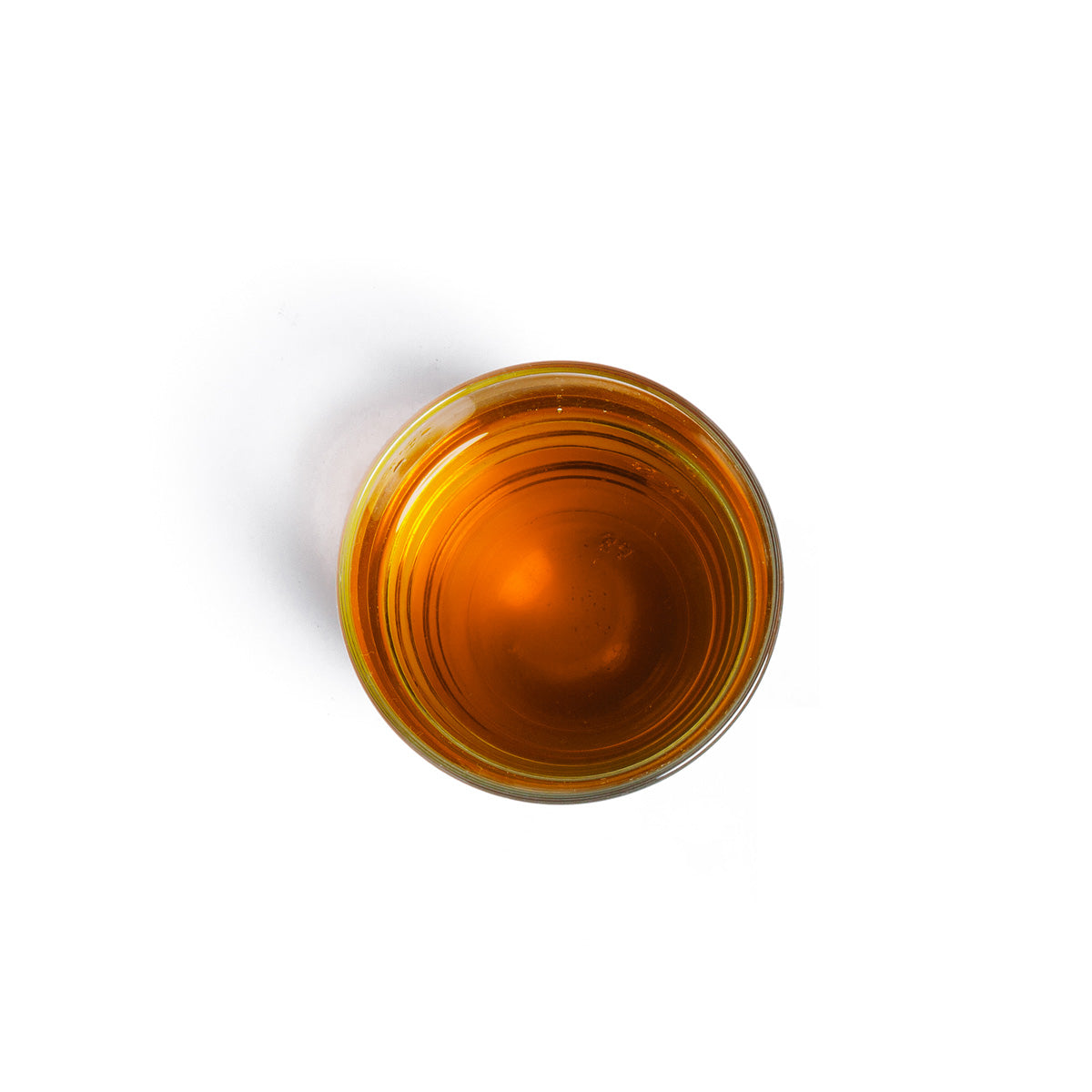
Japanese pu’er is best outlined relative to other teas. It is, like Chinese pu’er, fermented tea and ends up in the world of black teas. It leaves you with a dark cup of tea and is often considered pu’er tea alongside Chinese pu’er tea. It is not like sencha, which is considered an unfermented tea. This difference is furthered not only by its color but also by its production methods. The Japanese employ their own innovation into the mix. Instead of aging the tea and differentiating between raw and ripe pu’er, Japanese pu’er is developed from another Japanese tradition.

If you are familiar with shochu, chances are you have been exposed to its link to Japanese pu’er. Shochu 焼酎 is a Japanese alcoholic beverage, approx. 35% or less alcohol is often made from rice, barley, or other bases. In Shochu, a mold breaks down the starches of the base ingredients into fermentable sugars. While there are three types of molds, the one that concerns us and its relationship to Japanese pu’er is Shirokoji 白麹 or "white mold". With the shirokoji, unoxidized green tea is subsequently fermented for approximately four days. In a highly controlled environment that resembles more of a laboratory than a tea production site, Japanese pu’er tea is created. In fact, Japanese innovation was able to create two new polyphenols along the way!

Here is a video we made about Japanese Puerh Tea:

videoid="W6RMEJMkr2s"

Is Japanese pu’er a serious alternative?

Yes. Japanese pu’er is a great option for pu’er lovers and those curious to try this special tea. Dark and often with a toasty-like flavor, Japanese pu’er is also incredibly healthy. It includes the probiotics you find in Chinese pu’er, in fact pu’er is the only tea that contains probiotics. Additionally, it is loaded with antioxidants and has the benefits of lowering cholesterol and helping people lose weight. It’s not always easy trying out new teas, but Japanese pu’er may not only teach you something about the innovation of tea but also the joys of trying something new.

Buy Diet Puerh Tea

FAQs about Chinese vs Japanese Pu-erh Tea

Are Chinese pu-erh and Japanese pu-erh actually the same tea?
They share a name and a basic process category but they're meaningfully different in origin, microbiology, and flavor. Chinese pu-erh (普洱) comes from Yunnan province, uses large-leaf Camellia sinensis var. assamica, and undergoes microbial fermentation by specific molds and bacteria native to the Yunnan region — that's what gives raw pu-erh its earthy, mushroom-like depth and aged pu-erh its complex bottom-of-the-cellar character.

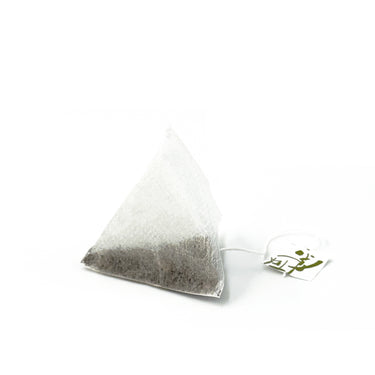
Japanese pu-erh (sometimes labeled "Saryu Soso" or "diet pu-erh") uses Japanese-grown Camellia sinensis var. sinensis (the same plant as sencha) and is fermented through a similar but adapted process. The microbiome is different — Japanese pu-erh fermentation uses primarily Aspergillus niger and locally-cultured strains. The result is a milder, less earthy, more clean-tasting pu-erh that lacks the deep cellar notes of aged Chinese pu-erh. JPCo's Saryu Soso pu-erh teabags are this Japanese-style version.

Practical summary: Chinese pu-erh is the heavier, more complex, more traditional version. Japanese pu-erh is the lighter, cleaner, more modern adaptation. Both are technically pu-erh, but they sit in different flavor neighborhoods.

Why do people drink pu-erh — what's it actually supposed to do?

Two main reasons. First, taste — pu-erh is one of the most complex tea categories, especially aged Chinese versions. Drinkers compare it to wine in the way it develops character over years and even decades. Second, digestive support — both Chinese and Japanese pu-erh have folk associations with digestion, fat metabolism, and post-meal comfort. Some clinical studies have shown modest effects on cholesterol and triglyceride levels with daily pu-erh consumption.

Japanese pu-erh specifically is marketed in Japan as "diet tea" (ダイエット茶) — the name reflects the long-standing belief that it helps with weight management. The actual evidence is real but mild: a small body of research suggests pu-erh modestly reduces blood lipids and may slightly support fat metabolism. As with most weight-related tea claims, the effect is supportive rather than transformative.

Honest take: drink pu-erh because you like the flavor or you want a post-meal digestive ritual. Don't expect dramatic weight loss results from any tea, including pu-erh.

Is aged pu-erh actually better, or is that wine-style hype?

Both. Quality pu-erh genuinely improves with proper storage over years — the microbial fermentation continues slowly, complex flavor compounds develop, and the harshness of young raw pu-erh smooths into something deeper. A well-aged 20-year Chinese pu-erh can be a remarkable experience that no fresh tea matches.

Where the hype enters: not all pu-erh ages well, and storage conditions matter enormously. Pu-erh stored in humid coastal regions (Hong Kong, Guangzhou) develops differently than pu-erh stored in dry inland regions (Kunming, Beijing) — same tea, dramatically different end product. "Aged pu-erh" prices have soared in recent years, and the market includes a lot of fakes, mislabeled "vintages," and teas that aged poorly being sold as if they aged well.

For Japanese pu-erh, aging isn't really part of the tradition. It's typically consumed within 1-2 years of production. The Chinese aging tradition doesn't translate cleanly to Japanese-style pu-erh; the microbial profile is different and the flavor doesn't develop the same complexity.

Does pu-erh have caffeine — how does it compare to green tea?

Yes, similar to green tea. Both Chinese and Japanese pu-erh contain roughly 30-50mg of caffeine per cup, in the same range as standard sencha (25-35mg). The caffeine content depends on leaf grade and brewing variables more than it depends on the pu-erh-vs-green-tea distinction.

Aged Chinese pu-erh sometimes has slightly lower caffeine because the long fermentation breaks down some of the caffeine alongside the catechins. Young raw pu-erh often has higher caffeine than green tea because of the bigger-leaf assamica plant. So caffeine in pu-erh ranges from "slightly lower" to "slightly higher" than green tea depending on age and type.

If you're caffeine-sensitive, decaffeinated pu-erh is rare and not as well-made as decaf green tea. Hojicha (ほうじ茶) is a better low-caffeine option for the post-meal digestive ritual that draws people to pu-erh — gentler caffeine, similar warm depth.

Can I substitute Japanese pu-erh for Chinese pu-erh in recipes or rituals?

For casual drinking, yes — both work as a post-meal digestive tea. For specific Chinese tea rituals (gongfu cha brewing, multiple short steeps from a small clay teapot), Japanese pu-erh works mechanically but doesn't have the flavor complexity to deliver the experience the ritual is designed for. Use Chinese pu-erh if you're doing gongfu cha; Japanese pu-erh is fine for quick-brew daily drinking.

In recipes — pu-erh-flavored chocolate, ice cream, savory braises — Chinese aged pu-erh is dramatically better because the deep umami earthiness gives the dish character. Japanese pu-erh in the same role tastes more generic, like a slightly bitter tea base without the distinctive note. If a recipe specifies aged pu-erh, the Japanese version isn't a fair substitute.

For the diet/digestive purpose specifically, both work equivalently. The functional benefits don't depend on flavor complexity, just on the catechin/polyphenol load, which is similar in both.

Related products

85 reviews

Japanese Diet Pu-Erh Tea - Saryu Soso (30 tea bags)

$35.00
Quick view

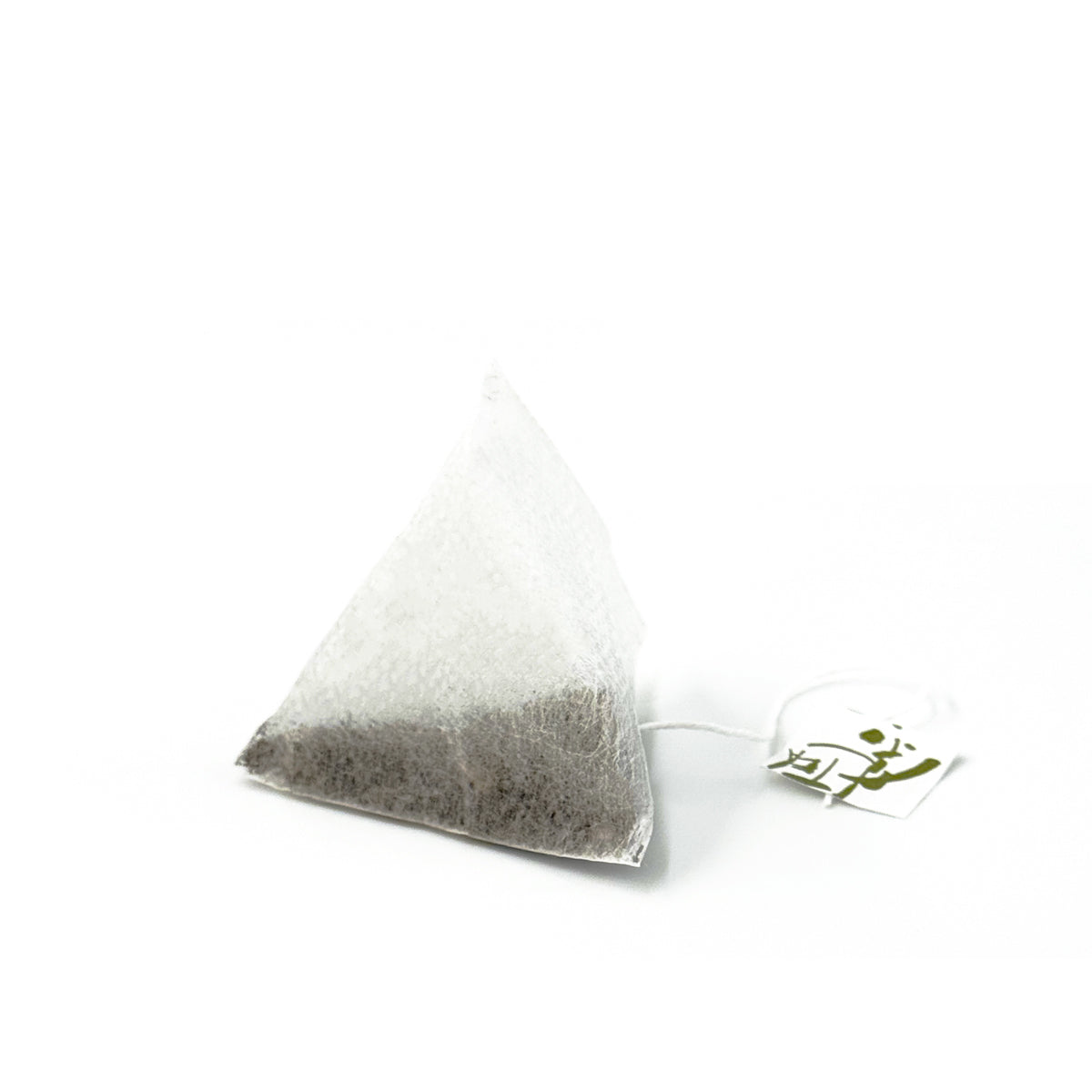
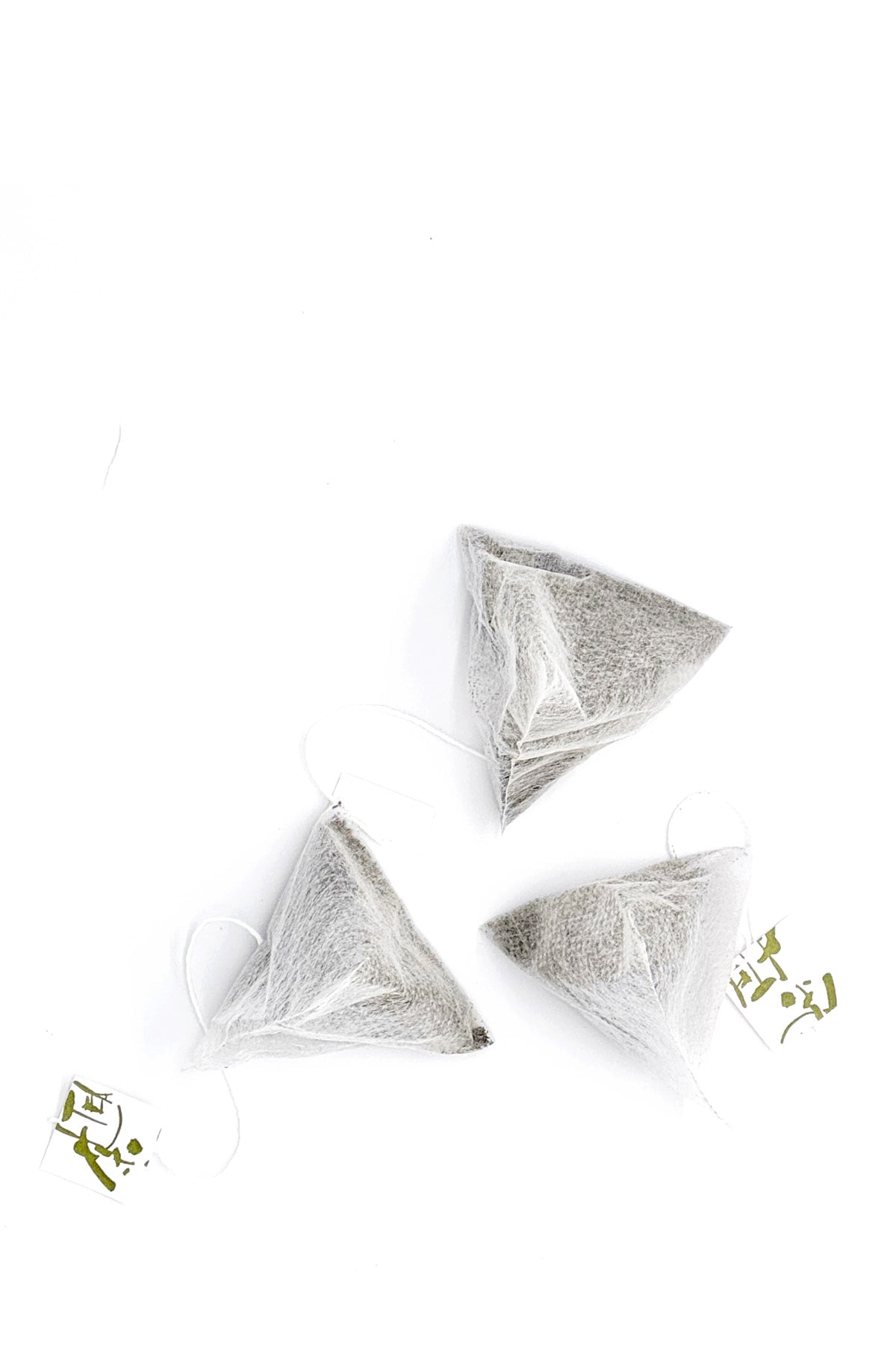
Japanese Diet Pu-Erh Tea—Saryu Soso is a nationally award-winning tea from Japan, celebrated for its dietary and skincare benefits and containing 1.7 times more tannic acid than traditional Chinese Pu-Erh tea. Developed in collaboration with Shizuoka University and utilizing patented bacteria by Mr. Denbei Kawamura, this tea produces Teadenol, a natural component that promotes healthy skin. Fermented for 80 hours in a High-Tech Clean Room using semiconductor-level technology, Saryu Soso offers an exceptionally pure and refined experience. Cultivated by the Chagusaba method in nutrient-rich sugarcane soil and made from the Yabukita cultivar, each resealable aluminum bag contains 30 pyramid-shaped tea bags, delivering a perfect balance of tradition, innovation, and health benefits.

8 reviews

The Sencha Lover Gift Set - Premium Japanese Green Tea Set Package
$179.00 $159.99
Quick view

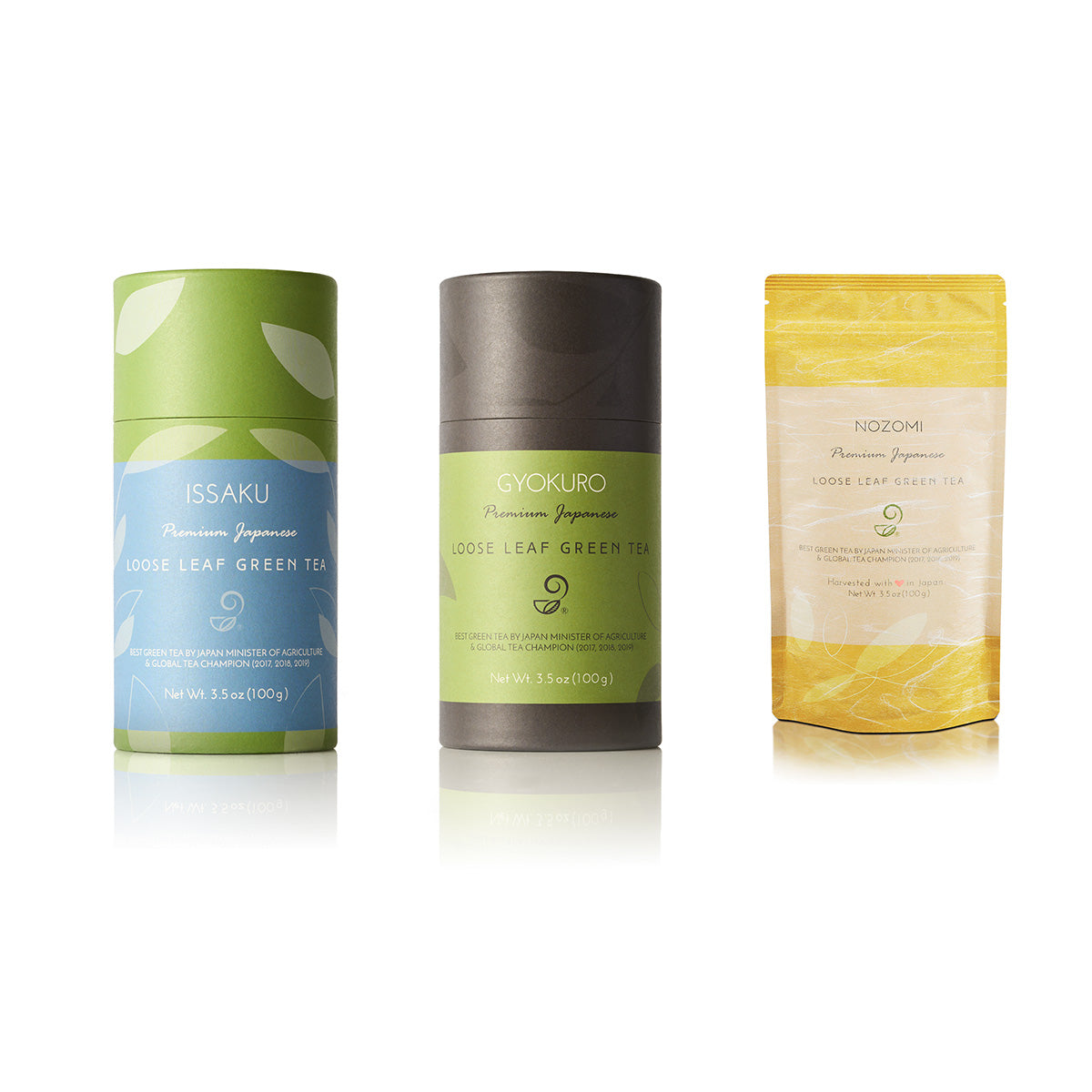
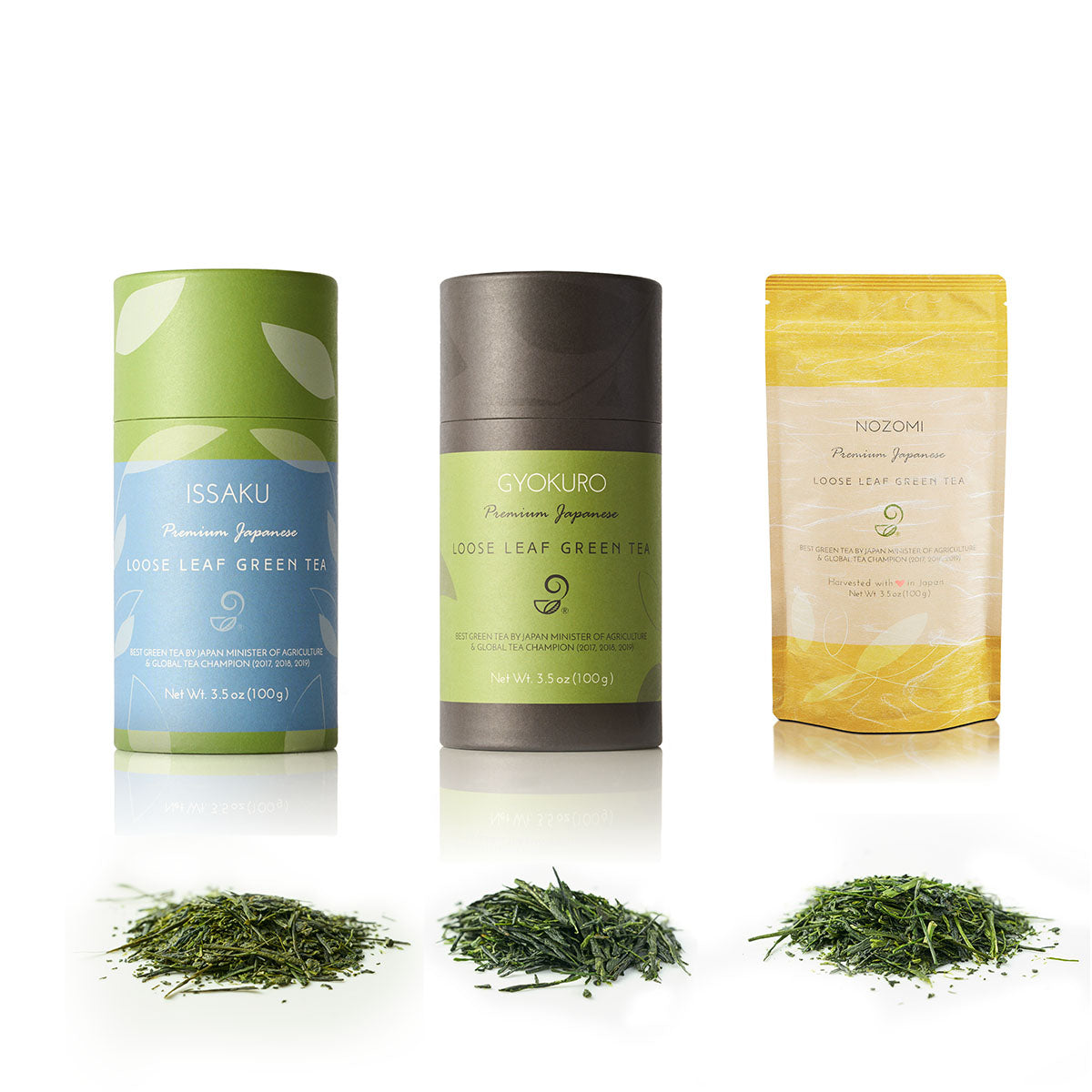
This tea set features three exceptional Japanese green teas, each crafted with care and traditional techniques. Issaku Reserve, a Global Tea Champion winner in 2017 and 2019, is a rare masterpiece created by Farm Master Mr. Arahata at Arahataen Green Tea Farm. Handpicked once a year from the first flush and processed with advanced methods, Issaku represents the highest-grade deep-steamed green tea, available only in limited quantities even in Japan.

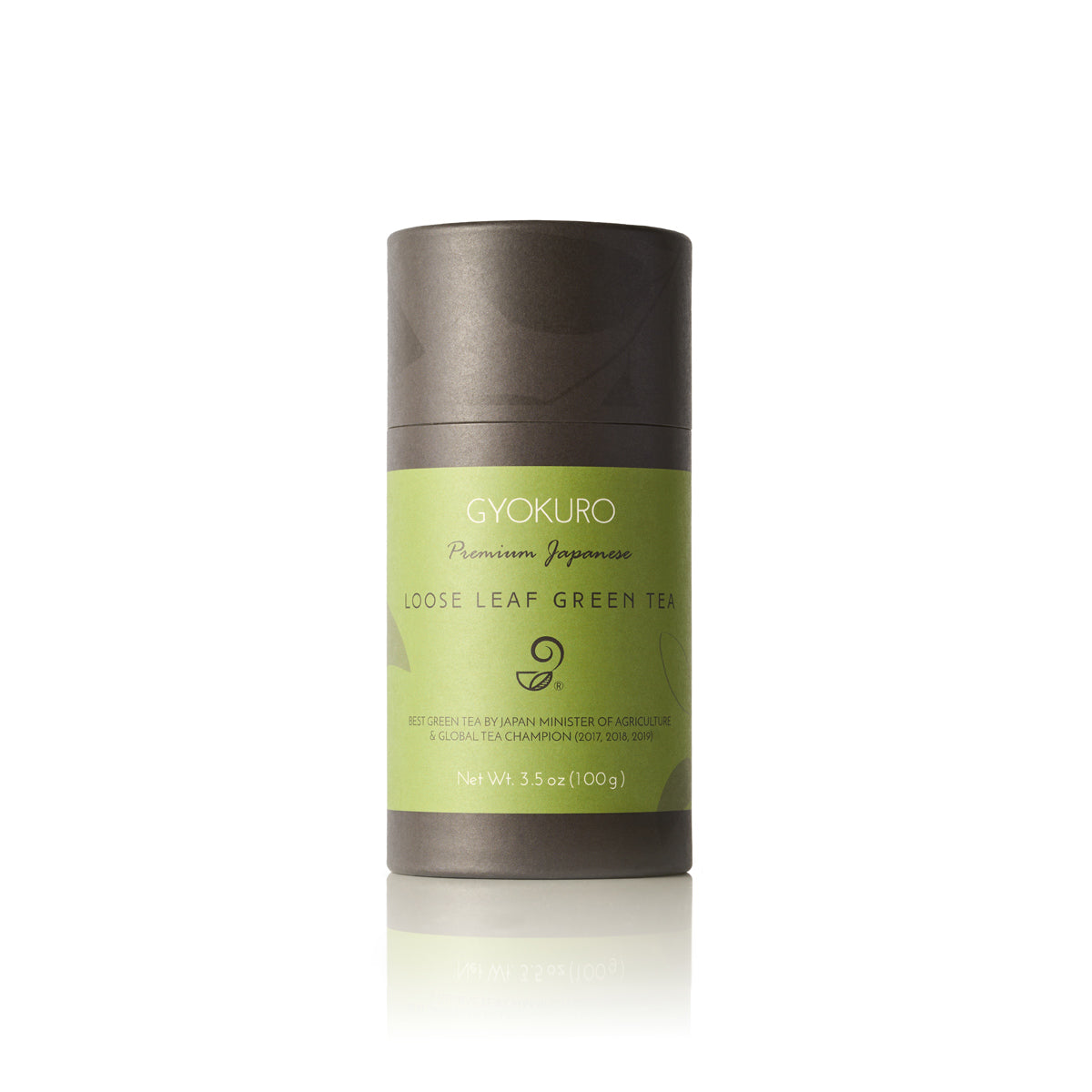
The set also includes Gyokuro, a premium shaded green tea known for its rich, sweet flavor and deep mossy green color. Grown under special mats for 20 days to increase caffeine and amino acid levels, Gyokuro offers a layered, smooth taste unlike any other. Completing the collection is Nozomi, a fine Kabuse-cha, or "Covered Green Tea," carefully grown under nets to gently shade the leaves just before new sprouts emerge, resulting in a soft, rich, and refined flavor profile.

97 reviews

Gyokuro - Shaded Imperial Premium Green Tea

$65.00
Quick view

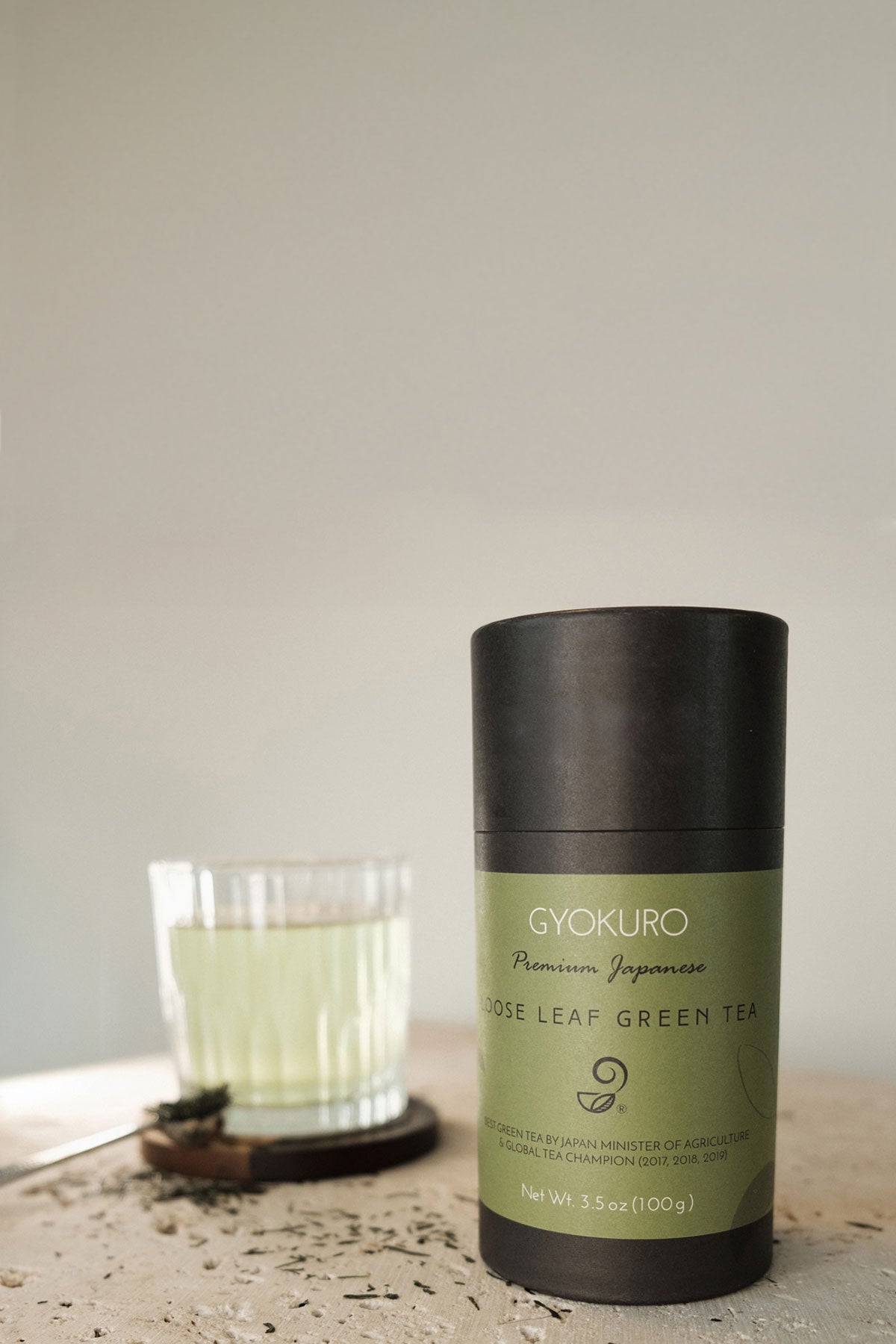
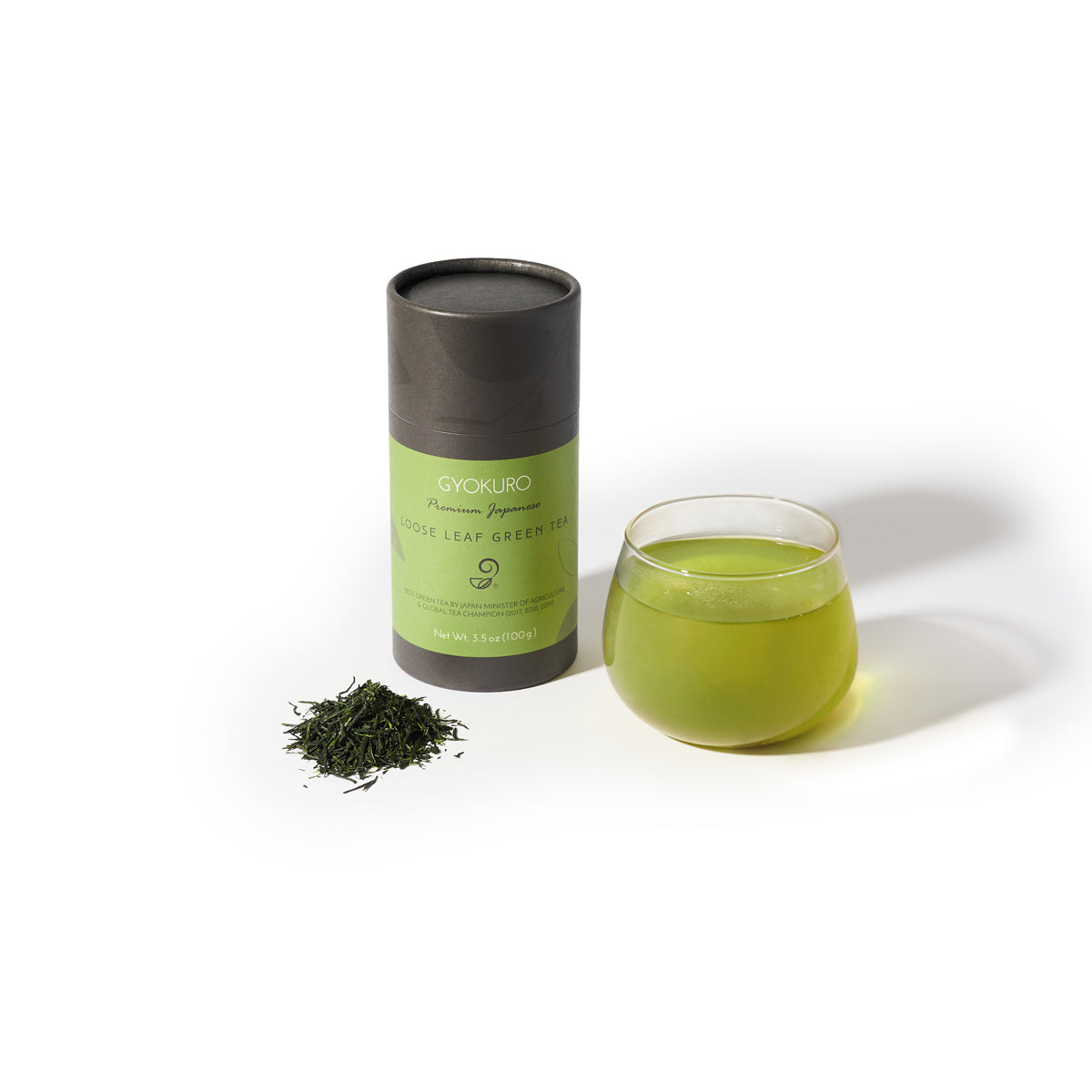
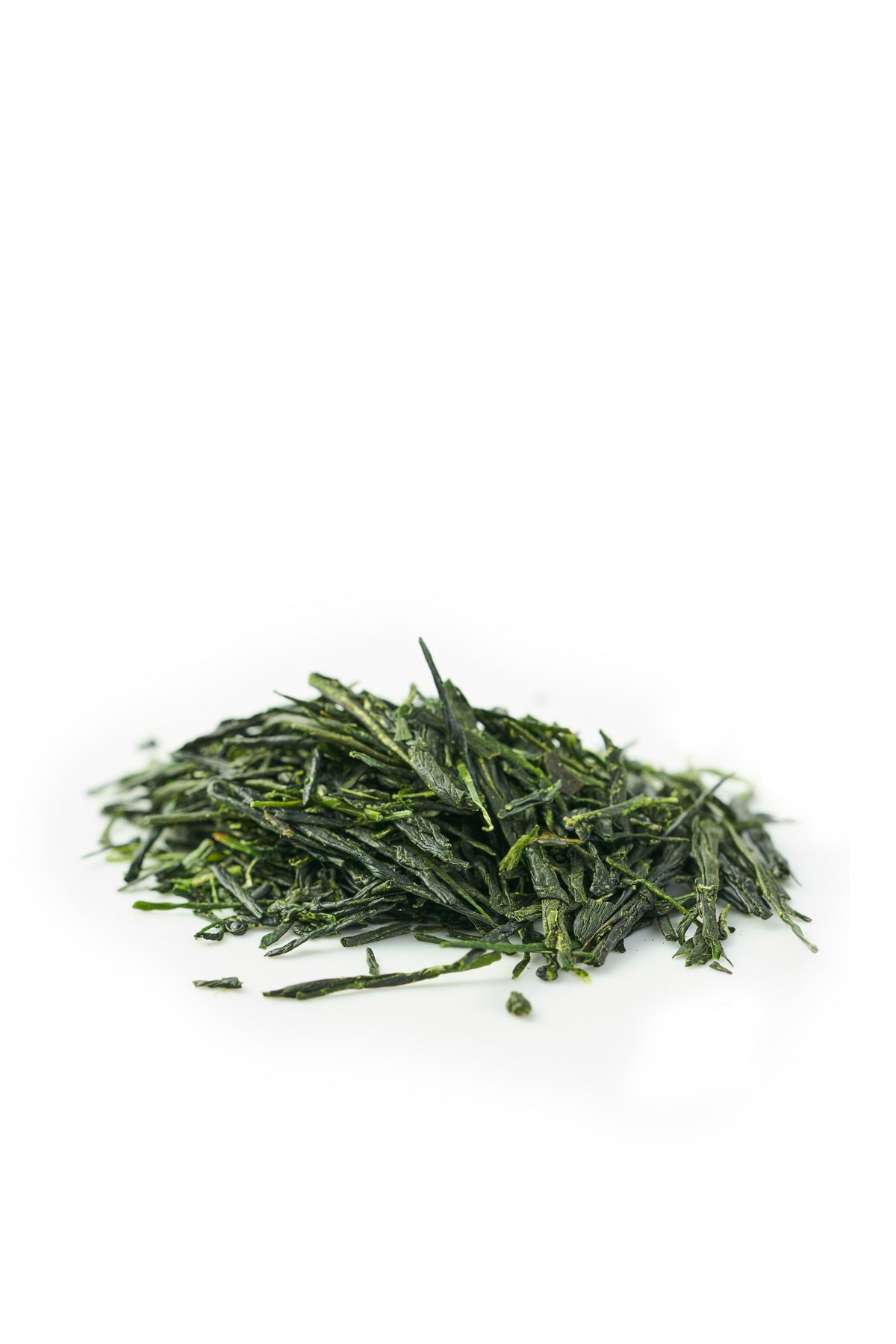
Gyokuro, also known as "jade dew" or "jewel dew tea," is a premium Japanese green tea shaded from the sun for 20 days using specially made mats, a method that boosts caffeine levels and strengthens amino acids to create a sweeter, richer flavor. This extended shading process results in dark, mossy green leaves with an unmistakable aroma and a complex taste that is layered yet balanced. Cultivated by the Chagusaba method in nutrient-rich sugarcane soil and made from the Yabukita cultivar, this loose-leaf authentic Gyokuro is offered in a high-quality, air-tight paper tube canister (chyazutsu) to preserve its exceptional freshness and flavor. Each 3.5 oz (100g) full-size package steeps 30–40 cups, and a convenient single-serve sample is also available.

45 reviews

Hojicha - Roasted Green Tea

$25.00
Quick view

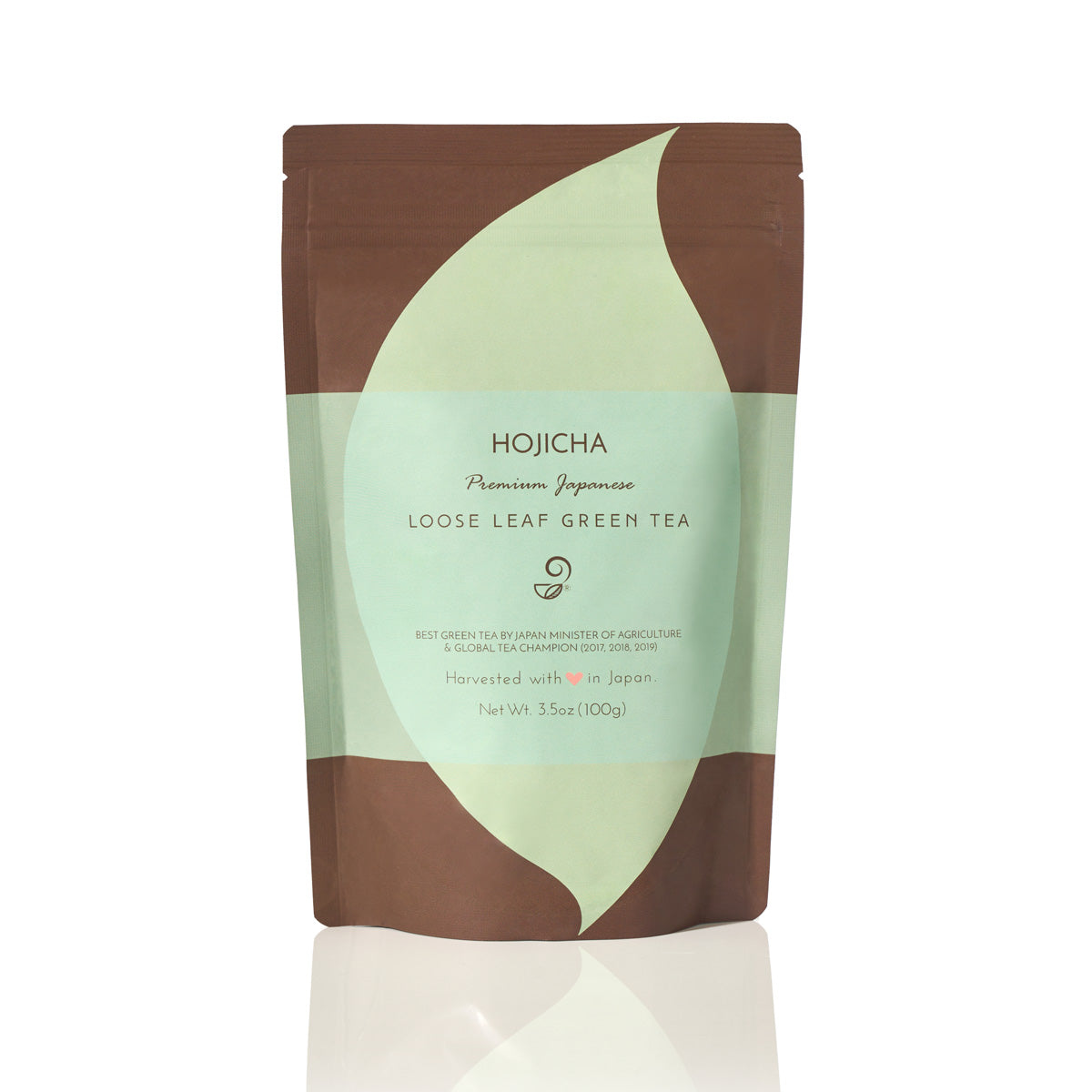
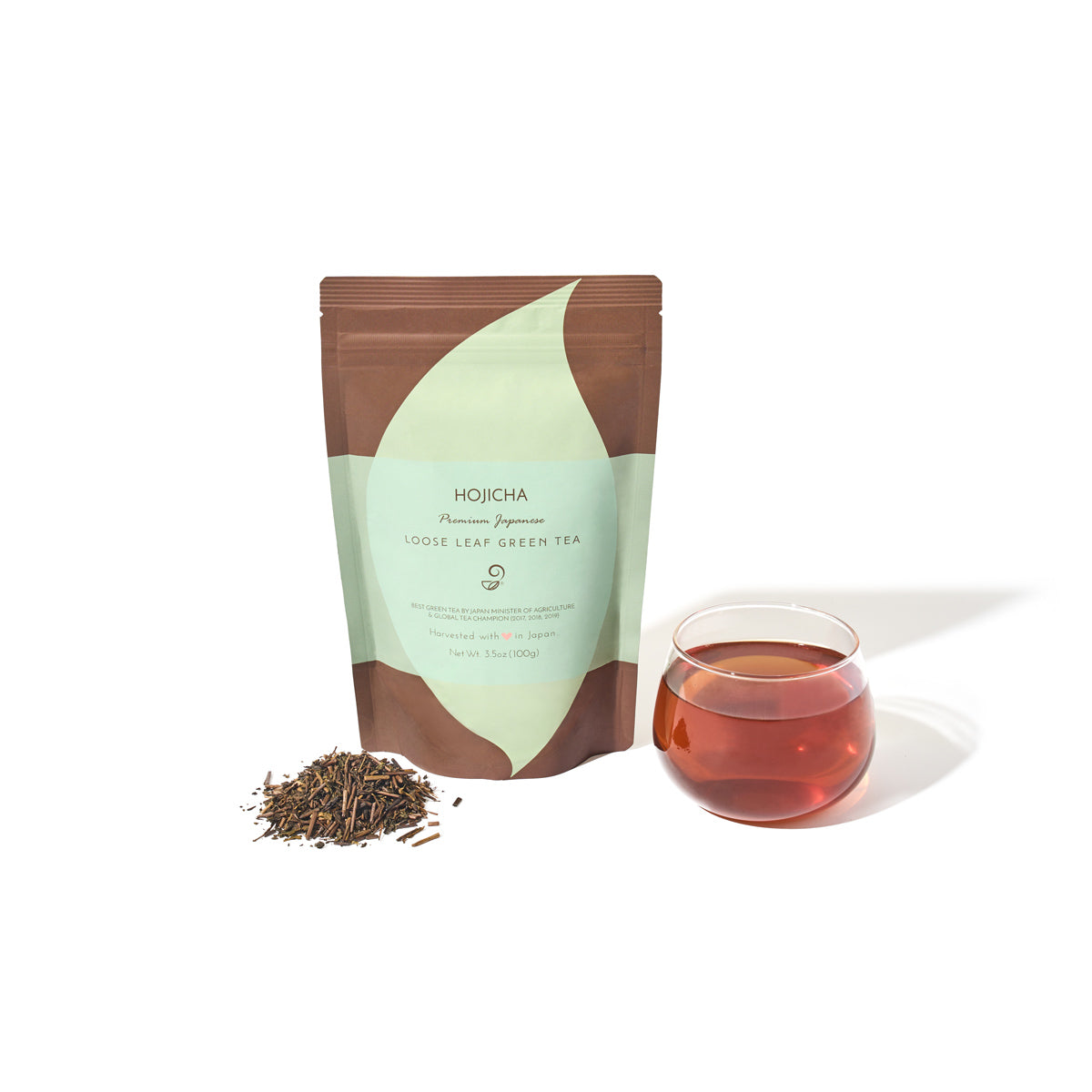
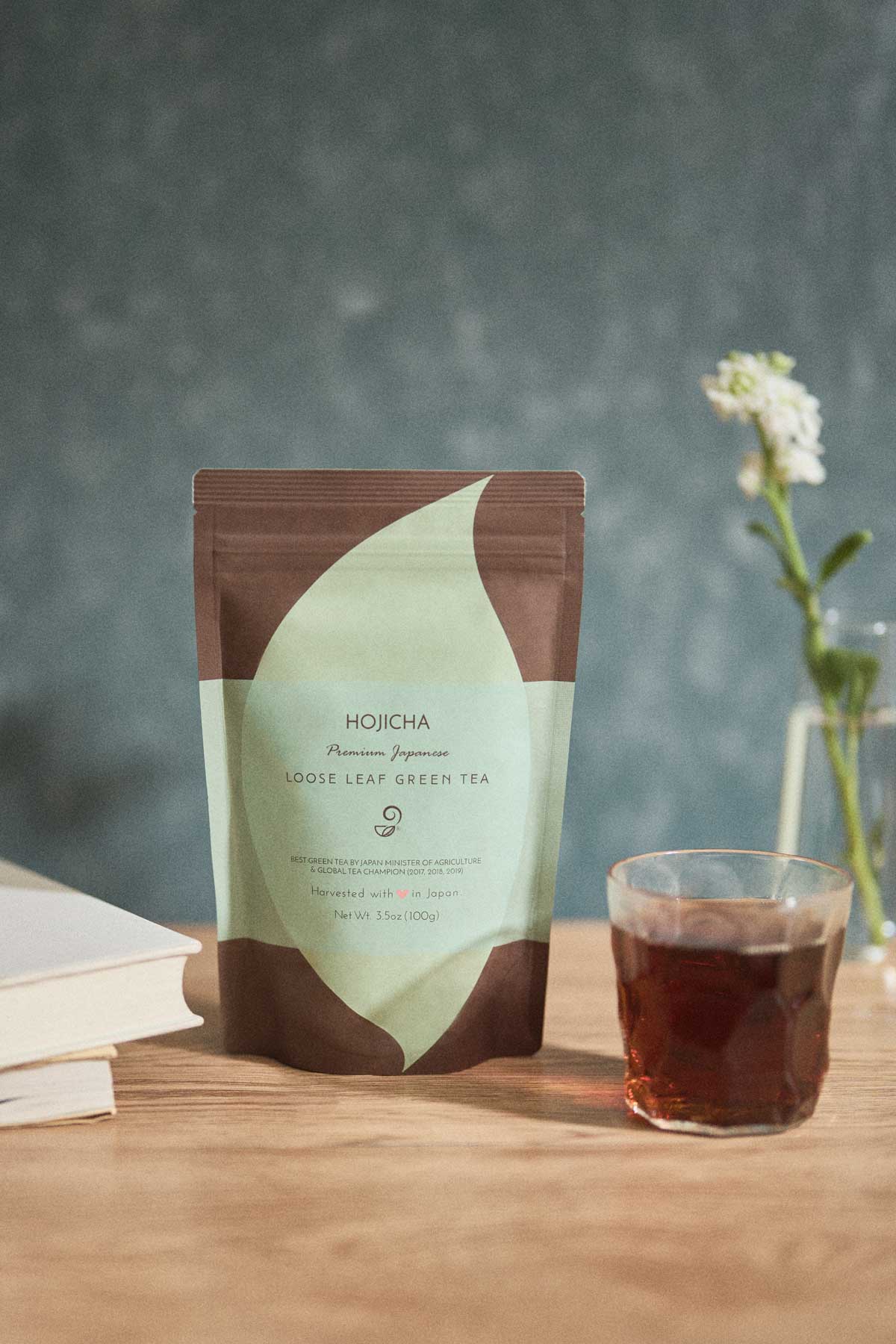
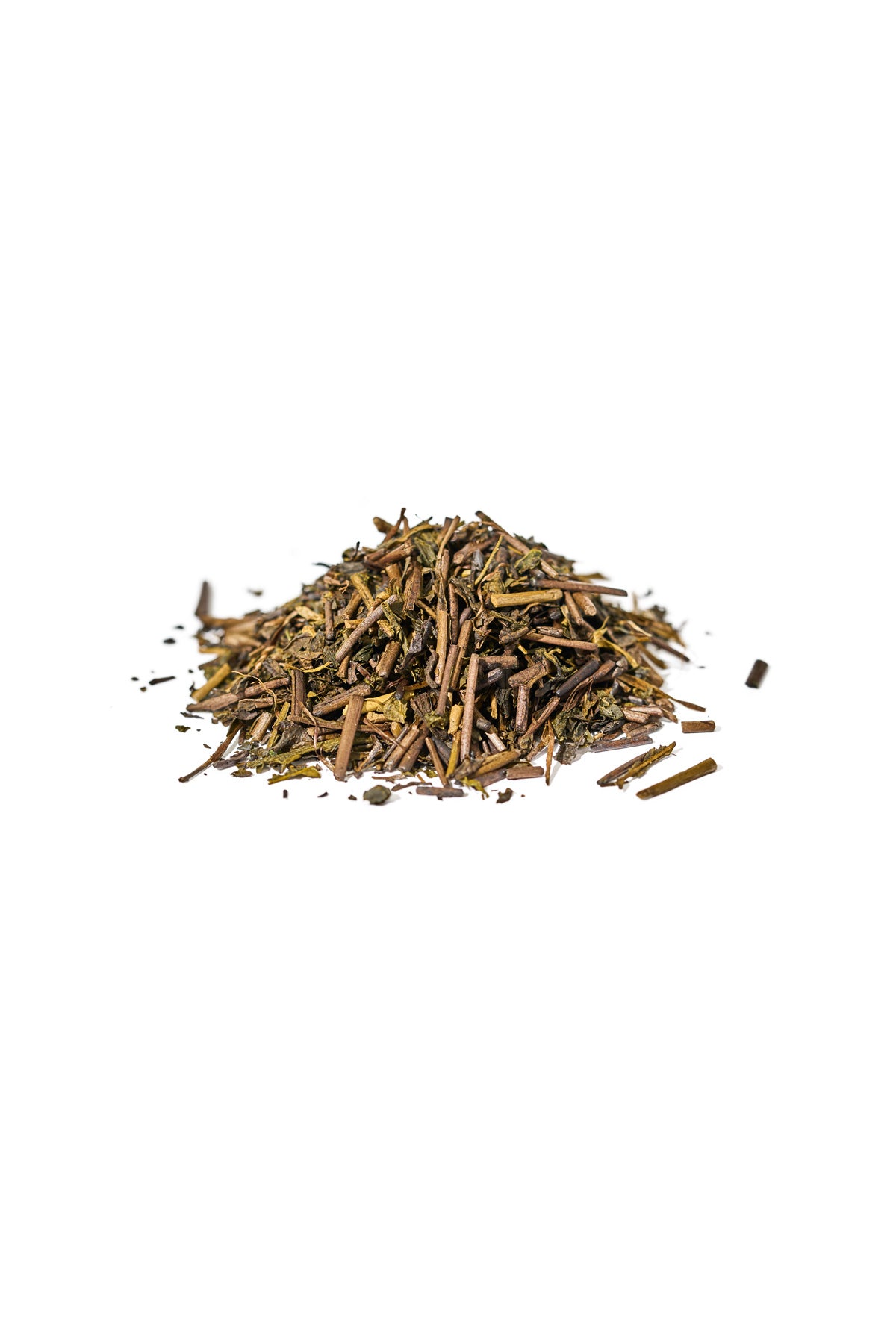
Our roasted green tea, known as hojicha (ほうじ茶), is crafted from freshly harvested premium green tea carefully roasted in porcelain over charcoal to maximize flavor while retaining more catechins than typical hojicha on the market. With lower caffeine and a smoother, less bitter taste compared to steamed green tea, it is an ideal choice for evening relaxation and is gentle enough for kids and pregnant women. Cultivated using the Chagusaba method in nutrient-rich sugarcane soil, this loose-leaf authentic Japanese roasted green tea, made from the Yabukita cultivar, also pairs beautifully with oily foods. Each eco-friendly resealable package contains 3.5 oz (100g) of tea, enough to steep 30–40 comforting cups.

80 reviews

Matcha - Ceremonial Japanese Powdered Green Tea

$39.00
Quick view

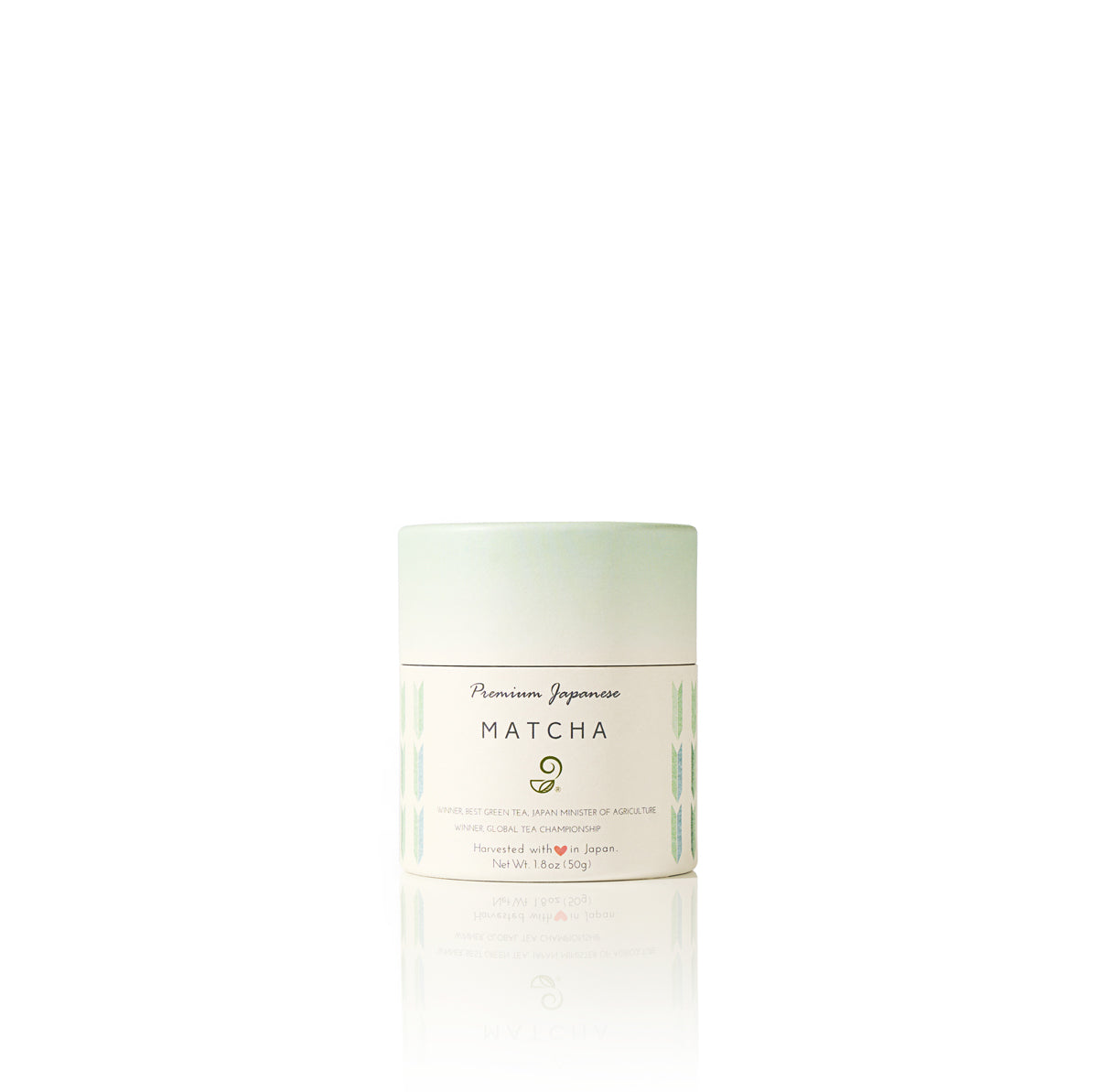
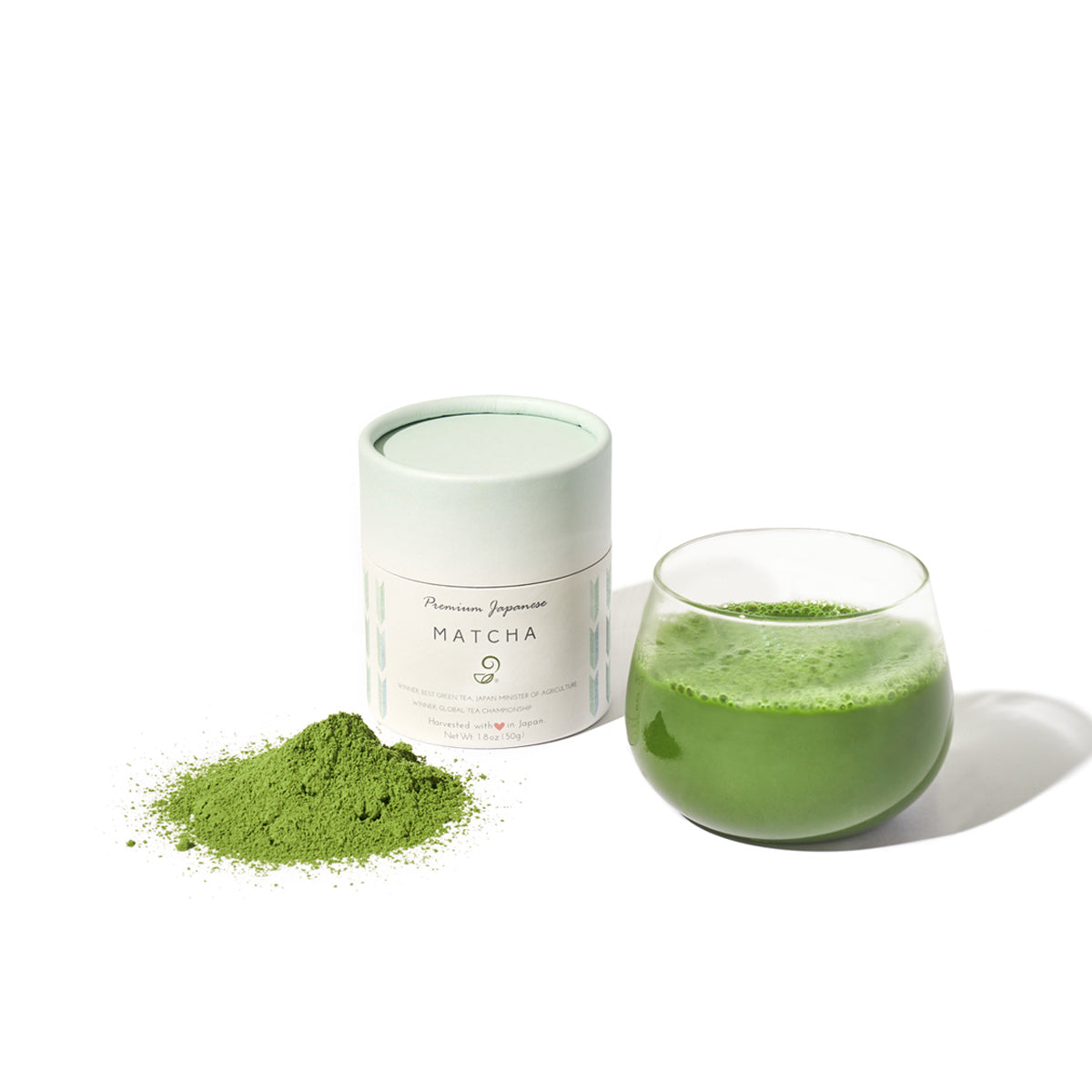
This ceremonial matcha is crafted from the finest Japanese green tea, grown in nutrient-rich soil enhanced with compostable grasses and sugarcane through the Chagusaba method, which gives the tea a natural sweetness and exceptional flavor. In collaboration with researchers from Shizuoka University, farmers ensure that the soil quality consistently produces tea of the highest standard.

Renowned among top Japanese chefs for its unmatched aroma, this matcha is made by carefully shading the plants before harvest to boost caffeine and amino acids, then meticulously drying, de-stemming, and grinding the leaves into a fine powder. Made from the Yabukita cultivar, this 1.8 oz (50g) matcha comes in a high-quality, air-tight paper tube canister, providing a luxurious and authentic Japanese tea experience.


Related Articles You May Be Interested

What is Japanese Diet Pu-erh Tea? Explained in One Minute
A Brief History Of Japanese Green Tea
Japanese Green Tea vs. Peruvian Tea
Japanese Green Tea vs. Turmeric Tea - 10 battles you don't want to miss
Japanese Green Tea vs Italian Tea
Japanese Green Tea vs Italian Tea - Personal account of tea in Italy from my recent Italy trip

Get Free Bonus Books

Join Green Tea Club

Sign up for free to the Green Tea Club to get advice and exclusive articles about how to choose Japanese Tea, and tips, tricks, and recipes for enjoying Japanese tea.

Unsubscribe anytime. It’s free!

About the author

Kei Nishida

Kei Nishida

Author, CEO Dream of Japan

info@japanesegreenteain.com

Certification: PMP, BS in Computer Science

Education: Western Washington University

Kei Nishida is a passionate Japanese green tea connoisseur, writer, and the founder and CEO of Japanese Green Tea Co., a Dream of Japan Company.

Driven by a deep desire to share the rich flavors of his homeland, he established the only company that sources premium tea grown in nutrient-rich sugarcane soil—earning multiple Global Tea Champion awards.

Expanding his mission of introducing Japan’s finest to the world, Kei pioneered the launch of the first-ever Sumiyaki charcoal-roasted coffee through Japanese Coffee Co. He also brought the artistry of traditional Japanese craftsmanship to the global market by making katana-style handmade knives—crafted by a renowned katana maker—available outside Japan for the first time through Japanese Knife Co.

Kei’s journey continues as he uncovers and shares Japan’s hidden treasures with the world.

Learn more about Kei Nishida

Related Posts

Behold: Balmuda's "The MoonKettle" — Where Boiling Water Becomes Art

We were privileged to be invited by Balmuda's Private MoonKettle Launch Event. Here are videos of it and everything you

Read More
OC Japan Fair April 2026 — Visit Us at Booth #A8!
OC Japan Fair Spring 2026 Recap (April 3 - 5 2026)

We were at OC Japan Fair again! April 3-5 2026 with new products, Miki Pon's art debut and more. Here is a recap video f

Read More
Super Mario and Japanese Green Tea

Super Mario and green tea share a hometown! Watch our Yoshi Matcha Cookies video recipe + discover how Nintendo and matc

Read More
Leave a comment

Your email address will not be published..

Cart

Your cart is currently empty.

Start Shopping

Select options