

Every golfer is looking for an edge that will give them an advantage. Whether it’s a match-play tournament, a stroke-play qualifier, or just a recreational game with your buddies, there’s always a drive to play well and create stories to tell over and over again at the 19th hole. With the dawn of advanced metrics like stroke-gain statistics and new technology enabling golfers to track their performance shot-by-shot, there are many different ways to gain an edge.
But what if there was a way to improve your golf game just by drinking green tea? While regulating your diet to maintain steady energy levels has long been a focus of professional golfers, many amateurs don’t pay much attention to such things. A hot dog and a sports drink at the turn and maybe a few beers on the back nine are the usual golf course diet for many amateur players. But recent studies are indicating that a sensible caffeine source like green tea can help you keep your head in the game and shave strokes off your score.
Beyond the physical boost, green tea also encourages a more intentional approach to the game itself. Golfers often overlook how their nutritional choices influence focus, patience, and on-course decision-making — all crucial factors in competitive rounds. By swapping impulsive, sugar-heavy snacks for a cleaner and more stable source of energy like green tea, players naturally develop more discipline in how they manage their bodies during a round. That same discipline frequently transfers into smarter course management, calmer pre-shot routines, and a clearer mind when facing high-pressure shots. In other words, choosing green tea isn’t just a dietary upgrade — it becomes part of a mindset that supports stronger, steadier performance from the first tee to the final putt.
Caffeine perks you up and drops your scores
Even if you’re someone who already has a normal level of caffeine intake throughout the day, it appears that timing your caffeine intake to optimize its impact on your golf game can help you cut strokes from your game.
A recent study at Auburn University, which controlled for outside influences like diet prior to and during the round, gave elite amateur golfers either caffeine or a placebo right before their round and then again after nine holes. They surveyed the players to gauge their mood and emotional state as well.
The results were surprisingly consistent: the group that received 155mg of caffeine before the round and after nine holes tended to average two strokes better than the uncaffeinated group. It didn’t matter if the players had a prior tolerance to caffeine from being regular coffee or tea drinkers or if caffeine consumption was entirely new to them.
What makes these findings even more compelling is how caffeine influences both the physical and cognitive aspects of a golfer’s performance simultaneously. Caffeine doesn’t just provide a burst of alertness — it enhances reaction time, improves concentration, and sharpens the mental stamina needed to stay consistent during long rounds. Golf is a sport where a single lapse in focus can turn a potential par into a double bogey, so even subtle improvements in mental clarity can translate directly into better scoring. By elevating a golfer’s ability to process information quickly — such as reading greens, judging distances, or committing to a swing decision — caffeine creates a measurable competitive advantage that builds hole after hole.
My own experiments with green tea
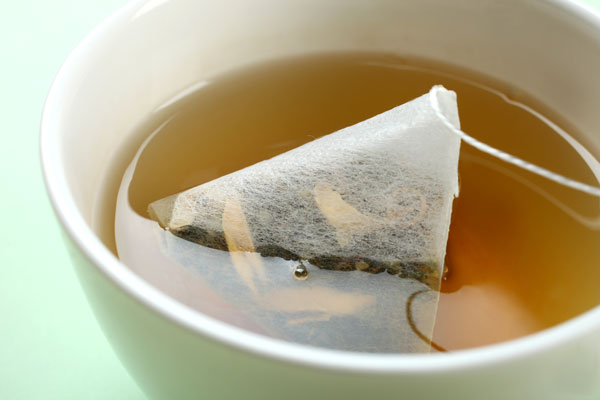
When the results of the Auburn study came out, I was intrigued enough to conduct my own mini-study. Rather than sticking to the "cup of coffee" amount of 155mg of caffeine in two distinct doses, I tried a couple of things. Green tea contains 30–50 mg in a properly brewed cup, so I started the day with a cup of it and then took a thermos full of it to the golf course.
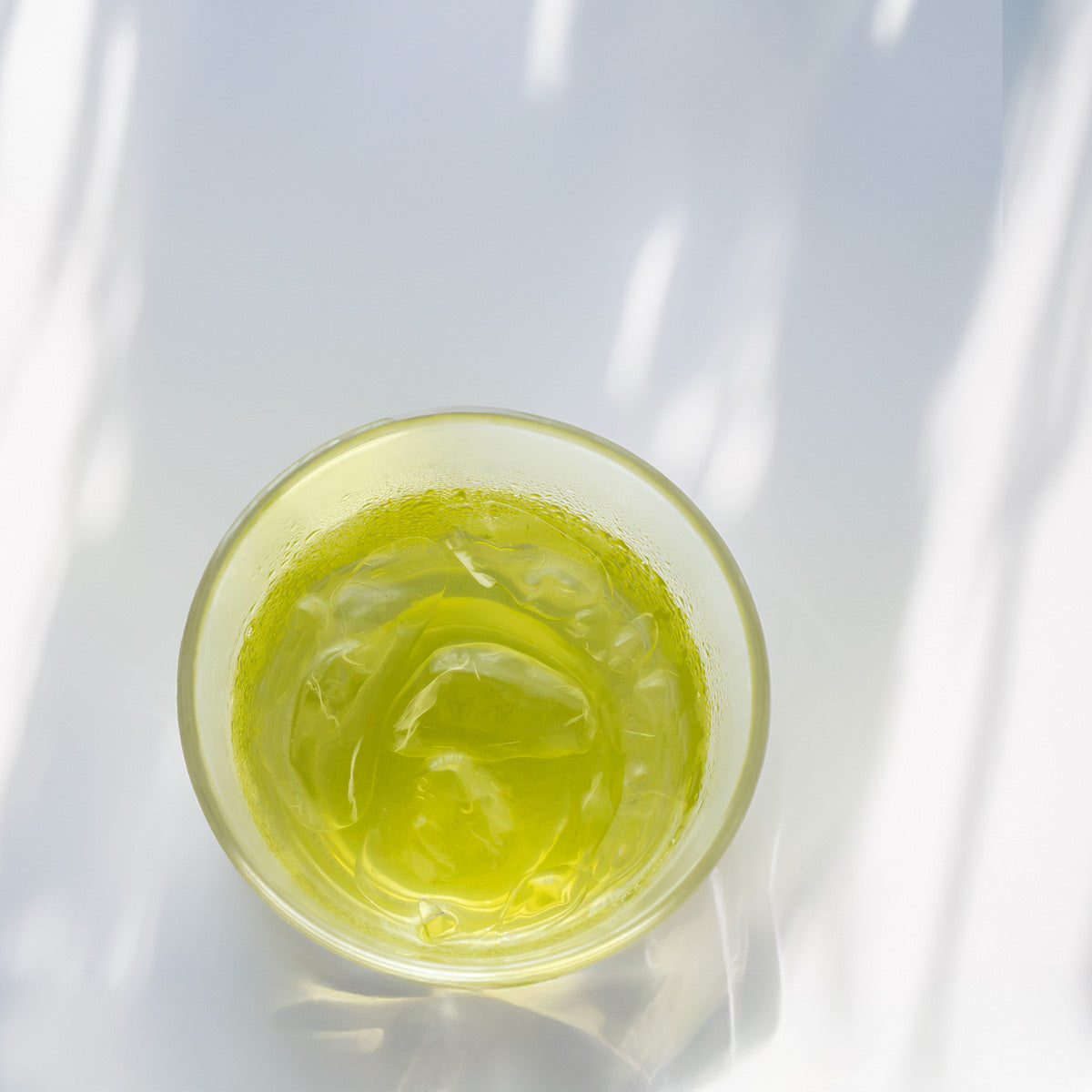
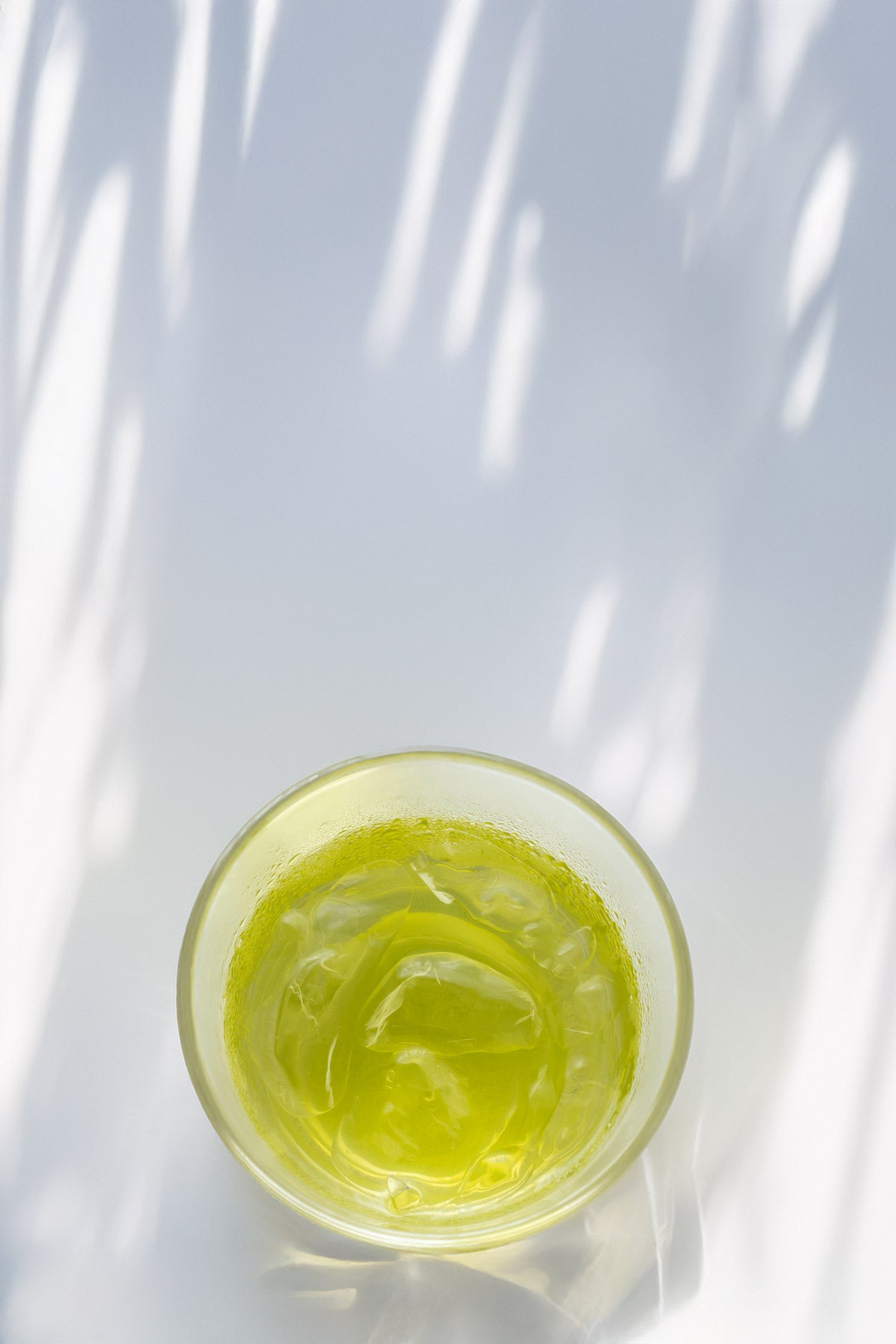
Most people are playing golf in the heat of summer, so it makes sense to me to make green tea ahead of time and bring it on ice in a Yeti or similar double-walled thermos. This makes it cool and refreshing, and easy to drink slowly over the course of an entire round.
Spreading the green tea consumption over the course of the entire round instead of a high dose at the beginning and a high dose at the end seemed to help even more. Both my game and the games of my students stayed consistent and good. Golfers know that it’s usually just a short stretch of holes that will ruin a good round; there will be 6 or 7 pars surrounding a stretch of two or three bogeys and double bogeys in a row.
What surprised me most during these trials was how naturally green tea integrated into the rhythm of a round. Unlike the abrupt jolt that comes from coffee or energy drinks, green tea provided a gradual lift that felt steady and sustainable. Instead of experiencing spikes and crashes, I noticed a smoother level of alertness that carried me from tee box to tee box. Even my students mentioned feeling more “in the zone,” describing the experience as a calm focus rather than an overpowering rush of energy. This steady state of mental clarity made it easier to stay patient, commit to our shot routines, and avoid the frustration that often leads to sloppy mistakes — ultimately contributing to more consistent scoring.
Surprise: green tea helps you focus
A slow, steady flow of green tea is a great way to avoid mental lapses during a long, exhausting round of golf. My performance and my students’ performance were noticeably more consistent when we did our green tea experiment: there were fewer outlier holes, and overall scores were better.
Most of the time, the really big numbers come from mental lapses rather than physical ones. Keeping a steady flow of green tea intake going instead of water rounded out the mental lapses and helped maintain the high level of focus that golf requires. With improved focus comes not only better initial shots but also better decisions after bad shots. Instead of compounding mistakes, golfers with a lightly caffeinated, well-hydrated brain are able to make good decisions that minimize damage and keep good scores going.
Another unexpected benefit was how green tea seemed to strengthen our ability to stay emotionally steady throughout the round. Golf is as much a mental battle as it is a physical one, and even a small shift in mood can influence the quality of a player’s swing or decision-making. The gentle caffeine in green tea, combined with its calming amino acid L-theanine, created a balanced alertness that helped us stay composed after poor shots. Instead of getting frustrated, rushing the next swing, or taking unnecessary risks, we found it easier to regain control, breathe, and move on with a smarter plan. That emotional resilience played a major role in preventing blow-up holes and maintaining a confident, focused mindset from start to finish.

Green tea augments golf’s fitness benefits
Many golfers take up the sport as a way to stay active later in life. It’s a common recommendation from doctors who see retirees who are no longer able to play the sports of their youth, like basketball or football, to suggest that they take up golf. The addictive nature of the sport is perfect for adults who crave the competition of sports but whose bodies need a lower-impact method of exercise.
After years of desk jobs and not enough exercise, golf is a good way to lose some of the excess weight that’s been put on over the years. And green tea helps augment the benefits of golf by increasing the body’s metabolism both with its catechins and its caffeine. So the weight-loss and fat-burning benefits that you’re already getting from hitting the golf course and walking 18 holes are multiplied when you implement a green tea regimen into your golf game.
What’s even more appealing is how green tea supports recovery — an often-overlooked part of golf fitness. Walking 18 holes, swinging repeatedly, and spending hours on your feet can leave you stiff and fatigued, especially for older players or those returning to activity after long breaks. Green tea’s antioxidants help combat inflammation and muscle soreness, allowing golfers to feel fresher the next day and more willing to get back on the course. Better recovery means more consistent practice, more rounds played, and ultimately faster improvement. By pairing golf’s steady physical activity with green tea’s metabolic and restorative benefits, players can build a healthier routine that enhances both performance and long-term well-being.
Not only will your scores improve, but your fitness will too.
Green tea is perfect for winter warriors
While most people consider golf to be a summer sport, I and many of my golf buddies aren’t afraid to play when it’s cold outside, often hitting the links in January when we get a 45-degree day and there’s not too much snow.
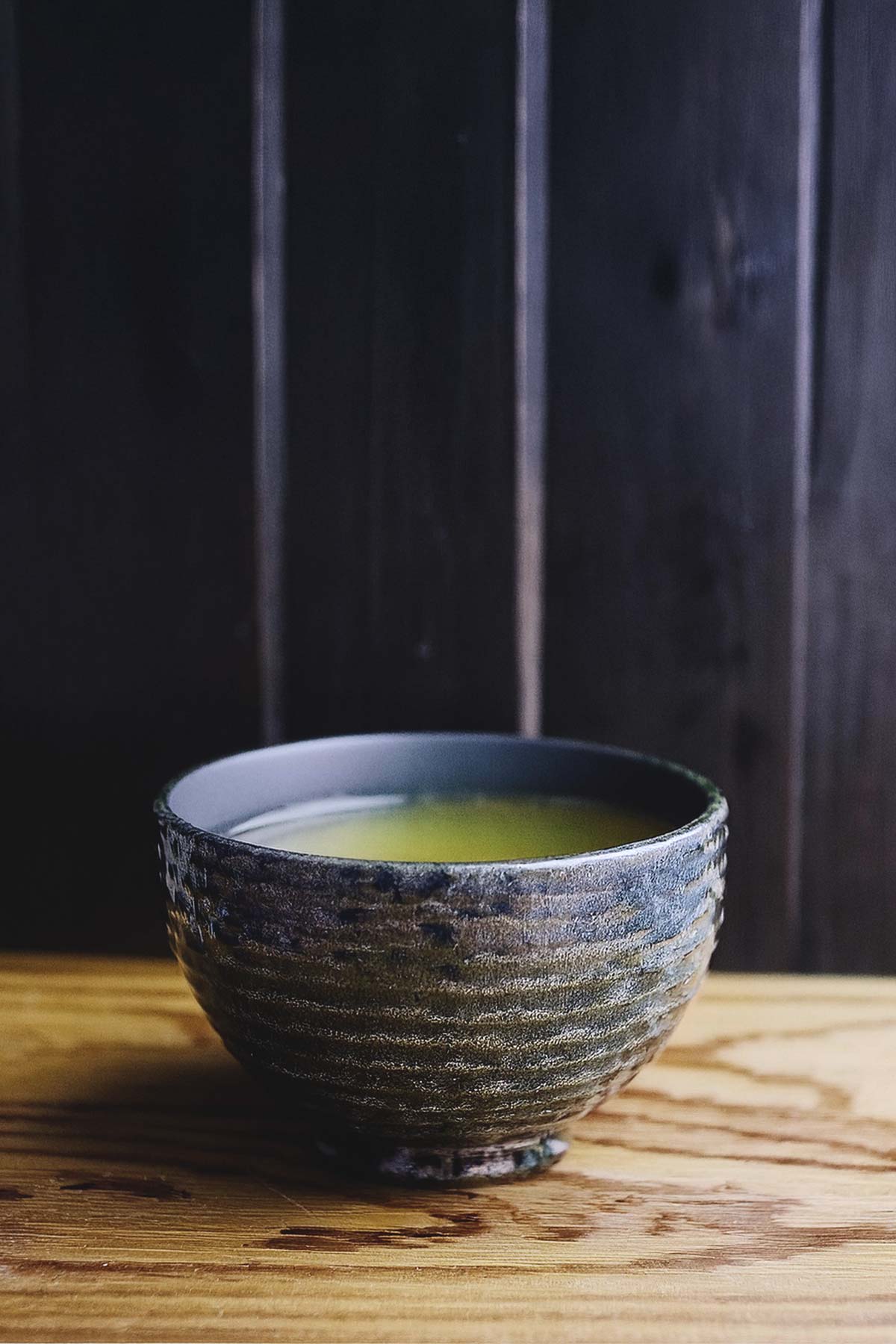
Hot chocolate is too calorie-laden, and coffee simply has too much caffeine for me; the overstimulation leads to excess nerves and jitteriness. But a nice warm thermos of green tea delivers the perfect inner warming sensation along with the right amount of caffeine to glean the mental focus benefits we’ve already covered.
When it’s cold out, many athletes neglect proper hydration, forgetting that all exercise requires liquid replenishment. Taking along a steaming thermos of green tea for drinking before and during your round of golf makes hydration a true pleasure rather than a burden.
To sum it up, green tea will help your golf game and may even improve your fitness level too. It’s ideal for hydration during the round and gives you a mental edge that just might propel you to victory in your next club championship. Whether it’s piping hot or poured over ice, green tea should be considered part of your golf equipment.
Another advantage winter golfers quickly notice is how green tea helps maintain steady energy despite the cold temperatures. Playing in chilly weather can cause your body to burn more calories just to stay warm, which often leads to early fatigue or sluggish swings on the back nine. The gentle caffeine and natural antioxidants in green tea provide a stable lift that keeps you alert without triggering the shakiness that coffee can cause in cold conditions. Even better, the warmth of the tea promotes better circulation, helping your hands stay looser and more responsive — a major benefit when you’re trying to maintain feel and control during winter rounds.
Conclusion
Green tea may seem like a simple addition to your routine, but its impact on your golf game is anything but small. From boosting focus and stabilizing energy to supporting recovery, metabolism, and hydration, it offers a unique combination of performance and wellness benefits that few beverages can match. Whether you prefer it iced during the scorching summer months or steaming hot on a frosty winter morning, green tea keeps your mind sharp, your body energized, and your swing steady throughout all 18 holes. For golfers looking to play better, feel better, and gain a subtle yet meaningful edge, making green tea part of your on-course strategy might just be the smartest adjustment you make this season.
About The Author

Jordan Fuller
Golf Expert / Editor-in-Chief
Golf Influence
Jordan Fuller is a golf mentor who also writes for https://golfinfluence.com/, which is a golf publication that he owned. When Jordan was young, his parents bring him along to their tee time on golf courses near their home in Ohama, Nebraska. By then, he was an aspirant who wants to get his play better, so he decided to become a member of a golf course, which leads him to where he is now.
Related products


8 reviews
$179.00
$159.99
/
Quick view
The Sencha Lover Gift Set - Premium Japanese Green Tea Set Package


Get Free Bonus Books

Sign up for free to the Green Tea Club to get advice and exclusive articles about how to choose Japanese Tea, and tips, tricks, and recipes for enjoying Japanese tea.


