Skip to content

Why Pyramid-Shaped Tea Bags are Considered Better

We consider tea bags heaven-sent because we can quickly have a cup of tea and do other things. The taste and aroma of loose tea leaves brewed in the teapot is still the best experience, although, in the end, it still depends on the tea quality and how organic your tea is. We do not have much time to clean the pots and cups after drinking, and it is also inconvenient to brew and strain a few leaves in a teapot where only one or two people will drink tea.

Some teabags do not accurately replicate the quality of loose leaf tea. Worse, the tea inside the bag is just tea leaf bits and powder. Because of this, you are just drinking liquid tea dust instead of tea flavor and extracts. Every tea connoisseur knows the disappointment of purchasing tea bags that don't live up to their expectations. But fret not, for these experiences teach us to distinguish between the good and the not-so-good. Not all tea bags are created equal, and we're here to introduce you to some exceptional Japanese green tea options, conveniently enclosed in pyramid-shaped tea bags that deliver on both quality and taste: 

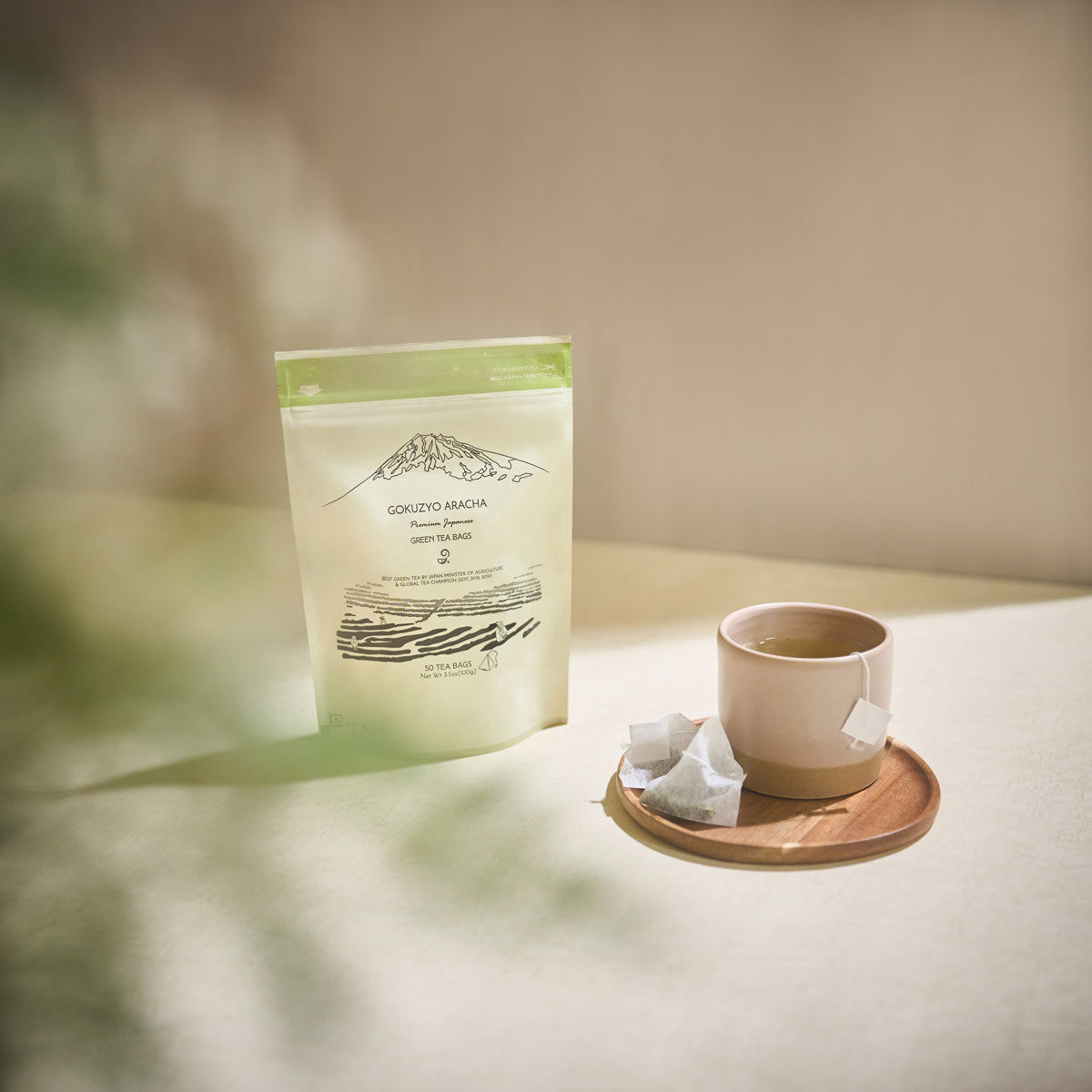
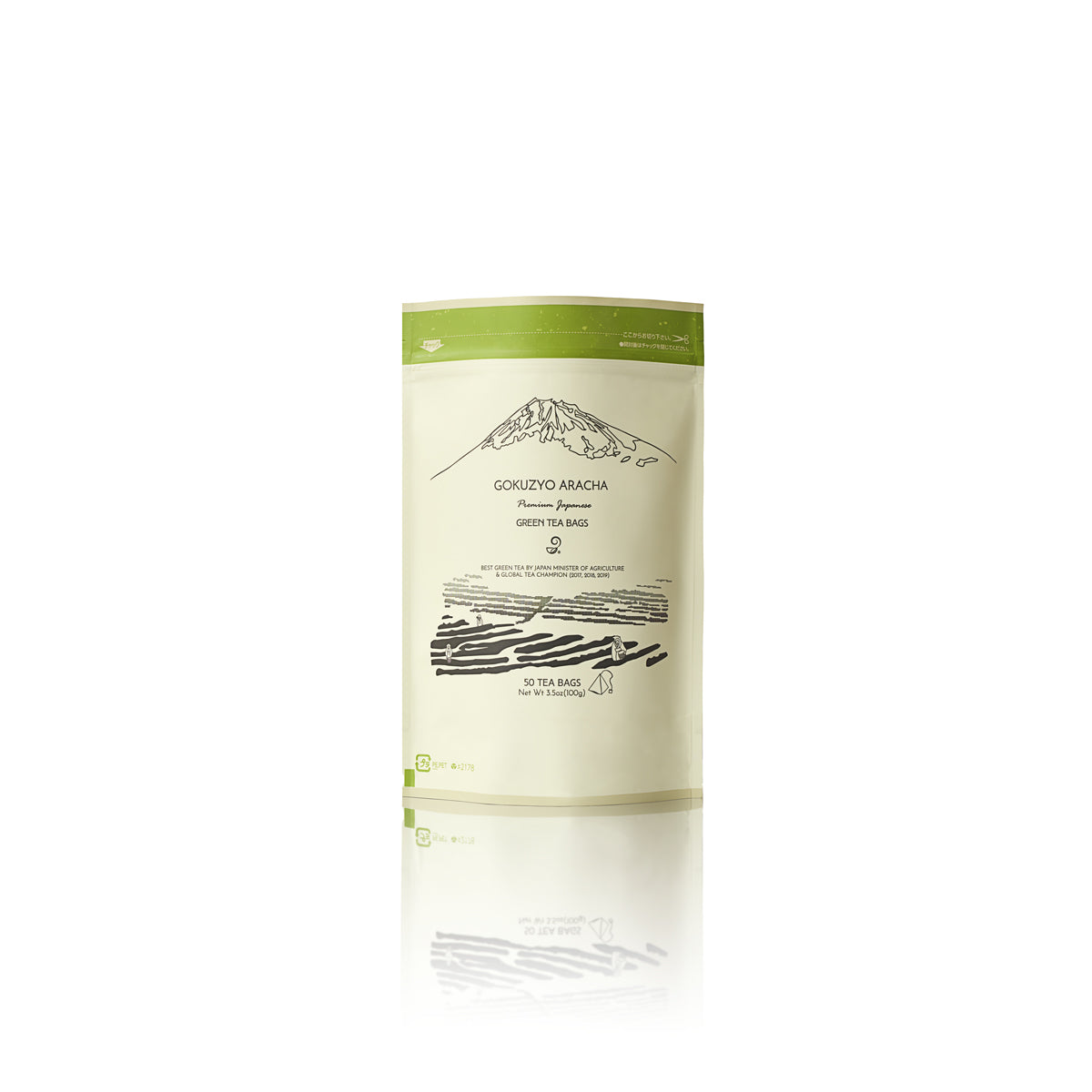
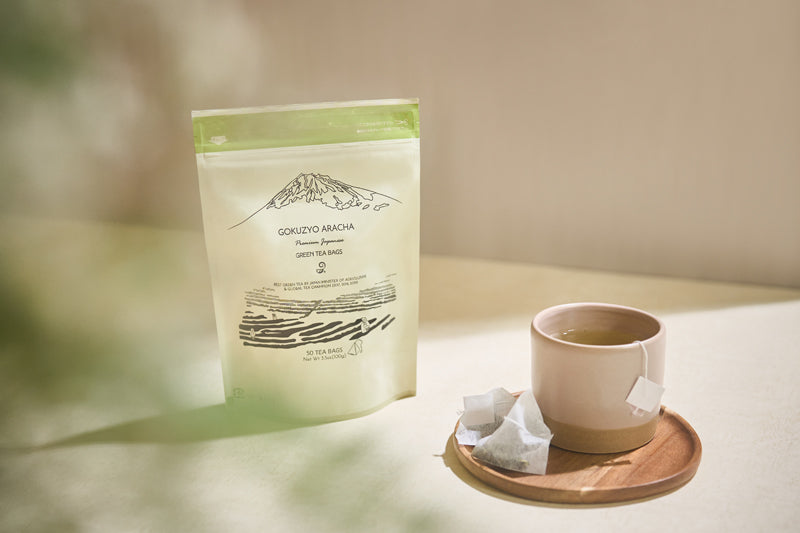
👉 Gokuzyo Aracha: High Grade Crude Green Tea, featuring 50 pyramid tea bags. Savor the excellence of Japanese tea craftsmanship.

👉 Tappuri Catechin: Achieve your wellness goals with our Diet Green Tea Bag, available in packs of 30. 

👉 Benifuuki: Experience relief from allergies with our Allergy Relief Japanese Green Tea Bag, offered in packs of 30. 

👉 Aracha: Indulge in the pure essence of green tea with our Crude Green Tea, thoughtfully packaged in 100 pyramid tea bags.

Pyramid Teabags changed the tea industry. We will find out about these and why they are considered better than other-shaped tea bags.

pyramid teabags

History of Teabag

Teabag's history is still debatable.

The earliest recorded history of teabags was during the Tang Dynasty, when tea leaves were stored on paper folded and sewn on all sides.

In 1901, two ladies filed a patent for an open-meshed cotton tea bag. The patent was granted in 1903, but it did not become popular.

In 1908, a tea importer, Thomas Sullivan, sent small silk-bag tea samples. After that, he accidentally invented tea bags. Why? When he sent the samples, people thought that these small bags with tea leaves were tea infusers and dipped a "teabag" in a cup. It might be because of convenience, especially the single-serving idea and the clean-up.

It became popular, but it is also believed to be an urban legend because many wonder why there's so little documentation about it.

pyramid teabags

The sure thing is that tea bags became very popular in the 1950s because people wanted a convenient lifestyle and work, such as using home appliances and ordering fast food.

The round tea bag was introduced in 1989, and then the pyramid-shaped tea bag was invented by Brooke Bond, a Unilever tea brand that spent four years developing this kind of teabag. Brooke Bond is known for its PG Tips and Brooke Bond tea products. Pyramid-shaped tea bags are more spacious than regular and round tea bags.

Why use Pyramid Teabags? What makes them unique over other tea bags?

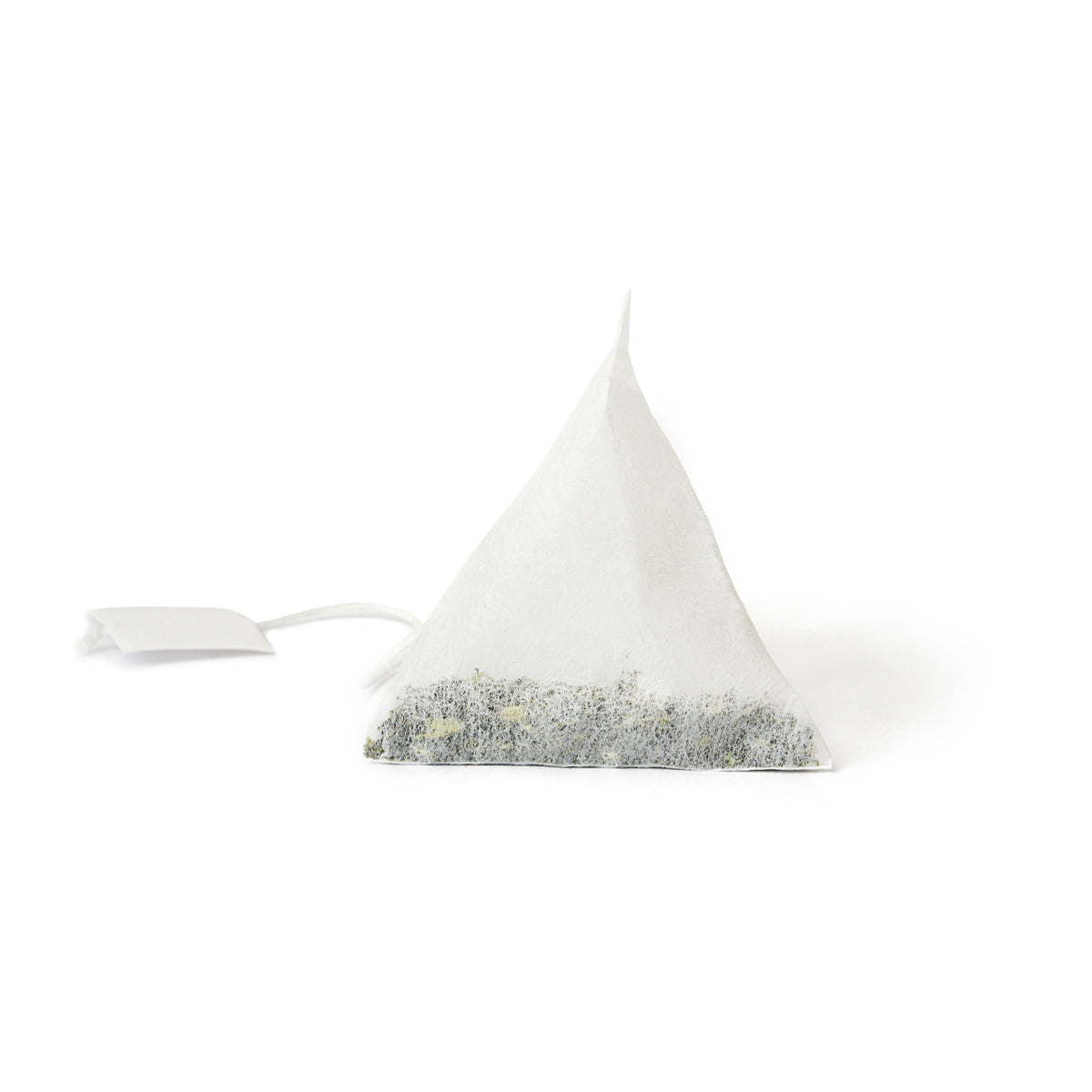
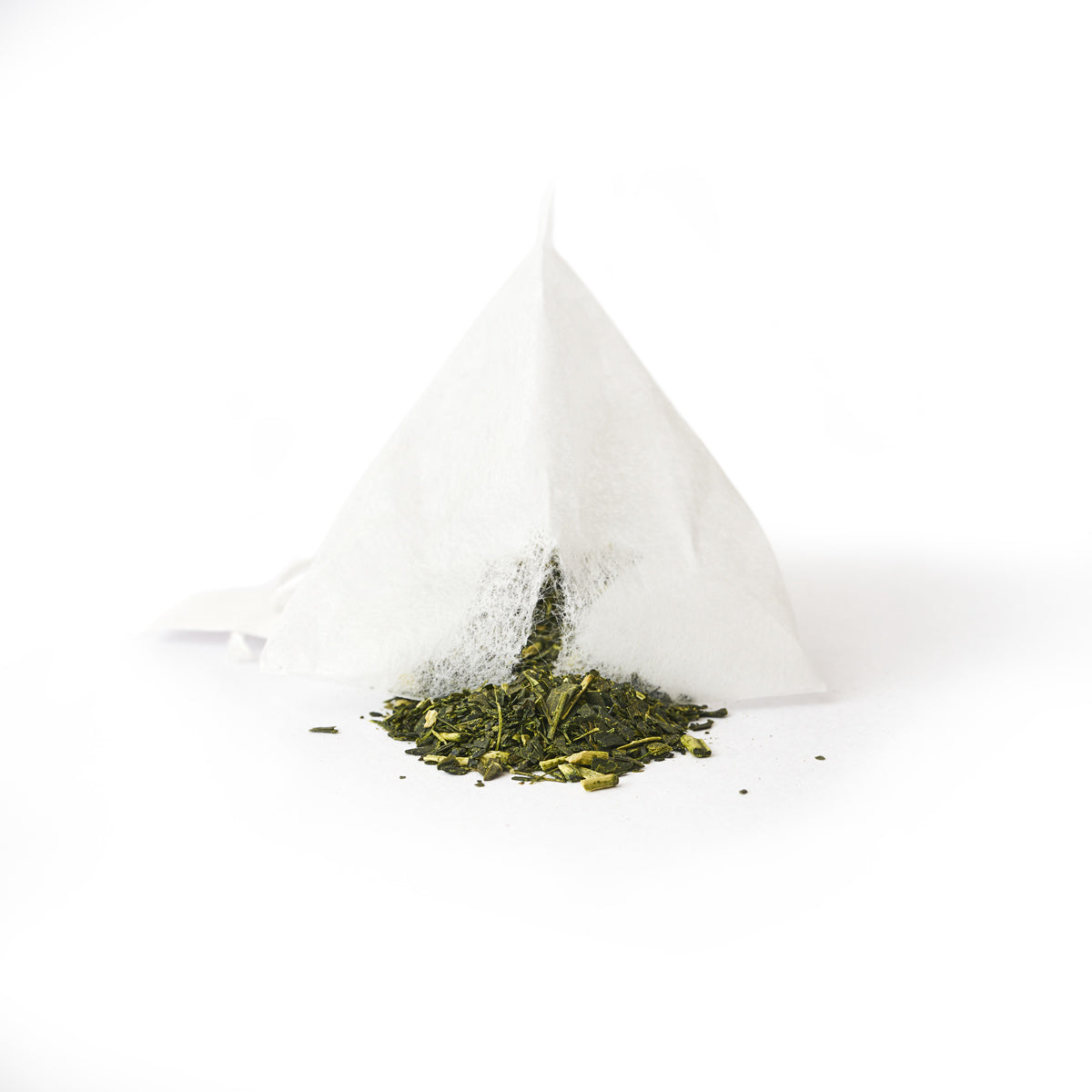
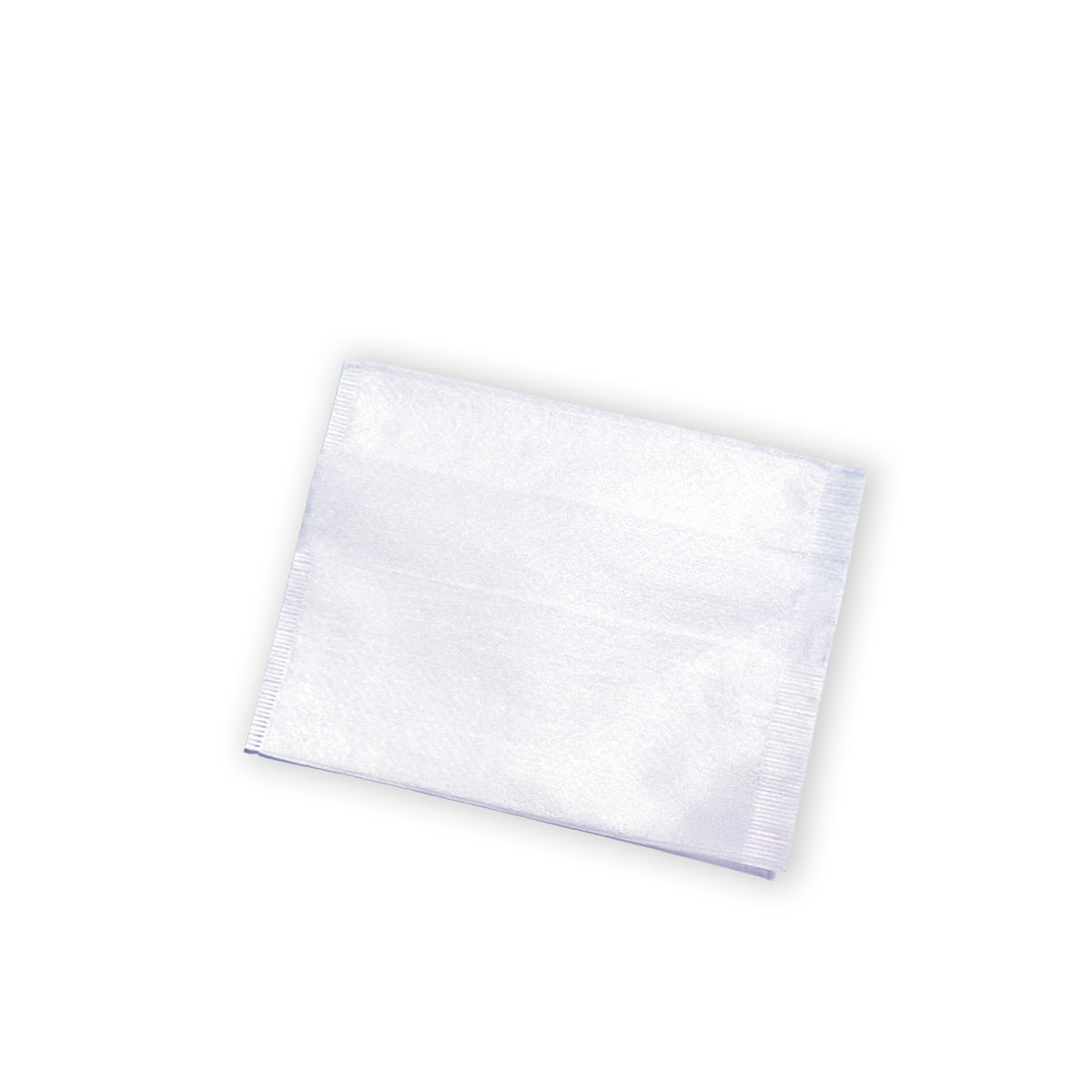
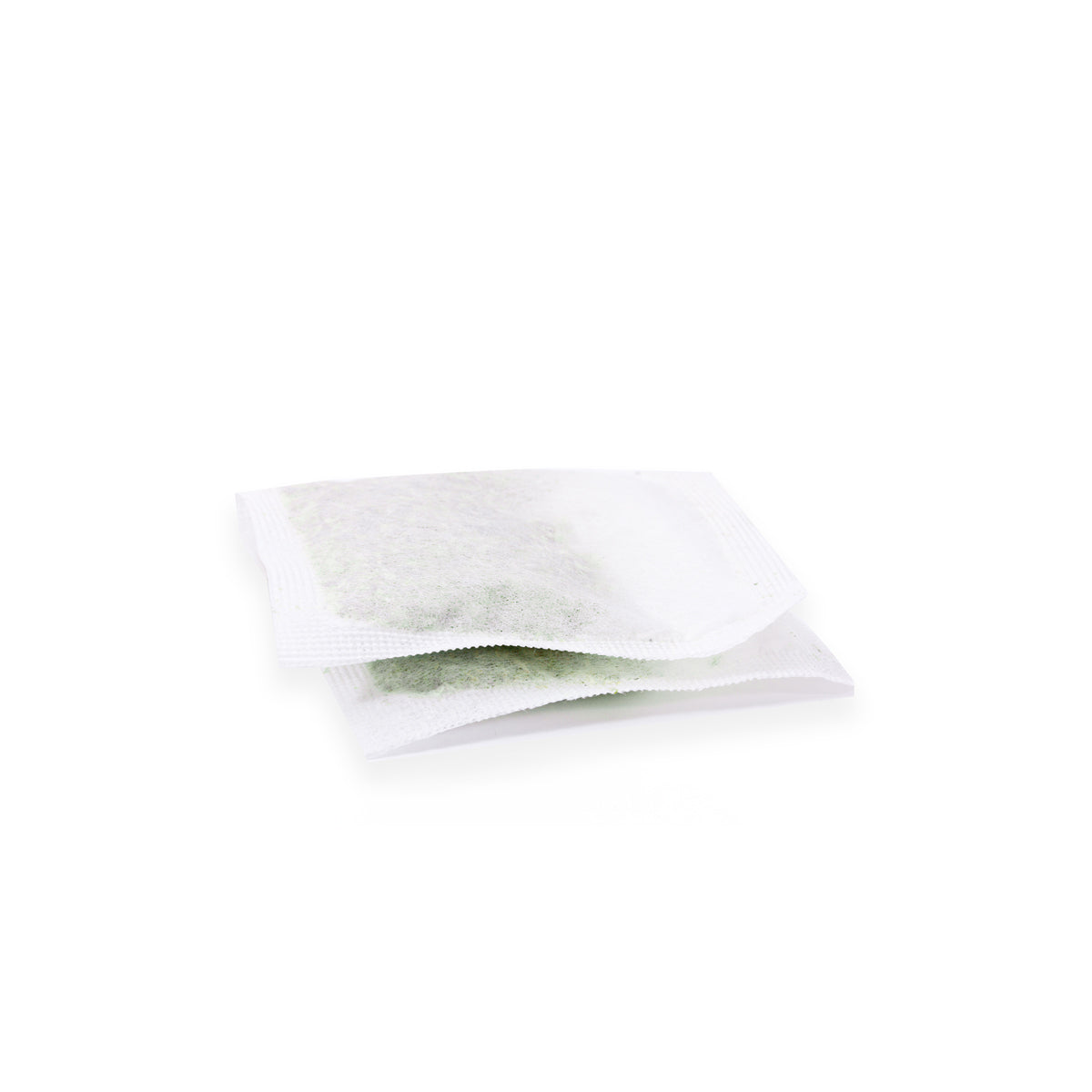
A pyramid teabag has more space, and the tea leaves inside can move freely and fully expand, resulting in infusing more flavors and making a brewed tea leaf rather than a dusty tea since tea makers can put large, high-quality tea leaves inside the teabag. There’s even more space for dried flowers, fruits, and spices, making tea brewing and tasting more fun than ever.

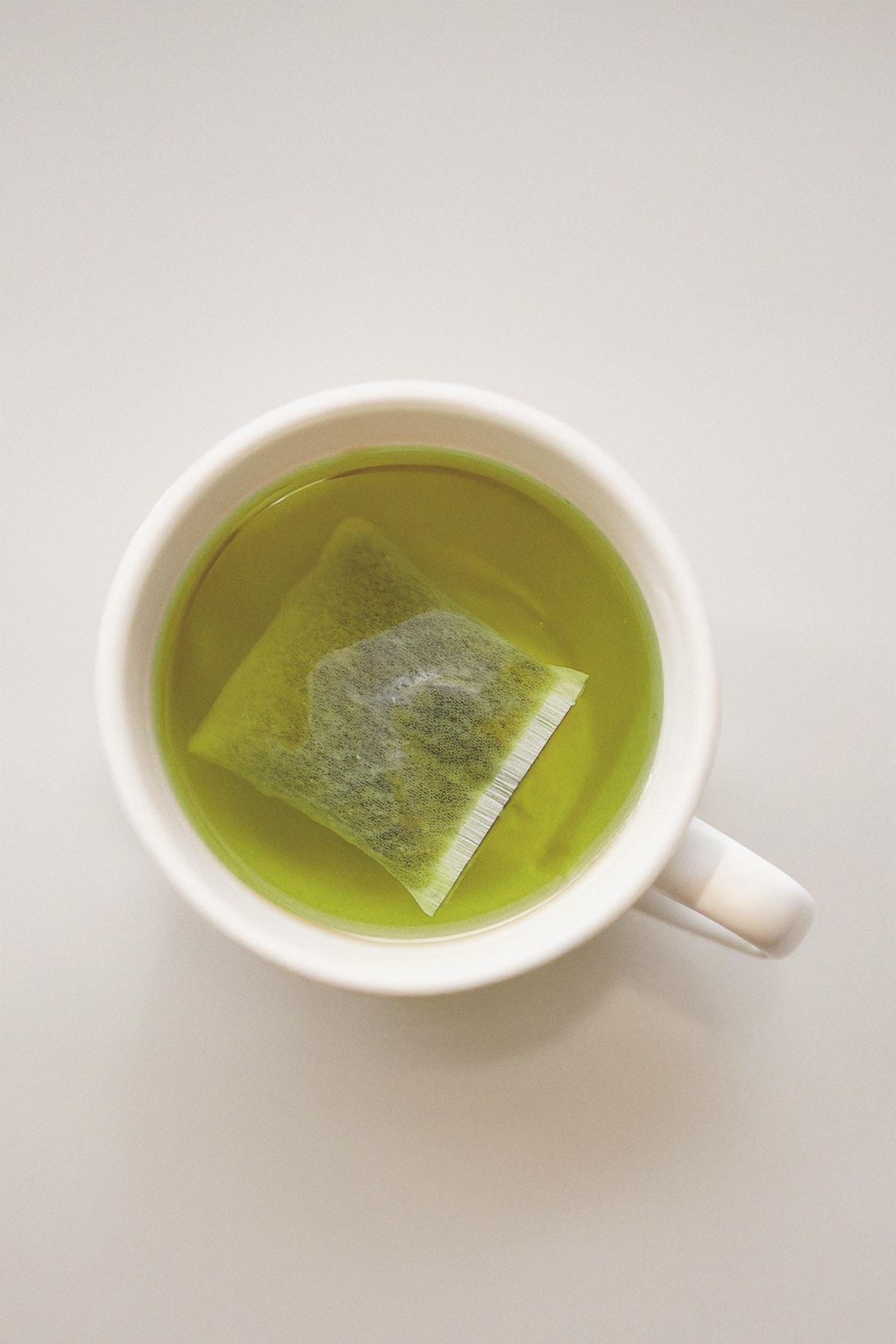
When hot water is poured into the teacup, the tea leaves will immediately move in a circular motion, making the taste more widespread. The weave of the teabag allows for high water flow. Pyramid tea bags will serve as a tea infuser instead of just a wet bag of tea leaf bits.

pyramid teabags

When you consider the three-dimensional shape of a pyramid tea bag in contrast to the two-dimensional round or rectangular tea bags, it becomes evident that the pyramid offers a larger surface area. This expanded surface area allows hot water to efficiently engage with the tea molecules, resulting in a more thorough extraction of flavor and taste into your final cup of tea.

The tiny and porous tea bags can make brewing quicker and make your tea still hotter than when you were using a regular tea bag—the best option when you want brewing convenience without losing the traditional tea taste.

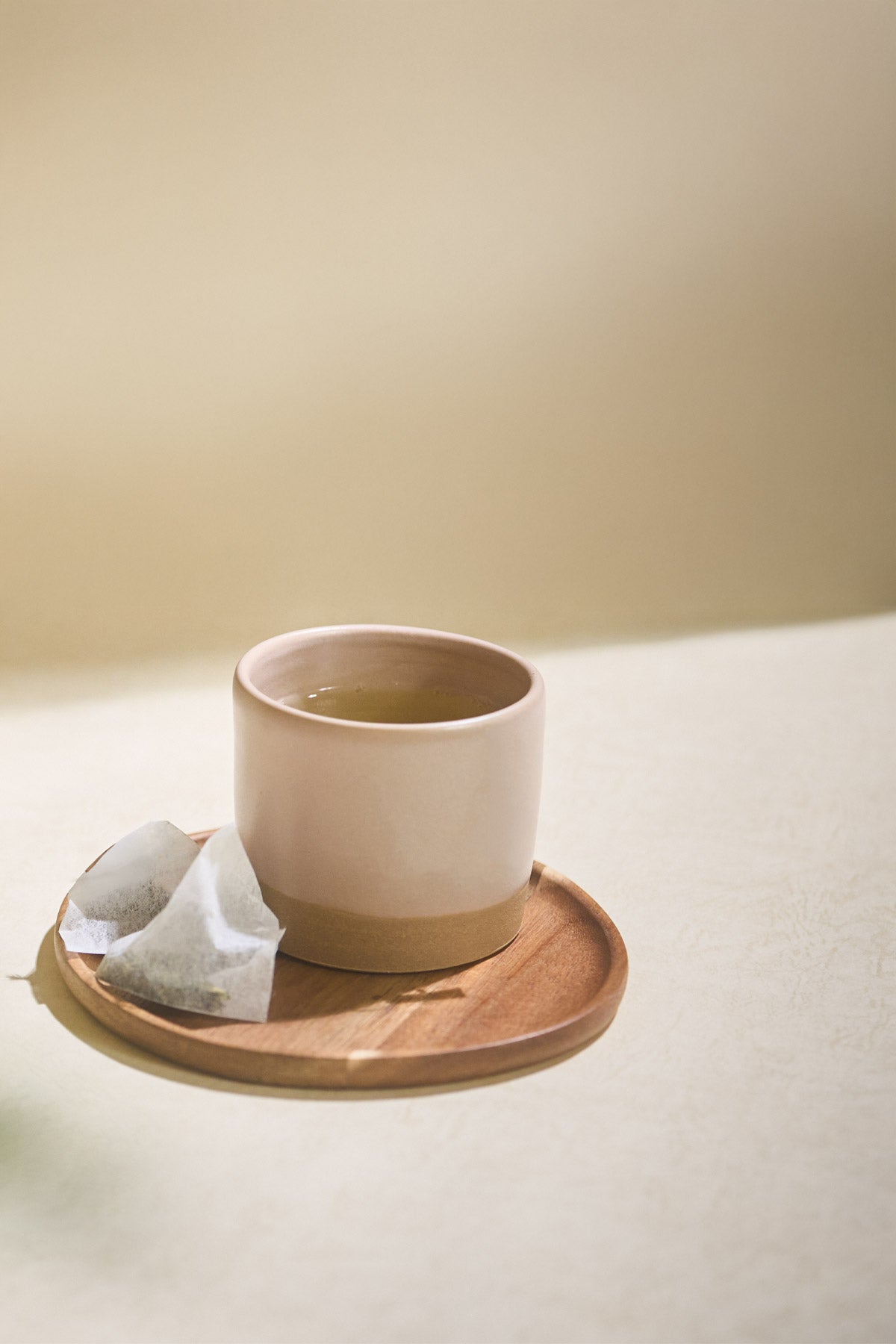
We know that tea tumblers and flasks are available, but if you are in a hurry and going to work, just get a tumbler, put the teabag in it, and off you go. Fill it with hot water in the office, and cleaning is a breeze.

You don’t need to mess with infusers, teapots, and strainers. Quicker and hotter because, after the battle between Tetley and PG Tips, the UK-based Advertising Standards Authority (ASA) stated that pyramid-shaped tea bags improved brewing and infusing tea and were backed with tea test results.

Tests that proved pyramid tea bags better in infusing tea flavors

Tetley sells round tea bags, while PG Tips sells pyramid tea bags. When PG Tips made a TV advertisement about a puppet monkey comparing teas, Tetley filed a complaint with the ASA, believing that PG Tips misled consumers and denigrated their brand. The ASA dismissed Tetley’s complaints because there are many round tea bags on the market and Unilever (owner of PG Tips) provided evidence-based tea test results.

Tests were conducted and were based on the UK’s average tea brewing time of 40 seconds and 2 minutes. with an average tea bag weight of 3.125 grams. Unilever showed proof and evidence that a pyramid-shaped tea bag has better brewing efficiency. A tea infusion for 40 seconds and 2 minutes was more remarkable than a round teabag.

This is why all our tea-bag products are contained within pyramid-shaped tea bags instead of flat or round shaped tea bags. 


What are pyramid tea bags made of?

Teabags, in general, are said to be made of plastic, nylon, and chemicals, making them unsafe to drink and not eco-friendly. But there is still hope; there are many biodegradable and eco-friendly tea bags. Many of them are not made of plastic. For instance, a Soilon pyramid tea bag is made of plant starch. It does not emit harmful gases when boiled and burned. It can also be used as compost for healthy soil and plants, making it a zero-waste product. (All Japanese Green Tea Co. teabags are made of Soilon.)

pyramid teabags

How many times to use pyramid tea bags?

It depends on the tea leaves. You can re-use the pyramid tea bags for normal to premium-quality ones and still taste the flavor 2-3 times with hot water. The second and third times taste sweeter and milder than the first one.

How to Store Pyramid Tea-Bags to preserve maximum flavor and taste? 

Exposure to air, light, moisture, and heat can accelerate the natural degradation process of tea, leading to a loss of flavor, alteration in the color of your brewed cup, and a shift in taste. To safeguard your tea's quality, it's crucial to store tea bags properly. The ideal conditions involve an airtight container, protection from direct sunlight, and a cool, dry storage environment.

But we understand that this level of care can sometimes be challenging to maintain. That's why we've taken the extra step to ensure your tea's freshness while making it super simple for you. All our pyramid-shaped tea bags are thoughtfully packaged in airtight, resealable, and opaque packages. We've taken the headache out of preserving your tea's quality, so you can simply savor the delightful experience.

Have you not tried pyramid tea bags? With quality tea leaves and pyramid tea bags, we are sure that you will absolutely like it! You can enjoy all the tea's benefits more. Aside from the taste and smell, you will become calm and have better concentration. No more problems when it comes to easy and quick brewing.

Relax and enjoy your tea.

Buy Premium Japanese Green Tea Bag in Soilon Tea Bag

FAQs about Pyramid Tea Bags

Are pyramid teabags actually better, or is it just marketing?

Genuinely better, with one big caveat. The pyramid shape gives loose-leaf tea room to expand fully when steeped — sencha leaves swell to roughly 5x their dry volume during brewing, and a flat compressed teabag chokes that expansion. The pyramid format brews much closer to how loose-leaf would brew in a kyusu. So the cup tastes more open, fuller, and less papery than a flat teabag delivers.

The caveat is the mesh material. Most pyramid bags are made from nylon or PET — both petroleum-based plastics that release microplastics into hot water. A 2019 McGill study found a single nylon pyramid bag releases billions of plastic particles per cup at brewing temperature. So a pyramid bag in cheap plastic mesh might brew better tea but at a real environmental and possibly health cost.

The honest answer: pyramid + plant-based mesh (Soilon / PLA) is genuinely better than both flat paper teabags and pyramid plastic teabags. Pyramid alone isn't enough to recommend.

How does a pyramid teabag compare to a flat teabag in actual taste?
Flat paper teabags are the worst format for green tea. The leaves can't unfurl, the paper itself imparts a slight cardboard off-flavor, and the heat-seal seam often contains small amounts of plastic that migrate into the cup. The result is a thin, papery cup that's drinkable but never approaches what the same leaves could deliver loose.

Pyramid teabags fix the expansion problem completely. Sencha brewed in a pyramid bag of plant-based mesh (Soilon or equivalent) produces a cup that's 90-95% of what loose-leaf in a kyusu would give you — surprisingly close. The remaining 5-10% gap comes from things you can't change in any teabag format (water-to-leaf ratio precision, multi-infusion, fine particle filtration).

Practically: if you want quality tea but can't manage loose-leaf brewing daily, a pyramid teabag in good mesh is the right compromise. Our Gokuzyo Aracha 50-bag pack uses pyramid Soilon mesh and tastes meaningfully better than flat paper teabags of equivalent leaf grade.

Are pyramid teabags safe? What about the microplastic concerns?

It depends entirely on the mesh material. Nylon and PET pyramid bags do release microplastics into the cup at brewing temperature — that's documented in published research. Plant-based mesh (PLA, also called Soilon) does not — it stays stable in hot water because the chemistry is different. The label tells you which is which: "plant-based," "PLA," "Soilon," or "corn-derived" mesh is the safe option; "silken," "silk-like," "nylon," or unspecified mesh is usually plastic.

Health concerns about microplastic ingestion are still being researched — the long-term effects aren't fully characterized. But on a precautionary basis, switching from plastic-mesh pyramid bags to plant-based mesh is a small change that eliminates a known exposure source. The cost difference at retail is usually pennies per bag.

The frustrating reality is that many teabag brands still don't disclose mesh material clearly. If a brand doesn't specify "plant-based" or "PLA," assume nylon or PET. Consumer-facing transparency is improving but inconsistent.

Are JPCo's tea bags pyramid-shaped? What mesh do they use?

Yes — every JPCo teabag uses pyramid format with plant-based PLA mesh (Soilon). We made the switch when the microplastic research came out and never went back to nylon or PET. The pyramid shape lets the loose tea inside expand naturally, and the plant-based mesh means no microplastic release into the cup.

The teas inside our pyramid bags are also genuine loose-leaf — not the dust-and-fannings that fill most commercial teabags. So the format is doing real work: real loose tea + room to expand + safe mesh = a cup that tastes much closer to a properly-brewed loose-leaf than most teabag drinkers expect.

If you've been a loose-leaf-only drinker and skeptical of teabags in general, our pyramid line is worth trying as the case where teabag format actually delivers most of what loose-leaf delivers. It's not a full substitute, but it's a meaningful step up from what most teabag brands offer.

Which teas benefit most from pyramid-shape brewing?

Whole-leaf teas benefit the most — sencha, gyokuro, oolong, white tea, large-leaf black teas. The bigger the leaf, the more important the room-to-expand. A flat teabag that works passably for fannings (small dusty leaf bits in commercial teabags) actively prevents whole leaf from brewing properly.

Hojicha and genmaicha also benefit, though slightly less dramatically — the roasted/grain content is more forgiving of compression. Matcha doesn't apply (you whisk powder, not steep leaves). Black tea fannings (the dust-grade leaf in supermarket teabags) actually doesn't benefit much from pyramid format — the leaf is already broken into pieces small enough to brew evenly in any container.

Practical rule: if your tea is loose-leaf or whole-leaf, pyramid is the right format. If your tea is the dusty, broken-leaf kind that comes in mass-market teabags, the format barely matters because the leaf is already over-processed.

Related products

74 reviews

Tea Bag - High-Grade Unrefined Tea - Gokuzyo Aracha (50 tea bags)

$4.99
Quick view

Gokyuzyo 極上, meaning "The Highest Grade," brings the rustic charm of Aracha 荒茶, or "wild tea," into a convenient teabag form, offering a taste as close to freshly picked leaves as possible. Unlike fully processed green teas, this unrefined Fukamushi Sencha preserves its natural shape and texture, blending soft sprouts, twig tea, coarse leaves, and powdered tea for an intense aroma and rich, vibrant flavor. Cultivated by the Chagusaba method in nutrient-rich sugarcane soil and made from the Yabukita cultivar, this tea captures the traditional, nourishing quality enjoyed by generations of tea farmers. Available in a resealable aluminum bag with 50 pyramid-shaped teabags or as a single-serve sample, it is perfect for enjoying authentic Japanese green tea anytime, anywhere.

56 reviews

Benifuuki - Allergy Relief Japanese Green Tea Bags (30 tea bags)

$30.00
Quick view

Benifuuki green tea is highly regarded in Japan for its natural allergy-relief properties, helping with seasonal allergies, cedar allergies, hay fever, and even Mast Cell Activation Syndrome (MCAD). It is rich in Methylated Catechins, a potent form of EGCG that supports the inhibition of mast cell responses and reduces allergy symptoms.

This convenient teabag version uses an eco-friendly pyramid sachet and is made from authentic Japanese green tea cultivated by the Chagusaba method in nutrient-rich sugarcane soil. Featuring the Benifuki cultivar, each resealable aluminum package contains 30 tea bags, with each bag holding 3g of tea for a total of 90g (3.2 oz). A powder and candy version are also available.

28 reviews

Loose Leaf Tea Filters | 144 or 504 Filter Bags

$15.00
Quick view

Enjoy brewing your favorite loose-leaf teas with these easy-to-use filter bags (お茶パック), designed for tea lovers who want a simple and effective way to get the most flavor from their tea. Each oversized bag allows tea leaves to fully expand, enhancing the release of rich flavors and aromas, while the widened bottom ensures thorough brewing.

Perfect not only for green tea but also for black tea, herbal blends, and even soups, these versatile pouches measure 3.5" x 2.8" (9cm x 7cm). Each pack includes 144 or 504 high-quality filters, proudly made in Japan.

8 reviews

The Sencha Lover Gift Set - Premium Japanese Green Tea Set Package
$179.00 $159.99
Quick view

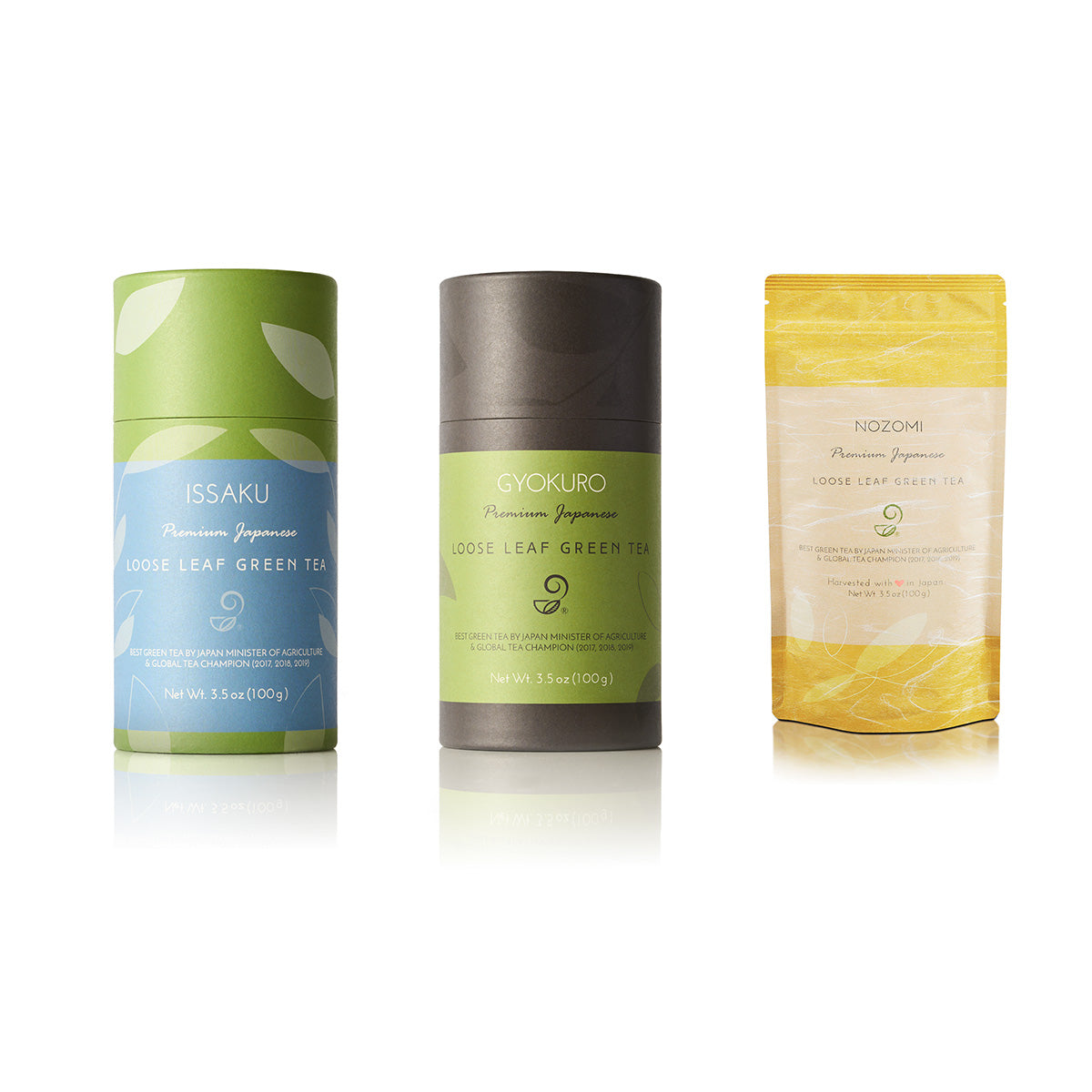
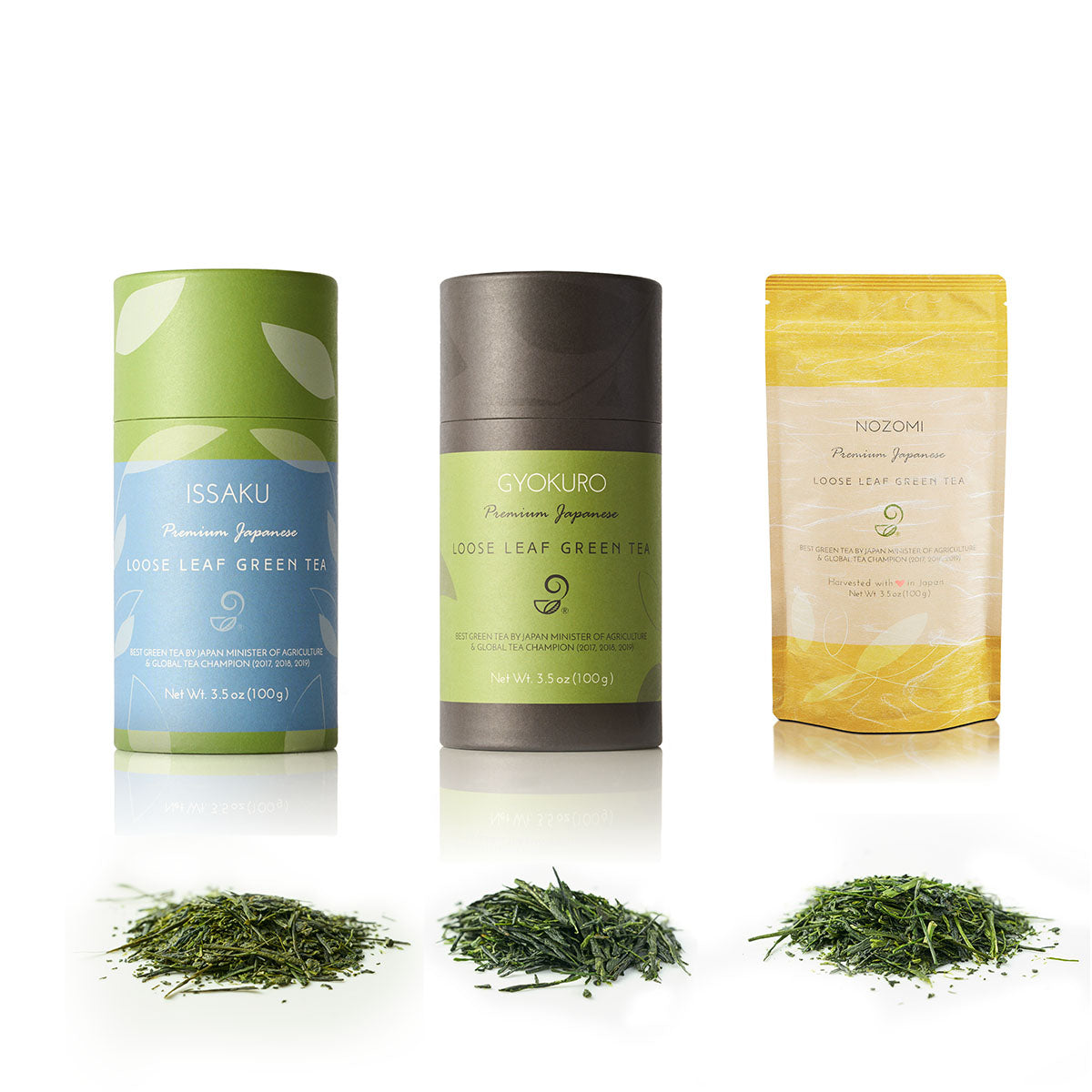
This tea set features three exceptional Japanese green teas, each crafted with care and traditional techniques. Issaku Reserve, a Global Tea Champion winner in 2017 and 2019, is a rare masterpiece created by Farm Master Mr. Arahata at Arahataen Green Tea Farm. Handpicked once a year from the first flush and processed with advanced methods, Issaku represents the highest-grade deep-steamed green tea, available only in limited quantities even in Japan.

The set also includes Gyokuro, a premium shaded green tea known for its rich, sweet flavor and deep mossy green color. Grown under special mats for 20 days to increase caffeine and amino acid levels, Gyokuro offers a layered, smooth taste unlike any other. Completing the collection is Nozomi, a fine Kabuse-cha, or "Covered Green Tea," carefully grown under nets to gently shade the leaves just before new sprouts emerge, resulting in a soft, rich, and refined flavor profile.

97 reviews

Gyokuro - Shaded Imperial Premium Green Tea

$65.00
Quick view

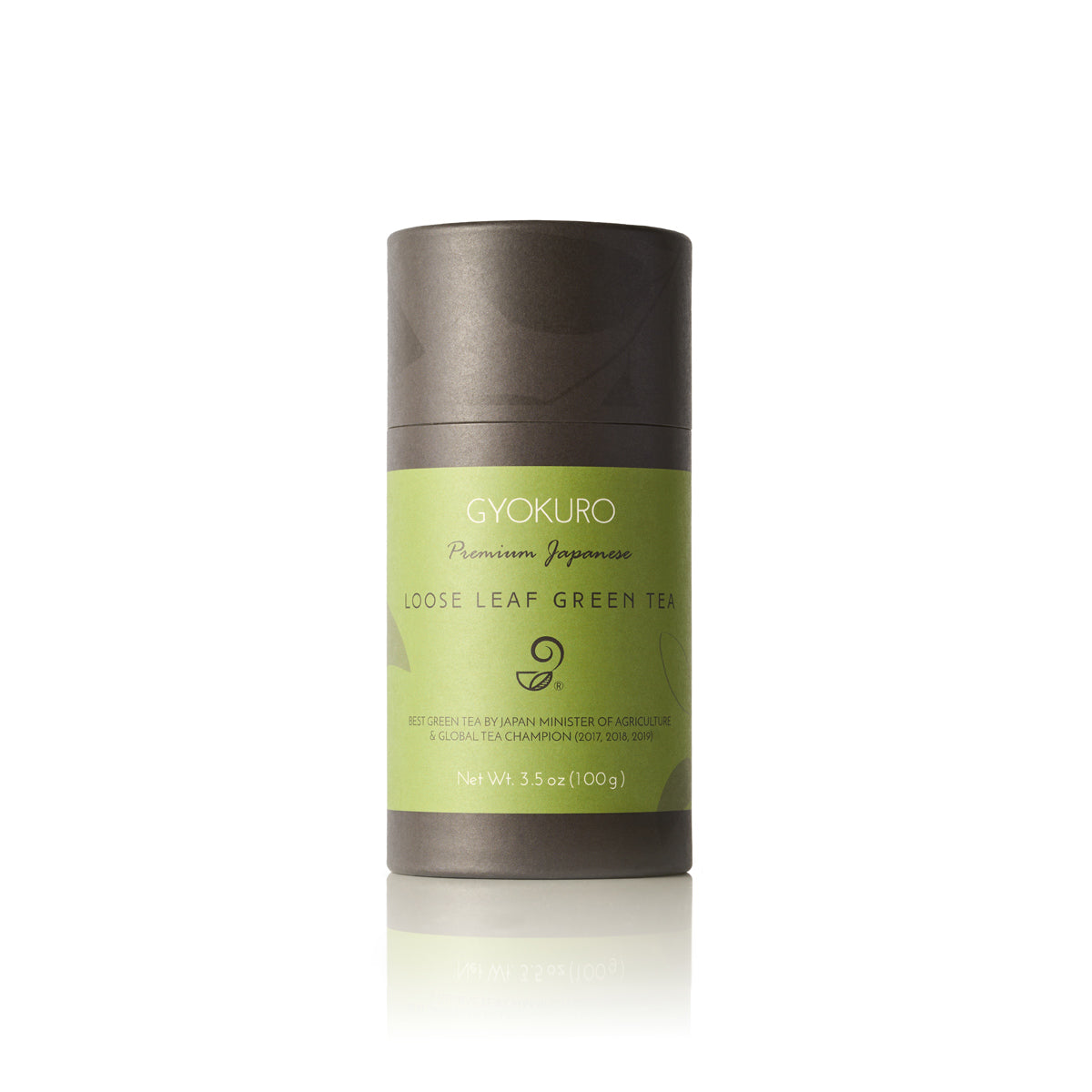
Gyokuro, also known as "jade dew" or "jewel dew tea," is a premium Japanese green tea shaded from the sun for 20 days using specially made mats, a method that boosts caffeine levels and strengthens amino acids to create a sweeter, richer flavor. This extended shading process results in dark, mossy green leaves with an unmistakable aroma and a complex taste that is layered yet balanced. Cultivated by the Chagusaba method in nutrient-rich sugarcane soil and made from the Yabukita cultivar, this loose-leaf authentic Gyokuro is offered in a high-quality, air-tight paper tube canister (chyazutsu) to preserve its exceptional freshness and flavor. Each 3.5 oz (100g) full-size package steeps 30–40 cups, and a convenient single-serve sample is also available.


Related Articles You May Be Interested

Costco's Green Teabags vs Japanese Greentea Co's Teabags - What are the differences? Q&A
Is Tea Bag Tea Lower Quality Than Loose Leaf Tea? - Green Tea Quiz
How Are Specialty Tea Different From Tea Sold for Masses?
Tea Appliances For 21st Century Homes
Introducing New Package for Gokuzyo Aracha Teabag

Get Free Bonus Books

Join Green Tea Club

Sign up for free to the Green Tea Club to get advice and exclusive articles about how to choose Japanese Tea, and tips, tricks, and recipes for enjoying Japanese tea.

Unsubscribe anytime. It’s free!

About the author

Kei Nishida

Kei Nishida

Author, CEO Dream of Japan

info@japanesegreenteain.com

Certification: PMP, BS in Computer Science

Education: Western Washington University

Kei Nishida is a passionate Japanese green tea connoisseur, writer, and the founder and CEO of Japanese Green Tea Co., a Dream of Japan Company.

Driven by a deep desire to share the rich flavors of his homeland, he established the only company that sources premium tea grown in nutrient-rich sugarcane soil—earning multiple Global Tea Champion awards.

Expanding his mission of introducing Japan’s finest to the world, Kei pioneered the launch of the first-ever Sumiyaki charcoal-roasted coffee through Japanese Coffee Co. He also brought the artistry of traditional Japanese craftsmanship to the global market by making katana-style handmade knives—crafted by a renowned katana maker—available outside Japan for the first time through Japanese Knife Co.

Kei’s journey continues as he uncovers and shares Japan’s hidden treasures with the world.

Learn more about Kei Nishida

Related Posts

Our Matcha Is Now at Pillow Talk Cafe in Pasadena — Master Japanese-Inspired Cake Makers

Our matcha is now at Pillow Talk Cafe Pasadena! Meet the cafe, try the Egg Heaven sando & Matchamisu, and see how th

Read More
Simply Donabe — New Cookbook from TOIRO's Naoko-san Is Out!

Simply Donabe is here! We celebrated TOIRO's Naoko-san's new cookbook at a special dinner at Camélia in DTLA — see our p

Read More
Introducing New Product - Meet Hojicha Powder
Introducing A New Product - Meet Hojicha Powder

Discover the game-changing Hojicha powder your kitchen has been waiting for — richer flavor, easier recipes, and surpris

Read More
Leave a comment

Your email address will not be published..

Cart

Your cart is currently empty.

Start Shopping

Select options