Skip to content

What is the Japanese Tea Ceremony and How it Deepens Relationships?

The Japanese Tea Ceremony is a special ritual that has existed for centuries in Japan. Many versions of this ceremony exist for different purposes, but all show a deep appreciation for the ritual of brewing and serving matcha green tea.

It is essential for a host to show care and appreciation towards their guest during this ceremony, which serves as a special way to deepen relationships.

If you are looking for ways to deepen your relationships, please visit BetterHelp, an accessible online therapy provider.

What is the Japanese Tea Ceremony?

The different schools that teach the tea ceremony, as well as the multitude of venues, tea styles, and seasons during which they take place, mean that there are a multitude of styles of a tea ceremony.

japanese tea ceremony

However, all tea ceremonies maintain the same basic structure. A host will follow strict protocols in order to brew matcha tea for their guests.

  • Preparation: the host sends out invitations and then begins to focus on holding the tea ceremony. This includes spiritual practices that begin weeks before the ceremony.
  • The host selects the right utensils and prepares for the welcoming of guests. This may include preparing a meal as well.
  • Guests arrive and enter after the host welcomes them in. They then wash their hands as a sign of appreciation.
  • The host shows the guests how to clean the utensils. This is done beautifully, but without any unnecessary words or movements.
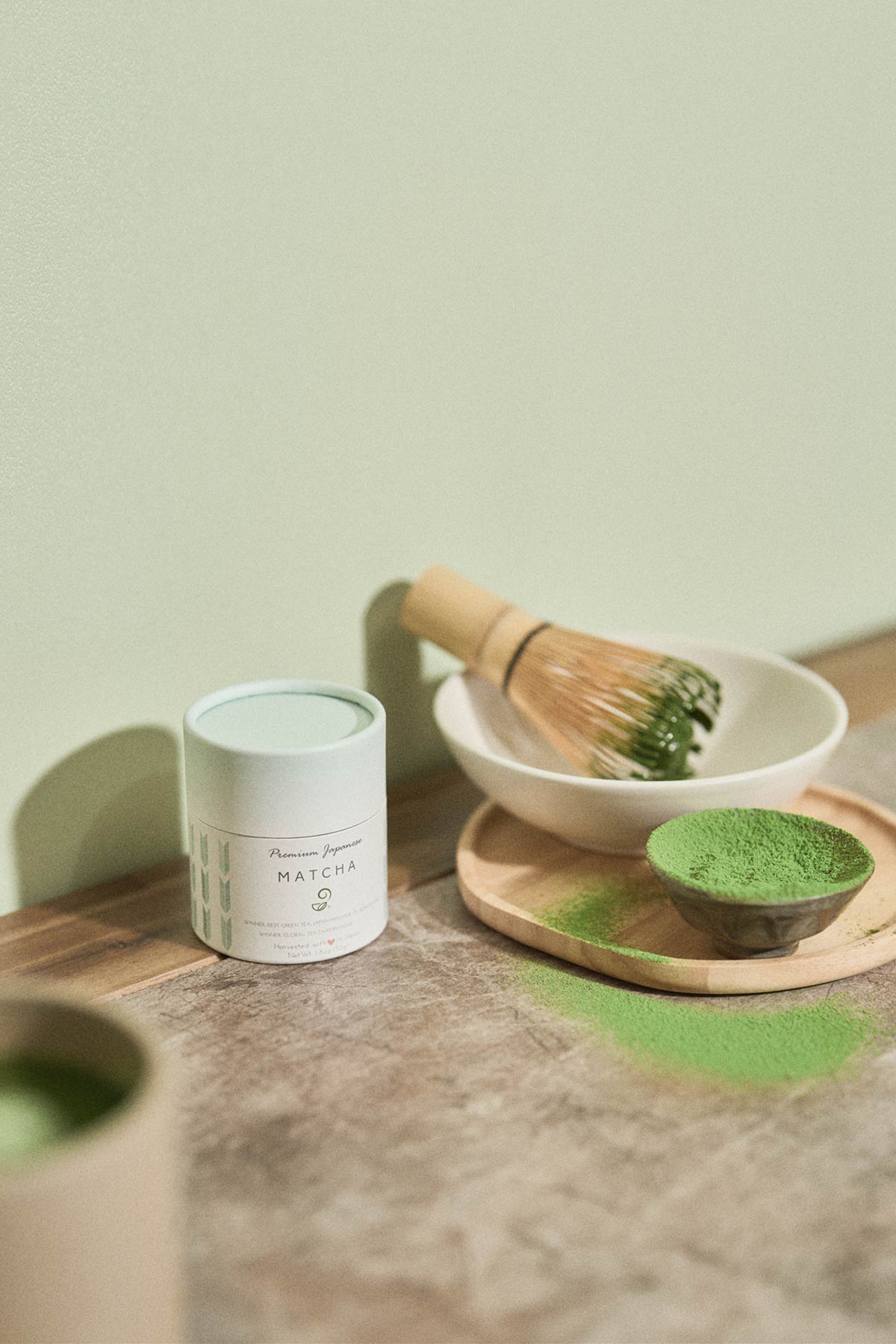
  • The host then prepares the tea using cold water and matcha powder to first form a paste, which is then diluted.
  • Each guest drinks from the bowl of tea and passes the bowl to the next guest, making sure to admire the tea and bowl as well as wipe the rim and turn it for the following guest.
  • The bowl is then returned to the host for cleaning once again, which the guests watch. They then bow to show respect before leaving.

    How a tea ceremony can deepen relationships

    This ritual of preparing matcha green tea for guests may seem like a small, simple gesture in the eyes of Westerners, but it actually includes many precise gestures that take great care and respect to perform.

    japanese tea room

    Not only is this ceremony incredibly difficult to learn and master, but it also involves a spiritual practice to host and attend. Both host and guests are intended to leave behind worldly or surface-level thoughts and respect the beauty and purity of the tea.

    This practice shows a lot of care, not only for the tea itself but also for the individuals you share it with. The host intends to serve their guests in the most perfect and respectful manner, while guests are gracious and respectful to their host.

    Both host and guest show each other great admiration and thus strengthen their relationships with one another.

    Conclusion

    The Japanese Tea Ceremony is a special and intricate ritual that shows care for not only matcha tea and the culture surrounding it but also for both the hosts and guests who take part.

    Individuals performing or attending a tea ceremony become closer on a spiritual level by attending one of these beautiful and harmonic practices.

    About the Author

    Marie Miguel

    Marie Miguel has been a writing and research expert for nearly a decade, covering a variety of health-related topics. Currently, she is contributing to the expansion and growth of a free online mental health resource with BetterHelp.com. With an interest in and dedication to addressing stigmas associated with mental health, she continues to specifically target subjects related to anxiety and depression.

    FAQs about Japanese Tea Ceremony and Relationships

    How does Japanese tea ceremony actually deepen relationships — isn't it just a tea drink?

    It's not just the drink — the entire structure of chanoyu (茶の湯) is designed to slow time and concentrate attention on the present interaction. The host prepares for hours, considers each guest individually, chooses utensils based on the season and the relationship, and serves with deliberate care. The guests, in return, give their full attention — to the bowl, to the host's gestures, to each other. The total experience is closer to a several-hour meditation conducted with someone you care about than to a casual afternoon tea.

    That sustained, focused, present-moment attention is what builds depth in relationships in any culture — Japanese tea ceremony just builds an entire ritual specifically engineered to produce it. Two people who've sat through a real chaji together know each other in a way the same two people who've grabbed coffee together for years often don't.

    The deepening isn't mystical. It's just attention, structured.

    What is ichi-go ichi-e (一期一会), and why is it so central to tea ceremony?

    Ichi-go ichi-e (一期一会) translates roughly as "one time, one meeting" — the principle that every gathering is unique and unrepeatable, even if the same people meet again next week. Each gathering occurs at a specific moment in each person's life, in a specific season, with specific weather, after specific events; that exact configuration will never recur. So treat it as the only time you'll have it.

    This principle is central because it transforms the small details of the ceremony into things worth caring about. The flowers in the alcove are chosen for this specific gathering. The bowl is selected because it suits this particular guest on this particular afternoon. The conversation is meaningful because it's not a rehearsal for some better future conversation — it's the only conversation you'll have on this day in this room with this person.

    Ichi-go ichi-e is also a quiet reminder of mortality and impermanence. Every meeting is finite. The implicit message of the ceremony is to be fully present because the present is what you actually have.

    Do I have to attend a formal tea ceremony to experience this kind of presence with someone?

    No — and the principles can be borrowed without the formal practice. The structural elements that produce presence in tea ceremony are: dedicated focused time without distraction, a small prepared environment, gestures that signal care for the specific person, and an end-point that's understood from the start. Any gathering with those four ingredients can produce something close to the same effect.

    A simple home version: turn off your phone, choose a tea you genuinely like, set out a small pot and two cups, sit down with one person without the TV or background music, and pay attention to them for an hour. That's not chanoyu, but it draws on the same logic. You'll find the conversation goes deeper than it would over coffee with notifications buzzing.

    The form isn't sacred. The attention is.

    How can I bring tea-ceremony principles into casual hospitality without making it weird?
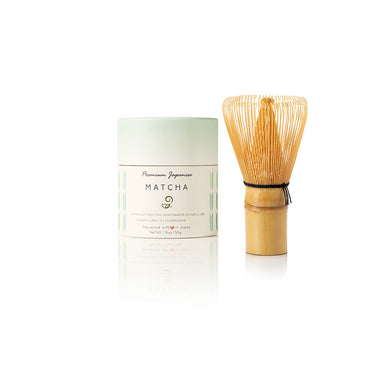
    Subtly — through small gestures rather than dramatic ones. Choose a tea or food with the specific guest in mind rather than serving generic snacks. Take a moment when serving to actually look at them and make eye contact rather than serving while distracted. Don't fill silences immediately; let space exist in the conversation. Whisk a bowl of matcha with a matcha whisk set rather than pouring instant. None of these read as performative; they just read as care.

    What you specifically don't want to do is announce the principles. Saying "I'm bringing tea-ceremony principles into our hangout" makes the guest self-conscious and breaks the very presence you're trying to create. The principles are best deployed silently. The guest feels the attention without being told to feel it.

    Most lasting hospitality runs on the same logic. Tea ceremony just makes the principles explicit and ritualized; everyday hospitality can apply them quietly.

    What does tea ceremony teach about being present that I can apply to other parts of my life?

    The biggest lesson is that presence is a skill, not a state. Tea ceremony works because every detail is structured to demand attention — the precise placement of utensils, the silence held between phrases, the seasonal awareness of the room. None of this is natural; it has to be learned through repeated practice. The takeaway is that you can train presence the way you train physical skills, and the training is the practice.

    The second lesson is that simplicity creates depth. The tea ceremony stripped down to one host, one or two guests, one bowl, one moment is more profound than a banquet with twenty people and conversations crossing each other. Less context, more attention to what's there.

    The third lesson is that ritual structures help where willpower fails. "Be present with this person for the next hour" is a hard intention to hold spontaneously. "Conduct this specific tea preparation while seated across from them" is a structure that produces the presence as a byproduct. Designing small rituals around your important relationships works the same way — the ritual makes the attention easier.

    Related products

    80 reviews

    Matcha - Ceremonial Japanese Powdered Green Tea

    $39.00
    Quick view

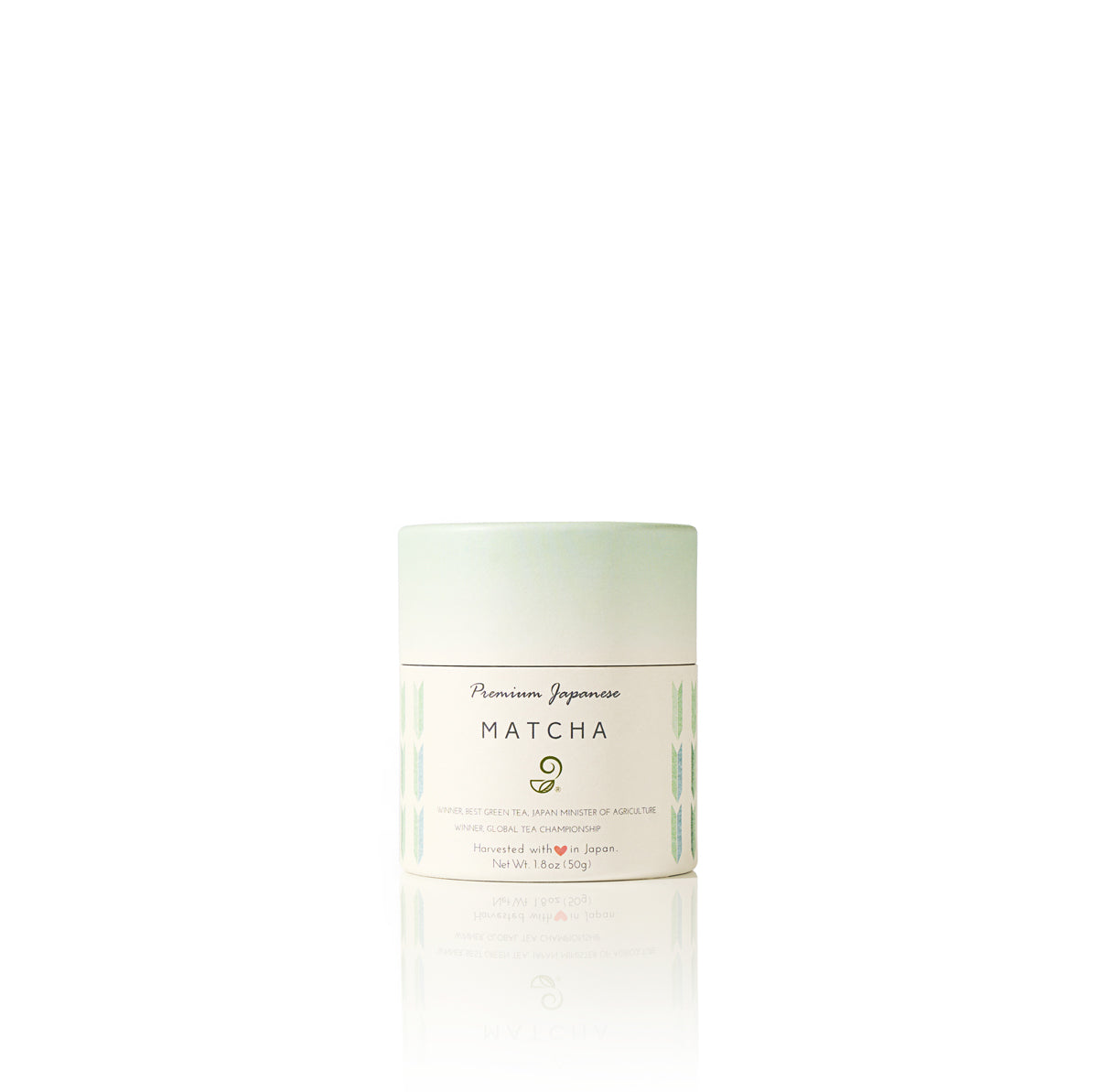
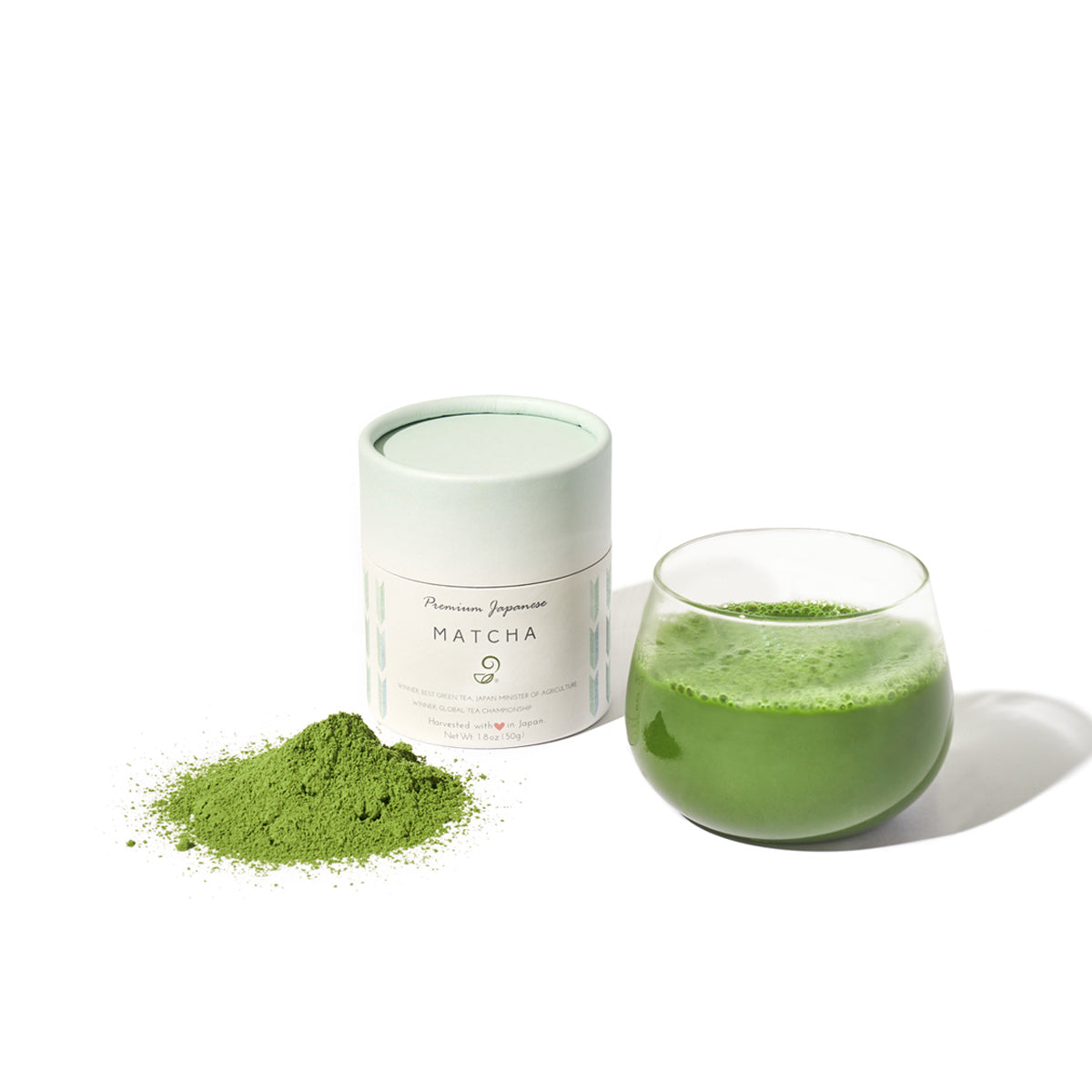
    This ceremonial matcha is crafted from the finest Japanese green tea, grown in nutrient-rich soil enhanced with compostable grasses and sugarcane through the Chagusaba method, which gives the tea a natural sweetness and exceptional flavor. In collaboration with researchers from Shizuoka University, farmers ensure that the soil quality consistently produces tea of the highest standard.

    Renowned among top Japanese chefs for its unmatched aroma, this matcha is made by carefully shading the plants before harvest to boost caffeine and amino acids, then meticulously drying, de-stemming, and grinding the leaves into a fine powder. Made from the Yabukita cultivar, this 1.8 oz (50g) matcha comes in a high-quality, air-tight paper tube canister, providing a luxurious and authentic Japanese tea experience.

    8 reviews

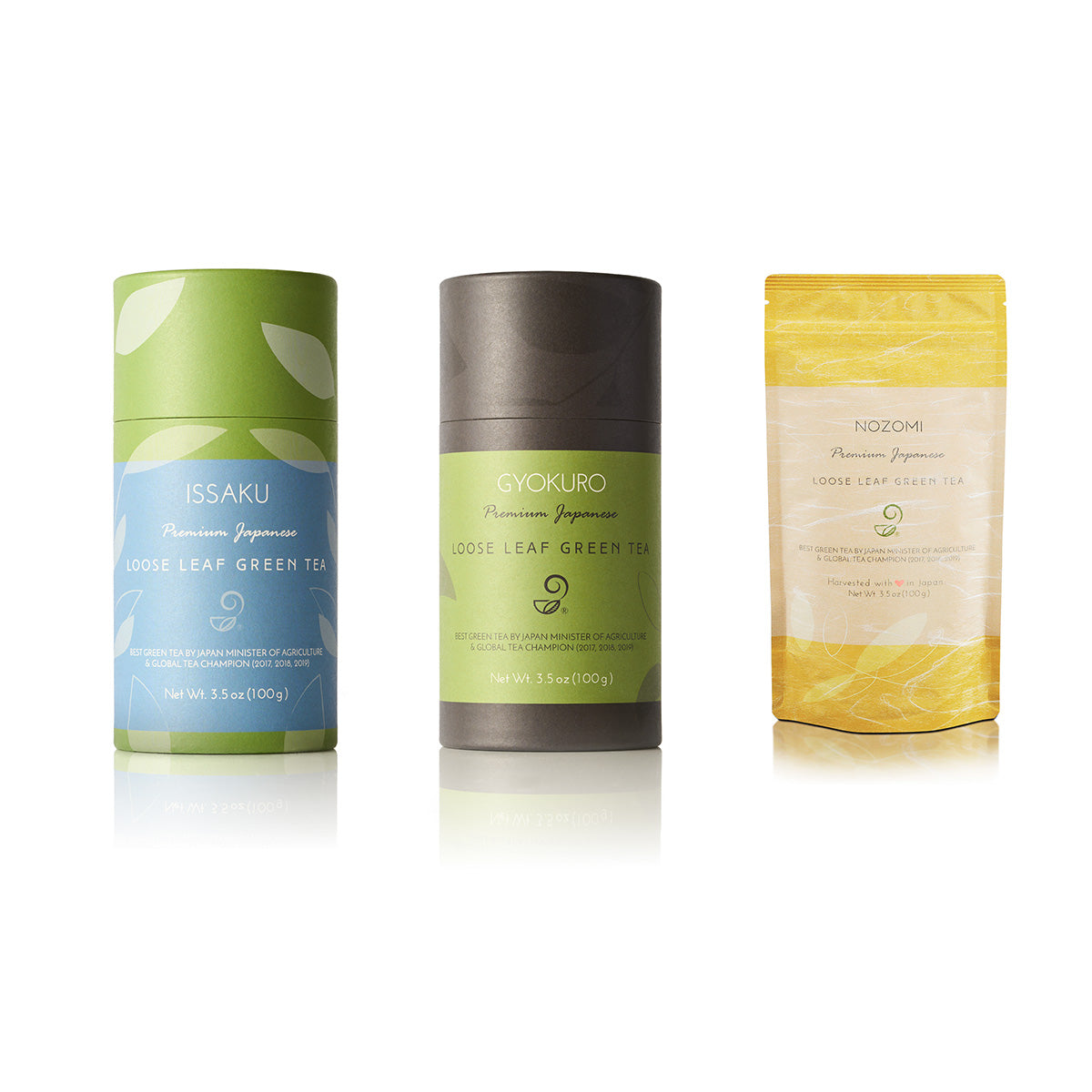
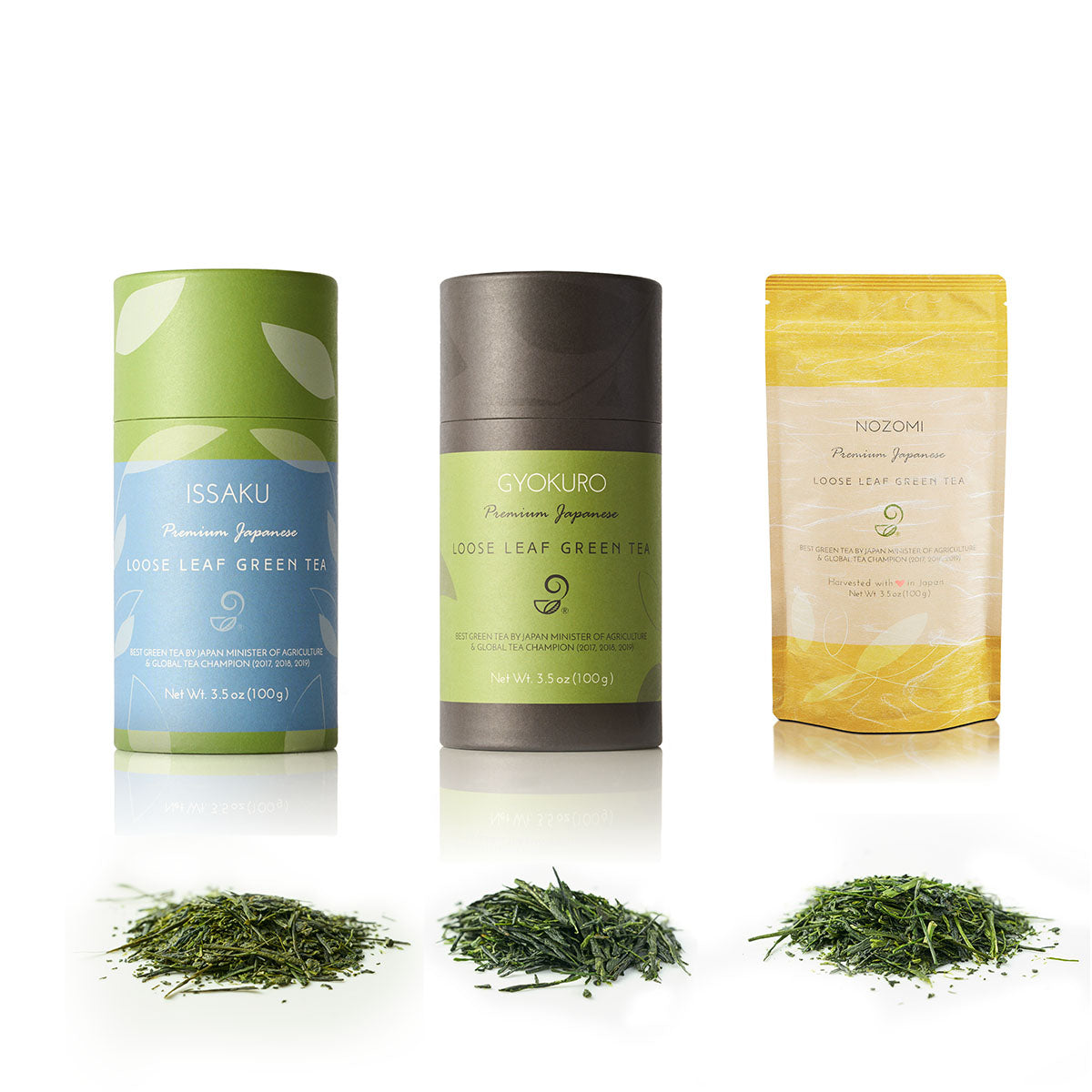
    The Sencha Lover Gift Set - Premium Japanese Green Tea Set Package
    $179.00 $159.99
    Quick view

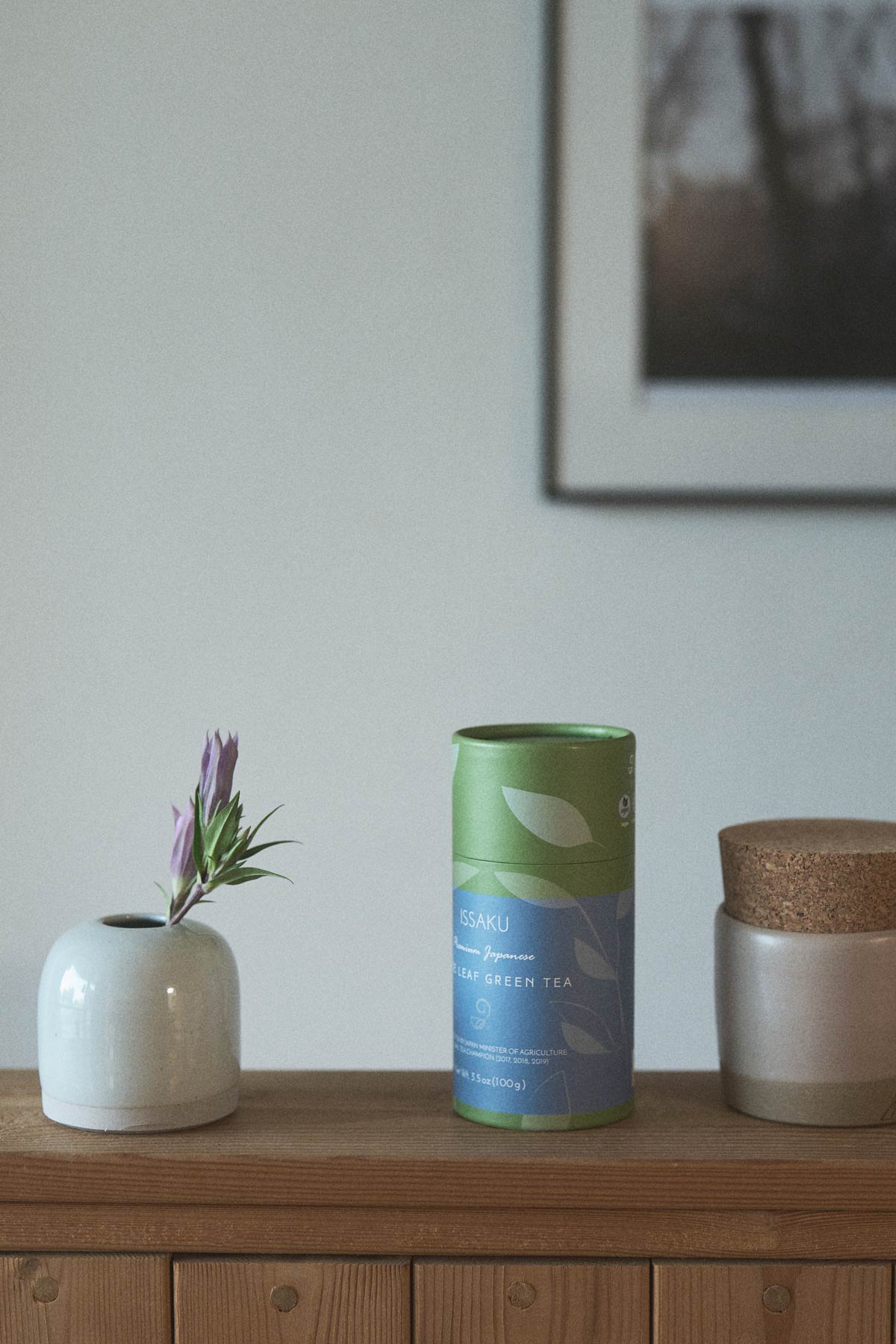
    This tea set features three exceptional Japanese green teas, each crafted with care and traditional techniques. Issaku Reserve, a Global Tea Champion winner in 2017 and 2019, is a rare masterpiece created by Farm Master Mr. Arahata at Arahataen Green Tea Farm. Handpicked once a year from the first flush and processed with advanced methods, Issaku represents the highest-grade deep-steamed green tea, available only in limited quantities even in Japan.

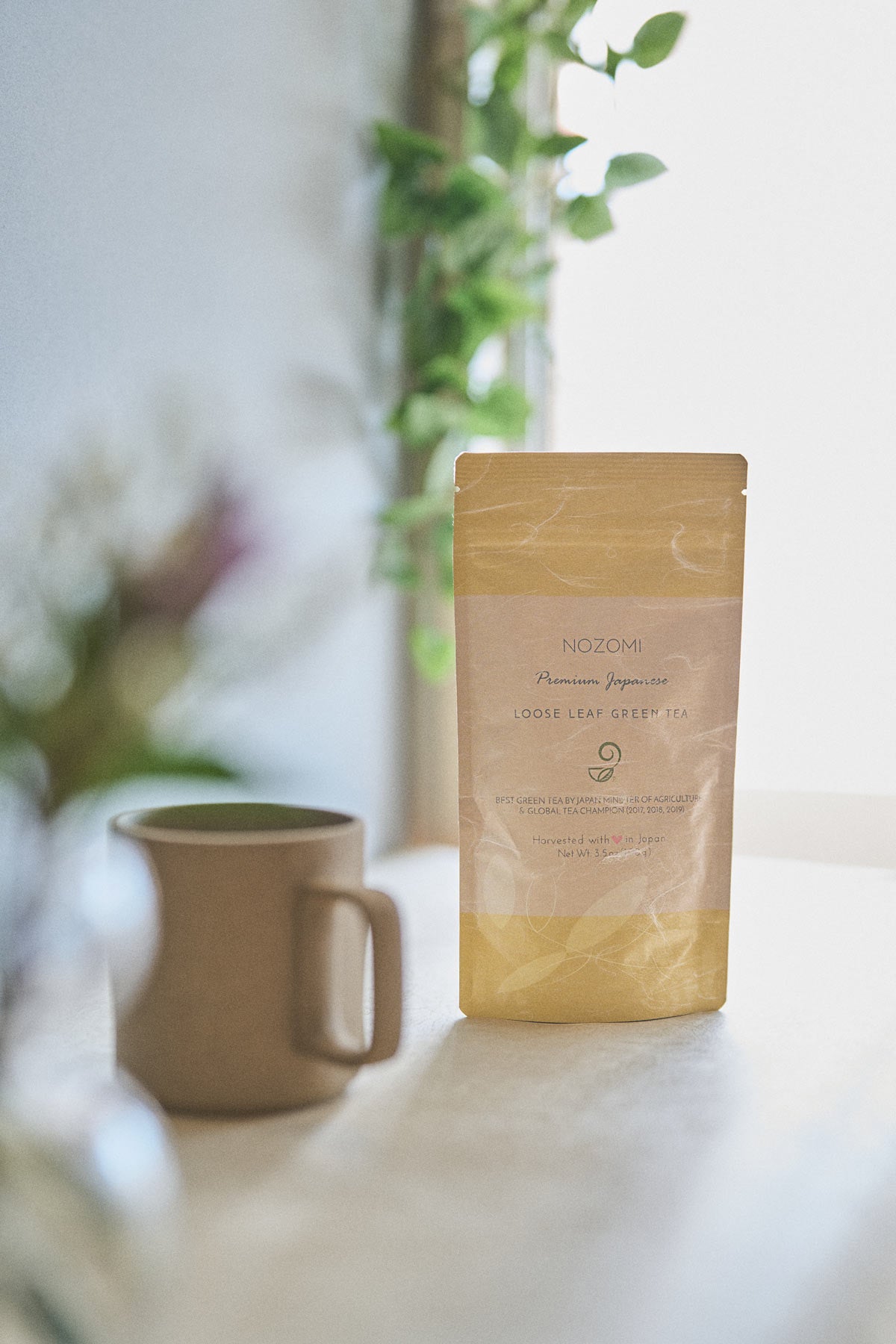
    The set also includes Gyokuro, a premium shaded green tea known for its rich, sweet flavor and deep mossy green color. Grown under special mats for 20 days to increase caffeine and amino acid levels, Gyokuro offers a layered, smooth taste unlike any other. Completing the collection is Nozomi, a fine Kabuse-cha, or "Covered Green Tea," carefully grown under nets to gently shade the leaves just before new sprouts emerge, resulting in a soft, rich, and refined flavor profile.

    97 reviews

    Gyokuro - Shaded Imperial Premium Green Tea

    $65.00
    Quick view

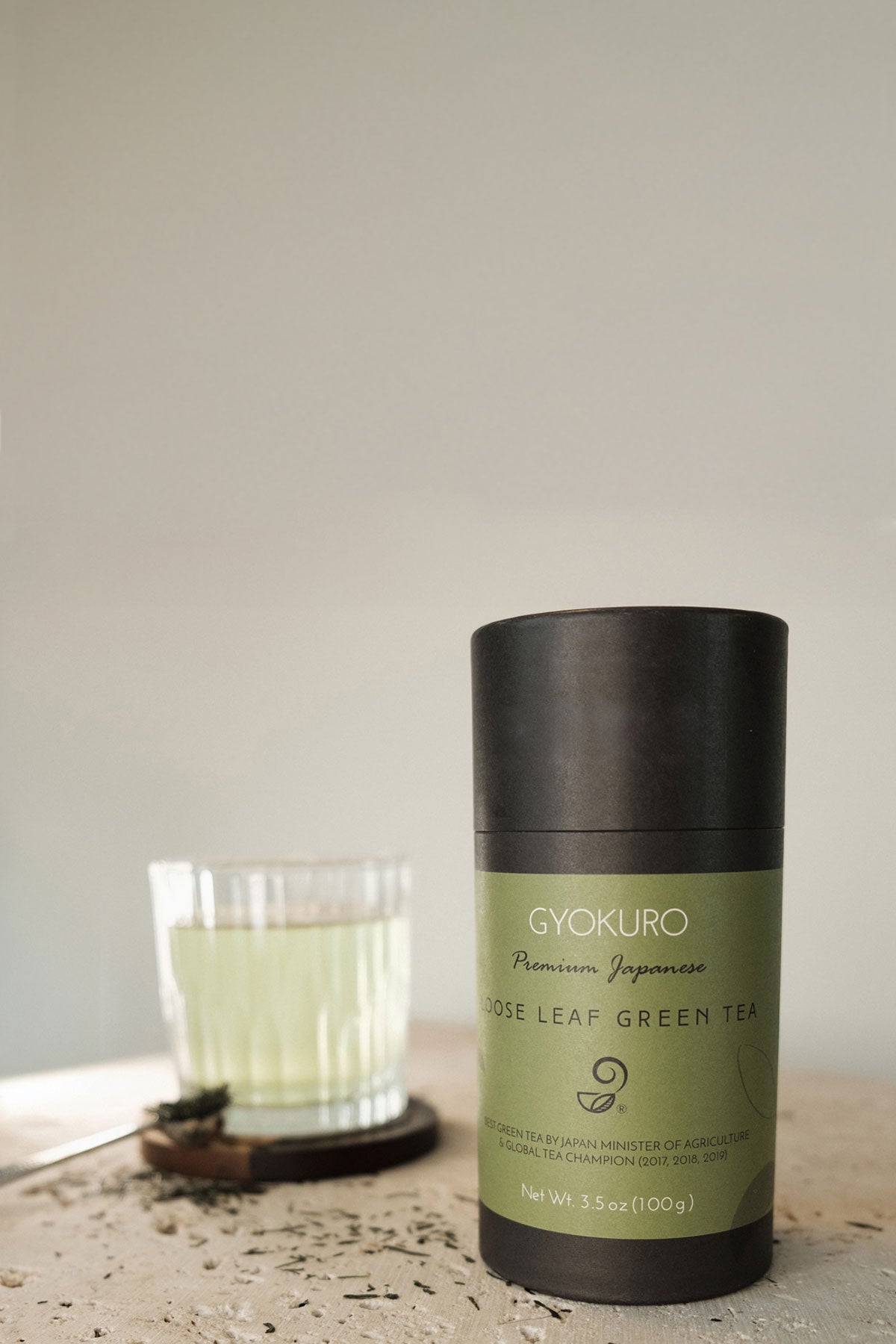
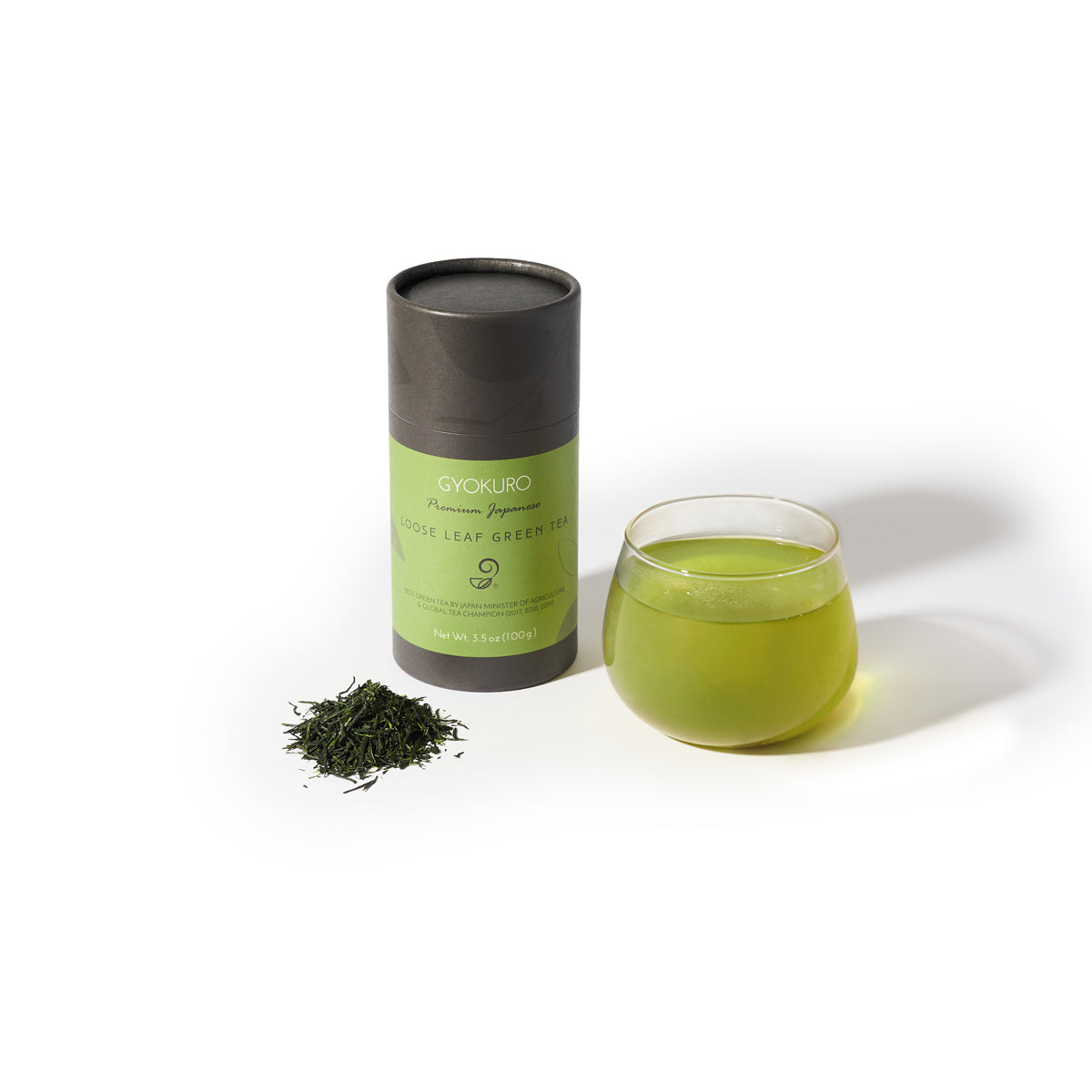
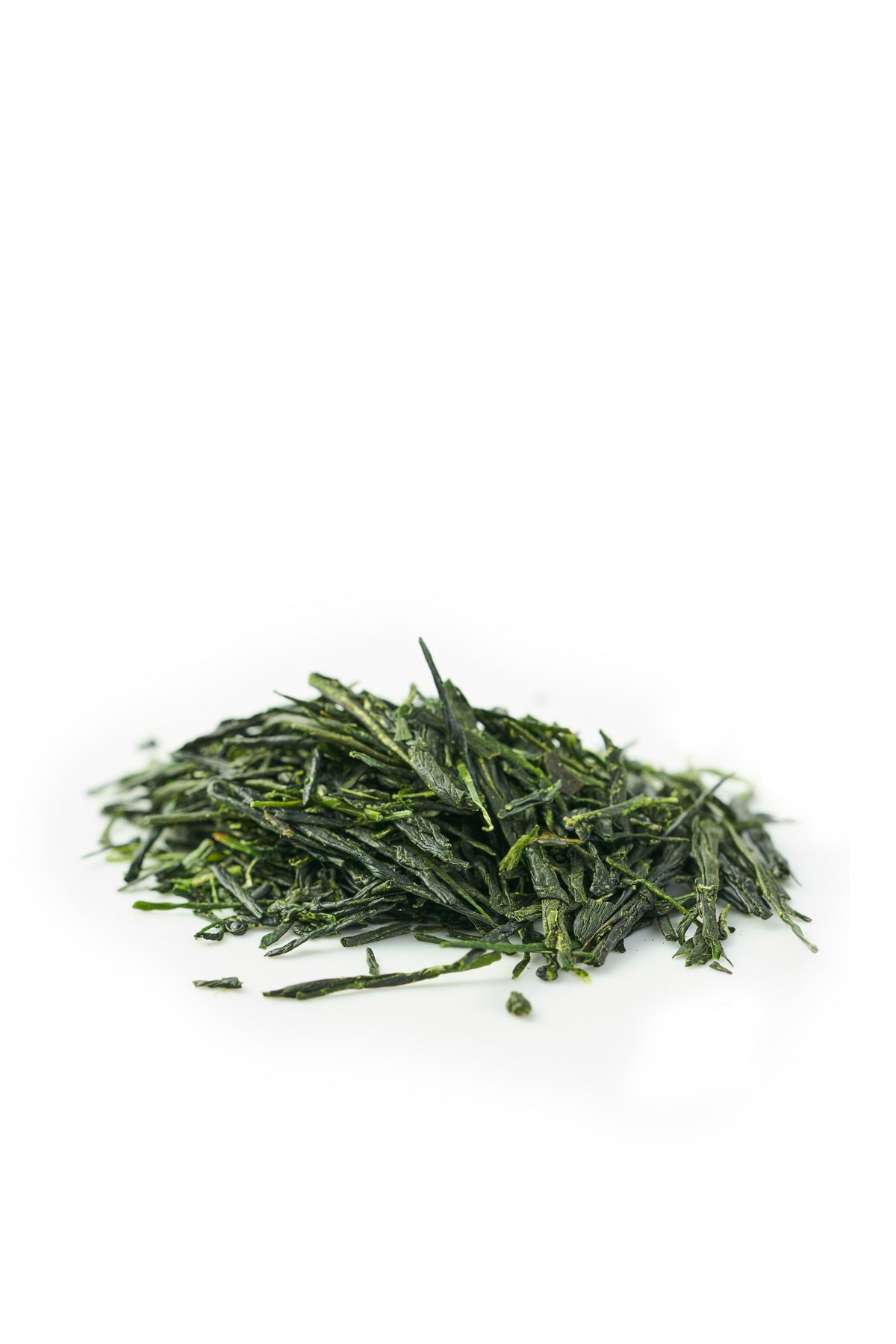
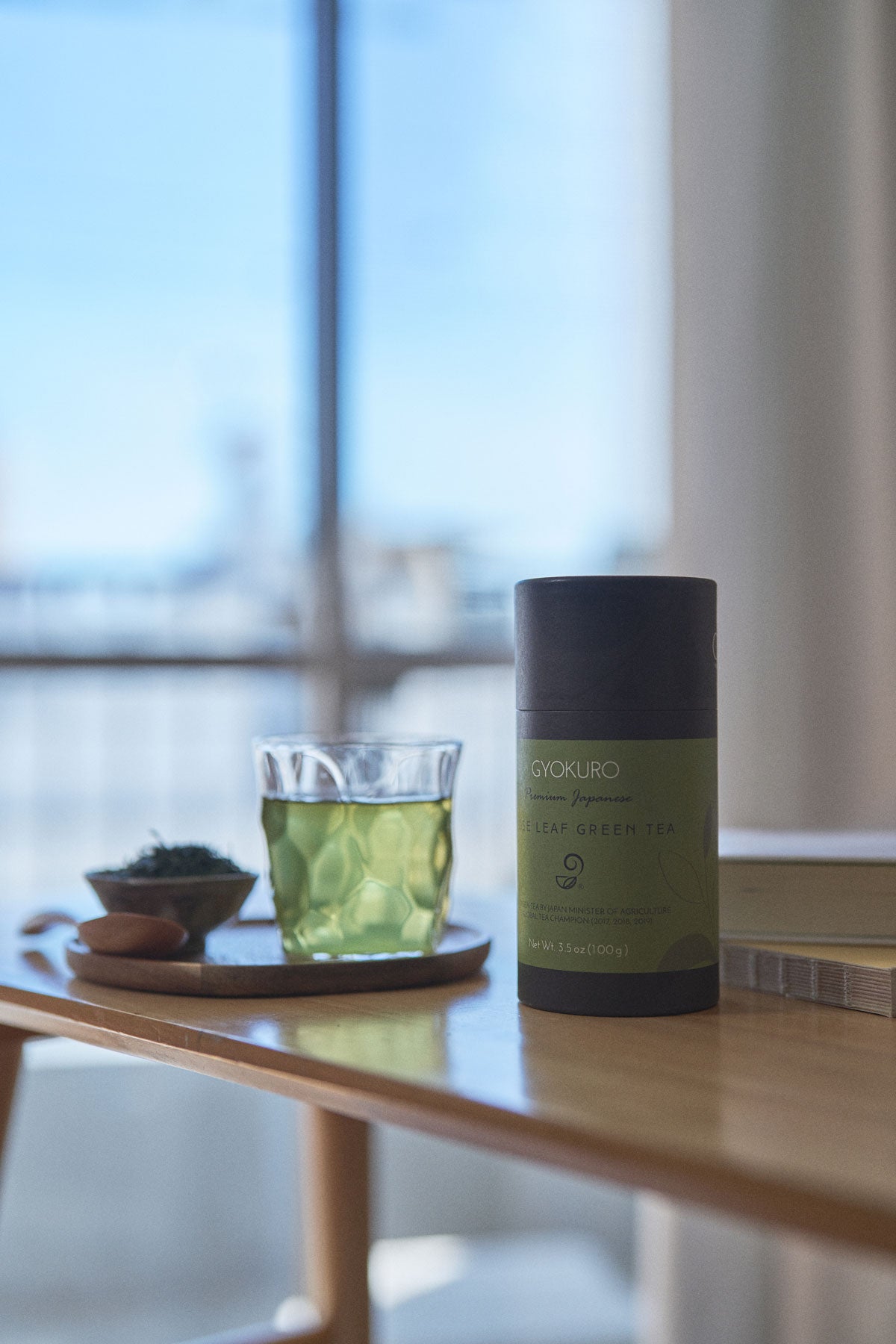
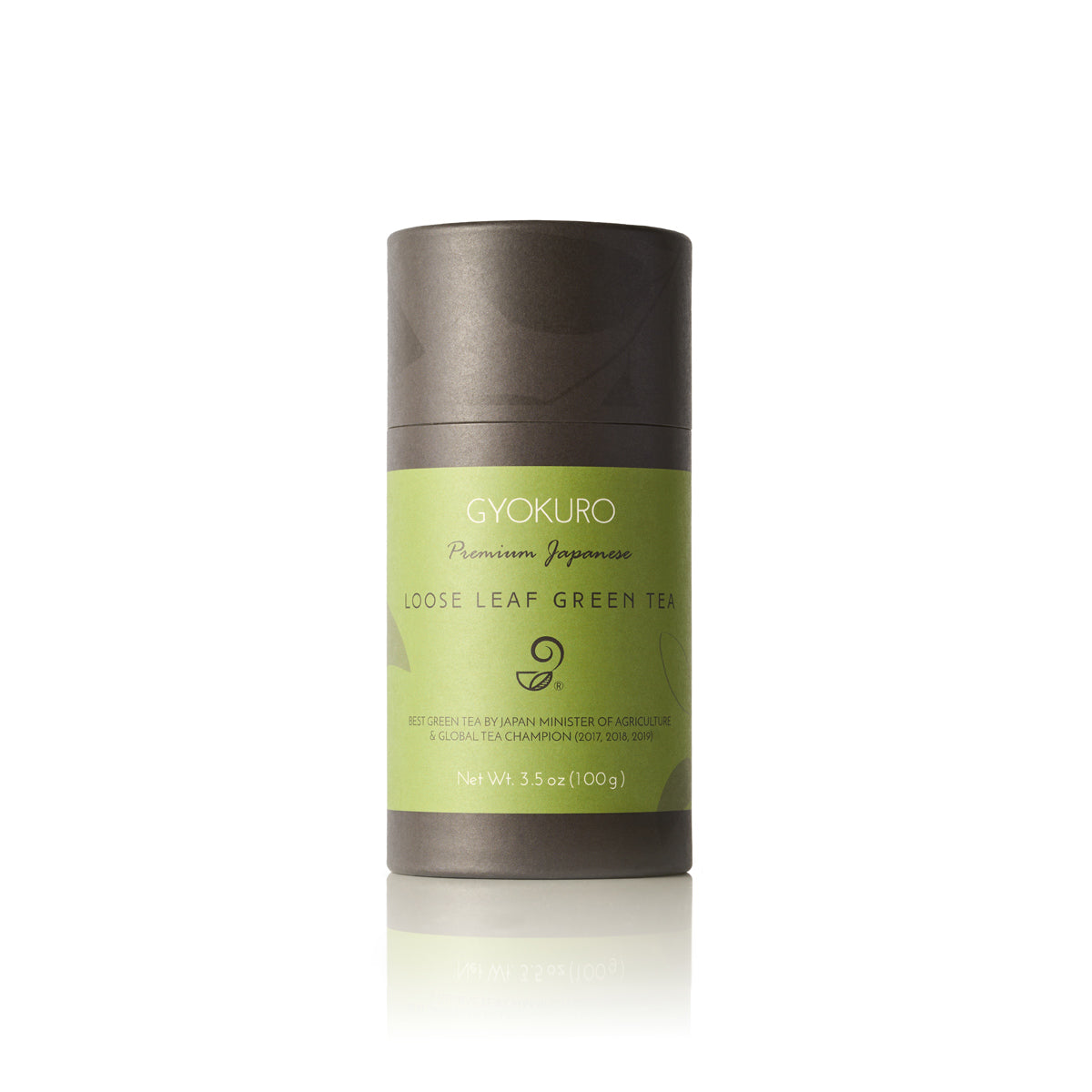
    Gyokuro, also known as "jade dew" or "jewel dew tea," is a premium Japanese green tea shaded from the sun for 20 days using specially made mats, a method that boosts caffeine levels and strengthens amino acids to create a sweeter, richer flavor. This extended shading process results in dark, mossy green leaves with an unmistakable aroma and a complex taste that is layered yet balanced. Cultivated by the Chagusaba method in nutrient-rich sugarcane soil and made from the Yabukita cultivar, this loose-leaf authentic Gyokuro is offered in a high-quality, air-tight paper tube canister (chyazutsu) to preserve its exceptional freshness and flavor. Each 3.5 oz (100g) full-size package steeps 30–40 cups, and a convenient single-serve sample is also available.

    45 reviews

    Hojicha - Roasted Green Tea

    $25.00
    Quick view

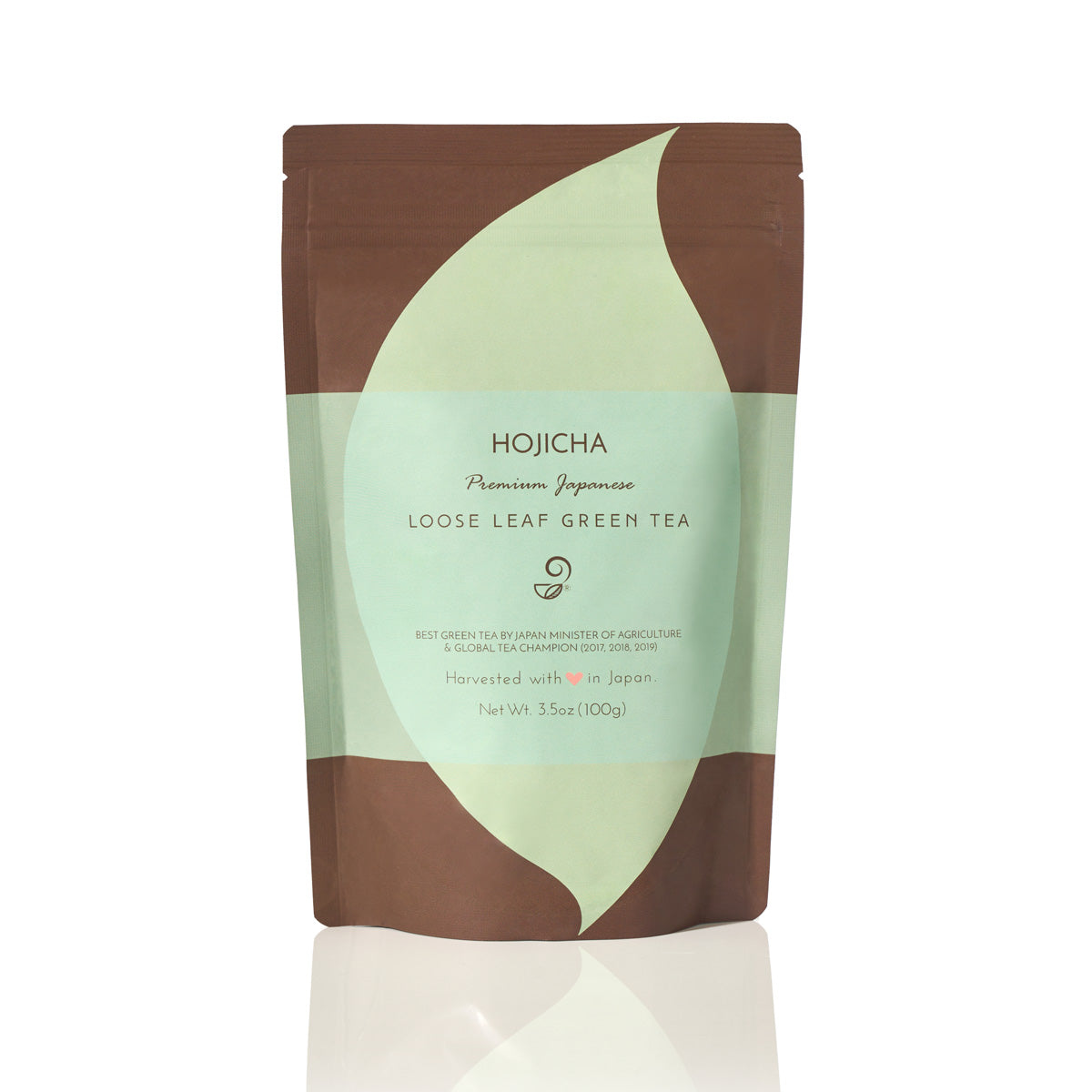
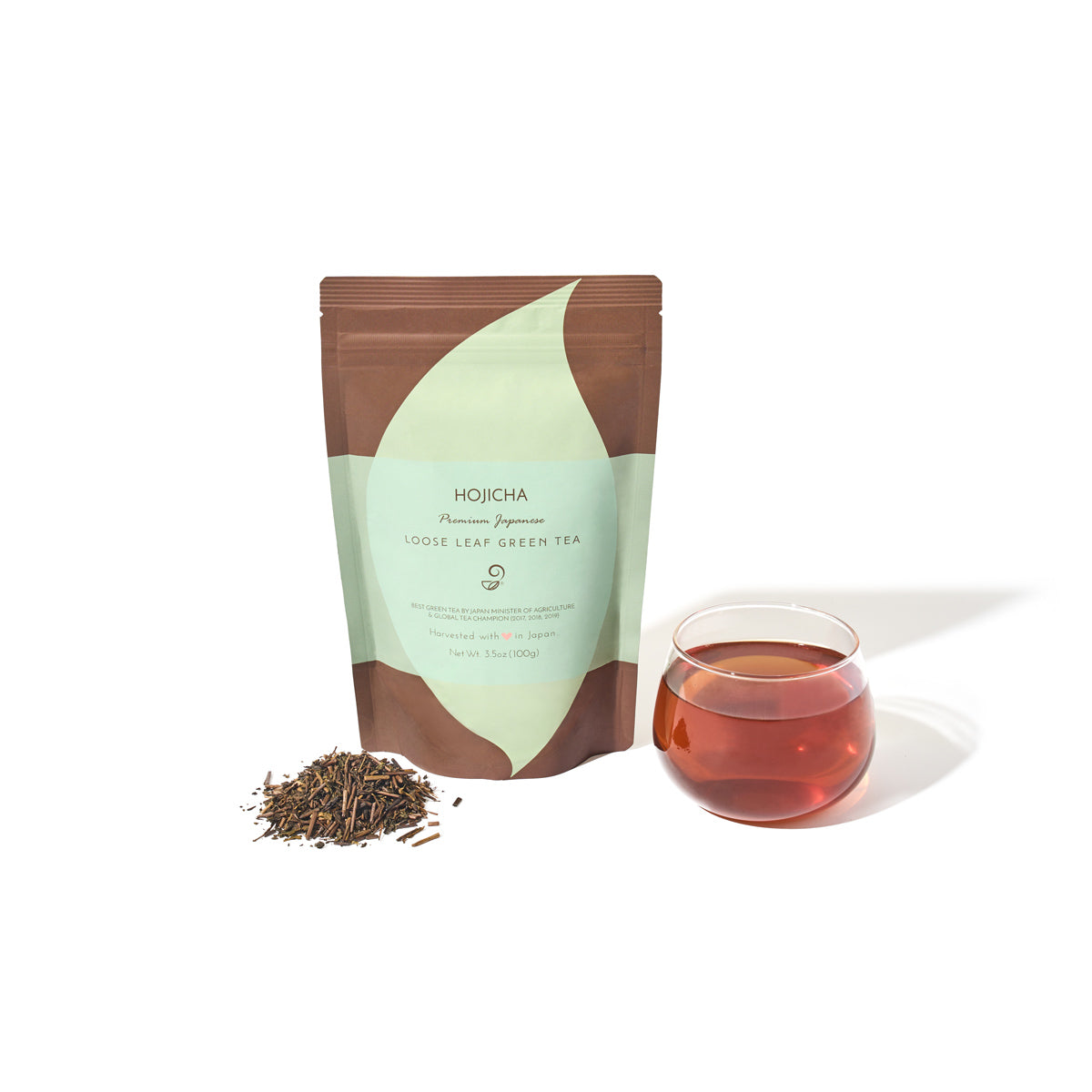
    Our roasted green tea, known as hojicha (ほうじ茶), is crafted from freshly harvested premium green tea carefully roasted in porcelain over charcoal to maximize flavor while retaining more catechins than typical hojicha on the market. With lower caffeine and a smoother, less bitter taste compared to steamed green tea, it is an ideal choice for evening relaxation and is gentle enough for kids and pregnant women. Cultivated using the Chagusaba method in nutrient-rich sugarcane soil, this loose-leaf authentic Japanese roasted green tea, made from the Yabukita cultivar, also pairs beautifully with oily foods. Each eco-friendly resealable package contains 3.5 oz (100g) of tea, enough to steep 30–40 comforting cups.

    42 reviews

    Genmaicha - Green Tea with Roasted Brown Rice

    $30.00
    Quick view

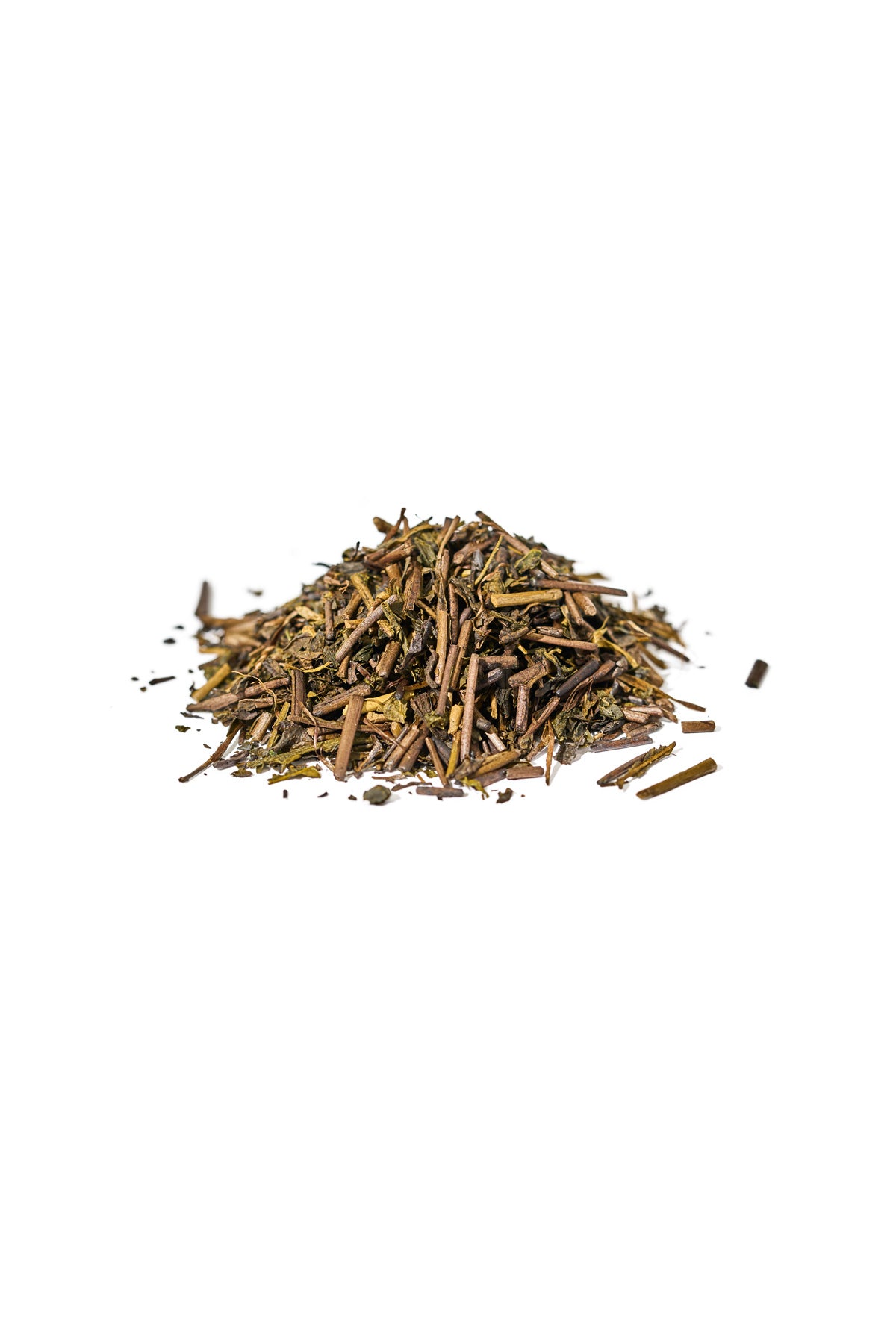
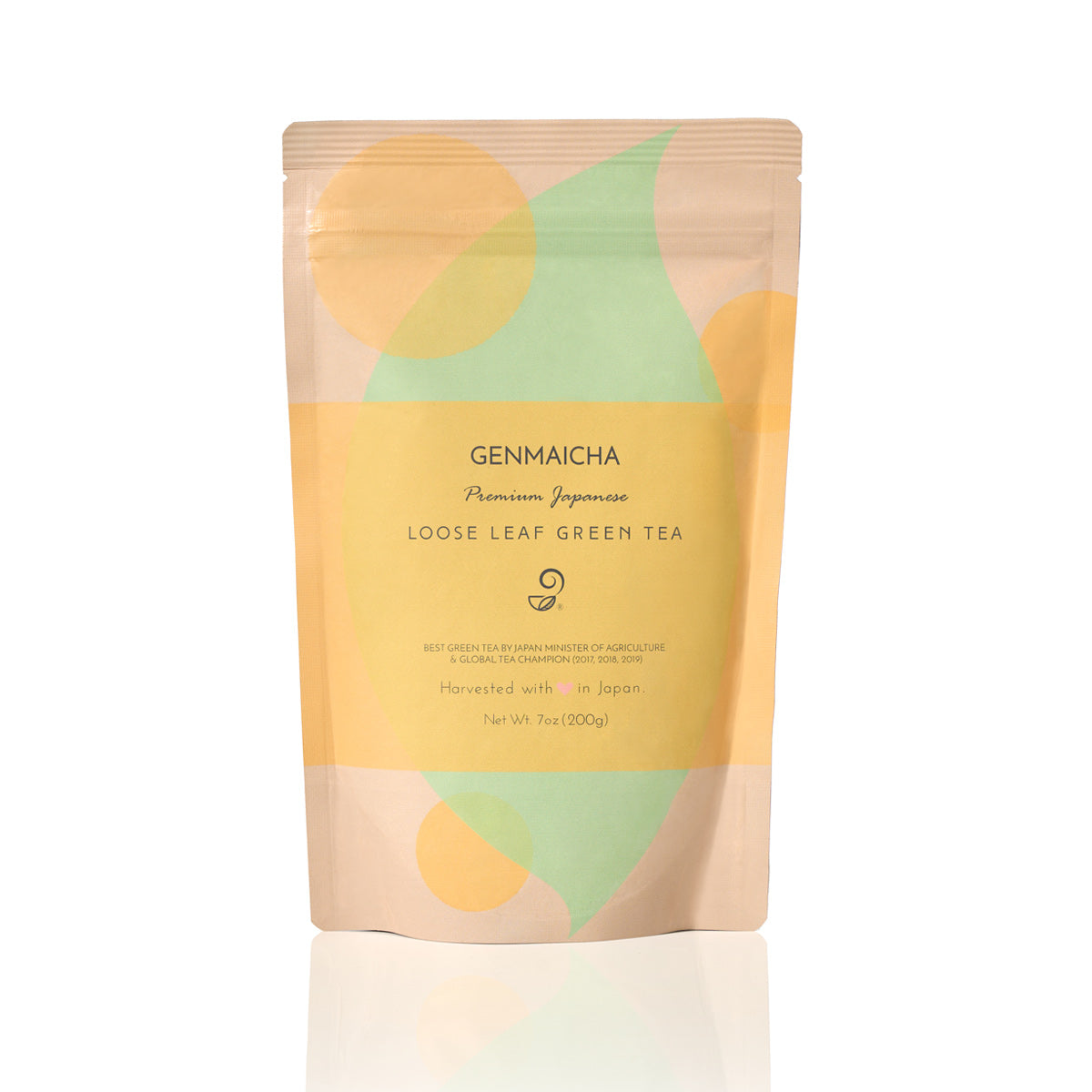
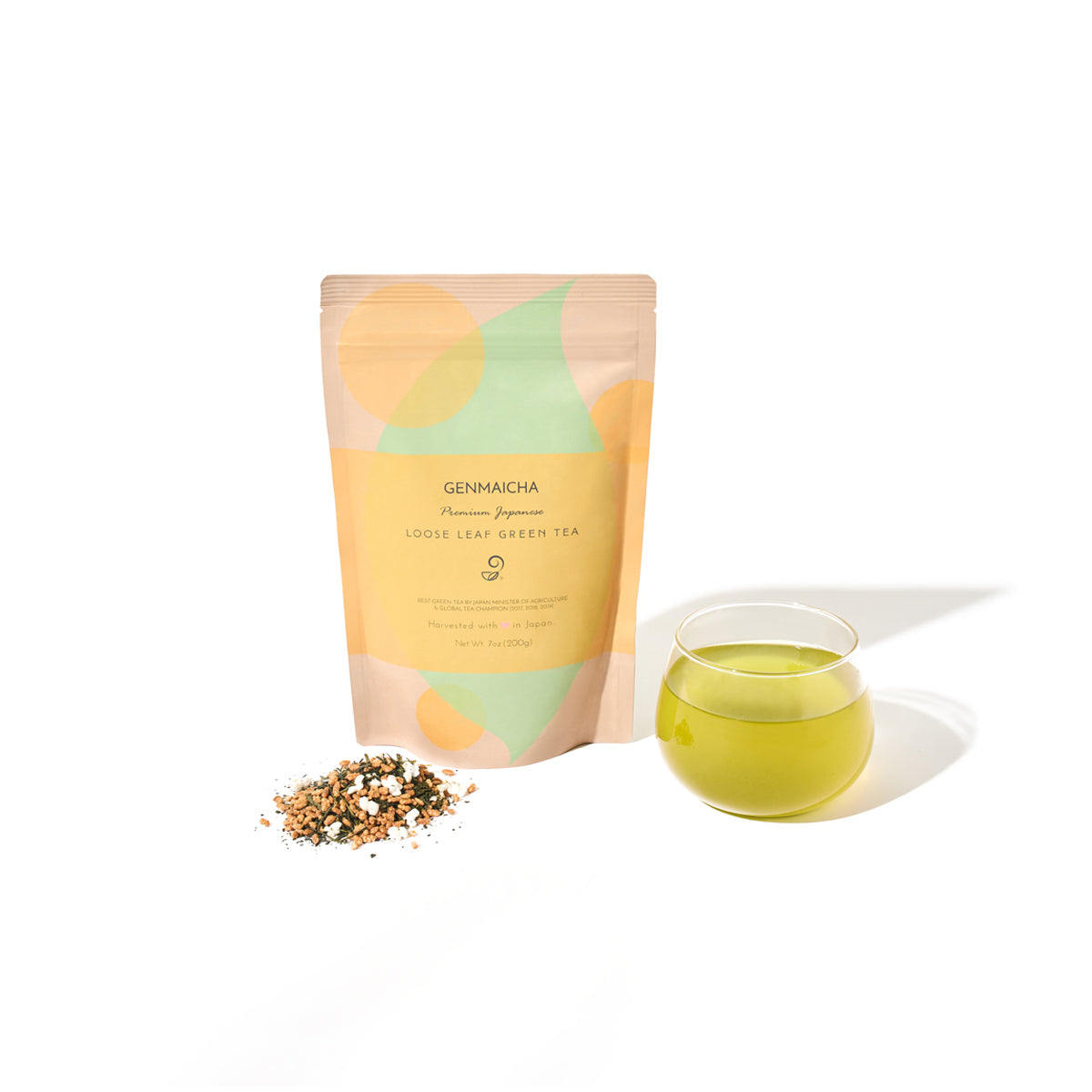
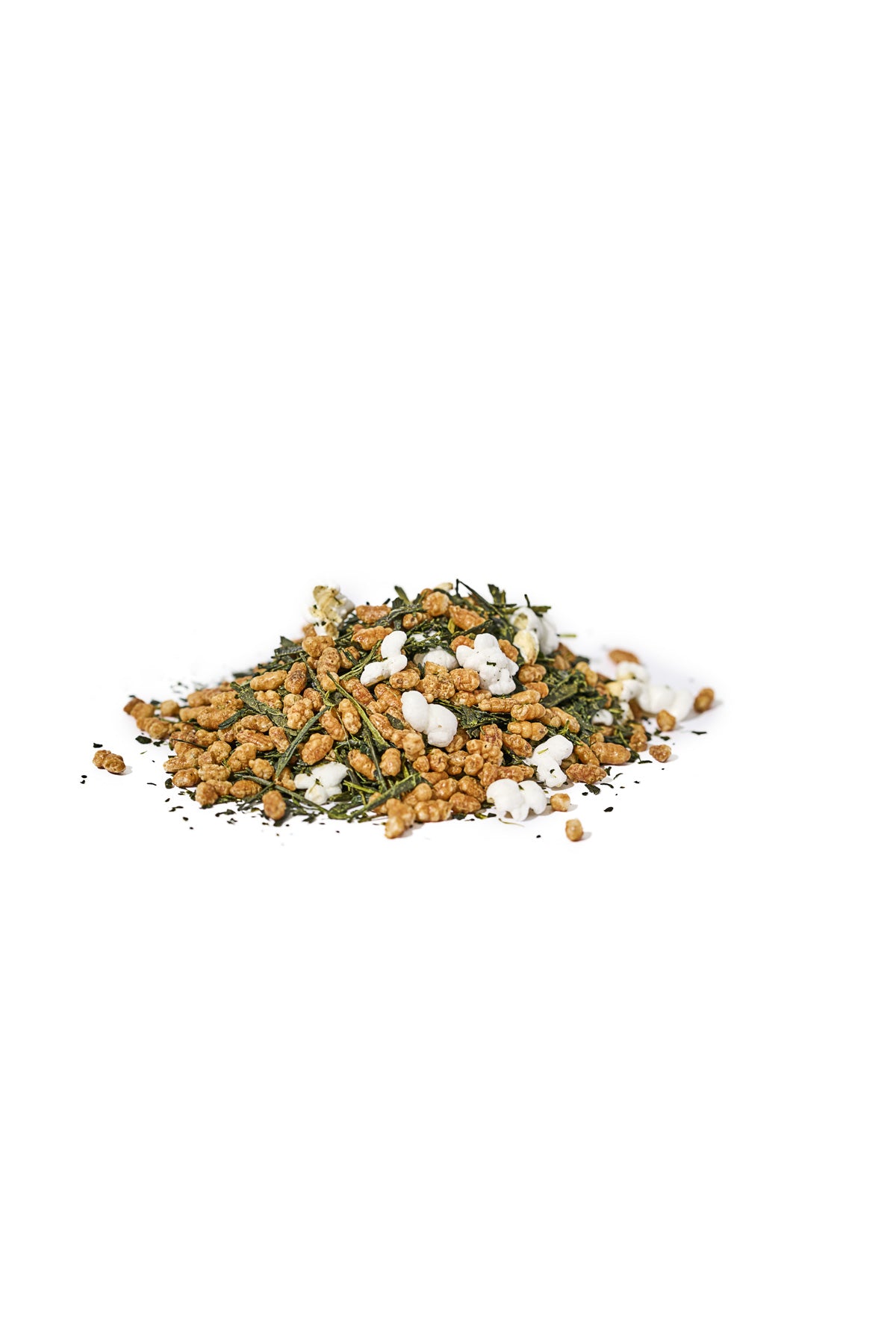
    Our premium Japanese Genmaicha blends high-quality green tea with roasted popped brown rice (genmai 玄米), often nicknamed "popcorn tea" because the roasting process sounds like popcorn popping. Popular especially among the older generation in Japan for its mild flavor and lower caffeine content, this tea is easier on the stomach while still offering a rich, comforting taste. The brown rice used is premium Japanese mochi-gome (もち米) sticky rice, enhancing the tea’s nutty, aromatic profile. Made from Fukamushi Sencha and cultivated using the Chagusaba method in nutrient-rich sugarcane soil, this Genmaicha features the Yabukita cultivar and comes in a 7.0 oz (200g) eco-friendly resealable package, enough to steep 50–60 cups.


    Related Articles You May Be Interested

    10 Popular Types of Japanese Tea Ceremony - How many do you know?
    What is Japanese Tea Ceremony? – Explained in 6 Simple Steps
    What is Japanese Tea Ceremony? – Explained in 6 Simple Steps
    Brief History of Japanese Green Tea: A Cup Full of History and Mystery
    Brief History of Japanese Green Tea: A Cup Full of History and Mystery
    Japanese Tea Ceremony: What Not To Do
    Japanese Tea Ceremony: What Not To Do
    Everything You Need to Know about Genmaicha (玄米茶)
    Everything You Need to Know about Genmaicha (玄米茶)

    Get Free Bonus Books

    Join Green Tea Club

    Sign up for free to the Green Tea Club to get advice and exclusive articles about how to choose Japanese Tea, and tips, tricks, and recipes for enjoying Japanese tea.

    Unsubscribe anytime. It’s free!

    Related Posts

    OC Japan Fair April 2026 — Visit Us at Booth #A8!
    OC Japan Fair Spring 2026 Recap (April 3 - 5 2026)

    We were at OC Japan Fair again! April 3-5 2026 with new products, Miki Pon's art debut and more. Here is a recap video f

    Read More
    Super Mario and Japanese Green Tea
    Super Mario and Japanese Green Tea

    Super Mario and green tea share a hometown! Watch our Yoshi Matcha Cookies video recipe + discover how Nintendo and matc

    Read More
    Our Matcha Is Now at Pillow Talk Cafe in Pasadena — Master Japanese-Inspired Cake Makers
    Our Matcha Is Now at Pillow Talk Cafe in Pasadena — Master Japanese-Inspired Cake Makers

    Our matcha is now at Pillow Talk Cafe Pasadena! Meet the cafe, try the Egg Heaven sando & Matchamisu, and see how th

    Read More
    Leave a comment

    Your email address will not be published..

    Cart

    Your cart is currently empty.

    Start Shopping

    Select options