

The complicated world of tea is, well, complicated! Thankfully, however, it's ultimately to our benefit as tea lovers. It seems hard to imagine that anything is more complicated than the plethora of teas available at our fingertips in our local grocery store, right here, online. With that being said, there are important distinctions to be made that help guide you to the best products to fit your needs. One of those distinctions is to understand the importance of ichibancha (一番茶), which literally translates to "first tea," or Shincha (新茶), which means "first new tea." They essentially mean the same thing and are interchangeable; however, in general, Shincha is used to refer to the tea as a product, while Ichibancha is used when referring to the harvested tea.
Green tea is usually blended so it tastes exactly the same whether you buy it in July or November. Shincha doesn't work like that. It's the very first harvest of spring, and you're getting that immediate, fragile freshness before it fades. You simply can't replicate that taste by the end of the year. It's why tea nerds get so obsessed with that tiny, fleeting window when it's actually available.
So today, let's talk more about shincha tea and what makes it so unique.
What is Schincha Tea?
Japanese green tea is given different names depending on the time of harvest. To better explain, here’s a list enumerating them:
- Ichibancha (also Shincha): first harvest from early April
- Nibancha: second harvest from early June
- Sanbancha: third harvest from early July
- Yonbancha: fourth harvest from late September
There is also something called Akibancha or Shuto-Bancha, which is essentially a third harvest but done in autumn from late September onwards.
Having identified the different kinds of green tea based on the time of their harvest, let’s take a deeper look into what makes "first tea" unique and special.
First tea refers to the entire first harvest of the season. Japan's geographical and topographical landscape makes its tea season straightforward, with harvest generally beginning in April and extending into May. The southern tip of Kyushu has first dibs on harvest, with tea farms extending just north of Tokyo on the Kanto plain. Japanese harvests can extend to October in some places and, as mentioned above, are often noted as 四番茶 or yonbancha or "fourth tea."
It seems odd at first that such classifications between first and fourth tea are required. There are, however, important reasons as to why.
(Do you want to learn even more about Japanese green tea harvesting? Have a read of this blog post next.)

What Makes Ichibancha (Shincha Tea) Unique?
The tea we are talking about comes from the tea plant, Camellia sinensis. Yes, gyokuro and sencha, for example, share the same tea plant. (Discover even more about gyokuro here.)
Tea plants north of Tokyo, for example, are modified to withstand cooler temperatures and are often darker in appearance. Tea plants across parts of Japan withstand winter temperatures, with the tea buds idling for warmer temperatures generally reached in March. The buds begin to develop their new leaves, and the year's first harvest is set in motion.
Upon developing the year's first leaves, shincha tea, or first tea, can take place. Farmers will begin to harvest the tea leaves. Often, tea leaves are quickly moved to processing plants, given that the process of oxidation starts immediately after and begins changing the leaves. Imagine that you cut up an apple and leave it on the counter for several hours. This same process affects the leaves.
There are, of course, farmers who allow oxidation to take place to some degree. In fact, oxidation can be a critical part of determining the type and quality of tea produced.
How to Brew Shincha for the Best Experience
Shincha is delicate, so you can't just pour boiling water over it and hope for the best. Stick to 60–70°C. Anything hotter kills the natural sweetness and pulls out too much bitterness.
Give the leaves 60 to 90 seconds for that first steep. Good quality Shincha usually holds up for three or four brews, and the flavor shifts a bit with each pour. If you want to get fussy, soft water and a traditional kyusu teapot help, but getting the temperature right is the main thing.
More Nutrients
Beyond the degrees of concern from oxidation, Shincha tea's uniqueness is further defined by its aroma and chemical makeup: the tea buds can "build" up nutrients and a chemical makeup distinct from its later counterparts. The tea plants accumulate nutrients in the wintertime, and as the cold season comes to an end, that’s when they have the most nutrients. That’s why the new leaves that sprout at the beginning of spring have the highest level of nutrient content.
Case in point: Ichibancha contains approximately three times more theanine than its brother, Nibancha. Besides being associated with a number of benefits, such as better mental focus and improved sleep quality, theanine is also typically what provides sweetness to the leaves, giving green tea its unique flavor.
In fact, the considerable collection of nutrients gives the taste of Ichibancha a higher level of umami. All these also contribute to the more notable aroma and color of shincha. The flavor, aroma, and color do not present a subtle difference; it’s quite obvious. If you’re a tea connoisseur or a seasoned tea drinker, you’ll easily note the distinction.

Shincha’s flavor is described as full-bodied and sweet. Its aroma is refreshing and reminiscent of invigorating rain in a verdant forest. Lastly, its color is luminous or glowing bright green, a testament to the richness of the tea thanks to the plant’s long winter’s labor.
While Shincha is richer in most nutrients present in tea, it does have a lower catechin and caffeine content than later teas. Because of this, it tastes less bitter and astringent, which many find preferable and much more pleasing.
The winter buildup of nutrients does more than just keep the tea plant healthy—it fundamentally changes how a cup of Shincha makes you feel. The early spring leaves are packed with amino acids, specifically L-theanine. When that much L-theanine hits the tea's natural caffeine, it completely alters the stimulant effect. You skip the sudden spike and anxious crash of a strong coffee, getting a clean, steady focus instead. It's the kind of drink you want on your desk when you have to get through three hours of dense paperwork without feeling completely wired.
Those exact same nutrients dictate how the tea looks and feels. All that chlorophyll from the young leaves turns the water a heavy, dense green you just don't see in summer harvests. The amino acids also thicken the texture of the brew, making it deeply savory and almost brothy compared to the watery mouthfeel of standard green tea. It actually coats your tongue, and the flavor noticeably shifts from sweet to grassy as the cup cools down. You aren't just drinking hot leaf-water; you're tasting exactly what months of winter dormancy do to a plant right before the spring harvest breaks.
Less or No Pesticides
It depends on the farmer, of course, whether he uses pesticides or not, but for those who do, they likely won’t start spraying until the summer, way after the first harvest. That’s mainly because the bugs don’t come out until then. Consequently, spraying isn’t necessary in the first harvest season. Since Shincha leaves are picked in the early spring, this means that Shincha is free of pesticides.
The time of year isn't the only thing that makes the first harvest different—the farmers actually treat these leaves better. Growers know their customers have been waiting all winter for the Shincha drop, so they usually go out of their way to keep the cultivation as clean as possible during those specific weeks. The early spring weather does half the work for them. Because it's still cold out, there are fewer insects to worry about, which drastically reduces the need for heavy chemical sprays. Even if a specific farm doesn't bother with an organic certification, their early spring tea is almost always much cleaner than the batches they pull in July or August. You aren't just paying for the fresh flavor; you're also getting tea from the least aggressive, most hands-off part of the farming cycle.
Vintages and Availability
Much like high-quality wine, Shincha has a vintage factor to it, giving importance to the year and place where it was produced. Every year, the taste and aroma of Shincha are nuanced to be peculiar to that time. This is why the purchase of Shincha causes quite a fuss. Its availability is limited. Once a batch of Shincha is sold out, it’s gone and cannot be reproduced. Besides its high-grade property, this quality of Shincha augments its value, hence its loftier price.
The painfully short harvest window means the tea is notoriously hard to get hold of. You can restock standard green tea whenever you run out, but Shincha drops in tiny, hyper-local batches that routinely sell out before the week is over—especially if it's from a respected grower. The people who really love it end up watching the early spring weather reports, just waiting for farms to announce their shipping dates. That scarcity completely changes how you drink it. It stops being just a daily beverage and turns into an annual event. It makes you actually sit down and pay attention to what's in your cup, simply because you know that once you kill the bag, you won't taste that exact same spring harvest ever again.
Why is the 88th day Important?
The first harvest is further bolstered by a uniquely Japanese tradition. Hachijuhachiya, or the 88th day, is the 88th day of spring counted down from risshun, or early February. This is said to be the best time to harvest.
Because Hachijuhachiya has been carried from the traditional pre-western Japanese calendar, risshun marks the beginning of spring. It doesn't necessarily fall on a set date, year in and year out. Around May 2, tea buds begin to sprout, and tradition holds that if you were to drink from those leaves, you would be protected from paralysis.
On Kyushu, several important markets sell this specific tea, with an area in Nagasaki stating that if you're blown by the tea market wind, you will be protected from sickness all year. Shincha tea has immense traditional importance and further distinguishes itself in its biochemical makeup.
(Ever wondered what makes specialty teas different from teas sold to the masses? Find the answers here.)
If you're ever visiting Japan or searching the market for tea through the spring season, ichibancha is not only something you'll likely come across, but it's something to add to one's tea portfolio. It's unique for the reasons stated above, but more than that, it will set apart an aroma and flavor you won't experience for the remainder of the year.
That 88th day isn't just an old romantic superstition; it's a very real, incredibly stressful target that growers actively scramble to hit. The farmers spend weeks checking the soil and weighing the weather reports against the physical condition of the leaves. They're trying to pinpoint the exact hours when the tea bush is pushing the absolute maximum amount of nutrients into the new growth before the weather inevitably shifts. Hitting that tiny window takes decades of practice, and it relies entirely on instincts passed down from older generations who worked those exact same hillsides. When a batch is pulled perfectly inside that specific timeframe, the flavor is genuinely sharper and sweeter—but it's also the result of a hyper-specific, grueling skillset that hasn't changed much in a hundred years. Trying to force a crop to line up perfectly with a calendar date is a nightmare, which is honestly exactly why the whole process is so fascinating.
Yes, tea is complicated, and this is why so many of us love it.
Conclusion
You're never going to find a tea that feels more brutally tied to the calendar than this. Shincha is a direct, unapologetic product of the weather it grew in, which means no two years are ever going to taste exactly the same. Between the massive hit of umami, the bizarre chemistry of the young leaves, and the fact that the entire supply vanishes almost immediately, you can't help but treat it differently than the mass-market green tea you might mindlessly chug on your way to work.
There's something uniquely rewarding about a crop that works this way. When you sit down with a pot of it, you're acutely aware that you are drinking a completely temporary experience. You simply have to slow down and notice the density of the hot water, because you won't be able to buy it again until next spring rolls around. It strips away the sterile, predictable feeling of commercial tea and reminds you that this is actual agriculture—a messy, living, incredibly unpredictable thing. And that terrifying lack of permanent consistency is exactly what makes the spring release so much fun to drink.
Buy First Crop Japanese Green Tea
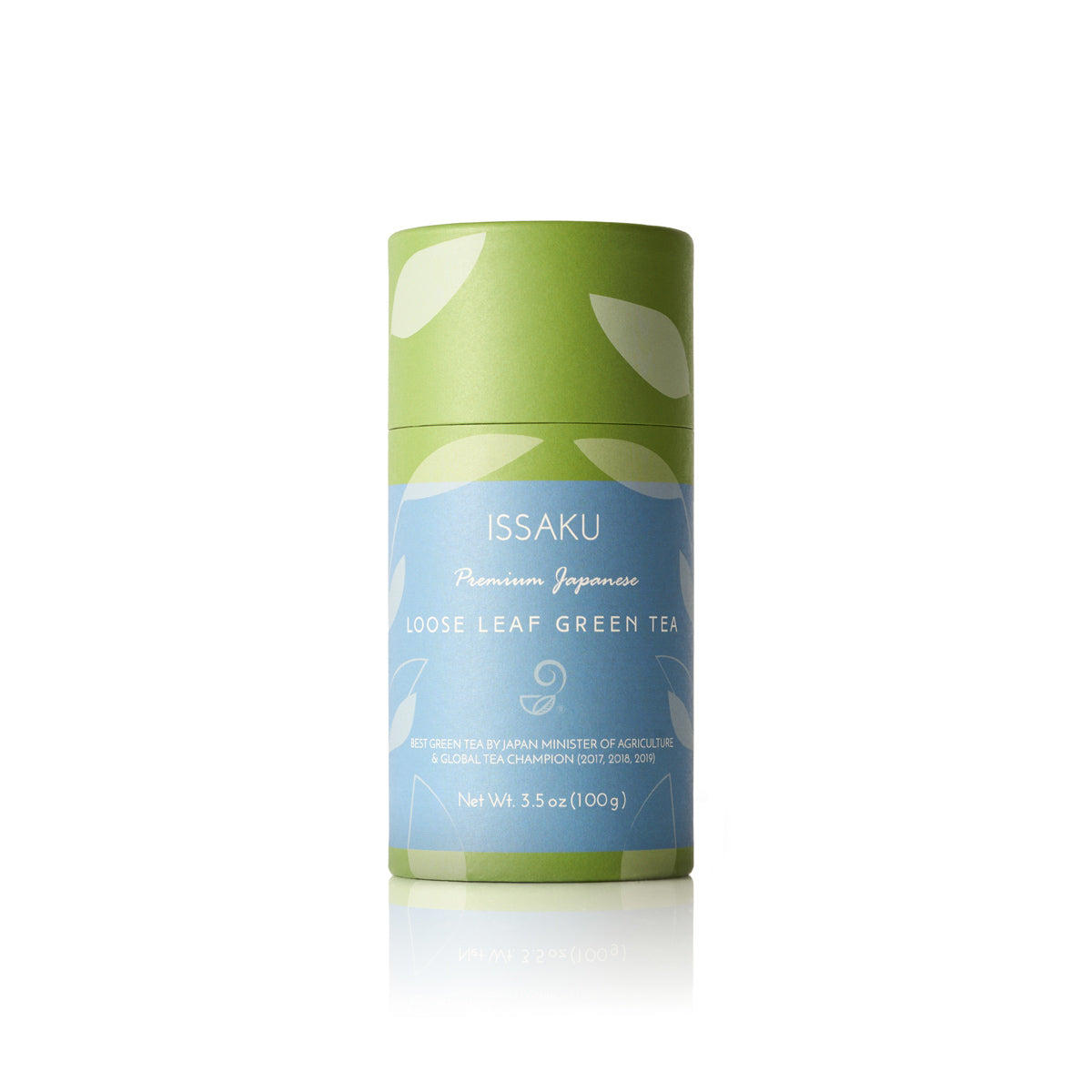
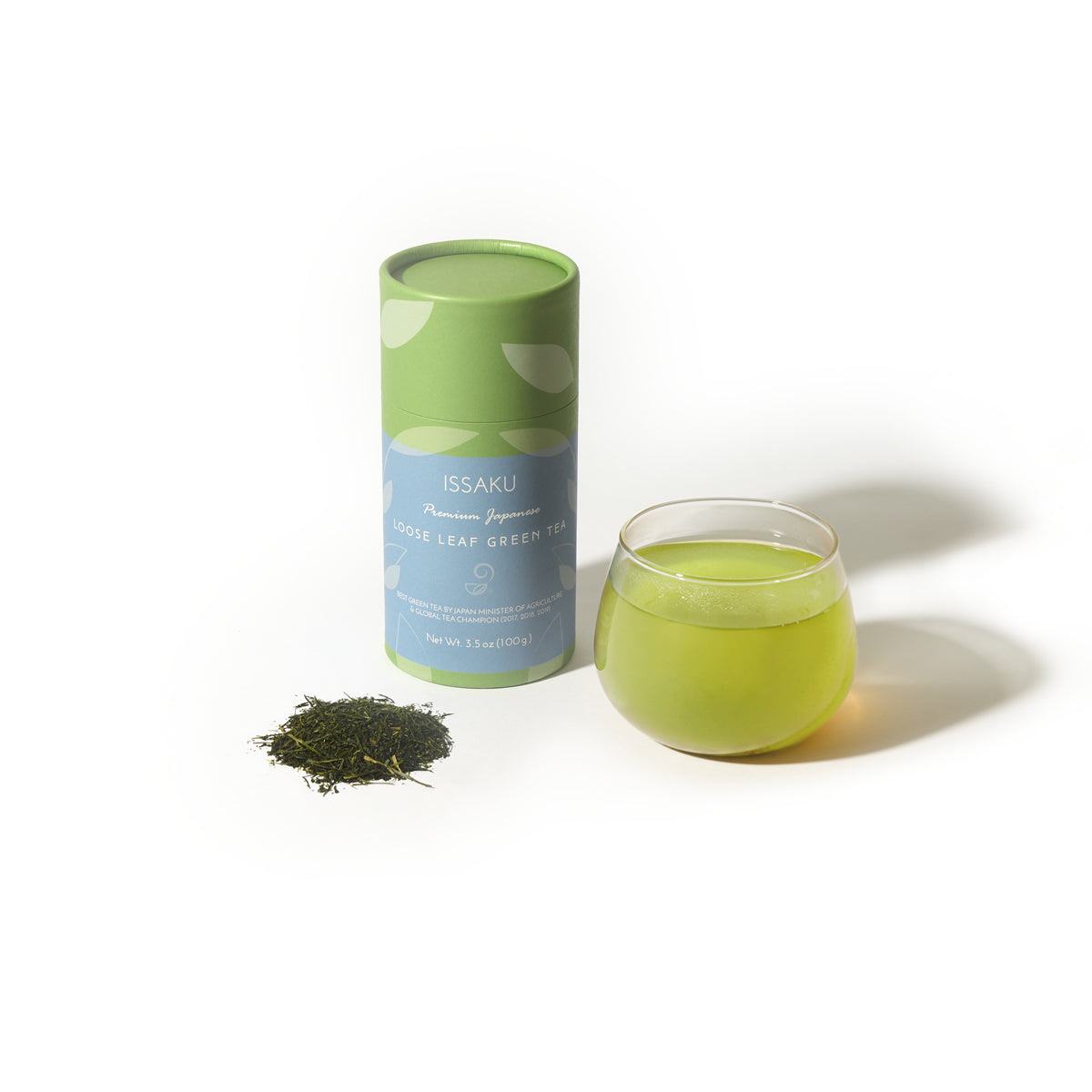
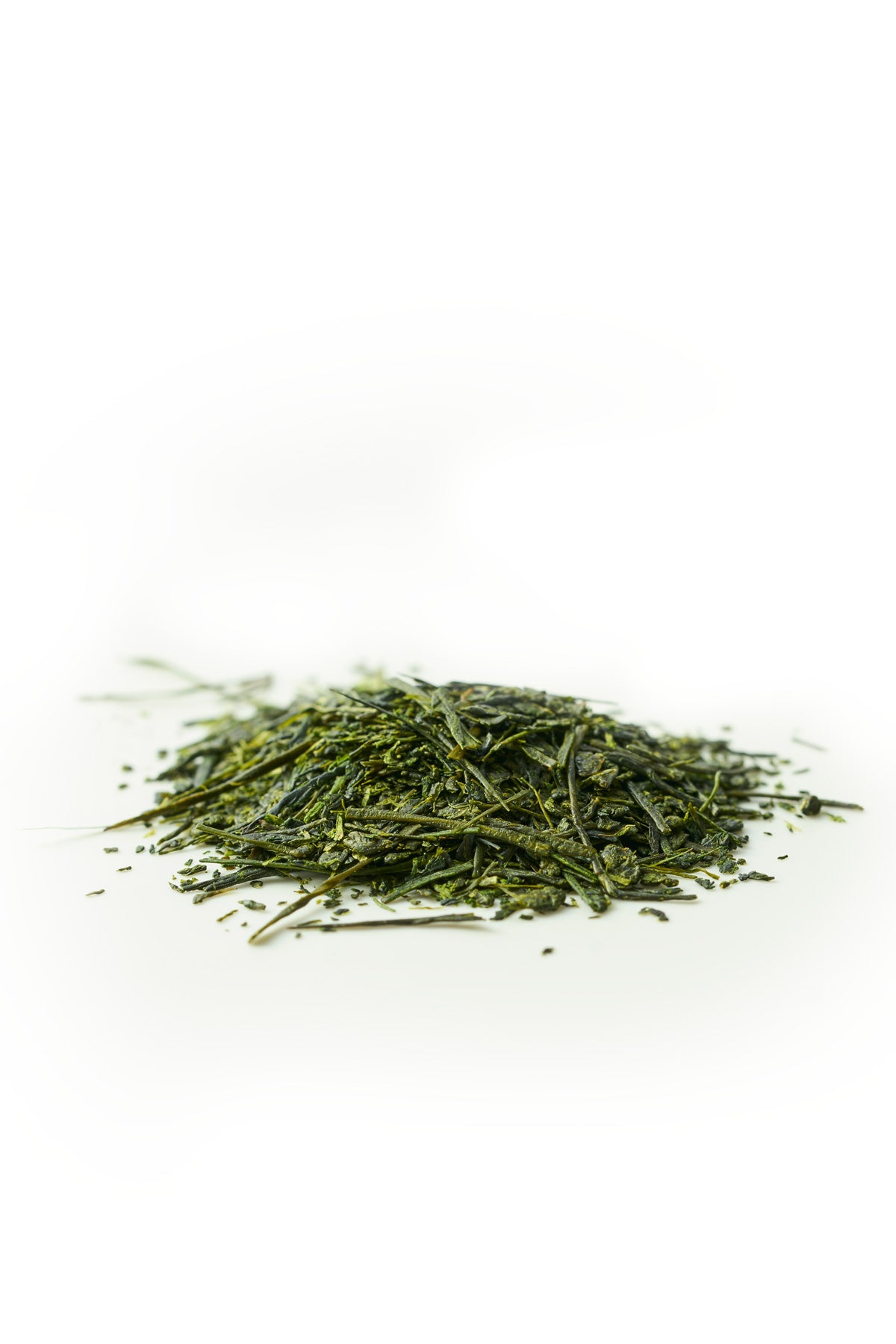


8 reviews
$179.00
$159.99
/
Quick view
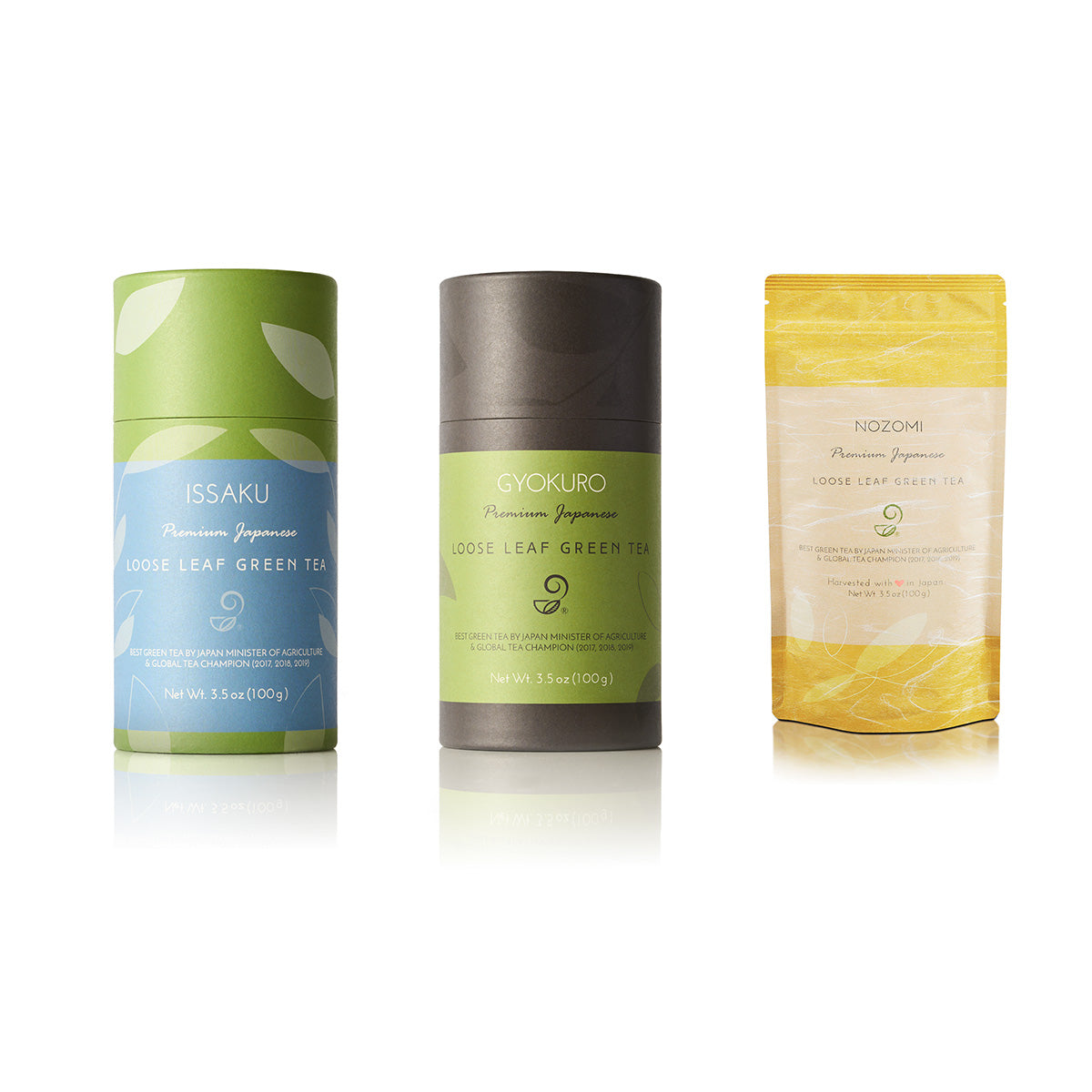
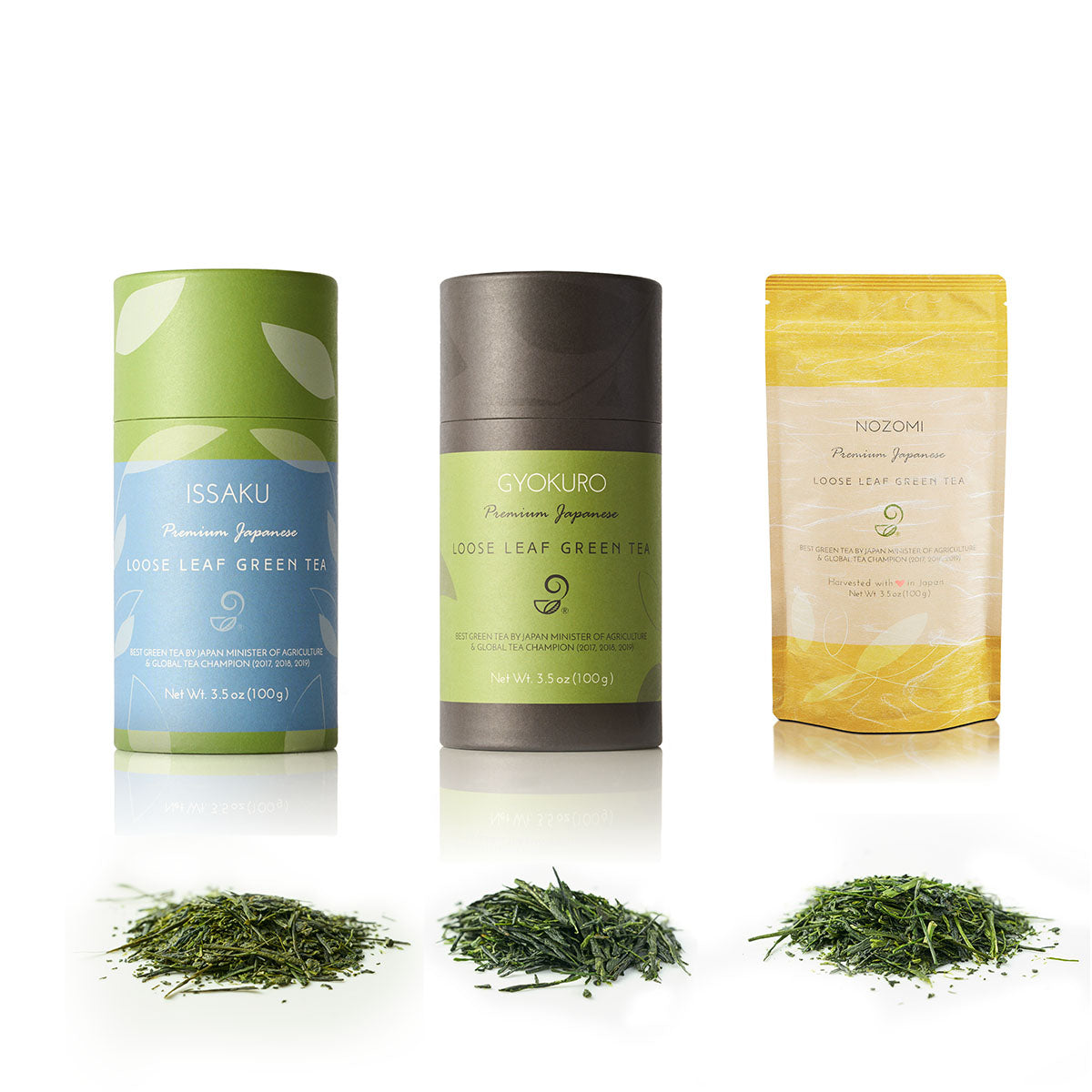
The Sencha Lover Gift Set - Premium Japanese Green Tea Set Package




Get Free Bonus Books

Sign up for free to the Green Tea Club to get advice and exclusive articles about how to choose Japanese Tea, and tips, tricks, and recipes for enjoying Japanese tea.
About the author

Kei Nishida
Author, CEO Dream of Japan
Certification: PMP, BS in Computer Science
Education: Western Washington University


