Skip to content

What is Japanese Diet Pu-erh Tea? Explained in One Minute

Subscribe to Youtube See all videos

Japanese Diet Pu-Erh Tea - Saryu Soso is a national award-winning tea, good for diets and skin. Tea is extremely popular in Japan because of its benefits. Saryu Soso contains 1.7 times the tannic acid (a subset of Polyphenol, made up by Gallic Acid) compared to Chinese Pu-Erh tea. 

Saryu Soso was developed with collaboration from the Shizuoka University and uses patented bacteria created by Mr. Denbei Kawamura, which creates an element called Teadenol. Teadenol is known to be very good for the skin. 

The fermentation process takes 80 hours of extreme care and dedication in the High Technology Clean Room; equivalent technology used in semiconductor manufacturers to ensure no dust or other bacteria gets into the room during the process.

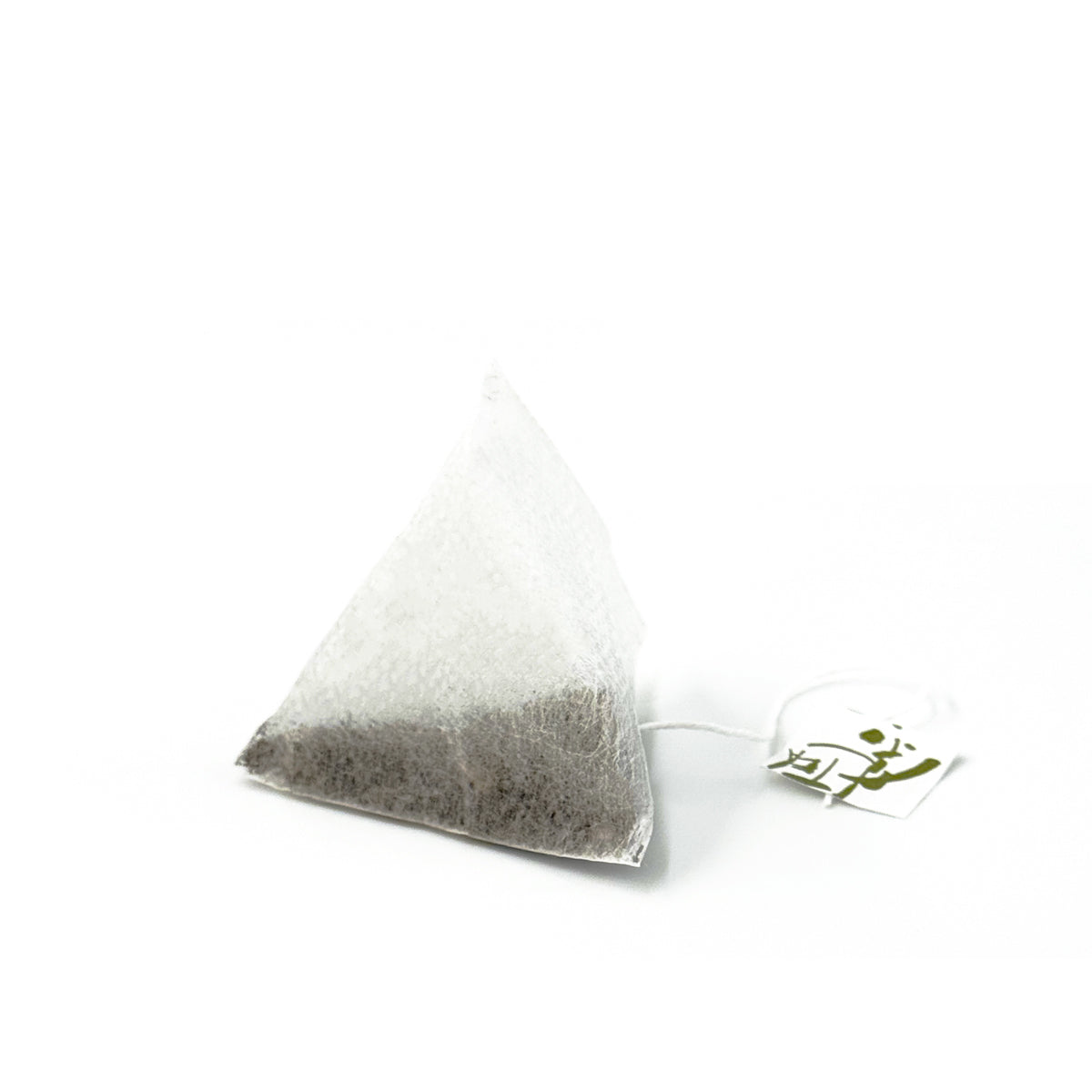
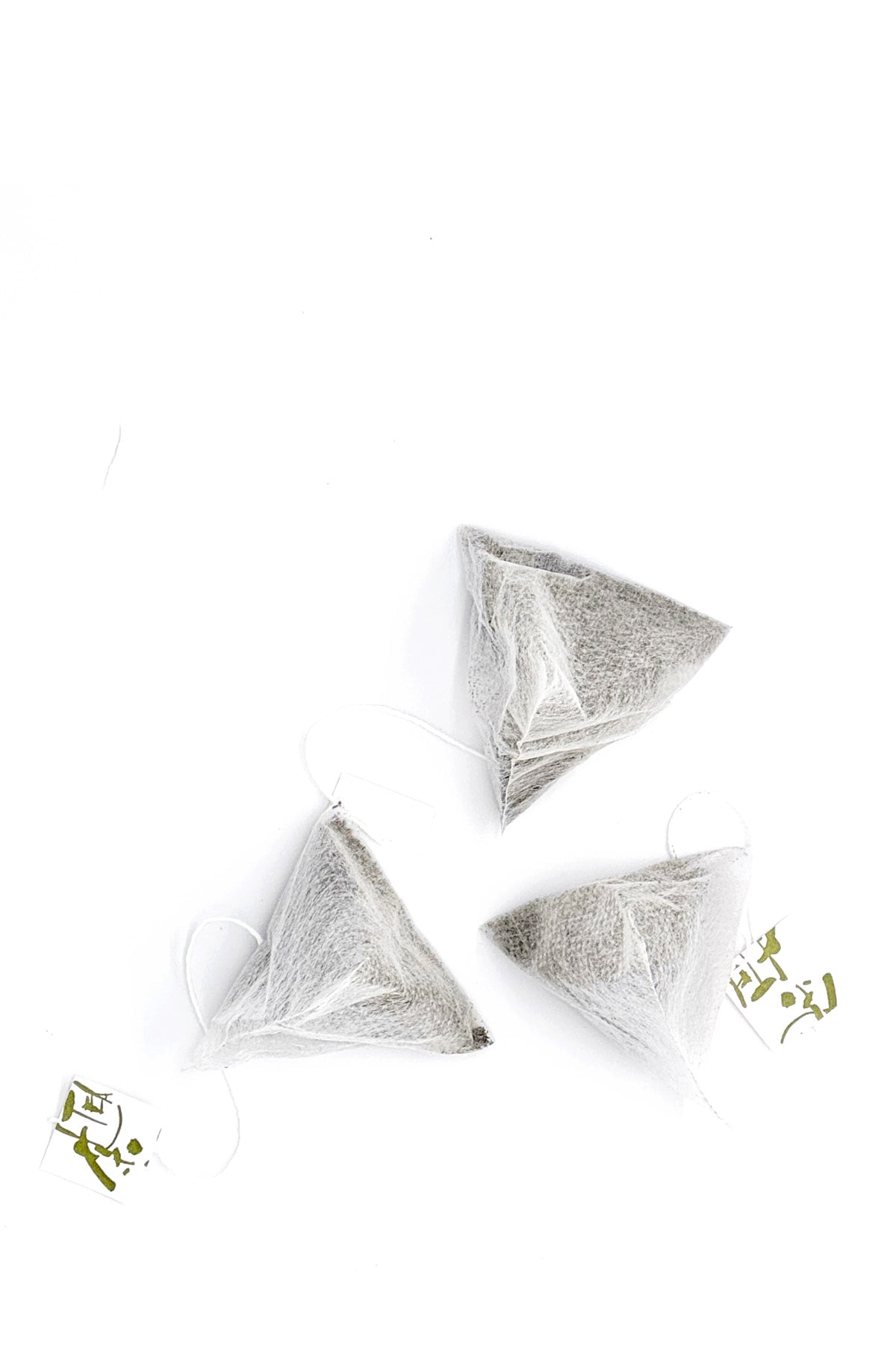
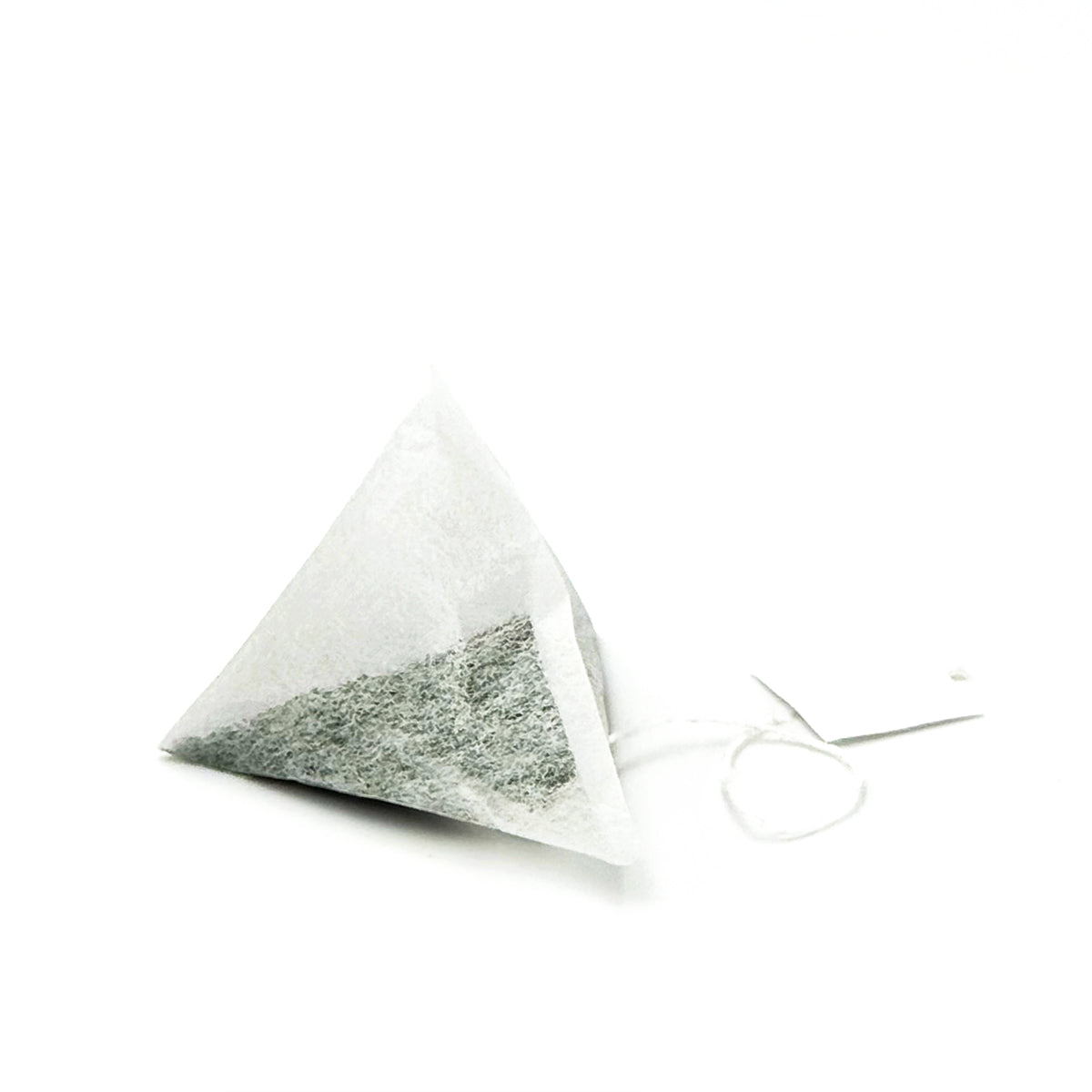
The tea comes in Pyramid tea sachet bag made out of premium quality nonwoven fabric which is biodegradable and environmentally friendly. Read more about soilon nonwoven fabric we use for our tea bag here.

Enjoy the ultimate tea made by passion and care with a combination of tradition and the latest Japanese technology!

Video Transcript

Transcript in different languages:

Transcript in English:

Video Transcript

Did you know that there’s a tea that can help you diet?

Japanese Diet Pu-Erh Tea, Saryu Soso, is a national award-winning tea that is good for dieting and skin.

Pu-Erh Tea is Chinese, but this Japanese Pu-Erh Tea uses patented bacteria created by research at Shizuoka University in Japan.

Saryu Soso contains tannic acid, a subset of polyphenols that is made up by Gallic acid, which reduces absorption activities in your stomach.

You can enjoy delicious tea before and after your meal and get the same effects as if you were eating less!

Saryu Soso also contains Vitamins B, A, and E and a special element called Teadenol, which are all good for your skin. The tea is natural, with no chemicals added.

The tea comes in biodegradable and environmentally friendly Pyramid tea bags and is easy to use.

And best of all, you can lose weight by drinking more!

Enjoy the ultimate tea made with passion and care and a combination of Chinese tradition and the latest Japanese technology!

How to drink

Simply add a teabag to a mug (8 oz.) with hot water at 175°F for 60–120 seconds.

Buy Japanese Diet Pu-erh Tea

FAQs about Japanese Diet Pu-erh Tea

Wait — pu-erh is Chinese. What does "Japanese diet pu-erh" mean?

Pu-erh (普洱) is a fermented dark tea originally from Yunnan Province in China — that part is correct. "Japanese diet pu-erh" is a Japanese-marketed product line that uses pu-erh leaves (often imported from China) but processes, blends, or packages them in Japan, often with added components like senna, gymnema, or Japanese herbs aimed at the diet/weight-management market. It's a Japanese take on a Chinese tea, marketed for Japanese consumers focused on slimming.

So the leaf base is Chinese, the marketing and product strategy is Japanese. The phrase "Japanese diet pu-erh" is more of a category name than a botanical description. Don't confuse it with traditionally Japanese teas like sencha or matcha — it's a different category entirely.

Some products in this category are 100% pu-erh marketed for diet use. Others are pu-erh blends with Japanese herbs and Western herbs (rooibos, dandelion). Read the ingredient list before assuming what's in the bag.

Does Japanese diet pu-erh actually help with weight management, or is it placebo?

Pu-erh in general has some research suggesting modest effects on lipid metabolism and gut microbiome — the fermentation produces compounds that interact with bile acids and may slightly improve fat clearance. The effect is small in clinical terms, but it's not zero. A daily cup of pu-erh in addition to a calorie-controlled diet may slightly accelerate fat loss compared to no tea.

"Diet pu-erh" products that include senna or other laxative herbs aren't producing weight loss in the way the marketing implies — they're producing water and intestinal weight loss, which reverses the moment you stop drinking them. That's not the same as fat loss. Look at the ingredient list and ask whether the product is using actual research-backed compounds or relying on transient laxative effects.

The honest version: a daily cup of plain pu-erh probably helps a little. Diet-marketed blends often help less than they imply, and some can be harmful if used long-term. There's no replacement for diet and exercise.

How is the Japanese version different from regular Chinese pu-erh?

Three main ways. First, the leaves are often selected from younger, less-aged pu-erh batches than the most prized Chinese tea-house pu-erh — Japanese diet products usually want consistent flavor and rapid availability rather than the connoisseur-level aging. Second, blends often add Japanese or Asian herbs (gymnema sylvestre, jiaogulan, hibiscus, sometimes cassia) for additional or marketed effects. Third, packaging tends to be tea-bag format optimized for daily convenience rather than the loose leaf cake-form pu-erh aficionados prefer.

Flavor-wise, Japanese diet pu-erh tends to be lighter and less fermented-tasting than premium Chinese ripe (shou) pu-erh. The deep earthy, almost mushroom-like flavor of high-end pu-erh is muted — partly because of the leaf grade, partly because of the blending.

If you're a pu-erh enthusiast looking for serious tea, Japanese diet versions probably aren't what you want — Chinese specialty shops sell better leaf for the same money. If you're a casual drinker who likes the idea of a daily diet-supportive tea, the Japanese versions are more accessible.

What does Japanese diet pu-erh actually taste like?

Earthy, mildly woody, slightly sweet on the finish — but lighter than full-strength Chinese ripe pu-erh. Most diet-marketed Japanese versions are blended to be approachable rather than challenging. There's usually a hint of the deep, fermented "barnyard" character pu-erh is known for, but it's softened.

If the blend includes senna or gymnema, those add subtle bitterness — gymnema in particular can make sweet things temporarily taste flavorless after you drink it (a quirk of its receptor-blocking effect on sweet taste). Some users find this off-putting; others find it useful for breaking sugar cravings.

Compared to Japanese green teas, diet pu-erh is a much heavier, more savory drink. It's less of a sipping experience and more of a functional one. Many users drink it after meals rather than as a standalone beverage.

Are there safety concerns with drinking Japanese diet pu-erh long-term?

Plain pu-erh is generally safe for daily consumption — it's been drunk in China for centuries without major safety concerns. The risks come from the diet-specific blends. Senna, in particular, is a stimulant laxative that's safe for occasional use but can cause dependency, electrolyte imbalances, and bowel issues if used daily for months. If your Japanese diet pu-erh contains senna or related laxatives, treat it like a short-term tool, not a daily drink.

Other added ingredients (gymnema, jiaogulan, dandelion) are generally lower-risk but not zero. People with kidney issues, on diabetes medication, or pregnant should check with a doctor before adding herbal blends to their daily routine.

If you want the pu-erh benefit without the diet-blend risk, buy plain pu-erh from a Chinese specialty source and skip the marketed weight-loss blends. You'll get the modest metabolic effect without the laxative dependency risk, and the flavor is generally better too.

Related products

85 reviews

Japanese Diet Pu-Erh Tea - Saryu Soso (30 tea bags)

$35.00
Quick view

Japanese Diet Pu-Erh Tea—Saryu Soso is a nationally award-winning tea from Japan, celebrated for its dietary and skincare benefits and containing 1.7 times more tannic acid than traditional Chinese Pu-Erh tea. Developed in collaboration with Shizuoka University and utilizing patented bacteria by Mr. Denbei Kawamura, this tea produces Teadenol, a natural component that promotes healthy skin. Fermented for 80 hours in a High-Tech Clean Room using semiconductor-level technology, Saryu Soso offers an exceptionally pure and refined experience. Cultivated by the Chagusaba method in nutrient-rich sugarcane soil and made from the Yabukita cultivar, each resealable aluminum bag contains 30 pyramid-shaped tea bags, delivering a perfect balance of tradition, innovation, and health benefits.

31 reviews

Diet Green Tea Bags – Tappuri Catechin (30 tea bags)

$25.00
Quick view

Support your weight loss journey with Tappuri Catechin (たっぷりカテキン), our award-winning green tea packed with 400mg of catechins per cup—over three times more than traditional green tea. These powerful, all-natural antioxidants are known to aid in weight management, protect cells from damage, and promote longevity. Combined with L-theanine, which enhances focus, energy, and brain function, this tea helps boost metabolism and energy burn naturally.

Tappuri Catechin is a loose-leaf authentic Japanese green tea teabag, made from deep-steamed Fukamushi Sencha cultivated using the Chagusaba method in nutrient-rich sugarcane soil. Featuring the Yabukita cultivar, each resealable aluminum bag includes 30 pyramid-shaped tea bags (2g each), offering a convenient and refreshing way to support your health goals.

8 reviews

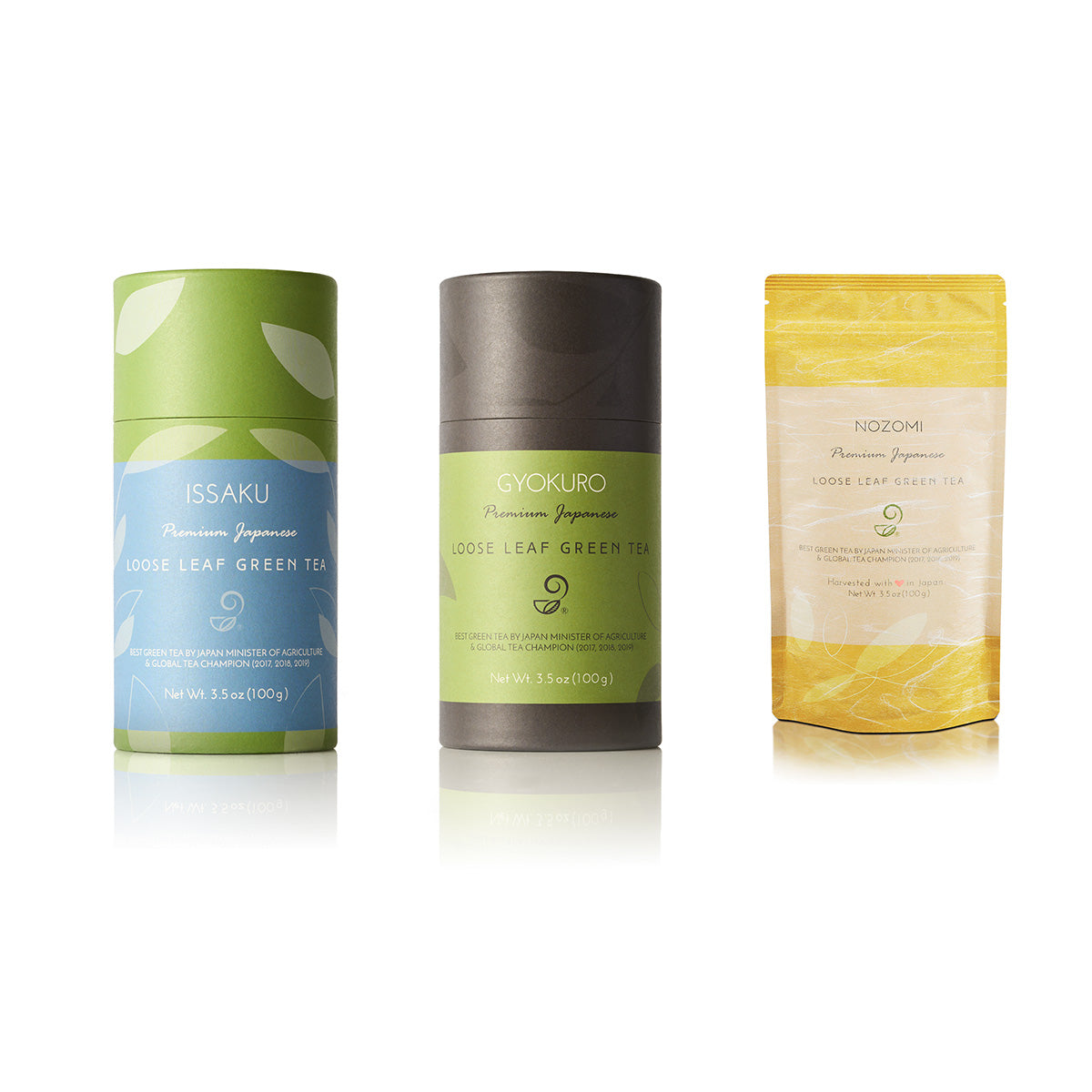
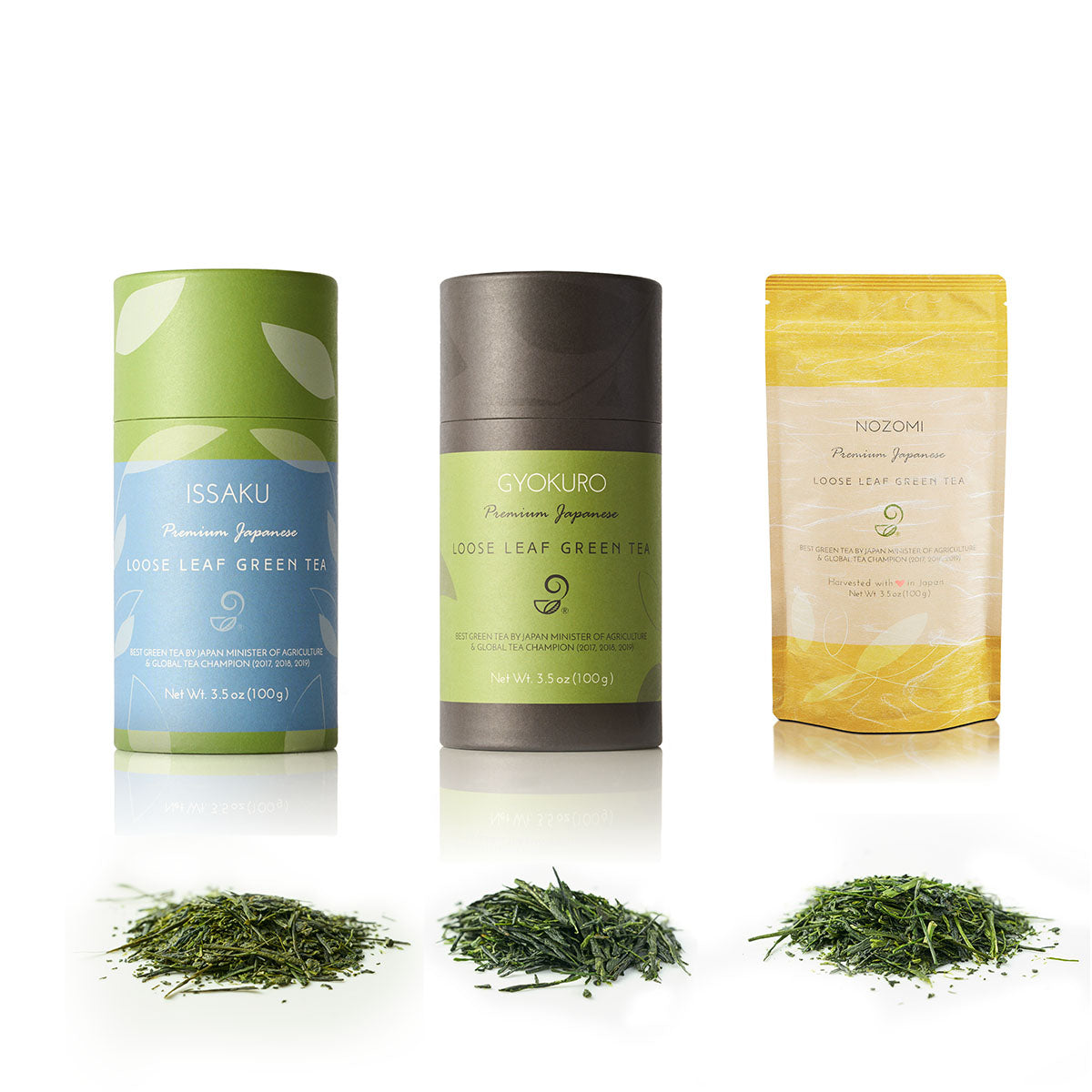
The Sencha Lover Gift Set - Premium Japanese Green Tea Set Package
$179.00 $159.99
Quick view

This tea set features three exceptional Japanese green teas, each crafted with care and traditional techniques. Issaku Reserve, a Global Tea Champion winner in 2017 and 2019, is a rare masterpiece created by Farm Master Mr. Arahata at Arahataen Green Tea Farm. Handpicked once a year from the first flush and processed with advanced methods, Issaku represents the highest-grade deep-steamed green tea, available only in limited quantities even in Japan.

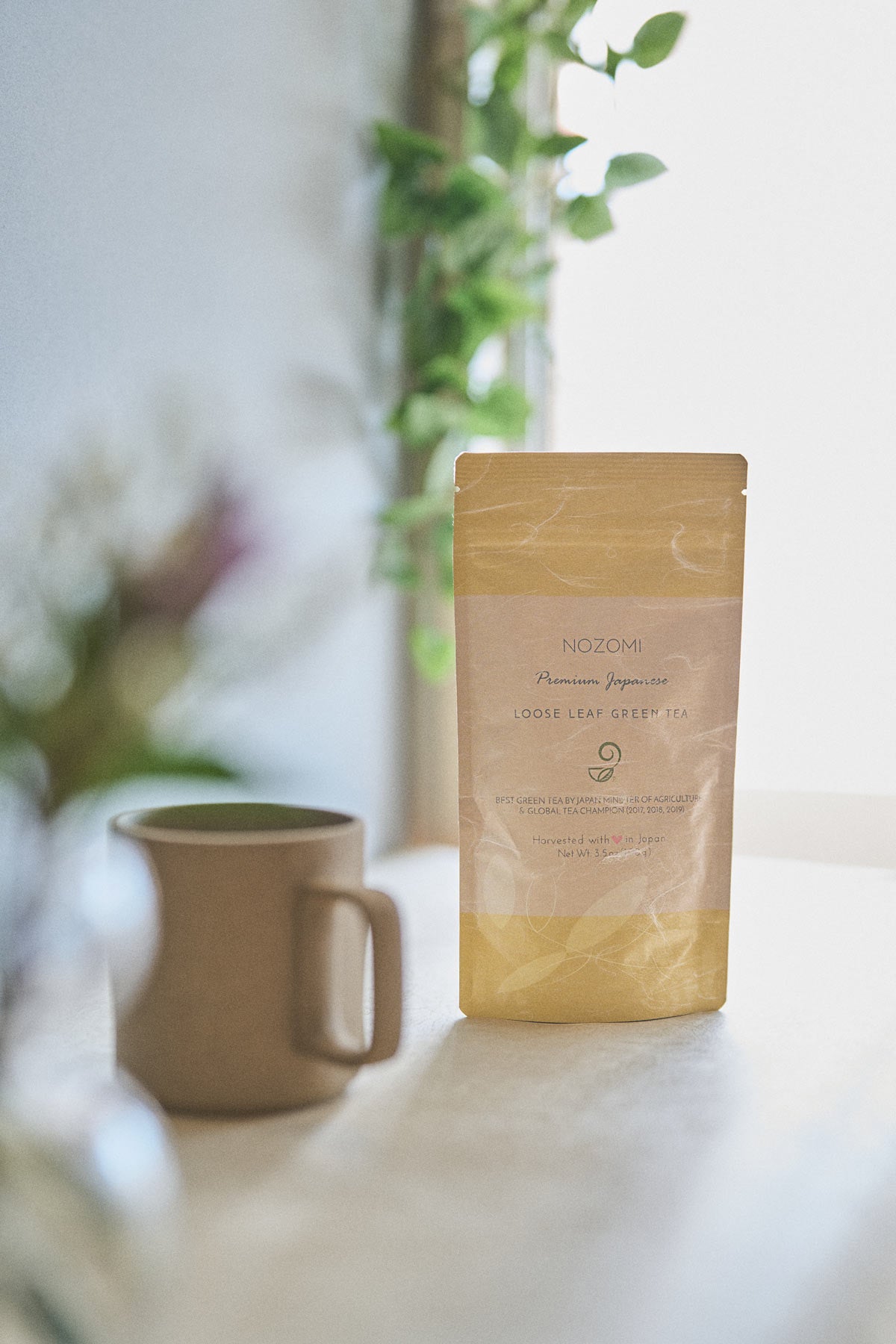
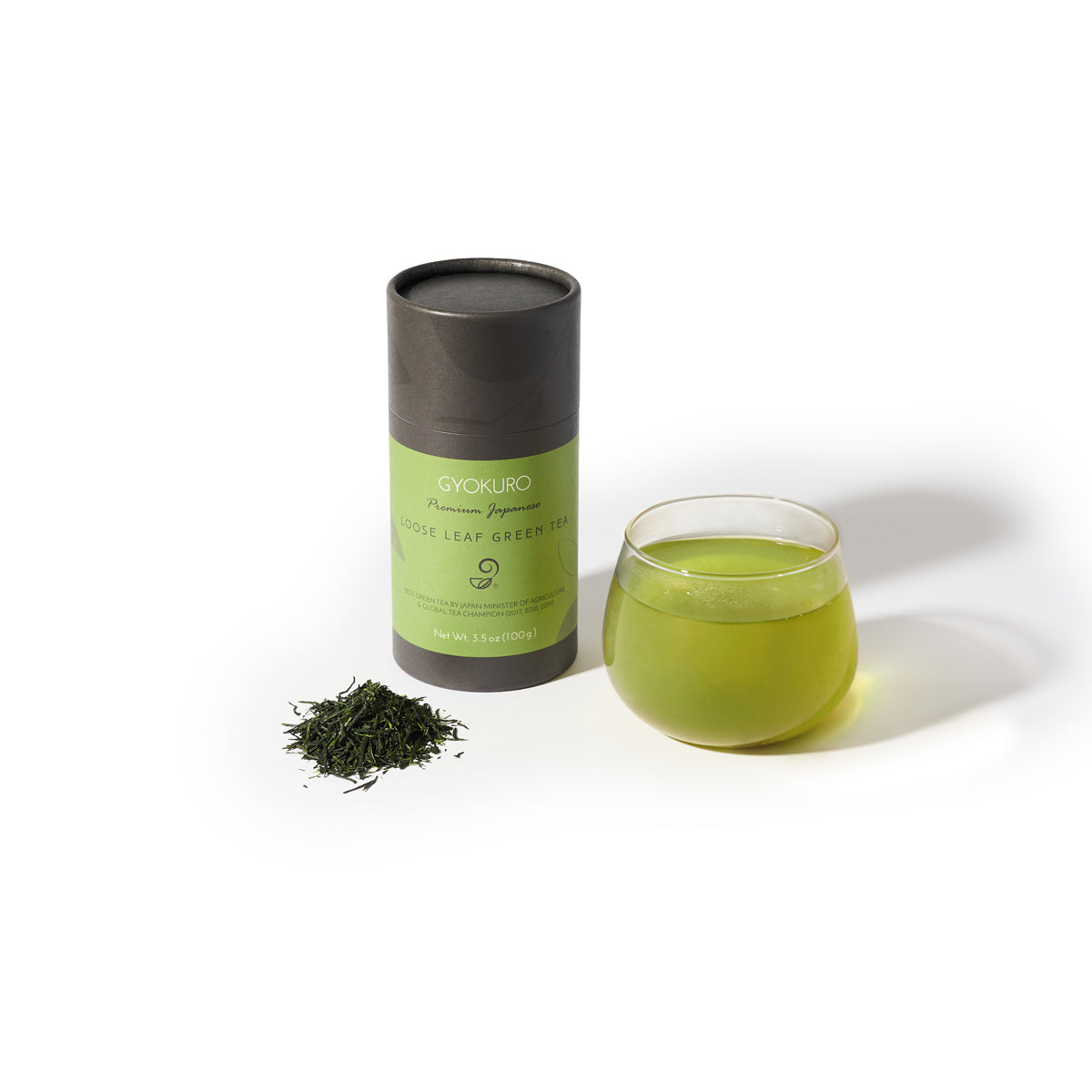
The set also includes Gyokuro, a premium shaded green tea known for its rich, sweet flavor and deep mossy green color. Grown under special mats for 20 days to increase caffeine and amino acid levels, Gyokuro offers a layered, smooth taste unlike any other. Completing the collection is Nozomi, a fine Kabuse-cha, or "Covered Green Tea," carefully grown under nets to gently shade the leaves just before new sprouts emerge, resulting in a soft, rich, and refined flavor profile.

97 reviews

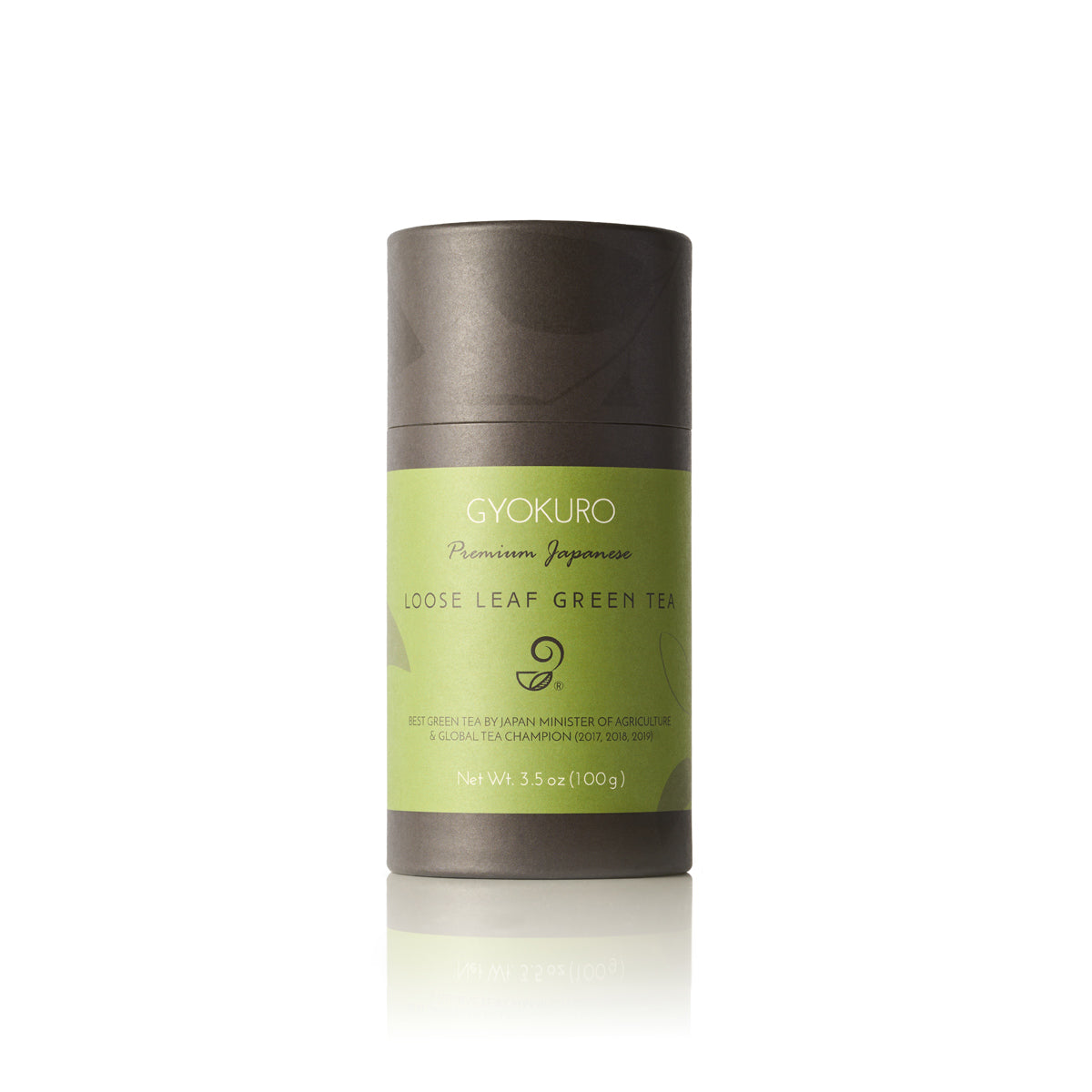
Gyokuro - Shaded Imperial Premium Green Tea

$65.00
Quick view

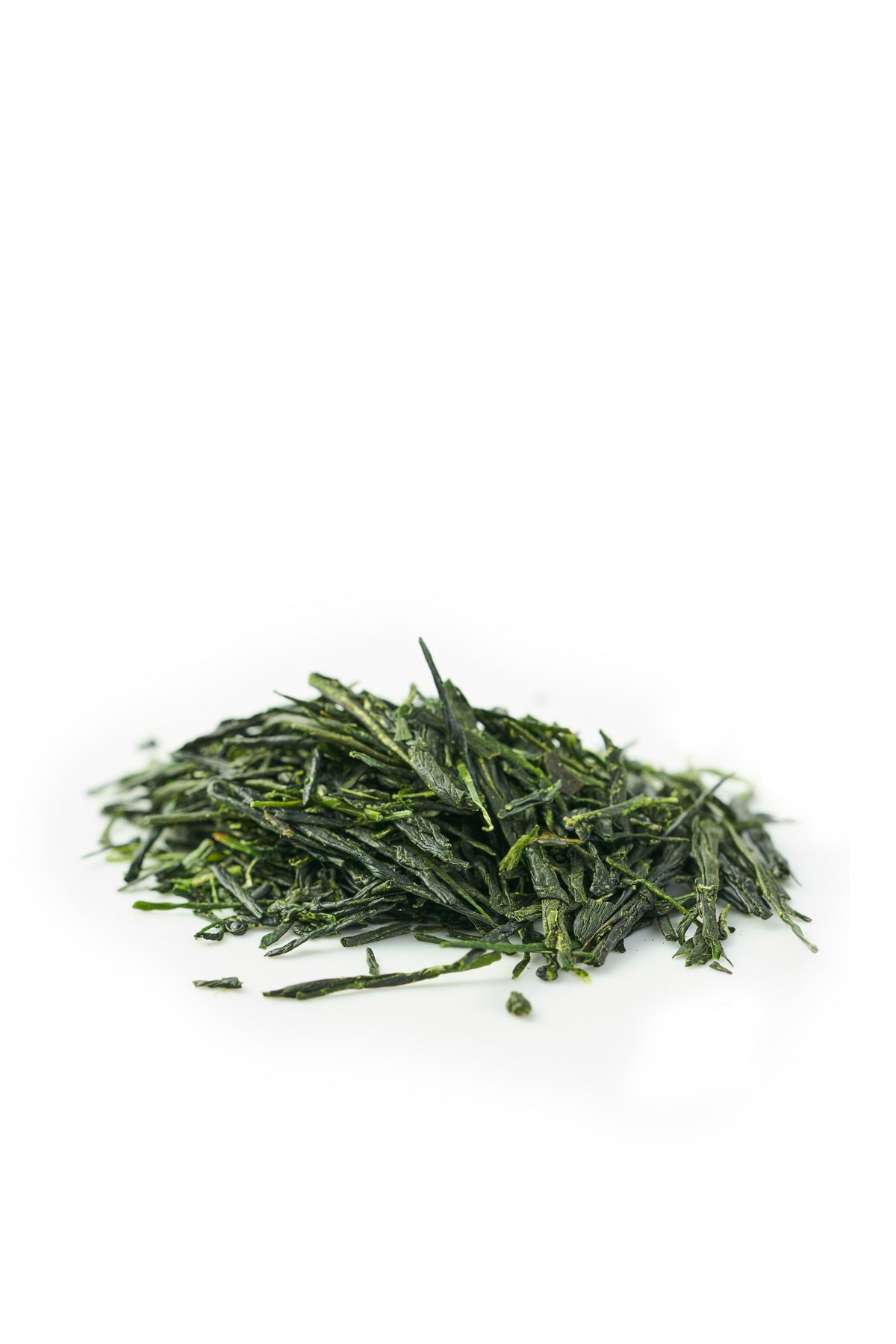
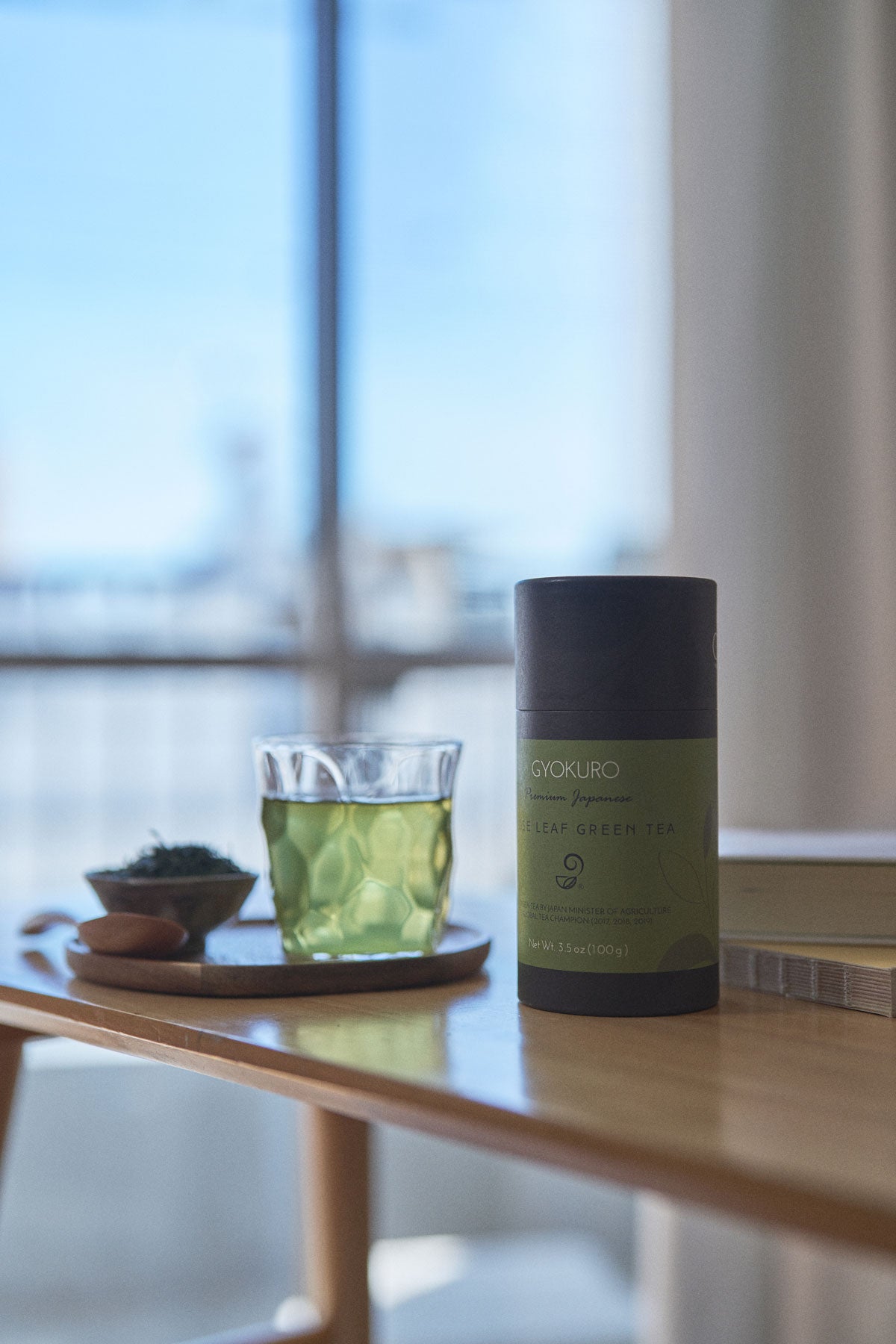
Gyokuro, also known as "jade dew" or "jewel dew tea," is a premium Japanese green tea shaded from the sun for 20 days using specially made mats, a method that boosts caffeine levels and strengthens amino acids to create a sweeter, richer flavor. This extended shading process results in dark, mossy green leaves with an unmistakable aroma and a complex taste that is layered yet balanced. Cultivated by the Chagusaba method in nutrient-rich sugarcane soil and made from the Yabukita cultivar, this loose-leaf authentic Gyokuro is offered in a high-quality, air-tight paper tube canister (chyazutsu) to preserve its exceptional freshness and flavor. Each 3.5 oz (100g) full-size package steeps 30–40 cups, and a convenient single-serve sample is also available.

45 reviews

Hojicha - Roasted Green Tea

$25.00
Quick view

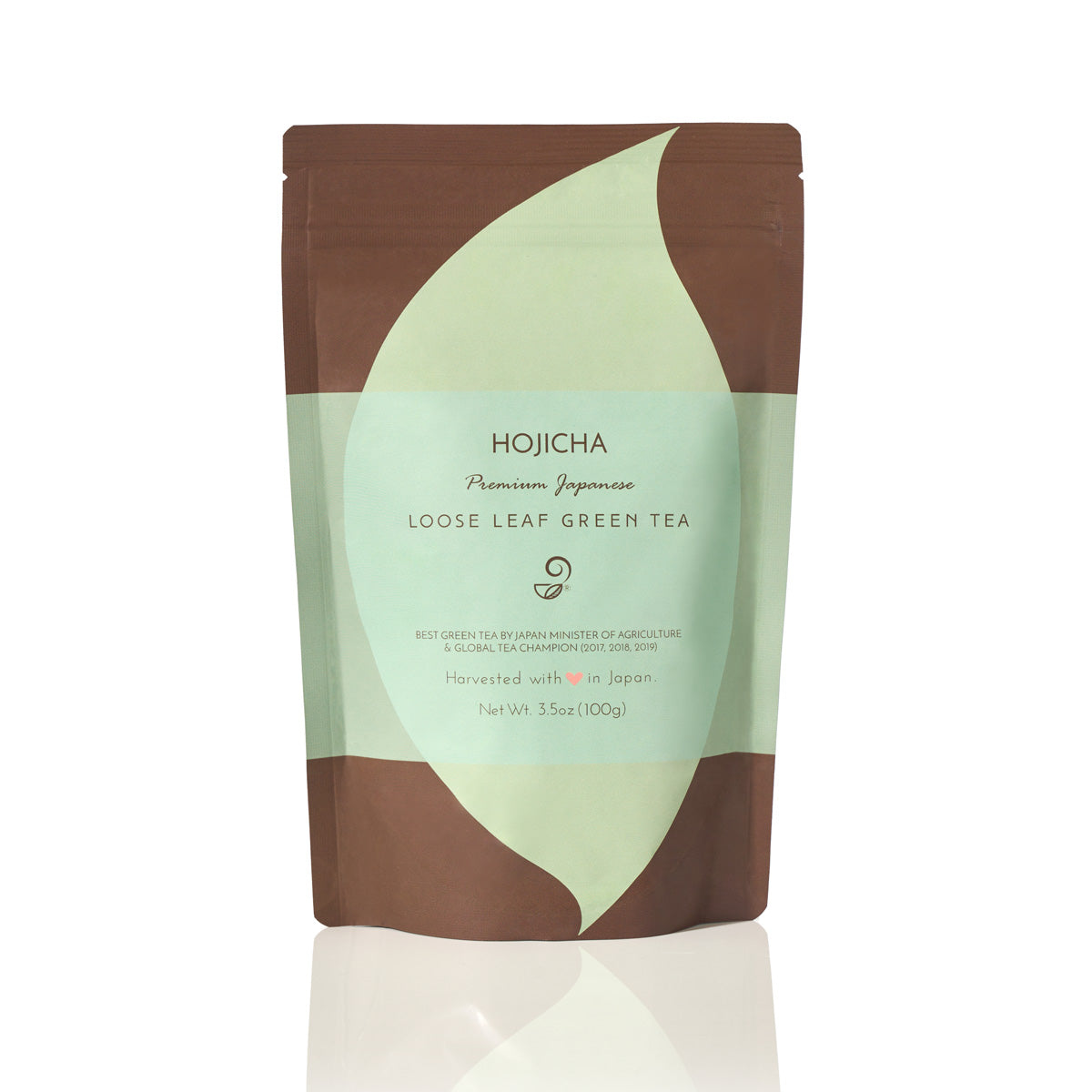
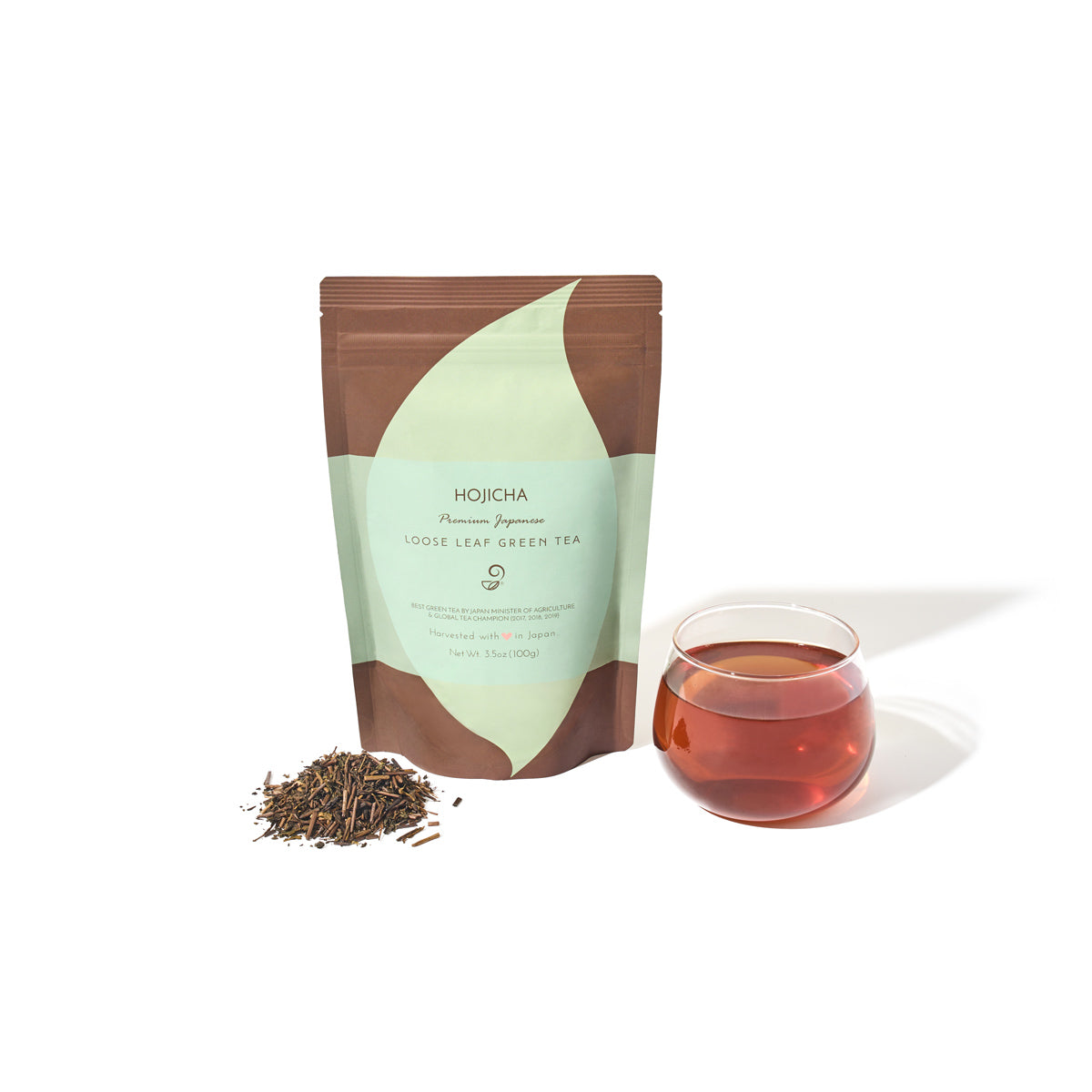
Our roasted green tea, known as hojicha (ほうじ茶), is crafted from freshly harvested premium green tea carefully roasted in porcelain over charcoal to maximize flavor while retaining more catechins than typical hojicha on the market. With lower caffeine and a smoother, less bitter taste compared to steamed green tea, it is an ideal choice for evening relaxation and is gentle enough for kids and pregnant women. Cultivated using the Chagusaba method in nutrient-rich sugarcane soil, this loose-leaf authentic Japanese roasted green tea, made from the Yabukita cultivar, also pairs beautifully with oily foods. Each eco-friendly resealable package contains 3.5 oz (100g) of tea, enough to steep 30–40 comforting cups.


Related Articles You May Be Interested

Why Japanese Green Tea is Perfect for Intermittent Fasting + How to Guide, What to do & What not to do
Is it Okay to Drink Green Tea on an Empty Stomach?
Is Green Tea An Effective Appetite Suppressant & Weight Loss Aid?
Japanese Green Tea and Skin Health
Japanese Green Tea For Diet: Benefits & Science

Get Free Bonus Books

Join Green Tea Club

Sign up for free to the Green Tea Club to get advice and exclusive articles about how to choose Japanese Tea, and tips, tricks, and recipes for enjoying Japanese tea.

Unsubscribe anytime. It’s free!

About the author

Kei Nishida

Kei Nishida

Author, CEO Dream of Japan

info@japanesegreenteain.com

Certification: PMP, BS in Computer Science

Education: Western Washington University

Kei Nishida is a passionate Japanese green tea connoisseur, writer, and the founder and CEO of Japanese Green Tea Co., a Dream of Japan Company.

Driven by a deep desire to share the rich flavors of his homeland, he established the only company that sources premium tea grown in nutrient-rich sugarcane soil—earning multiple Global Tea Champion awards.

Expanding his mission of introducing Japan’s finest to the world, Kei pioneered the launch of the first-ever Sumiyaki charcoal-roasted coffee through Japanese Coffee Co. He also brought the artistry of traditional Japanese craftsmanship to the global market by making katana-style handmade knives—crafted by a renowned katana maker—available outside Japan for the first time through Japanese Knife Co.

Kei’s journey continues as he uncovers and shares Japan’s hidden treasures with the world.

Learn more about Kei Nishida

Related Posts

Simply Donabe — New Cookbook from TOIRO's Naoko-san Is Out!

Simply Donabe is here! We celebrated TOIRO's Naoko-san's new cookbook at a special dinner at Camélia in DTLA — see our p

Read More
Introducing New Product - Meet Hojicha Powder
Introducing A New Product - Meet Hojicha Powder

Discover the game-changing Hojicha powder your kitchen has been waiting for — richer flavor, easier recipes, and surpris

Read More
Yokohama Peach is offered as a regular menu at Okayama Kobo Cafe!
Yokohama Peach is offered as a regular menu at Okayama Kobo Cafe! + Recap Video of Pop-up on 2/8/2026 at Anaheim, CA

We are excited to announce that our Yokohama Peach is now available on the regular menu at the popular Japanese Bakery,

Read More
Leave a comment

Your email address will not be published..

Cart

Your cart is currently empty.

Start Shopping

Select options