Skip to content

Truths and Myths About Green Tea

Green tea is a popular beverage all across the globe. It is consumed almost daily in many parts of East Asia and is often the first choice of tea in other parts of the world. It is one of the most common teas consumed by people from different countries, cultures, and generations.

But what makes green tea so accessible? Perhaps the biggest reason why so many people drink green tea is because of its health benefits. However, while green tea is undoubtedly good for the body, not all health claims about it are true—or at least not entirely.

In this article, we'll talk about the health claims about green tea based on facts as well as dispel the myths that surround this traditional beverage.

Fact: Green tea can help improve eyesight

Aside from taking the best omega supplement for dry eyes, you can also improve your eye health by drinking green tea. Green tea contains gallocatechin, a flavonoid that helps protect the retina from harmful blue light. It also contains zeaxanthin and lutein, antioxidants that are beneficial for eye health, in trace amounts.

Myth: Green tea can help you lose fat

Many people believe that green tea can help speed up weight loss. Unfortunately, this is not entirely true. Although green tea does contain a stimulant that can increase your metabolism, drinking it alone does not help you lose a significant amount of fat. Drinking or eating a particular type of food or beverage won't help you lose weight unless you adopt a balanced diet and a regular exercise routine.

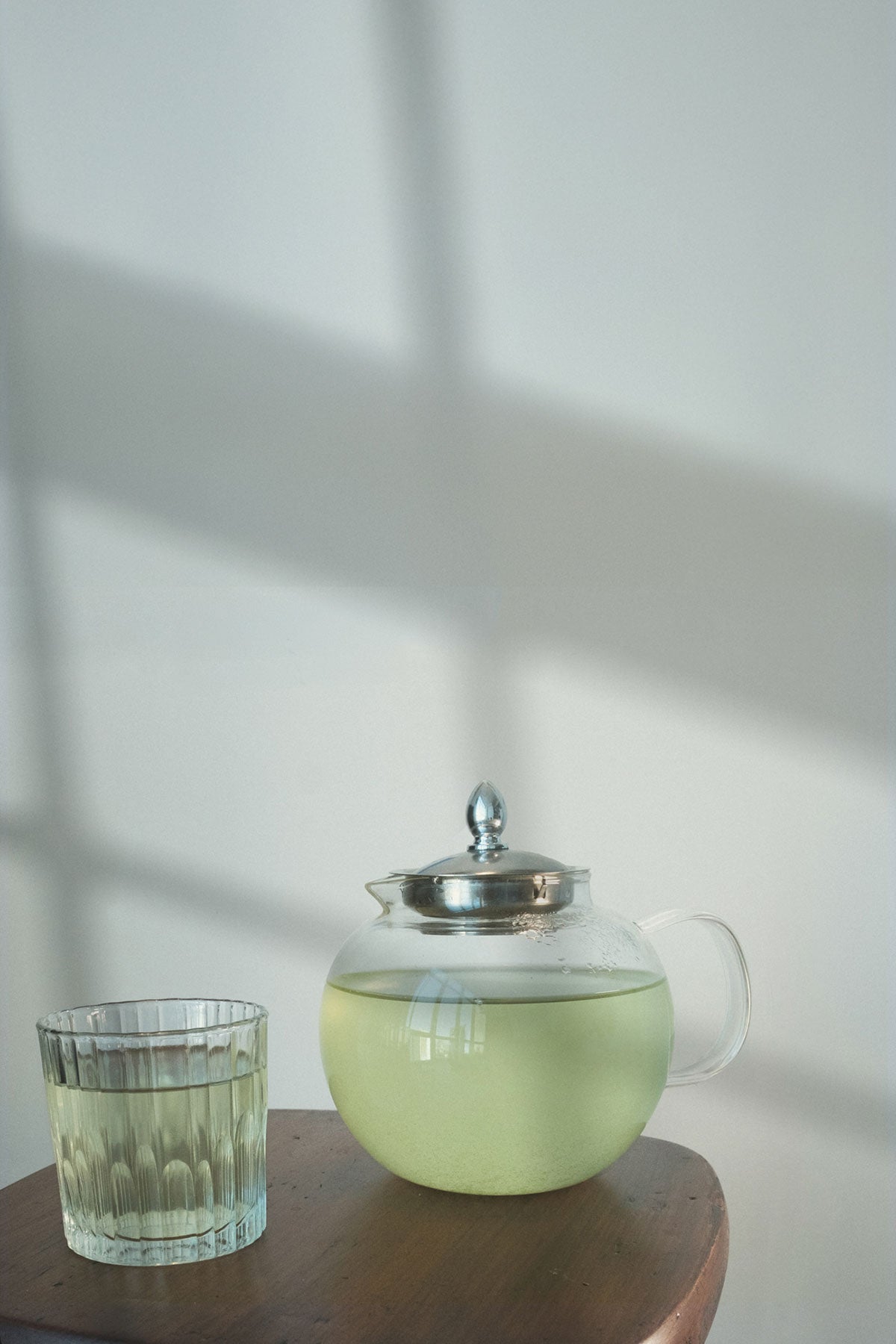
green tea with lemon ginger

Fact: Green tea contains caffeine

Green tea contains about 35 milligrams of caffeine per cup, which is much less than coffee, which contains between 95 and 200 milligrams per cup. However, even though green tea's caffeine content is relatively low, exercise caution when consuming it throughout the day. Too much caffeine in your system can make you feel anxious, interfere with your sleep pattern, and cause headaches.

Myth: There is no caffeine in decaffeinated tea

Just like some coffee brands, decaffeinated green tea is not caffeine-free. You can expect around 2 to 10 milligrams per cup of decaffeinated tea, which is significantly less than a caffeinated version. If you want no caffeine whatsoever, you can opt for herbal teas instead.

Fact: Green tea can enhance mental alertness

If you find yourself more awake and alert after drinking green tea, it's because of the caffeine content. Thus, green tea is an excellent alternative if you want to cut back on coffee.

Myth: Green tea is the same as black tea

Green tea and black tea do come from the same plant. However, they are prepared using different methods, making them different from each other. One striking difference is that black tea contains more caffeine than green tea. So if you want a beverage with less caffeine content, go for green tea.

Japanese green tea

Fact: Green tea can reduce blood levels

Green tea is known to lower blood levels, which, in turn, increases the effectiveness of nadolol, a beta-blocker used to treat hypertension and other heart diseases.

Myth: All green teas are the same

Green teas differ depending on the method of preparation, brand, and source.

Fact: It is best to consume green tea plain

Adding sweeteners or milk to green tea does not make it entirely unhealthy. However, it is recommended to use natural sweeteners, such as honey or natural stevia, to sweeten your drink. Milk, on the other hand, can lower the health value of green tea due to casein's reaction to the antioxidants present. Thus, it is best to drink green tea as it is.

Myth: Tea does not expire

Even if your teabags look like they can last through the apocalypse, they do expire. Toss your green tea if it's been stored for more than six months. If you try to drink it, you'll find that the flavonoids have been significantly reduced, thus affecting the quality of the tea.

Fact: It is beneficial to add citrus to green tea

Squeezing a bit of citrus in your cup does not only improve the taste of tea, but it also helps preserve the flavonoids. It is wise to drink freshly brewed tea with citrus such as ginger tea with lemon to maximize its full health benefits.

Green tea is undoubtedly one of the healthiest drinks in the world. Aside from its traditional value, green tea offers many health benefits to its drinkers. However, if you want to consume green tea safely and responsibly, you must know the real facts about it.

This post was first published in 2022, but it was updated in 2023 just for you.

FAQs about Green Tea Truths and Myths

Is the claim that green tea "detoxifies" your body actually true?

Mostly marketing. Your liver and kidneys handle detoxification; no beverage can substitute for that, and "detoxify" as a wellness term doesn't have a precise medical meaning. What green tea actually does is provide antioxidants that support liver function, which is loosely related to detoxification but is not the same as "flushing toxins."

There is some evidence that EGCG specifically supports liver enzyme activity (CYP450 system) that processes various compounds for elimination. Daily green tea may make your liver's normal work slightly more efficient, but it doesn't "clean out" anything that wasn't already being processed.

If you genuinely have liver function concerns, see a doctor — green tea isn't a treatment for any liver condition. If you're just looking for general wellness support, daily green tea contributes meaningfully to overall health without needing the "detox" framing.

Does green tea really boost metabolism?

Slightly, yes. EGCG and caffeine together have a small thermogenic effect — measurable in lab studies but small in everyday life. The effect adds about 50-100 calories of additional metabolic burn per day for daily tea drinkers (3-5 cups), which is real but well below the level that produces dramatic weight loss.

The metabolism-boost claim has been heavily marketed by green tea extract supplements, which often promise effects far beyond what the evidence supports. Daily green tea contributes a small amount to overall metabolic activity; it's not a metabolism-transformer.

Practically: the metabolism boost is one of several reasons green tea supports weight management (alongside replacing higher-calorie drinks, mild appetite effect from L-theanine, and improved insulin sensitivity), but it's not the dominant factor. Don't drink green tea expecting dramatic metabolic effects; do drink it as one input among many.

Is the "3 cups a day" rule actually based on science, or is it folklore?
Real science. The threshold comes from epidemiological studies — particularly the Ohsaki Study and similar large Japanese cohorts — that consistently show health benefits emerging at around 3-5 cups daily. Below 3 cups, the catechin and L-theanine doses are too small to produce measurable effects in study populations. Above 5-6 cups, additional benefits plateau and you start running into caffeine accumulation issues.

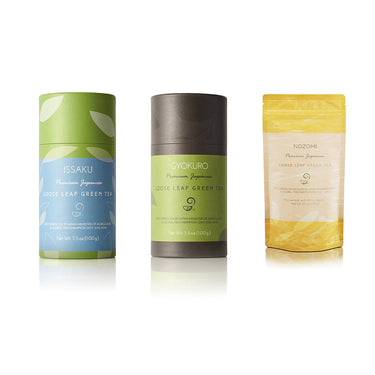
The 3-cup threshold is also pragmatic — it's enough tea to deliver roughly 200-300 mg of catechins (the studied beneficial range) without crossing into caffeine-overload territory. The Sencha Lover Gift Set makes hitting the 3-cup target pleasant — three different sencha cultivars rather than the same flavor every cup.

That said, individual tolerance varies. Some people thrive on 6 cups daily; others get jittery at 2. The 3-cup recommendation is a population average, not an individual prescription.

Will green tea help me lose weight?

Modestly, in the right context. Meta-analyses of green tea and weight loss show 1-2 kg additional loss over 12 weeks compared to placebo — meaningful in research, mostly invisible in everyday life. The mechanisms are real (slight thermogenesis, mild appetite suppression, improved insulin sensitivity), but the effect size is small.

The bigger weight-management value is replacement. If you're drinking green tea instead of soda, juice, or sweetened latte drinks, the calorie reduction matters far more than the catechin effect. Replacing a 250-calorie sweetened iced coffee with zero-calorie green tea is real weight management; adding green tea to an unchanged diet is hopeful at best.

Honest summary: green tea supports an already-improving diet. Treating it as a magic weight-loss intervention sets you up for disappointment. Drinking 5 cups of green tea while eating poorly is not a successful weight-loss strategy.

Is it dangerous to drink green tea on an empty stomach?

Not dangerous, but uncomfortable for some people. Green tea on a fully empty stomach can cause nausea, stomach pain, or jitteriness in caffeine-sensitive drinkers — the catechins, tannins, and caffeine concentrate without food to buffer. The fix is straightforward: have something small (a piece of toast, a banana, even a few nuts) before or alongside the tea.

Matcha specifically is more likely to cause empty-stomach discomfort than steeped sencha because the concentrated whole-leaf delivery hits harder. Hojicha is the gentlest on an empty stomach because the roasting reduces both caffeine and tannin content.

If you've been drinking green tea on an empty stomach without issues, no need to change. If you've been getting morning stomach discomfort that started when you took up green tea, the empty-stomach issue is the first variable to fix. Eat something first, then drink the tea.

Related products

8 reviews

The Sencha Lover Gift Set - Premium Japanese Green Tea Set Package
$179.00 $159.99
Quick view

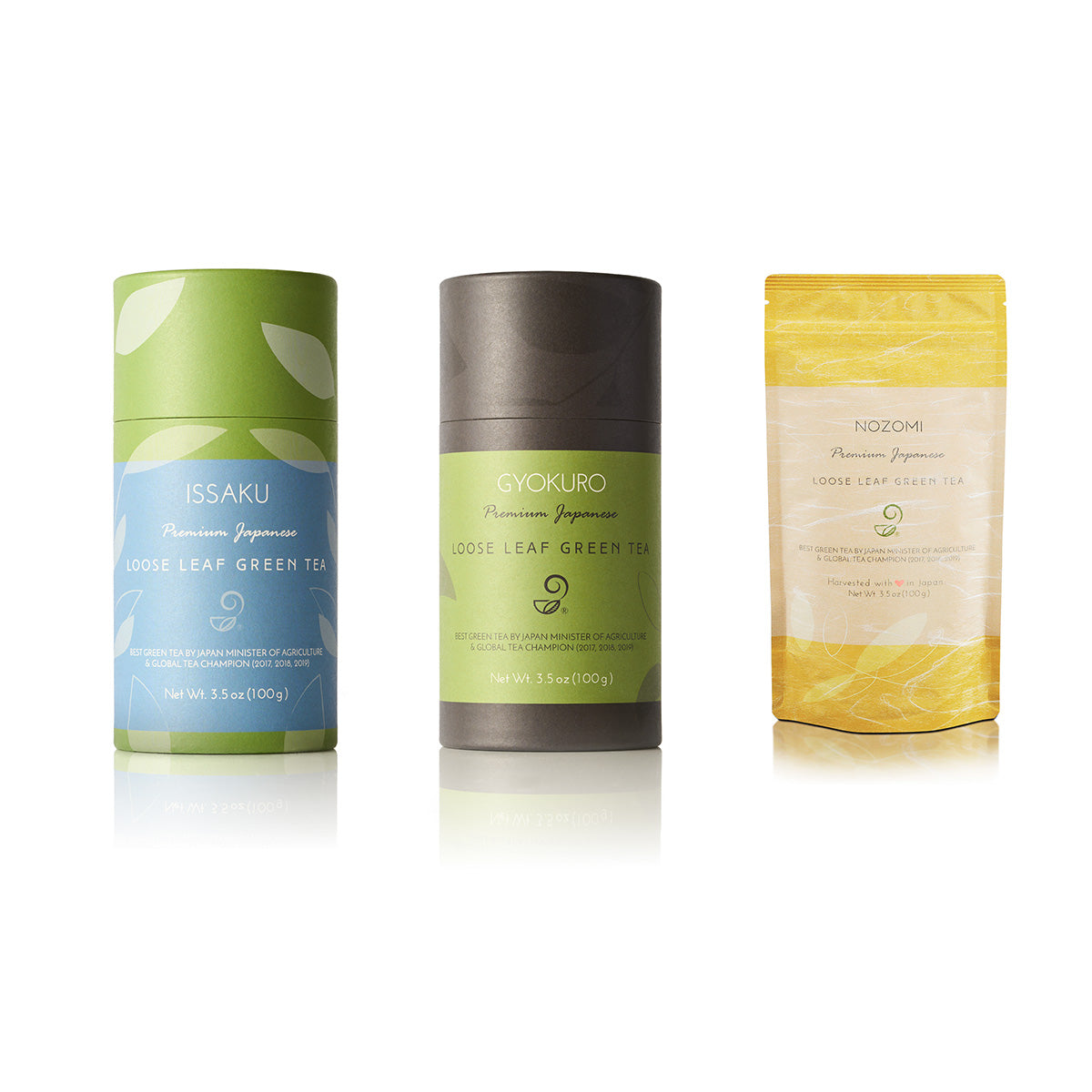
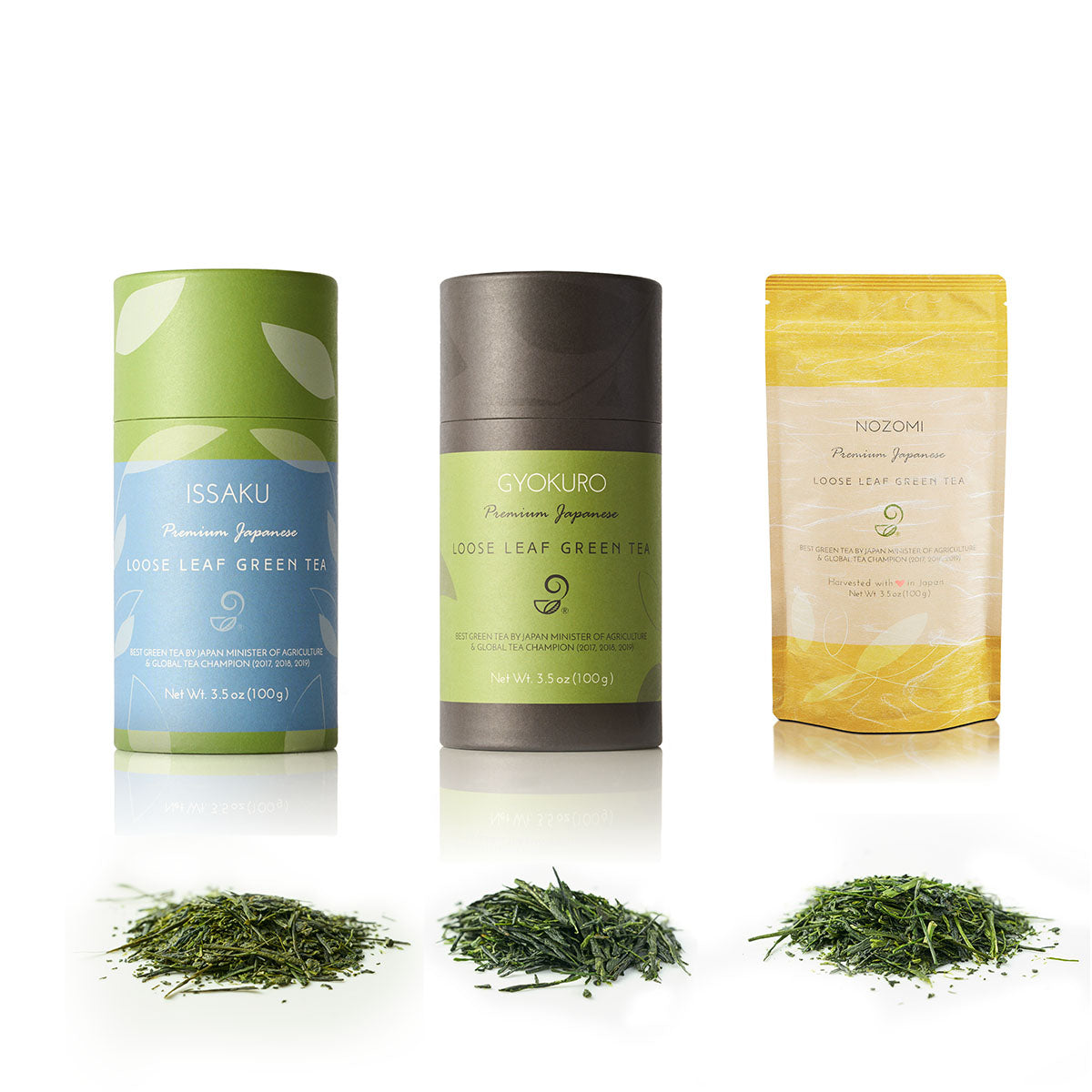
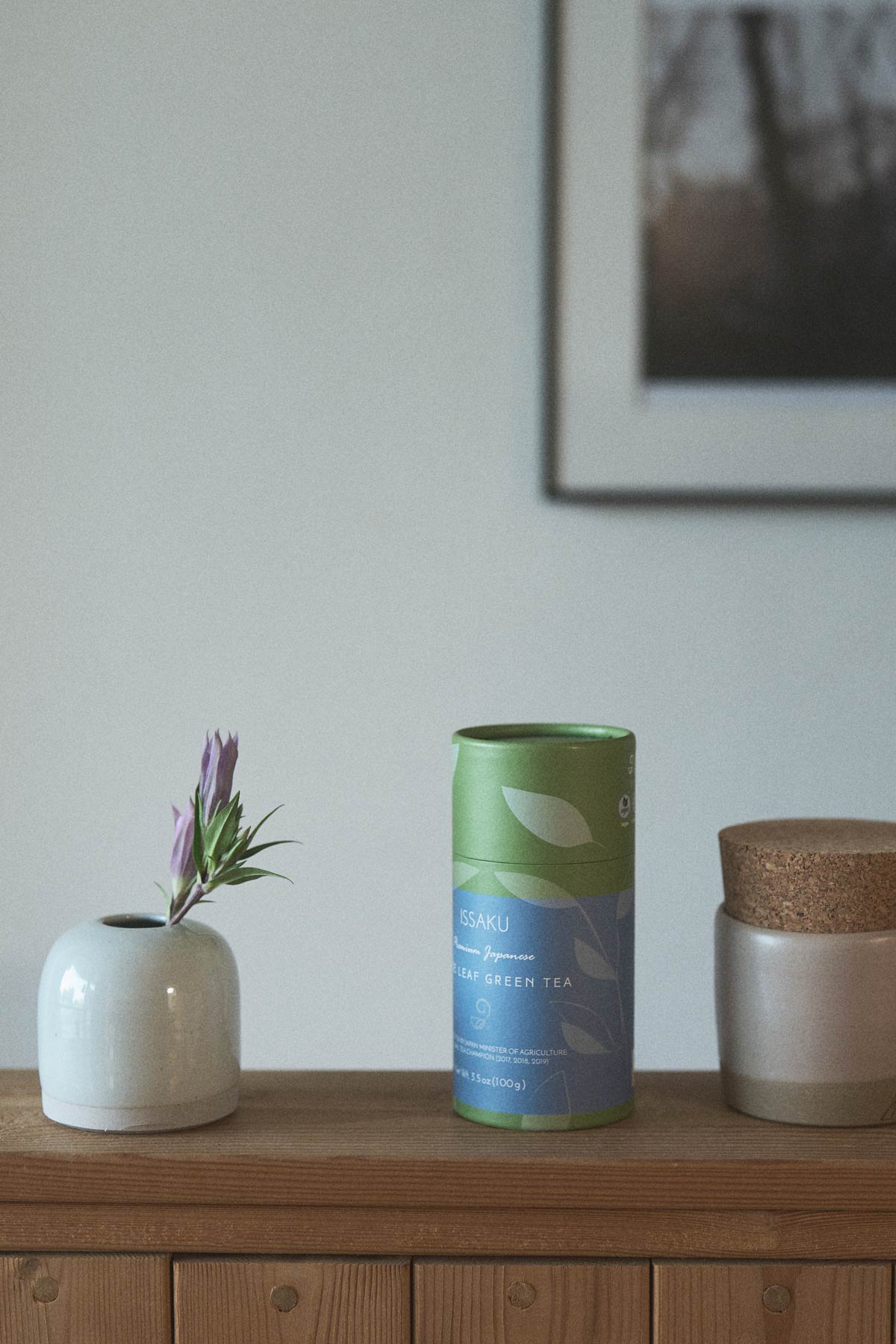
This tea set features three exceptional Japanese green teas, each crafted with care and traditional techniques. Issaku Reserve, a Global Tea Champion winner in 2017 and 2019, is a rare masterpiece created by Farm Master Mr. Arahata at Arahataen Green Tea Farm. Handpicked once a year from the first flush and processed with advanced methods, Issaku represents the highest-grade deep-steamed green tea, available only in limited quantities even in Japan.

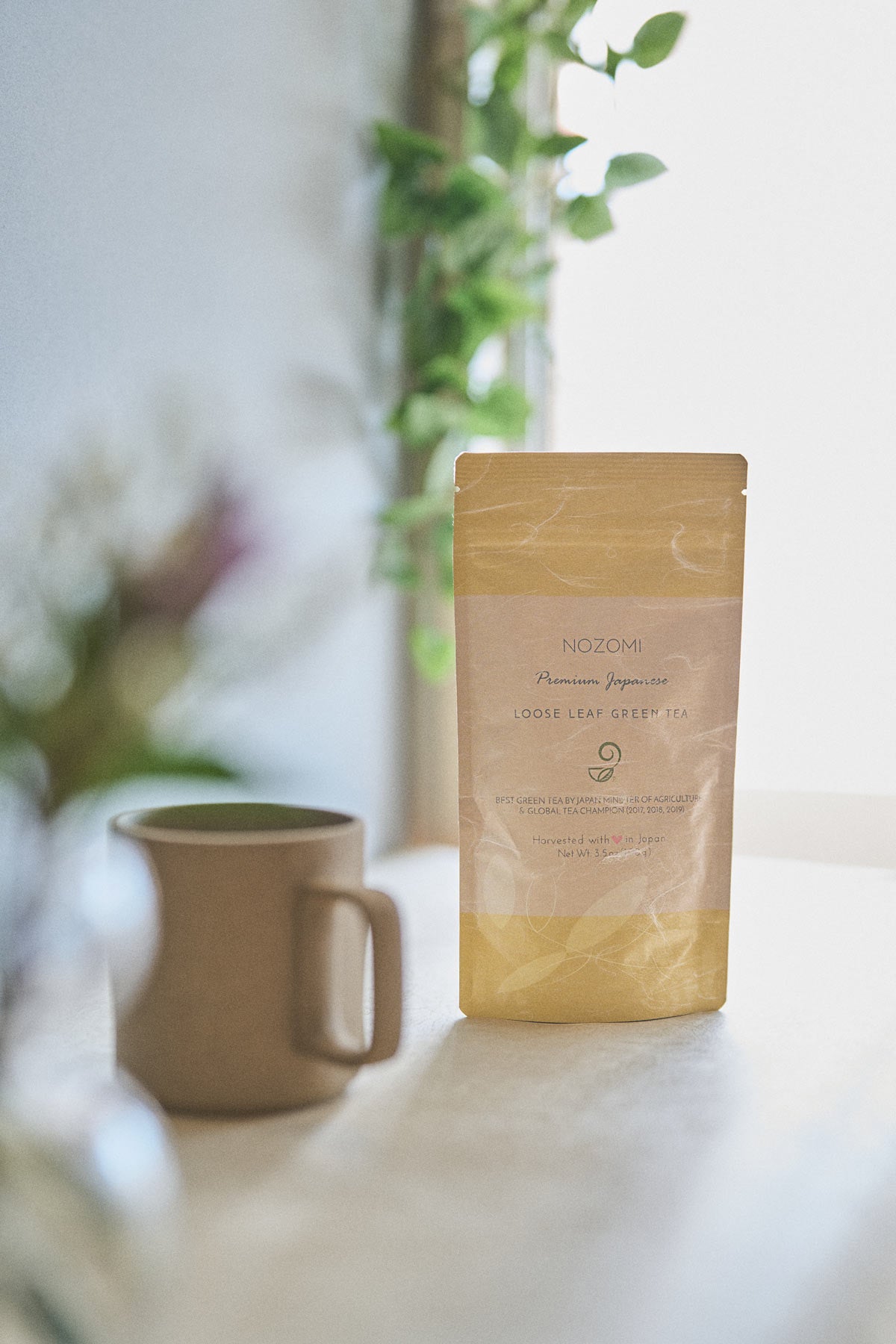
The set also includes Gyokuro, a premium shaded green tea known for its rich, sweet flavor and deep mossy green color. Grown under special mats for 20 days to increase caffeine and amino acid levels, Gyokuro offers a layered, smooth taste unlike any other. Completing the collection is Nozomi, a fine Kabuse-cha, or "Covered Green Tea," carefully grown under nets to gently shade the leaves just before new sprouts emerge, resulting in a soft, rich, and refined flavor profile.

97 reviews

Gyokuro - Shaded Imperial Premium Green Tea

$65.00
Quick view

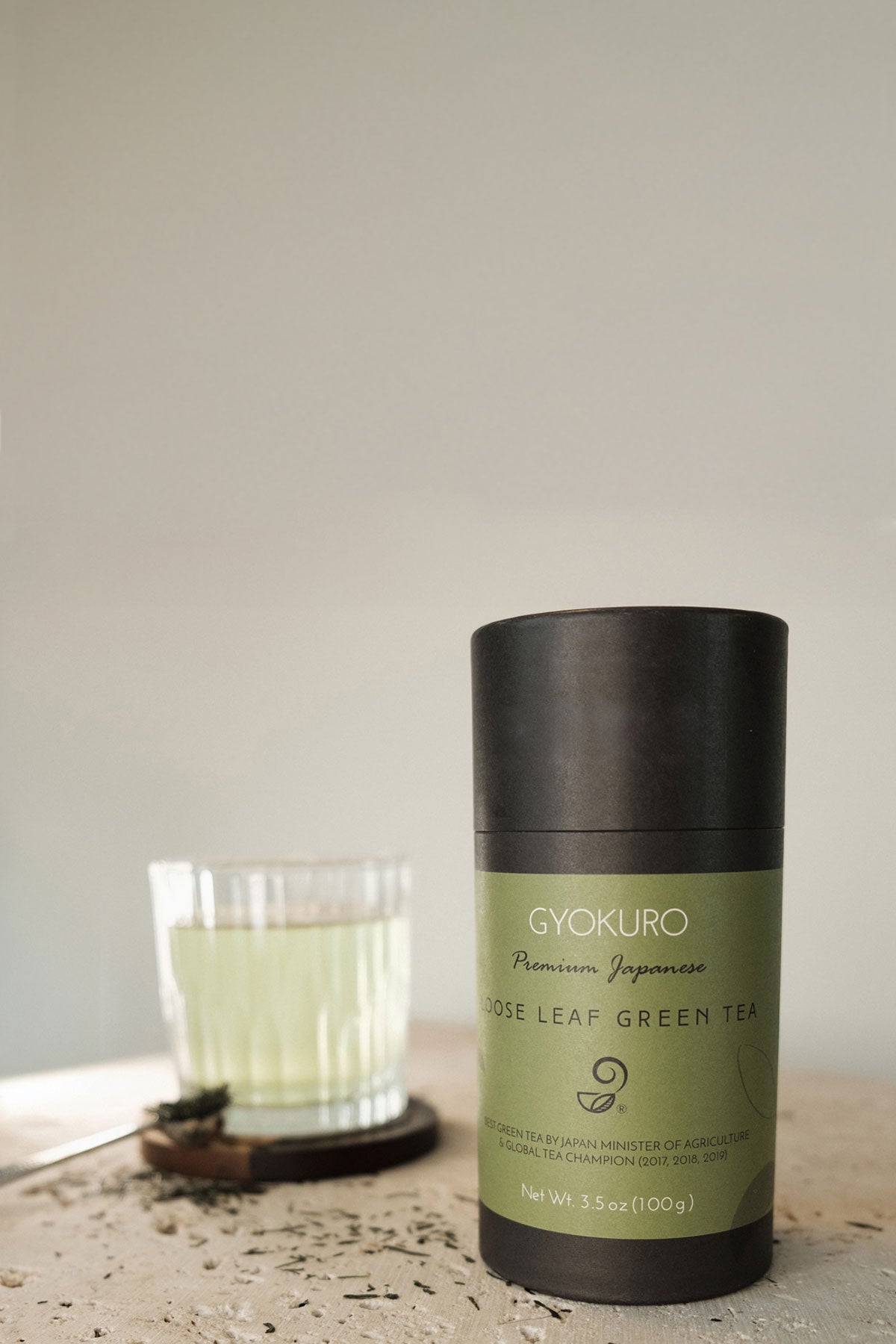
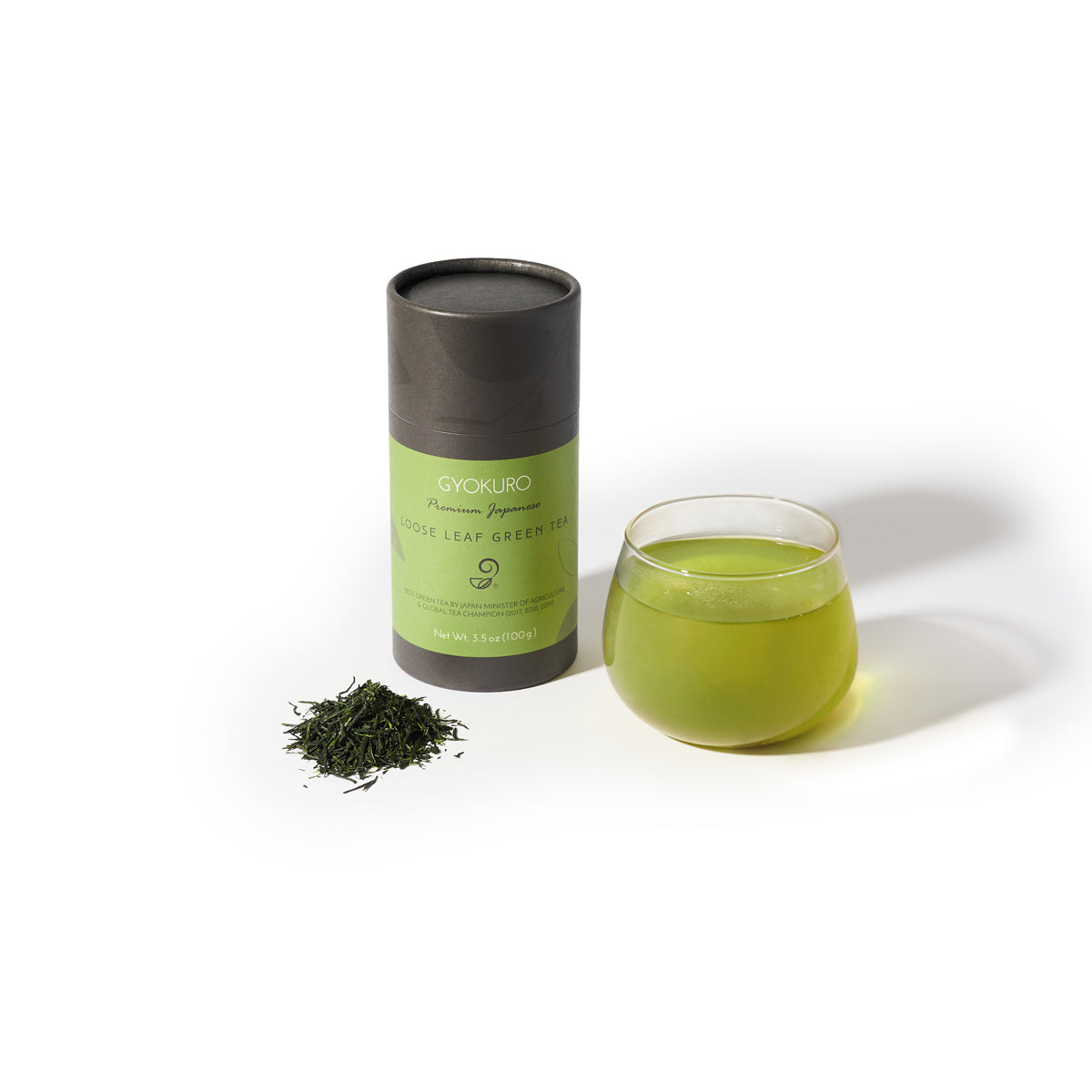
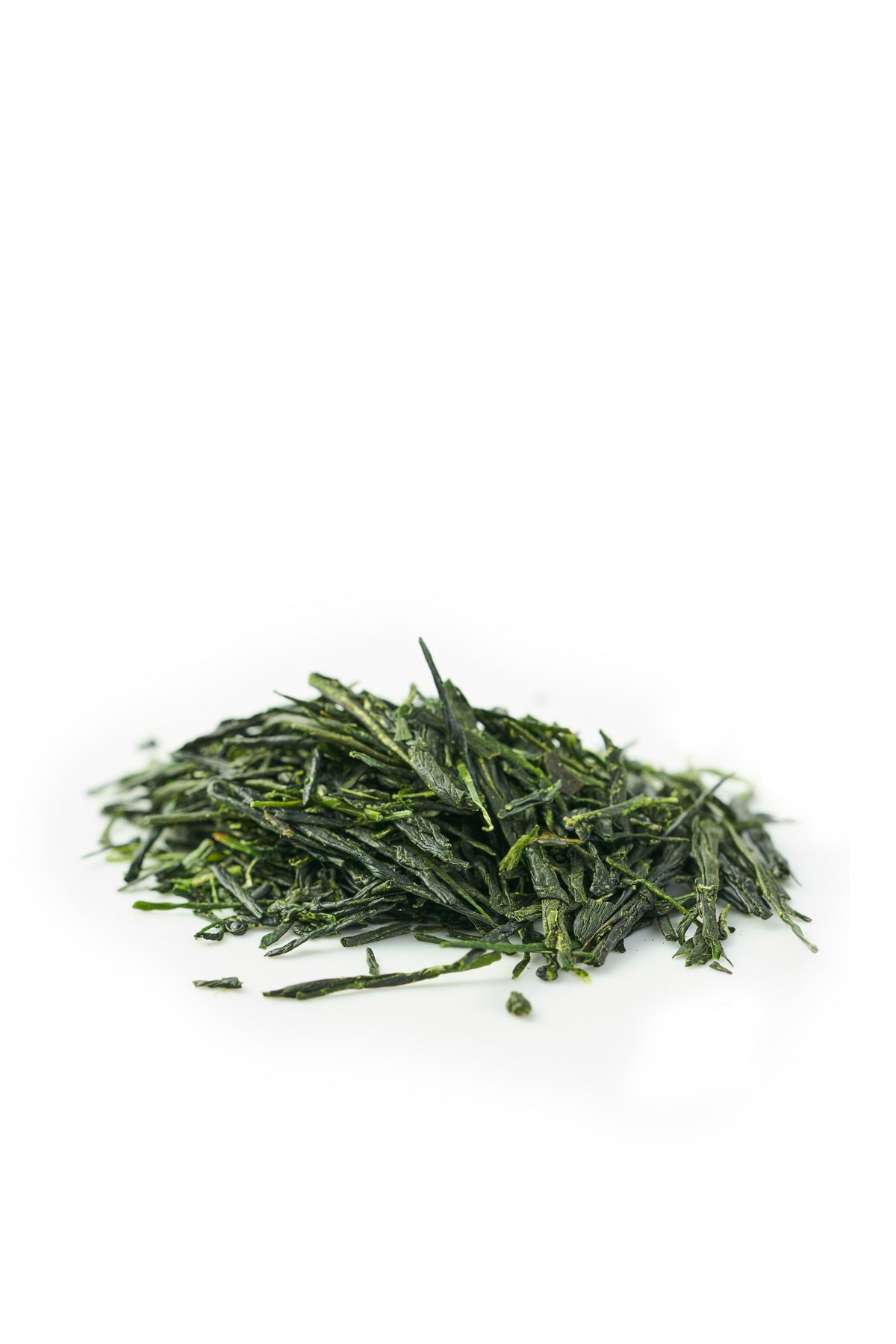
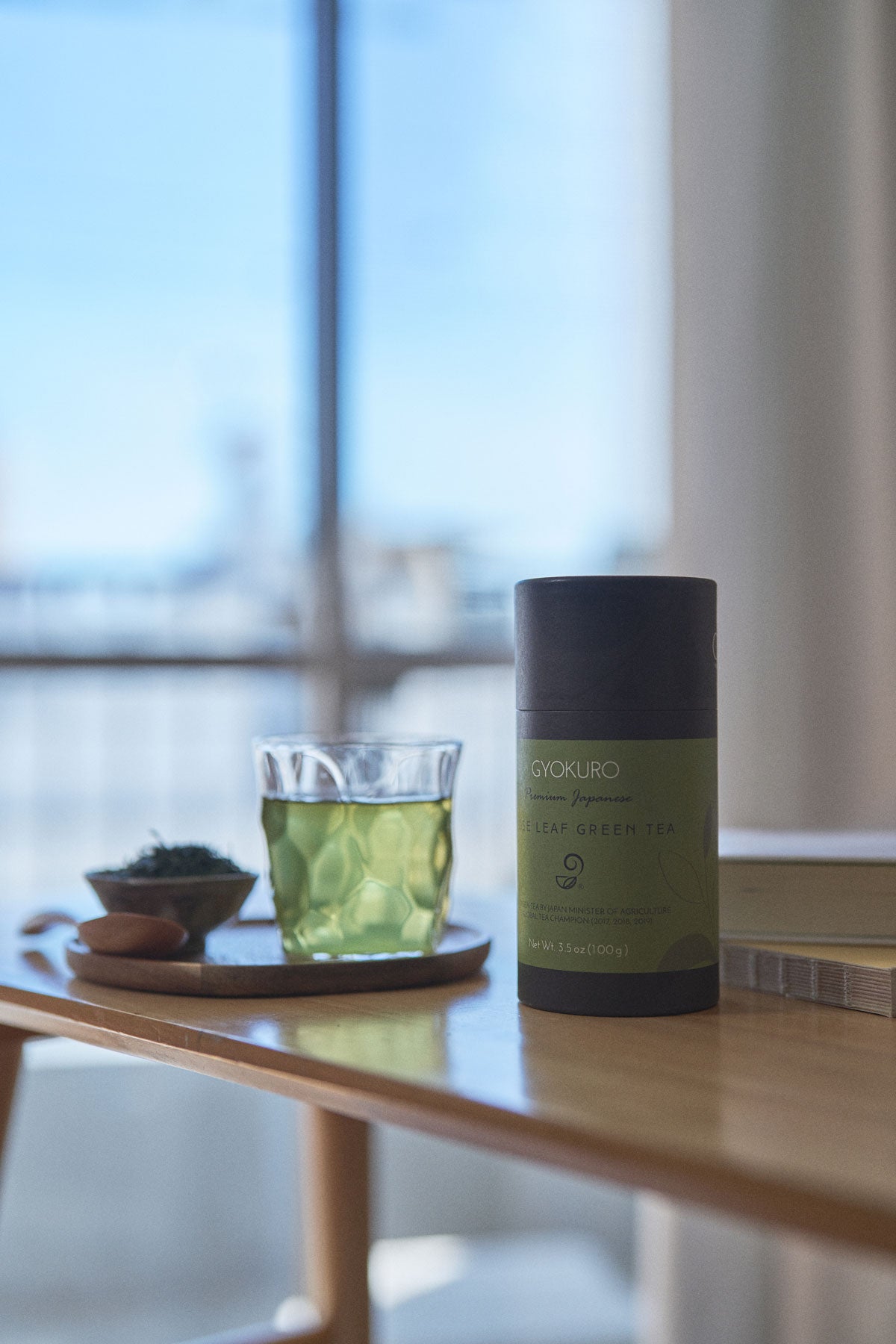
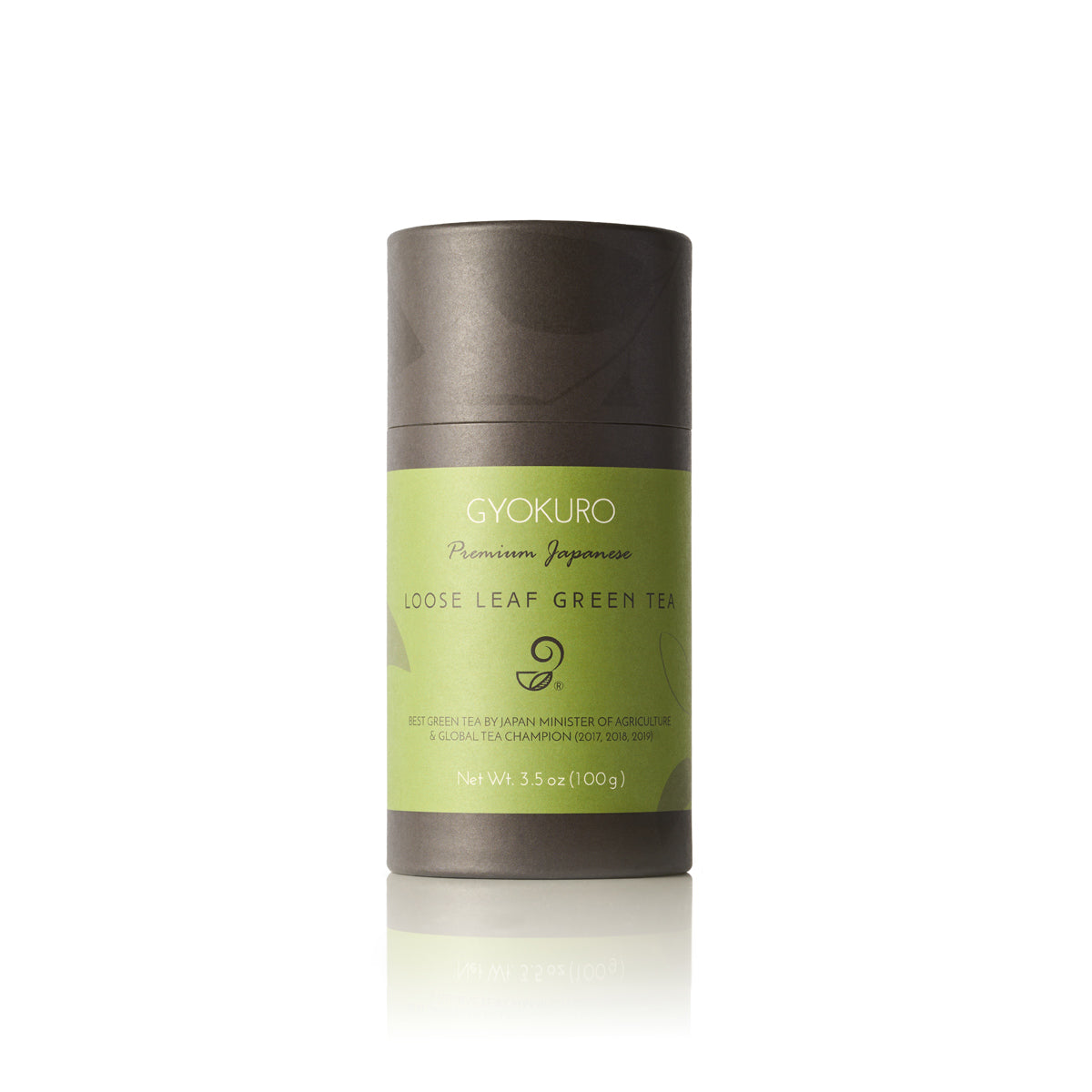
Gyokuro, also known as "jade dew" or "jewel dew tea," is a premium Japanese green tea shaded from the sun for 20 days using specially made mats, a method that boosts caffeine levels and strengthens amino acids to create a sweeter, richer flavor. This extended shading process results in dark, mossy green leaves with an unmistakable aroma and a complex taste that is layered yet balanced. Cultivated by the Chagusaba method in nutrient-rich sugarcane soil and made from the Yabukita cultivar, this loose-leaf authentic Gyokuro is offered in a high-quality, air-tight paper tube canister (chyazutsu) to preserve its exceptional freshness and flavor. Each 3.5 oz (100g) full-size package steeps 30–40 cups, and a convenient single-serve sample is also available.

45 reviews

Hojicha - Roasted Green Tea

$25.00
Quick view

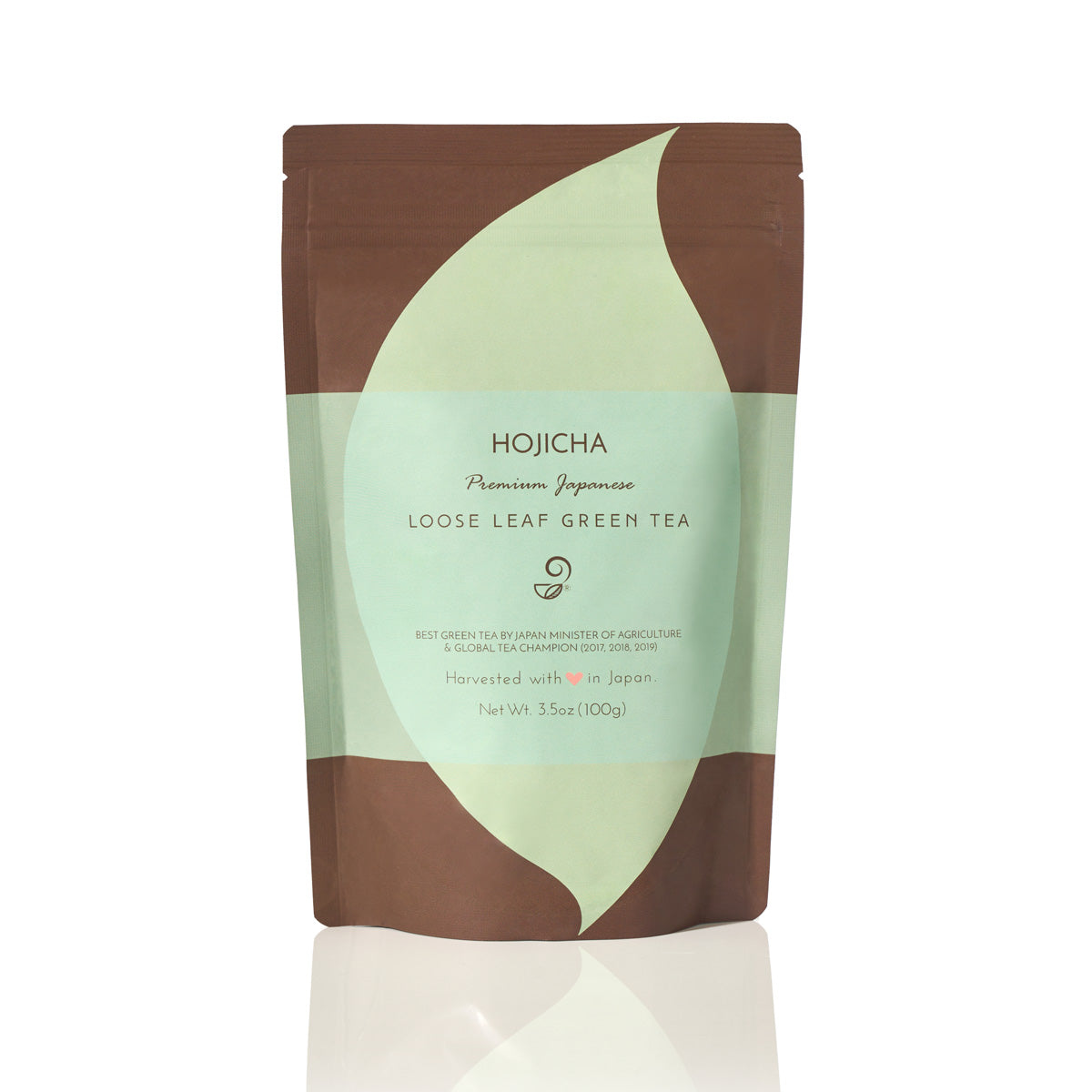
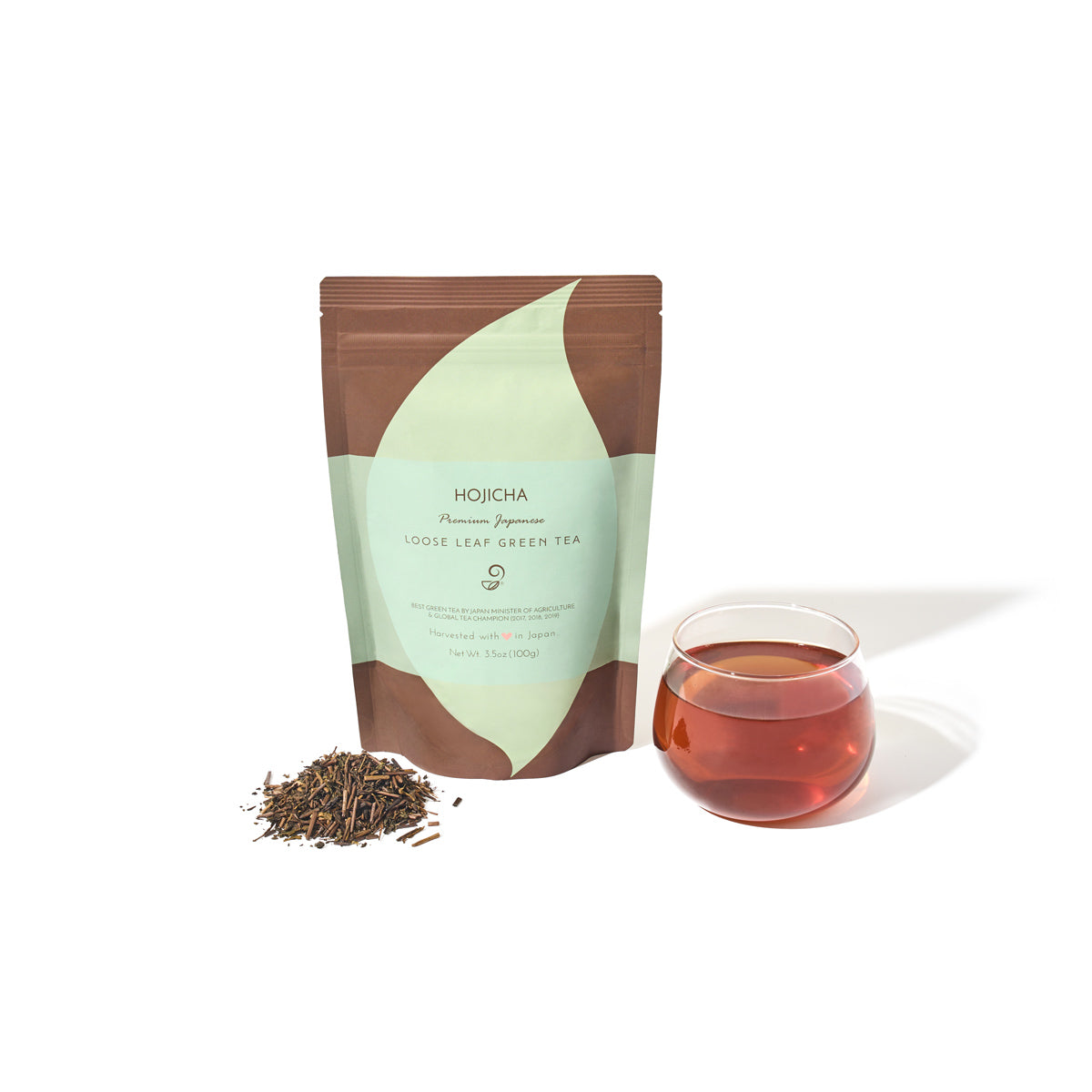
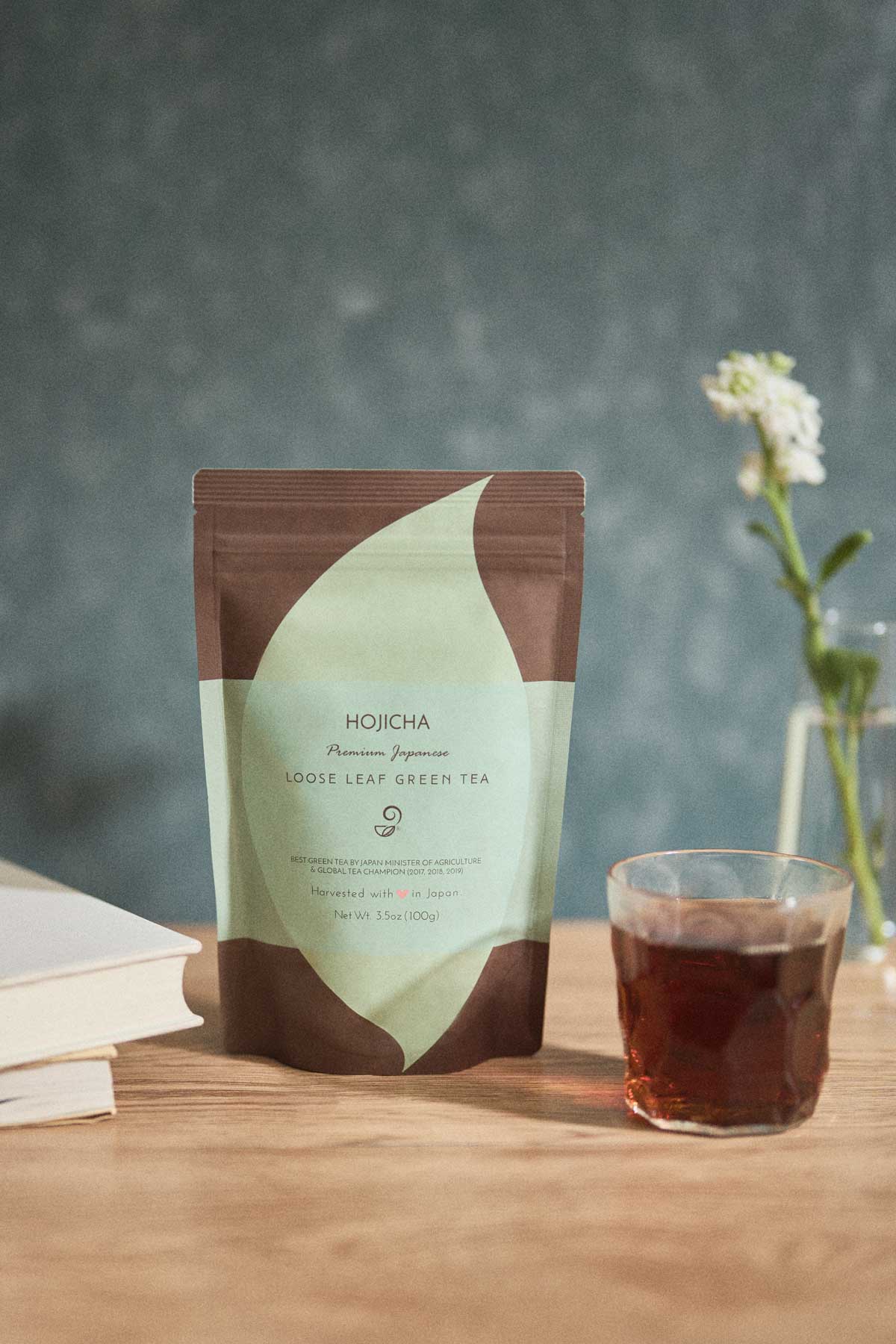
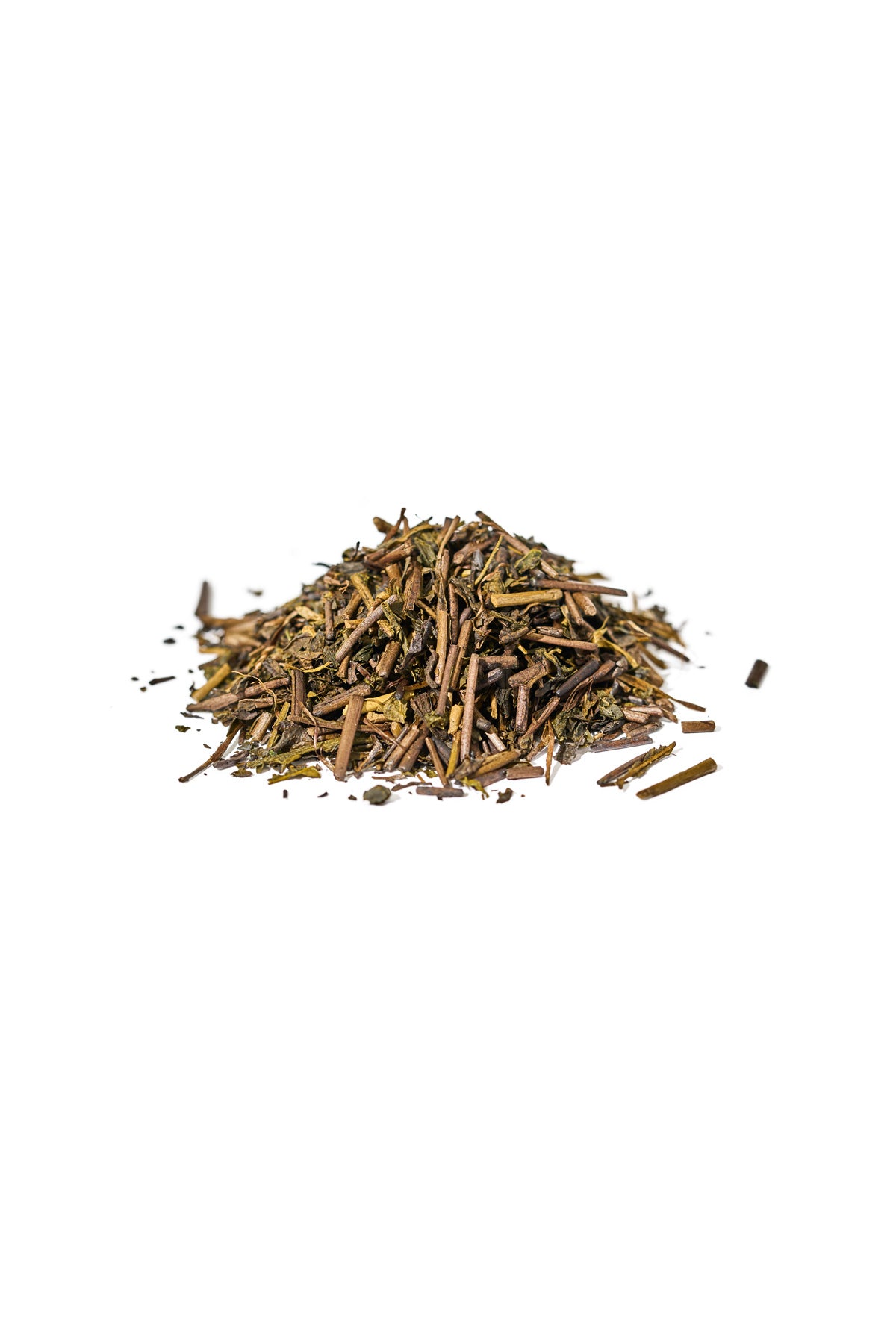
Our roasted green tea, known as hojicha (ほうじ茶), is crafted from freshly harvested premium green tea carefully roasted in porcelain over charcoal to maximize flavor while retaining more catechins than typical hojicha on the market. With lower caffeine and a smoother, less bitter taste compared to steamed green tea, it is an ideal choice for evening relaxation and is gentle enough for kids and pregnant women. Cultivated using the Chagusaba method in nutrient-rich sugarcane soil, this loose-leaf authentic Japanese roasted green tea, made from the Yabukita cultivar, also pairs beautifully with oily foods. Each eco-friendly resealable package contains 3.5 oz (100g) of tea, enough to steep 30–40 comforting cups.

80 reviews

Matcha - Ceremonial Japanese Powdered Green Tea

$39.00
Quick view

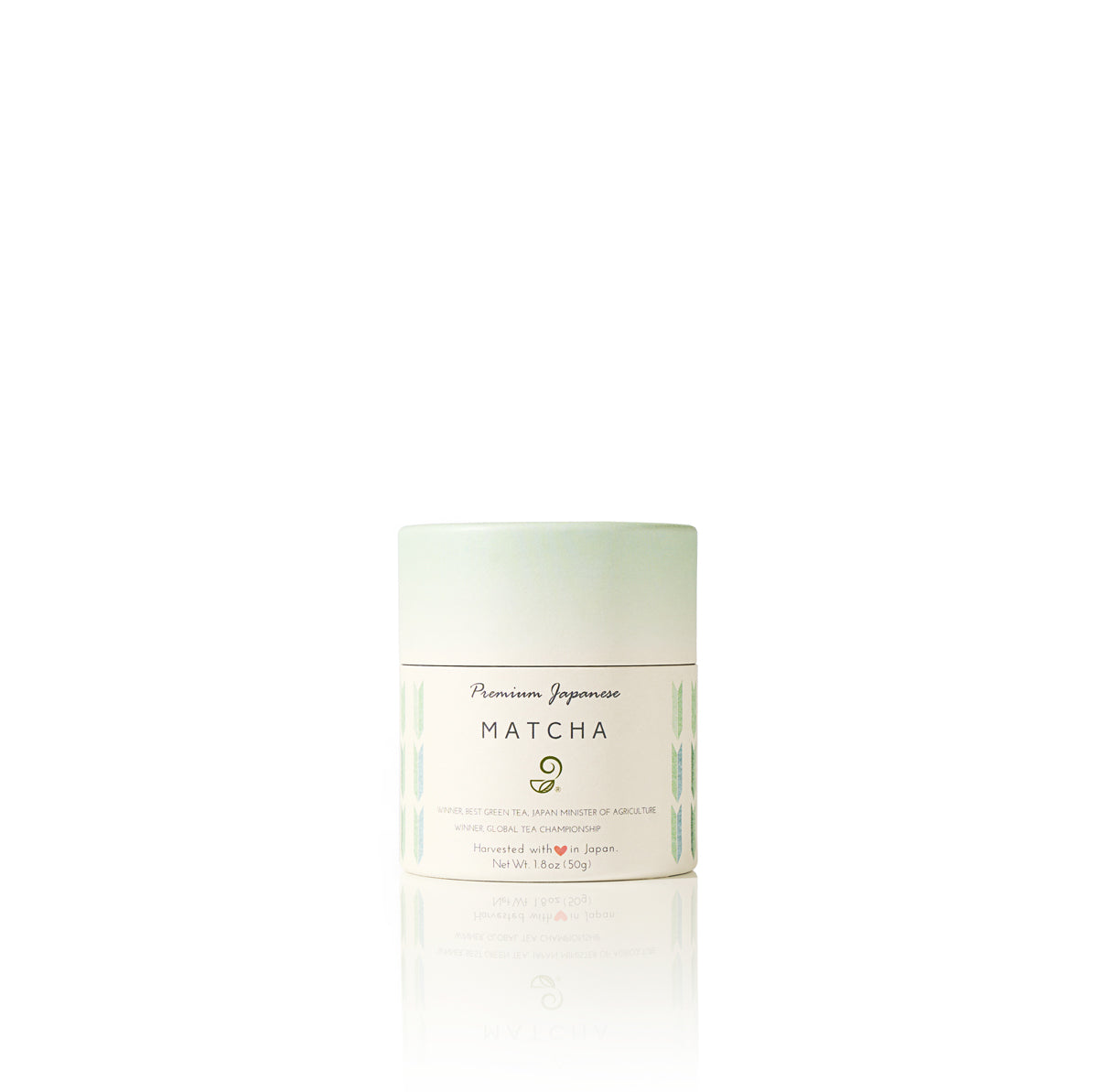
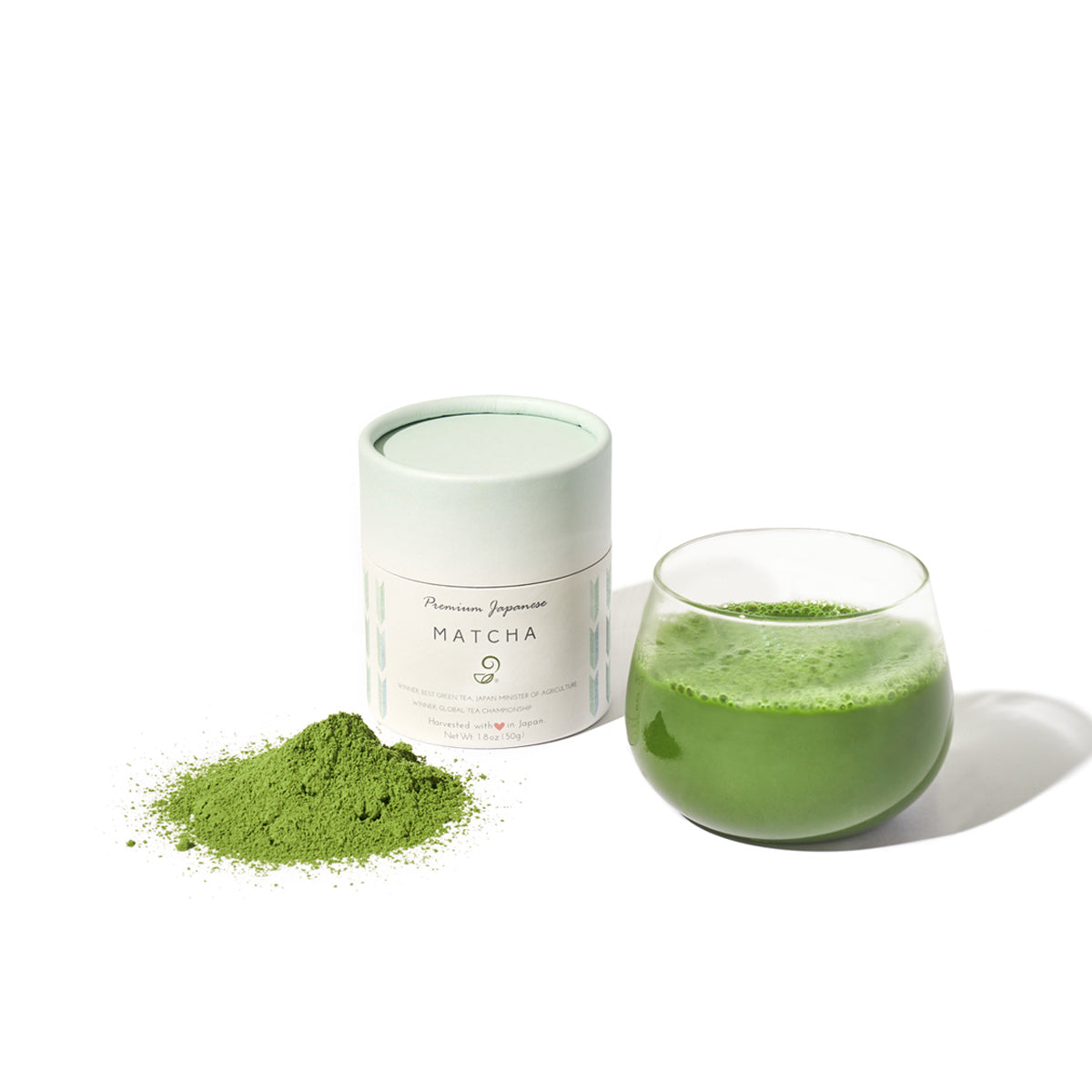
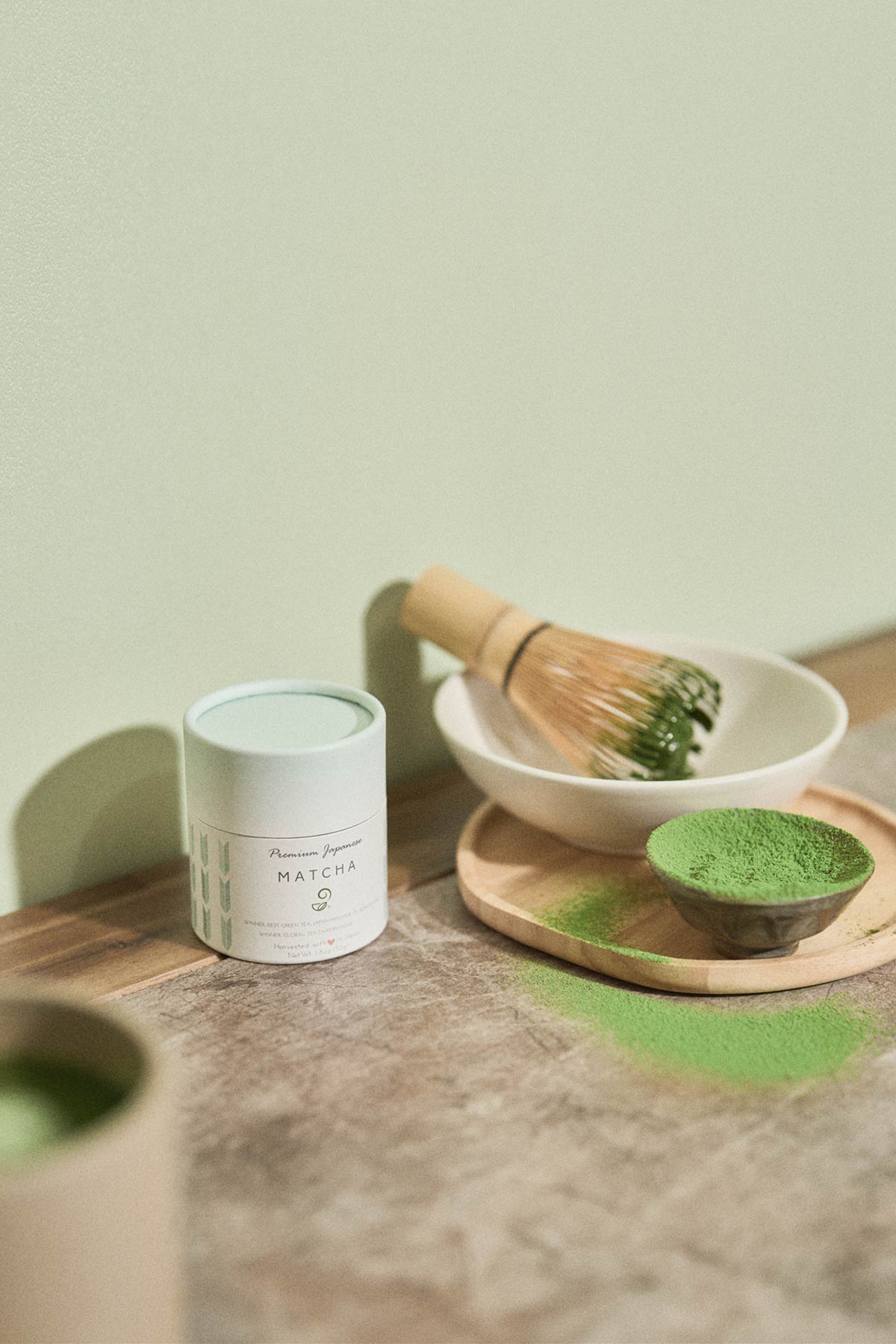
This ceremonial matcha is crafted from the finest Japanese green tea, grown in nutrient-rich soil enhanced with compostable grasses and sugarcane through the Chagusaba method, which gives the tea a natural sweetness and exceptional flavor. In collaboration with researchers from Shizuoka University, farmers ensure that the soil quality consistently produces tea of the highest standard.

Renowned among top Japanese chefs for its unmatched aroma, this matcha is made by carefully shading the plants before harvest to boost caffeine and amino acids, then meticulously drying, de-stemming, and grinding the leaves into a fine powder. Made from the Yabukita cultivar, this 1.8 oz (50g) matcha comes in a high-quality, air-tight paper tube canister, providing a luxurious and authentic Japanese tea experience.

42 reviews

Genmaicha - Green Tea with Roasted Brown Rice

$30.00
Quick view

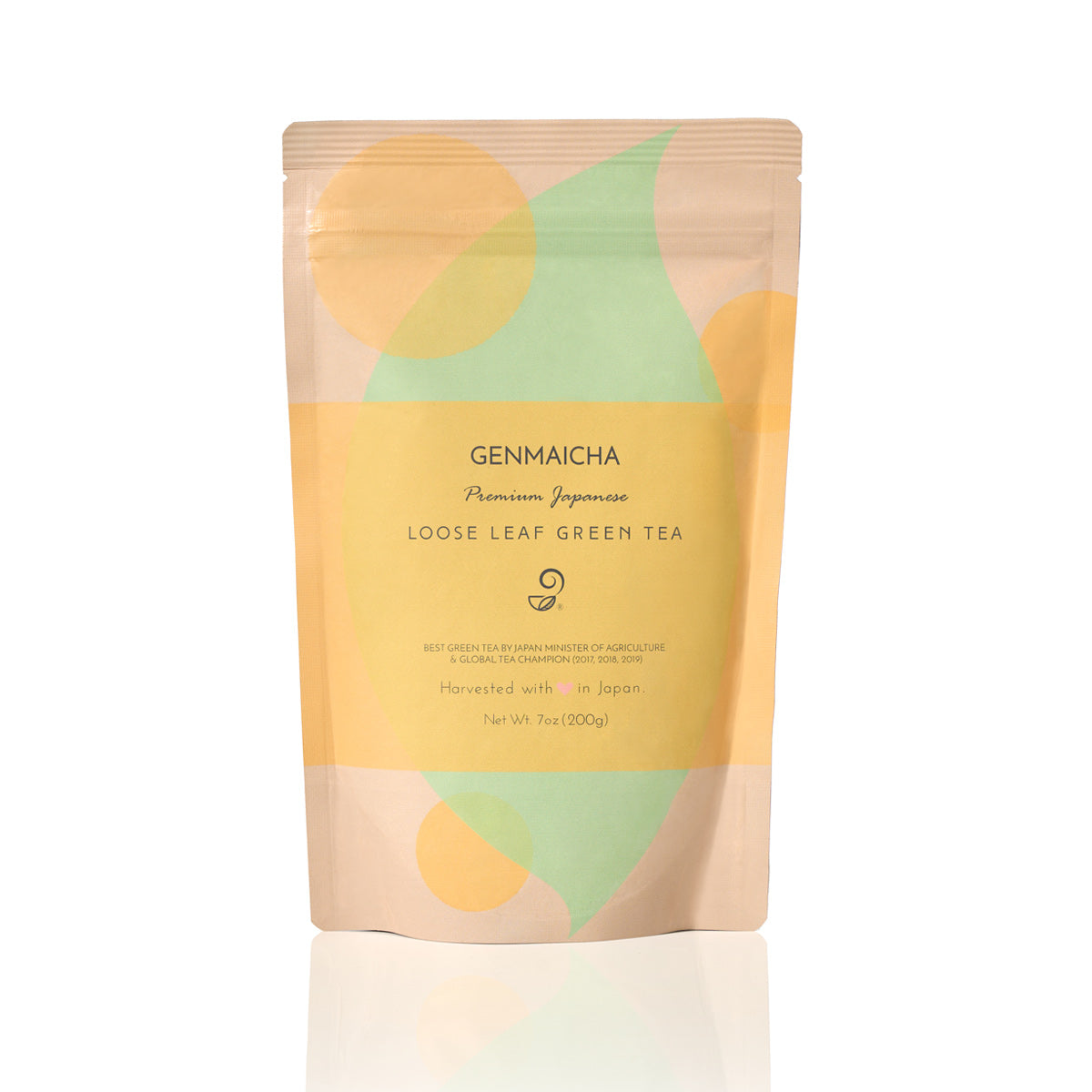
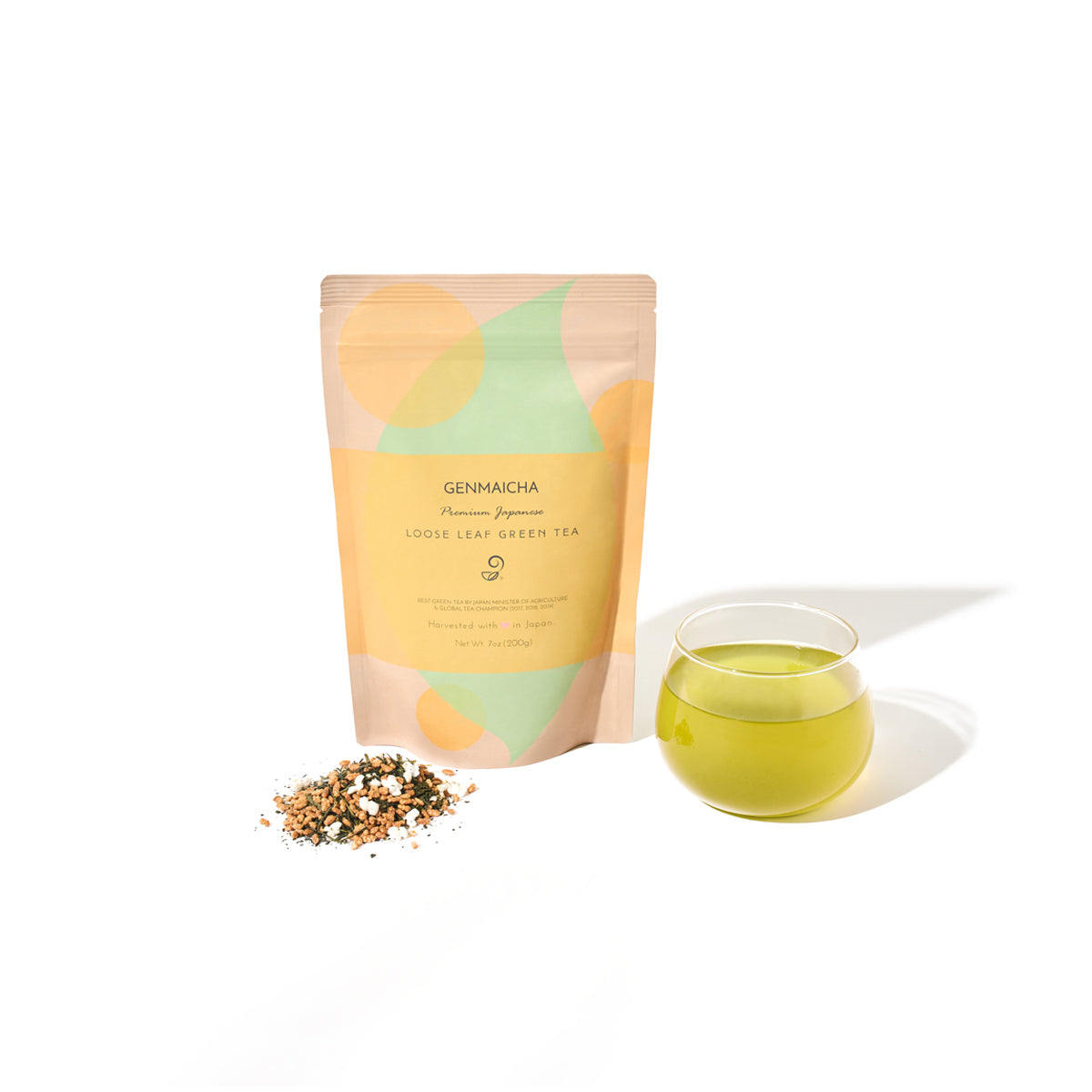
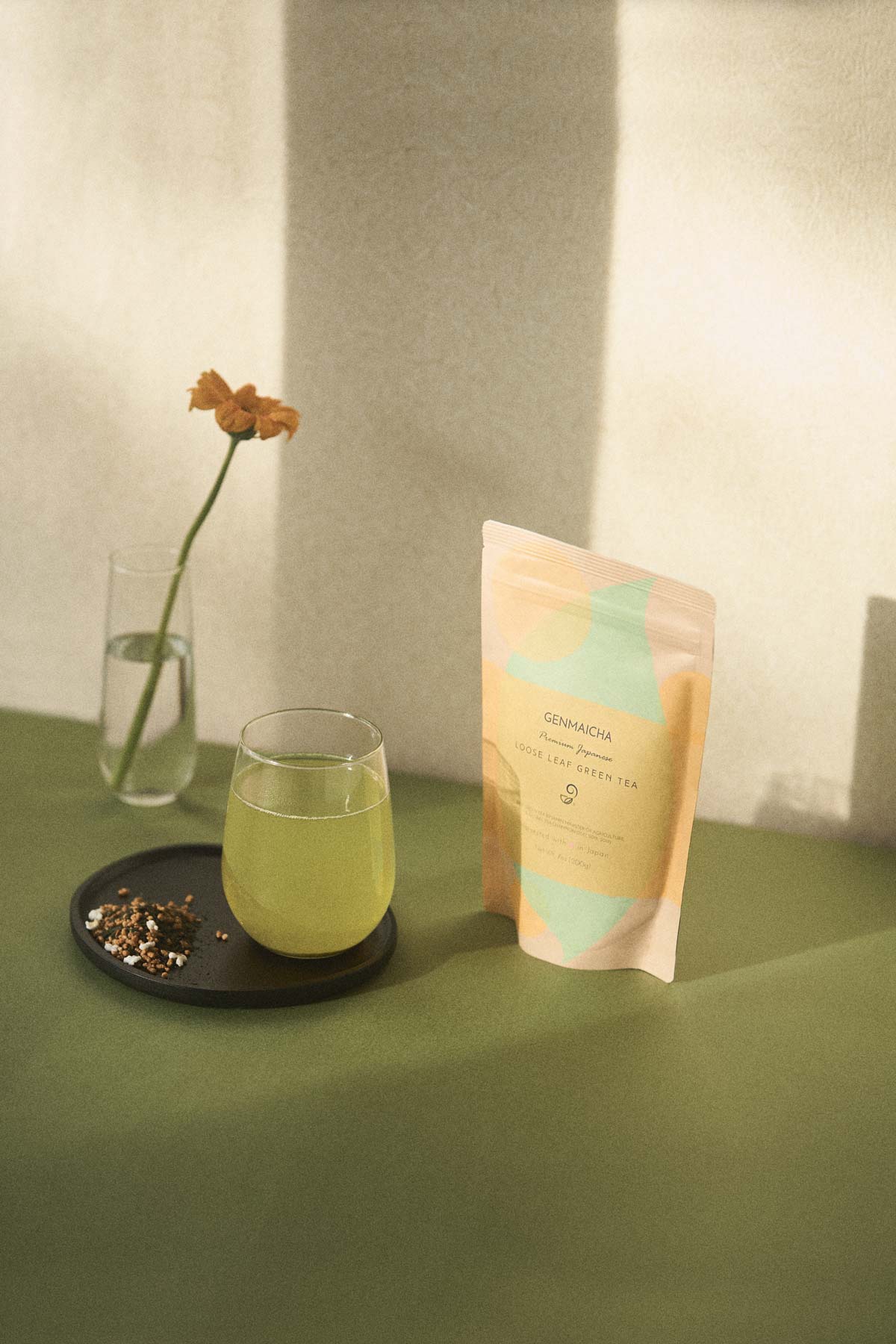
Our premium Japanese Genmaicha blends high-quality green tea with roasted popped brown rice (genmai 玄米), often nicknamed "popcorn tea" because the roasting process sounds like popcorn popping. Popular especially among the older generation in Japan for its mild flavor and lower caffeine content, this tea is easier on the stomach while still offering a rich, comforting taste. The brown rice used is premium Japanese mochi-gome (もち米) sticky rice, enhancing the tea’s nutty, aromatic profile. Made from Fukamushi Sencha and cultivated using the Chagusaba method in nutrient-rich sugarcane soil, this Genmaicha features the Yabukita cultivar and comes in a 7.0 oz (200g) eco-friendly resealable package, enough to steep 50–60 cups.


Related Articles You May Be Interested

30 Surprising History About Japanese Green Tea You (Probably) Didn't Know
Everything You Need to Know About Different Types of Japanese tea
Matcha vs Sencha (Loose-leaf) Green Tea: What Are the Differences?
How to Select Japanese Green Tea? - The Expert Advice
How to Select Japanese Green Tea?  - The Expert Advice
20 Yummy And Healthy Green Tea Smoothie Recipes

Get Free Bonus Books

Join Green Tea Club

Sign up for free to the Green Tea Club to get advice and exclusive articles about how to choose Japanese Tea, and tips, tricks, and recipes for enjoying Japanese tea.

Unsubscribe anytime. It’s free!

About the author

Kei Nishida

Kei Nishida

Author, CEO Dream of Japan

info@japanesegreenteain.com

Certification: PMP, BS in Computer Science

Education: Western Washington University

Kei Nishida is a passionate Japanese green tea connoisseur, writer, and the founder and CEO of Japanese Green Tea Co., a Dream of Japan Company.

Driven by a deep desire to share the rich flavors of his homeland, he established the only company that sources premium tea grown in nutrient-rich sugarcane soil—earning multiple Global Tea Champion awards.

Expanding his mission of introducing Japan’s finest to the world, Kei pioneered the launch of the first-ever Sumiyaki charcoal-roasted coffee through Japanese Coffee Co. He also brought the artistry of traditional Japanese craftsmanship to the global market by making katana-style handmade knives—crafted by a renowned katana maker—available outside Japan for the first time through Japanese Knife Co.

Kei’s journey continues as he uncovers and shares Japan’s hidden treasures with the world.

Learn more about Kei Nishida

Related Posts

Behold: Balmuda's "The MoonKettle" — Where Boiling Water Becomes Art

We were privileged to be invited by Balmuda's Private MoonKettle Launch Event. Here are videos of it and everything you

Read More
OC Japan Fair April 2026 — Visit Us at Booth #A8!
OC Japan Fair Spring 2026 Recap (April 3 - 5 2026)

We were at OC Japan Fair again! April 3-5 2026 with new products, Miki Pon's art debut and more. Here is a recap video f

Read More
Super Mario and Japanese Green Tea

Super Mario and green tea share a hometown! Watch our Yoshi Matcha Cookies video recipe + discover how Nintendo and matc

Read More
Leave a comment

Your email address will not be published..

Cart

Your cart is currently empty.

Start Shopping

Select options