

Tea ranks among the top drinks worldwide - just behind water. People have been drinking it forever - different walks of life, different reasons: staying warm, feeling better, hanging out, or just routine. Although loads of folks drink it daily, it’s still kind of intimate, tied to routines and moments together. That’s how a simple mug can say so much without words.

This piece looks into how tea shapes daily habits, connects people socially, yet carries deep cultural meaning today - wherever you are. It highlights reasons tea still matters in our lives, not because of trends, but due to real-life value it brings along. From morning routines to quiet moments, its role stays strong across different places and lifestyles.
Tea as a Daily Ritual
Plenty start and finish each day with tea, treating it like an anchor during life’s rush. In the morning, drinking tea helps clear your thoughts - brings calm just before the day starts. When night rolls in, tea eases the pace, almost like a quiet signal that it’s time to relax.
Those little things count. Doing certain stuff each day - like stretching when you wake up, going for a stroll, or having tea - gives your routine some shape. Because of them, you feel less pressure, think clearly, maybe even stay on track easier. Sipping tea works well here since it asks for attention without turning into work.
Brewing tea makes folks take it easy, notice what they see and smell, yet savor just a short pause. While.
The Social Importance of Tea
Tea’s tied to warmth, moments together, or just slowing down. In lots of places, handing someone tea means you’re glad they’re here - or that you care. These days, when most chats happen online, sitting for tea still feels like real talk.
At work, sipping tea helps people connect through casual chats. At home, it gives families a chance to unwind together. With friends, enjoying tea turns into a habit that builds closeness.
Tea fits anywhere - whether you're in a boardroom, at a party, unwinding after dark, or chatting outta nowhere. That’s why folks keep coming back to it, year after year, no matter the age.
Tea as a Wellness Companion
Beyond flavor and habit, tea’s been valued for how it makes folks feel.Others sip herb concoctions to relax; others grab strong black brews when they need a boost; still others opt for lighter green varieties because of their soothing yet fresh appearance.
For instance, many individuals enjoy Chinese green tea for its calming and revitalizing properties, incorporating it into daily routines for a sense of clarity and balance. This’s just one way tea fits into your daily habits or health choices - matching what you need without fuss.
Tea helps keep you hydrated. Lots of folks find it tough to sip enough water every day - tea offers a tastier option without skipping fluid intake. Sipping warm tea might help your digestion feel better, especially when it’s chilly outside; meanwhile, cold tea cools you down once temperatures rise.
The Diversity of Tea Traditions
Tea is used globally but its experience differs considerably, and it also depends on the cultural setting. Other traditions are more concerned with studying elaborate preparation techniques, whereas others are more concerned with simplicity and accessibility.
1. Asian Traditions
In various Asian regions, tea carries deep traditions from long ago. Yet rituals focus on calmness, honor, and being present. While making it, people often feel a sense of inner peace. This practice builds balance among everyone involved - host, visitor, and nature.
2. Middle Eastern Traditions
The tea parties are sociable, joyful, and amicable. Giving the visitors tea shows kindness and welcome. Among the regular tea experience components are strong flavors, sweetened cups, and continual refills.
3. European Traditions
In Europe, tea time turned into an organized daily habit. Not just about drinking, it’s tied to chatting with friends while sharing snacks. Right now, people still sip tea regularly at home or on the job.
4. African Traditions
In several parts of Africa, bold, fragrant teas are made for guests or loved ones. Because it’s common at get-togethers, tea greets newcomers - showing warmth and regard.
Every area cooks differently, holds unique traditions - yet everyone’s chasing that same feeling of belonging, warmth, through shared moments.
Tea’s Role in Modern Lifestyles
The rise of tea sticks around - even when life moves at full speed. Still, more folks search for small pauses that slow things down a bit. Because brewing means paying attention - heat the water, let it sit with the leaves, then just sip and feel it. Each step pulls you back into the moment instead of rushing ahead.
In homes, tea fits into daily moments of slowing down - while in workplaces, it keeps minds sharp or gives a pause when needed. Cafés now serve up bold mixes instead of basics, swapping old styles for handcrafted teas plus gear that grabs younger crowds.
The growth of working from home has boosted tea's place in routines. A lot of folks link sipping tea to pausing screen time, moving around a bit, then calming their thoughts.

Exploring Traditional Teas
Although contemporary variations are found, lots of individuals still take the teas based on the past historical practice. The finding of these teas causes other cultures, flavors, and brewing methods to enter the global stage.
One example is Traditional Chinese Tea, which represents a rich heritage of craftsmanship, regional diversity, and centuries-old techniques. Because their scent, the ritual, or their culture makes them edible, conventional teas might be used as a specific means of experiencing history.
These traditions remind us the fact that tea is not an ordinary drink, it is an art created by human hands and locality.
Why Tea Remains Universally Loved
One of tea's great traits can be ascribed to several underlying characteristics:
- Suitable for mornings, evenings, meals, parties, or silent introspection, it is flexible.
-
It is comforting—offering warmth, flavor, and familiarity.
-
It is inclusive — available in various styles, strengths, and brewing methods.
- It is meaningful — connecting people through ceremonies, habits, and shared moments.
-
It is timeless — maintaining relevance even as lifestyles evolve.
Regardless of the nation, language, or culture, tea remains a salve but simple reminder of the importance of stopping, being present, and being human.
Conclusion
Tea is not a product to drink only, it embodies all the past habits, silent moments, being open to people, as well as being intimate with others. When sipped with friends or by yourself, it turns ordinary minutes into ones that matter somehow. The way it's tied to history, used every single day, brings comfort - that’s why it's lasted so long already, plus likely to stay around no matter how much time passes later on.
FAQs about the Cultural Power of Tea
How is the Japanese tea ceremony different from British afternoon tea?

What can someone in a non-tea-culture country do to introduce tea into their life?

Why does sharing tea bring people together more than other drinks seem to?

Related products
8 reviews
$179.00
$159.99
/
Quick view
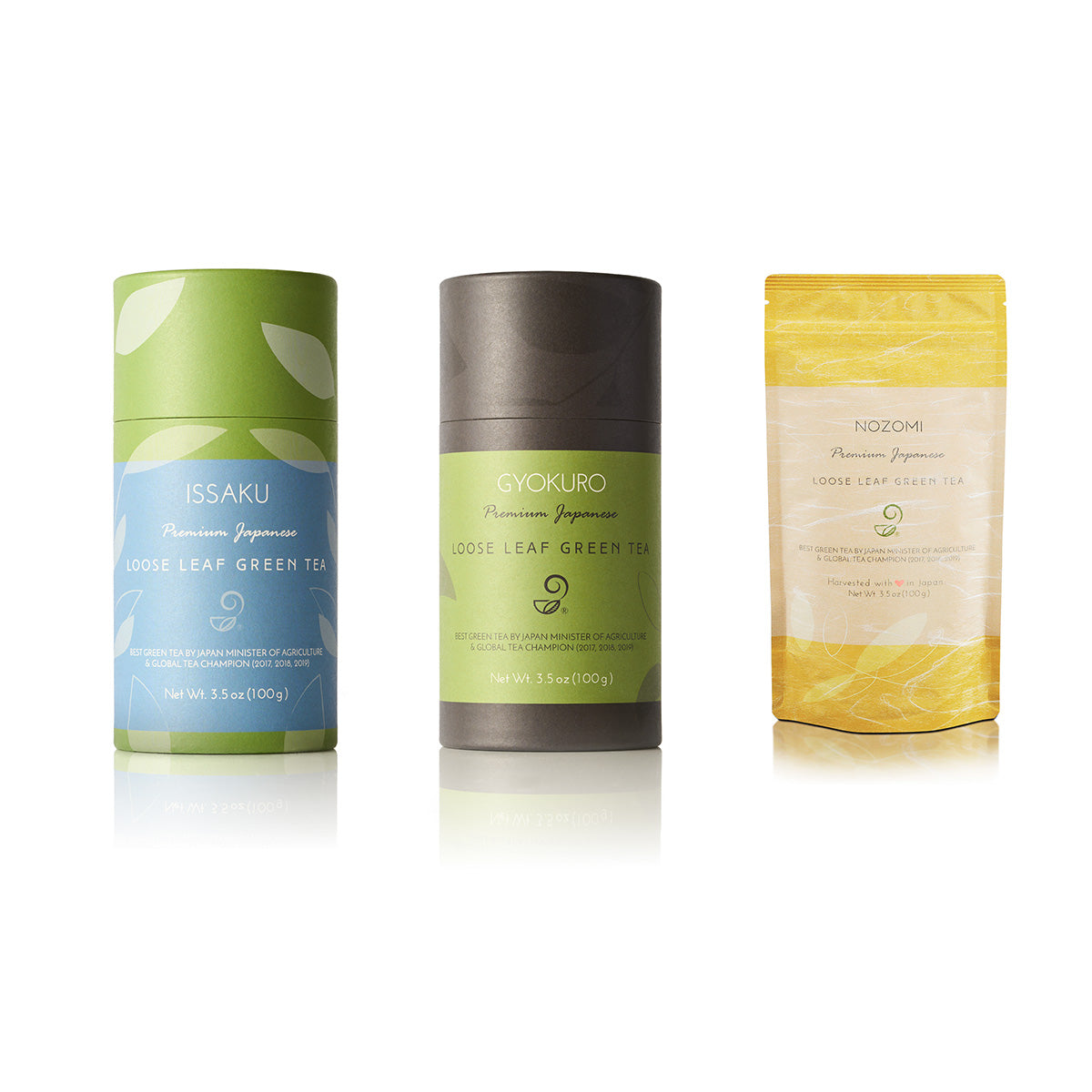
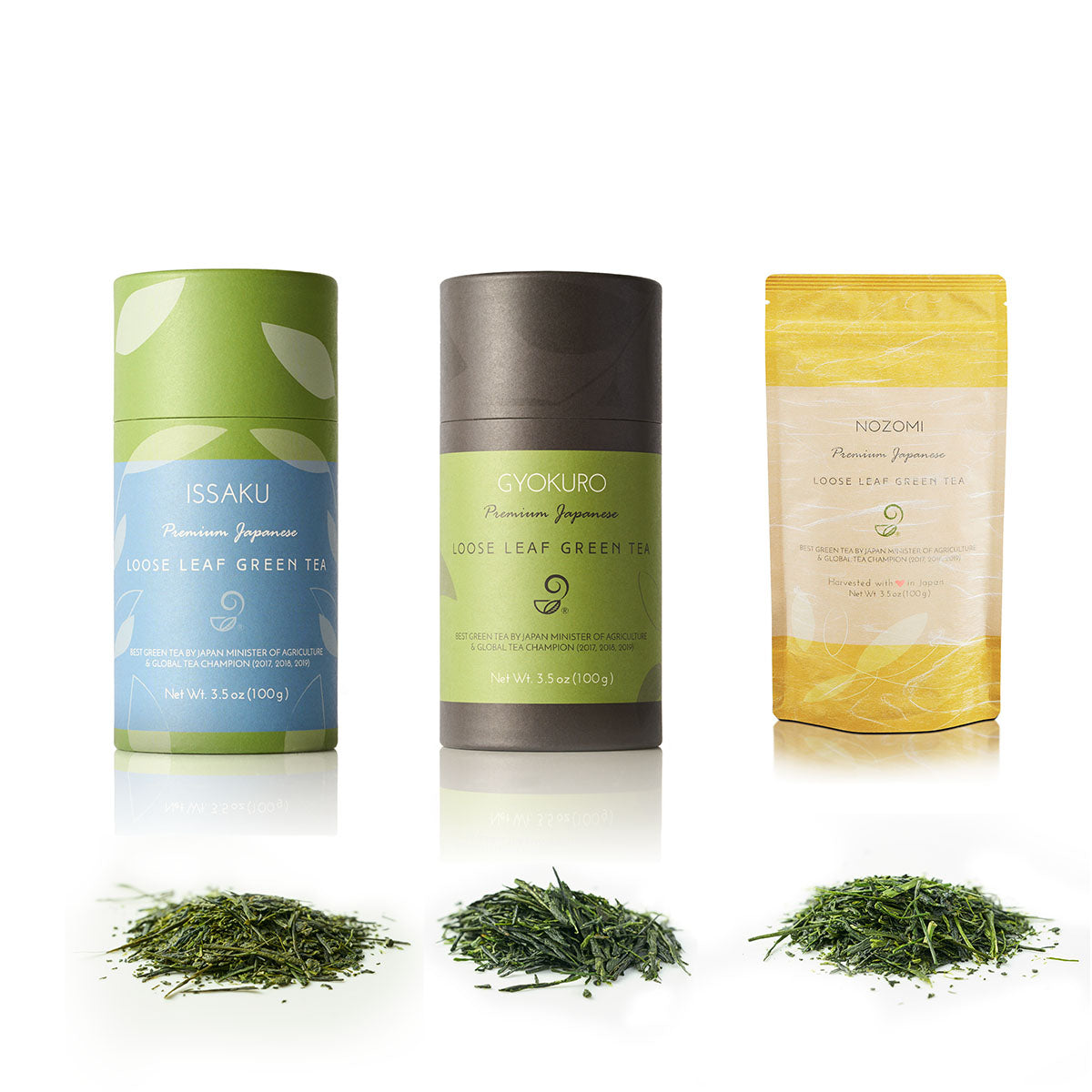
The Sencha Lover Gift Set - Premium Japanese Green Tea Set Package


Get Free Bonus Books

Sign up for free to the Green Tea Club to get advice and exclusive articles about how to choose Japanese Tea, and tips, tricks, and recipes for enjoying Japanese tea.
About the author

Kei Nishida
Author, CEO Dream of Japan
Certification: PMP, BS in Computer Science
Education: Western Washington University


