Skip to content

Tea vs. Wine

When you think of the tea you drink or purchase, do any adjectives come to mind? Do you pick out any details in the tea that help explain its uniqueness? If you have spent any time trying to explore tea in this respect, you will likely have recognized that tea surprisingly varies…. a lot. In this respect, tea’s uniqueness may stand alone, particularly when viewed through a historical lens with significant tea sources located in East Asia. However, many have begun comparing both tea and wine and their attributes. This article will explore that link and a different side of tea that may often be overlooked.

Wine, an introduction

What do you know about wine? The distinctions of wine go well beyond white and red wine. Wine is made from grapes that you will not typically find in your grocery store. In fact, there are over a thousand different kinds of wine grapes that nearly all come from a common species of wine grape, the Vitis vinifera. Common grapes include cabernet sauvignon and pinot noir for red wines and Riesling and pinot gris for white wines, for example.

What are wine profiles?

When you dig deeper into wines, you will find that they contain a "profile" to help define their overall distinction: how fruity is it? Is it a "full-bodied" wine? How sweet is it? How much acidity is in it? Is it loaded with tannins (please see our section on commonly asked questions about polyphenols, catechins, and EGCG, which includes a description of tannins)? The wine’s profile also helps define what food pairings may work best. It may also include an aroma description along with its general taste. For example, cabernet sauvignon is a full-bodied red wine that is often paired with foods such as lamb, beef, French food, etc. Often less acidic than other wines, it has a slightly fruitier flavor and more noticeable tannins.

Hint of similarity between wine and tea

This may all sound relatively complex, and to be fair, wine and its production are complex. Let us take a moment to discuss some of these details slightly further. Take aromas, for example, did you know acacia is a definable aroma in wine? As are lychee, caramel, flint, meringue, kiwi, vanilla, honey, and many, many more. But where does all this complexity come from? It is part and parcel of the "art" of winemaking. While you may not have wanted to taste test the wine from ancient times given that they crushed the grapes with their bare feet, it is nonetheless important to note the role production plays in wine’s complexity. Whether one is talking about the flavor, aroma, or look of the wine, among other factors, the quality of the wine derives primarily from the quality of the grape(s). Yes, this includes soil acidity, the weather, harvest date, how the grapes are pruned, soil minerals, etc. However, many other factors are also important. For example, in cooler regions, some cabernet sauvignon can obtain green bell pepper flavors. While other grapes are stored in relatively smaller oak barrels to give the wine a more oaky flavor and aroma. The idea behind wine and its overall profile is that there are many factors involved, from the earliest stages of agricultural production to the end product itself. In fact, this is likely why wine has continued to flourish for thousands of years. The possibilities appear endless.

Wait, tea isn’t like wine, is it?

The short answer is "yes and no". Of course, tea and wine have a plethora of differences. However, there is, like wine, an "art" to tea, its production, its consumption, and its subculture. Let us explore some of the similarities between the two.

Like wine, tea comes in all kinds of varieties. As you may have noticed, green teas often sit next to black teas, white teas, oolong teas, and others in your local grocery store. In fact, like wine, all tea comes from one plant, Camellia sinensis. Serious considerations related to agricultural production are also similar: soil quality, age of the plant, harvest timing, tea plant location, harvesting methods, organic plants, etc. Timing in relation to the ripening of grapes is somewhat similar to the shading of Japan’s premium gyokuro tea (please see gyokuro vs. tencha here for further details on the unique elements of gyokuro production; also feel free to check out our own gyokuro offerings here). Post-harvest methods are substantially different in many cases. Still, there are similar attempts to use fermentation as a critical process in production between pu’er tea, for example, and your average wine (our very own pu’er tea is available here).

Green tea and wine: Similarities

Detailing the similarities and attributes between both the tea and wine markets would exhaust this article, but a quick example via the green teas of the world will help shape understanding. As noted above, wine is labeled with a given profile that helps customers and enthusiasts sift through what works for them. Green teas, on the other hand, have yet to acquire a universally accepted profile "system" similar to wine, but this isn’t to suggest that a profile cannot be utilized to describe teas. With the rise in popularity of many green teas across Asia and the North Atlantic, many customers are increasingly looking at the subtle differences in tea to help satisfy their purchases.

In fact, Japan had a unique head start in some respects, having focused on cultivar selections (what exactly is a tea cultivarSee here for more) for the last number of decades through hard work and government-funded research. Various tea cultivars provide different aromas or slightly different chemical makeups. The Benifuuki cultivar, for example, has been developed to help alleviate allergies (struggling with allergies? See our selection here). While the Samidori cultivar has greater resistance to colder weather. Many green tea aromas include chocolate (often found in premium matcha), fresh plant-like aromas, bitter, sweet-like, roasted, and others, including cherry blossom. These aromas are a serious consideration not only for customers but for producers as well, particularly in relation to premium tea.

How do you define your tea?

Part of experiencing wine is simply looking at the drink and checking the color, opacity, and viscosity. Many teas are also noted for their looks. Some green teas are particularly dark, while others are surprisingly light. Some are clear, while others are much less so. For many, this also helps shape the given tea’s description and continues to be an important element in tea selection.

Subculture of tea and wine: Does it exist?

Both markets are continuing to grow, with many commentators suggesting that the tea market will, in fact, look more and more like the wine market. It is incredibly difficult to dismiss the similarities between both markets. Haven’t you noticed a continuity between both tea and wine? Many wine lovers, like tea lovers, search exactly for the right wine. Both often search for the right pairings for a meal or a set of circumstances. Both tea and wine include kinds of "rituals" with tea often based on historical, privileged rituals, and wine involving taste "methods".

What do tea lovers, or perhaps yourself, enjoy?

More specifically, tea lovers enjoy, at minimum, some element(s) of precision in tea. Cultivars may not be a demarcation at your local grocery store, but they are becoming more popular as a specific need. Considerations such as organic are also becoming more important. The more popular tea becomes, the more likely many of the noted considerations will become apparent. For many customers, such as yourself, the question of "what tea should I get?" becomes harder and harder to answer as given tea experiences increase. Have you begun to look at select cultivars? Can you spot the difference between the first and third harvests of a given selection (check out our blog on "shincha" and what makes the first harvest so important)? What aromas do you enjoy? Are you looking to try something new but do not know where to look? The easiest way is simply to get out there and start searching.

At the end of the day, these are two worlds with some fascinating similarities and differences that help capture what many of us love. I’m convinced that the deeper you dig into these two drinks, the more there is to love and appreciate. Perhaps it's time for you to start digging as well!

This post about Tea vs Wine was first published in 2020. We added the audio of this blog in 2022 just for you.

FAQs about Tea vs Wine

How is tea like wine — what's the actual comparison?

Both are agricultural products where terroir (region, soil, climate, cultivation) genuinely matters; both have established connoisseurship traditions with vocabulary and sensory training; both improve with experience as your palate calibrates. A skilled tea taster can identify region, cultivar, and harvest year from a blind cup the way a wine sommelier can identify region and grape from a blind glass. The skill set is similar.

Both also have dramatic price ranges from commodity to ultra-premium. Cheap tea bags vs. specialty single-origin tea is roughly the same gap as cheap supermarket wine vs. fine wine. The price-quality relationship in tea isn't linear (paying 5x doesn't mean 5x quality) but the broad price-quality correlation is real.

Where the analogy breaks down: tea isn't fermented (or only mildly so for some pu-erhs), so the aging trajectory is different from wine. Tea also doesn't have the same alcohol-related social context that gives wine its specific cultural role. The comparison is useful but imperfect.

Can tea be aged like wine — does it improve over time?

Some tea, yes. Pu-erh tea (Chinese fermented tea) is famously aged for years to decades and improves substantially over time — the microbial fermentation continues slowly and complex flavors develop. A 20-year aged pu-erh can be a remarkable experience that no fresh tea matches.

Most other tea categories don't age well. Green tea (sencha, matcha, gyokuro) goes downhill within 6-12 months of harvest — the volatile aromatic compounds fade and the bright flavor becomes flat. Properly stored, it holds quality for 6-12 months; longer than that, it's noticeably diminished. Black tea ages somewhat better than green but still doesn't improve the way pu-erh does.

Practical: don't try to age sencha or matcha. Buy small quantities, finish within 4-8 weeks of opening, return to the source for fresh stock. The wine-aging analogy applies to pu-erh specifically; green tea is the opposite — fresh always beats aged.

Are there "vintages" in Japanese green tea?

Yes, in a meaningful sense. The first-flush spring harvest (ichiban-cha, 一番茶) is recognized as the best harvest of the year, with shincha (新茶, "new tea") being the absolute first lots. Subsequent harvests (niban-cha, sanban-cha) are noticeably lower quality. Within a year, weather conditions, harvest timing, and processing variations produce vintage variation that experienced tasters can identify.

Top-tier Japanese tea producers note vintage on their packaging — "2024 First Flush from Wazuka" or similar. The vintage has real meaning: a difficult-weather year produces measurably different tea than an ideal-weather year, even from the same farm with the same cultivar.

Compared to wine vintages, tea vintages span shorter windows (one harvest season vs. multiple-year aging) but the same factors apply: weather, timing, individual decisions by the producer, regional patterns. Connoisseurship at this level is real and worth developing if you're committing to specialty tea drinking long-term.

How would I do a tea tasting like a wine tasting?
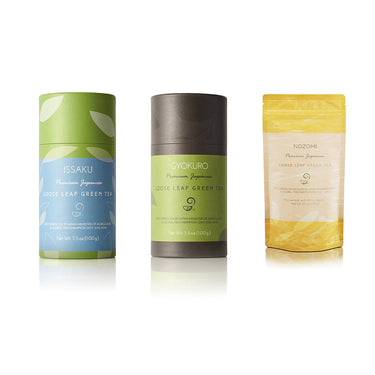
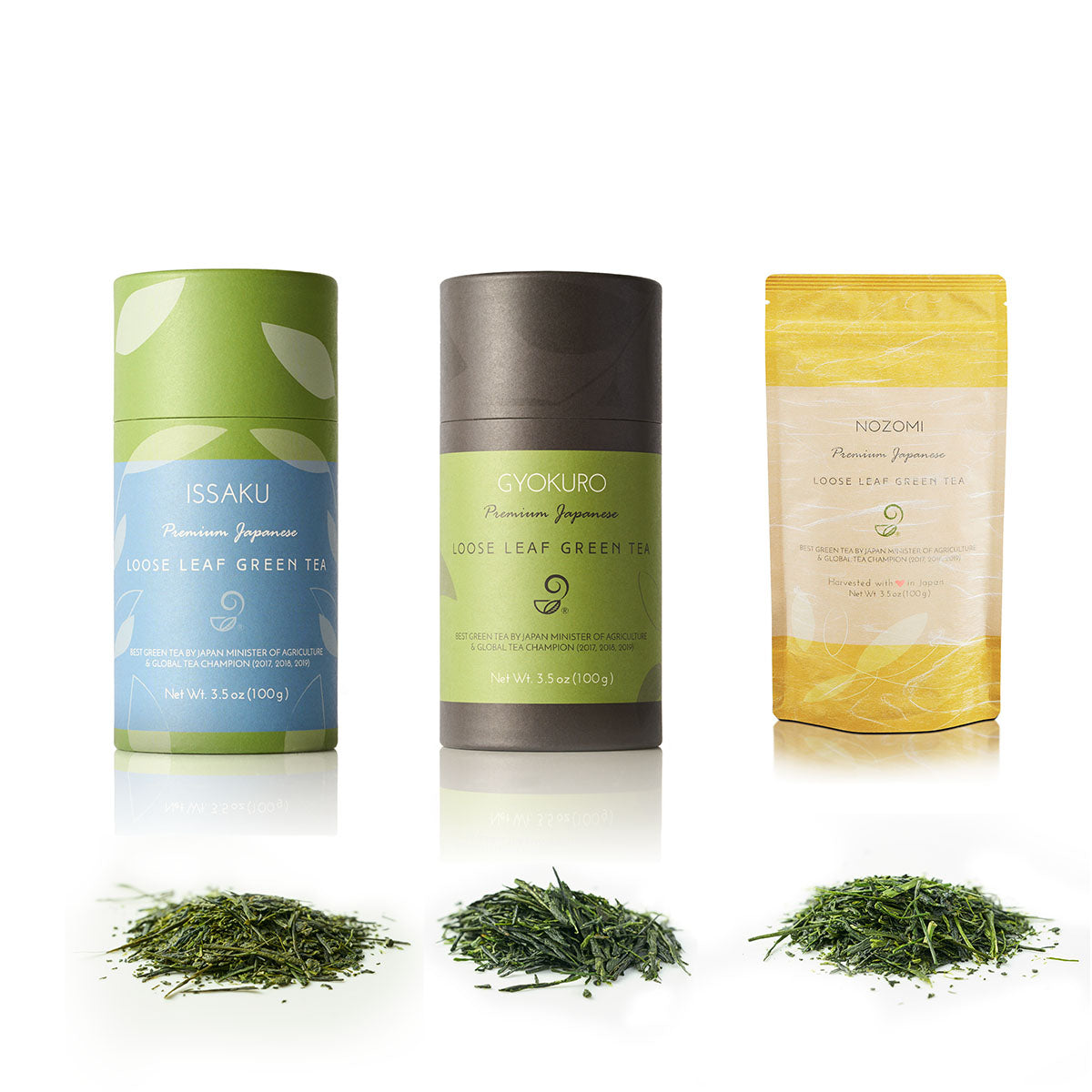
Set up multiple teas at the same brewing parameters, taste systematically. Choose 3-5 teas with related but distinct profiles (different cultivars of the same region, or different regions of the same cultivar, or different harvest years). The Sencha Lover Gift Set has three distinct sencha cultivars — perfect setup for comparative tasting.

Brewing protocol: same temperature (175°F for sencha), same time (90 seconds first infusion), same leaf-to-water ratio. Use small portions of each tea (50-80ml) so you can compare without filling up. Cleanse palate between teas with plain water and a small piece of bread or unsweetened cracker.

Take notes: aroma (dry leaf and brewed liquid), color, flavor (umami level, bitterness, astringency, sweetness, finish length), mouthfeel. Compare across teas. After 5-10 organized tasting sessions, your palate calibrates and you can identify regional and cultivar variations consistently.

Are there food pairings for green tea like there are for wine?

Yes, with established conventions. Sencha pairs with sushi, sashimi, and lighter Japanese cuisine — the umami complements seafood without overwhelming. Hojicha pairs with grilled meats, braised dishes, and dishes with caramelized notes. Matcha pairs with sweet pastries, dairy-rich desserts, and white chocolate specifically.

Western food pairings work too. Sencha + aged hard cheese (parmesan especially) is a sleeper match because both have umami profiles. Hojicha + dark chocolate desserts pairs the way coffee + dark chocolate does. Matcha + white-chocolate-and-berry desserts is the canonical Western matcha pairing.

Avoid: green tea with high-acid foods (tomato sauce, lemon-heavy dishes, vinaigrette) — the acid breaks down catechins and turns the tea bitter. Avoid green tea with very heavily-spiced food (curries, jerk seasonings) where the spices overwhelm the tea entirely. Match intensity to intensity.

Related products

8 reviews

The Sencha Lover Gift Set - Premium Japanese Green Tea Set Package
$179.00 $159.99
Quick view

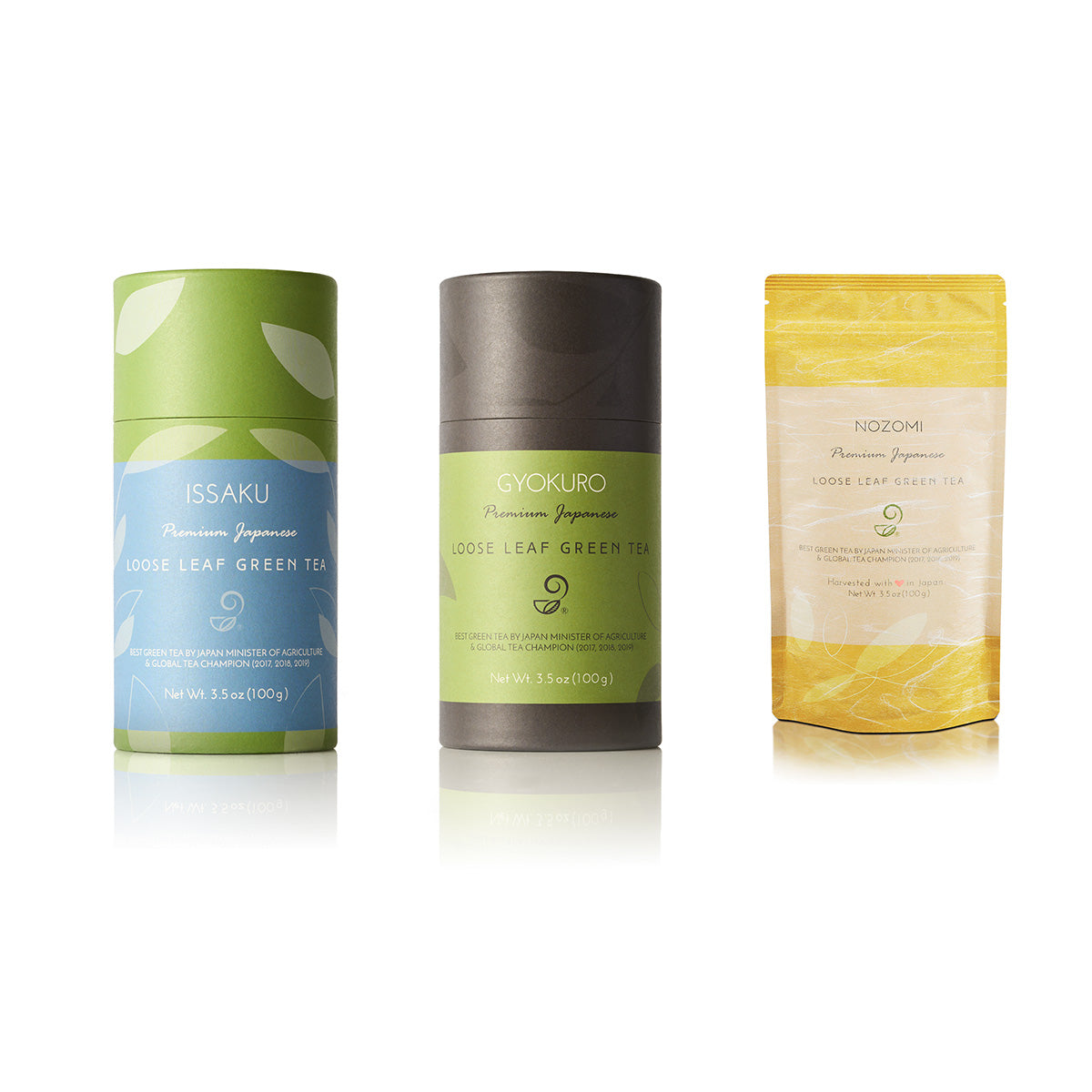
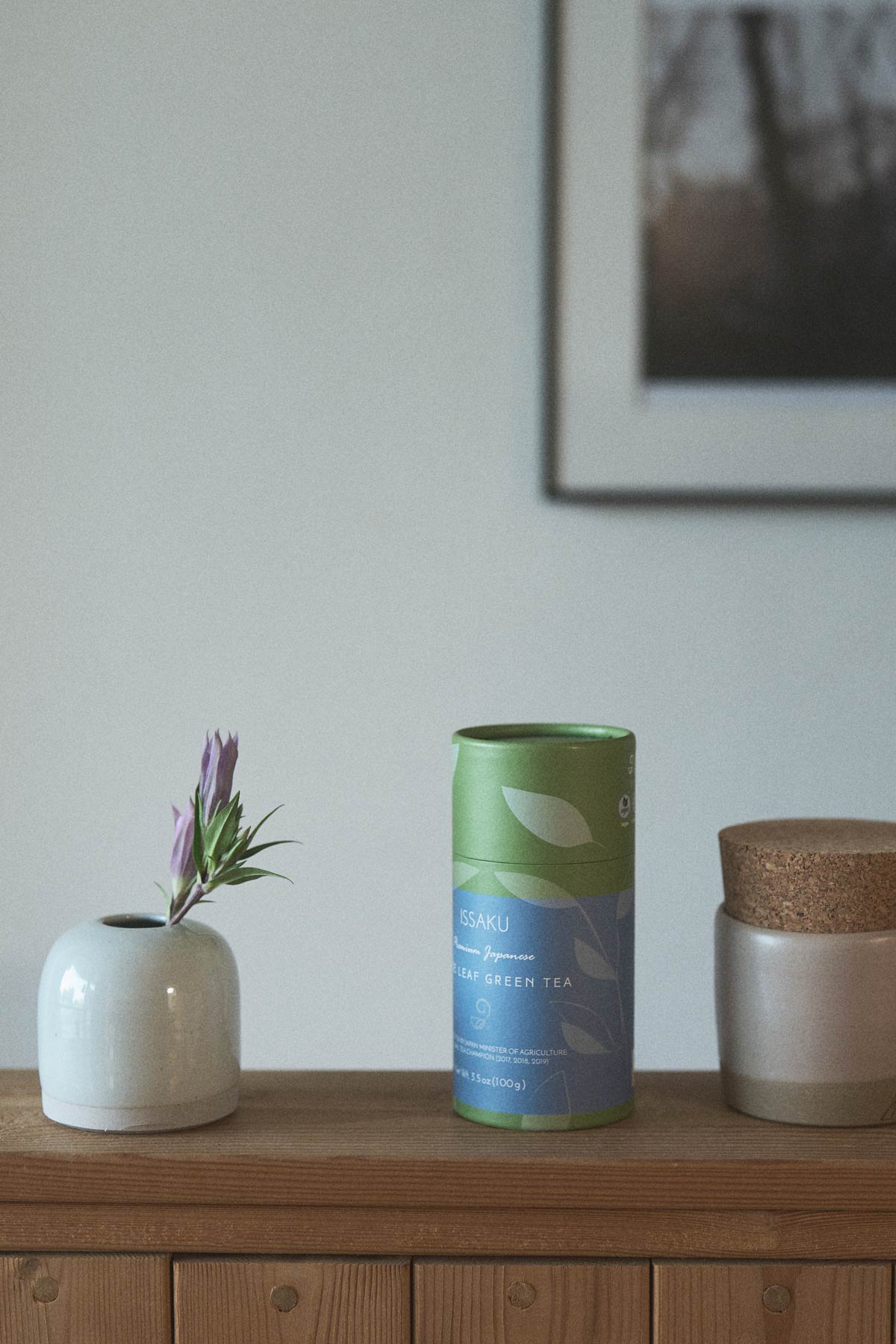
This tea set features three exceptional Japanese green teas, each crafted with care and traditional techniques. Issaku Reserve, a Global Tea Champion winner in 2017 and 2019, is a rare masterpiece created by Farm Master Mr. Arahata at Arahataen Green Tea Farm. Handpicked once a year from the first flush and processed with advanced methods, Issaku represents the highest-grade deep-steamed green tea, available only in limited quantities even in Japan.

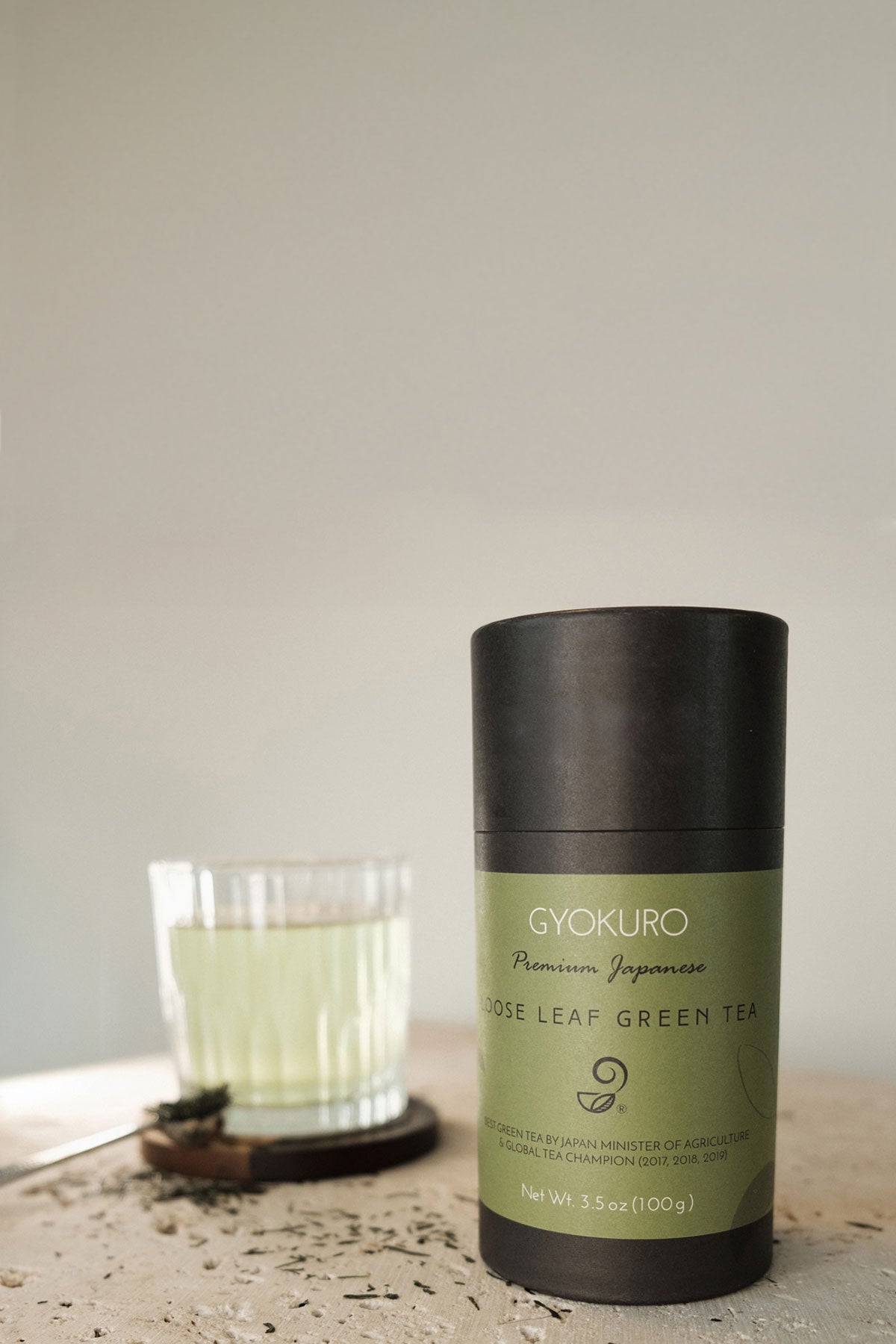
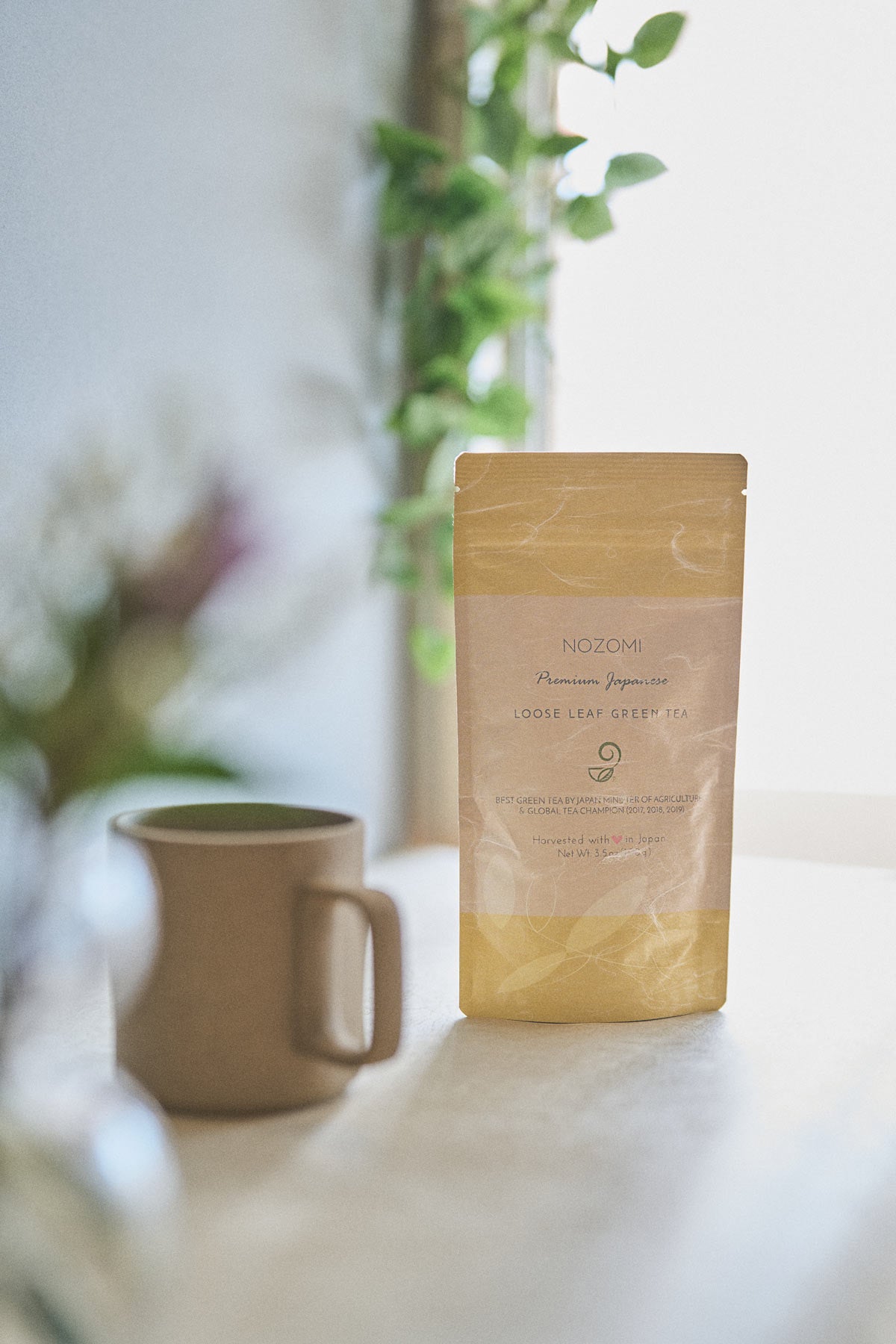
The set also includes Gyokuro, a premium shaded green tea known for its rich, sweet flavor and deep mossy green color. Grown under special mats for 20 days to increase caffeine and amino acid levels, Gyokuro offers a layered, smooth taste unlike any other. Completing the collection is Nozomi, a fine Kabuse-cha, or "Covered Green Tea," carefully grown under nets to gently shade the leaves just before new sprouts emerge, resulting in a soft, rich, and refined flavor profile.

97 reviews

Gyokuro - Shaded Imperial Premium Green Tea

$65.00
Quick view

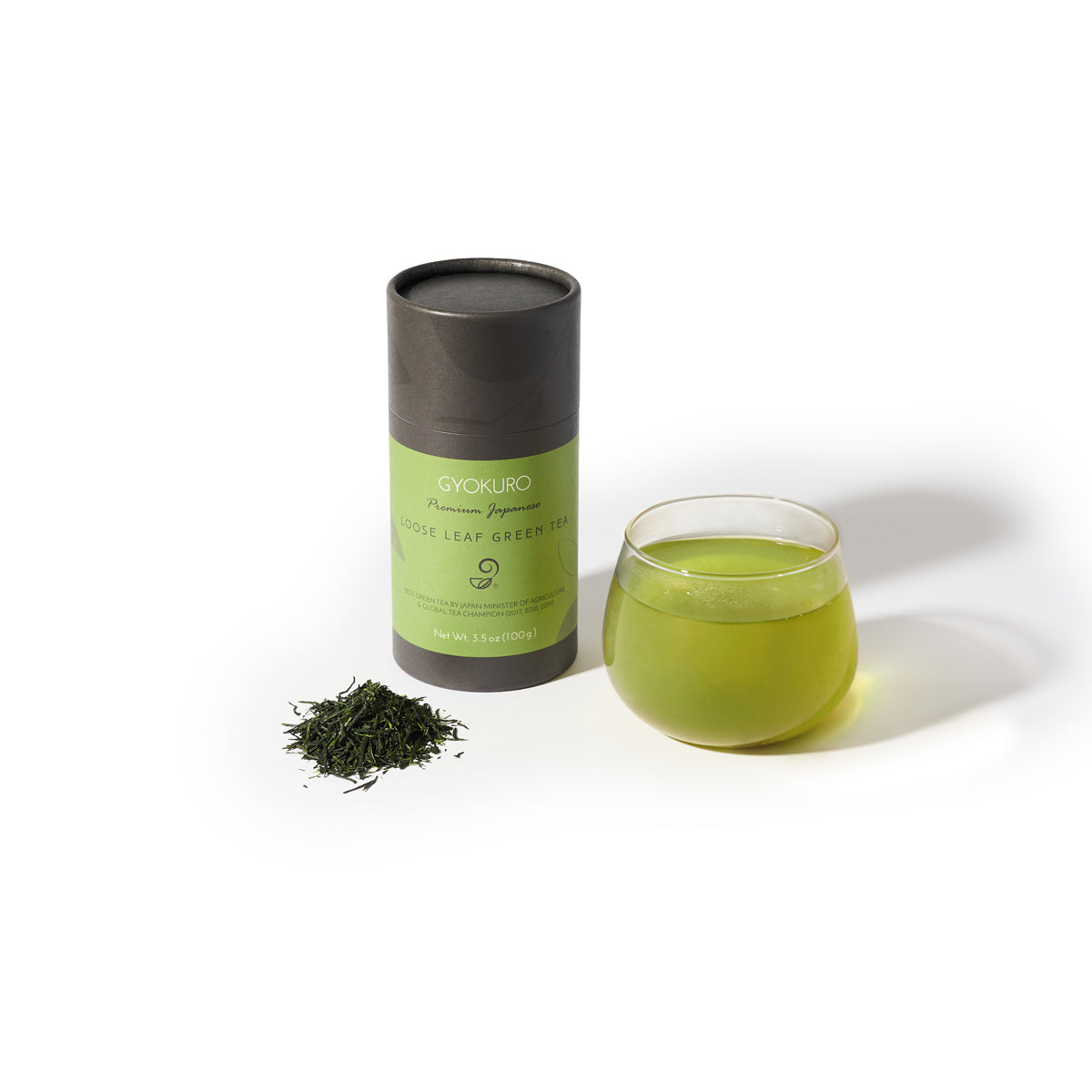
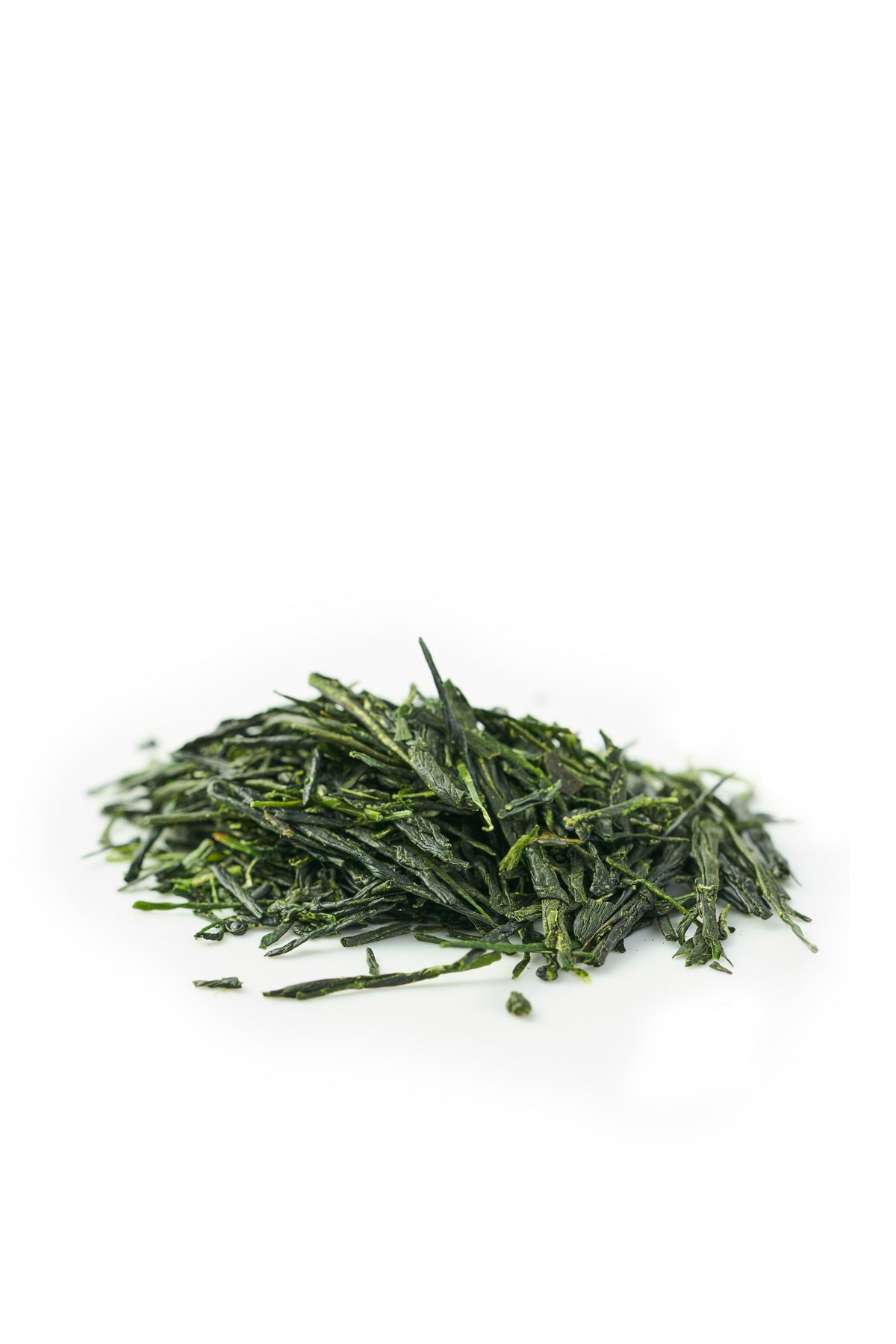
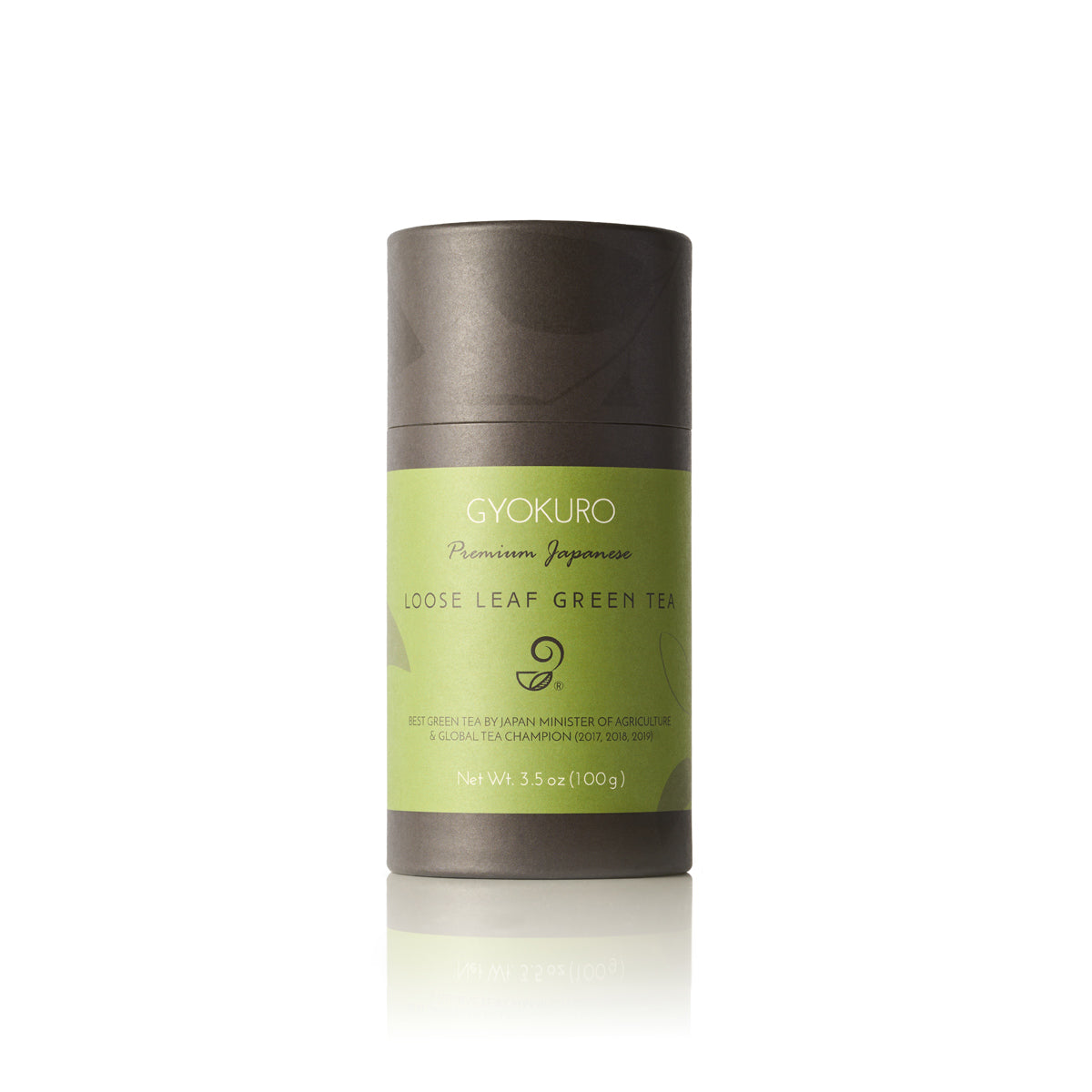
Gyokuro, also known as "jade dew" or "jewel dew tea," is a premium Japanese green tea shaded from the sun for 20 days using specially made mats, a method that boosts caffeine levels and strengthens amino acids to create a sweeter, richer flavor. This extended shading process results in dark, mossy green leaves with an unmistakable aroma and a complex taste that is layered yet balanced. Cultivated by the Chagusaba method in nutrient-rich sugarcane soil and made from the Yabukita cultivar, this loose-leaf authentic Gyokuro is offered in a high-quality, air-tight paper tube canister (chyazutsu) to preserve its exceptional freshness and flavor. Each 3.5 oz (100g) full-size package steeps 30–40 cups, and a convenient single-serve sample is also available.

45 reviews

Hojicha - Roasted Green Tea

$25.00
Quick view

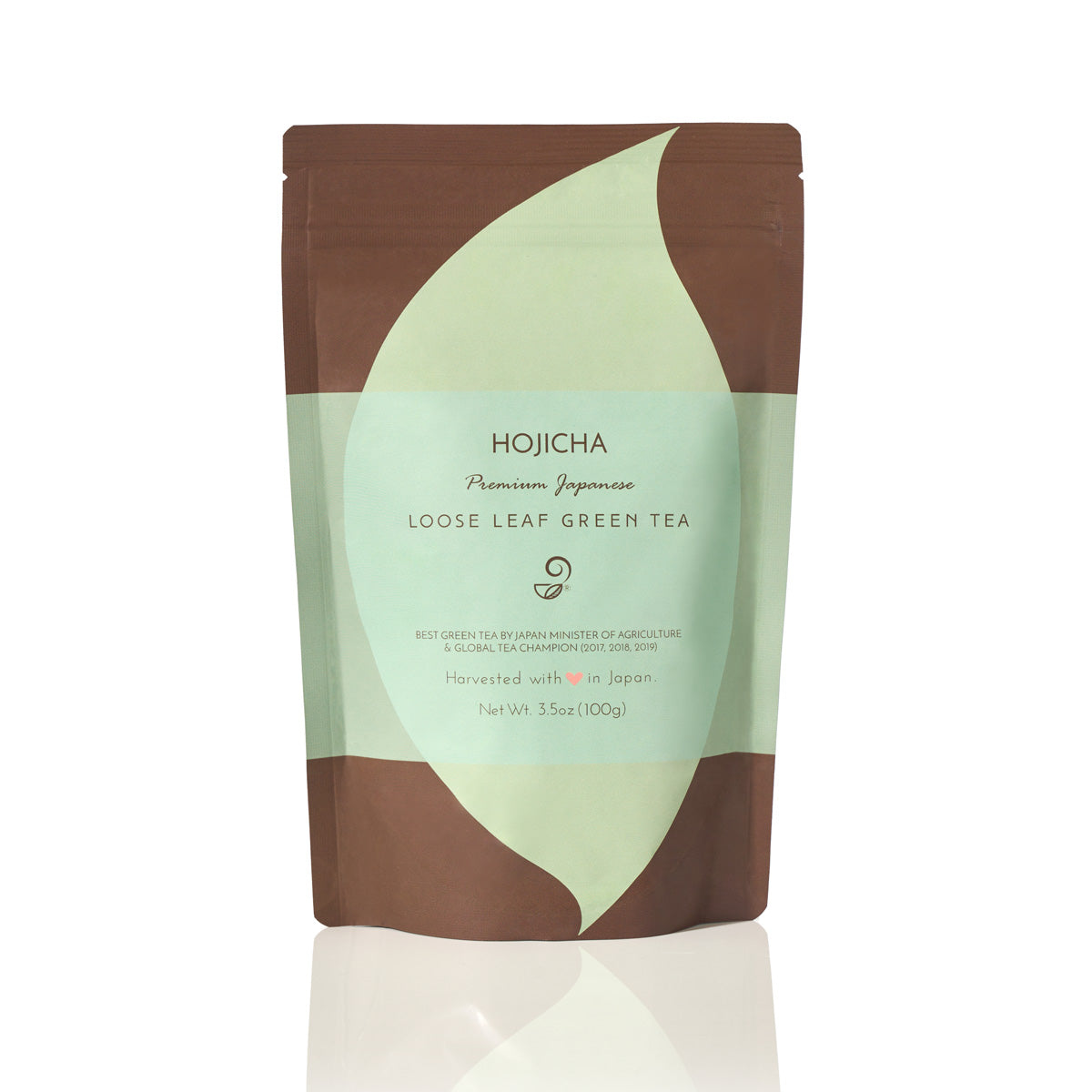
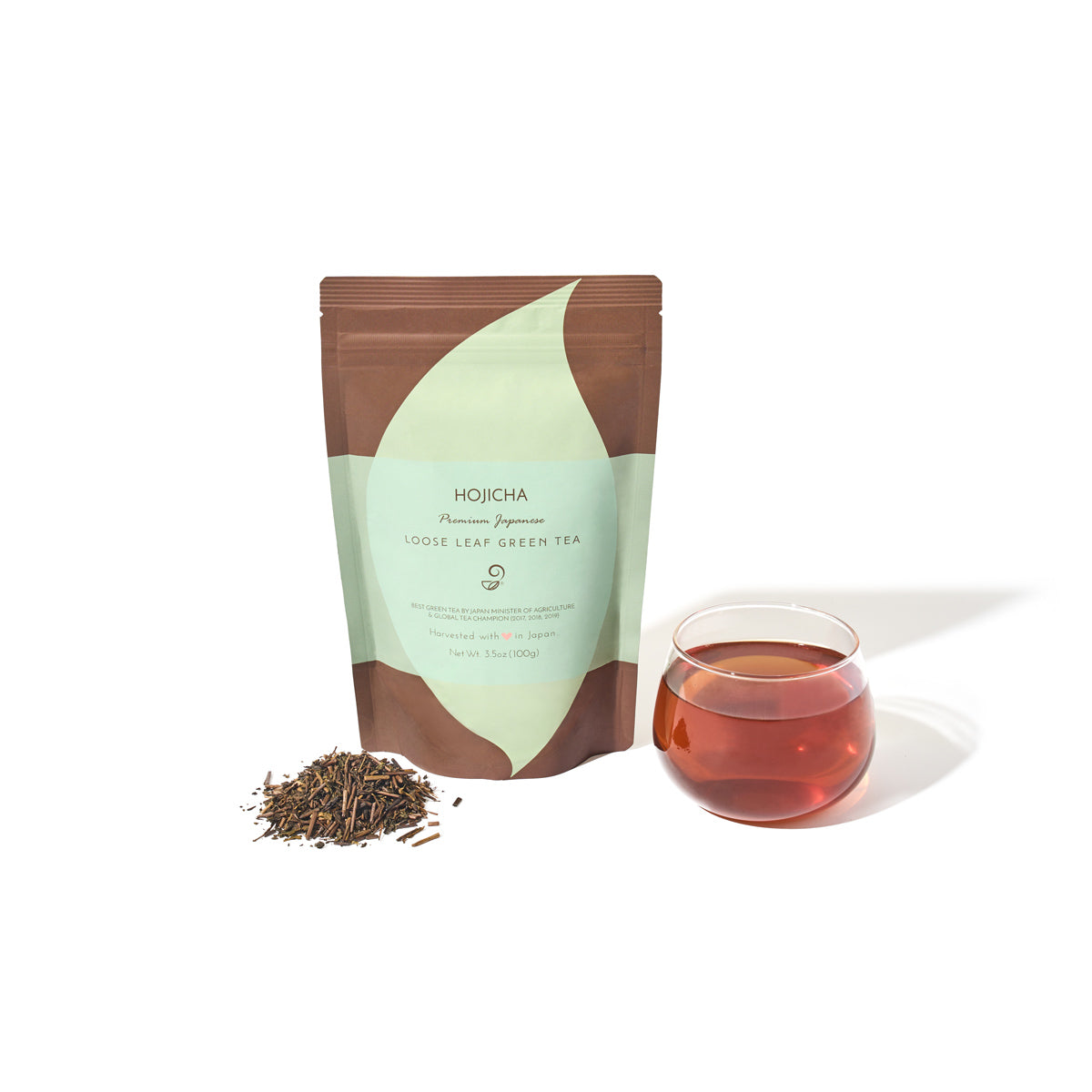
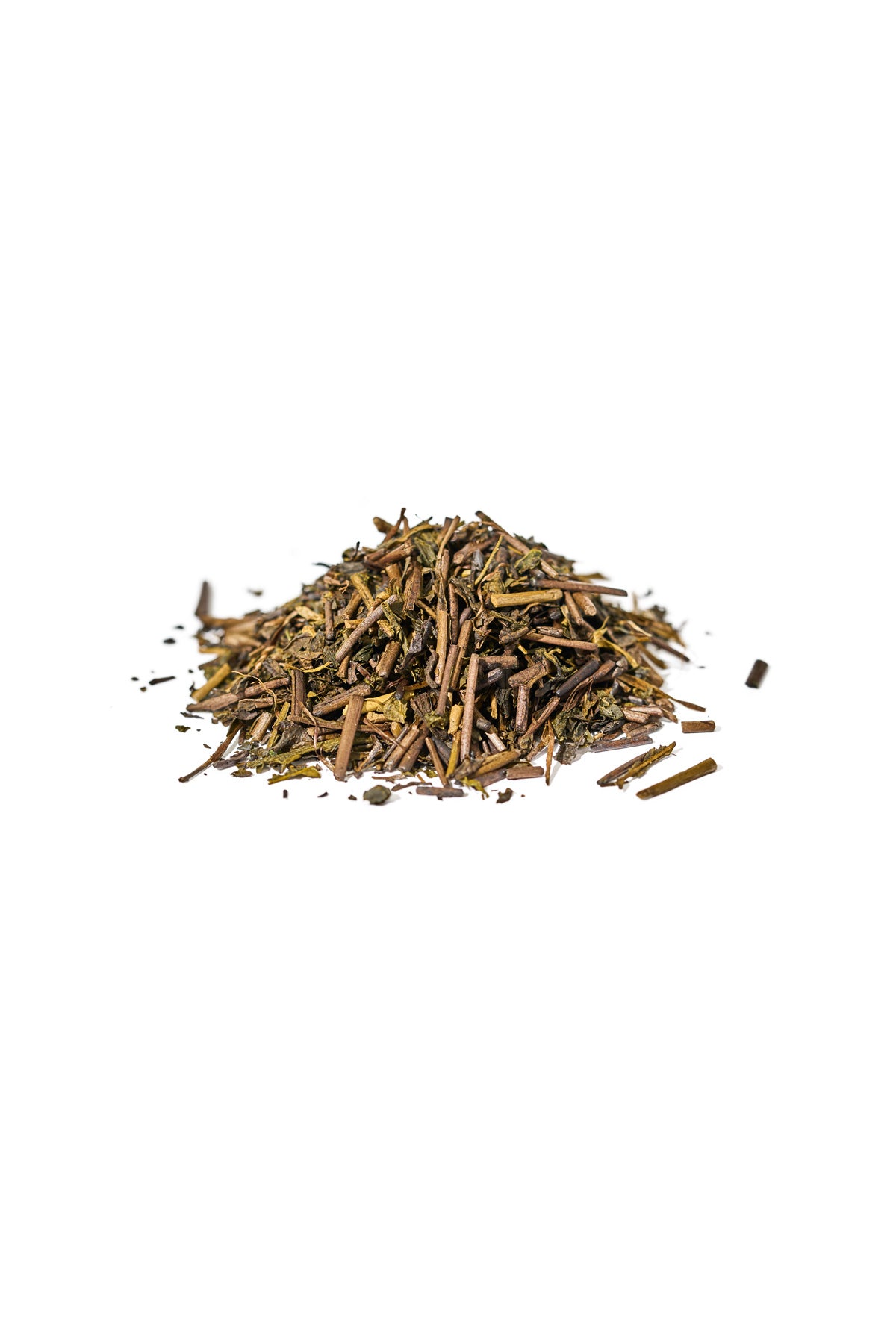
Our roasted green tea, known as hojicha (ほうじ茶), is crafted from freshly harvested premium green tea carefully roasted in porcelain over charcoal to maximize flavor while retaining more catechins than typical hojicha on the market. With lower caffeine and a smoother, less bitter taste compared to steamed green tea, it is an ideal choice for evening relaxation and is gentle enough for kids and pregnant women. Cultivated using the Chagusaba method in nutrient-rich sugarcane soil, this loose-leaf authentic Japanese roasted green tea, made from the Yabukita cultivar, also pairs beautifully with oily foods. Each eco-friendly resealable package contains 3.5 oz (100g) of tea, enough to steep 30–40 comforting cups.

80 reviews

Matcha - Ceremonial Japanese Powdered Green Tea

$39.00
Quick view

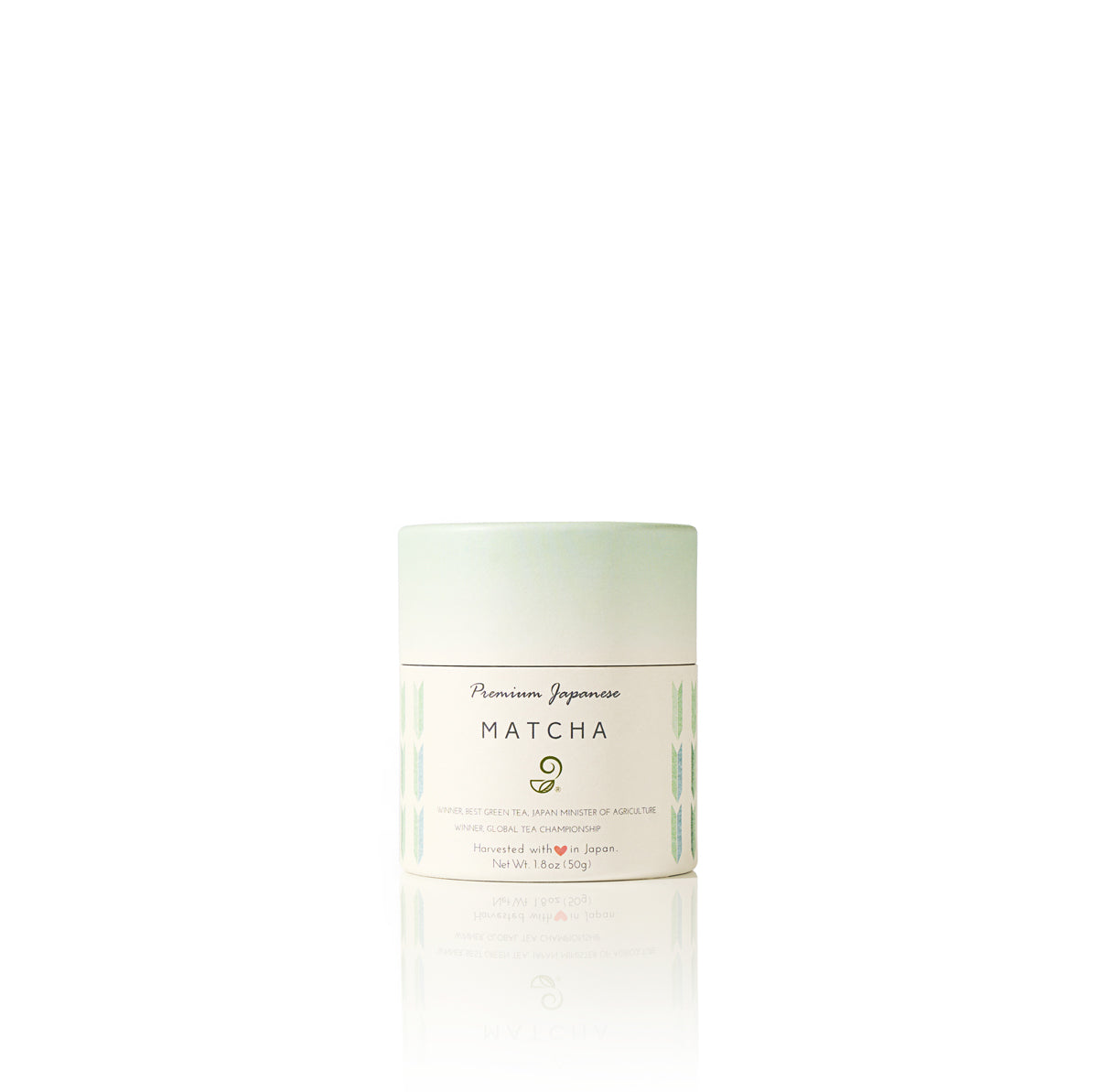
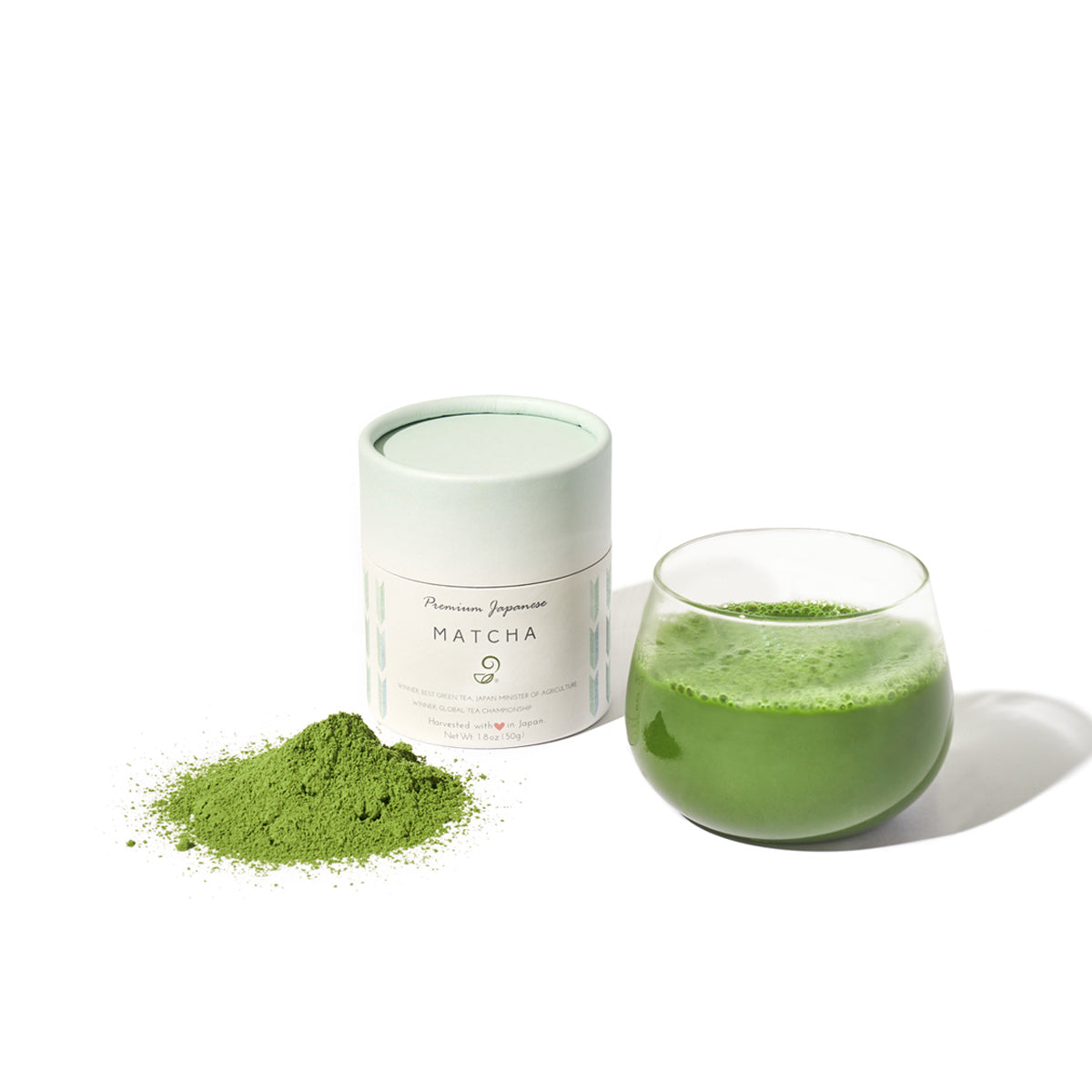
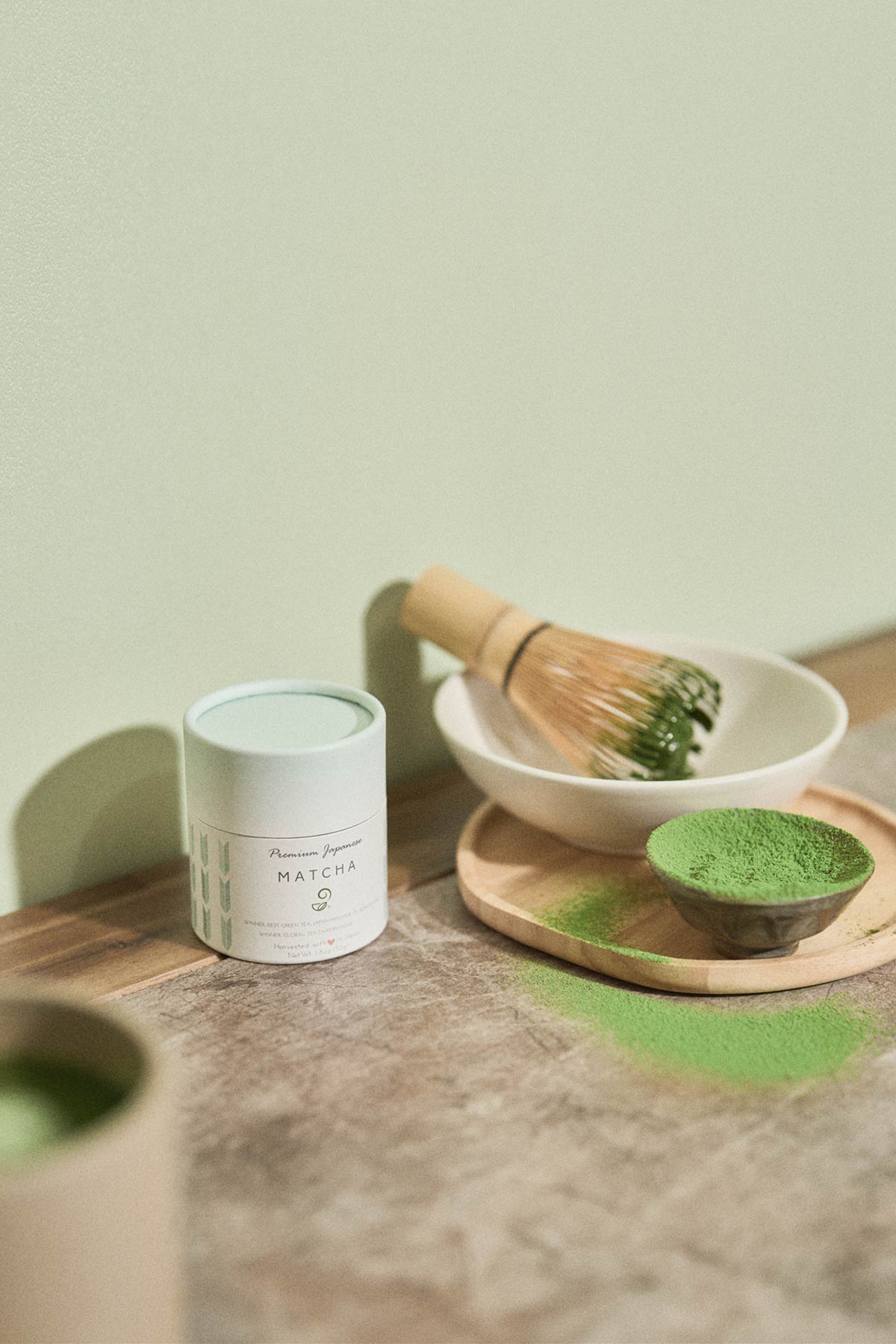
This ceremonial matcha is crafted from the finest Japanese green tea, grown in nutrient-rich soil enhanced with compostable grasses and sugarcane through the Chagusaba method, which gives the tea a natural sweetness and exceptional flavor. In collaboration with researchers from Shizuoka University, farmers ensure that the soil quality consistently produces tea of the highest standard.

Renowned among top Japanese chefs for its unmatched aroma, this matcha is made by carefully shading the plants before harvest to boost caffeine and amino acids, then meticulously drying, de-stemming, and grinding the leaves into a fine powder. Made from the Yabukita cultivar, this 1.8 oz (50g) matcha comes in a high-quality, air-tight paper tube canister, providing a luxurious and authentic Japanese tea experience.

42 reviews

Genmaicha - Green Tea with Roasted Brown Rice

$30.00
Quick view

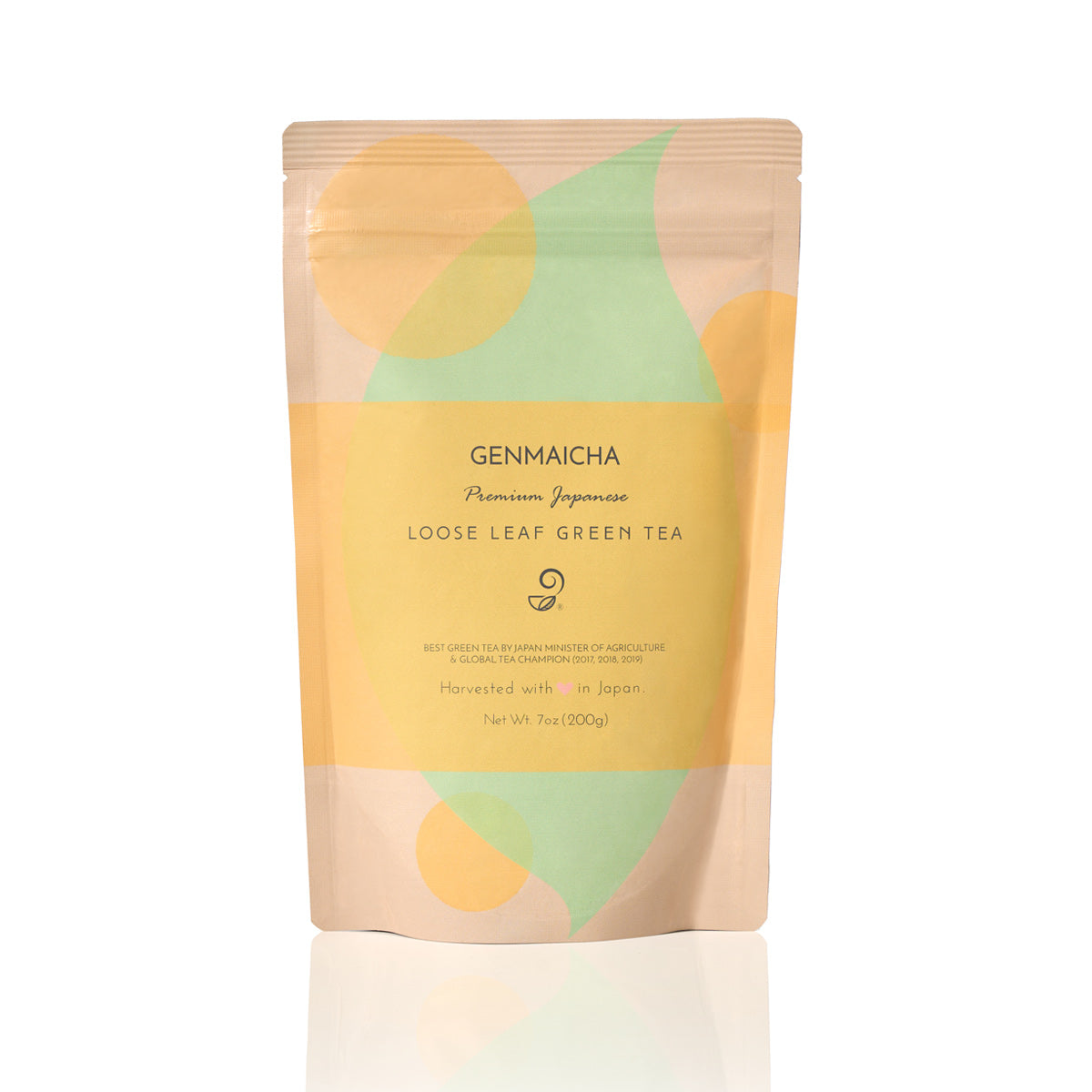
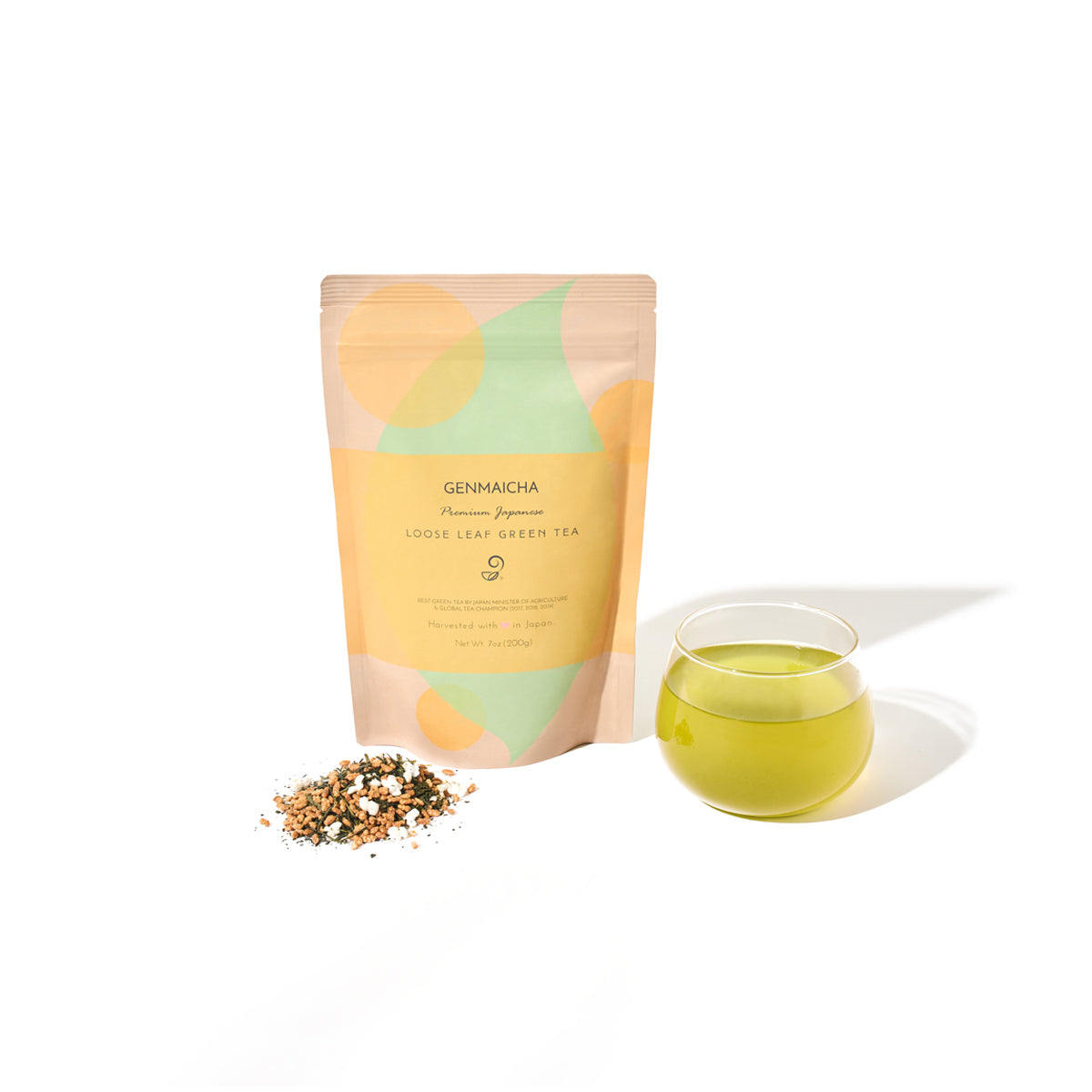
Our premium Japanese Genmaicha blends high-quality green tea with roasted popped brown rice (genmai 玄米), often nicknamed "popcorn tea" because the roasting process sounds like popcorn popping. Popular especially among the older generation in Japan for its mild flavor and lower caffeine content, this tea is easier on the stomach while still offering a rich, comforting taste. The brown rice used is premium Japanese mochi-gome (もち米) sticky rice, enhancing the tea’s nutty, aromatic profile. Made from Fukamushi Sencha and cultivated using the Chagusaba method in nutrient-rich sugarcane soil, this Genmaicha features the Yabukita cultivar and comes in a 7.0 oz (200g) eco-friendly resealable package, enough to steep 50–60 cups.


Related Articles You May Be Interested

Tea vs. Coffee Quiz - 5 Quiz Challenges for you
Is Green Tea Addictive?
Japanese Green Tea vs. Peruvian Tea
Japanese Green Tea vs Chinese Green Tea - 10 battles you don't want to miss
Matcha vs Sencha (Loose-leaf) Green Tea: What Are the Differences?

Get Free Bonus Books

Join Green Tea Club

Sign up for free to the Green Tea Club to get advice and exclusive articles about how to choose Japanese Tea, and tips, tricks, and recipes for enjoying Japanese tea.

Unsubscribe anytime. It’s free!

About the author

Kei Nishida

Kei Nishida

Author, CEO Dream of Japan

info@japanesegreenteain.com

Certification: PMP, BS in Computer Science

Education: Western Washington University

Kei Nishida is a passionate Japanese green tea connoisseur, writer, and the founder and CEO of Japanese Green Tea Co., a Dream of Japan Company.

Driven by a deep desire to share the rich flavors of his homeland, he established the only company that sources premium tea grown in nutrient-rich sugarcane soil—earning multiple Global Tea Champion awards.

Expanding his mission of introducing Japan’s finest to the world, Kei pioneered the launch of the first-ever Sumiyaki charcoal-roasted coffee through Japanese Coffee Co. He also brought the artistry of traditional Japanese craftsmanship to the global market by making katana-style handmade knives—crafted by a renowned katana maker—available outside Japan for the first time through Japanese Knife Co.

Kei’s journey continues as he uncovers and shares Japan’s hidden treasures with the world.

Learn more about Kei Nishida

Related Posts

Our Matcha Is Now at Pillow Talk Cafe in Pasadena — Master Japanese-Inspired Cake Makers

Our matcha is now at Pillow Talk Cafe Pasadena! Meet the cafe, try the Egg Heaven sando & Matchamisu, and see how th

Read More
Simply Donabe — New Cookbook from TOIRO's Naoko-san Is Out!

Simply Donabe is here! We celebrated TOIRO's Naoko-san's new cookbook at a special dinner at Camélia in DTLA — see our p

Read More
Introducing New Product - Meet Hojicha Powder
Introducing A New Product - Meet Hojicha Powder

Discover the game-changing Hojicha powder your kitchen has been waiting for — richer flavor, easier recipes, and surpris

Read More
Leave a comment

Your email address will not be published..

Cart

Your cart is currently empty.

Start Shopping

Select options