Skip to content

Tea Culture Around the World: What Students Can Learn


Tea, a beloved beverage that has transcended boundaries and cultures for centuries, holds a rich tapestry of traditions, customs, and rituals woven into its essence. From the serene tea ceremonies of Japan to the vibrant tea houses of Morocco, the art of tea preparation and consumption offers a gateway to understanding diverse cultural values, histories, and social norms. By studying how different countries cultivate, prepare, and consume tea, students can gain insights into cultural practices and societal values. This knowledge not only broadens their global perspective but also enhances their appreciation for cultural diversity. For those needing to write detailed essays on such topics, an essay writing service like Academized.com can be invaluable. Academized provides expert writing assistance, ensuring students produce well-researched and thoughtfully composed essays, allowing them to focus on learning and exploration.

The Origins and Spread of Tea

To fully appreciate the significance of tea cultures, it is essential to understand the origin and spread of this humble yet revered beverage. Originating in ancient China, tea has been an integral part of the country's cultural heritage for thousands of years. From there, it embarked on a remarkable journey, traveling along the legendary Silk Road and captivating the hearts and palates of people across Asia, Europe, and eventually, the entire globe.

As tea traversed continents and oceans, it adapted to the local customs, beliefs, and preferences of each region, giving rise to a multitude of unique tea traditions. This global dissemination not only showcases the versatility of tea but also serves as a testament to the interconnectedness of human civilizations and the exchange of ideas and cultural practices.

Tea and Mindfulness: The Japanese Tea Ceremony

One of the most revered and well-known tea traditions is the Japanese tea ceremony, or "Chanoyu." Steeped in Zen Buddhist philosophy, this centuries-old ritual celebrates the principles of harmony, respect, purity, and tranquility. Students can learn invaluable lessons about mindfulness, attention to detail, and finding beauty in the simplest of moments.

The intricate choreography of the tea ceremony, from the meticulous preparation of the utensils to the graceful movements of the host, teaches patience, discipline, and respect for tradition. Moreover, the focus on creating a serene atmosphere and fostering a sense of connection between participants underscores the importance of mindfulness and presence in our fast-paced world. Studying tea culture around the world helps students understand global traditions and societal values, and for those needing help with their assignments, using top college essay writing services can ensure their essays are well-written and insightful.

Tea and Hospitality: The Turkish and Moroccan Tea Houses

In the vibrant streets of Istanbul and the bustling medinas of Morocco, tea houses serve as more than mere establishments for consuming beverages; they are hubs of socialization, hospitality, and cultural exchange. Students can gain valuable insights into the art of welcoming guests, fostering community, and embracing diverse perspectives.

The Turkish and Moroccan tea houses are renowned for their warm hospitality, where visitors are greeted with a steaming glass of mint tea, often accompanied by traditional sweets and engaging conversation. These tea houses exemplify the art of creating inclusive spaces where people from all walks of life can come together, share stories, and forge connections.

Tea and Ritual: The British Afternoon Tea Tradition

Across the English countryside and in the grand tea rooms of London, the British afternoon tea ritual has become an iconic cultural tradition. Students can learn valuable lessons about etiquette, social customs, and the importance of taking breaks amidst the hustle and bustle of daily life.

The intricate rituals surrounding afternoon tea, from the delicate handling of fine china to the careful selection of accompanying pastries and sandwiches, teach students the value of attention to detail and appreciation for the finer things in life. Moreover, the practice of setting aside a dedicated time for relaxation, conversation, and indulgence highlights the importance of self-care and finding balance in our hectic schedules.

Tea and Spirituality: The Indian Chai Tradition

In the vibrant streets of India, the aroma of freshly brewed chai (a spiced tea beverage) permeates the air, beckoning passersby to partake in a centuries-old tradition that is deeply rooted in spirituality and community. Students can gain insights into the role of tea in religious and cultural practices, as well as the significance of shared experiences in fostering social cohesion.

The preparation and consumption of chai in India are often accompanied by rituals and ceremonies that reflect the country's rich spiritual heritage. From the use of specific spices and herbs believed to have healing properties to the act of sharing a cup of chai with loved ones, this tea tradition teaches students about the interconnectedness of food, culture, and belief systems.

Tea and Creativity: The Taiwanese Bubble Tea Craze

In the bustling cities of Taiwan, a modern tea phenomenon has taken the world by storm – bubble tea, or "boba." This innovative beverage combines traditional tea with chewy tapioca pearls, creating a unique and playful experience. Students can learn about the power of creativity, innovation, and adapting cultural traditions to contemporary tastes.

The rise of bubble tea not only demonstrates the adaptability of tea culture but also highlights the importance of embracing change and exploring new ideas. By studying the creative process behind this trendy beverage, students can gain valuable insights into the art of blending tradition with modernity, fostering innovation, and appealing to diverse consumer preferences.

Conclusion

As students dive into tea cultures around the world, they embark on a journey that transcends mere academic knowledge. Through the exploration of tea traditions, rituals, and customs, they gain invaluable lessons in mindfulness, hospitality, etiquette, spirituality, and creativity – skills that will serve them well in their personal and professional endeavors.

By understanding the cultural significance of tea, students develop a deeper appreciation for diversity, tradition, and the interconnectedness of human societies. They learn to embrace different perspectives, foster open-mindedness, and cultivate a sense of global citizenship – qualities that are essential in our increasingly interconnected world.

Ultimately, the study of tea cultures around the world offers students a unique opportunity to broaden their horizons, challenge their assumptions, and gain a deeper understanding of the richness and complexity of human experiences. Through this exploration, they not only expand their knowledge but also nurture their personal growth, equipping themselves with the tools to navigate the complexities of our global society with wisdom, empathy, and respect.

FAQs about Tea Culture Around the World

Where did tea actually originate, and how did it spread around the world?

Tea originated in southwestern China, most likely in Yunnan Province, somewhere between 4,000 and 5,000 years ago. Legend has it that Emperor Shennong (神農) discovered tea by accident around 2737 BCE when leaves blew into his pot of boiling water. Whether the story is literal or not, the archaeology supports a Chinese origin in roughly that region and roughly that timeframe.

From there, tea spread along the Silk Road into the rest of Asia — Japan got it through Buddhist monks returning from China around the 9th century, Korea around the same time. By the 16th century, Portuguese traders had brought it to Europe, and the British East India Company turned it into a global commodity from the 17th century onward. The cultivation in India (Assam, Darjeeling) and Sri Lanka was largely a 19th-century British colonial project to break the Chinese monopoly.

So when you drink any cup of tea anywhere in the world, you're holding a 5,000-year chain of cultural transmission in your hand. That's part of what makes it such a fascinating subject to study.

What can students actually learn from studying tea cultures around the world?

Honestly, more than you'd think. A single beverage that's traveled across continents picks up so many cultural fingerprints along the way that it ends up being a kind of lens for studying entire societies. The way Japan transformed tea into the rigorous, meditative chanoyu (茶の湯) ceremony reflects very different cultural values than the way Britain turned it into a leisurely afternoon tea or the way Morocco made it into a multi-generational hospitality ritual with mint and sugar.

From an academic angle, tea touches on history (trade routes, colonialism), economics (one of the first global commodities), agriculture (terroir, cultivars, climate impacts), religion (Zen Buddhism, Sufism), gender studies (who served tea and who drank it across cultures), and material culture (the design of teaware, from kintsugi-mended chawan to British porcelain). It's a small object that opens up a lot of doors.

For students writing on the subject, the key is picking a specific angle and going deep rather than trying to cover everything. "How tea ceremony reflects wabi-sabi philosophy" is a more useful essay than "the history of tea worldwide."

How is the Japanese tea ceremony different from other tea traditions globally?
Honestly, the Japanese tea ceremony — chanoyu (茶の湯) or sadō (茶道) — is unusually structured compared to most other tea cultures. British afternoon tea is leisurely and social. Moroccan mint tea is hospitable and casual, poured high to create foam. Chinese gongfu cha is technical but flexible. Japanese tea ceremony, particularly the matcha-based formal version, has hundreds of years of codified gestures, postures, and steps that practitioners study for decades.

The philosophical underpinning also differs. Chanoyu is rooted in Zen Buddhism and the principle of ichi-go ichi-e (一期一会) — the idea that each gathering is a once-in-a-lifetime encounter, never to be repeated even if the same people meet again next week. That's a very specific kind of mindfulness that other tea traditions don't quite emphasize the same way. The result is a ritual where every detail — the placement of utensils, the temperature of the water, the seasonal flowers in the alcove — carries weight. If you'd like to taste what kind of tea informs that ritual, a sencha (煎茶) sampler is a gentle entry point.

That doesn't make Japanese tea ceremony better or worse than other traditions. It just makes it distinct in how much weight it places on the structure of the moment itself.

What do tea customs reveal about a country's social values?

A lot, actually. Tea is one of those small daily rituals that picks up the values of whoever is doing it. In Britain, afternoon tea originated as a 19th-century aristocratic leisure practice and still carries class signaling. In Morocco, tea is poured by the host (often the family patriarch) and the pour itself, from height, signals respect for guests — refusing tea is a real social gesture. In China, the youngest at the table traditionally pours for elders as a sign of respect.

In Japan, the way tea ceremony emphasizes ichi-go ichi-e tells you something about how Japanese culture relates to time and impermanence. The way both host and guest follow precise gestures suggests a culture that values shared discipline over individual expression. The fact that the host kneels lower than the guest at certain points reflects a particular kind of hierarchical hospitality.

None of this is universal across all Japanese people, of course — it's an idealized cultural form, not a description of how everyone in Japan drinks tea. But like any ritualized form, it amplifies certain underlying cultural priorities so they're easier to see.

How can someone taste their way through different global tea cultures at home?

Honestly, the easiest way is to start with one cup at a time and treat each as a focused experience. Get a Japanese sencha (煎茶) and brew it at 175°F for two minutes. Then try a Chinese long jing or dragonwell from the same family, brewed the same way. Notice the differences. Then move to a black tea — Assam, Darjeeling, Earl Grey — and observe how the same brewing rules don't quite apply.

From there you can branch out. Moroccan-style mint tea (Chinese gunpowder green tea with fresh mint and a lot of sugar). British style with milk. Taiwanese oolong, brewed gongfu-style in small repeated infusions. Russian samovar tea cut with hot water. Argentine yerba mate (technically not tea, but cultural cousin). Each one teaches you something different about how the same plant can be transformed by culture.

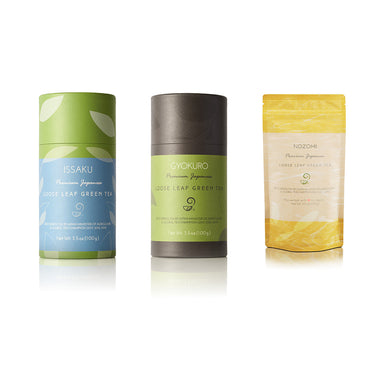
If you want a starter set focused on the Japanese side, our Sencha Lover Gift Set gives you a few different farms next to each other so you can learn what "sencha" tastes like before comparing it to anything else.

Related products

8 reviews

The Sencha Lover Gift Set - Premium Japanese Green Tea Set Package
$179.00 $159.99
Quick view

This tea set features three exceptional Japanese green teas, each crafted with care and traditional techniques. Issaku Reserve, a Global Tea Champion winner in 2017 and 2019, is a rare masterpiece created by Farm Master Mr. Arahata at Arahataen Green Tea Farm. Handpicked once a year from the first flush and processed with advanced methods, Issaku represents the highest-grade deep-steamed green tea, available only in limited quantities even in Japan.

The set also includes Gyokuro, a premium shaded green tea known for its rich, sweet flavor and deep mossy green color. Grown under special mats for 20 days to increase caffeine and amino acid levels, Gyokuro offers a layered, smooth taste unlike any other. Completing the collection is Nozomi, a fine Kabuse-cha, or "Covered Green Tea," carefully grown under nets to gently shade the leaves just before new sprouts emerge, resulting in a soft, rich, and refined flavor profile.

97 reviews

Gyokuro - Shaded Imperial Premium Green Tea

$65.00
Quick view

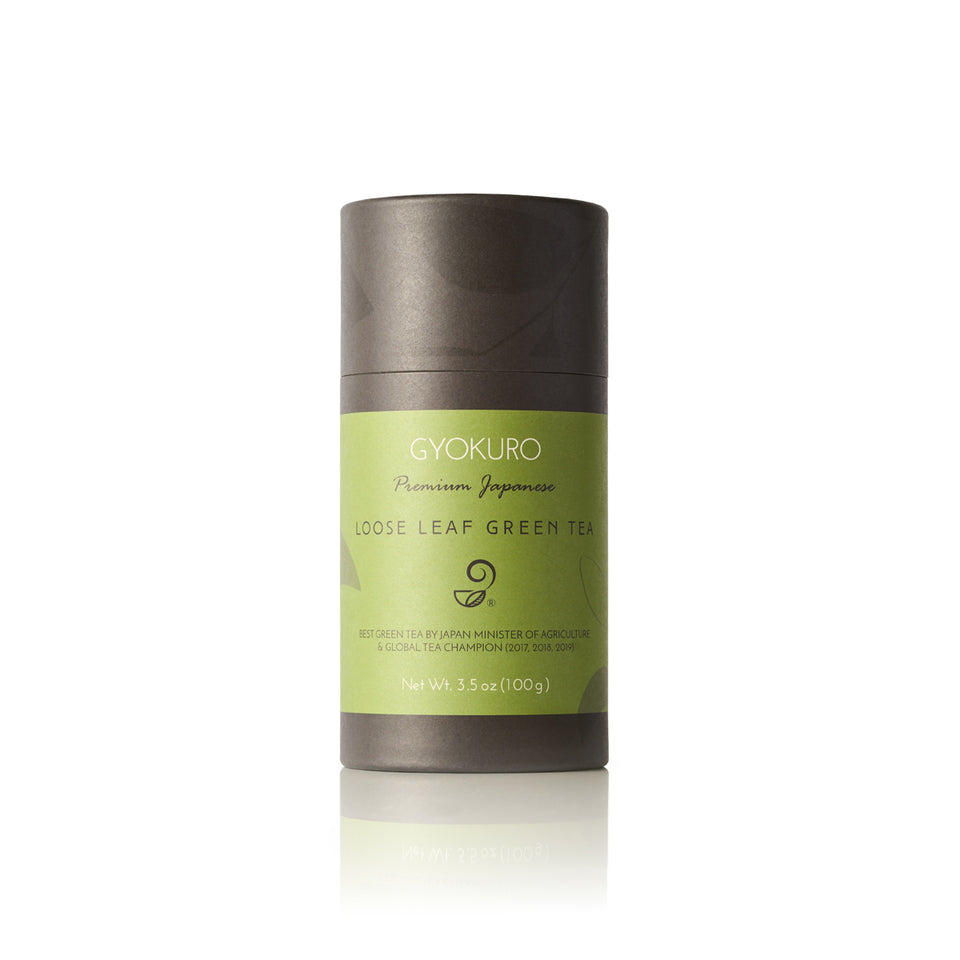
Gyokuro, also known as "jade dew" or "jewel dew tea," is a premium Japanese green tea shaded from the sun for 20 days using specially made mats, a method that boosts caffeine levels and strengthens amino acids to create a sweeter, richer flavor. This extended shading process results in dark, mossy green leaves with an unmistakable aroma and a complex taste that is layered yet balanced. Cultivated by the Chagusaba method in nutrient-rich sugarcane soil and made from the Yabukita cultivar, this loose-leaf authentic Gyokuro is offered in a high-quality, air-tight paper tube canister (chyazutsu) to preserve its exceptional freshness and flavor. Each 3.5 oz (100g) full-size package steeps 30–40 cups, and a convenient single-serve sample is also available.

45 reviews

Hojicha - Roasted Green Tea

$25.00
Quick view

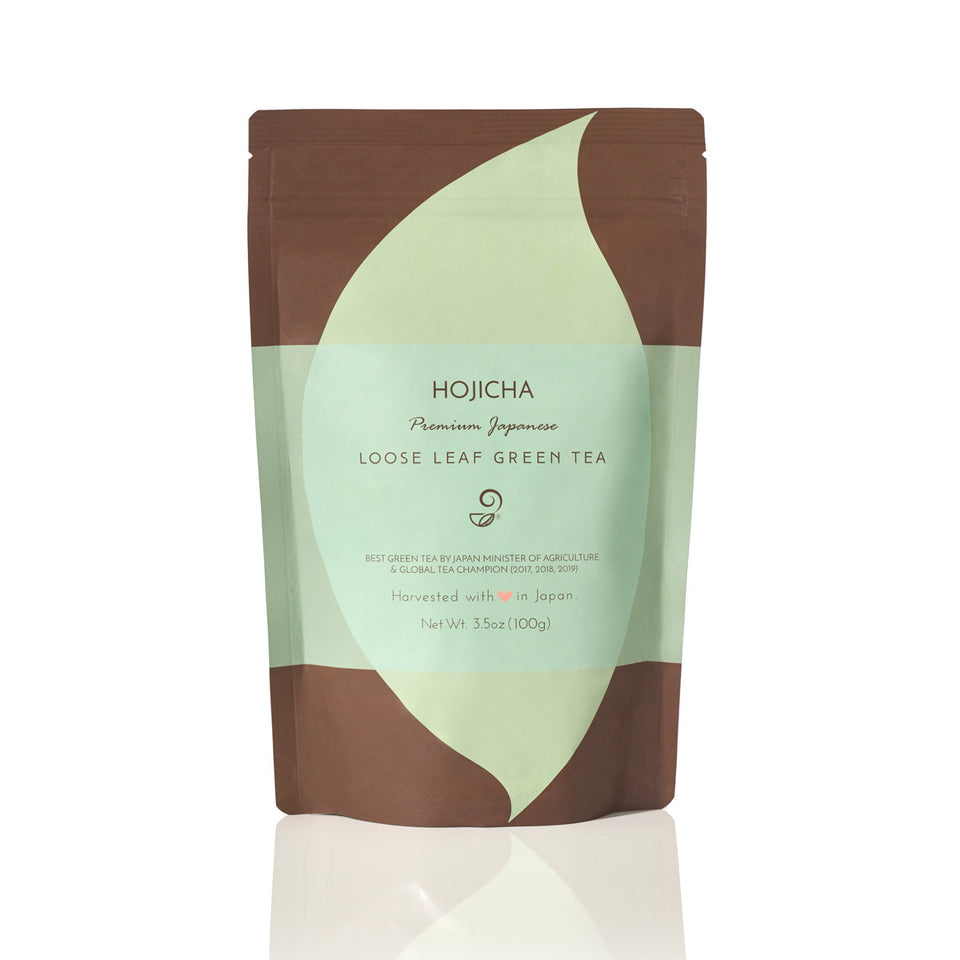
Our roasted green tea, known as hojicha (ほうじ茶), is crafted from freshly harvested premium green tea carefully roasted in porcelain over charcoal to maximize flavor while retaining more catechins than typical hojicha on the market. With lower caffeine and a smoother, less bitter taste compared to steamed green tea, it is an ideal choice for evening relaxation and is gentle enough for kids and pregnant women. Cultivated using the Chagusaba method in nutrient-rich sugarcane soil, this loose-leaf authentic Japanese roasted green tea, made from the Yabukita cultivar, also pairs beautifully with oily foods. Each eco-friendly resealable package contains 3.5 oz (100g) of tea, enough to steep 30–40 comforting cups.

80 reviews

Matcha - Ceremonial Japanese Powdered Green Tea

$39.00
Quick view

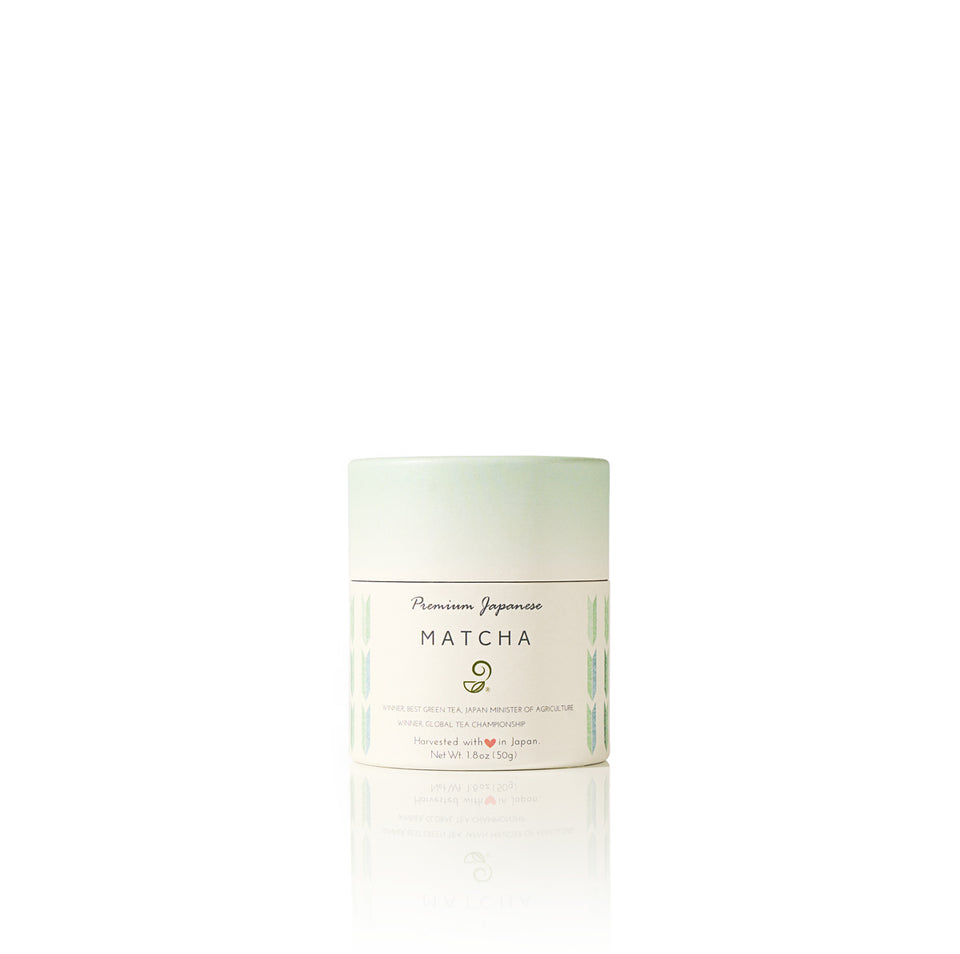
This ceremonial matcha is crafted from the finest Japanese green tea, grown in nutrient-rich soil enhanced with compostable grasses and sugarcane through the Chagusaba method, which gives the tea a natural sweetness and exceptional flavor. In collaboration with researchers from Shizuoka University, farmers ensure that the soil quality consistently produces tea of the highest standard.

Renowned among top Japanese chefs for its unmatched aroma, this matcha is made by carefully shading the plants before harvest to boost caffeine and amino acids, then meticulously drying, de-stemming, and grinding the leaves into a fine powder. Made from the Yabukita cultivar, this 1.8 oz (50g) matcha comes in a high-quality, air-tight paper tube canister, providing a luxurious and authentic Japanese tea experience.

42 reviews

Genmaicha - Green Tea with Roasted Brown Rice

$30.00
Quick view

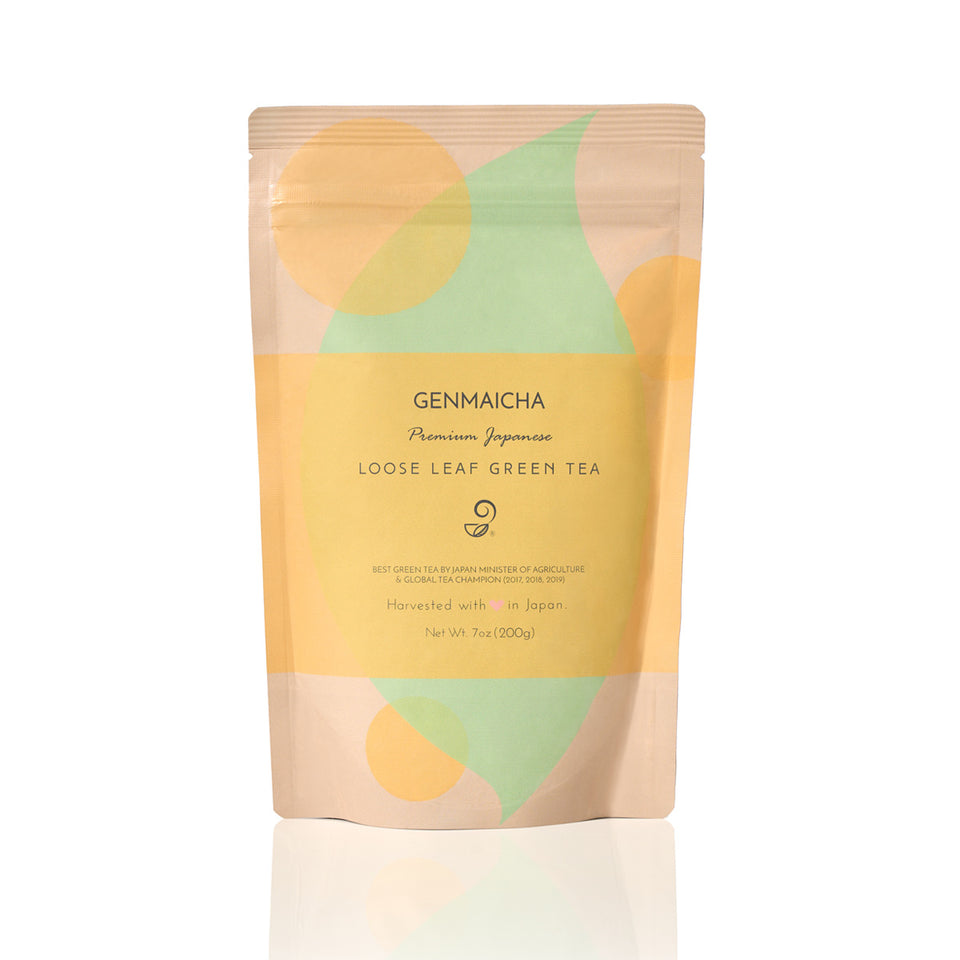
Our premium Japanese Genmaicha blends high-quality green tea with roasted popped brown rice (genmai 玄米), often nicknamed "popcorn tea" because the roasting process sounds like popcorn popping. Popular especially among the older generation in Japan for its mild flavor and lower caffeine content, this tea is easier on the stomach while still offering a rich, comforting taste. The brown rice used is premium Japanese mochi-gome (もち米) sticky rice, enhancing the tea’s nutty, aromatic profile. Made from Fukamushi Sencha and cultivated using the Chagusaba method in nutrient-rich sugarcane soil, this Genmaicha features the Yabukita cultivar and comes in a 7.0 oz (200g) eco-friendly resealable package, enough to steep 50–60 cups.


Related Articles You May Be Interested

Japanese Green Tea and Meditation
Japanese Green Tea vs Italian Tea
Japanese Green Tea vs Italian Tea - Personal account of tea in Italy from my recent Italy trip
Sen No Rikyu – The Tea Master that Changed Japanese Tea Culture Forever
The Romance and History of Green Tea
Super Mario and Japanese Green Tea

Get Free Bonus Books

Join Green Tea Club

Sign up for free to the Green Tea Club to get advice and exclusive articles about how to choose Japanese Tea, and tips, tricks, and recipes for enjoying Japanese tea.

Unsubscribe anytime. It’s free!

About the author

Kei Nishida

Kei Nishida

Author, CEO Dream of Japan

info@japanesegreenteain.com

Certification: PMP, BS in Computer Science

Education: Western Washington University
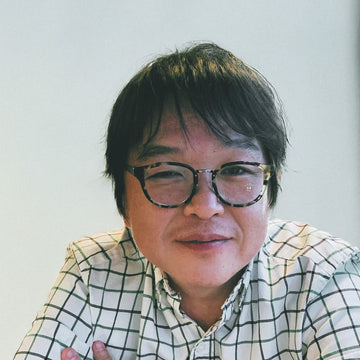
Kei Nishida is a passionate Japanese green tea connoisseur, writer, and the founder and CEO of Japanese Green Tea Co., a Dream of Japan Company.

Driven by a deep desire to share the rich flavors of his homeland, he established the only company that sources premium tea grown in nutrient-rich sugarcane soil—earning multiple Global Tea Champion awards.

Expanding his mission of introducing Japan’s finest to the world, Kei pioneered the launch of the first-ever Sumiyaki charcoal-roasted coffee through Japanese Coffee Co. He also brought the artistry of traditional Japanese craftsmanship to the global market by making katana-style handmade knives—crafted by a renowned katana maker—available outside Japan for the first time through Japanese Knife Co.

Kei’s journey continues as he uncovers and shares Japan’s hidden treasures with the world.

Learn more about Kei Nishida

Related Posts

Meet Eijiro Tsukada (塚田英次郎): The Charismatic Businessman Behind Cuzen Matcha — Now Available at Japanese Green Tea Co.

Meet Eijiro Tsukada — the man behind Cuzen Matcha. Full guide to the award-winning Matcha Maker, the Pro, and why we're

Read More
Behold: Balmuda's "The MoonKettle" — Where Boiling Water Becomes Art

We were privileged to be invited by Balmuda's Private MoonKettle Launch Event. Here are videos of it and everything you

Read More
OC Japan Fair April 2026 — Visit Us at Booth #A8!
OC Japan Fair Spring 2026 Recap (April 3 - 5 2026)

We were at OC Japan Fair again! April 3-5 2026 with new products, Miki Pon's art debut and more. Here is a recap video f

Read More
Leave a comment

Your email address will not be published..

Cart

Your cart is currently empty.

Start Shopping

Select options