

This is part 2 of Green Tea Science series. In this article, I will answer 7 commonly asked questions about green tea and its element: Tannin and Gallic Acid, and I will focus on how you can benefit from it.
If you have not yet read the previous part you can read Part 1 of Green Tea Science : Polyphenols, Catechines and EGCG by clicking here.
Part 2 : Tannin, Gallic Acid and Green Tea - 7 Answers to Commonly Asked Questions and How You Can Benefit
- What is the difference/relationship between tannins, polyphenols and gallic acid?
- What are tannins and how do they affect humans?
- What is gallic acid and how does it affect humans?
- How many tannins and gallic acid are in green tea, and how does the amount compare to other types of tea or food?
- Who should take tannins and gallic acid?
- Are there any side effects associated with tannins and gallic acid?
- What is the most effective way to take polyphenols?

Tannin
1. What is the difference/relationship between tannins, polyphenols and gallic acid
Polyphenols, or phytochemicals, are a class of micronutrients found in plants. Polyphenols act as chelators to remove toxic metals from the blood stream and tissues and are also considered to be one of the most powerful antioxidants. Scientists have discovered over 4000 polyphenol compounds including tannins and gallic acid, which are a subset of polyphenols. When polyphenols, such as tannins and gallic acid, are combined, naturally or synthetically, they work synergistically to provide more potent benefits. Gallic acid is considered a subtype of tannins and while gallic acid and tannins share similar molecular structures in their organic forms, tannins are converted into gallic acid when consumed, due to oxidization of the tannin molecules.
Tannins are often referred to as the “bitter compounds” in plants, contributing to the astringent taste found in tea, wine, and certain fruits. While their taste may sometimes be sharp, this bitterness is also an indicator of their bioactive potential. On the other hand, gallic acid is milder in flavor but highly concentrated in its antioxidant properties. This balance between tannins and gallic acid demonstrates how different polyphenols within the same category can play complementary roles in both plant defense mechanisms and human health.
Research has also shown that the relationship between tannins, polyphenols, and gallic acid extends beyond nutrition, playing a role in medicinal and therapeutic applications. Tannins are widely studied for their ability to bind with proteins, which is why they have been used historically in leather tanning and traditional herbal remedies. Gallic acid, meanwhile, is being investigated for its potential use in pharmaceuticals due to its antimicrobial, anti-carcinogenic, and anti-inflammatory properties. Together, these compounds illustrate how a single category of plant-based micronutrients can branch into diverse and impactful areas of science, health, and industry.

Tannins are often referred to as the “bitter compounds” in plants, contributing to the astringent taste found in tea, wine, and certain fruits. While their taste may sometimes be sharp, this bitterness is also an indicator of their bioactive potential. On the other hand, gallic acid is milder in flavor but highly concentrated in its antioxidant properties. This balance between tannins and gallic acid demonstrates how different polyphenols within the same category can play complementary roles in both plant defense mechanisms and human health.
Research has also shown that the relationship between tannins, polyphenols, and gallic acid extends beyond nutrition, playing a role in medicinal and therapeutic applications. Tannins are widely studied for their ability to bind with proteins, which is why they have been used historically in leather tanning and traditional herbal remedies. Gallic acid, meanwhile, is being investigated for its potential use in pharmaceuticals due to its antimicrobial, anti-carcinogenic, and anti-inflammatory properties. Together, these compounds illustrate how a single category of plant-based micronutrients can branch into diverse and impactful areas of science, health, and industry.
2. What are tannins and how do they affect humans?
Tannins are plant-derived organic compounds found in bark, fruit skins, seeds, tea leaves and other plant sources. Tannins have been shown to contain antimicrobial, antiviral and antifungal properties. As a potent antioxidant, tannins provide protection from the oxidization of cells caused by free radicals. This benefit, in addition to tannins ability to reduce inflammation and prevent gene mutation may protect against the development of certain cancers. Tannins may also be useful as a dietary aid for weight-loss due to their interference with the conversion of certain nutrients and food substances during the digestive process.
Beyond their health effects, tannins are also known for their sensory impact on the human palate. The dry, puckering sensation you feel when drinking red wine or strong green tea is largely due to tannins binding to proteins in saliva. This astringency, while sometimes perceived as unpleasant, is actually a natural indicator of the presence of beneficial polyphenols. In moderate amounts, this interaction can enhance digestion by stimulating salivary enzymes and improving gut activity.
Scientific research also suggests that tannins may contribute to cardiovascular health. By reducing oxidative stress and lowering LDL cholesterol levels, they help maintain healthier blood vessels and reduce the risk of atherosclerosis. Additionally, tannins have been observed to modulate gut microbiota, fostering the growth of beneficial bacteria while suppressing harmful strains. This dual role in both systemic and digestive health makes tannins an important component of plant-based diets and a valuable factor in the protective benefits of green tea.
Beyond their health effects, tannins are also known for their sensory impact on the human palate. The dry, puckering sensation you feel when drinking red wine or strong green tea is largely due to tannins binding to proteins in saliva. This astringency, while sometimes perceived as unpleasant, is actually a natural indicator of the presence of beneficial polyphenols. In moderate amounts, this interaction can enhance digestion by stimulating salivary enzymes and improving gut activity.
Scientific research also suggests that tannins may contribute to cardiovascular health. By reducing oxidative stress and lowering LDL cholesterol levels, they help maintain healthier blood vessels and reduce the risk of atherosclerosis. Additionally, tannins have been observed to modulate gut microbiota, fostering the growth of beneficial bacteria while suppressing harmful strains. This dual role in both systemic and digestive health makes tannins an important component of plant-based diets and a valuable factor in the protective benefits of green tea.
3. What is gallic acid and how does it affect humans?
Gallic acids, also called hydroxybenzoic acids, are colorless naturally-occuring crystalline compounds found in all plants. Abundant sources include blueberries, flaxseeds, and tea leaves. As an antioxidant, gallic acid provides cellular protection from free radicals. Gallic acid has also proven to be an effective anti-inflammatory agent and may reduce the symptoms of arthritis, lupus, and other inflammatory conditions such as allergies. Gallic acid promotes the release of insulin and is being studied for its potential benefit in the treatment and prevention of diabetes. It addition to its direct health benefits when consumed, gallic acid also provides protection against aflatoxins produced by fungus during storage and is used to preserve foods such as corn, wheat and nuts, which are susceptible to aflatoxin contamination. Gallic acid's antifungal properties not only fight fungus in the gut when consumed but also acts as a natural preservative for green tea as well.
In addition to its antioxidant and anti-inflammatory effects, gallic acid has attracted interest for its potential anti-cancer properties. Research suggests that gallic acid can trigger apoptosis, or programmed cell death, in harmful cells while sparing healthy ones. This selective action makes it a promising candidate for cancer prevention and therapy, particularly in conditions linked to oxidative stress and chronic inflammation. Early studies have also hinted at its ability to enhance the effects of certain chemotherapy drugs, showing how natural compounds can complement modern medicine.
Gallic acid may also play a role in protecting the brain and nervous system. Scientists have observed neuroprotective effects that could slow down cognitive decline and shield neurons from oxidative damage, making it a potential ally against neurodegenerative diseases such as Alzheimer’s and Parkinson’s. Its ability to cross the blood-brain barrier and act directly on neural tissues adds another layer of significance to this plant-based compound. Combined with its broad spectrum of benefits for immunity, metabolism, and cellular defense, gallic acid stands out as one of the most versatile and impactful polyphenols found in nature.
In addition to its antioxidant and anti-inflammatory effects, gallic acid has attracted interest for its potential anti-cancer properties. Research suggests that gallic acid can trigger apoptosis, or programmed cell death, in harmful cells while sparing healthy ones. This selective action makes it a promising candidate for cancer prevention and therapy, particularly in conditions linked to oxidative stress and chronic inflammation. Early studies have also hinted at its ability to enhance the effects of certain chemotherapy drugs, showing how natural compounds can complement modern medicine.
Gallic acid may also play a role in protecting the brain and nervous system. Scientists have observed neuroprotective effects that could slow down cognitive decline and shield neurons from oxidative damage, making it a potential ally against neurodegenerative diseases such as Alzheimer’s and Parkinson’s. Its ability to cross the blood-brain barrier and act directly on neural tissues adds another layer of significance to this plant-based compound. Combined with its broad spectrum of benefits for immunity, metabolism, and cellular defense, gallic acid stands out as one of the most versatile and impactful polyphenols found in nature.
4. How much tannins and gallic acid are in green tea, and how does it compare to other type of tea or food?
Tannin and gallic acid levels are dependent upon many factors including harvesting times and methods. Green tea typically contains up to .46 mg of gallic acid per gram, compared to 4.65 mg for black tea and .68 mg for Oolong tea. Blackberries and red wine each contain an average of 4 mg of gallic acid, while apples, soybeans, and bananas contain close to 1 mg of gallic acid. By weight, green tea provides one of the highest sources of bioeffective tannin and gallic acid.
It’s important to note that the preparation method also influences the amount of tannins and gallic acid you actually consume. For instance, steeping time and water temperature directly affect the release of these compounds from tea leaves. A longer steep at higher temperatures tends to extract more tannins, which enhances both the bitterness and the antioxidant concentration. Conversely, a shorter steeping period results in a lighter flavor with lower tannin content but still provides a significant antioxidant boost. This means that tea drinkers can adjust their brewing style depending on whether they prefer a stronger health benefit or a milder taste.
When comparing green tea with other foods, its unique combination of tannins and gallic acid sets it apart as a daily dietary source of antioxidants. While red wine and berries may offer higher amounts of gallic acid per serving, they are usually consumed less frequently than tea. Green tea, being a staple beverage in many cultures, provides a consistent intake of polyphenols that supports long-term health. This regular consumption advantage, coupled with its relatively low calorie content and absence of alcohol, makes green tea one of the most practical and accessible sources of these compounds in the human diet.
It’s important to note that the preparation method also influences the amount of tannins and gallic acid you actually consume. For instance, steeping time and water temperature directly affect the release of these compounds from tea leaves. A longer steep at higher temperatures tends to extract more tannins, which enhances both the bitterness and the antioxidant concentration. Conversely, a shorter steeping period results in a lighter flavor with lower tannin content but still provides a significant antioxidant boost. This means that tea drinkers can adjust their brewing style depending on whether they prefer a stronger health benefit or a milder taste.
When comparing green tea with other foods, its unique combination of tannins and gallic acid sets it apart as a daily dietary source of antioxidants. While red wine and berries may offer higher amounts of gallic acid per serving, they are usually consumed less frequently than tea. Green tea, being a staple beverage in many cultures, provides a consistent intake of polyphenols that supports long-term health. This regular consumption advantage, coupled with its relatively low calorie content and absence of alcohol, makes green tea one of the most practical and accessible sources of these compounds in the human diet.
5. Who should take tannins and gallic acid?
With potent antioxidants and other health benefits associated with tannins and gallic acid, these micronutrients are appropriate for just about anyone interested in improving and maintaining health. Individuals interested in a healthy approach to weight loss may also benefit from tannin's and gallic acid's ability to curb hunger. High concentrations of these compounds may affect important enzyme levels in fetuses, and pregnant women should consult with their primary care provider before taking supplementary forms of tannins or gallic acid. However, there are no known risks with moderate consumption in a natural form such as fruits and green tea.
For individuals dealing with chronic inflammation, digestive imbalances, or metabolic disorders, tannins and gallic acid may serve as a supportive addition to their diet. Their anti-inflammatory, antimicrobial, and antioxidant actions can help ease the burden on the immune system and protect cells from long-term damage. People exposed to higher oxidative stress, such as smokers or those living in polluted environments, may especially benefit from incorporating natural sources of these compounds to counterbalance free radical activity.
Athletes and individuals with active lifestyles may also find tannins and gallic acid helpful for recovery and overall endurance. By reducing oxidative stress and supporting healthy circulation, these compounds may improve resilience during physical exertion and decrease post-exercise inflammation. That said, the best way to take advantage of their benefits is through regular consumption of whole foods and beverages—such as green tea, berries, and nuts—rather than relying solely on supplements. This ensures balanced intake along with other vital nutrients that naturally accompany them.
For individuals dealing with chronic inflammation, digestive imbalances, or metabolic disorders, tannins and gallic acid may serve as a supportive addition to their diet. Their anti-inflammatory, antimicrobial, and antioxidant actions can help ease the burden on the immune system and protect cells from long-term damage. People exposed to higher oxidative stress, such as smokers or those living in polluted environments, may especially benefit from incorporating natural sources of these compounds to counterbalance free radical activity.
Athletes and individuals with active lifestyles may also find tannins and gallic acid helpful for recovery and overall endurance. By reducing oxidative stress and supporting healthy circulation, these compounds may improve resilience during physical exertion and decrease post-exercise inflammation. That said, the best way to take advantage of their benefits is through regular consumption of whole foods and beverages—such as green tea, berries, and nuts—rather than relying solely on supplements. This ensures balanced intake along with other vital nutrients that naturally accompany them.
6. Are there any side effects associated with tannins and gallic acid?
Side effects of tannins and gallic acid are uncommon and are usually associated with over-consumption or other underlying health conditions. Nausea, headache and stomach irritation are the most common side-effects reported by a small number of consumers. Excessive tannins in the diet may interfere with the body's ability to absorb iron in people with marginal iron levels but scientific studies are still inconclusive. Tannins and gallic acid are also being studied for their possible potentiating effects on pharmaceuticals. Individuals taking prescribed and over-the-counter medications should consult with their primary care provider with any concerns about possible interactions.
In most healthy individuals, moderate consumption of tannins and gallic acid through natural foods and beverages like tea, fruits, and nuts rarely causes complications. Problems are more likely to arise when concentrated extracts or supplements are taken in high doses, which can overwhelm the body’s natural metabolic balance. As with many beneficial compounds, the key lies in maintaining moderation and variety in one’s diet rather than relying heavily on a single source.
Another important factor is individual sensitivity. Some people may be more prone to gastrointestinal discomfort or allergic responses, particularly when consuming tannin-rich drinks like strong tea or red wine on an empty stomach. Others may notice that large amounts of tannins increase feelings of dryness or astringency in the mouth. While these effects are generally mild and temporary, they highlight the importance of listening to the body and adjusting consumption accordingly. When taken as part of a balanced diet, the benefits of tannins and gallic acid far outweigh the potential risks.
In most healthy individuals, moderate consumption of tannins and gallic acid through natural foods and beverages like tea, fruits, and nuts rarely causes complications. Problems are more likely to arise when concentrated extracts or supplements are taken in high doses, which can overwhelm the body’s natural metabolic balance. As with many beneficial compounds, the key lies in maintaining moderation and variety in one’s diet rather than relying heavily on a single source.
Another important factor is individual sensitivity. Some people may be more prone to gastrointestinal discomfort or allergic responses, particularly when consuming tannin-rich drinks like strong tea or red wine on an empty stomach. Others may notice that large amounts of tannins increase feelings of dryness or astringency in the mouth. While these effects are generally mild and temporary, they highlight the importance of listening to the body and adjusting consumption accordingly. When taken as part of a balanced diet, the benefits of tannins and gallic acid far outweigh the potential risks.
7. What is the most effective way to take in polyphenols?
Polyphenols consumed from a naturally-derived source, like Issaku Japanese Green Tea, provide the greatest levels of bioavailability and bioeffenciency, which is directly related to the absorption of micronutrients. According to studies published in The American Journal of Clinical Nutrition, dietary polyphenol supplements may be useful when consumed in moderate levels but are inferior to unsynthesized compounds. Infusions and tinctures may provide the most effective delivery of the beneficial constituents found in polyphenols and nutritionists recommend incorporating these sources of polyphenols into a regular diet for long-term health benefits.
The timing and pairing of polyphenol-rich foods can also influence how well they are absorbed. For example, consuming tea or berries alongside foods that are high in vitamin C may enhance antioxidant activity and boost absorption in the gut. On the other hand, pairing polyphenols with large amounts of dairy can sometimes reduce their effectiveness, since proteins in milk may bind to tannins and limit their availability. Being mindful of how polyphenols are consumed allows individuals to maximize the benefits without needing to drastically change their diets.
Another effective approach is to focus on diversity. Instead of relying on a single source like tea alone, incorporating a variety of polyphenol-rich foods—such as dark chocolate, red grapes, pomegranates, and leafy greens—ensures that the body receives a broader spectrum of antioxidants and micronutrients. This variety not only improves overall health outcomes but also keeps meals interesting and enjoyable. Ultimately, the most effective way to take in polyphenols is through consistent, balanced, and natural dietary choices rather than quick fixes or concentrated supplements.
The timing and pairing of polyphenol-rich foods can also influence how well they are absorbed. For example, consuming tea or berries alongside foods that are high in vitamin C may enhance antioxidant activity and boost absorption in the gut. On the other hand, pairing polyphenols with large amounts of dairy can sometimes reduce their effectiveness, since proteins in milk may bind to tannins and limit their availability. Being mindful of how polyphenols are consumed allows individuals to maximize the benefits without needing to drastically change their diets.
Another effective approach is to focus on diversity. Instead of relying on a single source like tea alone, incorporating a variety of polyphenol-rich foods—such as dark chocolate, red grapes, pomegranates, and leafy greens—ensures that the body receives a broader spectrum of antioxidants and micronutrients. This variety not only improves overall health outcomes but also keeps meals interesting and enjoyable. Ultimately, the most effective way to take in polyphenols is through consistent, balanced, and natural dietary choices rather than quick fixes or concentrated supplements.
CONCLUSION
Tannins and gallic acid are more than just scientific terms—they are powerful natural compounds that help explain why green tea has been treasured for centuries. From their role as antioxidants that fight free radicals to their potential benefits in weight management, inflammation control, and even disease prevention, these plant-based micronutrients contribute to overall wellness in multiple ways. While supplements exist, the most effective and safest approach remains the natural one: enjoying polyphenol-rich foods and beverages like green tea, berries, and nuts as part of a balanced diet.
By understanding how tannins and gallic acid work, you can make more informed choices about your daily habits and appreciate the science behind every cup of tea. Incorporating these compounds consistently, but in moderation, offers a simple path to long-term health benefits.
If you like this post, you make also enjoy my book
I Will Teach You How to be Healthy by Drinking Using Japanese Green Tea: Surprising Facts and Tips for How You can Take Best Advantage of This Amazing Plant ( ISBN-13: 978-1541252455 ISBN-10: 1541252454)

Related products

8 reviews
$179.00
$159.99
/
Quick view
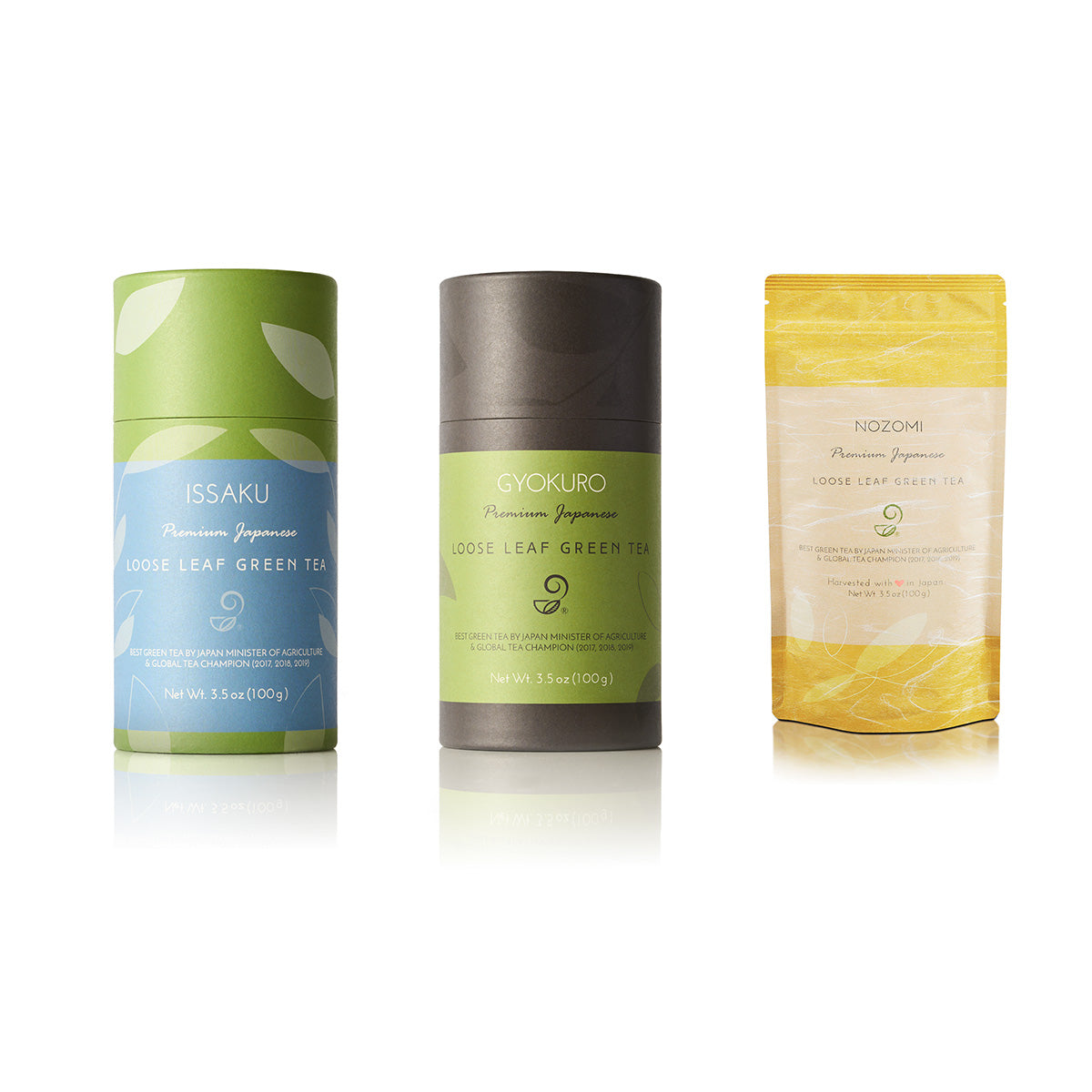
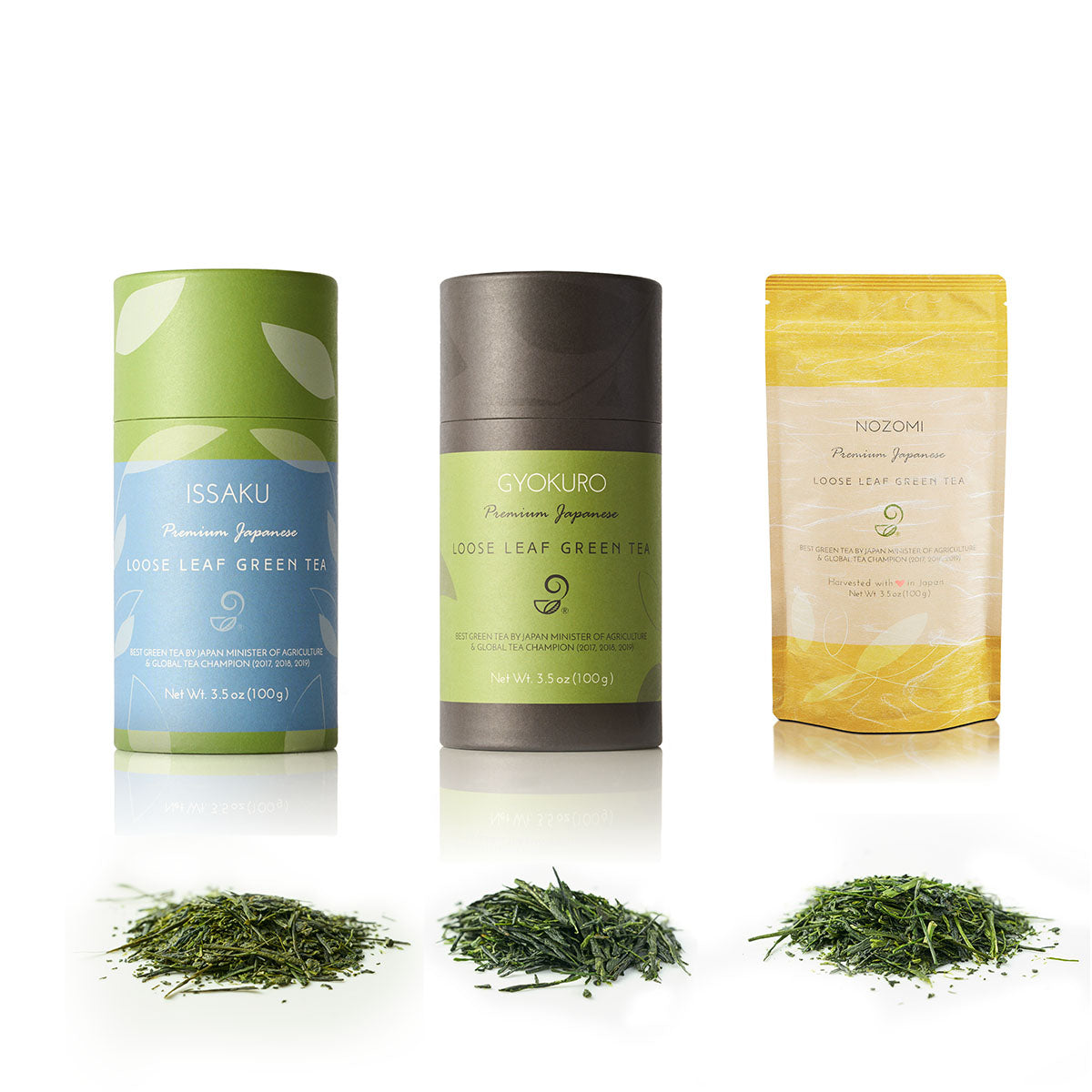
The Sencha Lover Gift Set - Premium Japanese Green Tea Set Package



FAQs about Tannin and Gallic Acid in Green Tea
Does green tea have more antioxidants than black tea, white tea, or oolong?


Get Free Bonus Books

Sign up for free to the Green Tea Club to get advice and exclusive articles about how to choose Japanese Tea, and tips, tricks, and recipes for enjoying Japanese tea.
About the author

Kei Nishida
Author, CEO Dream of Japan
Certification: PMP, BS in Computer Science
Education: Western Washington University
Kei Nishida is a passionate Japanese green tea connoisseur, writer, and the founder and CEO of Japanese Green Tea Co., a Dream of Japan Company.
Driven by a deep desire to share the rich flavors of his homeland, he established the only company that sources premium tea grown in nutrient-rich sugarcane soil—earning multiple Global Tea Champion awards.
Expanding his mission of introducing Japan’s finest to the world, Kei pioneered the launch of the first-ever Sumiyaki charcoal-roasted coffee through Japanese Coffee Co. He also brought the artistry of traditional Japanese craftsmanship to the global market by making katana-style handmade knives—crafted by a renowned katana maker—available outside Japan for the first time through Japanese Knife Co.
Kei’s journey continues as he uncovers and shares Japan’s hidden treasures with the world.
Learn more about Kei

