Skip to content

Samurai and Tea

Subscribe to Youtube See all videos

Characters 

Kei – the boy (Junior High Age): A male student who loves all things green tea. While he is most familiar with modern adaptations of Japanese tea such as match latte, green tea cake, green tea chocolate, and even bubble tea, he is very interested in the rich tradition of Japanese tea and the culture behind it. 

Obāchan: This is ChaCha’s grandmother. She is old and wise and knows all about the history of Japanese Tea. She is very happy that young people like Kei are still interested in tea, and she enjoys teaching them about traditional tea. Likewise, she is fascinated by all the new types of tea and is always happy to learn from the younger generation. 

Set 1: An old washitsu-style room

Kei comes home from school excited about a new drink

K: Tadaima, I’m home from school!

O: Okairinasai! What took you so long? Usually, you are home an hour ago… did you stop somewhere on your way home?

K: Sorry about that, Obāchan. Some friends and I stopped off at Starbucks after class. They have this new green tea Frapachino and we just had to try it!

O: A green tea what-achino?

K: A green tea frapapichino. It’s a new type of drink where you take green tea, blend it with milk, sugar, and ice to make it almost like a milkshake! Then to top it all off, you squirt on some sweet whipped cream and drizzle it with green tea syrup!

It’s all the rage with young people these days! You’ve got to try it!

O: Oh my! You call that green tea? That sounds nothing like the green tea back from when I was a girl.

K: The green tea from when you were a girl?

O: Yes, back in my day, green tea was exactly what it was. Green tea!

K: I love green tea but even you can admit, that sounds a little boring don’t you think?

O: Anything but! Green tea has a long and rich history stretching back to even the days of the samurai you know.

K: The samurai?

O: Yes, let me tell you now a little bit about how the samurai perfected the art of the tea ceremony and how tea culture became an integral part of what it means to be a Samurai warrior.

japanese samurai

Set 2: An Edo style castle

O: The samurai were a fierce group of Japanese warriors that became the ruling military class during the Edo period. Samurai were sworn to protect their feudal lords and lived by a strict set of moral codes called bushido. This bushido code was “the way of the warrior” and in order to become a true warrior of the bushido code, samurai had to undergo all sorts of strenuous and intense training.

K: Oh! We learned about this in school! I heard that sometimes samurai would practice with their swords for hours every day without rest. And that some samurai would sit perfectly still under punding waterfalls in the middle of the winter to strengthen test the limits of their bodies!

O: That’s right Kei.

K: But I still don’t understand, what has all of this got to do with green tea?

O: You see, being a samurai was equal parts physical as it was mental. Just as a samurai had to sharpen his blade every day and hone his technique, it was just as important for him to sharpen his mind as well.

K: Sharpen his mind?

O: Yes. You see, the Japanese tea ceremony is much more than pouring tea into a cup.

K: It is?

O: Yes. In fact, it takes years and years to learn how to do a proper tea ceremony, and there are some individuals that even dedicate their entire lives to mastering the art form.

K: I had no idea!

O: I didn’t think so. Young people these days rarely know about these things but I am very happy that you’ve taken an interest.

K: Please tell me more!

O: The tea ceremony has many delicate elements that require exact precision, hence it takes much dedication and mental energy in order to execute it well.

K: Like what?
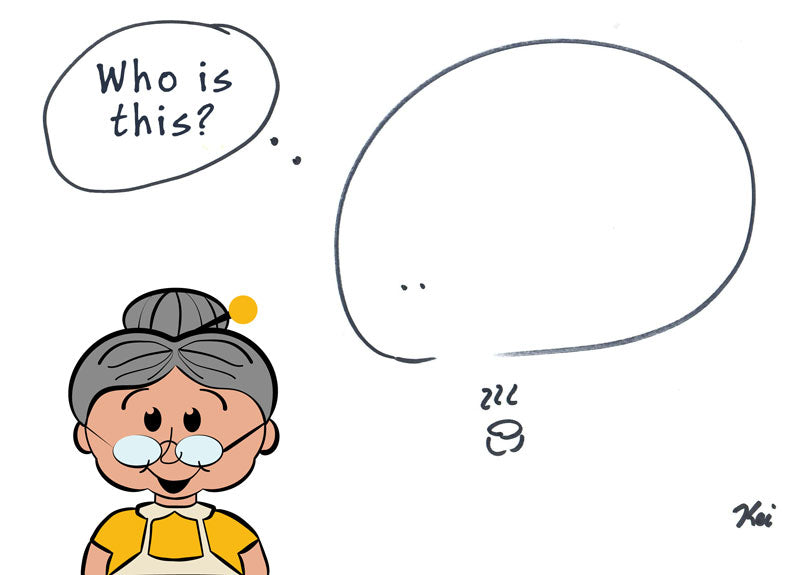
Who is obachan

O: For example, cultivating the charcoals for the fire. In order to get the tea to simmer at the exact right temperature, the correct ratio of charcoal and fodder must be achieved. In addition, the size and intensity of the fire must be just right. A one-degree difference in temperature can completely alter and manipulate the taste of the tea.

K: Really? It’s hard to imagine that such a foundational step would have so much of an impact!

O: Yes, that’s right. Another example is with steeping the tea. Tea masters have to know exactly how long to let the tea steep before pouring and serving the guests. Just like the fire, this is a very delicate matter. If you wait one second too long, the tea can be too strong, leaving a very bitter taste. One second too fast and your tea will be too weak and not at all enjoyable.

K: And this is before they had battery-operated timers and so they had to do all of the counting inside their heads right?

O: Exactly! It really is quite impressive the more you think about it!

K: So how did all this help the samurai in battle? After all, they were the greatest and most powerful warriors in all of Japan, weren’t they?

O: I’m getting there, don’t you worry.

Japanese tea ceremony requires perfect mental clarity in your mind in order to perform properly. As you know about the cultivation of the fire and the pouring of the tea, even the slightest hesitation before you act can cause a fatal error that can completely ruin the batch of tea. Ruin the tea, and your guest’s overall experience will be ruined as well. In other words, you are not just responsible for yourself, but for everyone at the table.

K: I’m starting to see how this all comes together.

O: I’m so glad to hear that you’re getting it. The tea ceremony mimics the battlefield. If the Samurai warrior hesitates during battle, it could mean the difference between life or death. Think too much and your reactions will be slowed. The samurai’s mind must act in perfect unison with his body to achieve victory not just for himself, but also for the master that he serves.

K: This is so cool! I’m wondering though when did the samurai practice the tea ceremony? Was there any particular time?

O: Samurai would often practice tea ceremonies before and after a battle. Doing it before the battle would allow them to relax and clear their minds before going into battle. If they were victorious, at the end of the battle they would also once more conduct a tea ceremony to set their minds at ease as without doubt, they had seen many gruesome and horrible things during the fight.

K: I can imagine being a samurai was a very tough life… I would want a nice hot cup of green tea after I had gone through all of that.
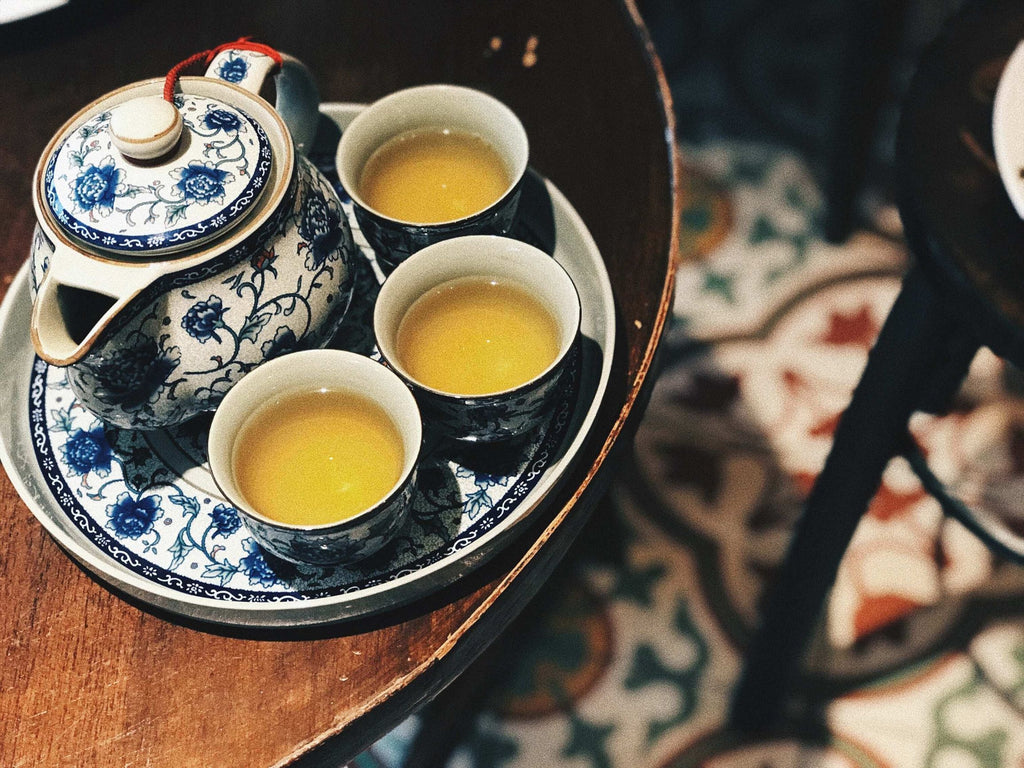
japanese tea ceremony

Set 3: An old washitsu-style room

O: So you see, while today a simple cup of green tea may not seem like much, green tea has a history going back hundreds of years in Japan and has been a significant part of Japanese history.

K: Thank you so much for telling me all of this! I really had no idea! I had always seen tea ceremony as something of a frilly hobby that old people practiced but it’s so cool that it was such a big part of samurai culture! It really makes me appreciate green tea more now!

O: I’m so glad that you have taken an interest.

K: Actually, I was wondering where I can learn more about tea and Japanese tea culture?

O: I’m so glad you asked! My granddaughter, Cha-cha, has a Youtube Chanel here. They talk all about different ways you can enjoy Japanese tea, the culture behind it, and even share some recipes of so that you can try it for yourself!

K: Oh!?

O: Yes, if you’d like to learn more, give their channel a follow, and don’t forget to like and subscribe for more!

K: Will do!

O: Thank you so much for joining us today and I’m looking forward to telling you more stories about the history and traditions of the Japanese green tea real soon.

O and K: Bye!

Behind the scene Story about this Video

Can I share a little behind-the-scenes story?
 
When we published the History of Japanese Green Tea video, someone very close to me said...
 
It’s boring.. 
("thud" sound effect goes here)
 
We spent a lot of effort researching to make the video (you can watch it here), and I believe it is a masterpiece and the only video teaching green tea history in a simple timeline.
 
She thinks it is like reading a school textbook. Sigh…
 
I’m like, How can I present accurate and important tea and Japanese culture information without boring people?
 
Then I remembered about the Yukkuri Kaisetsu series in Japan. Do you know? It’s two animated characters talking in a video.

I got an idea from it and created two characters.


Image

What do you think about the characters we came up with?

I hope it is not boring… and I hope the video teaches something good, a piece of Japanese history.
  
Let me know what you think, and please give me more "thud" sounds to push me forward!
 
Thank you very much for your constant support.

With love and gratitude, 

Kei

FAQs about Samurai and Tea

Did samurai actually drink tea, or is that romanticization?

Real and central. Samurai had a documented tea-drinking culture from the 1300s onward. Sengoku-era warlords (Oda Nobunaga, Toyotomi Hideyoshi, Tokugawa Ieyasu) were avid tea practitioners — both because tea ceremony was a marker of cultivated rather than purely martial status, and because elaborate tea ceremonies functioned as political tools for cementing alliances, hosting rivals, and demonstrating taste.

Sen no Rikyū himself served as tea master to Hideyoshi, and the eventual ordered seppuku in 1591 reflected how high-stakes tea politics actually was. Tea wasn't decorative for the samurai class; it was integrated into the social fabric of warrior culture.

Some surviving samurai families maintain centuries of tea-school enrollment to this day, which is part of why Japanese tea culture has such institutional continuity. The connection isn't romanticized — it's documented family lineage.

Why did samurai value tea so highly — what did it actually do for them?

Three roles. First, contemplative discipline complementary to martial training — the focus required for tea ceremony parallels the focus required for swordsmanship. Many samurai treatises explicitly draw the parallel. Second, social currency — being a refined tea practitioner gave samurai access to courtly, monastic, and political networks that pure warriors couldn't enter. Third, political utility — tea ceremonies were neutral spaces for delicate negotiations.

Owning famous tea utensils could be more politically valuable than owning land. Toyotomi Hideyoshi famously rewarded loyal samurai with prized tea bowls and ceremonial implements that families treasured for generations. Owning a chashaku named by Sen no Rikyū could mean more than owning a province.

So tea served as both inner discipline and outer currency — the samurai's full repertoire of cultivated sophistication, expressed through a single integrated practice.

What style of tea ceremony did the samurai class develop?

The wabi-cha tradition that became the foundation of modern tea ceremony developed largely in the samurai-influenced cultural environment of the 15th-16th centuries. Murata Jukō, Takeno Jōō, and Sen no Rikyū all worked within and shaped samurai-class tea practice.

The aesthetic preferences — small intimate tea rooms (yojōhan), simple Japanese-made utensils over elaborate Chinese imports, wabi-sabi appreciation of imperfection — all developed in conversation with samurai sensibilities. The samurai class wanted a tea practice that was distinctly Japanese (not Chinese-imitating), spiritually substantive (not just elite display), and integrated into broader cultural practice (architecture, calligraphy, gardens).

Sen no Rikyū's death poem and final tea ceremony before his ordered seppuku in 1591 capture the integration: the samurai-warrior aesthetic transformed even his execution into a final tea moment, holding the practice's depth and the culture's ruthlessness in the same frame. Our tea ceremony introduction walks through how Rikyū's lineage continues today.

What is Tea Ceremony?

Did samurai have a specific tea they preferred — sencha, matcha, or something else?

Matcha, almost exclusively. The samurai era predates the development of modern sencha (which Nagatani Sōen invented in 1738), so for the entire Sengoku and most of the Edo period, Japanese green tea meant matcha or its predecessors. Whisked powdered tea was the only form that existed at samurai-class scale.

Within matcha, the prestige hierarchy ran from premium Uji-grown ceremonial-grade matcha (the highest status) to less-prestigious regional production. Tea-school records show that high-ranking samurai had specific named teas they preferred, and the matcha-specific gift culture (presenting tins of named tea as ceremonial gifts) was an established practice.

Sencha-style steeped tea didn't enter samurai culture seriously until the very end of the samurai era, after Nagatani's invention spread. By then the samurai class itself was fading as the Meiji Restoration approached.

Are there modern descendants of samurai tea practice?

Yes, layered through the major tea schools (Urasenke, Omotesenke, Mushakōjisenke), all of which trace lineage to Sen no Rikyū and through him to the samurai-era cultural foundations. The schools operate publicly, accept students from any background, and continue formal practice that descended from samurai tradition.

Some specific samurai-family-linked traditions also survive. The Yabunouchi school of tea has historical connections to specific samurai families. A few smaller specialty traditions trace lineage to particular daimyo households. Most of these are concentrated in Kyoto and the Kansai region.

For modern foreign visitors interested in samurai-tea-tradition continuity, the major tea schools are the accessible entry. The Urasenke Foundation specifically welcomes international students and runs English-language programs; the curriculum descends directly from samurai-era practice with surprisingly little change in 400 years.

Related products

8 reviews

The Sencha Lover Gift Set - Premium Japanese Green Tea Set Package
$179.00 $159.99
Quick view

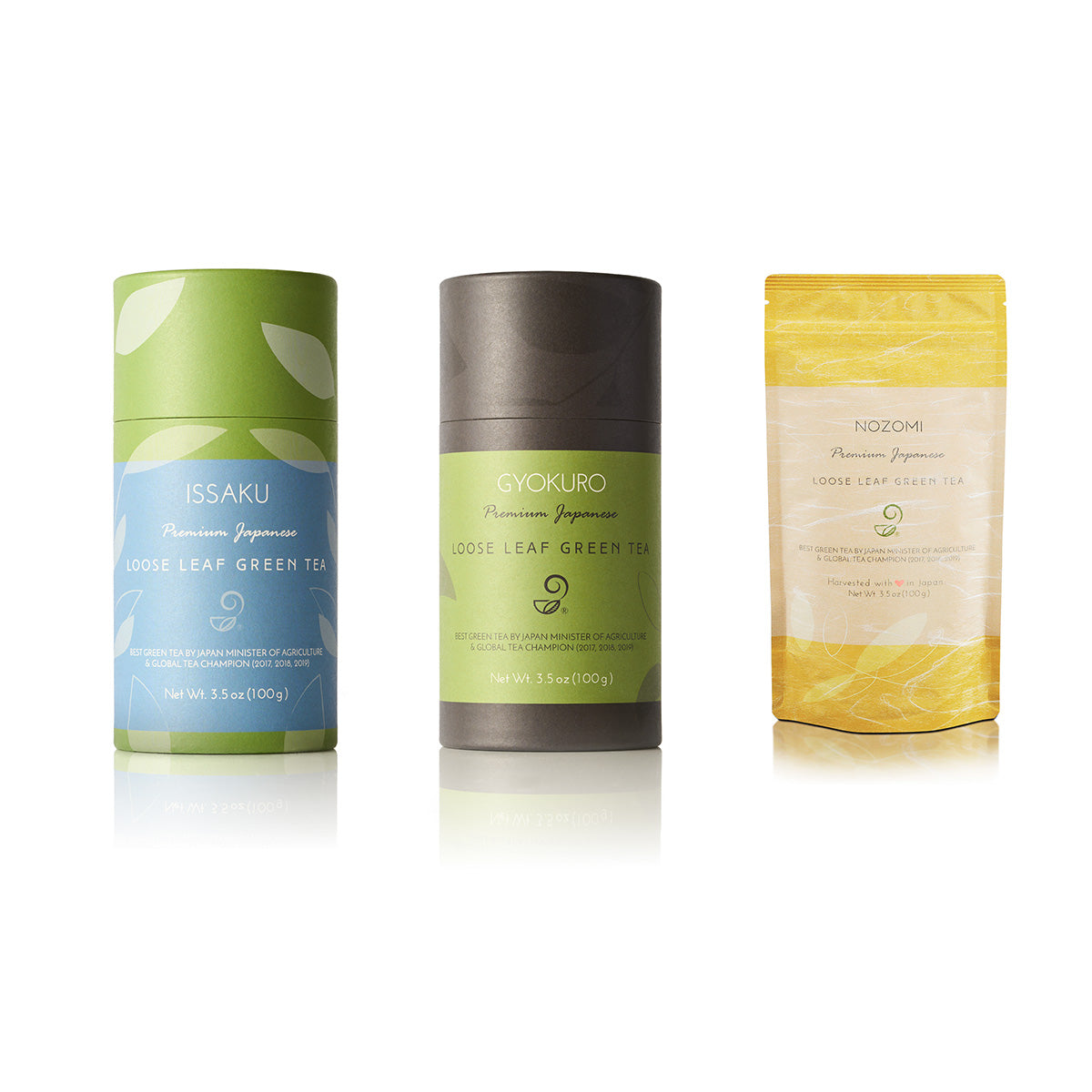
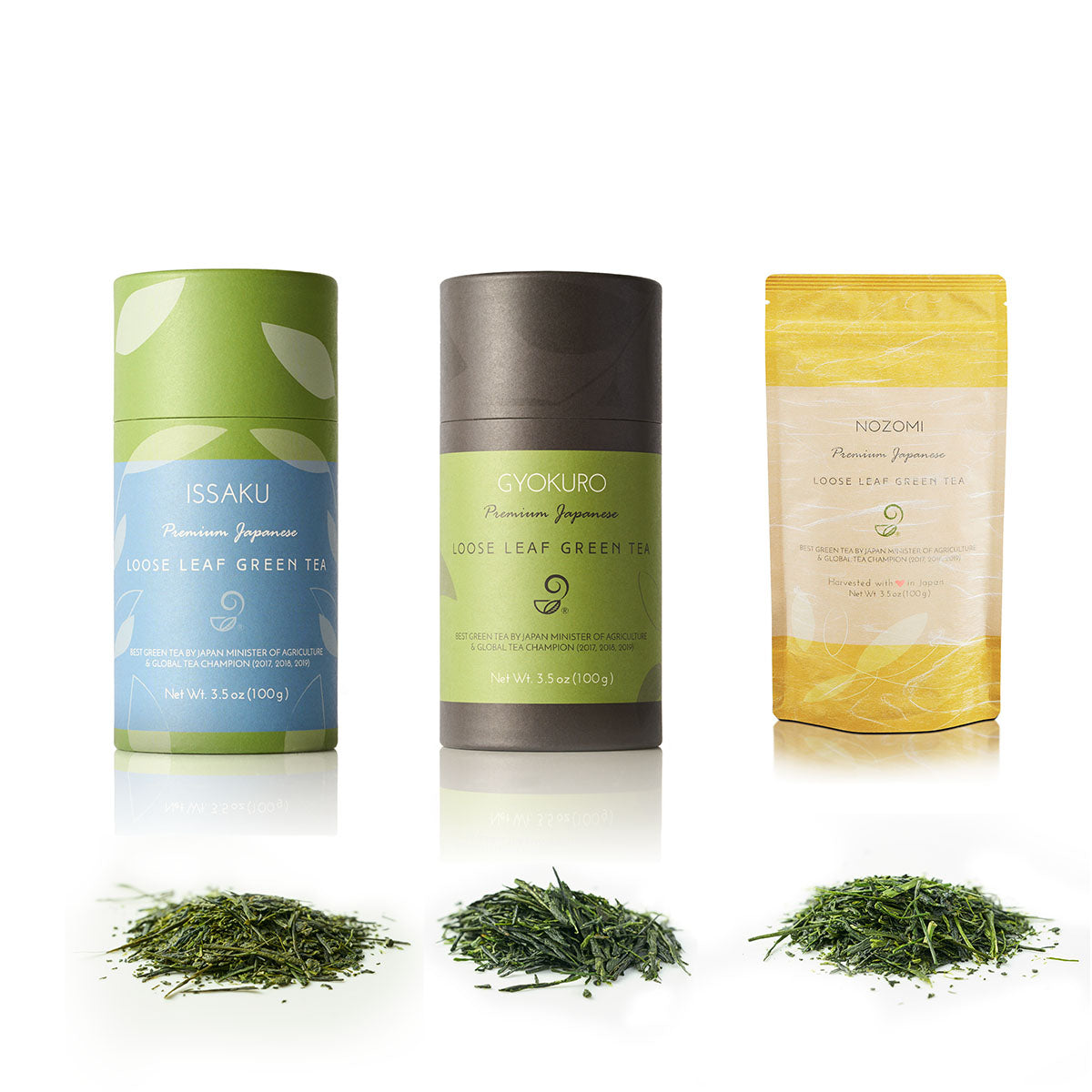
This tea set features three exceptional Japanese green teas, each crafted with care and traditional techniques. Issaku Reserve, a Global Tea Champion winner in 2017 and 2019, is a rare masterpiece created by Farm Master Mr. Arahata at Arahataen Green Tea Farm. Handpicked once a year from the first flush and processed with advanced methods, Issaku represents the highest-grade deep-steamed green tea, available only in limited quantities even in Japan.

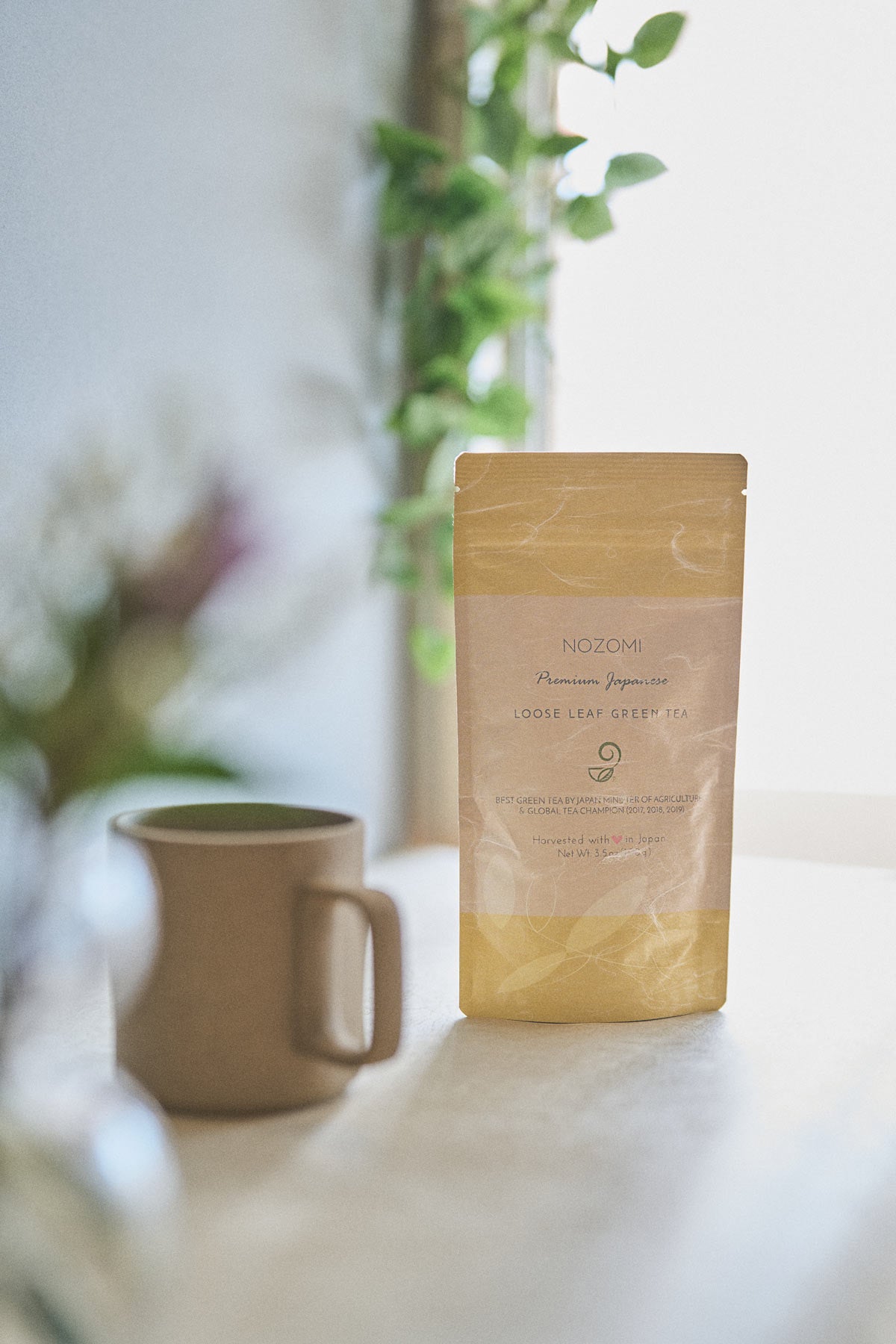
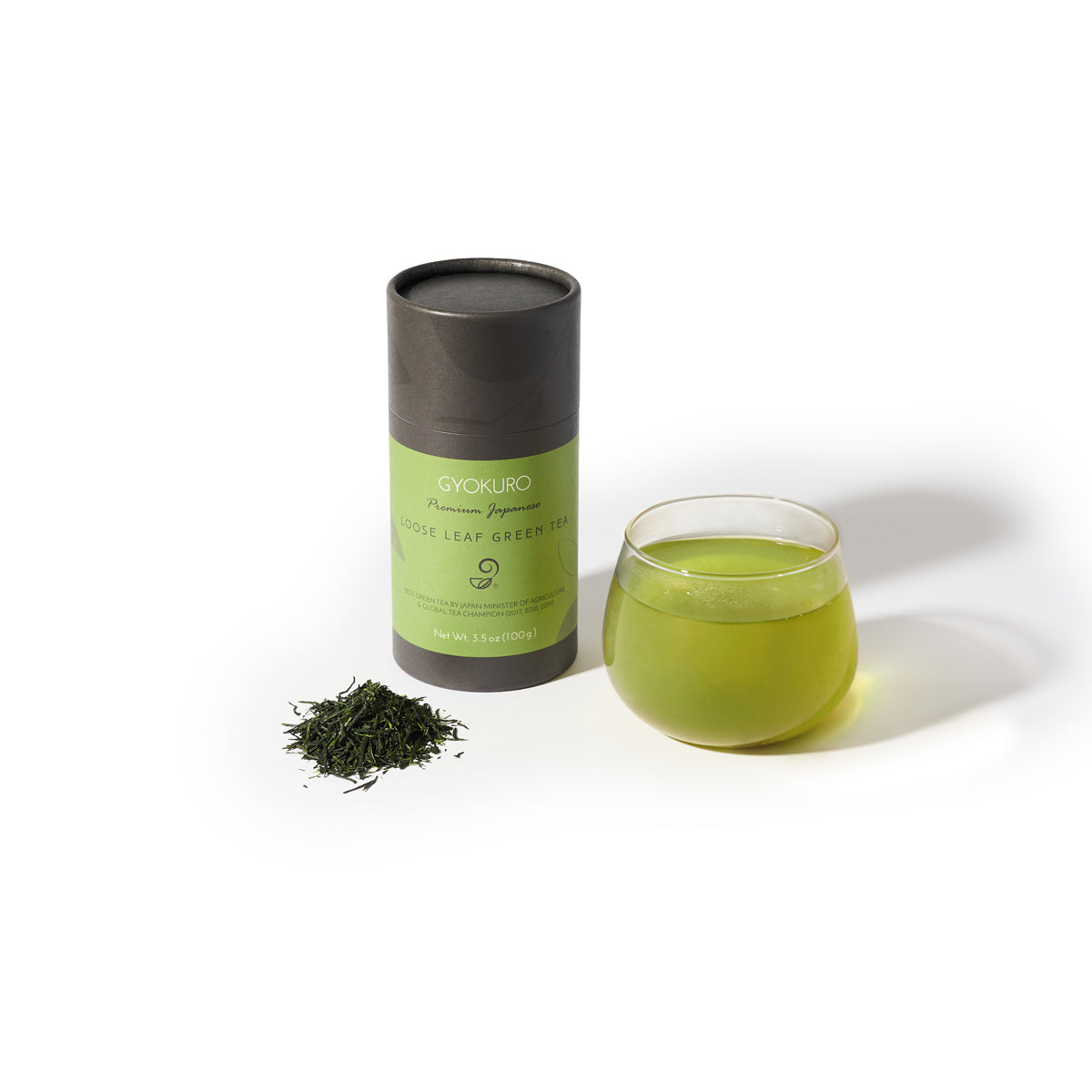
The set also includes Gyokuro, a premium shaded green tea known for its rich, sweet flavor and deep mossy green color. Grown under special mats for 20 days to increase caffeine and amino acid levels, Gyokuro offers a layered, smooth taste unlike any other. Completing the collection is Nozomi, a fine Kabuse-cha, or "Covered Green Tea," carefully grown under nets to gently shade the leaves just before new sprouts emerge, resulting in a soft, rich, and refined flavor profile.

97 reviews

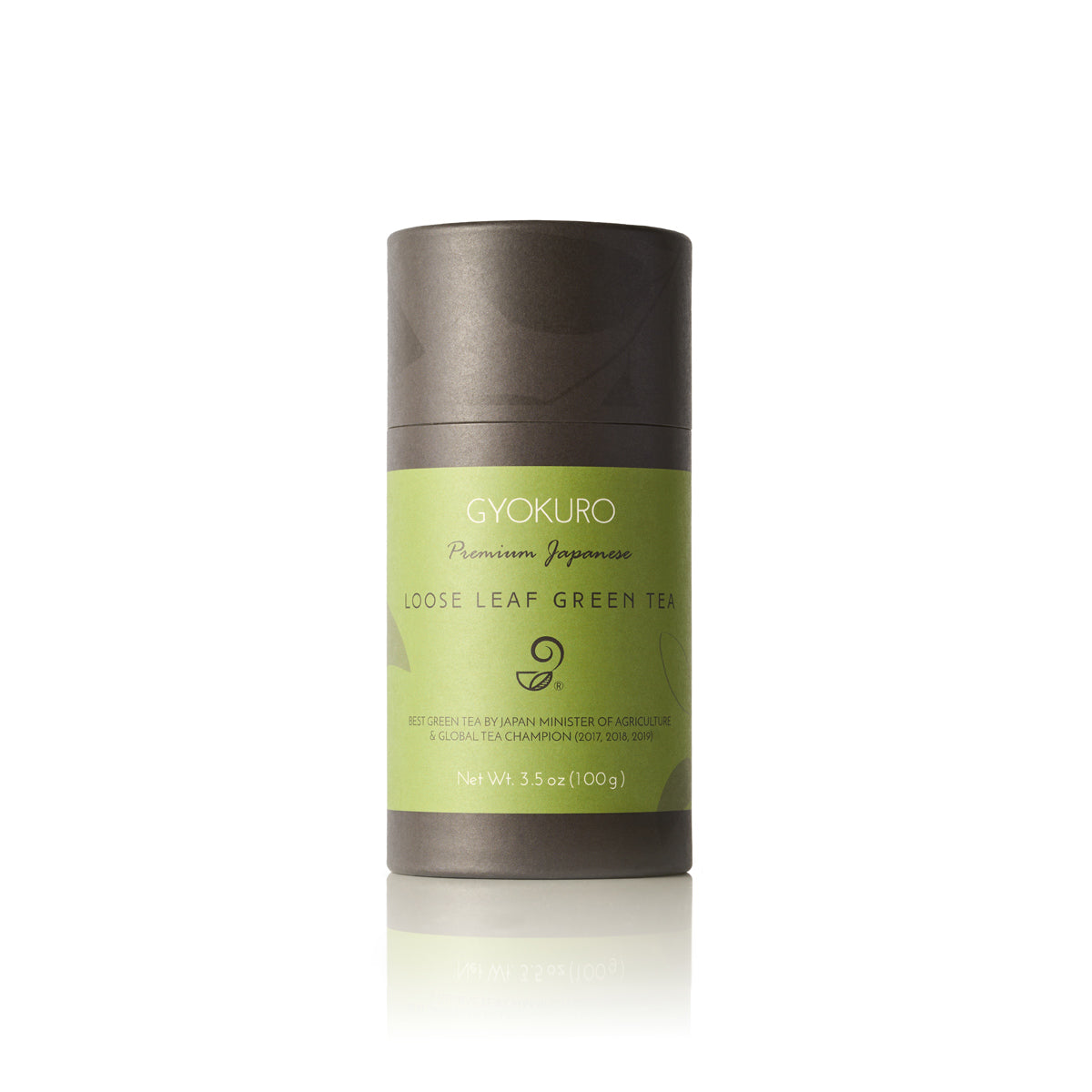
Gyokuro - Shaded Imperial Premium Green Tea

$65.00
Quick view

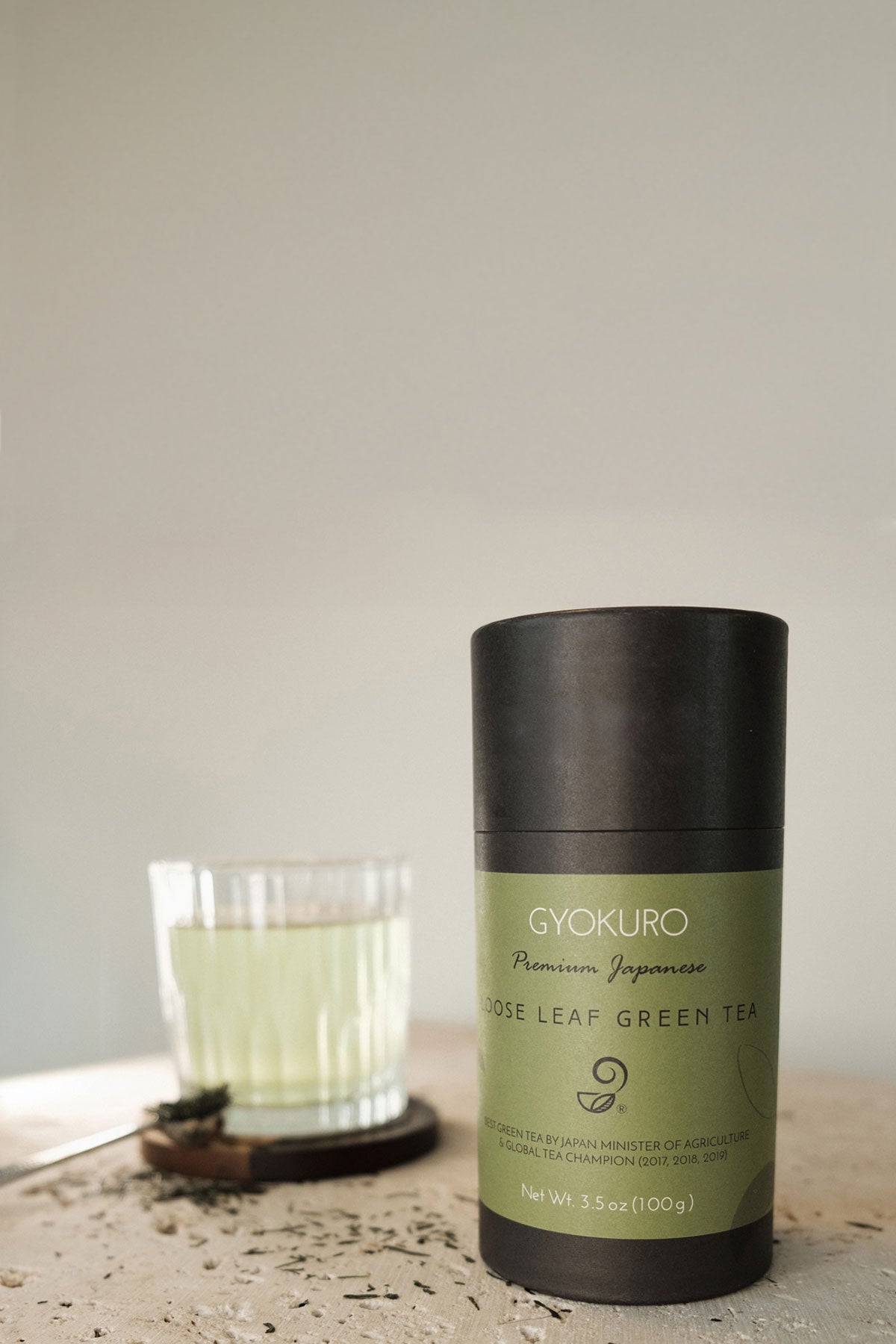
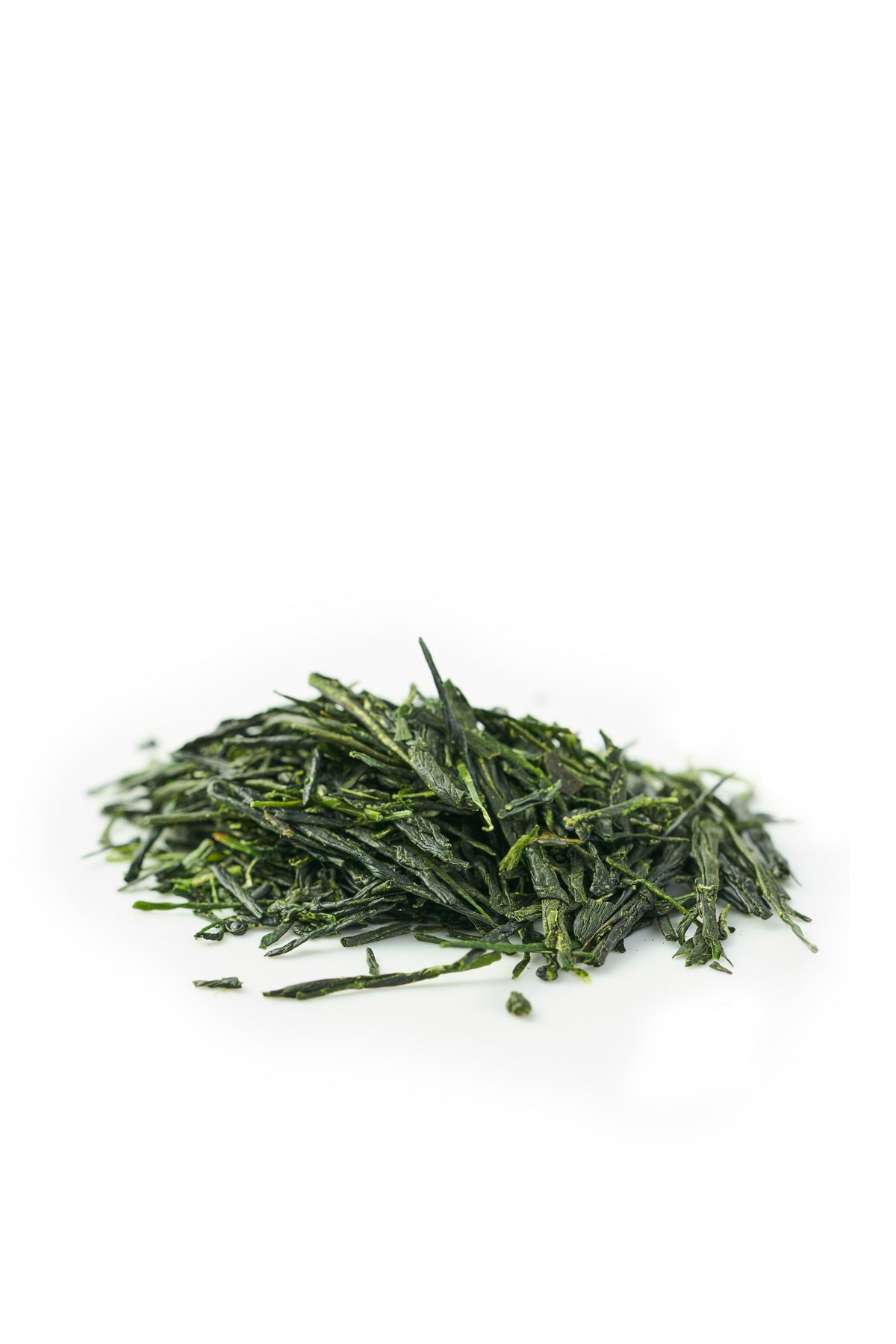
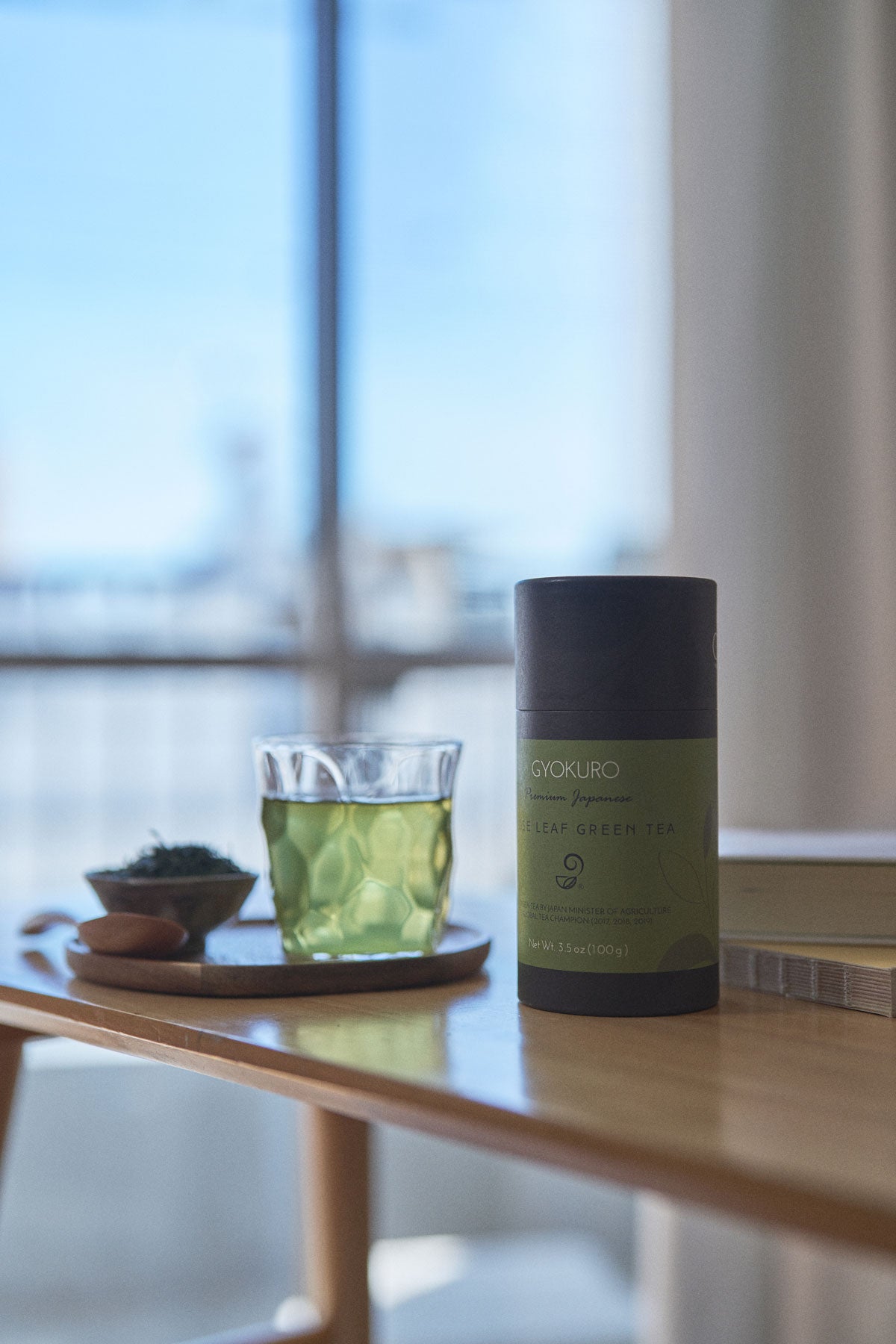
Gyokuro, also known as "jade dew" or "jewel dew tea," is a premium Japanese green tea shaded from the sun for 20 days using specially made mats, a method that boosts caffeine levels and strengthens amino acids to create a sweeter, richer flavor. This extended shading process results in dark, mossy green leaves with an unmistakable aroma and a complex taste that is layered yet balanced. Cultivated by the Chagusaba method in nutrient-rich sugarcane soil and made from the Yabukita cultivar, this loose-leaf authentic Gyokuro is offered in a high-quality, air-tight paper tube canister (chyazutsu) to preserve its exceptional freshness and flavor. Each 3.5 oz (100g) full-size package steeps 30–40 cups, and a convenient single-serve sample is also available.

45 reviews

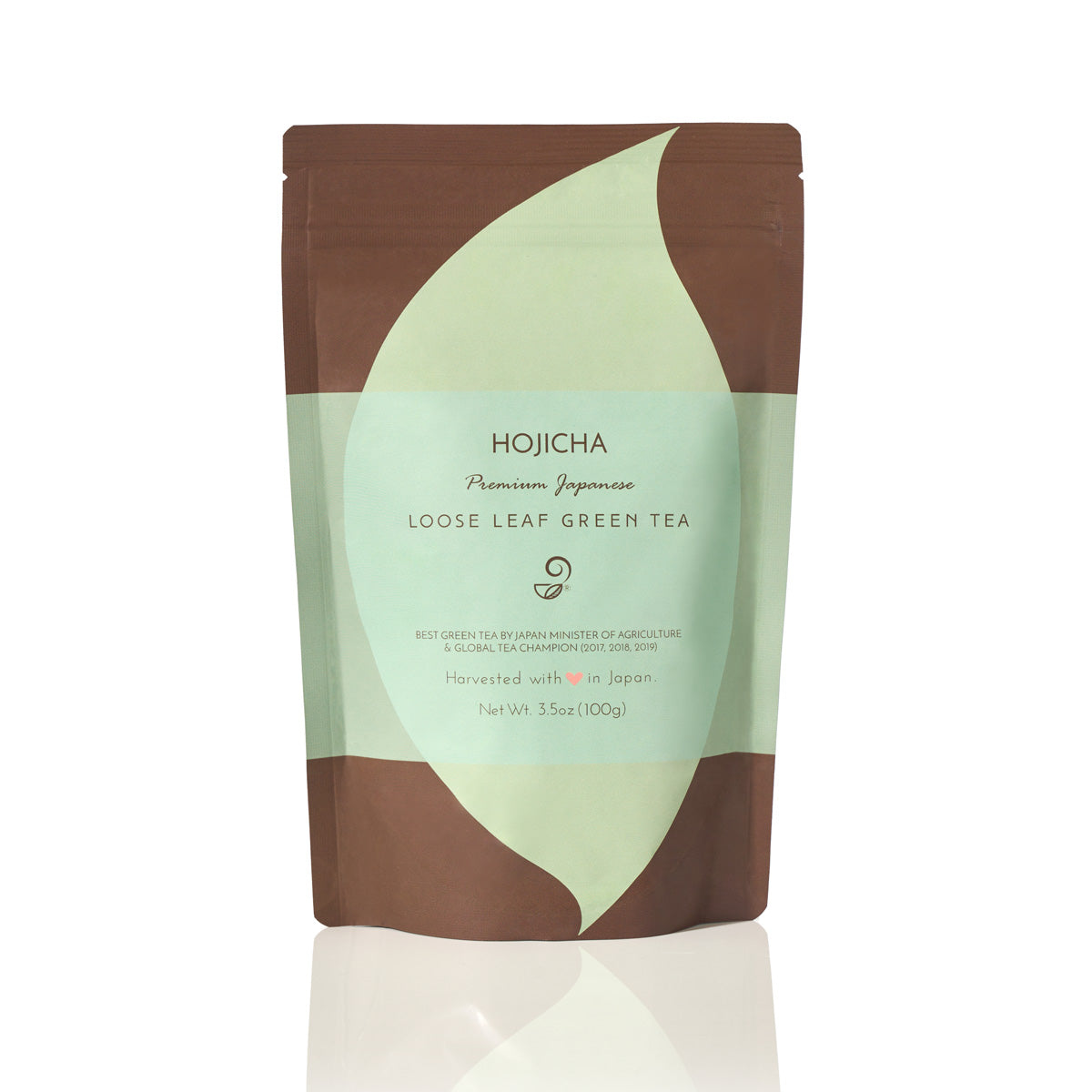
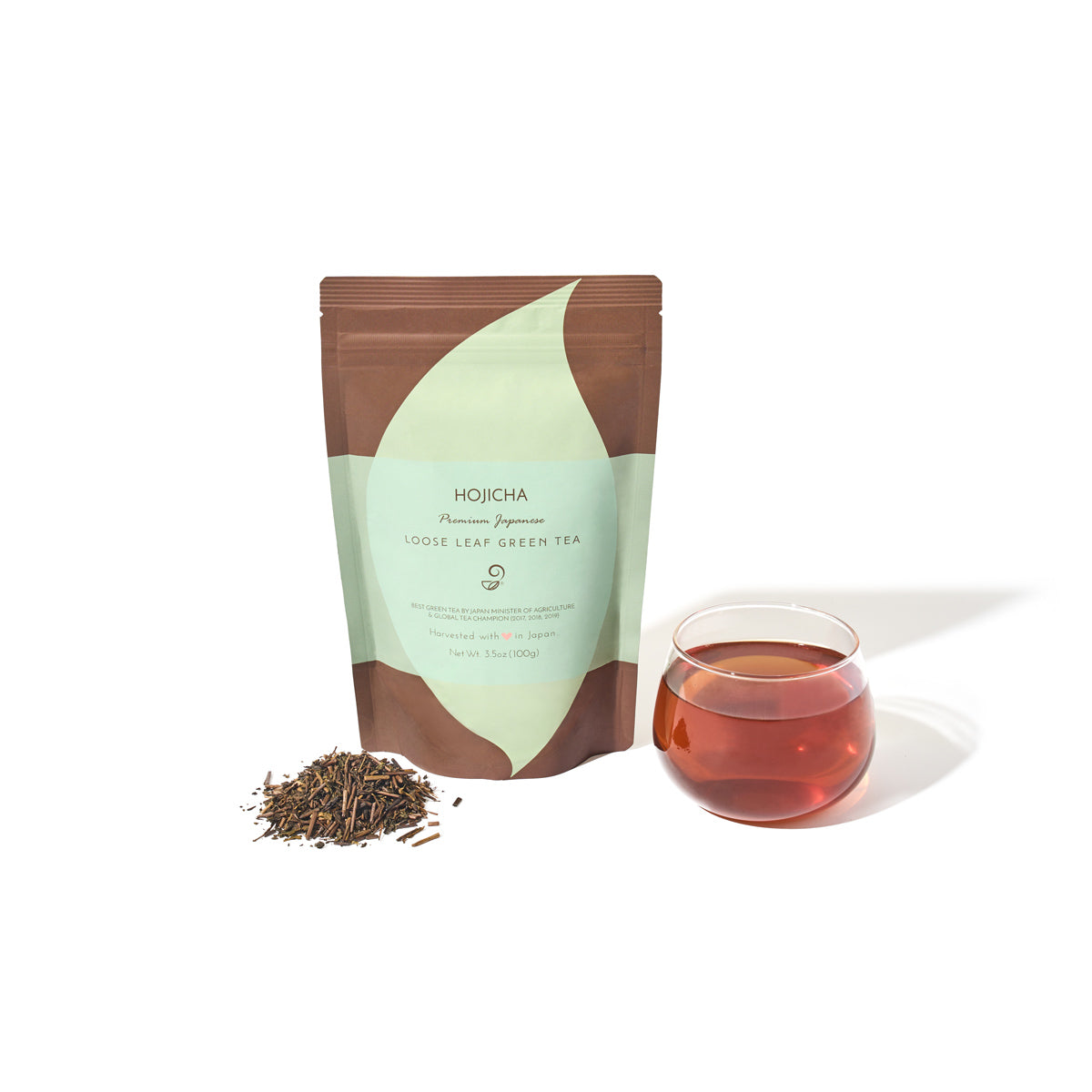
Hojicha - Roasted Green Tea

$25.00
Quick view

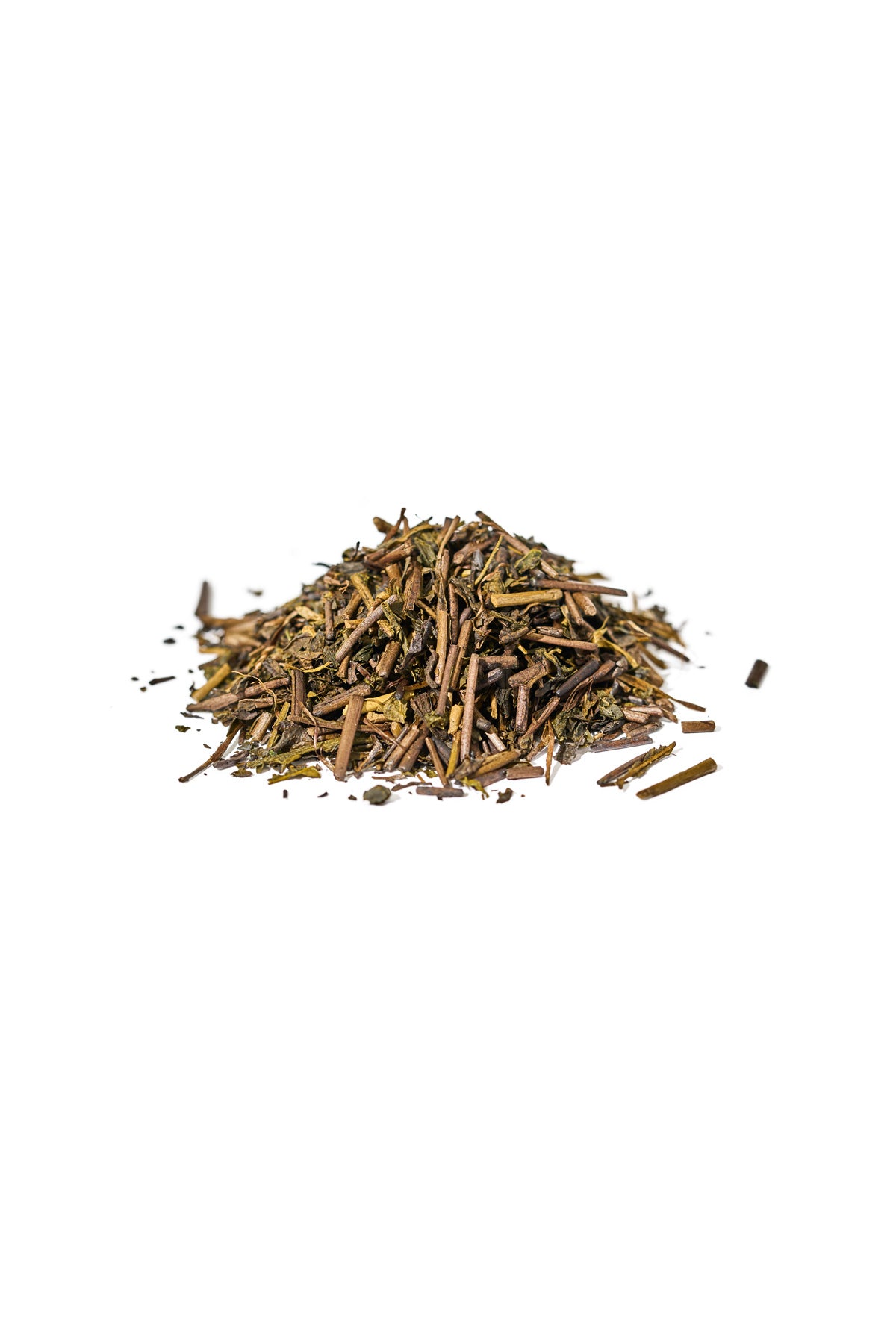
Our roasted green tea, known as hojicha (ほうじ茶), is crafted from freshly harvested premium green tea carefully roasted in porcelain over charcoal to maximize flavor while retaining more catechins than typical hojicha on the market. With lower caffeine and a smoother, less bitter taste compared to steamed green tea, it is an ideal choice for evening relaxation and is gentle enough for kids and pregnant women. Cultivated using the Chagusaba method in nutrient-rich sugarcane soil, this loose-leaf authentic Japanese roasted green tea, made from the Yabukita cultivar, also pairs beautifully with oily foods. Each eco-friendly resealable package contains 3.5 oz (100g) of tea, enough to steep 30–40 comforting cups.

80 reviews

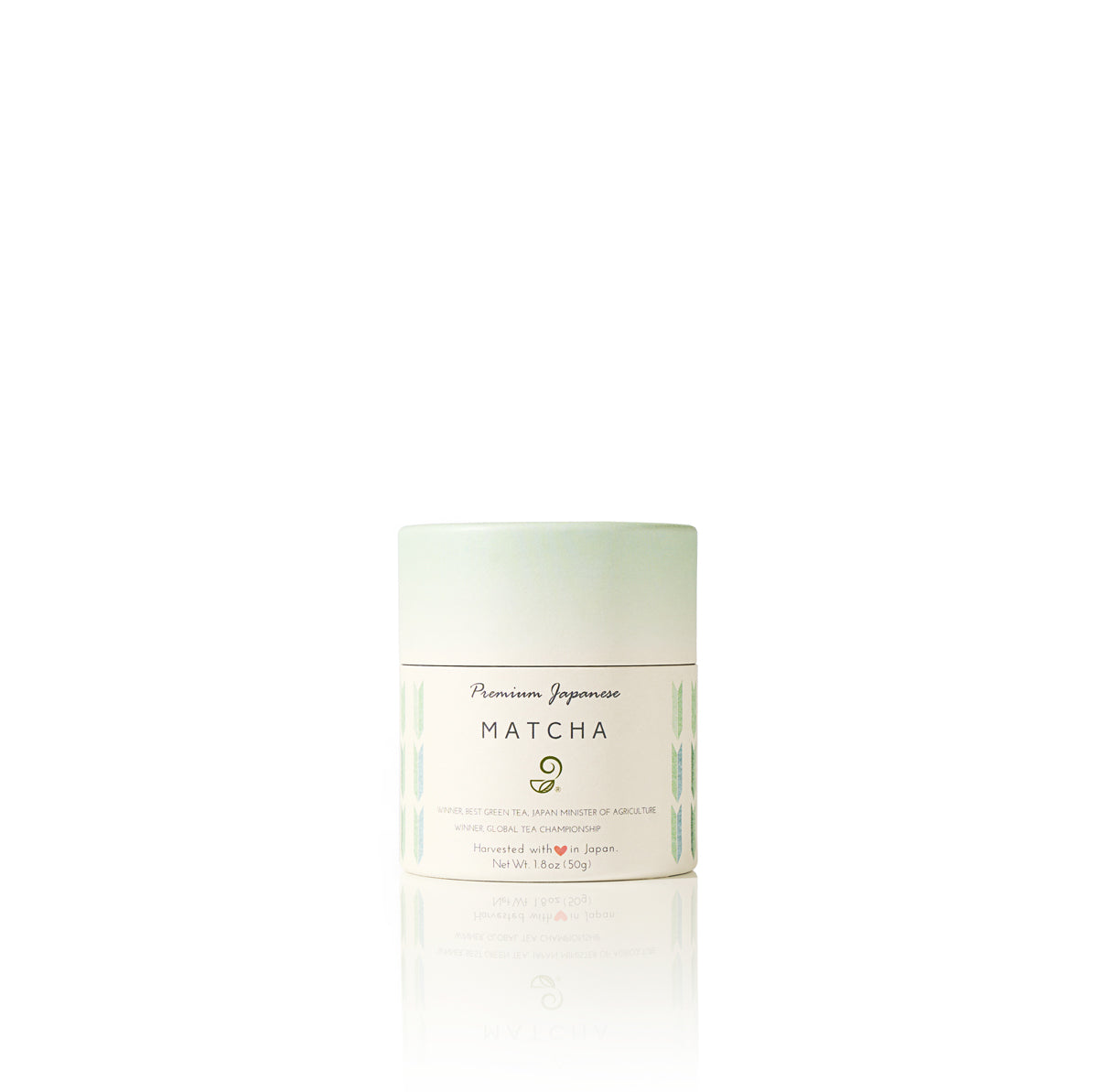
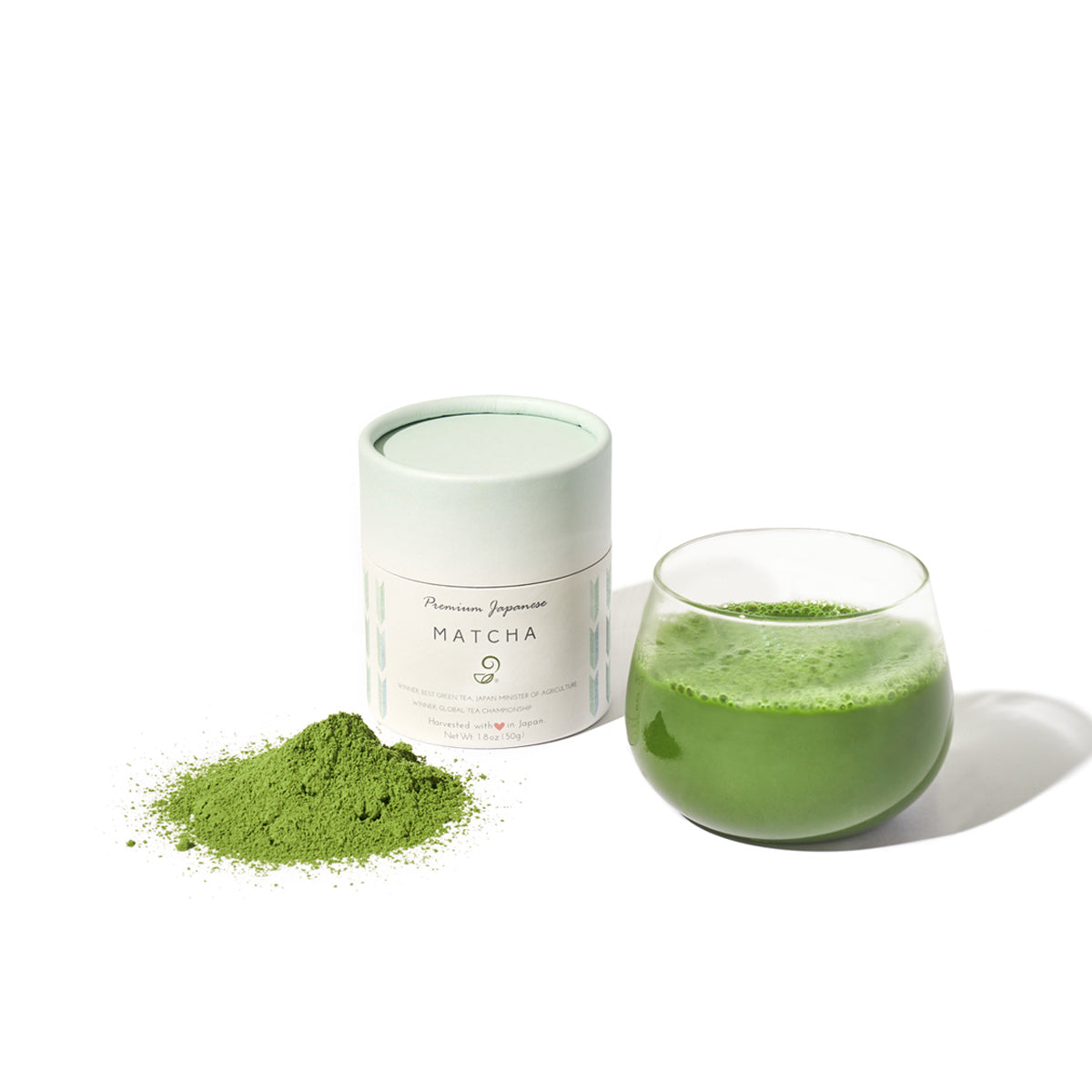
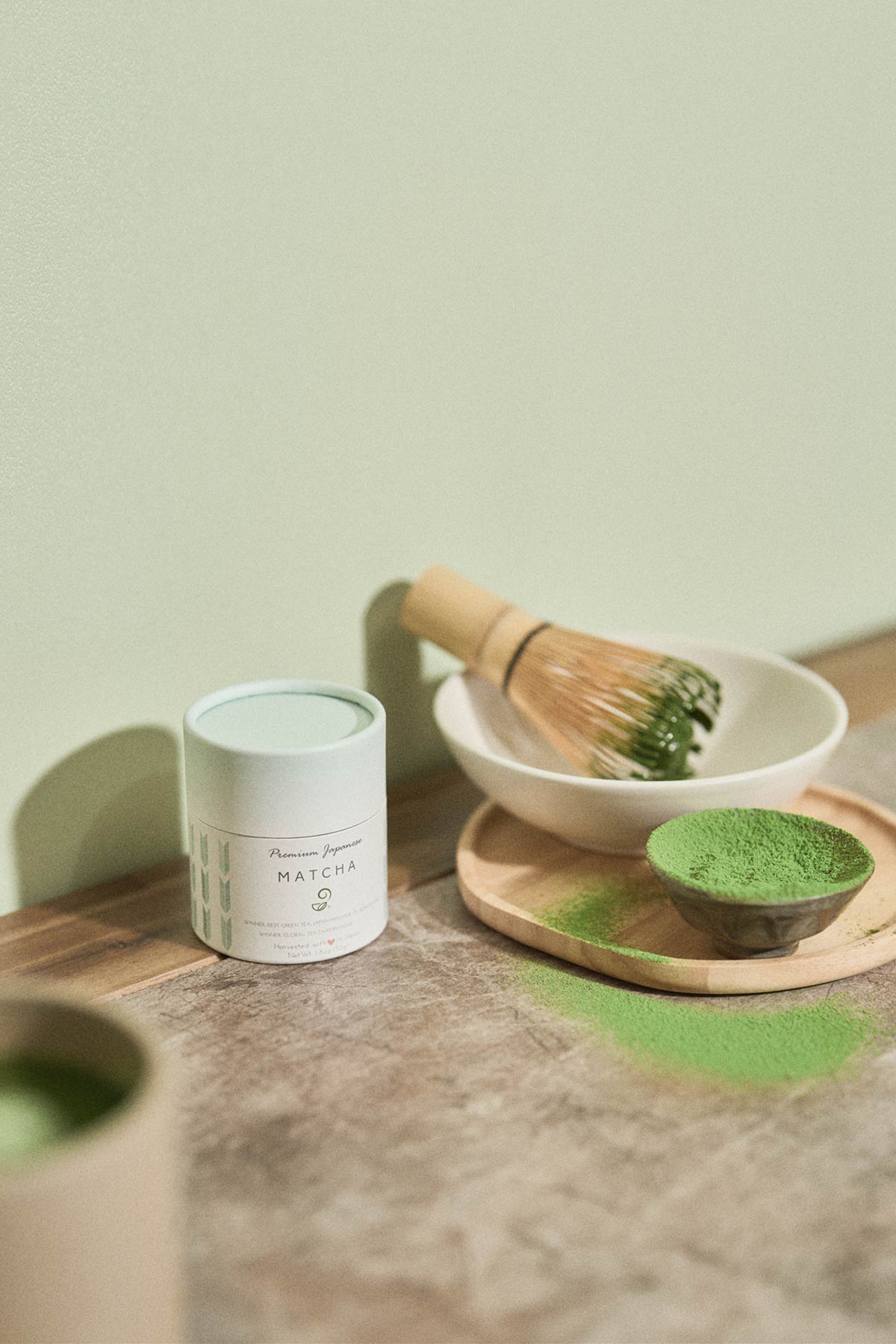
Matcha - Ceremonial Japanese Powdered Green Tea

$39.00
Quick view

This ceremonial matcha is crafted from the finest Japanese green tea, grown in nutrient-rich soil enhanced with compostable grasses and sugarcane through the Chagusaba method, which gives the tea a natural sweetness and exceptional flavor. In collaboration with researchers from Shizuoka University, farmers ensure that the soil quality consistently produces tea of the highest standard.

Renowned among top Japanese chefs for its unmatched aroma, this matcha is made by carefully shading the plants before harvest to boost caffeine and amino acids, then meticulously drying, de-stemming, and grinding the leaves into a fine powder. Made from the Yabukita cultivar, this 1.8 oz (50g) matcha comes in a high-quality, air-tight paper tube canister, providing a luxurious and authentic Japanese tea experience.

42 reviews

Genmaicha - Green Tea with Roasted Brown Rice

$30.00
Quick view

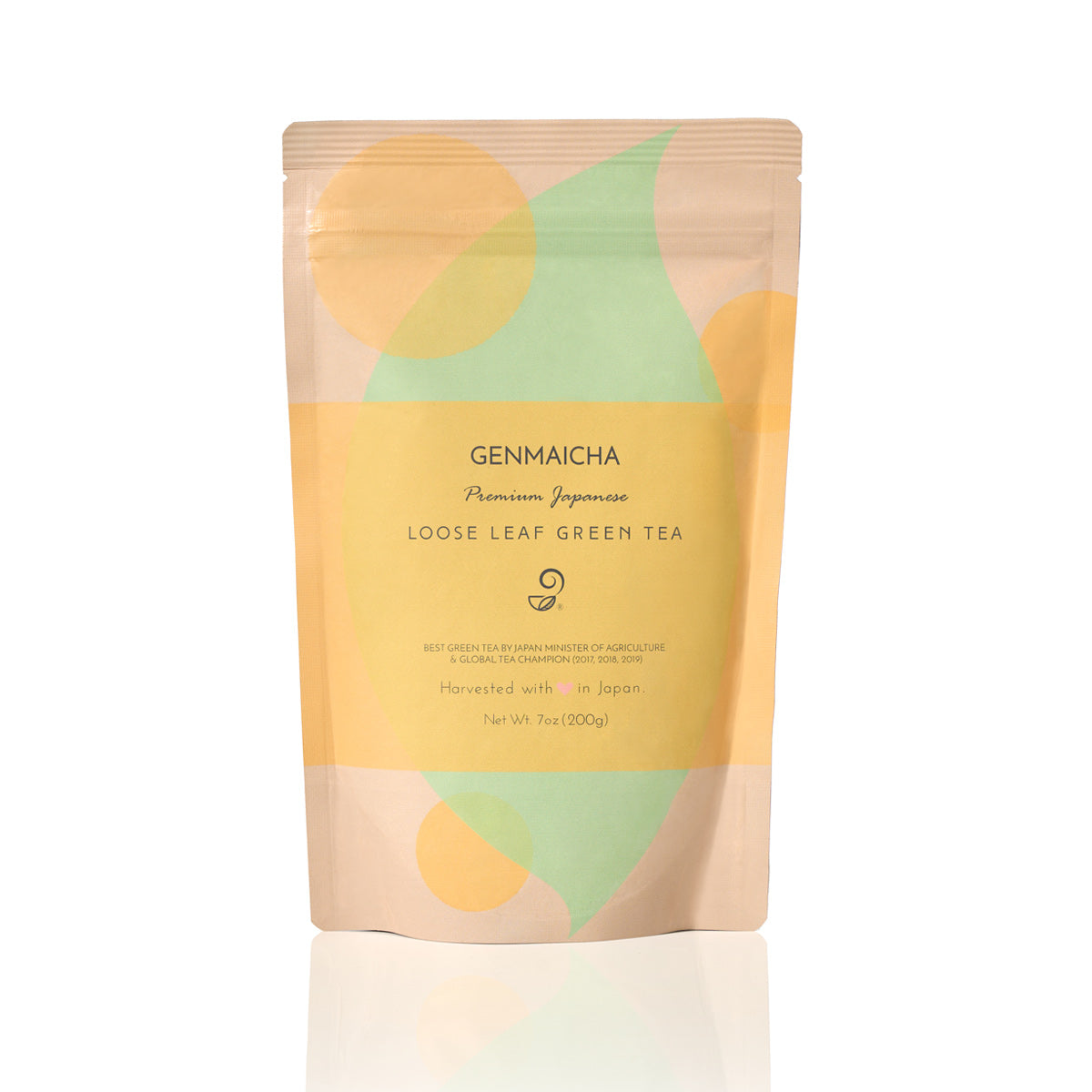
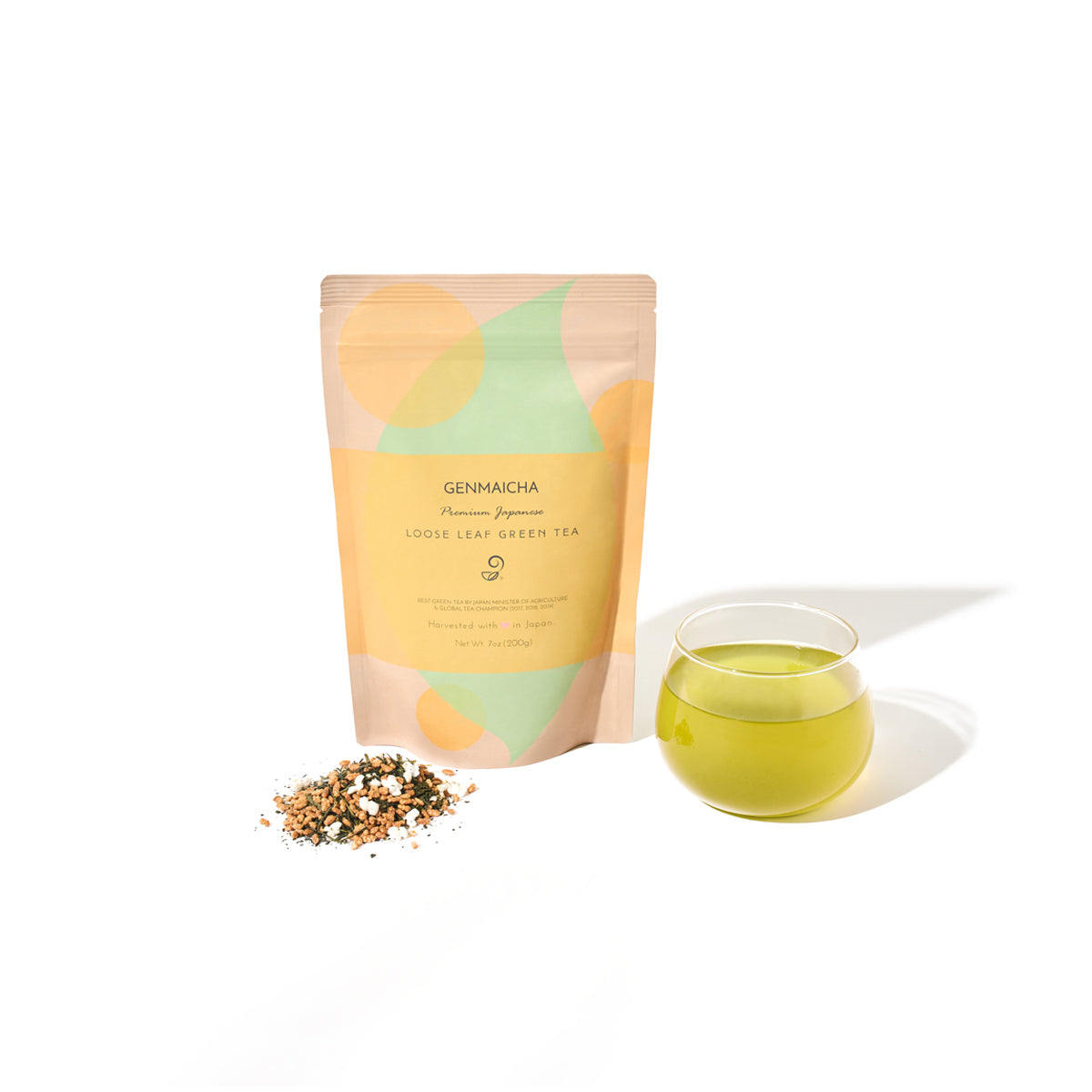
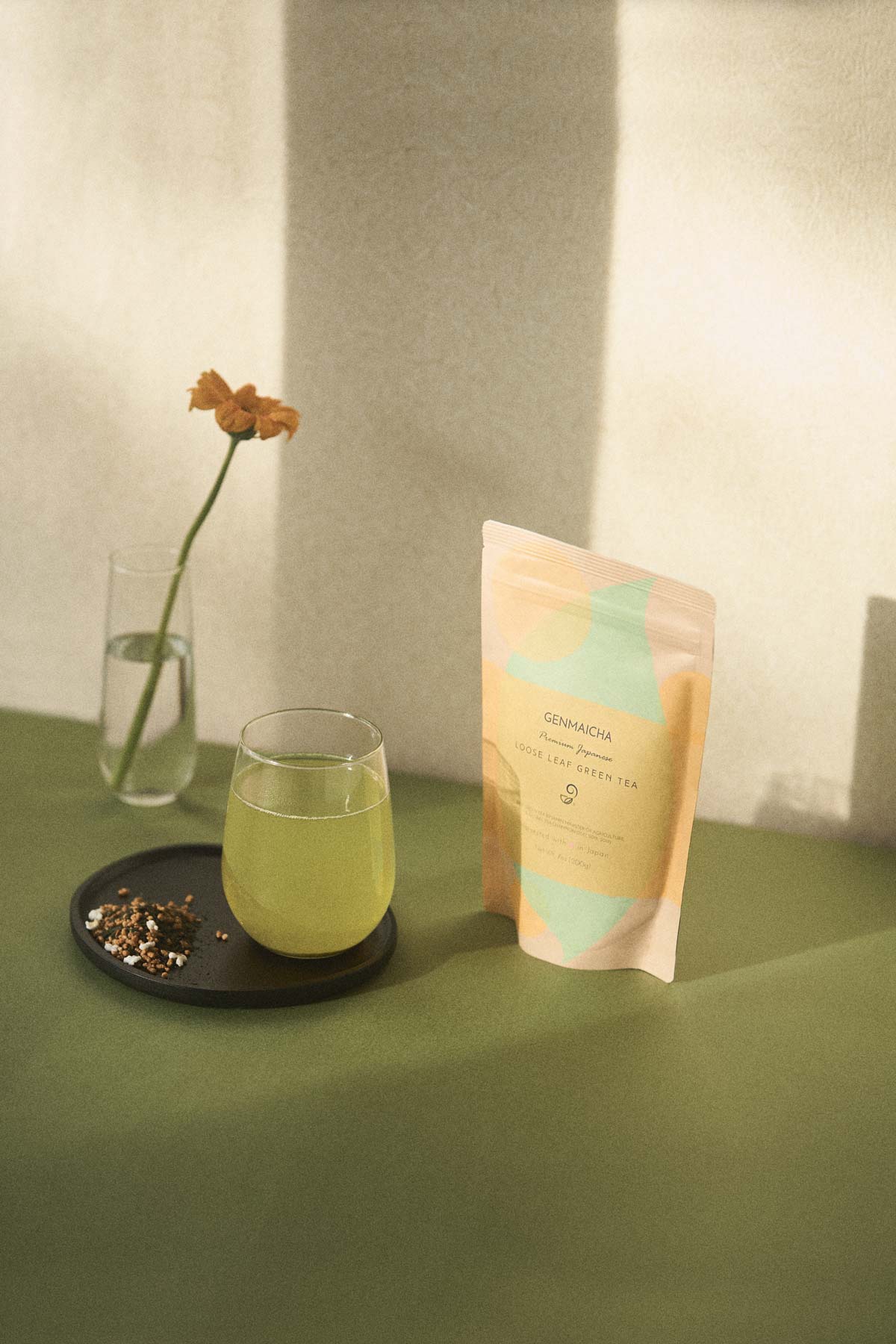
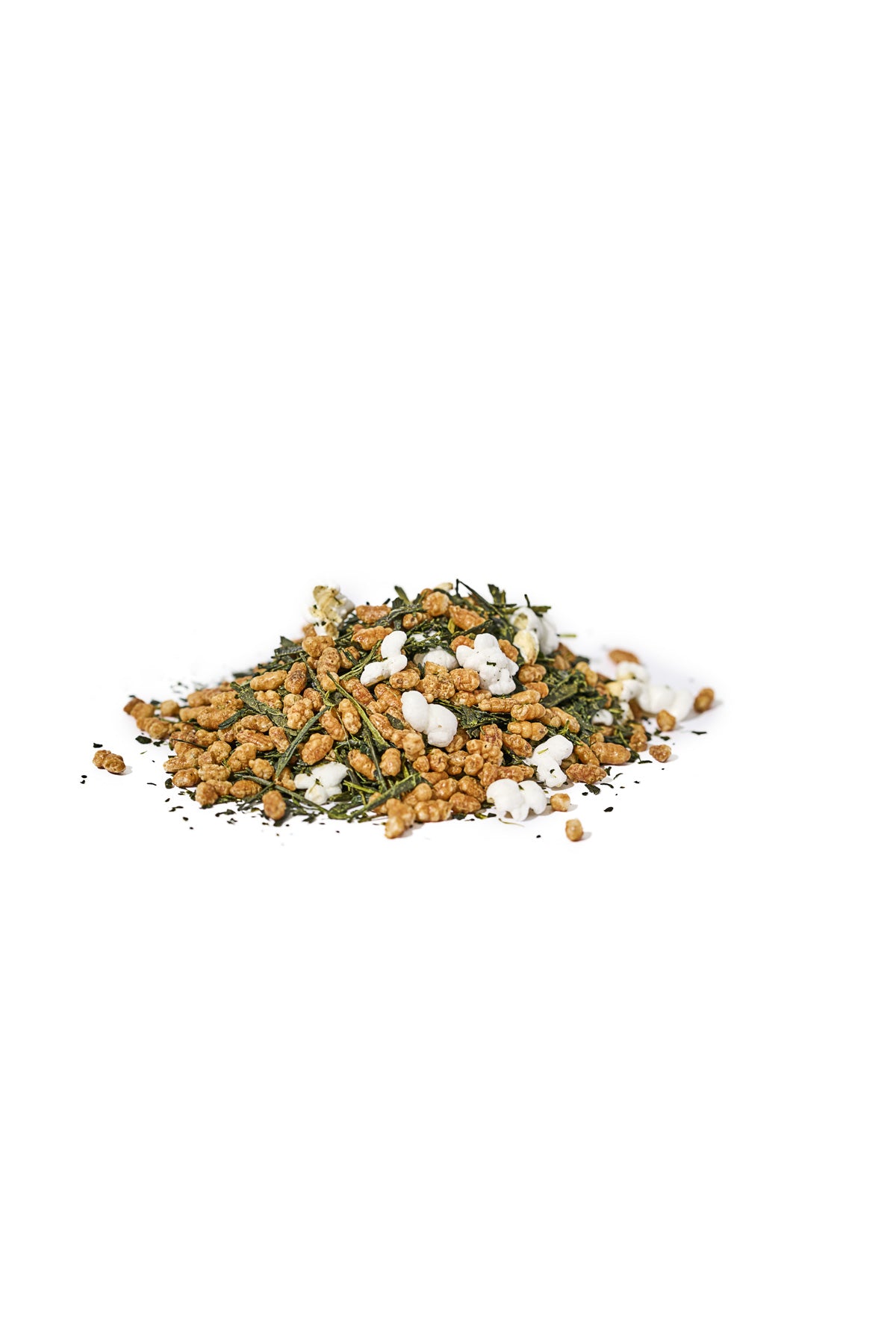
Our premium Japanese Genmaicha blends high-quality green tea with roasted popped brown rice (genmai 玄米), often nicknamed "popcorn tea" because the roasting process sounds like popcorn popping. Popular especially among the older generation in Japan for its mild flavor and lower caffeine content, this tea is easier on the stomach while still offering a rich, comforting taste. The brown rice used is premium Japanese mochi-gome (もち米) sticky rice, enhancing the tea’s nutty, aromatic profile. Made from Fukamushi Sencha and cultivated using the Chagusaba method in nutrient-rich sugarcane soil, this Genmaicha features the Yabukita cultivar and comes in a 7.0 oz (200g) eco-friendly resealable package, enough to steep 50–60 cups.


Related Articles You May Be Interested

10 Popular Types of Japanese Tea Ceremony - How many do you know?
Brief History of Japanese Green Tea: A Cup Full of History and Mystery
The History of Japanese Green Tea
What is Japanese Tea Ceremony? – Explained in 6 Simple Steps
Should You Drink Your Tea Before or After You Eat? – Green Tea Quiz

Get Free Bonus Books

Join Green Tea Club

Sign up for free to the Green Tea Club to get advice and exclusive articles about how to choose Japanese Tea, and tips, tricks, and recipes for enjoying Japanese tea.

Unsubscribe anytime. It’s free!

About the author

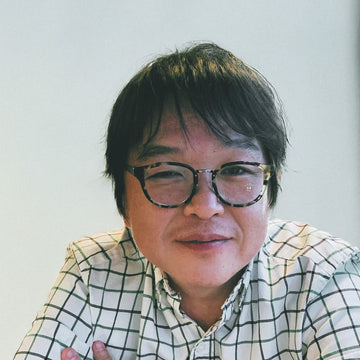
Kei Nishida

Kei Nishida

Author, CEO Dream of Japan

info@japanesegreenteain.com

Certification: PMP, BS in Computer Science

Education: Western Washington University

Kei Nishida is a passionate Japanese green tea connoisseur, writer, and the founder and CEO of Japanese Green Tea Co., a Dream of Japan Company.

Driven by a deep desire to share the rich flavors of his homeland, he established the only company that sources premium tea grown in nutrient-rich sugarcane soil—earning multiple Global Tea Champion awards.

Expanding his mission of introducing Japan’s finest to the world, Kei pioneered the launch of the first-ever Sumiyaki charcoal-roasted coffee through Japanese Coffee Co. He also brought the artistry of traditional Japanese craftsmanship to the global market by making katana-style handmade knives—crafted by a renowned katana maker—available outside Japan for the first time through Japanese Knife Co.

Kei’s journey continues as he uncovers and shares Japan’s hidden treasures with the world.

Learn more about Kei Nishida

Related Posts

What is Shincha - New Crop Tea and What Makes them Unique?
What is Shincha Tea and What Makes It Unique?

Discover the secrets of Shincha, Japan's acclaimed new crop tea. Explore its distinct features, flavors, and traditions.

Read More
Meet Eijiro Tsukada (塚田英次郎): The Charismatic Businessman Behind Cuzen Matcha — Now Available at Japanese Green Tea Co.

Meet Eijiro Tsukada — the man behind Cuzen Matcha. Full guide to the award-winning Matcha Maker, the Pro, and why we're

Read More
Behold: Balmuda's "The MoonKettle" — Where Boiling Water Becomes Art

We were privileged to be invited by Balmuda's Private MoonKettle Launch Event. Here are videos of it and everything you

Read More
2 comments on Samurai and Tea
  • Kei Nishida
    Kei NishidaMarch 15, 2025

    Hi M. London,
    Thank you very much for pointing out the pronunciation m(_ _)m We shall be more careful when creating new videos!

  • M, London
    M, LondonMarch 15, 2025

    It’s a shame about the Japanese language mistake and incorrect pronunciation of the words ’Edo’and ‘Bushidō’.
    Apart from that, quite nice!

Leave a comment

Your email address will not be published..

Cart

Your cart is currently empty.

Start Shopping

Select options