Hojicha Layered Latte

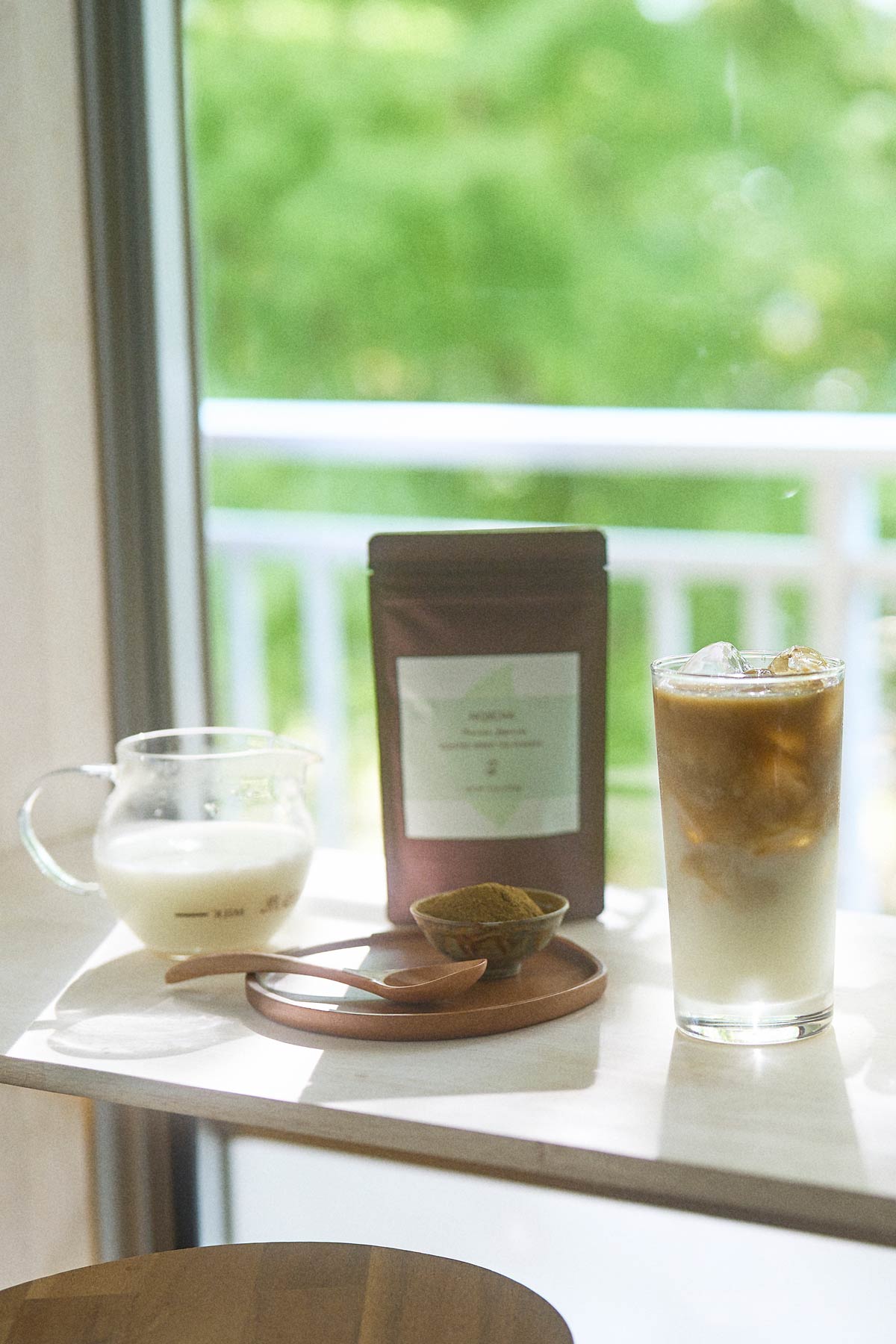
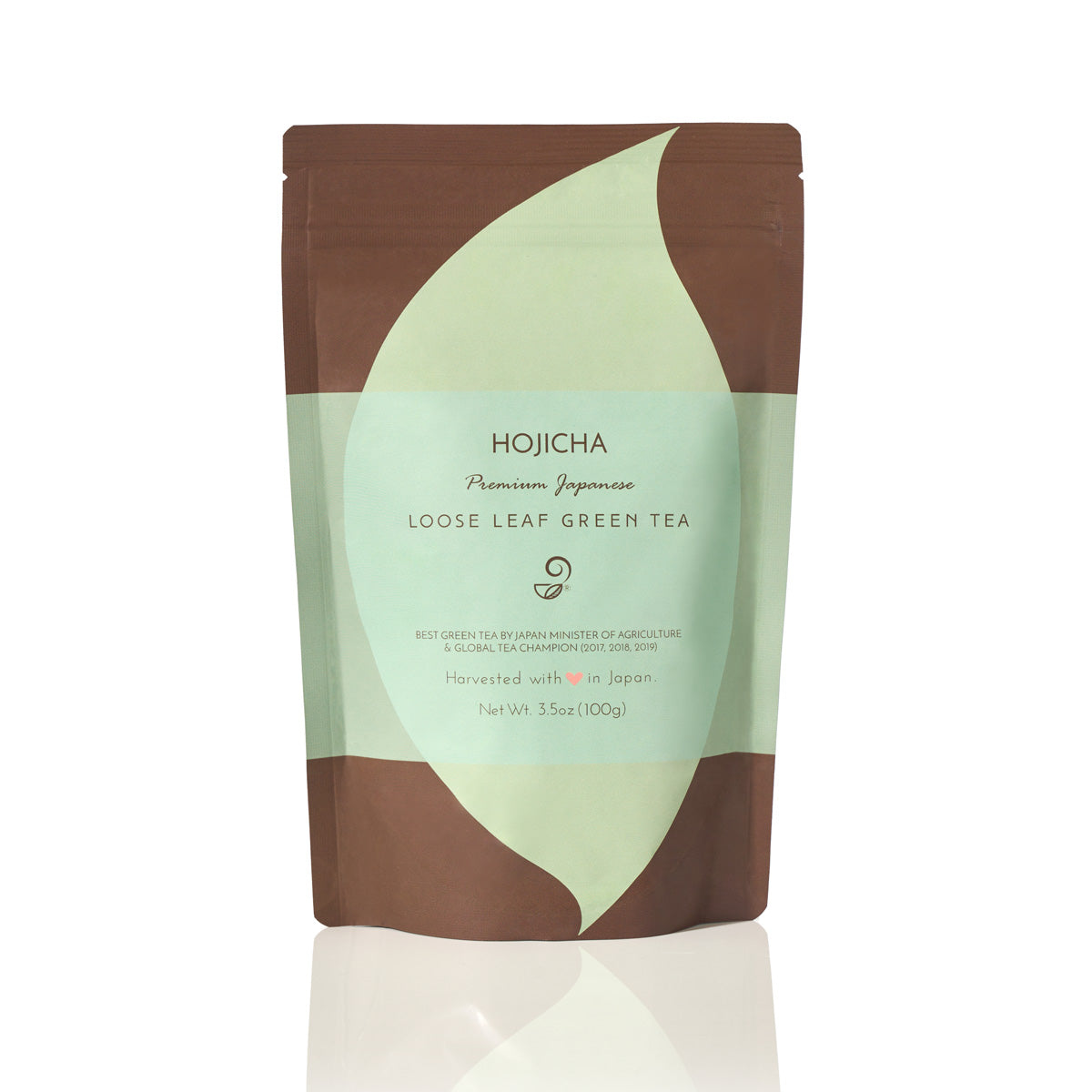
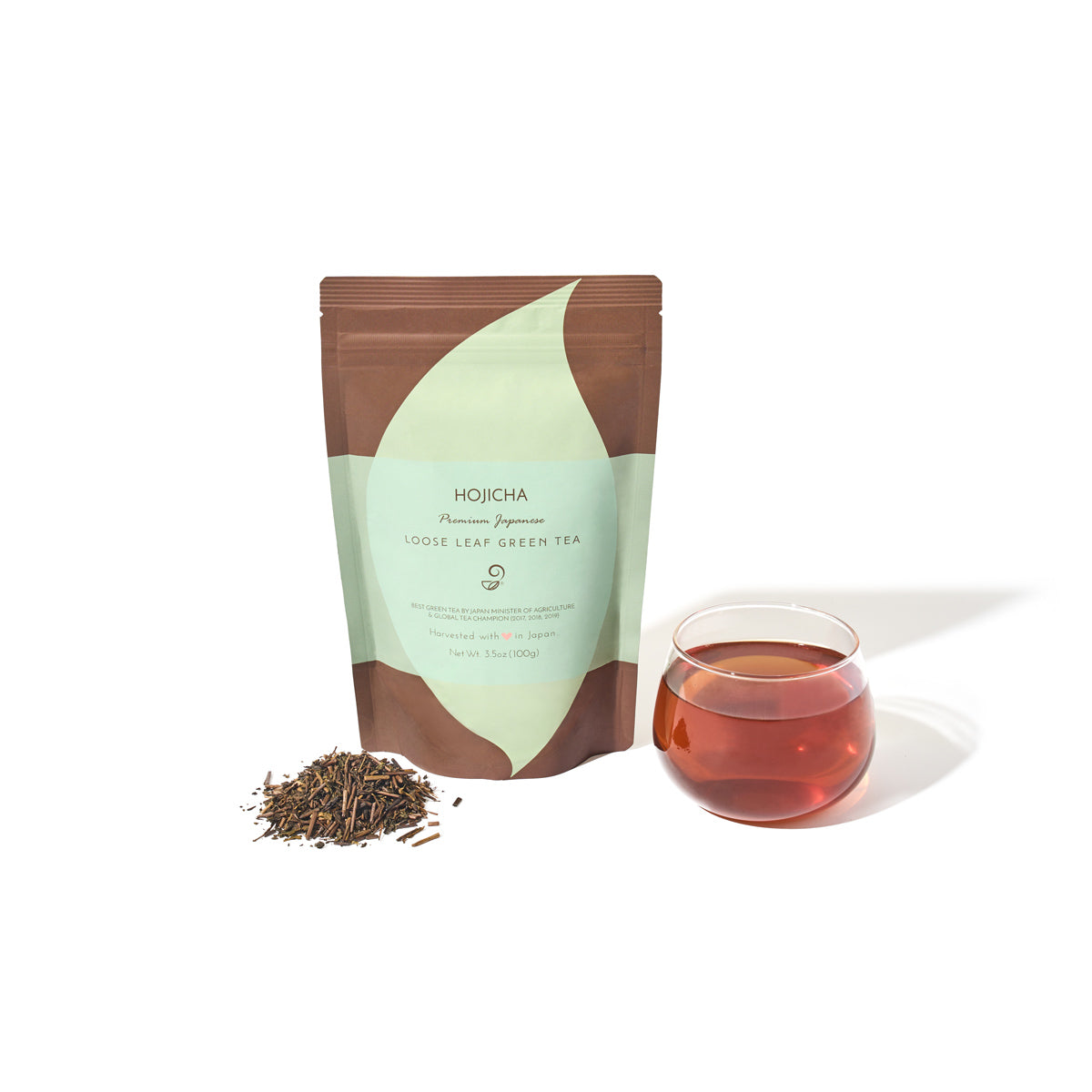
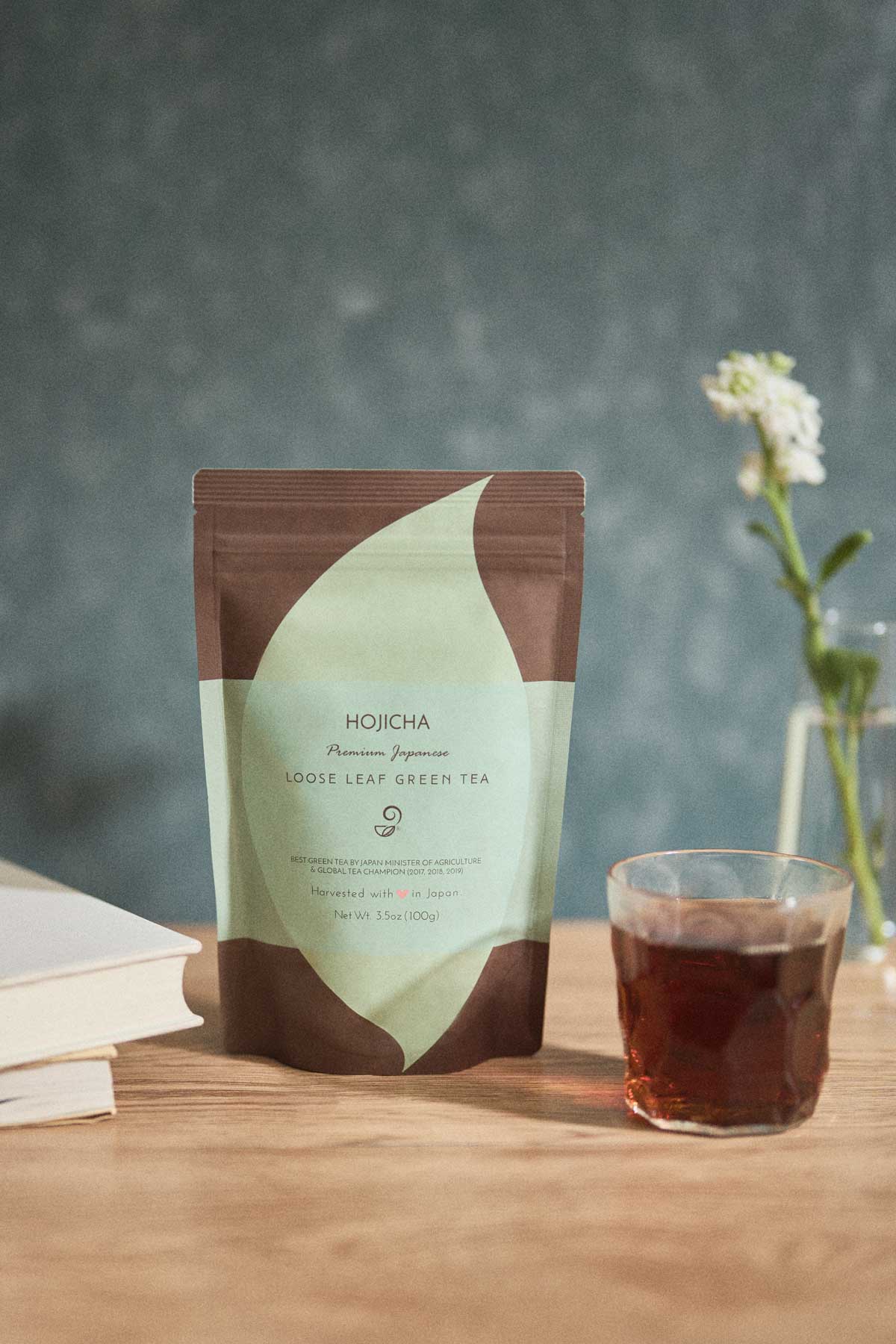
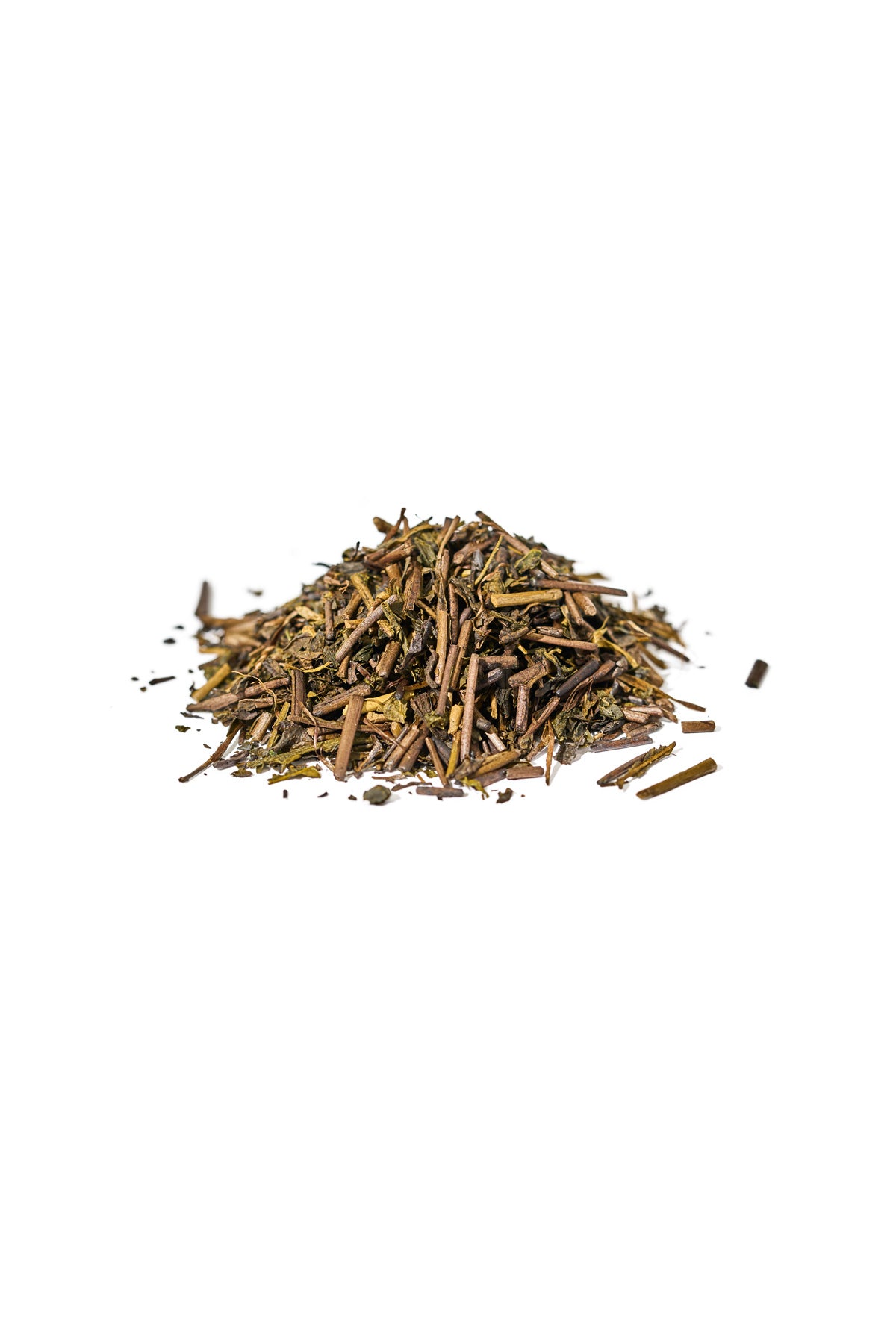
I absolutely adore their hojicha. Hojicha is roasted green tea that has less caffeine and is less bitter than other teas. I’ve had hojicha in a lot of different desserts, but making a latte out of these loose leaves is my favorite.
- Steep 2 teaspoons of hojicha in 1 cup of hot water for 1–2 minutes.
- Froth 130 mL of milk with a teaspoon of liquid sugar.
- Pour the milk and honey mixture into a tall glass.
- Slowly pour your hojicha tea to create the layers in the latte.
The roasted flavor of hojicha mixed with the warm, frothed milk really feels like a warm hug to me. One of my favorite drinks to make and easily impress any guests
Matcha Layered Latte

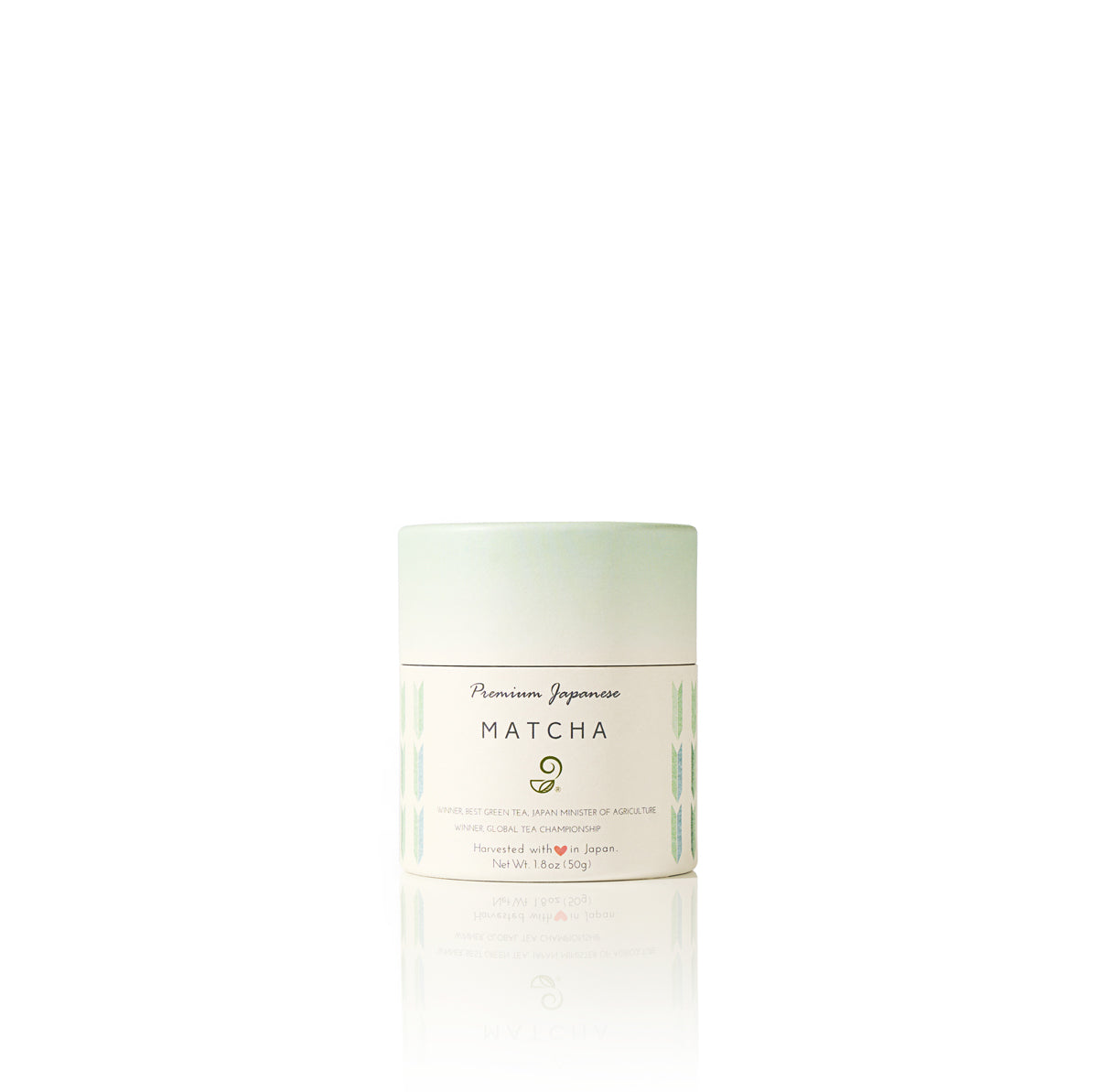
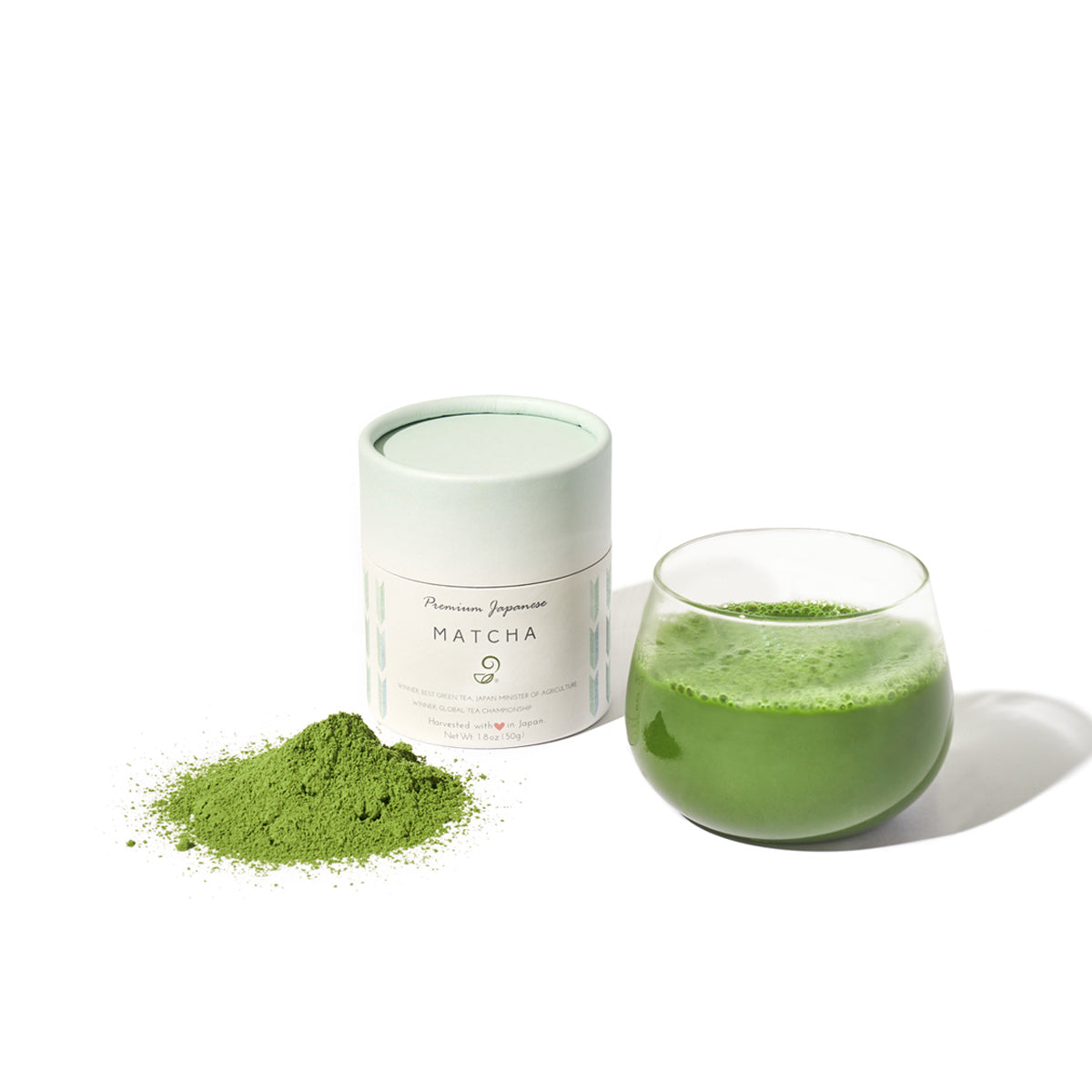
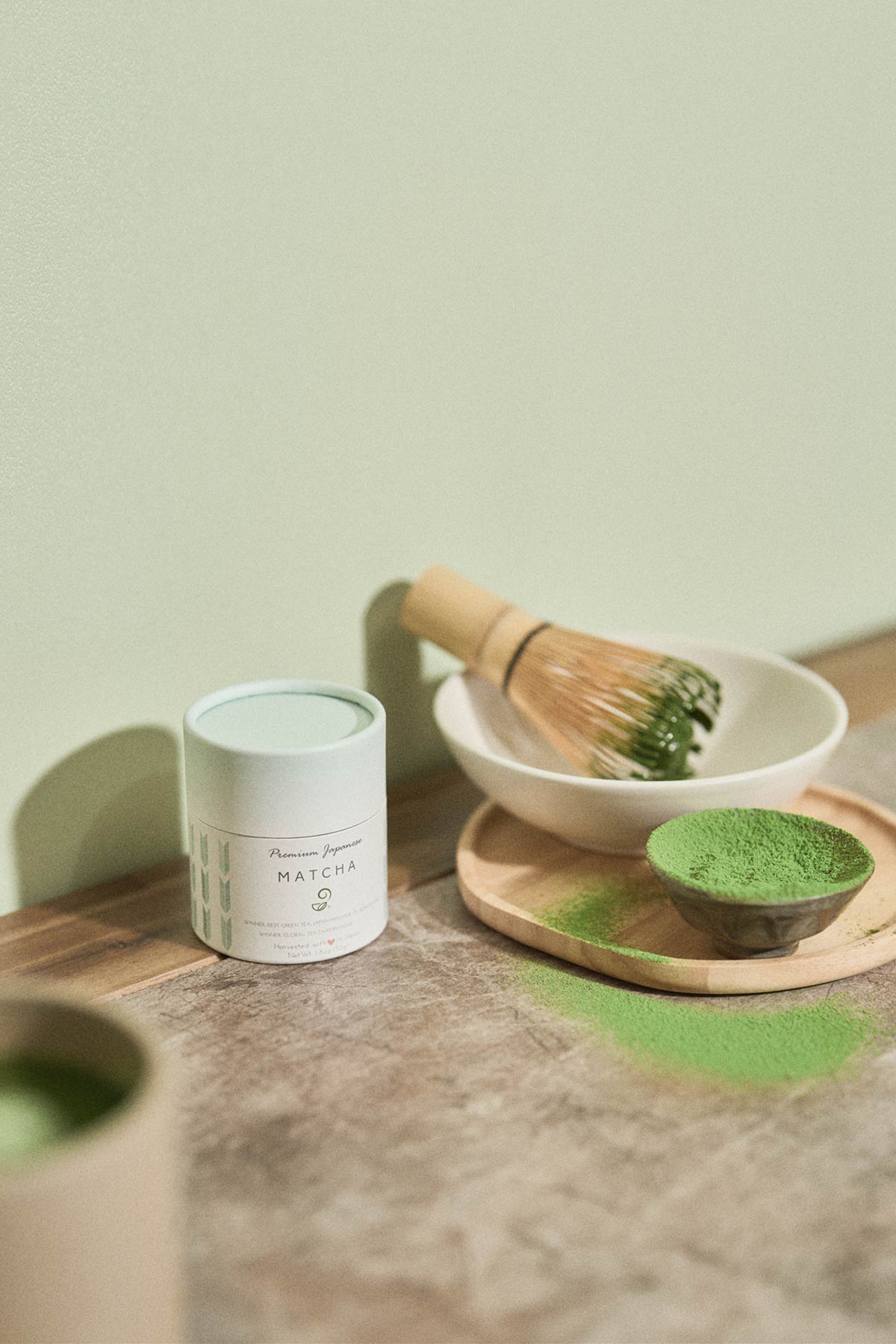
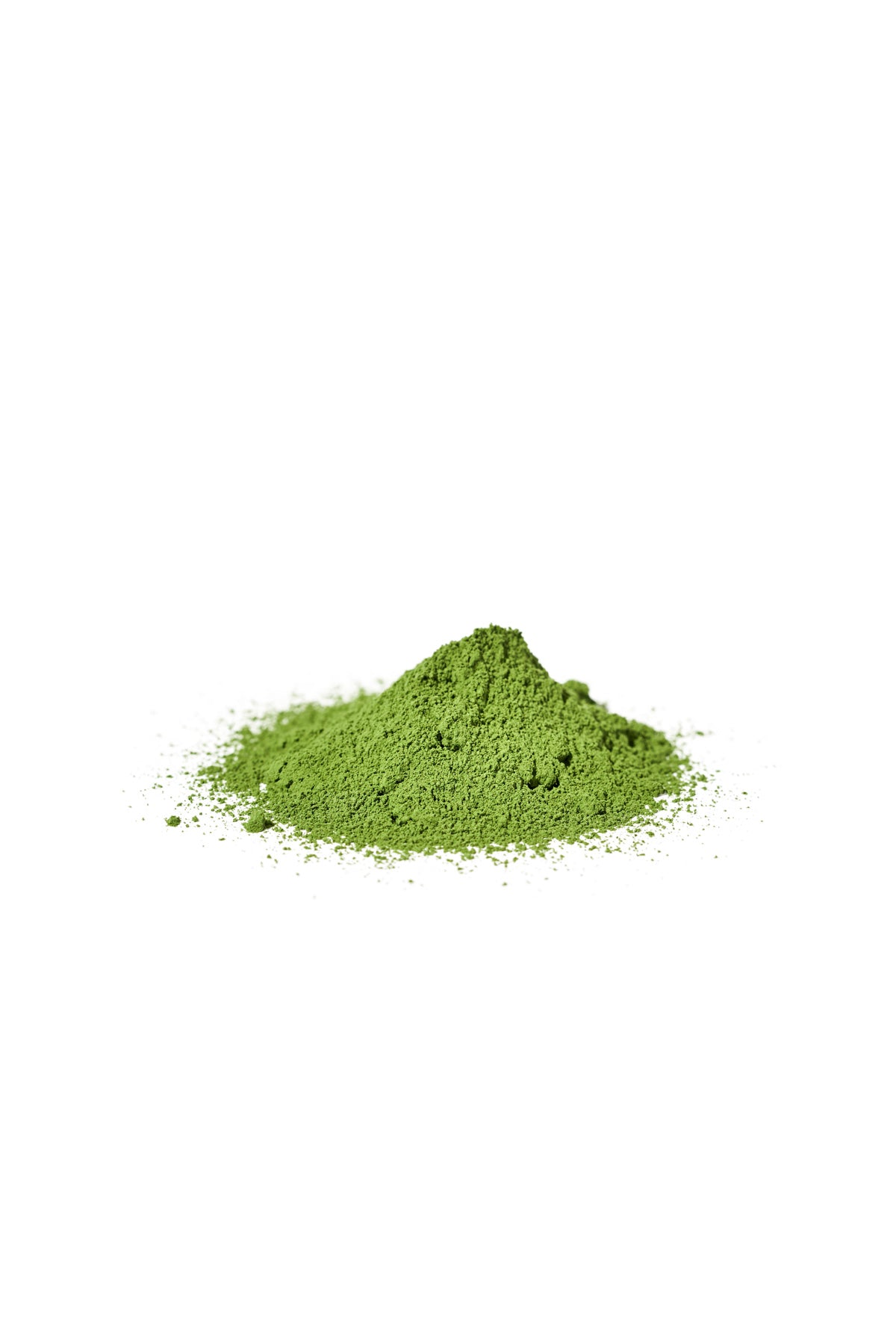
- Instead of hojicha mix in the above recipe, use 2 teaspoons of matcha in 1 cup of hot water and whisk them using a bamboo or electric whisk. The rest of the steps are the same as above, but here they are:
- Froth 130 mL of milk with a teaspoon of liquid sugar.
- Pour the milk and honey mixture into a tall glass.
- Slowly pour your matcha tea to create the layers in the latte.
- Enjoy!
Download Printable Recipe PDF Now
Sign up for the free Green Tea Club (unsubscribe anytime) to download the printable PDF of this recipe now.
This recipe was originally featured by Foodology.ca.
About The Author

Diana
Founder & Editor
Foodology.ca
Diana is the founder and editor of Foodology.ca. She started Foodology.ca when she wanted to share her love of the West Coast (and other cities) with the world. You will most likely find her obsessed with finding hidden gems in the city as well as having an obsession for crispy fried chicken and French fries. When she is not blogging, Diana is a mommy to two cats, Mew and Gandalf, with a little human on the way in February 2019.
FAQs about Layered Hojicha and Matcha Latte
Why does the hojicha and matcha layer separately instead of mixing into one color?
It's a density trick. The matcha layer is whisked into milk with sweetener, which makes it thicker and heavier. The hojicha layer on top is a thinner brewed tea — less density, sits naturally above the matcha. As long as you pour the lighter hojicha gently over a spoon onto the matcha layer, the two stay visibly separate and create that signature green-on-amber stripe.
If you skip the sweetener in the matcha base or pour too aggressively, the layers blend together immediately. So density (sweetener in the bottom) plus a slow pour (over the back of a spoon) is what makes the visual work. Same physics as a layered cocktail.
What's the difference between hojicha and matcha — they're both green tea?
Both are camellia sinensis, but they're processed completely differently. Matcha (抹茶) is shade-grown, stone-ground young leaves consumed as a whisked powder — the whole leaf, including all caffeine and L-theanine. Hojicha (ほうじ茶) is sun-grown sencha or bancha that's pan-roasted at high heat after harvesting, which transforms it into a brown, toasty, low-caffeine tea you steep and discard the leaves of. Roasting destroys most of the caffeine and softens the bitterness.
Flavor-wise they're almost opposites. Matcha is vivid green, vegetal, umami, and slightly creamy. Hojicha is amber, toasty, nutty, almost reminiscent of caramel or toasted bread. The contrast is exactly what makes them pair so well in a layered drink — they don't clash, they complement, like adding cream to coffee but with green tea characters at both ends.
Can I make this latte with hojicha powder instead of brewed loose-leaf hojicha?
Yes, and hojicha powder actually makes the layering easier. Powder dissolves into hot milk like matcha does, so you can build both layers using the same powder-into-milk technique. Use 1 teaspoon of hojicha powder + warm milk + a touch of sweetener for the bottom layer, then matcha + milk on top. Same density trick, more uniform texture.
The flavor is slightly different — hojicha powder is more concentrated and intense than brewed leaves, so you'll taste more roasted notes. If you want the cleaner, lighter brewed-tea version (closer to what's in the original recipe), stick with loose-leaf. If you want a creamier, richer hojicha latte, use the powder.
What's the best matcha for a layered latte — does grade matter?
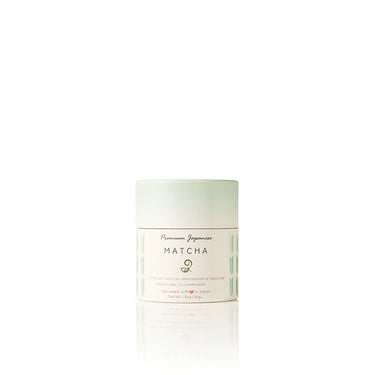
Culinary grade is the right pick for any matcha drink that has milk, sweetener, or other flavors mixed in — including this layered latte. Our Premium Culinary Matcha has a bolder, more pronounced flavor that holds its own against the toasty hojicha and the milk. Ceremonial-grade matcha is too delicate here — its softer, sweeter character gets buried under the hojicha's roasted notes.
Quality still matters within culinary grade. Look for vivid green color and a fresh-grass aroma. Faded or yellowish powder will taste astringent in the latte and the green visual layer won't be as striking either. The color difference between fresh and stale matcha shows up dramatically in a clear glass.
Why does my matcha layer turn out lumpy or grainy?
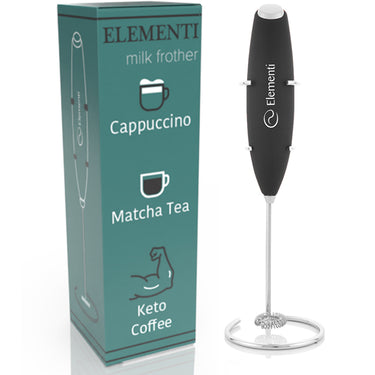
Almost always because the matcha hit milk before being whisked smooth. The fix is the same as for any matcha drink: whisk matcha + a small splash of warm (not boiling) water into a smooth paste FIRST, then add the rest of the milk. Skipping that paste step is the #1 cause of grainy matcha layers.
A handheld electric whisk like the Elementi does the paste step in 10 seconds and produces a noticeably creamier result than stirring. A bamboo chasen (茶筅) works too if you have one. Don't try to whisk matcha directly into cold or boiling-hot milk — temperature too low won't dissolve it, temperature too high makes it bitter.
If you still get tiny lumps, sift the matcha powder through a fine-mesh strainer before adding the water. Two minutes of prep saves the visual.
Related products
Matcha - Ceremonial Japanese Powdered Green Tea
This ceremonial matcha is crafted from the finest Japanese green tea, grown in nutrient-rich soil enhanced with compostable grasses and sugarcane through the Chagusaba method, which gives the tea a natural sweetness and exceptional flavor. In collaboration with researchers from Shizuoka University, farmers ensure that the soil quality consistently produces tea of the highest standard.
Renowned among top Japanese chefs for its unmatched aroma, this matcha is made by carefully shading the plants before harvest to boost caffeine and amino acids, then meticulously drying, de-stemming, and grinding the leaves into a fine powder. Made from the Yabukita cultivar, this 1.8 oz (50g) matcha comes in a high-quality, air-tight paper tube canister, providing a luxurious and authentic Japanese tea experience.
Matcha - Japanese Limited Reserve Ceremonial Green Tea - (Global Tea Champion 2018, 2025)
This Premium Ceremonial Grade Matcha is one of the most luxurious matcha teas available, crafted from carefully cultivated Japanese green tea grown in nutrient-rich sugarcane soil using the Chagusaba method. Traditionally reserved for high-end tea ceremonies in Japan and loved by many tea masters, this matcha was once unavailable outside of Japan and is now finally accessible to U.S. consumers. Every step of its production, from shading the tea plants to increase caffeine and amino acid levels to the meticulous removal of stems and veins before grinding into a fine powder, is handled with a blend of advanced technology and time-honored tradition. Made from the Yabukita cultivar, this 30g (1.05 oz) ceremonial matcha offers a vivid color, unforgettable aroma, and the highest standard of flavor, earning recognition as a Global Tea Champion in 2018 and 2025.
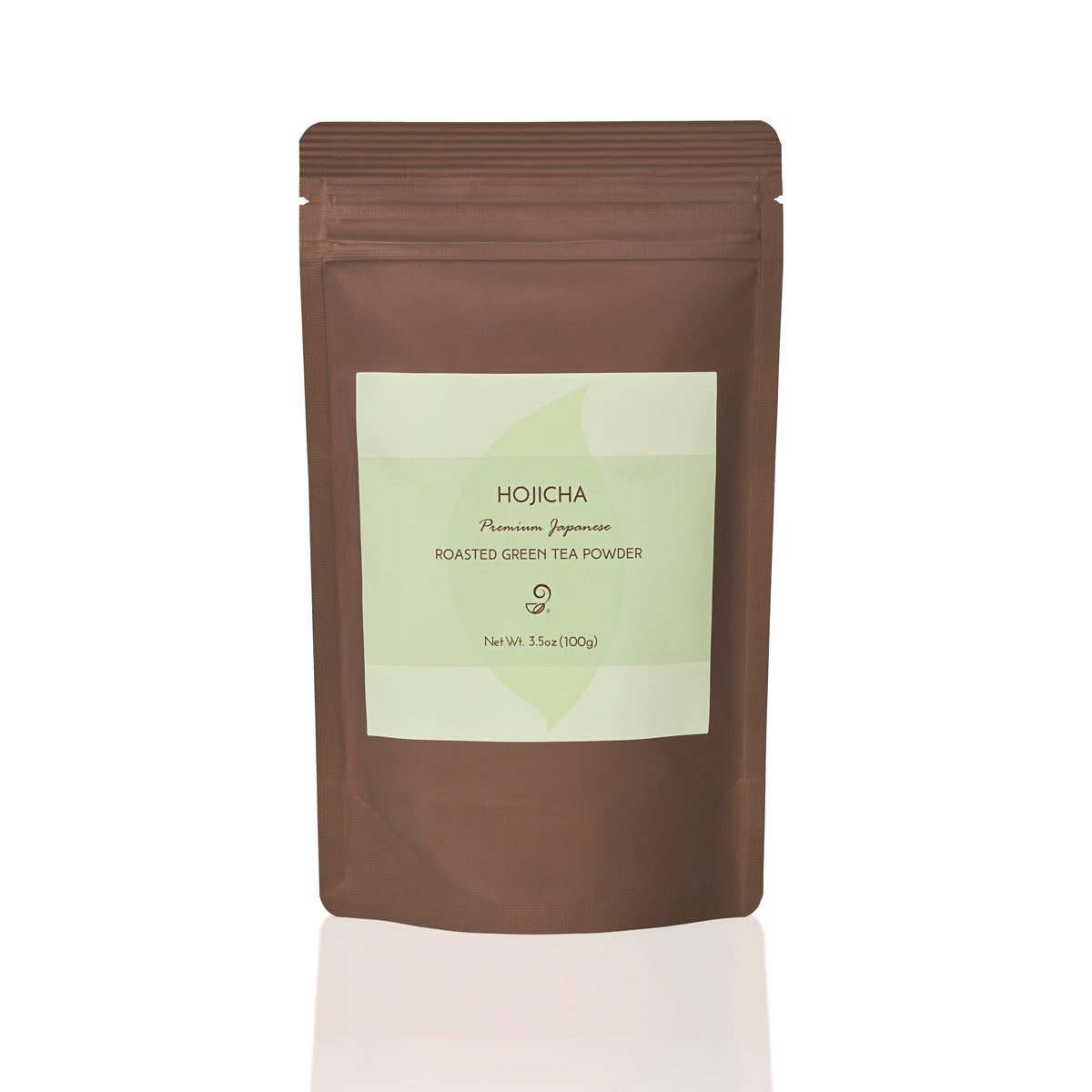
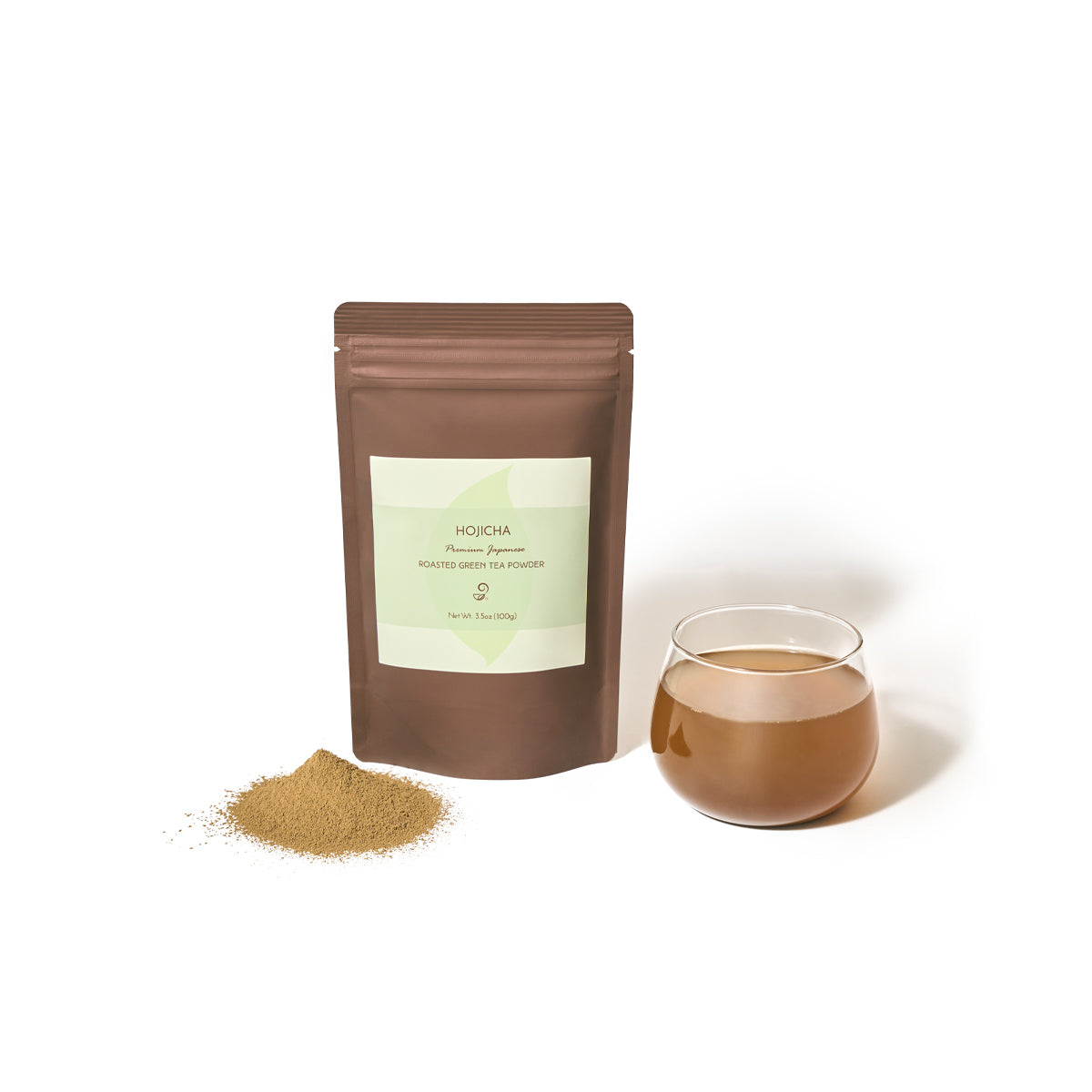
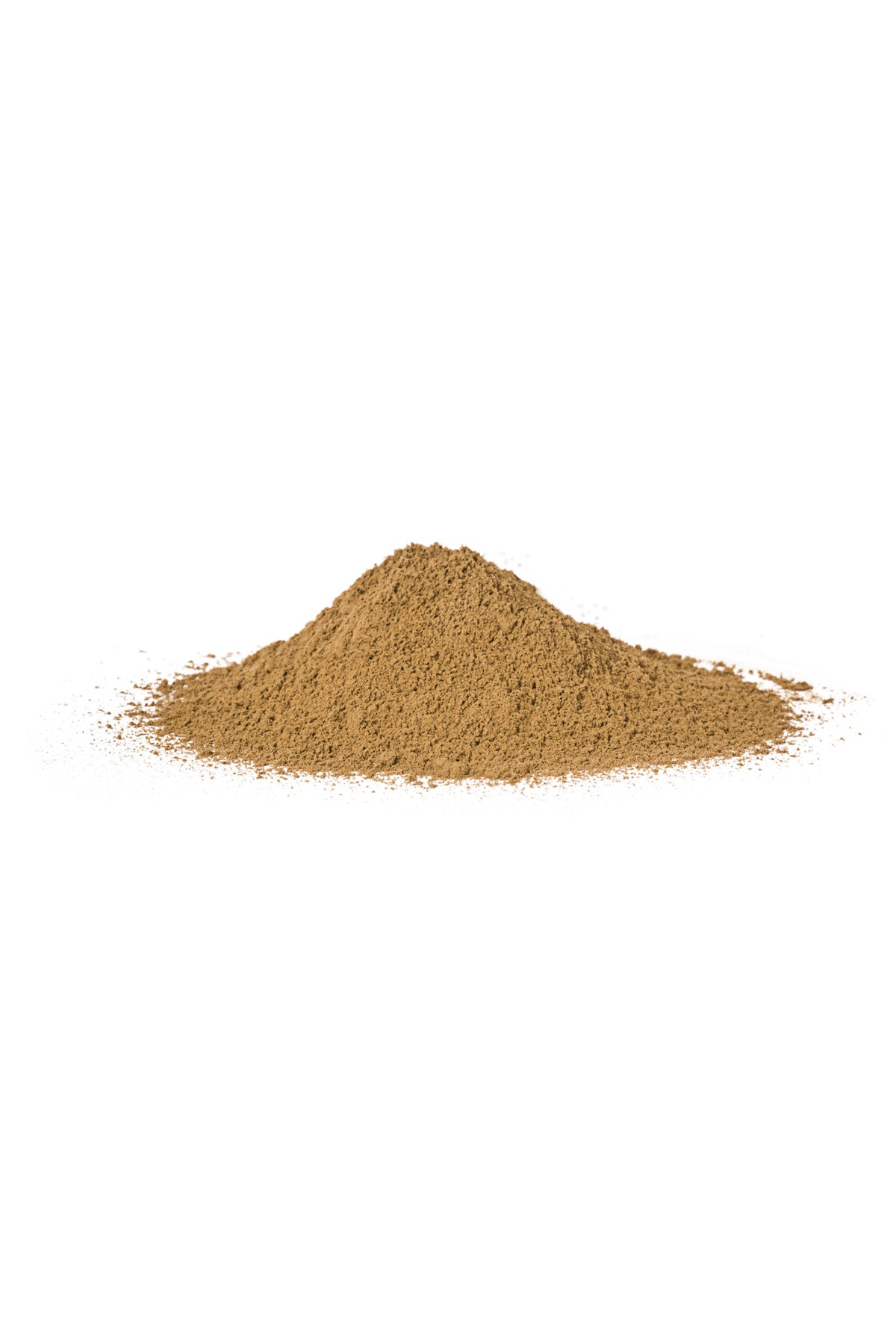
Hojicha Powder - Roasted Green Tea Powder
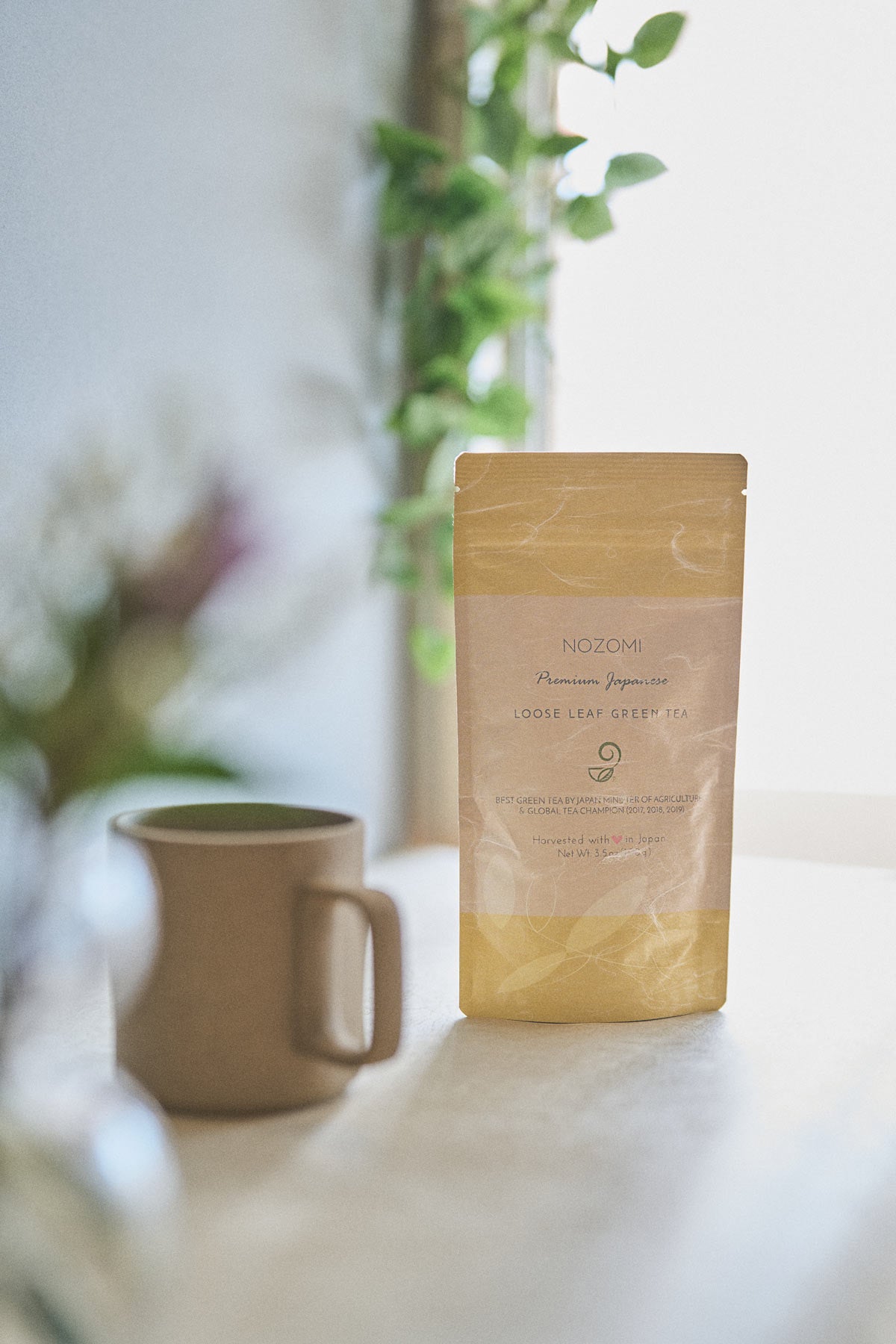
Our roasted green tea, known as hojicha (ほうじ茶), is crafted from freshly harvested premium green tea carefully roasted in porcelain over charcoal to maximize flavor while retaining more catechins than typical hojicha on the market. With lower caffeine and a smoother, less bitter taste compared to steamed green tea, it is an ideal choice for evening relaxation and is gentle enough for kids and pregnant women. Cultivated using the Chagusaba method in nutrient-rich sugarcane soil, this loose-leaf authentic Japanese roasted green tea, made from the Yabukita cultivar, also pairs beautifully with oily foods. Each eco-friendly resealable package contains 3.5 oz (100g) of tea, enough to steep 30–40 comforting cups.
Hojicha - Roasted Green Tea
Our roasted green tea, known as hojicha (ほうじ茶), is crafted from freshly harvested premium green tea carefully roasted in porcelain over charcoal to maximize flavor while retaining more catechins than typical hojicha on the market. With lower caffeine and a smoother, less bitter taste compared to steamed green tea, it is an ideal choice for evening relaxation and is gentle enough for kids and pregnant women. Cultivated using the Chagusaba method in nutrient-rich sugarcane soil, this loose-leaf authentic Japanese roasted green tea, made from the Yabukita cultivar, also pairs beautifully with oily foods. Each eco-friendly resealable package contains 3.5 oz (100g) of tea, enough to steep 30–40 comforting cups.
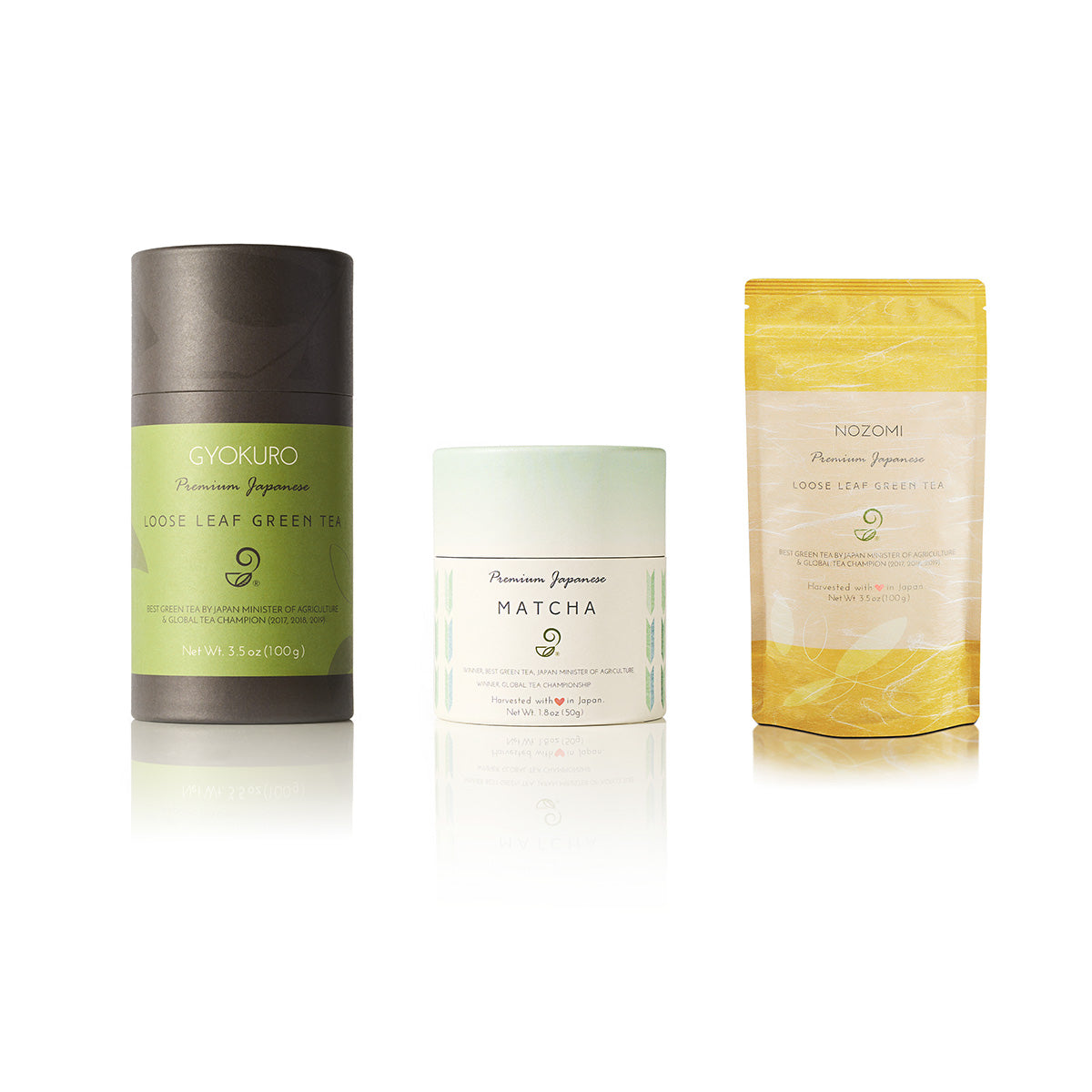
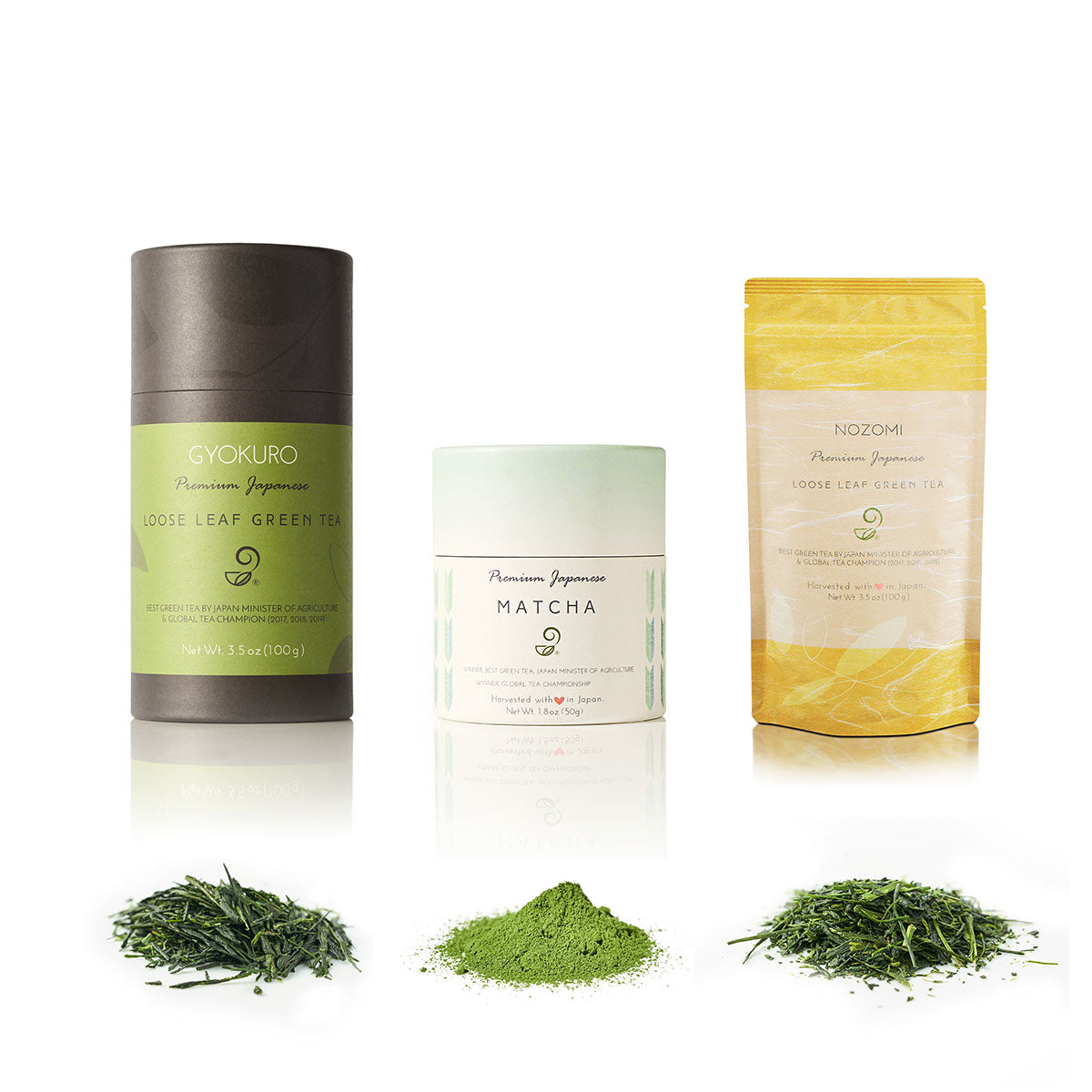
The Covered Trio Gift Set - Ceremonial Matcha, Gyokuro, and Nozomi Japanese Green Tea Set Package
This tea set features three premium Japanese green teas, all cultivated in nutrient-rich sugarcane soil to enhance their flavor and natural sweetness. Gyokuro, a prized shaded green tea, is grown under special mats for 20 days to increase caffeine and amino acid levels, resulting in a rich, sweet taste and deep mossy green color. The set also includes a luxurious matcha, crafted from carefully shaded, hand-processed leaves and renowned for its smooth, aromatic flavor, developed in collaboration with researchers from Shizuoka University to maximize the benefits of the enriched soil. Completing the collection is Nozomi, a fine Kabuse-cha or "Covered Green Tea," where young tea leaves are gently shaded just before sprouting, producing a soft, refined flavor perfect for tea enthusiasts.
Related Articles You May Be Interested
Get Free Bonus Books
Sign up for free to the Green Tea Club to get advice and exclusive articles about how to choose Japanese Tea, and tips, tricks, and recipes for enjoying Japanese tea.
Unsubscribe anytime. It’s free!