Skip to content

Japanese University Confirms Tea Kills COVID-19

Nara Medical University (奈良県立医科大学, Nara Kenritsu Ika Daigaku) reported on November 27th, 2020, that their research confirms that green tea sold in the market can kill or make the virus harmless.

The research is the first stage of the study, and they have not tested with the human body yet; however, adding COVID virus to green tea for one minute reduced their infection by 99%.

They said that the test results differed for a different brand of tea. The university is considering publicizing the brand name after contacting the tea manufacturers.

The research was led by Dr. Hisakazu Yano 矢野寿一.

The team used ten types of bottled green tea and black tea; they mixed the virus with tea and tested their infection over time.

The most effective tea was loose leaf black tea, and the virus lost 1/100 of its infectious power in one minute; after 10 minutes, it lost its infectious power by 1/1000.

Dr. Yano mentions that "there is a possibility of effectiveness in the human body since catechin's effectiveness against influenza has already been proven in the human body by consuming tea."

Dr. Yano also mentions that tea's catechin attaches itself to protruding proteins, which reduces the infectiousness of influenza, and he hypothesizes that the same is happening with COVID-19.

COVID19 killed by tea

--

The image is from the November 27th edition of the Sankei Newspaper in Osaka.

Thank you very much for Kuniaki Tsunoda sharing this first on the Green Tea Club Private Facebook Group

FAQs about Green Tea and COVID-19 Research

Did Japanese research really show green tea kills COVID-19?

In lab cell cultures, yes. Multiple research groups (including teams at Nara Medical University and others) showed during 2020-2021 that EGCG and other green tea catechins inhibit SARS-CoV-2 replication in cell culture studies. The lab signal was real and reproducible.

The clinical translation is much weaker. Lab cell-culture inhibition doesn't reliably translate to clinical COVID prevention or treatment in humans. The catechin concentrations needed for the lab effect are much higher than what realistic tea drinking delivers to relevant body tissues.

So accurately: green tea catechins demonstrate antiviral activity against SARS-CoV-2 in lab studies. Daily green tea drinking probably provides modest support for general immune function but isn't a clinical COVID intervention. Don't substitute green tea for vaccines or established treatments.

Should I drink more green tea during respiratory illness or pandemic conditions?
Within reason, yes. Daily green tea (3-5 cups) provides general anti-inflammatory and antioxidant support that may modestly help with general immune function. The hojicha (ほうじ茶) form is the gentlest for actually-sick periods — low caffeine doesn't disrupt sleep that's critical for healing, the warm liquid soothes the throat, the catechins provide background antimicrobial support.

Don't push beyond 6-8 cups daily during illness — high caffeine intake while sick can disrupt sleep and recovery. Quality of the tea practice (warm, slow, restful) matters more than quantity.

Stack with established immune-support basics: adequate sleep (the most important), good nutrition, hydration, vaccination according to your medical guidance. Tea is supportive across these basics rather than a substitute for them.

How does Japanese university research on tea compare to research from other countries?

Japanese tea research is the most well-funded and produces the deepest body of literature on Japanese green tea specifically. Universities in Shizuoka, Kyoto, and Nara have particular strength in tea chemistry, health effects, and processing optimization — the topics most relevant to specialty tea.

International research adds breadth — Western universities (UCLA, Harvard, various European centers) often focus on cancer-prevention applications and large epidemiological studies; Chinese research often focuses on Chinese green tea varieties; Korean and Taiwanese research focuses on regional tea types.

Combining international research produces a more complete picture than relying on any single country's research alone. Most well-cited tea-health research now appears in international peer-reviewed journals that aggregate findings across multiple countries.

Did the COVID-tea-research findings change anything practical for tea drinkers?

Limited practical change. The lab research generated headlines and increased general interest in green tea during 2020-2021, but didn't produce specific medical guidance about tea-and-COVID. Most physicians continued to recommend established preventive measures (vaccination, masking, distancing in early pandemic) rather than green tea consumption.

For committed tea drinkers, the research validated daily tea practice as one input among many for general wellness. For non-tea-drinkers, the research wasn't compelling enough to drive sustained behavior change — most people who didn't already drink tea didn't start because of COVID research.

The longer-term lesson: green tea continues to be a low-cost, low-risk daily wellness practice with documented support for general immune function. The specific COVID research is one piece of evidence among many; daily green tea practice is reasonable based on the broader evidence base.

Are there other respiratory illnesses where green tea has documented benefit?

Some evidence for influenza prevention. Multiple studies have shown that daily green tea consumption modestly reduces influenza incidence in regular drinkers compared to non-drinkers. Effect size is small but consistent across studies. Some research suggests green tea gargling (using cooled tea as gargle) may have additional respiratory benefit, though the evidence is preliminary.

For common colds, green tea has supportive effects on symptom severity and duration but isn't a cure. The L-theanine helps with cold-related fatigue; the warm liquid soothes inflamed mucous membranes; the catechins provide background antimicrobial support.

For more serious respiratory conditions (pneumonia, severe asthma, COPD), green tea is supportive at best — these require medical treatment rather than tea-based intervention. Don't substitute tea for medical care; do use tea as a supportive daily practice alongside whatever care you need.

Related products

8 reviews

The Sencha Lover Gift Set - Premium Japanese Green Tea Set Package
$179.00 $159.99
Quick view

This tea set features three exceptional Japanese green teas, each crafted with care and traditional techniques. Issaku Reserve, a Global Tea Champion winner in 2017 and 2019, is a rare masterpiece created by Farm Master Mr. Arahata at Arahataen Green Tea Farm. Handpicked once a year from the first flush and processed with advanced methods, Issaku represents the highest-grade deep-steamed green tea, available only in limited quantities even in Japan.

The set also includes Gyokuro, a premium shaded green tea known for its rich, sweet flavor and deep mossy green color. Grown under special mats for 20 days to increase caffeine and amino acid levels, Gyokuro offers a layered, smooth taste unlike any other. Completing the collection is Nozomi, a fine Kabuse-cha, or "Covered Green Tea," carefully grown under nets to gently shade the leaves just before new sprouts emerge, resulting in a soft, rich, and refined flavor profile.

97 reviews

Gyokuro - Shaded Imperial Premium Green Tea

$65.00
Quick view

Gyokuro, also known as "jade dew" or "jewel dew tea," is a premium Japanese green tea shaded from the sun for 20 days using specially made mats, a method that boosts caffeine levels and strengthens amino acids to create a sweeter, richer flavor. This extended shading process results in dark, mossy green leaves with an unmistakable aroma and a complex taste that is layered yet balanced. Cultivated by the Chagusaba method in nutrient-rich sugarcane soil and made from the Yabukita cultivar, this loose-leaf authentic Gyokuro is offered in a high-quality, air-tight paper tube canister (chyazutsu) to preserve its exceptional freshness and flavor. Each 3.5 oz (100g) full-size package steeps 30–40 cups, and a convenient single-serve sample is also available.

45 reviews

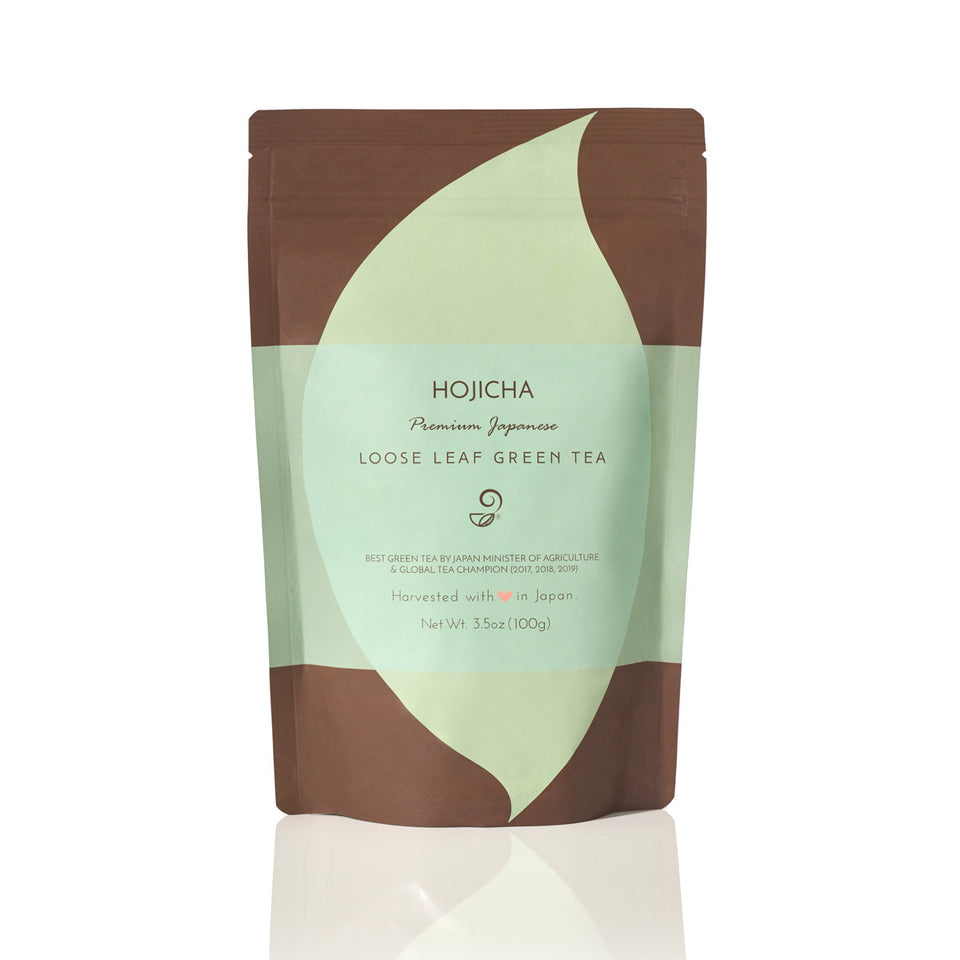
Hojicha - Roasted Green Tea

$25.00
Quick view

Our roasted green tea, known as hojicha (ほうじ茶), is crafted from freshly harvested premium green tea carefully roasted in porcelain over charcoal to maximize flavor while retaining more catechins than typical hojicha on the market. With lower caffeine and a smoother, less bitter taste compared to steamed green tea, it is an ideal choice for evening relaxation and is gentle enough for kids and pregnant women. Cultivated using the Chagusaba method in nutrient-rich sugarcane soil, this loose-leaf authentic Japanese roasted green tea, made from the Yabukita cultivar, also pairs beautifully with oily foods. Each eco-friendly resealable package contains 3.5 oz (100g) of tea, enough to steep 30–40 comforting cups.

80 reviews

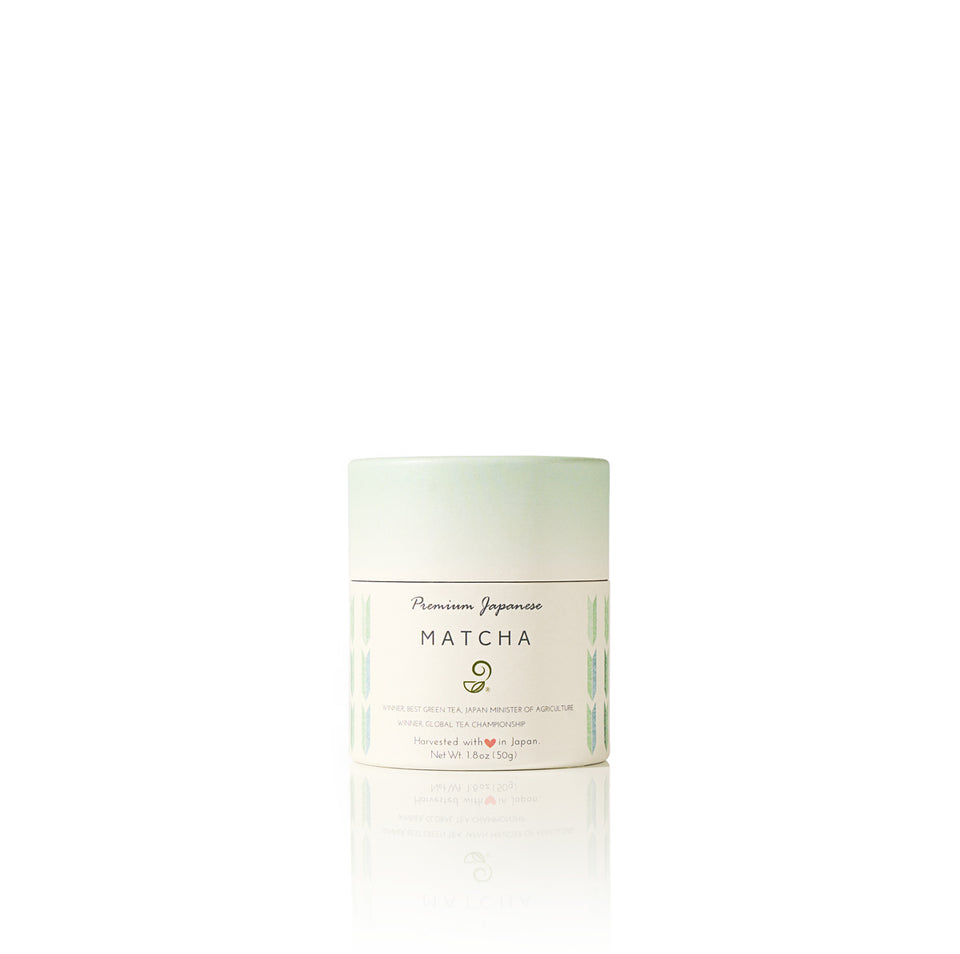
Matcha - Ceremonial Japanese Powdered Green Tea

$39.00
Quick view

This ceremonial matcha is crafted from the finest Japanese green tea, grown in nutrient-rich soil enhanced with compostable grasses and sugarcane through the Chagusaba method, which gives the tea a natural sweetness and exceptional flavor. In collaboration with researchers from Shizuoka University, farmers ensure that the soil quality consistently produces tea of the highest standard.

Renowned among top Japanese chefs for its unmatched aroma, this matcha is made by carefully shading the plants before harvest to boost caffeine and amino acids, then meticulously drying, de-stemming, and grinding the leaves into a fine powder. Made from the Yabukita cultivar, this 1.8 oz (50g) matcha comes in a high-quality, air-tight paper tube canister, providing a luxurious and authentic Japanese tea experience.

42 reviews

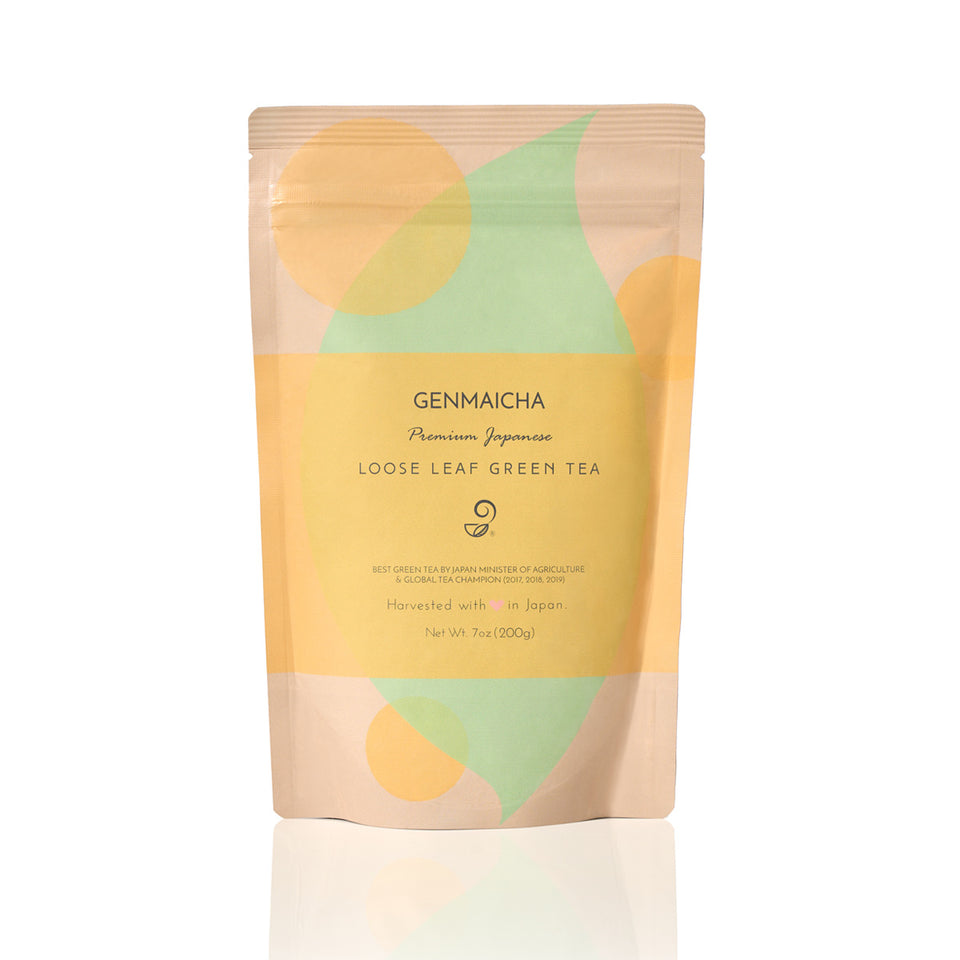
Genmaicha - Green Tea with Roasted Brown Rice

$30.00
Quick view

Our premium Japanese Genmaicha blends high-quality green tea with roasted popped brown rice (genmai 玄米), often nicknamed "popcorn tea" because the roasting process sounds like popcorn popping. Popular especially among the older generation in Japan for its mild flavor and lower caffeine content, this tea is easier on the stomach while still offering a rich, comforting taste. The brown rice used is premium Japanese mochi-gome (もち米) sticky rice, enhancing the tea’s nutty, aromatic profile. Made from Fukamushi Sencha and cultivated using the Chagusaba method in nutrient-rich sugarcane soil, this Genmaicha features the Yabukita cultivar and comes in a 7.0 oz (200g) eco-friendly resealable package, enough to steep 50–60 cups.


Related Articles You May Be Interested

Behind the Scenes – How We Made the Event Booth & Backdrop Using Sacred Wood
Green Tea Bubble Tea - What is it? Why is it Trending? & How You Can Make it at Home
Green Tea for Digestion: Does it Help?
Does a Cup of Tea count as Water Intake? - Green Tea Quiz
Scientifically Proven Ways Japanese Green Tea Makes Your Bones Stronger

Get Free Bonus Books

Join Green Tea Club

Sign up for free to the Green Tea Club to get advice and exclusive articles about how to choose Japanese Tea, and tips, tricks, and recipes for enjoying Japanese tea.

Unsubscribe anytime. It’s free!

About the author

Kei Nishida

Kei Nishida

Author, CEO Dream of Japan

info@japanesegreenteain.com

Certification: PMP, BS in Computer Science

Education: Western Washington University
Kei Nishida is a passionate Japanese green tea connoisseur, writer, and the founder and CEO of Japanese Green Tea Co., a Dream of Japan Company.

Driven by a deep desire to share the rich flavors of his homeland, he established the only company that sources premium tea grown in nutrient-rich sugarcane soil—earning multiple Global Tea Champion awards.

Expanding his mission of introducing Japan’s finest to the world, Kei pioneered the launch of the first-ever Sumiyaki charcoal-roasted coffee through Japanese Coffee Co. He also brought the artistry of traditional Japanese craftsmanship to the global market by making katana-style handmade knives—crafted by a renowned katana maker—available outside Japan for the first time through Japanese Knife Co.

Kei’s journey continues as he uncovers and shares Japan’s hidden treasures with the world.

Learn more about Kei Nishida

Related Posts

Our Matcha Is Now at Pillow Talk Cafe in Pasadena — Master Japanese-Inspired Cake Makers

Our matcha is now at Pillow Talk Cafe Pasadena! Meet the cafe, try the Egg Heaven sando & Matchamisu, and see how th

Read More
Simply Donabe — New Cookbook from TOIRO's Naoko-san Is Out!

Simply Donabe is here! We celebrated TOIRO's Naoko-san's new cookbook at a special dinner at Camélia in DTLA — see our p

Read More
Introducing New Product - Meet Hojicha Powder
Introducing A New Product - Meet Hojicha Powder

Discover the game-changing Hojicha powder your kitchen has been waiting for — richer flavor, easier recipes, and surpris

Read More
2 comments on Japanese University Confirms Tea Kills COVID-19
  • Kei Nishida
    Kei NishidaDecember 07, 2020

    Hi Freya,
    Thank you very much for your comment.
    The lab was done for direct contact with the virus. The study with the human body has not been done yet. Since tea provides a better immune system, I would assume that tea does help; however, the effect in the human body against COVID19 has not been proven yet.

  • Freya F Szeremet
    Freya F SzeremetDecember 07, 2020

    Does tea have to come in direct contact with the virus? Does drinking tea have any effect?

Leave a comment

Your email address will not be published..

Cart

Your cart is currently empty.

Start Shopping

Select options