Skip to content

Is Green Tea Addictive?

Is Green Tea Addictive?

One of the side effects of drinking green tea is that you can easily get addicted to it. The caffeine in green tea makes it addictive, and when regular green tea drinkers do not get their daily cup at the same time, it can leave them weary, lethargic, and irritable and bring down their energy levels instead. Some people may even experience headaches and fatigue until they get their daily quota of three to four cups of green tea.

Caffeine is a highly addictive substance, just like what is found in a cup of coffee. Intake of caffeine on a habitual basis can lead to dependency because of the temporary energy boost that caffeine seems to offer; thus, it is not an ideal food to include in your diet when it comes to eating for energy. This is because caffeine delivers a deceitful sense of energy to the body by blocking adenosine receptors, which tell a person’s body when that person is tired. Caffeine also causes rapid blood sugar fluctuations, which can leave a person feeling more exhausted than ever and showing symptoms of tiredness. It is not right to be dependent on any substance to obtain energy, and since caffeine is addictive, habitual drinkers of green tea at an excessive level may also show withdrawal symptoms, such as headaches, when trying to remove it from their intake.

Although tea leaves contain 3.5% caffeine and coffee beans have 1.1–2.2%, making it seem that tea has higher caffeine than coffee, the process of brewing coffee in hot water makes it extract more of the caffeine from the coffee beans. Also, more coffee beans are used in drinking a cup of coffee than the number of leaves used in drinking a cup of tea, so a cup of brewed coffee generally has more caffeine than a cup of green tea.

However, fret not, as due to the unique component theanine found in green tea, the impact of caffeine is very much regulated so that caffeine jittery after effects do not usually happen with tea as they do with coffee; thus, a cup a day or even three to four cups a day will not get you addicted to it. In fact, it will keep you fit and alert the whole day. In a research study conducted by Skrzydlewska, Ostrowska, Stankiewicz, and Farbiszewski from the Department of Analytical Chemistry, Medical Academy of Bialystok in Bialystok, Poland, green tea prevents the changes observed after ethanol intoxication and diminishes oxidative damage induced by cigarette smoking. Green tea also protects membrane phospholipids from enhanced peroxidation. These results indicate a beneficial effect of green tea on alcohol intoxication.

Green tea contains relatively large amounts of polyphenols, and tea polyphenols comprise mostly catechins and catechin derivatives, which are considered to have antioxidant properties.

How Many Times A Day Do You Drink Tea?

I was curious, so I asked this question to everyone at the private Facebook group, Green Tea Club. Here is the answer from the poll: If you want to join us and have tea conversation, please click here to join our private Facebook group, Green Tea Club.

How many times do you drink tea in a day?

FAQs about Whether Green Tea is Addictive

Is green tea actually physically addictive, or is it just a habit?

It's caffeine dependence rather than addiction in the clinical sense. Green tea has caffeine, and caffeine is the most-consumed psychoactive substance on the planet — your body adapts to a regular dose by adjusting adenosine receptor sensitivity, so when the dose stops, you feel tired, headachy, and irritable for a few days. That's physical dependence, not addiction. Addiction implies compulsive use despite harm; caffeine doesn't reach that threshold for almost anyone.

The other compound worth mentioning is L-theanine, which is unique to tea (specifically Camellia sinensis). L-theanine doesn't cause dependence — actually the opposite. It modulates the caffeine effect to feel calmer and more sustained than coffee's caffeine, which is why people describe green tea as "focused" rather than "jittery." There's no withdrawal from L-theanine.

Practical bottom line: a daily green tea habit is more like a daily walk habit than a daily-cigarette habit. Your body adjusts, you feel off without it, and that's basically it.

What withdrawal symptoms should I expect if I quit green tea cold turkey?

If you've been drinking 3+ cups daily for months, the typical withdrawal arc is: mild headache starting 12–24 hours after your last cup, peaking around day 2–3; fatigue and slight brain fog through days 1–4; some people get a stuffy nose or muscle aches that feel mildly flu-like. Almost everyone is fully back to baseline within a week.

The headache is the most reliable symptom. It's caused by the rebound vasodilation that happens when caffeine's vasoconstricting effect stops — blood vessels in the head expand more than usual, which the brain registers as a headache. Hydration helps but doesn't eliminate it; over-the-counter pain relievers do.

If you've been at 1–2 cups a day, withdrawal is mild — maybe a single afternoon of slight fatigue. The dose-response curve is real: heavy daily caffeine intake produces real withdrawal, light intake barely registers.

How do I taper off green tea without getting headaches or fatigue?

Taper by 25% per week, not all at once. Cut from 4 cups to 3, hold for a week, drop to 2, hold for a week, then 1 cup. The slow ramp gives your adenosine receptors time to upregulate without triggering the rebound headache. Most people complete the taper in 4–6 weeks symptom-free.

During the taper, switch part of your intake to hojicha (ほうじ茶) — the high-temperature roasting reduces the caffeine to about a third of regular sencha (around 7–10 mg per cup vs. 25–30 mg). You can keep the daily ritual, the warm-cup habit, and the L-theanine without the caffeine load. Same for genmaicha, which is also naturally lower caffeine.

If you're tapering specifically for sleep, our green tea caffeine breakdown walks through how brewing variables (temperature, time, leaf grade) shift the caffeine dose — small changes can drop your intake without you cutting any cups.

Green Tea Science Part 3: Everything You Need to Know About Green Tea and Caffeine

Is green tea more or less addictive than coffee?

Less, by a meaningful margin. The caffeine content is part of it — green tea has about 25–35 mg per cup vs. coffee's 95–120 mg, so the per-serving dose is 3–4x lower. But the more important factor is L-theanine, which buffers the caffeine effect. Coffee's caffeine hits hard and clears fast, which trains the body to crave the next dose; green tea's caffeine releases more slowly and tapers gently, which produces a less acute craving cycle.

Coffee withdrawal is genuinely worse — bigger headaches, more fatigue, sometimes mild nausea. Green tea withdrawal at equivalent caffeine total is mostly just slight tiredness. People who switch from coffee to green tea often describe the experience as "surprisingly easy," which is the L-theanine doing its work.

That said, neither is a real addiction in the clinical sense. Both produce mild physical dependence at sustained daily intake; neither produces compulsive use the way alcohol, nicotine, or harder drugs do. Drinking 3 cups of either daily is one of the most benign habits a human body can have.

How many cups per day before "I love green tea" becomes "I'm dependent"?

Physical dependence (the kind where you'd get a headache from quitting) starts at roughly 100 mg of daily caffeine, which is around 3 cups of green tea. Below that, you're a casual drinker; above that, your body has adapted to expect it. The adaptation isn't bad — most people sit at 200–400 mg/day total caffeine across all sources without any health downside.

The threshold worth watching is closer to 6–8 cups per day (around 200+ mg from green tea alone). Above that, you start running into caffeine accumulation issues — disrupted sleep architecture even if you fall asleep fine, slight tolerance to the focus benefit, occasional anxiety spikes. The L-theanine helps but doesn't fully neutralize that much caffeine.

My honest answer: 3–5 cups of sencha (or 1 bowl of matcha plus 1–2 cups of sencha) per day is the sweet spot for most people — enough for the antioxidant benefit and the focus boost, low enough to not disrupt sleep or build heavy dependence. Above 6 cups daily, it's worth asking whether you're drinking it for the tea or for the caffeine.

Related products

80 reviews

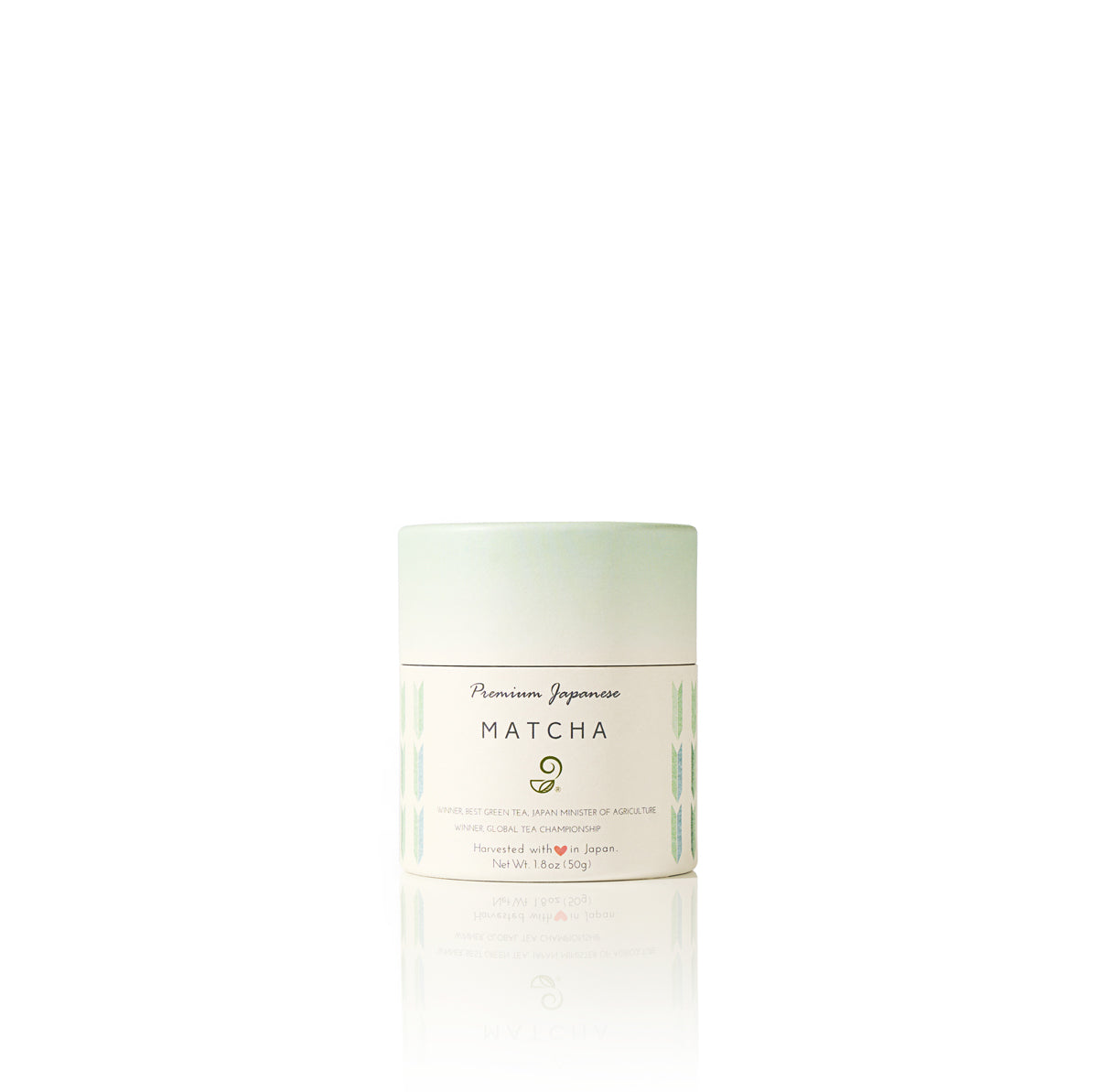
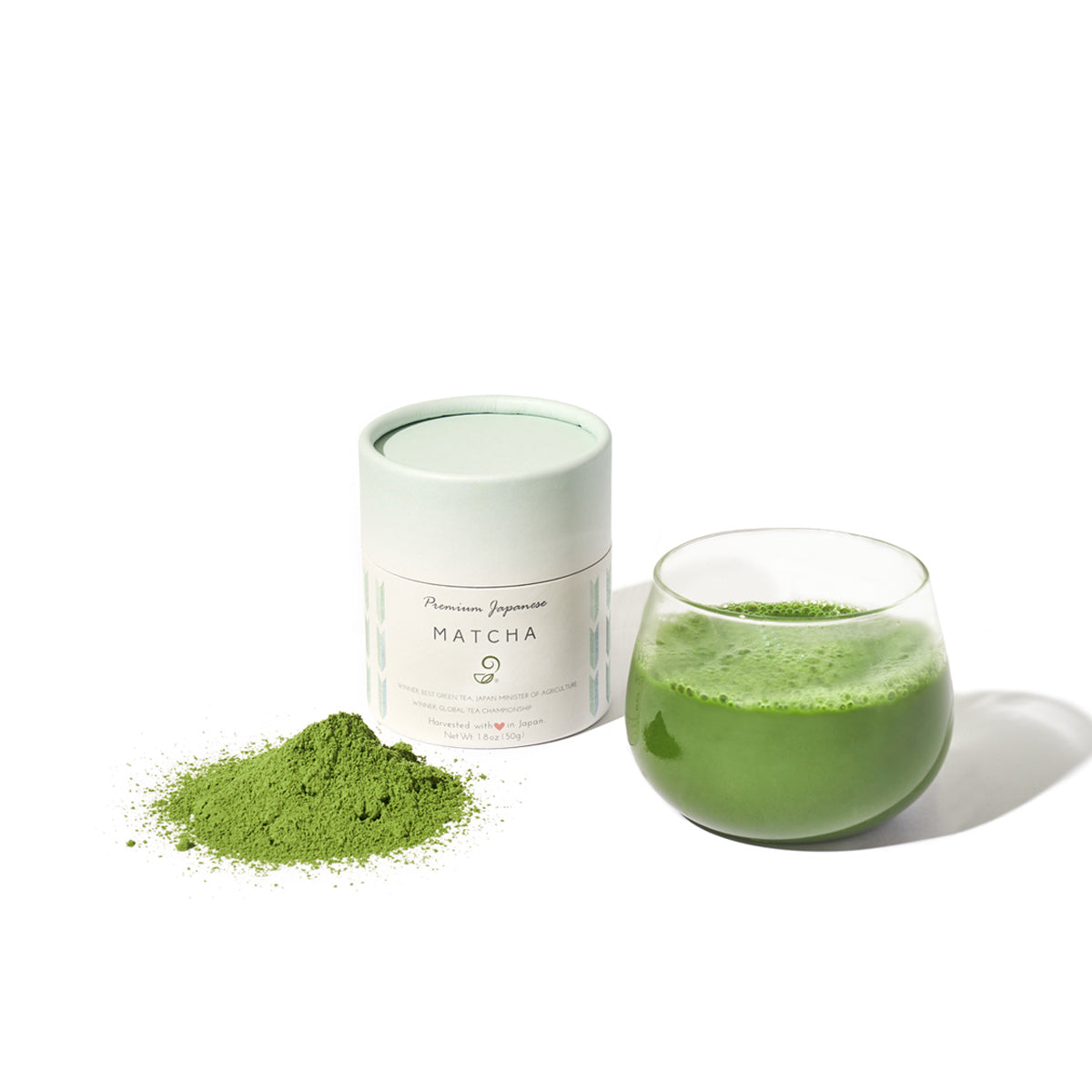
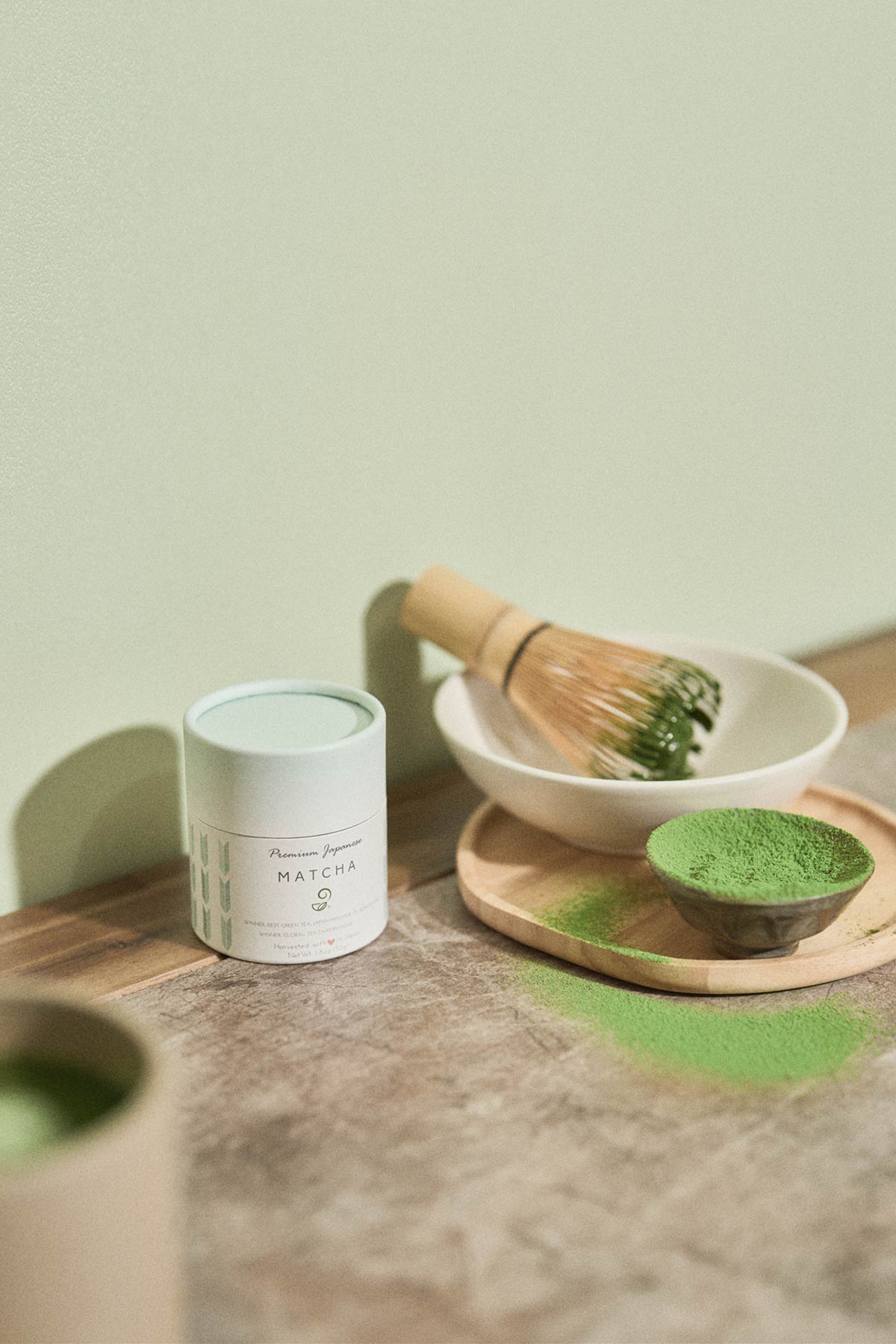
Matcha - Ceremonial Japanese Powdered Green Tea

$39.00
Quick view

This ceremonial matcha is crafted from the finest Japanese green tea, grown in nutrient-rich soil enhanced with compostable grasses and sugarcane through the Chagusaba method, which gives the tea a natural sweetness and exceptional flavor. In collaboration with researchers from Shizuoka University, farmers ensure that the soil quality consistently produces tea of the highest standard.

Renowned among top Japanese chefs for its unmatched aroma, this matcha is made by carefully shading the plants before harvest to boost caffeine and amino acids, then meticulously drying, de-stemming, and grinding the leaves into a fine powder. Made from the Yabukita cultivar, this 1.8 oz (50g) matcha comes in a high-quality, air-tight paper tube canister, providing a luxurious and authentic Japanese tea experience.

149 reviews

Issaku Reserve - Limited Premium Green Tea (Global Tea Champion 2017, 2019)

$80.00
Quick view

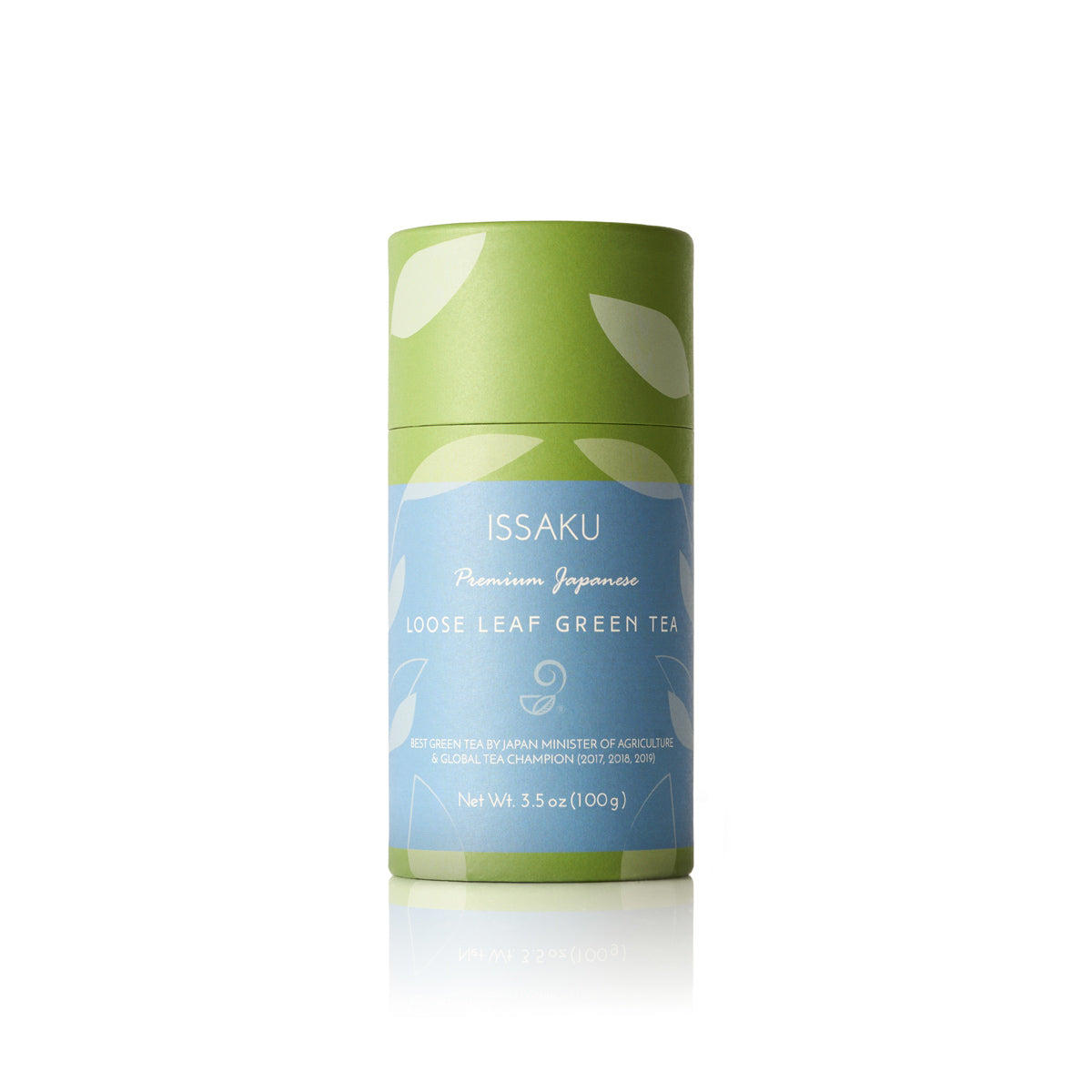
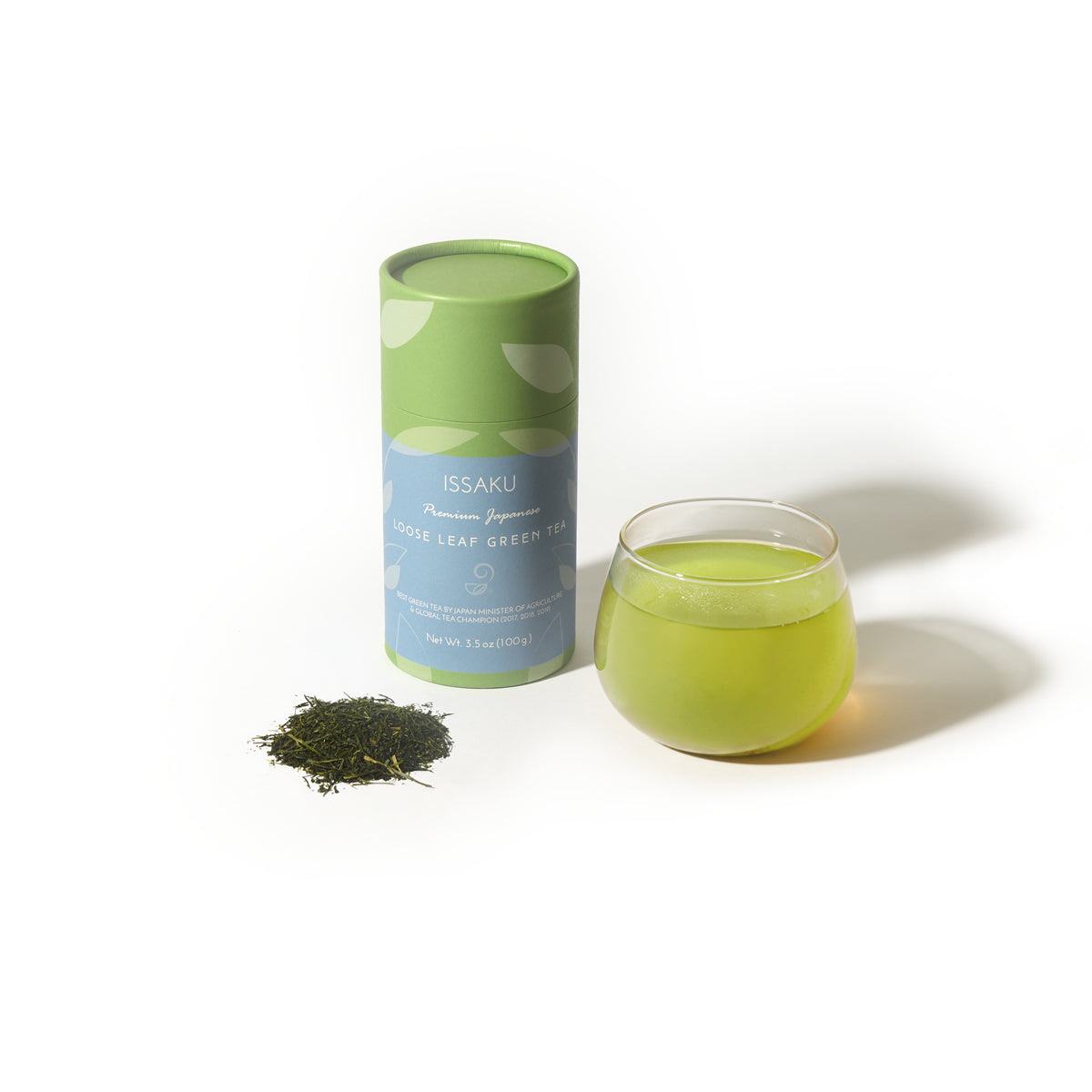
Issaku Reserve is a premium green tea masterpiece created by Mr. Arahata at Arahataen Green Tea Farm, offering a truly authentic and traditional Japanese tea experience. Handpicked once a year from new crops and crafted through a meticulous, complex process, Issaku Reserve is the farm’s highest-grade tea, produced in limited quantities and prized even in Japan. Winner of the Global Tea Championship in 2017 and 2019, this exceptional tea is made from the Yabukita cultivar and cultivated using the Chagusaba method in nutrient-rich sugarcane soil. It comes in a high-quality, air-tight paper tube canister containing 3.5 oz (100g), enough to steep 30–40 cups, with a single-serve 0.3 oz (10g) sample also available to preserve its rich flavor and outstanding freshness.

114 reviews

Nozomi - Covered Kabusecha Green Tea

$39.00
Quick view

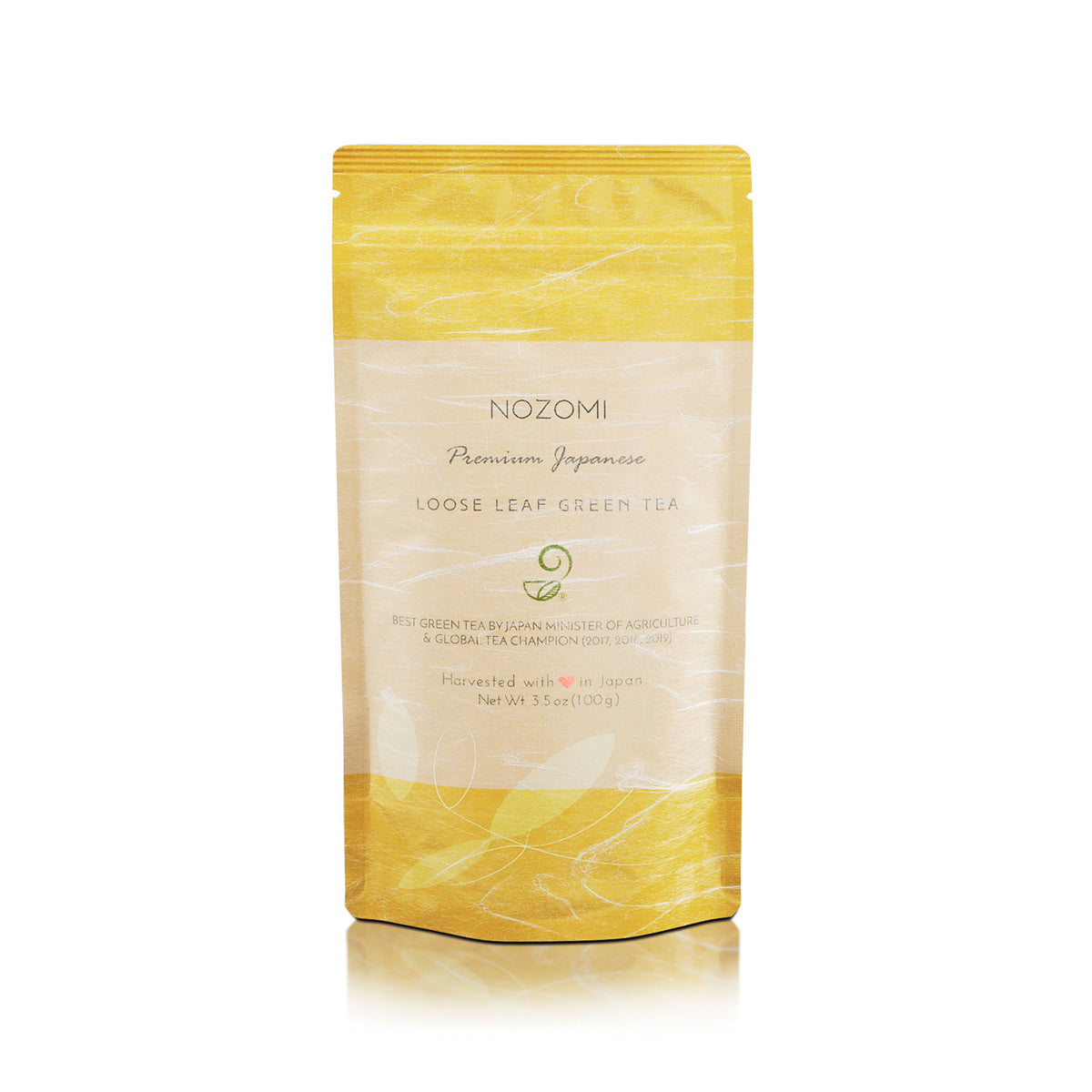
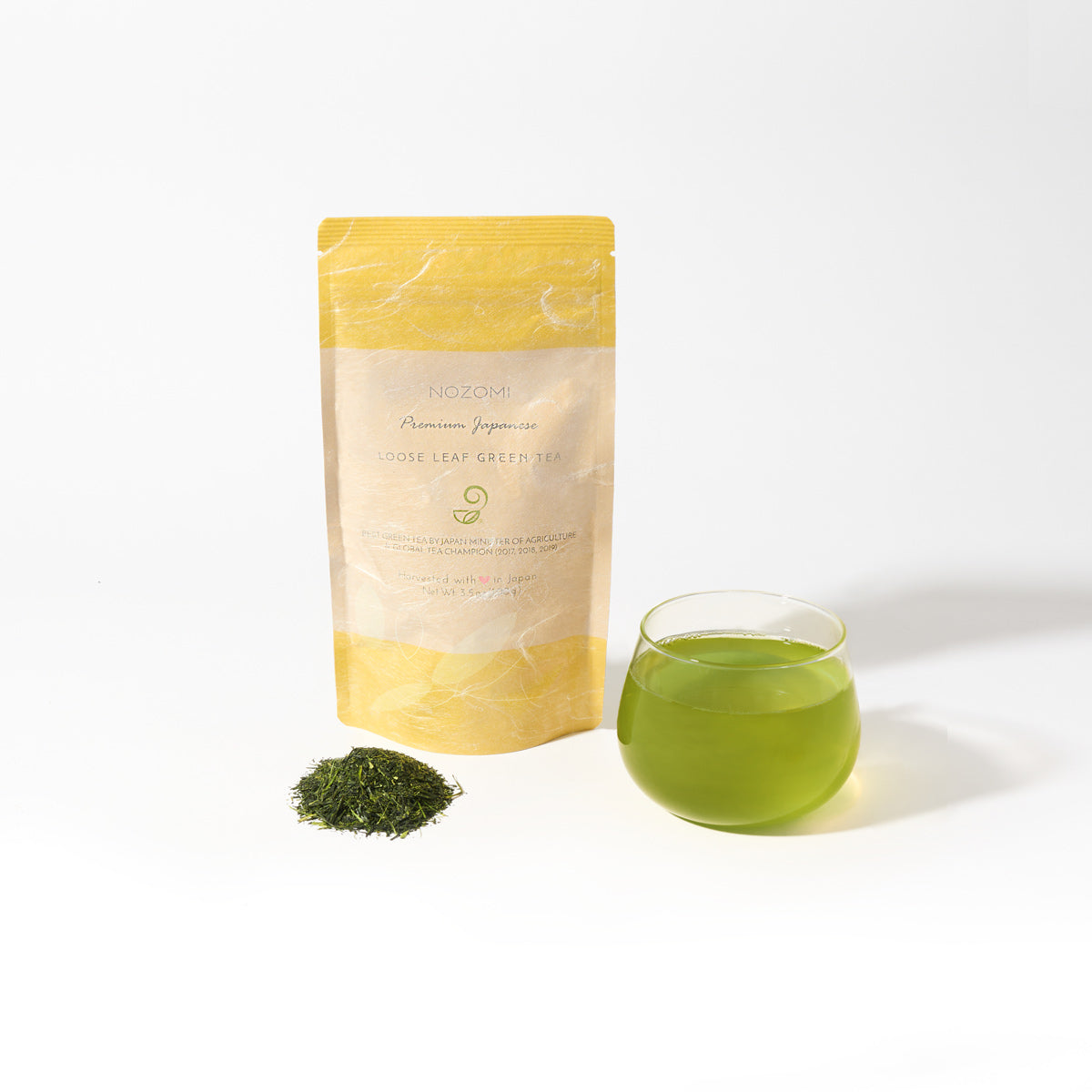
Nozomi is a premium kabuse-cha, or "Covered Green Tea," shaded by a special net for about 7 to 10 days before the new sprouts emerge, creating a balance of flavors that is milder and more accessible than gyokuro, which undergoes a longer shading period. This shorter covering time increases the chlorophyll content and reduces bitterness, resulting in a tea with a mild, slightly sweet taste and a refreshing aftertaste. Cultivated using the Chagusaba method in nutrient-rich sugarcane soil and made from the Yabukita cultivar, Nozomi offers a subtle richness that makes it an ideal choice for everyday enjoyment. Available in a 3.5 oz (100g) eco-friendly resealable package that steeps 30–40 cups or as a convenient 0.3 oz (10g) single-serve sample, Nozomi brings a refined yet approachable green tea experience.

74 reviews

Tea Bag - High-Grade Unrefined Tea - Gokuzyo Aracha (50 tea bags)

$35.00
Quick view

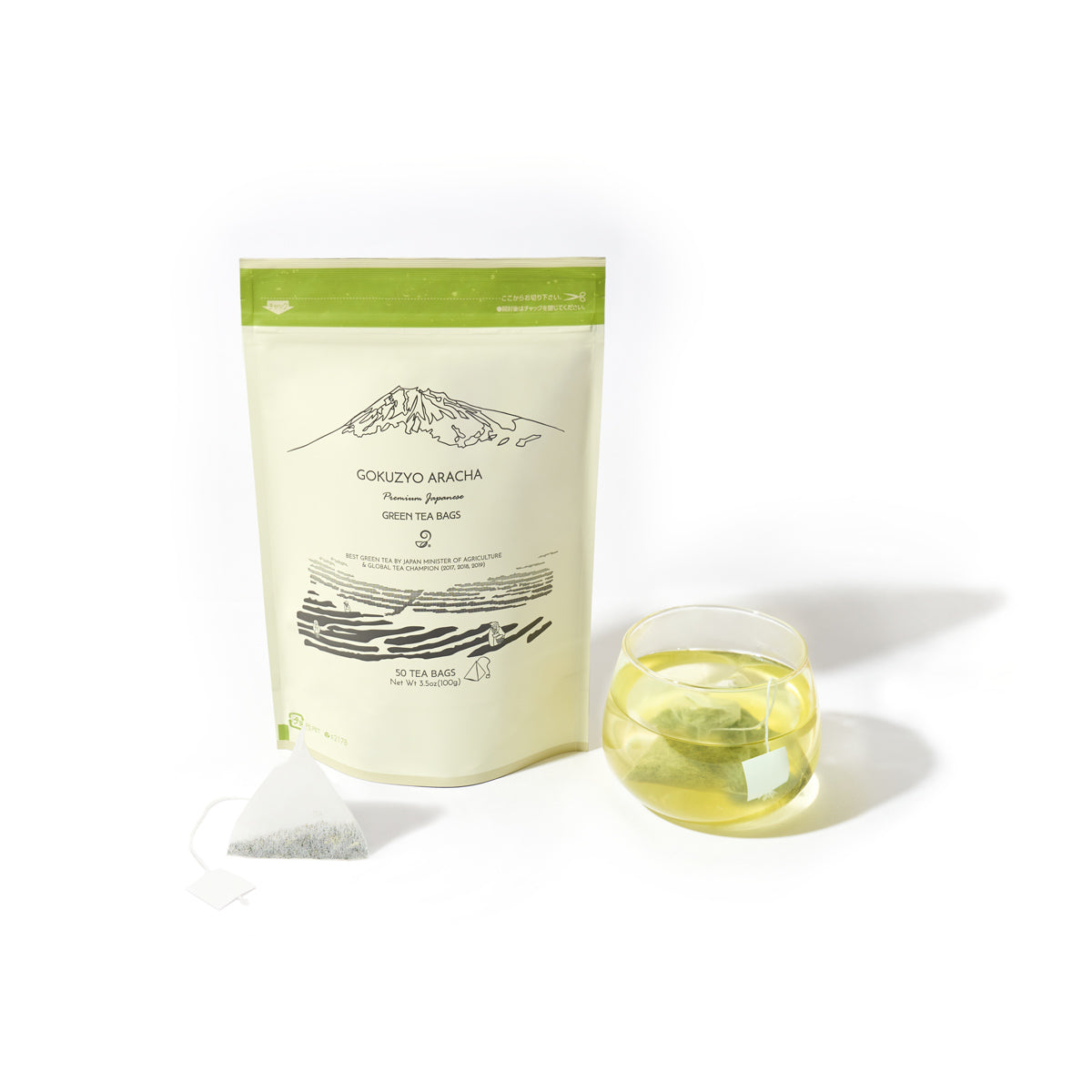
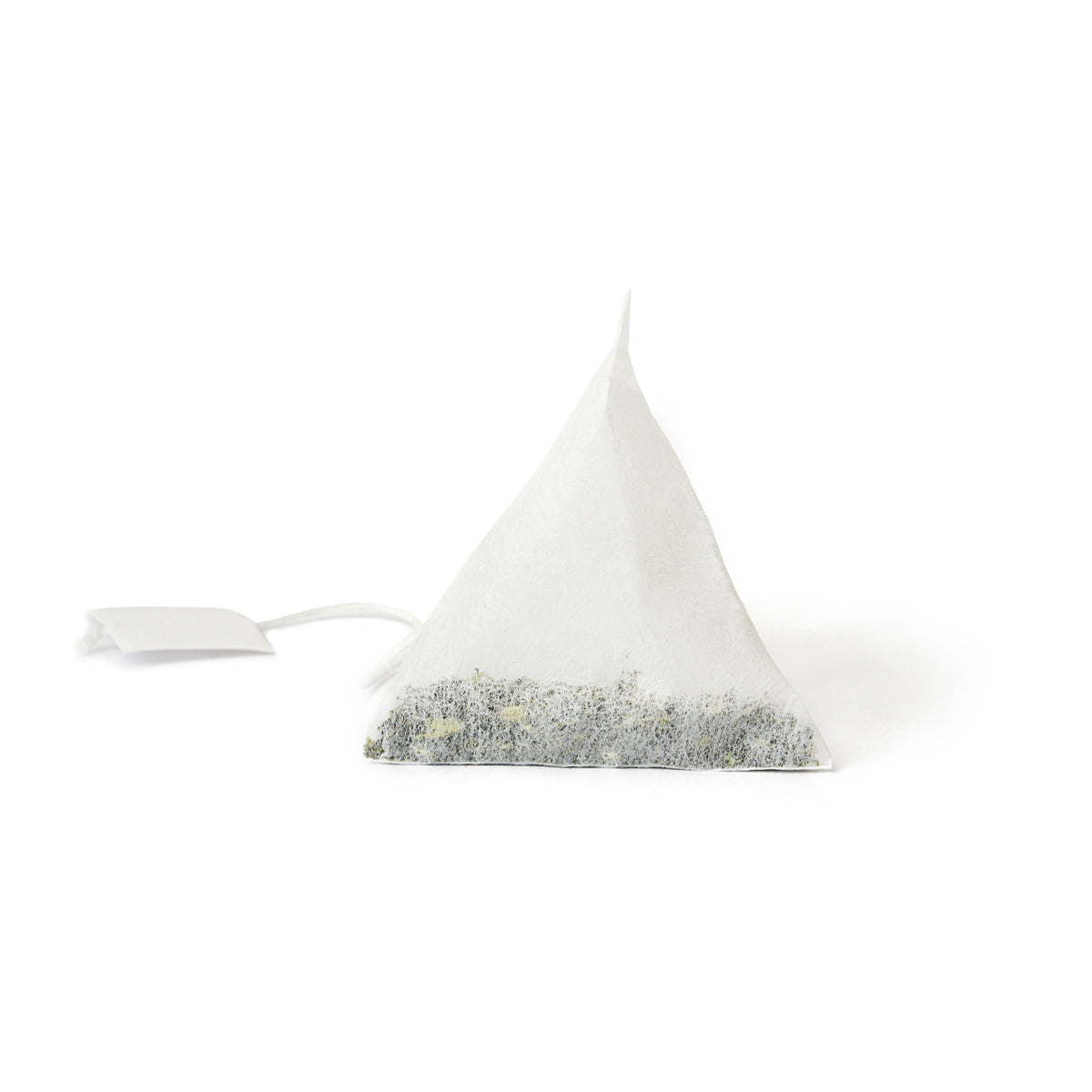
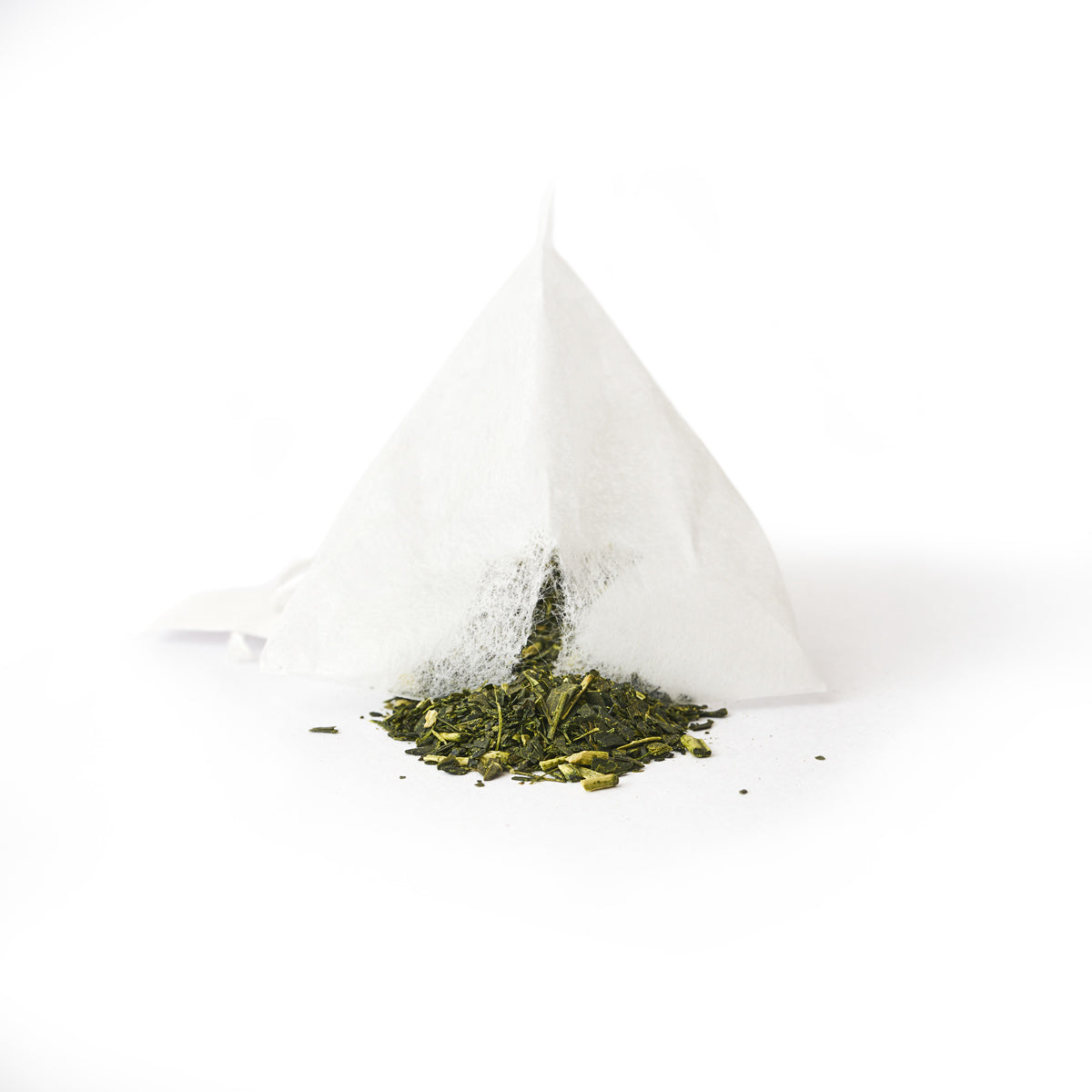
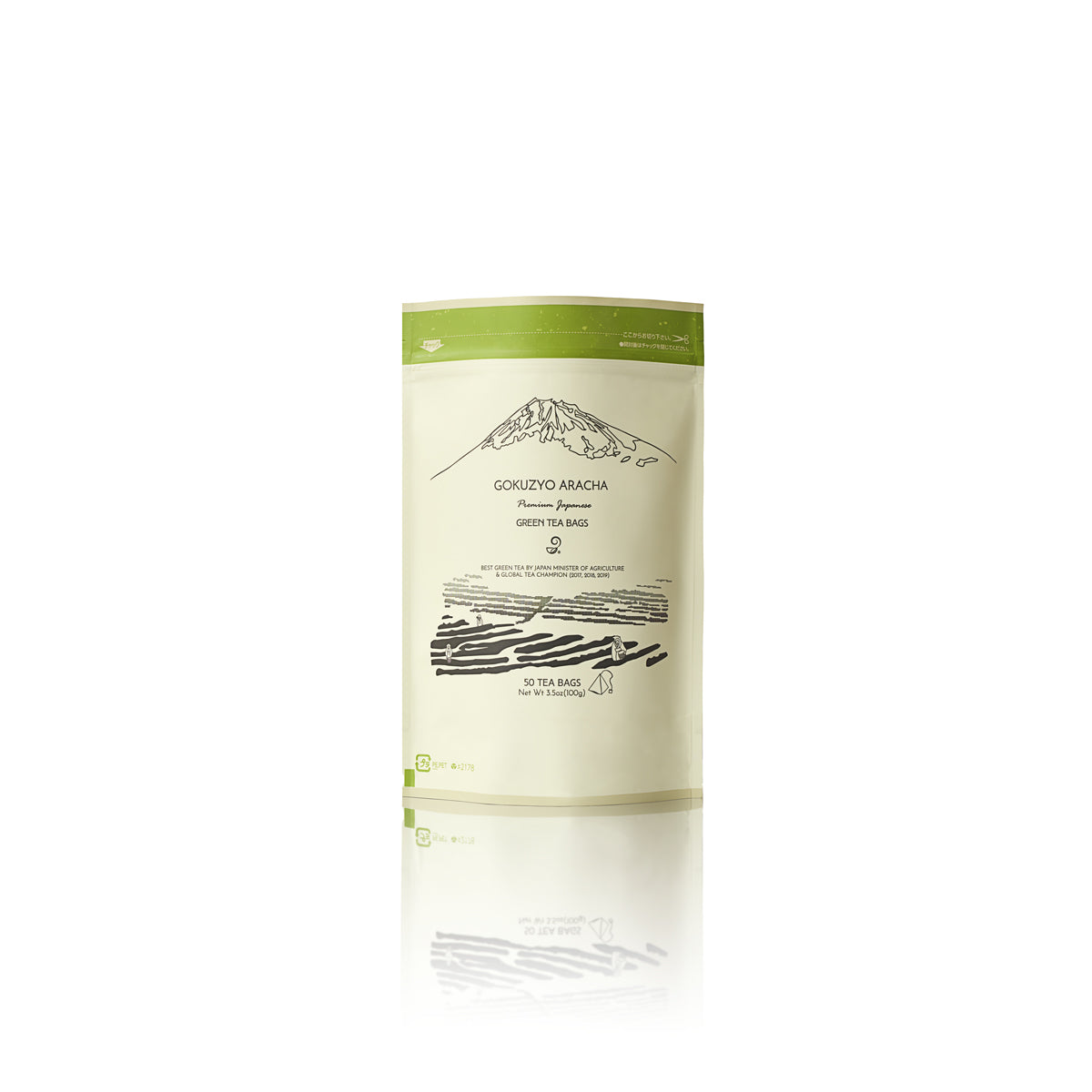
Gokyuzyo 極上, meaning "The Highest Grade," brings the rustic charm of Aracha 荒茶, or "wild tea," into a convenient teabag form, offering a taste as close to freshly picked leaves as possible. Unlike fully processed green teas, this unrefined Fukamushi Sencha preserves its natural shape and texture, blending soft sprouts, twig tea, coarse leaves, and powdered tea for an intense aroma and rich, vibrant flavor. Cultivated by the Chagusaba method in nutrient-rich sugarcane soil and made from the Yabukita cultivar, this tea captures the traditional, nourishing quality enjoyed by generations of tea farmers. Available in a resealable aluminum bag with 50 pyramid-shaped teabags or as a single-serve sample, it is perfect for enjoying authentic Japanese green tea anytime, anywhere.

8 reviews

The Sencha Lover Gift Set - Premium Japanese Green Tea Set Package

$179.00 $159.99
Quick view

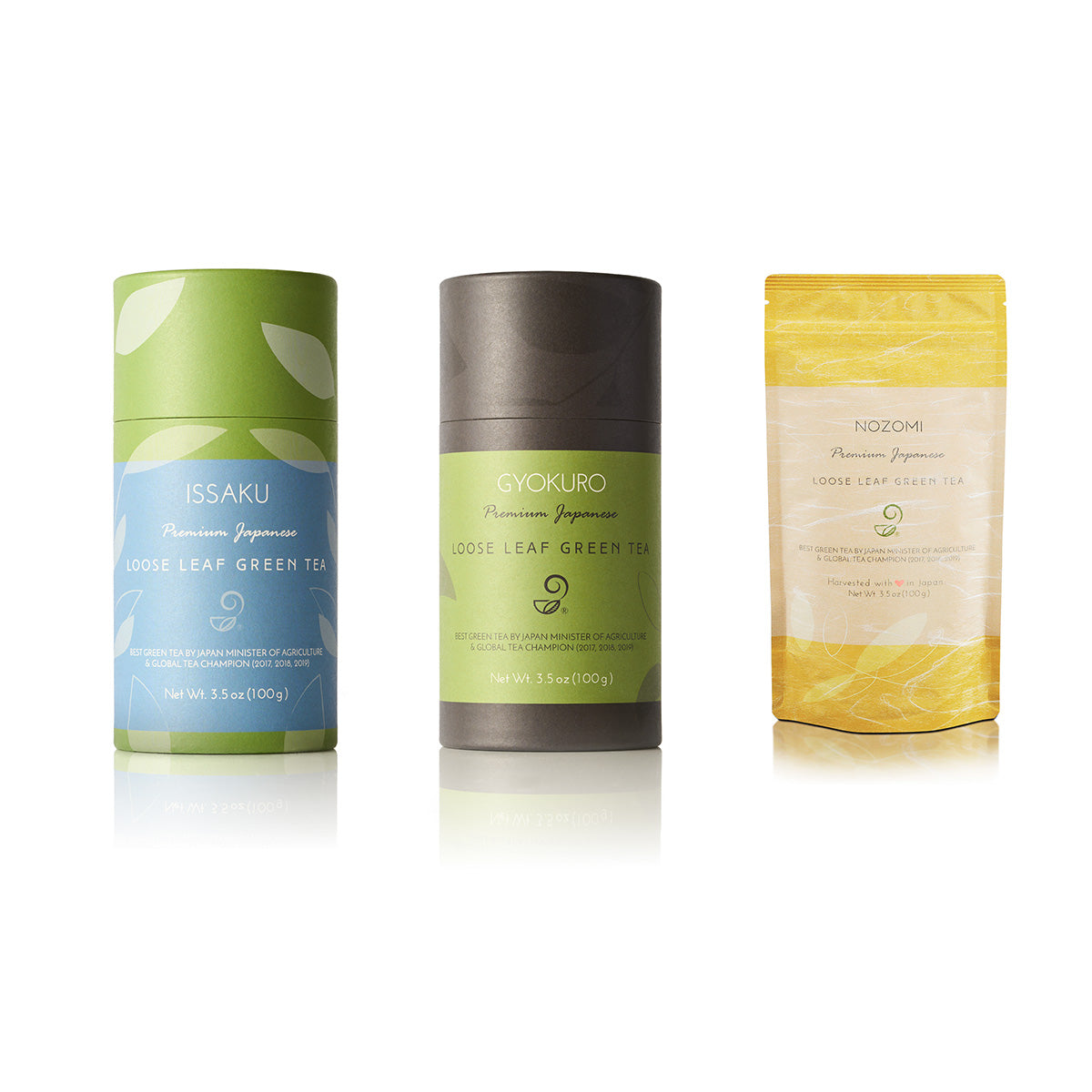
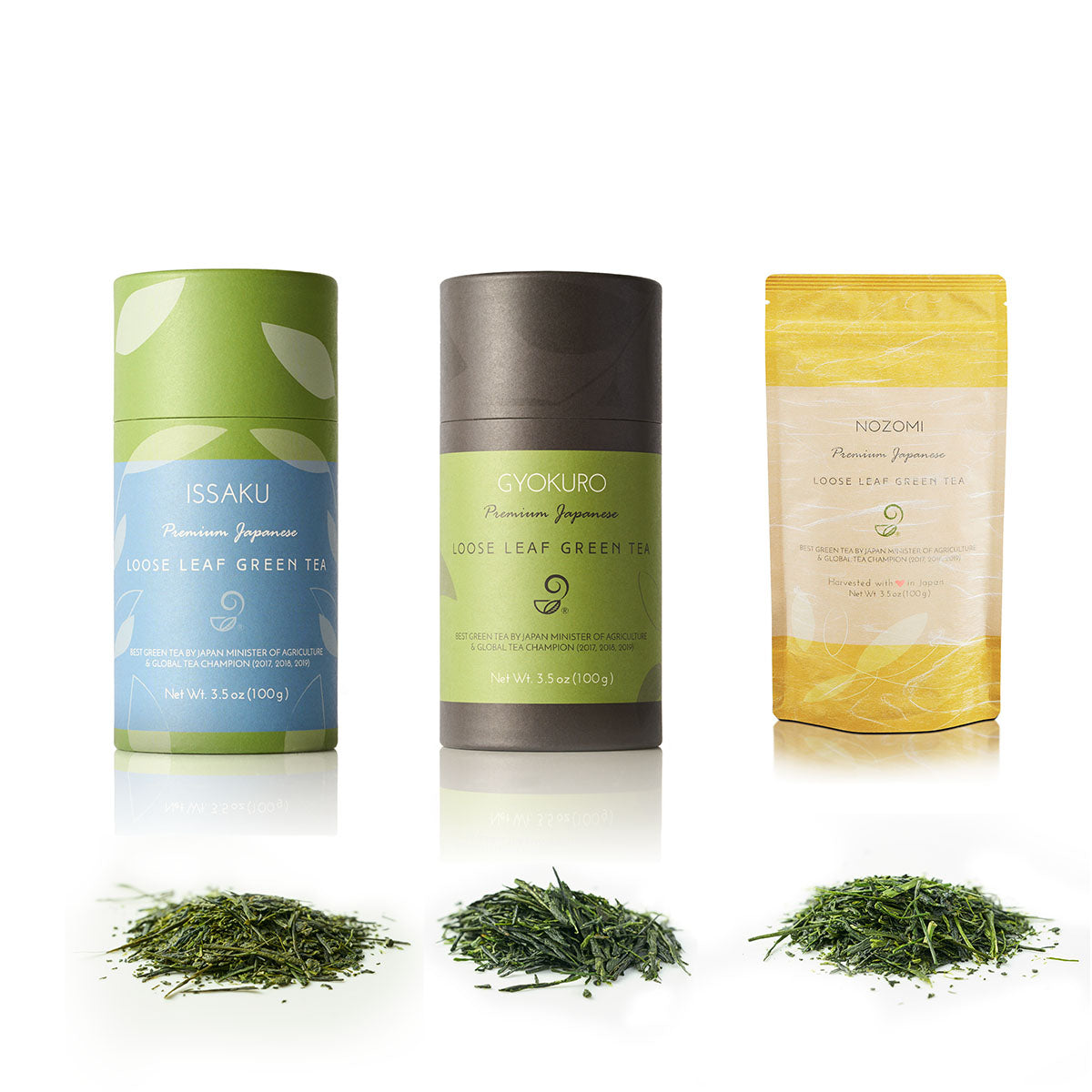
This tea set features three exceptional Japanese green teas, each crafted with care and traditional techniques. Issaku Reserve, a Global Tea Champion winner in 2017 and 2019, is a rare masterpiece created by Farm Master Mr. Arahata at Arahataen Green Tea Farm. Handpicked once a year from the first flush and processed with advanced methods, Issaku represents the highest-grade deep-steamed green tea, available only in limited quantities even in Japan.

The set also includes Gyokuro, a premium shaded green tea known for its rich, sweet flavor and deep mossy green color. Grown under special mats for 20 days to increase caffeine and amino acid levels, Gyokuro offers a layered, smooth taste unlike any other. Completing the collection is Nozomi, a fine Kabuse-cha, or "Covered Green Tea," carefully grown under nets to gently shade the leaves just before new sprouts emerge, resulting in a soft, rich, and refined flavor profile.


Related Articles You May Be Interested

Japanese Green Tea vs Coffee - 10 battles You Don't Want to Miss
Why Japanese Green Tea is Perfect for Intermittent Fasting + How to Guide, What to do & What not to do
Green Tea Science Part 3: Everything You Need to Know About Green Tea and Caffeine
10 Must-See Places in Uji, Kyoto for Tea Lovers
How to Take a Bath with Japanese Green Tea

Get Free Bonus Books

Join Green Tea Club

Sign up for free to the Green Tea Club to get advice and exclusive articles about how to choose Japanese Tea, and tips, tricks, and recipes for enjoying Japanese tea.

Unsubscribe anytime. It’s free!

About the author

Kei Nishida

Kei Nishida

Author, CEO Dream of Japan

info@japanesegreenteain.com

Certification: PMP, BS in Computer Science

Education: Western Washington University

Kei Nishida is a passionate Japanese green tea connoisseur, writer, and the founder and CEO of Japanese Green Tea Co., a Dream of Japan Company.

Driven by a deep desire to share the rich flavors of his homeland, he established the only company that sources premium tea grown in nutrient-rich sugarcane soil—earning multiple Global Tea Champion awards.

Expanding his mission of introducing Japan’s finest to the world, Kei pioneered the launch of the first-ever Sumiyaki charcoal-roasted coffee through Japanese Coffee Co. He also brought the artistry of traditional Japanese craftsmanship to the global market by making katana-style handmade knives—crafted by a renowned katana maker—available outside Japan for the first time through Japanese Knife Co.

Kei’s journey continues as he uncovers and shares Japan’s hidden treasures with the world.

Learn more about Kei Nishida

Related Posts

OC Japan Fair April 2026 — Visit Us at Booth #A8!
OC Japan Fair Spring 2026 Recap (April 3 - 5 2026)

We were at OC Japan Fair again! April 3-5 2026 with new products, Miki Pon's art debut and more. Here is a recap video f

Read More
Super Mario and Japanese Green Tea

Super Mario and green tea share a hometown! Watch our Yoshi Matcha Cookies video recipe + discover how Nintendo and matc

Read More
Our Matcha Is Now at Pillow Talk Cafe in Pasadena — Master Japanese-Inspired Cake Makers

Our matcha is now at Pillow Talk Cafe Pasadena! Meet the cafe, try the Egg Heaven sando & Matchamisu, and see how th

Read More
Leave a comment

Your email address will not be published..

Cart

Your cart is currently empty.

Start Shopping

Select options