

Making tea is a delicious, relaxing experience that people of all ages can enjoy. It is easier when using tea bags, but why make your own tea bags when you can buy ready-made ones at the grocery store? Well, it is because many standard teabags contain low-quality tea leaves. Worse, manufacturers put tea dust or tea remains on the tea bags. Making tea bags containing loose tea leaves or other flowers you like is a simple process that can be done with just a few ingredients. In this post, we will show you how to make your teabags. This blog post will also show you how to choose loose-leaf tea.
In addition to improving the quality of your tea, making your own tea bags can also be an environmentally friendly choice. Many store-bought tea bags are made from bleached paper or even plastic, which can take a long time to decompose. You can reduce your environmental footprint by using natural cloth, like muslin or cheesecloth, or eco-friendly filter bags. Making your own tea bags gives you full control over what goes into your brew, allowing you to use organic and high-quality ingredients without worrying about unwanted chemicals or additives commonly found in mass-produced tea bags. This simple process not only enhances the flavor but also supports a healthier lifestyle for you and the planet.
When was the teabag invented?
The modern tea bag was invented in China during the Tang Dynasty (618–907 AD). The first tea bags were made from a cloth dipped in hot water and then filled with loose leaf tea.
In the United States, tea bagging was first popularized in the 1930s to conserve tea. Most people drank tea from teacups or coffee pots, and it was difficult to store enough loose leaf tea for everyone. Teabags allowed people to enjoy a cup of tea without wasting any of the precious beverages.
Tea bagging was first popularized in the 1930s in the United States as a way to conserve tea. Most people drank tea from teacups or coffee pots, and storing enough loose-leaf tea for everyone was difficult. Teabags allowed people to enjoy a cup of tea without wasting any of the precious beverage, making tea preparation faster and more efficient. The simplicity and convenience of the tea bag quickly gained popularity, leading to its widespread use around the world.

How to choose good tea leaves?
When choosing tea leaves, it is crucial to consider the type of tea you make. For example, black teas use a particular variety of leaves called bergamot, giving the tea its characteristic flavor.
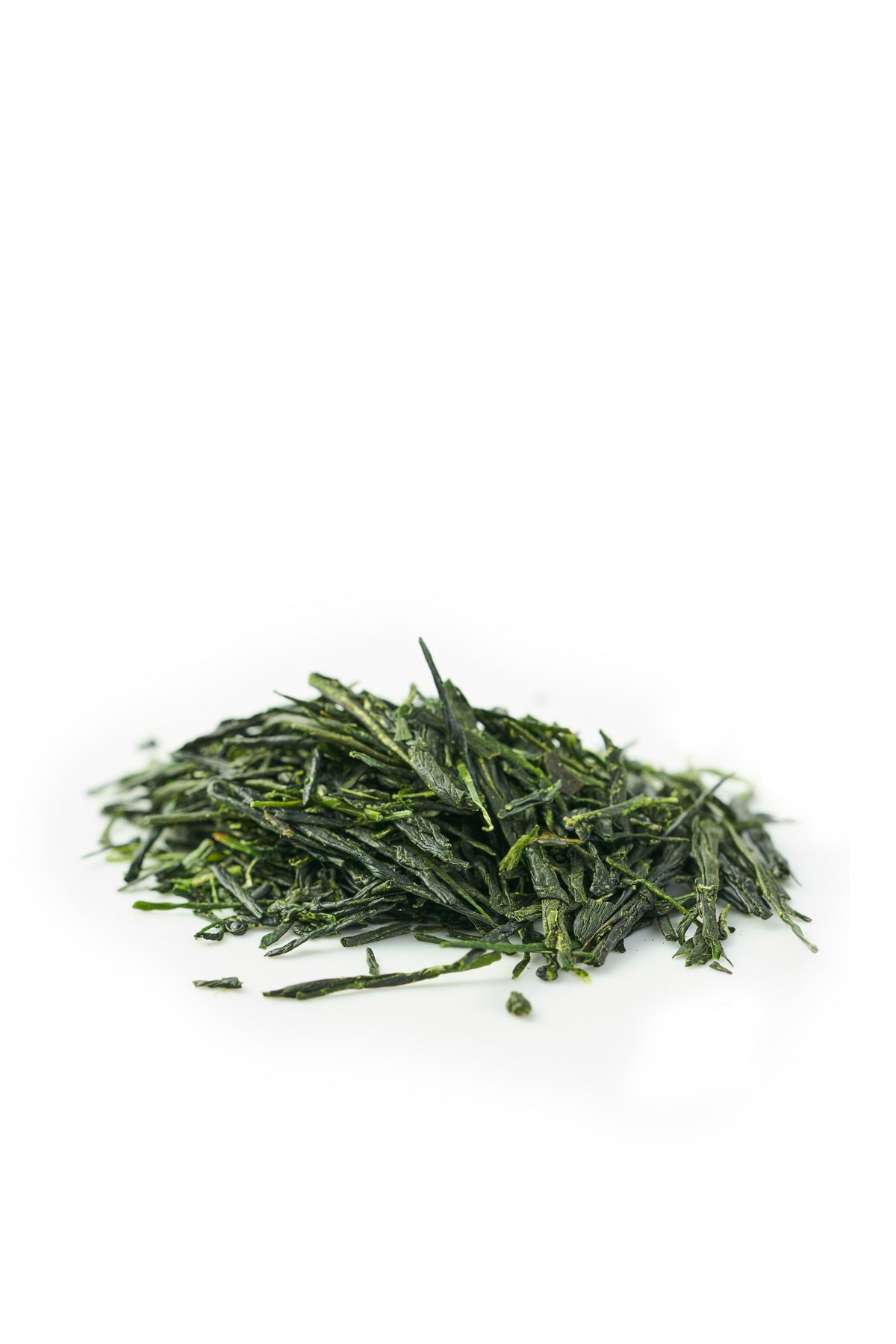
Green and white teas are made from either fresh or dried leaves. Fresh leaves were plucked from plants or trees before they were dried to retain as much moisture as possible. It is important to look for loose leaves with a bright green color and a strong fragrance when choosing fresh leaves. You should select dried leaves if you want a stronger-flavored tea. They should be lightly compressed so that the water can penetrate them quickly and the flavor will be more concentrated.
Black teas are made from the finest quality black tea leaves. In general, the more expensive the tea, the finer the tea leaves. Black teas are typically made from the finest quality leaves, and the price usually correlates with their quality. Higher-end black teas often come with larger, whole leaves, while lower-quality teas may contain smaller fragments or even tea dust, which affects the tea’s taste and aroma. In general, the more expensive the tea, the better the quality of the leaves, which will result in a smoother, more refined tea. So, whether you're choosing black, green, or white tea, always look for leaves that appear whole, fragrant, and vibrant in color for the best possible brew.
Gather Your Tea Supplies
Making your own tea bag is a great way to customize your brew. Having loose tea leaves allows you to control the strength and flavor of your tea, making it the best way to enjoy it and make your own blend conveniently. There are several ways to make a tea bag: using a teabag maker, using a strainer, or even breaking up the tea into small pieces and putting it into a mug. Whichever method you choose, be sure to follow the instructions carefully to get the perfect cup of tea every time.

When it comes to putting loose leaf tea inside a teabag, you will need a few things before starting. First, gather your supplies. Second, determine the type of tea you would like to brew. Third, fill your teapot with water and set it on the stove to boil. Finally, add the desired amount of loose leaf to the cloth or teabag and steep for 30 seconds to 1.5 minutes. Enjoy your refreshing brew!
Once you've gathered your supplies and chosen the type of tea, it's important to consider how you want to store your tea bags for later use. If you're planning to make several bags in advance, be sure to keep them in an airtight container to preserve their freshness. Storing your homemade tea bags properly ensures that the leaves maintain their full flavor and aroma for the next time you brew your cup. Additionally, consider experimenting with different combinations of loose-leaf teas, herbs, and flowers to create your own signature tea blends. This personalized touch not only makes your tea more enjoyable but also allows you to explore new flavors and discover the perfect brew for any occasion.
To make a teabag using loose leaf tea, you will need:
- Loose leaf tea leaves
- Scissors
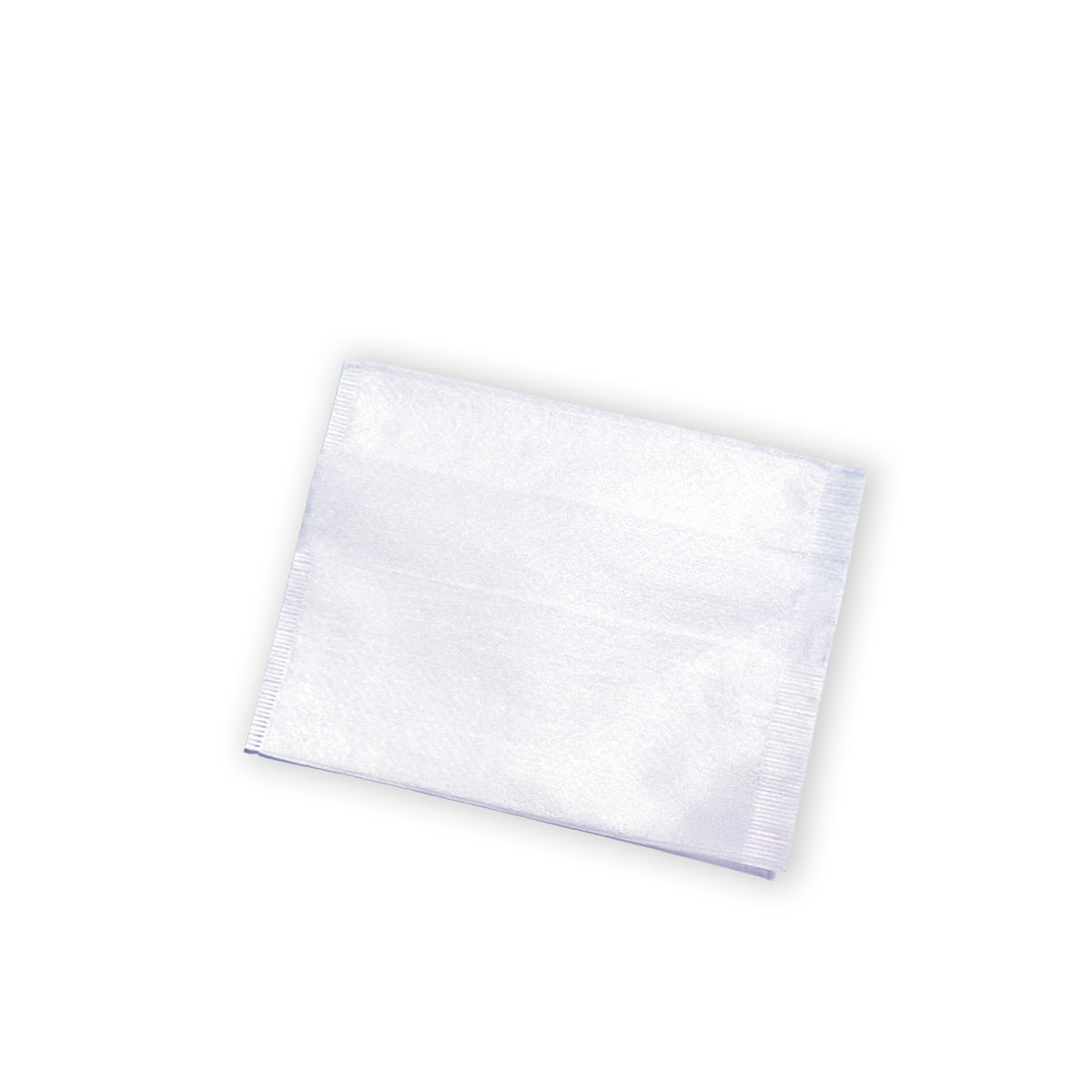
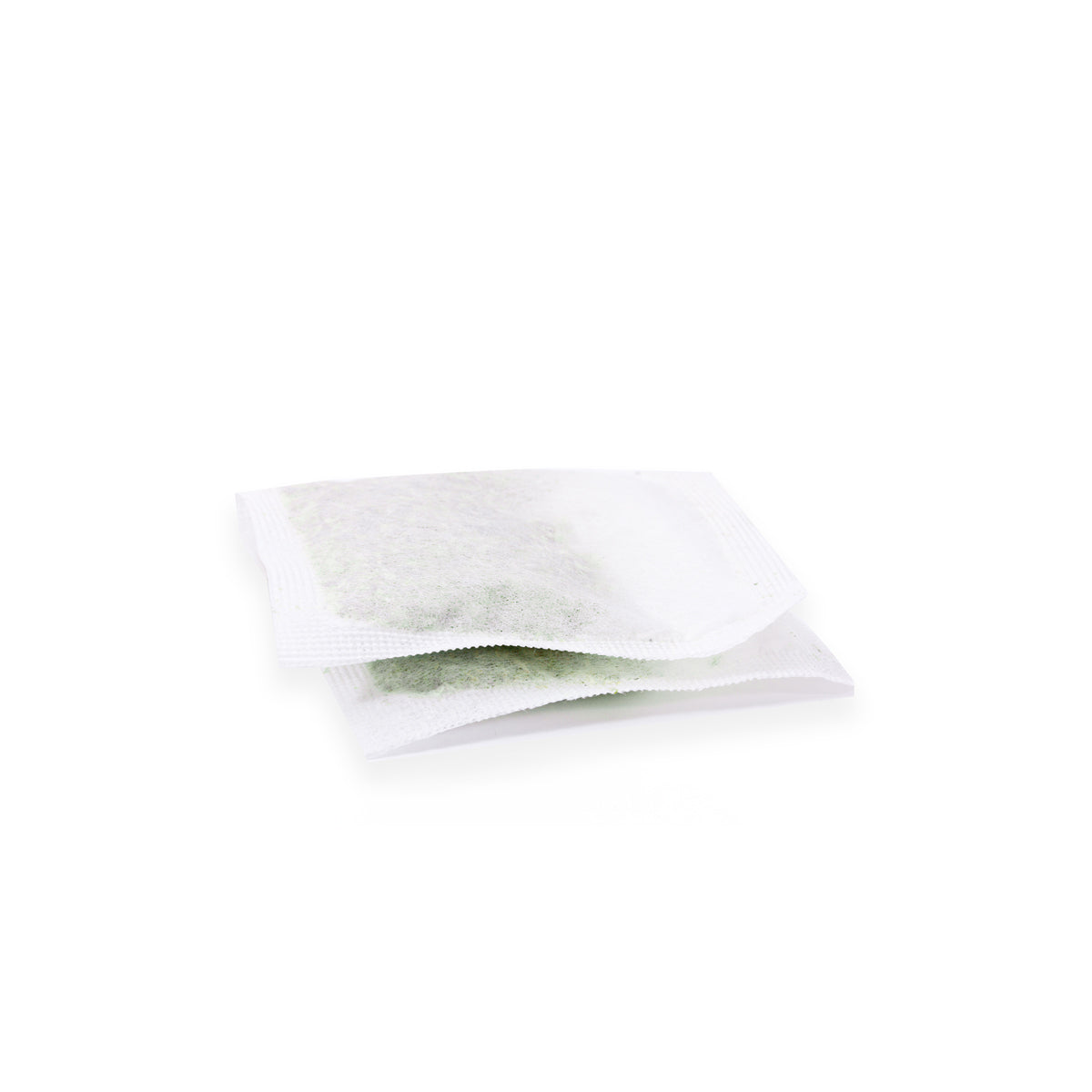
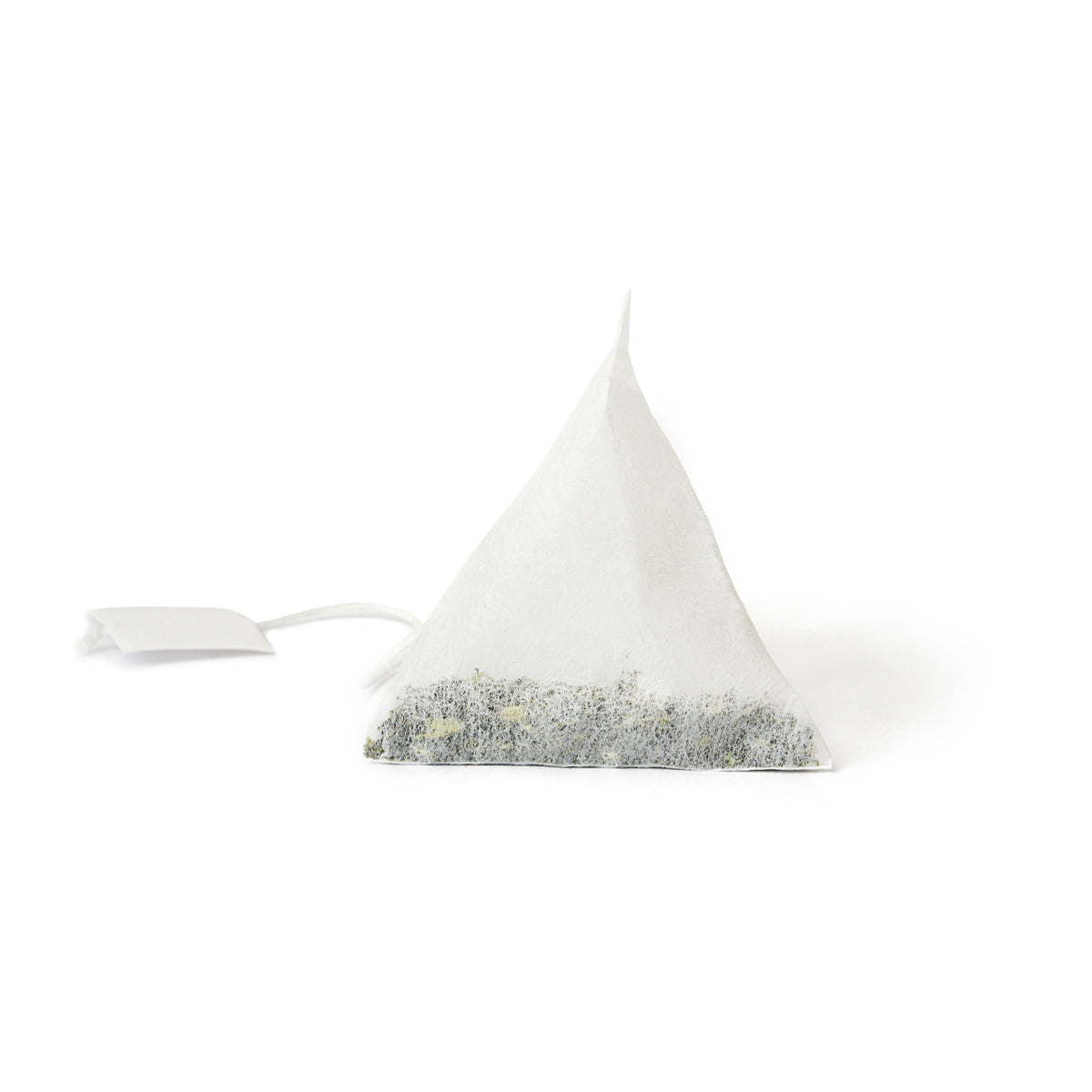
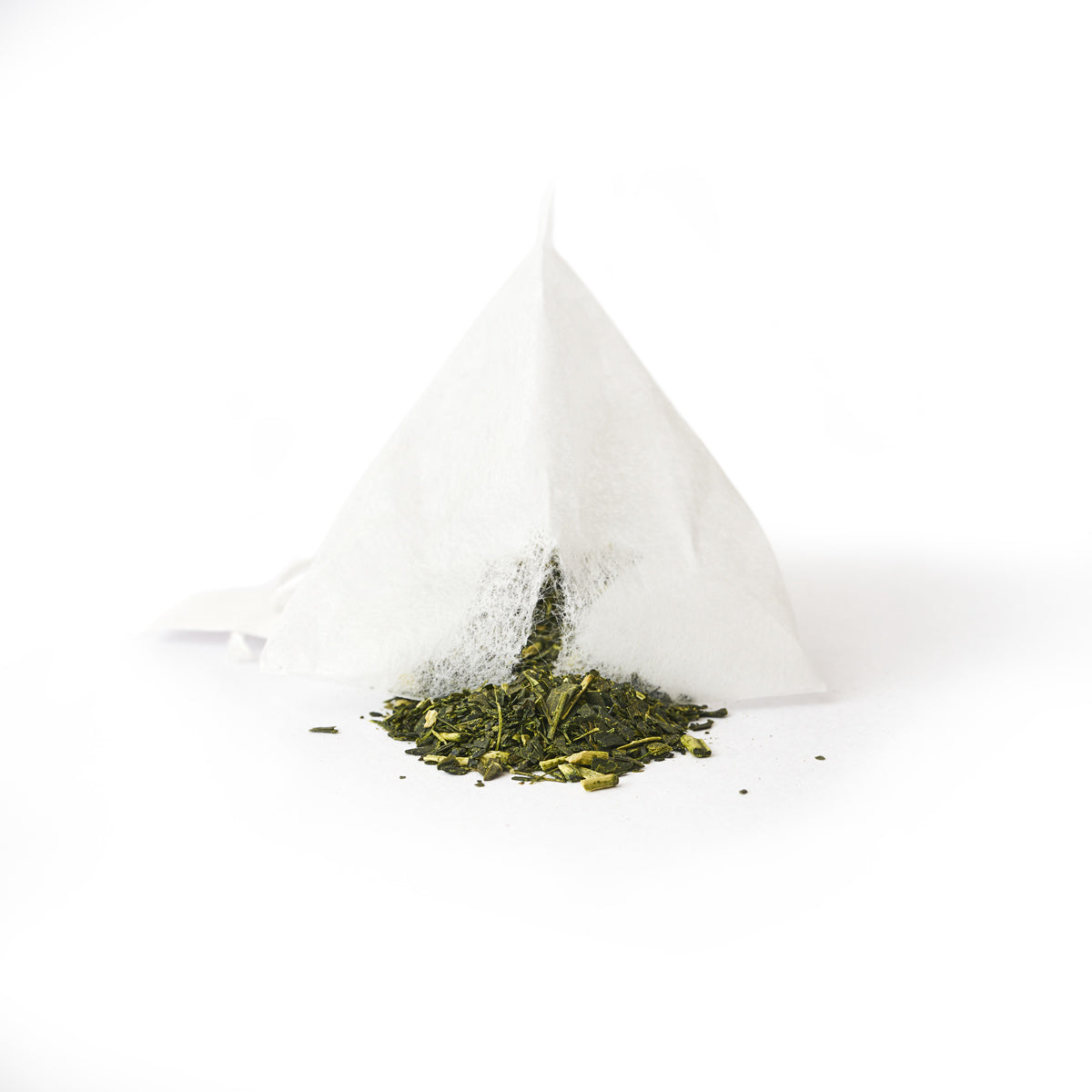
- A cheesecloth, muslin cloth, or coffee filter to store the brewed tea. You may also use eco-friendly, ready-made empty disposable tea filter bags, so you don't have to go through cutting and tying DIY tea bags. As much as possible, avoid teabags made from plastic or bleached ones.
- A spoon
- String or baker’s twine to tie the cloth securely, ensuring that the tea stays inside while brewing.
- A stapler or thread for sealing the top of the tea bag, keeping the contents in place during steeping.
How to Make Your DIY Teabag
If you're looking for a delicious, relaxing cup of tea, using a tea bag is a great way to get the job done. However, you have to take note of a few things when you're trying to make your own tea bag. First and foremost, make sure that your loose-leaf tea is fresh. If it's been sitting around for too long, the flavor and aroma will dissipate. Second, don't overfill your teacup or teapot, resulting in weak tea. Finally, avoid leaving your teacup filled with hot water for too long; this can cause the tea to become bitter.
You can make a teabag out of loose leaf tea, cheesecloth, or muslin cloth and baker's twine. First, simply cut the loose leaves. Next, bring all the corners of the cheesecloth or muslin cloth together, tie the twine around the top of the cloth to hold the tea leaves, and then put it into the desired cup. You may also fold the top before tying the cloth. If you don't have baker's twine, you can use a clean string. Then you can tie or use a clean stapler to staple the strings on the newly folded teabag.
Coffee filters are also a good alternative to muslin or cheesecloth, but make sure they are strong and can hold your loose leaves. Some ready-made, quality empty teabags are cheaper than coffee filters, unless you already have too many strong-quality coffee filters at home.
Once your DIY teabag is ready, remember that the type of tea you use will influence the steeping time. For delicate teas like white or green, steep for a shorter time to avoid bitterness. Stronger teas like black or herbal varieties can handle a longer steeping time, but be cautious not to leave the bag in too long. Additionally, if you're creating your own tea blend, consider mixing different types of leaves and herbs to experiment with new flavors. Creating custom blends is a fun and rewarding way to enjoy a unique cup of tea every time you brew.

How to use teabags to enjoy your tea:
- Fill your teapot with water and set it on the stove to boil.
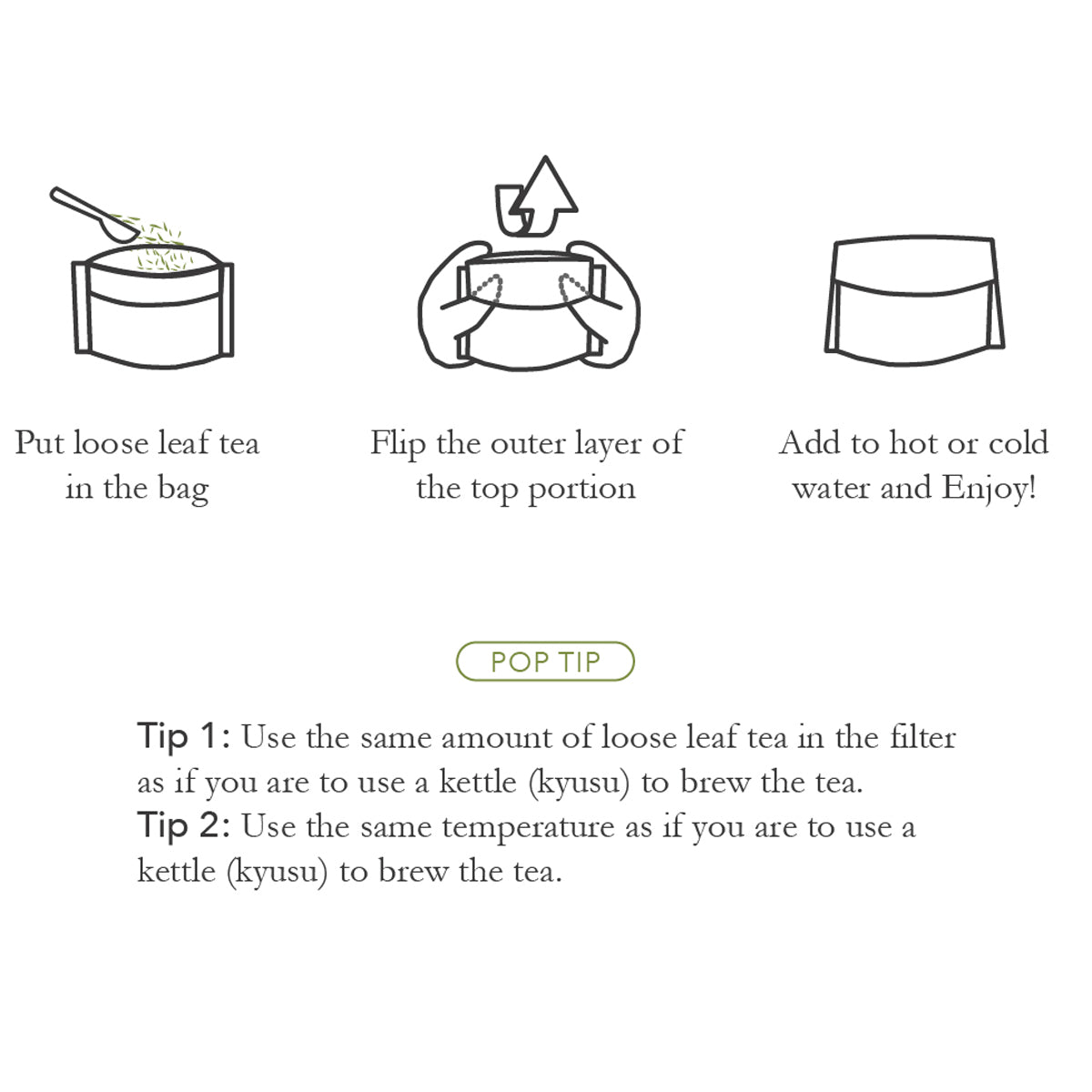
- Add your desired amount of loose leaf to a coffee filter, cheesecloth, or muslin bag.
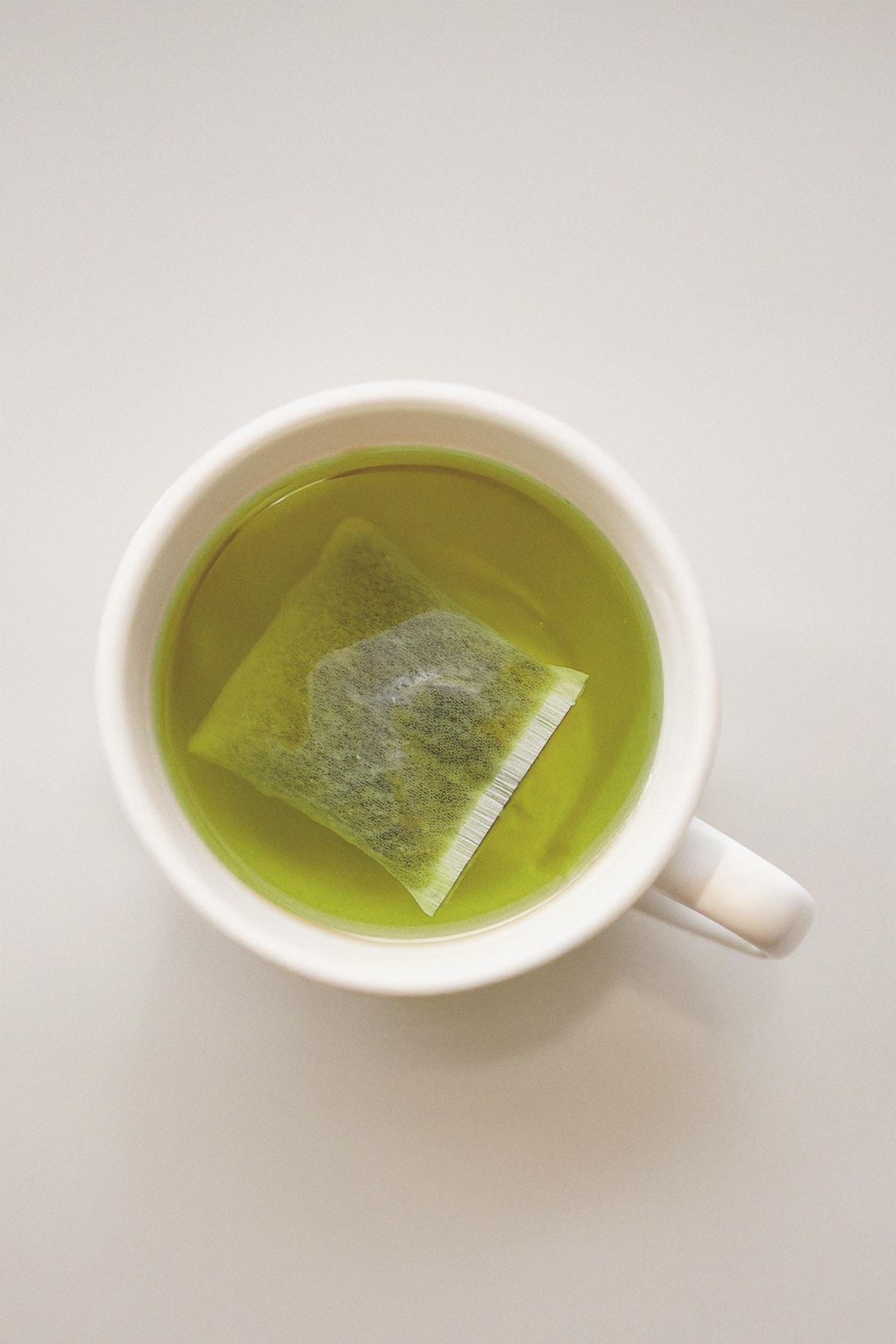
- Put the tea bag in a spoon and steep for two to three minutes.
- Remove the tea bag from the pot and enjoy your delicious brew!
- Oh! Since you already made your teabags and just want to store them for convenience, next time you want to make tea, store them in an airtight container and keep them in a cool, dry place.
- Adjust the steeping time based on the tea type—shorter for lighter teas like green or white, longer for stronger teas like black.
- Brew tea at the correct temperature—green tea at 175°F (80°C) and black tea at 212°F (100°C) for the best flavor.
- Rinse your teacup with hot water before brewing to maintain the tea's temperature longer.
- Sweeten with honey, agave, or stevia, and enhance with lemon, mint, or cinnamon sticks for added flavor.
- For a second cup, reuse your tea bag. The flavor will be milder, but it’s a great way to make the most of your tea and reduce waste.
Making your own tea bag is easy and fun. You can customize your brew by choosing from a variety of flavors. We hope you enjoyed this post on making tea bags using loose leaf tea. Now that you know how to make tea from loose tea leaves, you can enjoy a premium, convenient tea. Knowing that your tea came from your chosen quality leaves is a great way to sit down, relax, and get all the benefits of this delicious drink. Enjoy Your Tea!
Additionally, creating your own tea bags allows you to experiment with unique blends and flavors, tailoring each brew to suit your mood or health needs. You can mix herbs like chamomile for relaxation, peppermint for digestion, or ginger for an energizing boost. The possibilities are endless, and you have full control over the ingredients. Not only is it a creative way to enjoy tea, but it also ensures you're drinking a fresh and wholesome cup every time. Whether you prefer a calming cup before bed or a vibrant blend to start your day, making your own tea bags adds an extra personal touch to your daily tea ritual.
Conclusion
Making your own tea bags is a simple and rewarding way to enjoy premium, flavorful tea while avoiding the low-quality leaves often found in pre-packaged tea bags. Not only does it allow you to customize your tea to suit your taste, but it also helps to reduce your environmental footprint by avoiding plastic or bleached materials. Whether you're creating unique blends or experimenting with different herbs, homemade tea bags offer a fun and creative way to enjoy your tea and relax.
Buy Tea Bag Filters
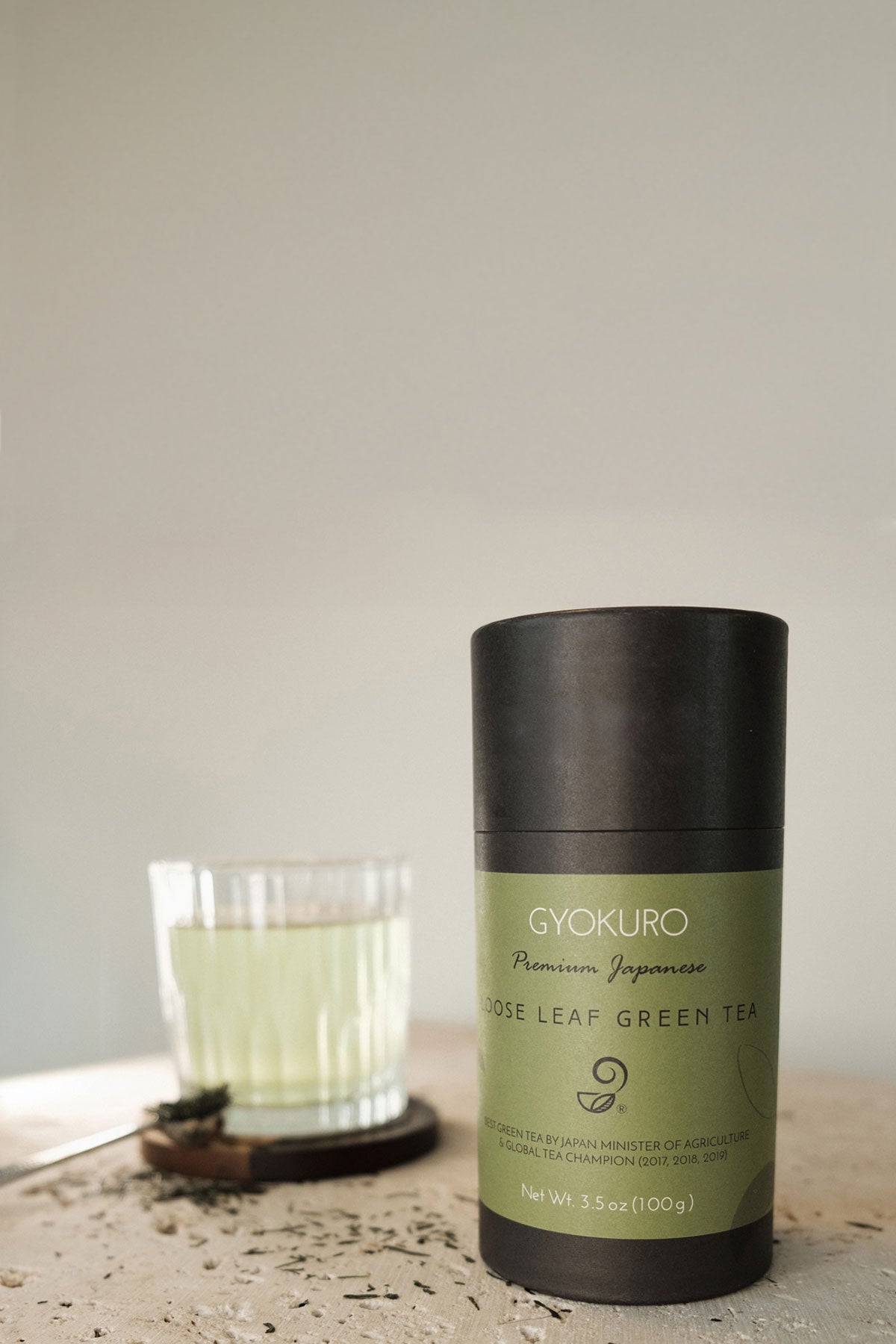
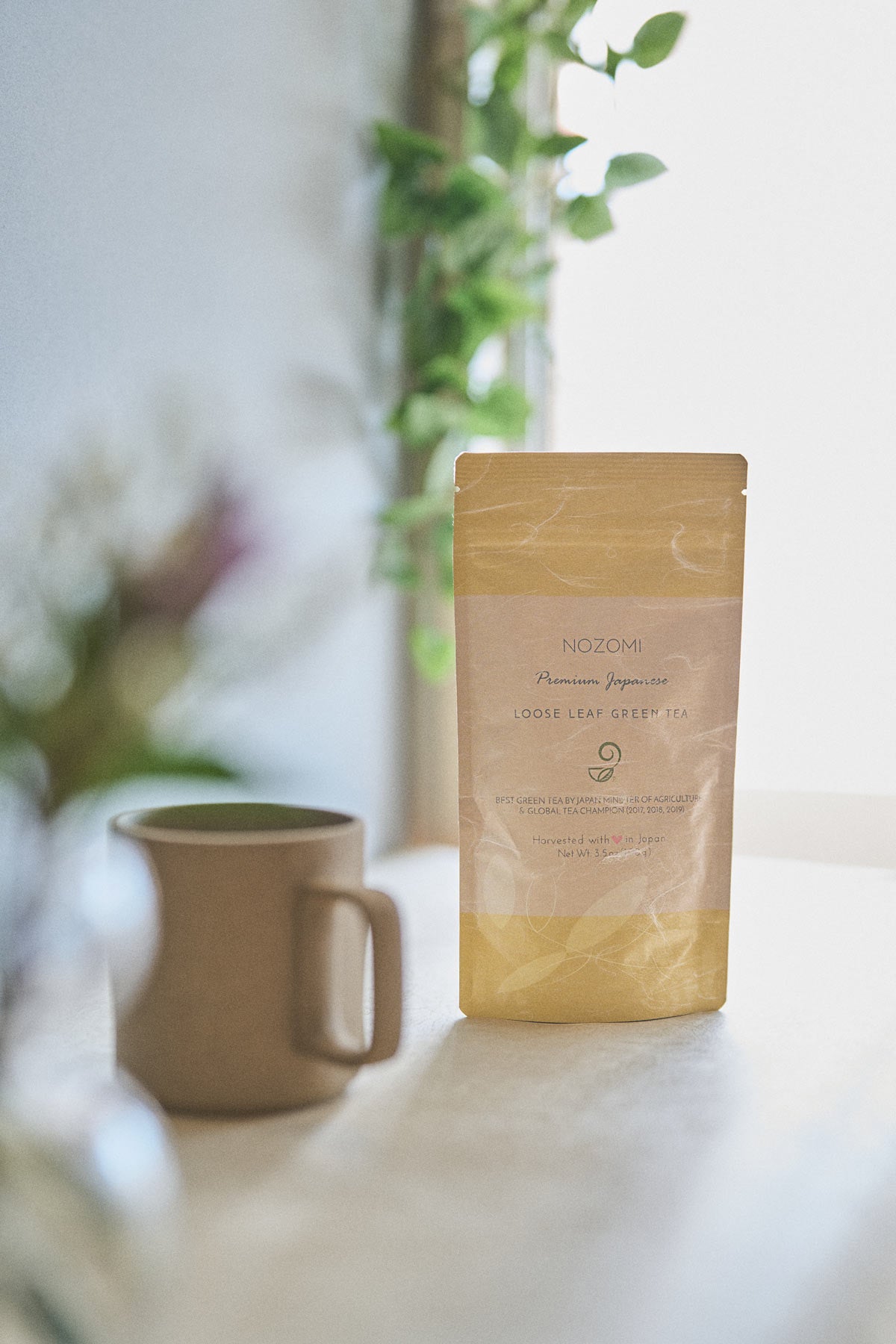
8 reviews
$179.00
$159.99
/
Quick view
The Sencha Lover Gift Set - Premium Japanese Green Tea Set Package
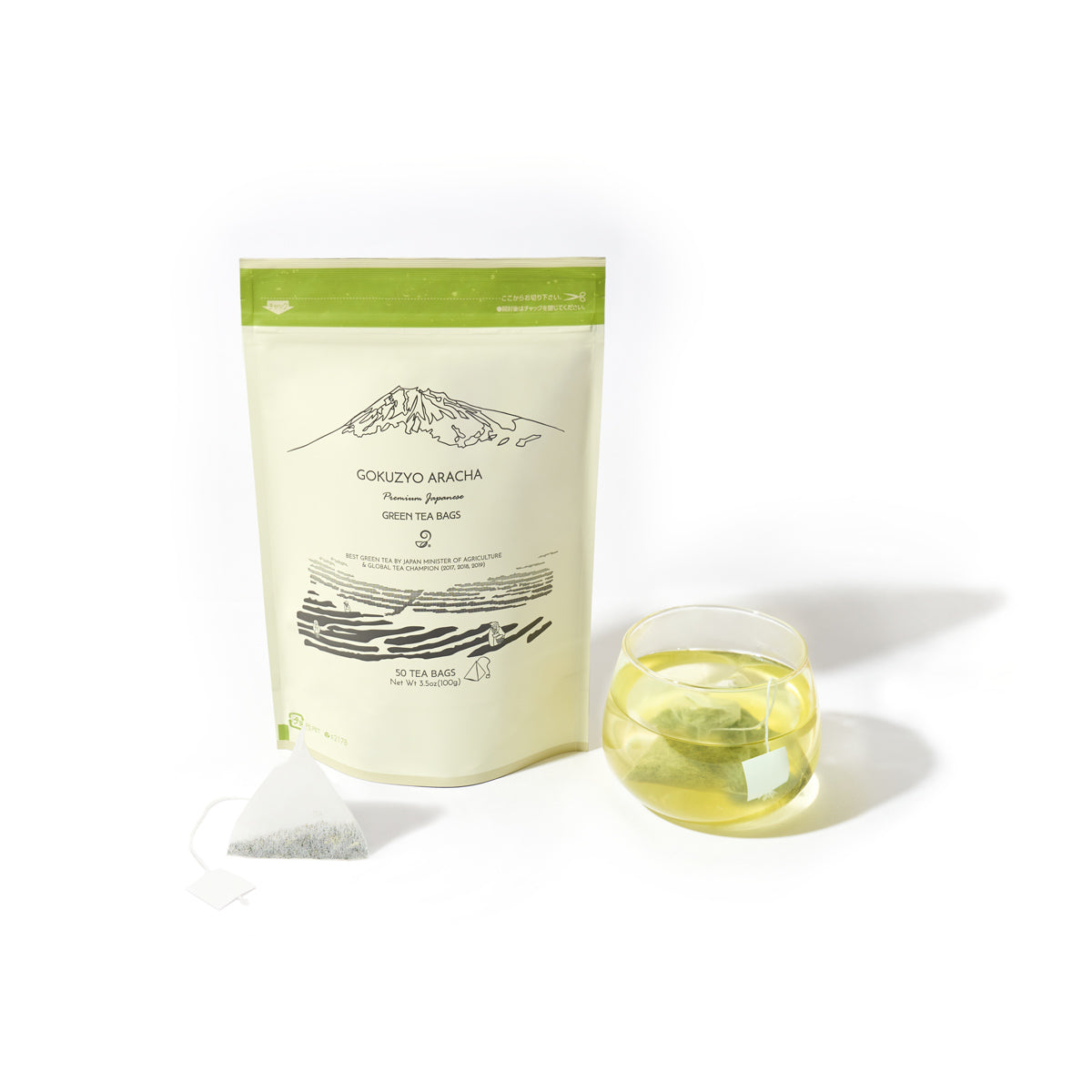
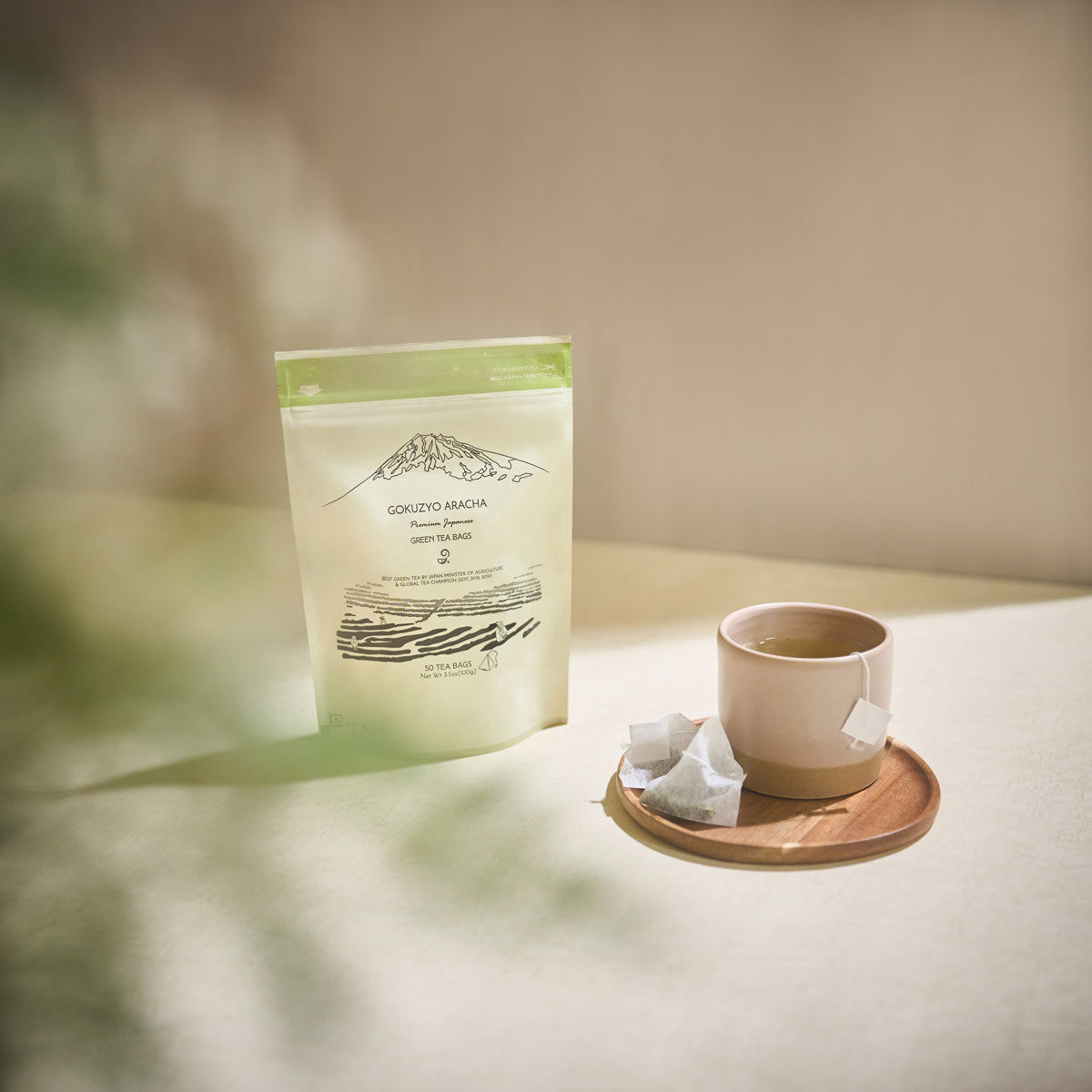




Get Free Bonus Books

Sign up for free to the Green Tea Club to get advice and exclusive articles about how to choose Japanese Tea, and tips, tricks, and recipes for enjoying Japanese tea.
About the author

Kei Nishida
Author, CEO Dream of Japan
Certification: PMP, BS in Computer Science
Education: Western Washington University


