

The history of Japanese green tea is rich in facts, stories, and intriguing developments. Some of you may be familiar with the introduction of green tea in Japan, while others may be familiar with the development of Japanese green tea culture. The history of Japanese green tea reveals itself in the way we consume tea or in the recipes we try. It helps shape our perception and overall experience of tea. In part, this article is a challenge with respect to your knowledge of tea. In another part, this article is a discussion of kombucha: Can I make kombucha from Japanese green tea? If so, how? But before we begin to outline the how-tos of kombucha, I want to review kombucha itself.
In recent years, Japanese green tea has become more than a traditional beverage—it has evolved into a global symbol of wellness, craftsmanship, and cultural refinement. From sencha to matcha, the variety of green teas reflects centuries of innovation and attention to detail in cultivation and processing. These qualities also make Japanese green tea an excellent candidate for creative culinary applications like kombucha brewing. The nuanced flavors of umami, grassy notes, and subtle sweetness found in Japanese green tea bring a unique complexity to kombucha, making the fusion not only possible but surprisingly harmonious.

What is Kombucha? The Short Answer.
There is a short and long answer to this question. In short, it is a slightly alcoholic, fermented, and sweetened drink infused with black or green tea. You may also find various Kombucha drinks that include juices, spices, or added fruit.
Kombucha’s rising popularity lies not just in its refreshing taste but also in its adaptability. The base—typically sweetened black or green tea—undergoes fermentation with the help of a SCOBY (Symbiotic Culture of Bacteria and Yeast), creating a tangy, fizzy beverage that can range from mildly sweet to sharply sour. While some enjoy it plain, others infuse it with herbs, ginger, berries, or citrus for added depth and health benefits. Its unique blend of tea essence and fermented complexity makes kombucha a versatile drink that appeals to both wellness enthusiasts and those looking for flavorful, non-alcoholic alternatives.
What is Kombucha? The Long Answer.
The long answer has two parts: the historical and chemical parts. Kombucha tea is an incredibly old tea that includes a complex arrangement of flavor profiles and notable health benefits. Let’s start with the history of this unique drink: There is research to suggest that people in China drank kombucha tea in 221 BC and that a doctor from Korea named Kombu in 414 BC brought the drink, or as the Koreans described it, "The Divine Tsche," to Japan to cure the then Emperor. There is some debate as to where exactly it originated, but the first clear reports come from Russia and Ukraine in the late 1800s, eventually moving into Germany in the early 20th century. Its popularity grew throughout Europe until the outbreak of World War II, which brought about various shortages. The drink began growing in popularity once again in the 1950s. Nowadays, you can find kombucha worldwide, and it is relatively common in many parts of the world. Homebrewing is supported by online and local recipes. On the commercial side, various companies offer not only the drink but the critical starting components, including the symbiotic culture of bacteria and yeast (SCOBY), etc. If you’re interested in making your own kombucha, there’s more than enough support available to ensure you’re doing it right.
But what of its chemical makeup? Yes, it includes tea, but there is much more detail about kombucha. Kombucha is produced from the symbiotic growth of specific bacteria and yeast, which are cultured in sugared tea. The symbiotic culture of bacteria and yeast (SCOBY) is unscientifically described or referred to as a "mushroom" or "mother" It is tough to give an exact description of the bacteria-yeast combination because it varies widely, but it remains the critical element in creating kombucha. This element in kombucha turns your sweet tea into the tangy and distinct taste of kombucha. It looks somewhat odd, if not distasteful, yet the SCOBY helps maintain a healthy kombucha drink by protecting it from outside bacteria.
As fermentation progresses, the SCOBY feeds on the sugar in the tea, converting it into various organic acids, trace amounts of alcohol, and carbonation. This natural process not only gives kombucha its signature effervescence but also contributes to its purported health benefits. Acetic acid, gluconic acid, and glucuronic acid—byproducts of fermentation—are believed to aid digestion and detoxification. The presence of live cultures also positions kombucha as a probiotic drink, promoting gut health in a similar way to yogurt or kefir. While the exact composition of kombucha can vary depending on brewing time, temperature, and tea type, this variability also allows for a range of flavors and strengths—making it a deeply customizable and artisanal beverage.

Wait, isn’t Kombucha actually spelled Konbucha?
No. Kombucha is not konbucha (昆布茶). I’ve spent some time reviewing kombucha but let’s take a few minutes to understand konbucha. Konbu is referred to as a type of seaweed in Japanese with the added “cha” referring to tea. In many circles, you may also see it referred to as kocha kinoko or black tea mushroom. The idea behind konbucha is seaweed with hot water. You can find konbu online and cut up pieces to create the base of konbucha. Foodshark reviewed the 6 Best Kombucha Brands on this article, which means that you can easily buy the drink from many brands in the market today.
The confusion between kombucha and konbucha is common, especially among those new to Japanese culinary terms. While the names sound nearly identical in Romanized spelling, the two beverages are entirely different in taste, preparation, and purpose. Kombucha is a fermented tea with a tangy profile and probiotic benefits, whereas konbucha is a savory infusion made by steeping dried kelp (konbu) in hot water, often consumed as a warm, umami-rich drink in Japan. Konbucha may be enjoyed for its mineral content and is sometimes used as a base for soup broth (dashi), but it does not involve fermentation or the use of SCOBY. This distinction is important for tea lovers and health enthusiasts alike who may unintentionally mix up the two when seeking out kombucha products.
 This is a package of Konbucha (昆布茶) sold in Japan, which is different from Kombucha
Is Kombucha Good for Me?
Let us quickly review some of the nutrients found in a common kombucha drink: organic acids, sugars such as sucrose, glucose, and fructose, vitamins such as B1, B2, and B6, and others including vitamin C. It also includes proteins, and the living bacteria are said to be probiotic. If you have tried kombucha, you’ll likely guess that it includes alcohol that has been produced from the fermentation process, which will be discussed below.
Aside from being a staple in Japanese culture, kombucha is slowly gaining popularity in all parts of the globe because of its health benefits. If you’re having second thoughts about adding kombucha to your diet, its health benefits might help you come to a sound decision.
Beyond its nutritional content, kombucha is often praised for supporting digestive health due to its naturally occurring probiotics—beneficial bacteria that may improve gut flora and enhance nutrient absorption. Many kombucha drinkers also report feeling more energized and experience fewer digestive issues, although scientific research on its effects in humans is still evolving. Additionally, the polyphenols present in the tea base, especially when using high-quality Japanese green tea, may further contribute to antioxidant activity. While kombucha isn’t a miracle cure, when consumed in moderation as part of a balanced lifestyle, it can be a refreshing and beneficial addition to your wellness routine.
Kombucha is definitely good for you because it provides the following health benefits:
- There are varying health benefits, including antimicrobial support against various pathogens. This is largely due to the presence of organic acids and catechins. The antimicrobial support you can get from kombucha can keep your immune system strong, making you less susceptible to common illnesses and diseases.
- Kombucha may also support the liver as a means of preventing hepatotoxicity induced by outside pollutants. The condition of your kidney can affect your overall health and wellness because your kidney works by removing waste and extra fluid from your body. Your kidney is also responsible for creating a healthy balance of water, salts, and minerals in your body.
When your kidneys aren’t working properly, you can develop uremia, which is a health condition characterized by excessive swelling of the hands and feet and extreme fatigue. - Kombucha is also known as an antioxidant drink. In fact, it has been observed to have higher antioxidant activity than standard green teas. This is likely due to the fermentation process.
Having a sufficient amount of antioxidants in the body is crucial because it protects your cells from free radicals and may decrease your risk of cancer and heart disease. Antioxidants can also minimize the appearance of fine lines and wrinkles on your skin, making you look younger. - Animal studies have shown that kombucha may help reduce heart disease risk and may also help manage type 2 diabetes. The results of these studies can be a godsend for people who have been suffering from the symptoms of the mentioned health problems. Human trials have not been reproduced, but there is research to help piece together the long-held beliefs in the health benefits of kombucha.
- Kombucha may aid in digestion and alleviate symptoms of gastrointestinal discomfort such as bloating or indigestion. Thanks to the presence of live probiotics and digestive enzymes produced during fermentation, this beverage can help regulate bowel movements and maintain a healthy gut microbiome. A balanced digestive system is not only essential for nutrient absorption but also closely linked to mental well-being through the gut-brain axis.
- Another emerging benefit of kombucha is its potential to help manage inflammation. Some preliminary studies suggest that the polyphenols and organic acids found in kombucha may possess anti-inflammatory properties, which could assist in reducing chronic inflammation linked to conditions such as arthritis, metabolic syndrome, and even depression. While more human-based research is needed, the early findings are promising and align with kombucha’s long-standing reputation as a healing tonic.
The key to making healthy kombucha is to ensure that it's properly prepared. There are reports of toxic kombucha, and it is possible to create something that is ultimately more harmful to your system than otherwise.
If you’re looking forward to experiencing the health benefits of kombucha, make sure to consult your doctor about it first. This is especially important if you have underlying health conditions or have been diagnosed with illness in the past.
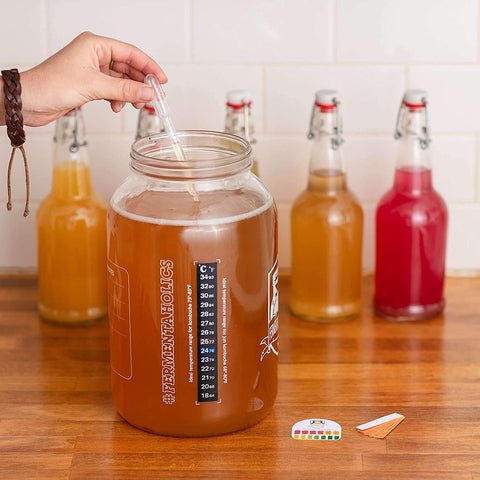
I Want to Make Kombucha from Japanese Green Tea? How Can I?
Part of the beauty of kombucha is the how-to. You need to first either purchase, obtain, or create your own "mushroom," "mother," or SCOBY.
If you do not have a SCOBY, you can make your own: first purchase a bottle of raw kombucha, then make 1 cup of Japanese green tea. Let the tea cool to room temperature. Then pour the raw kombucha and the cooled tea into a larger glass jar. Cover the jar and secure it, perhaps with a rubber band. Keeping the tea out of sunlight, keep the jar in a relatively warm spot (68–85 degrees) for about a week or so. You should start to see a clear film on top of the liquid. Do not worry; this is a smaller SCOBY that is forming. Essentially, the SCOBY should get thicker and whiter as time goes on. Many recipes note that the SCOBY should be at least ¼ inch thick or thicker before it is ready for brewing purposes. It may take several more weeks for this growth potential to be attained. If your SCOBY is not becoming thicker, then you will have to start over. Once the SCOBY is at the right thickness, you can keep the kombucha tea in the jar and transfer the SCOBY to a new batch of kombucha.
When using Japanese green tea specifically, opt for varieties like sencha or bancha for a clean, balanced brew. Avoid flavored or blended teas with added oils, such as genmaicha (which includes roasted rice) or matcha (which is powdered), as they can disrupt the fermentation process or damage the SCOBY. The clarity and quality of Japanese green tea help promote a smoother fermentation and allow the nuanced flavor of the tea to shine through in the final product. Once you’ve successfully grown your SCOBY, remember to always save some starter tea from each batch to kickstart the next one—this ensures proper acidity and helps ward off unwanted bacteria. Cleanliness is also critical, so always sterilize your utensils and containers before beginning the process.
Is raw Kombucha Safe to Drink?
Raw kombucha is not pasteurized and contains at least part of the culture you need to create your SCOBY. It is in fact safe to drink; however, doctors continue to recommend that pregnant patients avoid unpasteurized products, including kombucha. Yes, the labels on whether the kombucha is raw or not vary, but a little bit of digging when reviewing the product should provide an answer.
For most healthy adults, drinking raw kombucha in moderate amounts is generally considered safe and may offer digestive benefits due to its live probiotic content. However, because raw kombucha is a living product, it is more prone to contamination if not stored properly or if hygiene isn’t maintained during brewing. People with compromised immune systems, liver issues, or sensitivity to acidic foods should exercise caution. It's always wise to start with small servings to see how your body reacts, especially if you’re new to fermented beverages. And when in doubt, consult a healthcare professional—especially when brewing at home.
I have a SCOBY; how do I make kombucha?
For a half-gallon batch of kombucha, you will need:
- 1 tablespoon of loose tea or 4 tea bags
- ½ cup of sugar
- 6-7 cups of water
- 1 cup of starter tea or vinegar
Bring hot water and sugar together in a large enough glass jar. Stir the water and sugar together until the sugar dissolves.
Put the tea or tea bags in the stirred water and sugar. Cool the mixture to 68–85 degrees. The longer the tea is left in the liquid, the stronger the tea flavors will be. If you want your tea to taste sweeter, cool it for only a few hours and then consume it immediately.
Proceed to remove the tea bags or strain the loose tea leaves.
From the starter tea that you’ve either purchased or created above, you will need to add this element at this point. If you have neither, please add distilled white vinegar as a substitute.
Now add the SCOBY.
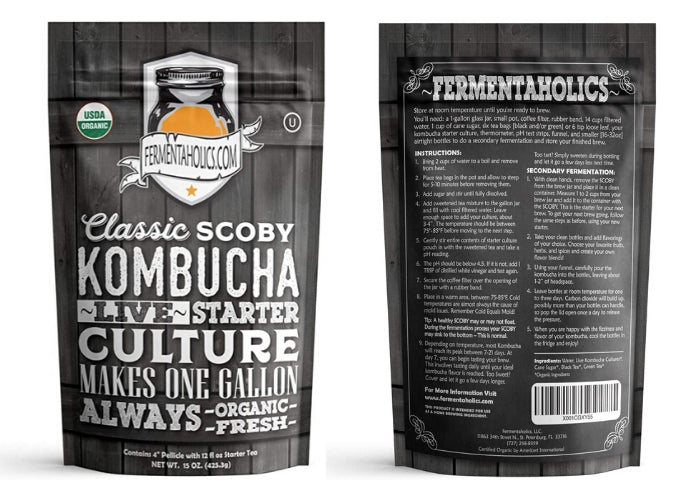
Close the lid of the jar and ensure it is secured.
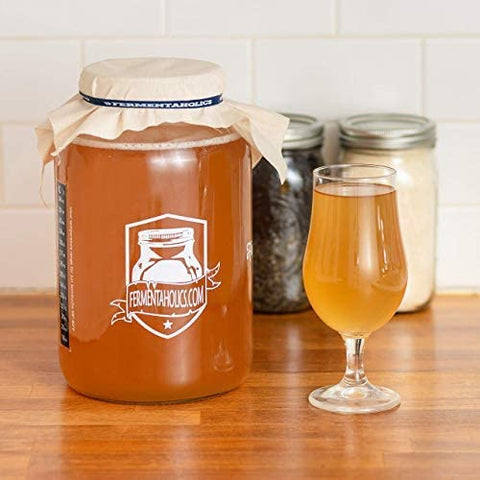
You will now need to hide it from the sun, undisturbed, for a week or more until you’ve reached the desired taste. The longer it sits and ferments, the more alcohol is produced and the less sweet it becomes.
Next, pour the kombucha off the top of the jar for drinking. You will want to keep the SCOBY and at least some tea for an additional batch.
Lastly, enjoy your kombucha!
Conclusion
Brewing kombucha with Japanese green tea is more than just a recipe—it’s a fusion of ancient traditions and modern wellness. From its deep cultural roots in Asia to its global rise as a health tonic, kombucha continues to capture the interest of tea lovers and health seekers alike. Japanese green tea brings a refined, delicate flavor and a rich antioxidant profile to the fermentation process, creating a brew that is both delicious and beneficial. Whether you're drawn to kombucha for its probiotics, its vibrant tang, or simply the joy of crafting something yourself, the process is deeply rewarding. With a quality SCOBY, clean tools, and a bit of patience, you can enjoy your own personalized batch of kombucha that reflects the elegance of Japanese green tea—right from your kitchen.
FAQs about Making Kombucha with Japanese Green Tea
What's the right Japanese green tea to use for kombucha — sencha, hojicha, or something else?
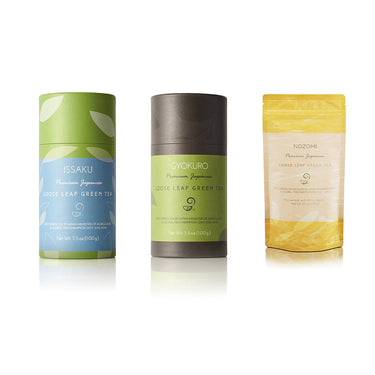
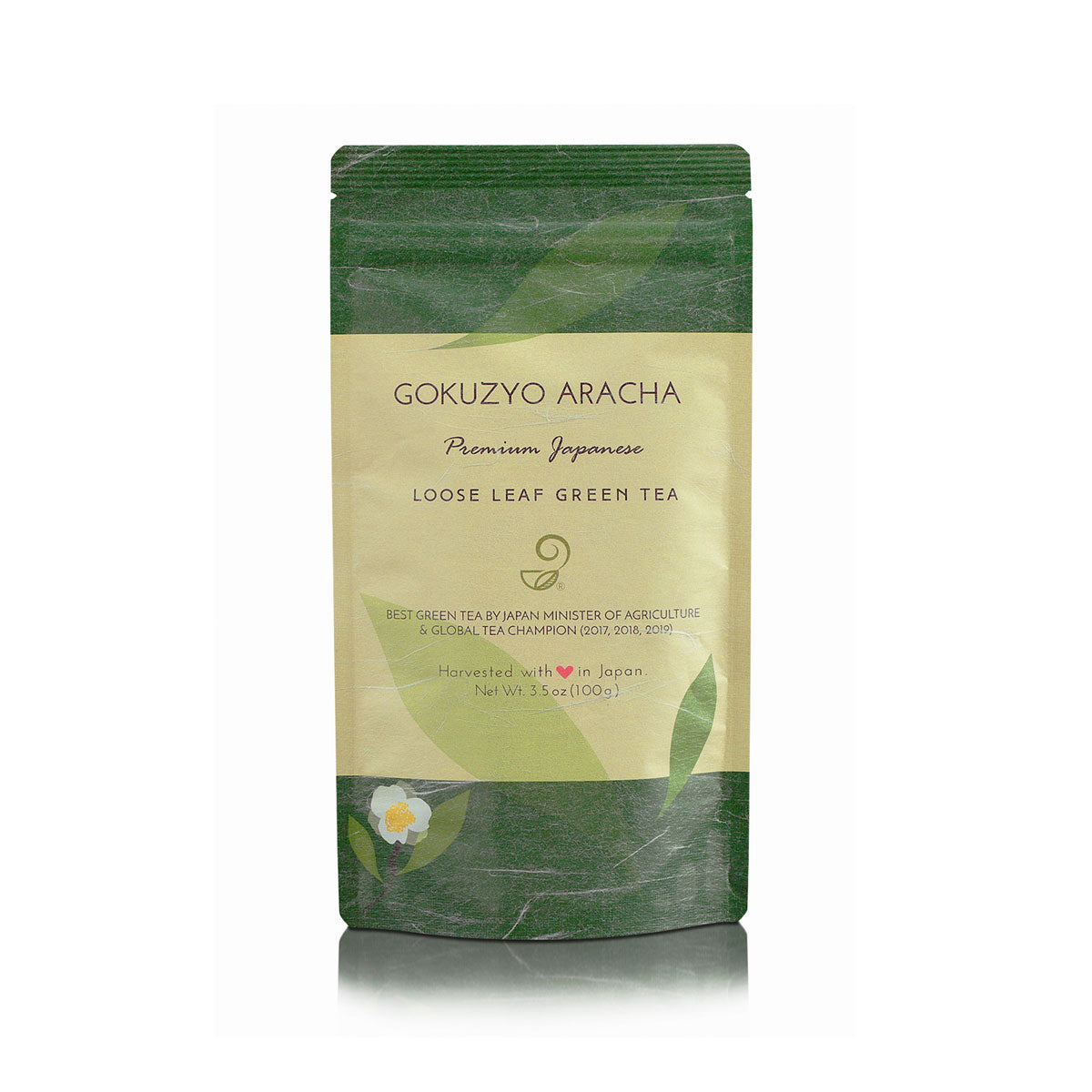
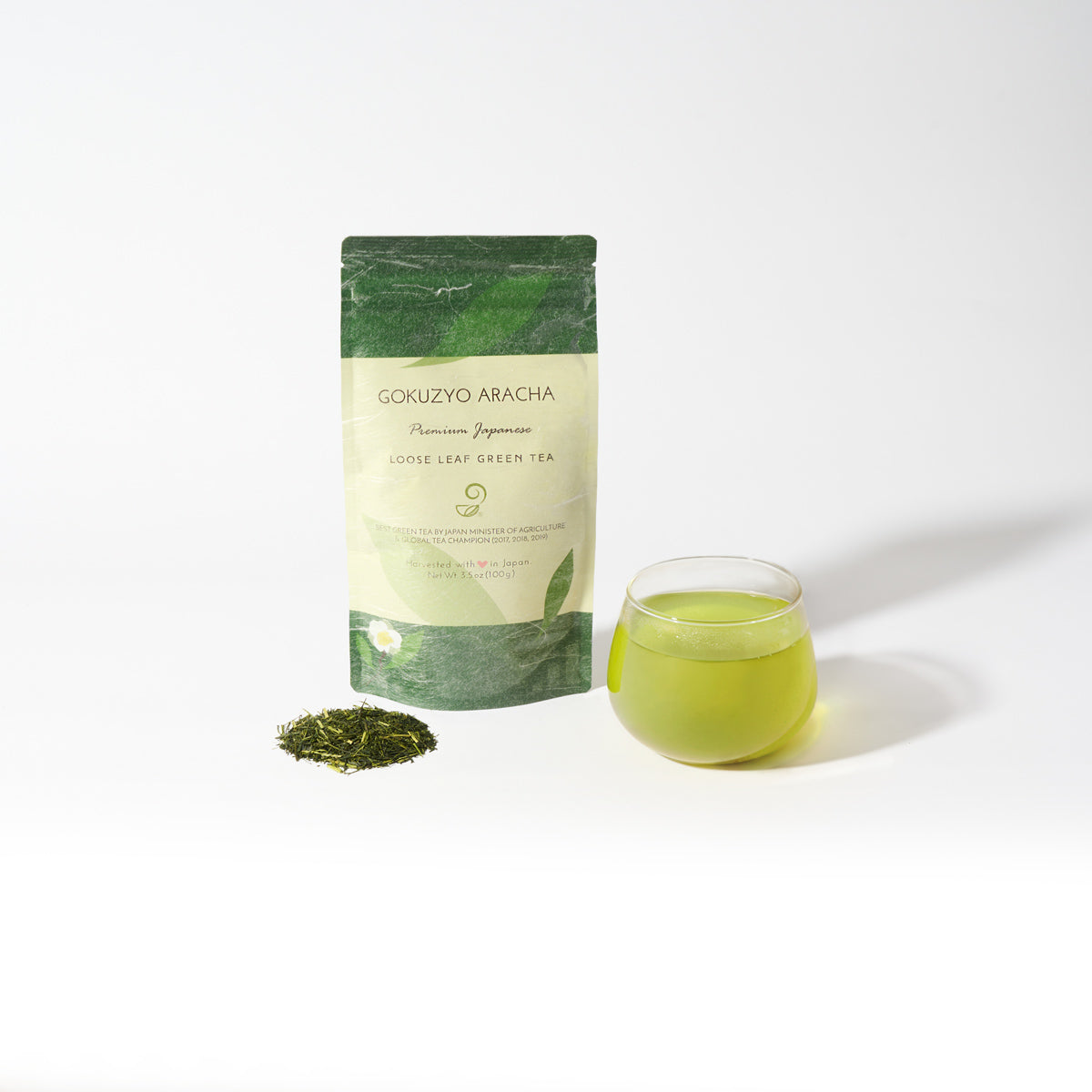
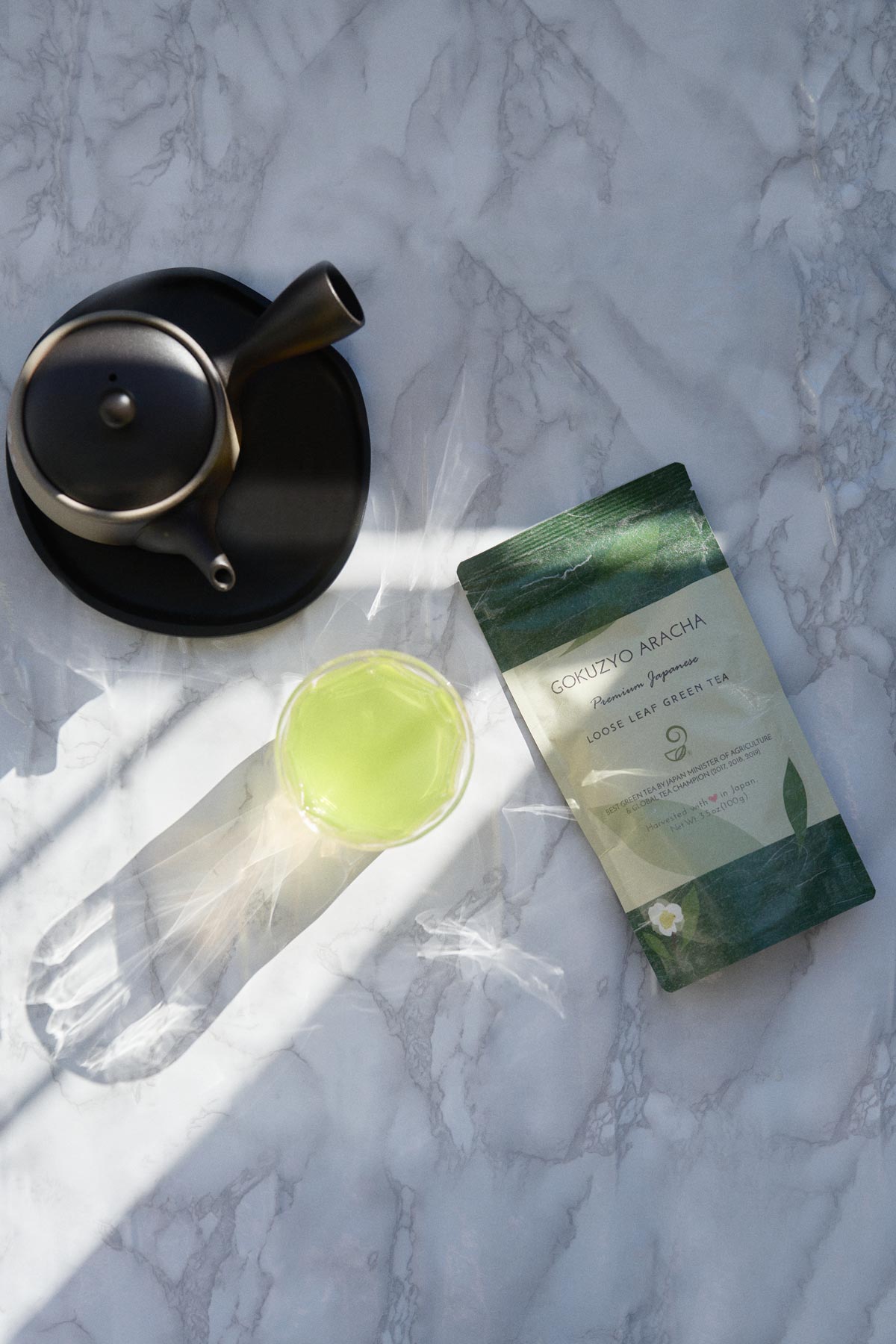
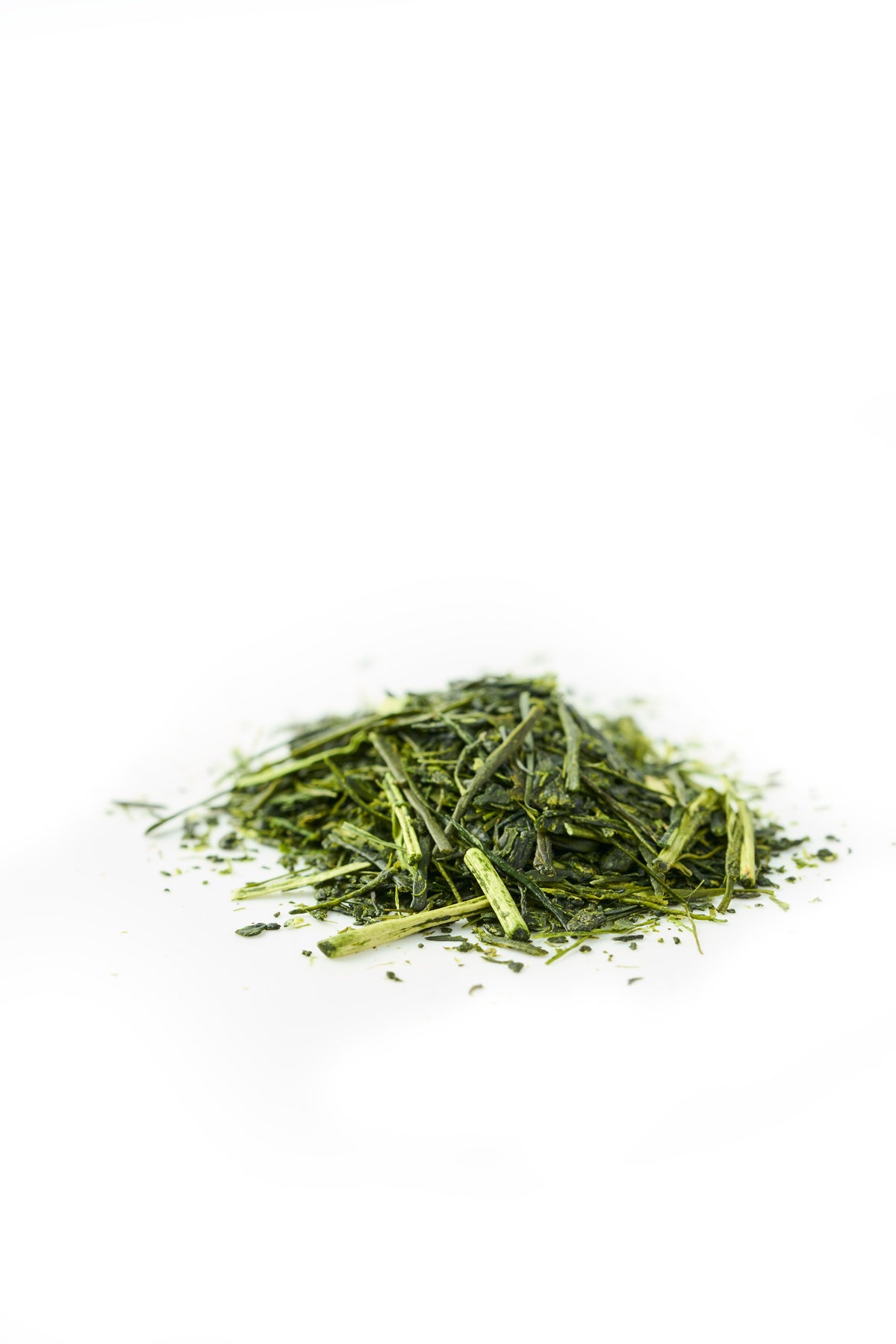
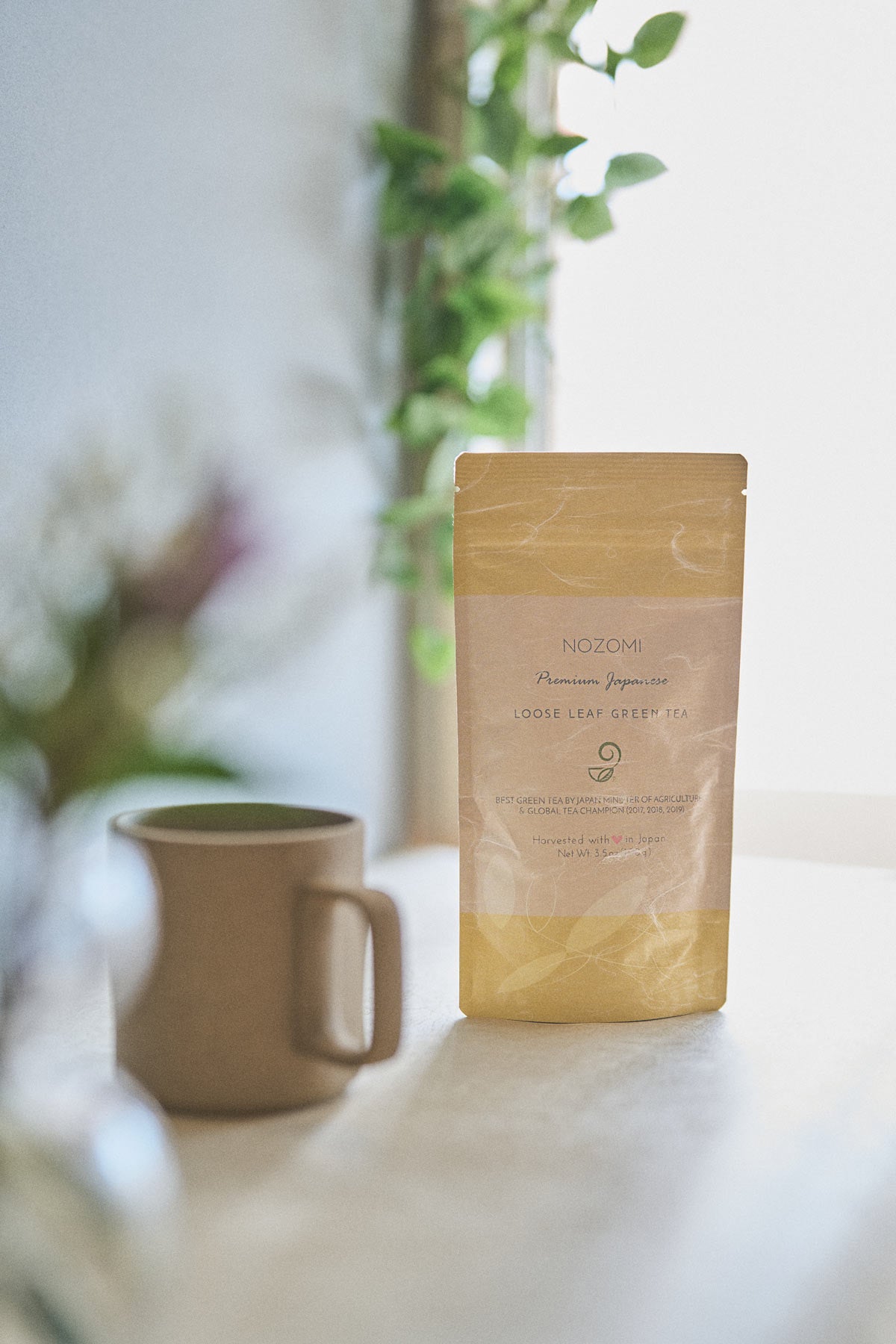
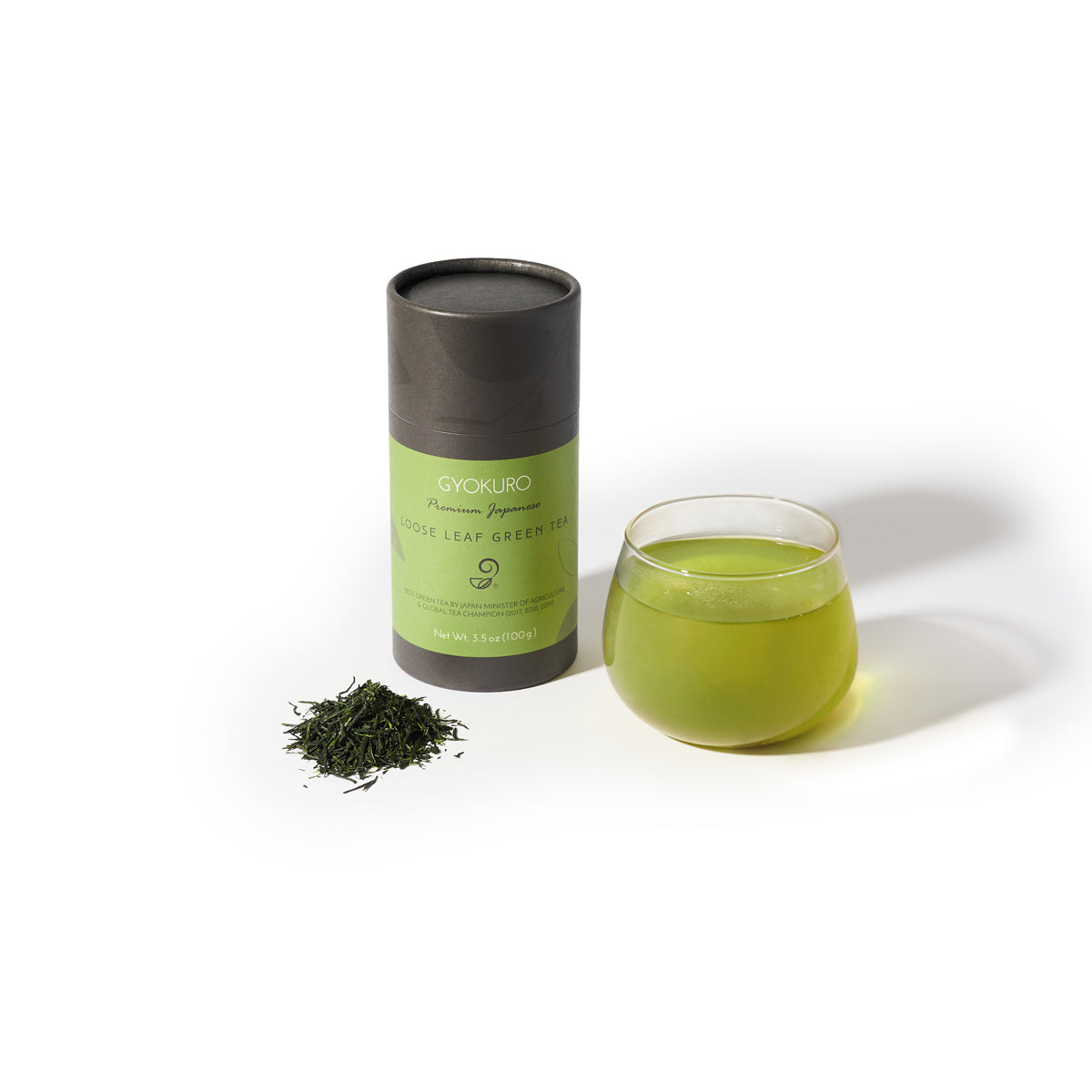
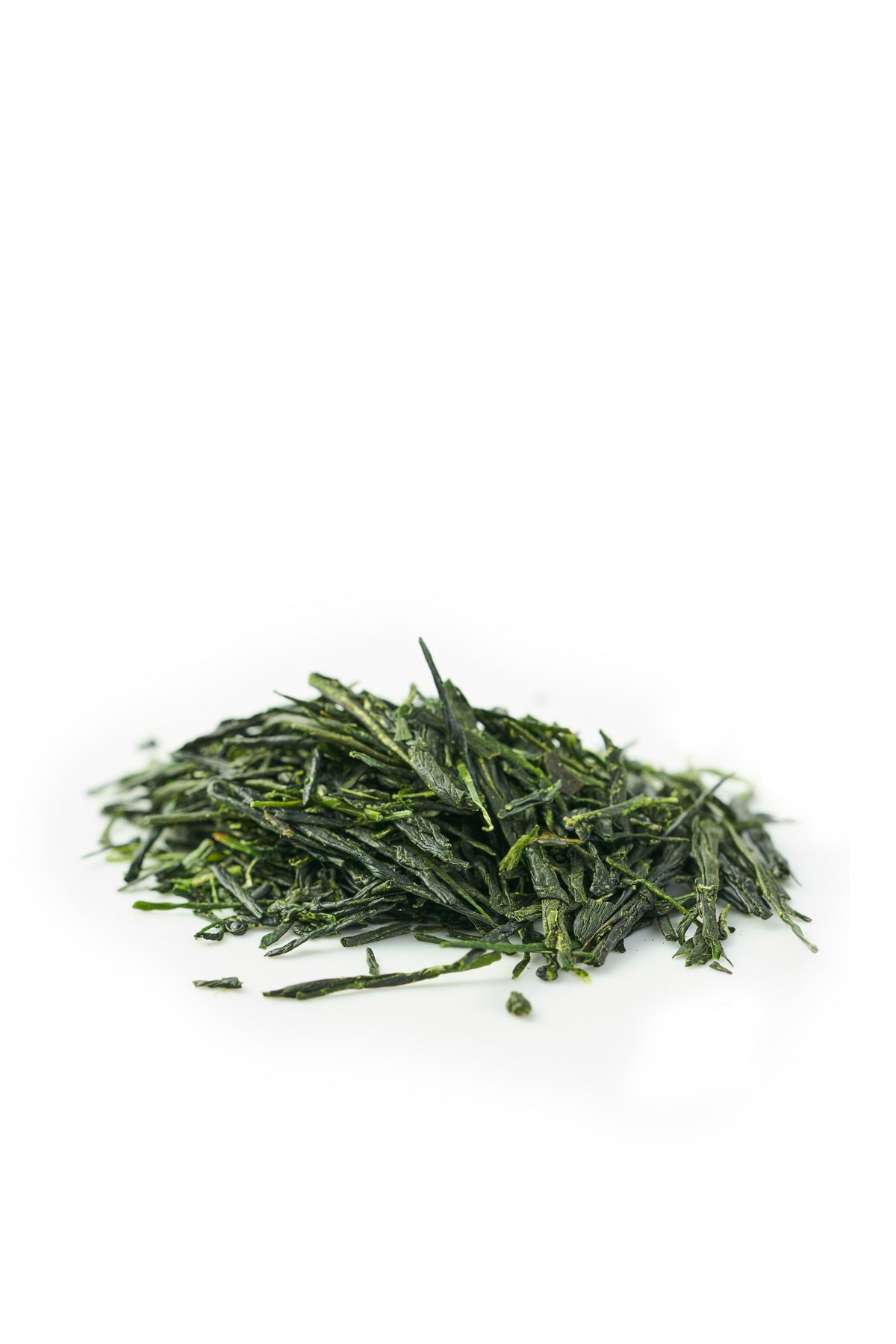
Buy Japanese Green Tea Used Above
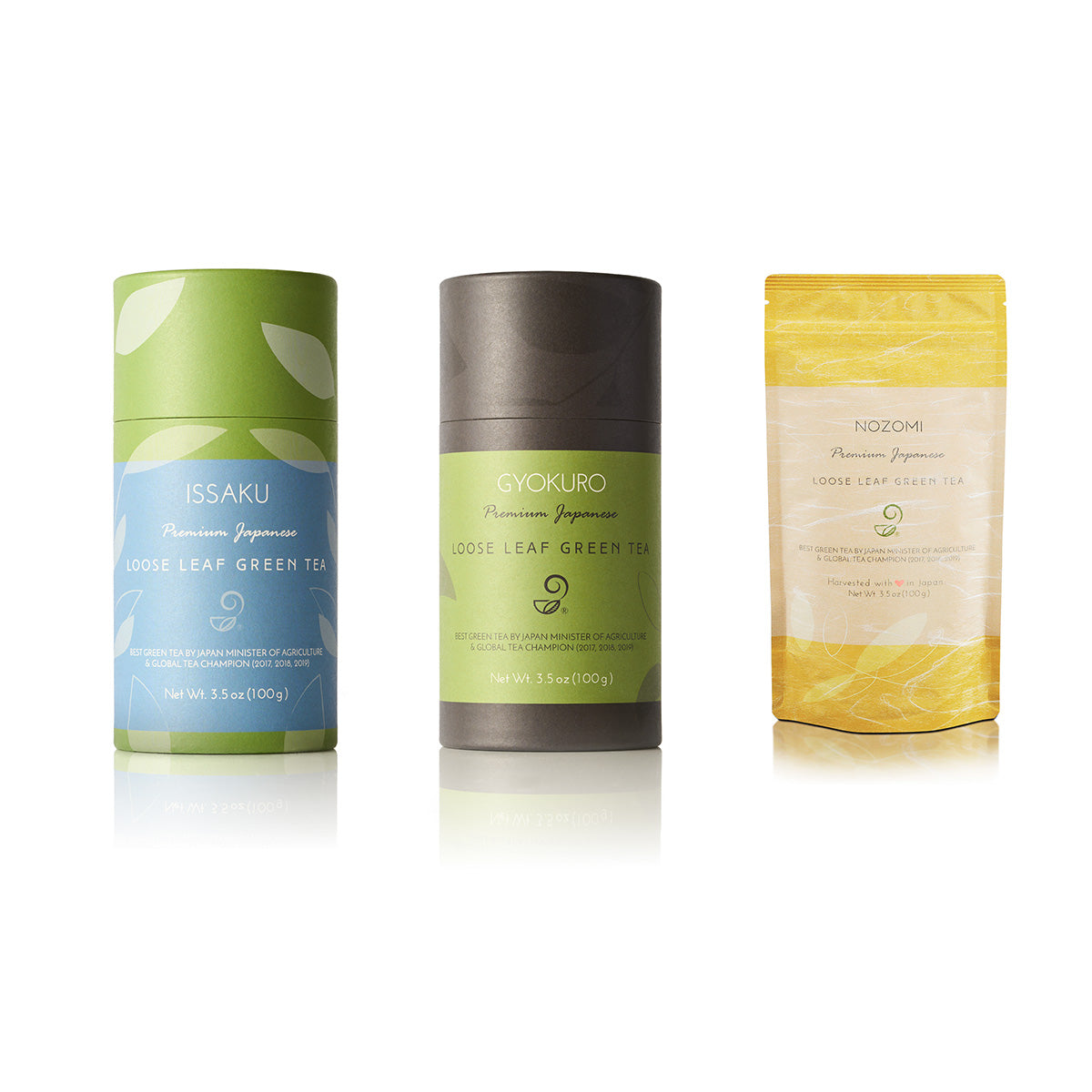
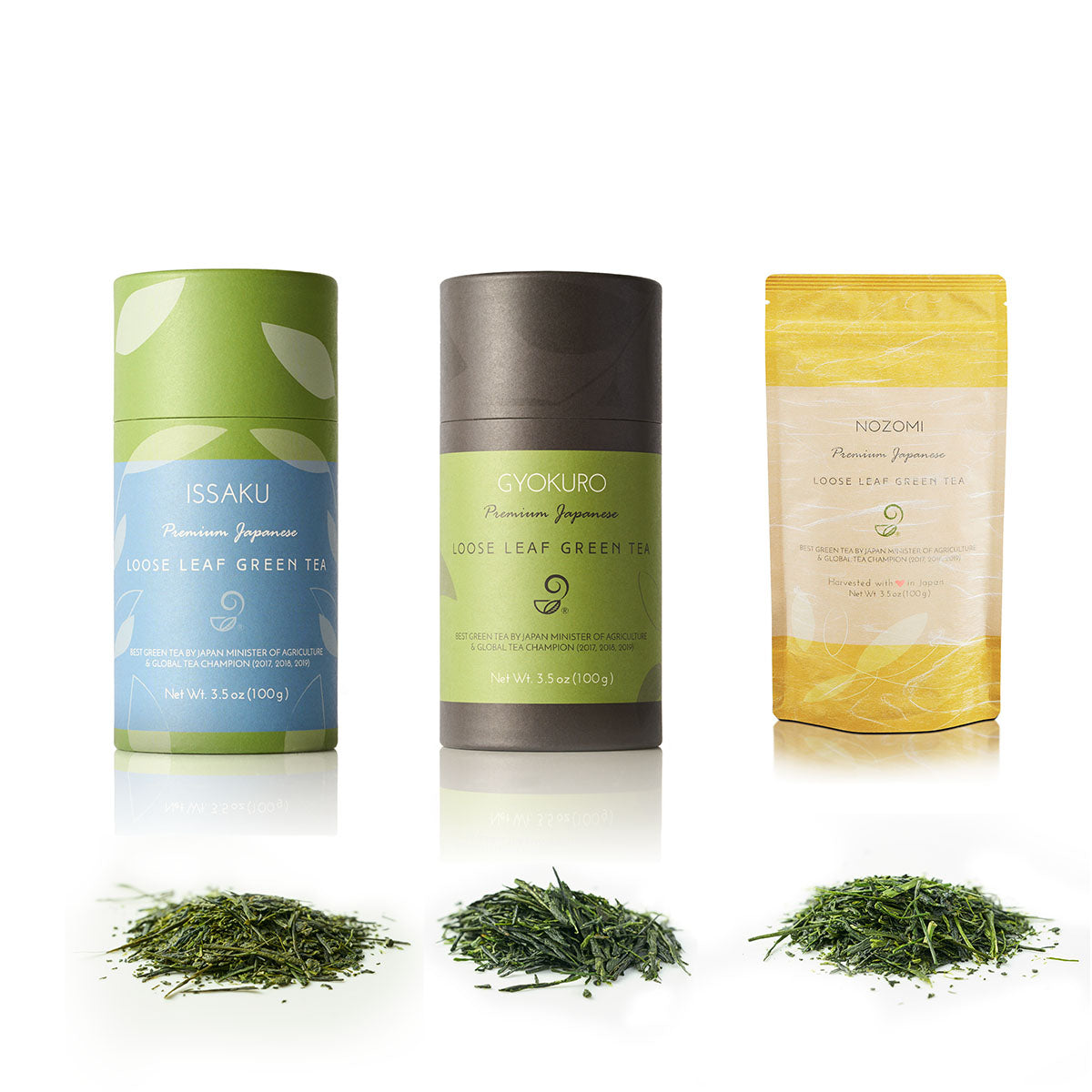
8 reviews
$179.00
$159.99
/
Quick view
The Sencha Lover Gift Set - Premium Japanese Green Tea Set Package
• Disclosure: I only recommend products I would use myself, and all opinions expressed here are my
own. This post may contain affiliate links that I may earn a small commission at no additional cost to you.
The commission also supports us in producing better content when you buy through our site links.
Thanks for your support.
- Kei and Team at Japanese Green Tea Co.



Get Free Bonus Books

Sign up for free to the Green Tea Club to get advice and exclusive articles about how to choose Japanese Tea, and tips, tricks, and recipes for enjoying Japanese tea.
About the author

Kei Nishida
Author, CEO Dream of Japan
Certification: PMP, BS in Computer Science
Education: Western Washington University


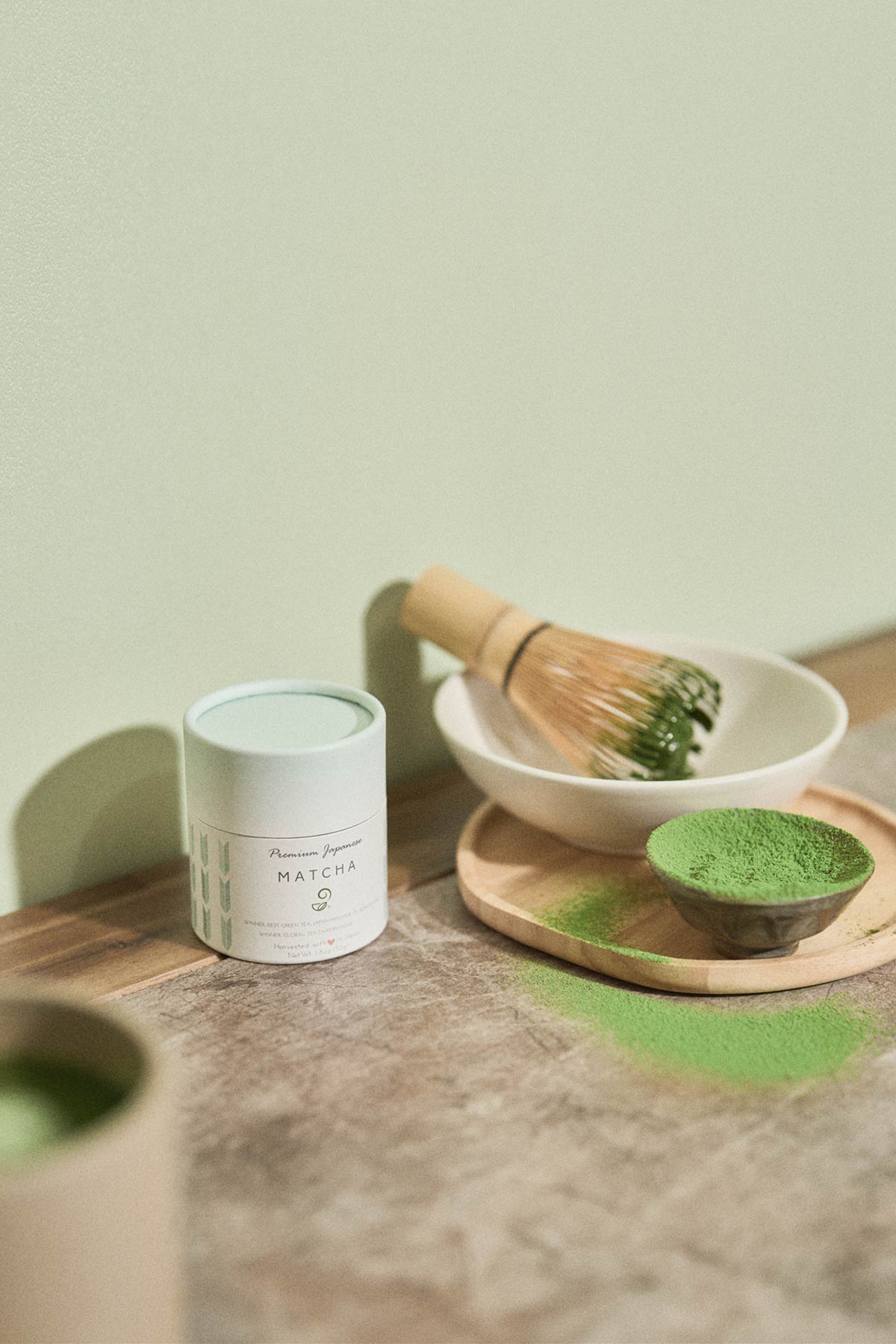
Yes, it is possible to use matcha powder to produce Kombucha in the fermentation process.
Try it making kombucha with a small jar serving first so you can experiment, save time and ingredients in kombucha trial and error using matcha powder.
If you want to follow to use loose-leaf, you may want to use Gyokuro as well since gyokuro has a very similar flavor to matcha. Please see: https://www.japanesegreenteain.com/blogs/green-tea-and-health/gyokuro-vs-tencha-what-are-they-and-what-are-the-differences
Hi
is it possible we used powder of Matcha tea to produce Kombucha in the fermentation process?
does it work as it is powder and sediment in a container? or do we have limitations and we just should use a tea bag of Matcha?
because I cannot find the leaf of Matcha, just powder kind and the teabag of Matcha just have 2% Matcha and 98%consist of a different kind of green tea. Do you have any information about it? thanks