Skip to content

How to Brew Tea in Space

My dream since childhood is to go to space.

You have heard that the Japanese billionaire of Zozotown, Yusaku Maezawa, has been sharing videos of himself carrying out various activities in the 12 days he and his assistant Yozo Hirano spent onboard the International Space Station (ISS).

Armed with a list of "100 Things You Want MZ (Maezawa) to Do in Space," the two men lifted off onboard the Soyuz MS-20, a Russian spaceflight, on December 8, 2021. This visit to the ISS was done in preparation for Maezawa's flyby around the moon onboard a SpaceX. This planned adventure will make Maezawa the first commercial passenger to go on a circumlunar flight.

Tea in Space

One of the listed tasks for Maezawa to perform is to have afternoon tea in space. As expected, the process isn't quite as straightforward as pouring oneself a cuppa. Maezawa and Hirano were living with other astronauts on the ISS, so they had to make sure that they followed safe space-living protocols to avoid issues. In terms of preparing and enjoying afternoon tea, the steps are detailed below. But, first, here are some observations:

  1. Many of the surfaces are lined with adhesive, on which items can be stuck so they don't float away.
  2. Everything is stored neatly away. Things cannot be left exposed or lying around for obvious reasons.
  3. When you cut open a bag or packet, don't snip all the way to the other end, or you'll have to deal with a bit of material floating away.

Please note that Maezawa prepared his drink following the Russian module, which is different from the US module. Picking up sugar-free black tea and some cookies, he proceeded to make himself afternoon tea.

  1. Cut the top of the vacuum-sealed pouch that's holding the teabag.
  2. Stick the spout of the potable water dispenser's tap into the pouch opening, and then turn on the hot water option.
  3. Put in as much water as your preference dictates, depending on how weak or strong you want your tea to be.
  4. Wrap a towel around the opening while pulling it off the spout, and then press the opening shut with your fingers. Doing this pretty much seals it, preventing leaks.
  5. Wait for the tea to diffuse. Maezawa spent this waiting time opening his package of cookies.
  6. Once the tea is ready to drink, cut the opposite end of the tea pouch where the straw is located. You'll notice that the straw is more flat than tubular, but it works.
  7. Suck the tea through the straw and enjoy it.

And here is the video of it! I hope in our lifetimes you and I can do this too!

Final Thoughts

Space is said to be the next frontier. While not many of us give much credence to the notion, we cannot deny that the idea of humans one day making space an extension of their realm is becoming increasingly feasible. With consistent technological advancements, it's very possible that more and more people may eventually be able to experience afternoon tea in space.

FAQs about Brewing Tea in Space

Can astronauts actually brew tea in space?

Not in the way you'd brew it on Earth. Real loose-leaf tea brewing requires open vessels, free-flowing hot water, and gravity to keep liquid at the bottom of a pot — none of which work in zero-G. So astronauts drink tea, but it's almost always pre-prepared instant or freeze-dried tea reconstituted in a sealed pouch by injecting hot water through a port. The drink is then sipped through a straw inserted in the pouch.

It's still recognizable as tea — a Japanese astronaut on the ISS drinking instant green tea is drinking real green tea — but the brewing experience as we know it on Earth is fundamentally absent. The ritual of pouring, the steam rising, the visible color development in the cup all rely on gravity.

Some experimental microgravity tea-brewing has happened with specially designed sealed devices, but consumer-style brewing in space remains impractical.

How does zero gravity actually change tea brewing physically?

Several ways. First, hot water doesn't pool — it forms floating spheres held together by surface tension, which is dangerous near electronics and hard to direct into a teapot. Second, convection currents that distribute heat in a kettle don't form normally; without gravity-driven hot-water-rises movement, water heats unevenly. Third, tea leaves wouldn't sink or settle — they'd float in random orientations through the brew, making strain-and-pour impossible.

On the chemistry side, the actual extraction (water dissolving compounds out of tea leaves) works the same in zero-G — chemical reactions don't depend on gravity. So if you could somehow contain the leaves and water, the tea would brew normally. The challenge is purely mechanical, not chemical.

Specialized closed-system brewers have been designed for space use, but they're nothing like a kyusu and the experience is more like microwaving a tea pouch than brewing fresh tea.

What teas have actually been sent to the ISS?

A range, depending on the astronaut. The Japanese space agency (JAXA) regularly sends Japanese green tea up with Japanese astronauts — typically instant powdered sencha or matcha-based drink mixes. Russian cosmonauts have received traditional Russian black tea. NASA astronauts often request specific herbal teas or familiar brands. The selection varies by national tradition and individual taste.

Special-occasion sends have included higher-grade tea than the everyday astronaut menu. Astronaut Soichi Noguchi brought Uji matcha aboard the ISS for ceremonial preparation in 2010-2011, in collaboration with the Urasenke tea school. The matcha was prepared with adapted techniques in a sealed environment.

So yes — astronauts have whisked actual matcha in actual zero-G, with appropriate equipment. It works, but it's a research-grade event rather than a daily routine.

Have there been actual scientific experiments about tea in space?

A few. JAXA has conducted research on how zero-G affects flavor perception (astronauts often report food tasting bland or different in space, possibly due to fluid shifts in the body that affect smell). Tea-specific experiments have looked at how zero-G affects extraction kinetics in sealed systems and whether matcha foam forms differently without gravity-driven sedimentation.

The flavor-perception research is the most interesting — it suggests that astronauts often crave stronger, spicier, more umami-rich foods in space because the zero-G fluid shift seems to dull baseline taste sensitivity. Tea, particularly umami-heavy matcha and gyokuro, tends to retain more of its character than subtler flavors do. So shaded teas may actually "travel" to space better than other beverages.

There's no formal published research showing a definitive flavor change to tea itself in zero-G, but the perception side is well-documented. The tea is the same; the astronaut tasting it is changed.

What does this teach us about flavor and brewing on Earth?

A surprising amount. The flavor-perception research from space shows how much of "tasting tea" depends on full sensory context — smell, fluid balance, visual cues, the ritual of preparation. Strip away gravity, the open cup, the visible steam, and the same chemical compounds register differently to the same brain.

That suggests that the ritual of brewing tea on Earth — the kyusu, the kettle, the visible steeping — isn't just aesthetic. It's part of what makes the tea taste like tea to us. The cup of identical chemistry served from a sealed pouch through a straw isn't the same drink experientially, even if it's the same drink chemically.

It also explains why people who drink tea in highly distracted contexts (eating while watching TV, drinking from a sealed travel mug) often report tea as "flat" or unmemorable. The chemistry is intact; the surrounding sensory framework is missing.

Related products

8 reviews

The Sencha Lover Gift Set - Premium Japanese Green Tea Set Package
$179.00 $159.99
Quick view

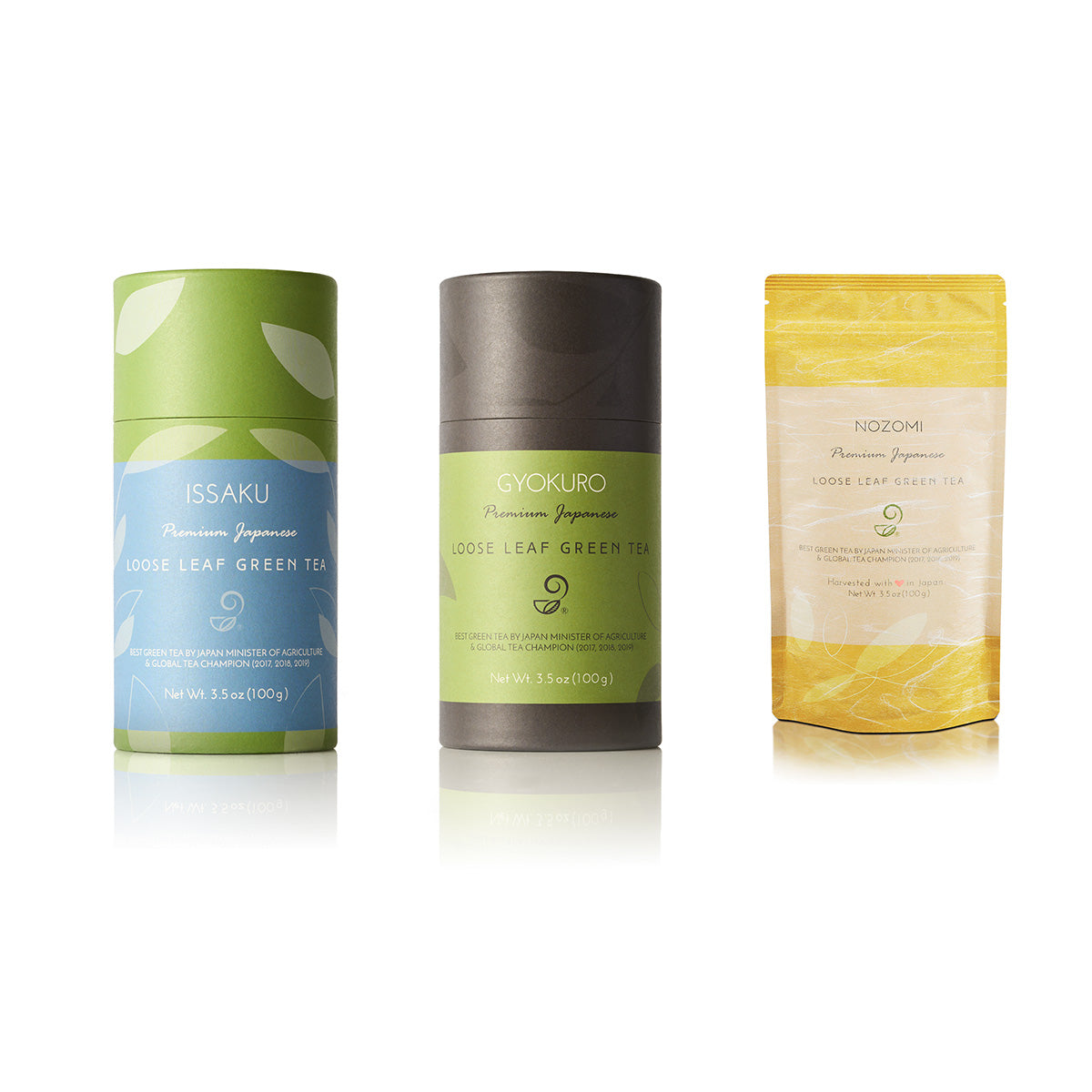
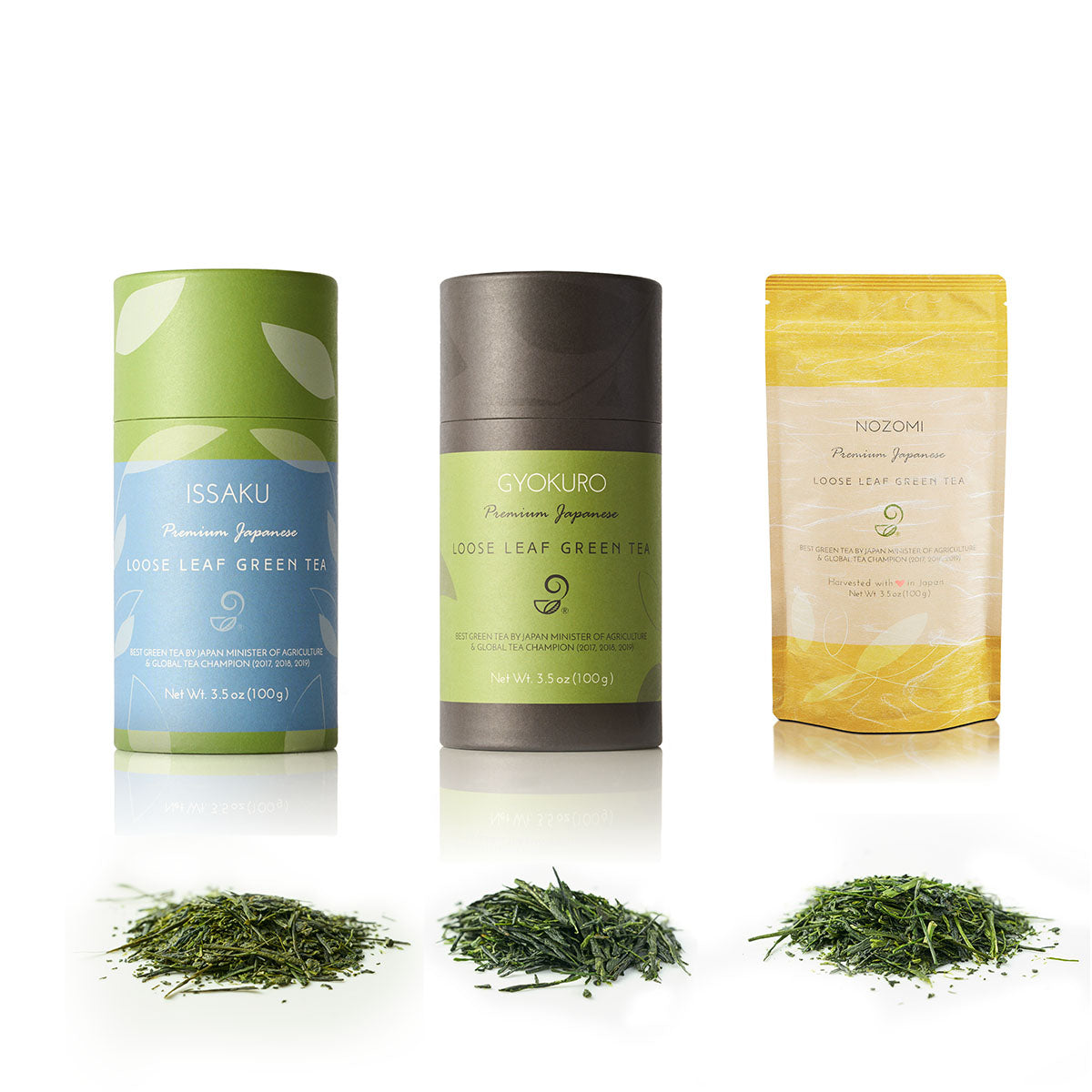
This tea set features three exceptional Japanese green teas, each crafted with care and traditional techniques. Issaku Reserve, a Global Tea Champion winner in 2017 and 2019, is a rare masterpiece created by Farm Master Mr. Arahata at Arahataen Green Tea Farm. Handpicked once a year from the first flush and processed with advanced methods, Issaku represents the highest-grade deep-steamed green tea, available only in limited quantities even in Japan.

The set also includes Gyokuro, a premium shaded green tea known for its rich, sweet flavor and deep mossy green color. Grown under special mats for 20 days to increase caffeine and amino acid levels, Gyokuro offers a layered, smooth taste unlike any other. Completing the collection is Nozomi, a fine Kabuse-cha, or "Covered Green Tea," carefully grown under nets to gently shade the leaves just before new sprouts emerge, resulting in a soft, rich, and refined flavor profile.

97 reviews

Gyokuro - Shaded Imperial Premium Green Tea

$65.00
Quick view

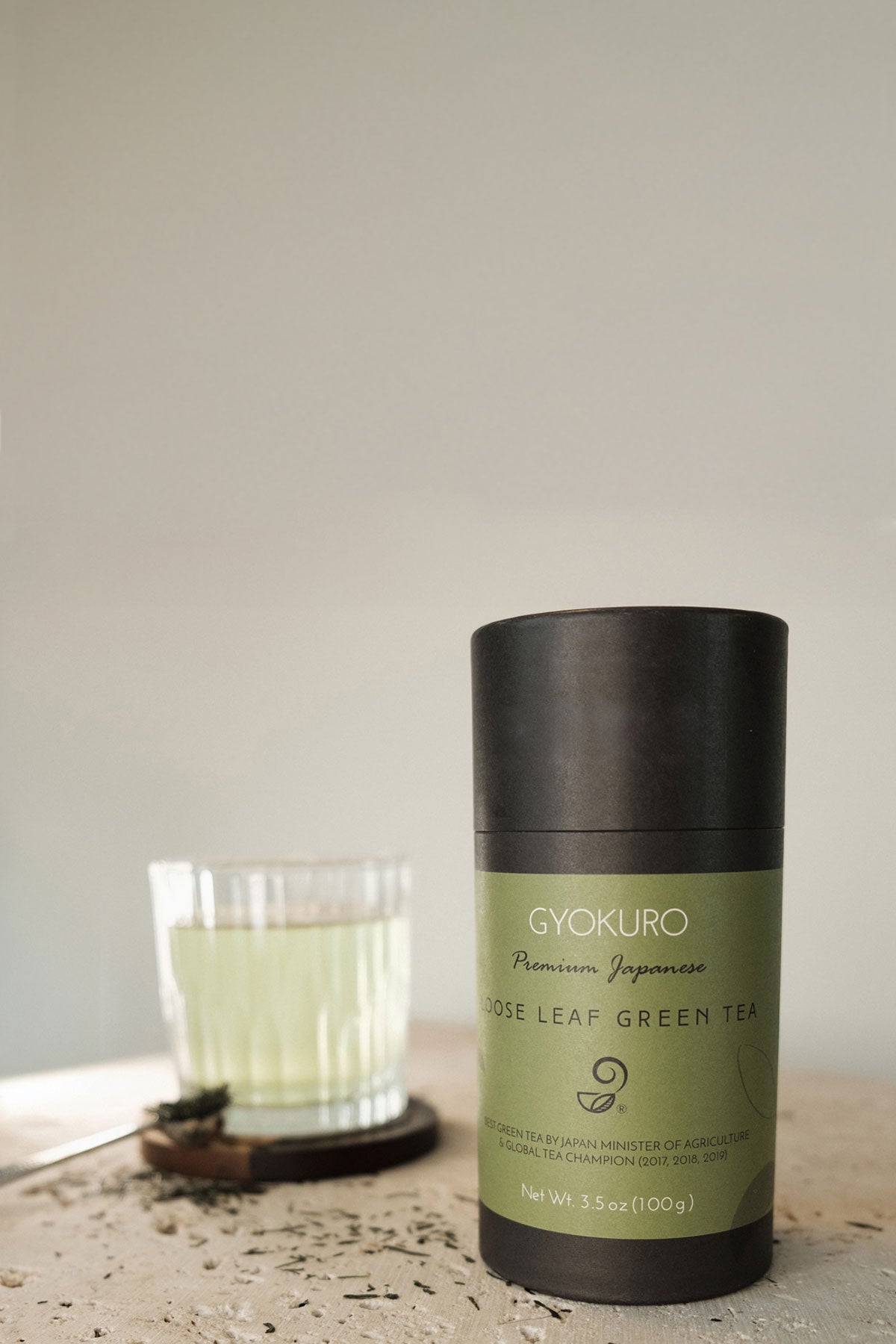
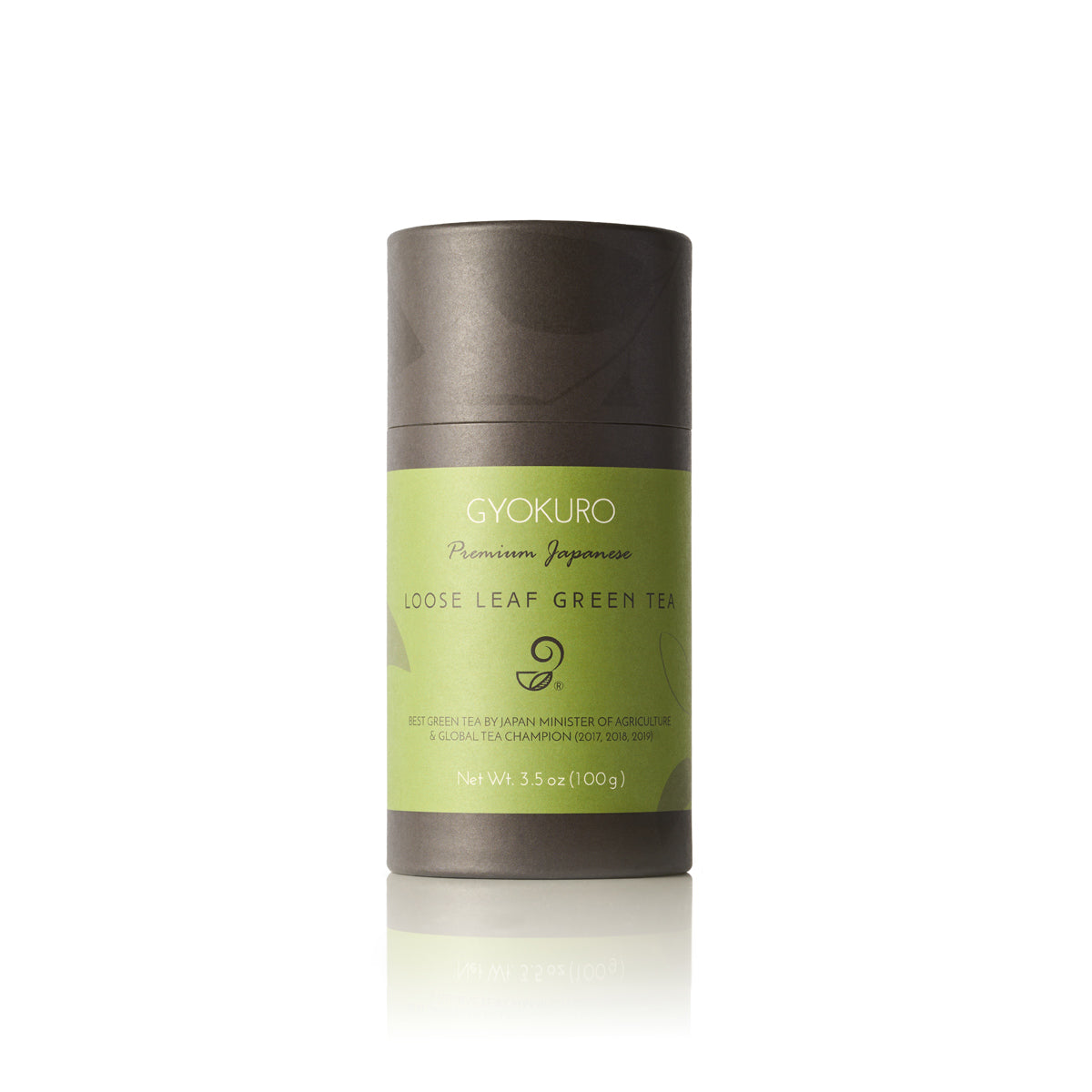
Gyokuro, also known as "jade dew" or "jewel dew tea," is a premium Japanese green tea shaded from the sun for 20 days using specially made mats, a method that boosts caffeine levels and strengthens amino acids to create a sweeter, richer flavor. This extended shading process results in dark, mossy green leaves with an unmistakable aroma and a complex taste that is layered yet balanced. Cultivated by the Chagusaba method in nutrient-rich sugarcane soil and made from the Yabukita cultivar, this loose-leaf authentic Gyokuro is offered in a high-quality, air-tight paper tube canister (chyazutsu) to preserve its exceptional freshness and flavor. Each 3.5 oz (100g) full-size package steeps 30–40 cups, and a convenient single-serve sample is also available.

45 reviews

Hojicha - Roasted Green Tea

$25.00
Quick view

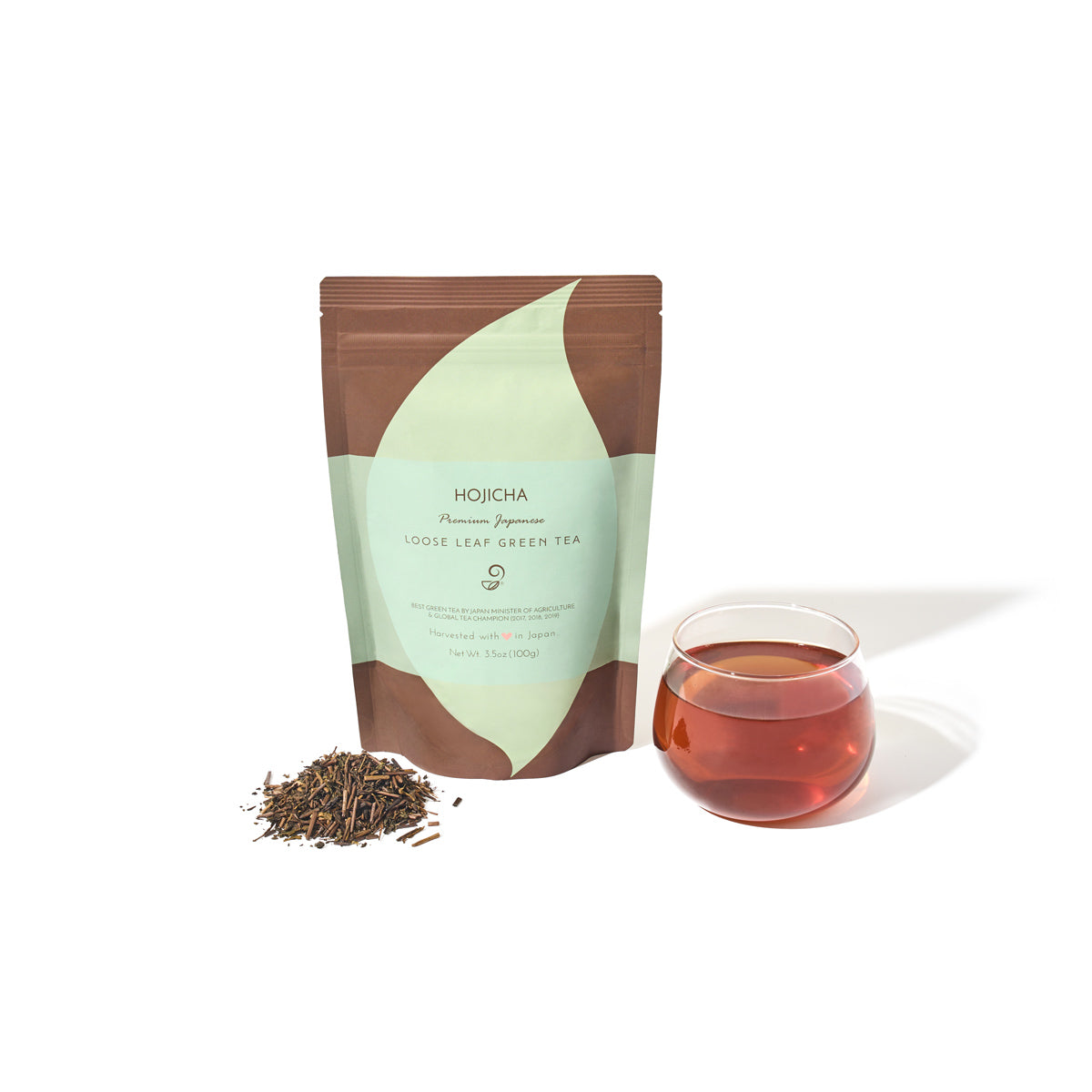
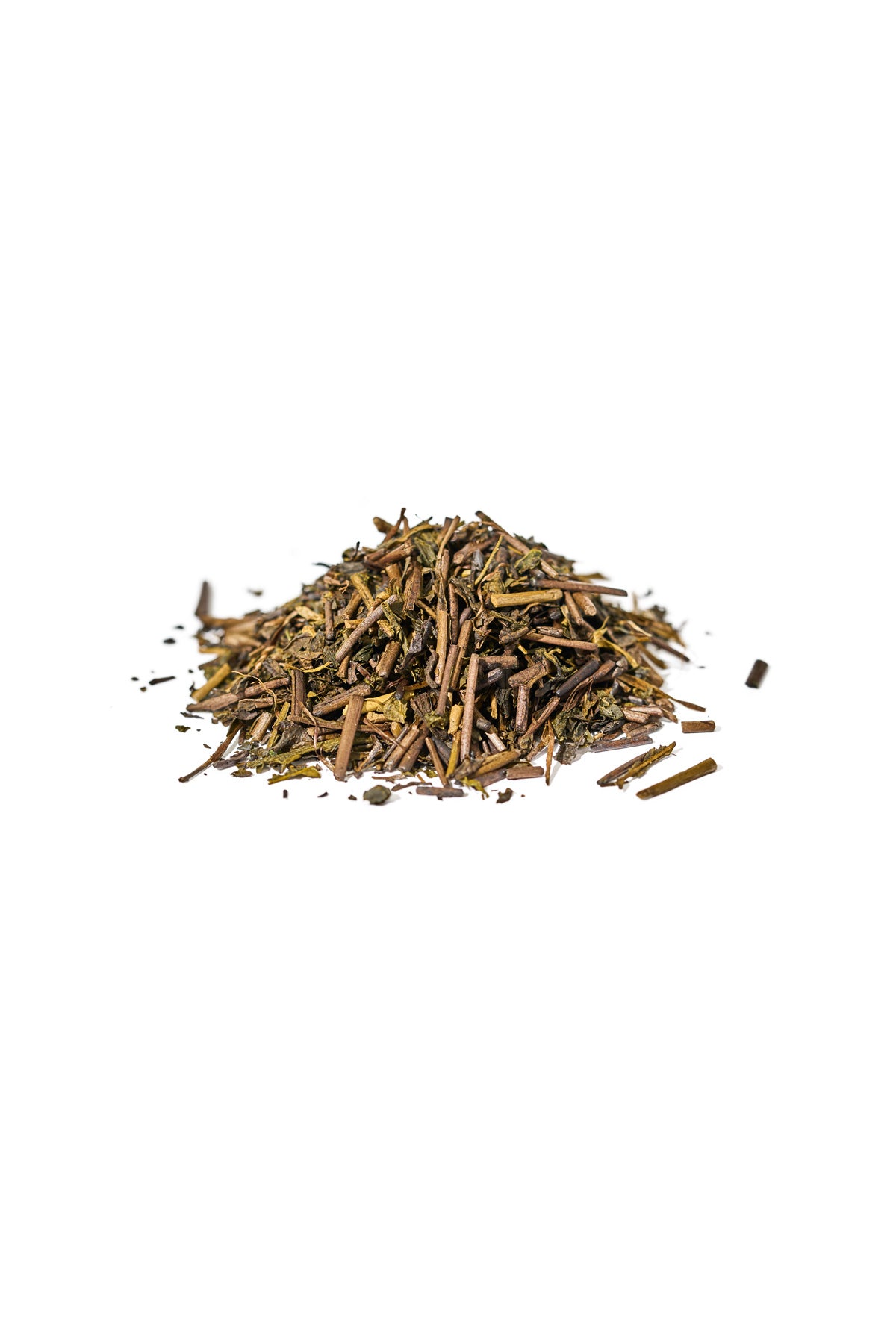
Our roasted green tea, known as hojicha (ほうじ茶), is crafted from freshly harvested premium green tea carefully roasted in porcelain over charcoal to maximize flavor while retaining more catechins than typical hojicha on the market. With lower caffeine and a smoother, less bitter taste compared to steamed green tea, it is an ideal choice for evening relaxation and is gentle enough for kids and pregnant women. Cultivated using the Chagusaba method in nutrient-rich sugarcane soil, this loose-leaf authentic Japanese roasted green tea, made from the Yabukita cultivar, also pairs beautifully with oily foods. Each eco-friendly resealable package contains 3.5 oz (100g) of tea, enough to steep 30–40 comforting cups.

80 reviews

Matcha - Ceremonial Japanese Powdered Green Tea

$39.00
Quick view

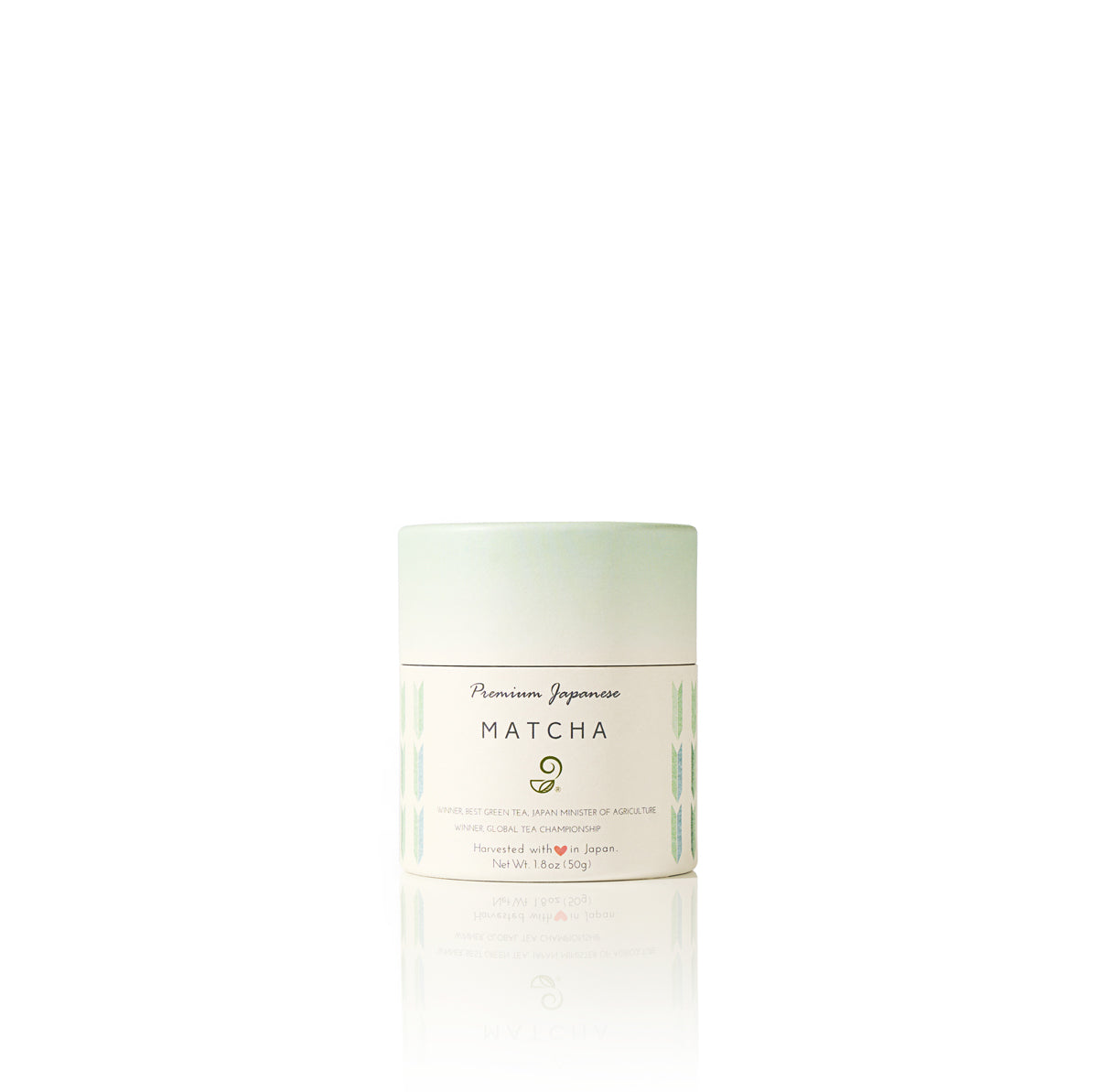
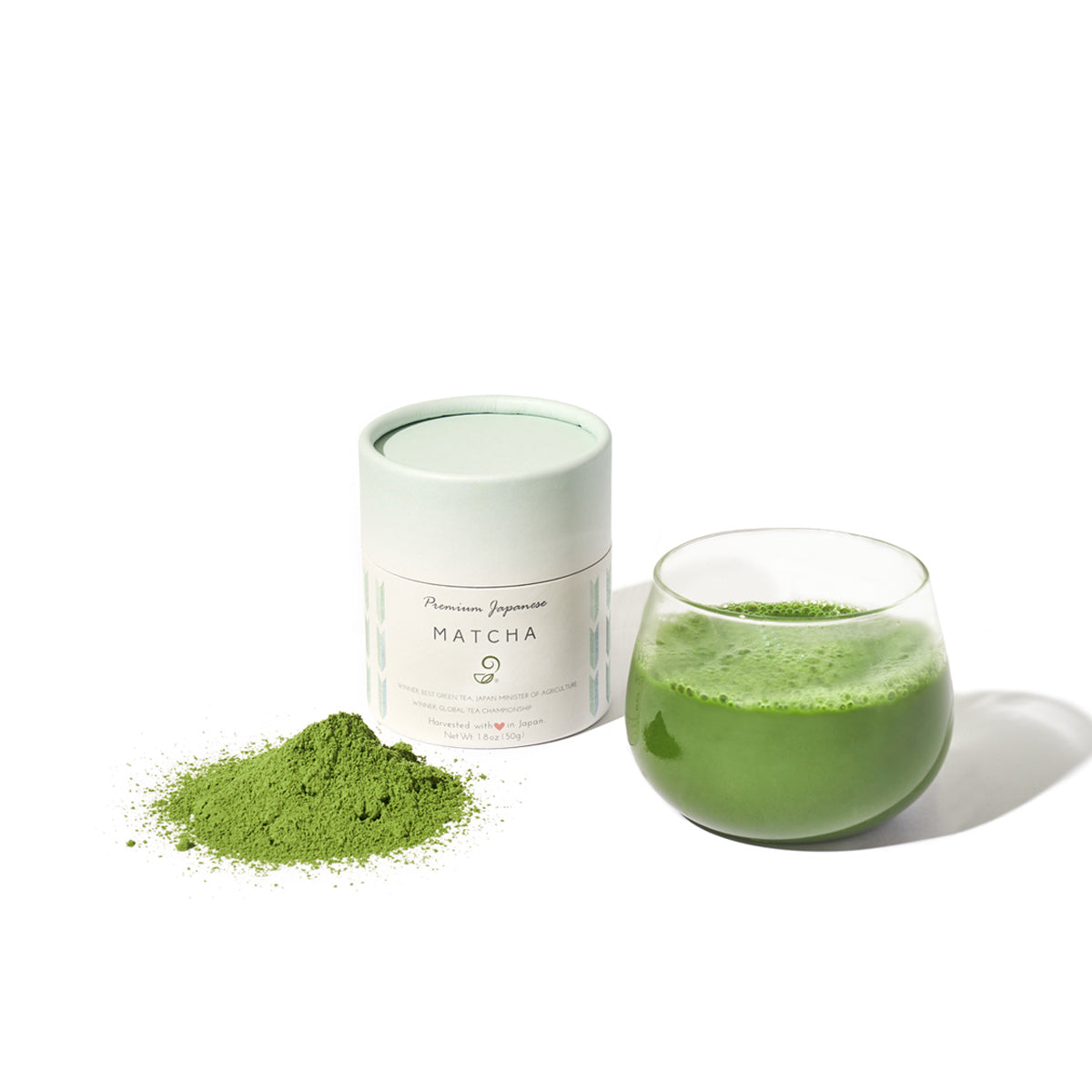
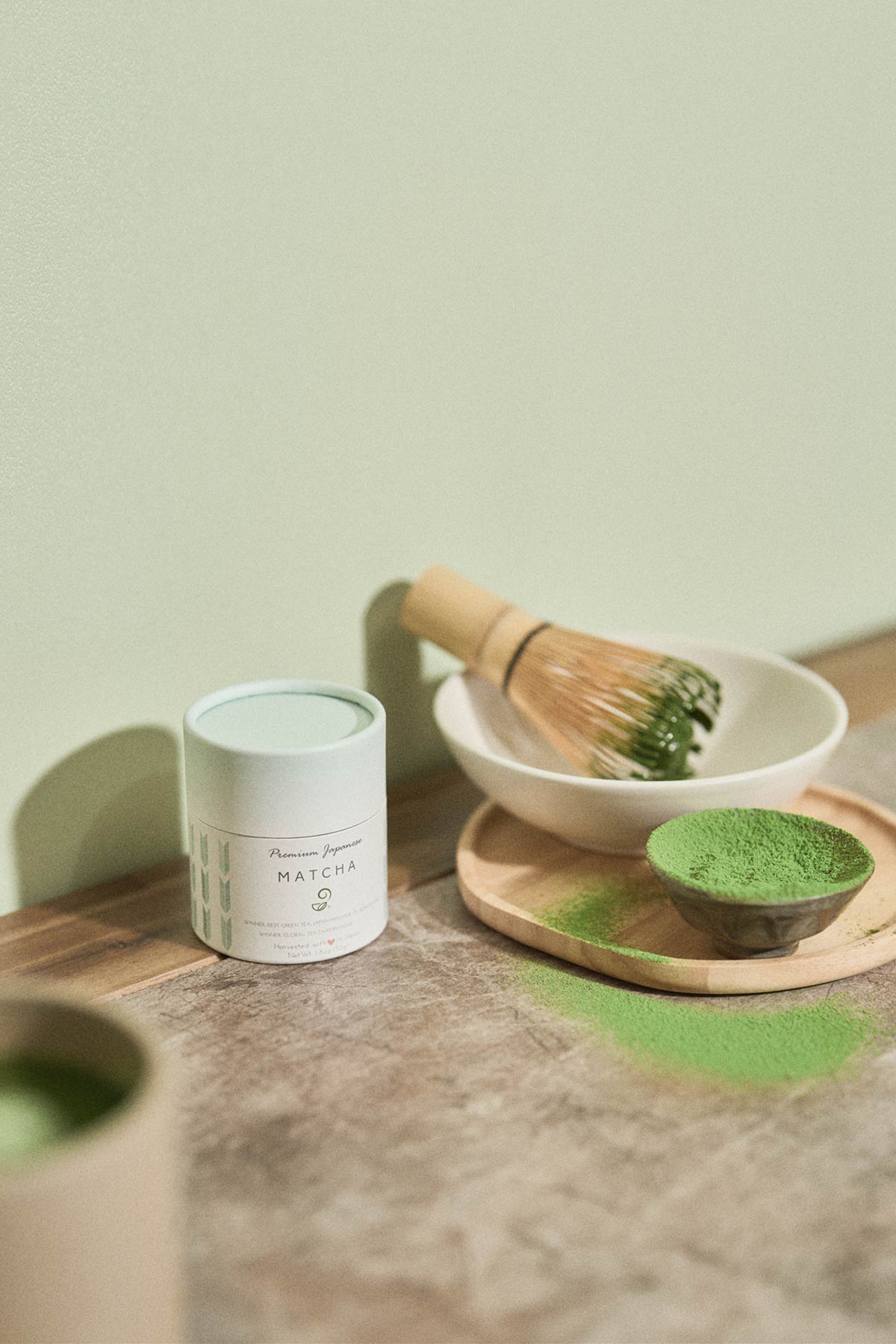
This ceremonial matcha is crafted from the finest Japanese green tea, grown in nutrient-rich soil enhanced with compostable grasses and sugarcane through the Chagusaba method, which gives the tea a natural sweetness and exceptional flavor. In collaboration with researchers from Shizuoka University, farmers ensure that the soil quality consistently produces tea of the highest standard.

Renowned among top Japanese chefs for its unmatched aroma, this matcha is made by carefully shading the plants before harvest to boost caffeine and amino acids, then meticulously drying, de-stemming, and grinding the leaves into a fine powder. Made from the Yabukita cultivar, this 1.8 oz (50g) matcha comes in a high-quality, air-tight paper tube canister, providing a luxurious and authentic Japanese tea experience.

42 reviews

Genmaicha - Green Tea with Roasted Brown Rice

$30.00
Quick view

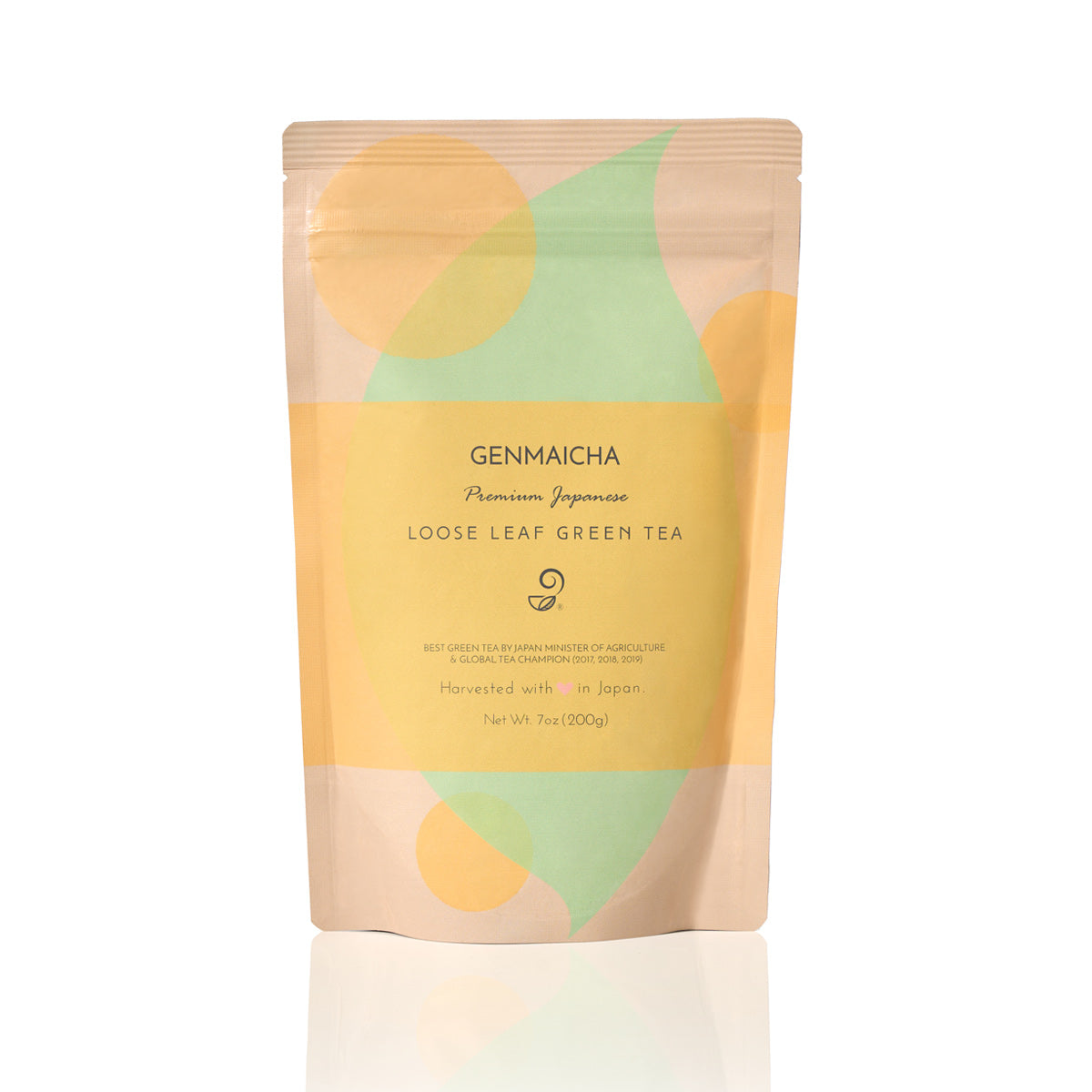
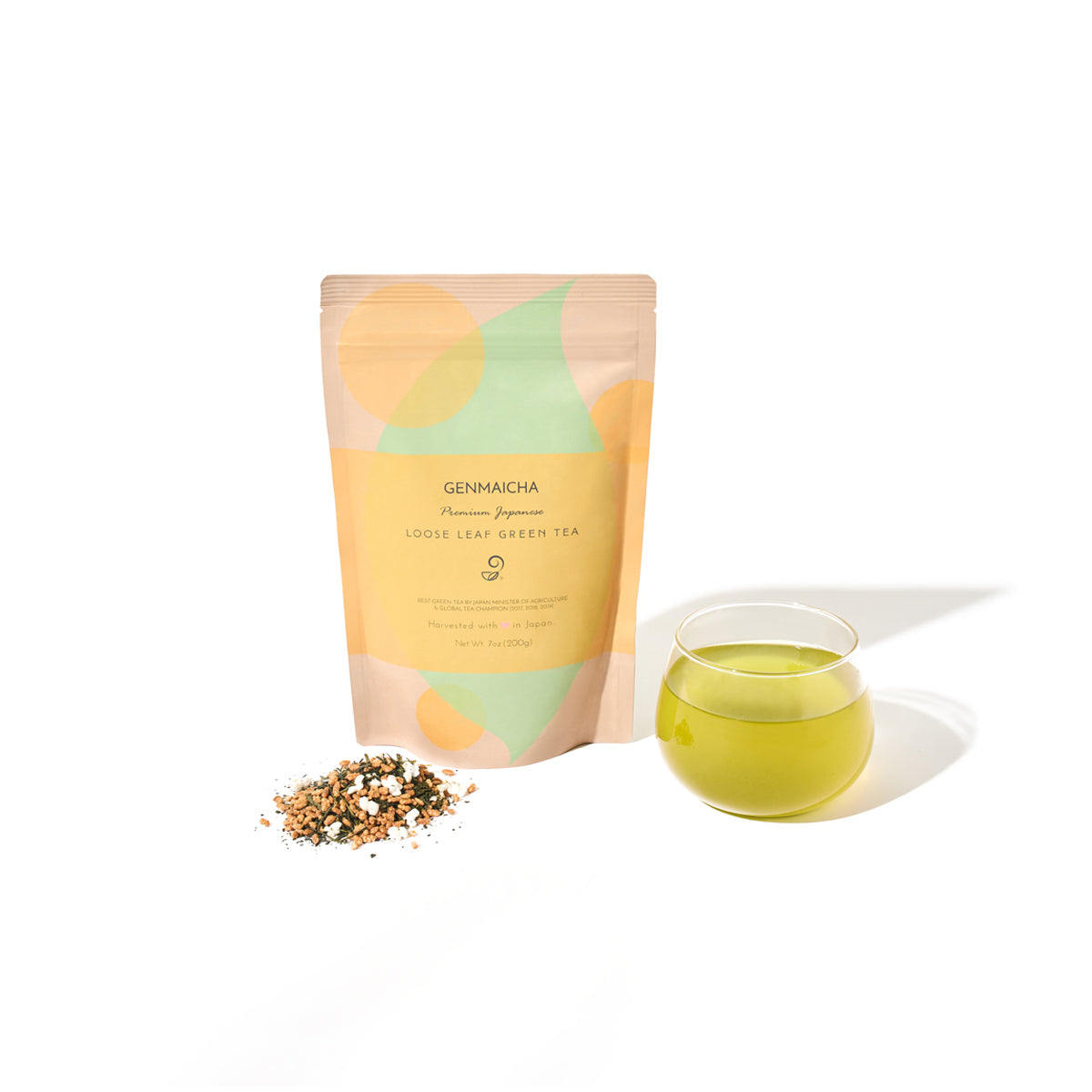
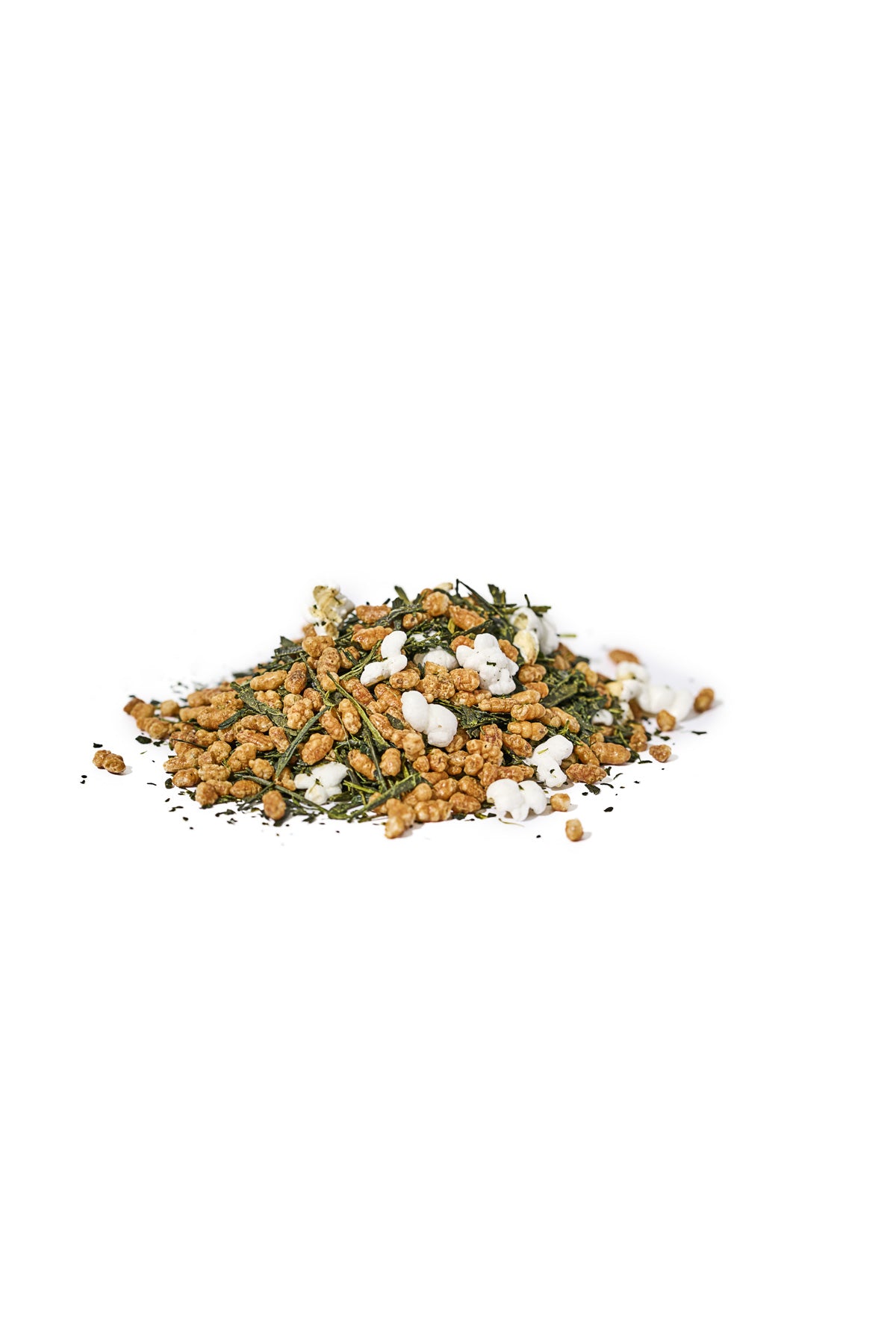
Our premium Japanese Genmaicha blends high-quality green tea with roasted popped brown rice (genmai 玄米), often nicknamed "popcorn tea" because the roasting process sounds like popcorn popping. Popular especially among the older generation in Japan for its mild flavor and lower caffeine content, this tea is easier on the stomach while still offering a rich, comforting taste. The brown rice used is premium Japanese mochi-gome (もち米) sticky rice, enhancing the tea’s nutty, aromatic profile. Made from Fukamushi Sencha and cultivated using the Chagusaba method in nutrient-rich sugarcane soil, this Genmaicha features the Yabukita cultivar and comes in a 7.0 oz (200g) eco-friendly resealable package, enough to steep 50–60 cups.


Related Articles You May Be Interested

What is the Green Tea Steaming Process?
Can I use K-Cup to brew green tea?
How to Brew Tasty Japanese Green Tea
Which Tea Kettle Should I Use to Brew Japanese Green Tea?
What is the best Equipment For Cold-Brewing Japanese Green Tea?

Get Free Bonus Books

Join Green Tea Club

Sign up for free to the Green Tea Club to get advice and exclusive articles about how to choose Japanese Tea, and tips, tricks, and recipes for enjoying Japanese tea.

Unsubscribe anytime. It’s free!

About the author

Kei Nishida

Kei Nishida

Author, CEO Dream of Japan

info@japanesegreenteain.com

Certification: PMP, BS in Computer Science

Education: Western Washington University

Kei Nishida is a passionate Japanese green tea connoisseur, writer, and the founder and CEO of Japanese Green Tea Co., a Dream of Japan Company.

Driven by a deep desire to share the rich flavors of his homeland, he established the only company that sources premium tea grown in nutrient-rich sugarcane soil—earning multiple Global Tea Champion awards.

Expanding his mission of introducing Japan’s finest to the world, Kei pioneered the launch of the first-ever Sumiyaki charcoal-roasted coffee through Japanese Coffee Co. He also brought the artistry of traditional Japanese craftsmanship to the global market by making katana-style handmade knives—crafted by a renowned katana maker—available outside Japan for the first time through Japanese Knife Co.

Kei’s journey continues as he uncovers and shares Japan’s hidden treasures with the world.

Learn more about Kei Nishida

Related Posts

Our Matcha Is Now at Pillow Talk Cafe in Pasadena — Master Japanese-Inspired Cake Makers

Our matcha is now at Pillow Talk Cafe Pasadena! Meet the cafe, try the Egg Heaven sando & Matchamisu, and see how th

Read More
Simply Donabe — New Cookbook from TOIRO's Naoko-san Is Out!

Simply Donabe is here! We celebrated TOIRO's Naoko-san's new cookbook at a special dinner at Camélia in DTLA — see our p

Read More
Introducing New Product - Meet Hojicha Powder
Introducing A New Product - Meet Hojicha Powder

Discover the game-changing Hojicha powder your kitchen has been waiting for — richer flavor, easier recipes, and surpris

Read More
Leave a comment

Your email address will not be published..

Cart

Your cart is currently empty.

Start Shopping

Select options