Skip to content

How Are Specialty Tea Different From Tea Sold for Masses?

Not all teas are made equally. Teas are available in different forms with a wide price range and methods of consumption. Some teas have more aroma than others, or you might find some teas easier to steep than others. When you go out to the market, you will realize that there are teas packed in tea bags through a porous, small, and sealed packet with a string attached and a label at the end of it, while there are specialty teas that are usually simply packed in a tin, paper can, or foil with a bag of loose tea leaves in it. With this in mind, it is better to find the differences between specialty teas and those tea bags sold to the masses.

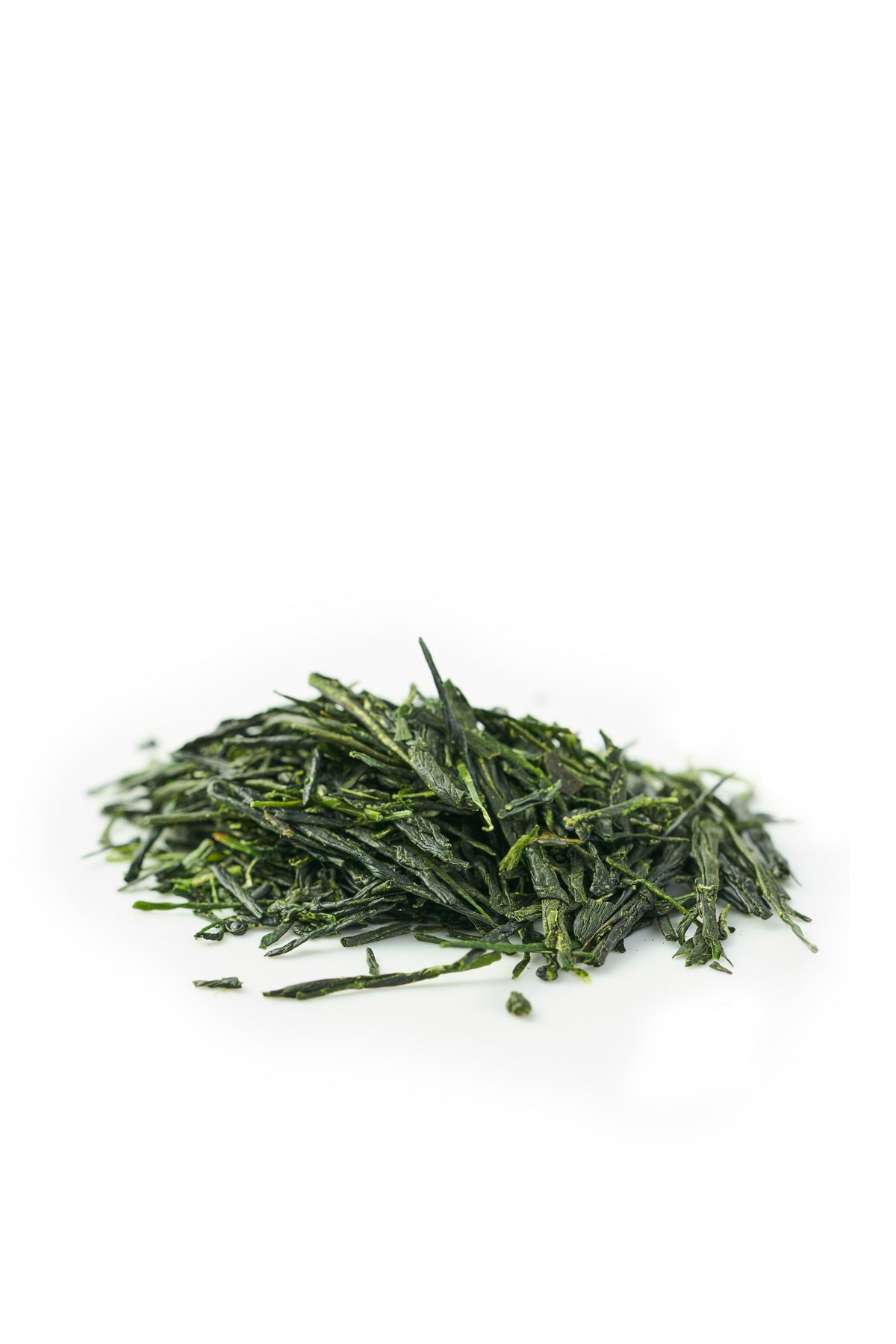
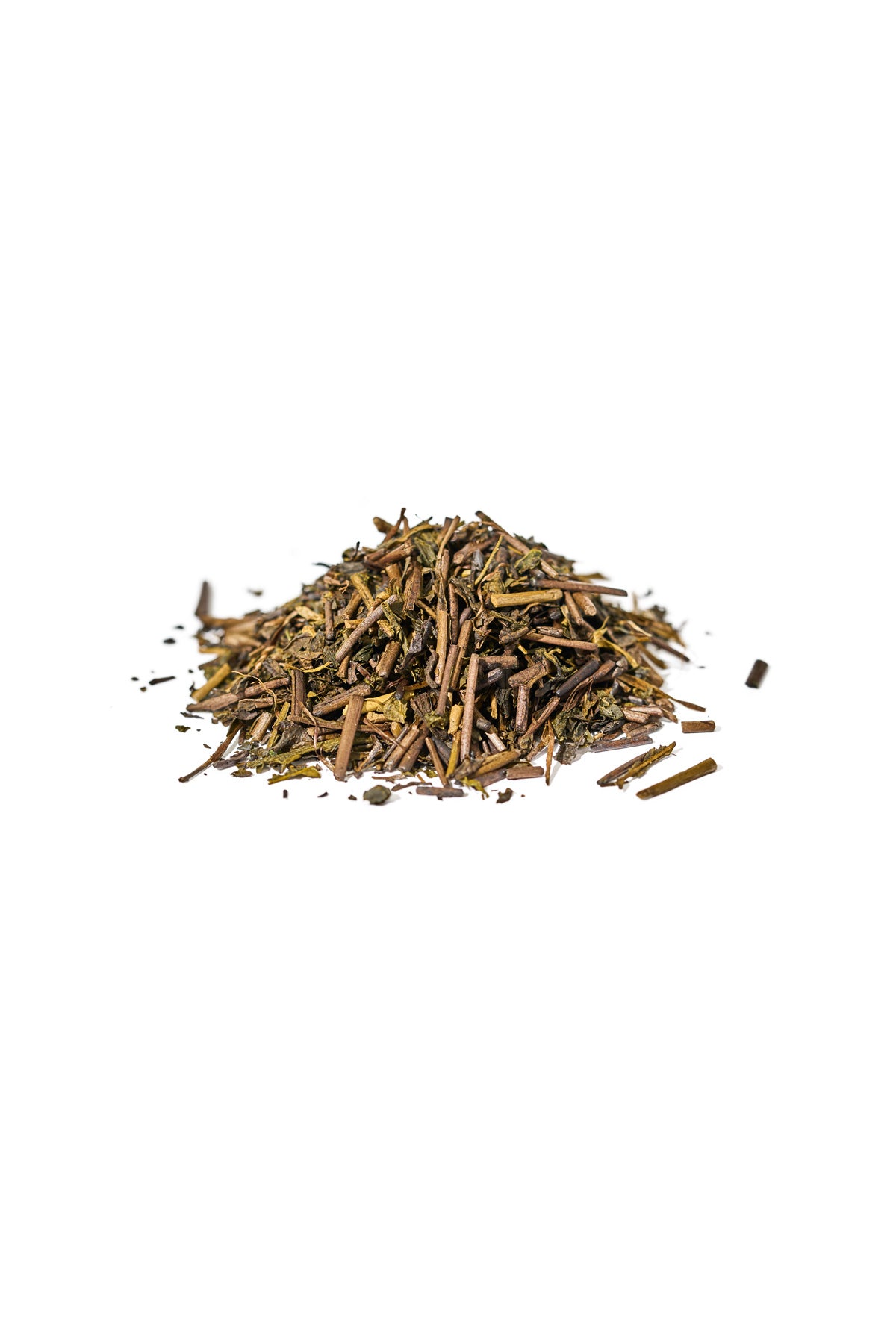
Tea leaves are graded differently. The whole leaves and some broken leaves are the ones that are being packaged as specialty teas. Specialty tea is a high-grade, premium loose-leaf tea. These are considered high-quality tea leaves. The whole tea leaf is the type of tea leaf that can be used for multiple infusions and takes the longest time to infuse. The broken tea leaves that are large enough are also considered in making specialty tea because they preserve their high quality. In fact, some broken leaf is better than a few whole leaf teas.

On the other hand, what is being used by those tea bags available in the market are fanning and dust. Fannings are small, broken pieces of leaves. Dusts are those that are left after the tea leaves are processed through a grading machine and are already powdery in texture. They are usually comparable to ceremonial matcha. Fanning and dusting tea leaves are eventually packaged as tea bags.

An obvious difference between a specialty tea and a tea bag being sold off the market is that in a specialty tea pack, the consumer will be the one to control the portion to be steeped in hot water. The consumer can gradually increase the quantity of specialty tea leaves depending on their taste. If you want a strong tea, you can add more leaves. Everybody has some specific preferences, and specialty tea using loose tea leaves will help to get the desired taste. The preparation method is also intricate for specialty teas compared to cheap teas sold to the masses. However, specialty teas require tea balls or strainers to put the loose tea leaves in a pot to be steeped according to the instructions or preference, while tea bags are simply soaked in hot water. Thus, the preparation of tea bags is way easier compared to specialty teas. These are usually on the go, and one would simply need hot water. The tea bags sold for the masses are pretty convenient and easy to steep compared to a specialty tea, and you can simply find these tea bags everywhere. The loosely pyramided premium nonwoven tea bags or sachets are designed to maximize the water flowing in and around the leaves inside the tea bags, and this would already serve as strainers on the go without the need to bring your own. Moreover, the leaves in the tea bags are finer than specialty teas and would prevent the fragments of the leaves from being consumed. If one is bothered by consuming particles of leaves together with the tea, then tea bags would be a better option.

Green Tea

The taste would also be a very important variant between specialty teas and tea bags; thus, another difference between a specialty tea and those sold to the masses is that the loose tea leaves used by specialty teas are free from additives and retain their original flavor. The CEO and founder of the Art of Tea, Steve Schwartz, and the founder of the Bellocq Tea Atelier, Heidi Johannsen Stewart, said that specialty teas using loose tea leaves do not go through processing and preserve their quality. Specialty tea, or loose-leaf tea, is produced for its exceptional qualities. The tea leaves being used in specialty teas are superior to tea bags since specialty teas use loose tea leaves. Since specialty teas use loose tea leaves that are larger, they impart more flavor than the finely cut leaves of a tea bag tea. Also, loose tea leaves contain more essential oils compared to tea bags. All these boost the flavor of specialty teas. On the other hand, the flavorings in tea bags are usually not their original flavors. Since the tea bags are already fanning, or dust particles processed into tiny little pieces, tea manufacturing companies would already add flavorings to the tea bags to boost their flavors. The tea bags lose their aroma because of the several stages of processing they go through before being put inside a tea packet, which is why additives and flavorings are put in them. However, this is usually true for paper tea bags. The tea leaves need to fully expand in order to release their maximum flavor, and the design of the loosely pyramid premium non-woven tea bags is advantageous for the leaves inside them to fully expand and release their flavor, compared to loose tea leaves, for which a consumer still needs to use small strainers such as metal tea balls that are constrained in space and would not allow the loose tea leaves to expand at their maximum. Thus, those tea bags in loosely pyramid packets can easily release their natural flavors and aroma compared to specialty teas steeped through metal tea balls. Also, not all bagged teas lose their flavorings and health benefits. Take, for example, the stone-ground leaves that preserve the intense bitter flavor, the rich green color, the earthy aroma, and the grainy texture of the tea, as well as the benefits of enhancing the level of nutrients and antioxidants.

With all the differences between specialty teas and tea bags sold to the masses, one would have knowledge of what to buy depending on one’s personal preferences. Just because specialty teas are much more expensive than tea bags does not mean that you cannot find high-quality tea bags on the market. High-quality tea bags are in fact easily found as long as you know where to look for them, such as those mentioned above, since not all bagged teas are the same. Also, the same goes for loose-leaf teas that are not made equally in terms of quality. Despite the cheap teas being sold off the market, buying high-quality teas, be they specialty teas or bagged teas, would be a smart move considering the benefits that you would be getting from drinking them. After all, a tea drinker would really want to receive the real benefits of tea.

FAQs about Specialty Tea vs Mass-Market Tea

What actually makes a specialty tea different from supermarket tea?
Five concrete differences. First, leaf grade: specialty tea uses whole-leaf or large-leaf-fragment tea; supermarket tea uses fannings (broken pieces) and dust. Second, harvest timing: specialty tea is usually first-flush (spring harvest); supermarket tea is later flushes or blends. Third, processing precision: specialty tea is steamed/dried within hours of harvest with careful temperature control; supermarket tea is processed at industrial scale with more variation.

Fourth, freshness: specialty tea is sold in small quantities with rapid inventory turnover; supermarket tea sits on shelves for months. Fifth, provenance: specialty tea typically discloses the farm, region, cultivar; supermarket tea blends multiple sources for consistency rather than character. Each difference is small alone; combined they produce dramatically different cups.

The price gap is real (specialty tea 3-10x more expensive per gram) but reflects actual production differences rather than just marketing markup. Once you've tasted properly-prepared specialty tea side-by-side with the supermarket version of the same tea type, the gap becomes obvious. The Sencha Lover Gift Set is a clean way to do this comparison if you've only had supermarket green tea before.

Is specialty tea worth the higher price for daily drinking?

Depends on your tea-drinking volume and what you'll actually taste. For daily drinkers (3-5 cups daily), specialty tea works out to about $1-3 per day at typical pricing — meaningful but not extravagant compared to coffee shop drinks or other daily beverages. The flavor and quality difference is noticeable across daily use.

For occasional drinkers (a cup or two a week), the price gap is a smaller part of overall budget but the quality difference is also less noticeable — your palate has less consistent reference for what good tea tastes like. Mid-grade tea may be more economically rational for occasional use.

Honest framing: if you're going to drink tea daily for the next several years, specialty tea is one of the best quality-of-life-per-dollar upgrades available. If tea is an occasional indulgence, supermarket-grade tea is fine and the savings can go elsewhere.

How can I tell quality tea from poor quality without specialized training?

Five quick visual checks. First, color: vibrant green leaf (for sencha) and bright emerald powder (for matcha) indicate freshness; dull olive or yellowish coloring indicates older or lower-grade product. Second, leaf intactness: whole leaves or large fragments are higher quality than broken pieces or dust.

Third, aroma: open the tin or bag; fresh quality tea has strong fresh-grass aromatics with marine/seaweed undertones (for sencha) or sweet-vegetal complexity (for gyokuro and matcha). Stale or low-quality tea smells dusty, hay-like, or has minimal aroma. Fourth, transparency: high-quality brewed tea is clear and bright; low-quality tea is cloudy and dull.

Fifth, taste: balanced umami sweetness with manageable astringency in a properly-brewed cup indicates quality. Aggressive bitterness or thin watery flavor indicates either poor leaf quality or improper brewing. Test brewing technique first (correct temperature, time, ratio) before judging the leaf.

Are specialty tea brands actually getting their tea from where they claim?

Reputable specialty brands disclose their sources transparently and you can verify provenance through farm names, regional cooperatives, and harvest dates listed on packaging. The marker of a serious specialty brand is being able to answer specific questions about where their tea came from.

Less reputable brands use "specialty" branding without backing it up. Common red flags: vague origin ("imported from Japan" without specifying region), no testing transparency, unclear branding (Amazon-only sellers with no website or contact information), prices dramatically below market average. None of these guarantee fake specialty tea, but they indicate a brand that hasn't invested in real specialty tea infrastructure.

If a brand can answer specific questions about pesticide testing, heavy metals testing, harvest provenance, and cultivar variety without dodging, they're probably running a serious specialty operation. If the answer is "we don't share that information" or you can't reach a human at all, that's a tell.

Where do I start if I want to move from supermarket tea to specialty tea?

Start with a sampler from one specialty brand. Most premium Japanese tea retailers (JPCo, Yunomi, Hibiki-an, Senbird) sell starter sets that include 3-5 different teas at smaller quantities — letting you taste the difference between cultivars, regions, and styles without committing to a large bag of any one tea.

Pick the type that interests you most: sencha for everyday drinking, matcha for ceremonial or latte applications, hojicha for low-caffeine evening drinking. The Sencha Lover Gift Set specifically samples three sencha cultivars side by side, which is good for developing your palate's sense of regional and cultivar variation.

After 4-8 weeks of daily specialty tea drinking, your palate calibrates to what good tea tastes like. At that point, going back to supermarket tea will register as obviously inferior — the calibration is mostly one-way. This is sometimes called the "specialty tea gateway" effect; once you cross it, you stay on the specialty side.

Related products

8 reviews

The Sencha Lover Gift Set - Premium Japanese Green Tea Set Package
$179.00 $159.99
Quick view

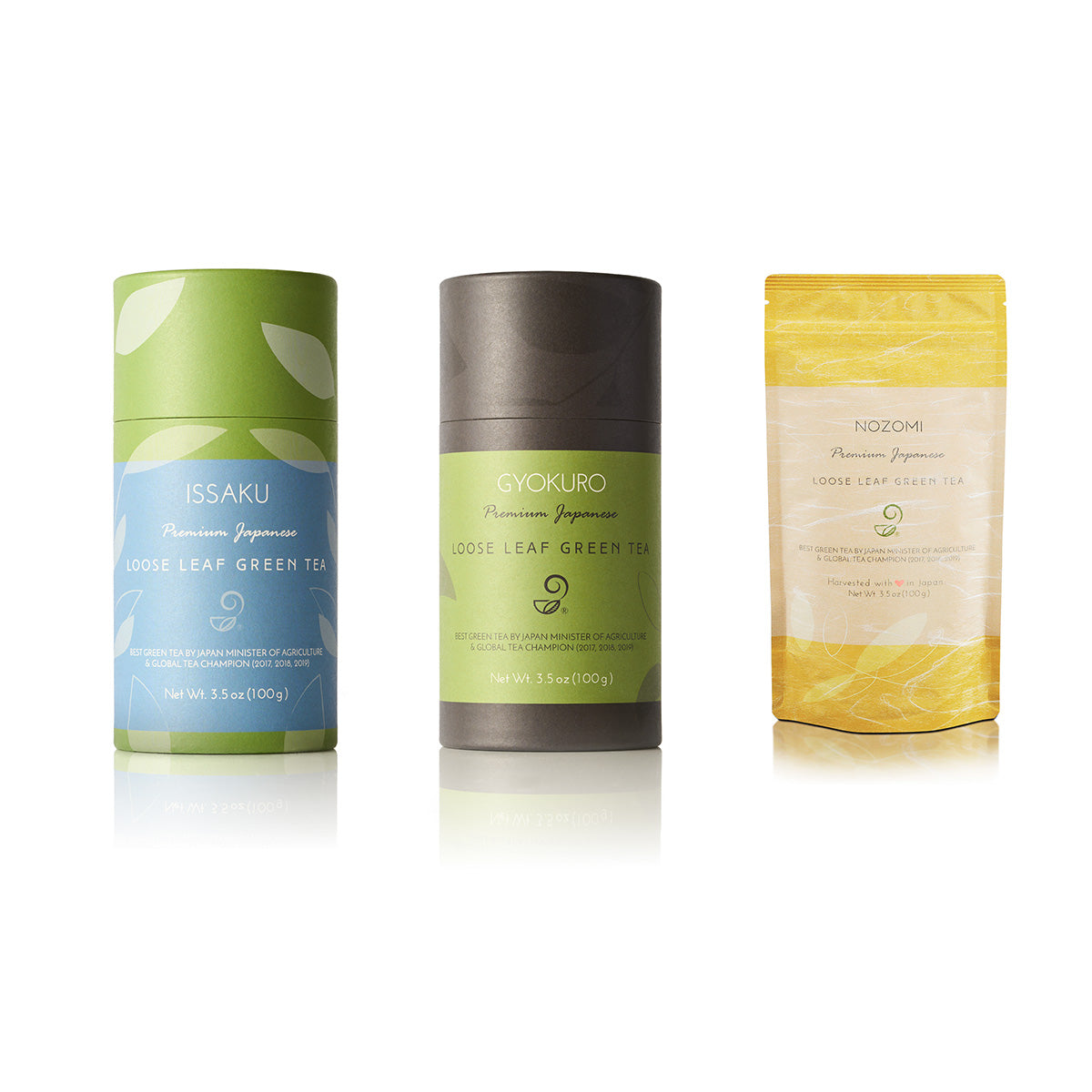
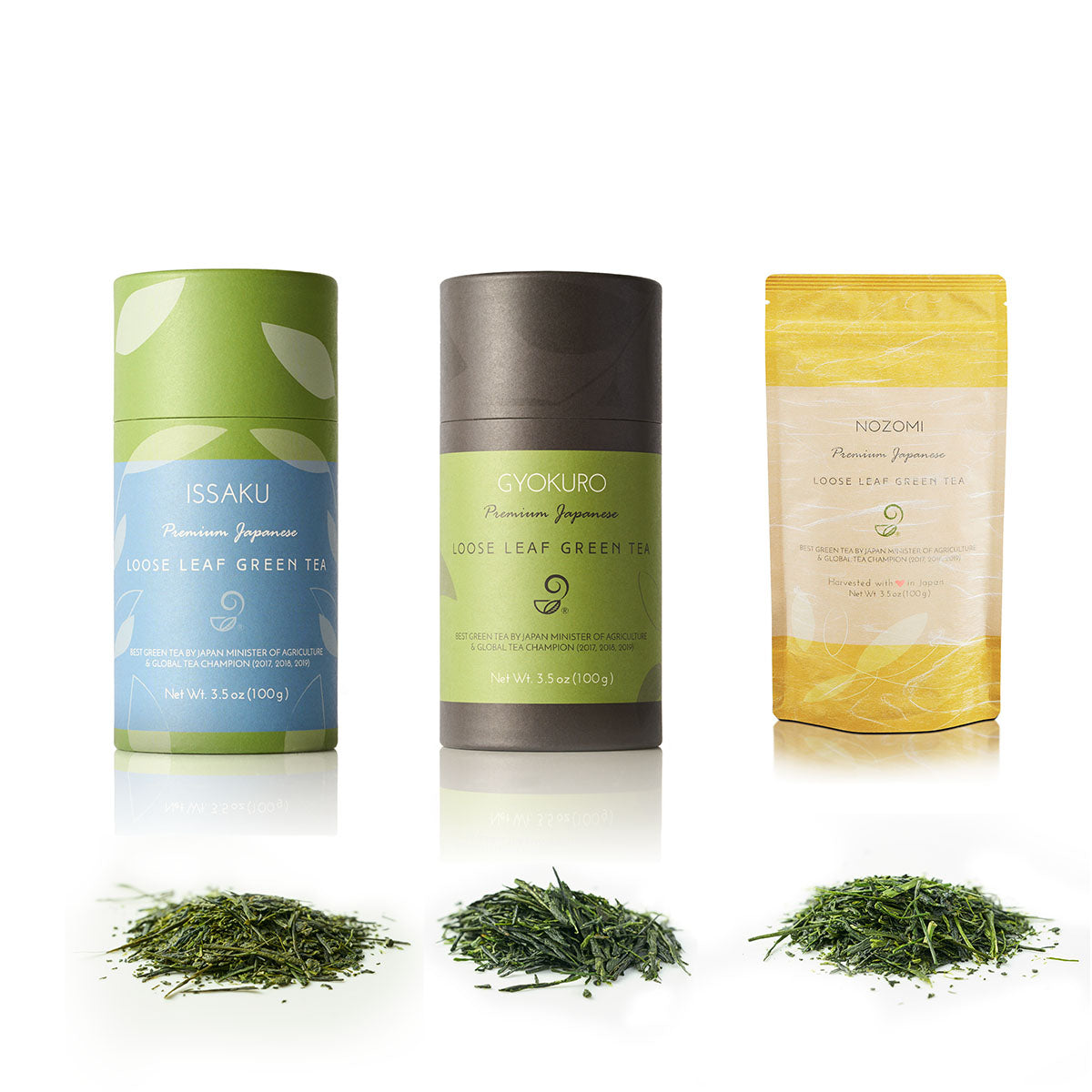
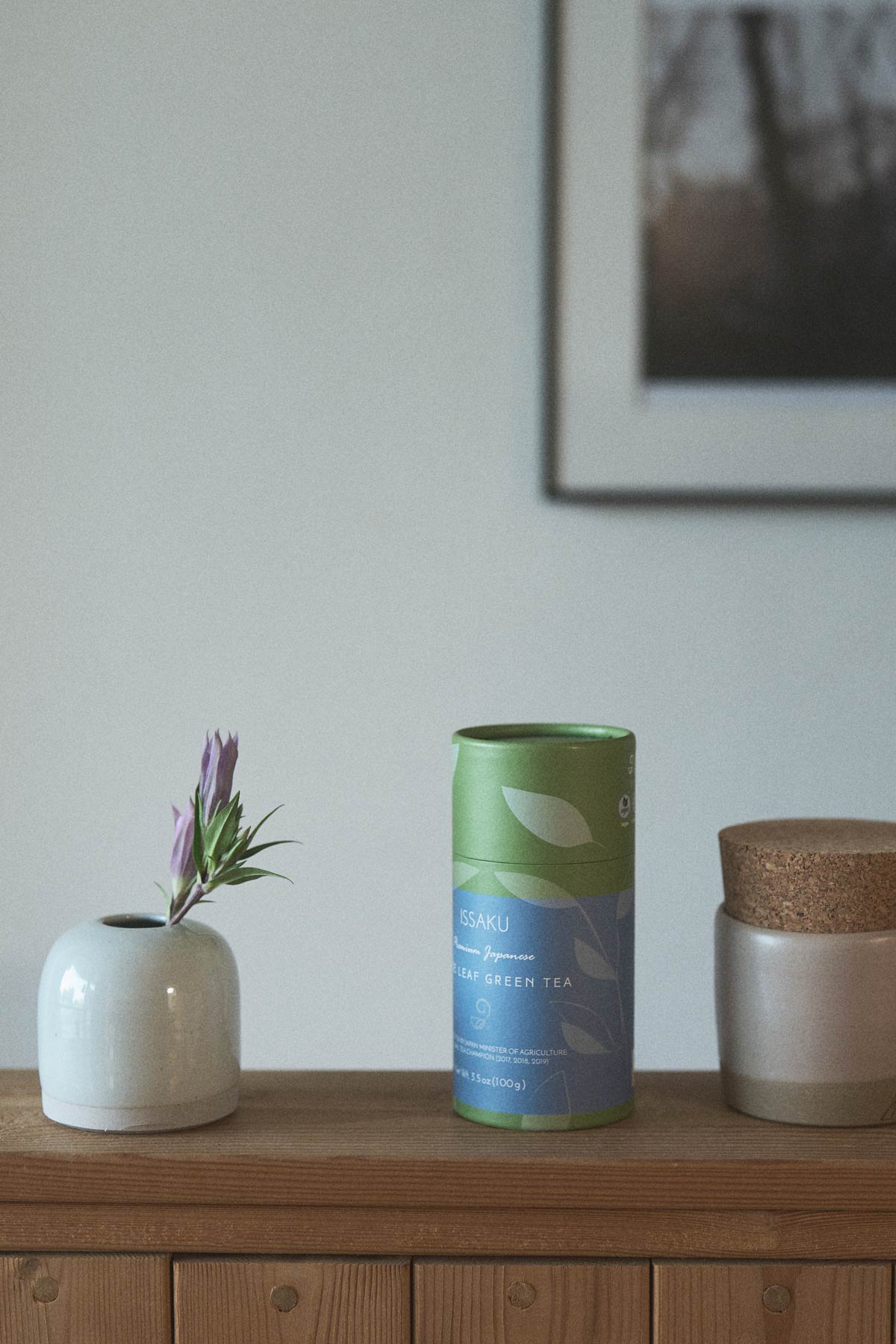
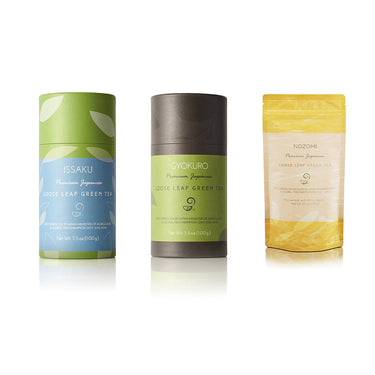
This tea set features three exceptional Japanese green teas, each crafted with care and traditional techniques. Issaku Reserve, a Global Tea Champion winner in 2017 and 2019, is a rare masterpiece created by Farm Master Mr. Arahata at Arahataen Green Tea Farm. Handpicked once a year from the first flush and processed with advanced methods, Issaku represents the highest-grade deep-steamed green tea, available only in limited quantities even in Japan.

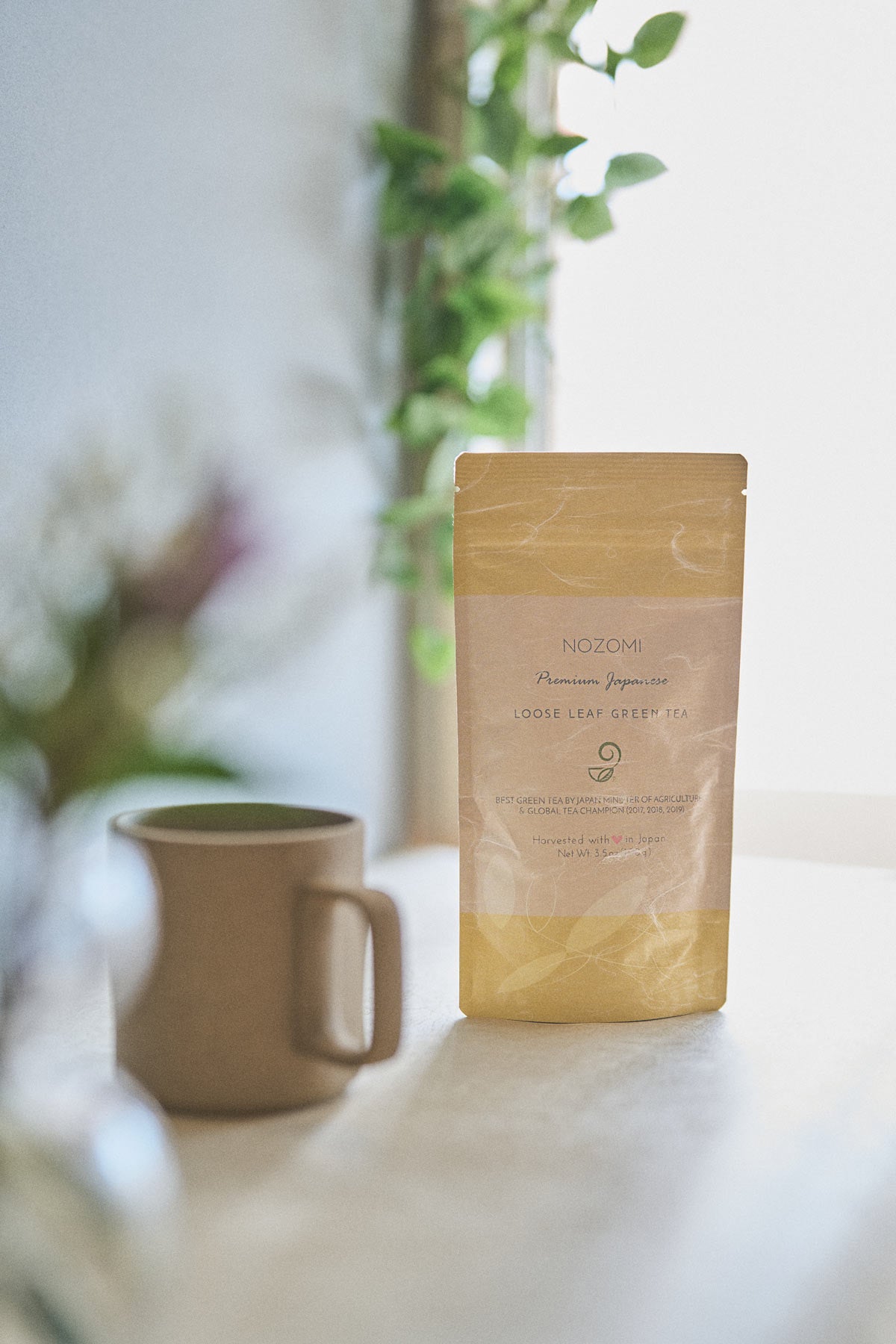
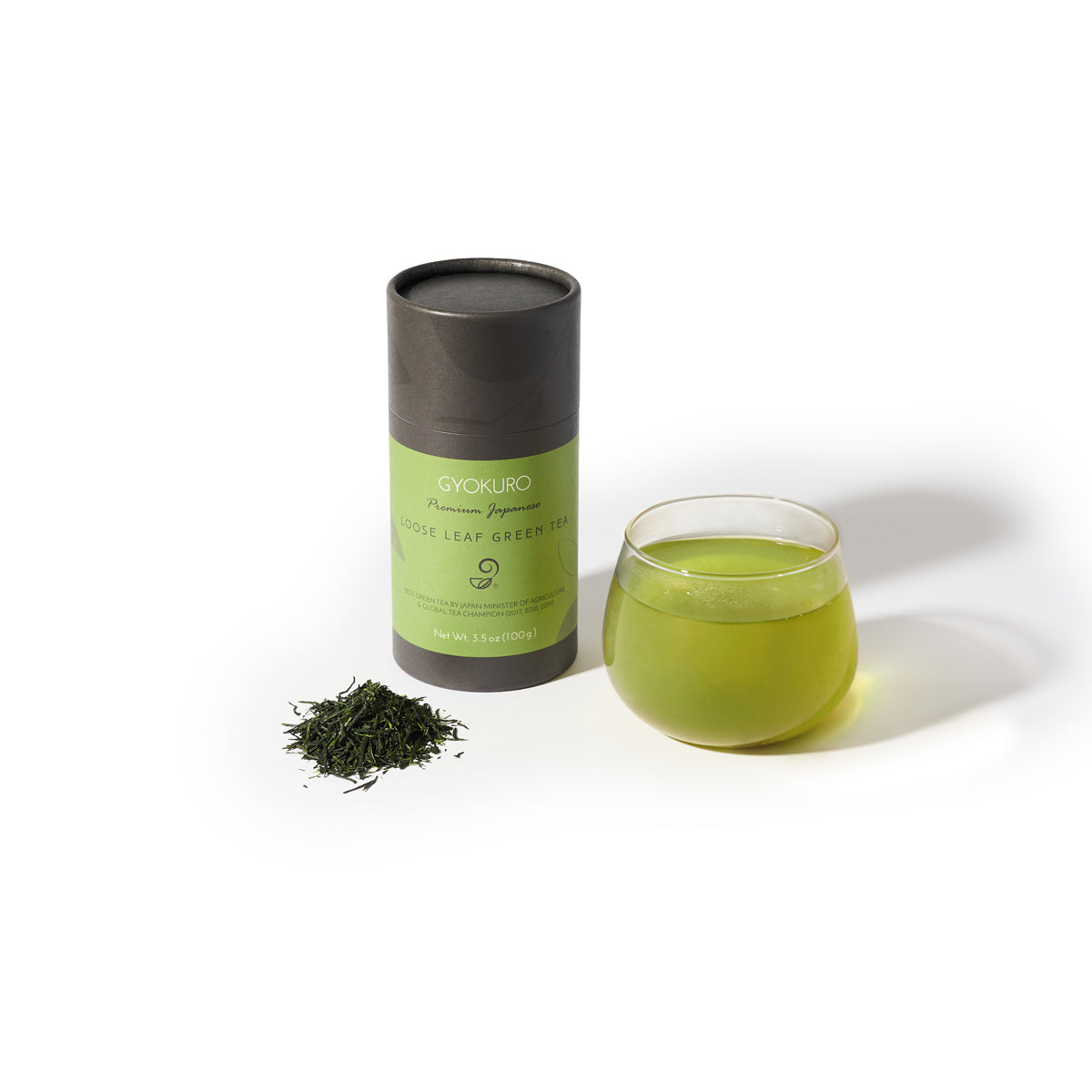
The set also includes Gyokuro, a premium shaded green tea known for its rich, sweet flavor and deep mossy green color. Grown under special mats for 20 days to increase caffeine and amino acid levels, Gyokuro offers a layered, smooth taste unlike any other. Completing the collection is Nozomi, a fine Kabuse-cha, or "Covered Green Tea," carefully grown under nets to gently shade the leaves just before new sprouts emerge, resulting in a soft, rich, and refined flavor profile.

97 reviews

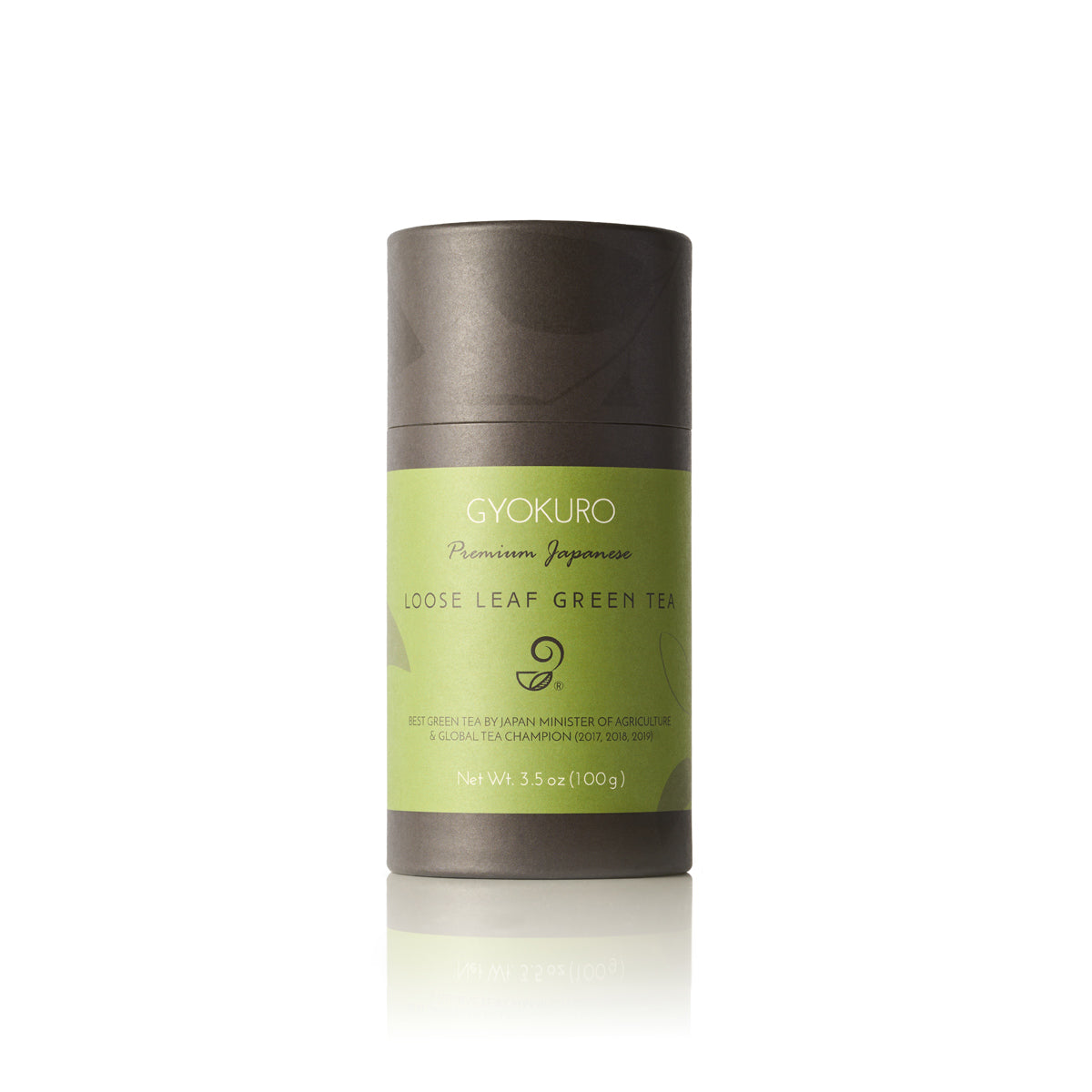
Gyokuro - Shaded Imperial Premium Green Tea

$65.00
Quick view

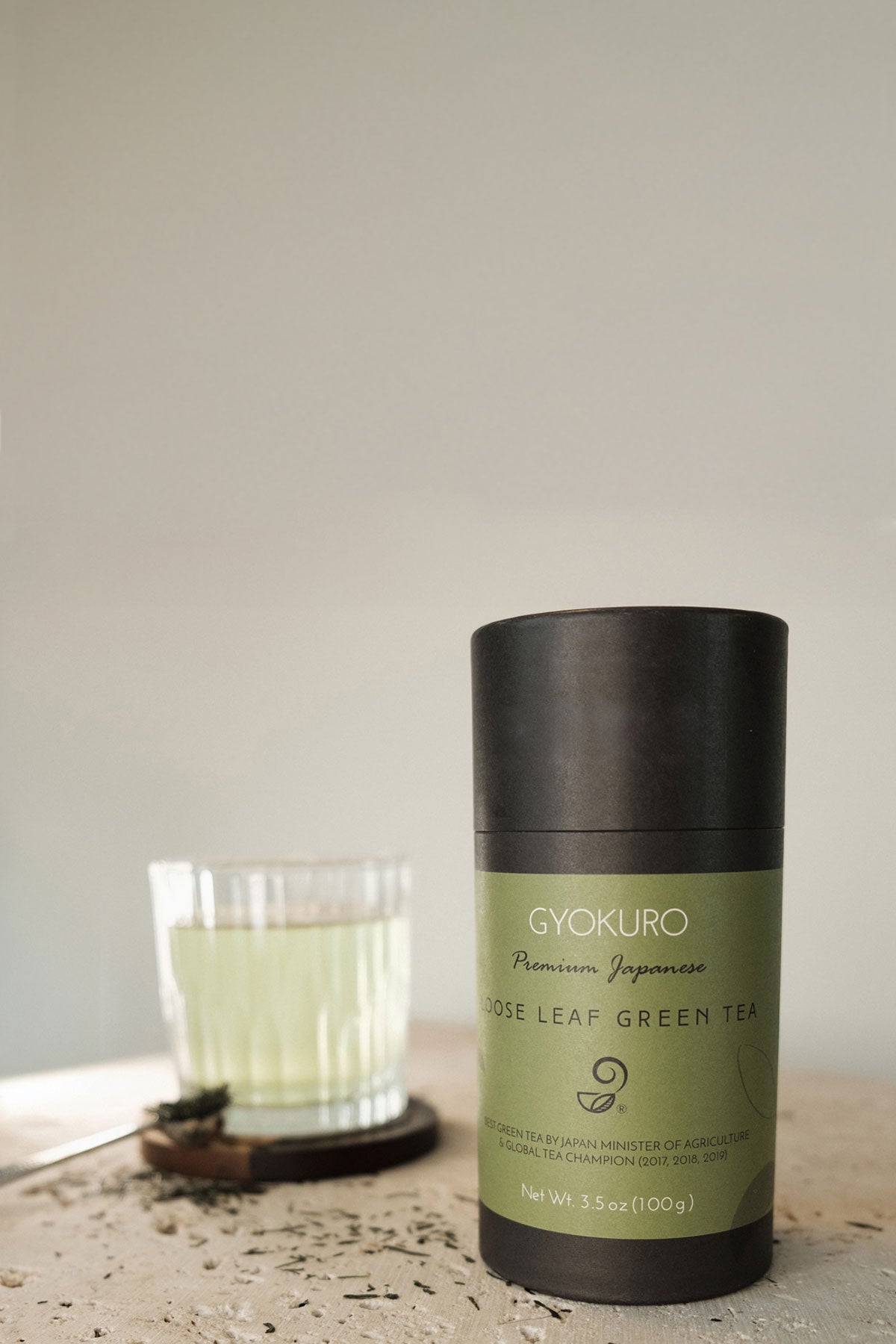
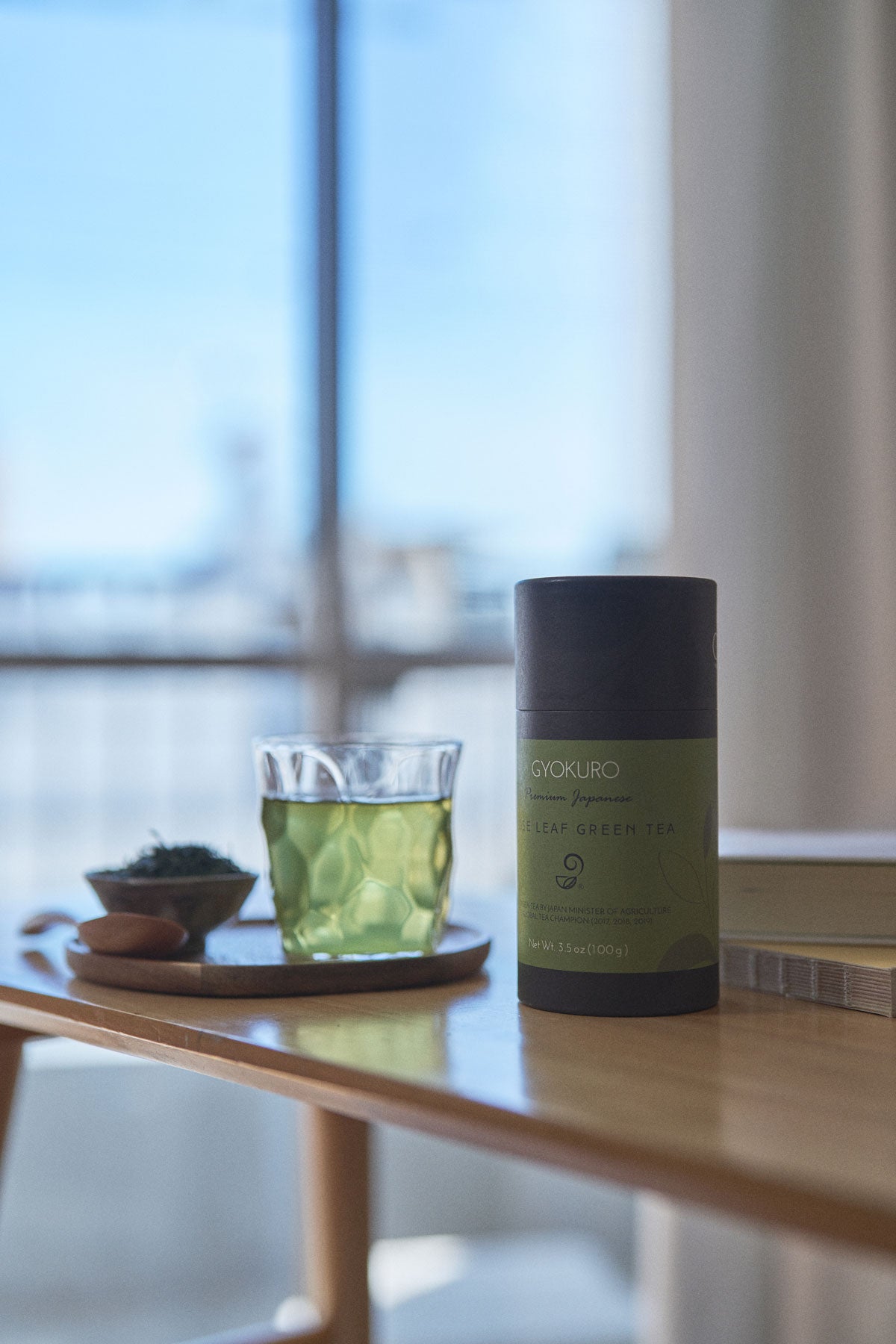
Gyokuro, also known as "jade dew" or "jewel dew tea," is a premium Japanese green tea shaded from the sun for 20 days using specially made mats, a method that boosts caffeine levels and strengthens amino acids to create a sweeter, richer flavor. This extended shading process results in dark, mossy green leaves with an unmistakable aroma and a complex taste that is layered yet balanced. Cultivated by the Chagusaba method in nutrient-rich sugarcane soil and made from the Yabukita cultivar, this loose-leaf authentic Gyokuro is offered in a high-quality, air-tight paper tube canister (chyazutsu) to preserve its exceptional freshness and flavor. Each 3.5 oz (100g) full-size package steeps 30–40 cups, and a convenient single-serve sample is also available.

45 reviews

Hojicha - Roasted Green Tea

$25.00
Quick view

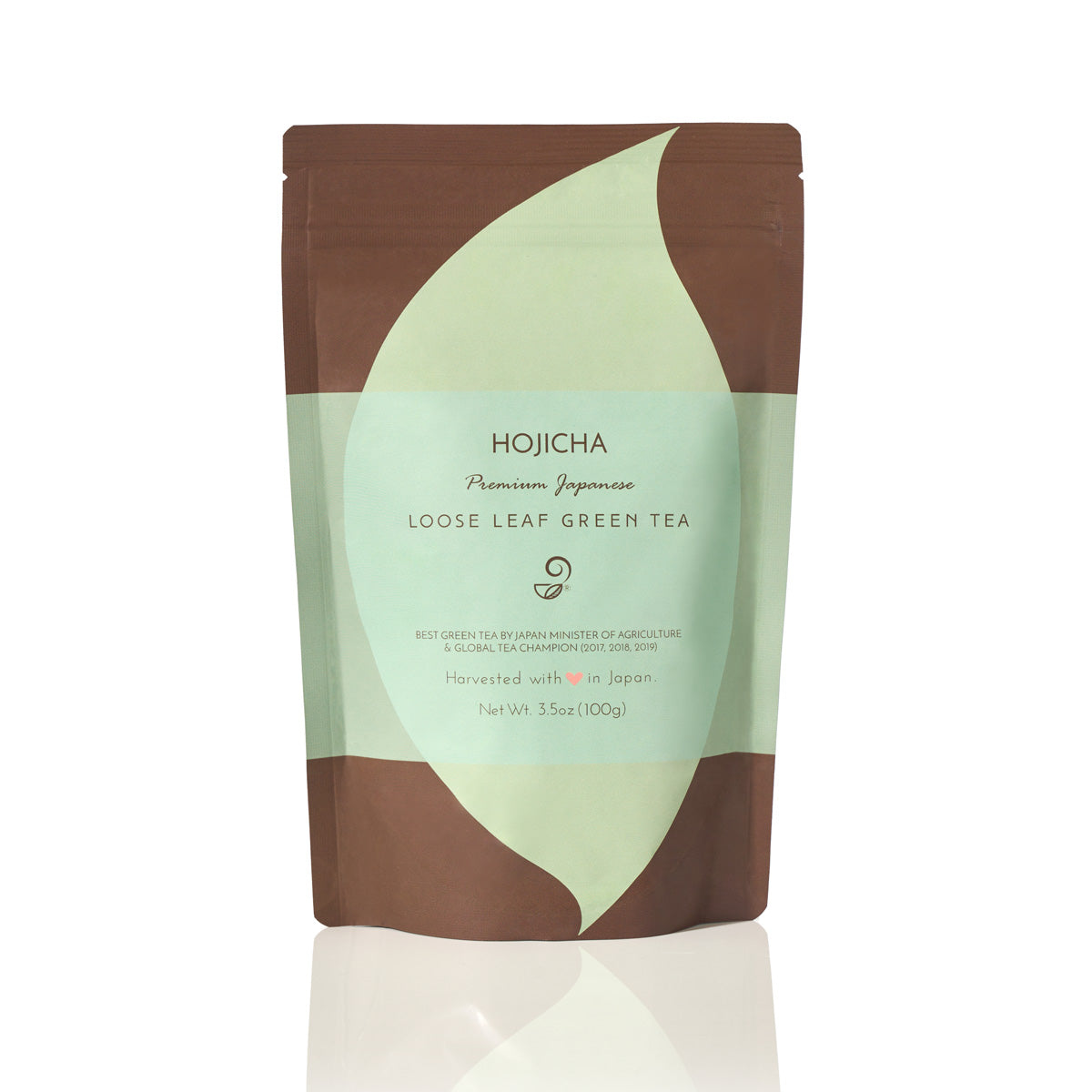
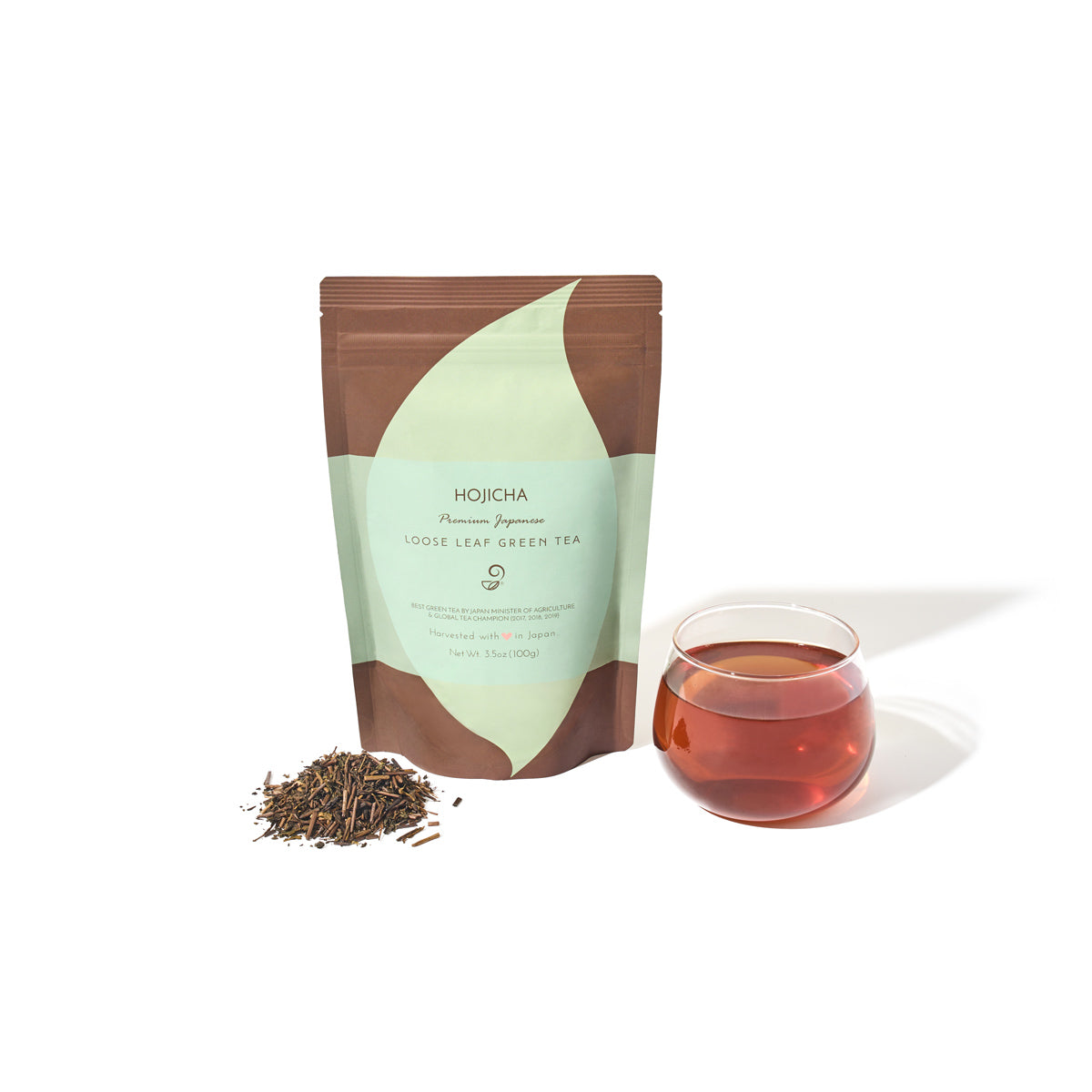
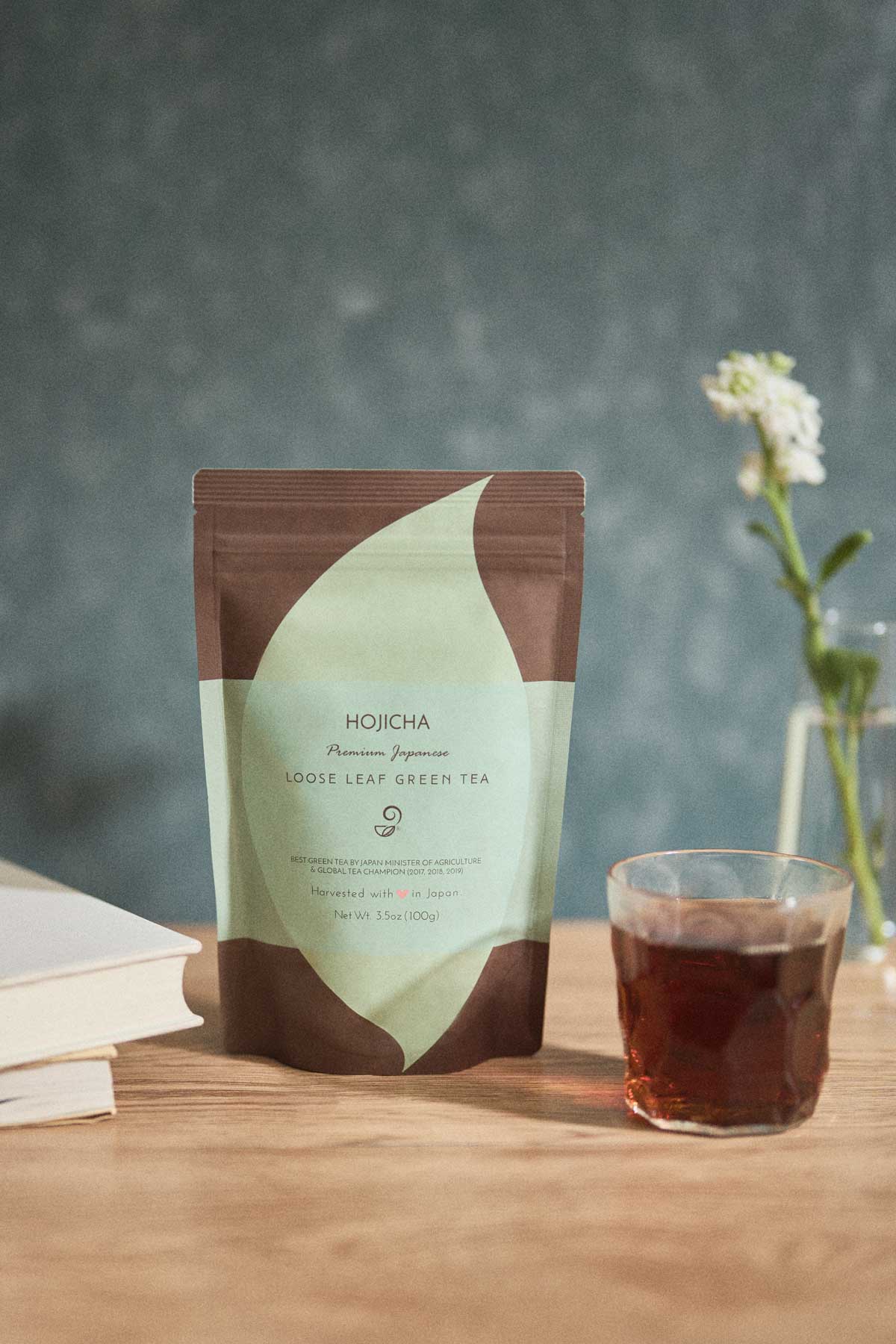
Our roasted green tea, known as hojicha (ほうじ茶), is crafted from freshly harvested premium green tea carefully roasted in porcelain over charcoal to maximize flavor while retaining more catechins than typical hojicha on the market. With lower caffeine and a smoother, less bitter taste compared to steamed green tea, it is an ideal choice for evening relaxation and is gentle enough for kids and pregnant women. Cultivated using the Chagusaba method in nutrient-rich sugarcane soil, this loose-leaf authentic Japanese roasted green tea, made from the Yabukita cultivar, also pairs beautifully with oily foods. Each eco-friendly resealable package contains 3.5 oz (100g) of tea, enough to steep 30–40 comforting cups.

80 reviews

Matcha - Ceremonial Japanese Powdered Green Tea

$39.00
Quick view

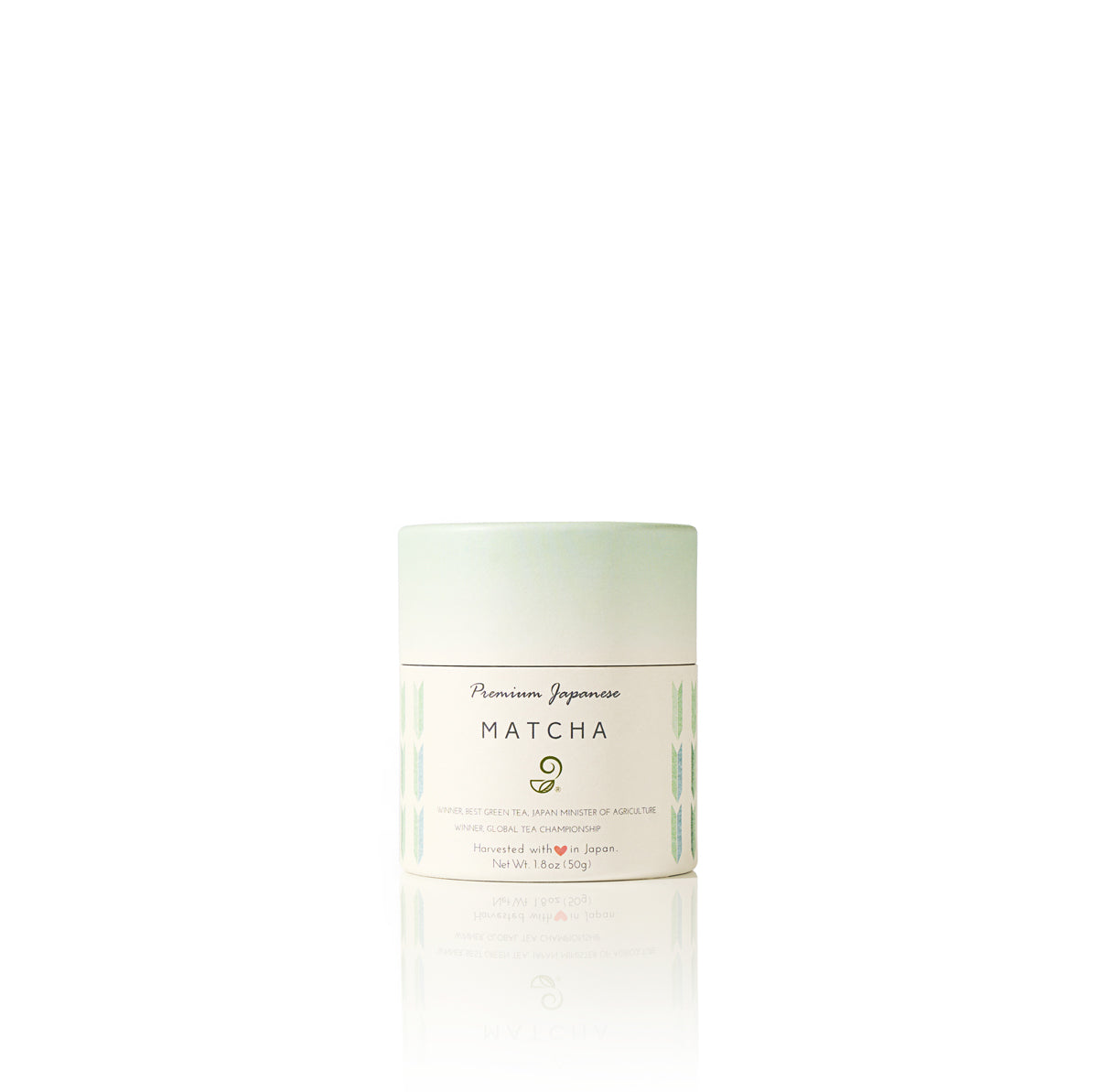
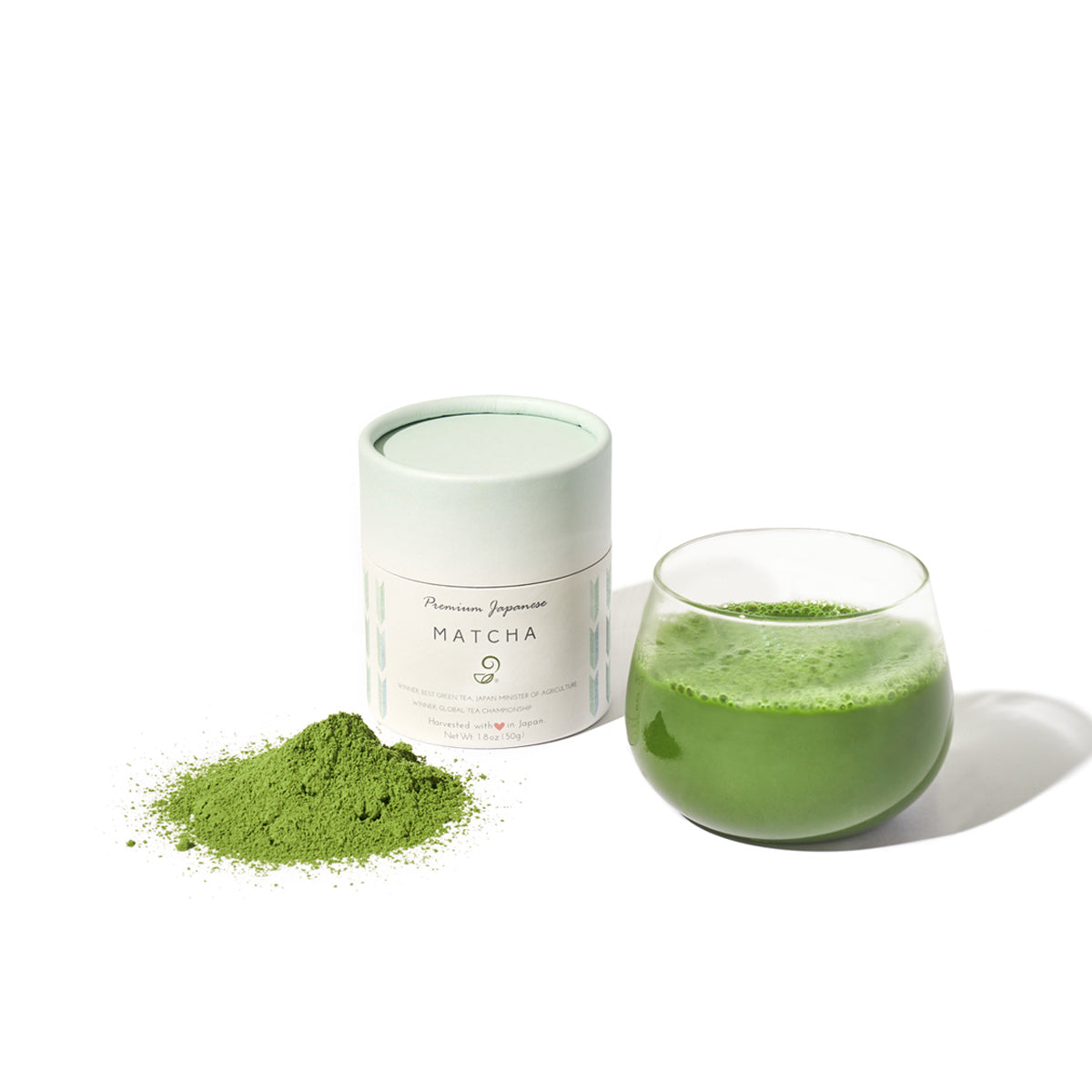
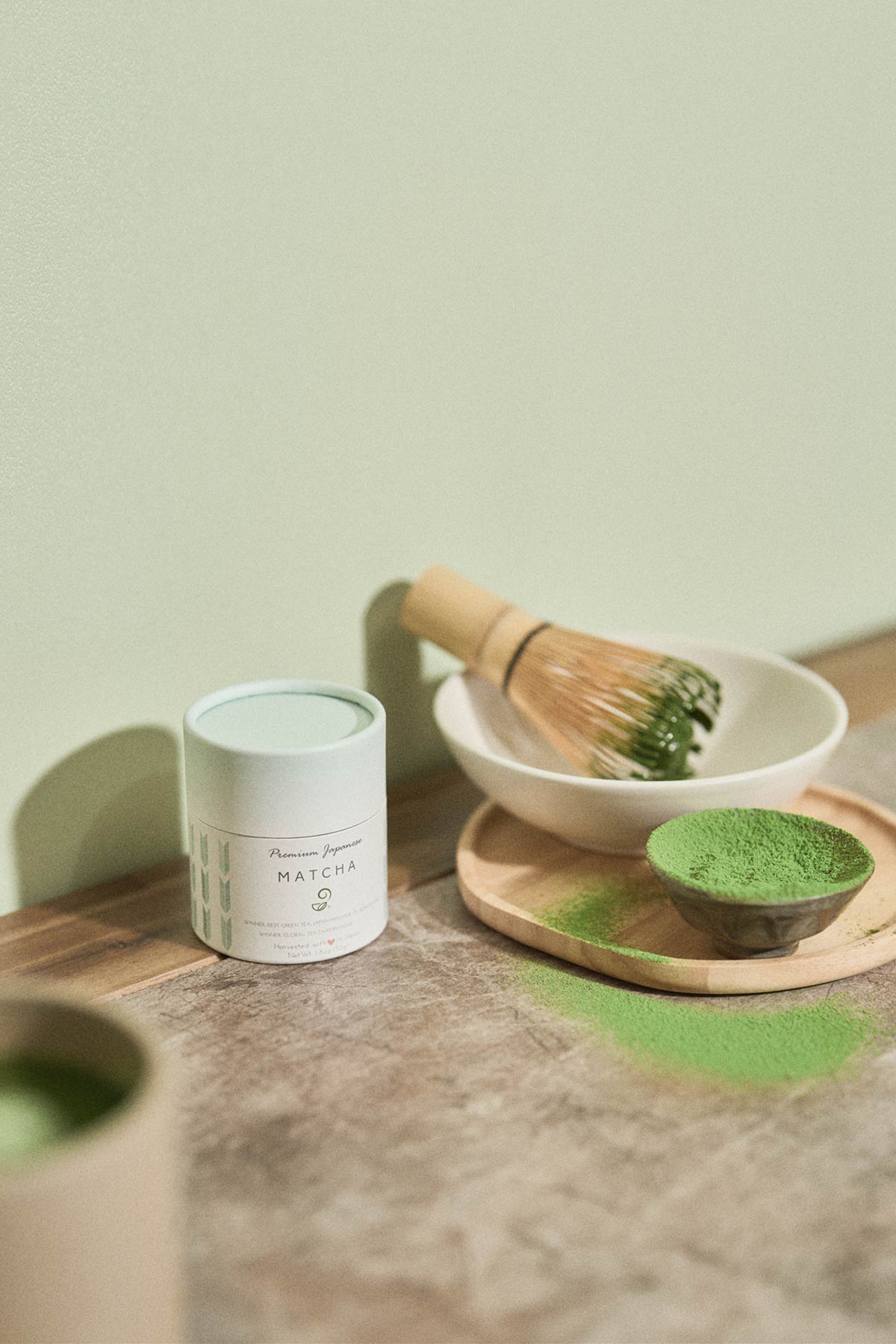
This ceremonial matcha is crafted from the finest Japanese green tea, grown in nutrient-rich soil enhanced with compostable grasses and sugarcane through the Chagusaba method, which gives the tea a natural sweetness and exceptional flavor. In collaboration with researchers from Shizuoka University, farmers ensure that the soil quality consistently produces tea of the highest standard.

Renowned among top Japanese chefs for its unmatched aroma, this matcha is made by carefully shading the plants before harvest to boost caffeine and amino acids, then meticulously drying, de-stemming, and grinding the leaves into a fine powder. Made from the Yabukita cultivar, this 1.8 oz (50g) matcha comes in a high-quality, air-tight paper tube canister, providing a luxurious and authentic Japanese tea experience.

42 reviews

Genmaicha - Green Tea with Roasted Brown Rice

$30.00
Quick view

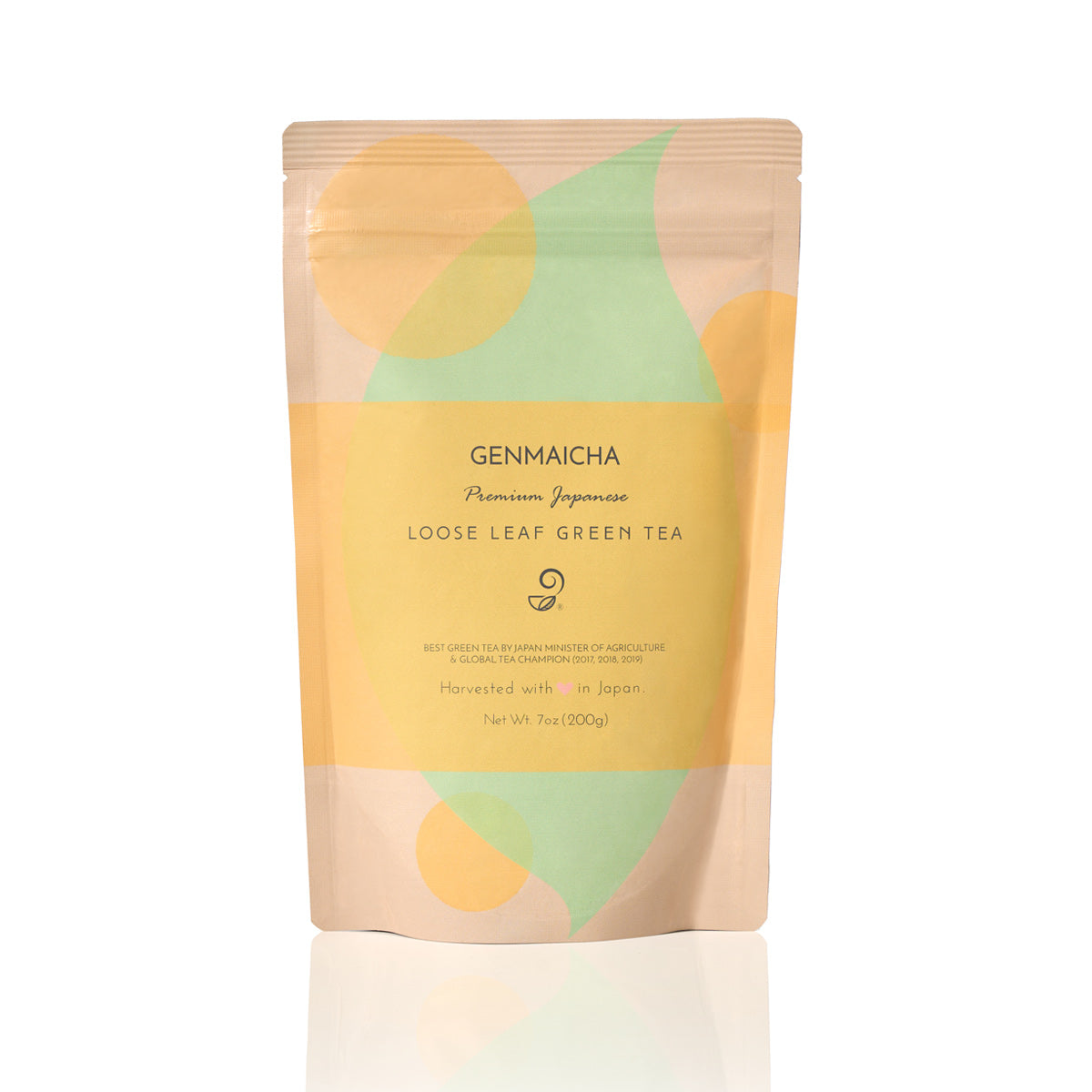
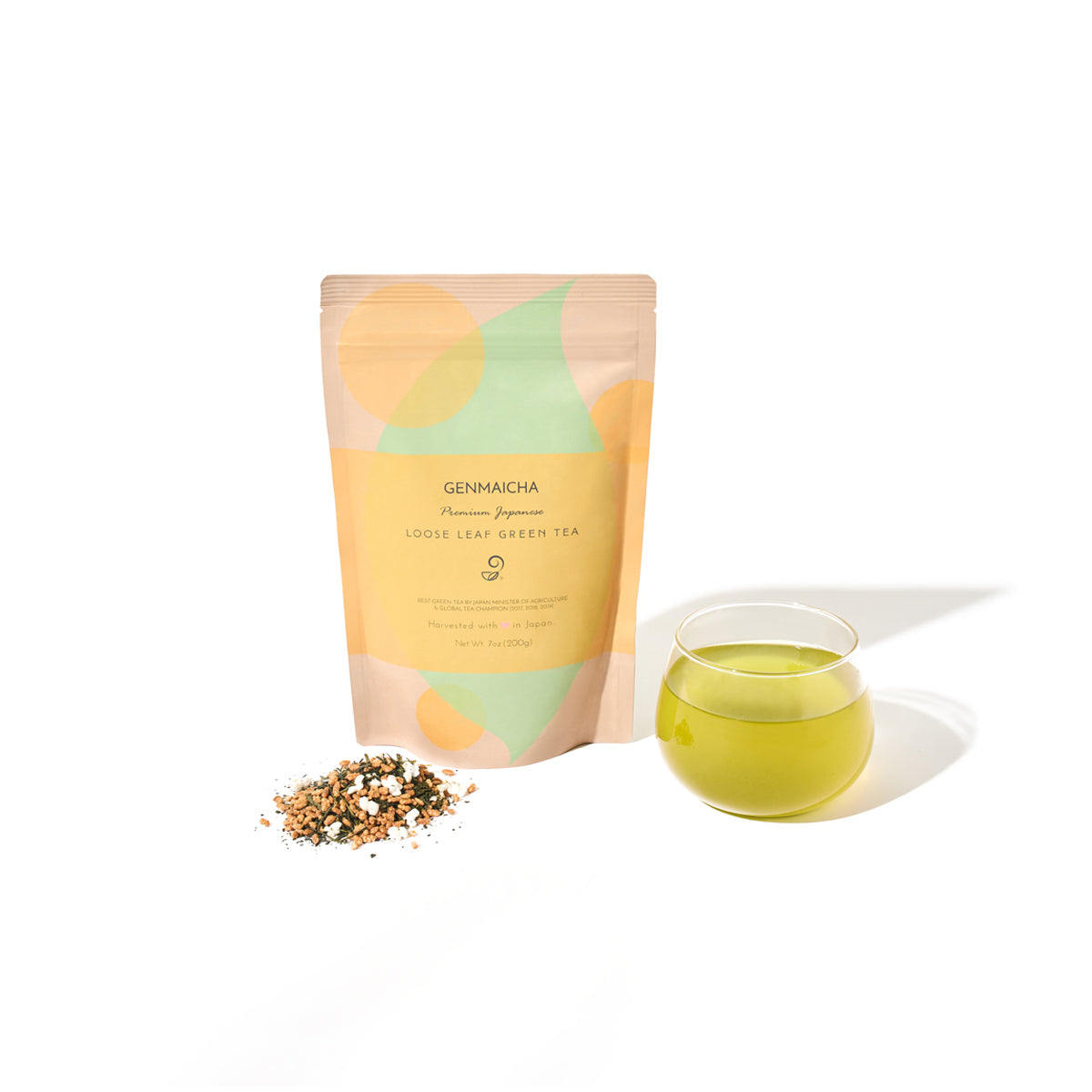
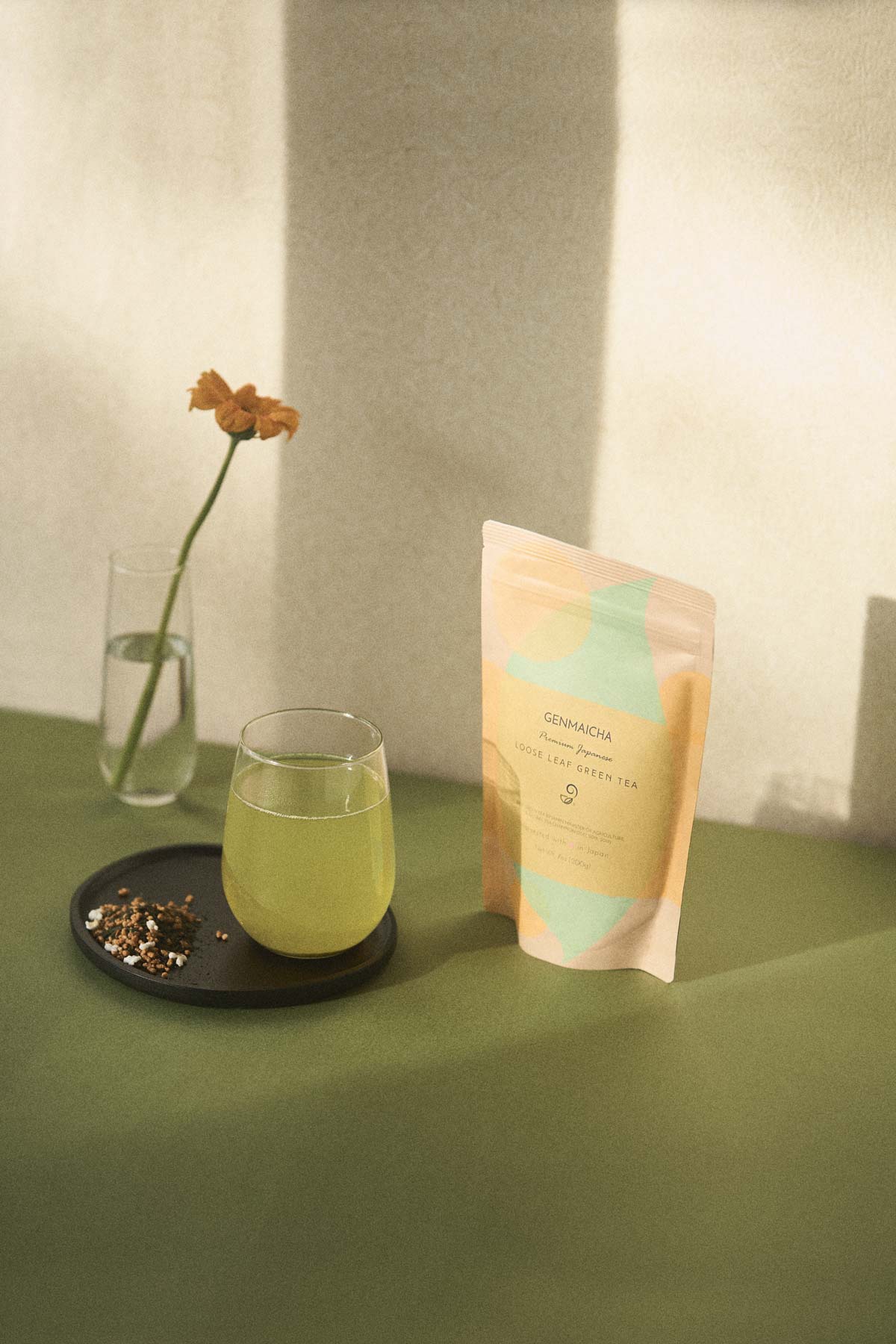
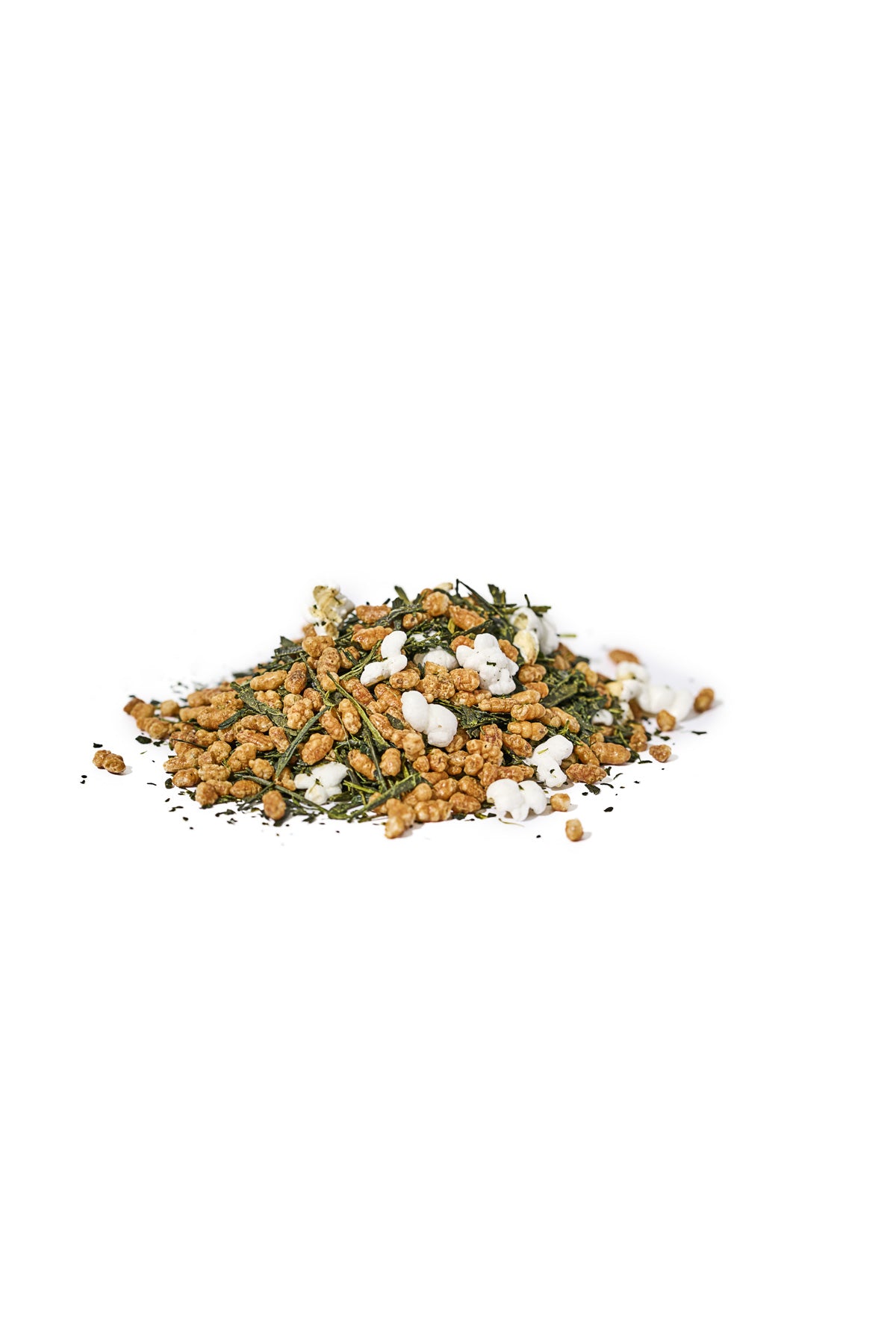
Our premium Japanese Genmaicha blends high-quality green tea with roasted popped brown rice (genmai 玄米), often nicknamed "popcorn tea" because the roasting process sounds like popcorn popping. Popular especially among the older generation in Japan for its mild flavor and lower caffeine content, this tea is easier on the stomach while still offering a rich, comforting taste. The brown rice used is premium Japanese mochi-gome (もち米) sticky rice, enhancing the tea’s nutty, aromatic profile. Made from Fukamushi Sencha and cultivated using the Chagusaba method in nutrient-rich sugarcane soil, this Genmaicha features the Yabukita cultivar and comes in a 7.0 oz (200g) eco-friendly resealable package, enough to steep 50–60 cups.


Related Articles You May Be Interested

Why Pyramid-Shaped Tea Bags are Considered Better
What is Tea Cultivar?
Is Tea Bag Tea Lower Quality Than Loose Leaf Tea? - Green Tea Quiz
Behold: Balmuda's "The MoonKettle" — Where Boiling Water Becomes Art
What is the best Equipment For Cold-Brewing Japanese Green Tea?

Get Free Bonus Books
Join Green Tea Club

Sign up for free to the Green Tea Club to get advice and exclusive articles about how to choose Japanese Tea, and tips, tricks, and recipes for enjoying Japanese tea.

Unsubscribe anytime. It’s free!

About the author

Kei Nishida

Kei Nishida

Author, CEO Dream of Japan

info@japanesegreenteain.com

Certification: PMP, BS in Computer Science

Education: Western Washington University

Kei Nishida is a passionate Japanese green tea connoisseur, writer, and the founder and CEO of Japanese Green Tea Co., a Dream of Japan Company.

Driven by a deep desire to share the rich flavors of his homeland, he established the only company that sources premium tea grown in nutrient-rich sugarcane soil—earning multiple Global Tea Champion awards.

Expanding his mission of introducing Japan’s finest to the world, Kei pioneered the launch of the first-ever Sumiyaki charcoal-roasted coffee through Japanese Coffee Co. He also brought the artistry of traditional Japanese craftsmanship to the global market by making katana-style handmade knives—crafted by a renowned katana maker—available outside Japan for the first time through Japanese Knife Co.

Kei’s journey continues as he uncovers and shares Japan’s hidden treasures with the world.

Learn more about Kei Nishida

Related Posts

Our Matcha Is Now at Pillow Talk Cafe in Pasadena — Master Japanese-Inspired Cake Makers

Our matcha is now at Pillow Talk Cafe Pasadena! Meet the cafe, try the Egg Heaven sando & Matchamisu, and see how th

Read More
Simply Donabe — New Cookbook from TOIRO's Naoko-san Is Out!

Simply Donabe is here! We celebrated TOIRO's Naoko-san's new cookbook at a special dinner at Camélia in DTLA — see our p

Read More
Introducing New Product - Meet Hojicha Powder
Introducing A New Product - Meet Hojicha Powder

Discover the game-changing Hojicha powder your kitchen has been waiting for — richer flavor, easier recipes, and surpris

Read More
Leave a comment

Your email address will not be published..

Cart

Your cart is currently empty.

Start Shopping

Select options