Skip to content

Health Benefit Comparison - Coffee vs Tea

Coffee and tea are both immensely popular beverages consumed globally. And with something so influential on human consumption and culture, it is only natural that the health effects be considered. A lot has been debated about the health effects of coffee vs. tea, and usually, people vote with their taste buds.

Those partial to tea often find it to be the better of the two drinks, and coffee drinkers have a similar opinion. Let’s take a more nuanced look to see where both beverages stand.

Coffee – The Health Pros And Cons

An average cup of coffee delivers 95mg of caffeine

A very large number of health benefits are often attributed to coffee. Now that could be enough encouragement to get yourself a nice cup of coffee. Many of these effects are relevant to filtered coffee, so say goodbye to instant coffee and get yourself a good coffee machine.

Caffeine is the biggest agent responsible for the effects of coffee. An average cup of coffee delivers 95mg of caffeine. It speeds up the metabolic process and can be an effective way to lose weight. In fact, many modern weight-loss drugs are based on caffeine.

Another excellent advantage is that it helps increase general alertness and stimulates the brain. It can also have a positive effect on memory and general brain function. As an added advantage, coffee can have a neuroprotective effect that can reduce the risk of Alzheimers disease and dementia.

Coffee also works as a performance enhancer and can be useful in endurance exercises. Additionally, it reduces recovery time from these exercises, thus keeping you on your feet.

The famed beverage has also been proven to reduce the risk of type 2 diabetes. It improves insulin sensitivity, thereby lowering the associated risks.

The antioxidant properties of coffee deserve special mention. Coffee is rich in polyphenols, flavonoids, and chlorogenic acid (CGA). All of these are potent antioxidants and can play a role in reducing the risk of heart disease and stroke. They prevent plaque formation in blood vessels, and their vasodilating properties encourage a more relaxed state. There is some very promising research that suggests that coffee may play a role in reducing the risk of several forms of cancer. These include cancers of the lungs, colon, gastrointestinal tract, bladder, and rectum.

Cons Of Coffee

If you’re sensitive to caffeine, coffee is a no-go. Naturally occurring substances in coffee may also slightly increase your cholesterol, especially for espresso drinkers. It’s worth noting that the daily safe limit for caffeine consumption is 400mg. While the number can vary with your age and fitness level, a few cups of coffee will get you there pretty quickly. Coffee jitters are a thing; if you have experienced them, stay away from coffee.

Consuming too much coffee also increases the risk of conditions like tachycardia, heart palpitations, insomnia, and restlessness. If you have trouble sleeping, it is best to stay away from coffee for about 3–4 hours before you go to bed.

Tea – The Health Pros And Cons
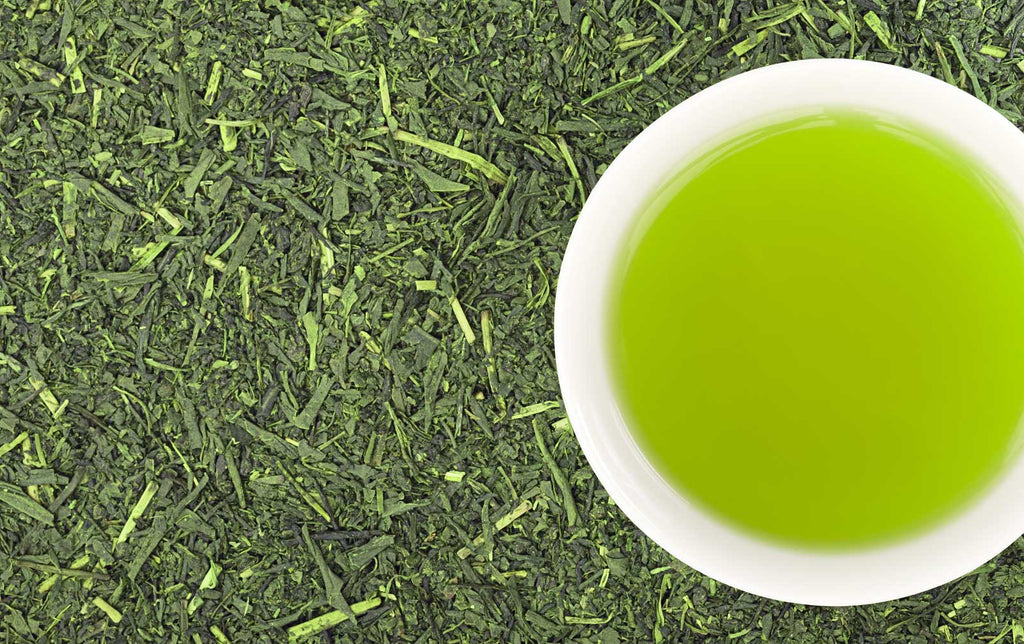
The primary groups available in tea are theaflavins, thearubigins, and catechins.

Tea, like coffee, is immensely popular. It is the most popularly consumed beverage in the world, next only to water. Black tea is by far the most popular variety of tea; green tea comes in second, with other varieties making up small percentages.

Much like coffee, tea is rich in caffeine. Although tea has a lower amount of caffeine, it amounts to just about half that of coffee. So while an average cup of coffee will deliver 95 mg of caffeine, the same amount of tea gets you 45mg. While the number is lower, tea can deliver the same effects and benefits as coffee.

Drinking tea can also increase mental alertness and enhance brain function. Interestingly, while tea lacks caffeine, it has a healthy dose of L-theanine. Working together with caffeine, this antioxidant stimulates the brain and increases the brain’s alpha waves. This brings in enhanced mental activity while at the same time reducing stress and having an overall calming effect.

Tea is rich in other antioxidants too, including polyphenols. The primary groups available in tea are theaflavins, arubigins, and catechins. Much like those listed for coffee, tea consumption can be tied to a reduced risk of some cancers. Some studies have also tied tea to anti-aging effects, though more study is needed before that can be declared conclusively.

The polyphenols and their rich antioxidant properties can have a positive effect on reducing the risk of heart disease and preventing plaque formation in blood vessels.

Tea, especially green tea, is also highly recommended for weight loss. Green tea may increase energy expenditure and is considered to increase the burning of fat substantially, thus helping to reduce weight. This is perhaps a reason why all those "weight loss teas" are making the rounds. If you do choose to go down that road, be sure to choose a quality option.

Cons Of Tea

Even with all its positives, there are some negatives associated with tea. Too much consumption of tea has been linked to health conditions like increased anxiety, tachycardia, heart palpitations, insomnia, restlessness, and nausea.

Tea also contains tannins, which can reduce the absorption of plant-based iron. It doesn’t affect animal-based heme, so omnivores don’t have to worry too much about tannins. However, if you have a deficiency, it’s best to stay away from tea.

Getting The Best Benefits – The Common Sense Clause
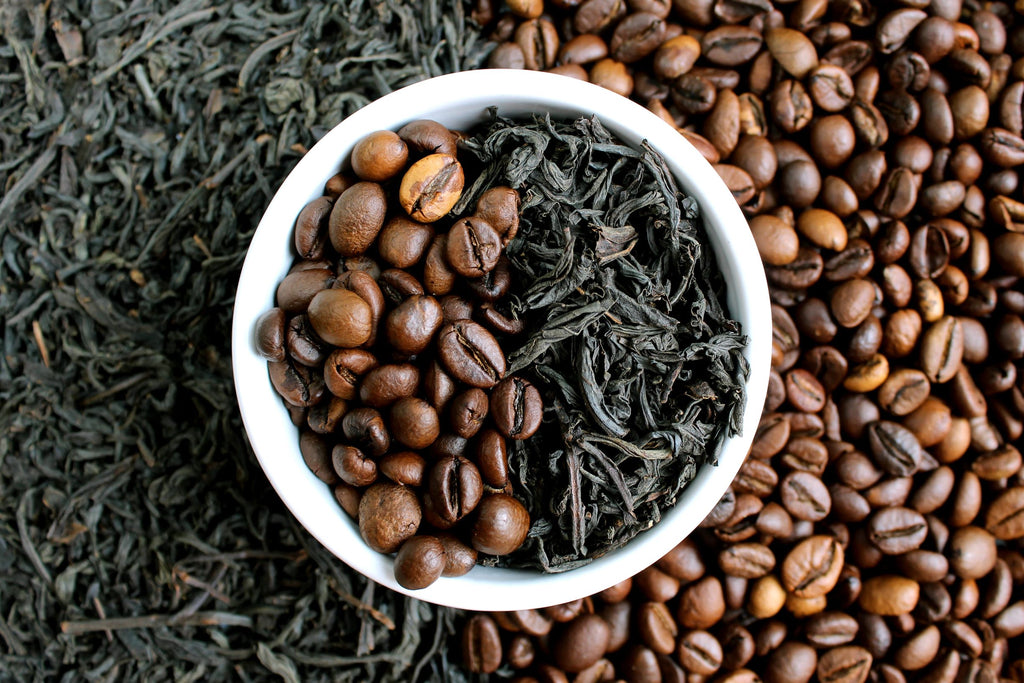
both tea and coffee have a fairly impressive list of benefits

As can be seen here, both tea and coffee have a fairly impressive list of benefits. Do remember that these aren’t tonics or medicines, so it’s best not to take these health effects at face value. Practice moderation, where you can enjoy these beverages and also gain their benefits without risking their disadvantages.

If being health conscious is important, skip processed sugar in your beverages. It may also be beneficial to give up milk or use small quantities of plant-based alternatives. Syrups and whipped cream are a big no-no. They add tons of calories to the beverages, often increasing calorie intake many times over as compared to beverages without whipped cream or syrup.

Caffeine is associated with several positives as well as negatives for each beverage. If you are sensitive to caffeine, you can opt for decaf coffee or choose from the herbal non-caffeine blends available for tea.

FAQs about Coffee vs Tea Health Comparison

Which is healthier overall, coffee or green tea?

Both are net-positive at moderate intake; the right answer depends on what you're optimizing for. Both have documented cardiovascular benefits, both are antioxidant-rich, and both contribute caffeine that supports alertness and metabolism. Neither is straightforwardly "healthier" — they have different profiles.

Where green tea has a clearer edge: anxiety management (L-theanine modulation of caffeine), sustained focus (less crash), gentler on stomach for sensitive drinkers, lower caffeine total per cup. Where coffee has the edge: more concentrated caffeine for acute alertness, more concentrated antioxidant load per cup (chlorogenic acids), more consistent metabolism-boost effect, broader cultural integration in social-coffee contexts.

My honest take: pick the one you'll actually drink consistently rather than agonizing over which is theoretically optimal. Daily coffee or daily green tea both produce documented health benefits over years; choosing inconsistently between them produces less benefit than committed daily practice with either one.

Does green tea have more antioxidants than coffee per cup?

Roughly comparable; depends on what you measure. Coffee has higher chlorogenic acid content per serving (about 70-200 mg per 8oz cup); green tea has higher catechin content (about 50-150 mg per 8oz cup). Both are antioxidant-rich; the specific compound profiles differ.

On total antioxidant capacity (ORAC), coffee usually scores slightly higher per ml due to chlorogenic acid's particular activity. On EGCG specifically (the most-studied tea catechin for cancer-prevention research), green tea wins easily because coffee has essentially no EGCG.

Practical: for most antioxidant-related health goals, the difference between coffee and tea is smaller than the difference between drinking either one and drinking neither. Both contribute to total daily polyphenol intake; both stack with antioxidants from food (berries, dark chocolate, leafy greens) for cumulative benefit.

Is the caffeine in coffee or tea worse for sleep?

Coffee, by a clear margin. A typical cup of coffee has 95-120 mg of caffeine vs 25-35 mg in standard sencha. Even matcha at 60-80 mg per bowl has less than coffee. So drinking the same number of cups of each, coffee disrupts sleep more meaningfully.

More important than total caffeine: half-life and timing matter. Coffee's caffeine peaks faster but also clears faster than tea's L-theanine-modulated caffeine. So a 4 PM coffee may actually clear from your system faster than a 4 PM matcha, even though the matcha had less starting caffeine. The effects on sleep are more about timing than absolute dose. The hojicha (ほうじ茶) with its very low caffeine (7-10 mg per cup) is the safest evening tea for sleep-conscious drinkers.

If sleep matters and you drink both: coffee in the morning, tea in the afternoon, hojicha or no caffeine in the evening. This pattern keeps caffeine within sleep-protecting limits even at high daily intake.

What about the heart — coffee vs tea for cardiovascular health?

Both protective; tea slightly better-supported. Multiple large epidemiological studies show daily green tea consumption (3-5 cups) associated with 10-20% reductions in cardiovascular mortality. Coffee shows similar protective associations at similar consumption levels (2-4 cups). The studies usually aren't directly comparing the two; they're comparing each to non-drinkers.

For acute blood pressure effects, the comparison is more nuanced. Coffee acutely raises blood pressure (5-10 mmHg) for 30-60 minutes after consumption; the chronic effect of regular coffee on blood pressure is roughly neutral. Green tea's chronic effect is a small reduction (2-4 mmHg). For hypertensive patients specifically, daily green tea is a slightly better fit than daily coffee.

Combination is probably fine for most people. Drinking both daily at moderate doses doesn't cancel the cardiovascular benefits of either. Your individual response (how you tolerate caffeine, whether either gives you anxiety or palpitations) matters more than the population-average comparison.

If I want to switch from coffee to tea, what's the best transition path?
Taper rather than cold turkey. Caffeine half-life means cold-turkey produces a withdrawal headache for 2-7 days. Better protocol: replace one daily coffee with matcha or strong sencha each week. Week 1, swap your second-cup-of-coffee for tea; week 2, swap your morning coffee for matcha; week 3-4, full transition. Caffeine math should track roughly even at each step.

During transition, expect to feel "less energetic" for the first 1-2 weeks. The calmer baseline of green tea takes a few weeks to register as actually pleasant rather than as missing-coffee-energy. Most converts get past this within 3-4 weeks and don't go back.

If you genuinely miss coffee even after the transition is complete, consider keeping both — coffee for high-output mornings or social-coffee contexts, tea for daily sustained focus. The two beverages serve different functional roles. Many committed tea drinkers continue to drink occasional coffee without abandoning the tea practice.

Related products

8 reviews

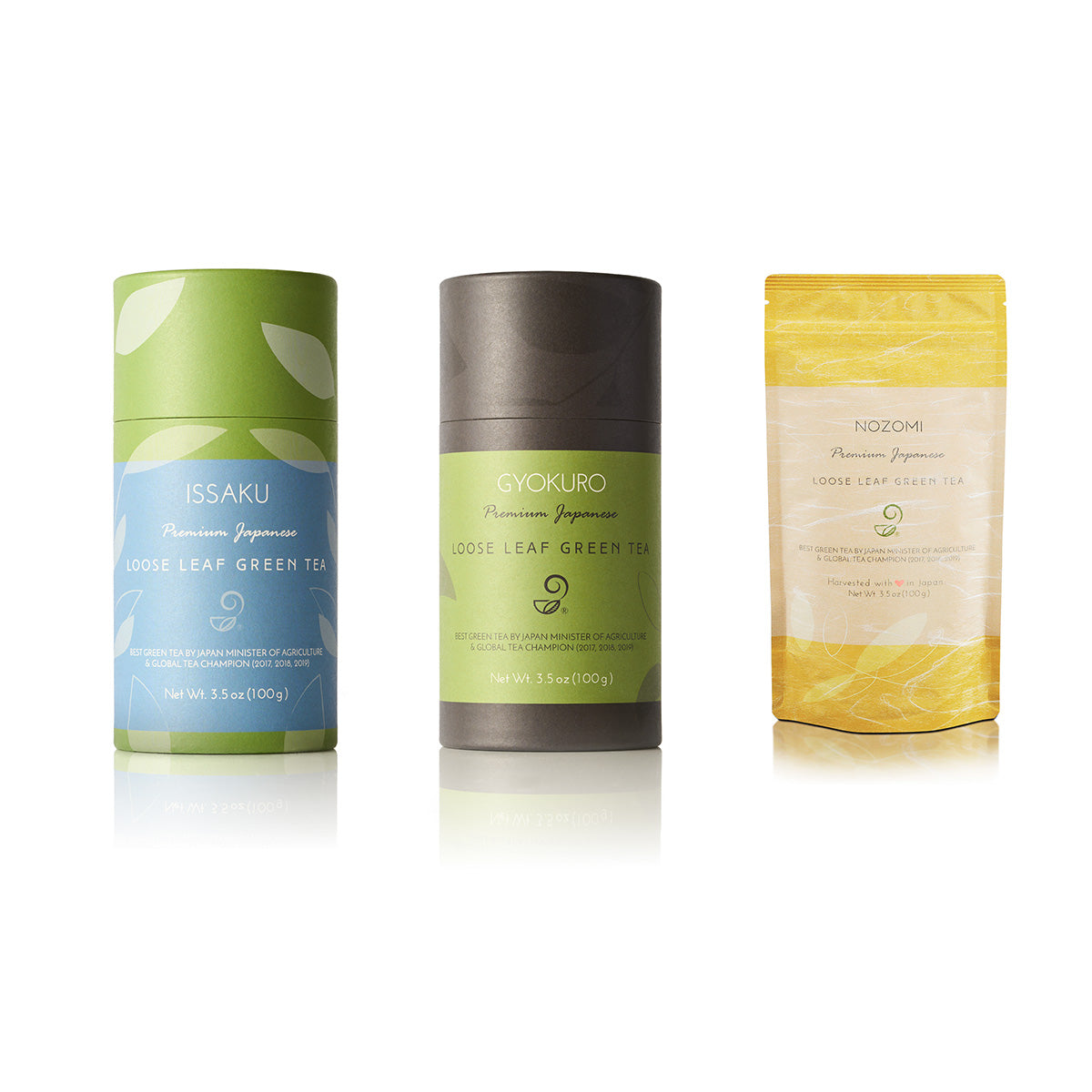
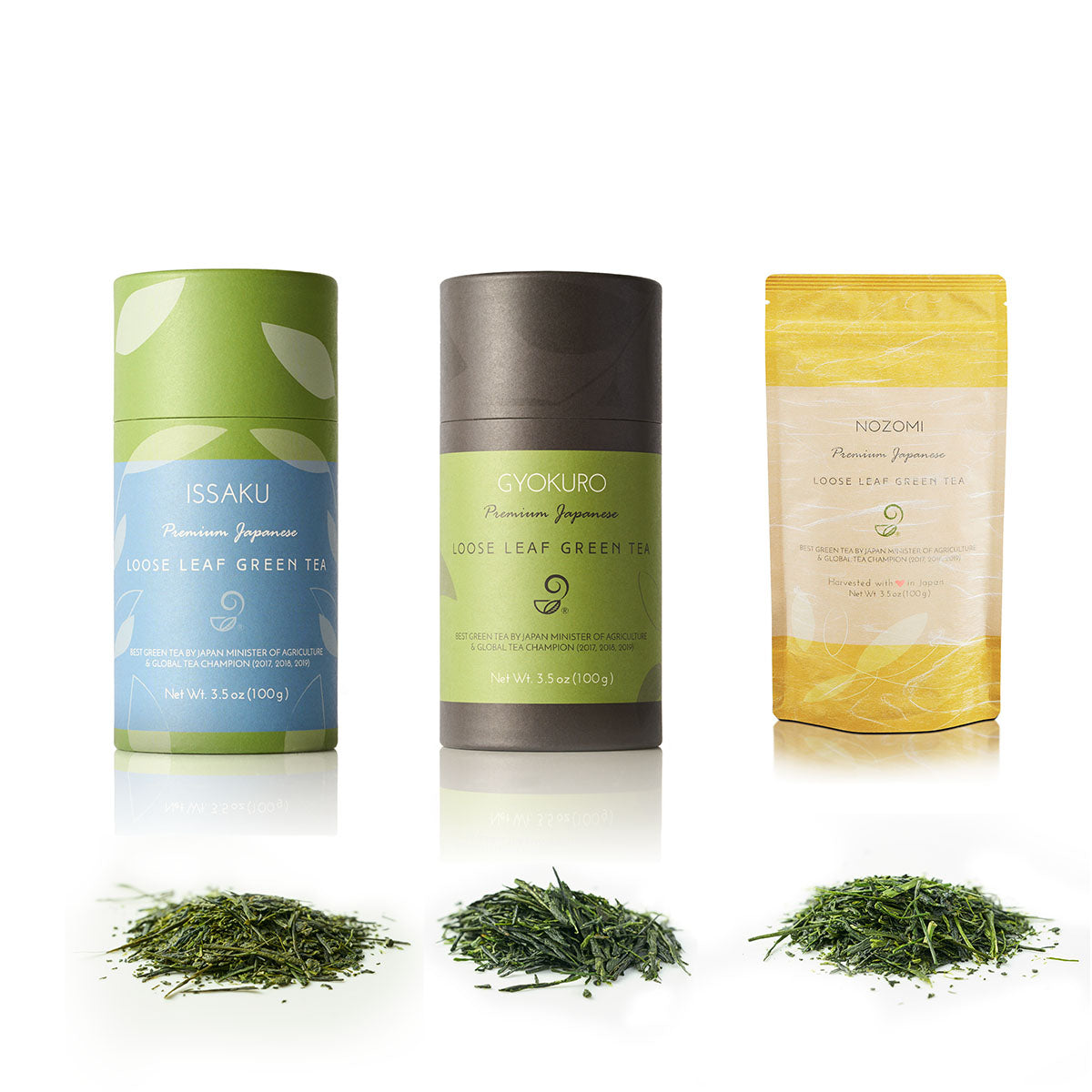
The Sencha Lover Gift Set - Premium Japanese Green Tea Set Package
$179.00 $159.99
Quick view

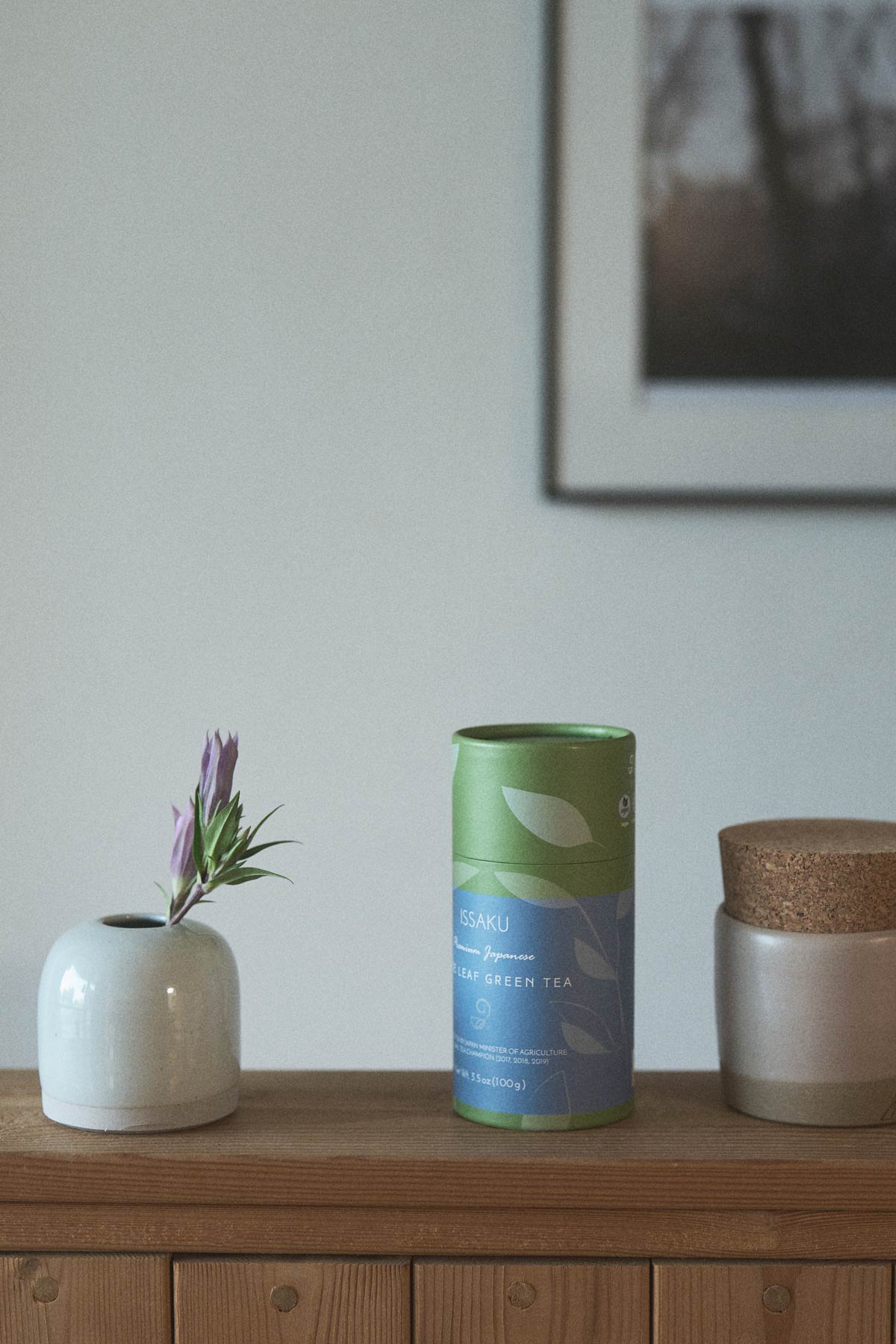
This tea set features three exceptional Japanese green teas, each crafted with care and traditional techniques. Issaku Reserve, a Global Tea Champion winner in 2017 and 2019, is a rare masterpiece created by Farm Master Mr. Arahata at Arahataen Green Tea Farm. Handpicked once a year from the first flush and processed with advanced methods, Issaku represents the highest-grade deep-steamed green tea, available only in limited quantities even in Japan.

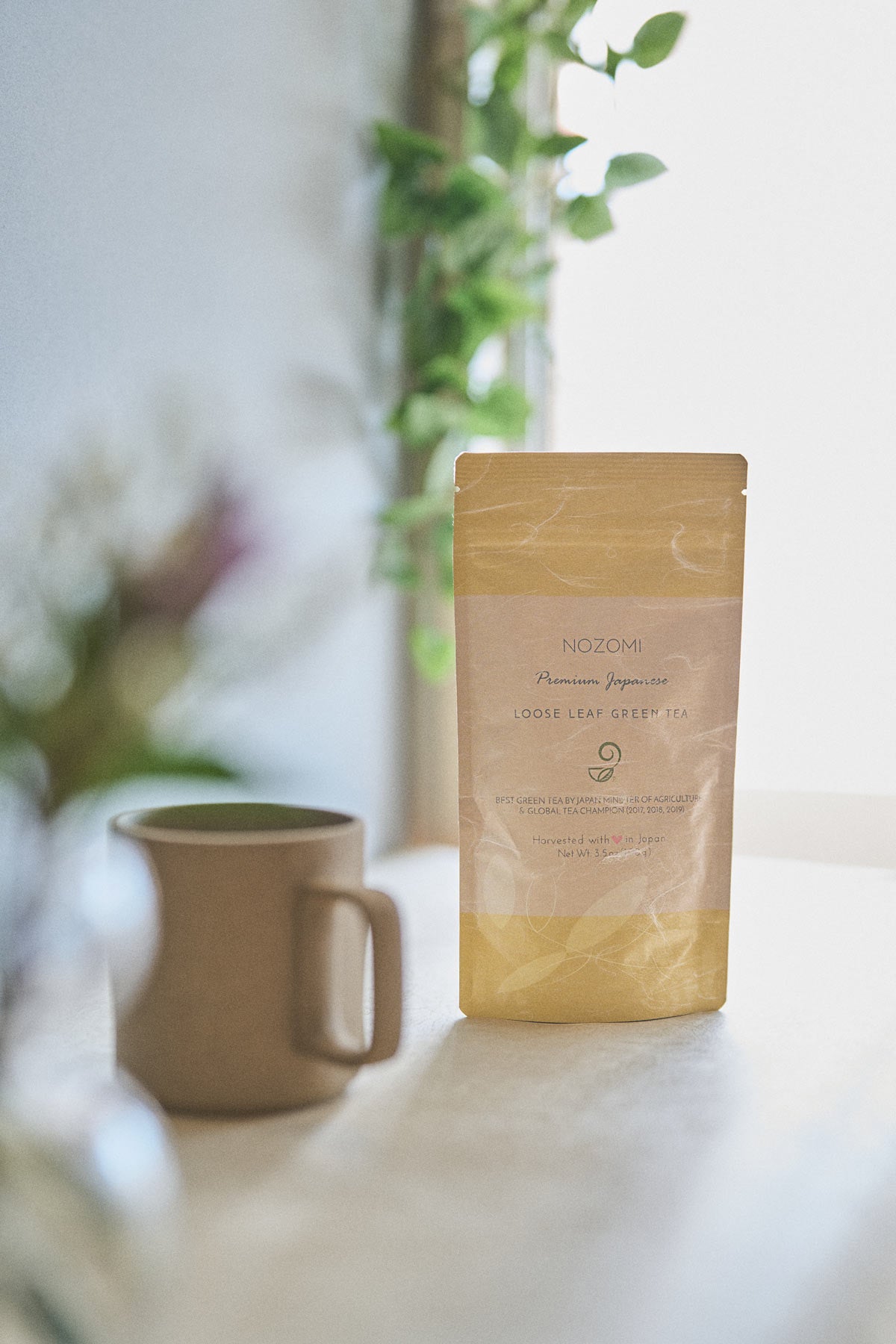
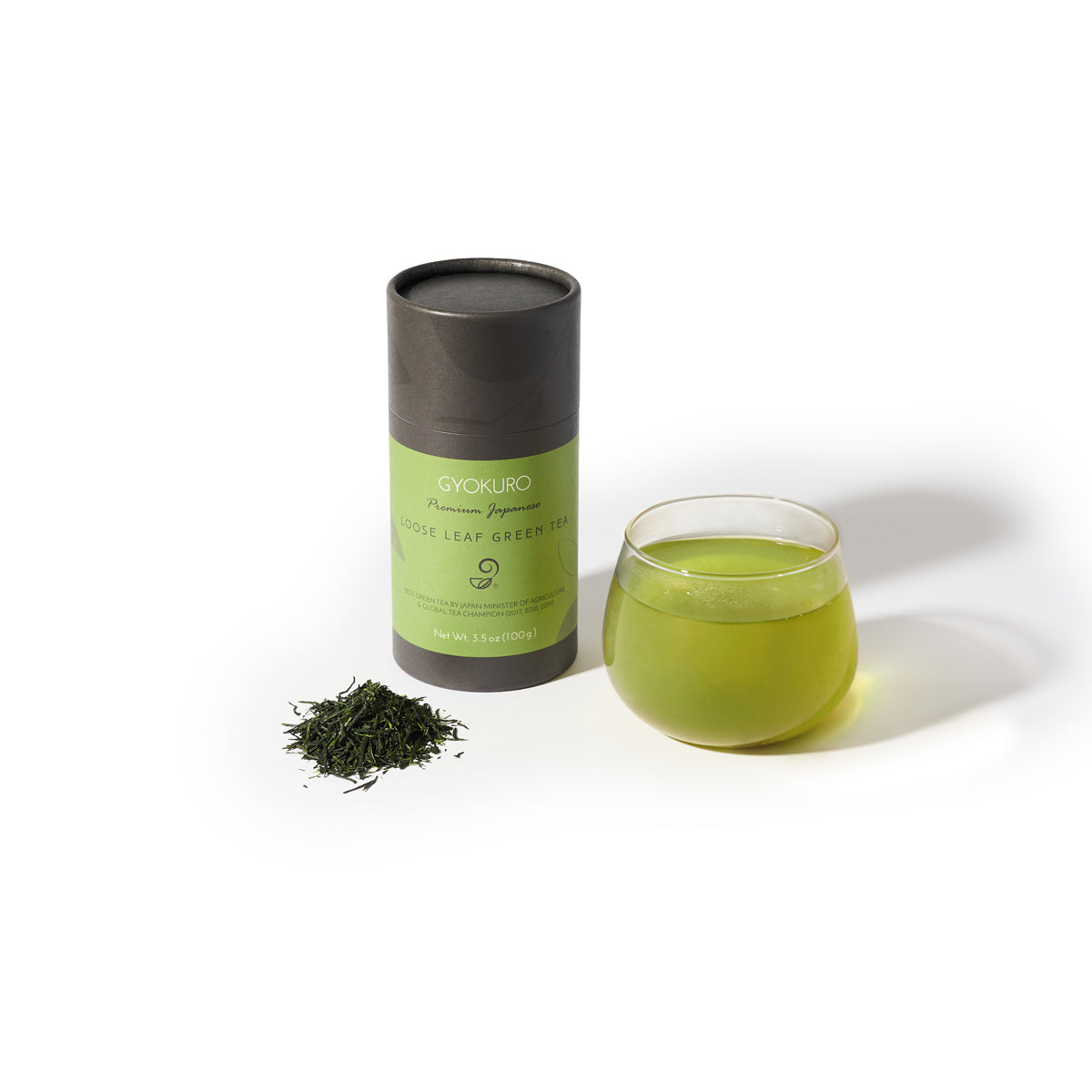
The set also includes Gyokuro, a premium shaded green tea known for its rich, sweet flavor and deep mossy green color. Grown under special mats for 20 days to increase caffeine and amino acid levels, Gyokuro offers a layered, smooth taste unlike any other. Completing the collection is Nozomi, a fine Kabuse-cha, or "Covered Green Tea," carefully grown under nets to gently shade the leaves just before new sprouts emerge, resulting in a soft, rich, and refined flavor profile.

97 reviews

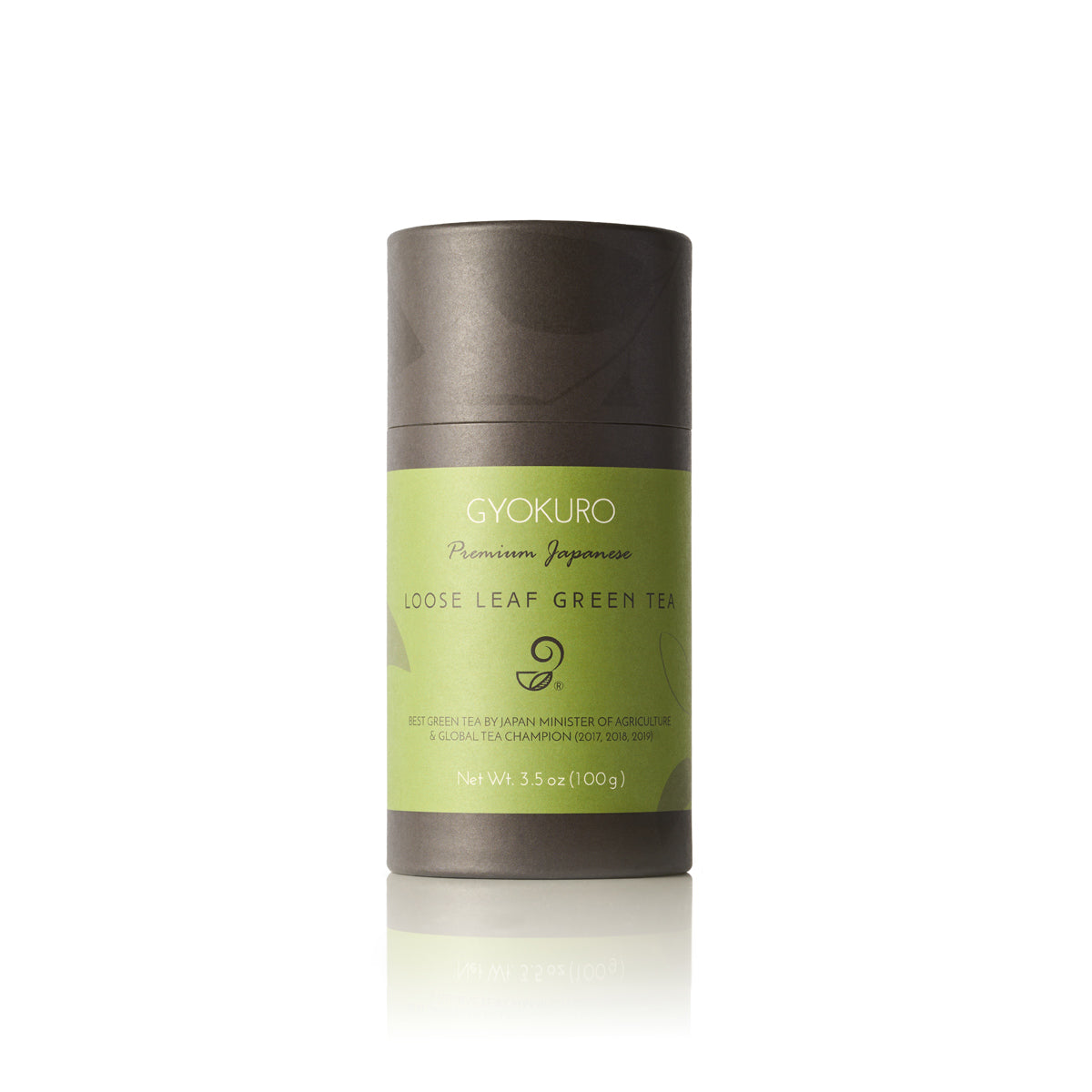
Gyokuro - Shaded Imperial Premium Green Tea

$65.00
Quick view

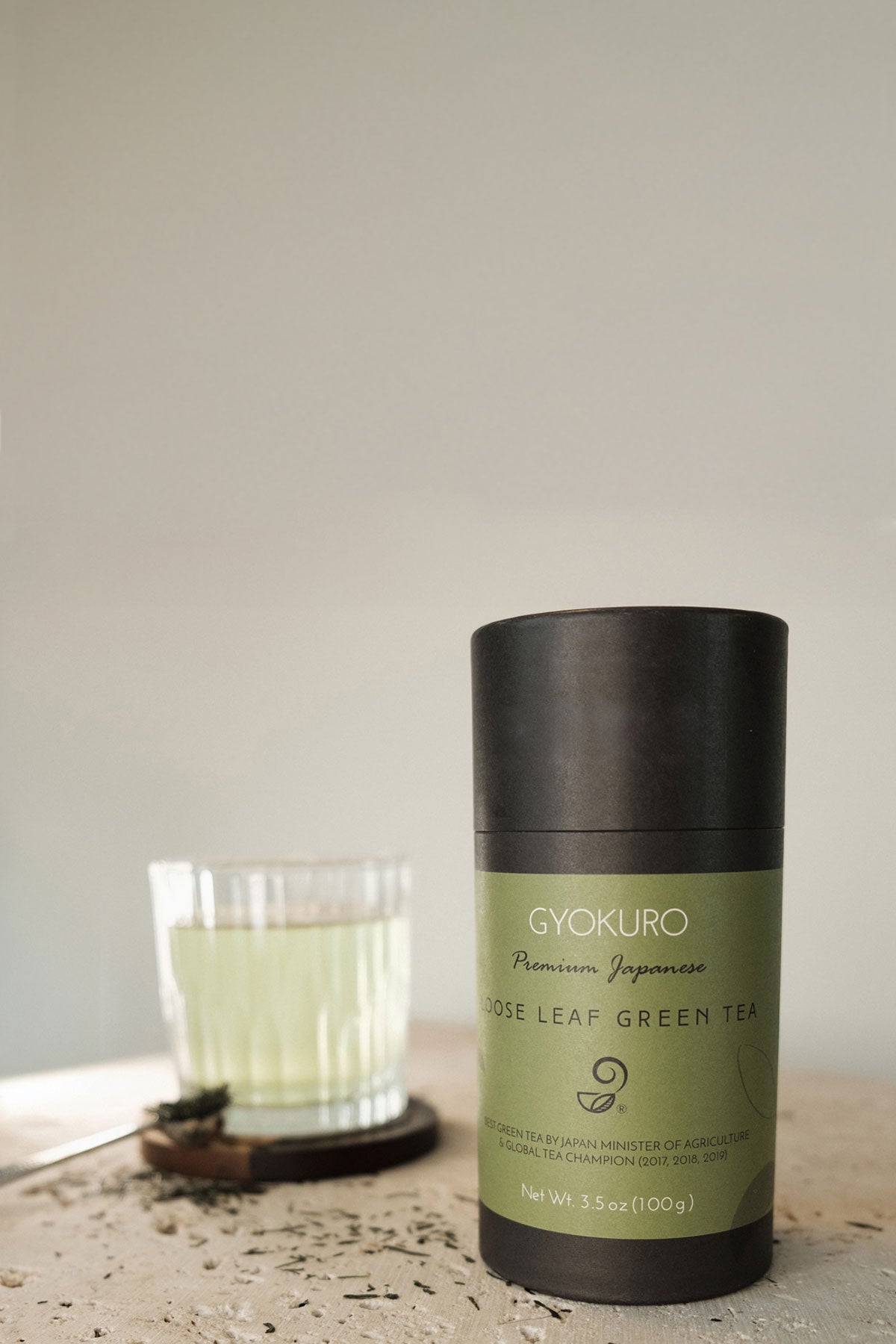
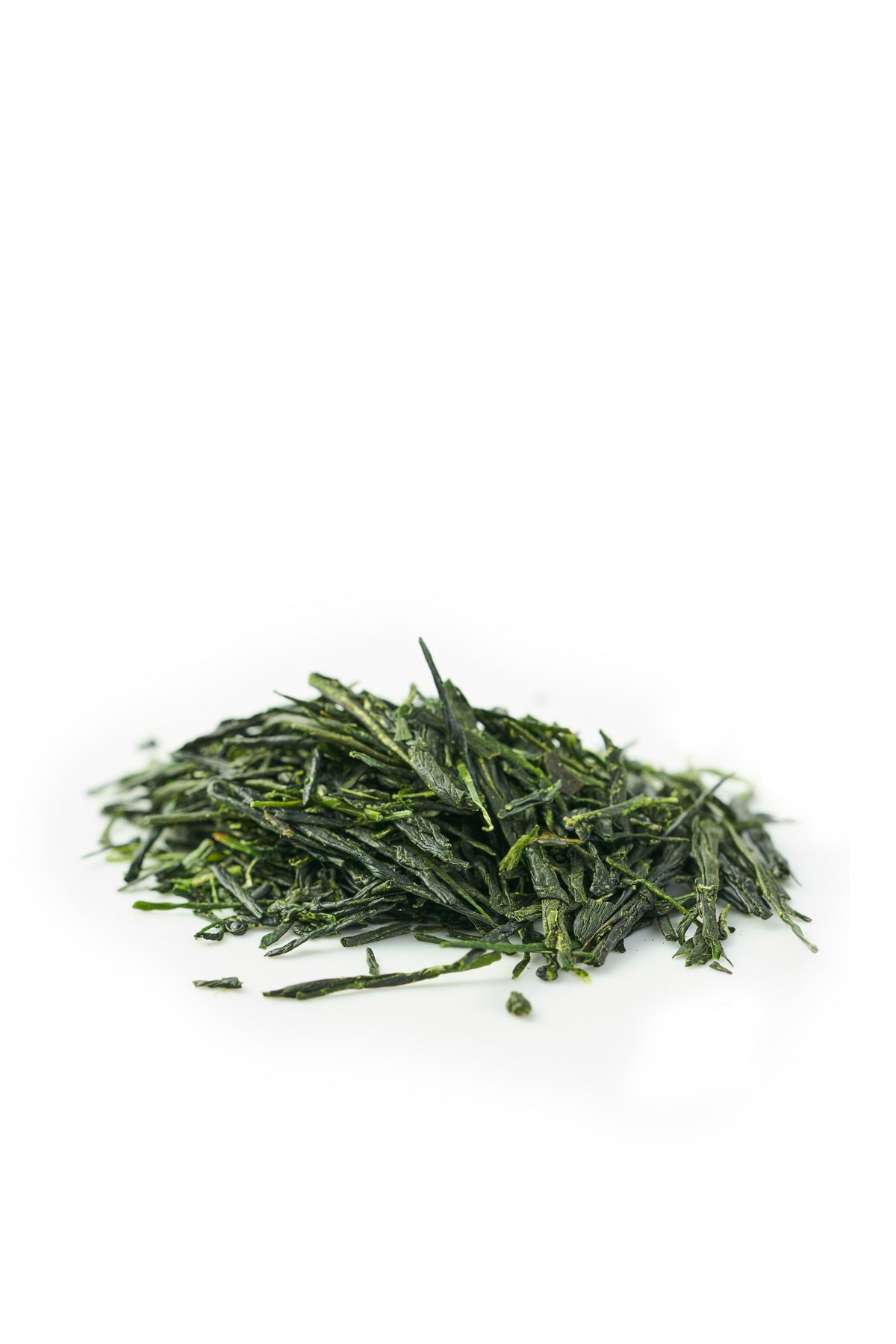
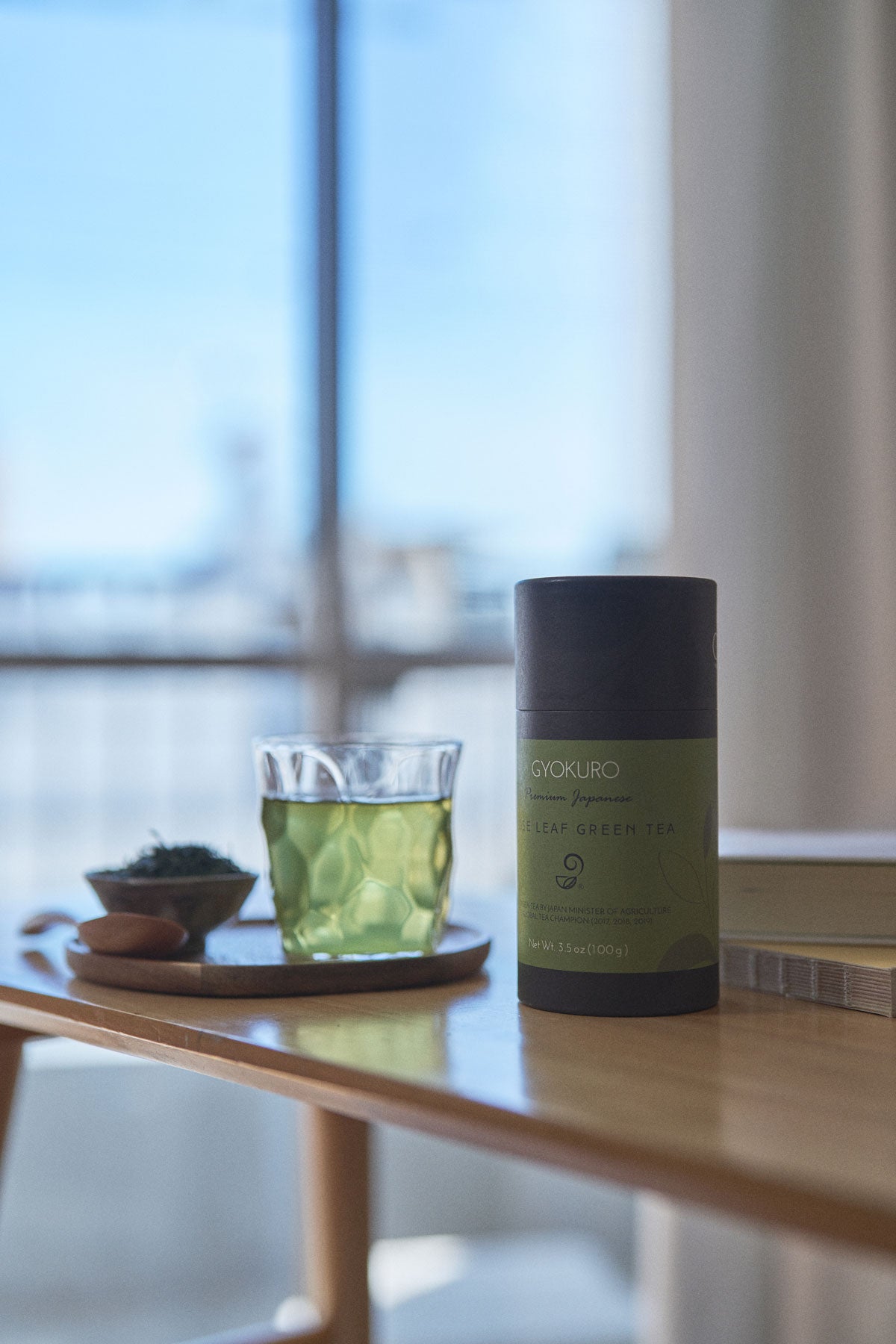
Gyokuro, also known as "jade dew" or "jewel dew tea," is a premium Japanese green tea shaded from the sun for 20 days using specially made mats, a method that boosts caffeine levels and strengthens amino acids to create a sweeter, richer flavor. This extended shading process results in dark, mossy green leaves with an unmistakable aroma and a complex taste that is layered yet balanced. Cultivated by the Chagusaba method in nutrient-rich sugarcane soil and made from the Yabukita cultivar, this loose-leaf authentic Gyokuro is offered in a high-quality, air-tight paper tube canister (chyazutsu) to preserve its exceptional freshness and flavor. Each 3.5 oz (100g) full-size package steeps 30–40 cups, and a convenient single-serve sample is also available.

45 reviews

Hojicha - Roasted Green Tea

$25.00
Quick view

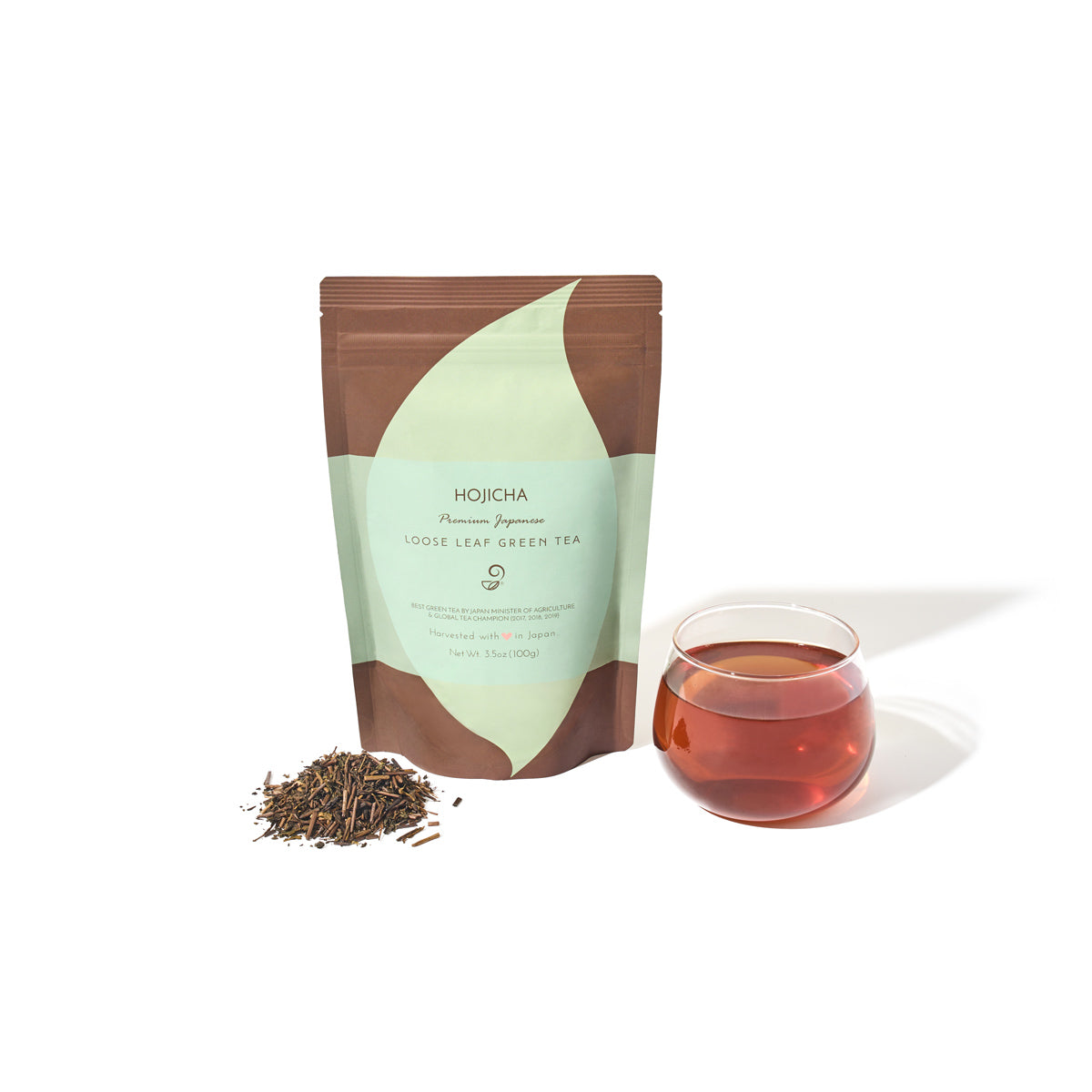
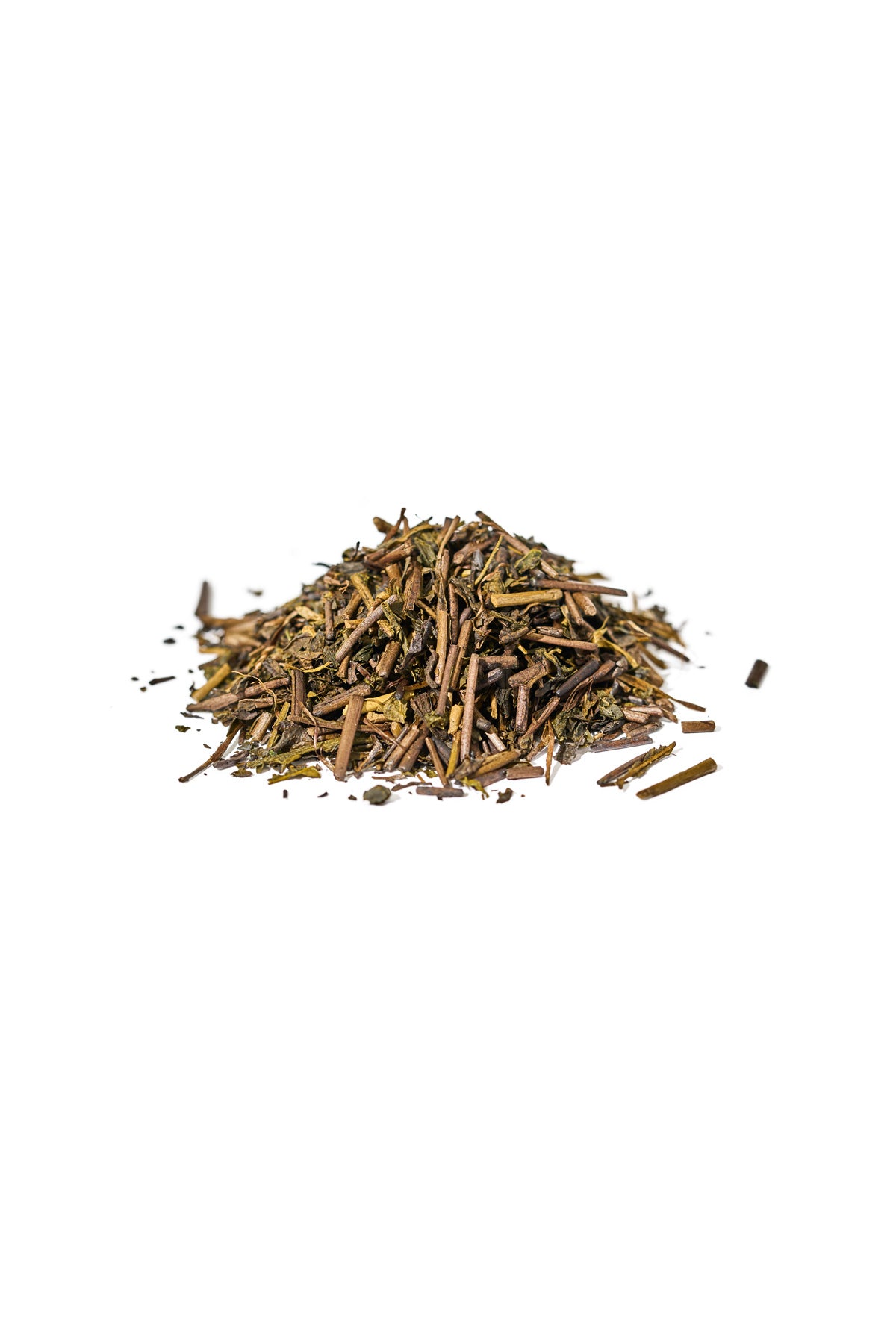
Our roasted green tea, known as hojicha (ほうじ茶), is crafted from freshly harvested premium green tea carefully roasted in porcelain over charcoal to maximize flavor while retaining more catechins than typical hojicha on the market. With lower caffeine and a smoother, less bitter taste compared to steamed green tea, it is an ideal choice for evening relaxation and is gentle enough for kids and pregnant women. Cultivated using the Chagusaba method in nutrient-rich sugarcane soil, this loose-leaf authentic Japanese roasted green tea, made from the Yabukita cultivar, also pairs beautifully with oily foods. Each eco-friendly resealable package contains 3.5 oz (100g) of tea, enough to steep 30–40 comforting cups.

80 reviews

Matcha - Ceremonial Japanese Powdered Green Tea

$39.00
Quick view

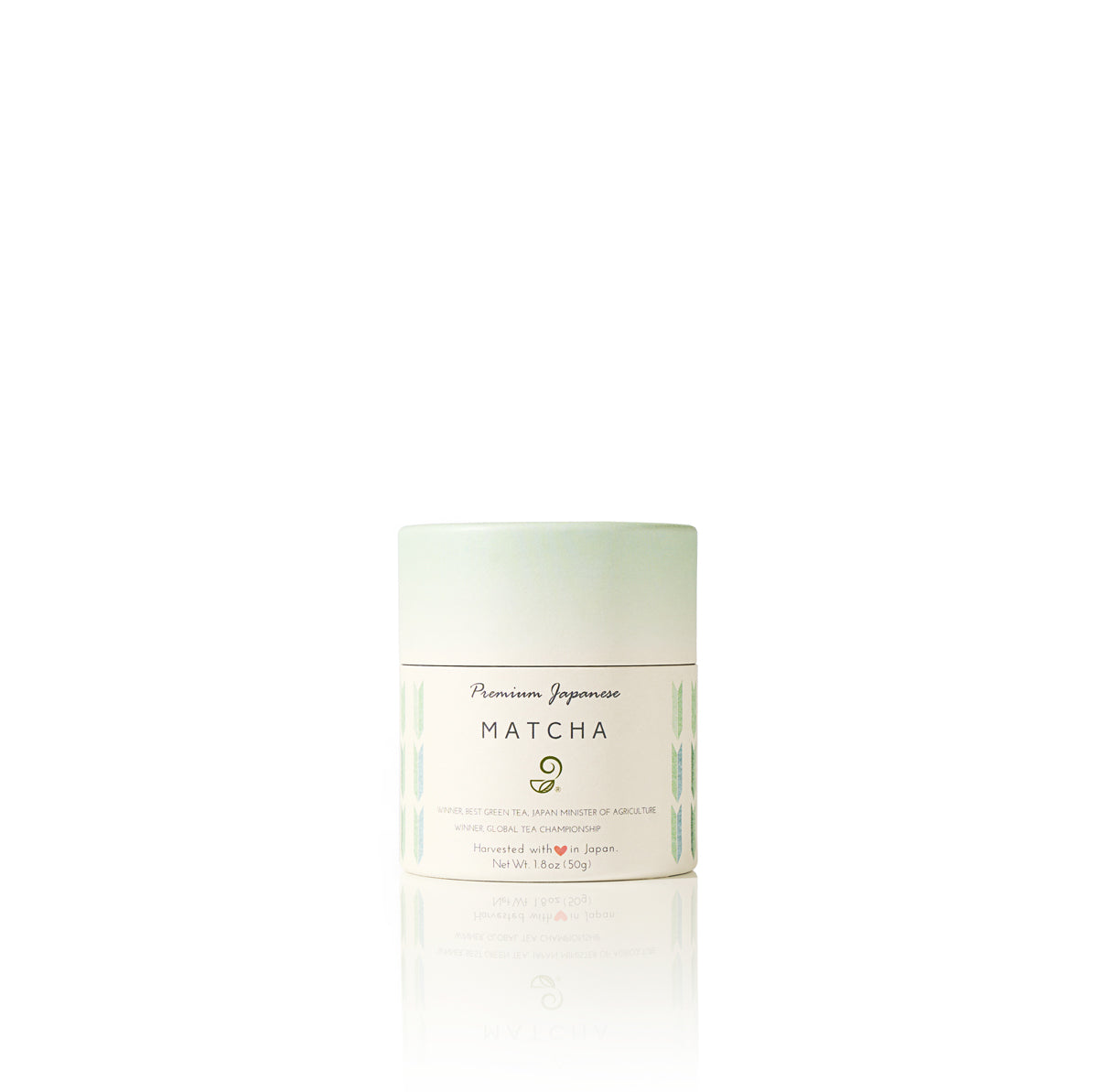
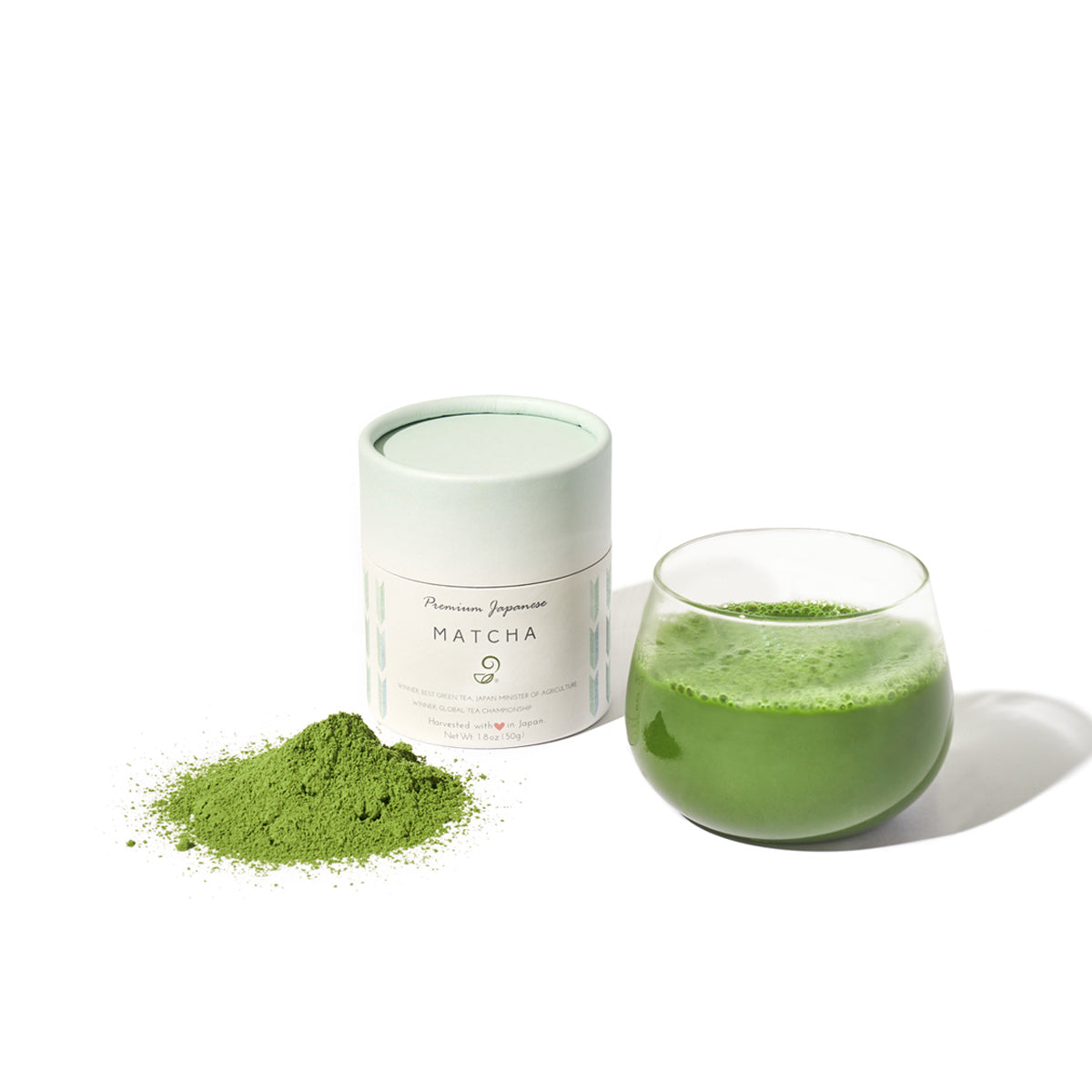
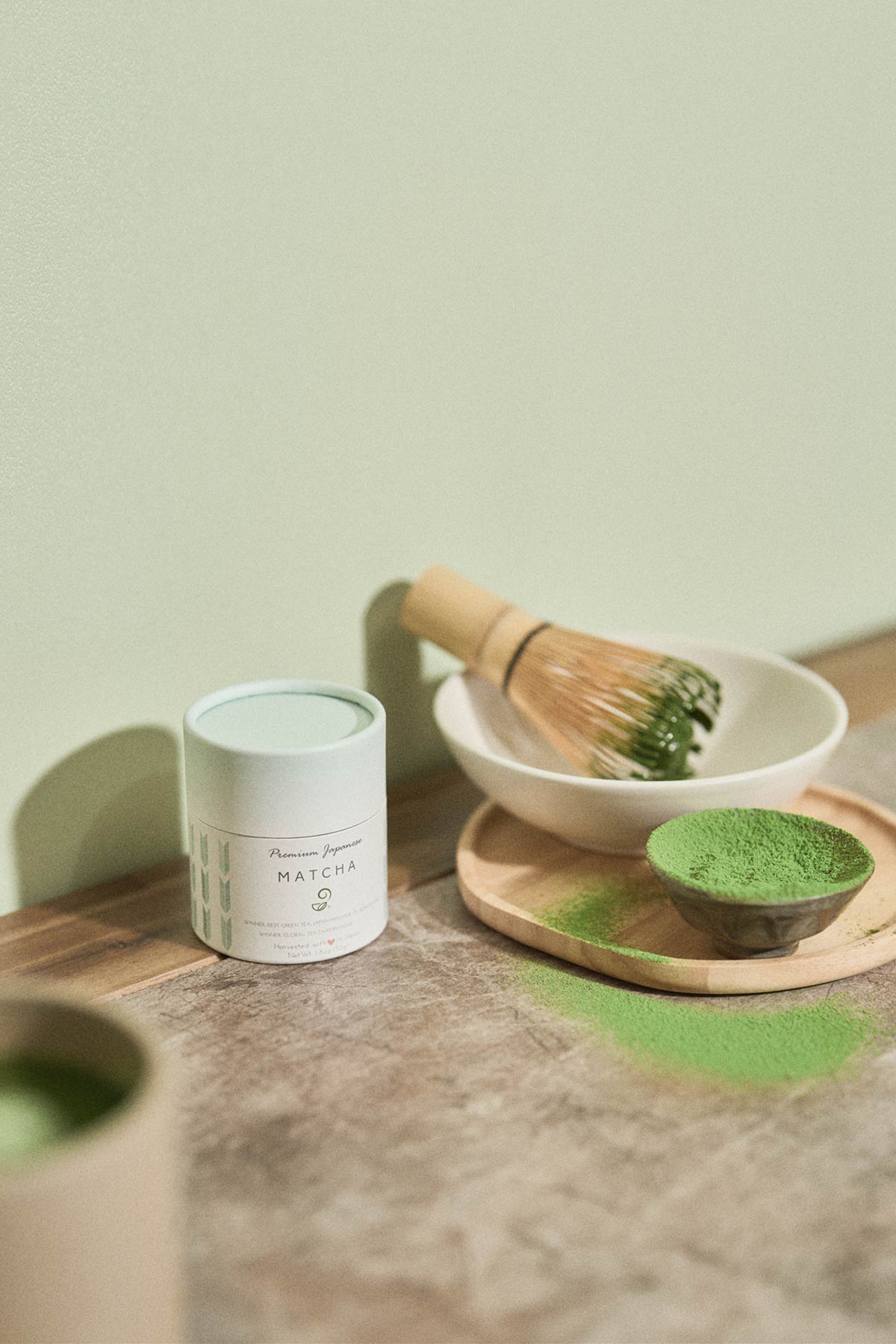
This ceremonial matcha is crafted from the finest Japanese green tea, grown in nutrient-rich soil enhanced with compostable grasses and sugarcane through the Chagusaba method, which gives the tea a natural sweetness and exceptional flavor. In collaboration with researchers from Shizuoka University, farmers ensure that the soil quality consistently produces tea of the highest standard.

Renowned among top Japanese chefs for its unmatched aroma, this matcha is made by carefully shading the plants before harvest to boost caffeine and amino acids, then meticulously drying, de-stemming, and grinding the leaves into a fine powder. Made from the Yabukita cultivar, this 1.8 oz (50g) matcha comes in a high-quality, air-tight paper tube canister, providing a luxurious and authentic Japanese tea experience.

42 reviews

Genmaicha - Green Tea with Roasted Brown Rice

$30.00
Quick view

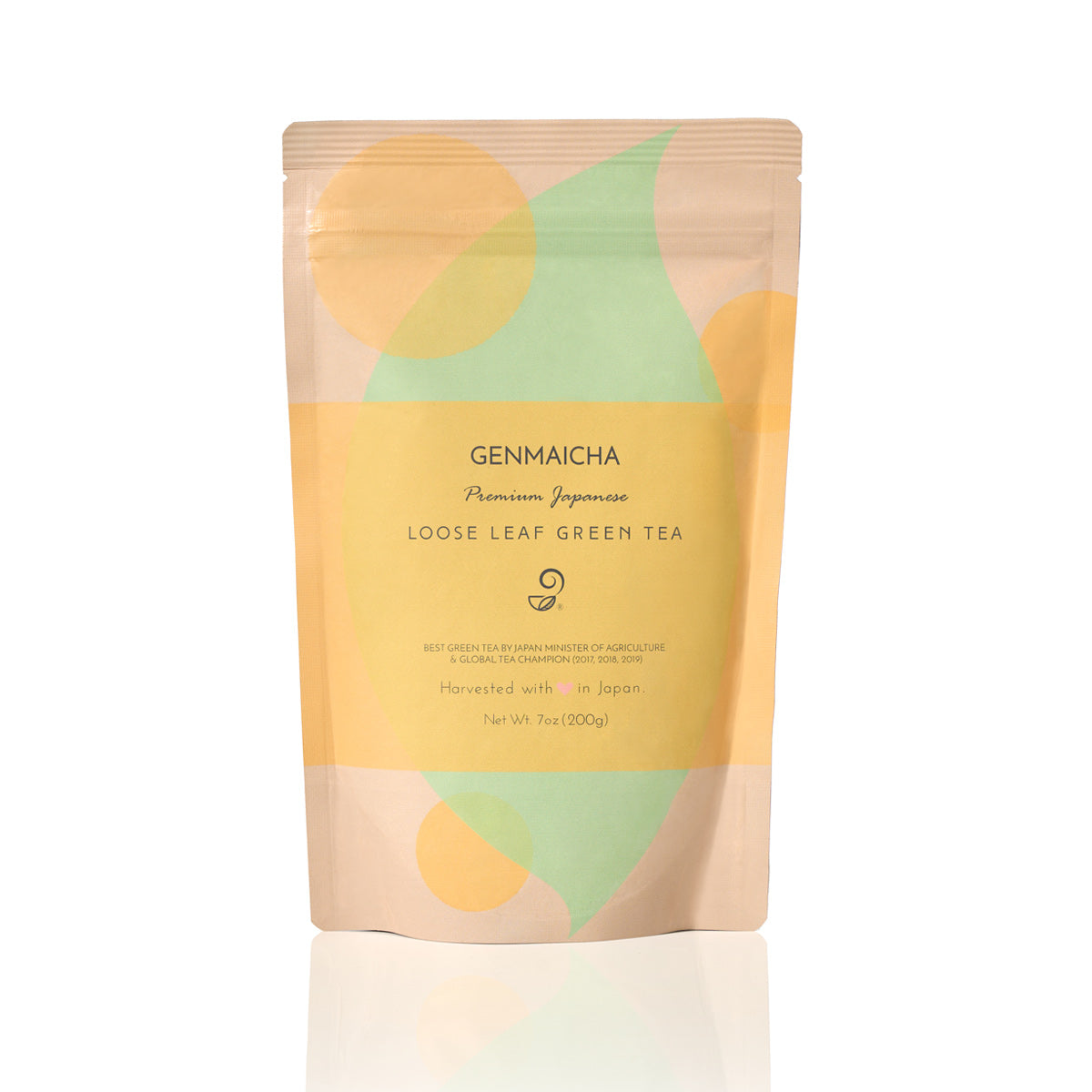
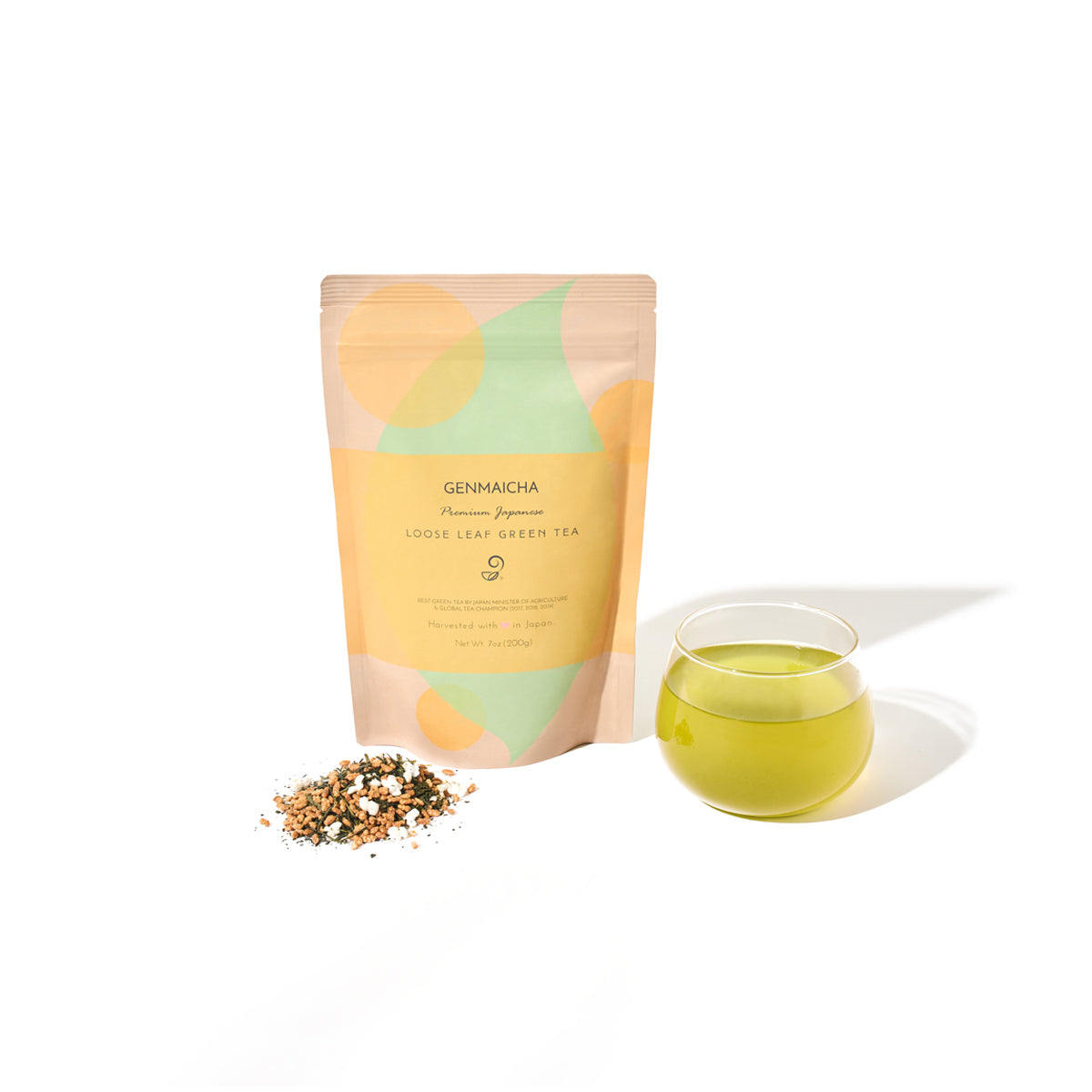
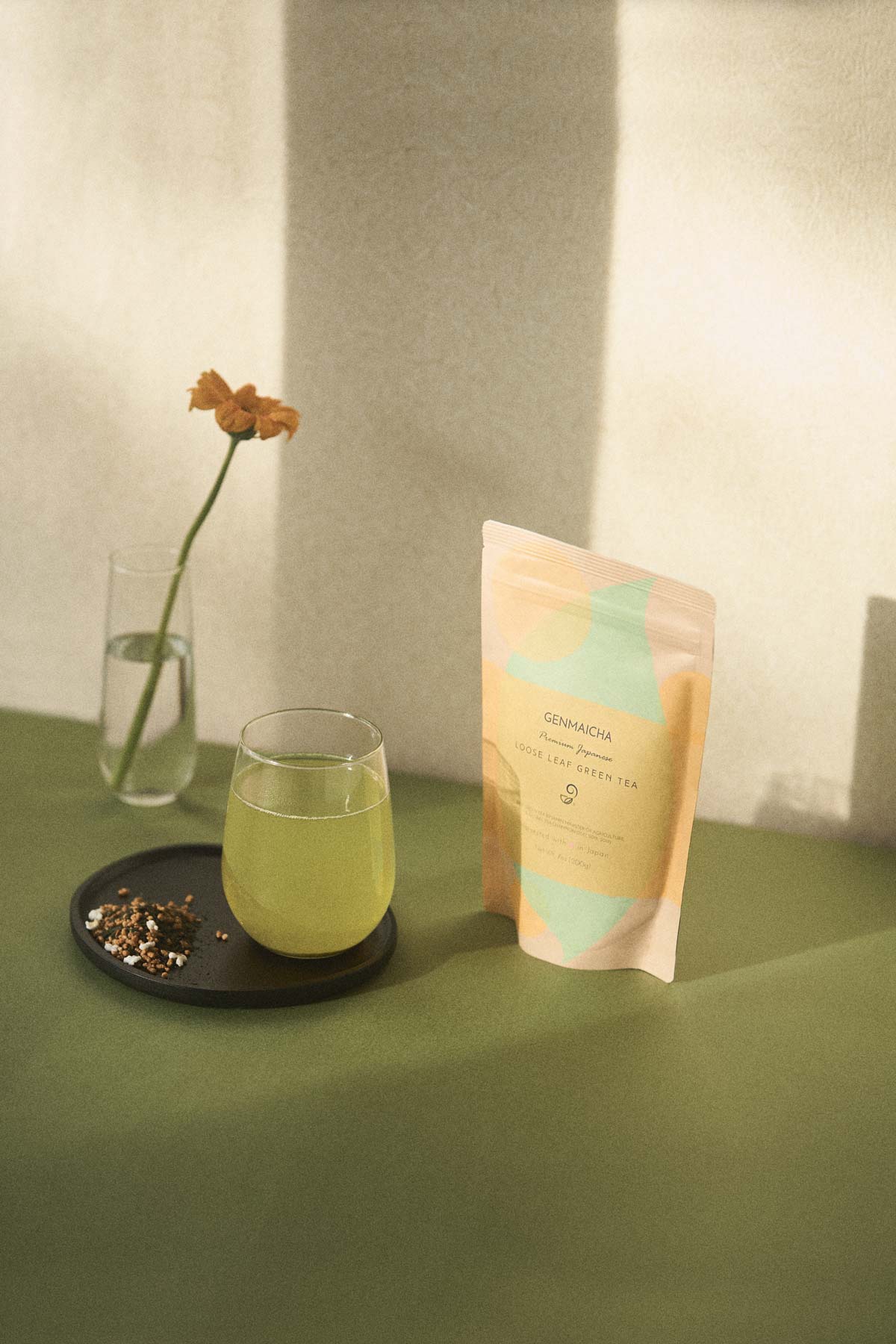
Our premium Japanese Genmaicha blends high-quality green tea with roasted popped brown rice (genmai 玄米), often nicknamed "popcorn tea" because the roasting process sounds like popcorn popping. Popular especially among the older generation in Japan for its mild flavor and lower caffeine content, this tea is easier on the stomach while still offering a rich, comforting taste. The brown rice used is premium Japanese mochi-gome (もち米) sticky rice, enhancing the tea’s nutty, aromatic profile. Made from Fukamushi Sencha and cultivated using the Chagusaba method in nutrient-rich sugarcane soil, this Genmaicha features the Yabukita cultivar and comes in a 7.0 oz (200g) eco-friendly resealable package, enough to steep 50–60 cups.


Related Articles You May Be Interested

Which beverage contains more fat, tea or coffee?
Tea vs Coffee – Which Is The Better Caffeine Choice For Runners
Is Decaffeinated Tea Unhealthy?
Japanese Green Tea vs Coffee - 10 battles You Don't Want to Miss
Japanese Green Tea vs Chinese Green Tea - 10 battles you don't want to miss

Get Free Bonus Books

Join Green Tea Club

Sign up for free to the Green Tea Club to get advice and exclusive articles about how to choose Japanese Tea, and tips, tricks, and recipes for enjoying Japanese tea.

Unsubscribe anytime. It’s free!

About the author

Kei Nishida

Kei Nishida

Author, CEO Dream of Japan

info@japanesegreenteain.com

Certification: PMP, BS in Computer Science

Education: Western Washington University

Kei Nishida is a passionate Japanese green tea connoisseur, writer, and the founder and CEO of Japanese Green Tea Co., a Dream of Japan Company.

Driven by a deep desire to share the rich flavors of his homeland, he established the only company that sources premium tea grown in nutrient-rich sugarcane soil—earning multiple Global Tea Champion awards.

Expanding his mission of introducing Japan’s finest to the world, Kei pioneered the launch of the first-ever Sumiyaki charcoal-roasted coffee through Japanese Coffee Co. He also brought the artistry of traditional Japanese craftsmanship to the global market by making katana-style handmade knives—crafted by a renowned katana maker—available outside Japan for the first time through Japanese Knife Co.

Kei’s journey continues as he uncovers and shares Japan’s hidden treasures with the world.

Learn more about Kei Nishida

Related Posts

Our Matcha Is Now at Pillow Talk Cafe in Pasadena — Master Japanese-Inspired Cake Makers

Our matcha is now at Pillow Talk Cafe Pasadena! Meet the cafe, try the Egg Heaven sando & Matchamisu, and see how th

Read More
Simply Donabe — New Cookbook from TOIRO's Naoko-san Is Out!

Simply Donabe is here! We celebrated TOIRO's Naoko-san's new cookbook at a special dinner at Camélia in DTLA — see our p

Read More
Introducing New Product - Meet Hojicha Powder
Introducing A New Product - Meet Hojicha Powder

Discover the game-changing Hojicha powder your kitchen has been waiting for — richer flavor, easier recipes, and surpris

Read More
Leave a comment

Your email address will not be published..

Cart

Your cart is currently empty.

Start Shopping

Select options