Skip to content

Green or Brown? What the Color of Your Brew Says about Your Green Tea

Green tea products all come from the same Camellia sinensis species of plant. How come some green tea leaves produce a green brew while others create a brown one if this is the case? Even if the tea leaves are green, they can still make a different-colored drink.

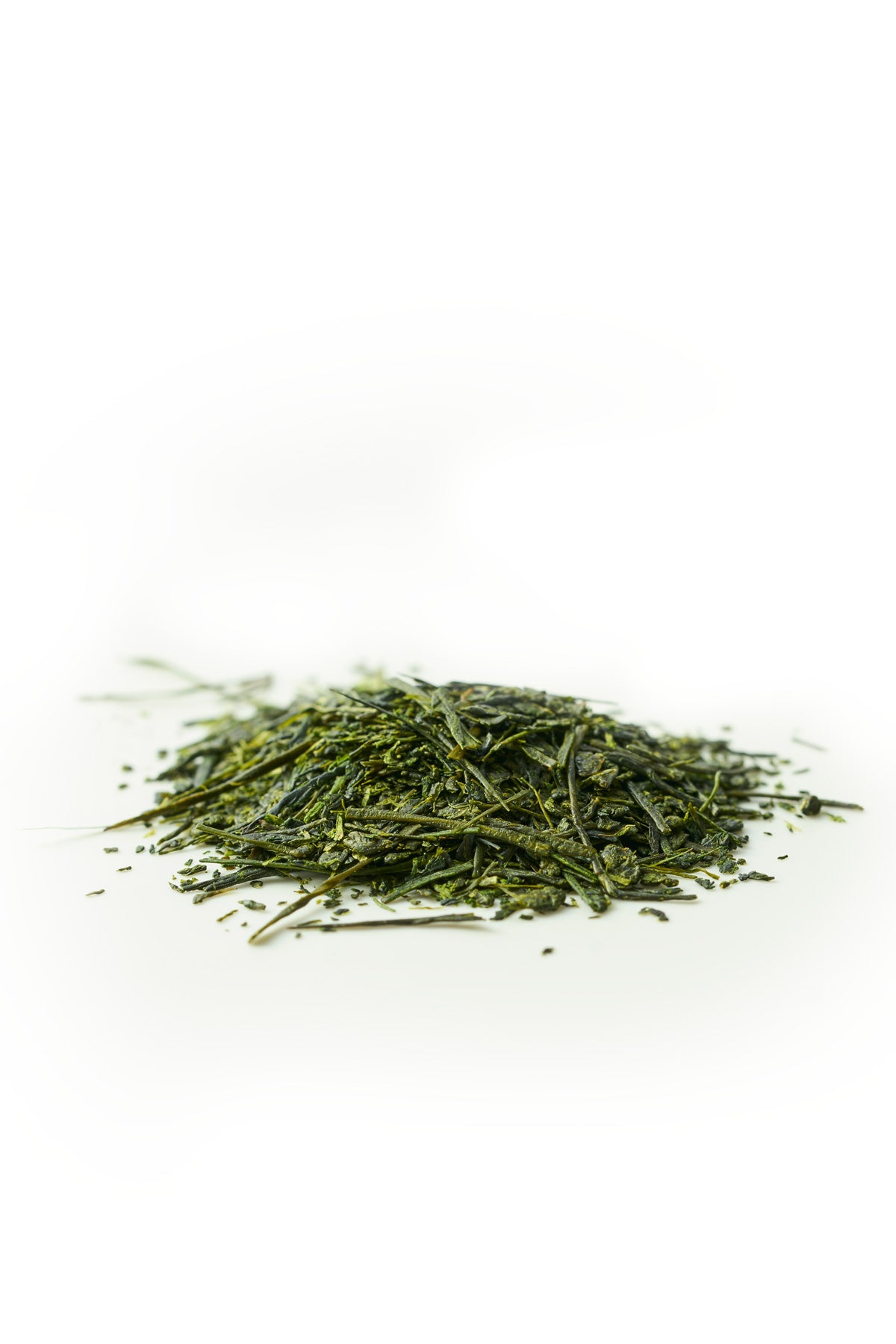
As you probably already know, chlorophyll is responsible for the green color of the leaves, which, when picked, begin to ferment and oxidize, turning them brown. For green tea leaves to remain unfermented, they are steamed (the Japanese way) or pan-fired (the Chinese way) immediately after harvest. However, it must be noted that the pre-steaming or roasting steps may take some time, so oxidation may have already started by the time efforts to stop it begin. This means that green tea could produce varying shades of drink after steeping in hot water.

brewing Japanese green tea

Which green teas create which brew colors?

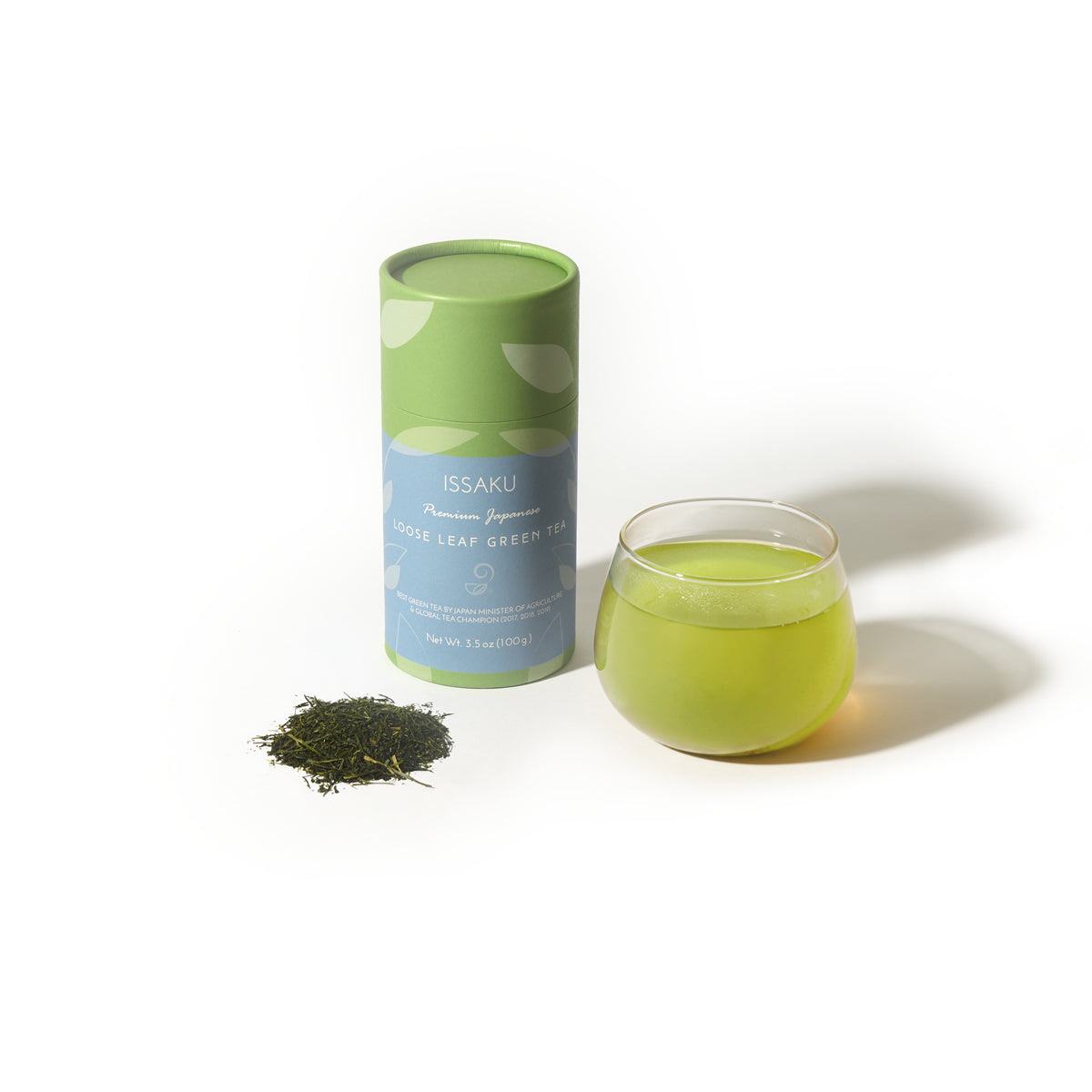
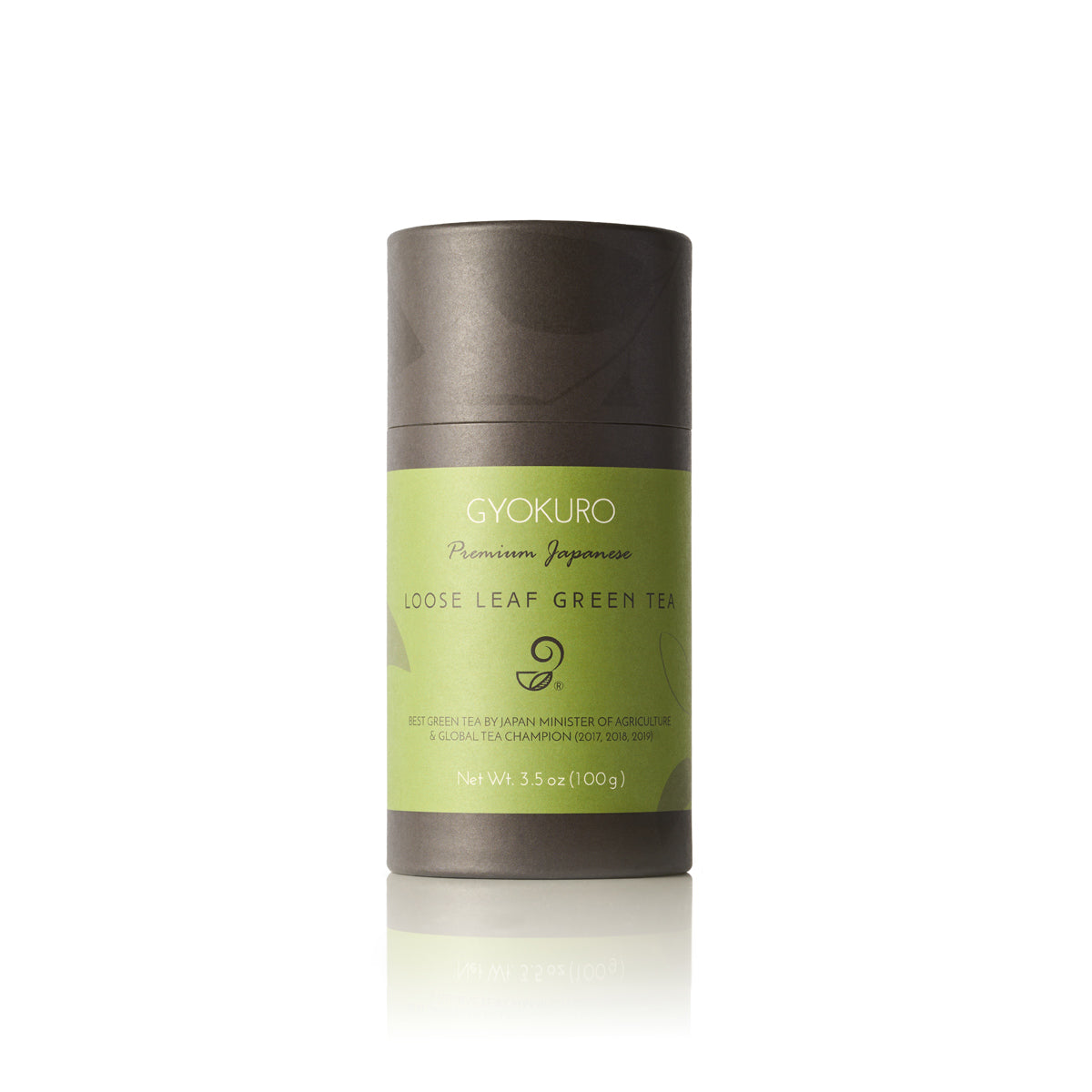
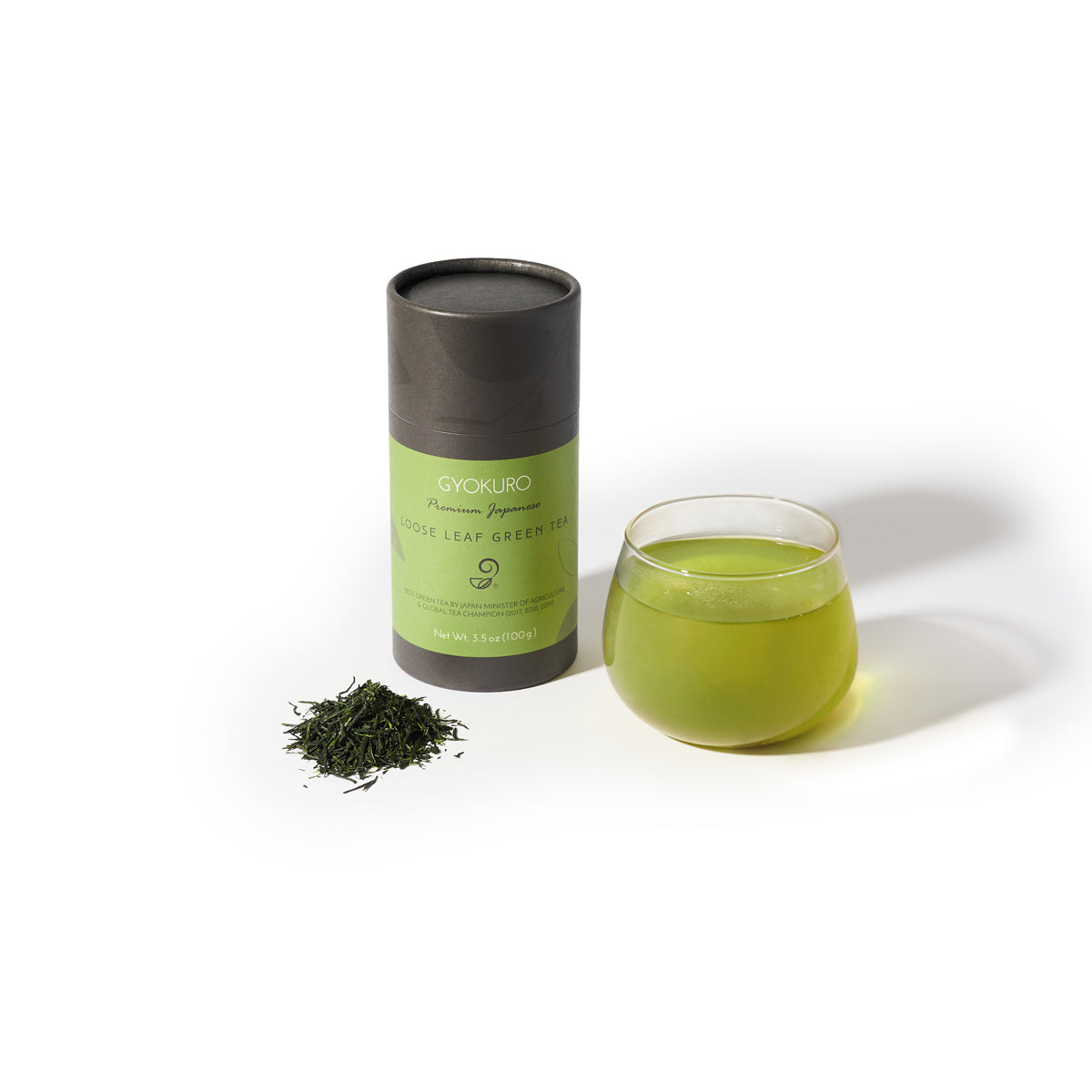
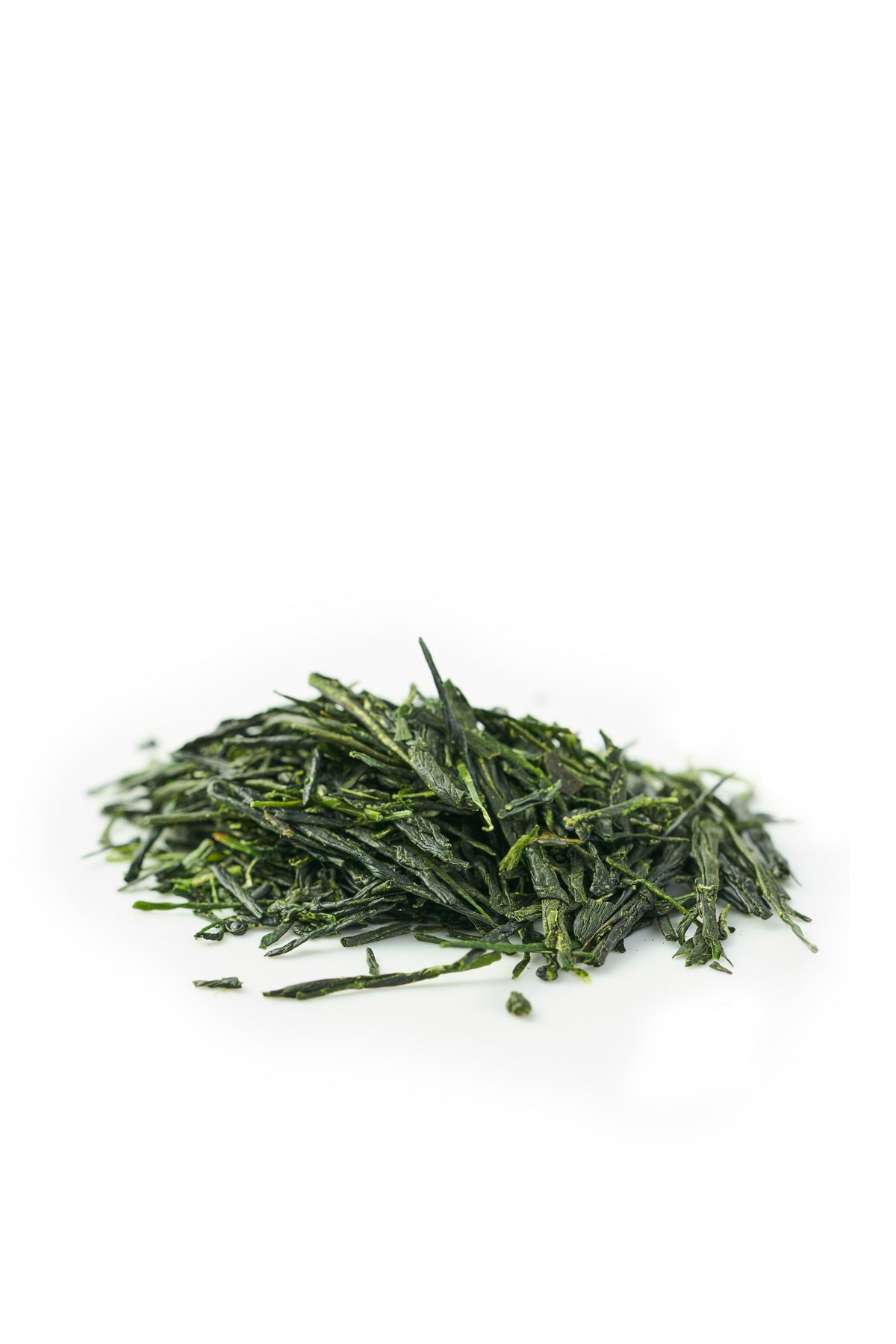
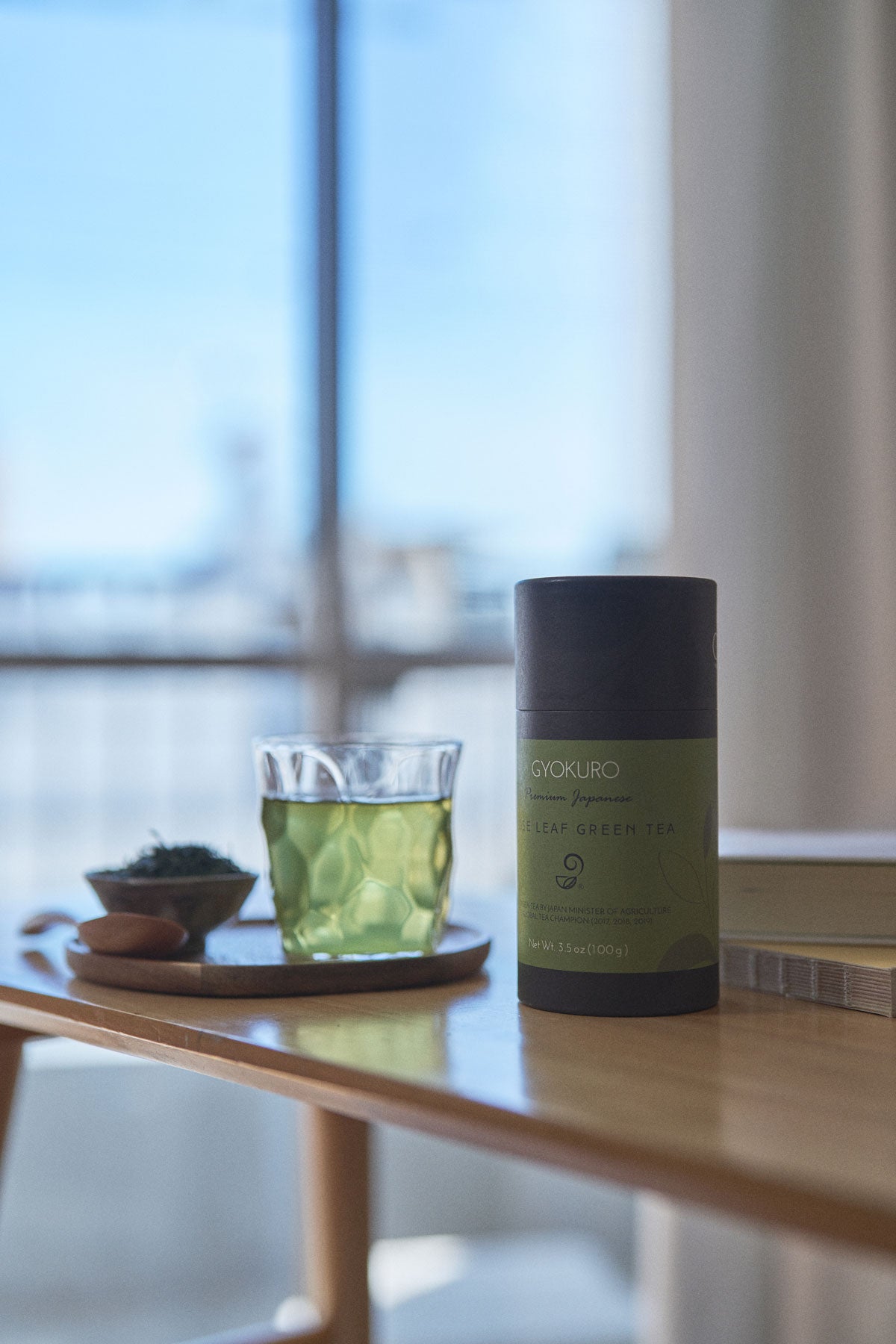
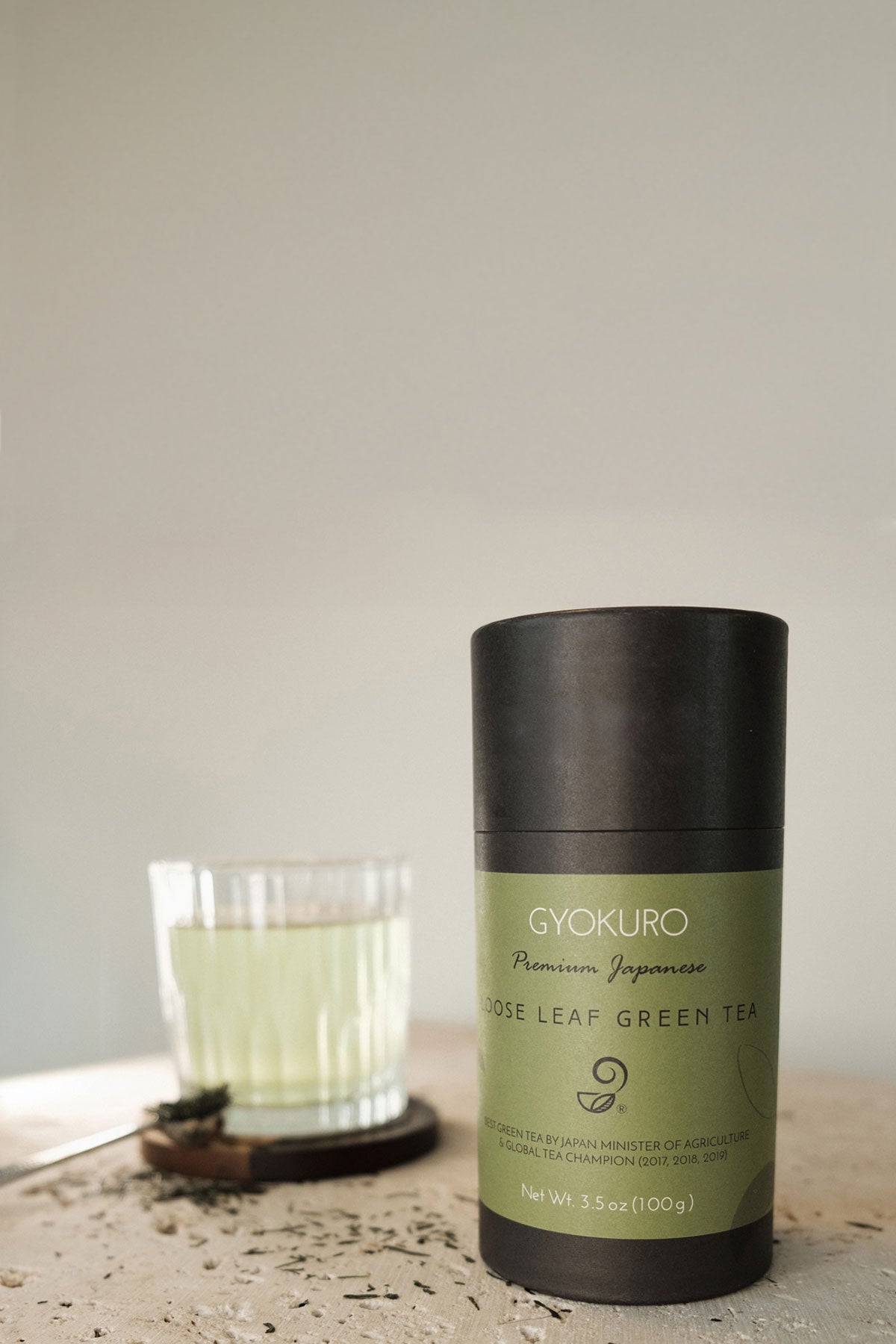
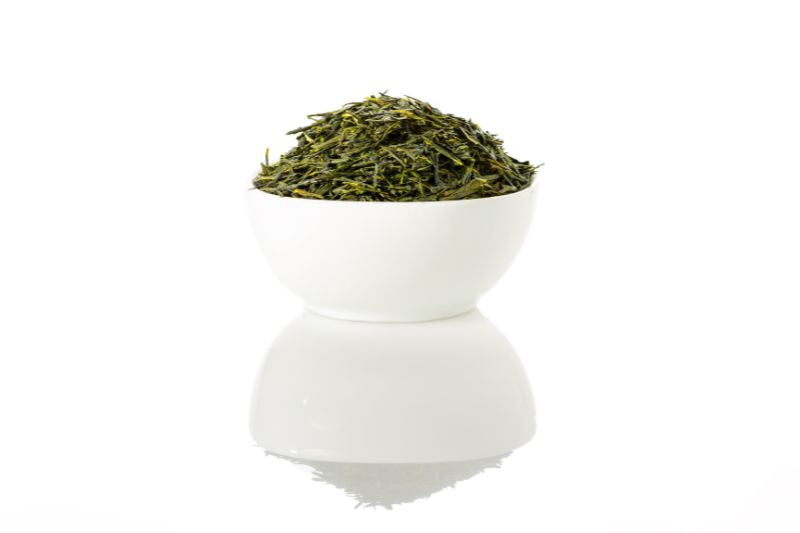
As a rule, most green tea products result in a green or yellow-colored liquid. The most popular green tea in Japan is Sencha. Its leaves are a bright green before brewing, but the resulting drink after steeping is usually yellow or light green. Another popular Japanese green tea is Gyokuro. It is one of the highest-quality green teas out there, and it also produces a yellow drink.

On the other hand, powdered green teas like Konacha and Matcha create vivid green drinks. One must not be mistaken for the other. The difference between the two is that Konacha works like regular tea, while Matcha is more of a powder drink mix. Konacha may be in powder form, but it is not left in the water after brewing.

Hojicha is another Japanese green tea. It is considered quite medicinal, serving as an effective remedy for stomach and digestion issues. Notably, it always turns the water brown after steeping.

drinking green tea

Meanwhile, Chinese green tea is typically grown in sunny fields. Full sunlight exposure causes oxidation and drying out, leading to brownish brews. The most popular Chinese green tea, Longjing, turns the water yellowish after steeping. Another Chinese variant is gunpowder green tea, which has dark green leaves and creates a light brown or golden brown brew.

What causes green tea to produce a brown brew? 

Since the expectation is to drink green tea, it might be alarming for some to find themselves with a cup of brown liquid. However, there are green tea drinks that are meant to be brown in color. On the other hand, some are unintentionally brown but are still OK to consume. Notwithstanding these, some brown brews, unfortunately, do indicate a problem.

Considering that the green tea brews all come from green-colored leaves, how, then, do they end up being brown in color?

Oxidation

This process directly impacts the brew’s color because it changes the tea leaves’ chemical composition. The more oxidized the leaves are, the darker the brew is.

japanese green tea in green background

Now, oxidation allowed during processing of the tea is done specifically to produce a darker color. Still, consumers may also end up allowing oxidation by exposing their green tea to the air for too long.

Also, as mentioned, getting full sun leads to oxidation and drying out. This is why Japanese green tea is often grown in shady areas.

Brewing process

Green tea’s brewing time is three to four minutes. If you steep it longer than that, dark pigments are created, turning the drink brown.

Color of the leaves

There are different shades of green. Some leaves are so pale green that they create a yellow brew. Other leaves are so dark green that they almost look brown and do end up producing a brown-colored drink. Meanwhile, some leaves are tinged with orange or red, which may affect the brew's color as well.

Blends and additives

Sometimes green tea comes with other flowers and herbs. These additional elements do influence how the tea colors the water. Honey, in particular, affects the color of the tea besides aiding in its oxidation.

japanese green tea

Final Thoughts

Green tea may not necessarily give you a green-colored brew, and that’s OK. Unless age, decay, or poor tea quality are the causes, a brown-colored brew should be OK to drink. It may come with certain properties that are not to your liking, such as a more bitter taste, but it doesn't have to be a cause for concern.

FAQs about Green Tea Brew Color

My green tea brewed brown — does that mean it's gone bad?

Not necessarily, but it's a signal worth investigating. A brown cup can come from three sources, and only one means trouble. First, normal: hojicha and aged sencha both produce brown brews on purpose — that's the tea variety, not a problem. Second, brewing technique: water that's too hot or steeped too long extracts more catechins and oxidizes the brew darker. Third, actual deterioration: tea that's been exposed to air, light, or moisture for months oxidizes in the bag and produces a flat, dull-brown cup with a stale aroma.

Smell-test it. Fresh green tea (even when brewed brown by accident) still smells grassy and bright; stale tea smells dusty, hay-like, or papery. If your sencha was bright green when you opened the bag and is now brown weeks later, the bag's been left open or stored in a warm cabinet. A fresh single-origin sencha stored properly should produce a yellow-green cup for at least 6 months after opening.

Why does Japanese sencha brew yellow-green, not bright green like matcha?
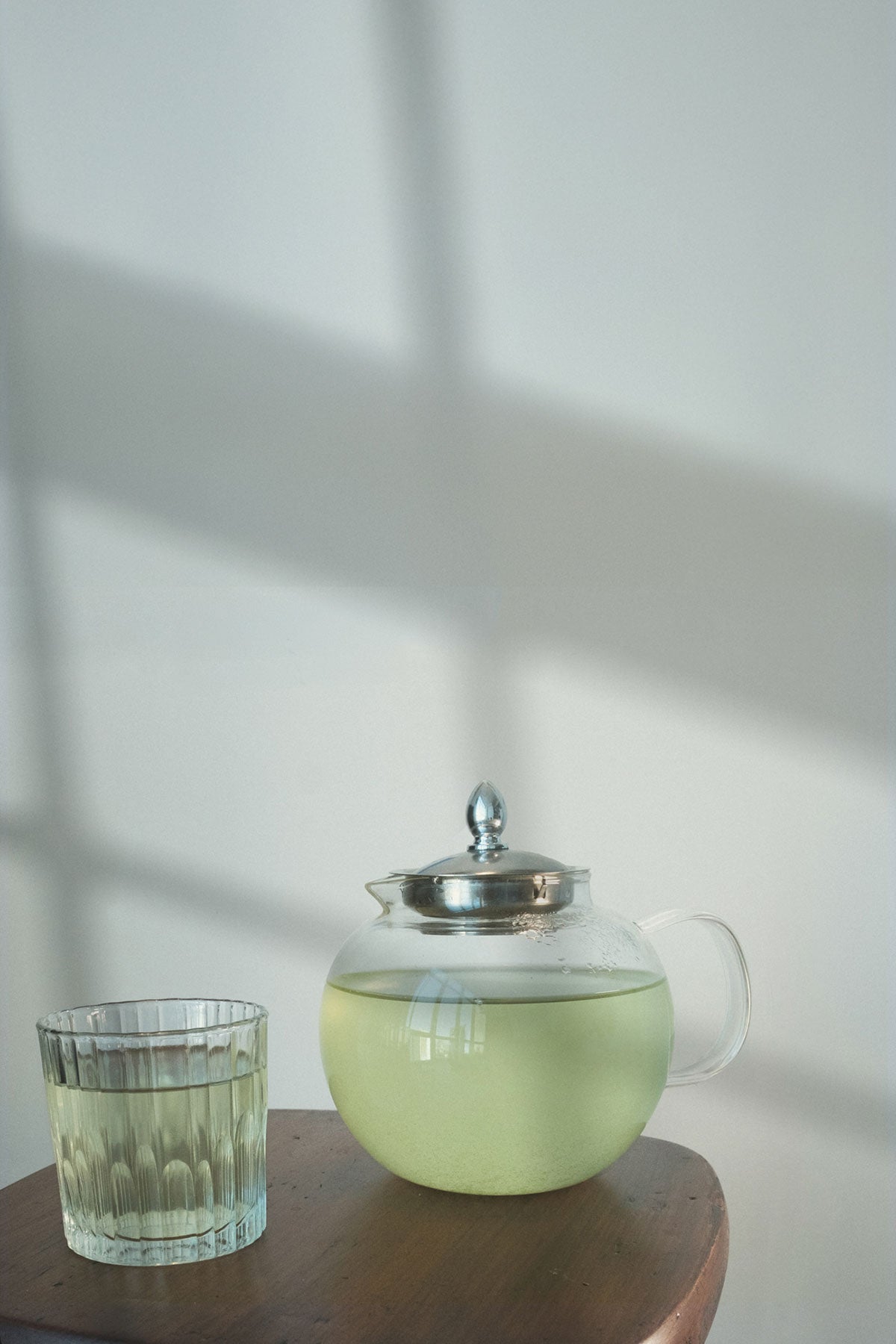
Because steeped tea is an infusion, not a suspension. With sencha, you're pouring water through the leaves and extracting some of their compounds — the resulting liquid is mostly water with dissolved chlorophyll, amino acids, and catechins. Chlorophyll partially breaks down in hot water, leaving more yellow-green tones than the leaves themselves. Matcha, by contrast, is the whole leaf in suspension; you're drinking pulverized leaf particles that retain their full color.

So a yellow-green sencha cup is correct and healthy. If your sencha brews bright vivid emerald, that's actually a sign the leaves were heavily processed or contain matcha additives — not necessarily bad, but not traditional. Real high-grade kabusecha (Nozomi), which is partially shaded, brews a deeper green-yellow than regular sencha because the shading preserves more chlorophyll.

What does a cloudy or murky green tea brew indicate?

Cloudiness is usually a good sign in Japanese sencha — it means the tea contains fine leaf particles called dust or fannings (fukamushi-style sencha is intentionally finely milled and brews very cloudy). Those particles carry more flavor and nutrients than the clear infusion, which is why fukamushi-cha tastes fuller-bodied. So cloudiness ≠ dirty water; it's leaf material in suspension.

Cloudy in a bad way looks different — gray-tinged, oily-looking, or with a film on top. That points to either water issues (very hard tap water reacts with catechins to form a film) or stale leaves (the proteins denature and float). The fix for the first is filtered water; for the second, the tea is past its prime.

How can I tell if my matcha is high-quality just by looking at it?

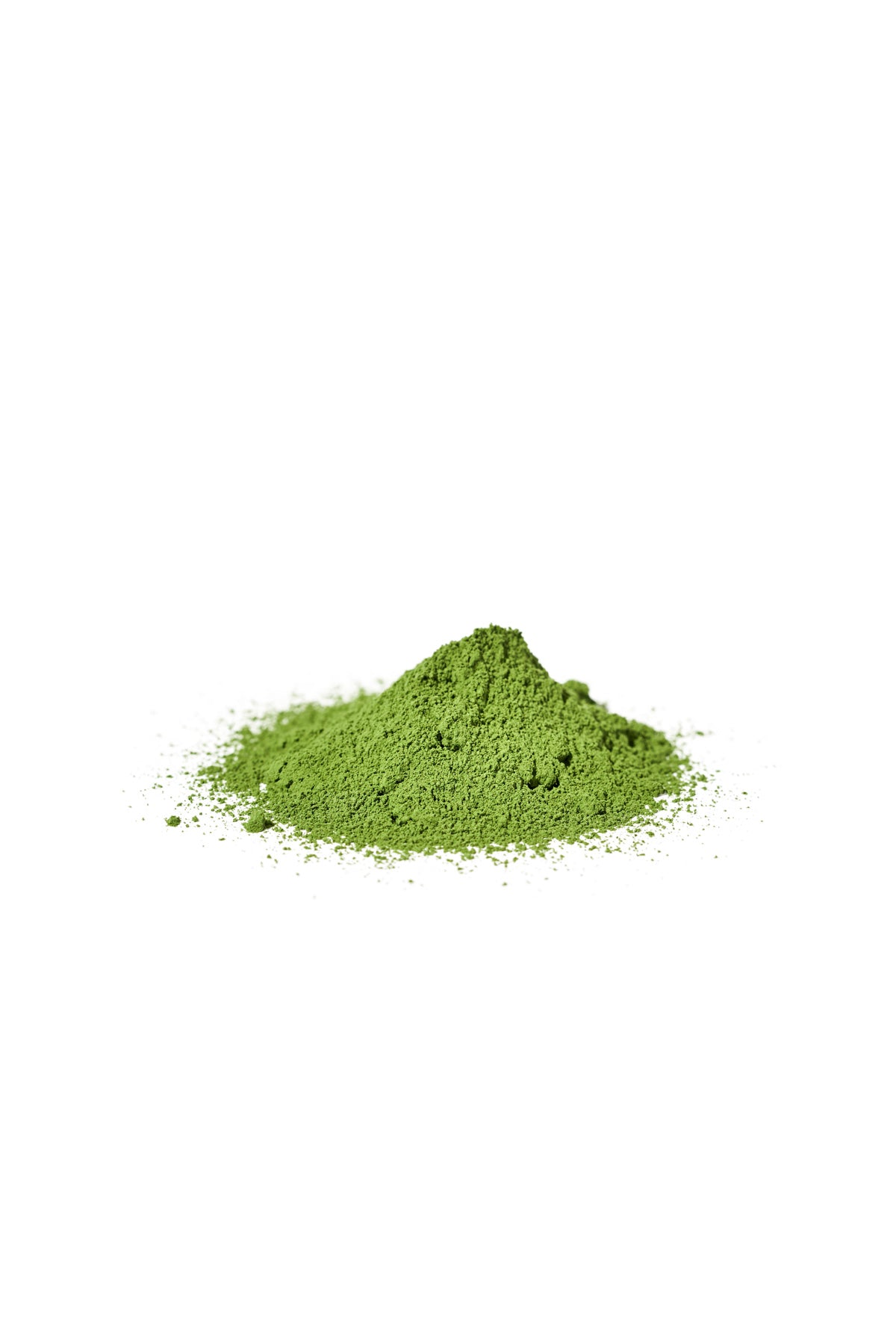
Color and texture are surprisingly reliable indicators. Ceremonial-grade matcha should be a vivid, almost neon spring-green when dry — not olive, not dusty yellow-green, not dark green. The dry powder should feel silky and clump slightly when pressed, like fine talc. When whisked, it should produce a stable foam (the bubbles should hold for at least 30 seconds, not vanish immediately) and a vibrant green liquid.

Olive or dull-green matcha is usually older or culinary-grade — still drinkable for lattes and baking, but flat and bitter on its own. High-grade matcha comes from young first-harvest leaves with maximum chlorophyll, while culinary-grade matcha uses later-harvest leaves with naturally less green pigment. Compare the two side by side and the color difference is obvious.

Why is my hojicha so brown — should it actually be green?

Hojicha is supposed to be brown — that's its defining feature. The name literally means 'roasted tea' (焙じ茶 — hōji means 'to roast'). The tea is made by roasting bancha or kukicha leaves at high temperatures (around 200°C / 390°F) until they turn from green to a rich reddish-brown. The roasting destroys most chlorophyll and converts catechins into nutty, caramelized compounds, which is why hojicha tastes warm and toasty rather than grassy.

It also brews a clear amber-to-mahogany cup, not green. So if your hojicha is brewing brown, that's correct. If it's brewing green, something's wrong — probably you got bancha (unroasted) by mistake. Real roasted hojicha should look like weak coffee in your cup, smell distinctly nutty/toasty, and have almost no caffeine — making it the go-to evening tea for Japanese households.

Related products

149 reviews

Issaku Reserve - Limited Premium Green Tea (Global Tea Champion 2017, 2019)

$80.00
Quick view

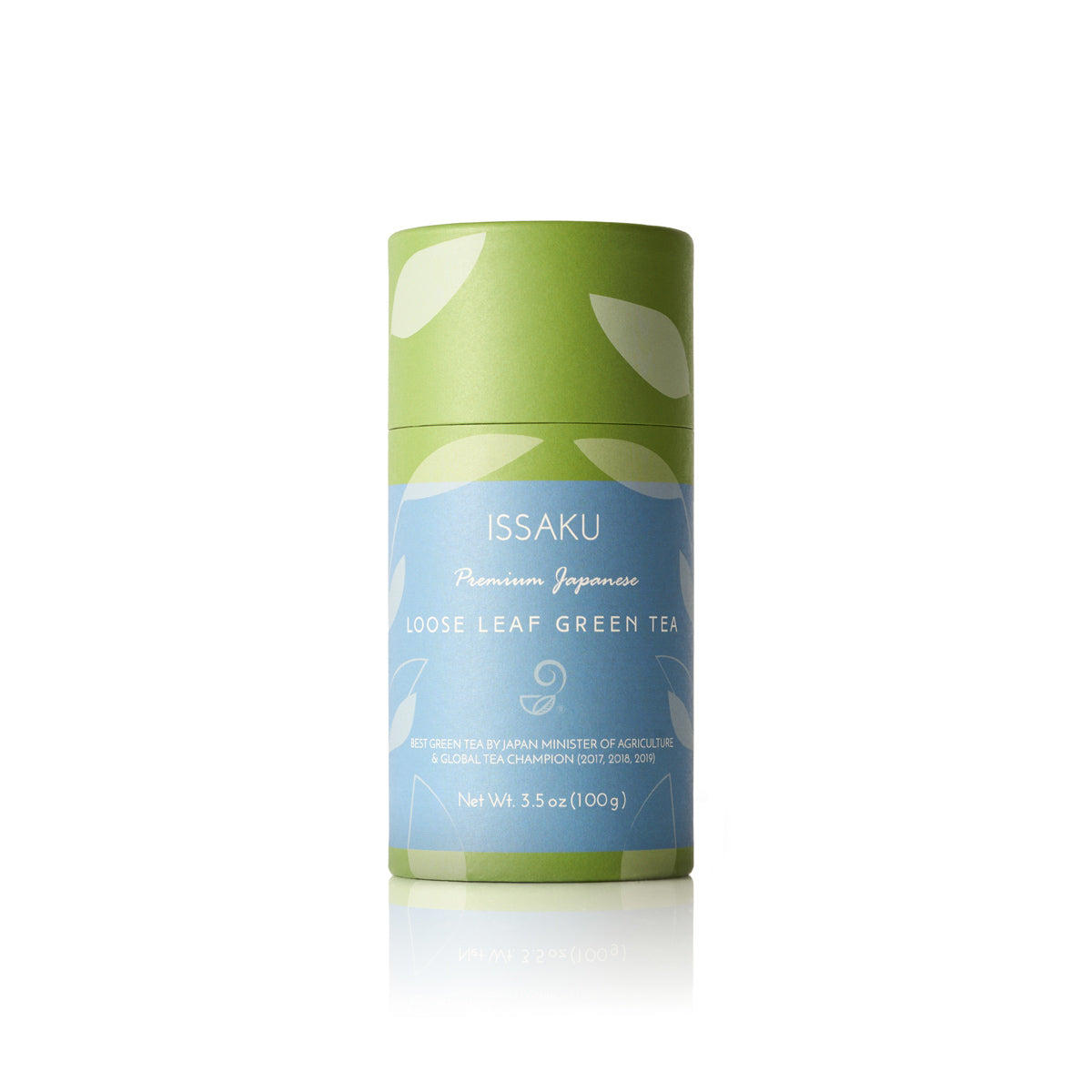
Issaku Reserve is a premium green tea masterpiece created by Mr. Arahata at Arahataen Green Tea Farm, offering a truly authentic and traditional Japanese tea experience. Handpicked once a year from new crops and crafted through a meticulous, complex process, Issaku Reserve is the farm’s highest-grade tea, produced in limited quantities and prized even in Japan. Winner of the Global Tea Championship in 2017 and 2019, this exceptional tea is made from the Yabukita cultivar and cultivated using the Chagusaba method in nutrient-rich sugarcane soil. It comes in a high-quality, air-tight paper tube canister containing 3.5 oz (100g), enough to steep 30–40 cups, with a single-serve 0.3 oz (10g) sample also available to preserve its rich flavor and outstanding freshness.

97 reviews

Gyokuro - Shaded Imperial Premium Green Tea

$65.00
Quick view

Gyokuro, also known as "jade dew" or "jewel dew tea," is a premium Japanese green tea shaded from the sun for 20 days using specially made mats, a method that boosts caffeine levels and strengthens amino acids to create a sweeter, richer flavor. This extended shading process results in dark, mossy green leaves with an unmistakable aroma and a complex taste that is layered yet balanced. Cultivated by the Chagusaba method in nutrient-rich sugarcane soil and made from the Yabukita cultivar, this loose-leaf authentic Gyokuro is offered in a high-quality, air-tight paper tube canister (chyazutsu) to preserve its exceptional freshness and flavor. Each 3.5 oz (100g) full-size package steeps 30–40 cups, and a convenient single-serve sample is also available.

8 reviews

The Sencha Lover Gift Set - Premium Japanese Green Tea Set Package
$179.00 $159.99
Quick view

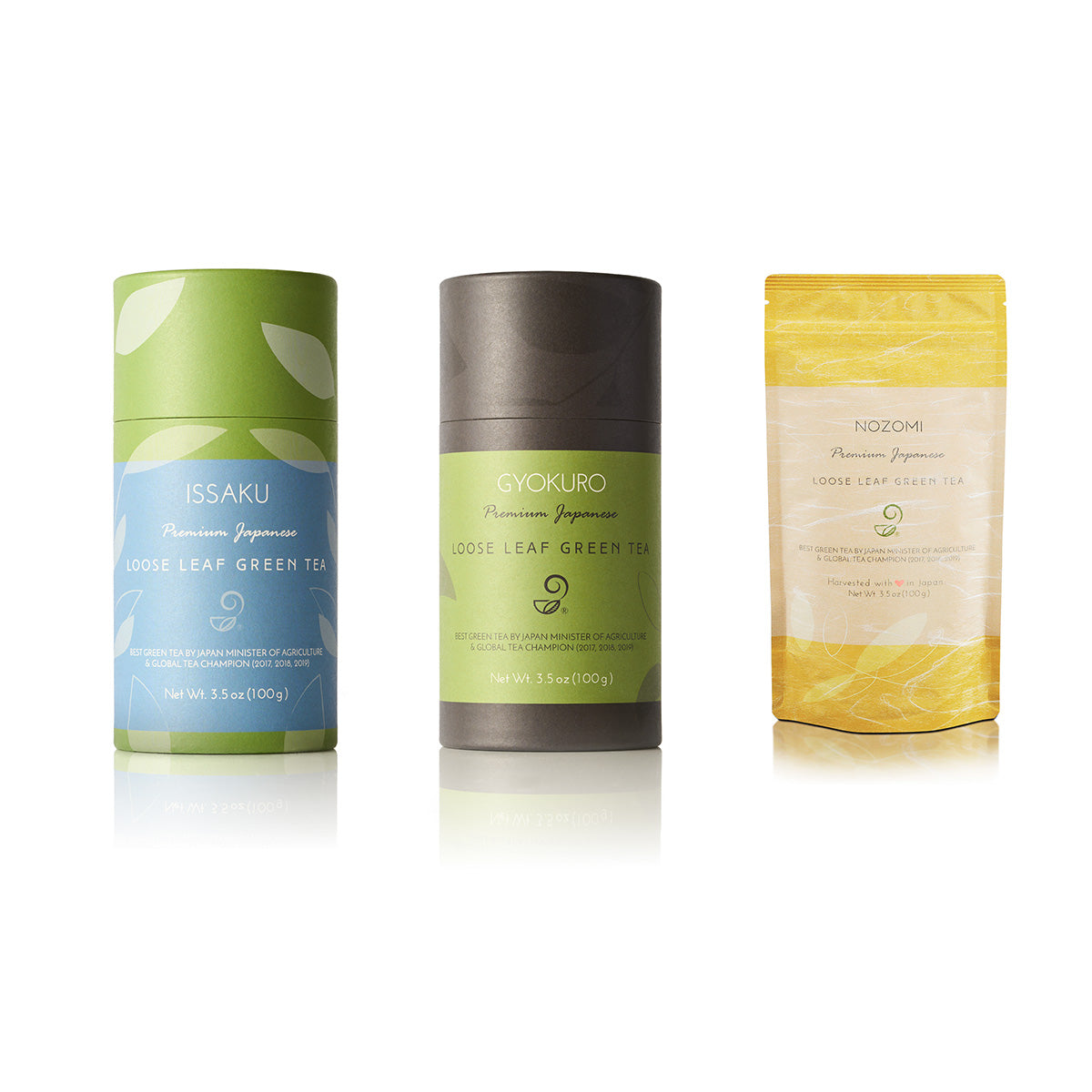
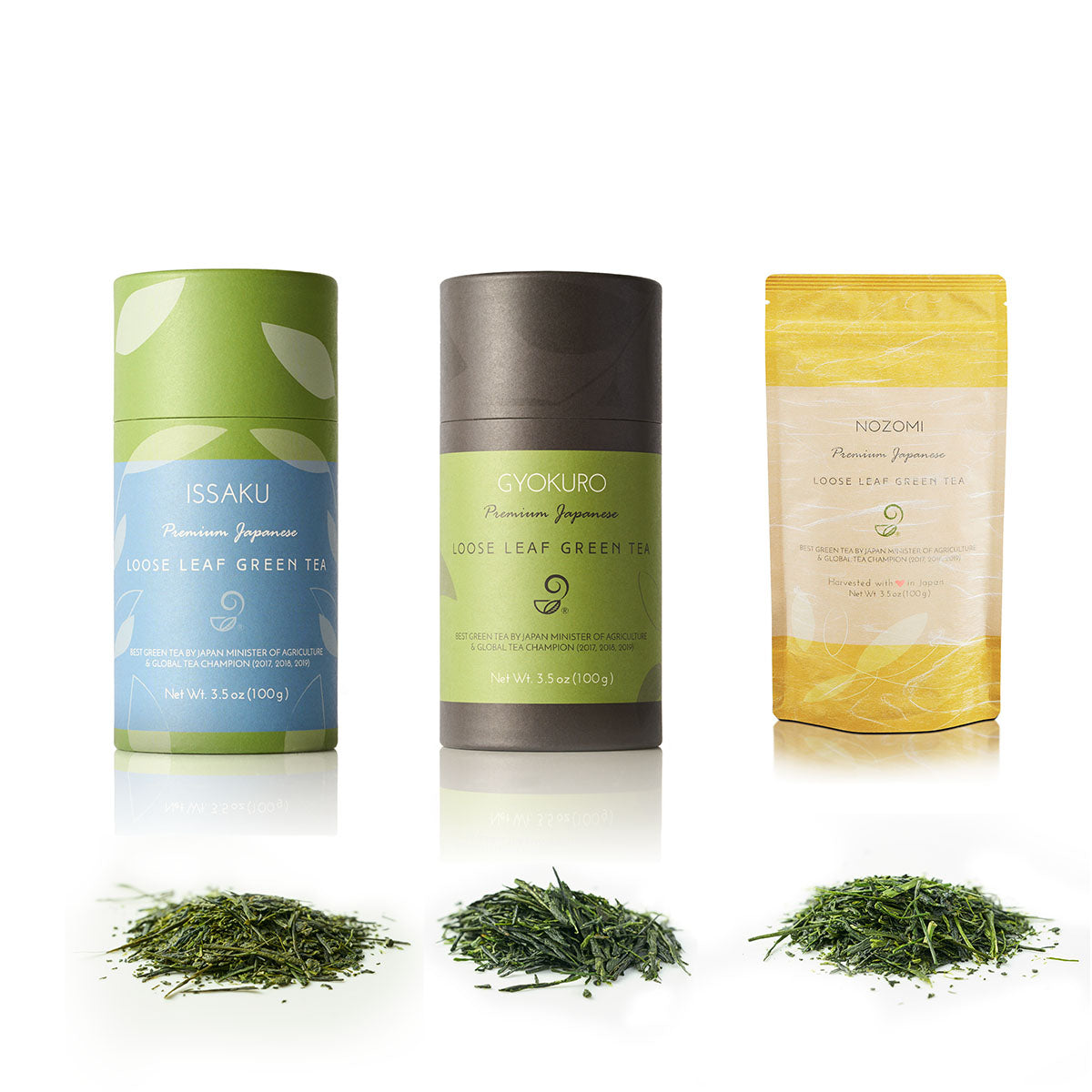
This tea set features three exceptional Japanese green teas, each crafted with care and traditional techniques. Issaku Reserve, a Global Tea Champion winner in 2017 and 2019, is a rare masterpiece created by Farm Master Mr. Arahata at Arahataen Green Tea Farm. Handpicked once a year from the first flush and processed with advanced methods, Issaku represents the highest-grade deep-steamed green tea, available only in limited quantities even in Japan.

The set also includes Gyokuro, a premium shaded green tea known for its rich, sweet flavor and deep mossy green color. Grown under special mats for 20 days to increase caffeine and amino acid levels, Gyokuro offers a layered, smooth taste unlike any other. Completing the collection is Nozomi, a fine Kabuse-cha, or "Covered Green Tea," carefully grown under nets to gently shade the leaves just before new sprouts emerge, resulting in a soft, rich, and refined flavor profile.

80 reviews

Matcha - Ceremonial Japanese Powdered Green Tea

$39.00
Quick view

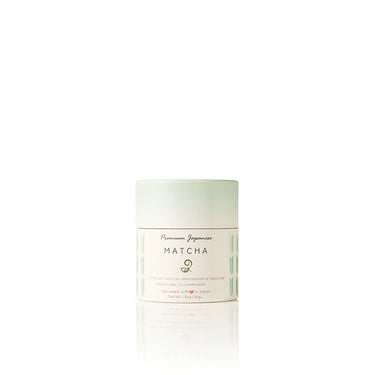
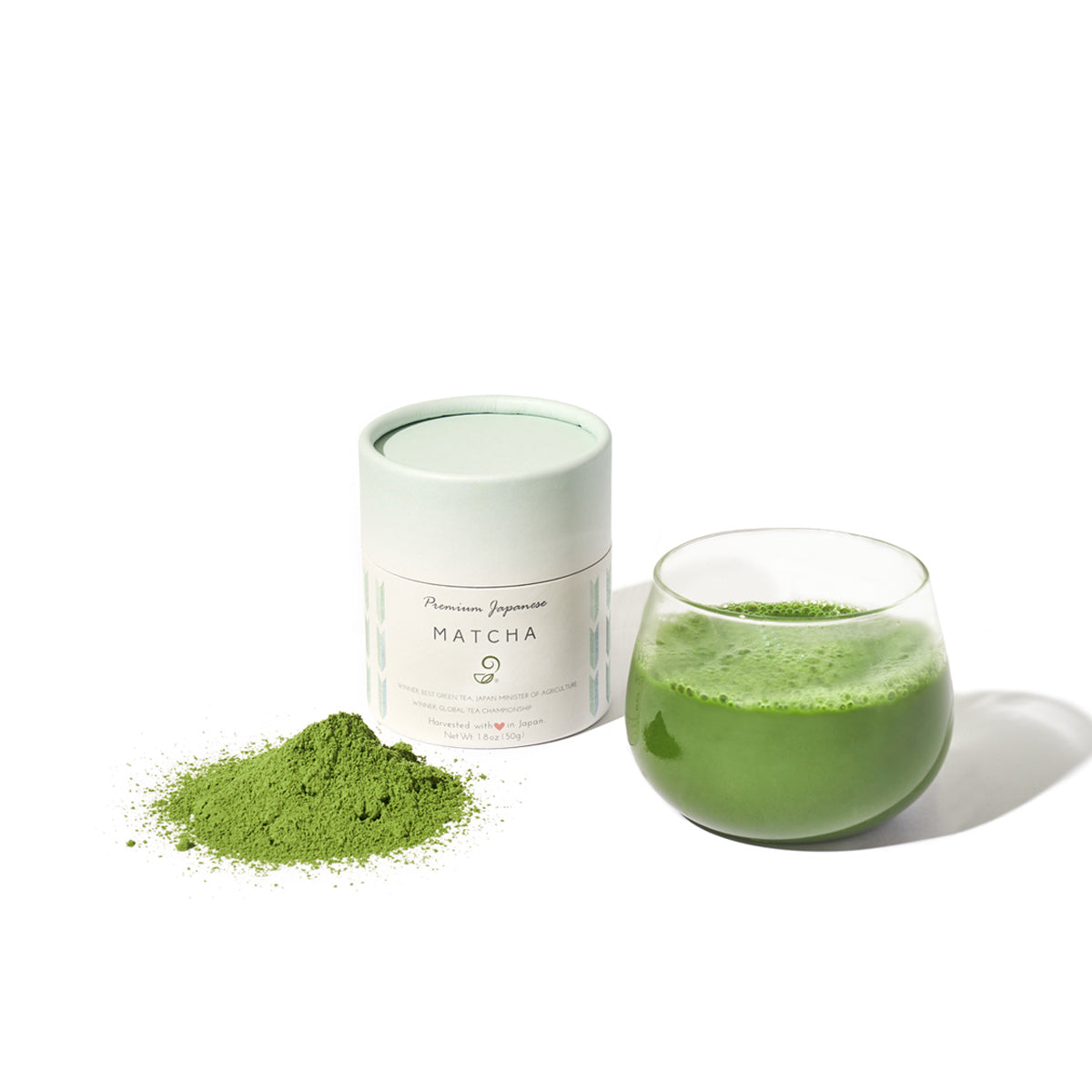
This ceremonial matcha is crafted from the finest Japanese green tea, grown in nutrient-rich soil enhanced with compostable grasses and sugarcane through the Chagusaba method, which gives the tea a natural sweetness and exceptional flavor. In collaboration with researchers from Shizuoka University, farmers ensure that the soil quality consistently produces tea of the highest standard.

Renowned among top Japanese chefs for its unmatched aroma, this matcha is made by carefully shading the plants before harvest to boost caffeine and amino acids, then meticulously drying, de-stemming, and grinding the leaves into a fine powder. Made from the Yabukita cultivar, this 1.8 oz (50g) matcha comes in a high-quality, air-tight paper tube canister, providing a luxurious and authentic Japanese tea experience.


Related Articles You May Be Interested

What does Umami mean for Tea Drinking?
What to Do With Leftover Tea Leaves - 9 Ways to Use Leftover Tea Leaves and Powder
Does Roasting Green Tea (Hojicha) Make It Less Healthy?
What is Single Origin Cultivar?
How to Cold Brew Japanese Green Tea - The Expert Advice

Get Free Bonus Books

Join Green Tea Club

Sign up for free to the Green Tea Club to get advice and exclusive articles about how to choose Japanese Tea, and tips, tricks, and recipes for enjoying Japanese tea.

Unsubscribe anytime. It’s free!

About the author

Kei Nishida

Kei Nishida

Author, CEO Dream of Japan

info@japanesegreenteain.com

Certification: PMP, BS in Computer Science

Education: Western Washington University

Kei Nishida is a passionate Japanese green tea connoisseur, writer, and the founder and CEO of Japanese Green Tea Co., a Dream of Japan Company.

Driven by a deep desire to share the rich flavors of his homeland, he established the only company that sources premium tea grown in nutrient-rich sugarcane soil—earning multiple Global Tea Champion awards.

Expanding his mission of introducing Japan’s finest to the world, Kei pioneered the launch of the first-ever Sumiyaki charcoal-roasted coffee through Japanese Coffee Co. He also brought the artistry of traditional Japanese craftsmanship to the global market by making katana-style handmade knives—crafted by a renowned katana maker—available outside Japan for the first time through Japanese Knife Co.

Kei’s journey continues as he uncovers and shares Japan’s hidden treasures with the world.

Learn more about Kei Nishida

Related Posts

Our Matcha Is Now at Pillow Talk Cafe in Pasadena — Master Japanese-Inspired Cake Makers

Our matcha is now at Pillow Talk Cafe Pasadena! Meet the cafe, try the Egg Heaven sando & Matchamisu, and see how th

Read More
Simply Donabe — New Cookbook from TOIRO's Naoko-san Is Out!

Simply Donabe is here! We celebrated TOIRO's Naoko-san's new cookbook at a special dinner at Camélia in DTLA — see our p

Read More
Introducing New Product - Meet Hojicha Powder
Introducing A New Product - Meet Hojicha Powder

Discover the game-changing Hojicha powder your kitchen has been waiting for — richer flavor, easier recipes, and surpris

Read More
Leave a comment

Your email address will not be published..

Cart

Your cart is currently empty.

Start Shopping

Select options