Skip to content

From Traditional Medicine To Modern Surgery: Exploring Green Tea's Role In Patient Care

You might have relished a steaming cup of green tea, seeking its comforting warmth or touted health benefits. But did you know this ancient beverage has played a significant role in medicine for centuries?

Initially used in traditional Chinese medicine, green tea is now used in modern surgical procedures. Let's explore its incredible journey.

A Quick Peek Into History 

So, where did green tea come from? Green tea's story started in ancient China. It quickly gained popularity across other Asian countries as a soothing remedy for various ailments. It's not just a delicious drink, as this humble beverage was once the crown jewel in the arsenal of ancient medicine cabinets.

Historically, it was believed to boost energy, improve digestion, and even prolong life. Ancient healers would brew tea leaves and have people drink them to control bleeding, heal wounds, regulate body temperature, lower blood sugar, and improve heart health.  

A Wealth Of Benefits For Your Health

So, what makes green tea unique? It's packed with polyphenols, especially a type called catechins. These compounds are potent antioxidants, meaning they protect your cells from damage.

When you sip green tea, you're essentially fortifying your body's defenses. In simpler terms, think of it as giving your body a mini shield against diseases.

brewing japanese tea

Beyond The Cup: Modern Medicine Takes Notice

Now, let's fast forward to contemporary times. Modern medicine has recognized the potential of green tea. Today, you'll find it used in various ways to enhance patient care, especially in surgery.

Let's see how.

Before The Cut: Pre-Surgery Care

Surgery can be a nerve-wracking experience, regardless of its nature. Whether it's a minor operation or a major procedure, the anticipation, the hospital setting, and the fears of potential complications can escalate your anxiety levels. This is where green tea steps in as a pre-surgery guardian.

Green tea contains an amino acid called L-theanine, which promotes relaxation without drowsiness. When you sip green tea before surgery, L-theanine works its magic, reducing stress hormones and promoting a calm state of mind. So, instead of reaching for a sugary drink or coffee that might exacerbate your anxiety, a cup of green tea can be a better choice for your pre-surgery jitters.

Beyond calming nerves, green tea's antioxidants also provide your body with extra protection from oxidative stress. Green tea has six primary catechins: catechin, epicatechin, epigallocatechin, epicatechin gallate, gallocatechin, and epigallocatechin gallate (also known as EGCG). EGCG can assist in various surgical procedures. These compounds can help reduce inflammation and protect tissues during major organ surgeries.

Suppose you're undergoing surgeries related to the digestive system or abdominal area like the one described on this recommended site. Green tea might be beneficial in yet another way. Traditionally, it's believed to aid in digestion and promote gastrointestinal health. A properly functioning digestive system can assist in quicker recovery post-surgery.

While green tea is beneficial, it's essential to consult with your healthcare provider before including it in your pre-surgery routine. Some surgical procedures may require fasting or avoidance of certain foods and drinks. Always prioritize medical advice to have a more relaxed and fortified surgery experience.

grandma drinking japanese green tea

Heal With The Leaf: Post-Surgery Recovery 

The aftermath of surgery can often be as challenging as the surgery itself. The body is vulnerable, working diligently to heal wounds and adjust to potential changes. It's crucial to support the body in every way possible during this period, and green tea, with its plethora of benefits, might be the ally you need.

Wound healing is one of the lesser-known properties of green tea. The polyphenols present in green tea can accelerate the body's natural healing process. It assists in the speedy recovery of surgical wounds by reducing inflammation and combating harmful bacteria. Patients recovering from surgeries, particularly those involving complex procedures under the guidance of a neurologist, may find additional support in green tea's healing properties.

Consuming green tea isn't confined to drinking. You can also apply green tea extracts or infused ointments to improve wound healing and reduce scarring. Green tea's anti-inflammatory properties can be a blessing in recovery.

Detoxifying And Cleansing

Your body might have accumulated toxins after surgery, especially if you were under anesthesia. A gentle detox can help speed recovery, and green tea serves this purpose well. When you sip this elixir, its diuretic properties help flush out toxins, promoting a cleaner and more efficient system ready for recovery.

Energy Boosting Minus The Jitters 

While you need rest, short periods of light activity or physical therapy can help you recover faster. Green tea provides caffeine, but in lesser amounts than coffee, offering a mild boost without the overwhelming rush. Plus, with L-theanine balancing out caffeine, you get an energized yet calm state, perfect for healing.

Enhancing Post-Surgery Immunity

Aside from a quick energy boost, green tea's rich antioxidant profile can give your immune system a helping hand. Fighting free radicals and strengthening the body's natural defenses ensures you're better equipped to ward off infections and complications.

Drinking Japanese Green Tea every day can provide numerous health benefits including building stronger bones

Soothing The Mind: More Than Just A Sip

Recovery isn't just about physical healing. The mental and emotional toll can also be significant. You may feel extremely vulnerable, anxious, or depressed from prolonged bed rest and limited activity. It's essential to address this aspect of recovery; green tea offers more than you might realize.

A significant effect of green tea's calming effect is L-theanine, an amino acid that promotes relaxation. Unlike other sedatives, L-theanine relaxes the mind without causing drowsiness. Drinking green tea post-surgery works synergistically with caffeine, ensuring you experience alertness without the jitteriness often associated with other caffeinated drinks. This balance is ideal for maintaining a positive mood and outlook during recovery.

Aside from giving good vibes throughout the day, sipping green tea before bed can also pave the way for a more restful sleep. Green tea may lower cortisol levels so your body and mind can rejuvenate.

Holistic Healing And Long-Term Mental Health

Did you know that integrating green tea into your recovery routine can also become a mindful practice? Brewing, smelling, and slowly savoring a cup can be meditative. This can be a time to reflect, practice gratitude, and focus on the journey ahead. This holistic approach to recovery can be immensely beneficial in navigating the emotional roller coaster post-surgery.

Green tea's benefits go beyond immediate post-surgery recovery to achieving long-term mental health. Regular consumption has been linked to reduced risks of depression and cognitive decline. So, as you continue your recovery journey, know that your choice of green tea could impact your mental well-being.

A Word Of Caution For You

Before you start guzzling gallons of green tea before or after your surgery, remember moderation is key. Overconsumption can lead to side effects such as insomnia or digestive issues. Also, always consult your doctor, especially if you take certain medications.

Wrapping Up The Green Tea Saga

Green tea has had quite the journey from ancient brews to modern surgical rooms. For you, it serves as a bridge between traditional wisdom and modern science. So, the next time you hold that cup, take a moment to appreciate its legacy—a blend of history, health, and hope.

Enjoy your cup, and have a quick recovery and good health!


FAQs about Green Tea in Medicine and Surgery

Has green tea actually been used in medical settings beyond home wellness?

Yes, with growing clinical interest. Topical EGCG ointments are FDA-approved for treating genital warts (the prescription drug Veregen). Several studies have evaluated green tea catechins as adjuncts in cancer treatment, dental procedures (mouthwash for post-surgery healing), and dermatologic conditions. The medical evidence is real, though the applications are still mostly specialty or experimental.

Surgical contexts are the newest frontier. Some research has explored EGCG-containing wound dressings for faster healing post-surgery, mouthwash protocols for pre- and post-oral surgery to reduce infection risk, and topical formulations for skin-graft donor site healing. Most of these are still experimental or specialty rather than standard care.

The mechanism — anti-inflammatory, antimicrobial, antioxidant — is genuinely useful for medical applications. The challenge is that EGCG breaks down quickly in standard liquid formulations, so medical applications usually need specialized delivery systems (creams, encapsulated supplements, specific bioavailability-enhancing formulations) rather than just brewing tea and applying it.

What's the historical use of green tea as medicine in Japan?

Long and well-documented. Tea was originally introduced to Japan as medicine. Eisai's foundational 1191 CE tea book Kissa Yōjōki (喫茶養生記, "Drinking Tea for Health") explicitly framed tea as a remedy for various ailments — heart conditions, fatigue, alcohol-related illness. The book recommended specific dosing and preparation for medicinal purposes.

Through the medieval and Edo periods, Japanese tea was used as part of household medicine alongside herbal remedies. Specific applications included gargling with cooled tea for sore throat, drinking strong tea for fever or general illness, and using tea as part of postpartum recovery for women. Some of these traditional uses align with what modern research suggests; others don't.

Modern Japanese kampo (traditional herbal medicine) doesn't typically use green tea as a primary ingredient — kampo is more focused on specific herbal formulations from Chinese tradition. But tea remains embedded in Japanese household medicine in informal ways: most Japanese homes drink hojicha when family members are sick, partly tradition, partly the genuine soothing effect of warm low-caffeine tea on the upper respiratory tract.

Is there evidence for green tea helping post-surgical recovery?

Limited but suggestive. Several small studies have shown that pre-operative and post-operative green tea consumption reduces inflammatory markers and may modestly speed recovery from minor surgeries. The evidence is strongest for oral surgery (dental procedures, periodontal work) where green tea mouthwash has been shown to reduce infection rates and pain.

For major surgery, green tea is mostly considered a supportive practice rather than therapeutic. Patients are usually advised to avoid concentrated supplements (high-dose EGCG capsules) before surgery because of theoretical concerns about platelet function and bleeding risk; drinking the tea form is generally considered safe but worth mentioning to the surgical team.

Discuss with your surgeon if you're scheduled for surgery. They may have specific guidance about pre-operative supplement avoidance, including green tea extract products. Drinking the tea is usually fine; concentrated supplements need clearance.

Should I avoid green tea before any medical procedures?

Mostly fine, with two specific cautions. First, blood-thinner medications (warfarin specifically) — green tea contains vitamin K and can interact with warfarin dosing. Patients on warfarin should keep tea intake consistent (sudden changes affect dosing) rather than avoiding tea entirely. Second, surgery scheduled within 1-2 weeks — most surgeons ask patients to avoid concentrated supplements (including EGCG capsules) for 1-2 weeks pre-surgery; drinking tea form is usually fine but check with the surgical team.

For diagnostic procedures (blood draws, imaging), green tea generally doesn't interfere. Some specific tests (iron studies, kidney function panels) may be slightly affected by recent tea consumption, in which case the lab will ask you to fast — follow their specific instructions.

If you're on multiple medications and considering daily green tea consumption, mention it to your prescribing doctors. The conservative protocol is to maintain consistent intake (3-5 cups daily) rather than dramatic shifts that could affect dosing of any sensitive medications.

Are there hospitals or clinics that actually serve green tea to patients?

Some Japanese hospitals do, as part of recovery support. Hojicha specifically (low-caffeine, soothing) appears on Japanese hospital meal trays as standard offering, alongside dashi-based soups and other gentle foods. The cultural integration of tea into recovery diet is more established in Japan than in Western medical contexts.

In Western medicine, tea is occasionally part of integrative or complementary medicine programs but rarely standard. Some cancer-treatment integrative-oncology programs include daily green tea as part of supportive care during chemotherapy or radiation; some hospitals with strong dietary support programs include tea options for recovering patients. Far from universal, but not unheard of.

If you're recovering from illness or surgery and want to incorporate green tea, hojicha is the safest choice for hospital or recovery contexts — naturally low caffeine, gentle on the stomach, soothing warmth. Standard sencha works for most healthy outpatient recovery; matcha is generally too intense for active medical recovery situations.

Related products

8 reviews

The Sencha Lover Gift Set - Premium Japanese Green Tea Set Package
$179.00 $159.99
Quick view

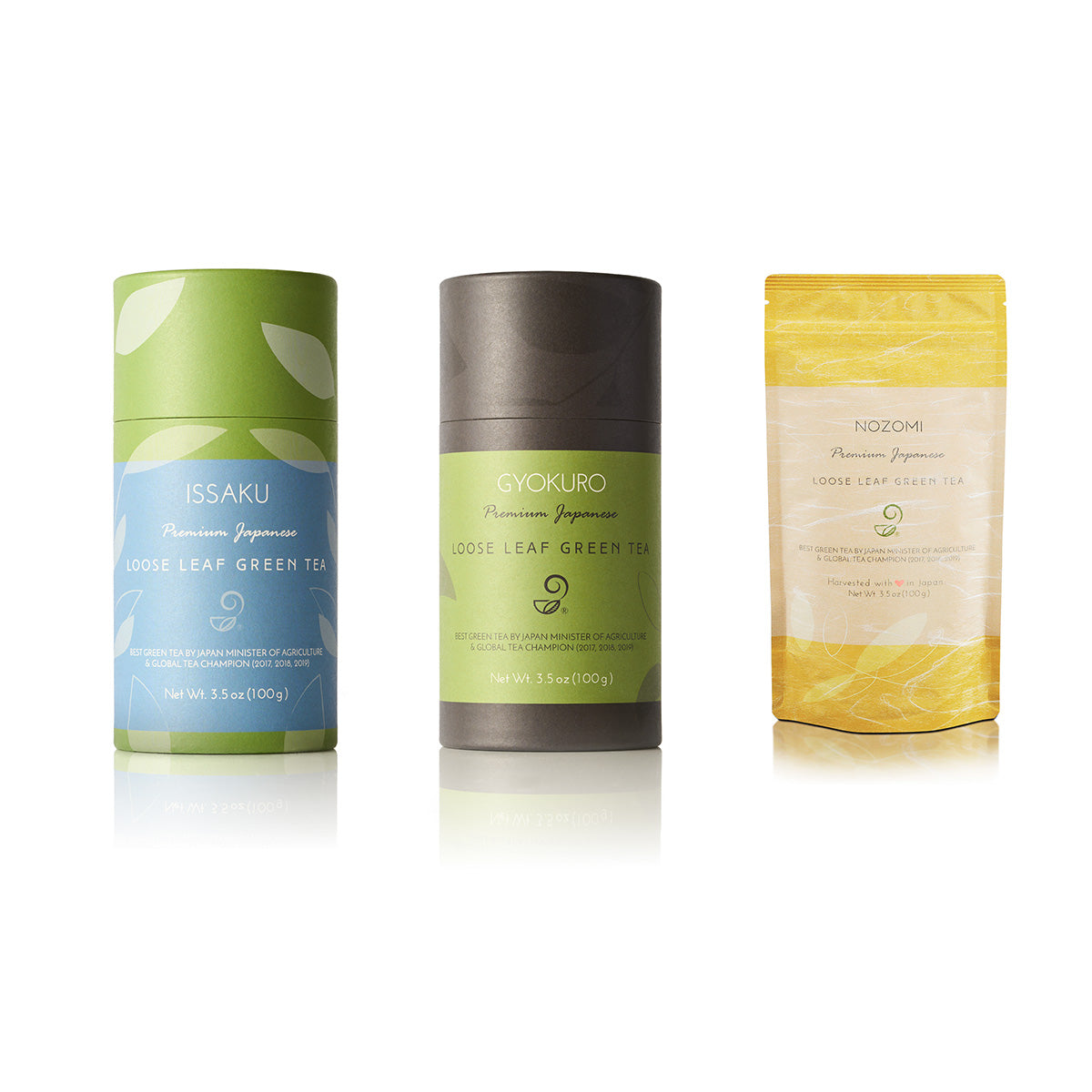
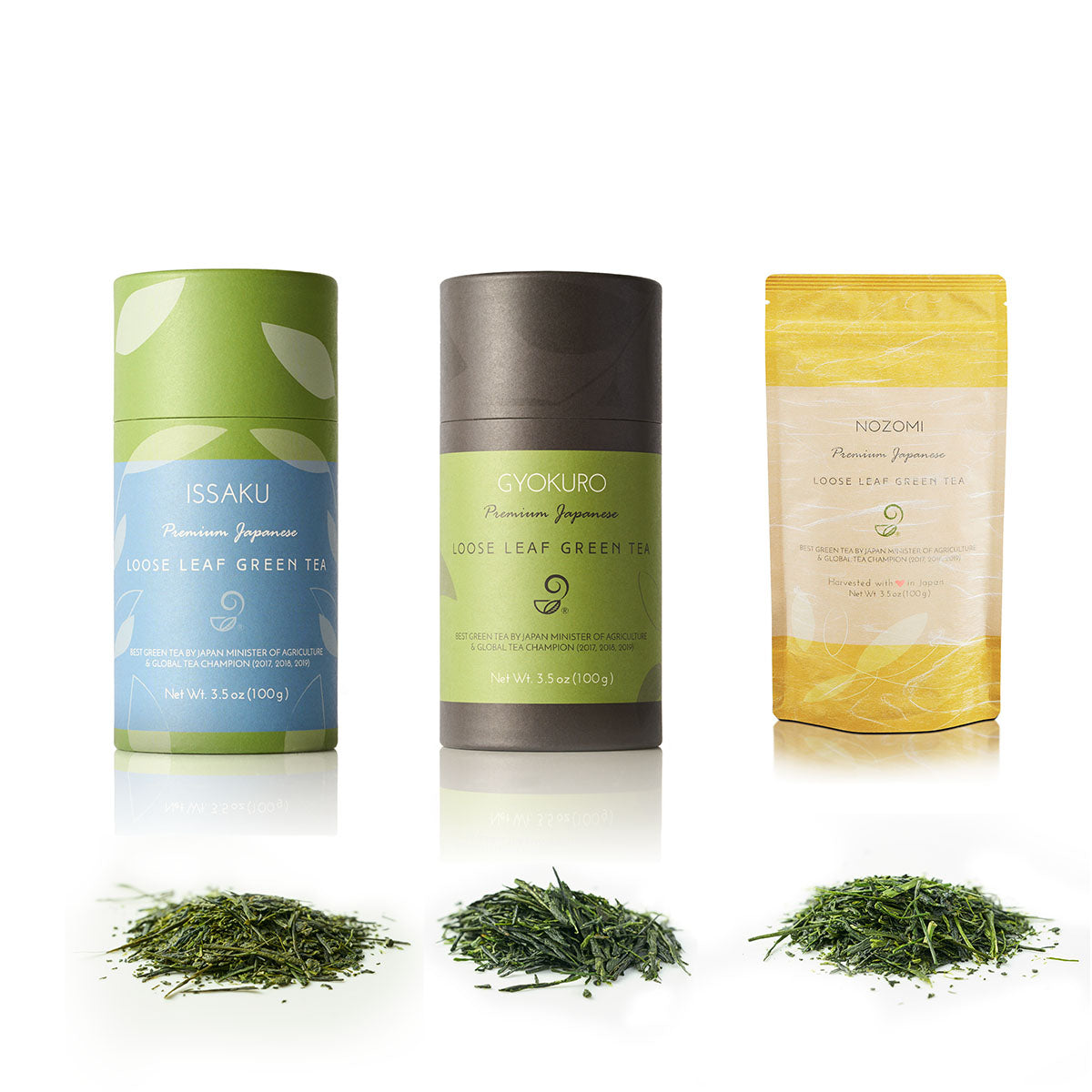
This tea set features three exceptional Japanese green teas, each crafted with care and traditional techniques. Issaku Reserve, a Global Tea Champion winner in 2017 and 2019, is a rare masterpiece created by Farm Master Mr. Arahata at Arahataen Green Tea Farm. Handpicked once a year from the first flush and processed with advanced methods, Issaku represents the highest-grade deep-steamed green tea, available only in limited quantities even in Japan.

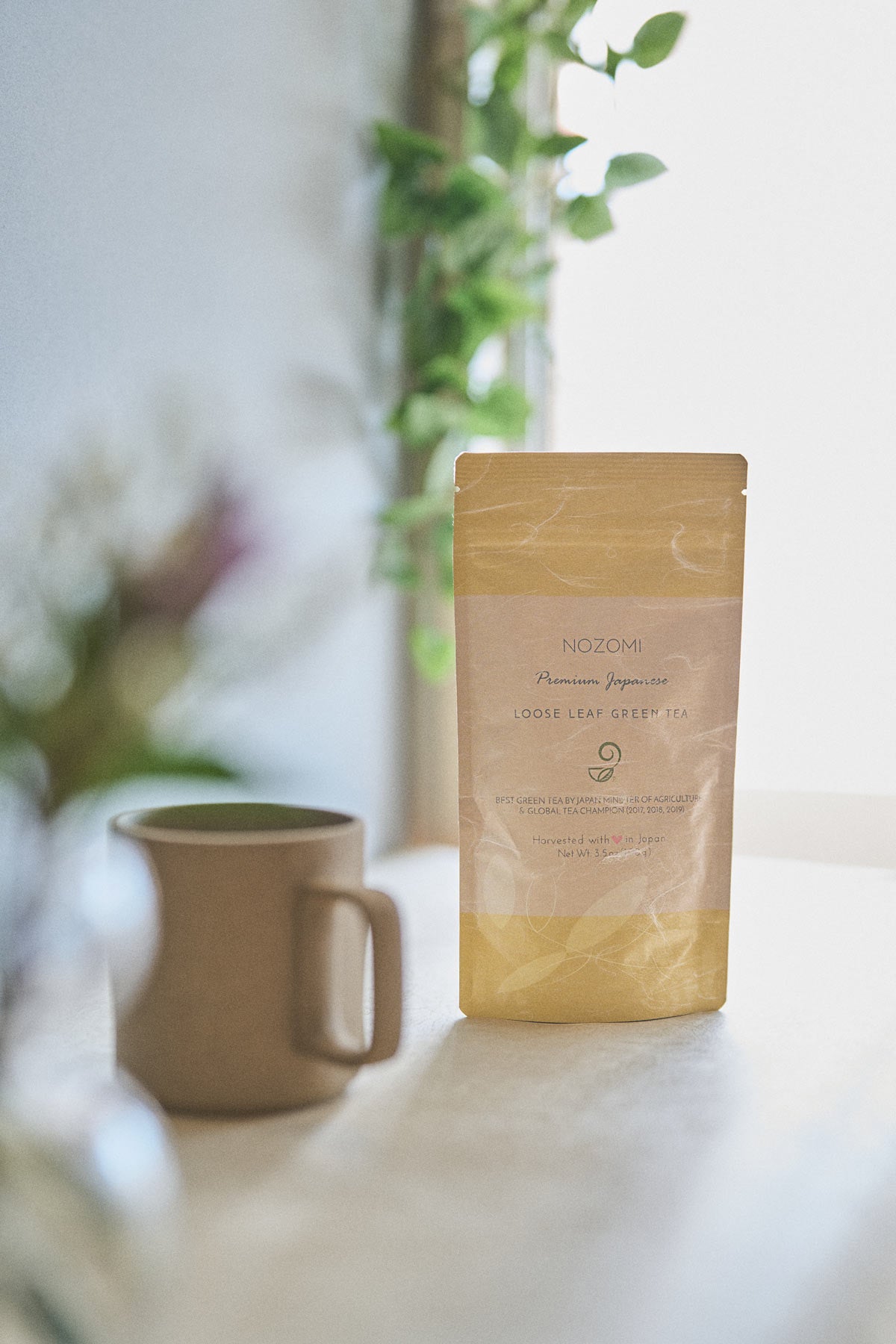
The set also includes Gyokuro, a premium shaded green tea known for its rich, sweet flavor and deep mossy green color. Grown under special mats for 20 days to increase caffeine and amino acid levels, Gyokuro offers a layered, smooth taste unlike any other. Completing the collection is Nozomi, a fine Kabuse-cha, or "Covered Green Tea," carefully grown under nets to gently shade the leaves just before new sprouts emerge, resulting in a soft, rich, and refined flavor profile.

97 reviews

Gyokuro - Shaded Imperial Premium Green Tea

$65.00
Quick view

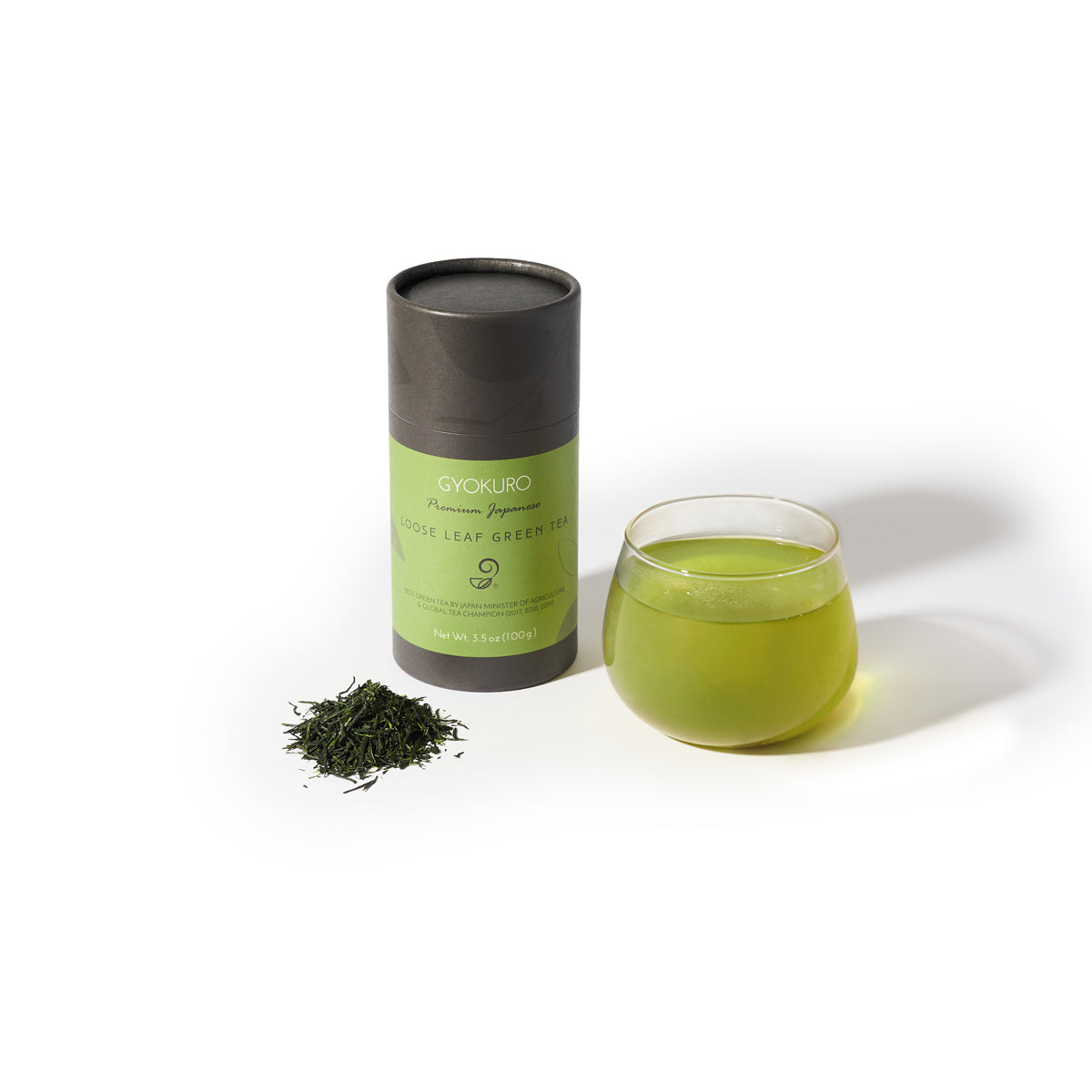
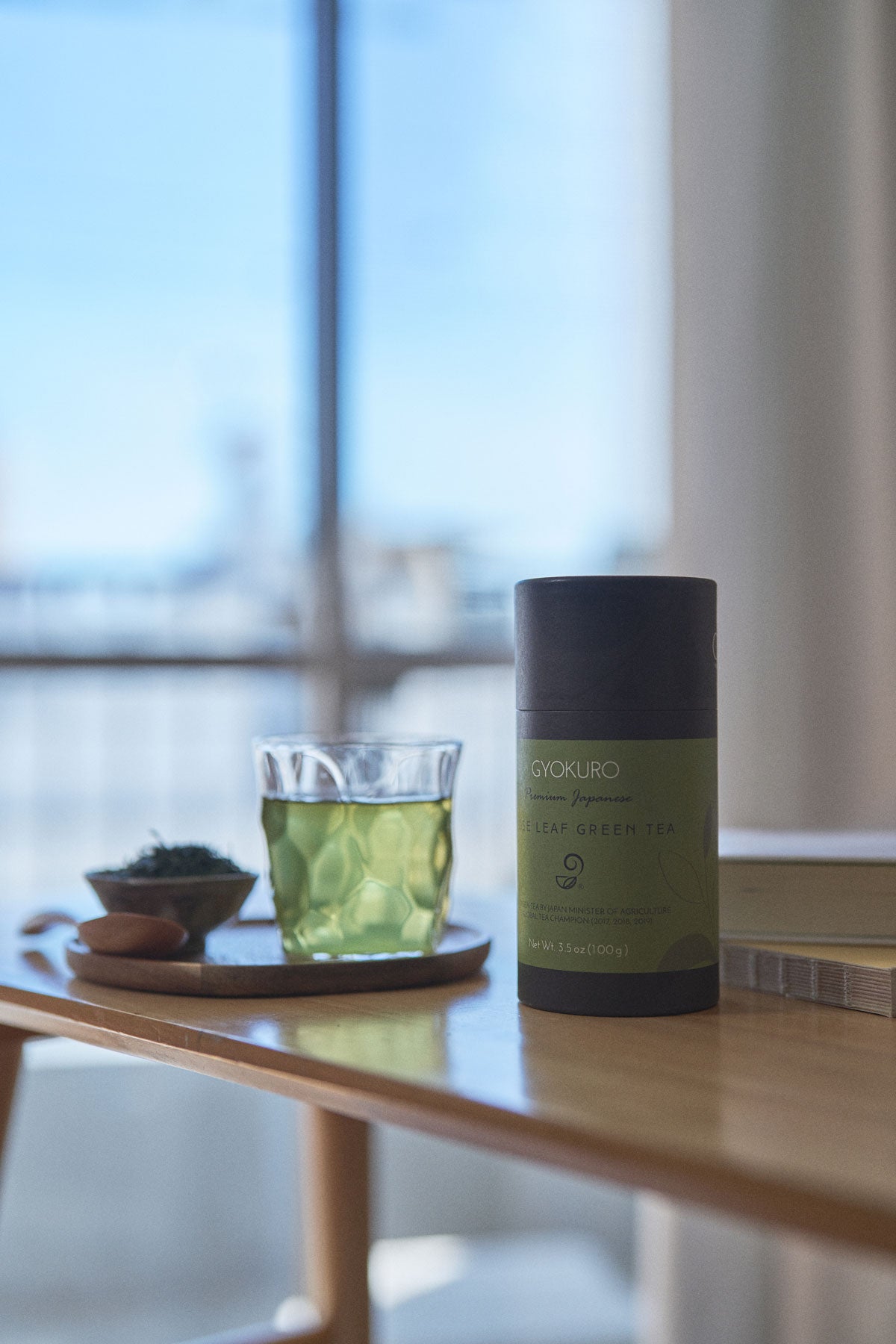
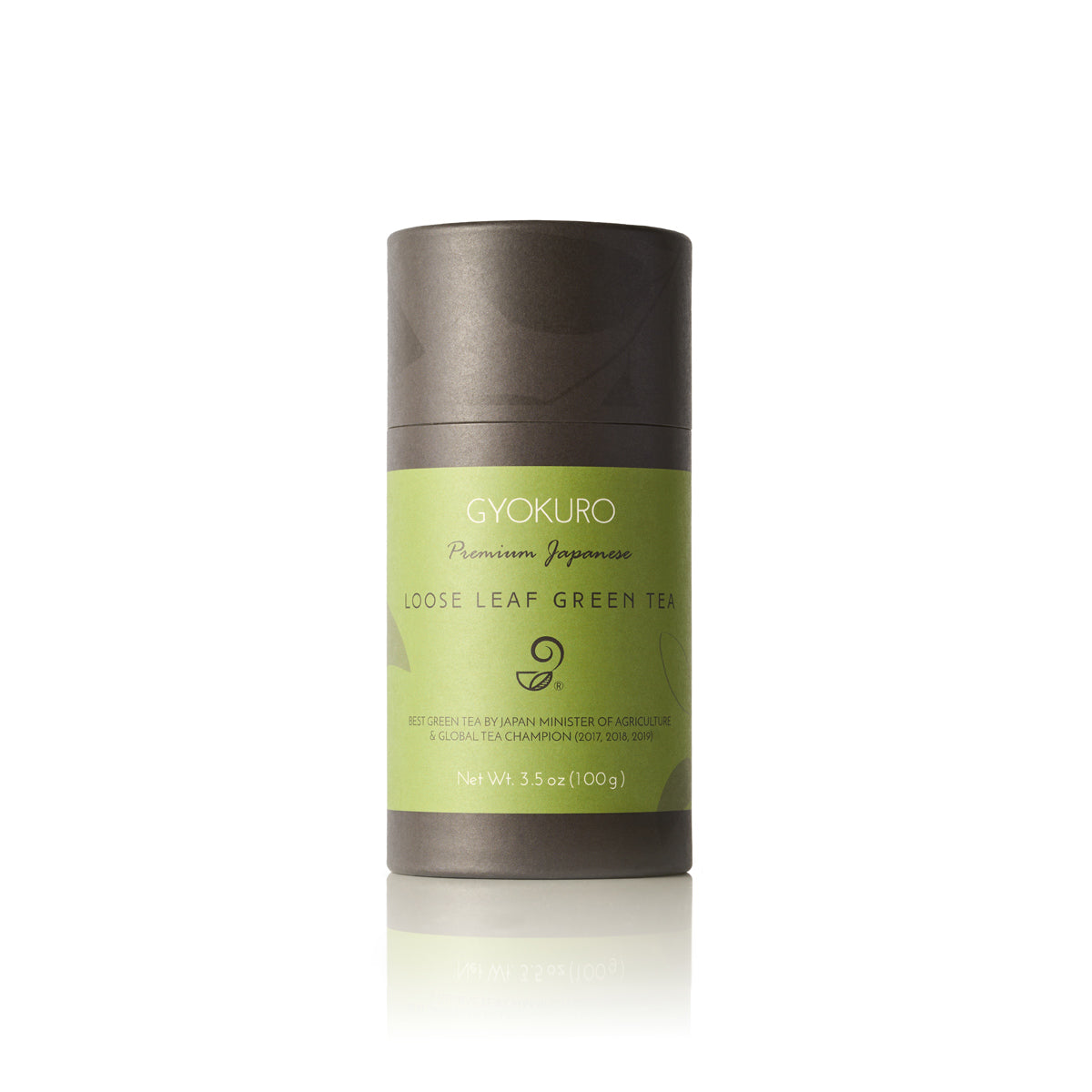
Gyokuro, also known as "jade dew" or "jewel dew tea," is a premium Japanese green tea shaded from the sun for 20 days using specially made mats, a method that boosts caffeine levels and strengthens amino acids to create a sweeter, richer flavor. This extended shading process results in dark, mossy green leaves with an unmistakable aroma and a complex taste that is layered yet balanced. Cultivated by the Chagusaba method in nutrient-rich sugarcane soil and made from the Yabukita cultivar, this loose-leaf authentic Gyokuro is offered in a high-quality, air-tight paper tube canister (chyazutsu) to preserve its exceptional freshness and flavor. Each 3.5 oz (100g) full-size package steeps 30–40 cups, and a convenient single-serve sample is also available.

45 reviews

Hojicha - Roasted Green Tea

$25.00
Quick view

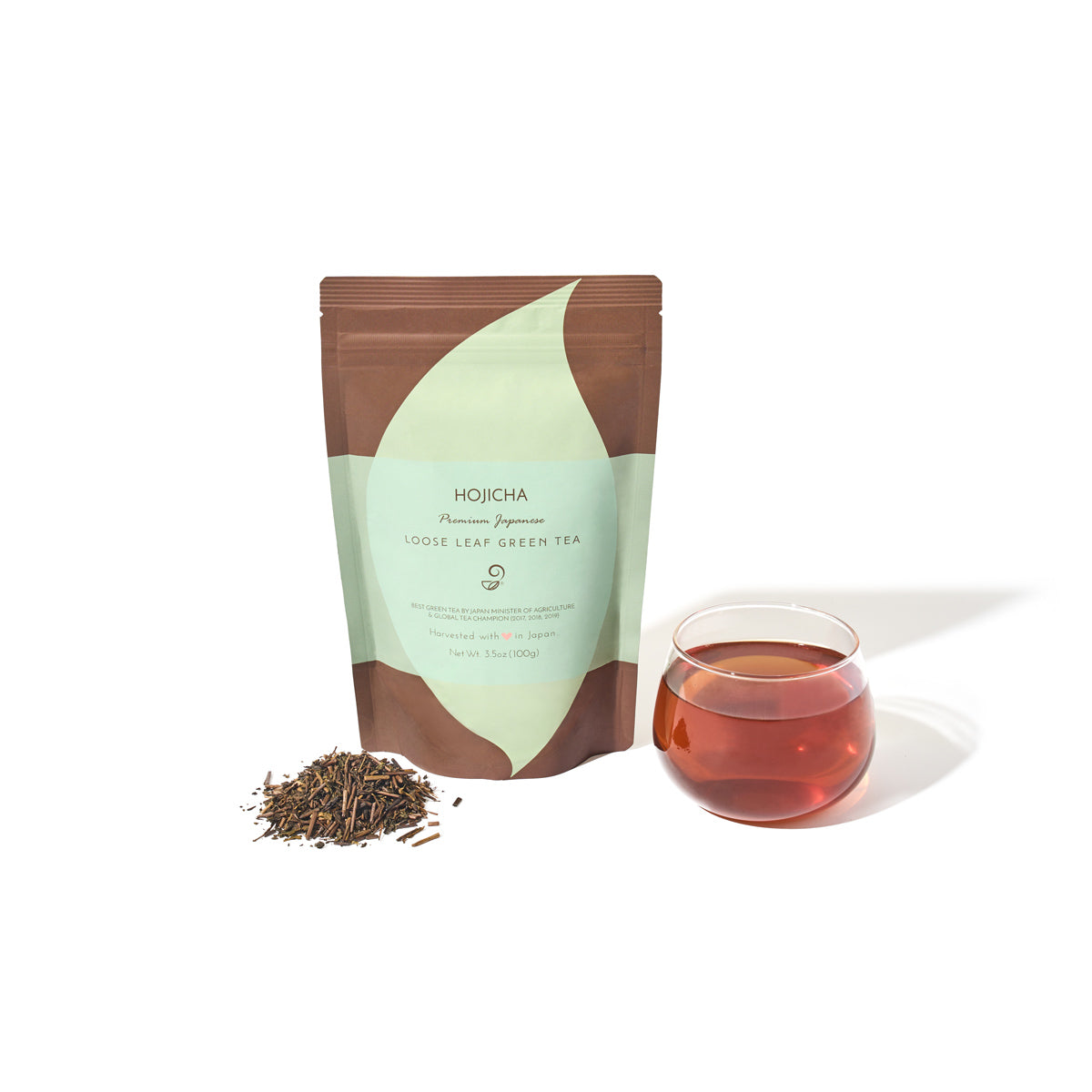
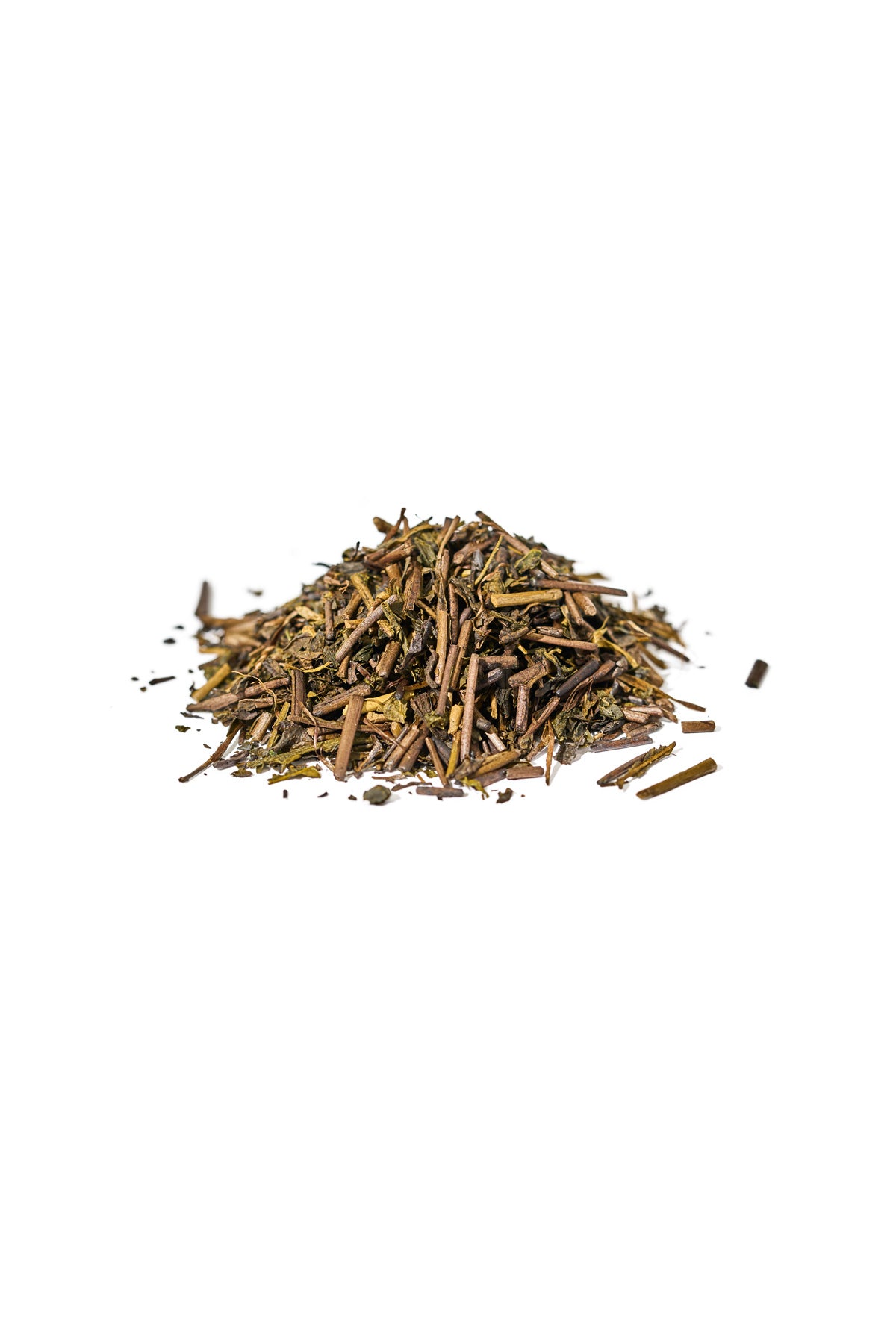
Our roasted green tea, known as hojicha (ほうじ茶), is crafted from freshly harvested premium green tea carefully roasted in porcelain over charcoal to maximize flavor while retaining more catechins than typical hojicha on the market. With lower caffeine and a smoother, less bitter taste compared to steamed green tea, it is an ideal choice for evening relaxation and is gentle enough for kids and pregnant women. Cultivated using the Chagusaba method in nutrient-rich sugarcane soil, this loose-leaf authentic Japanese roasted green tea, made from the Yabukita cultivar, also pairs beautifully with oily foods. Each eco-friendly resealable package contains 3.5 oz (100g) of tea, enough to steep 30–40 comforting cups.

80 reviews

Matcha - Ceremonial Japanese Powdered Green Tea

$39.00
Quick view

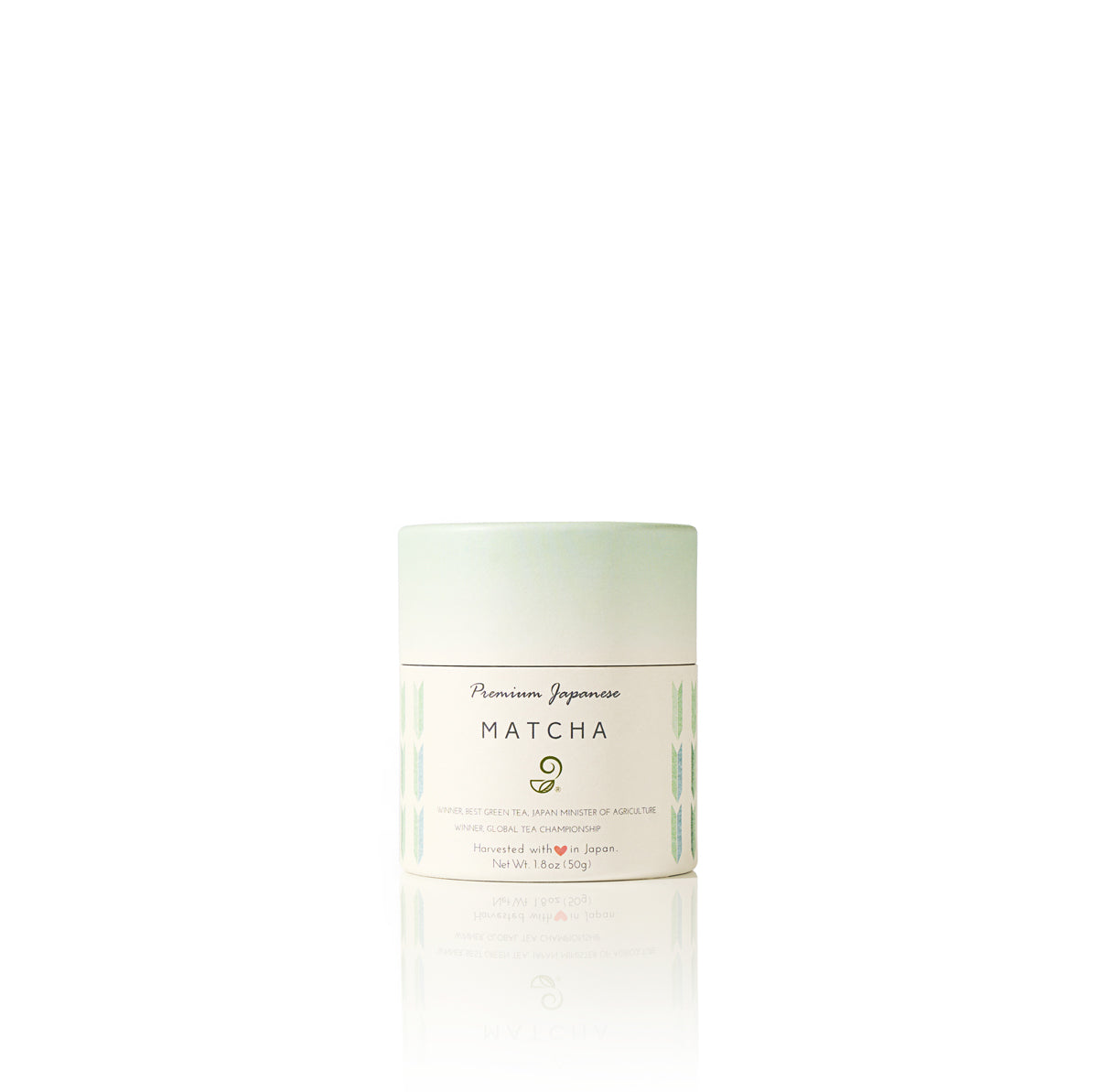
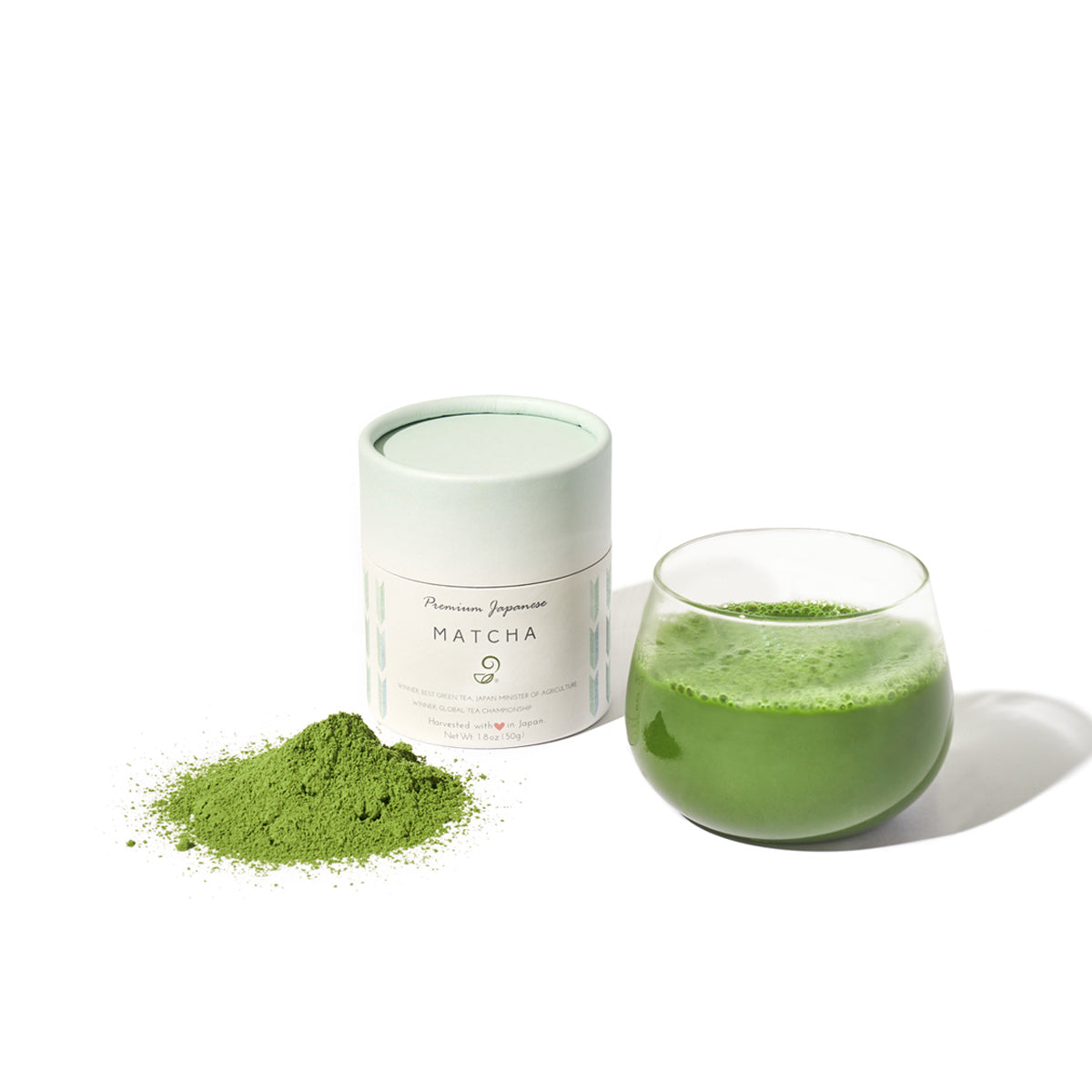
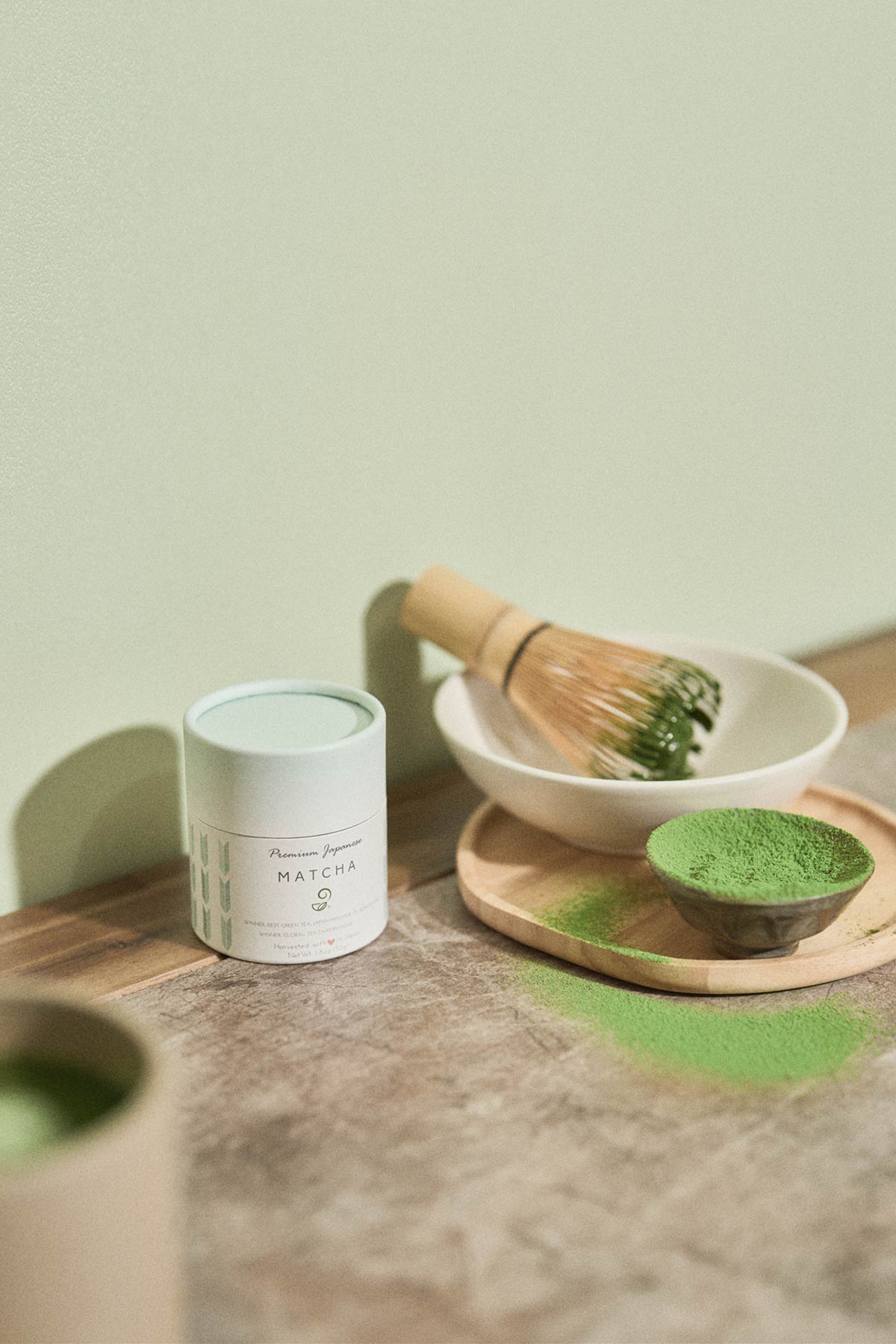
This ceremonial matcha is crafted from the finest Japanese green tea, grown in nutrient-rich soil enhanced with compostable grasses and sugarcane through the Chagusaba method, which gives the tea a natural sweetness and exceptional flavor. In collaboration with researchers from Shizuoka University, farmers ensure that the soil quality consistently produces tea of the highest standard.

Renowned among top Japanese chefs for its unmatched aroma, this matcha is made by carefully shading the plants before harvest to boost caffeine and amino acids, then meticulously drying, de-stemming, and grinding the leaves into a fine powder. Made from the Yabukita cultivar, this 1.8 oz (50g) matcha comes in a high-quality, air-tight paper tube canister, providing a luxurious and authentic Japanese tea experience.

42 reviews

Genmaicha - Green Tea with Roasted Brown Rice

$30.00
Quick view

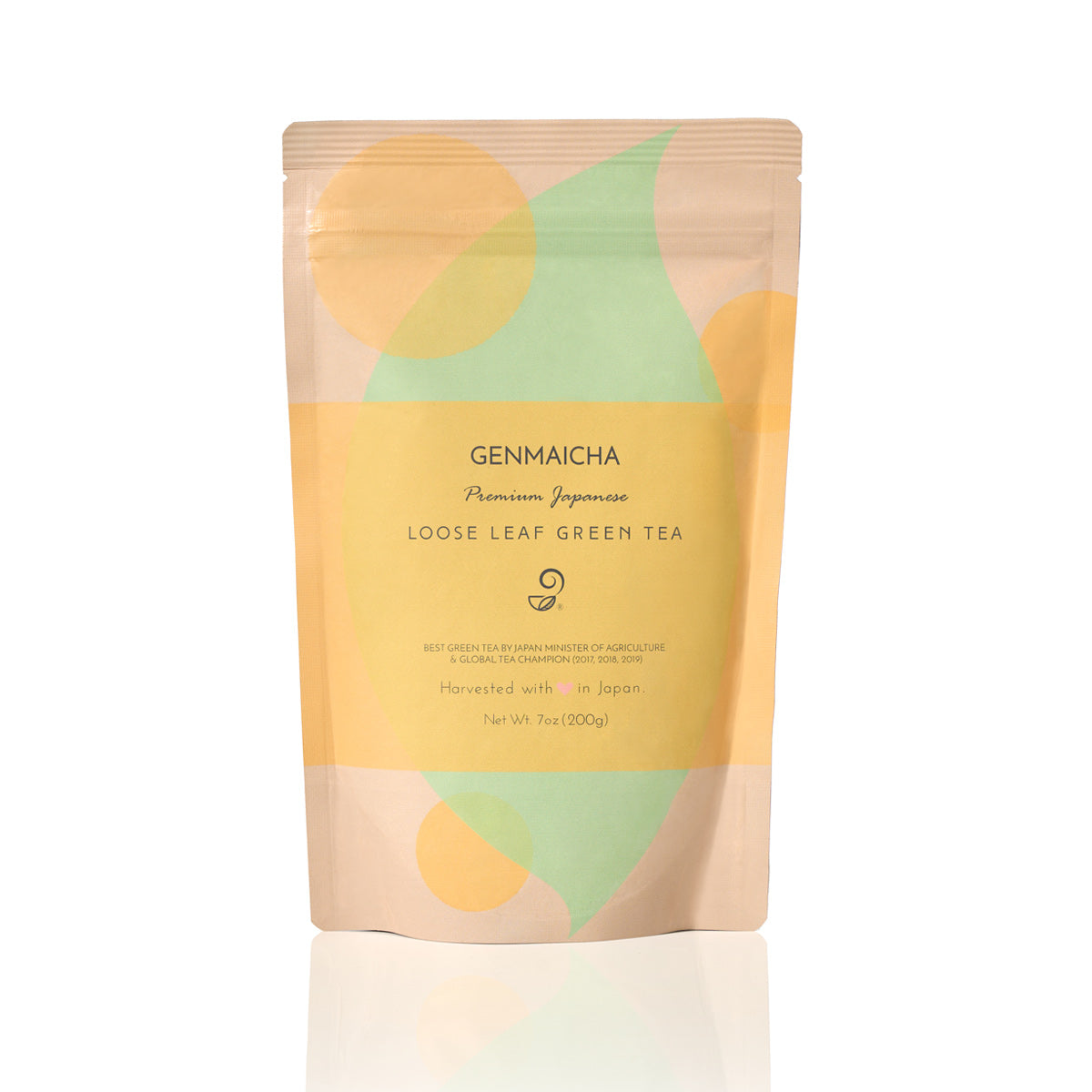
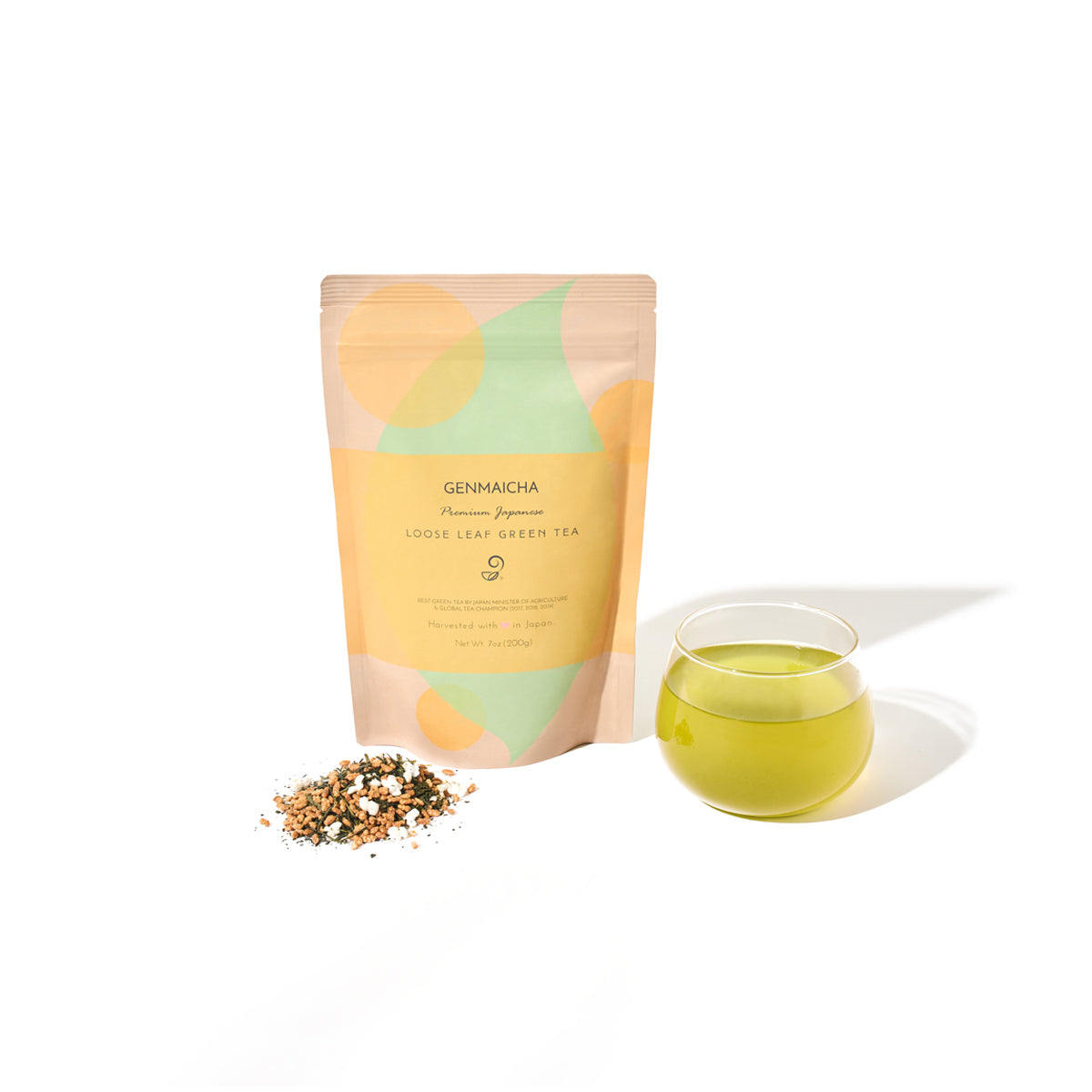
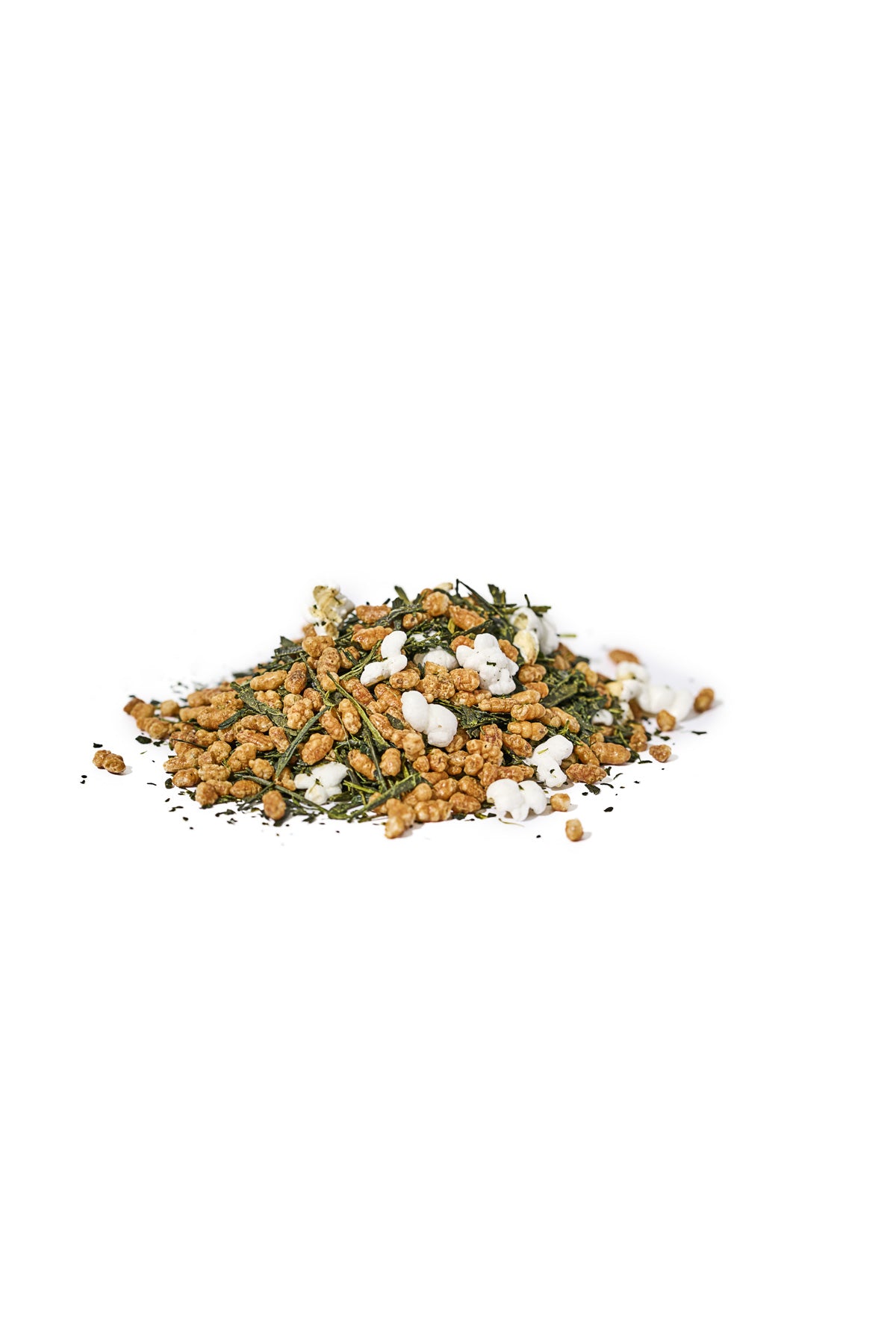
Our premium Japanese Genmaicha blends high-quality green tea with roasted popped brown rice (genmai 玄米), often nicknamed "popcorn tea" because the roasting process sounds like popcorn popping. Popular especially among the older generation in Japan for its mild flavor and lower caffeine content, this tea is easier on the stomach while still offering a rich, comforting taste. The brown rice used is premium Japanese mochi-gome (もち米) sticky rice, enhancing the tea’s nutty, aromatic profile. Made from Fukamushi Sencha and cultivated using the Chagusaba method in nutrient-rich sugarcane soil, this Genmaicha features the Yabukita cultivar and comes in a 7.0 oz (200g) eco-friendly resealable package, enough to steep 50–60 cups.


Related Articles You May Be Interested

Japanese Green Tea and Diabetes - 10 Reasons Why It is Good for Prevention and Management
How Much L-Theanine Is in Green Tea?
How Tea Improves Memory and Concentration
Is Green Tea Good for Arthritis Pain?
Benefits Of Steeping Green Tea Over Boiling Or Simmering

Get Free Bonus Books

Join Green Tea Club

Sign up for free to the Green Tea Club to get advice and exclusive articles about how to choose Japanese Tea, and tips, tricks, and recipes for enjoying Japanese tea.

Unsubscribe anytime. It’s free!

About the author

Kei Nishida

Kei Nishida

Author, CEO Dream of Japan

info@japanesegreenteain.com

Certification: PMP, BS in Computer Science

Education: Western Washington University

Kei Nishida is a passionate Japanese green tea connoisseur, writer, and the founder and CEO of Japanese Green Tea Co., a Dream of Japan Company.

Driven by a deep desire to share the rich flavors of his homeland, he established the only company that sources premium tea grown in nutrient-rich sugarcane soil—earning multiple Global Tea Champion awards.

Expanding his mission of introducing Japan’s finest to the world, Kei pioneered the launch of the first-ever Sumiyaki charcoal-roasted coffee through Japanese Coffee Co. He also brought the artistry of traditional Japanese craftsmanship to the global market by making katana-style handmade knives—crafted by a renowned katana maker—available outside Japan for the first time through Japanese Knife Co.

Kei’s journey continues as he uncovers and shares Japan’s hidden treasures with the world.

Learn more about Kei Nishida

Related Posts

What is Shincha - New Crop Tea and What Makes them Unique?
What is Shincha Tea and What Makes It Unique?

Discover the secrets of Shincha, Japan's acclaimed new crop tea. Explore its distinct features, flavors, and traditions.

Read More
Meet Eijiro Tsukada (塚田英次郎): The Charismatic Businessman Behind Cuzen Matcha — Now Available at Japanese Green Tea Co.

Meet Eijiro Tsukada — the man behind Cuzen Matcha. Full guide to the award-winning Matcha Maker, the Pro, and why we're

Read More
Behold: Balmuda's "The MoonKettle" — Where Boiling Water Becomes Art

We were privileged to be invited by Balmuda's Private MoonKettle Launch Event. Here are videos of it and everything you

Read More
Leave a comment

Your email address will not be published..

Cart

Your cart is currently empty.

Start Shopping

Select options