Skip to content

Everything You Need to Know About Yuzu and Yuzu Green Tea

Yuzu (柚子) is still a popular fruit mixed with other ingredients and can be a standalone tea, while Japanese green tea is popular too, especially with Sencha, one of the top Japanese tea leaves of high quality. Yuzu is a citrus fruit in Japan and is believed to be a hybrid of sour mandarin and ichang papeda.

The fruit looks similar to a small grapefruit, with a bumpy yellow-orange rind that is thin and fragrant. The flesh inside is tart and juicy, with a flavor often described as a cross between a grapefruit and a mandarin orange.

Yuzu
Picture of Yuzu

In making Yuzu tea, the fruit is sliced thinly and combined with honey and hot water to make a sweet and refreshing tea. Some recipes add ingredients such as ginger or cinnamon to enhance the flavor.

In Japan, Yuzu tea is often enjoyed during the winter to warm up and fight off colds and other illnesses. Due to its unique and flavorful taste, it is also sometimes used as an ingredient in cocktails, sauces, and marinades.


Is Yuzu the same as citron and lemon?

Yuzu and citron are similar in some ways but not the same fruit. Citron (also known as Buddha's hand) is a citrus fruit originally from China and India.

Yuzu and citron have a thick, bumpy rind and a unique and fragrant aroma. However, the flesh of Yuzu is juicy and tart, while the citron is dry and less flavorful. Therefore, Yuzu is typically used for its juice and zest, while citron is often used for its zest only.

Lemon is a medium-sized citrus fruit with a bright yellow, smooth rind and a sour, juicy pulp. It is native to Asia but is now grown and used worldwide for its refreshing flavor and versatility in cooking and baking.

Yuzu vs Lemon

In Japanese cuisine, Yuzu, particularly the peel, is a common ingredient in teas, soups, sauces, and dressings, while citron is often used to flavor drinks and desserts. While these fruits have unique characteristics and uses, they are often used interchangeably in recipes and can be substituted for each other.

Japanese Kaiseki soup with Yuzu peel on topJapanese Kaiseki Soup with Yuzu peel on top

When was Yuzu green tea discovered?

It is difficult to determine precisely when this blend was first discovered, but it is believed that Yuzu in Japan was imported from China during the 700s. But Yuzu cultivated in Japan has a more decadent aroma and is sweeter than Yuzu grown in other countries. It has been consumed for centuries in Japan. Yuzu has been used in traditional Japanese medicine and culinary arts for centuries, and green tea has been a popular beverage in Japan. Combining the two would have been a natural Japanese cuisine and culture progression. 

Yuzu tea is a traditional Japanese citrus tea made from Yuzu, while Japanese green tea has been a popular beverage in Japan since the year 710 and is still widely consumed today for its health benefits and refreshing taste.

yuzu green tea

The combination of green tea and Yuzu is natural, as both ingredients are deeply ingrained in Japanese culture and cuisine. Yuzu green tea is believed to have originated in the Kochi Prefecture of Japan (高知県), where Yuzu fruit is particularly abundant.

Today, Yuzu green tea is enjoyed throughout Japan and is gaining popularity worldwide for its unique and refreshing flavor. It makes the green tea a bit fruity with a relaxing aroma. It is typically made by steeping green tea leaves in hot water and adding dried Yuzu peel to taste. Some variations also include honey or other sweeteners to balance the tartness of the Yuzu fruit.

Health Benefits of Yuzu Green Tea

Here are some of the potential health benefits of drinking Yuzu green tea:

  1. Rich in antioxidants: Both green tea and Yuzu fruit are rich in antioxidants, which can help protect the body from stress and reduce the risk of heart disease and cancer.

  2. Boosts the immune system: Yuzu fruit, rich in vitamin C, boosts the immune system. Drinking Yuzu green tea can help support immune system function and reduce the risk of illness.

  3. Reduces inflammation: Green tea contains compounds like catechins and EGCG that have anti-inflammatory effects. Overall, drinking Yuzu green tea may reduce inflammation in the body and improve overall health.

  4. Improves digestion: Yuzu fruit is a natural digestive aid thanks to its high fiber content and digestive enzymes. Drinking Yuzu green tea may help improve digestion and reduce symptoms like bloating and constipation.

  5. Promotes relaxation: Yuzu has a relaxing and uplifting scent that can help reduce stress and promote relaxation. In addition, drinking Yuzu green tea may help reduce anxiety and improve your overall mood.

While more research and studies are needed to fully understand the health benefits of Yuzu green tea, incorporating this refreshing and flavorful tea into your diet may offer a range of potential health benefits.

yuzu green tea

Organic and Safe Yuzu Green Tea 

Yuzu green tea from Japanese Green Tea Co. is a blend of Japanese green tea and peels from Yuzu fruit. Here's a brief overview of each ingredient:

Green Tea: Japanese green tea is typically steamed after harvesting to prevent oxidation and preserve its fresh, grassy flavor. The leaves are then dried and sorted by grade. Japanese green tea leaves blend with other ingredients like Yuzu to create flavored green teas.

Yuzu Fruit: Yuzu fruit is harvested in the winter months when it is ripe and fragrant. The fruit is then washed and peeled.

yuzu green tea iced

With high-quality, all-natural Japanese green tea combined with all-natural dried Yuzu peel, tea drinking is safe and does not contain additives or harmful chemicals.

Some blends are sold as loose-leaf tea, while others come in tea bags or sachets. The tea can be prepared by steeping in hot water for a few minutes and can be enjoyed hot or cold, depending on personal preference.

Our Sencha Selection

As an award-winning tea provider for its quality and taste, Japanese Green Tea Co. strictly checks the origin and quality of tea leaves, including other attributes, to ensure that tea drinkers can get the best out of their tea drinks.

Our previous Yuzu Sencha blend brought a fresh, grassy Sencha with a hint of sweet yet citrusy taste. While that limited release is no longer available, our Sencha Lover Gift Set showcases our current premium Sencha offerings.

FAQs about Yuzu and Yuzu Green Tea

What is yuzu (柚子) — like a lemon, an orange, or something else?

Yuzu (柚子) is a Japanese citrus fruit that looks like a small, knobbly grapefruit but tastes like nothing else in the citrus family — closest to a cross between lemon, mandarin, and grapefruit, with floral and almost pine-resin top notes. The fruit itself is rarely eaten because it's too sour and too seedy; it's the peel and juice that drive Japanese cuisine. Yuzu shows up in ponzu sauce, yuzu kosho (a chili paste), wagashi sweets, sake, and increasingly in tea blends.

Yuzu is more aromatic than most Western citrus — even a small piece of peel perfumes a whole pot of tea. The flavor reads as bright and complex rather than just sour, which is part of why it pairs so well with subtler beverages. It carries flavor without dominating.

Outside Japan, yuzu is increasingly available in specialty Asian grocers, sometimes frozen. It's expensive (often $5-10 per fruit) but a single yuzu provides enough peel and juice for many cups of tea.

Why does yuzu pair so well with Japanese green tea specifically?
Two reasons. First, yuzu's complex aromatic profile (citrus + floral + pine) layers naturally onto green tea's vegetal, slightly grassy character without competing with it. Lemon, by contrast, can overpower delicate green tea — its acidity is more aggressive. Yuzu has plenty of citrus flavor but less assertive acidity, so it harmonizes rather than dominates.

Second, yuzu has been part of Japanese culinary culture for centuries, often paired with green tea in seasonal contexts (yuzu wagashi served with matcha, yuzu-flavored sencha for winter mornings). The pairing has had time to be refined; it's not new fusion. Japanese tea blenders have figured out which sencha cultivars and which yuzu preparations work best together.

If you're new to yuzu green tea, sencha (煎茶) with yuzu peel is the standard combination — bright tea, bright citrus, balanced. Hojicha (焙じ茶) with yuzu is also lovely, with the roasted notes contrasting against the citrus brightness. Skip matcha (抹茶) with yuzu — it's a strange pairing that doesn't quite work. The Sencha Lover Gift Set gives you the kind of sencha that takes well to citrus pairings.

What's the difference between yuzu peel and yuzu juice in green tea?

Yuzu peel (often dried) provides aroma and a complex bitter-citrus character that integrates into the tea's flavor without making it sharply sour. The volatile aromatic oils in the peel are where most of yuzu's distinctive smell and flavor live. Most commercial yuzu green teas use dried peel for this reason — it preserves well and delivers the flavor consistently.

Yuzu juice provides acidity and brightness but loses much of the aromatic complexity (the fragile aromatic oils start degrading once the fruit is juiced). Juice is better for cold brews and iced teas where the aromatic oils would dissipate quickly anyway, and where you want the citrus acidity to balance the tea's body.

If you're making yuzu green tea at home from a fresh yuzu, use both: peel zest for the aroma, a few drops of juice for the acidity. Together they replicate what a good commercial blend captures.

Does yuzu reduce the antioxidant or health benefits of green tea?

It actually slightly enhances them. Vitamin C from yuzu (yuzu has roughly three times the vitamin C of lemons) helps stabilize green tea catechins during digestion, improving their bioavailability. So a cup of green tea with yuzu may actually deliver more usable EGCG than the same cup plain. The effect is small but measurable in some studies.

Yuzu also adds its own bioactives — limonene, hesperidin, naringin — which have separate anti-inflammatory and circulation-supporting effects. So yuzu green tea is essentially two functional drinks stacked: the green tea benefits plus the yuzu benefits.

Adding sugar or honey to yuzu green tea reduces both the yuzu's acidity advantage and the tea's protective effect (sugar accelerates glycation in skin and joints). If you want yuzu green tea for the health stacking, drink it plain or with minimal sweetener.

How should I brew yuzu green tea to get the best flavor?

Treat it like the green tea base it's blended with. If it's a yuzu sencha, brew at 175°F (80°C) for 90 seconds — same as plain sencha. If it's a yuzu hojicha, brew at 195°F (90°C) for 3 minutes. The yuzu peel infuses on the same schedule as the tea leaves, so you don't need to adjust technique.

For cold brew, yuzu green tea is exceptional — the cold water extracts the citrus oils slowly and the flavor builds without becoming sharp. 4-6 hours in the fridge with 8-10g leaf per liter produces a remarkably balanced cold tea, almost like a clear citrus broth.

Avoid boiling water on yuzu green tea — it scorches the citrus oils and turns the cup bitter. The yuzu peel oils are heat-sensitive and start to break down above 195°F. Stick to standard Japanese green tea temperatures and the yuzu character comes through cleanly.

Related products

8 reviews

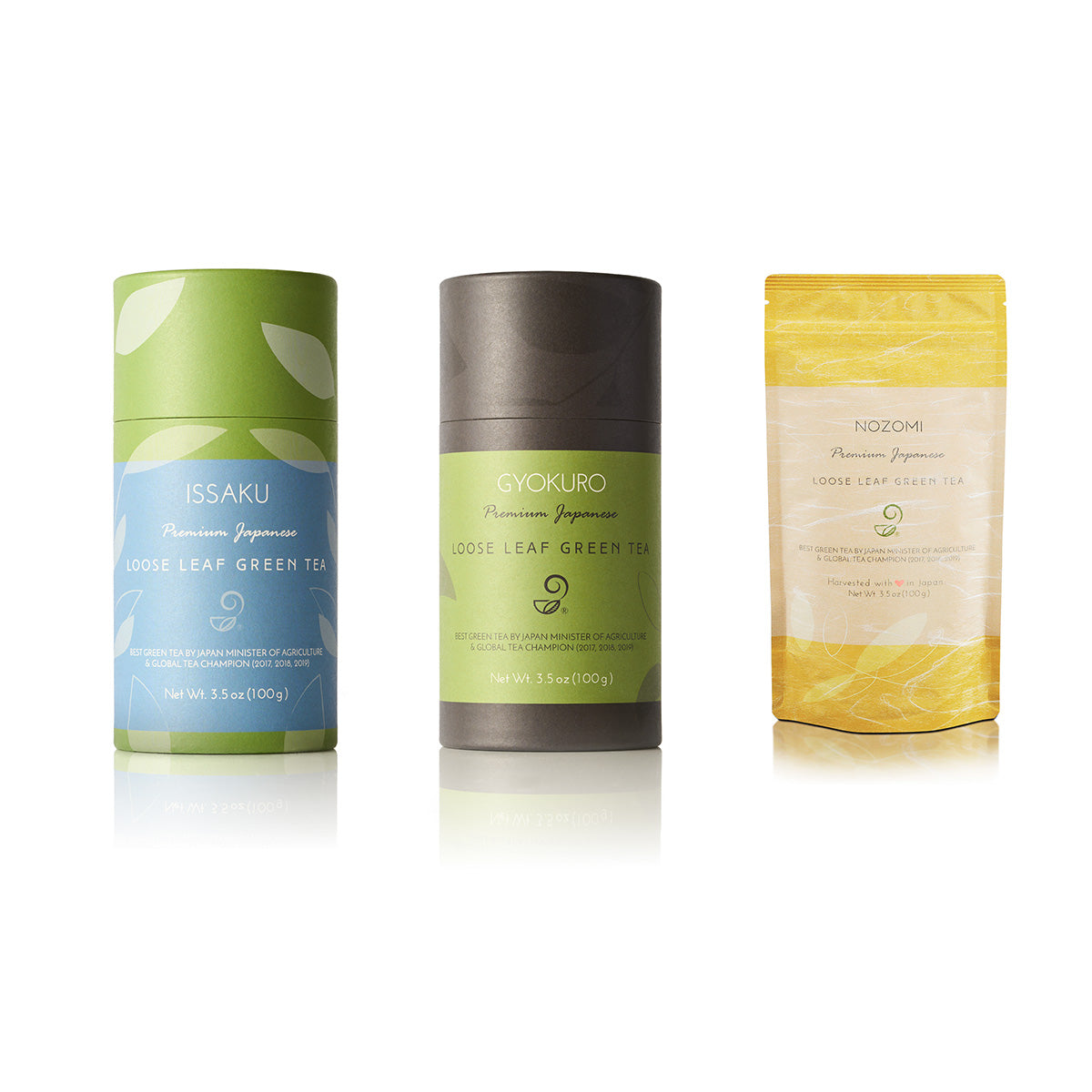
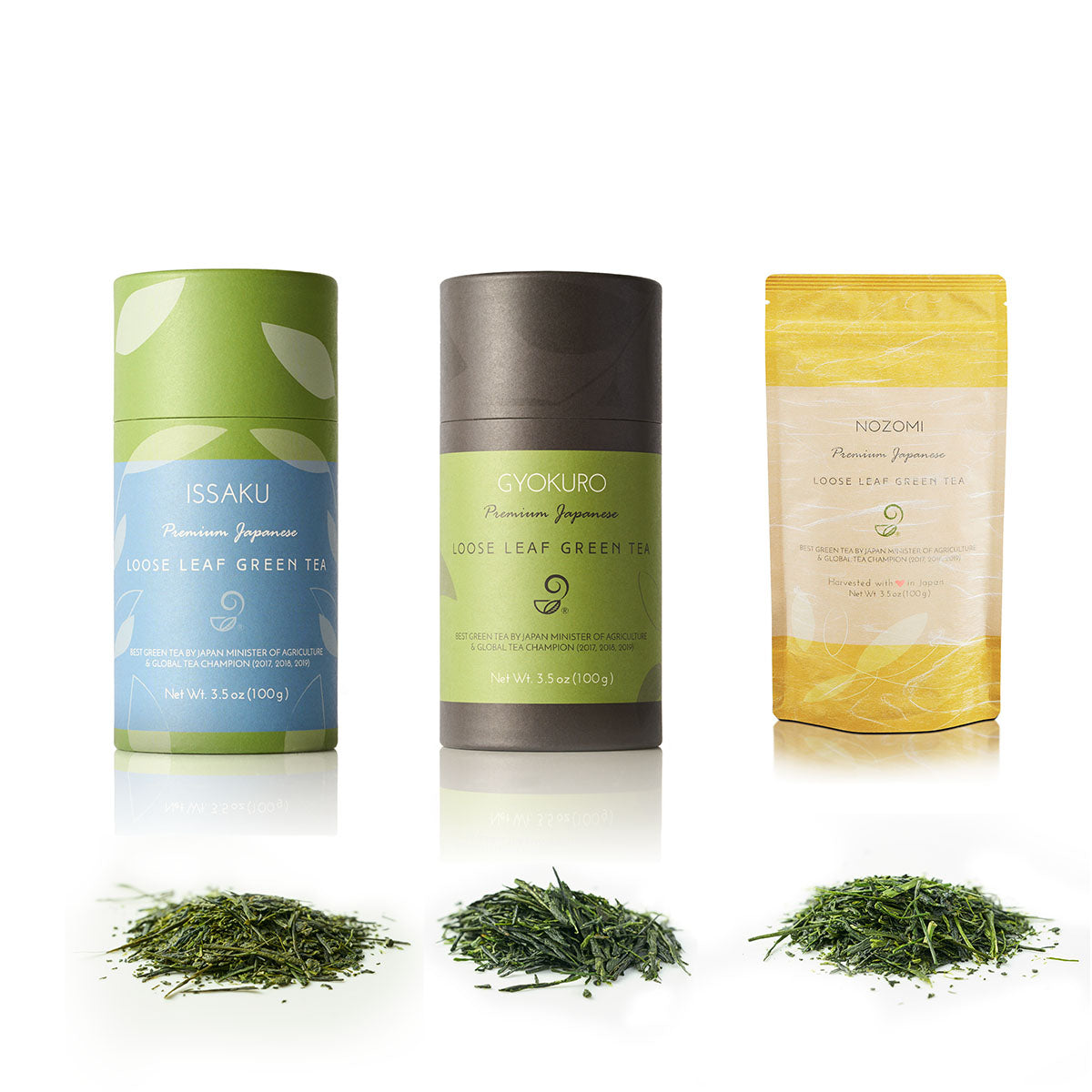
The Sencha Lover Gift Set - Premium Japanese Green Tea Set Package
$179.00 $159.99
Quick view

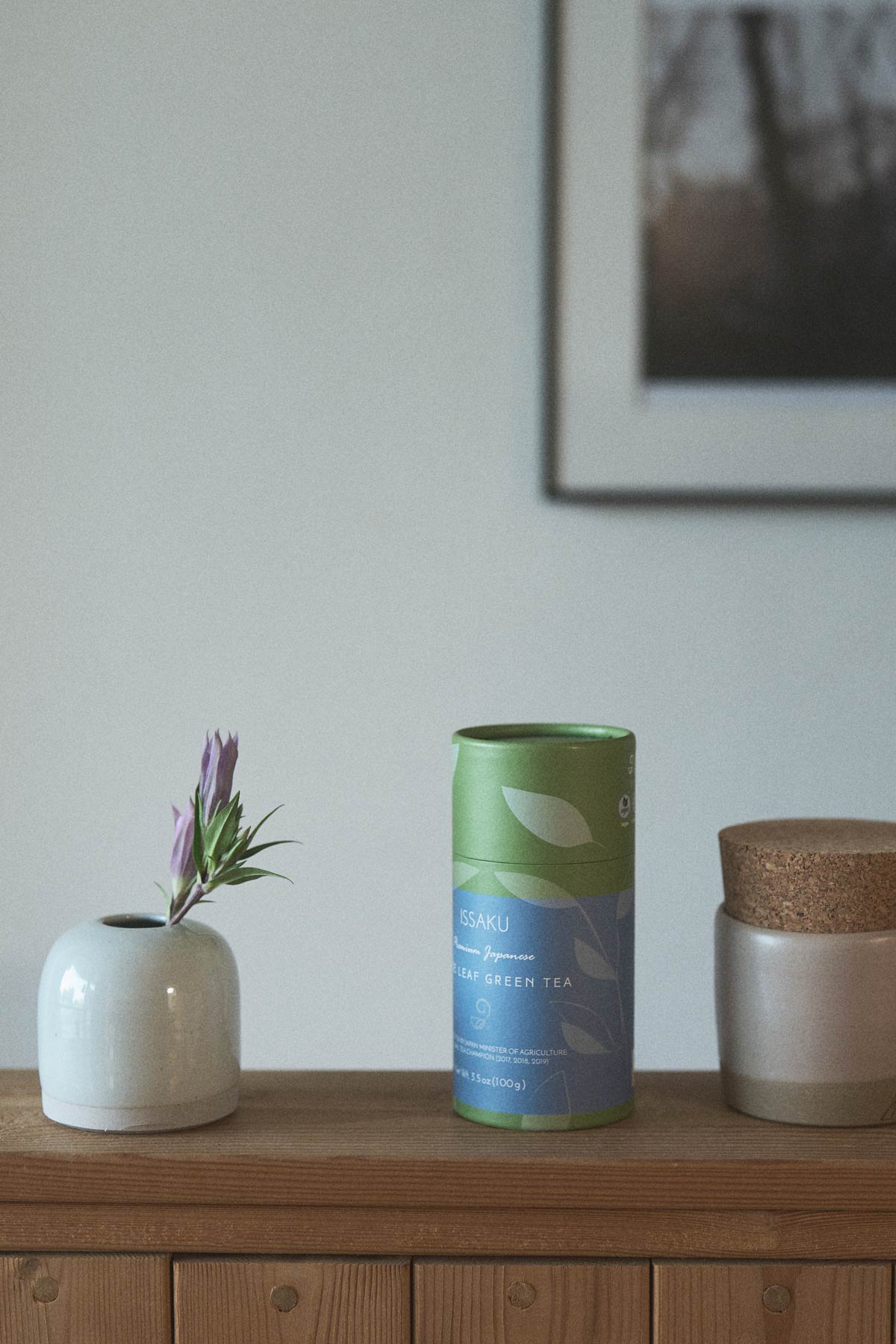
This tea set features three exceptional Japanese green teas, each crafted with care and traditional techniques. Issaku Reserve, a Global Tea Champion winner in 2017 and 2019, is a rare masterpiece created by Farm Master Mr. Arahata at Arahataen Green Tea Farm. Handpicked once a year from the first flush and processed with advanced methods, Issaku represents the highest-grade deep-steamed green tea, available only in limited quantities even in Japan.

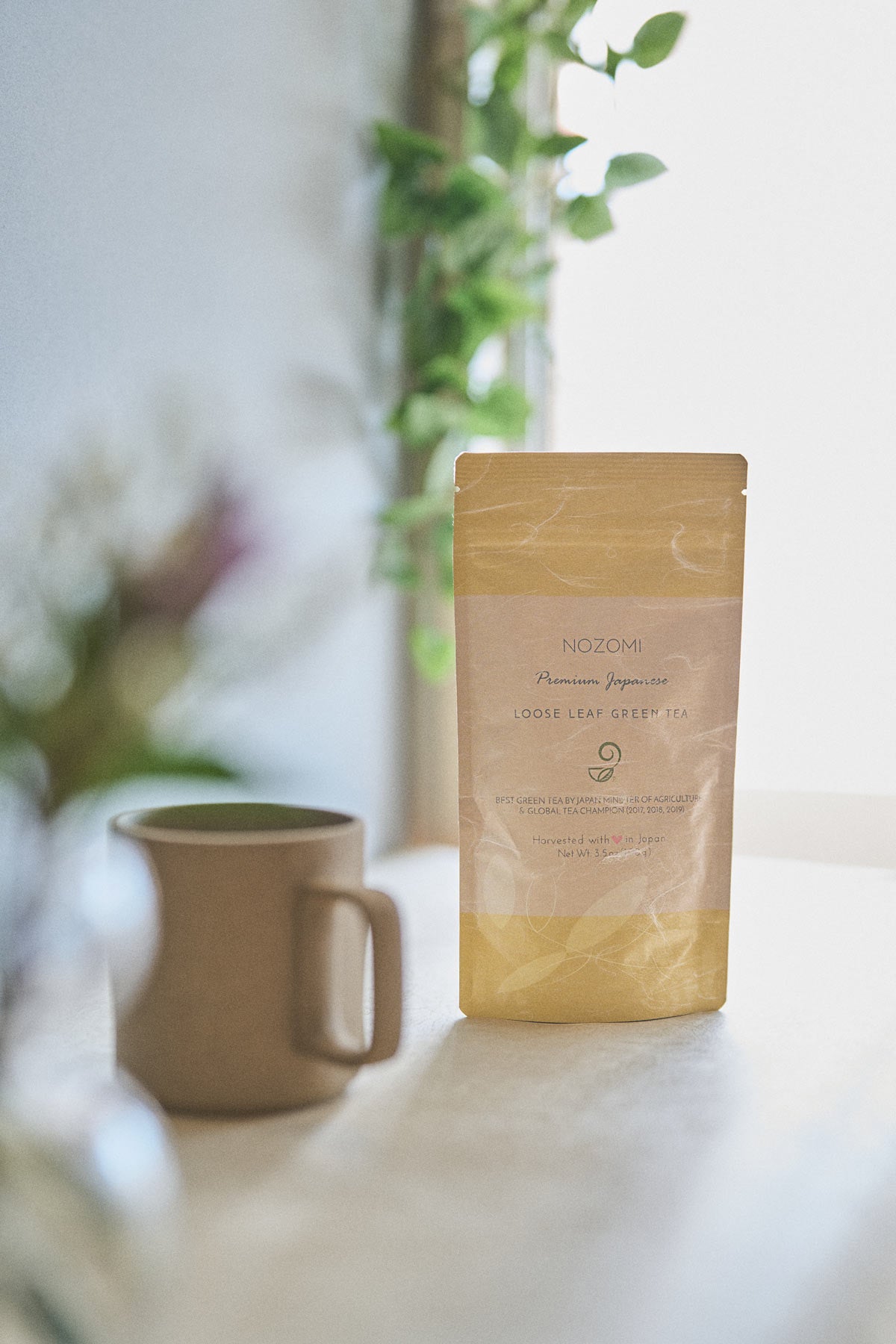
The set also includes Gyokuro, a premium shaded green tea known for its rich, sweet flavor and deep mossy green color. Grown under special mats for 20 days to increase caffeine and amino acid levels, Gyokuro offers a layered, smooth taste unlike any other. Completing the collection is Nozomi, a fine Kabuse-cha, or "Covered Green Tea," carefully grown under nets to gently shade the leaves just before new sprouts emerge, resulting in a soft, rich, and refined flavor profile.

97 reviews

Gyokuro - Shaded Imperial Premium Green Tea

$65.00
Quick view

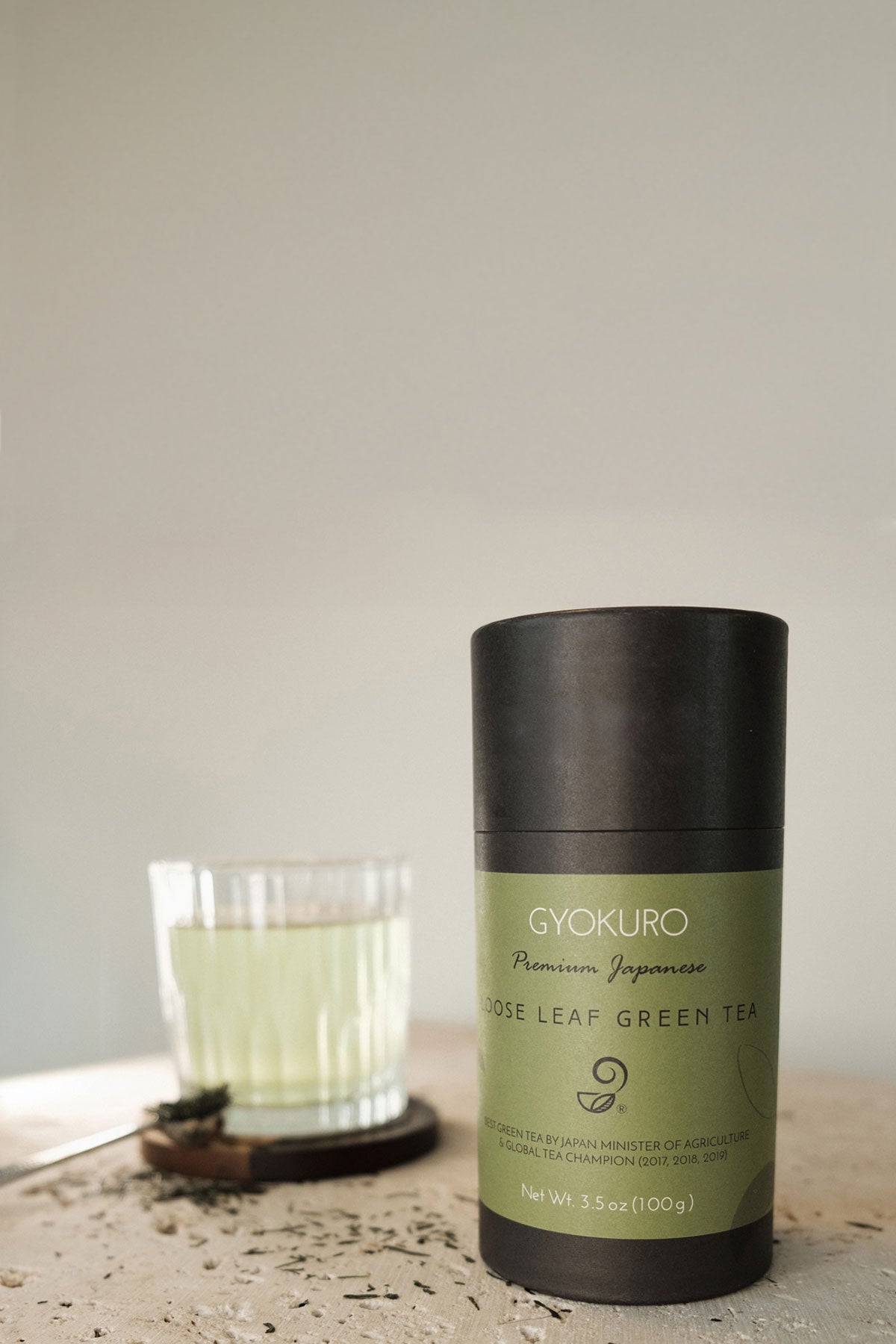
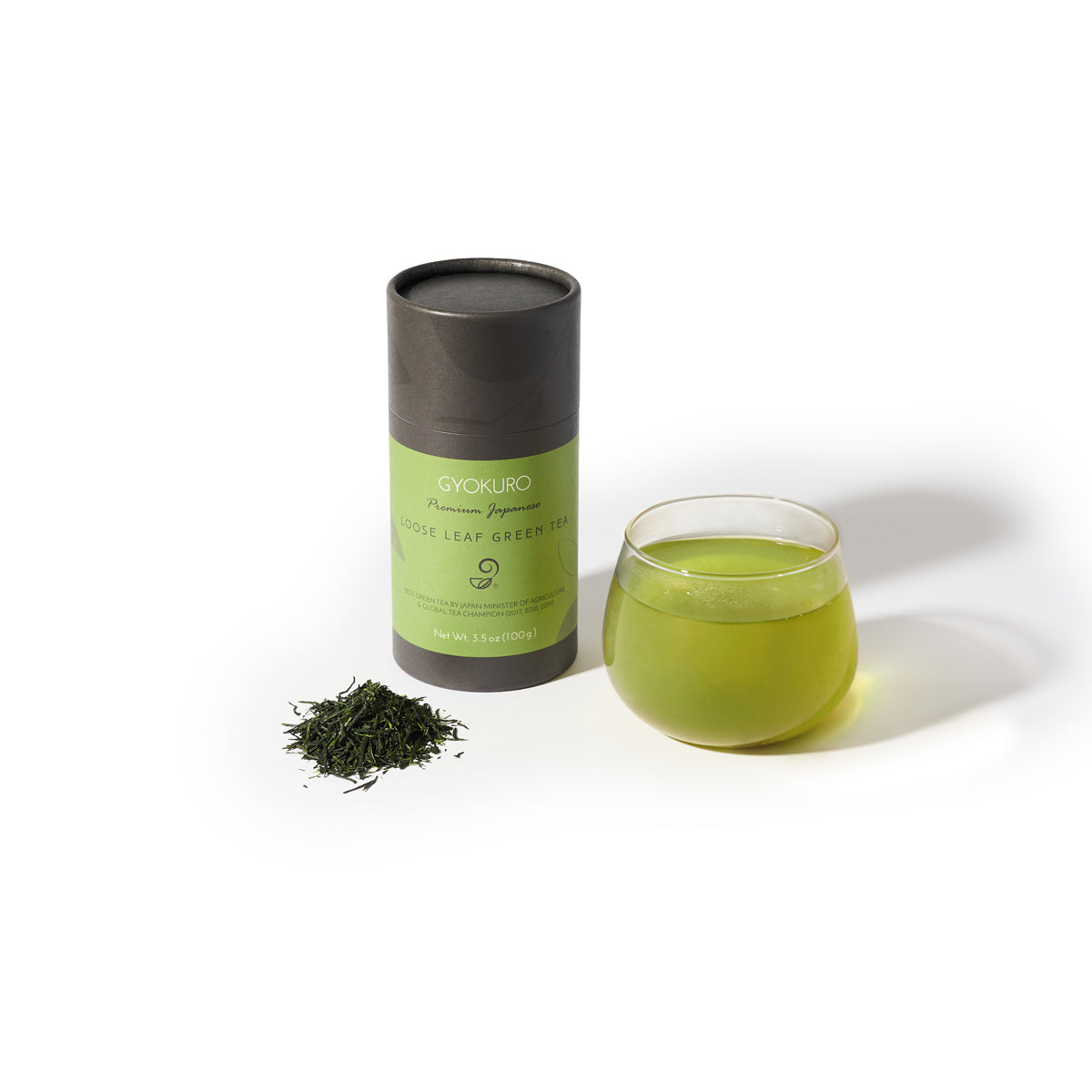
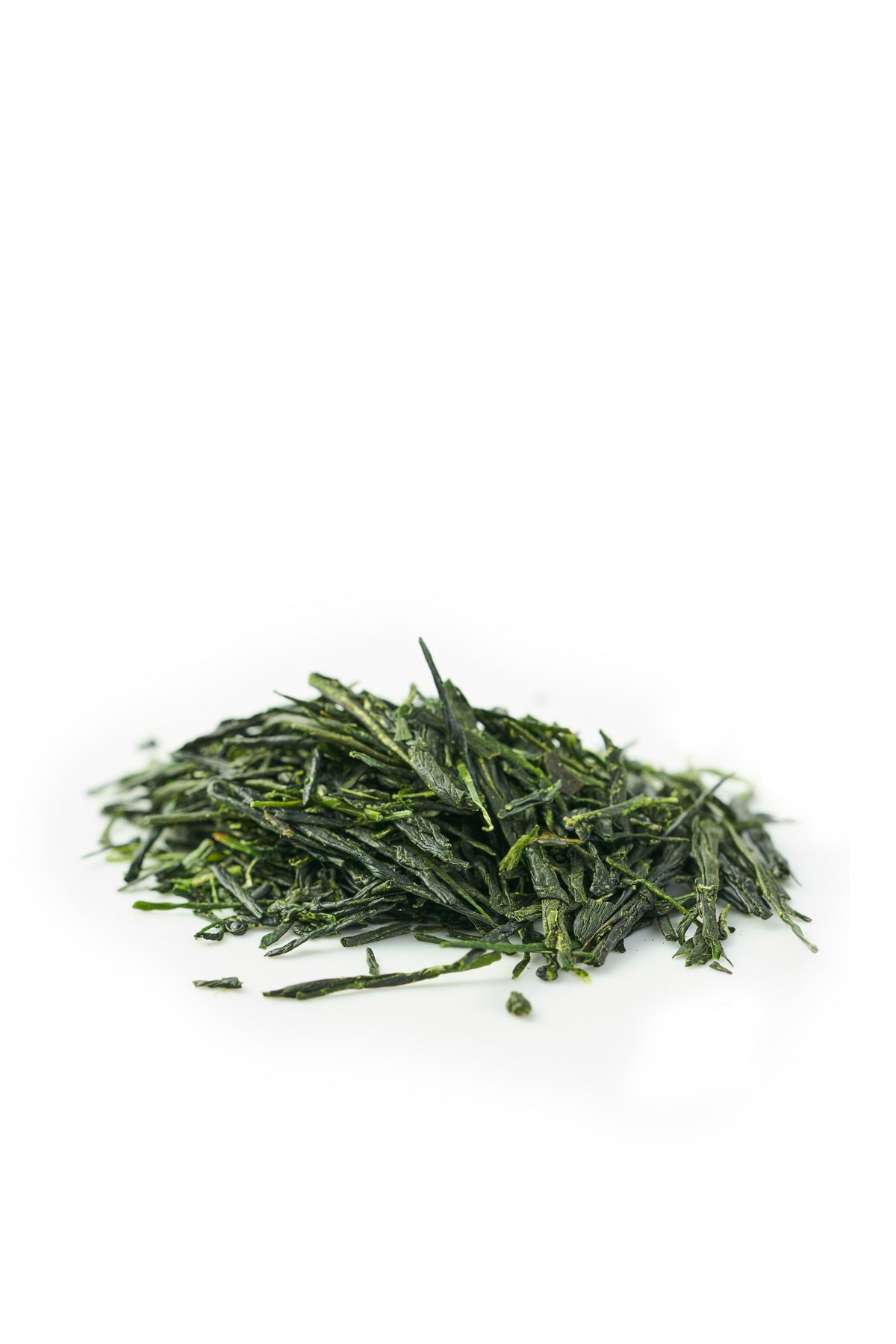
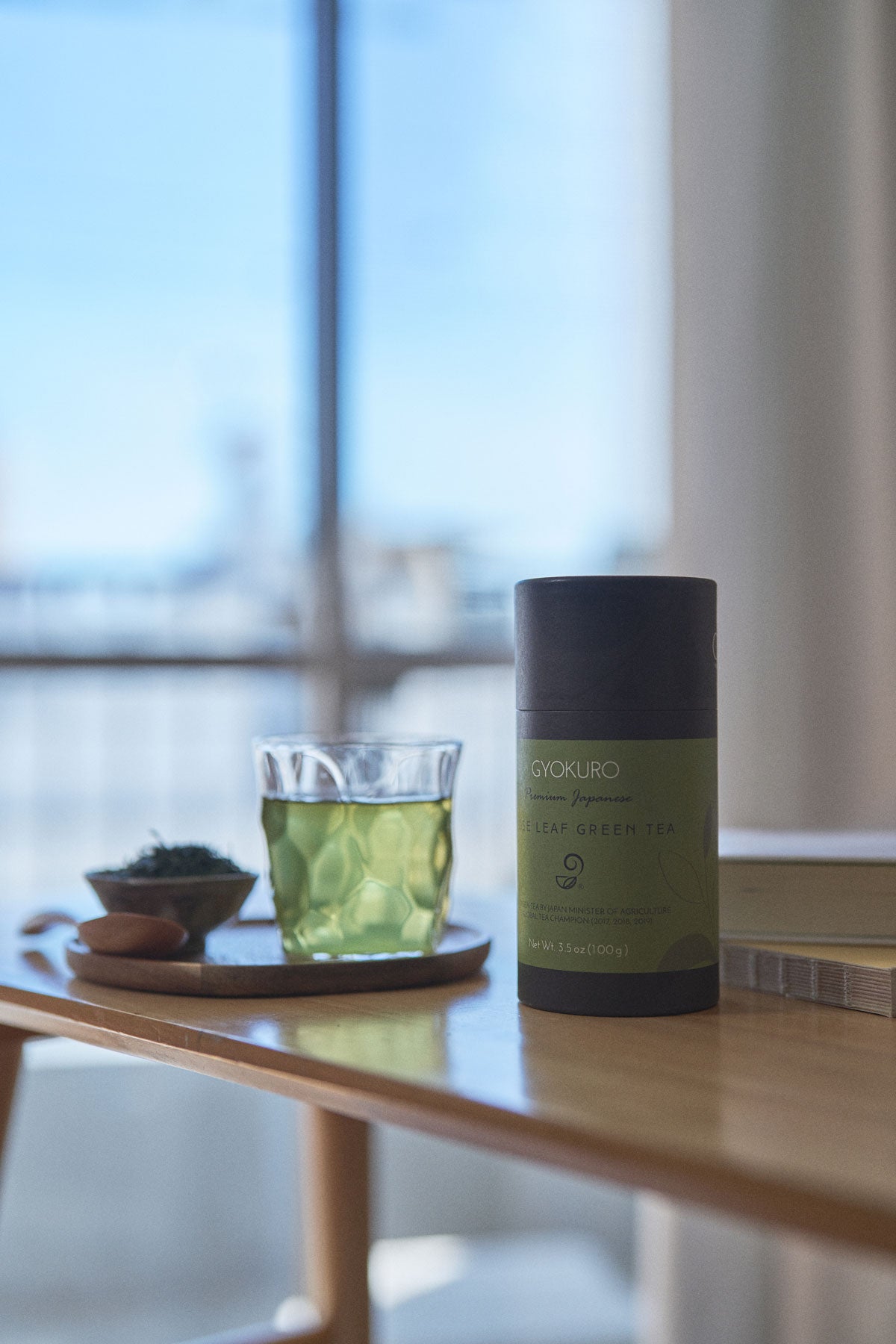
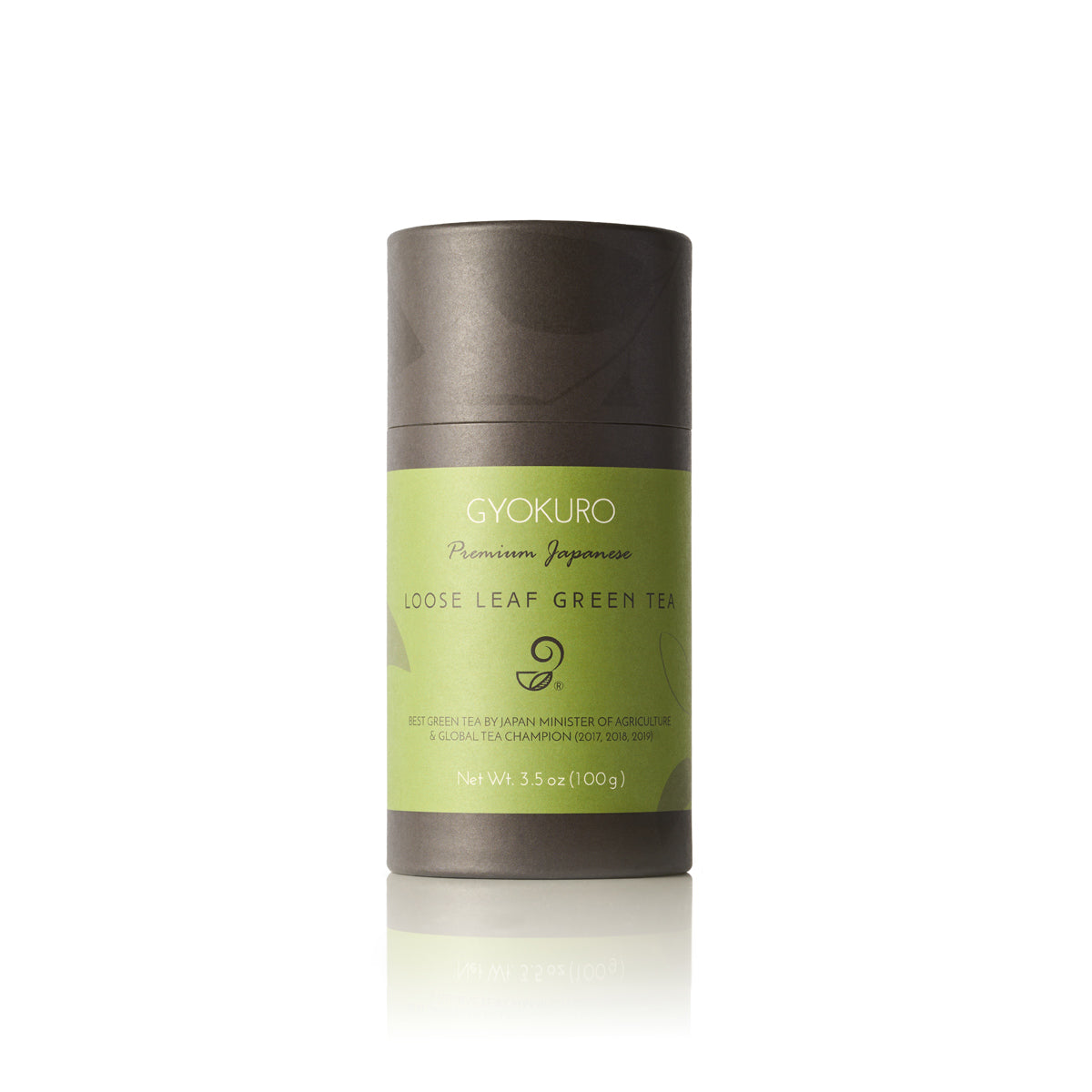
Gyokuro, also known as "jade dew" or "jewel dew tea," is a premium Japanese green tea shaded from the sun for 20 days using specially made mats, a method that boosts caffeine levels and strengthens amino acids to create a sweeter, richer flavor. This extended shading process results in dark, mossy green leaves with an unmistakable aroma and a complex taste that is layered yet balanced. Cultivated by the Chagusaba method in nutrient-rich sugarcane soil and made from the Yabukita cultivar, this loose-leaf authentic Gyokuro is offered in a high-quality, air-tight paper tube canister (chyazutsu) to preserve its exceptional freshness and flavor. Each 3.5 oz (100g) full-size package steeps 30–40 cups, and a convenient single-serve sample is also available.

45 reviews

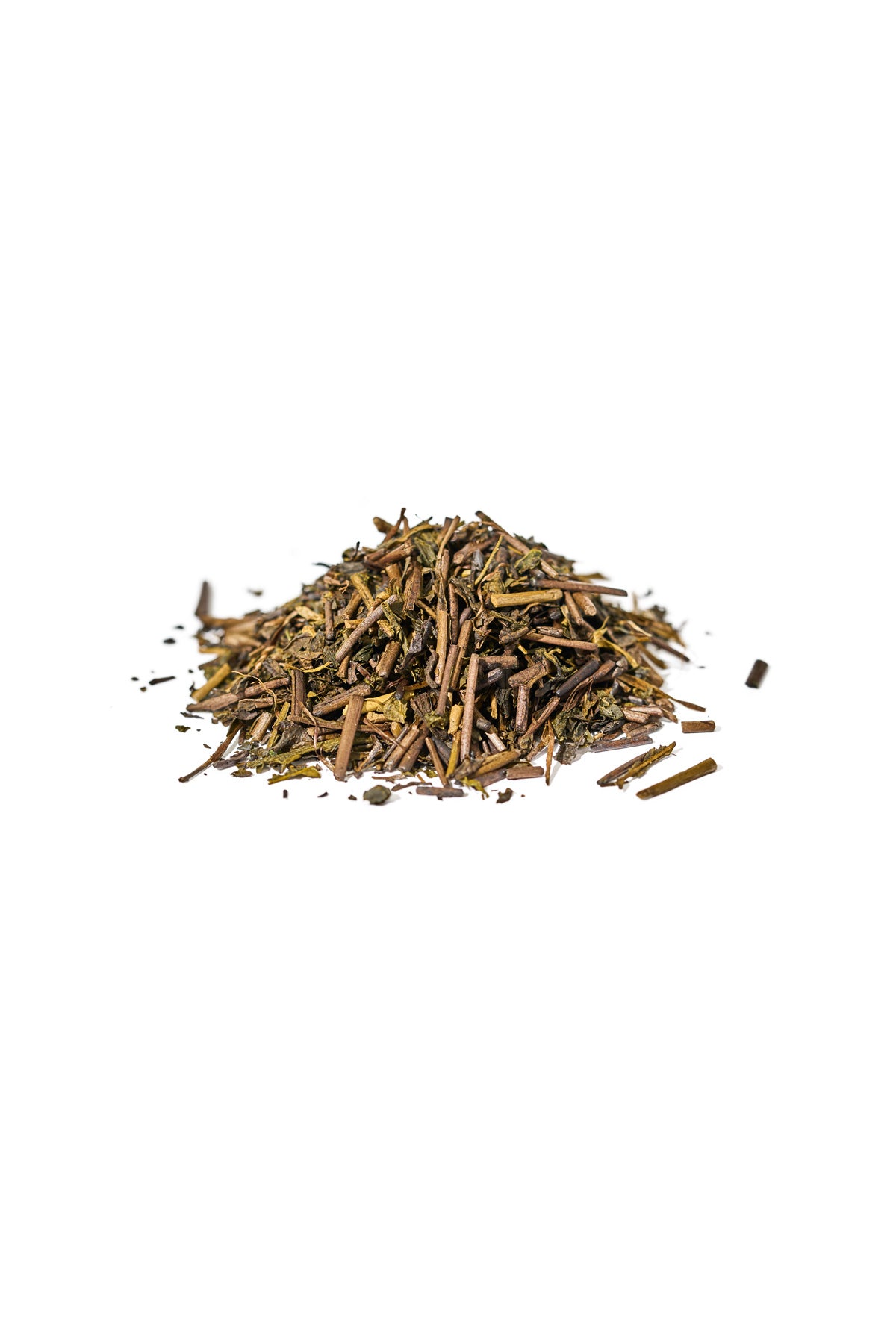
Hojicha - Roasted Green Tea

$25.00
Quick view

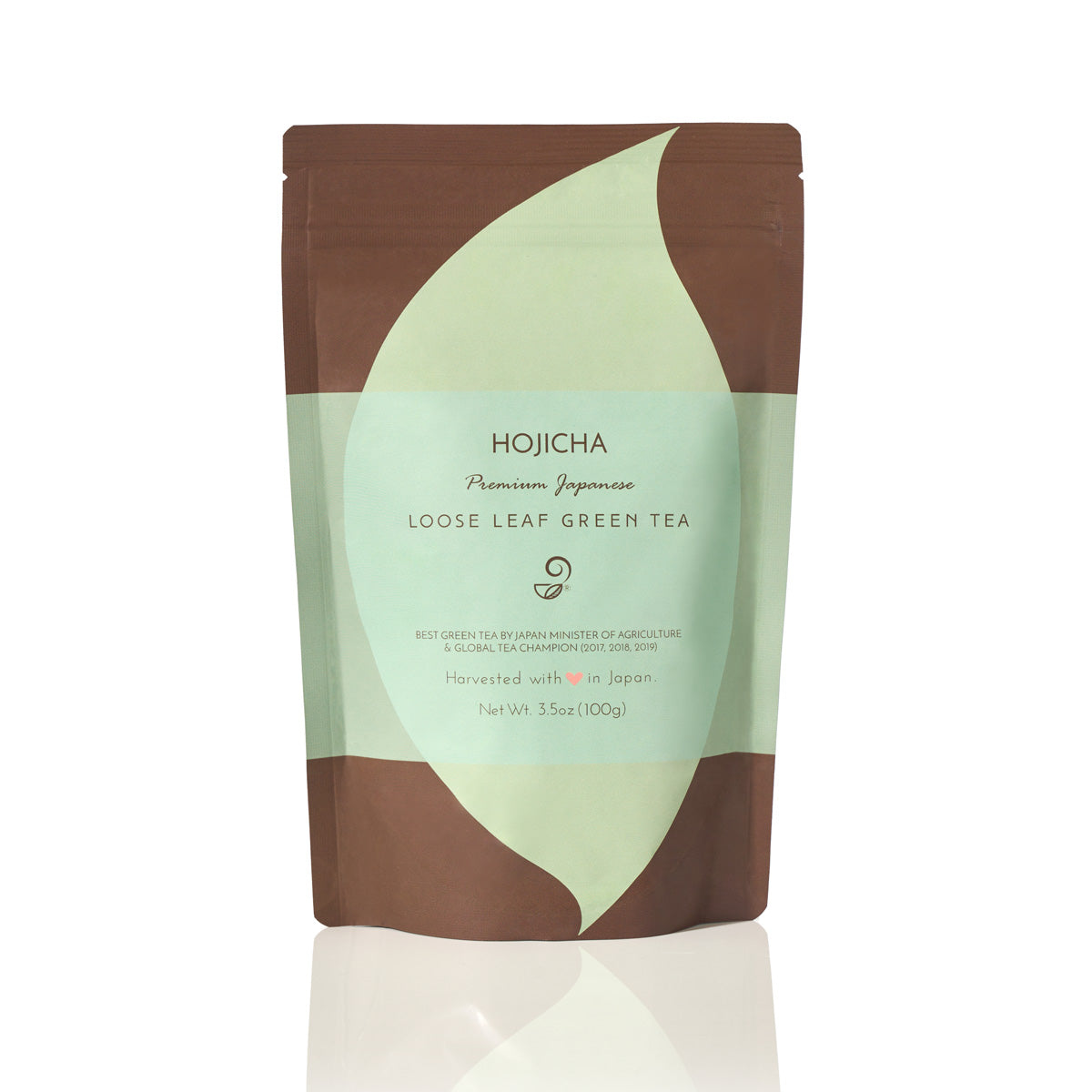
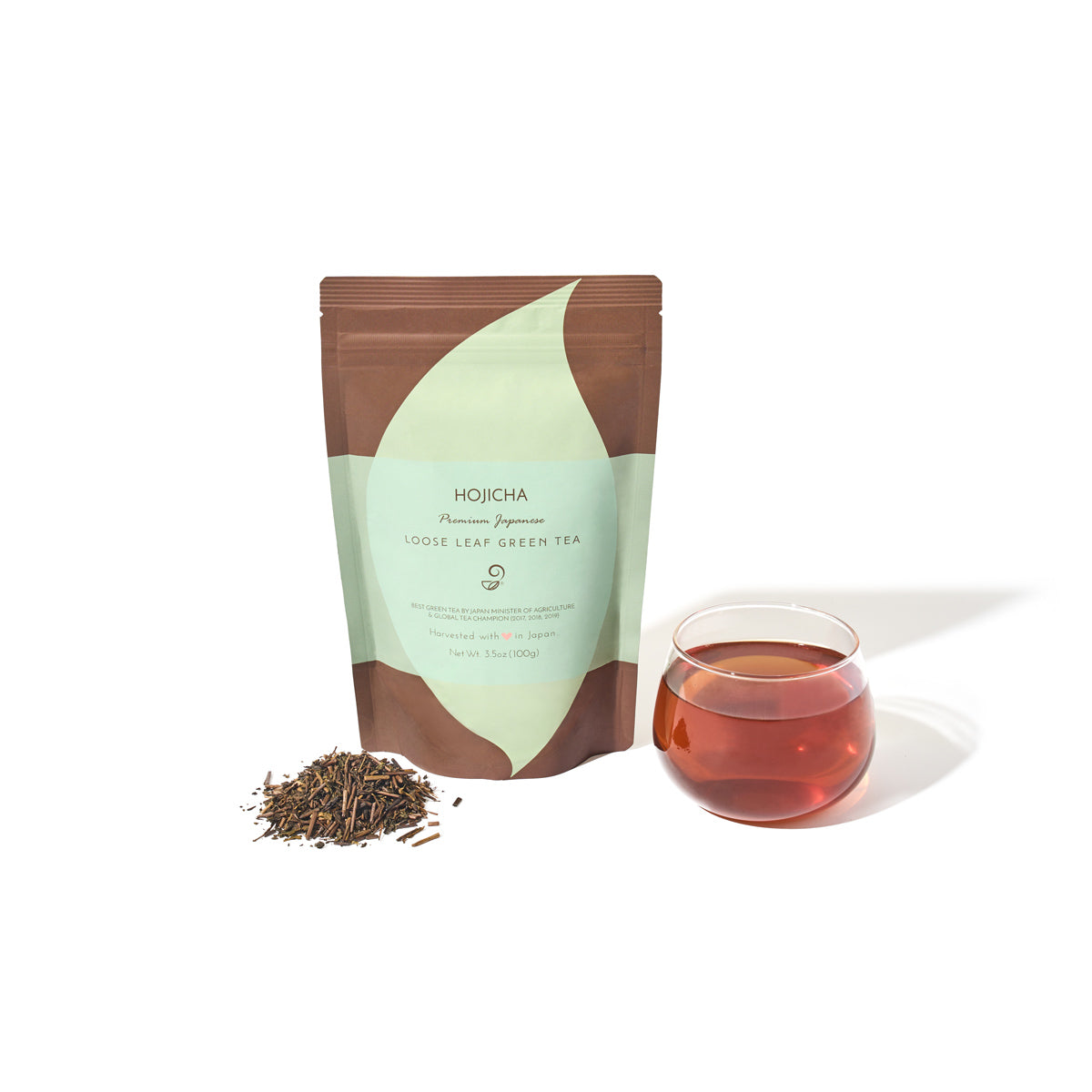
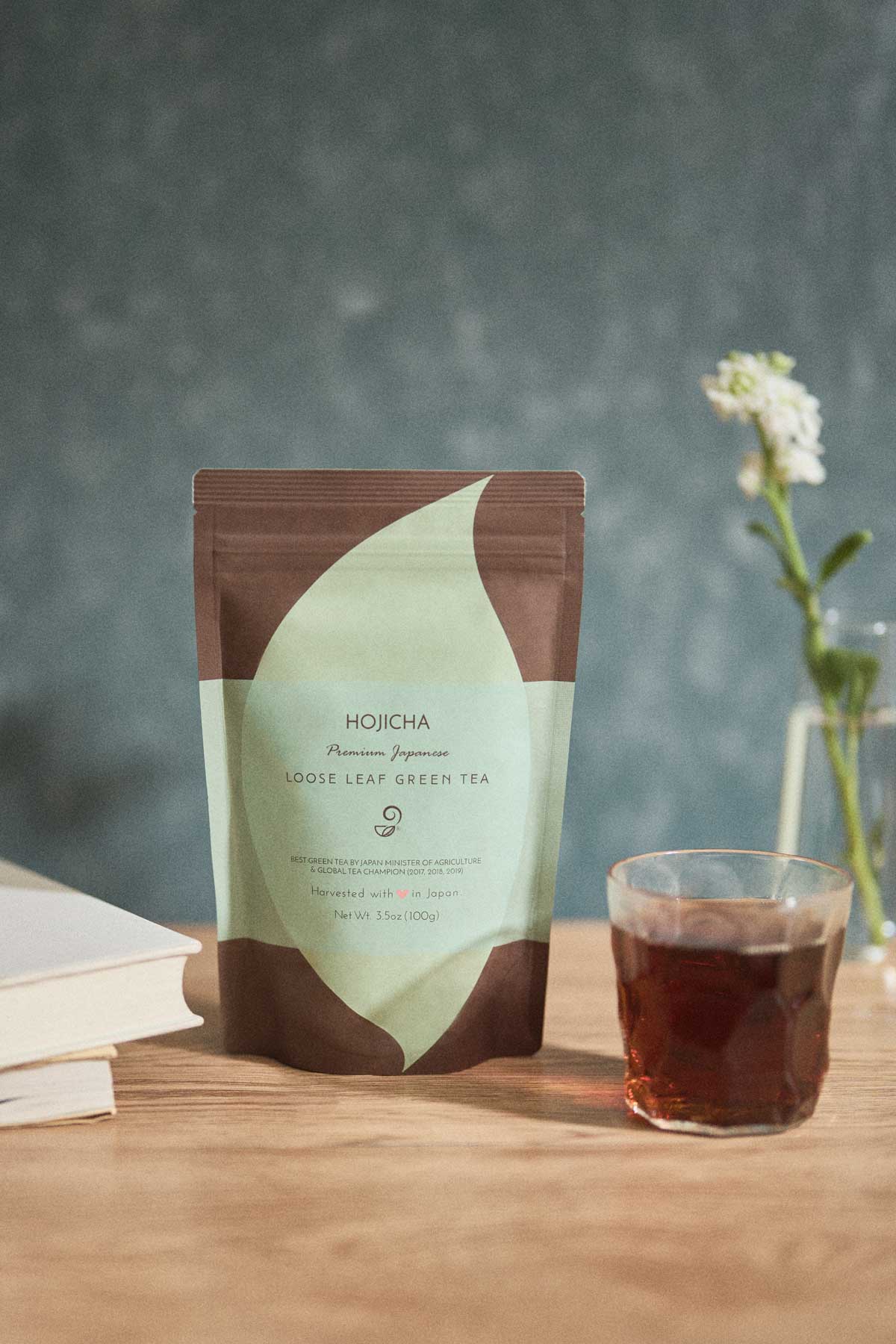
Our roasted green tea, known as hojicha (ほうじ茶), is crafted from freshly harvested premium green tea carefully roasted in porcelain over charcoal to maximize flavor while retaining more catechins than typical hojicha on the market. With lower caffeine and a smoother, less bitter taste compared to steamed green tea, it is an ideal choice for evening relaxation and is gentle enough for kids and pregnant women. Cultivated using the Chagusaba method in nutrient-rich sugarcane soil, this loose-leaf authentic Japanese roasted green tea, made from the Yabukita cultivar, also pairs beautifully with oily foods. Each eco-friendly resealable package contains 3.5 oz (100g) of tea, enough to steep 30–40 comforting cups.

80 reviews

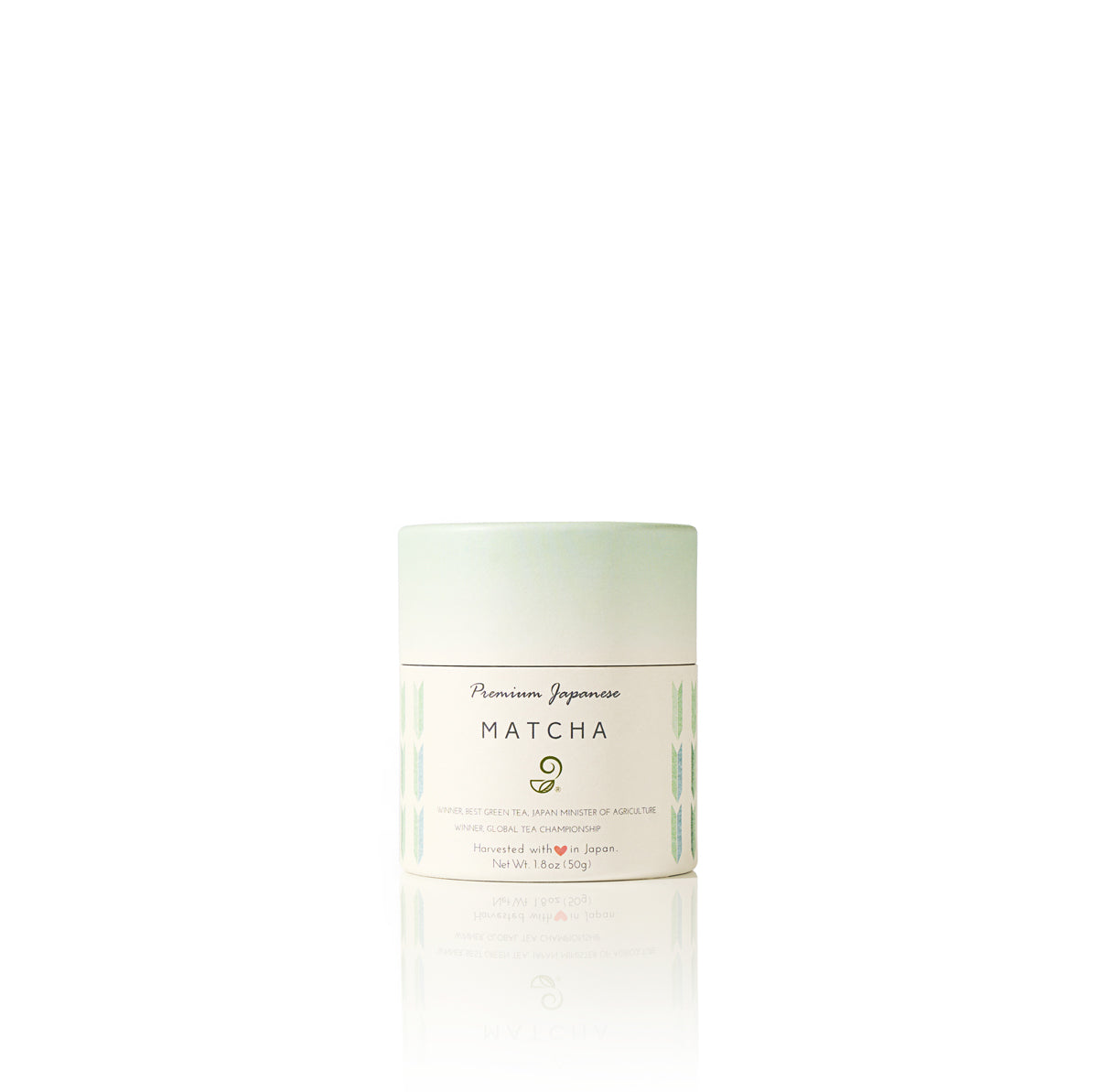
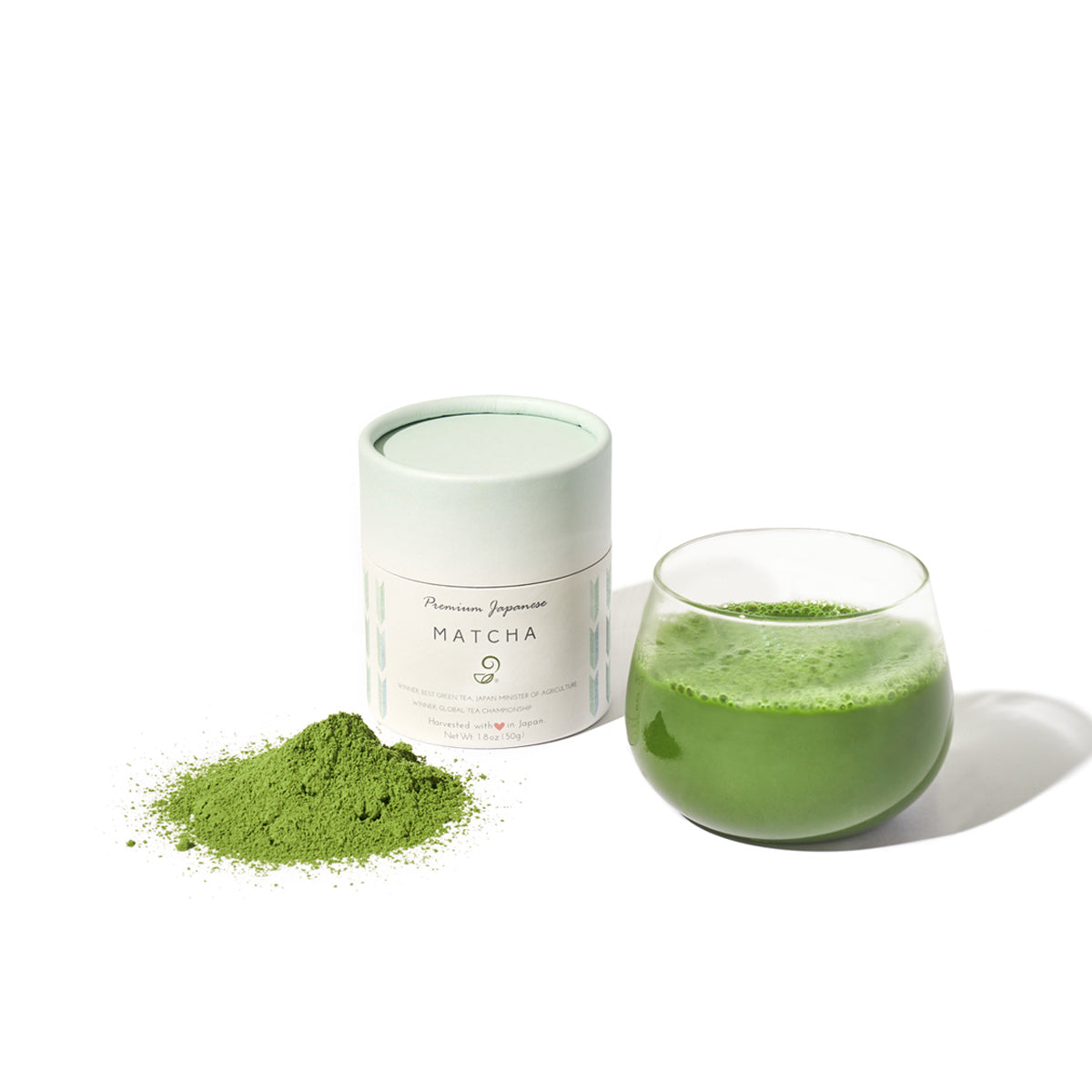
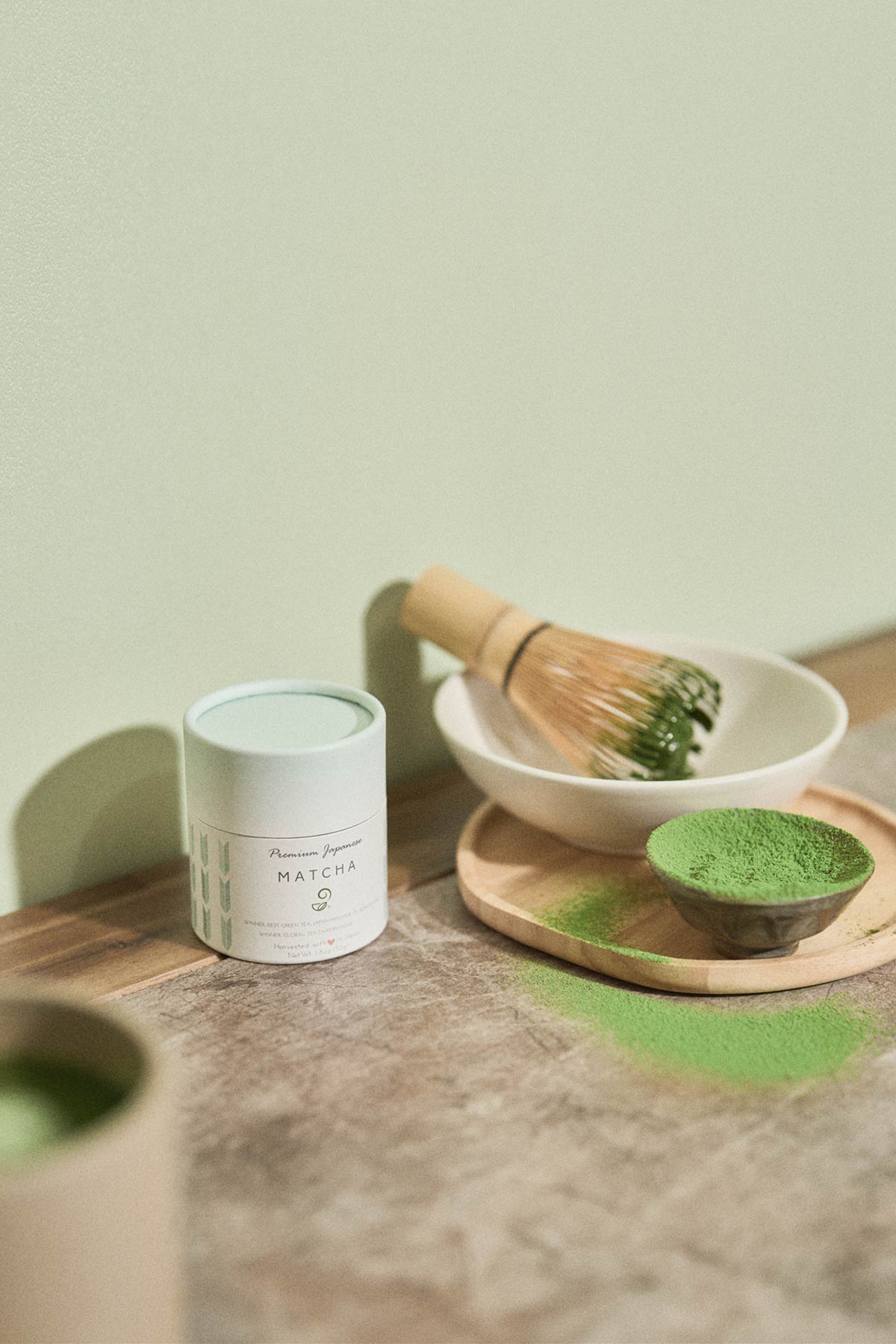
Matcha - Ceremonial Japanese Powdered Green Tea

$39.00
Quick view

This ceremonial matcha is crafted from the finest Japanese green tea, grown in nutrient-rich soil enhanced with compostable grasses and sugarcane through the Chagusaba method, which gives the tea a natural sweetness and exceptional flavor. In collaboration with researchers from Shizuoka University, farmers ensure that the soil quality consistently produces tea of the highest standard.

Renowned among top Japanese chefs for its unmatched aroma, this matcha is made by carefully shading the plants before harvest to boost caffeine and amino acids, then meticulously drying, de-stemming, and grinding the leaves into a fine powder. Made from the Yabukita cultivar, this 1.8 oz (50g) matcha comes in a high-quality, air-tight paper tube canister, providing a luxurious and authentic Japanese tea experience.

42 reviews

Genmaicha - Green Tea with Roasted Brown Rice

$30.00
Quick view

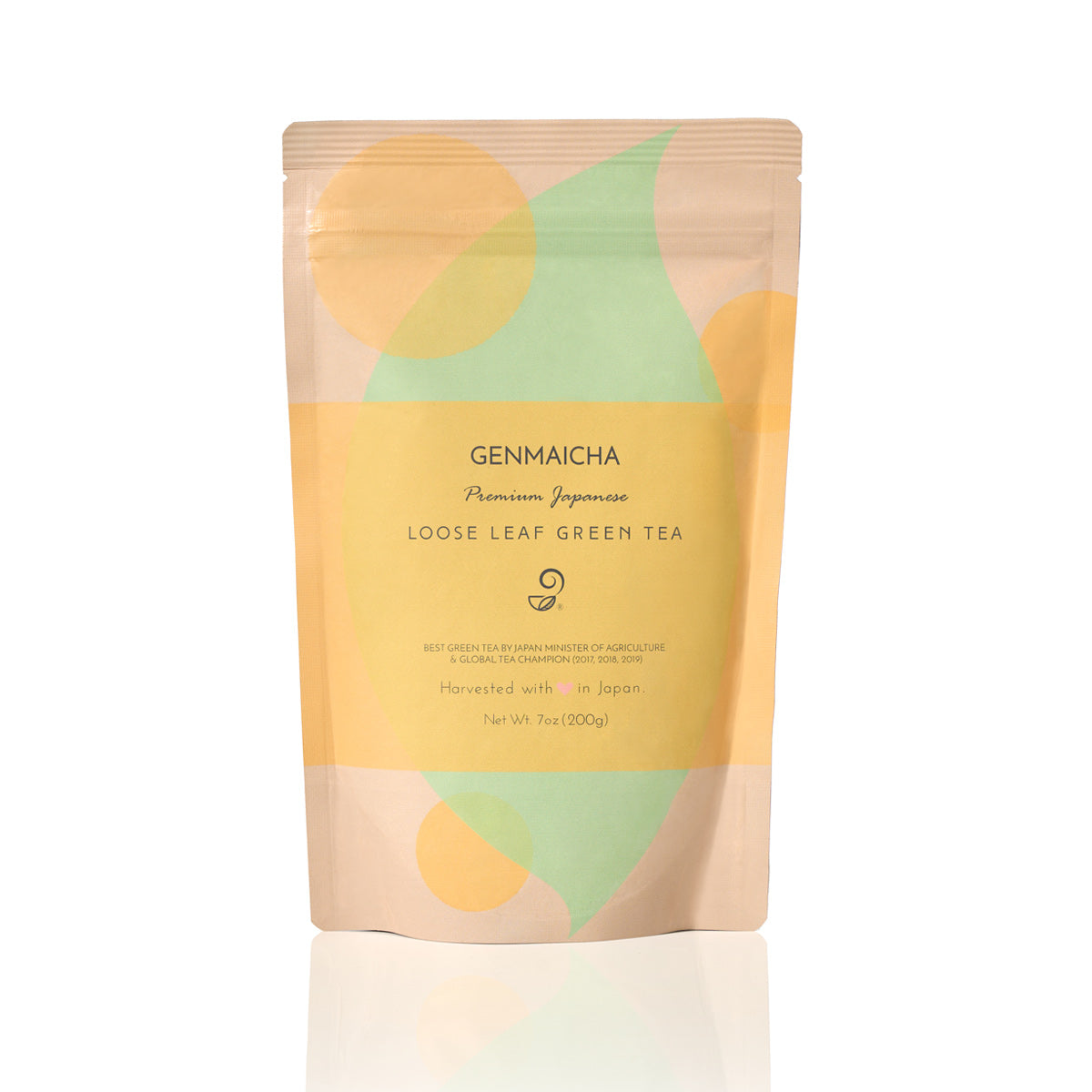
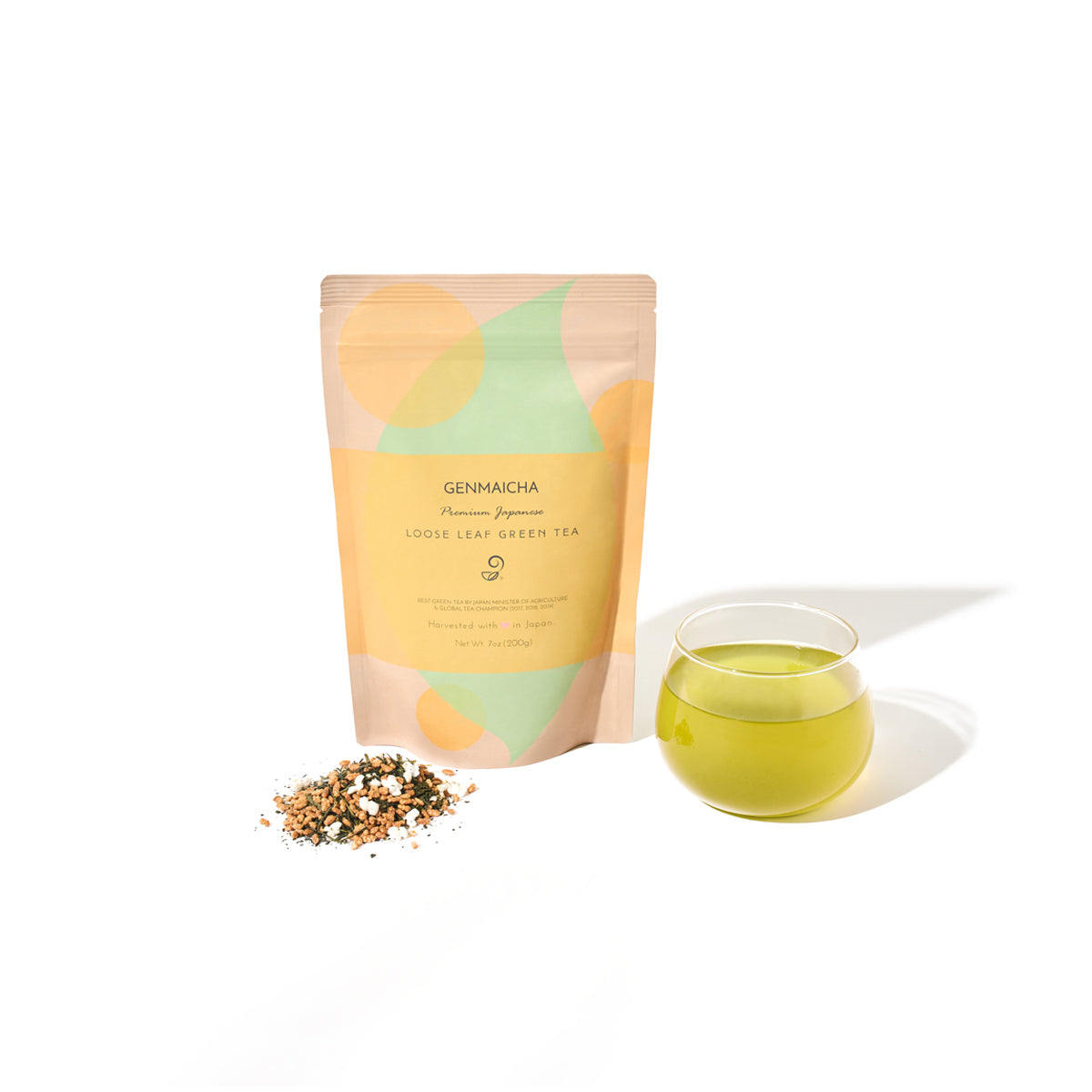
Our premium Japanese Genmaicha blends high-quality green tea with roasted popped brown rice (genmai 玄米), often nicknamed "popcorn tea" because the roasting process sounds like popcorn popping. Popular especially among the older generation in Japan for its mild flavor and lower caffeine content, this tea is easier on the stomach while still offering a rich, comforting taste. The brown rice used is premium Japanese mochi-gome (もち米) sticky rice, enhancing the tea’s nutty, aromatic profile. Made from Fukamushi Sencha and cultivated using the Chagusaba method in nutrient-rich sugarcane soil, this Genmaicha features the Yabukita cultivar and comes in a 7.0 oz (200g) eco-friendly resealable package, enough to steep 50–60 cups.


Related Articles You May Be Interested

Yuzu Sencha Available Now - Thank you for your help! - Survey Results and What Happened
Is it Safe to Eat Green Tea Leaves?
Everything You Need to Know about Genmaicha (玄米茶)
Green Tea Science Part 3: Everything You Need to Know About Green Tea and Caffeine
10 Green Tea Mistakes: Don’t Do These Mistakes When Brewing Green Tea

Get Free Bonus Books

Join Green Tea Club

Sign up for free to the Green Tea Club to get advice and exclusive articles about how to choose Japanese Tea, and tips, tricks, and recipes for enjoying Japanese tea.

Unsubscribe anytime. It’s free!

About the author

Kei Nishida

Kei Nishida

Author, CEO Dream of Japan

info@japanesegreenteain.com

Certification: PMP, BS in Computer Science

Education: Western Washington University

Kei Nishida is a passionate Japanese green tea connoisseur, writer, and the founder and CEO of Japanese Green Tea Co., a Dream of Japan Company.

Driven by a deep desire to share the rich flavors of his homeland, he established the only company that sources premium tea grown in nutrient-rich sugarcane soil—earning multiple Global Tea Champion awards.

Expanding his mission of introducing Japan’s finest to the world, Kei pioneered the launch of the first-ever Sumiyaki charcoal-roasted coffee through Japanese Coffee Co. He also brought the artistry of traditional Japanese craftsmanship to the global market by making katana-style handmade knives—crafted by a renowned katana maker—available outside Japan for the first time through Japanese Knife Co.

Kei’s journey continues as he uncovers and shares Japan’s hidden treasures with the world.

Learn more about Kei Nishida

Related Posts

Super Mario and Japanese Green Tea

Super Mario and green tea share a hometown! Watch our Yoshi Matcha Cookies video recipe + discover how Nintendo and matc

Read More
Our Matcha Is Now at Pillow Talk Cafe in Pasadena — Master Japanese-Inspired Cake Makers

Our matcha is now at Pillow Talk Cafe Pasadena! Meet the cafe, try the Egg Heaven sando & Matchamisu, and see how th

Read More
Simply Donabe — New Cookbook from TOIRO's Naoko-san Is Out!

Simply Donabe is here! We celebrated TOIRO's Naoko-san's new cookbook at a special dinner at Camélia in DTLA — see our p

Read More
Leave a comment

Your email address will not be published..

Cart

Your cart is currently empty.

Start Shopping

Select options