Skip to content

Ensuring Food Safety In Tea Production: Best Practices


The art of tea production is a delicate balance between tradition and technology. As consumers become increasingly aware of what they ingest, the importance of food safety in tea production has escalated to a paramount concern.

Tea, a beverage cherished globally, not only carries cultural significance but also health implications. Thus, it's essential for tea producers to prioritize food safety, ensuring that each cup poured not only satisfies the palate but also upholds the highest standards of health and safety. 

This article explores the best practices for maintaining food safety in tea production, guiding producers through the steps necessary to ensure a safe and high-quality product.

Hygiene Standards

A cornerstone of food safety in tea production is stringent hygiene standards. Every aspect of the production facility, from the processing floors to the equipment used, must adhere to rigorous cleaning and sanitization protocols. According to an article from TDI Packsys, it is not enough to simply clean; sanitization must eliminate any potential bacterial and microbial threats. 

Staff play a crucial role in maintaining these standards. They must be thoroughly trained in personal hygiene practices, understanding the importance of regular handwashing, appropriate attire, and protective gear. Such measures prevent the introduction of contaminants into the tea production process, thereby safeguarding the product's purity and the consumers' health.

Raw Material Quality Control 

The journey to ensuring food safety begins with the quality of raw materials. Tea leaves, like any agricultural product, are susceptible to a range of contaminants, from environmental pollutants to biological hazards. Upon arrival, these materials must undergo a meticulous inspection process. This step is crucial for identifying any potential contaminants, such as pesticides or harmful microorganisms. 

Ensuring Food Safety In Tea Production: Best Practices

Moreover, verifying the proper handling and transportation of these materials is essential to maintain their quality and safety. A comprehensive quality control protocol for raw materials not only sets the stage for a safe production process but also contributes significantly to the final product's overall quality.

Control Of Processing Conditions 

Controlling the processing conditions is vital in preventing the proliferation of harmful microorganisms. Parameters such as temperature, humidity, and processing duration must be meticulously managed. For instance, the drying process, a critical stage in tea production, requires precise temperature control to prevent microbial growth while preserving the tea's flavor and aroma. 

Similarly, storage conditions must be carefully regulated to maintain the tea's quality and safety. By mastering these conditions, producers can ensure that the final product is not only safe for consumption but also meets the highest standards of quality.

Pest Control 

Pest control in tea production is about safeguarding the product from biological contamination. Pests such as rodents and insects can not only spoil the tea leaves but also introduce harmful pathogens. 

A comprehensive pest control strategy encompasses regular inspections and effective measures to deter pests. These measures should be environmentally friendly and safe for use in food production facilities. The goal is not merely to react to pest infestations but to prevent them, ensuring the tea production environment remains pristine and uncontaminated.

Chemical Management 

The use of chemicals, whether for pest control or to enhance crop yields, must be approached with caution in tea production. It's imperative that any chemicals used are approved for food products and are applied following strict safety guidelines. The management of these chemicals includes accurate record-keeping of all applications and adhering to the prescribed usage limits. 

This oversight ensures that the tea leaves are free from harmful chemical residues, aligning with food safety regulations and consumer health concerns. Effective chemical management is a critical component in maintaining the integrity and safety of the final tea product.

Water Quality

In tea production, water is a critical component that can impact the safety and quality of the product. The water used in various stages of tea processing, particularly in washing the leaves, must meet stringent safety standards. It should be free from contaminants and pathogens to prevent any risk of waterborne diseases. 

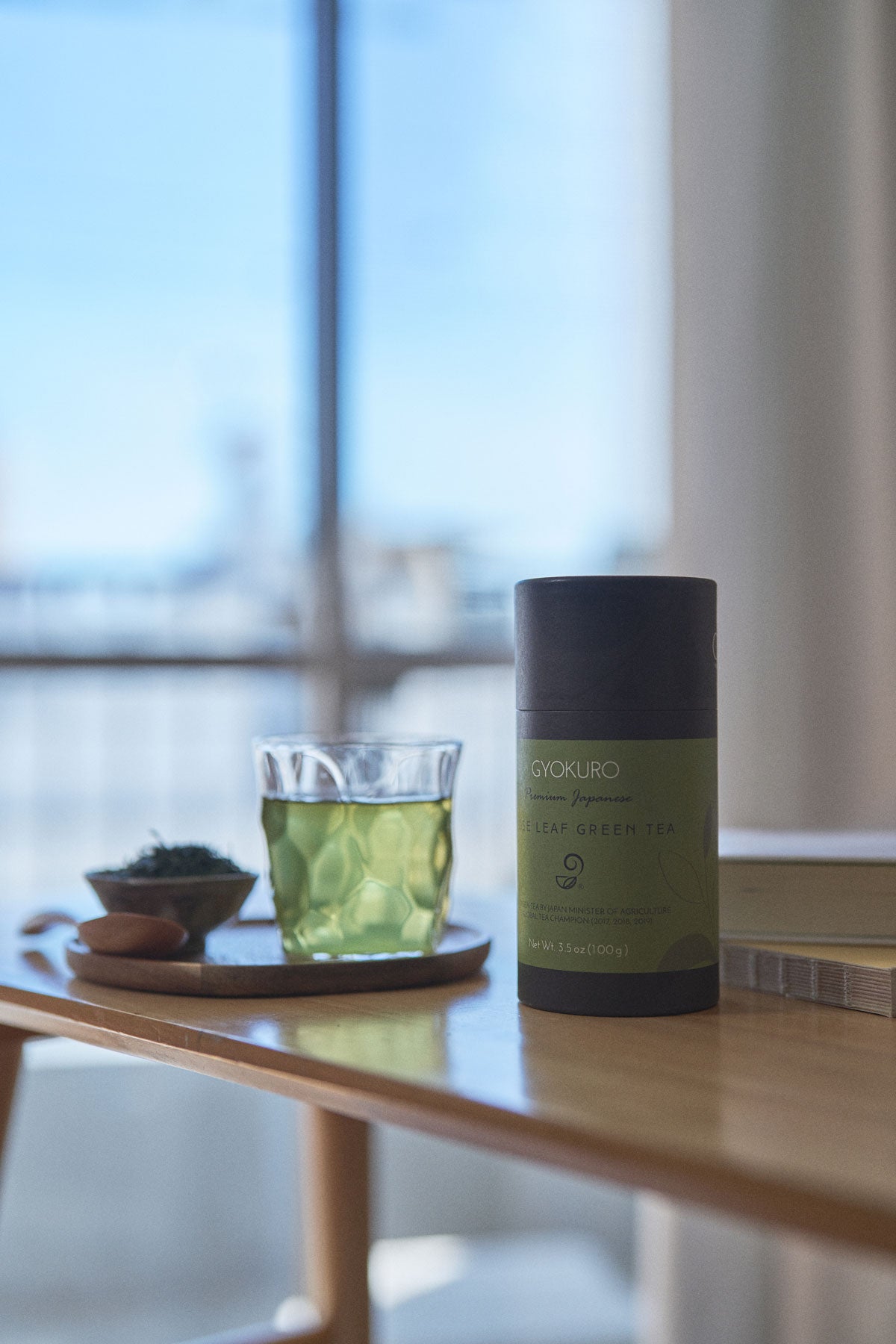
Water quality affects the cup of tea

Ensuring the purity of water used in tea production is a multifaceted task involving regular testing and monitoring. This commitment to water quality reflects a producer's dedication to delivering a product that is not only flavorful but also unequivocally safe for consumption.

Traceability And Recall Systems

Implementing robust traceability and recall systems is crucial in tea production. These systems enable producers to track their products from the farm to the consumer, offering a transparent view of the production chain. Should a safety concern arise, these systems facilitate quick identification of the problem's source, allowing for swift and effective action. 

A reliable recall system is equally important, enabling producers to promptly remove any potentially unsafe products from the market. Such measures not only protect consumers but also reinforce trust in the brand, showcasing a commitment to accountability and safety.

Regular Training And Audits 

Continuous education and evaluation are key to maintaining food safety standards in tea production. Regular training sessions for staff ensure that everyone involved in the production process is aware of and competent in the latest food safety practices. These training programs should cover everything from basic hygiene to the handling of specific equipment. 

Complementing this, periodic audits of the production facilities and processes help identify any areas needing improvement. By investing in training and audits, producers can foster a culture of safety and excellence, which is essential for the long-term success of the tea industry.

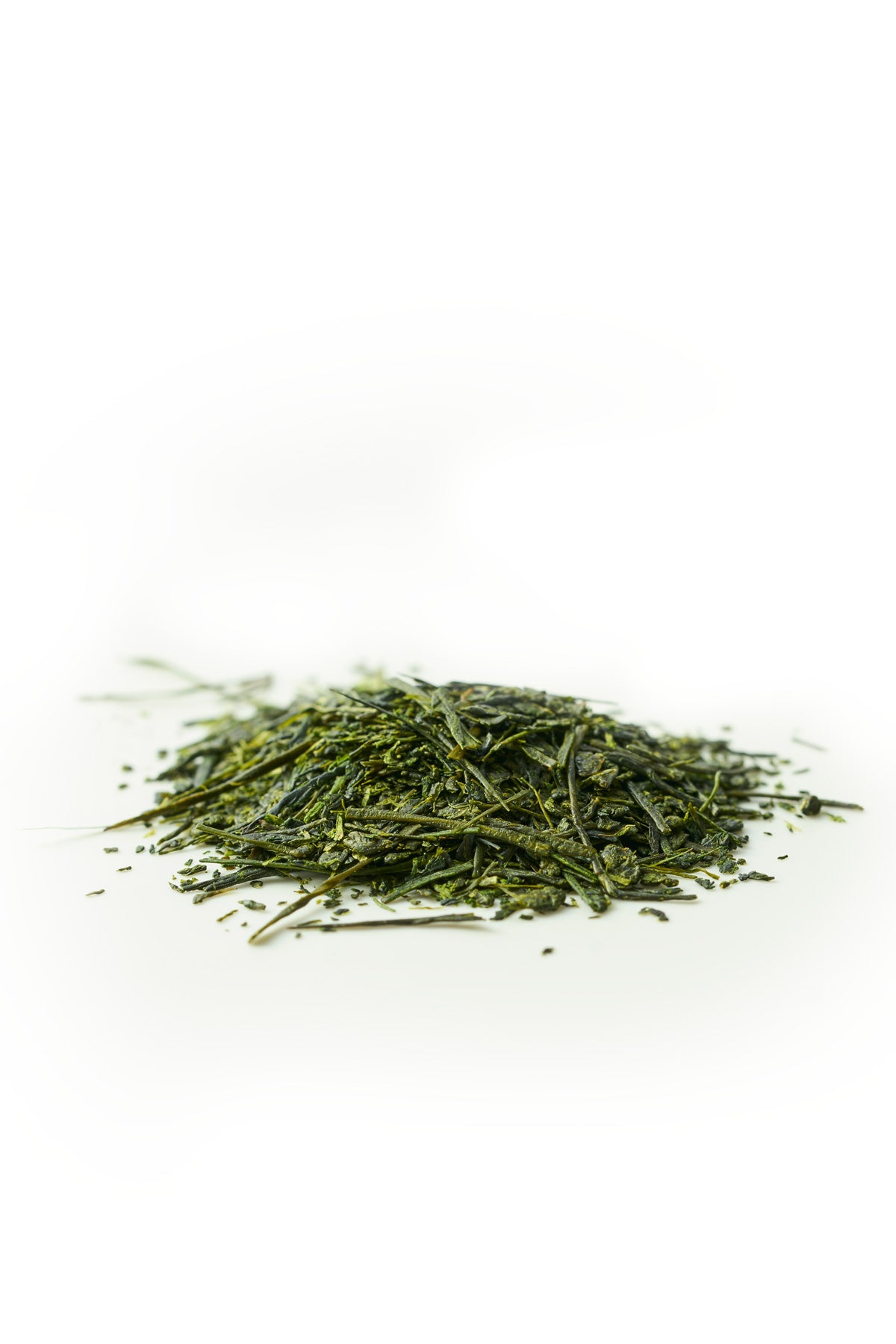
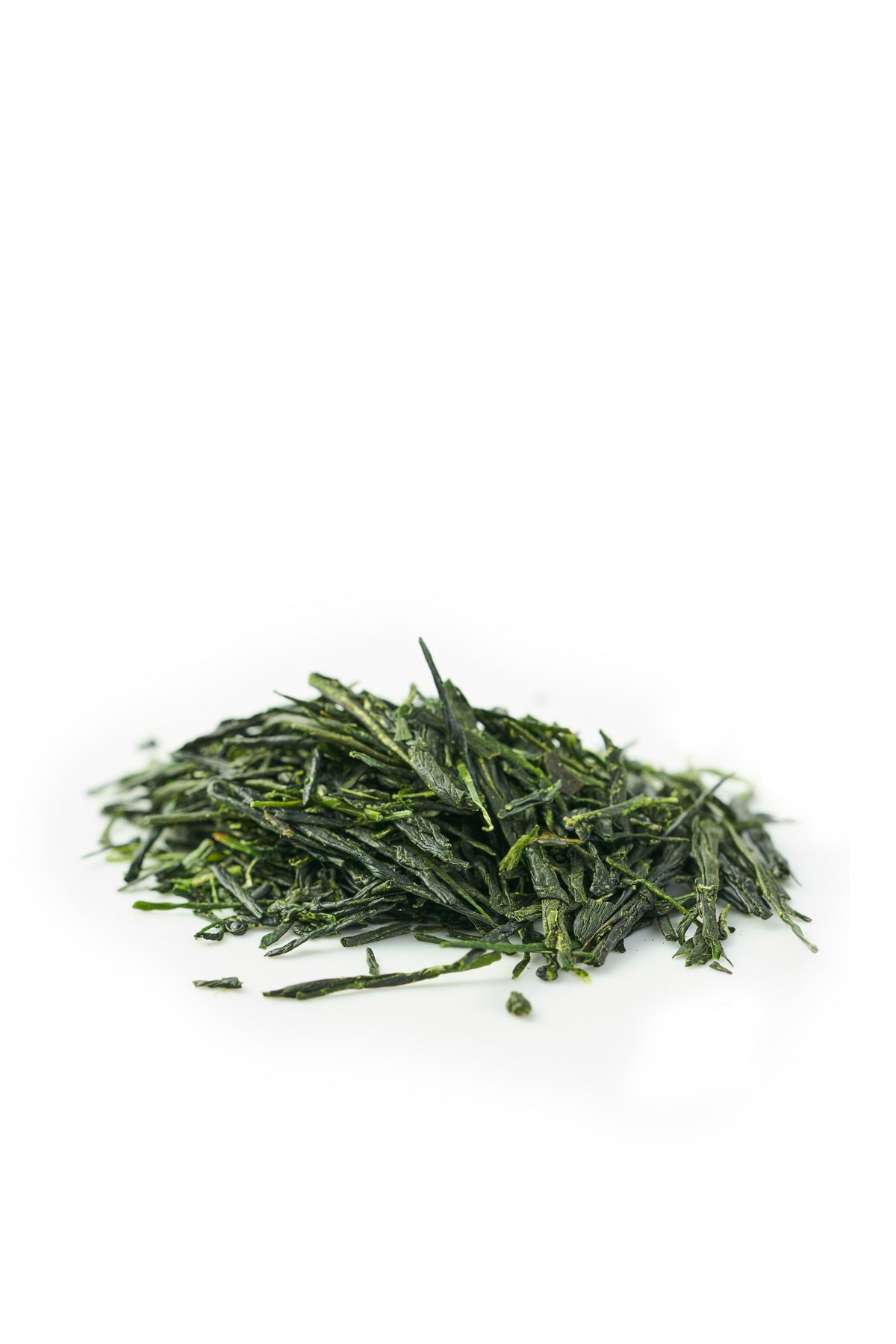
Japanese green tea leaves

Storage And Transportation

The final steps in tea production, storage, and transportation are critical in maintaining the product's safety and quality. The tea must be stored in conditions that protect it from environmental factors, contamination, and pests. Packaging plays a significant role here, acting as a barrier against external hazards. 

During transportation, these standards must be upheld to ensure that the tea reaches consumers in its intended state. Proper storage and transportation practices not only preserve the quality of the tea but also prevent food safety hazards, guaranteeing a delightful experience for the consumer.

Certification And Compliance

Acquiring certifications like HACCP (Hazard Analysis and Critical Control Points) or ISO 22000 is a testament to a producer's commitment to food safety. These certifications involve comprehensive evaluations of the production process, ensuring adherence to international food safety standards. 

Compliance with these standards is not a one-time event but a continuous endeavor. It involves staying abreast of changes in food safety regulations and adapting practices accordingly. Certification not only elevates the brand in the eyes of consumers and trade partners but also instills a sense of confidence in the safety and quality of the product.

Final Thoughts

Ensuring food safety in tea production is a multifaceted and ongoing commitment. It encompasses everything from maintaining hygiene standards and managing raw materials to ensuring compliance with international safety standards. Each step, from the sourcing of tea leaves to the final product reaching the consumer, plays a crucial role in upholding food safety. 

By implementing these best practices, tea producers not only protect their consumers but also enhance the reputation and quality of their products. As the tea industry continues to evolve, prioritizing food safety remains a cornerstone in producing a beverage that is not only enjoyable but also safe and of the highest quality.

FAQs about Food Safety in Tea Production

What food safety risks actually exist in tea production?

Three main categories. First, agricultural residues — pesticides, fungicides, and heavy metals from soil contamination. Tea is unusual among foods because it's brewed and not eaten whole, so residues either stay on the dry leaf or partially extract into the cup. Japanese tea has stricter pesticide regulations than most other tea-producing countries, but residues can still occur if testing is inadequate.

Second, microbial contamination — mold and bacteria during processing or storage. Steamed Japanese tea is at lower risk than fermented teas (oolong, pu-erh) because steaming kills surface microbes, but improper drying or storage can grow mold afterward. Especially relevant for matcha, which is finely ground and offers more surface area for spore landing.

Third, processing contaminants — fragments of metal from grinding equipment, plastic from packaging, occasionally insects from harvest. Reputable producers control all three through testing, but small/cheap operations sometimes don't. Buying from established Japanese cooperatives (rather than unknown cheap-import sources) reduces all three risks materially.

Are pesticides used on Japanese green tea, and how worried should I be?

Yes, conventional Japanese tea farming uses pesticides — but Japan has some of the strictest residue limits in the world (the Positive List system enforces tighter limits than the EU or US in many cases). All commercially exported Japanese tea is tested against these limits, and producers face significant penalties for violations.

That said, "meets legal limits" isn't the same as "zero residue." Conventional Japanese tea typically has detectable but small amounts of fungicide and pesticide residue. The amounts that brew into the cup are smaller still, since most pesticides bind to leaf material rather than dissolving into water.

If residue concerns matter to you, organic-certified Japanese tea (JAS organic) eliminates synthetic pesticides entirely. Single-origin teas from small farms often disclose their pesticide use even when not certified. Cheap blended supermarket teas of unclear origin are the worst-case category — they're typically meeting legal minimums but not exceeding them, and provenance is opaque.

How does Japanese tea production compare to Chinese or Indian tea on safety?

Japanese tea has tighter regulatory oversight in practice. Japan's Positive List system (implemented 2006) requires testing for hundreds of specific compounds with strict residue limits. Chinese tea has improved dramatically since 2010s reforms but historically had documented issues with both pesticide residues and heavy metals. Indian tea production has improved similarly but the auditing infrastructure is less consistent.

Specific concerns by region: Chinese tea has had documented lead contamination issues from polluted soil in some growing regions; Indian tea has had pesticide residue concerns in conventional Assam and Darjeeling production; Sri Lankan tea is generally cleaner than either historically.

None of this means "don't drink Chinese or Indian tea." It means the floor of quality variability is lower in those regions, while the ceiling is comparable to Japanese tea. Established premium brands from any country have rigorous testing; cheap unbranded tea from any country has unknown quality. The country of origin matters less than the producer's reputation and testing protocols.

Should I worry about heavy metals like lead, fluoride, or aluminum in tea?

Worth understanding but not panic-worthy. Tea plants do accumulate fluoride and aluminum from soil naturally — green tea has measurable amounts of both. Daily intake at 3-5 cups is well within safe limits for healthy adults; problem cases are usually heavy long-term consumption (10+ cups daily for years) or low-quality tea grown in highly polluted soil.

Lead contamination is region-specific. Chinese green tea from certain industrial regions has shown elevated lead in independent testing; Japanese green tea from Shizuoka and Kagoshima generally tests very clean. The takeaway: high-volume daily green tea drinkers should buy from regions with documented soil quality, which is why Japanese tea (with its detailed testing infrastructure) is the safer high-volume choice.

If you're drinking 8+ cups of green tea daily and want to be cautious about cumulative exposure, alternating teas (sencha + hojicha + matcha rather than all sencha) and choosing organic/certified options is the conservative protocol. Most drinkers don't need to optimize at this level.

How can I tell if a tea brand actually has good food-safety practices?
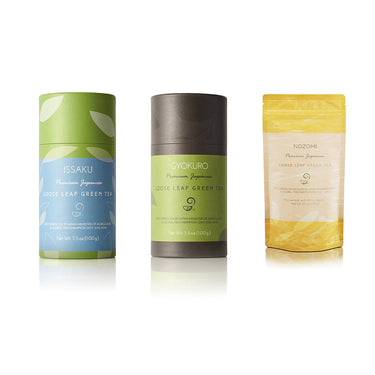
Look for: documented testing protocols (the brand publishes their results or testing standards), single-origin sourcing with named farms or cooperatives, organic certification (JAS for Japanese, USDA for US), and reasonable pricing — high-quality testing costs money and shows up in the price. Suspiciously cheap "premium" tea is usually skipping the safety infrastructure. The Sencha Lover Gift Set comes from Shizuoka and Kagoshima farms with documented testing — the type of supply chain you want.

Red flags: vague origin ("imported from Japan" without specifying region), no testing transparency, unclear branding (Amazon-only sellers with no website or contact information), prices dramatically below market average. None of these guarantee unsafe tea, but they indicate a brand that hasn't invested in food-safety infrastructure.

If a brand can answer specific questions about pesticide testing, heavy metals testing, and harvest provenance without dodging, they're probably running a serious operation. If the answer is "we don't share that information" or you can't reach a human at all, that's a tell.

TRY OUR PREMIUM TEAS
149 reviews

Issaku Reserve - Limited Premium Green Tea (Global Tea Champion 2017, 2019)

$80.00
Quick view

Issaku Reserve is a premium green tea masterpiece created by Mr. Arahata at Arahataen Green Tea Farm, offering a truly authentic and traditional Japanese tea experience. Handpicked once a year from new crops and crafted through a meticulous, complex process, Issaku Reserve is the farm’s highest-grade tea, produced in limited quantities and prized even in Japan. Winner of the Global Tea Championship in 2017 and 2019, this exceptional tea is made from the Yabukita cultivar and cultivated using the Chagusaba method in nutrient-rich sugarcane soil. It comes in a high-quality, air-tight paper tube canister containing 3.5 oz (100g), enough to steep 30–40 cups, with a single-serve 0.3 oz (10g) sample also available to preserve its rich flavor and outstanding freshness.

97 reviews

Gyokuro - Shaded Imperial Premium Green Tea

$65.00
Quick view

Gyokuro, also known as "jade dew" or "jewel dew tea," is a premium Japanese green tea shaded from the sun for 20 days using specially made mats, a method that boosts caffeine levels and strengthens amino acids to create a sweeter, richer flavor. This extended shading process results in dark, mossy green leaves with an unmistakable aroma and a complex taste that is layered yet balanced. Cultivated by the Chagusaba method in nutrient-rich sugarcane soil and made from the Yabukita cultivar, this loose-leaf authentic Gyokuro is offered in a high-quality, air-tight paper tube canister (chyazutsu) to preserve its exceptional freshness and flavor. Each 3.5 oz (100g) full-size package steeps 30–40 cups, and a convenient single-serve sample is also available.

85 reviews

Gokuzyo Aracha - High-Grade Unrefined Green Tea

$39.00
Quick view

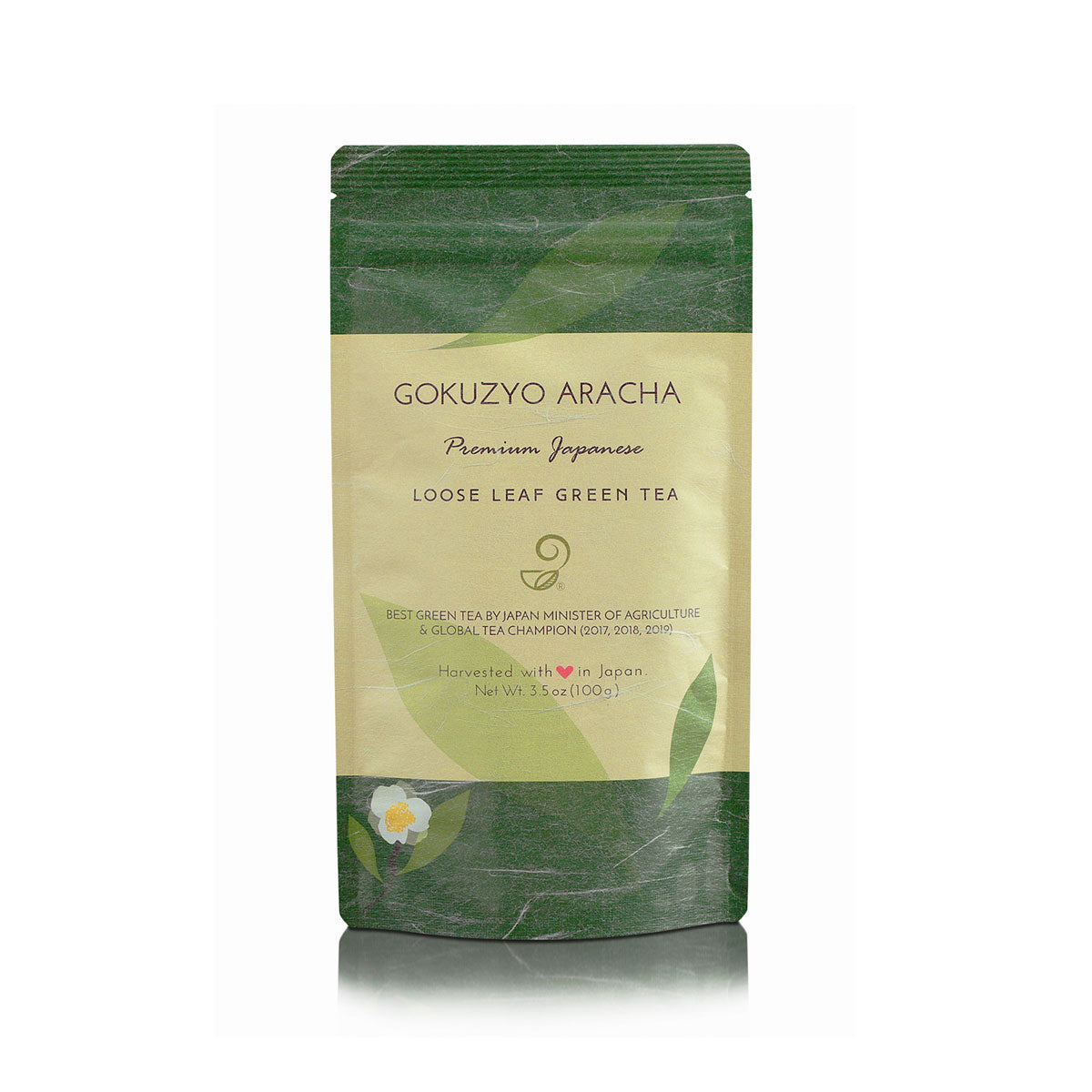
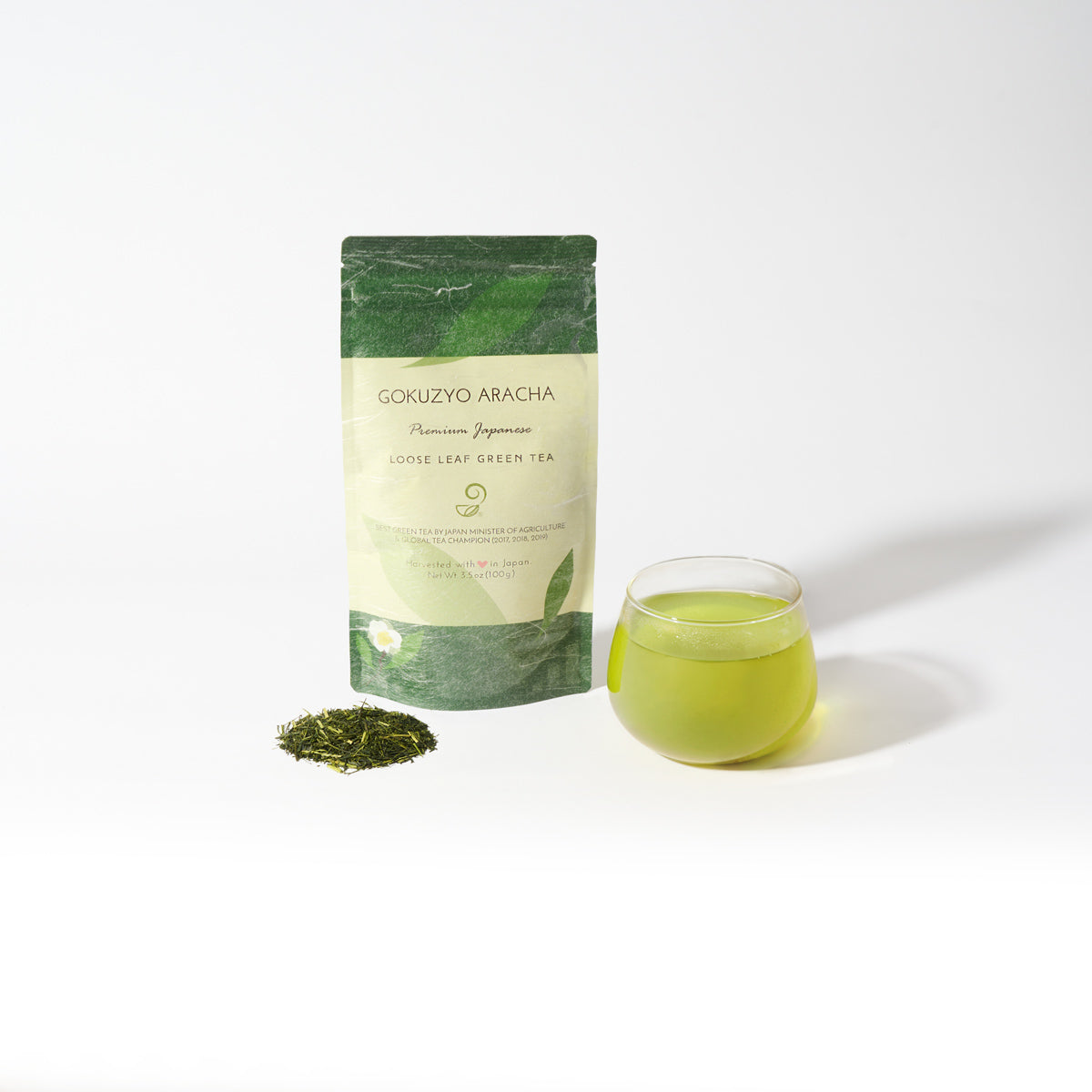
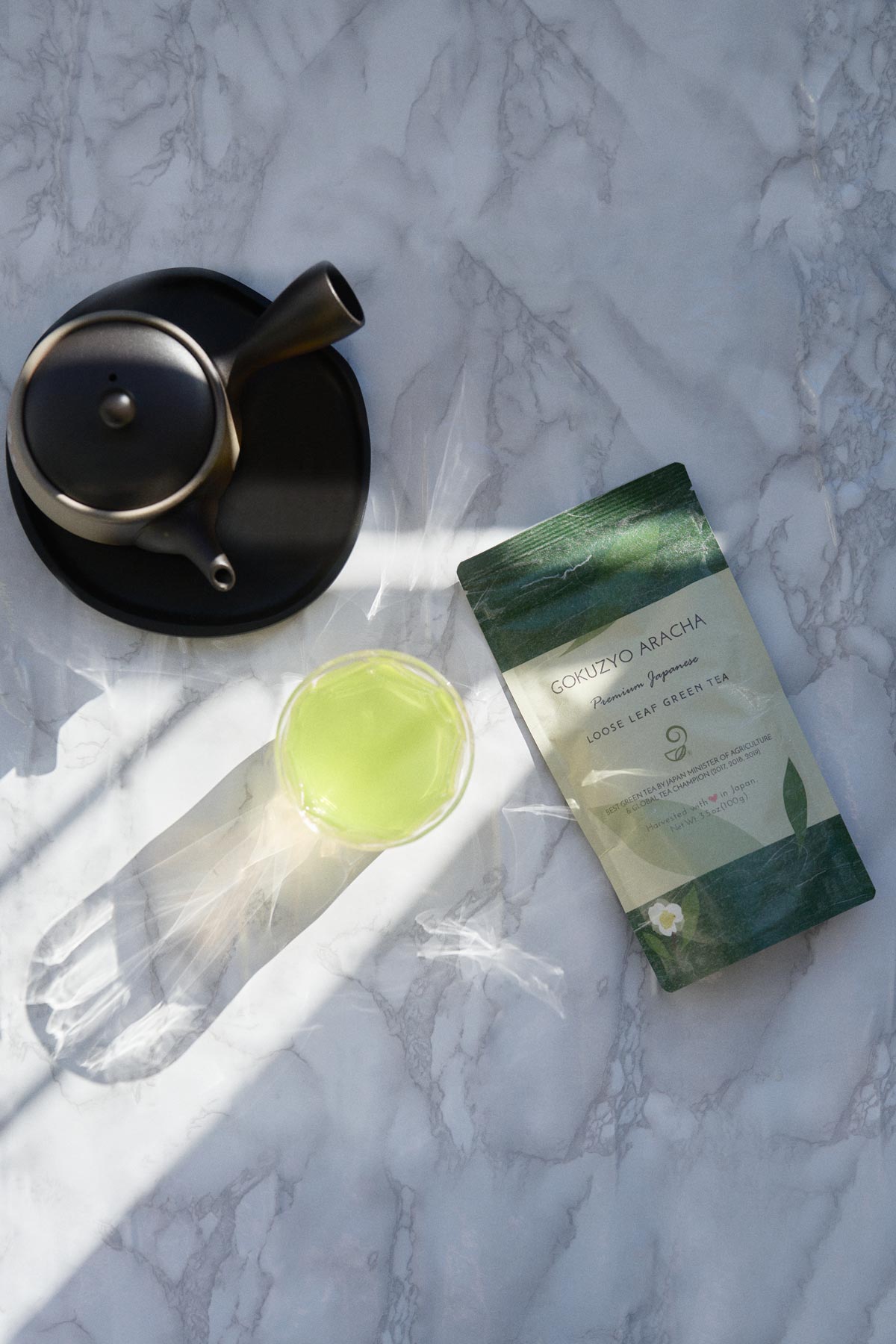
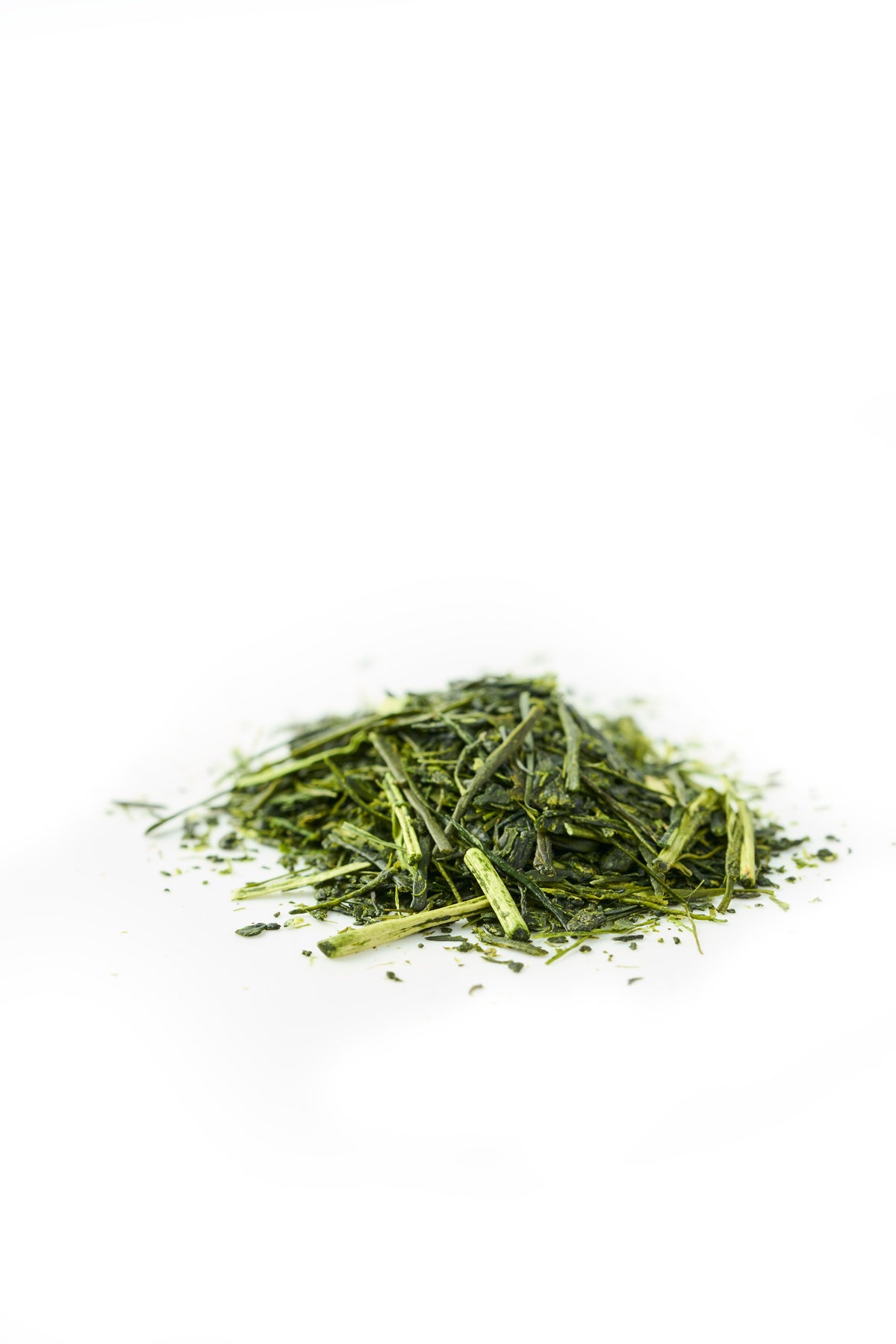
Gokyuzyo 極上, meaning "The Highest Grade," and Aracha 荒茶, meaning "wild tea" or "crude tea," offer a rare opportunity to enjoy green tea in its most natural, unrefined state. Unlike most green teas that undergo further processing, Aracha retains its original shape and includes twig tea, coarse leaves, and powdered tea, producing a beautifully colored drink with a mild, unique taste and higher nutrient content. Traditionally enjoyed by tea farmers for generations, this authentic Fukamushi Sencha is cultivated using the Chagusaba method in nutrient-rich sugarcane soil and made from the Yabukita cultivar. Available in a 3.5 oz (100g) eco-friendly resealable package or as a convenient 0.3 oz (10g) single-serve sample, it offers a truly traditional Japanese tea experience.

80 reviews

Matcha - Ceremonial Japanese Powdered Green Tea

$39.00
Quick view

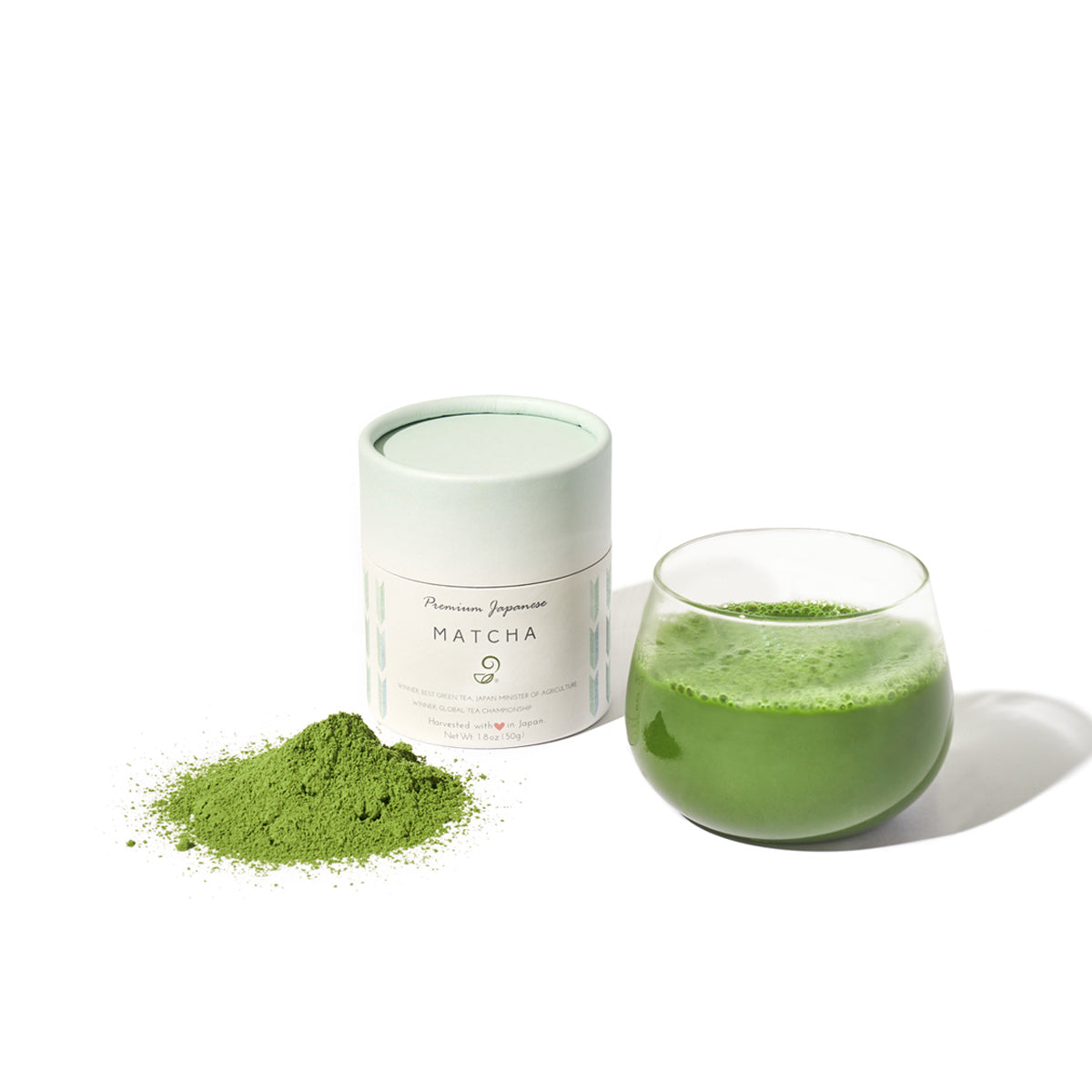
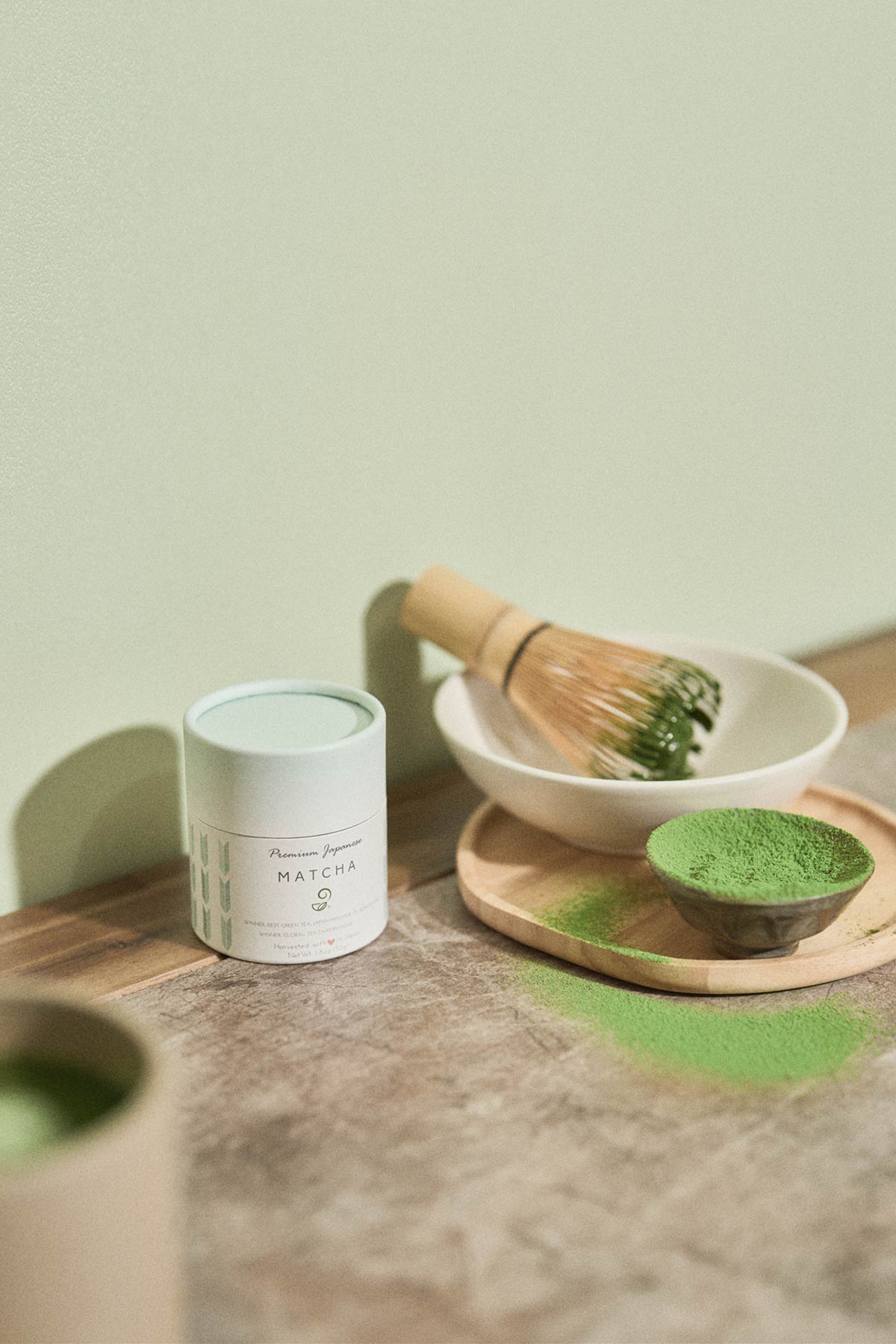
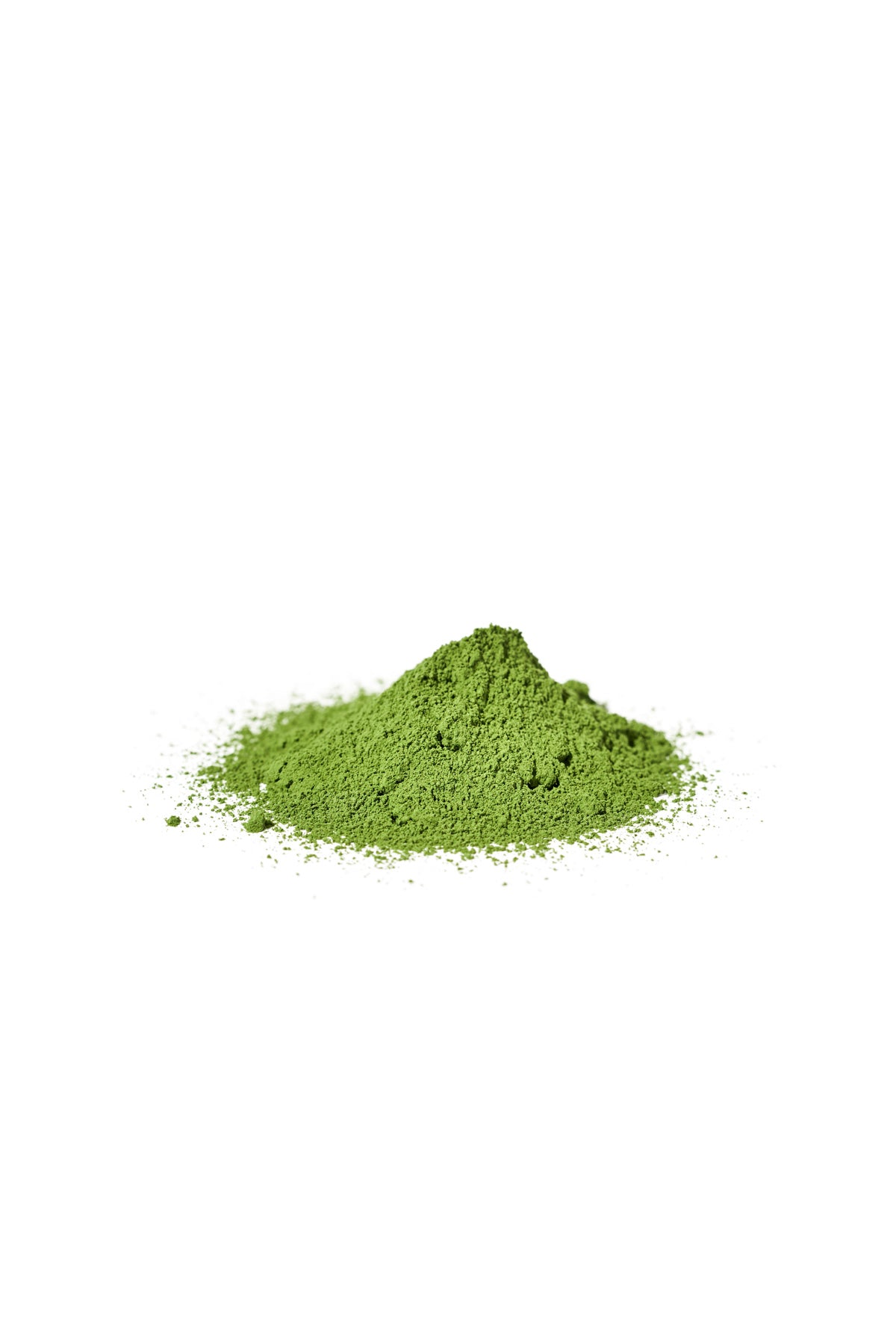
This ceremonial matcha is crafted from the finest Japanese green tea, grown in nutrient-rich soil enhanced with compostable grasses and sugarcane through the Chagusaba method, which gives the tea a natural sweetness and exceptional flavor. In collaboration with researchers from Shizuoka University, farmers ensure that the soil quality consistently produces tea of the highest standard.

Renowned among top Japanese chefs for its unmatched aroma, this matcha is made by carefully shading the plants before harvest to boost caffeine and amino acids, then meticulously drying, de-stemming, and grinding the leaves into a fine powder. Made from the Yabukita cultivar, this 1.8 oz (50g) matcha comes in a high-quality, air-tight paper tube canister, providing a luxurious and authentic Japanese tea experience.

8 reviews

The Sencha Lover Gift Set - Premium Japanese Green Tea Set Package

$179.00 $159.99
Quick view

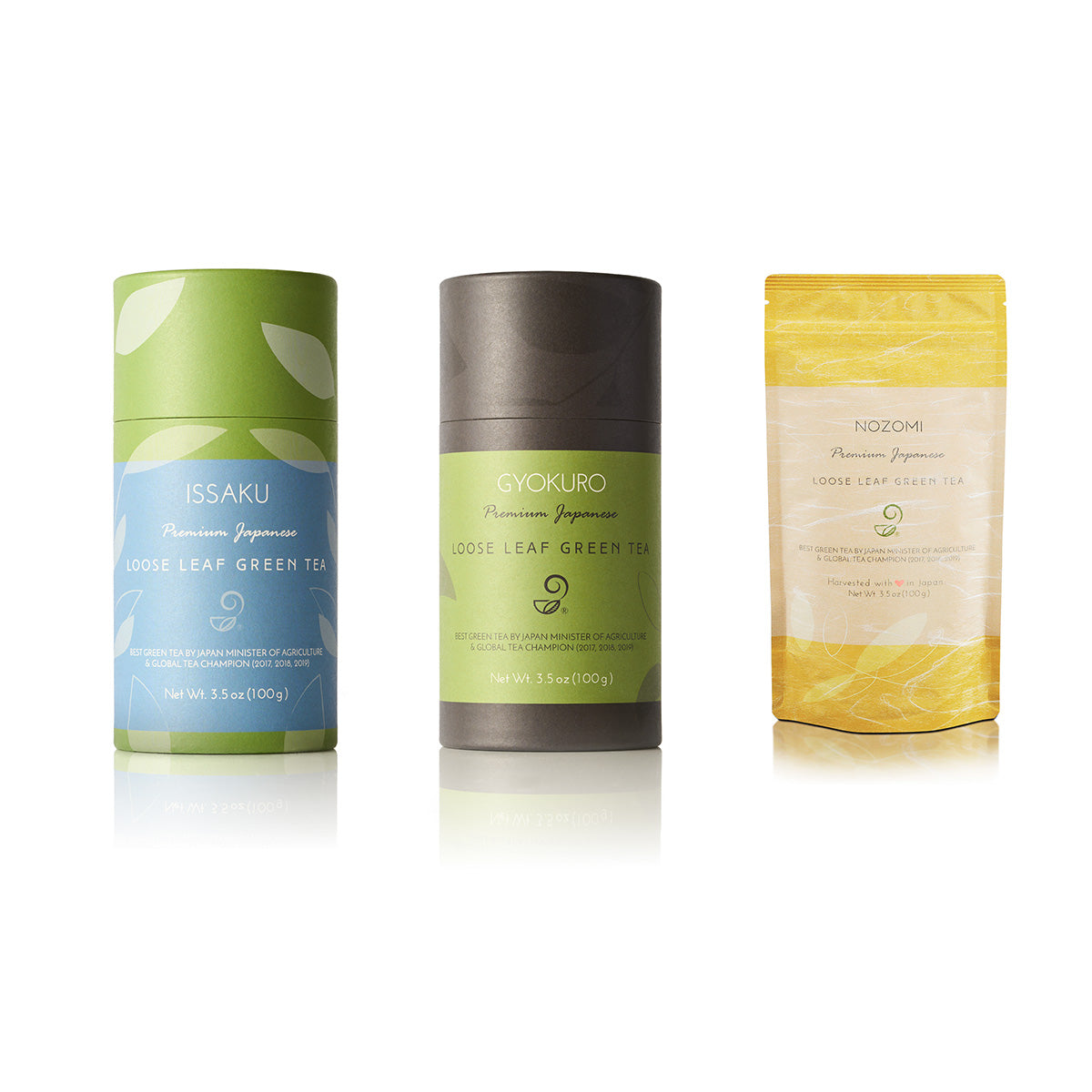
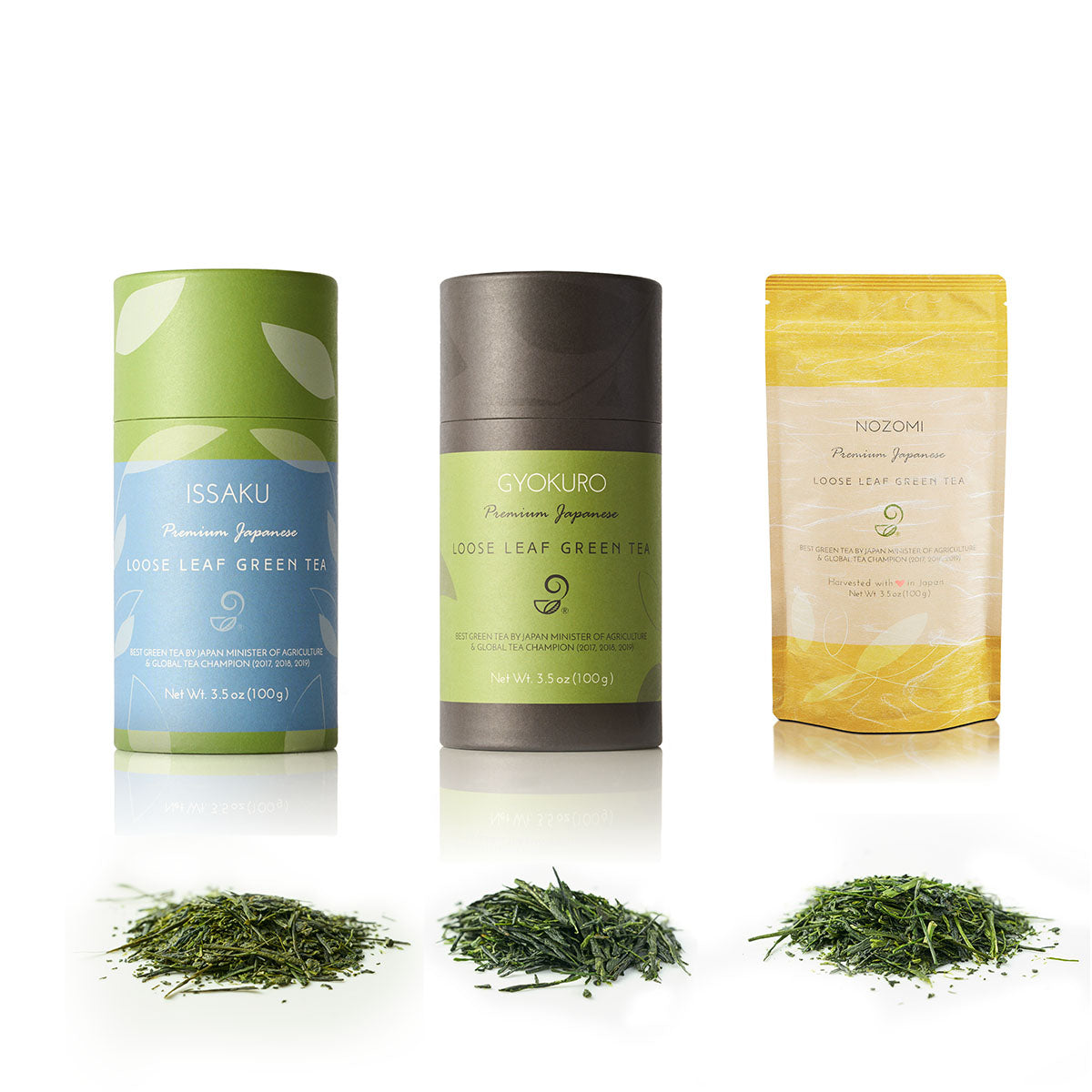
This tea set features three exceptional Japanese green teas, each crafted with care and traditional techniques. Issaku Reserve, a Global Tea Champion winner in 2017 and 2019, is a rare masterpiece created by Farm Master Mr. Arahata at Arahataen Green Tea Farm. Handpicked once a year from the first flush and processed with advanced methods, Issaku represents the highest-grade deep-steamed green tea, available only in limited quantities even in Japan.

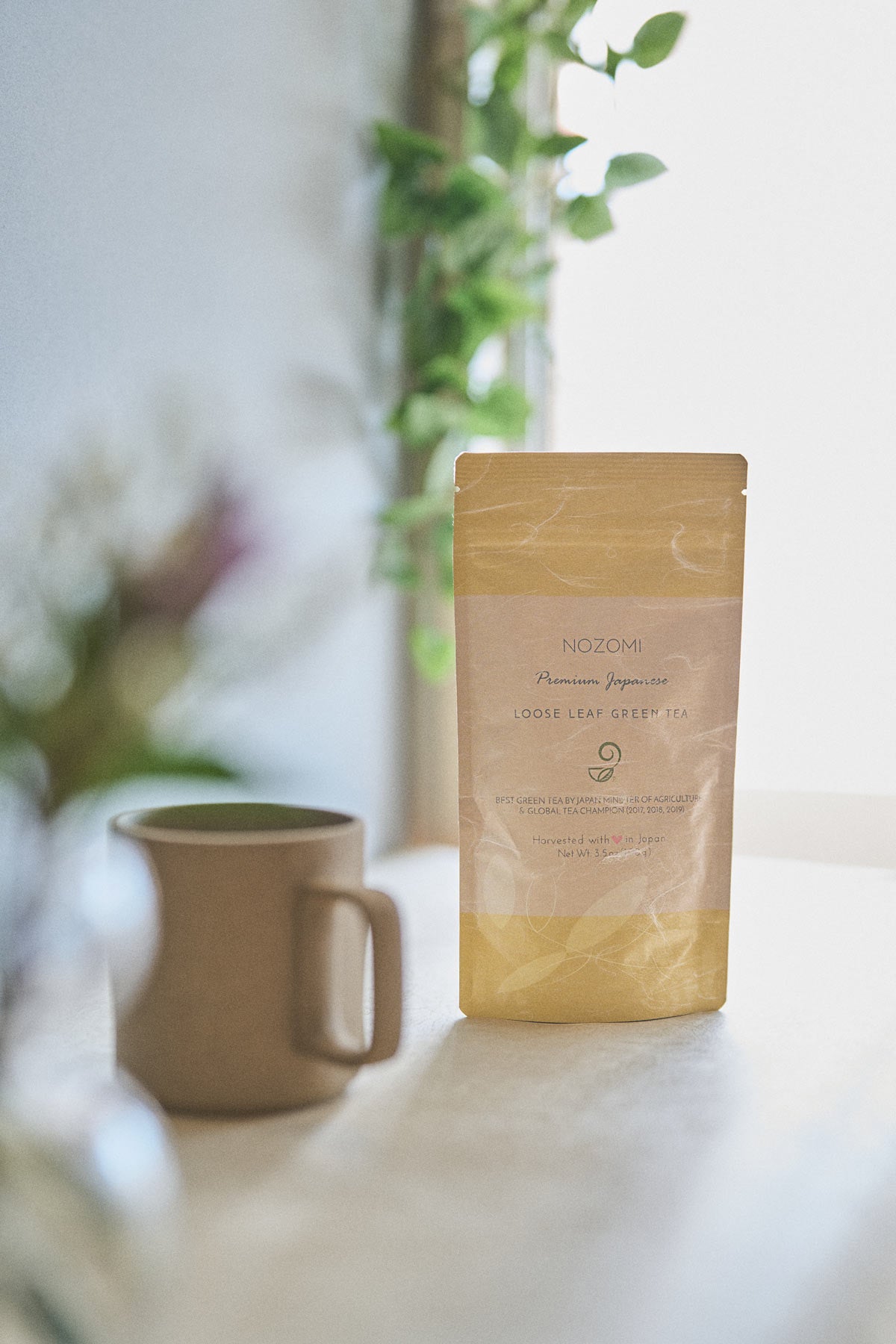
The set also includes Gyokuro, a premium shaded green tea known for its rich, sweet flavor and deep mossy green color. Grown under special mats for 20 days to increase caffeine and amino acid levels, Gyokuro offers a layered, smooth taste unlike any other. Completing the collection is Nozomi, a fine Kabuse-cha, or "Covered Green Tea," carefully grown under nets to gently shade the leaves just before new sprouts emerge, resulting in a soft, rich, and refined flavor profile.


Related Articles You May Be Interested

What To Do With Tea Going Out of Date?
10 Things about Japanese Green Tea Harvesting You (Probably) Didn't Know
What is Single Origin Cultivar?
Cultivars: Why You Should Think Twice About Them
Is It Safe to Consume Grapefruit and Green Tea Together? – Green Tea Quiz

Get Free Bonus Books

Join Green Tea Club

Sign up for free to the Green Tea Club to get advice and exclusive articles about how to choose Japanese Tea, and tips, tricks, and recipes for enjoying Japanese tea.

Unsubscribe anytime. It’s free!

About the author

Kei Nishida

Kei Nishida

Author, CEO Dream of Japan

info@japanesegreenteain.com

Certification: PMP, BS in Computer Science

Education: Western Washington University

Kei Nishida is a passionate Japanese green tea connoisseur, writer, and the founder and CEO of Japanese Green Tea Co., a Dream of Japan Company.

Driven by a deep desire to share the rich flavors of his homeland, he established the only company that sources premium tea grown in nutrient-rich sugarcane soil—earning multiple Global Tea Champion awards.

Expanding his mission of introducing Japan’s finest to the world, Kei pioneered the launch of the first-ever Sumiyaki charcoal-roasted coffee through Japanese Coffee Co. He also brought the artistry of traditional Japanese craftsmanship to the global market by making katana-style handmade knives—crafted by a renowned katana maker—available outside Japan for the first time through Japanese Knife Co.

Kei’s journey continues as he uncovers and shares Japan’s hidden treasures with the world.

Learn more about Kei Nishida

Related Posts

Our Matcha Is Now at Pillow Talk Cafe in Pasadena — Master Japanese-Inspired Cake Makers

Our matcha is now at Pillow Talk Cafe Pasadena! Meet the cafe, try the Egg Heaven sando & Matchamisu, and see how th

Read More
Simply Donabe — New Cookbook from TOIRO's Naoko-san Is Out!

Simply Donabe is here! We celebrated TOIRO's Naoko-san's new cookbook at a special dinner at Camélia in DTLA — see our p

Read More
Introducing New Product - Meet Hojicha Powder
Introducing A New Product - Meet Hojicha Powder

Discover the game-changing Hojicha powder your kitchen has been waiting for — richer flavor, easier recipes, and surpris

Read More
Leave a comment

Your email address will not be published..

Cart

Your cart is currently empty.

Start Shopping

Select options