

Does roasting green tea have any advantages or disadvantages? This is something on many people’s minds, and they're particularly interested in whether roasting green tea makes their favorite beverage less healthy. In today's post, you'll find the answers you've been looking for!
Green tea has long been celebrated for its vibrant color, delicate taste, and impressive health benefits. It's often associated with wellness, longevity, and a sense of calm. However, not all green tea is processed the same way. A lesser-known variety, hojicha—which undergoes roasting instead of the usual steaming or drying—has recently grown in popularity for its toasty aroma and smooth, earthy flavor.
But the question remains: does this change in processing method affect the health benefits we usually associate with green tea? Roasting alters not just the taste but also the chemical structure of the leaves. Some believe it may reduce certain beneficial compounds like catechins and caffeine, while others argue that it could introduce new properties that are equally valuable.
With more people turning to roasted teas for their mellow profiles and reduced bitterness, understanding how roasting impacts the nutritional value is more important than ever. Is hojicha just a flavorful twist on tradition—or does it come with trade-offs you should know about? Let’s explore the science and stories behind roasted green tea to find out what you’re really sipping.
History of Roasting Green Tea
There are many delicious varieties of green tea available, each with its own flavor profile and health benefits.
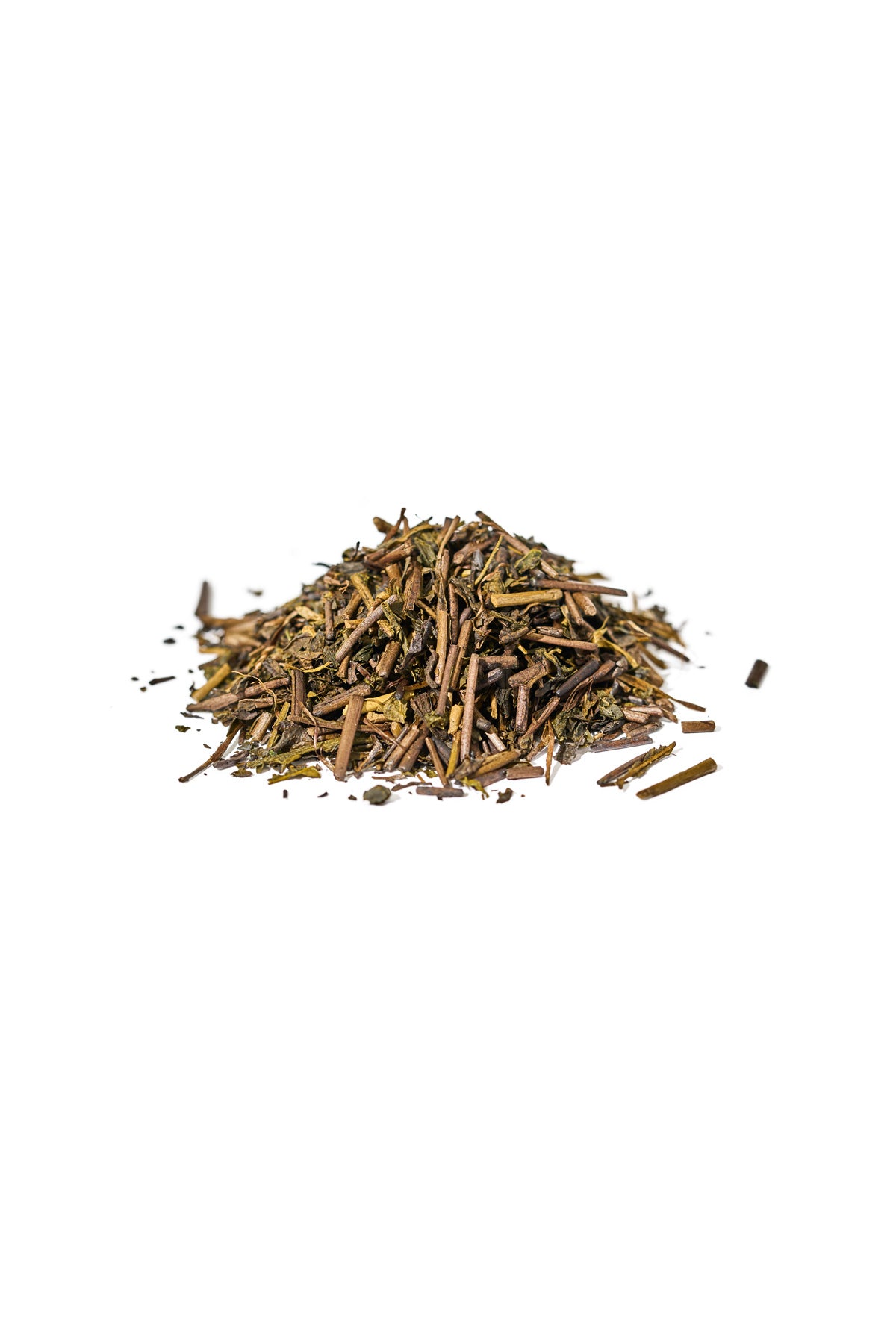
One that has been garnering attention lately is hojicha (AKA houjicha), or roasted green tea. Made from the pan-roasted leaves and stems of tea, hojicha was first developed in Kyoto, Japan, in the 1920s and has become popular worldwide.
(Learn more about the history of green tea in this video.)
Many health claims have been made about roasting green tea. But people have begun wondering if hojicha is as beneficial for our health as regular green tea. There’s the possibility that the roasting process can strip tea of its natural health-giving properties while enhancing others.
(Read all about the science behind green tea and its health benefits in this post.)
While it’s important to keep in mind that all tea will have health benefits, the chemical composition of each particular variety determines the extent and strength of the wellness boost it can provide.
As tea drinking becomes more common, studies are continually being done to fully understand this plant’s health-giving properties.
Although there hasn’t been much research done on hojicha yet, a few studies can give us a good idea of what makes it different from steam and fan-dried green tea.
Next, let’s go over some of the key differences between regular green tea varieties and roasted hojicha to see what the research says.
The development of hojicha wasn’t just about taste—it was also a practical solution. Farmers in Kyoto discovered that roasting lower-grade tea leaves and stems over high heat not only eliminated bitterness but also made the tea more aromatic and approachable. This process turned what was once considered lower-value material into a soothing, flavorful drink. As Japan modernized, hojicha became a household staple, particularly favored by the elderly and children due to its mild flavor and reduced caffeine. Today, its comforting aroma and deep, nutty profile have made it a favorite in cafés, dessert recipes, and even tea lattes around the globe.
Does Roasting Green Tea Lower the Caffeine Content?
One of the health claims surrounding hojicha is that, due to the roasting process, hojicha contains lower levels of caffeine than other types of green tea.
But it's helpful to remember that caffeine in itself isn’t necessarily detrimental to health.
It’s been shown to have its own potential benefits in moderate amounts. Not to mention, the lower caffeine levels from roasting green tea would appeal to some people who may want to enjoy the health-giving properties of green tea but have restrictions on the amount of caffeine they can consume, including children and the elderly.
Hojicha does indeed have lower levels of caffeine than other green teas. However, it isn’t for the reasons you might think. Studies done in Japan on the levels of caffeine across different tea varieties show lower caffeine levels in roasted tea versus some other teas.
But not all!

Gyokuro, a premium shade-grown green tea variety, had an average caffeine content of 3.25%.
And sencha, made from the first flush of tea plants, had about 2.57% caffeine. Bancha, the second flush of tea and the variety that hojicha is made from, had 1.55% caffeine on average.
What about hojicha? The samples in this study averaged 1.76% caffeine, higher than its frequent parent tea, bancha.
How can this be? Doesn’t roasting break down caffeine? Well, not really. Coffee has much more caffeine than any green tea variety. And yet, its beans are always roasted before use.
So, what can we attribute to the lower caffeine content in roasted green tea?
Most likely, it's due to it being made from tea leaves and stems that are already lower in caffeine to begin with, rather than the roasting process.
It’s also important to consider how hojicha is brewed. Unlike many green teas, which are often steeped at higher temperatures and longer times to extract maximum flavor and compounds, hojicha is typically brewed with cooler water and for shorter durations. This gentler brewing method can further reduce the amount of caffeine that actually ends up in your cup, making it a smart option for evening tea drinkers or those who are sensitive to stimulants.

How Many Antioxidant are in Hojicha?
Green tea is well known for having very high levels of antioxidants, especially catechins. These compounds have been studied in-depth and have been shown to protect against damage to cells from cancer-causing free radicals and fight heart disease, liver disease, obesity, and diabetes.
Want to learn more about catechins, polyphenols, and EGCG? (Take a look at this blog post next.)
Yet do these same protective effects extend to roasted green tea as well? The research doesn’t seem to think so.
A recent study on tea’s antioxidant content based on its processing and brewing method, it showed that high-temperature roasting significantly reduced the final antioxidant concentration in those brews. They concluded that the roasting process destroys many of the catechins present in the fresh leaf.
So if you’re looking for an antioxidant boost, it’s best to stick to regular green tea.
However, it's worth noting that hojicha isn't completely void of beneficial compounds. While catechins may decrease during roasting, some other antioxidants like pyrazines and flavonoids can emerge or be transformed during heat exposure. These compounds may contribute to hojicha's soothing effects and mild anti-inflammatory properties, though more studies are needed to fully understand their long-term impact. In other words, hojicha may not be the antioxidant powerhouse that sencha or matcha is, but it still has unique compounds that could offer subtle wellness benefits.
Is There a Relationship Between Hojicha and Stroke Risk?
This may come as a surprise to some. But there is a well-documented relationship between green tea consumption and stroke risk.
It’s an inverse relationship, of course. This means drinking green tea significantly reduces the risk of having a stroke. Green tea also reduces the risk of death even if a person does have a stroke and the likelihood that they’ll have a second stroke.
Is this incredible protective quality also present in roasted green teas? Let’s take a look at what scientists have to say about that.
According to a study published in the International Journal of Epidemiology, the answer is no.
This study couldn’t find any relationships. at all, good or bad, between drinking roasted green tea and stroke risk.
Naturally, it’s comforting to know that hojicha won't harm you. But it’s also important to keep in mind that you won’t get the same protective effect from unroasted green tea.
One possible reason for this difference is the reduced catechin content in hojicha. Catechins and other polyphenols in traditional green teas are believed to play a key role in improving vascular function, lowering blood pressure, and preventing the formation of blood clots—all factors directly linked to stroke prevention. With the roasting process breaking down a significant portion of these antioxidants, hojicha may simply lack the bioactive compounds necessary to deliver the same cardiovascular benefits. That said, hojicha can still be part of a healthy lifestyle when enjoyed in balance with other teas and dietary habits.
Should I Quit Drinking Hojicha?
While roasted green tea may not share all the same health-giving properties that other types of tea possess, let's remember that tea research is still developing. And, as more studies come out, who knows what incredible things will be discovered about hojicha?
Regardless of its health benefits, though, roasting green tea should still be valued for its unique taste and its rich history alongside the other varieties of Camellia sinensis.
Hojicha offers something that goes beyond nutritional charts—it provides comfort, warmth, and a sensory experience that many people cherish. Its low bitterness and mellow character make it a perfect evening tea, especially for those who want to avoid the stimulating effects of caffeine. In traditional Japanese households, hojicha is often served after meals or to children and the elderly, highlighting its role as an inclusive, everyday tea. So, rather than quitting hojicha altogether, consider enjoying it as part of a balanced tea routine—one that includes both roasted and unroasted varieties to reap a broader range of health benefits and flavor profiles.
Watch This 1 Minute Video
videoid="C7LzoDL0PZY"
If you like this video, please click here to subscribe to our YouTube Channel so that you don't miss future videos from us.
Video Length: - 0 minutes 59 seconds
Click to Subscribe to my YouTube Channel

Did you enjoy this post about roasting green tea? Here are three more posts to read next:
- Green Tea Science Part 3: Everything You Need To Know About Green Tea And Caffeine
- What To Know About Baking With Matcha And Green Tea: Recipe For Matcha Green Tea Milk Bread
- Can Green Tea Reduce Stress?
This post was first published in 2019, but it was updated in 2021 just for you.
FAQs about Hojicha and Roasted Green Tea Health
How much caffeine does hojicha actually have compared to regular green tea?

Why is hojicha recommended for kids and elderly people in Japan?
Can I drink hojicha right before bed without affecting my sleep?

What's the difference between hojicha powder and hojicha tea — should I get both?


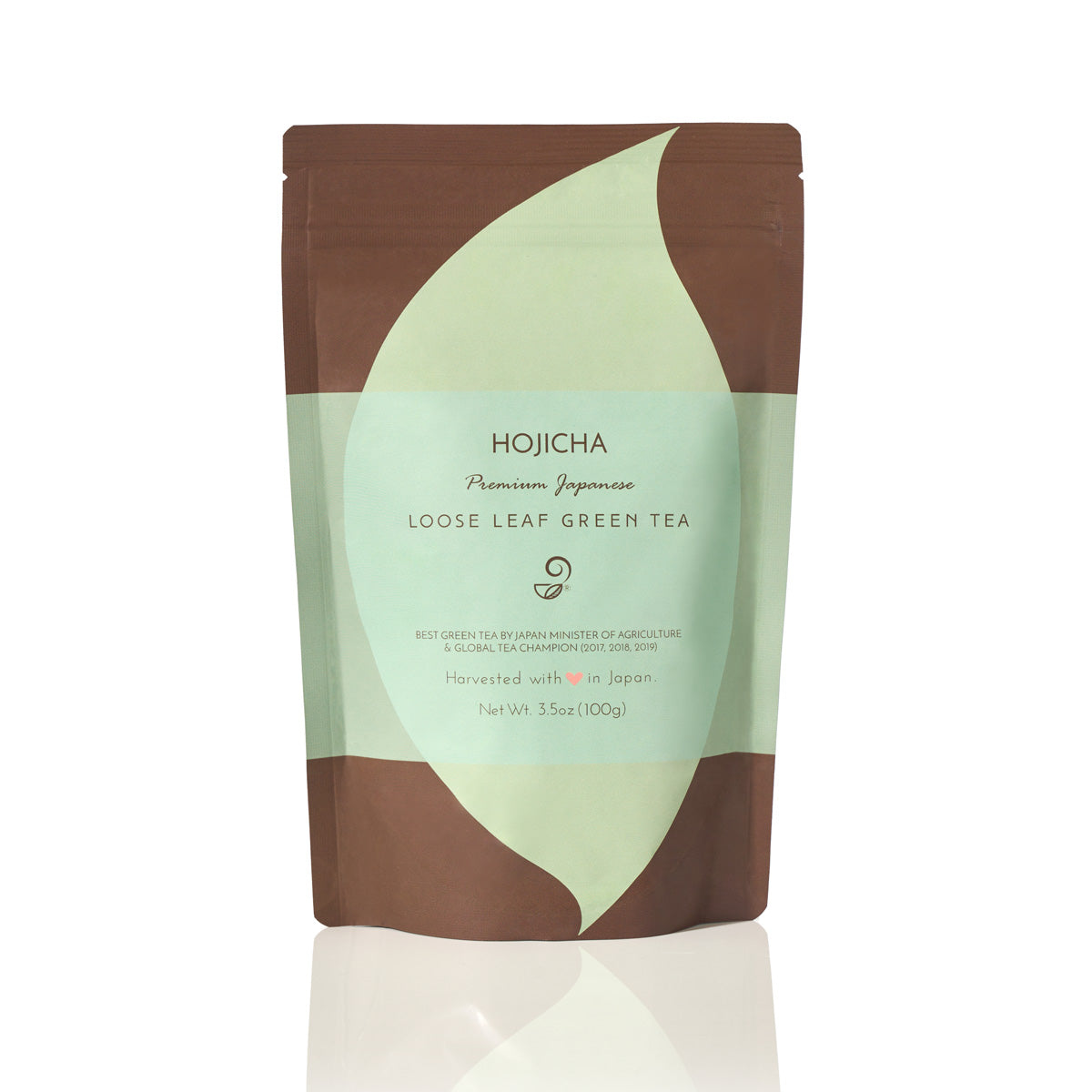
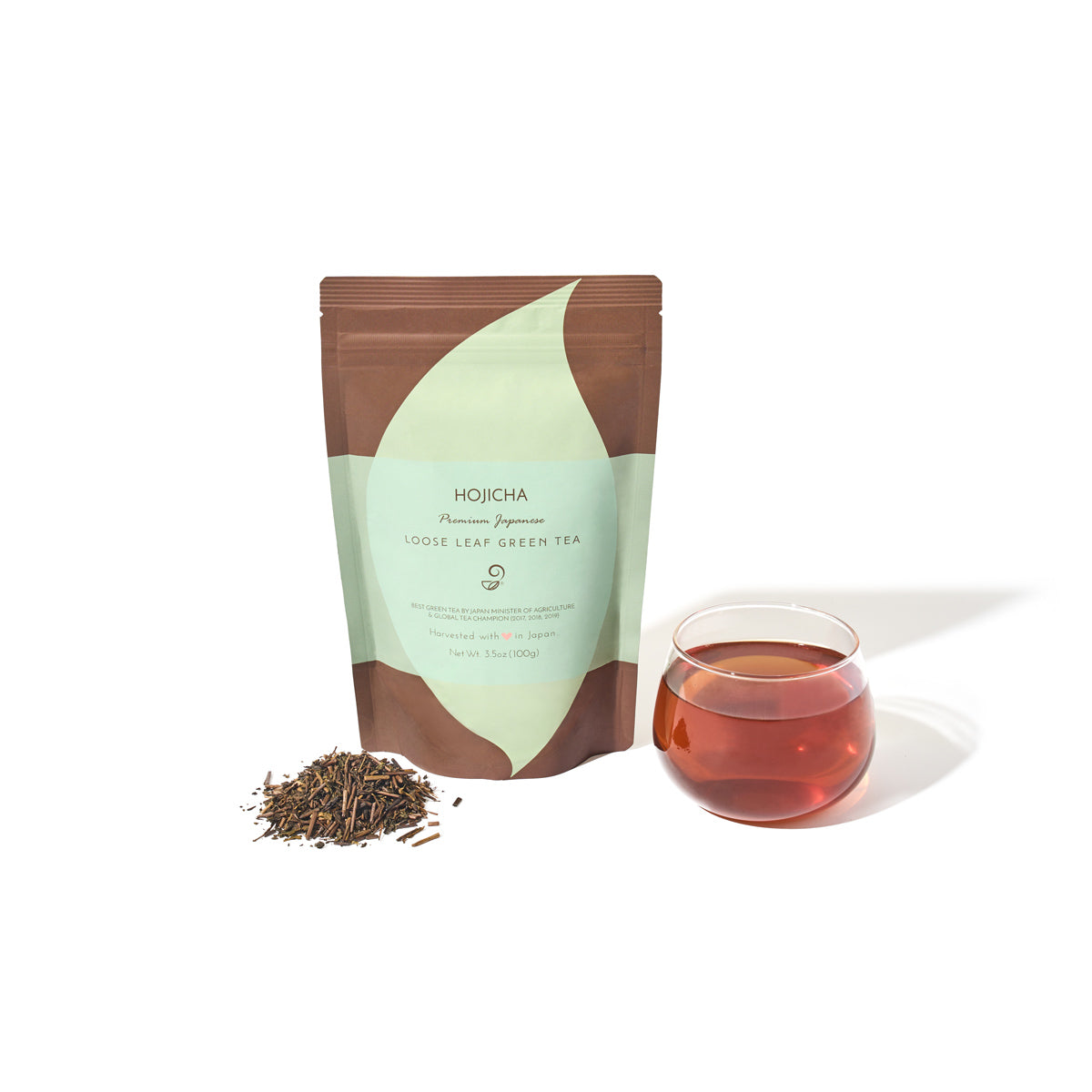
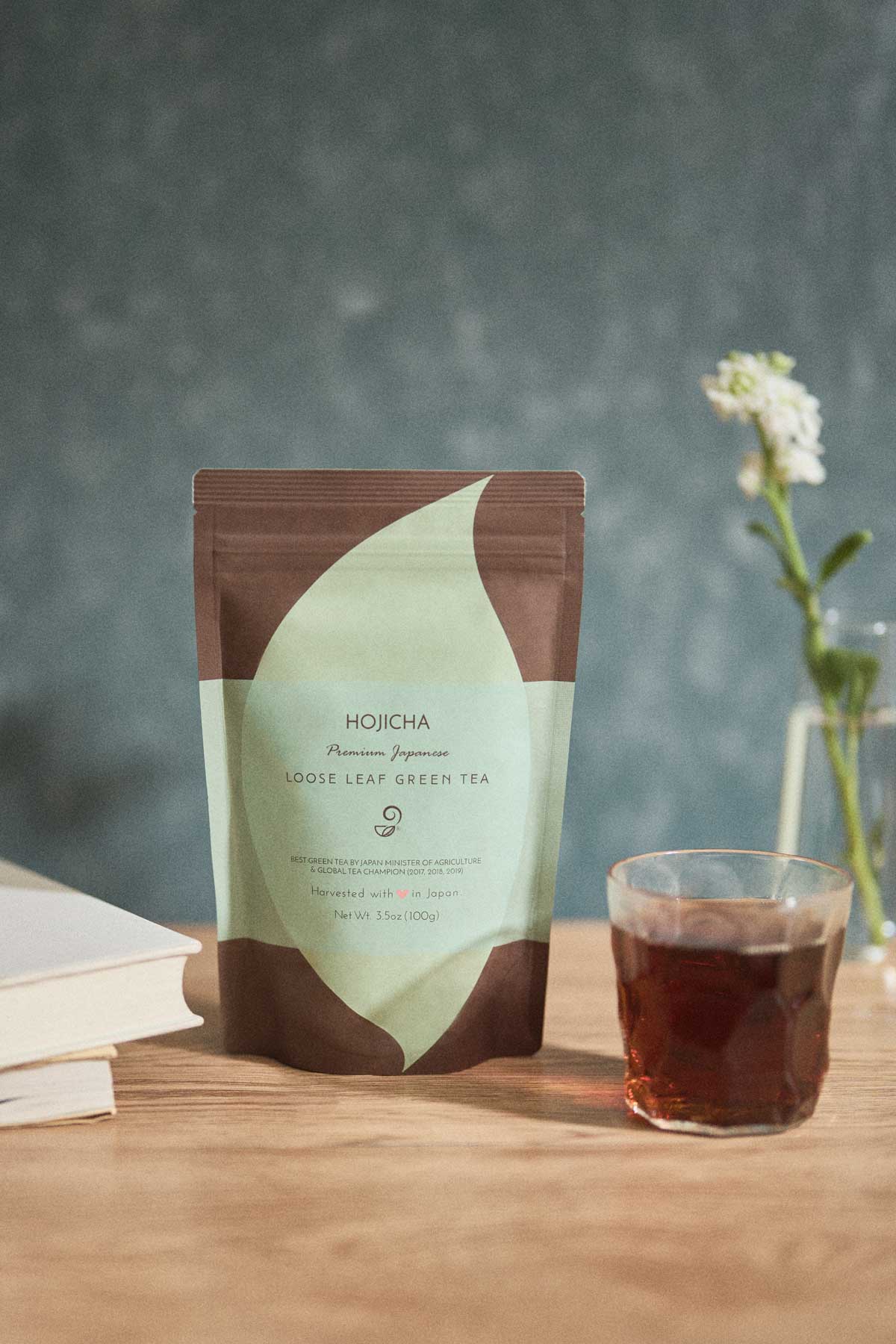
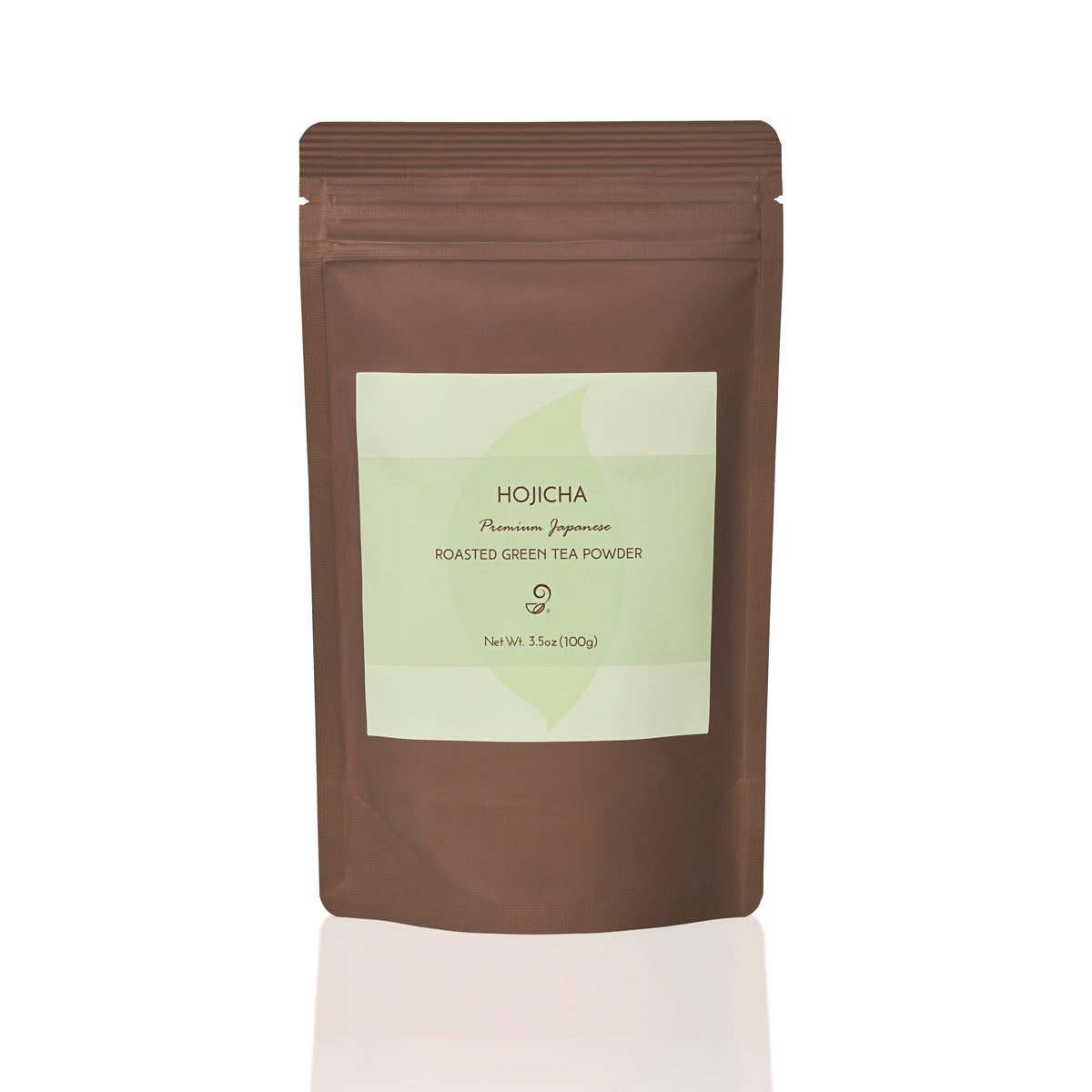
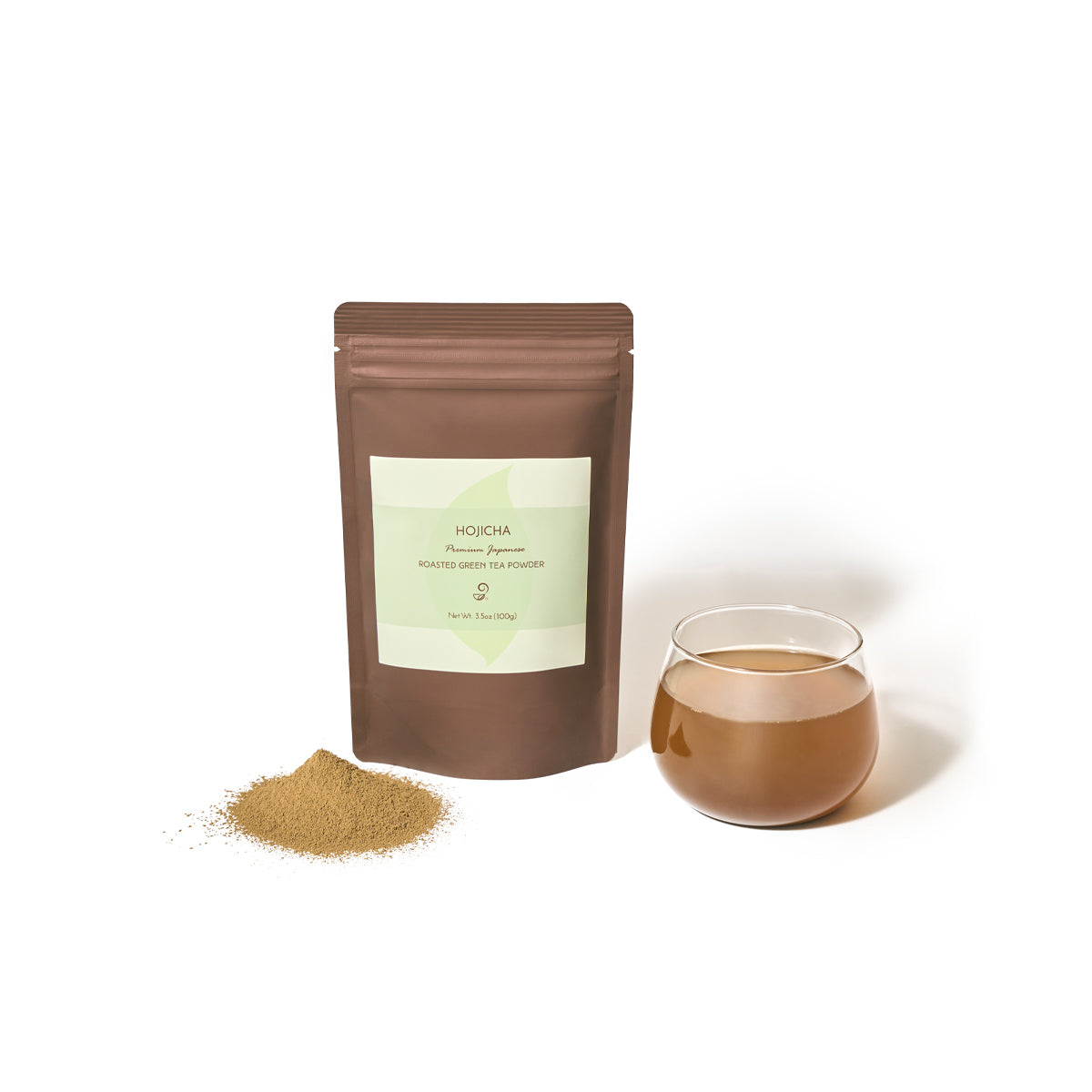
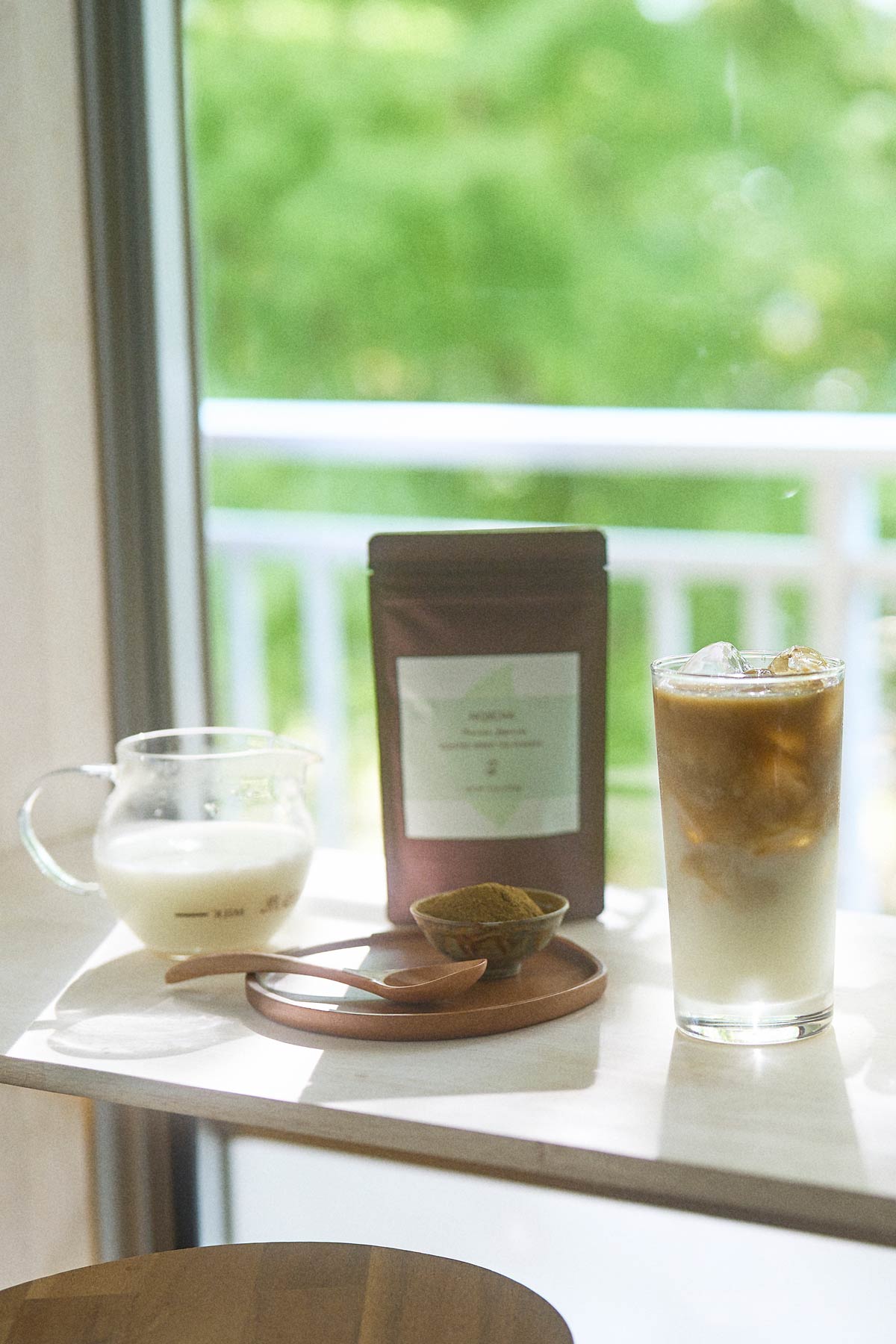
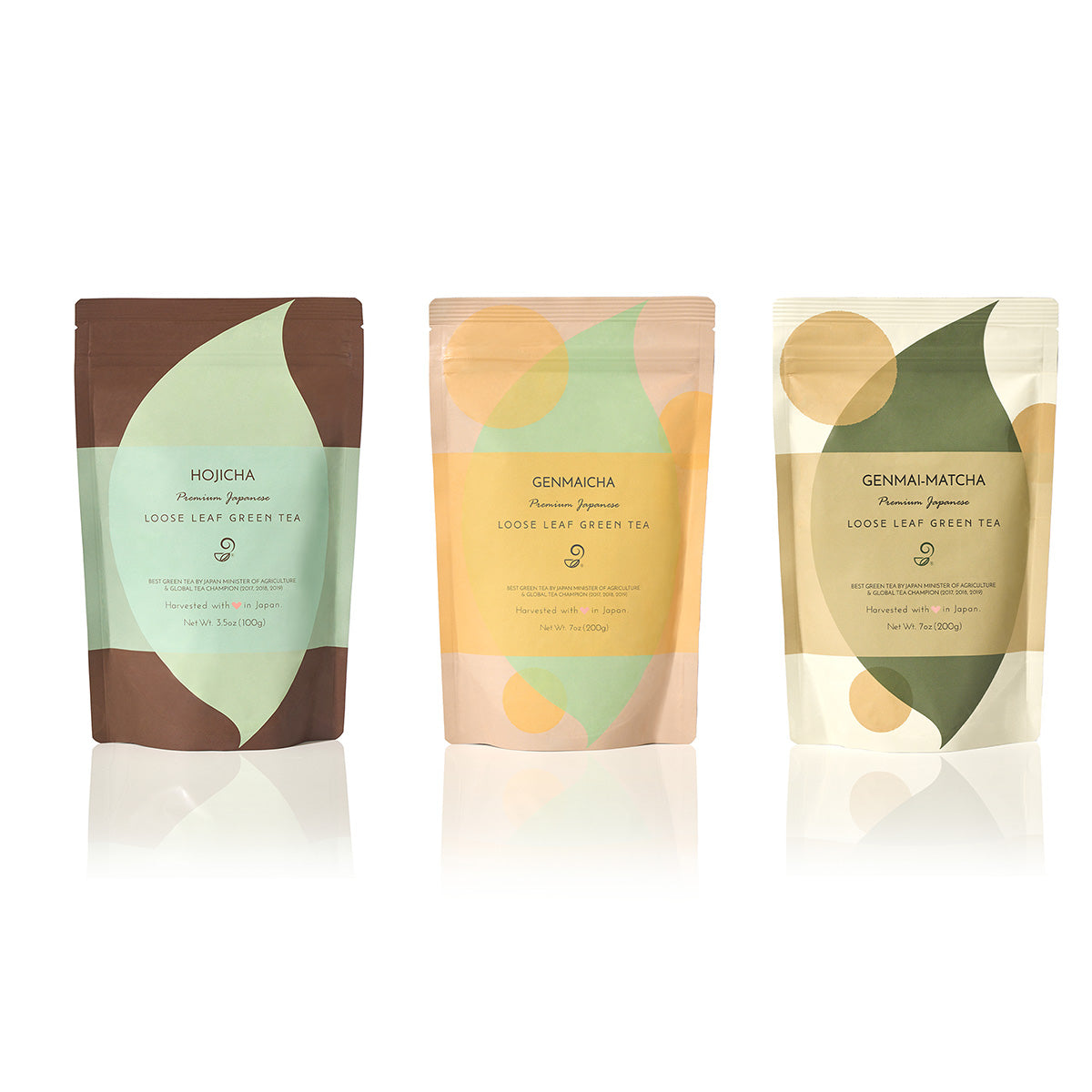
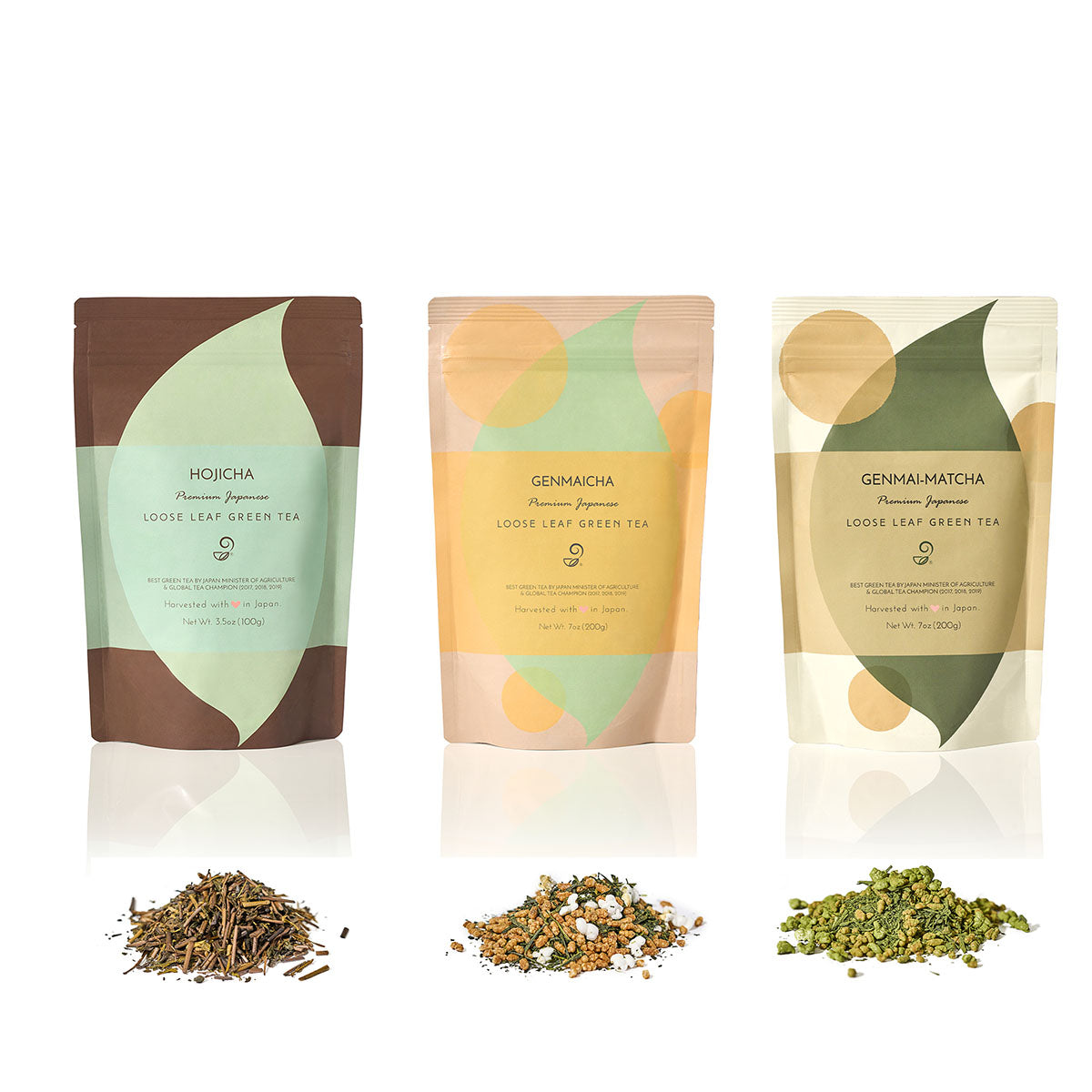
TRY OUR QUALITY HOJICHA ONLINE
1 review
$90.00
$72.00
/
Quick view
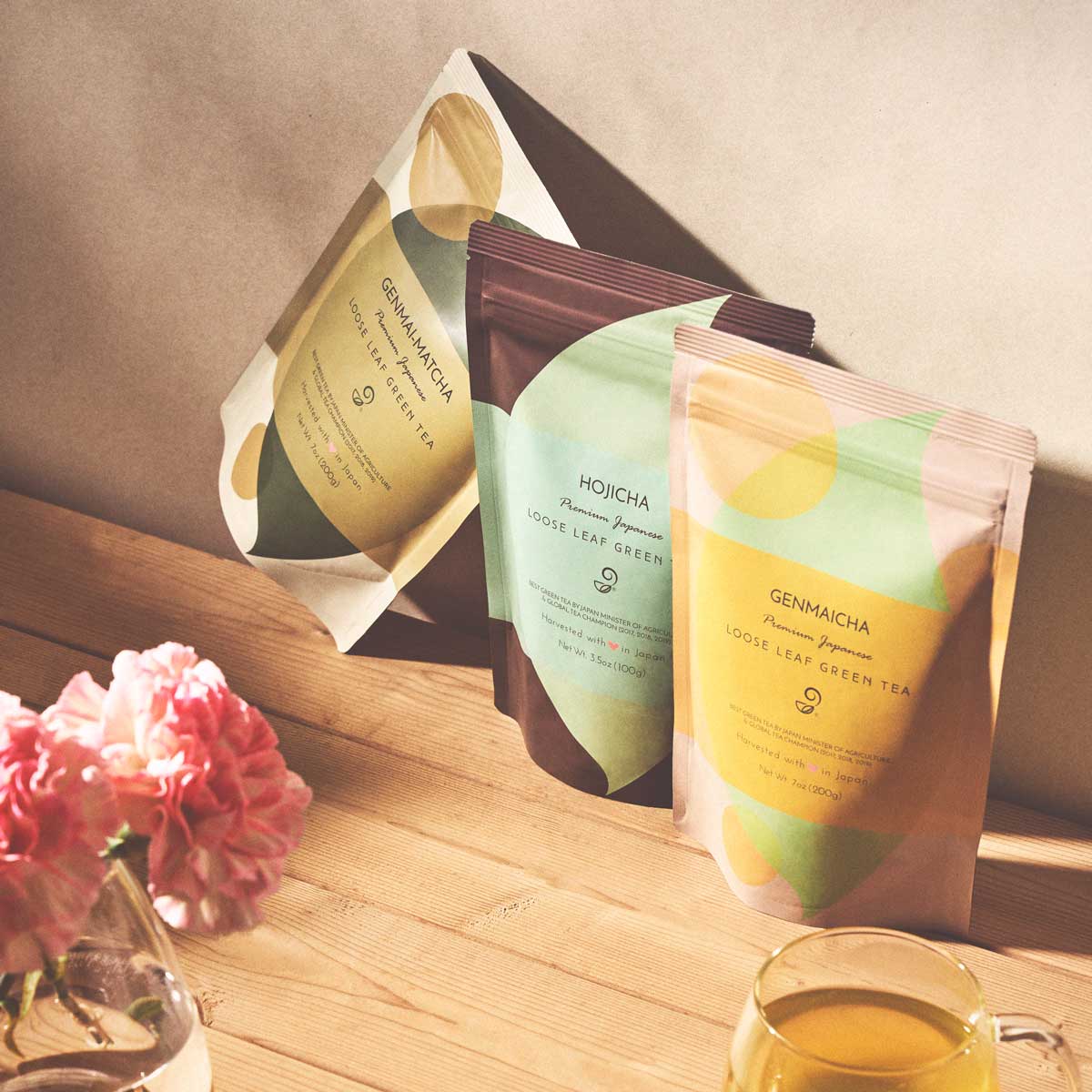
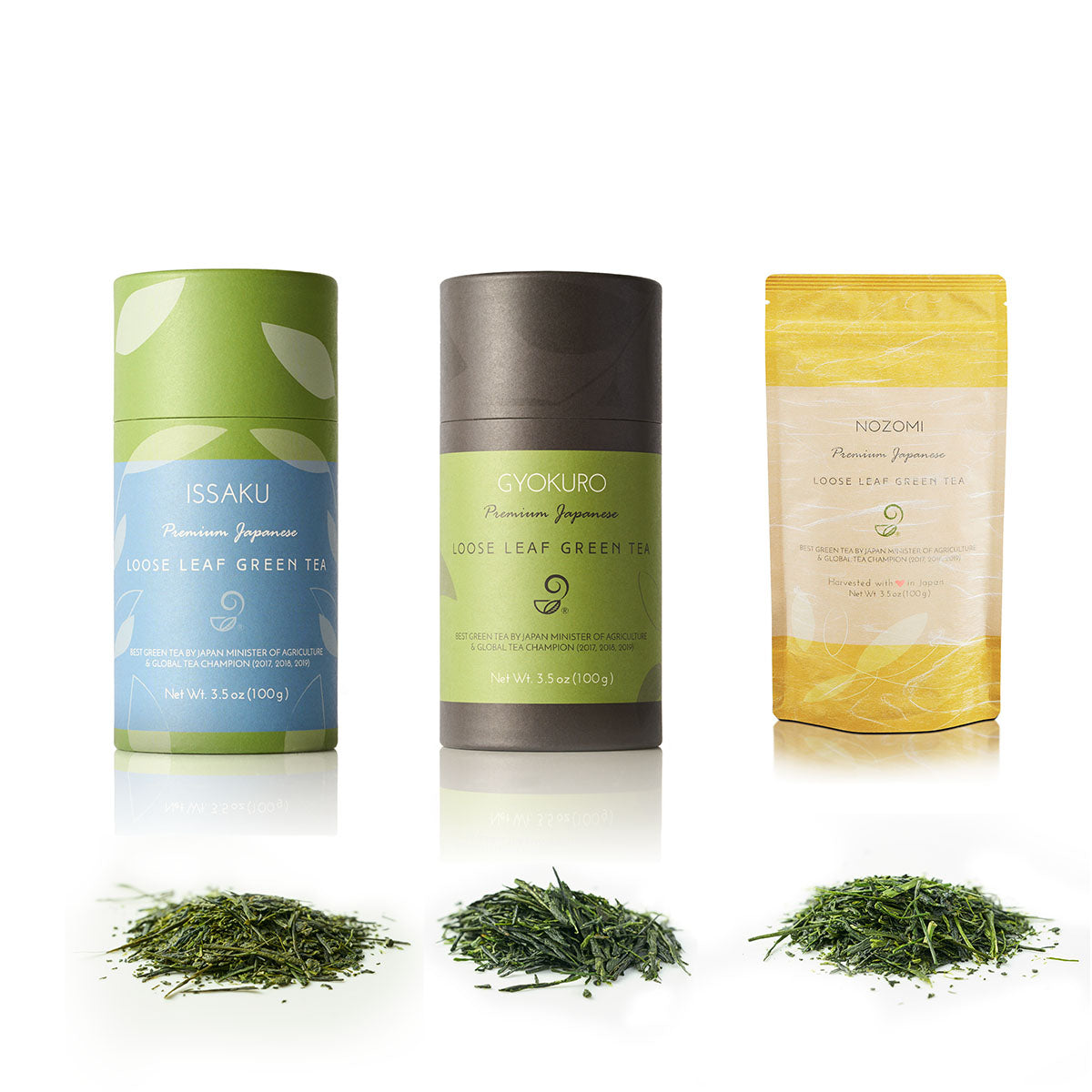
Hojicha Genmaicha Trio Gift Set - Premium Japanese Green Tea Set Package
8 reviews
$179.00
$159.99
/
Quick view
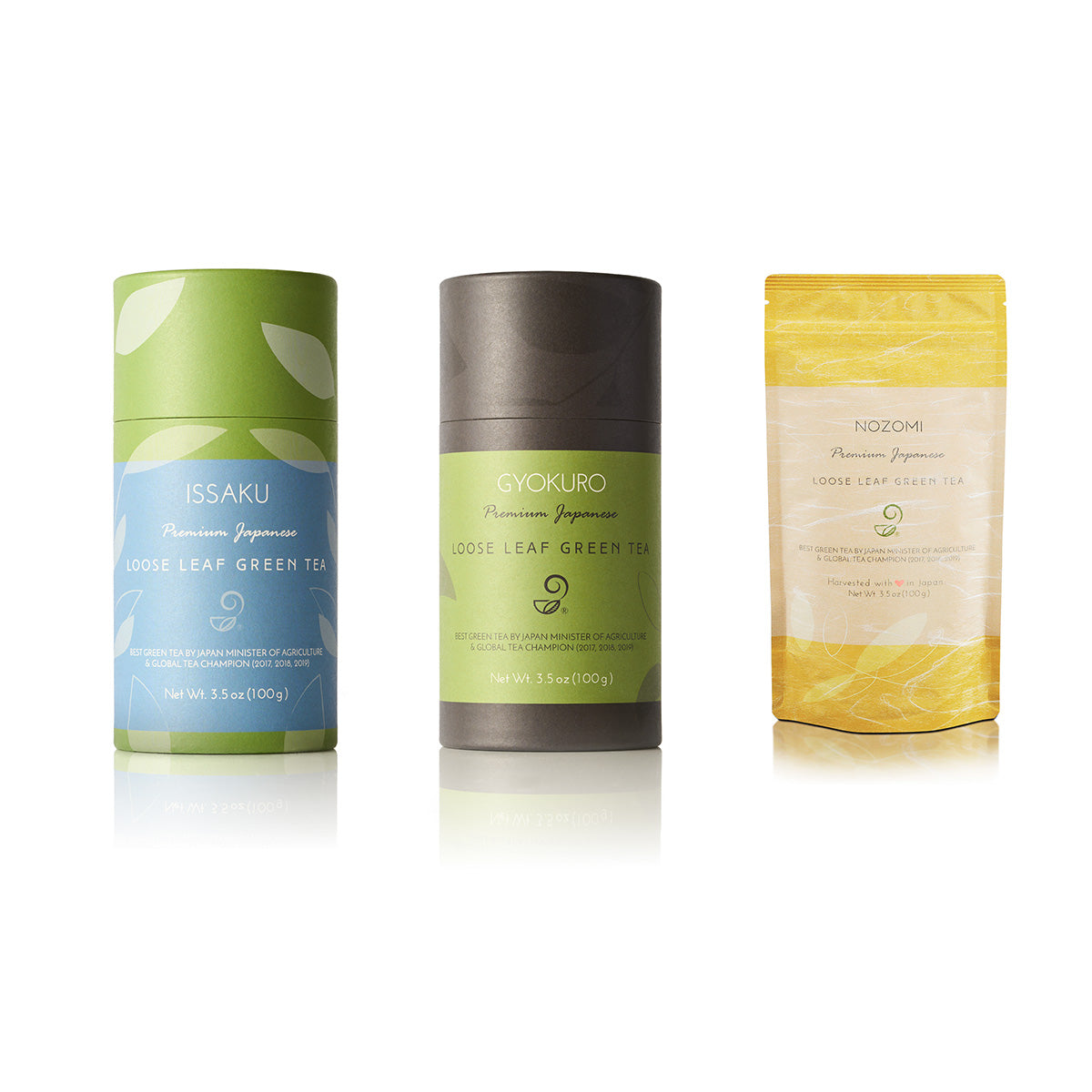
The Sencha Lover Gift Set - Premium Japanese Green Tea Set Package


Get Free Bonus Books

Sign up for free to the Green Tea Club to get advice and exclusive articles about how to choose Japanese Tea, and tips, tricks, and recipes for enjoying Japanese tea.
About the author

Kei Nishida
Author, CEO Dream of Japan
Certification: PMP, BS in Computer Science
Education: Western Washington University


