

Although the popularity of green tea in the Western world is a fairly recent phenomenon, the highly beneficial nutritional value has enjoyed a favorable reputation throughout many parts of Asia for thousands of years. Only recently is scientific research beginning to understand green tea's health benefits in relation to its high concentration of phytochemicals, known as polyphenols, which include subclasses of tannins and gallic acid.
As green tea gains traction among health-conscious individuals, there's increasing interest in its unique chemical profile and how it contributes to disease prevention and overall wellness. Unlike black tea or coffee, green tea undergoes minimal oxidation during processing, which helps preserve its rich array of catechins, particularly EGCG—a compound under intense study for its anti-inflammatory, anti-carcinogenic, and neuroprotective effects. With ongoing clinical trials and nutritional studies continuing to reveal new insights, green tea is no longer just a cultural staple in the East but a global subject of scientific and medical curiosity.
In this article, I will address commonly asked questions about polyphenols, catechins, epigallocatechin-3-gallate (EGCG), tannin, gallic acid and caffeine.
Because this article ended up being quite long, I have broken the articles into multiple parts. Here is a list of questions and topics I cover in this entire series so that you can skip to the question you want to read.
Part 1-1: Polyphenols and Green Tea - 8 Answers to Commonly Asked Questions and How You Can Benefit
- What are polyphenols?
- Green tea has so many health elements. What is the difference between catechins, tannins and polyphenols in green tea?
- How many polyphenols are in green tea?
- Compared to other teas, how many polyphenols are in green tea?
- Who should take polyphenols?
- What are polyphenols good for?
- Are there side effects associated with polyphenols?
- What is the most effective way to take polyphenols?
Part 1-2: Catechins and Green Tea - 7 Answers to Commonly Asked Questions and How You Can Benefit
- What are catechins?
- What is the difference between catechins, ECG and EGCC?
- How many catechins are in green tea and other teas?
- Who should take catechins?
- What diseases are catechins good for?
- Are there side effects of catechins?
- What is the most effective way to take catechins?
- What is the difference/relationship between tannins, polyphenols and gallic acid?
- What are tannins and how do they affect humans?
- What is gallic acid and how does it affect humans?
- How many tannins and gallic acid are in green tea, and how does the amount compare to other types of tea or food?
- Who should take tannins and gallic acid?
- Are there any side effects associated with tannins and gallic acid?
- What is the most effective way to take polyphenols?
Part 3 : Caffeine – Everything You Need to Know (and more) about Caffeine and Green Tea
- What is caffeine?
- Why does green tea have caffeine?
- Is the caffeine in green tea good or bad?
- How long does green tea caffeine last?
- Does caffeine in green tea help individuals lose weight?
- Does green tea without caffeine help with losing weight?
- How are caffeine levels being tested in tea?
- How much caffeine is in green tea?
- What determines lower or higher caffeine level on green tea?
- Are there green tea that are caffeine free?
- How to make green tea caffeine free?
- Is decaffeinated green tea as good as regular green tea?
- As part of decaffeination, does any other element get lost?
- Which type of green tea has the most caffeine?
- Compared to other tea, how much caffeine is in green tea?
- Compared to coffee how much caffeine is in green tea?
- What are the differences between drip coffee, espresso and green tea in terms of caffeine?
- Compared to coke, how much caffeine is in green tea?
- Compared to chocolate, how much caffeine is found in green tea?
- Where can I find low caffeine Japanese green tea?
- Where can I find high caffeine Japanese green tea?
Polyphenols and Green Tea - 8 Answers to Commonly Asked Questions and How You Can Benefit

Polyphenols
1. What are polyphenols?
Polyphenols are antioxidants or substances that combat free radicals, which can damage DNA and alter or even kill cells in the body.
Also known as phenolics, they are chemical compounds that occur in plants. They have over one phenol unit or building block in every molecule. They give plants their color and help protect them from insects. Foods or drinks containing polyphenols will have an astringent bite to their flavor.
There are 8,000 types of polyphenols that have been found in edible plants, and half of them belong to a group called the flavonoids that is further subdivided into six categories.
These powerful compounds are not only protective at the cellular level but also contribute to the sensory qualities of plant-based foods—such as color, flavor, and bitterness. Polyphenols are classified into several groups, including flavonoids, phenolic acids, stilbenes, and lignans, each with unique health effects. Their presence in foods like fruits, vegetables, tea, wine, and spices makes it easier to incorporate them into daily diets naturally. Modern research continues to explore how different types of polyphenols interact with the human body, including their role in reducing inflammation, regulating blood sugar, and even influencing gut microbiota for better digestive health.

Also known as phenolics, they are chemical compounds that occur in plants. They have over one phenol unit or building block in every molecule. They give plants their color and help protect them from insects. Foods or drinks containing polyphenols will have an astringent bite to their flavor.
There are 8,000 types of polyphenols that have been found in edible plants, and half of them belong to a group called the flavonoids that is further subdivided into six categories.
These powerful compounds are not only protective at the cellular level but also contribute to the sensory qualities of plant-based foods—such as color, flavor, and bitterness. Polyphenols are classified into several groups, including flavonoids, phenolic acids, stilbenes, and lignans, each with unique health effects. Their presence in foods like fruits, vegetables, tea, wine, and spices makes it easier to incorporate them into daily diets naturally. Modern research continues to explore how different types of polyphenols interact with the human body, including their role in reducing inflammation, regulating blood sugar, and even influencing gut microbiota for better digestive health.
2. Green tea has so many health elements. What is the difference between catechins, tannins and polyphenols in green tea?
Catechins, also called flavanols, and tannins are actually types of polyphenols. The leaves of the tea plant produce more catechins than any other plant. The fermentation and oxidation process is believed to strip black and oolong tea of some antioxidants, so green tea has more catechins than the other types. EGCG is the most abundant catechin in tea.
One difference between a catechin and tannin is size: Tannins are larger. A catechin with over 20 or more hydroxyl groups (-OH) is classed as a tannin.
Coffee and tea are the main source of tannins in the human diet. Tannins help give coffee and tea their flavor.
It's also worth noting that consuming extremely high doses of polyphenols—especially through concentrated supplements—may lead to unintended effects such as gastrointestinal discomfort, iron absorption interference, or liver strain in sensitive individuals. While naturally occurring polyphenols in food are generally safe, moderation is key. Consulting a healthcare professional is advisable when considering polyphenol supplements, particularly for individuals with underlying medical conditions or those on complex medication regimens.
One difference between a catechin and tannin is size: Tannins are larger. A catechin with over 20 or more hydroxyl groups (-OH) is classed as a tannin.
Coffee and tea are the main source of tannins in the human diet. Tannins help give coffee and tea their flavor.
It's also worth noting that consuming extremely high doses of polyphenols—especially through concentrated supplements—may lead to unintended effects such as gastrointestinal discomfort, iron absorption interference, or liver strain in sensitive individuals. While naturally occurring polyphenols in food are generally safe, moderation is key. Consulting a healthcare professional is advisable when considering polyphenol supplements, particularly for individuals with underlying medical conditions or those on complex medication regimens.
3. How many polyphenols are in green tea?
Determining the amount of polyphenols in green tea is not a straightforward process, as some brands have more than others. A 2003 study of different green and black teas, for example, found that the amount of EGCG in green tea could range from 22 mg per 100 ml to nearly 100 mg per 100 ml. Similarly, the amount of catechins ranged from 52 mg per 100 ml to 216 mg per 100 ml.
EGCG, however, is the most abundant catechin in all of the teas. Epicatechin gallate (ECG) is the second most abundant, with numbers ranging from 22 mg per 100 ml to nearly 80 mg per 100 ml.
The variation in polyphenol content depends on several factors, including the origin of the tea leaves, the time of harvest, how the leaves are processed, and how the tea is brewed. For example, Japanese green teas like sencha or matcha often contain higher concentrations of catechins compared to Chinese green teas due to differences in steaming versus pan-firing techniques. Brewing temperature and steeping time also play a role—hotter water and longer brewing can extract more polyphenols, but may also increase bitterness. This makes it important for consumers to pay attention not only to the type of green tea they choose but also how they prepare it.
EGCG, however, is the most abundant catechin in all of the teas. Epicatechin gallate (ECG) is the second most abundant, with numbers ranging from 22 mg per 100 ml to nearly 80 mg per 100 ml.
The variation in polyphenol content depends on several factors, including the origin of the tea leaves, the time of harvest, how the leaves are processed, and how the tea is brewed. For example, Japanese green teas like sencha or matcha often contain higher concentrations of catechins compared to Chinese green teas due to differences in steaming versus pan-firing techniques. Brewing temperature and steeping time also play a role—hotter water and longer brewing can extract more polyphenols, but may also increase bitterness. This makes it important for consumers to pay attention not only to the type of green tea they choose but also how they prepare it.
4. Compared to other teas, how many polyphenols are in green tea?
Green tea has far more catechins than black tea. The 2003 study showed that the amount of catechins in black tea ranged from none at all to 81.6 per ml, with the lowest numbers being in iced teas. While decaffeinated black teas had some catechins, they had no EGCG or ECG. The amount of EGCG in other black teas ranged from nearly 4 mg per 100 ml to around 74.5 mg per 100 ml, with a Darjeeling tea having by far the most. The amount of ECG ranged from approximately 1.4 mg per 100 ml to around 21.3 mg per 100 ml.
Conversely, black tea contains a family of polyphenols called theaflavins that does not occur in green tea. The differences in polyphenol content between green and black tea are largely due to their distinct processing methods. Green tea is minimally oxidized, preserving a higher level of catechins, especially EGCG, whereas black tea undergoes full oxidation, which converts catechins into theaflavins and thearubigins. These theaflavins contribute to black tea’s darker color and stronger flavor and offer their own antioxidant properties—though they are chemically different from those in green tea. This contrast in composition means that while both teas offer health benefits, green tea is generally more potent in terms of catechin-driven effects.
Conversely, black tea contains a family of polyphenols called theaflavins that does not occur in green tea. The differences in polyphenol content between green and black tea are largely due to their distinct processing methods. Green tea is minimally oxidized, preserving a higher level of catechins, especially EGCG, whereas black tea undergoes full oxidation, which converts catechins into theaflavins and thearubigins. These theaflavins contribute to black tea’s darker color and stronger flavor and offer their own antioxidant properties—though they are chemically different from those in green tea. This contrast in composition means that while both teas offer health benefits, green tea is generally more potent in terms of catechin-driven effects.
5. Who should take polyphenols?
Many people can use polyphenols, and they can be taken in supplement form. They also come in a variety of foods and drinks, many of which are quite tasty and enjoyable. (Who doesn’t like dark chocolate or green tea?) People who are looking to improve their overall wellness, reduce inflammation, or lower their risk of chronic illnesses like heart disease, diabetes, and neurodegenerative disorders may benefit the most from a polyphenol-rich diet. Athletes and active individuals may also find polyphenols helpful for muscle recovery and reducing oxidative stress. While supplements can be useful in specific cases, especially where diet alone is insufficient, the best approach is to consume polyphenols through a variety of colorful fruits, vegetables, teas, and spices to ensure maximum absorption and synergy with other nutrients.
6. What are polyphenols good for?
Polyphenols are antioxidants and can therefore fight and even prevent disease. Some of the catechins found in tea may prevent the development of diabetes. Researchers suspect the catechins impede the gut’s absorption of glucose.
Polyphenols may help fight some types of cancer by reducing the size and/or number of tumors. Researchers are studying some polyphenols, like quercetin and resveratrol, to learn about their anti-aging and cancer-fighting properties.
The polyphenols found in green tea have been linked to a reduced risk of Parkinson’s disease. Other polyphenols found in vegetables and fruits may slow down the development of Alzheimer’s disease.
Polyphenols help prevent low-density lipoprotein (LDL) cholesterol from reacting with free radicals, thus slowing the development of atherosclerosis. Scientists have found that a diet based on plant foods reduces the likelihood of developing cardiovascular disease.
Researchers believe that polyphenols might prevent osteoporosis and some lung diseases, such as asthma. More studies need to be done, however.
Polyphenols may help fight some types of cancer by reducing the size and/or number of tumors. Researchers are studying some polyphenols, like quercetin and resveratrol, to learn about their anti-aging and cancer-fighting properties.
The polyphenols found in green tea have been linked to a reduced risk of Parkinson’s disease. Other polyphenols found in vegetables and fruits may slow down the development of Alzheimer’s disease.
Polyphenols help prevent low-density lipoprotein (LDL) cholesterol from reacting with free radicals, thus slowing the development of atherosclerosis. Scientists have found that a diet based on plant foods reduces the likelihood of developing cardiovascular disease.
Researchers believe that polyphenols might prevent osteoporosis and some lung diseases, such as asthma. More studies need to be done, however.
Polyphenols also support short-term improvements in overall well-being. They may enhance cognitive performance, improve digestion by positively influencing gut bacteria, and reduce inflammation-related discomfort such as joint pain or skin irritation. Polyphenols have also been shown to help regulate blood pressure and promote healthy blood vessel function, making them a vital component of a balanced, disease-preventive diet.
7. Are there side effects associated with polyphenols?
There are no known side effects caused by the polyphenols themselves. Some of their plant sources may cause allergic reactions, however.
Green tea, however, can cause drug interactions. People taking anti-depressants, birth control pills, blood-thinners, some heart medications, and some antibiotics should talk to their doctor before drinking green tea or taking supplements made from green tea.
Green tea, however, can cause drug interactions. People taking anti-depressants, birth control pills, blood-thinners, some heart medications, and some antibiotics should talk to their doctor before drinking green tea or taking supplements made from green tea.
8. What is the most effective way to take polyphenols?
Polyphenols can be eaten or drunk. In 2010, a group of French scientists ranked foods by their polyphenol and listed them by concentration or serving. The former can be misleading; some foods, like many herbs, have high concentrations of polyphenols but are eaten in such small amounts that they don’t contribute much to a meal. Cloves, for example, have the highest concentration of polyphenols of all, with over 15,000 mg per 100 grams, but they are eaten in such small amounts that they don’t even make the “Most Polyphenols per Serving List.”
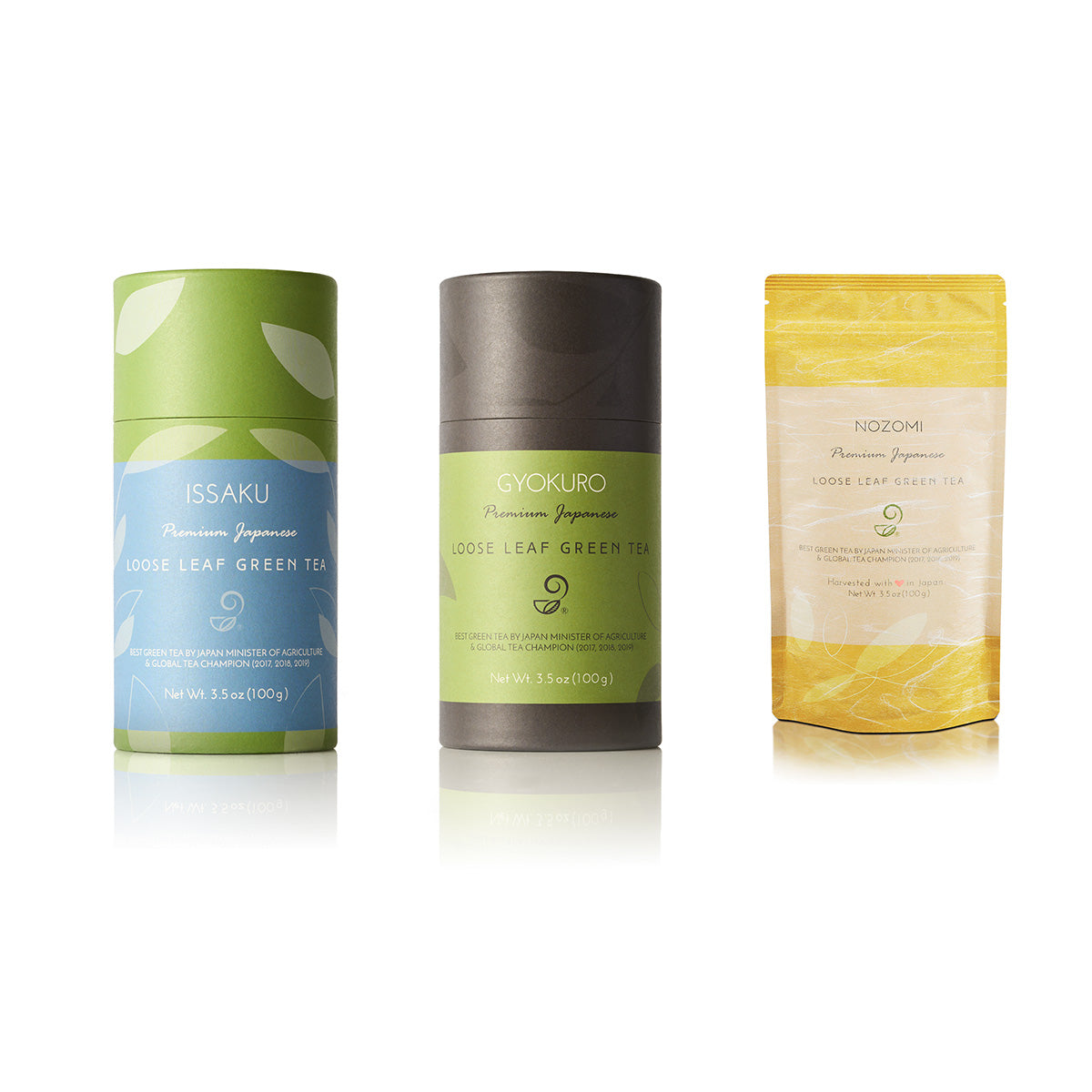
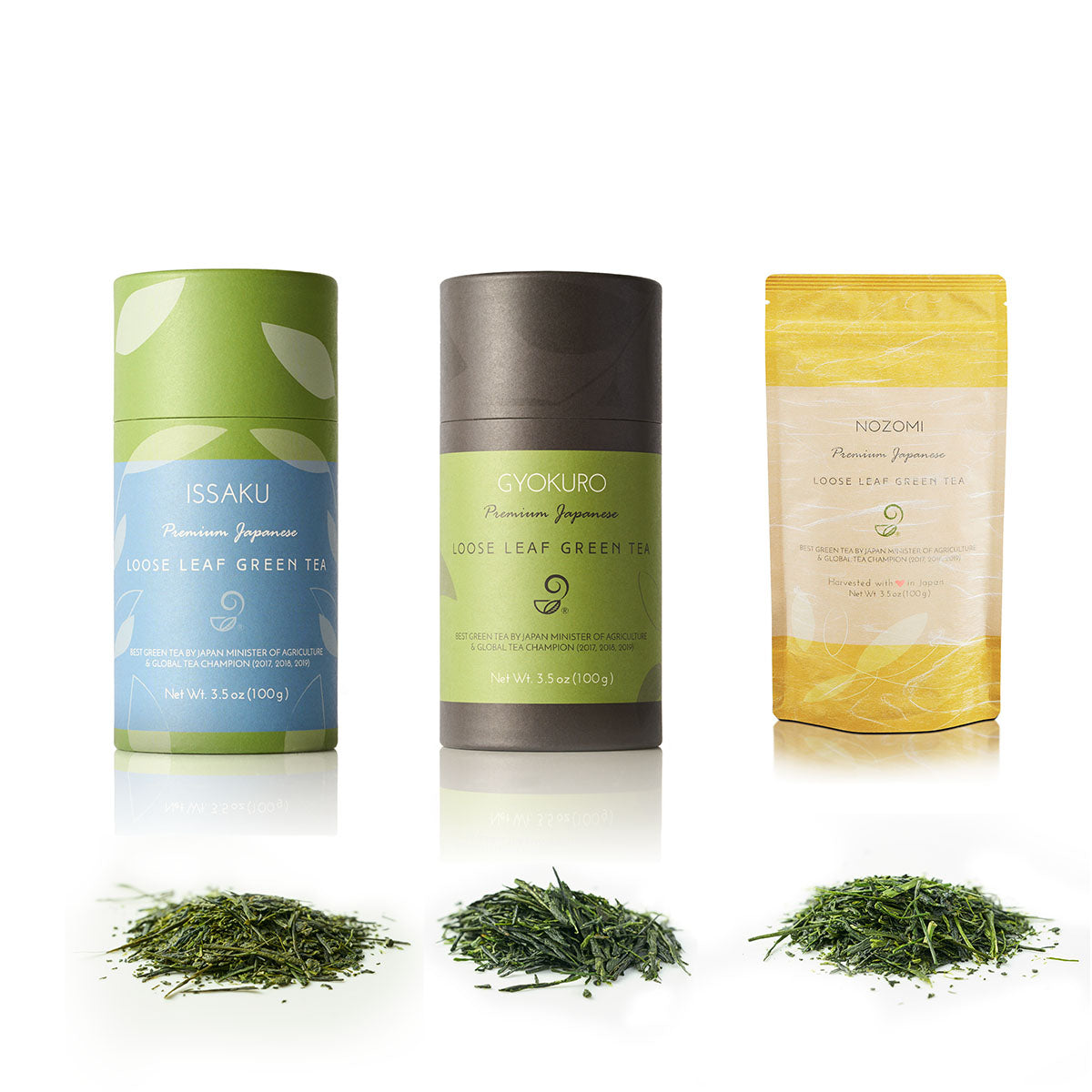
By contrast, green tea like Issaku Green Tea, one of the premium green teas from Japan, is an excellent source of polyphenols. Other excellent sources of polyphenols include berries, coffee, black tea, dark chocolate, red wine and artichoke.
To maximize the health benefits of polyphenols, it’s best to consume them throughout the day from a variety of sources. This ensures that the body is regularly supplied with antioxidants while also supporting better absorption and metabolism. Preparing foods fresh and avoiding overcooking can help preserve polyphenol content. Additionally, pairing polyphenol-rich foods with healthy fats—such as those found in nuts, olive oil, or avocado—can enhance bioavailability. For those using supplements, it’s important to select standardized extracts with verified polyphenol content and to follow dosage instructions carefully to avoid excessive intake.
By contrast, green tea like Issaku Green Tea, one of the premium green teas from Japan, is an excellent source of polyphenols. Other excellent sources of polyphenols include berries, coffee, black tea, dark chocolate, red wine and artichoke.
To maximize the health benefits of polyphenols, it’s best to consume them throughout the day from a variety of sources. This ensures that the body is regularly supplied with antioxidants while also supporting better absorption and metabolism. Preparing foods fresh and avoiding overcooking can help preserve polyphenol content. Additionally, pairing polyphenol-rich foods with healthy fats—such as those found in nuts, olive oil, or avocado—can enhance bioavailability. For those using supplements, it’s important to select standardized extracts with verified polyphenol content and to follow dosage instructions carefully to avoid excessive intake.
Catechins and Green Tea - 7 Answers to Commonly Asked Questions and How You Can Benefit


Catechins EGCG
1. What are catechins?
Catechins are types of antioxidants that belong to the flavonoid family. Flavonoids are plant pigments that help give plants their color and have health-giving properties when those plants are ingested. Catechins in particular are abundant in the leaves of the tea plant, or camellia sinensis. The name comes from catechu, which is a juice derived from the Mimosa catechu plant that is then boiled. Catechins are also tannins and give tea its pleasing astringency.
Botanists believe that catechins are used by the plant to protect them against other plants growing too near and competing for nutrients in the soil.
Botanists believe that catechins are used by the plant to protect them against other plants growing too near and competing for nutrients in the soil.
Catechins are not only beneficial for plants, but also for human health. They have powerful antioxidant properties, meaning they can neutralize harmful free radicals in the body, reducing oxidative stress and inflammation. These effects make catechins particularly useful in promoting heart health, enhancing brain function, and supporting the immune system. Among the various types of catechins, EGCG (epigallocatechin gallate) is the most well-studied and is believed to have the most potent health benefits, especially in terms of cancer prevention and metabolic health.
2. What is the difference between catechins, ECG, and EGCC?
ECG and EGCG are both forms of catechins. They are both polyphenols, plant chemicals found in tea. They are both flavonoids and belong in the subfamily of galloylated catechins. ECG and EGCG are only two of many types of catechins found in green tea.
EGCG in particular is a strong antioxidant. Scientists believe it is 25 to 100 times more powerful than the antioxidants vitamins C or E. Antioxidants are substances that protect the cells against being damaged by free radical molecules. These molecules lack electrons and grab them from other molecules, including DNA. This causes damage that can lead to disease. EGCG has been seen to inhibit the growth of breast, lung, liver, and colon tumors. It kills cancer cells outright and supports brain function by helping the brain create more nerve cells, or neurons, in the hippocampus, which is responsible for memory. This was seen in mice but holds promise for human beings. EGCG also helps in weight loss and prevents cardiovascular disease.
EGCG is the main catechin found in green tea. Scientists believe that catechins work because they bind to proteins and keep bacteria and viruses from clinging to cells and attacking them. Catechins also fight the poisons produced by bacteria as well as toxic metals, such as lead and mercury.
While EGCG is the most studied and revered catechin, ECG (epicatechin gallate) also holds significant benefits. ECG has been shown to help regulate blood pressure and improve endothelial function, which is crucial for healthy blood vessels. Although ECG is less potent than EGCG in terms of antioxidant activity, it still provides substantial protection against oxidative stress and inflammation. Together, these catechins, along with others like epicatechin (EC), work synergistically in green tea to support overall health, contributing to anti-aging, immune support, and metabolic health.
EGCG in particular is a strong antioxidant. Scientists believe it is 25 to 100 times more powerful than the antioxidants vitamins C or E. Antioxidants are substances that protect the cells against being damaged by free radical molecules. These molecules lack electrons and grab them from other molecules, including DNA. This causes damage that can lead to disease. EGCG has been seen to inhibit the growth of breast, lung, liver, and colon tumors. It kills cancer cells outright and supports brain function by helping the brain create more nerve cells, or neurons, in the hippocampus, which is responsible for memory. This was seen in mice but holds promise for human beings. EGCG also helps in weight loss and prevents cardiovascular disease.
EGCG is the main catechin found in green tea. Scientists believe that catechins work because they bind to proteins and keep bacteria and viruses from clinging to cells and attacking them. Catechins also fight the poisons produced by bacteria as well as toxic metals, such as lead and mercury.
While EGCG is the most studied and revered catechin, ECG (epicatechin gallate) also holds significant benefits. ECG has been shown to help regulate blood pressure and improve endothelial function, which is crucial for healthy blood vessels. Although ECG is less potent than EGCG in terms of antioxidant activity, it still provides substantial protection against oxidative stress and inflammation. Together, these catechins, along with others like epicatechin (EC), work synergistically in green tea to support overall health, contributing to anti-aging, immune support, and metabolic health.
3. How Much catechins are in green tea and other teas?
Catechins are especially plentiful in green tea because green tea leaves do not go through the same fermentation process as black or oolong teas. The catechin level in green tea is between 59.3 and 103.2 milligrams per gram. It is 21.2 to 68.3 mg/g in black tea, which has a lower overall level of flavonols overall due to the fermentation process. Flavonols are chemicals related to flavonoids. Decaffeinated tea, both black and green, has even fewer flavonols. Iced tea has fewer flavonols than warm tea because it is more diluted, and the levels of flavonols are different for different brands of tea.
The amount of catechins in green tea depend on when the tea was picked and the age of the leaf. Tea picked in the spring has 12 to 13 percent of catechins, while summer-picked tea has 13 to 14 percent. This higher level also explains why summer-picked tea has a more astringent taste. Younger leaves also have more catechins than older leaves.
A very high quality type of Japanese green tea called Issaku is rich in catechins. It also has a uniquely sweet taste because it is fertilized with sugarcane.
The method of tea preparation plays a crucial role in determining the catechin content. Brewing time, water temperature, and tea leaf-to-water ratio all affect how much catechin is extracted from the leaves. For optimal catechin extraction, it’s recommended to steep green tea at around 175°F (80°C) for 1-2 minutes, avoiding boiling water, which may degrade the catechins. Matcha, a powdered form of green tea, generally contains higher concentrations of catechins because the whole leaf is consumed, providing a more potent antioxidant boost compared to traditional steeped green tea.
The amount of catechins in green tea depend on when the tea was picked and the age of the leaf. Tea picked in the spring has 12 to 13 percent of catechins, while summer-picked tea has 13 to 14 percent. This higher level also explains why summer-picked tea has a more astringent taste. Younger leaves also have more catechins than older leaves.
A very high quality type of Japanese green tea called Issaku is rich in catechins. It also has a uniquely sweet taste because it is fertilized with sugarcane.
The method of tea preparation plays a crucial role in determining the catechin content. Brewing time, water temperature, and tea leaf-to-water ratio all affect how much catechin is extracted from the leaves. For optimal catechin extraction, it’s recommended to steep green tea at around 175°F (80°C) for 1-2 minutes, avoiding boiling water, which may degrade the catechins. Matcha, a powdered form of green tea, generally contains higher concentrations of catechins because the whole leaf is consumed, providing a more potent antioxidant boost compared to traditional steeped green tea.
4. Who should take catechins?
People who are interested in a natural way to guard against cardiovascular disease and certain cancers should take catechins in the form of green tea. Patients who are enduring cancer treatment should take catechins, because they support the immune system. They do this by boosting the levels of white blood cells, which destroy pathogens that enter the body.
Catechins are digested through the gastrointestinal tract, specifically through the first part of the small intestine, or jejunum and the liver. Catechins can also benefit individuals looking to improve their cognitive health, as they have been linked to enhanced brain function and a reduced risk of neurodegenerative conditions such as Alzheimer's disease. Moreover, those trying to manage their weight or improve metabolic health can benefit from catechins, as studies suggest they may increase fat oxidation and help regulate blood sugar levels. Since catechins support overall wellness, including immunity and metabolism, they can be valuable for anyone aiming to live a healthier, more balanced life.
Catechins are digested through the gastrointestinal tract, specifically through the first part of the small intestine, or jejunum and the liver. Catechins can also benefit individuals looking to improve their cognitive health, as they have been linked to enhanced brain function and a reduced risk of neurodegenerative conditions such as Alzheimer's disease. Moreover, those trying to manage their weight or improve metabolic health can benefit from catechins, as studies suggest they may increase fat oxidation and help regulate blood sugar levels. Since catechins support overall wellness, including immunity and metabolism, they can be valuable for anyone aiming to live a healthier, more balanced life.
5. What diseases are catechins good for?
Catechins are good at preventing heart disease because they appear to cause blood vessels to dilate. This promotes good blood circulation. The catechins found in green tea have been seen to lower high blood pressure, though researchers don’t quite know how. The antioxidants in tea, especially green tea, can help lower bad, or LDL, cholesterol and can help protect a woman against breast or ovarian cancer.
Heart health and cancer prevention, catechins are also beneficial in reducing the risk of Type 2 diabetes by improving insulin sensitivity and regulating blood sugar levels. They have been shown to protect against neurodegenerative diseases like Alzheimer’s and Parkinson’s by reducing oxidative stress in the brain. Catechins also play a role in preventing obesity-related complications, as they can enhance fat metabolism and help maintain a healthy weight. Regular consumption of catechins may thus provide a comprehensive protective effect against a variety of chronic diseases.
Heart health and cancer prevention, catechins are also beneficial in reducing the risk of Type 2 diabetes by improving insulin sensitivity and regulating blood sugar levels. They have been shown to protect against neurodegenerative diseases like Alzheimer’s and Parkinson’s by reducing oxidative stress in the brain. Catechins also play a role in preventing obesity-related complications, as they can enhance fat metabolism and help maintain a healthy weight. Regular consumption of catechins may thus provide a comprehensive protective effect against a variety of chronic diseases.
6. Are there side effects of catechins?
Catechins are well tolerated by most people, though if they are taken in great doses they can cause anemia or even kidney failure. This happens because the catechins tendency to bind to proteins. In very large doses, catechins bind to the user’s red blood cells. This was why a catechin-based drug used to treat hepatitis was taken off the market in Europe.
While catechins are generally safe when consumed in moderate amounts through foods like green tea, it’s important to be cautious with supplements. High-dose catechin supplements can cause gastrointestinal distress, including nausea, stomach upset, and constipation. Additionally, excessive intake of catechins, especially when taken alongside certain medications, can interfere with nutrient absorption, particularly iron, which may lead to deficiency over time. It's recommended to consult a healthcare professional before taking catechin supplements, especially for individuals with pre-existing health conditions or those on medications.
While catechins are generally safe when consumed in moderate amounts through foods like green tea, it’s important to be cautious with supplements. High-dose catechin supplements can cause gastrointestinal distress, including nausea, stomach upset, and constipation. Additionally, excessive intake of catechins, especially when taken alongside certain medications, can interfere with nutrient absorption, particularly iron, which may lead to deficiency over time. It's recommended to consult a healthcare professional before taking catechin supplements, especially for individuals with pre-existing health conditions or those on medications.
7. What is the most effective way to take Catechins?
The most effective way to consume the catechins found in green tea is to brew it and drink it. Experts recommend brewing two teaspoons of Issaku tea in 8 ounces of fresh water at 175 degrees Fahrenheit for two minutes. The one caveat is that green tea should not be steeped too long because this brings out the tannins. Though this is harmless, it can make the tea too bitter to enjoy. Though the drinker can add milk to the tea, the proteins in milk form chemicals that make the catechins indigestible, at least temporarily. However, when the chemicals are digested, the green tea is able to be digested through the small intestine as usual.
When it comes to teapots, many connoisseurs prefer glass when it comes to brewing green tea. Glass lets the drinker see the color and clarity of the tea, and watch the tea leaves unfurl in the hot water. Green tea tastes better in a smaller teapot, gives the drinker more control over the temperature and the time the leaves steep and lets them resteep the leaves.
Catechins provide health benefits for nearly ever system in the body. They support the functioning of the nervous system, help in weight loss and reduce the risk of obesity. They offer some protection against certain forms of cancer, and lower the risk of Type 2 diabetes. They support the health of the liver, the organ in the body responsible for removing toxins and dilate the blood vessels. This allows for an improved flow of blood and therefore nutrients throughout the body.
When it comes to teapots, many connoisseurs prefer glass when it comes to brewing green tea. Glass lets the drinker see the color and clarity of the tea, and watch the tea leaves unfurl in the hot water. Green tea tastes better in a smaller teapot, gives the drinker more control over the temperature and the time the leaves steep and lets them resteep the leaves.
Catechins provide health benefits for nearly ever system in the body. They support the functioning of the nervous system, help in weight loss and reduce the risk of obesity. They offer some protection against certain forms of cancer, and lower the risk of Type 2 diabetes. They support the health of the liver, the organ in the body responsible for removing toxins and dilate the blood vessels. This allows for an improved flow of blood and therefore nutrients throughout the body.
Conclusion
Catechins and polyphenols found in green tea and other plant-based foods offer a wide range of health benefits, from promoting heart health and reducing cancer risk to supporting brain function and aiding in weight management. These powerful antioxidants can protect against oxidative stress, improve circulation, and even support the immune system. While generally safe when consumed in moderate amounts, it’s essential to be mindful of potential side effects from high doses, particularly through supplements. Incorporating catechin-rich foods like green tea into your daily routine can be a simple yet effective way to enhance overall well-being and guard against chronic diseases.
If you like this post, you make also enjoy my book
I Will Teach You How to be Healthy by Drinking Using Japanese Green Tea: Surprising Facts and Tips for How You can Take Best Advantage of This Amazing Plant ( ISBN-13: 978-1541252455 ISBN-10: 1541252454)

FAQs about Green Tea Catechins, EGCG and Polyphenols
What's a realistic daily catechin target — and can I hit it from cups, or do I need a supplement?

Related products

8 reviews
$179.00
$159.99
/
Quick view
The Sencha Lover Gift Set - Premium Japanese Green Tea Set Package



Get Free Bonus Books

Sign up for free to the Green Tea Club to get advice and exclusive articles about how to choose Japanese Tea, and tips, tricks, and recipes for enjoying Japanese tea.
About the author

Kei Nishida
Author, CEO Dream of Japan
Certification: PMP, BS in Computer Science
Education: Western Washington University


