Skip to content

Can I Throw Away Used Green Tea Leaves in My Garden?

Subscribe to Youtube See all videos

This article was posted back in 2021, but since it was so popular, we made videos out of it. Watch the video and enjoy the original article below!

We all know the extensive list of ways green tea benefits our health. Well, it is not just great for us – leaves of this heavenly tea can also be a wonderfully healthy addition to the soil in your garden to helps it bloom.


Adding Green Tea Leaves To Your Garden

First and for most, while it is said that there are 17 elements in the soil that are considered to be crucial for plant growth, it is said that Nitrogen(N), Phosphorous(P), and Potassium(K) are the most important for plant growth. These three nutrients are known to be primary macronutrients since plants take these three elements most from the soil. Now, let`s take look into what green tea can do!

Maybe you saw this coming, but yes, green tea is high in all three of these macronutrients! Nitrogen is vital for plants to survive since it is the major component of chlorophyll, the compound that enables plants to use energy from the sun to produce sugars from water and carbon dioxide (photosynthesis).

 Nitrogen is also one of the main elements in amino acids, the building blocks of protein, which if plants lack, will cause them to wither and eventually die.

Phosphorus is known to stimulate early root and plant growth through transferring energy from sunlight to the plant; and lastly, Potassium assists the movement of water, nutrients, and carbohydrate in the plant, which as a result regulates the rate of photosynthesis.

Additionally, green tea leaves contain various micronutrients and antioxidants that further contribute to soil health and plant vitality. These include trace amounts of calcium, magnesium, and iron, which support cell wall strength, enzyme function, and chlorophyll production, respectively. The organic compounds in the leaves also help improve soil microbial activity, fostering beneficial bacteria and fungi that aid nutrient absorption and protect plants from harmful pathogens. By enriching the soil with both macronutrients and these supportive elements, green tea leaves create a balanced environment that promotes robust, resilient plant growth.


How Tea Leaves Can Further Enrich Your Garden Soil

When you add green tea leaves to your garden, they not only give your plants a nutrition boost, but the leaves also become food for earthworms, known to be beneficial residents of the soil as they play a vital part in improving and maintaining soil structure. When these creatures eat, they break down and recycle their food within the soil, which naturally fertilizes the earth and packs it with nutrients. Not only this, but earthworms also improve the soil`s structure by leaving passages for sunlight as well as space for water to be drained and absorbed from the surface to be stored in the soil. They also leave their castings, which are also rich in nutrients for the soil.

Research has even shown that soils without earthworms can be 90% less effective at soaking up water. Yes, on top of the nutritional boost, we are saying that green tea leaves can also be food for these amazing creatures for your soil!

Moreover, as green tea leaves decompose, they release organic matter that enhances the soil’s texture and water retention capacity. This organic matter improves aeration and creates a sponge-like effect in the soil, helping it hold moisture longer while preventing waterlogging. This is especially beneficial during dry spells, as it allows plants to access water more consistently. The gradual breakdown of tea leaves also encourages the growth of beneficial microbes, which play a crucial role in nutrient cycling and disease suppression. Together, these effects create a healthier, more fertile soil ecosystem that supports vigorous plant growth and sustainability in your garden.

However, there is more - green tea leaves themselves can also act as a natural fertilizer or manure! These garden benefits can be achieved directly in a few simple ways:

  • Wash the used tea leaves and let them dry under the sun
  • Scatter a thin layer of green tea leaves around the bases of your plants, focusing primarily on acid-friendly plants such as roses, tomatoes, or blueberries.
  • Most garden plants thrive in slightly acidic soil to neutral soil, typically at a pH between 6 and 7. Green tea leaves contribute to maintaining this soil environment by lowering the soil`s pH and increasing its acidity. However, not everything can grow in acidic soil, so make sure to use the leaves sparingly so that only minimum acidity is added to keep the soil in balance for all kinds of plants to be benefitted. 
  • Place a decent amount of green tea leaves directly on top of the soil, then gently mix into.
  • Place your biodegradable tea bag right under the soil.
The pH scale


Why is it Better to Make Compost With Green Tea Leaves?

Using green tea leaves as compost can add nutrients to the soil, as well as balance the amount of nitrogen and carbon in the decaying leaves that fall from the plant.

With better compost, plants will become healthier and chemical-free; and you know what? You will also be reducing waste by using these leaves as you gardening assistant!

Additionally, as already mentioned, since the compost and soil will be more nutritious as a result, the earthworms will now have a better meal enriching the soil even more as a result.

Composting green tea leaves also helps accelerate the natural breakdown process of organic materials, turning kitchen and garden waste into valuable fertilizer more quickly. The balanced nitrogen-to-carbon ratio in green tea leaves ensures that the compost pile heats up efficiently, promoting the activity of beneficial microbes that decompose matter into nutrient-rich humus.

This humus improves soil fertility, water retention, and structure, creating an ideal environment for plant roots to thrive. Moreover, by composting these leaves rather than disposing of them, you contribute to reducing landfill waste and lowering your environmental footprint, making your gardening efforts not only productive but eco-friendly as well.


Making Stronger Compost With Used Green Tea Leaves

You can make compost out of your used green tea leaves by soaking them in a jar, which helps to reduce the caffeine content.

Then pour the compost liquid directly into the soil and roots. Soaking used green tea leaves in water creates a nutrient-packed compost tea that’s easy for plants to absorb. This liquid fertilizer contains dissolved macronutrients and beneficial organic compounds that quickly nourish the soil and roots, giving plants an immediate growth boost.

Additionally, soaking reduces caffeine levels, which in high amounts can be harmful to some plants, ensuring the compost tea remains gentle yet effective. Regular application of this compost liquid not only improves soil fertility but also encourages healthy microbial activity, enhancing nutrient uptake and helping plants better resist diseases and environmental stresses.


How Caffeine Can Assist Your Gardening

Caffeine is a stimulant and an effective energy boost. A small amount of caffeine can help humans and plants feel lively, and stimulate plant growth. Green tea has less caffeine content than coffee, but even more so is when they are brewed and washed - the caffeine further decreases in the tea; hence, it is safe t ouse green tea leaves on soil and plants. Be careful though - using too much of it can cause the plant to weaken and even wither.

Scattering the green tea leaves around the roots will allow your plants to absorb the moisture from the tea leaves, and help keep the soil damp enough. This means that you can water your plants less often, which helps you save time, while your plants are also happy and hydrated! 

To improve germination, soak the seeds in the used green tea leaves concoction for 8-12 hours before planting them. The antioxidants in green tea kill the bacteria living in those seeds. Since green tea leaves have remaining antioxidants, these can reduce plant stress. As a result, this will make the plant stronger, allowing them to cope with stressful weather situations like drought, for instance.

The green tea leaves concoction can boost flowering as well, since its rich nutrition content can enhance the size and vibrant color of the flowers.


Green Tea as a Natural Repellent

Ward off annoying fungi, spiders, and insects by burying used tea leaves near your plants, scattering your leaves around the roots, or spraying soaked tea leaves on the plant!

Additionally, green tea can also ward off weeds by being used as mulch, as well as keeping your feline friends away with its smell that cats dislike!

This thing called green tea really is full of good news!


Conclusion

So yes, absolutely! You can throw those used tea leaves to your garden. The key to make sure not right after brewing your tea, but soak it for a while first to make some compost liquid. Another important note to keep in mind is to be careful not to use them excessively. Using it in excess may lead to too much increase in soil acidity, which will negatively impact your plants since what they require is slightly acidic to  neutral soil.


Another Bonus! 

Believe it or not, Japanese green tea can also be used in your bathtub!

Here's how

Green tea leaves or green tea bags help the skin to be smoother, as well as relieving muscle pain. Most of all, they feel soothing and relaxing – treat yourself with green tea bath time once in a while!

FAQs about Using Green Tea Leaves in Your Garden

Can I just toss used tea leaves directly in my garden — is that actually good for the soil?

Yes, with one rule: dry them first. Used wet tea leaves dumped directly on soil can mat together and either prevent water from reaching the roots or grow mold in the wet layer. Spread the post-steep leaves on a paper towel for 24-48 hours until completely dry, then sprinkle around plants or work into the top inch of soil. Once dry, they break down over weeks and add slow-release nitrogen.

Used green tea leaves are mildly acidic (pH around 5.5-6.5), so they're particularly good for acid-loving plants — blueberries, azaleas, rhododendrons, hydrangeas, ferns, camellias. For neutral or alkaline-preferring plants, use sparingly because regular tea additions can shift soil pH over time.

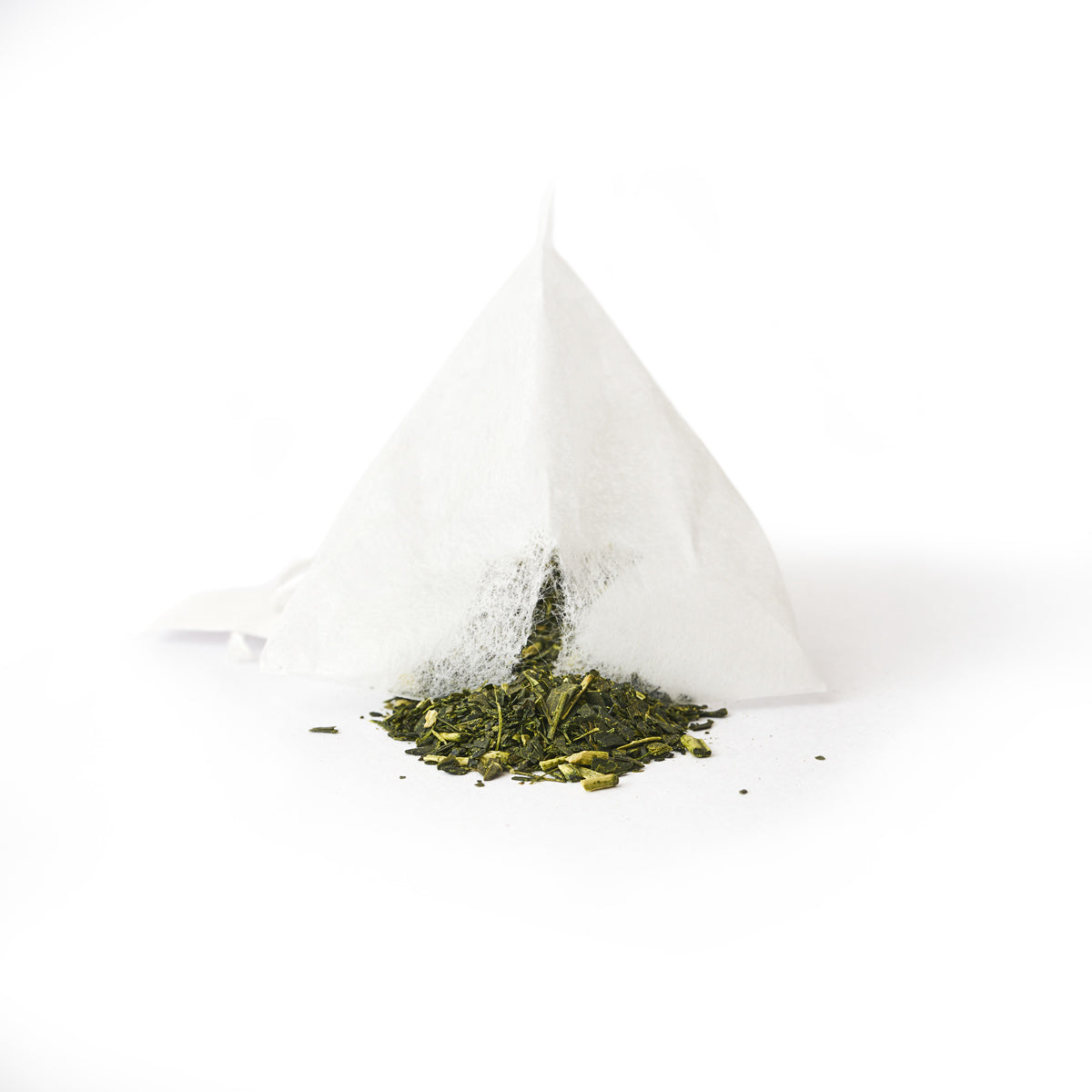
Don't add tea bags whole unless you've confirmed the bag itself is fully biodegradable. Many "silken" pyramid bags are nylon or PET (which never break down) and even paper bags often have plastic in the heat-seal seam. Cut them open and use only the leaves; trash the bag.

Are used tea leaves better than fresh tea leaves for the garden?

Used is what you have available, and they work fine — but fresh leaves would actually be better in nitrogen content if you had a reason to use them. The brewing process pulls some nitrogen and minerals into the cup, leaving slightly less in the leaves than fresh leaves contained. Practically, the difference is small enough that used-leaf garden use is genuinely valuable.

The advantage of used leaves: you'd otherwise compost or trash them, so any garden use is bonus value. The disadvantage: lower concentration of fresh-leaf compounds. For active soil-amending purposes, kelp meal or aged compost outperforms used tea leaves; tea leaves are more of a sustainable side-benefit than a primary amendment.

If you drink a lot of tea (3-5 cups a day, daily), the cumulative tea-leaf contribution to a small garden adds up over a year — measurable improvement in soil organic matter and a small but real contribution to plant health. Worth saving rather than tossing.

Which plants love tea leaves the most? Which should I avoid?

Tea-leaf lovers (acid-loving, nitrogen-hungry): blueberries, azaleas, rhododendrons, hydrangeas (especially blue varieties — the acidity actually shifts color), ferns, camellias, gardenias, most rose varieties, magnolias, holly. Also indoor plants like monsteras, philodendrons, peace lilies, and orchids.

Tea-leaf-neutral or avoid: lavender, rosemary, sage, asparagus, beets, cabbage, broccoli — all prefer alkaline soil and don't benefit from acid tea-leaf additions. Won't kill them in small amounts but doesn't help and could shift things over time. Stone-fruit trees (peach, plum, apricot) are also alkaline-preferring.

For vegetable beds in general: tomatoes love tea leaves (pH preference, plus the tannins seem to deter aphids); lettuce and most leafy greens are neutral; root vegetables (carrots, beets, radishes) generally don't need them and can develop forking issues if soil acidity shifts too much.

Can I add tea leaves to compost, and if so, how much is too much?

Yes, definitely. Tea leaves are excellent "green" composting material — high nitrogen, low carbon — and they break down very quickly because the leaf cells are already partially broken down by the brewing process. Compost ratios should target roughly 3 parts brown (dry leaves, shredded paper, cardboard) to 1 part green (food scraps, tea leaves, coffee grounds), and tea leaves count as green.

"Too much" really only happens if your pile is mostly tea leaves and lacks the bulk material to balance the nitrogen — then it gets slimy and starts smelling like ammonia. Mixed with normal kitchen scraps and yard waste, you can add tea leaves daily without issues. Even a year's worth of daily tea leaves from a 3-cup-a-day household won't unbalance a normal compost pile.

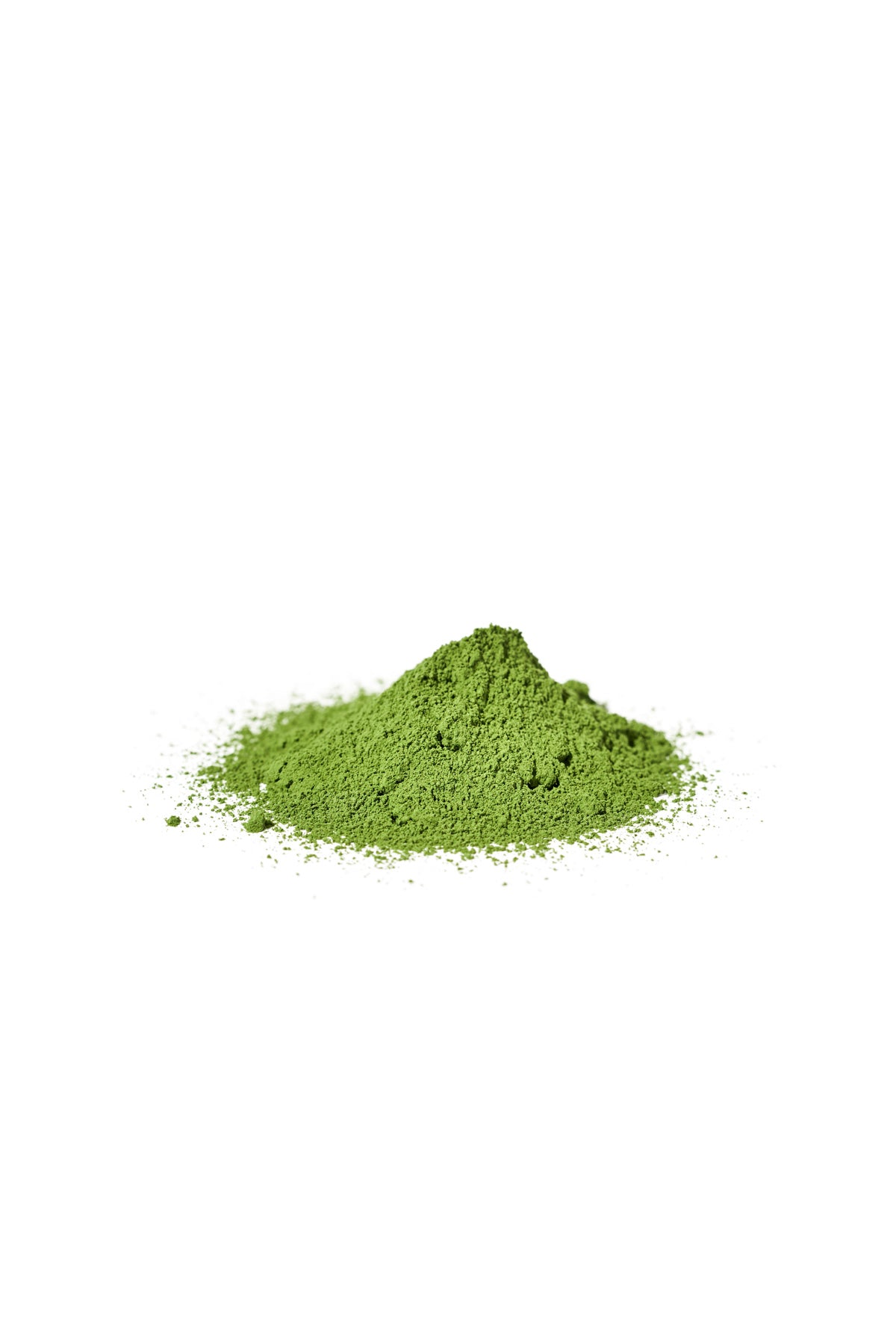
Matcha specifically composts beautifully too — the powder integrates into the pile faster than whole leaves, feeds soil microbes within days, and is one of the cleanest green-material additions you can make. If you have old matcha that's gone stale to drink, the compost pile is a better destination than the trash.

Do tea leaves repel pests, or is that a myth?

Partial truth. Tea leaves do contain compounds (tannins, caffeine, theaflavins) that some pests find off-putting — slugs and snails generally avoid soil with fresh tea-leaf mulch, and a few studies have shown reduced ant traffic in areas treated with tea-leaf extract. The effect is real but mild and inconsistent.

Where tea leaves don't reliably help: Japanese beetles, aphids, spider mites, caterpillars — those don't seem affected by tea-leaf presence. So tea leaves can be one component of an integrated pest management approach but they're not a substitute for targeted pest control when you have a real infestation.

The strongest pest-deterrent application: dried tea leaves spread thickly around plants you're trying to protect from slugs (hostas especially). Combined with copper mesh or diatomaceous earth, the slug-deterrent effect compounds. Solo, tea leaves alone won't keep determined slugs out of your garden.

Related products

74 reviews

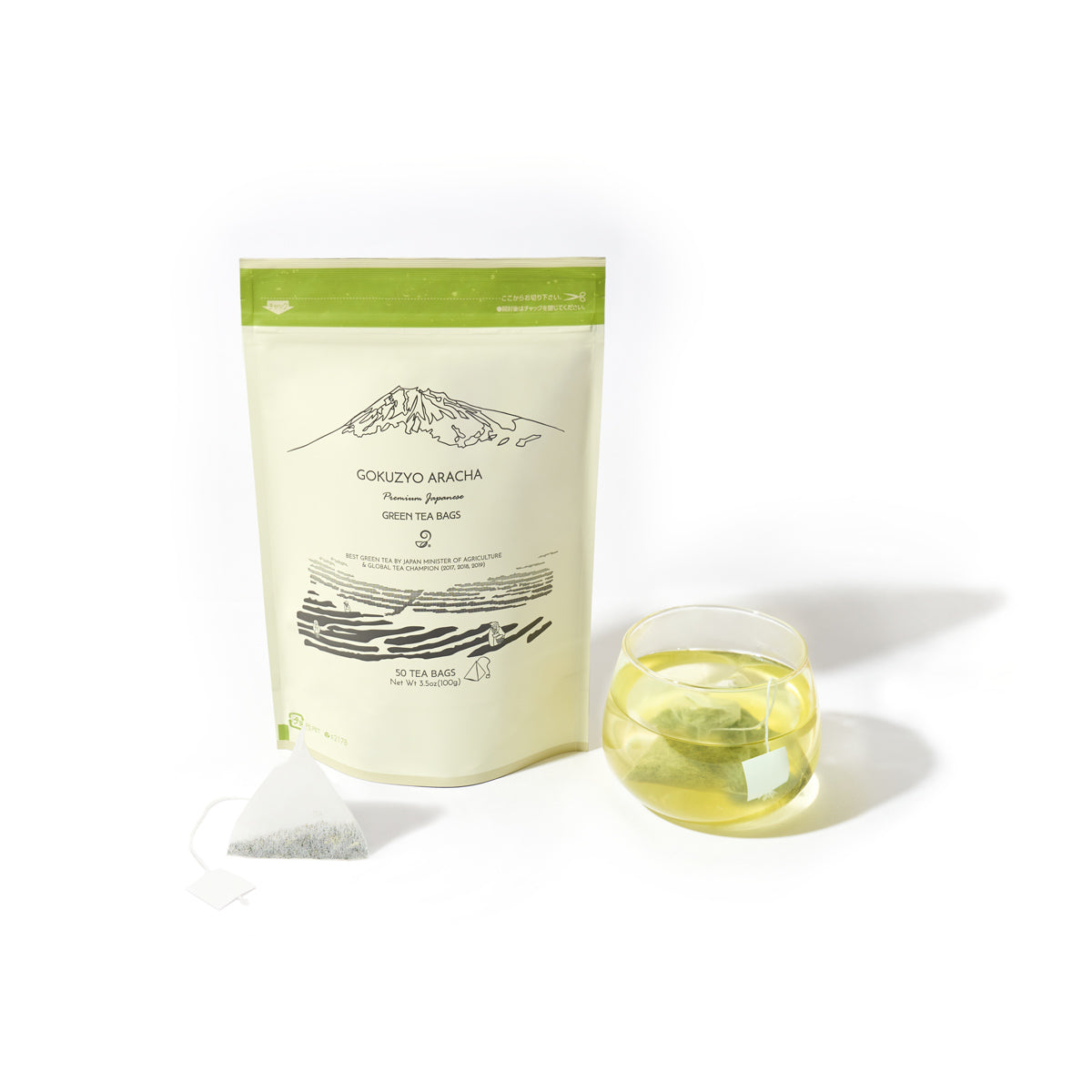
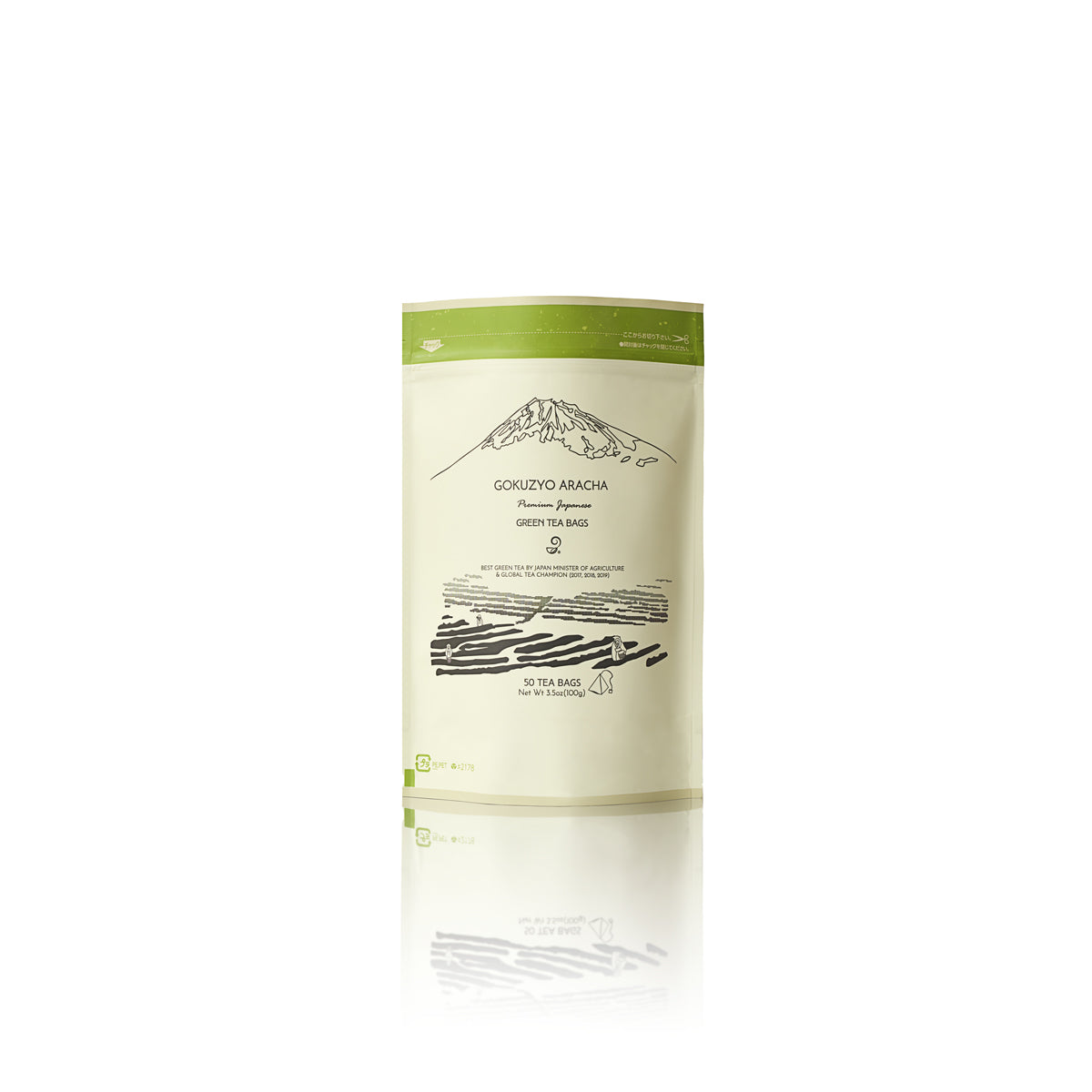
Tea Bag - High-Grade Unrefined Tea - Gokuzyo Aracha (50 tea bags)

$35.00
Quick view

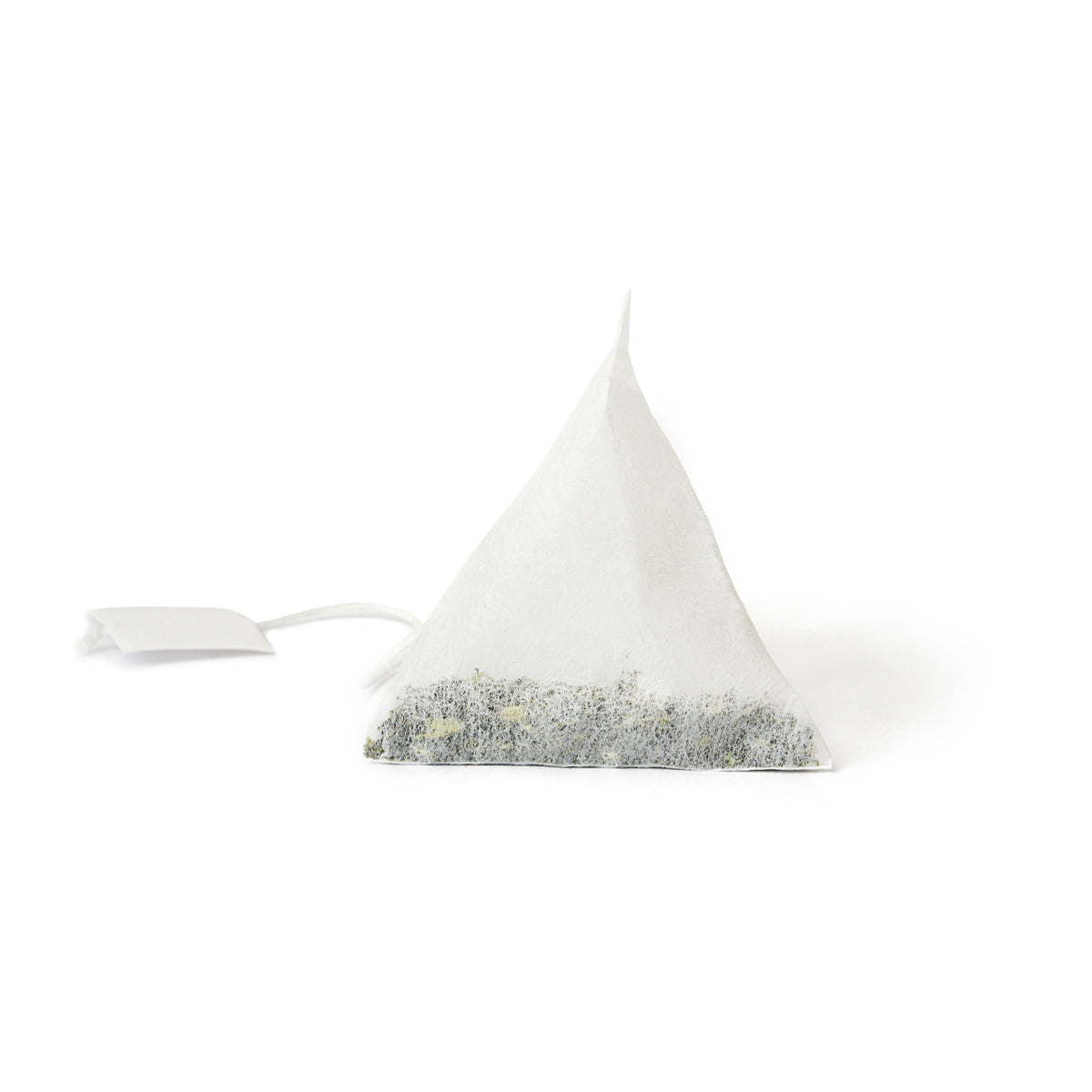
Gokyuzyo 極上, meaning "The Highest Grade," brings the rustic charm of Aracha 荒茶, or "wild tea," into a convenient teabag form, offering a taste as close to freshly picked leaves as possible. Unlike fully processed green teas, this unrefined Fukamushi Sencha preserves its natural shape and texture, blending soft sprouts, twig tea, coarse leaves, and powdered tea for an intense aroma and rich, vibrant flavor. Cultivated by the Chagusaba method in nutrient-rich sugarcane soil and made from the Yabukita cultivar, this tea captures the traditional, nourishing quality enjoyed by generations of tea farmers. Available in a resealable aluminum bag with 50 pyramid-shaped teabags or as a single-serve sample, it is perfect for enjoying authentic Japanese green tea anytime, anywhere.

56 reviews

Benifuuki - Allergy Relief Japanese Green Tea Bags (30 tea bags)

$30.00
Quick view

Benifuuki green tea is highly regarded in Japan for its natural allergy-relief properties, helping with seasonal allergies, cedar allergies, hay fever, and even Mast Cell Activation Syndrome (MCAD). It is rich in Methylated Catechins, a potent form of EGCG that supports the inhibition of mast cell responses and reduces allergy symptoms.

This convenient teabag version uses an eco-friendly pyramid sachet and is made from authentic Japanese green tea cultivated by the Chagusaba method in nutrient-rich sugarcane soil. Featuring the Benifuki cultivar, each resealable aluminum package contains 30 tea bags, with each bag holding 3g of tea for a total of 90g (3.2 oz). A powder and candy version are also available.

80 reviews

Matcha - Ceremonial Japanese Powdered Green Tea

$39.00
Quick view

This ceremonial matcha is crafted from the finest Japanese green tea, grown in nutrient-rich soil enhanced with compostable grasses and sugarcane through the Chagusaba method, which gives the tea a natural sweetness and exceptional flavor. In collaboration with researchers from Shizuoka University, farmers ensure that the soil quality consistently produces tea of the highest standard.

Renowned among top Japanese chefs for its unmatched aroma, this matcha is made by carefully shading the plants before harvest to boost caffeine and amino acids, then meticulously drying, de-stemming, and grinding the leaves into a fine powder. Made from the Yabukita cultivar, this 1.8 oz (50g) matcha comes in a high-quality, air-tight paper tube canister, providing a luxurious and authentic Japanese tea experience.

8 reviews

The Sencha Lover Gift Set - Premium Japanese Green Tea Set Package
$179.00 $159.99
Quick view

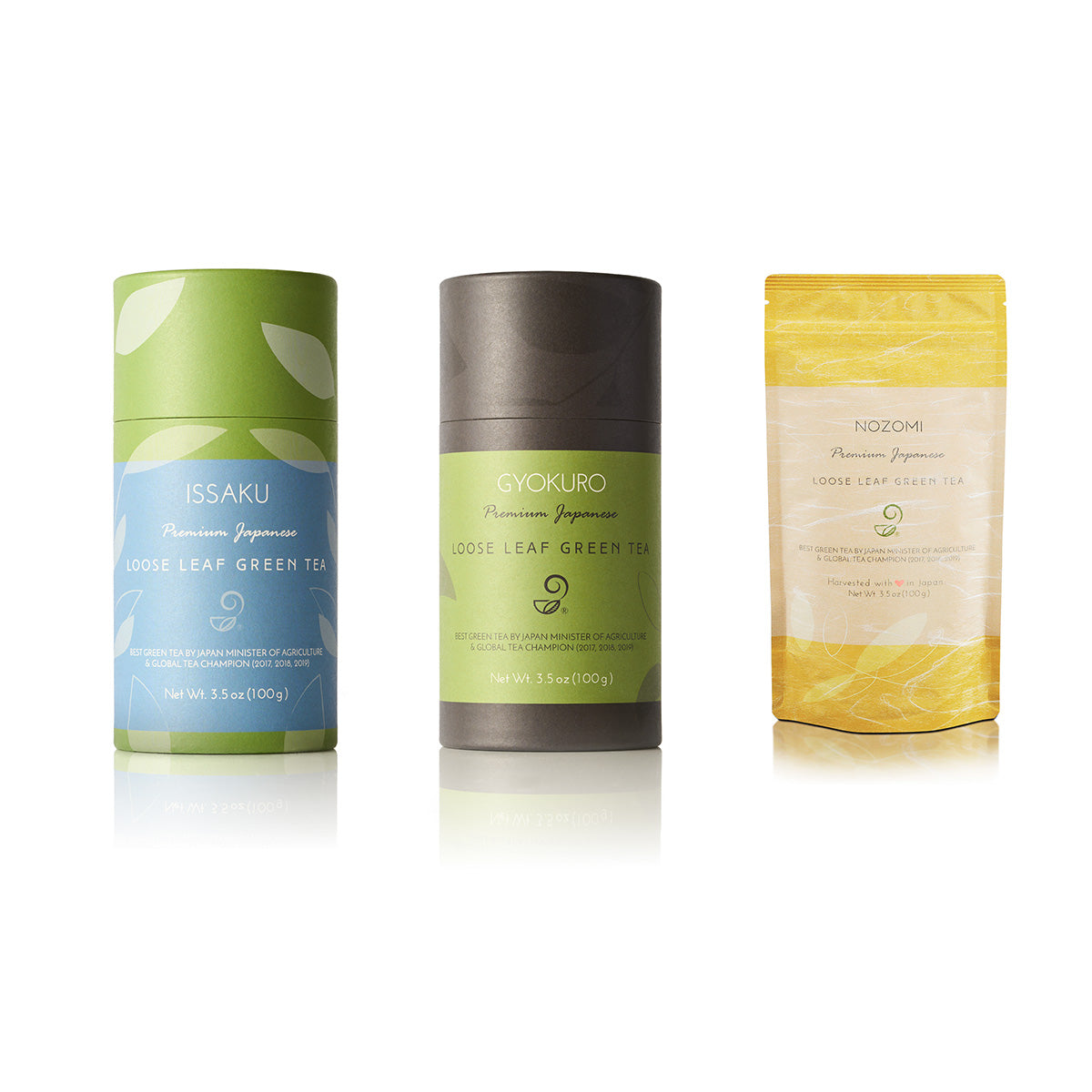
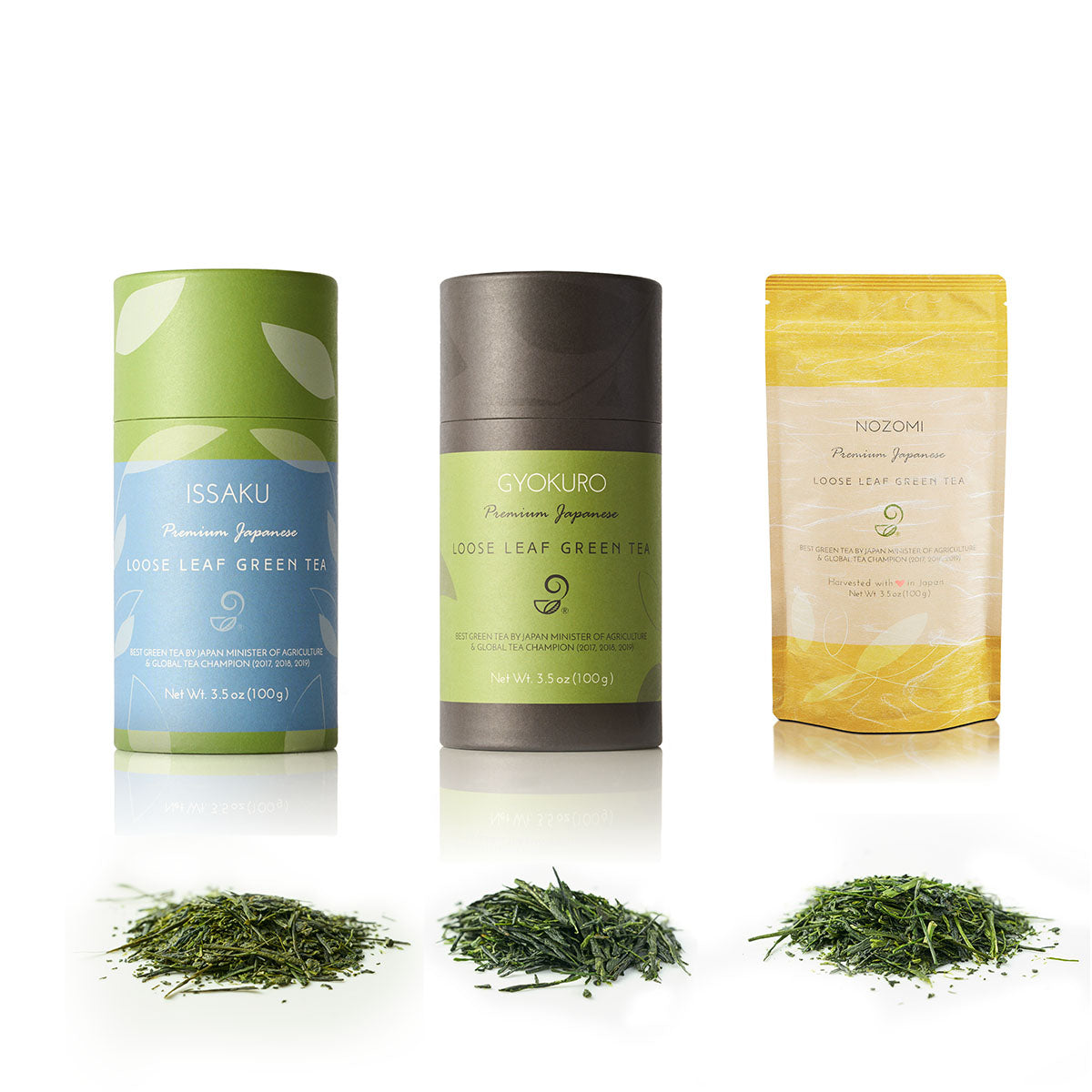
This tea set features three exceptional Japanese green teas, each crafted with care and traditional techniques. Issaku Reserve, a Global Tea Champion winner in 2017 and 2019, is a rare masterpiece created by Farm Master Mr. Arahata at Arahataen Green Tea Farm. Handpicked once a year from the first flush and processed with advanced methods, Issaku represents the highest-grade deep-steamed green tea, available only in limited quantities even in Japan.

The set also includes Gyokuro, a premium shaded green tea known for its rich, sweet flavor and deep mossy green color. Grown under special mats for 20 days to increase caffeine and amino acid levels, Gyokuro offers a layered, smooth taste unlike any other. Completing the collection is Nozomi, a fine Kabuse-cha, or "Covered Green Tea," carefully grown under nets to gently shade the leaves just before new sprouts emerge, resulting in a soft, rich, and refined flavor profile.

97 reviews

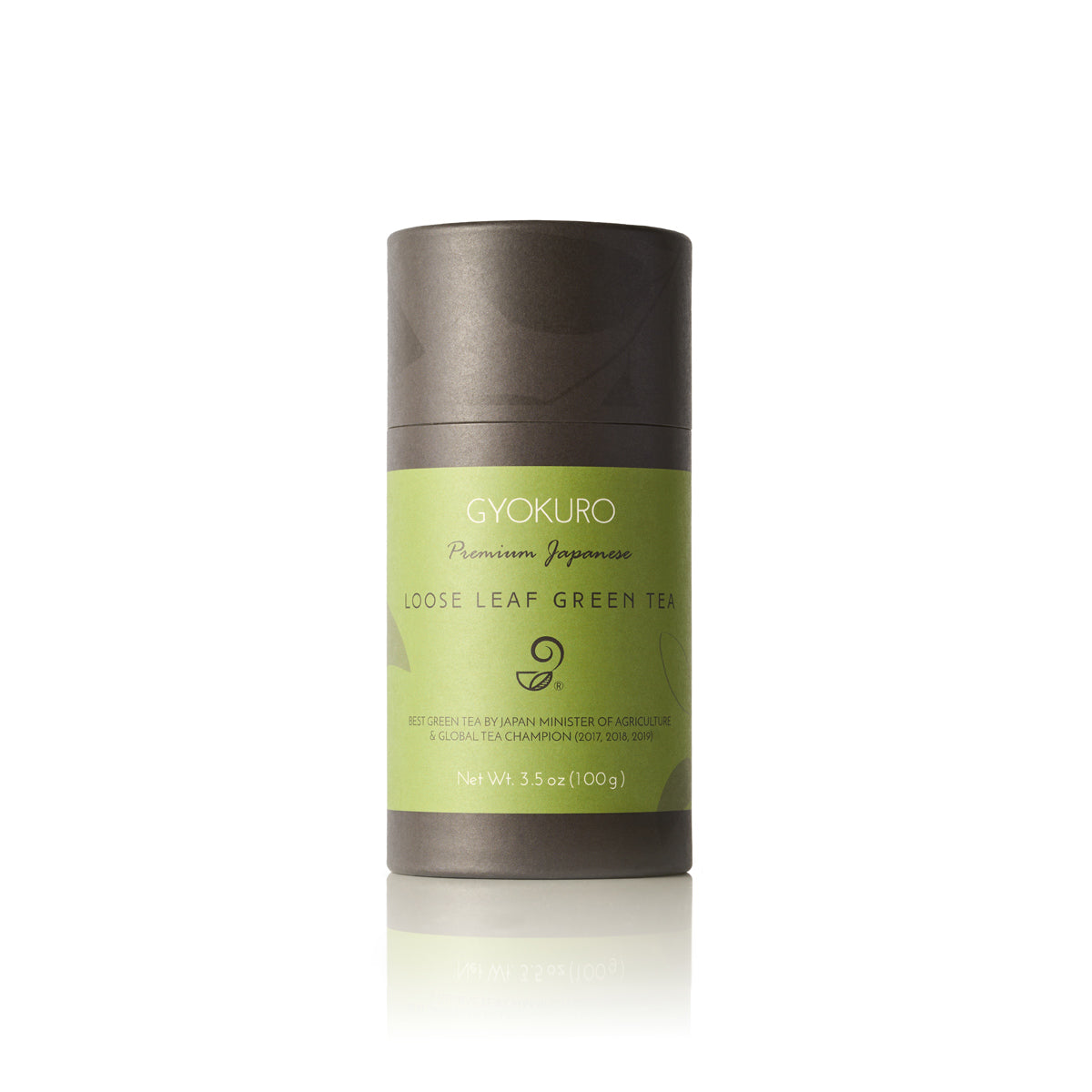
Gyokuro - Shaded Imperial Premium Green Tea

$65.00
Quick view

Gyokuro, also known as "jade dew" or "jewel dew tea," is a premium Japanese green tea shaded from the sun for 20 days using specially made mats, a method that boosts caffeine levels and strengthens amino acids to create a sweeter, richer flavor. This extended shading process results in dark, mossy green leaves with an unmistakable aroma and a complex taste that is layered yet balanced. Cultivated by the Chagusaba method in nutrient-rich sugarcane soil and made from the Yabukita cultivar, this loose-leaf authentic Gyokuro is offered in a high-quality, air-tight paper tube canister (chyazutsu) to preserve its exceptional freshness and flavor. Each 3.5 oz (100g) full-size package steeps 30–40 cups, and a convenient single-serve sample is also available.


Related Articles You May Be Interested

What to Do With Leftover Tea Leaves - 9 Ways to Use Leftover Tea Leaves and Powder
Is Using The Microwave Good For Green Tea? - The Answer May Surprise You
Does Roasting Green Tea (Hojicha) Make It Less Healthy?
Coffee Creamer: The Secret to Making Matcha Drinks Taste Amazing?
Costco's Green Teabags vs Japanese Greentea Co's Teabags - What are the differences? Q&A

Get Free Bonus Books

Join Green Tea Club

Sign up for free to the Green Tea Club to get advice and exclusive articles about how to choose Japanese Tea, and tips, tricks, and recipes for enjoying Japanese tea.

Unsubscribe anytime. It’s free!

About the author

Kei Nishida

Kei Nishida

Author, CEO Dream of Japan

info@japanesegreenteain.com

Certification: PMP, BS in Computer Science

Education: Western Washington University

Kei Nishida is a passionate Japanese green tea connoisseur, writer, and the founder and CEO of Japanese Green Tea Co., a Dream of Japan Company.

Driven by a deep desire to share the rich flavors of his homeland, he established the only company that sources premium tea grown in nutrient-rich sugarcane soil—earning multiple Global Tea Champion awards.

Expanding his mission of introducing Japan’s finest to the world, Kei pioneered the launch of the first-ever Sumiyaki charcoal-roasted coffee through Japanese Coffee Co. He also brought the artistry of traditional Japanese craftsmanship to the global market by making katana-style handmade knives—crafted by a renowned katana maker—available outside Japan for the first time through Japanese Knife Co.

Kei’s journey continues as he uncovers and shares Japan’s hidden treasures with the world.

Learn more about Kei Nishida

Related Posts

Simply Donabe — New Cookbook from TOIRO's Naoko-san Is Out!

Simply Donabe is here! We celebrated TOIRO's Naoko-san's new cookbook at a special dinner at Camélia in DTLA — see our p

Read More
Introducing New Product - Meet Hojicha Powder
Introducing A New Product - Meet Hojicha Powder

Discover the game-changing Hojicha powder your kitchen has been waiting for — richer flavor, easier recipes, and surpris

Read More
Yokohama Peach is offered as a regular menu at Okayama Kobo Cafe!
Yokohama Peach is offered as a regular menu at Okayama Kobo Cafe! + Recap Video of Pop-up on 2/8/2026 at Anaheim, CA

We are excited to announce that our Yokohama Peach is now available on the regular menu at the popular Japanese Bakery,

Read More
1 comment on Can I Throw Away Used Green Tea Leaves in My Garden?
  • Susan lee
    Susan leeAugust 08, 2023

    I found your article amazingly informative thank you

Leave a comment

Your email address will not be published..

Cart

Your cart is currently empty.

Start Shopping

Select options