

I have a profound love for Tokyo. Having grown up there, I would like to think I understand it. However, part of its beauty is the sheer amount there is to learn about it.
The 2020 Michelin Guide for Tokyo lists 464 restaurants alone, more than any other city in the world. And Shinjuku Golden Gai? It’s hard to imagine that so many bars can fit in six narrow alleys. It’s easy to miss many of the things that help define Tokyo.
The question I ask myself is, "What experience do I want to have?" and this applies as much to tourist sites as it does to eating and drinking spots across the city.
I've put together a list of tea spots that are known for several reasons but will hopefully provide a specific yet special experience that you may be looking for as a tea lover.
1. airKitchen – Tea Ceremony Experiences
Some enjoy a simple cup of tea in the morning, and others look for the perfect sweets to enjoy with their drink. airKitchen offers a unique service combining local Japanese know-how with all kinds of tea ceremonies and classes. Whether you’re looking to partake in a traditional tea ceremony or wanting to learn how to make tea sweets, airKitchen offers a connection between you and the locals. The services are also relatively inexpensive, ranging from 2500 yen to 8800 yen ($25–88 dollars). The real benefit is that the choice is yours, and airKitchen offers nothing but choices for whatever experience you are hoping to attain.
I am friends with Yuta Murase, the owner of airKitchen, and here are some of the images he provided me to share with you.

You can also immerse yourself in local culture experiencing authentic tea ceremony with these recommended classes presented by tea ceremony masters:

Wagashi is a Japanese confectionery that consists of mochi, bean paste, fruits, rice cakes, and other sweets. It is perfect to pair with green tea.
Knowing how to make Wagashi will be a pleasant experience if you want to bring the Japanese dine-in experience to your home, and whenever you want to perform the Japanese tea ceremony.

Ikuyo-san will host and let you participate in a Japanese tea ceremony and teach you how to make Wagashi. Japanese tea ceremony is not just about making Matcha; it is also about participating and using the traditional tea ceremony tools such as the chasen (bamboo whisk), chasyaku (tea spoon), and many more.
If you have knee or leg problems, please don`t worry - you can sit on a chair to join her class.

Enjoy a Private Tea Ceremony Experience with Seasonal Japanese Sweets – Wagashi - in Meguro, Tokyo!
Treat yourself to a private tea ceremony with wagashi, and a glance into the everyday life of the locals in Meguro! Sohki-san will teach you how to make and serve matcha formally as he will guide you through the manners and gestures in tea ceremony. This experience will deepen your understanding and appreciation to how significant tea ceremony is to Japanese culture.
If you are in Meguro Fudoson (a 1,200-year-old temple), Shibuya, Shinagawa, and Ebisu, Sohki-san's place is right near these popular tourist spots, but a in a quiet residential area—a tearoom where you can enjoy the Zen environment.

Traditional Japanese Culture, Tea Ceremony Experience
Enjoy tasting matcha and the different kinds of Japanese sweets with Hazuki-san. Her tea ceremony is in the Kagurazaka area, a place known as a shopping and dining district. After the tea ceremony class, she will treat you with an organic matcha as a souvenir!

2. Arigato Travel
Arigato Travel provides several unique tours throughout Japan. I mentioned them in the Uji Kyoto article I published earlier; yes, they also have great tea tours!
One particular tour in Tokyo takes you through Yanaka, a traditional Tokyo neighborhood known for its artisan history. 100-year-old shops? Yep. Are temples en route? Yep. With a focus on food, you’ll have the chance to try local street snacks, culminating with a regional and seasonal lunch. For tea lovers, the tour concludes with a traditional Japanese tea ceremony.


Click here to book Tokyo tours!
3. Mayuko’s Little Kitchen
Mayuko’s Little Kitchen is a cooking service nestled near Shinjuku Gyoen National Park. If you're planning on visiting Harajuku, Meiji Shrine, or wandering around Shinjuku, a reservation at her kitchen may fit nicely into your schedule. She offers various cooking classes, including matcha making for tea lovers, Panda Bento Boxes for the creative types, and perhaps a few options you've never experienced before! Her services have also been featured on Japanese TV shows. I am personally friends with Mayuko-san, and she is a really nice person!

4. GEN GEN AN
Tokyo's tea offerings aren't limited to tea ceremonies and classes. Chances are, you'll visit Shibuya if you travel through Tokyo. GEN GEN AN is one tiny yet special shop that may pique your interest. Just north of Shibuya Station, this shop is bringing tea into the 21st century with its style and flavors you may not find anywhere else. Established in 2017, it's a quintessential Tokyo shop: small, innovative, yet humble.
5. Chachanoma Omotesando
What about tea cafes? If you’re looking for a premium, know-it-all tea café, Chachanoma Omotesando may be your best bet. It’s easy to get to being in Shibuya and near Shibuya Cat Street. The staff are incredibly friendly, and even if you’re not a tea expert, they’re ready, willing, and able to answer any questions you may have. Japan is known to take politeness to the next level, and cafes such as Chachanoma Omotesando embrace this as a core operating principle. Beyond the excellent customer service, they offer lunch, dinner, classical dessert offerings, and a plethora of tea choices. Also, be sure to pick up some tea on your way out!
6. Nakamura Tea Life Store
While researching tea shops in Japan, I came across this store near Asakusa. I find this business to be neat for a number of reasons: they specialize in organic tea, the business has been in the family for over 100 years, and the company merges Yukio Mishima's understanding of Japan—a contradiction between old and new. As a history lover, this company merges my passion for tea with history through a premium set of products and constant curiosity. This company helps personify the kind of innovation Japan has employed in tea production, plus you can always enjoy everything else Asakusa has to offer along the way.
7. Ippodo Marunouchi
Ippodo, founded approximately 300 years ago, opened their first shop in Tokyo in 2010. With tea leaves harvested from Kyoto, a region known for its quality, this company understands premiums. Ever tried thicker matcha, aka koicha? Or thinner matcha known as usucha? This particular shop is excellent at appealing to tea experts and amateurs. When in doubt, feel free to order the Five Petals set, which has excellent matcha options paired with sweets, Gyokuro Tenkaichi, and Genmaicha. Their to-go menu may be worth your time as well!
8. Sakurai
Japan and tea are inseparable in some ways, but the amount of creativity that the Japanese have put into tea products consistently surprises me. Sakurai adds a level to what tea can offer. With a postmodern feel, Sakurai doesn’t immediately look like a tea shop. It’s a kind of kitchen seeking perfection. Sakurai offers traditional Japanese teas and a menu with items such as frothy matcha with wagashi sweets. However, the owner has also established his own line of tea-infused alcoholic drinks. Perhaps surprisingly, Sakurai is the kind of place that digs deeper into your curiosity when it comes to the possibilities of tea.
In my original experience with tea, pouring hot water into a cup with some leaves or a tea bag was simple and quick. However, the world of tea is, in fact, incredibly complicated.
One of the greatest benefits of exploring tea in Tokyo is that one can truly understand what others are doing with tea. The level of innovation continues with more flavors, different farming methods, and increased access. With a metro population of 38 million people, it’s hard to imagine that this level of innovation in tea is going anywhere soon in Tokyo. Beyond that, given how accessible the city is, it is easy to maximize the number of tea experiences.
I’m excited to return to Tokyo because I know there's always something else for me when it comes to tea.
In my original experience with tea, it was simply a matter of pouring hot water into a cup with some leaves or a tea bag. It was both simple and quick. However, the world of tea is, in fact, incredibly complicated.
One of the greatest benefits of exploring tea in Tokyo is that one can truly understand what others are doing with tea. The level of innovation continues with more flavors, different farming methods, and increased access. With a metro population of 38 million people, it’s hard to imagine that this level of innovation in tea is going anywhere soon in Tokyo. Beyond that, given how accessible the city is, it is easy to maximize the number of tea experiences.
I’m excited to return to Tokyo because I know there's always something else for me when it comes to tea.
9. Restaurant 1899 Ochanomizu
Step into a Japanese tea-lovers paradise at Restaurant 1899 Ochanomizu! This enchanting spot brings all your tea dreams to life in a sophisticated fine dining setting that's as welcoming to casual hangouts as family gatherings.
Although quite elevated, the place welcomes a casual catch-up with friends, takeaway orders, and family time with children.
The parent company of 1899 Ochanomizu is Ryumeikan, a prestigious name in the Japanese hospitality industry founded in 1899. Thanks to that, this place oozes the true spirit of "Omotenashi" - the essence of Japanese hospitality.
Location: The restaurant's name, "Ochanomizu," comes from its location in the Ochanomizu neighborhood of Tokyo.
The name, Ocha-no-mizu (御茶ノ水) of this neighborhood, which means "Tea water," is from the Kanda River that flows nearby.
Water from the Kanda River was used to make tea for the shogun during the Edo period!
Concept: Not only are they innovative in creating exciting lunch and dinner dishes using Japanese premium quality tea as the key ingredient, but they also reflect other important Japanese philosophies related to the art of Japanese tea.
They use top-quality seasonal ingredients and strive to create well-balanced, healthy dishes. Their concept is “Eating Tea," which shows us many ways to enjoy Japanese green tea daily.
They have a dedicated professional Japanese tea sommelier present at all times who will guide you on which tea is best for you and hand-brew your tea to perfection.
Discover the delightful ways to savor Japanese green tea here:
Lunch & Dinner Dishes:
Transforming tea into culinary magic.
Are you hungry for more Japanese tea-cooking recipes? Here is my book, "Cook with Matcha and Green Tea: The Ultimate Guide and Recipes for Cooking with Matcha and Green Tea," which was featured in Ingram Advance.
Japanese green tea afternoon tea set:
Sweets & Desserts: Giving your sweet tooth a thrilling matcha twist.
Check out our own take on Japanese tea dessert and an easy-to-follow video recipe here!
Matcha Beer Garden (Summertime fun!): Beer just met its match-a.
Café Corner: Sip on drinks like Hojitcha, Matcha, and Fukamushi Sencha Lattes (YUM!)
Menu Highlights
Matcha Beer:
The Matcha Beer at 1899 Ochanomizu is a hero item at the restaurant. It took a long time on the tea to develop this drink.
The inspiration behind the drink was to "create a beer that is healthier than regular beer and tastes amazing." After many trials and errors, they finally found a way to create a beer highlighting Matcha's best taste components.
Another fantastic thing about their tea beer is that it is one of the few places in Japan where you can have it fresh out of the tap, with the creamy, indulgent foam on top.
If you want to know more about Tea Beer, hop on to this article.
Aji-no-Rea-Katsu with Matcha Tartare Sauce:
Rea-Katsu is a unique Japanese cutlet made using a filling that is cooked rare.
This dish uses freshly sourced Japanese Bonito fish, done rare, so the inside stays succulent and juicy while the outside is coated with crispy and flavorful Japanese batter.
However, the sauce is the real hero here – Tartare sauce with a real punch of Matcha flavor.
This dish was the “No.1 dish according to 1899 Ochanomizu staff”.
1899 Roku Sencha Set
And finally, for the true tea connoisseur is the Roku Sencha set.
Roku-Sencha means "six Sencha," and it is 1899 Ochanomizu's original blend of Sencha that blends six carefully selected premium quality Sencha from famous Japanese tea growing regions such as Miyazaki, Kagoshima, Kakegawa-Shizuoka, Honyama, Yame-Fukuoka, Sayama-Saitama.
The tea set comes with delicious sweets that pair well with the tea.
On a hot summer day like today, you can even choose to have the iced version of this tea set.
Ready to make Sencha at home? Here is a premium quality Japanese Sencha tea for you.
Access:
Just a short 3-minute walk from "Ochanomizu station".
3 Chome-4 Kanda Surugadai, Chiyoda City, Tokyo 101-0062, Japan
Booking: https://www.tablecheck.com/en/shops/1899-ochanomizu/reserve
Embedding code for Google map:
FAQs about Tea in Tokyo
Where in Tokyo can I buy real Japanese tea to bring home, and is it worth it?
Are these tourist tea ceremonies actually authentic, or are they watered-down for visitors?
What kind of Japanese tea should I try first if I've never had it?


Related products


7 reviews
$195.00
$156.00
/
Quick view
The Beginner Gift Set - Premium Japanese Green Tea and Japanese Tokoname Kyusu Teapot
8 reviews
$179.00
$159.99
/
Quick view
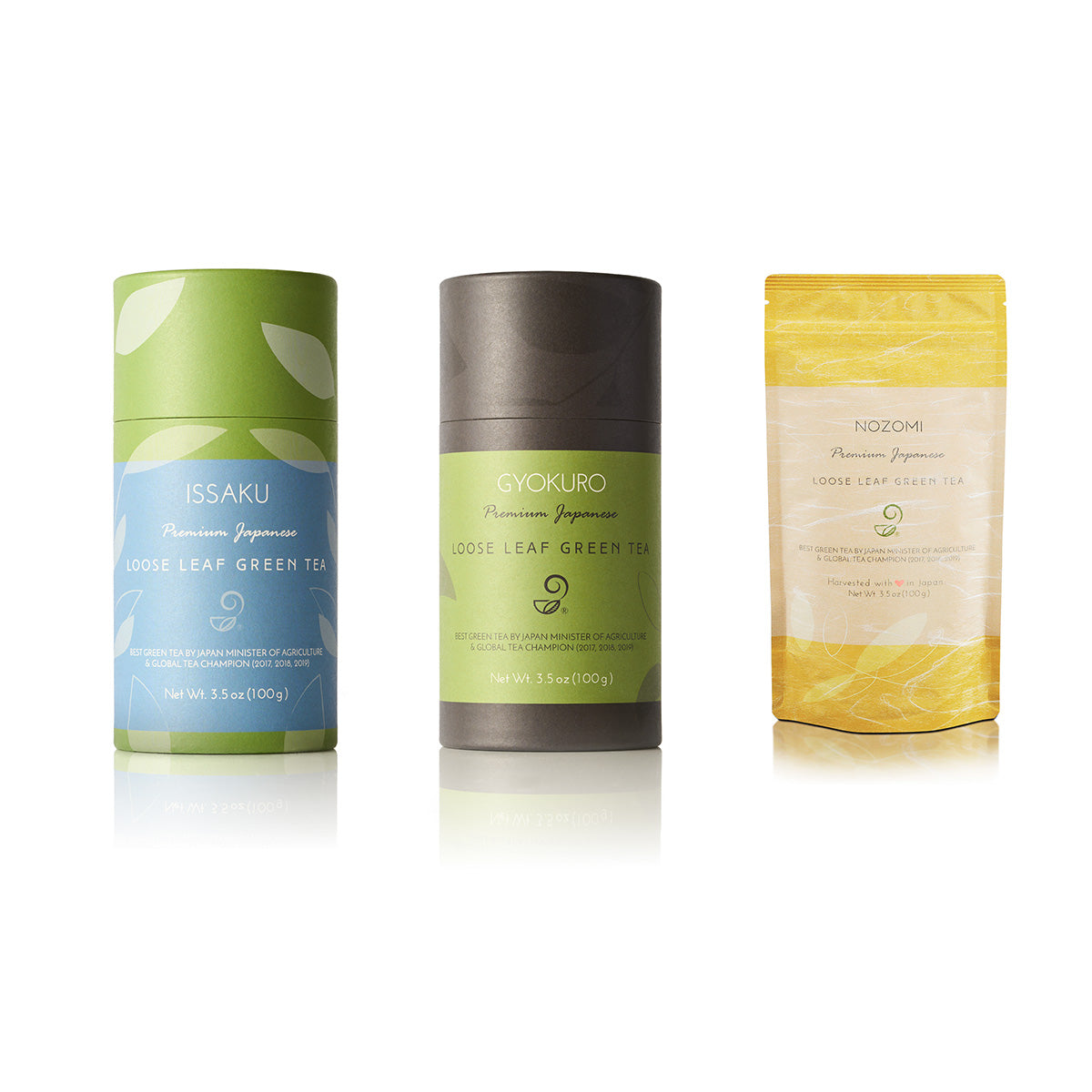
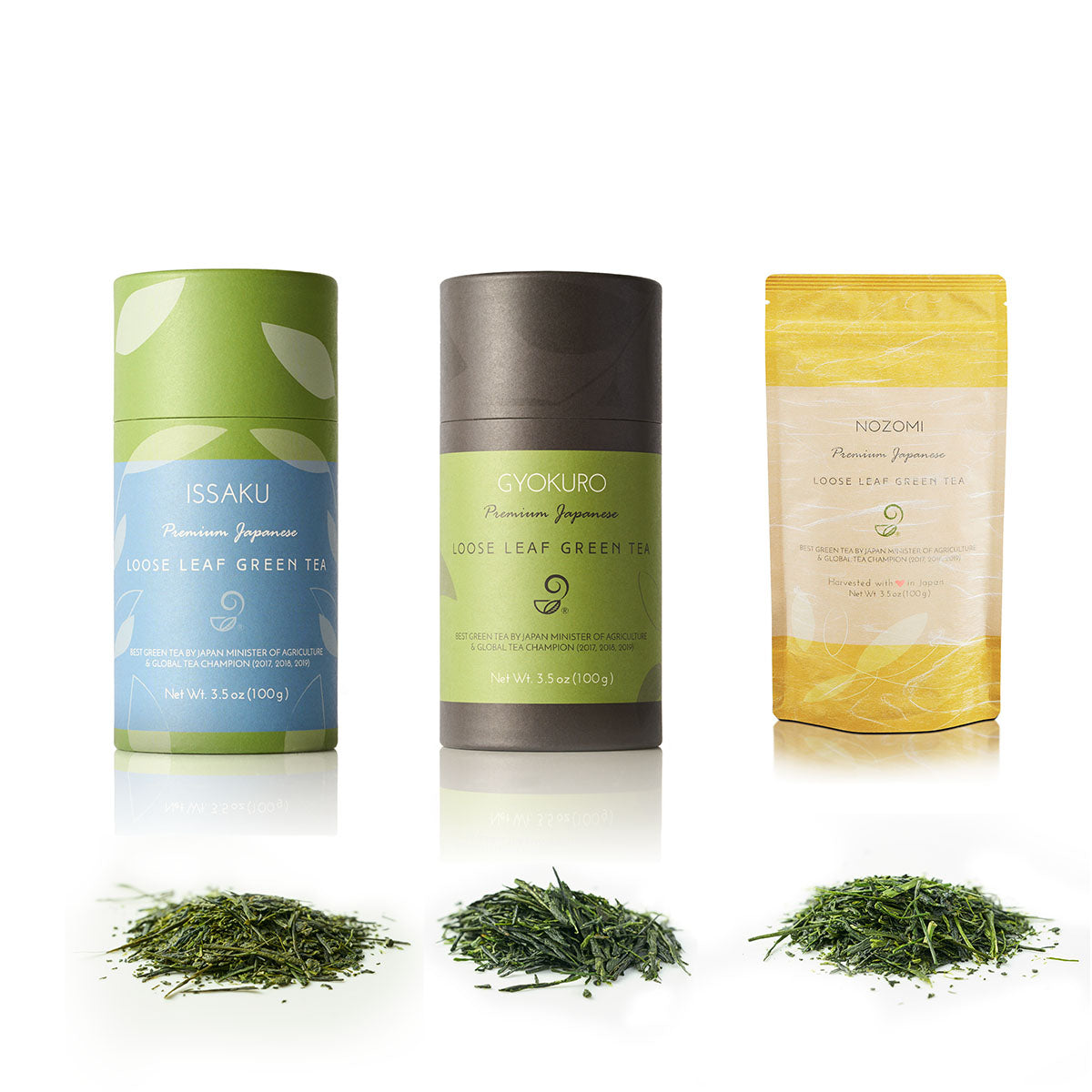
The Sencha Lover Gift Set - Premium Japanese Green Tea Set Package
4 reviews
$143.00
$128.00
/
Quick view
The Covered Trio Gift Set - Ceremonial Matcha, Gyokuro, and Nozomi Japanese Green Tea Set Package


Get Free Bonus Books

Sign up for free to the Green Tea Club to get advice and exclusive articles about how to choose Japanese Tea, and tips, tricks, and recipes for enjoying Japanese tea.
About the author
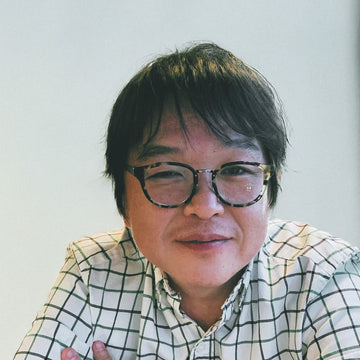
Kei Nishida
Author, CEO Dream of Japan
Certification: PMP, BS in Computer Science
Education: Western Washington University


