Skip to content

5 Brain Foods To Stimulate You

Healthy foods are typically thought of as being good for cardiovascular health and disease prevention. We eat them to get adequate nutrients, to feel better, to stave off weight gain, and sometimes to combat specific dietary issues. Those who study these matters know that it’s actually quite remarkable how directly and thoroughly what we eat affects how we look and how we live. What we don’t spend quite as much time talking about, however, is how healthy eating can affect our brains.

The simplest way to think about it is that our brains are no different from our other organs (or really anything else in our bodies) in that they can be directly impacted by what we consume. Food and drink can affect memory, alertness and sharpness, disease prevention, and most any other health-related aspect of the brain. So really, this is something we ought to think about right alongside heart health as one of the most important underlying reasons for good, balanced nutrition. It’s also a reason to seek out specific “brains foods” that can stimulate your mind and keep your brain healthy.

The following five foods fit into this category for various wonderful reasons.

1. Fatty Fish
5 Brain Foods To Stimulate You

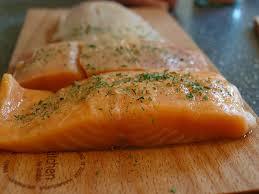
Fatty fish are commonly cited as healthy foods for all sorts of different reasons. They actually came to our attention for this specific write-up by way of a piece aimed at chess players, who have to stay as sharp as possible at all times to master the intricacies of their craft. In that piece it was pointed out that fatty fish is a great source of Omega-3 fatty acids, which actually directly assist with the growth of brain cells, and nerve cells as well. Taking this a step further, more (and fresher) brain cells mean better memory and concentration. These are clear short-term brain benefits, and in the long term we also know that the same Omega-3 fatty acids in adequate quantity can help to delay declines in mental ability and even ward off specific diseases like Alzheimer’s. Salmon is the most commonly mentioned “fatty fish,” though mackerel, trout, and sardines are also very high in Omega-3s.

2. Broccoli
5 Brain Foods To Stimulate You

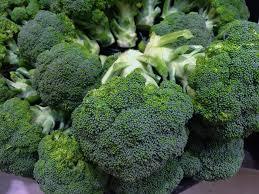
The first benefit of broccoli for brain health is that it has a high antioxidant content. You’ve probably read about antioxidants as vague, healthy nutrients that combat numerous diseases, and it’s true that they tend to be among the healthiest elements of a lot of natural fruits and vegetables. What they actually do specifically is to combat oxidative stress, or the release of free radicals (harmful results of the body’s energy-generating process) to the body. It’s these free radicals that are responsible for some degenerative diseases, including Alzheimer’s, and antioxidants can slow the process. Broccoli has additional benefits for brain health as well, however. It’s high in choline, a nutrient that assists in brain development, and it’s also extremely rich in vitamin K, which has been connected to lasting memory. The vitamin specifically helps to form some of the healthy fats so essential to brain cells.

3. Walnuts
5 Brain Foods To Stimulate You

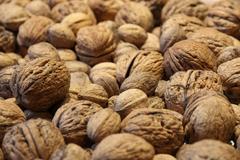
As with fatty fish, this is a suggestion we noted specifically because of its recommendation for activity that requires sustained concentration. In this case walnuts were actually mentioned in an article aimed at people playing poker and other gambling-related games, which can carry financial risk if concentration wanes even for a moment. And in fact these little nuts (which actually somewhat resemble brains, oddly enough) were highlighted for much the same reason fatty fish were mentioned for chess players: they contain rich levels of Omega-3 fatty acids, specifically EPA and DHA. We don’t need to delve into the specific benefits of such fatty acids again, but it’s worth mentioning walnuts because for some people they’re easier and more convenient to consume than some of the fish mentioned above. That is to say, if you’re interested in boosting your memory and concentration but you don’t eat fish or have time to prepare it regularly, a handful of walnuts now and then can make up the difference!

4. Dark Chocolate

5 Brain Foods To Stimulate You

It’s not uncommon to hear that dark chocolate is good for us. It’s a little bit like red wine in fact, in that both are often recommended as healthy vices within nutritional diets. However, we don’t often tend to hear much about the specifics of why a moderate amount of dark chocolate can be good for us. Well, it has a lot to do with brain health actually, and once again it comes down to antioxidants. More specifically, antioxidant nutrients called flavonoids are packed into dark chocolate, and have been proven in studies to boost memory. To put it simply, people who eat dark chocolate regularly often have slightly sharper memories than those who do not, and it’s believed there could also be some long-term benefits regarding mental decline as well. Dark chocolate also joined walnuts as a type of food that’s been shown to put people in better moods, though it may simply be because people enjoy eating it.

5. Green Tea
5 Brain Foods To Stimulate You

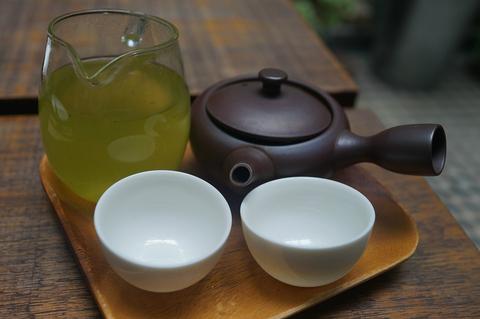
Finally, we come to green tea, a type of drink with some familiar health benefits. The clearest brain-related perk to drinking green tea is that caffeine can actually provide mental boosts and even improve memory, in addition to alertness and clarity. As you might guess by now, green tea also helps prevent Alzheimer’s. However green tea also has benefits where another aspect of mental health is concerned. Rather than helping exclusively with memory, focus, and other things related to brain performance, green tea supplies an amino acid called L-theanine that has calming, relaxing effects on the brain. This actually makes this type of tea a unique sort of substance to feed the brain, in that it can increase alertness and facilitate calm at the same time.

FAQs about Green Tea as Brain Food

How does green tea actually compare to other "brain foods" for cognitive support?
Solidly in the top tier alongside fatty fish, blueberries, dark chocolate, and walnuts. Green tea's specific contribution: L-theanine + caffeine for acute focus, EGCG for long-term neuroprotection. The combination is genuinely useful and easier to consume daily than fatty fish or fresh berries.

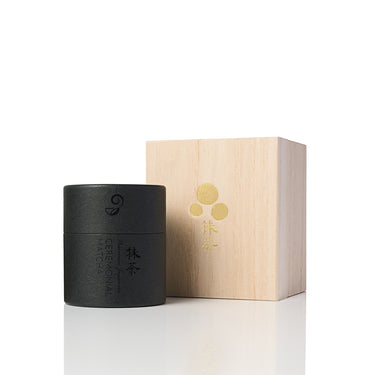
On evidence quality, green tea sits roughly comparable to fatty fish (omega-3s for cognitive aging) and slightly stronger than blueberries (anthocyanins, weaker human evidence). All four are net-positive for brain health at typical consumption levels. The matcha (抹茶) delivers the highest concentration of brain-relevant compounds per serving.

Stack the brain foods. Daily green tea + weekly fatty fish + daily handful of berries + occasional dark chocolate covers most of the cognitive-support diet bases without obsessive optimization. None of these is dramatic alone; combined daily over years, the cumulative effect is meaningful for long-term cognitive resilience.

Is matcha specifically considered a brain food?

Yes, with stronger evidence than most matcha-marketing claims. Matcha provides about 3x the EGCG and L-theanine of equivalent steeped sencha, plus chlorophyll and small amounts of vitamins. The concentrated dose is genuinely better for cognitive support per serving — most matcha-as-brain-food claims are accurate at moderate doses.

The combination of caffeine + L-theanine in matcha specifically (rather than caffeine alone in coffee) produces a calmer focused state that's better for sustained cognitive work. EEG studies confirm the brain-state difference. This is the most-quoted scientific basis for matcha's brain-food positioning, and the science holds up.

Where the marketing exaggerates: matcha doesn't make you smarter in any meaningful sense, doesn't prevent dementia by itself, doesn't cure cognitive conditions. It supports brain function alongside other wellness practices. Modest contributor, not transformative.

What other foods should I combine with green tea for cognitive support?

Fatty fish (salmon, mackerel, sardines) for omega-3s — the omega-3s and green tea catechins work on different cognitive pathways and stack additively. Eat fatty fish 2-3 times weekly alongside daily green tea for solid cognitive nutrition coverage.

Berries (especially blueberries) for anthocyanins. Eat fresh or frozen berries daily; pair with green tea or eat as a snack alongside afternoon tea. Walnuts for omega-3s and ALA — handful daily as snack. Dark chocolate (60%+ cacao) for flavanols — small piece daily, ideally not late in the day because of the caffeine.

Avocado, leafy greens, and eggs round out the brain-food category. None of these is required — you can have great cognitive support without all of them — but having most in regular rotation produces compounding benefit. Variety matters more than perfection on any single food.

Are there foods that actively work against the brain benefits of green tea?

A few. Heavy refined sugar consumption produces glucose spikes that work against the cognitive support green tea provides. Sweetened lattes and desserts with green tea undercut the sustained-focus benefit. Drink your tea unsweetened or lightly sweetened to preserve the effect.

Heavy alcohol consumption (especially evening) disrupts the sleep architecture that's critical for cognitive consolidation and memory. Daily green tea benefit is partly offset by chronic heavy drinking. Moderation matters more than tea optimization.

Iron-rich foods consumed simultaneously with green tea reduce iron absorption from those foods, which can affect cognitive function over time if iron stores get low. The fix is timing — drink green tea between meals rather than with iron-rich foods. The brain benefit and iron status both stay intact with simple timing adjustment.

Is there an optimal time of day for brain-food green tea drinking?
Morning matcha for the cognitive ramp-up is the most-supported timing. The acute focus boost aligns with the start of cognitive work; the L-theanine + caffeine combination produces peak cognitive performance at 30-90 minutes after consumption.

Mid-afternoon tea (around 1-2 PM) catches the post-lunch slump before it hits, sustaining focus through the afternoon. Avoid tea after 3-4 PM if sleep matters; the cognitive benefit doesn't require evening drinking and the sleep cost works against the next day's cognitive performance.

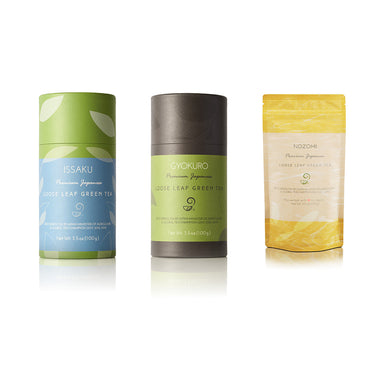
For purely brain-food framing (long-term protection rather than acute focus), consistent daily intake matters more than timing. Drinking 3-5 cups daily at whatever time works for you produces the cumulative neuroprotective benefit over years. The Sencha Lover Gift Set supports the daily consistency that drives the long-term effect.

Related products

8 reviews

The Sencha Lover Gift Set - Premium Japanese Green Tea Set Package
$179.00 $159.99
Quick view

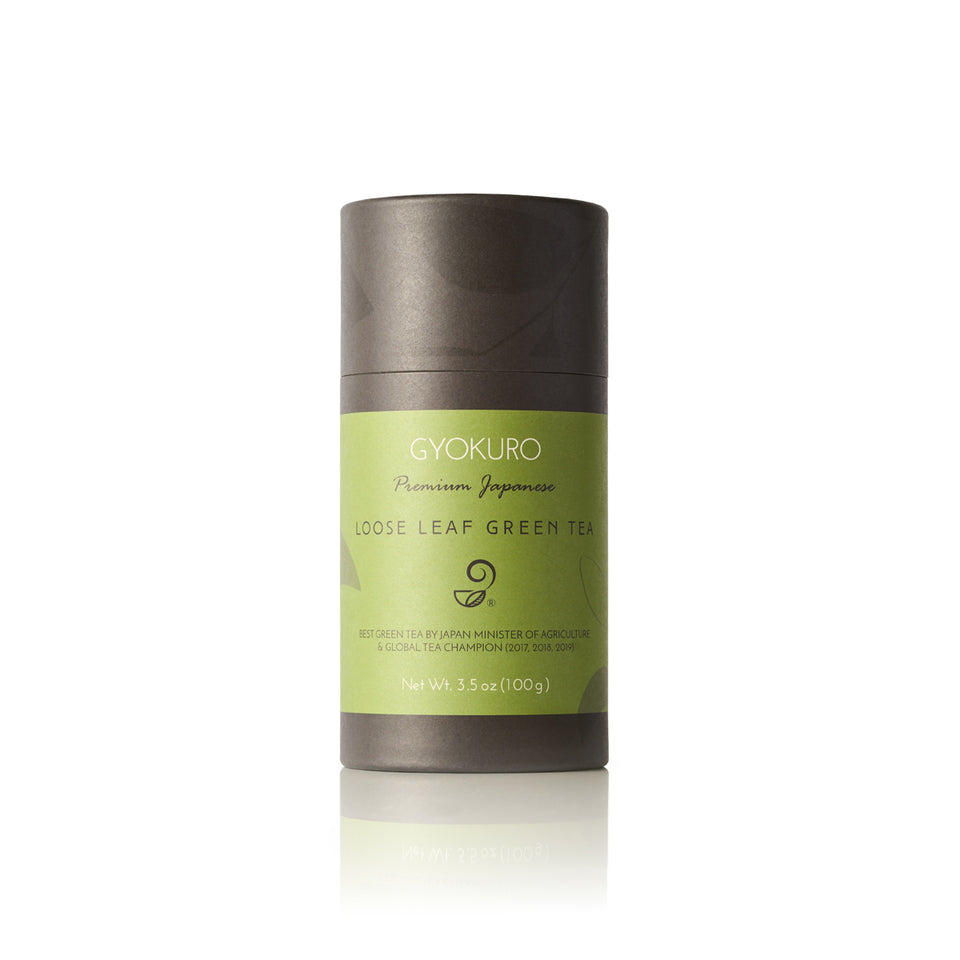
This tea set features three exceptional Japanese green teas, each crafted with care and traditional techniques. Issaku Reserve, a Global Tea Champion winner in 2017 and 2019, is a rare masterpiece created by Farm Master Mr. Arahata at Arahataen Green Tea Farm. Handpicked once a year from the first flush and processed with advanced methods, Issaku represents the highest-grade deep-steamed green tea, available only in limited quantities even in Japan.

The set also includes Gyokuro, a premium shaded green tea known for its rich, sweet flavor and deep mossy green color. Grown under special mats for 20 days to increase caffeine and amino acid levels, Gyokuro offers a layered, smooth taste unlike any other. Completing the collection is Nozomi, a fine Kabuse-cha, or "Covered Green Tea," carefully grown under nets to gently shade the leaves just before new sprouts emerge, resulting in a soft, rich, and refined flavor profile.

97 reviews

Gyokuro - Shaded Imperial Premium Green Tea

$65.00
Quick view

Gyokuro, also known as "jade dew" or "jewel dew tea," is a premium Japanese green tea shaded from the sun for 20 days using specially made mats, a method that boosts caffeine levels and strengthens amino acids to create a sweeter, richer flavor. This extended shading process results in dark, mossy green leaves with an unmistakable aroma and a complex taste that is layered yet balanced. Cultivated by the Chagusaba method in nutrient-rich sugarcane soil and made from the Yabukita cultivar, this loose-leaf authentic Gyokuro is offered in a high-quality, air-tight paper tube canister (chyazutsu) to preserve its exceptional freshness and flavor. Each 3.5 oz (100g) full-size package steeps 30–40 cups, and a convenient single-serve sample is also available.

45 reviews

Hojicha - Roasted Green Tea

$25.00
Quick view

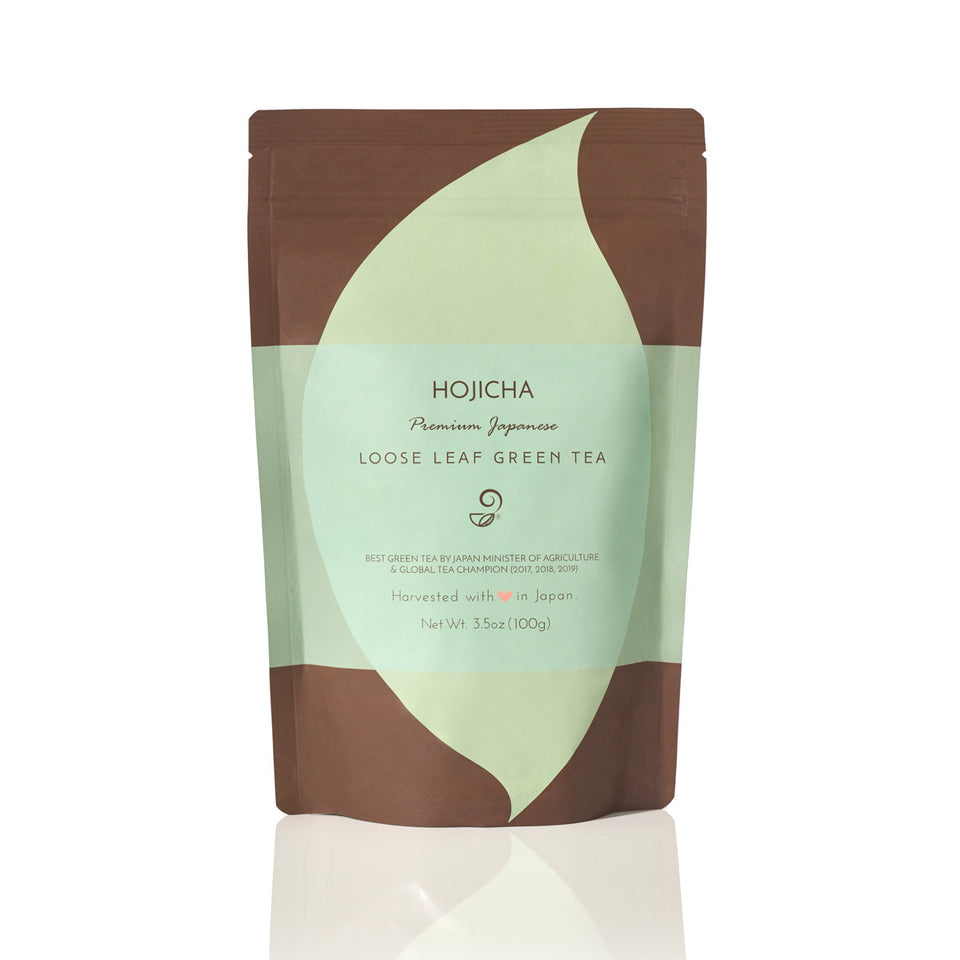
Our roasted green tea, known as hojicha (ほうじ茶), is crafted from freshly harvested premium green tea carefully roasted in porcelain over charcoal to maximize flavor while retaining more catechins than typical hojicha on the market. With lower caffeine and a smoother, less bitter taste compared to steamed green tea, it is an ideal choice for evening relaxation and is gentle enough for kids and pregnant women. Cultivated using the Chagusaba method in nutrient-rich sugarcane soil, this loose-leaf authentic Japanese roasted green tea, made from the Yabukita cultivar, also pairs beautifully with oily foods. Each eco-friendly resealable package contains 3.5 oz (100g) of tea, enough to steep 30–40 comforting cups.

80 reviews

Matcha - Ceremonial Japanese Powdered Green Tea

$39.00
Quick view

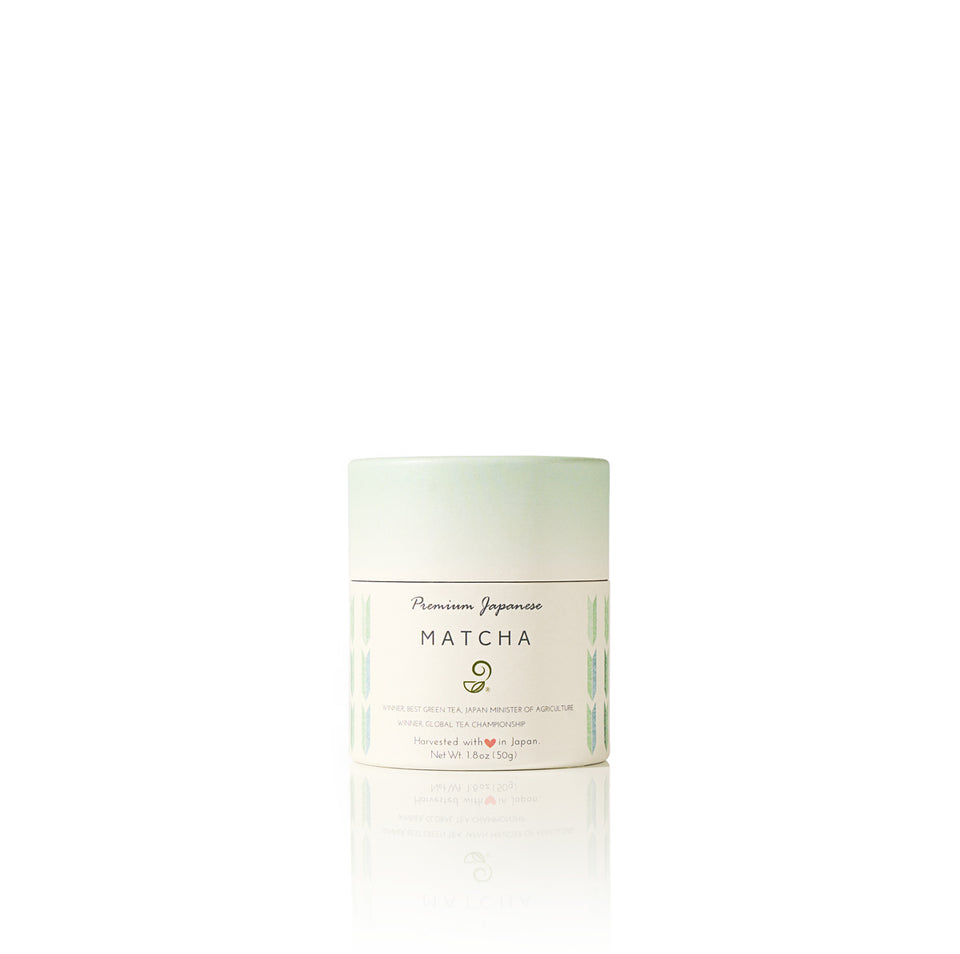
This ceremonial matcha is crafted from the finest Japanese green tea, grown in nutrient-rich soil enhanced with compostable grasses and sugarcane through the Chagusaba method, which gives the tea a natural sweetness and exceptional flavor. In collaboration with researchers from Shizuoka University, farmers ensure that the soil quality consistently produces tea of the highest standard.

Renowned among top Japanese chefs for its unmatched aroma, this matcha is made by carefully shading the plants before harvest to boost caffeine and amino acids, then meticulously drying, de-stemming, and grinding the leaves into a fine powder. Made from the Yabukita cultivar, this 1.8 oz (50g) matcha comes in a high-quality, air-tight paper tube canister, providing a luxurious and authentic Japanese tea experience.

42 reviews

Genmaicha - Green Tea with Roasted Brown Rice

$30.00
Quick view

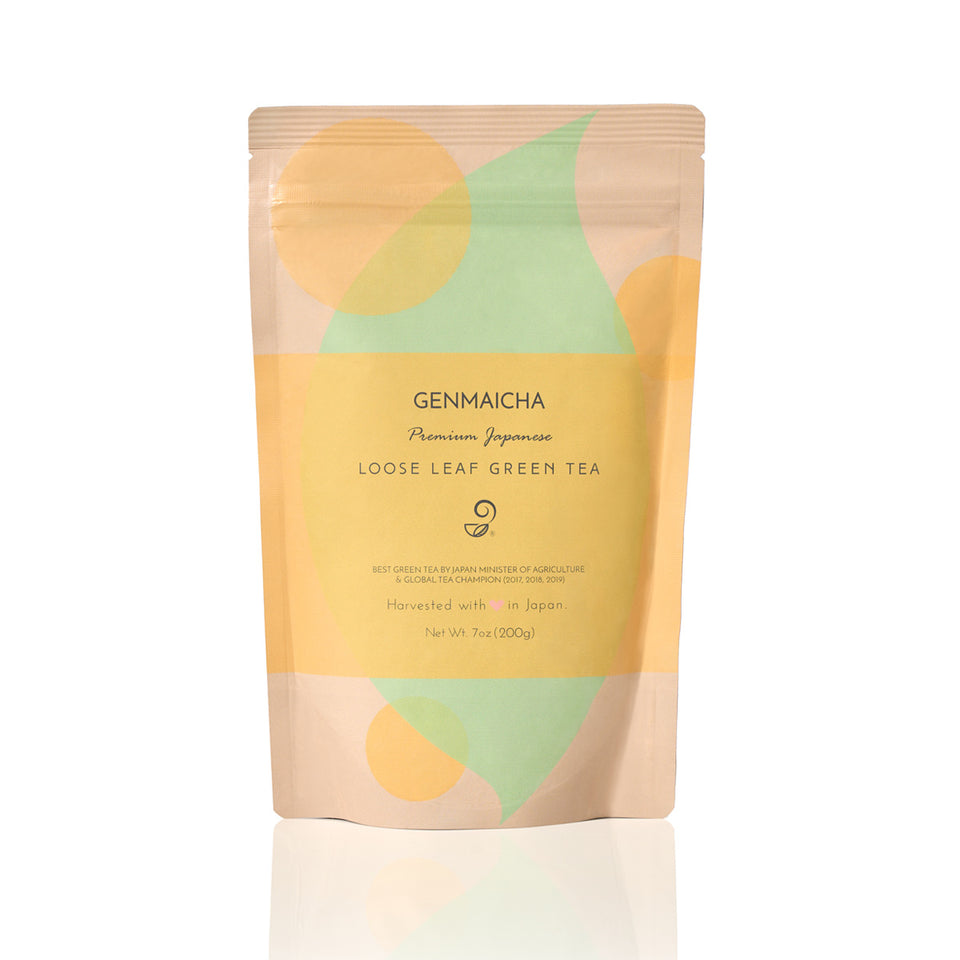
Our premium Japanese Genmaicha blends high-quality green tea with roasted popped brown rice (genmai 玄米), often nicknamed "popcorn tea" because the roasting process sounds like popcorn popping. Popular especially among the older generation in Japan for its mild flavor and lower caffeine content, this tea is easier on the stomach while still offering a rich, comforting taste. The brown rice used is premium Japanese mochi-gome (もち米) sticky rice, enhancing the tea’s nutty, aromatic profile. Made from Fukamushi Sencha and cultivated using the Chagusaba method in nutrient-rich sugarcane soil, this Genmaicha features the Yabukita cultivar and comes in a 7.0 oz (200g) eco-friendly resealable package, enough to steep 50–60 cups.


Related Articles You May Be Interested

How Green Tea Can Help You Maintain Mental Health Balance
Why Japanese Green Tea is Perfect for Intermittent Fasting + How to Guide, What to do & What not to do
Is Decaffeinated Tea Unhealthy?
Can I Grow Tea Plant In My Yard?
What to Do With Leftover Tea Leaves - 9 Ways to Use Leftover Tea Leaves and Powder

Get Free Bonus Books

Join Green Tea Club

Sign up for free to the Green Tea Club to get advice and exclusive articles about how to choose Japanese Tea, and tips, tricks, and recipes for enjoying Japanese tea.

Unsubscribe anytime. It’s free!

About the author

Kei Nishida

Kei Nishida

Author, CEO Dream of Japan

info@japanesegreenteain.com

Certification: PMP, BS in Computer Science

Education: Western Washington University
Kei Nishida is a passionate Japanese green tea connoisseur, writer, and the founder and CEO of Japanese Green Tea Co., a Dream of Japan Company.

Driven by a deep desire to share the rich flavors of his homeland, he established the only company that sources premium tea grown in nutrient-rich sugarcane soil—earning multiple Global Tea Champion awards.

Expanding his mission of introducing Japan’s finest to the world, Kei pioneered the launch of the first-ever Sumiyaki charcoal-roasted coffee through Japanese Coffee Co. He also brought the artistry of traditional Japanese craftsmanship to the global market by making katana-style handmade knives—crafted by a renowned katana maker—available outside Japan for the first time through Japanese Knife Co.

Kei’s journey continues as he uncovers and shares Japan’s hidden treasures with the world.

Learn more about Kei Nishida

Related Posts

OC Japan Fair April 2026 — Visit Us at Booth #A8!
OC Japan Fair Spring 2026 Recap (April 3 - 5 2026)

We were at OC Japan Fair again! April 3-5 2026 with new products, Miki Pon's art debut and more. Here is a recap video f

Read More
Super Mario and Japanese Green Tea

Super Mario and green tea share a hometown! Watch our Yoshi Matcha Cookies video recipe + discover how Nintendo and matc

Read More
Our Matcha Is Now at Pillow Talk Cafe in Pasadena — Master Japanese-Inspired Cake Makers

Our matcha is now at Pillow Talk Cafe Pasadena! Meet the cafe, try the Egg Heaven sando & Matchamisu, and see how th

Read More
Leave a comment

Your email address will not be published..

Cart

Your cart is currently empty.

Start Shopping

Select options