

Renowned Japanese author Kimitake Hiraoka, more famously known as Yukio Mishima, described Japan as a series of contradictions. He noted that Japan was partially defined by the relationship between "old and new". While Tokyo and Osaka help define the importance Japan places on technology and innovation, there’s a particular uniqueness found in Japan’s rich historical sites. What better way to experience historical Japan than to understand Uji and Uji’s special relationship with one of Japan’s favorite drinks - tea?
Uji is located south of Japan’s former capital city, Kyoto — home to approximately 180,000 residents, it is nonetheless well connected, with both Keihan Uji Station and JR Uji Station serving the community. But what makes Uji unique? Let's look at five must-see tea locations and several additional historical locations to help bring to life Uji’s special status as both a tea haven and a source of rich history.
Note: Although I list out all the spots, let me first recommend my personal friend’s Uji tea tour! Click here to view the Uji Tea Lover’s Tour in English (more about it below).
1. Tsuen Tea
Tsuen Tea Shop is quite possibly the oldest tea shop in the world and is considered the oldest tea shop in Japan. It was established in 1160, and Tseun’s current building was built in the Edo period in 1672. While mainly known for its tea, the shop's historical imprint has been furthered by visitors such as the first shogun of the Tokugawa shogunate, Tokugawa Ieyasu, and Japan’s "great unifier," Toyotomi Hideyoshi.
Located close to Keihan Uji train station and with a beautiful view of the Uji bridge, Tsuen Tea offers not only classical Japanese teas such as matcha and sencha, but also offers various Japanese sweets to go along with your drink.

2. Taihoan
Uji is famous for many reasons, including the Byodo-in Temple; however, a lesser-known public tea house, Taihoan, is only a short distance away. At Taihoan, visitors can participate in traditional Japanese tea ceremony. Seated on tatami mats and served matcha, visitors can experience a unique and captivating side of Japanese tea culture. Yes, Japanese etiquette is special and memorable, even when drinking tea.

3. Fukujuen Ujicha Kobo and Takumi no Yakata
Having fallen in love with Japanese tea several years ago, I became increasingly curious about how tea in Japan is prepared. For those looking to explore this curiosity, Fukujuen Ujicha Kobo offers a workshop where visitors can grind their matcha, prepare, and finalize their tea. Takumi no Yakata expands the tea-making experience so that those interested can work with certified tea instructors to perfect their own cup of tea.
4. Uji Byodo-in Omotesando
If you’ve visited Tokyo, you’re probably familiar with Omotesando Station and Aoyama-dori. Uji has its own Omotensando, and if you're a tea lover of sorts, this is a prime location for all kinds of teas and tea-related souvenirs.
Near Byodo-in Temple, this avenue is covered in smaller shops that help take your tea fantasies to another level. Wamucha Café, for example, has been nationally presented on Japanese TV for items such as Map Match Tofu and fried rice with a tea infusion. Nearby at Ito-Kyuemon, visitors can pick up alcohol - yes, mixed with matcha – or, go for Hojicha cheesecake, matcha pudding, matcha chocolate, or even matcha cookies. Tea is simply endless — pretty awesome, I know.
Visiting in the summer? Yes, Japan is humid, to say the least; however, many shops, including Kyoto Rokujouan, offer various flavors of tea and tea-related ice cream flavors to keep you fueled for Uji’s famous bridge.

5. Mitsuboshien-Kanbayashisannyu-Honten
An all-in-one experience can be beneficial for tea lovers. One such location that will allow you to do that is Mitsuboshien-Kanbayashisannyu-Honten. Yes, it’s a mouthful, but this particular store contains a tea room, a tea-making ceremony for 1100 yen, sweets made out of tea, and the purchase of Kyoto-ken-based tea. This store was once known as the master of tea ceremonies for the Japanese Shogunate, and provides a deep history of its experience in relation to tea. Be sure to pick up some snacks on the way out! And perhaps some store-specific tea they do not sell elsewhere.

6. Ujigami Shrine
UNESCO has designated several sites around Uji and Kyoto as "Historical Monuments of Ancient Kyoto" - with Ujigami Shrine being the oldest of both those historical monuments as well as the oldest original Shinto shrine in Japan. Originally dedicated to Emperor Ojin, who reigned from 270–310 AD, the shrine is also famous for its architectural design, the Nagare-zukuri, which is defined by its asymmetrical roof. If you’re lucky enough to visit the shrine on May 5th, you may also be able to witness the Ujigami Shrine festival.
Located close to Keihan Uji train station and with a beautiful view of the Uji bridge, Tsuen Tea offers not only classical Japanese teas such as matcha and sencha, various Japanese sweets to accompany your drink as well.
7. Mimurotoji Temple
A particularly unique temple, the Mimuotoji Temple is known for its age, having been established almost 200 years ago, and its beautiful surroundings. The temple grounds are lush with garden varieties. In early spring, cherry blossoms are in full bloom for anyone wishing to experience hanami with a side of history.
The Temple grounds also include a three-staged pagoda, a statue of Ugajin, and an Amida Buddha Hall. The Ugajin is supposed to bring fortune and good luck to those who pat it on the head. As is common with temples, leave your wishes and enjoy the spiritual side of Japan.

8. Byodo-in
Chances are, if you have seen what traditional Japanese architecture offers, you have seen a picture of Byodo-in. The earliest structure of the Byodo-in was built roughly 1000 years ago, in 1053, and is one of the few remaining examples of Heian-era architecture left in Japan. The Byodo-in continues to be used as religious grounds for both the Jodoin of the Jodo-shu sect and the Saishoin of the Tendai-shu sect in Buddhism.
The temple consists of five different buildings, including the Pheonix Hall, which consists of one of the main halls and twin corridors emulated on the Japanese 10 yen coin. The site wrapped in gardens is emblematic of something quintessential Japanese.
9. The Tale of Genji Museum
The Tale of Genji may not be a household story outside most of Japan, but it is considered a classic work of Japanese literature. Written in the early 11th century, Murasaki Shikibu may have put together the world’s first novel (Tyler, Royall, 2003). The Tale of Genji Penguin Classics. pp. i–ii & xii). Yes, the last ten chapters of the story take place in Uji; however, the Tale of Genji Museum was built in 1998 to pay homage to the work itself and provide curious minds with an added level to the story itself. The museum consists of various images from the story as well as models and exhibitions to guide visitors, helping to tell the story of the Heian period through a lens of realism. The museum also includes a short film of the story in a smaller movie room, and a library with secondary literature.
The area offers a myriad of unique architecture and sights found nowhere else in the world, while stories such as The Tale of Genji help complete the puzzle in understanding the value and amount of history that is often so easy to miss.

The area offers a myriad of unique architecture and sights found nowhere in the world; however, stories such as The Tale of Genji help complete the puzzle in understanding the value and amount of history that is often so easy to miss.
10. A Simpler Experience: Taking Food Tours
For a food and matcha tour experience, the following two matcha-related booking websites will give you a glimpse of how Japanese people prepare tea and meals. Plus, they even offer an experience of making and whisking matcha using traditional Japanese tea ceremony tools.
If you’re looking to simplify your experience in Uji and meet fellow food and tea lovers, Arigato Food Tours is the way to go. While they provide varying tour services around Japan, their Uji tours focus on the cultural and tea components that Uji has to offer. 3 hours in duration, the tour consists of matcha tasting, lunch at a local restaurant, the making of matcha and associated sweets, and the visiting of local shops and Byodin-In temple.
Arigato Food Tours
If you’re looking to simplify your experience in Uji and meet fellow food and tea lovers, Arigato Food Tours is the way to go. While they provide varying tour services around Japan, their Uji tours focus on cultural and the tea components that Uji has to offer. 3 hours in duration, the tour consists of matcha tasting, lunch at a local restaurant, making matcha and associated sweets, and visiting local shops and Byodo-In temple.
Click here to book the Uji Matcha Lover Tour.
Here are pictures from the tour (don’t they look fun?)


It's hard to quantify Uji's place in Japan. Perhaps it's Uji's emphasis on tea and its place in the community. Maybe it's the ease of access and the learning experience one can take away from visiting the plethora of sites. There's something both new and old in Uji. I want to think Uji simply embraces this idea in a way that few places do.
Click here to see more about the Uji Tour.
AirKitchen
Japanese food is delicious and full of art. When returning home, learning how Japanese households make their dishes is a good palate experience, and tea lovers will surely enjoy to participating in tea ceremony classes.
AirKitchen allows travelers to choose and book the food lessons they want to learn and experience. This website is also a must if you want to know how locals make their food.

Here are some authentic tea ceremony classes that will indeed display smiles and good memories:
Tea ceremony to feel with five senses
Enjoy the smell of incense, the calm ambiance, and tea with some sweets. Satomi-san will teach you how to drink and make matcha during a tea ceremony. After that, she will ask the guests to make their own matcha. She also has kimono prepared in case female guests want to wear one.

Making usucha tea (thin tea, matcha tea) with the professor of tea ceremony in Kyoto
This private tea ceremony learning experience is available for up to 3 people, and it is held in a Japanese-style room. Mutsuko-san, a professor at the Omotesenke School of Tea Ceremony, is the conductor. Guests will drink usucha and enjoy some dried sweets, but before that, Mutsuko-san will teach you how this is done. How to place the sweets onto your tray, and how to drink your tea.
Depending on the guests' wishes, she will explain the history behind Japanese tea ceremony, the traditional utensils, kimono, and the tea gardens.
If more than 3 people want to attend the tea ceremony, or want to tastte Koicha (thick tea, matcha tea), please make sure to inform Mutsuko-san.

Blind Tasting of Matcha Teas and How to Make Usucha (Matcha tea)
Another class by Mutsuko-san will bring your tea experience to another level, or test your tea expertise. While eating sweets, guests will taste and evaluate each Usucha tea. After the evaluation, each guest will make their matcha using their preferred matcha powder.
OSAKA
Kyoto and Osaka are combined whenever tourists want to visit Kyoto. Aside from the fact that they are near each other, many people include Osaka on their travel itinerary – thid is because even if they only plan to visit Kyoto, their first arrival is at KIX Osaka Airport. If you are planning to visit Osaka, here are the recommended tea ceremony events:
Tea Ceremony Experience (Urasenke)
Eiko-san has already traveled to several countries, and she will provide a delightful experience by teaching about Japanese tea ceremony and enjoying some sweets. Her graciousness and hospitality naturally make the guests feel like they have become her friend. But wait, this is not all - she also gives out tea pack souvenirs!

This table tea ceremony class is for the ones who want a one-on-one tea ceremony with the instructor.
Risa-san will demonstrate how the ceremony is carried out while the guests are served matcha along with some beautifully designed sweets (dried and main). She will then proceed to demonstrate how the ceremony is actually performed, during which the guests get to make their matcha and enjoy its sips.


Learning about the Japanese tradition of tea ceremony is like having a complete tour experience in Japan. Tea and Japanese food lovers like you can easily find them and book an experience of your own choice. After gaining knowledge in a local Japanese cuisines, eating authentic Japanese dishes of good quality at home will become much easy and affordable (than finding authentic Japanese food elsewhere).
FAQs about Visiting Uji, Kyoto for Tea
Why is Uji considered the birthplace of Japanese tea culture?
What makes Uji matcha different from matcha grown elsewhere in Japan?

Is the Fukujuen matcha-grinding workshop actually worth doing as a tourist?
What teas should I buy in Uji that I can't easily get back home?

Related products
8 reviews
$179.00
$159.99
/
Quick view
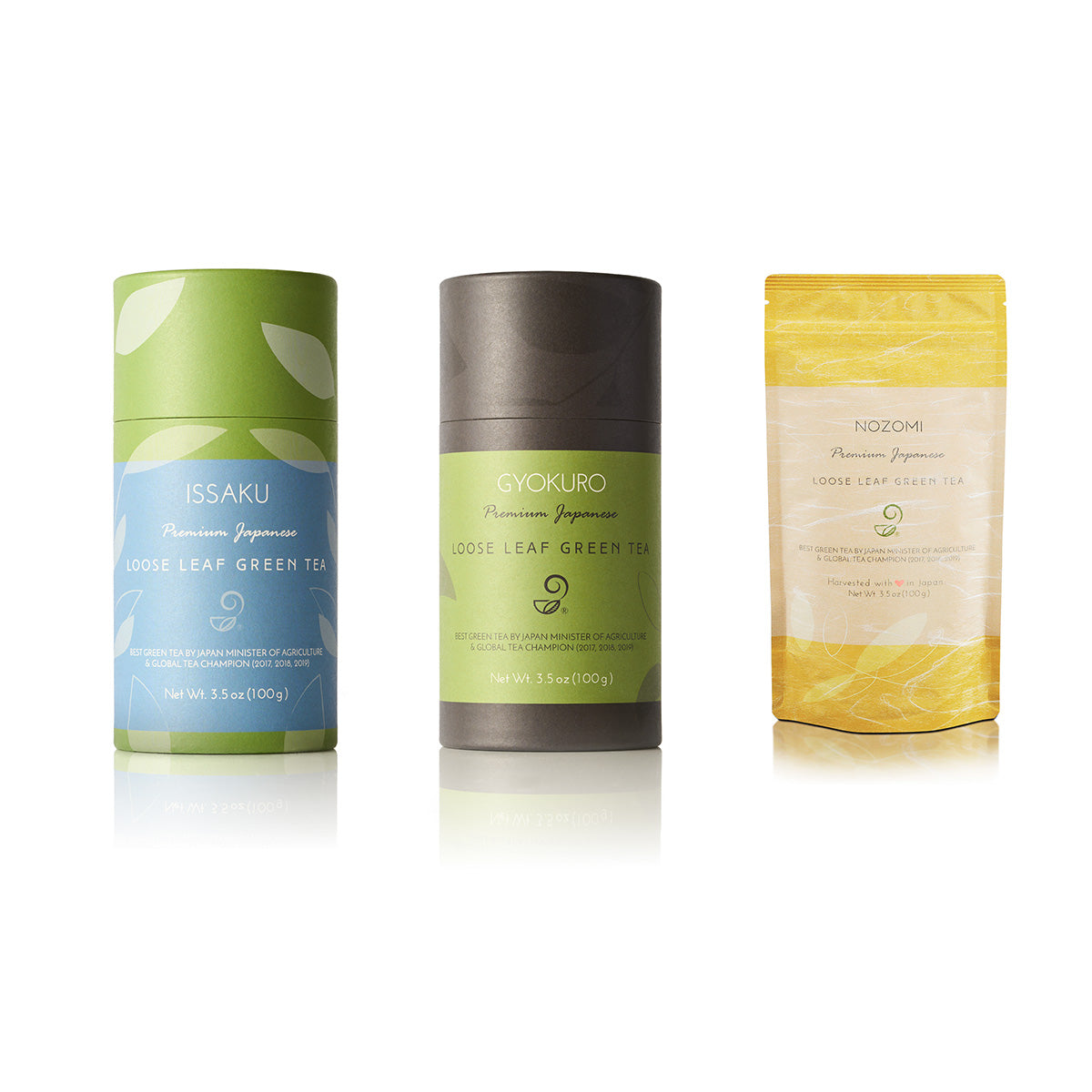
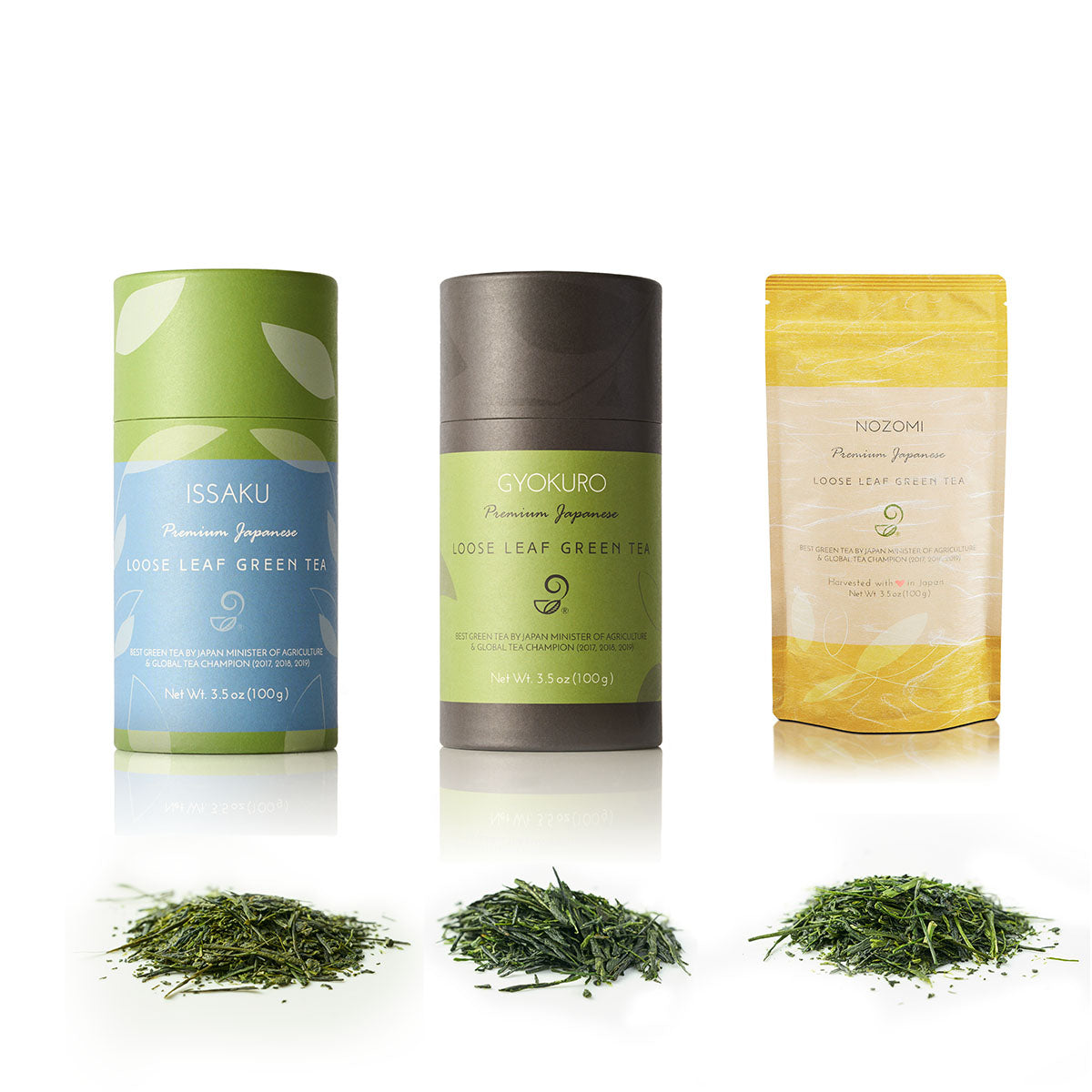
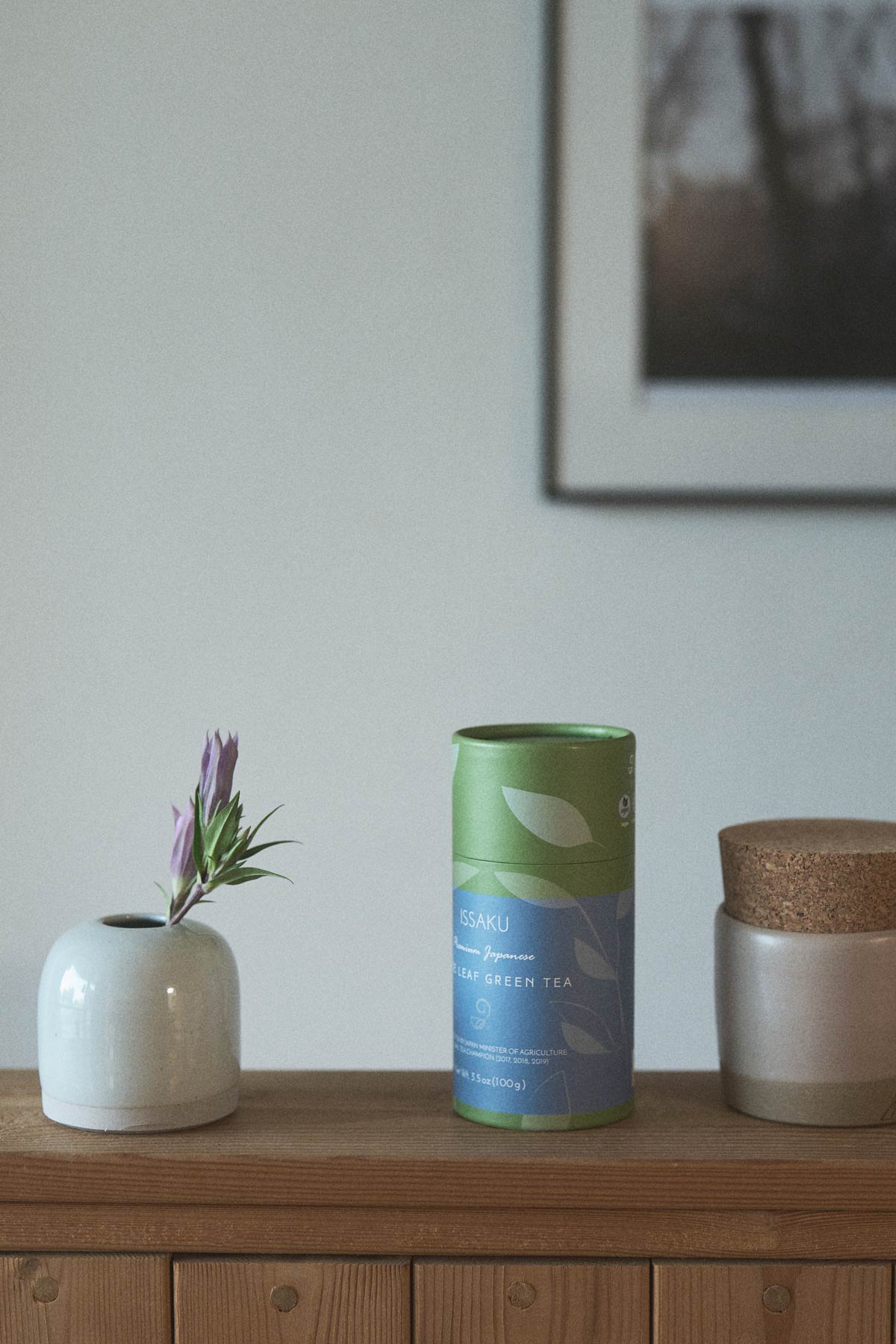
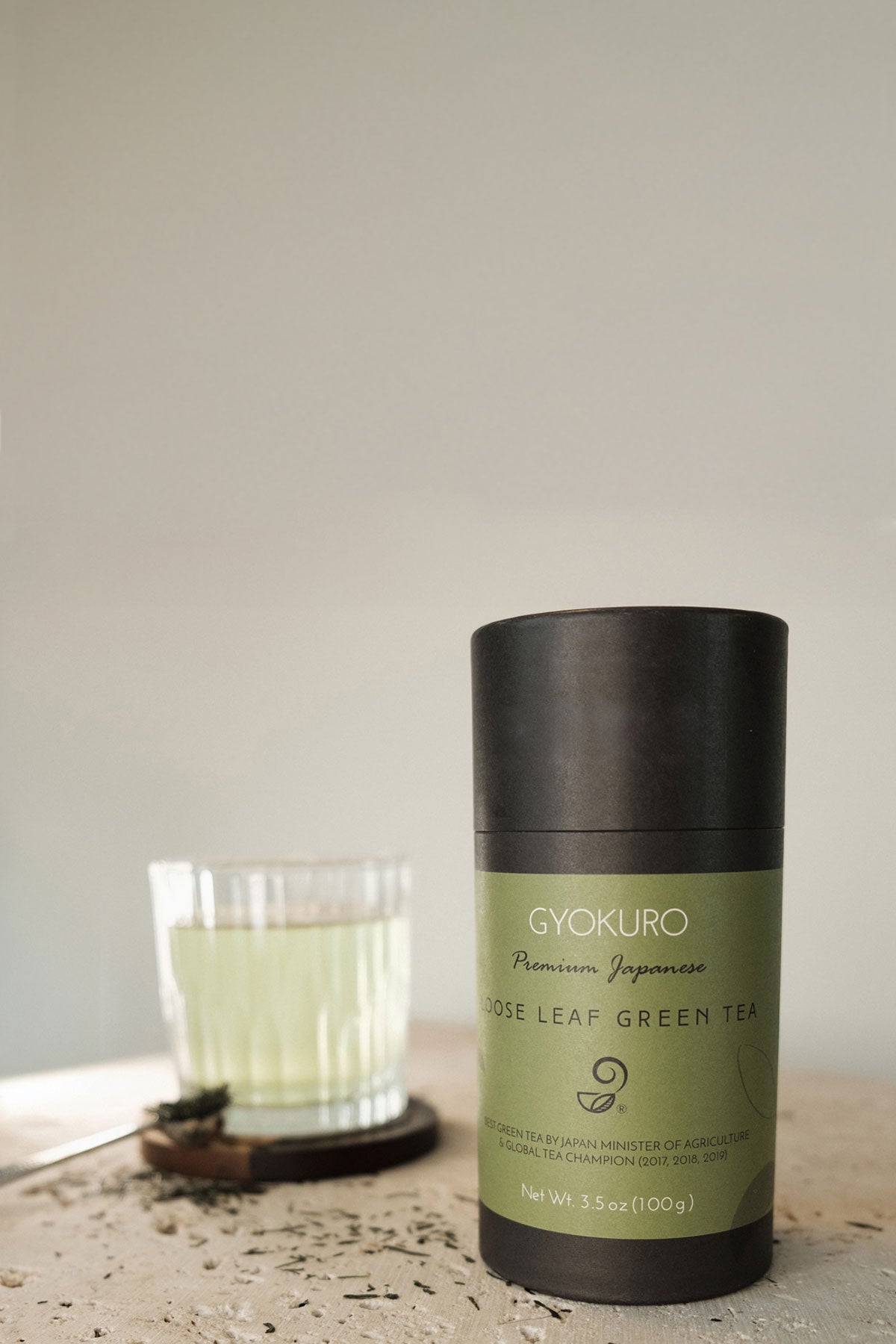
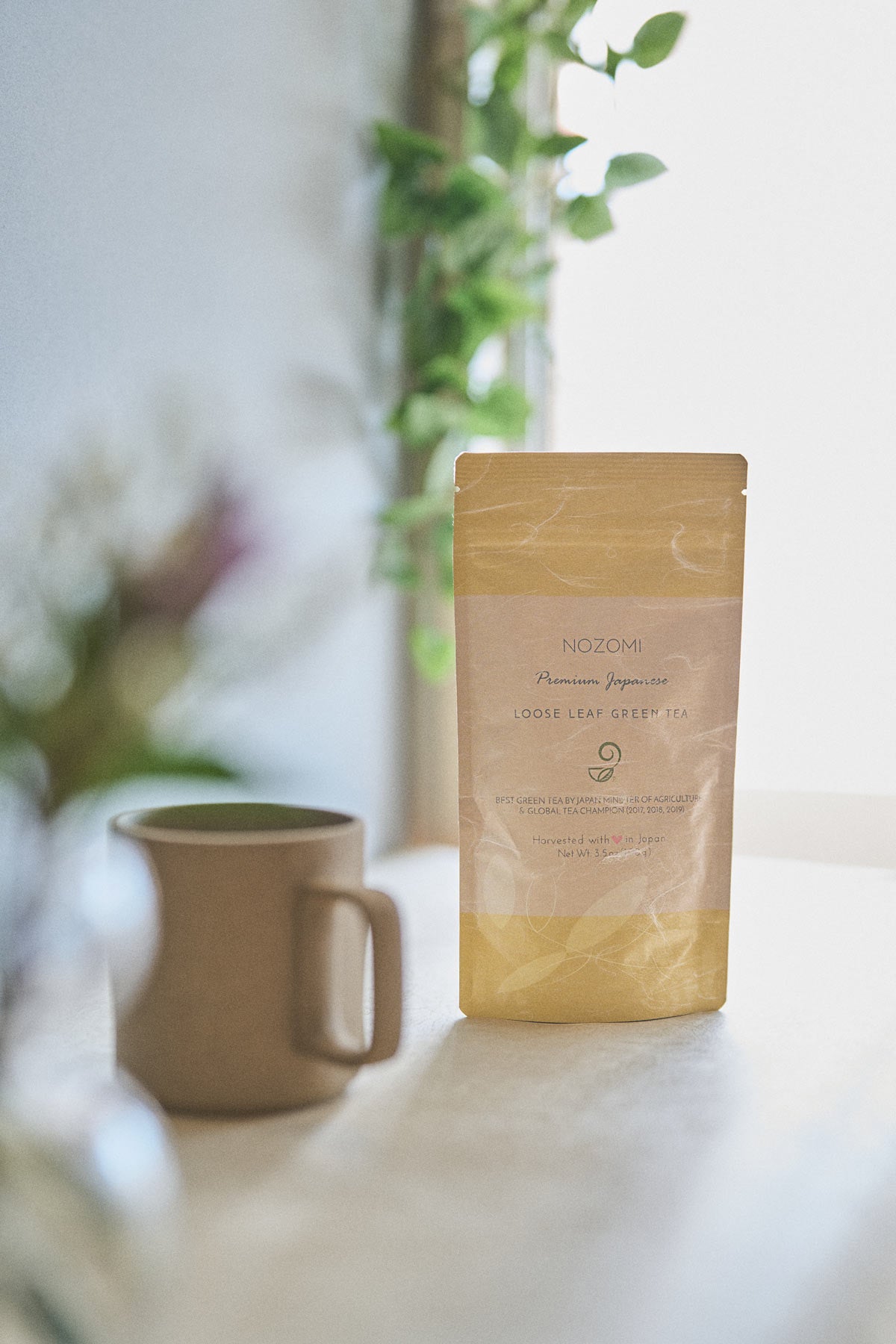
The Sencha Lover Gift Set - Premium Japanese Green Tea Set Package


Get Free Bonus Books

Sign up for free to the Green Tea Club to get advice and exclusive articles about how to choose Japanese Tea, and tips, tricks, and recipes for enjoying Japanese tea.
About the author
Kei Nishida
Author, CEO Dream of Japan
Certification: PMP, BS in Computer Science
Education: Western Washington University


