Table of contents
 There's a point in second year when coffee turns on you. Not dramatically — it's subtle. You're on your third cup. You haven't focused on a single sentence in twenty minutes. Your heart feels a bit off—it's not racing, but you can definitely feel it. The caffeine is doing something. Just not the thing you need.
I hit a point in my second semester. Then, I began to notice what others were using instead. Some had switched to Japanese green tea. Not the bagged kind with strings, but loose leaf. They brewed it in small ceramic pots, showing real care in the process. My first instinct was mild suspicion. I tried it anyway.
That was a few years ago. The habit stuck.
The Ancient Ritual That Found Its Place in Modern Student Life
Japanese green tea has a surprising history: it wasn't created for taste. The monks who brought it from China in the 8th century faced a challenge. They needed to stay focused during long hours of meditation. Their goal was to avoid falling asleep or feeling restless. That's an almost identical problem to the one students face, just relocated to a library or a dorm room.
What makes the chemistry work comes down to processing. Most teas oxidize after harvest — exposed to air, the leaves darken and the internal compounds shift. Japanese green tea is steamed almost immediately after picking, stopping that process early. More of what was originally in the plant survives, and that survival matters quite a bit.
Sencha is where most people start, and it makes sense. It's what the majority of Japanese households reach for every day, forgiving when your technique is still rough, and widely available. Matcha is more demanding — ground to a fine powder, whisked rather than steeped, particular about temperature. Gyokuro is shade-grown with a sweetness some people find revelatory and others find cloying. Worth reaching all three eventually. Sencha first, though.
Smart Ways to Support a Productive Study Day
Students who stay on top of things throughout a semester — not just the week before finals, but consistently — tend to have done some preparation early that most people skip. They know what resources are available. They've thought about their setup. They're not spending focus on problems they could have resolved back in week two.
Part of that preparation is research. A lot of students spend time early in the year mapping out what support actually exists — not because they're struggling, but because knowing what's available reduces a particular kind of low-grade anxiety. Some come across https://papersowl.com/pay-for-essay during that process and find it worth understanding — the platform has a user-friendly interface and time-saving features that make it easy to get a clear picture of how professional writing support works in practice, well before any real pressure arrives. That kind of early research pays dividends that are hard to see until you're mid-semester and your head is clear while everyone else's isn't.
Tea belongs in that same category of small, early decisions that improve conditions later. Brewing a cup before you sit down to work doesn't change anything dramatically. What it does is draw a line — a repeatable, sensory line — between the unfocused part of the day and the part where work actually happens. Lines like that, once habitual, quietly help more than you'd expect.
What Makes Japanese Green Tea So Good for the Brain?
Not just the caffeine. That's the short version. For anyone who wants the longer one:
L-theanine and caffeine — a natural pair
Green tea contains an amino acid called L-theanine, found in almost nothing else. It boosts alpha wave activity in the brain. This is the focus you feel when you're deeply engaged in something. Time seems to stand still. This is different from the tiring kind of attention, where words blur and don’t stick.
Combined with caffeine, L-theanine changes the character of the alertness. The sharpness is still there. The jitteriness is largely absent. A 2008 trial in Nutritional Neuroscience showed that participants had better attention accuracy and faster reaction speeds when they received the combination, compared to each compound alone. Controlled study, actual data — not a wellness brand making claims on a label.
The longer game
Green tea is a rich source of EGCG. This catechin antioxidant consistently appears in research on inflammation and long-term cognitive health. Many studies show that drinking green tea regularly can lower stress and improve sleep quality. This is especially important for students who often face ongoing pressure and lack of sleep.
What Students Are Actually Drinking
Here's the revised version:
I gathered insights from forums, comments, and personal chats. Here’s the pattern:
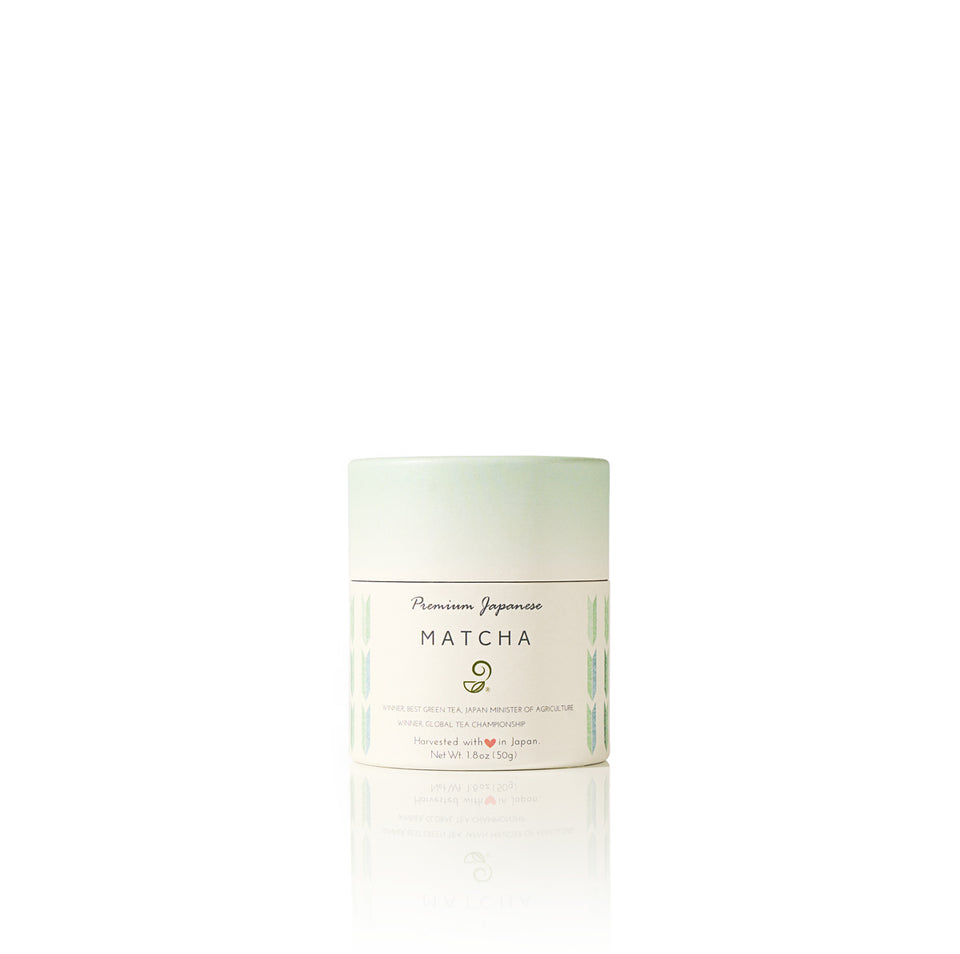
● Matcha: Best before long writing or reading sessions. Users say it boosts focus.
● Sencha: A daily go-to before morning classes or in the afternoon.
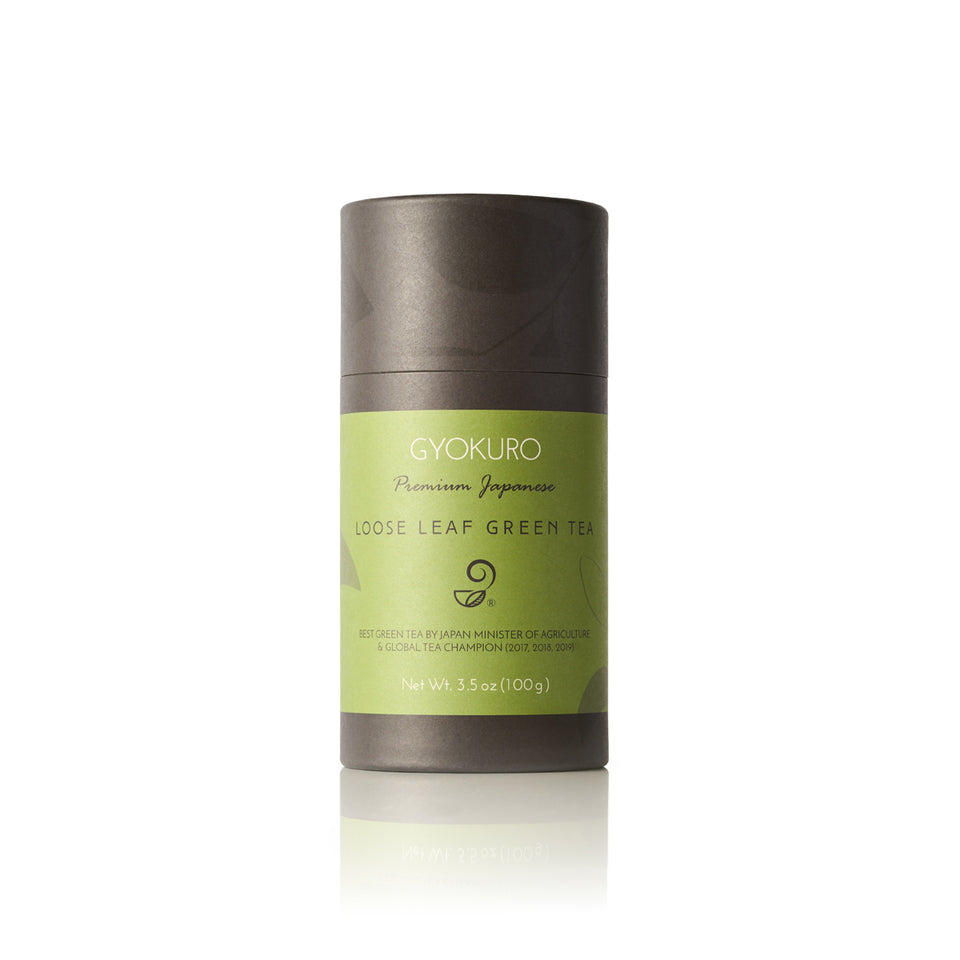
● Gyokuro: Great for evenings needing mental effort, especially when sleep is lacking.
● Cold-brewed green tea: Made the night before. It's less bitter and easy to drink in the morning.
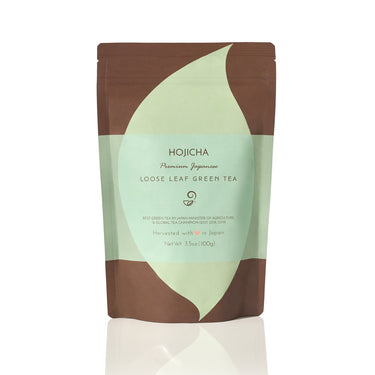
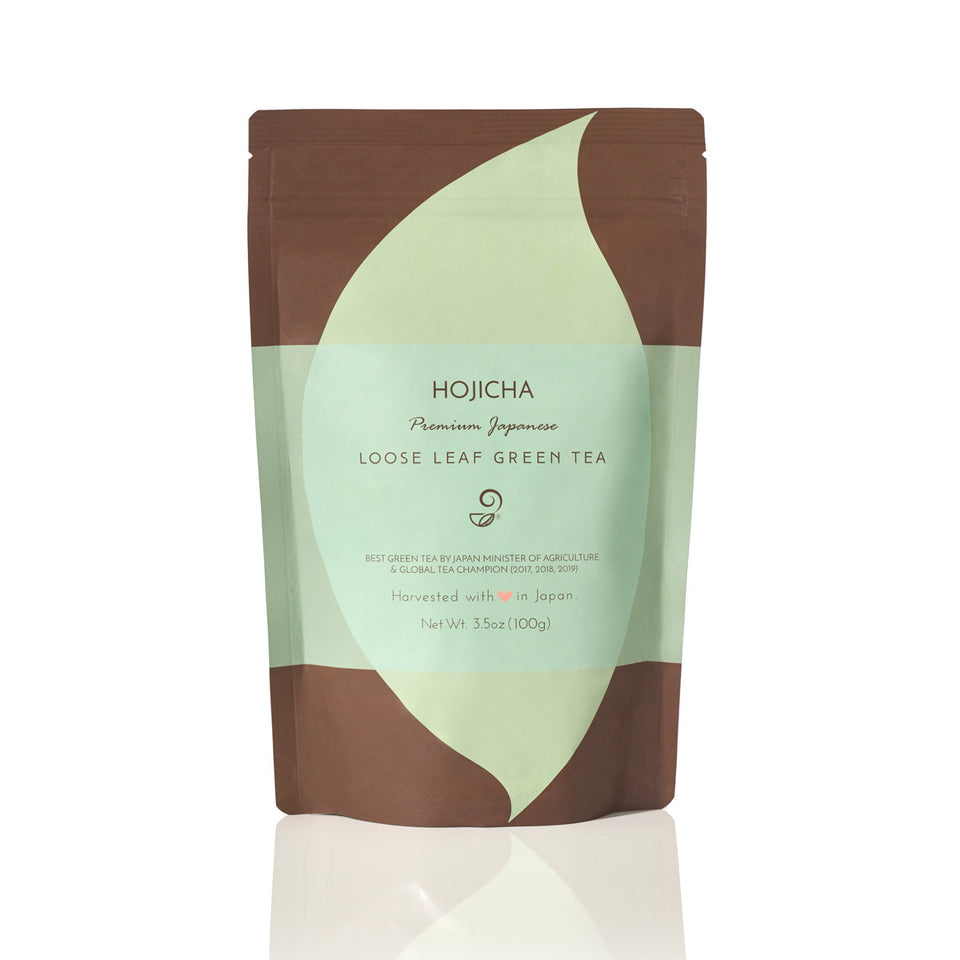
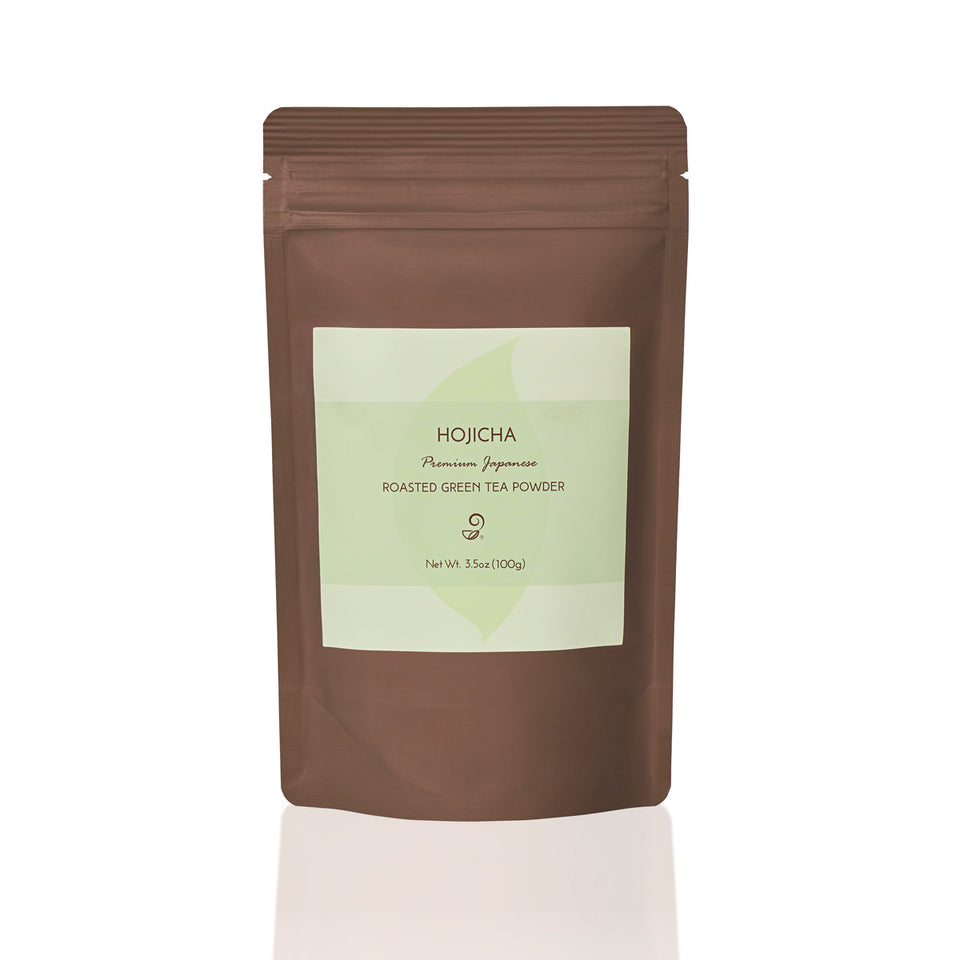
● Hojicha: Perfect late at night. It’s roasted, low in caffeine, and calming in a unique way.
Pick one. Commit for two weeks before deciding anything.
How to Brew a Cup That Actually Works
Temperature is where most people go wrong. A badly brewed sencha isn't just underwhelming — it's noticeably unpleasant. Bitter, flat, nothing like what it can be.
Target 70–75°C. Without a temperature-controlled kettle, boil and wait four or five minutes. Pour over the leaves, steep for sixty seconds, stop. The result should be pale gold with a slight green tint. It should be clean and a bit sweet. There’s a grassy note that’s hard to describe, but you’ll recognize it once you taste it.
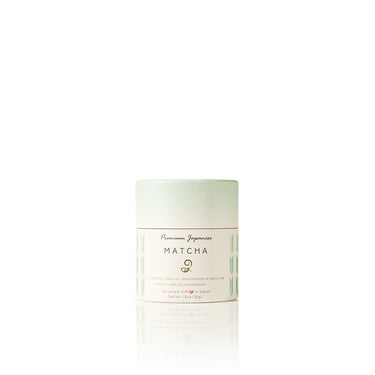
Matcha has more steps. Sift the powder first — it clumps without sifting. Add a small amount of water at about 80°C and whisk quickly in a zigzag motion across the bottom of the bowl, not in circles. You want a light froth. With a bit of practice, three minutes total.
Those three minutes are worth something beyond the drink. Most of the day is spent moving between screens. Measuring, whisking, and seeing something happen grabs your focus. It draws you into a slow and real experience. By the time the cup is ready, you've already shifted. That shift is partly the point.
A Simple Habit Worth Starting
Don't expect a switch. One cup of sencha is not going to produce six hours of unbroken concentration. The change is gradual. Sessions feel less fractured. Getting started takes less effort. The usual twenty minutes of friction quietly shrinks.
The ritual accumulates meaning too. The smell eventually becomes associated with focusing — not by design, just by repetition. It's not a stimulant crutch. It's more like a signal you've trained yourself to respond to.
Twelve hundred years of refinement produced something worth a month of your attention. The downside of trying it is essentially nothing. That's a reasonable bet.
FAQs about Green Tea as a Study Companion
What's the cheapest way for a college student to get into Japanese green tea?
How much green tea per day is safe for a college student?
Is matcha worth the upgrade from regular green tea for studying?
Are there study-specific blends or is regular green tea fine?
Related products

10 reviews
$179.00 USD
$159.99 USD
USD
/
The Sencha Lover Gift Set - Premium Japanese Green Tea Set Package


Get Free Bonus Books

Sign up for free to the Green Tea Club to get advice and exclusive articles about how to choose Japanese Tea, and tips, tricks, and recipes for enjoying Japanese tea.
About the author

Kei Nishida
Author, CEO Dream of Japan
Certification: PMP, BS in Computer Science
Education: Western Washington University