Skip to content

What Causes Some Matcha Flavors to Have a Chocolate Aroma?

Sometimes I am asked why I drink the teas that I do, and it is a tough question to answer. Most of the time, I struggled to define the flavor, or perhaps the aroma. You have probably come across the words "umami" to describe the flavor profiles of various Japanese green teas, for example, a kind of full flavor on your tongue (see What Does Umami Mean for Tea Drinking?).

I prefer "fresh-smelling" teas and tend to use that word accidentally in describing teas. Unfortunately, throwing terms such as "umami" or fresh around does not necessarily convey what the tea is about. One of the teas that I, like many others, thoroughly enjoy is good matcha. Oddly enough, matcha is often one of the easiest teas to describe. Several matcha teas I have enjoyed include a distinct chocolate aroma that is impossible to dismiss.

For those who are not familiar with this distinction, it can be tough to understand how green powdered tea smells like chocolate. Let us unpack this to see where this chocolate smell comes from—perhaps one of the first teas you can convey in words to others!

Matcha isn’t too complicated, is it?

This question may seem obvious to many, but it is important to put together the pieces of the matcha puzzle in order to understand where the chocolate aroma comes from. Matcha is made from the tea leaves of Camellia Sinensis. Matcha made from these leaves is shaded by approximately20 days before harvest, with different kinds of "mats" that you may see across different parts of Japan, particularly in and around Kyushu and Kyoto in the springtime.

covering green tea leaves

The shading of the leaves increases the chlorophyll levels, which ultimately darkens the plant. This process subsequently increases the production of L-Theanine. L-Theanine has been found to help those with higher levels of anxiety and alleviate stress. It may also improve sleep and the immune system. The leaves are then kneaded, not rolled. Rolling the leaves would lead to a different final product known as gyokuro (Please see Gyokuro vs. Tencha).

Kneading, as you can imagine, helps flatten the leaves, making them easier to devein, for example. The leaves are then grounded on large stone rollers that are commonly seen on Japanese TV. This is, of course, where the name matcha is derived from, meaning "ground tea" in a more direct translation.

What makes the matcha process so unique?

The matcha-producing process is radically different from many other Japanese teas and helps establish matcha as a distinct green tea. With that being said, the idea of matcha and rich chocolate aromas is often associated with higher levels of nutrients. Varying qualities of matcha can be found, from top-quality ceremonial grades to culinary grades. Culinary grades are fantastic for cooking purposes (Please take a moment to review our "Matcha Everything" page here) but are not as rich in the nutrients that help ceremonial matches stick out as premium green tea.

For a much higher-graded matcha, you will not only find the chocolate aroma but also a sweet aftertaste. Perhaps the most obvious product to come from matcha flavors are matcha-flavored KitKat bars. In fact, chocolate and matcha products extend well beyond simple aromas and chocolate bars; they have become a sizeable market and are sought after by many tea lovers (Please see our collection here).

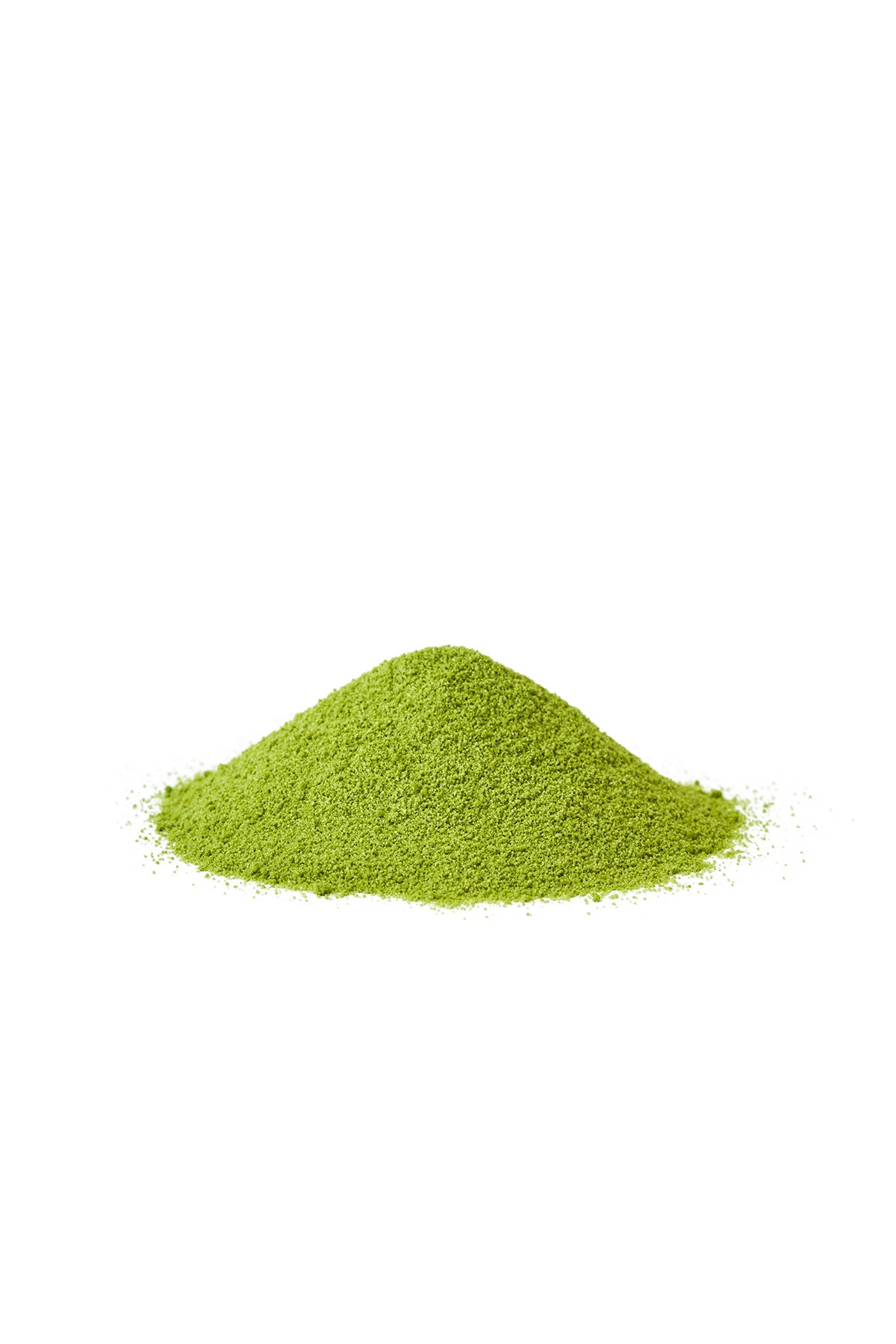
matcha green tea

How do you describe your favorite teas?

Even with the idea of chocolate and sweetness available as descriptions for matcha lovers, this hardly applies to the plethora of other teas that fill your cups. Take a moment and try to describe those flavors. Perhaps share some of the nutritional tea information that you have come across.

FAQs about Chocolate Aromas in Matcha

Why does some matcha taste like chocolate when nothing has been added?

It's a real phenomenon and it comes down to the volatile aromatic compounds that develop during shading and processing. Matcha contains pyrazines and methylpyrazines — the same family of aroma compounds responsible for the chocolate, coffee, and roasted-nut character in cocoa. Higher-grade ceremonial matcha tends to have higher pyrazine concentrations, which is why some premium matchas have an unmistakable chocolate-cocoa note in the aroma.

The pyrazine formation depends on three things: shading length (longer shading = more pyrazines), cultivar (some cultivars like Asahi and Yabukita produce more than others), and post-harvest handling temperature (gentle steaming + slow drying preserves them; aggressive processing destroys them). So the chocolate-aroma is a quality marker more than a flavor add — you can't really fake it with cheap matcha.

Coffee drinkers actually pick up on this faster than tea drinkers do. The aroma compounds overlap so much with cacao that someone trained to smell coffee can identify high-grade matcha by aroma profile within a few seconds of opening the tin.

Which matcha grade is most likely to have chocolate notes?

Ceremonial-grade and above. The matcha (抹茶) we sell as ceremonial-grade comes from carefully shaded, longer-rested tea leaves where the pyrazine development has had time to occur fully. Culinary-grade matcha can sometimes have chocolate notes too but they're more subtle and often masked by the more aggressive bitterness.

Single-cultivar matcha is more likely to express clear chocolate notes than blended matcha. Most retail matcha is blended for consistency across batches, which averages out the distinctive cultivar character. If you want the chocolate-leaning aromatic profile specifically, look for single-cultivar matcha labels (Samidori, Asahi, Okumidori, Uji-hikari) and expect it to come at a premium.

Older matcha (3+ months past milling, even properly stored) loses pyrazines fastest of all matcha aromatics. So part of the "chocolate matcha" experience is freshness — fresh matcha + ceremonial-grade + good cultivar is where you'll most reliably encounter the note.

Can the chocolate flavor in matcha be enhanced through brewing technique?

Slightly. Pyrazines extract better at higher temperatures (closer to 175°F / 80°C than the lower 165°F some matcha guides recommend), and they release more in the steam aromatic phase rather than in the dissolved-in-liquid phase. Whisking matcha so it produces a thick foam — rather than thin smooth surface — captures more of the volatile aromatics in the foam bubbles, where they're released as you drink and your nose is positioned over the cup.

Sifting the matcha through a fine mesh before whisking also helps — eliminates clumps that trap aromatic compounds inside instead of releasing them. The combination of sifted matcha + slightly warmer water + thick foam = maximum aroma expression for any matcha you have on hand.

If you're not getting any chocolate aroma despite buying ceremonial-grade matcha, the matcha is probably stale. Aroma compounds fade fastest of all matcha qualities — much faster than color or taste — so a 6-month-old tin of ceremonial matcha can taste fine but smell like nothing.

Do matcha-chocolate desserts amplify or fight the natural chocolate notes in matcha?

It depends on what kind of chocolate. White chocolate amplifies matcha's natural pyrazine notes — the cocoa butter and milk solids are neutral enough to let matcha's aromatics come through, and the sweetness softens matcha's bitterness without adding competing flavors. Dark chocolate fights matcha because both have their own pyrazine profiles and they don't always harmonize — the cup ends up muddied rather than layered.

Milk chocolate sits in the middle. Most matcha-milk-chocolate desserts work fine but don't really amplify the matcha aromatics — you taste a generic green-tea-and-chocolate combo rather than the complex pyrazine echo. The most rewarding matcha-chocolate combinations use white chocolate plus a small amount of dark chocolate for contrast.

If you want to taste matcha's natural chocolate notes against actual chocolate, try dark chocolate (70%+) with a teaspoon of high-grade matcha dusted on top — eat them together rather than mixed. The two chocolate-aroma sources stay distinct and you can compare them directly. Most dessert recipes emulsify them into a single flavor, which loses the comparison.

Are there other unexpected aromas in matcha besides chocolate?

Yes — high-grade matcha is genuinely complex. Common notes (beyond the obvious umami and grass): seaweed/marine (from the chlorophyll and dimethyl sulfide), chestnut (from longer-roasted varieties or stored matcha), buttery/creamy (from pyrazines + lipids), floral (from amino acid breakdown products), and sometimes fruit notes — strawberry, melon, or stone fruit in particularly elite ceremonial-grade.

Single-cultivar matcha tends to express more distinctive aromas than blended. Samidori cultivar is famous for buttery-nutty notes; Yabukita for a more balanced grassy-marine profile; Asahi for floral and sometimes tropical-fruit aromatics; Okumidori for a deep umami with savory undertones. Tasting different cultivars side by side is one of the more rewarding ways to develop matcha-aroma vocabulary.

If you've only had blended matcha and the only flavor you can identify is "green and bitter," that's not your palate — that's the matcha. Single-cultivar ceremonial-grade is where the layered aromas show up. The investment is real but worth doing once or twice to recalibrate what matcha can actually taste like.

Related products
80 reviews

Matcha - Ceremonial Japanese Powdered Green Tea

$39.00
Quick view

This ceremonial matcha is crafted from the finest Japanese green tea, grown in nutrient-rich soil enhanced with compostable grasses and sugarcane through the Chagusaba method, which gives the tea a natural sweetness and exceptional flavor. In collaboration with researchers from Shizuoka University, farmers ensure that the soil quality consistently produces tea of the highest standard.

Renowned among top Japanese chefs for its unmatched aroma, this matcha is made by carefully shading the plants before harvest to boost caffeine and amino acids, then meticulously drying, de-stemming, and grinding the leaves into a fine powder. Made from the Yabukita cultivar, this 1.8 oz (50g) matcha comes in a high-quality, air-tight paper tube canister, providing a luxurious and authentic Japanese tea experience.

22 reviews

Matcha - Japanese Limited Reserve Ceremonial Green Tea - (Global Tea Champion 2018, 2025)

$300.00
Quick view

This Premium Ceremonial Grade Matcha is one of the most luxurious matcha teas available, crafted from carefully cultivated Japanese green tea grown in nutrient-rich sugarcane soil using the Chagusaba method. Traditionally reserved for high-end tea ceremonies in Japan and loved by many tea masters, this matcha was once unavailable outside of Japan and is now finally accessible to U.S. consumers. Every step of its production, from shading the tea plants to increase caffeine and amino acid levels to the meticulous removal of stems and veins before grinding into a fine powder, is handled with a blend of advanced technology and time-honored tradition. Made from the Yabukita cultivar, this 30g (1.05 oz) ceremonial matcha offers a vivid color, unforgettable aroma, and the highest standard of flavor, earning recognition as a Global Tea Champion in 2018 and 2025.

Yokohama Peach

$25.00
Quick view

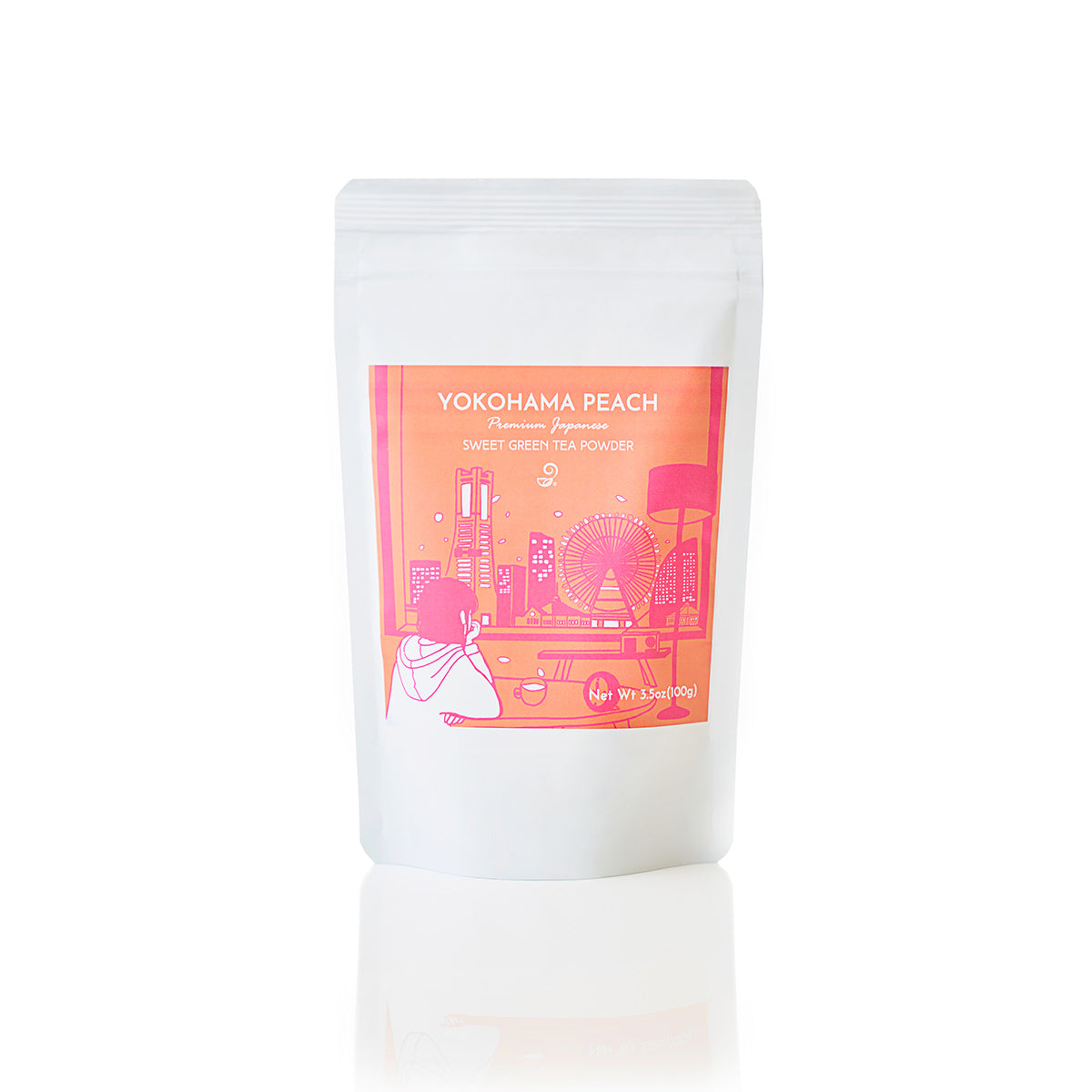
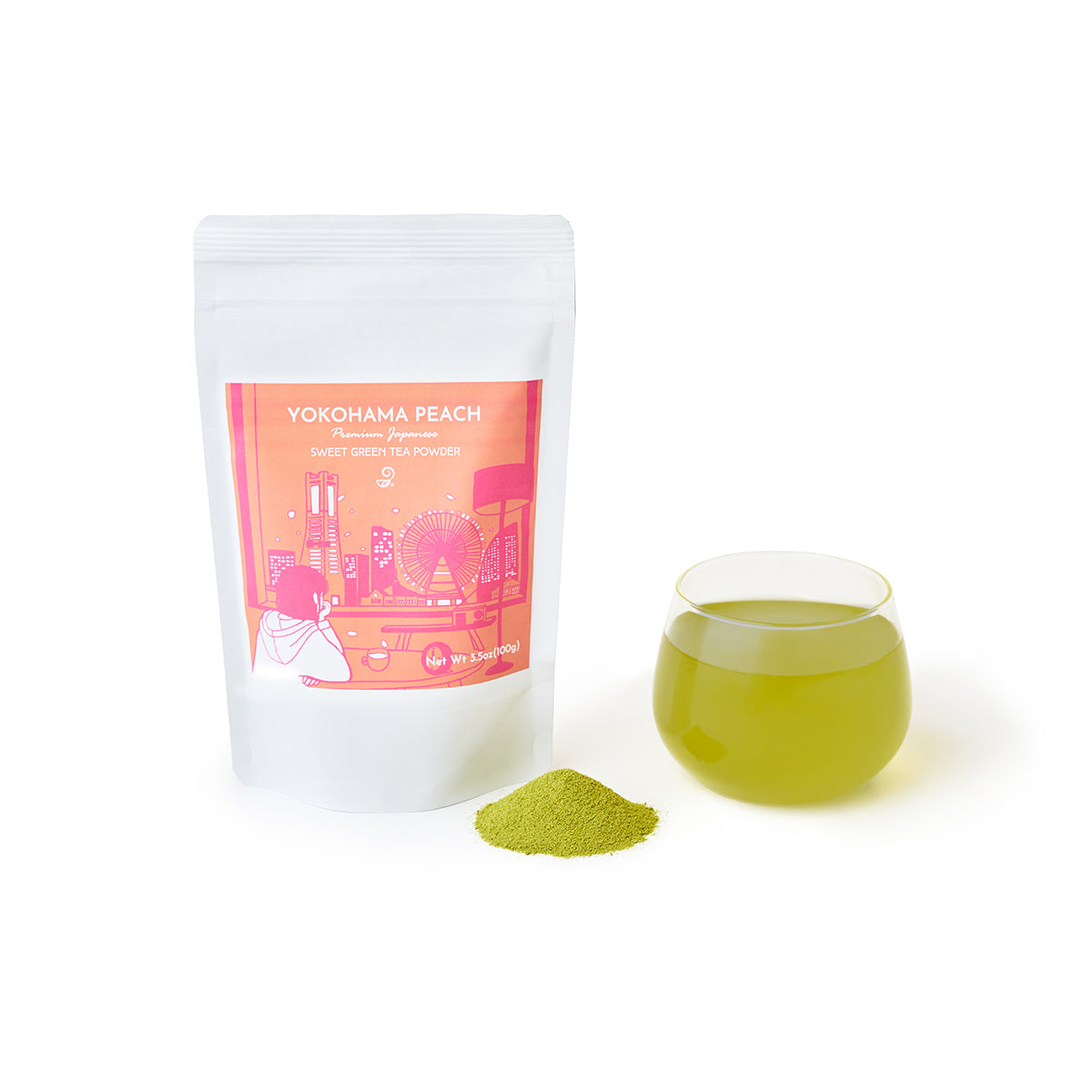
Yokohama Peach combines sweet, juicy peach (モモ) with premium Japanese sencha (煎茶) for a vibrant and refreshing tea experience. 

The rich, smooth flavor of sencha is enhanced by the delicate fruitiness of peach, creating a perfectly balanced cup that uplifts and satisfies.  

Whether enjoyed hot for a cozy treat or iced for a rejuvenating drink, Yokohama Peach adds a touch of elegance to any occasion. 

1 review

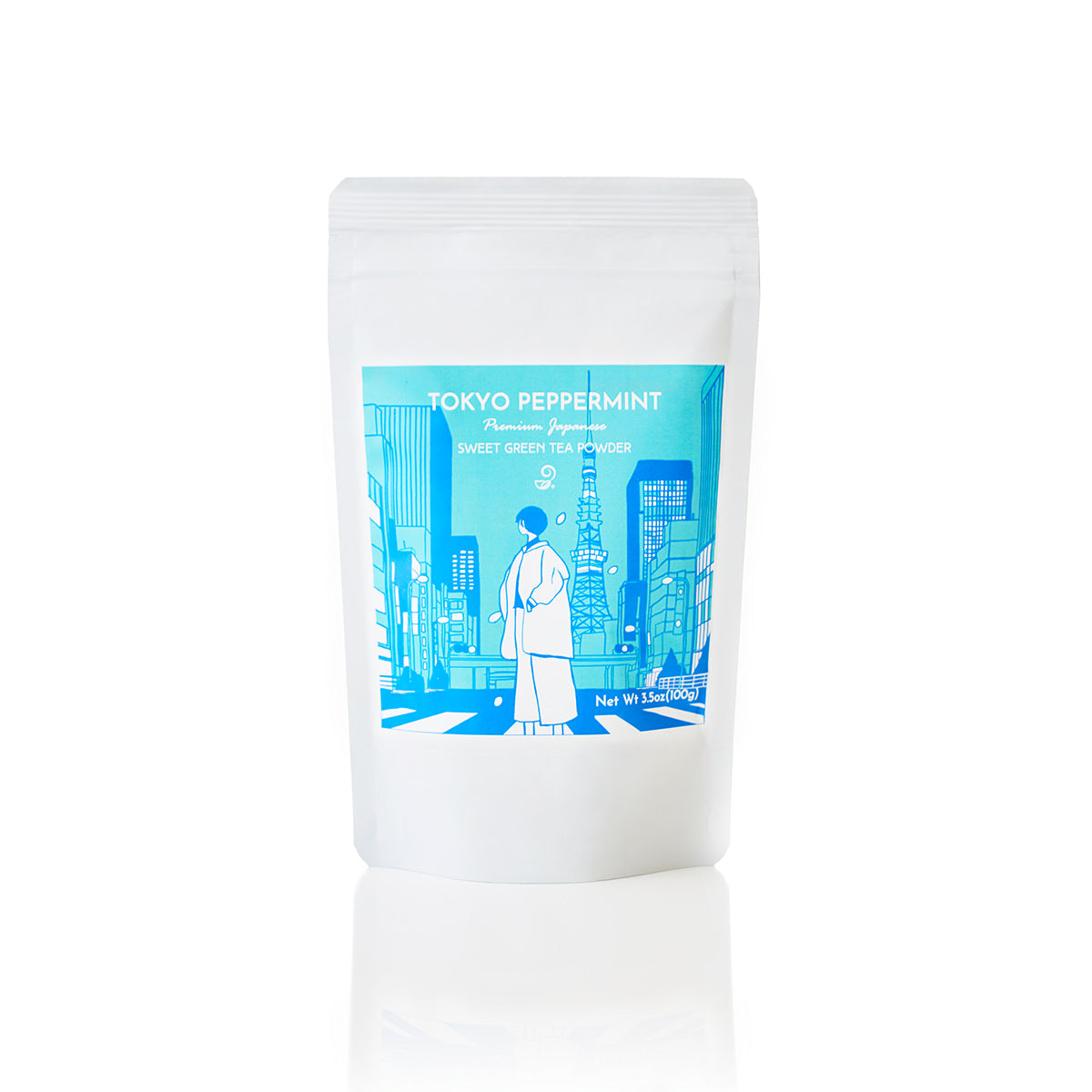
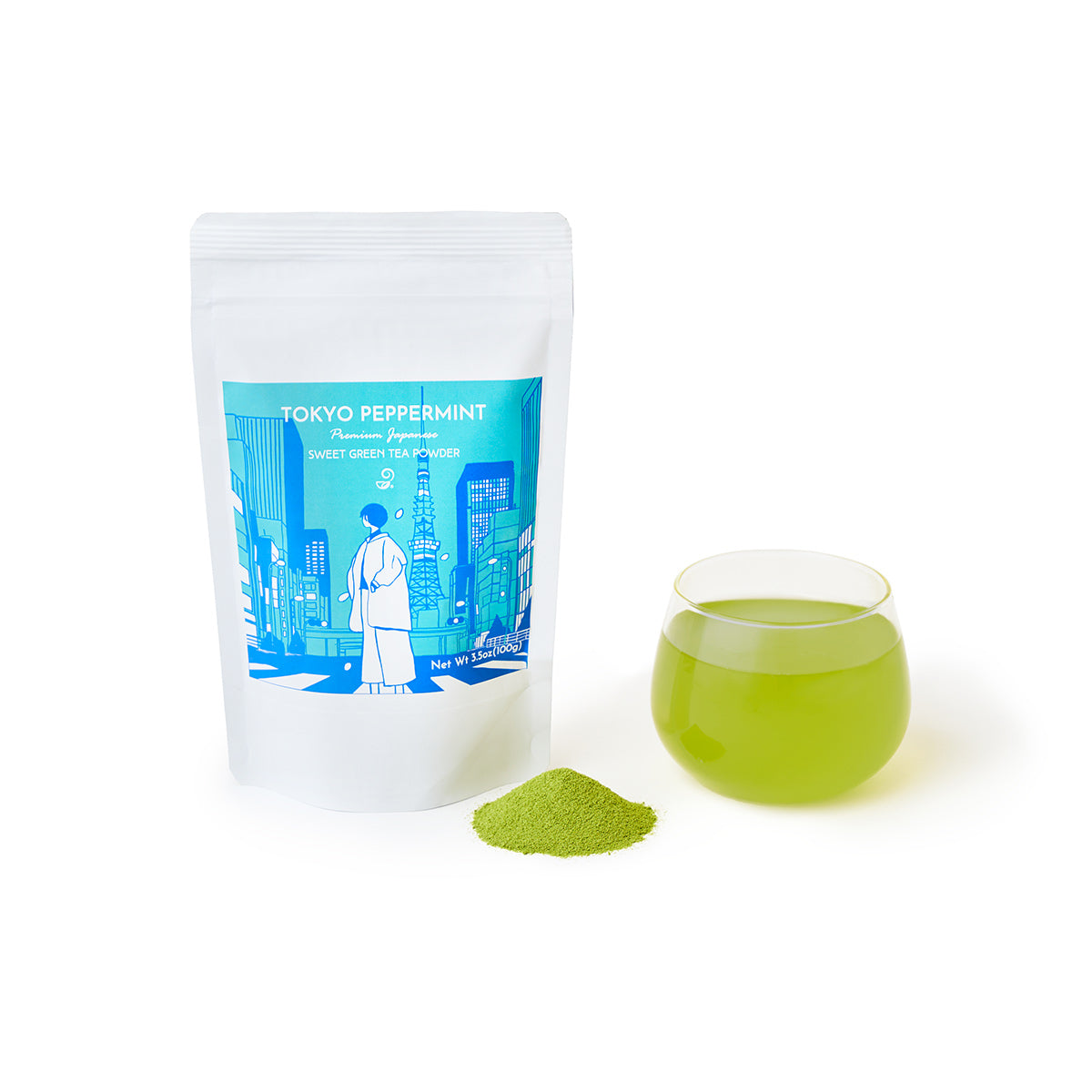
Tokyo Peppermint

$25.00
Quick view

Enjoy the refreshing mix of premium Japanese sencha (煎茶) and crisp peppermint (ペパーミント). 

Tokyo Peppermint perfectly blends earthy umami and cool freshness, making it ideal for both hot and iced preparations. 

It's the perfect tea for relaxation or a quick energy boost, crafted with high-quality ingredients for a modern twist on traditional Japanese tea. 

4 reviews

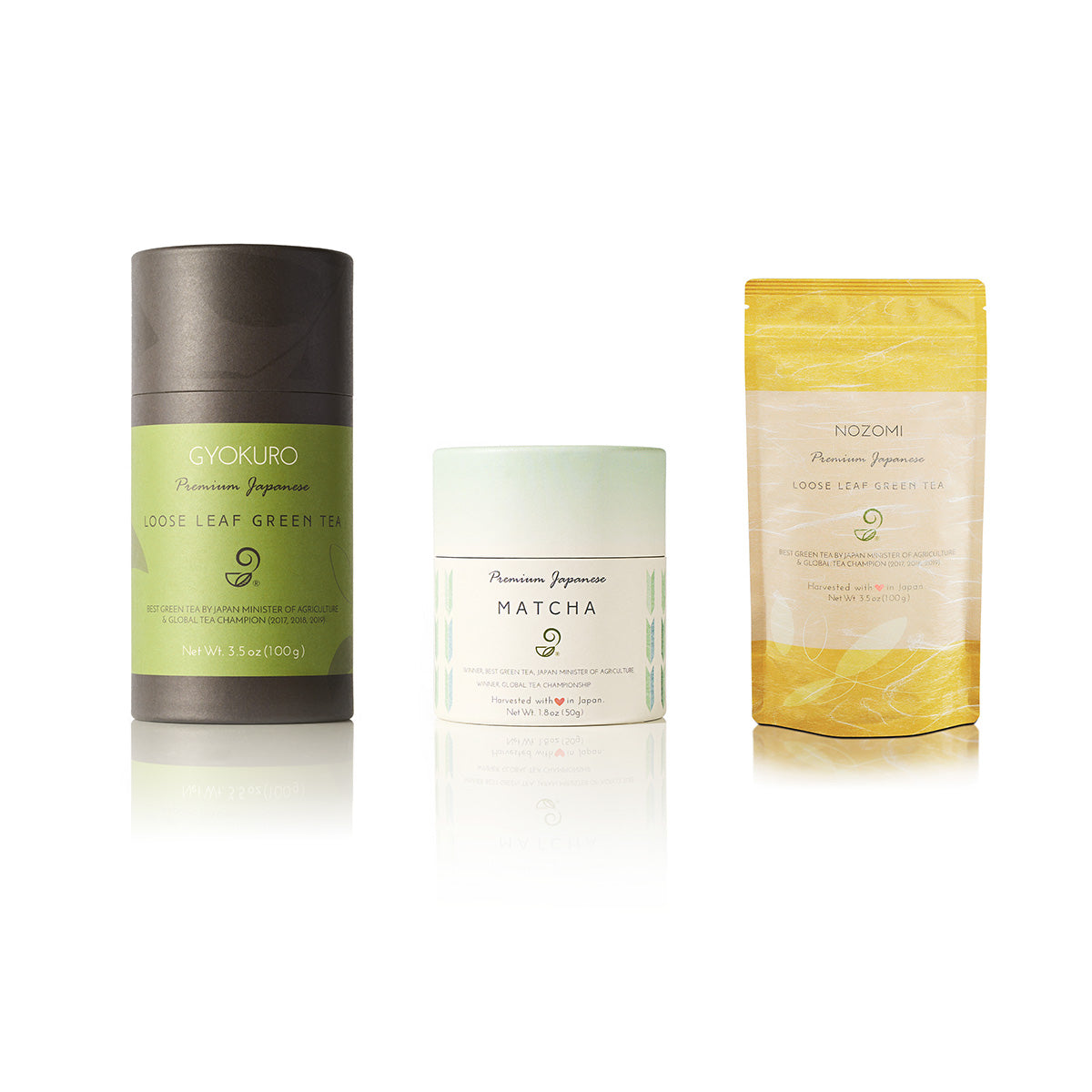
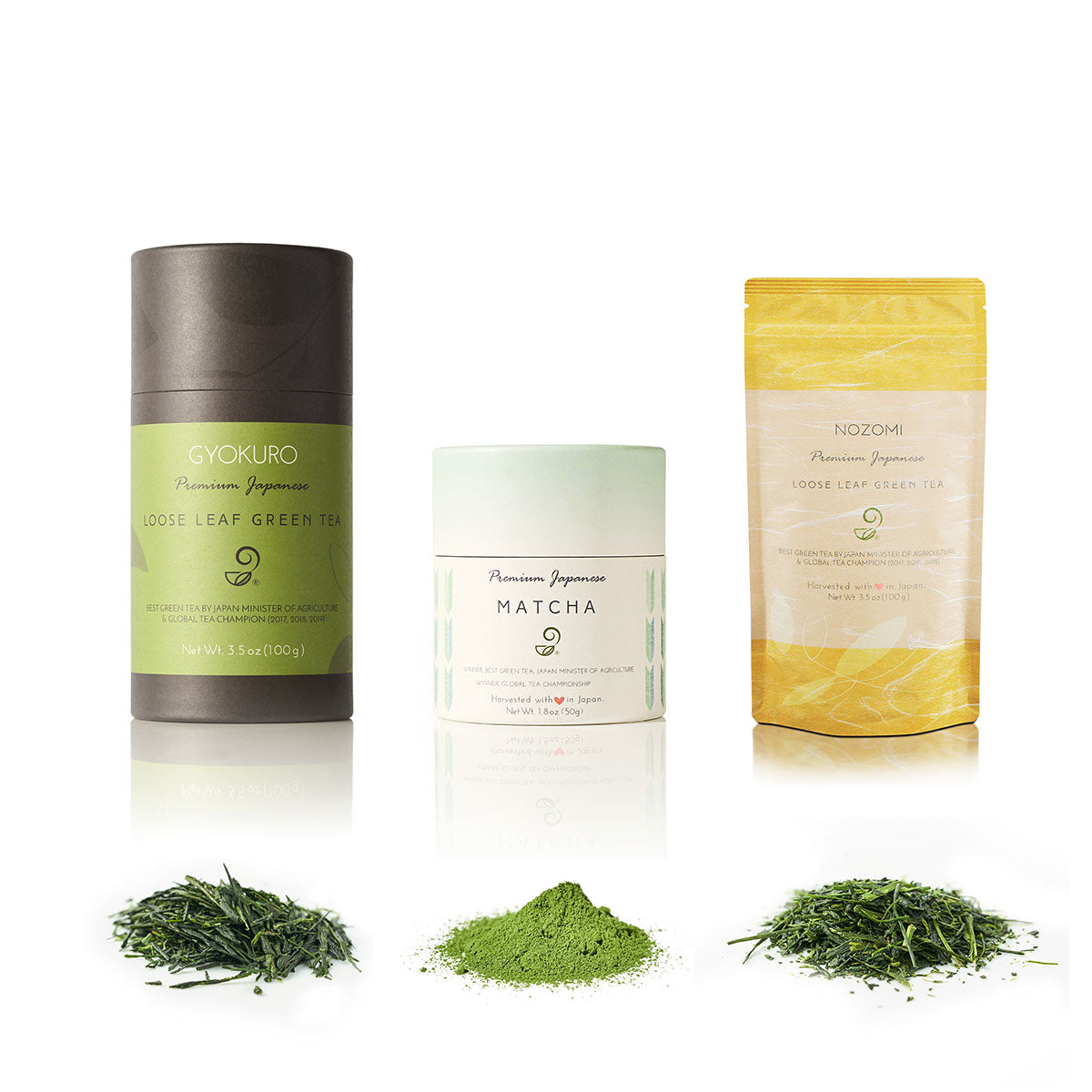
The Covered Trio Gift Set - Ceremonial Matcha, Gyokuro, and Nozomi Japanese Green Tea Set Package

$143.00 $128.00
Quick view

This tea set features three premium Japanese green teas, all cultivated in nutrient-rich sugarcane soil to enhance their flavor and natural sweetness. Gyokuro, a prized shaded green tea, is grown under special mats for 20 days to increase caffeine and amino acid levels, resulting in a rich, sweet taste and deep mossy green color. The set also includes a luxurious matcha, crafted from carefully shaded, hand-processed leaves and renowned for its smooth, aromatic flavor, developed in collaboration with researchers from Shizuoka University to maximize the benefits of the enriched soil. Completing the collection is Nozomi, a fine Kabuse-cha or "Covered Green Tea," where young tea leaves are gently shaded just before sprouting, producing a soft, refined flavor perfect for tea enthusiasts.


Related Articles You May Be Interested

Everything You Need to Know About Different Types of Japanese tea
25 Matcha Trivia You (Probably) Didn't Know
What Does Astringency Mean For Tea Drinking?
Why Is Matcha More Expensive Than Other Types Of Tea?
Everything You Need to Know about Covering Process for Matcha and Gyokuro
The Process Behind Your Cup of Matcha
Matcha-Infused Filipino Treats: Puto and Pancit Canton Combo

Get Free Bonus Books

Join Green Tea Club

Sign up for free to the Green Tea Club to get advice and exclusive articles about how to choose Japanese Tea, and tips, tricks, and recipes for enjoying Japanese tea.

Unsubscribe anytime. It’s free!

About the author

Kei Nishida

Kei Nishida

Author, CEO Dream of Japan

info@japanesegreenteain.com

Certification: PMP, BS in Computer Science

Education: Western Washington University

Kei Nishida is a passionate Japanese green tea connoisseur, writer, and the founder and CEO of Japanese Green Tea Co., a Dream of Japan Company.

Driven by a deep desire to share the rich flavors of his homeland, he established the only company that sources premium tea grown in nutrient-rich sugarcane soil—earning multiple Global Tea Champion awards.

Expanding his mission of introducing Japan’s finest to the world, Kei pioneered the launch of the first-ever Sumiyaki charcoal-roasted coffee through Japanese Coffee Co. He also brought the artistry of traditional Japanese craftsmanship to the global market by making katana-style handmade knives—crafted by a renowned katana maker—available outside Japan for the first time through Japanese Knife Co.

Kei’s journey continues as he uncovers and shares Japan’s hidden treasures with the world.

Learn more about Kei Nishida

Related Posts

Our Matcha Is Now at Pillow Talk Cafe in Pasadena — Master Japanese-Inspired Cake Makers

Our matcha is now at Pillow Talk Cafe Pasadena! Meet the cafe, try the Egg Heaven sando & Matchamisu, and see how th

Read More
Simply Donabe — New Cookbook from TOIRO's Naoko-san Is Out!

Simply Donabe is here! We celebrated TOIRO's Naoko-san's new cookbook at a special dinner at Camélia in DTLA — see our p

Read More
Introducing New Product - Meet Hojicha Powder
Introducing A New Product - Meet Hojicha Powder

Discover the game-changing Hojicha powder your kitchen has been waiting for — richer flavor, easier recipes, and surpris

Read More
Leave a comment

Your email address will not be published..

Cart

Your cart is currently empty.

Start Shopping

Select options