Skip to content

VA Pfau Thompson - Featured Tea Artist

I love and respect artists.

Thanks to this blog and tea-loving communities such as the Green Tea Club Private Facebook Group, I often have the opportunity to meet with great tea artists. I always wanted to use my blog to showcase my personal favorite tea artists who are in the Japanese tea industry.

This is my first attempt to do this.

Let me introduce VA Pfau Thompson, who lives in the USA but has lived in Japan. Here are her great tea artworks, and scroll down to her bio and message about her experience living in Japan.

I hope you enjoy it. If you are a tea artist and want me to introduce your artwork to the tea-loving community, please contact me here.

 Art by VA Pfau Thompson 

Lotus Teapots ready for the wood kiln


 Wood-fired lotus tea set and green lotus teacups


My kitty Frida inspects a wood-fired Lotus Teapot

Message from VA Pfau Thompson

I had been a double English Lit and Art major in my undergraduate studies before moving to Japan, and ceramics and pottery were two of my favorite classes. After teaching ESL for 3 years and traveling Japan, I decided to make it my career.

I attended the Aichi University of Fine Arts (愛知県立芸術大学) as a research student for a year and got to learn traditional Japanese Ceramics techniques.

The teapot lesson by a potter from Tokoname was my favorite! I learned how to make kyusu with spout-inset tea strainers, and since I am a bit of a "fussy" maker, I loved it! I still sometimes make this style of pot here in the US, but I don’t sell very many. Most people seem to think it is a "neti pot" because of the side handle. Anyways, now I am a full-time Ceramics and Sculpture instructor at a community college in southern Arizona, and I love educating my students and the community on pottery and tea!

I have been making pottery for over a decade, but I usually just sell it at craft fairs and locally and do not have an online store. My husband and I recently moved to a new house with room for a full studio for me, so my goal is to have my pottery business up and running within a year.

I absolutely LOVED living in Japan! I taught English in the public middle and elementary schools in Fuji-cho, Saga-ken, for 3 years (now I believe it has been absorbed by Saga City, and my older Hokuzan middle school is under a reservoir for the Fukuoka water supply).

Nearly every morning and afternoon at 10 and 3, I would enjoy tea and snacks in the teacher’s office break room with a few colleagues. I adored the gorgeous little snacks and made sure to get the best omiyage whenever I would travel to bring them back.

I had become a tea lover after visiting the UK and living there for a year, but I had never drunk properly prepared green tea before! It was delightful, and I came to love all the Japanese green teas, even the matcha, which was usually presented to me by third-grade students who made very amusing faces at the bitterness.

I am excited to do a better job of showing my work online and selling it in other venues once I get my private studio up and running.

FAQs about Tea Artists and Tea-Related Art

Several specialty traditions. Ceramic artists making chawan (matcha bowls), kyusu (teapots), and other tea utensils — Tokoname, Hagi, Bizen, and Raku potters specialize in tea-utensil-grade ceramics. Calligraphers producing kakemono (hanging scrolls) for tea rooms — usually Zen monks or trained tea-school calligraphers. Bamboo artisans crafting chashaku (tea scoops) and chasen (whisks).

Modern adaptations: tea-themed photographers documenting tea farms and ceremonies, painters and illustrators creating tea-cultural imagery, video artists producing meditative tea content. The category has expanded as Japanese tea culture has gained international audience over the past 30 years.

In the very traditional sense, "tea artist" usually means a tea-utensil maker (potter or bamboo craftsperson) whose work is intended for actual ceremony use rather than display-only. The functional craft tradition is distinct from purely-decorative tea-themed art.

How does tea ceremony connect to other Japanese art forms?

Centrally — tea ceremony was historically the integrative practice that drew together calligraphy, ikebana (flower arranging), pottery, architecture, and gardening. All of these arts developed alongside tea practice and contribute to the full tea-room experience. Studying tea ceremony seriously means encountering all these adjacent arts over time.

The artisans who made tea utensils were considered cultural figures, not just craftspeople. Raku Chōjirō (founder of the Raku ceramic line, commissioned by Sen no Rikyū) is in major museum collections worldwide. Same goes for famous calligrapher-monks like Ikkyū Sōjun whose scrolls hang in tea rooms today.

This integration is part of why Japanese tea ceremony is more culturally significant than it might appear from the outside. It's not just "making tea formally" — it's the practice that crystallized Japanese aesthetic philosophy across multiple art forms. Studying tea is a gateway to broader Japanese cultural understanding.

Where do I commission or buy tea-themed art for my home?

Multiple paths at different price points. Specialty Japanese ceramic galleries in Kyoto, Tokyo, and major Japanese cities sell directly from artisans — prices range from hundred-dollar functional pieces to museum-grade thousands of dollars. Online platforms like Yunomi.us and Ippodo's international shop carry curated artisan-made tea utensils.

For calligraphy: contemporary Japanese calligraphers accept commissions through their galleries and online presence. A custom piece with a meaningful phrase costs in the low hundreds; museum-grade work from established artists runs much higher. Vintage and second-hand kakemono from antique markets offer interesting middle-ground pricing.

For more accessible tea-themed art: high-quality prints of Japanese tea imagery, photography, and contemporary illustrations work as decorative pieces without ceremonial-use intent. Artist-direct platforms like Etsy have many talented contemporary artists creating tea-themed work at affordable prices.

Is tea-themed photography or modern art a legitimate category?

Yes, growing rapidly. Modern tea-themed photography has become a meaningful art category — documenting tea farms, ceremony moments, brewing rituals, and the broader Japanese tea aesthetic. Several Japanese photographers specialize in this work and produce coffee-table books, gallery exhibitions, and online portfolios.

Modern tea-themed visual art (paintings, illustrations, video art) draws from the wabi-sabi aesthetic but applies it to contemporary contexts. Some of this work is genuinely good; some is generic Japanese-aesthetic content with tea references. Looking at specific artists' bodies of work helps identify quality.

If you're decorating with tea-themed art, mixing traditional and modern often produces the most interesting result. A traditional kakemono alongside a contemporary tea-themed photograph creates aesthetic depth that pure traditionalism or pure modernism doesn't.

How do I integrate tea-themed art into my home without overdoing it?
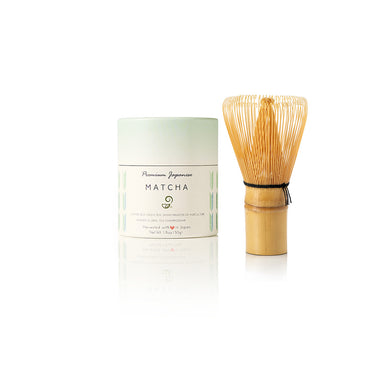
Restraint is the principle. Pick one corner of your home and apply tea-aesthetic principles — minimal decoration, one quality object as focal point, seasonal accent. This doesn't have to be a full tea room; it can be a kitchen corner or entry table. The matcha + chasen whisk set can serve as the focal aesthetic object even for non-ceremonial daily tea practice.

What this looks like in modern homes: a small wooden tray with a single chawan, a small ceramic vase with one seasonal sprig (cherry blossom in spring, pine in winter), maybe a small framed Japanese calligraphy phrase. Total cost: $50-200 depending on quality of objects.

Avoid: trying to make your whole home Japanese-styled if it's not naturally that. The contrast of one wabi-sabi corner against an otherwise Western home is more aesthetically powerful than committing to full Japanese styling. Restraint and selectivity over completion.

Related products

8 reviews

The Sencha Lover Gift Set - Premium Japanese Green Tea Set Package
$179.00 $159.99
Quick view

This tea set features three exceptional Japanese green teas, each crafted with care and traditional techniques. Issaku Reserve, a Global Tea Champion winner in 2017 and 2019, is a rare masterpiece created by Farm Master Mr. Arahata at Arahataen Green Tea Farm. Handpicked once a year from the first flush and processed with advanced methods, Issaku represents the highest-grade deep-steamed green tea, available only in limited quantities even in Japan.

The set also includes Gyokuro, a premium shaded green tea known for its rich, sweet flavor and deep mossy green color. Grown under special mats for 20 days to increase caffeine and amino acid levels, Gyokuro offers a layered, smooth taste unlike any other. Completing the collection is Nozomi, a fine Kabuse-cha, or "Covered Green Tea," carefully grown under nets to gently shade the leaves just before new sprouts emerge, resulting in a soft, rich, and refined flavor profile.

97 reviews

Gyokuro - Shaded Imperial Premium Green Tea

$65.00
Quick view

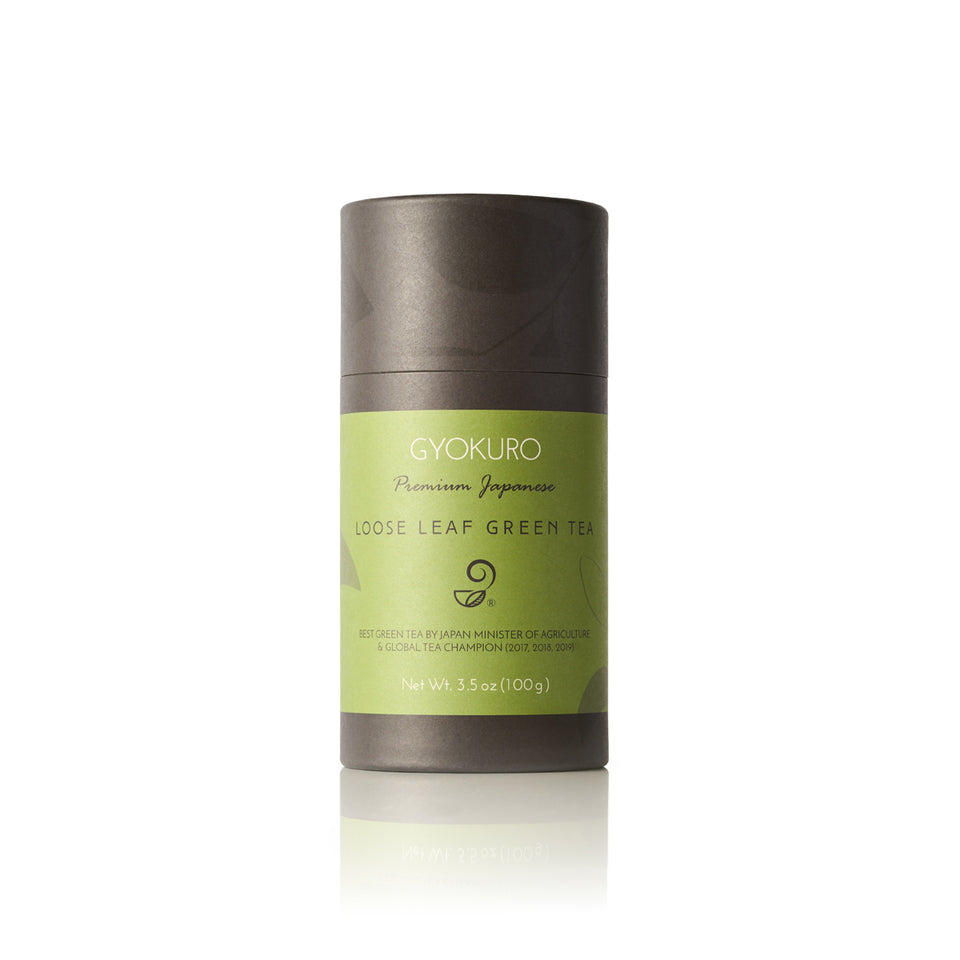
Gyokuro, also known as "jade dew" or "jewel dew tea," is a premium Japanese green tea shaded from the sun for 20 days using specially made mats, a method that boosts caffeine levels and strengthens amino acids to create a sweeter, richer flavor. This extended shading process results in dark, mossy green leaves with an unmistakable aroma and a complex taste that is layered yet balanced. Cultivated by the Chagusaba method in nutrient-rich sugarcane soil and made from the Yabukita cultivar, this loose-leaf authentic Gyokuro is offered in a high-quality, air-tight paper tube canister (chyazutsu) to preserve its exceptional freshness and flavor. Each 3.5 oz (100g) full-size package steeps 30–40 cups, and a convenient single-serve sample is also available.

45 reviews

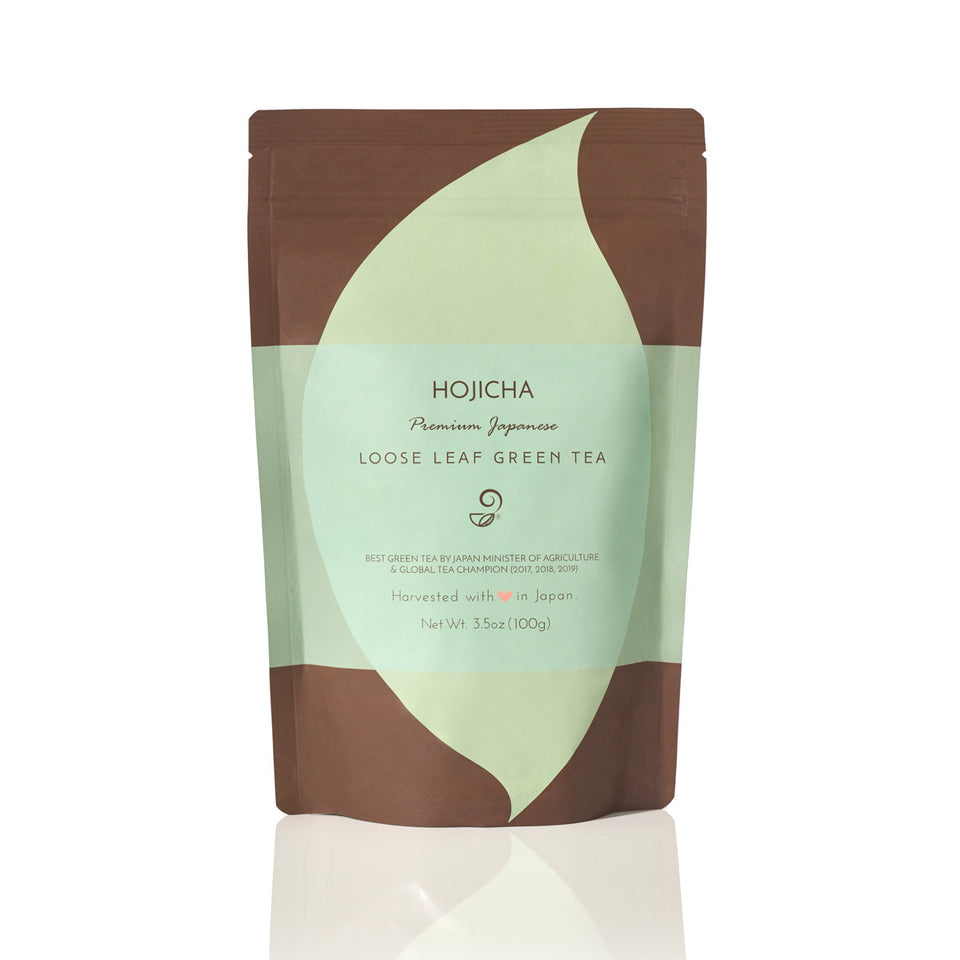
Hojicha - Roasted Green Tea

$25.00
Quick view

Our roasted green tea, known as hojicha (ほうじ茶), is crafted from freshly harvested premium green tea carefully roasted in porcelain over charcoal to maximize flavor while retaining more catechins than typical hojicha on the market. With lower caffeine and a smoother, less bitter taste compared to steamed green tea, it is an ideal choice for evening relaxation and is gentle enough for kids and pregnant women. Cultivated using the Chagusaba method in nutrient-rich sugarcane soil, this loose-leaf authentic Japanese roasted green tea, made from the Yabukita cultivar, also pairs beautifully with oily foods. Each eco-friendly resealable package contains 3.5 oz (100g) of tea, enough to steep 30–40 comforting cups.

80 reviews

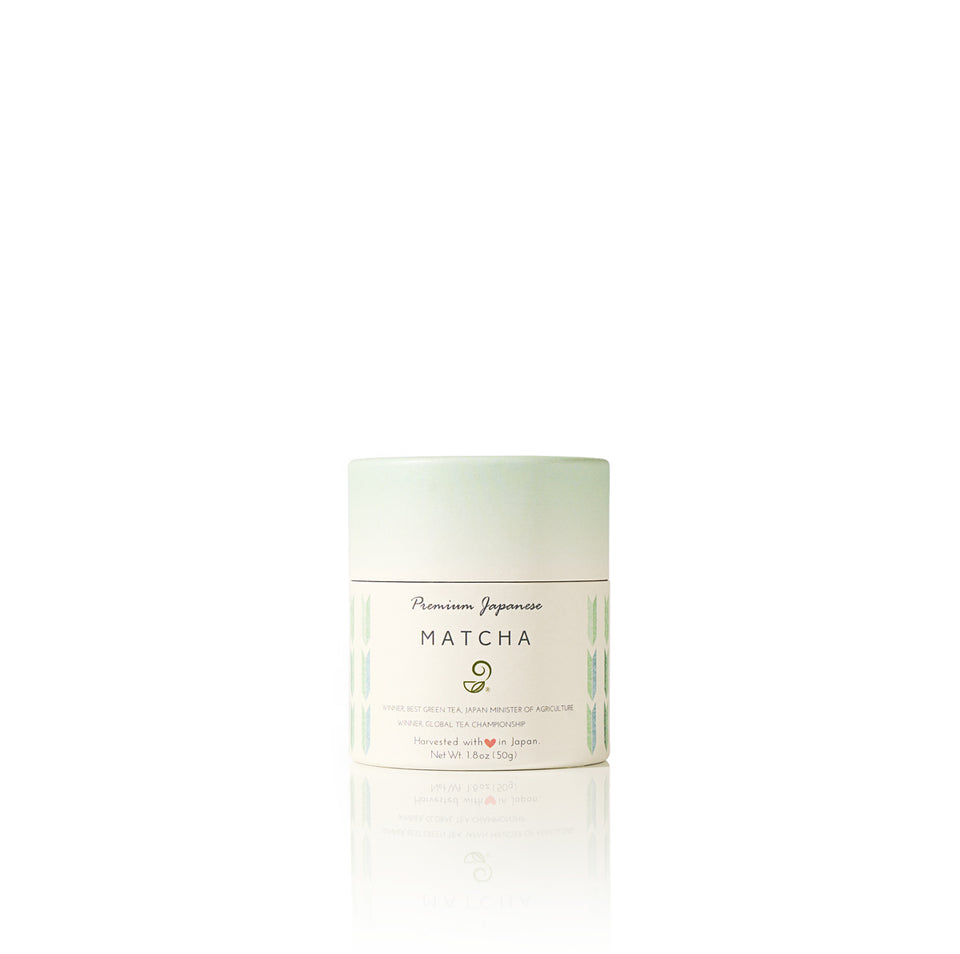
Matcha - Ceremonial Japanese Powdered Green Tea

$39.00
Quick view

This ceremonial matcha is crafted from the finest Japanese green tea, grown in nutrient-rich soil enhanced with compostable grasses and sugarcane through the Chagusaba method, which gives the tea a natural sweetness and exceptional flavor. In collaboration with researchers from Shizuoka University, farmers ensure that the soil quality consistently produces tea of the highest standard.

Renowned among top Japanese chefs for its unmatched aroma, this matcha is made by carefully shading the plants before harvest to boost caffeine and amino acids, then meticulously drying, de-stemming, and grinding the leaves into a fine powder. Made from the Yabukita cultivar, this 1.8 oz (50g) matcha comes in a high-quality, air-tight paper tube canister, providing a luxurious and authentic Japanese tea experience.

42 reviews

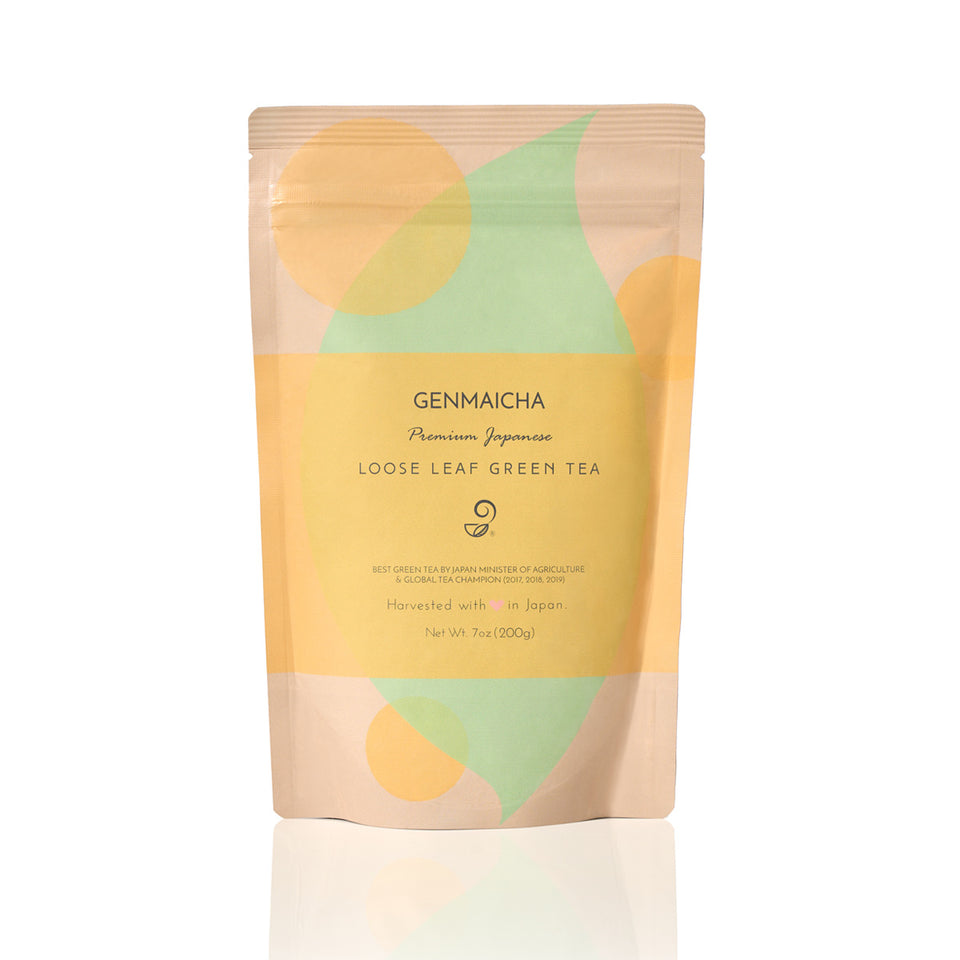
Genmaicha - Green Tea with Roasted Brown Rice

$30.00
Quick view

Our premium Japanese Genmaicha blends high-quality green tea with roasted popped brown rice (genmai 玄米), often nicknamed "popcorn tea" because the roasting process sounds like popcorn popping. Popular especially among the older generation in Japan for its mild flavor and lower caffeine content, this tea is easier on the stomach while still offering a rich, comforting taste. The brown rice used is premium Japanese mochi-gome (もち米) sticky rice, enhancing the tea’s nutty, aromatic profile. Made from Fukamushi Sencha and cultivated using the Chagusaba method in nutrient-rich sugarcane soil, this Genmaicha features the Yabukita cultivar and comes in a 7.0 oz (200g) eco-friendly resealable package, enough to steep 50–60 cups.


Related Articles You May Be Interested

Can Teapot Make Your Green Tea Taste Better? - Facts About Tokoname Teapot (常滑急須)
Can Teapot Make Your  Green Tea Taste Better?  - Facts About  Tokoname Teapot (常滑急須)
Which Tea Kettle Should I Use to Brew Japanese Green Tea?
Where Different Types of Japanese Tea are Grown
How to Select Japanese Green Tea? - The Expert Advice
How to Select Japanese Green Tea?  - The Expert Advice
Is It Safe to Consume Grapefruit and Green Tea Together? – Green Tea Quiz

Get Free Bonus Books

Join Green Tea Club

Sign up for free to the Green Tea Club to get advice and exclusive articles about how to choose Japanese Tea, and tips, tricks, and recipes for enjoying Japanese tea.

Unsubscribe anytime. It’s free!

About the author

Kei Nishida

Kei Nishida

Author, CEO Dream of Japan

info@japanesegreenteain.com

Certification: PMP, BS in Computer Science

Education: Western Washington University
Kei Nishida is a passionate Japanese green tea connoisseur, writer, and the founder and CEO of Japanese Green Tea Co., a Dream of Japan Company.

Driven by a deep desire to share the rich flavors of his homeland, he established the only company that sources premium tea grown in nutrient-rich sugarcane soil—earning multiple Global Tea Champion awards.

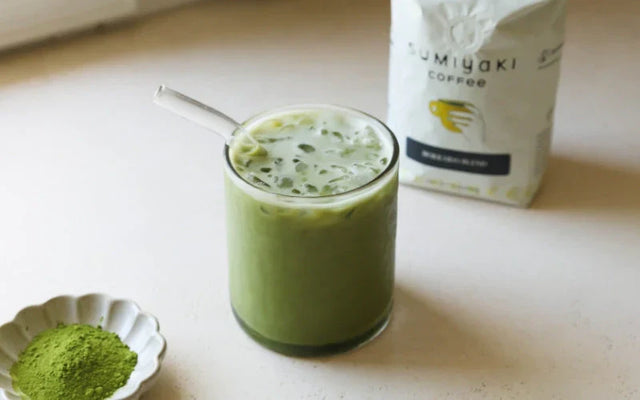
Expanding his mission of introducing Japan’s finest to the world, Kei pioneered the launch of the first-ever Sumiyaki charcoal-roasted coffee through Japanese Coffee Co. He also brought the artistry of traditional Japanese craftsmanship to the global market by making katana-style handmade knives—crafted by a renowned katana maker—available outside Japan for the first time through Japanese Knife Co.

Kei’s journey continues as he uncovers and shares Japan’s hidden treasures with the world.

Learn more about Kei Nishida

Related Posts

OC Japan Fair April 2026 — Visit Us at Booth #A8!
OC Japan Fair Spring 2026 Recap (April 3 - 5 2026)

We were at OC Japan Fair again! April 3-5 2026 with new products, Miki Pon's art debut and more. Here is a recap video f

Read More
Super Mario and Japanese Green Tea

Super Mario and green tea share a hometown! Watch our Yoshi Matcha Cookies video recipe + discover how Nintendo and matc

Read More
Our Matcha Is Now at Pillow Talk Cafe in Pasadena — Master Japanese-Inspired Cake Makers

Our matcha is now at Pillow Talk Cafe Pasadena! Meet the cafe, try the Egg Heaven sando & Matchamisu, and see how th

Read More
Leave a comment

Your email address will not be published..

Cart

Your cart is currently empty.

Start Shopping

Select options