Skip to content

Meditation in Japanese: Why Japanese People Drink Tea in a Special Way

The classical Japanese tea ceremony itself, in the modern form known to us, was formed in the XVI century by the tea master Sen no Rikyū. Thus, tea as a simple drink has become the basis of a deep philosophy and meditative practice aimed at cognition and self-improvement through the beauty of simple things.

If you want to diversify your life and your vacation, try Japan for a taste! This has every chance to become one of the most unforgettable experiences of your life! You can rent a car at one of the car rentals to explore all corners of Tokyo or Kyoto. You can drive to Sendai and immerse yourself in the samurai era by hiring a car. You can easily move between the island's ski resorts on Hokkaido with a rental car.

japanese ceremony

But today we will talk about tea and special tea ceremonies. This is a specific, complex ritual with incredible aesthetics and many subtleties of execution.

The four principles of the ceremony

Sei – purity of body and spirit. Before the ceremony, it is customary to clean the room and dishes.

Ke – respect. Means equality among the people present. In a teahouse, it doesn't matter who you are.

Wa – harmony. It is the meaning of the whole action, encouraging people to become a little bit happier. This is facilitated by the entourage; the decoration of the tea house is always simple: a tatami mat on the floor, a tea hearth, a lack of furniture, and distracting details.

Jaku is a calmness that can be compared to enlightenment. The tea ceremony is a meditation in motion. The chamber space of the tea house embodies a model of an ideal Universe where time flows; differently, all the stress is gone and there is nothing superfluous.

Where the ceremony is held

Japanese tea drinking takes place in a special place; as a rule, it is a garden in which there is a path leading to the tea house.

The garden is designed in such a way that being in it immerses you in an atmosphere of calm, self-care, and tranquility. Therefore, they are usually small and very cozy. Preference is given to evergreens; there are also stones and lanterns with soft light.

japanese ceremony

The paths are paved with natural stone and can be executed in any form pleasing to the owner. The path ends near the house, where there is a well in which guests perform a ritual ablution.

The house is usually modest and small in size, with a small window letting in weak light.

How is the ceremony going

On the way to the tea ceremony, the guests met with water several times. First, washing the hands and mouth is performed using a bamboo ladle. After that, sitting on a special bench, the guests contemplate the beauty of the garden and are filled with peace.

The owner, who is also a master, invites guests to the tea house, greets them with a bow, and serves lunch as a treat. Then sweets are served, and the master makes a thick tea. Later, expensive tea utensils are shown, and sweets and light tea are served at the end. He pours the powdered tea powder into hot water and whisks it until a light foam forms with a special bamboo whisk. The guests watch the master's movements in silence, enjoying the aesthetics of each gesture.

The ceremony lasts about 4 hours and consists of three stages: eating, drinking "thick" and then "liquid" tea. In the end, the host apologizes, bows to the guests, and leaves the room. This is the final chord of the ceremony.

Tips for visiting a Japanese tea ceremony

There is "high tea," when the ceremony is held in silence, and "light" tea, when a light, pleasant conversation is allowed.

At the ceremony, it is necessary to be a guest and a participant in the action, not just a spectator.

It is customary to prepare for the ceremony. It is important to choose comfortable clothes so that it is comfortable to sit on the tatami without damaging it.

Try it; maybe this experience will turn your life around!

FAQs about Japanese Tea as Meditation Practice

Why is Japanese tea drinking considered a form of meditation?

Two reasons that compound. First, the chemistry: L-theanine in green tea genuinely produces alpha brain wave activity similar to what experienced meditators produce. Drinking tea creates a brief brain-state shift that overlaps with meditation's effect.

Second, the ritual: Japanese tea drinking traditionally emphasizes sustained attention to a sequence of small actions — heating water, measuring leaves, watching the steep, pouring, drinking. Each step receives full attention rather than being rushed through. This focused-attention pattern is itself a form of meditation, regardless of the tea's chemistry.

The combination is what makes Japanese tea practice meaningfully meditative — chemistry plus ritual reinforcing each other. Western tea drinking, where someone steeps a teabag while doing email and drinks the tea while looking at their phone, doesn't produce the same effect because the ritual component is absent.

What's the actual difference between drinking tea casually and drinking tea meditatively?

Attention. Casual tea drinking: tea is the background to other activities (work, conversation, scrolling). Meditative tea drinking: tea is the foreground; everything else stops. The chemistry is the same; the experience is dramatically different because the brain-state is different.

Practical difference: a 5-minute meditative tea practice — pause work, pour deliberately, breathe, drink while paying attention to the taste and warmth, then return to work — produces a measurable cognitive reset. The same tea drunk while working produces caffeine + L-theanine but misses the structural pause that's most of the meditation benefit.

Most committed Japanese tea drinkers I know maintain at least one meditative tea moment per day, even if other tea consumption through the day is more functional. The morning bowl of matcha or the evening pot of hojicha gets the deliberate attention; the work-day cups can be more casual.

Do I need formal tea ceremony training to drink tea meditatively?
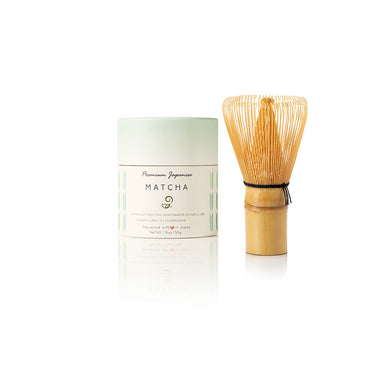
No. Formal tea ceremony is one valid path; daily home practice is another. The core practice is straightforward: brew tea slowly with full attention, drink slowly with full attention, that's it. The ceremonial structure adds layers of meaning and depth but isn't strictly necessary for the meditative-attention component. The matcha + chasen (茶筅) whisk set supports a basic home-practice version of meditative matcha preparation.

If you want to develop the practice deeper, formal tea-ceremony classes (Urasenke, Omotesenke, Mushakōjisenke schools all teach beginners) provide structured progression and connection to centuries of refined practice. Daily home practice provides the consistency that makes meditation work; ceremonial practice provides depth.

Combination is fine: daily simple home practice (5 minutes, basic structure) for consistency, occasional formal lessons or workshops for depth and inspiration. Most longtime tea practitioners do something like this.

What's the easiest meditative tea practice for someone who's never meditated?

Three-minute practice that requires nothing special. Set down phone and laptop. Brew a cup of any tea you have at hand (no need for matcha or fancy equipment). While the water boils, pay attention to the sound. While the tea steeps, watch it (or close your eyes and notice your breathing). While drinking, notice the temperature, taste, and how the warmth moves through your body.

That's it. Three minutes of deliberate attention-on-the-tea. The mind will wander; gently return attention to the tea. After 7-10 days of this practice, most people notice that the brief pause feels increasingly valuable as a daily reset rather than as time spent.

Once the basic practice feels comfortable, you can extend to 5-10 minutes, add equipment (kyusu, chawan), introduce specific Japanese tea types, or layer in more elements (incense, calligraphy, seasonal flowers). The progression is natural; don't force it.

Is there a Japanese term for this kind of tea practice?

Yes — sadō (茶道, "the way of tea") or chadō (same characters, different reading) is the formal term for tea ceremony as a spiritual path. It's distinct from chanoyu (茶の湯, literally "tea hot water"), which refers more to the technical practice of tea ceremony. Both terms appear in Japanese tea-cultural writing.

For daily home practice that doesn't rise to ceremonial level, there's no specific traditional term — it's just "drinking tea mindfully" or "tea practice" in casual Japanese conversation. The formal vs. informal practice distinction is meaningful in Japanese tea culture; not every tea drinker is doing chadō, even if they're being mindful about it.

The four principles (wakeiseijaku 和敬清寂 — harmony, respect, purity, tranquility) attributed to Sen no Rikyū are the canonical guideposts for both formal ceremony and informal mindful tea practice. Holding these principles in mind during any tea drinking shifts the experience toward the meditative-and-meaningful side regardless of how elaborate the setup is.

Related products

8 reviews

The Sencha Lover Gift Set - Premium Japanese Green Tea Set Package
$179.00 $159.99
Quick view

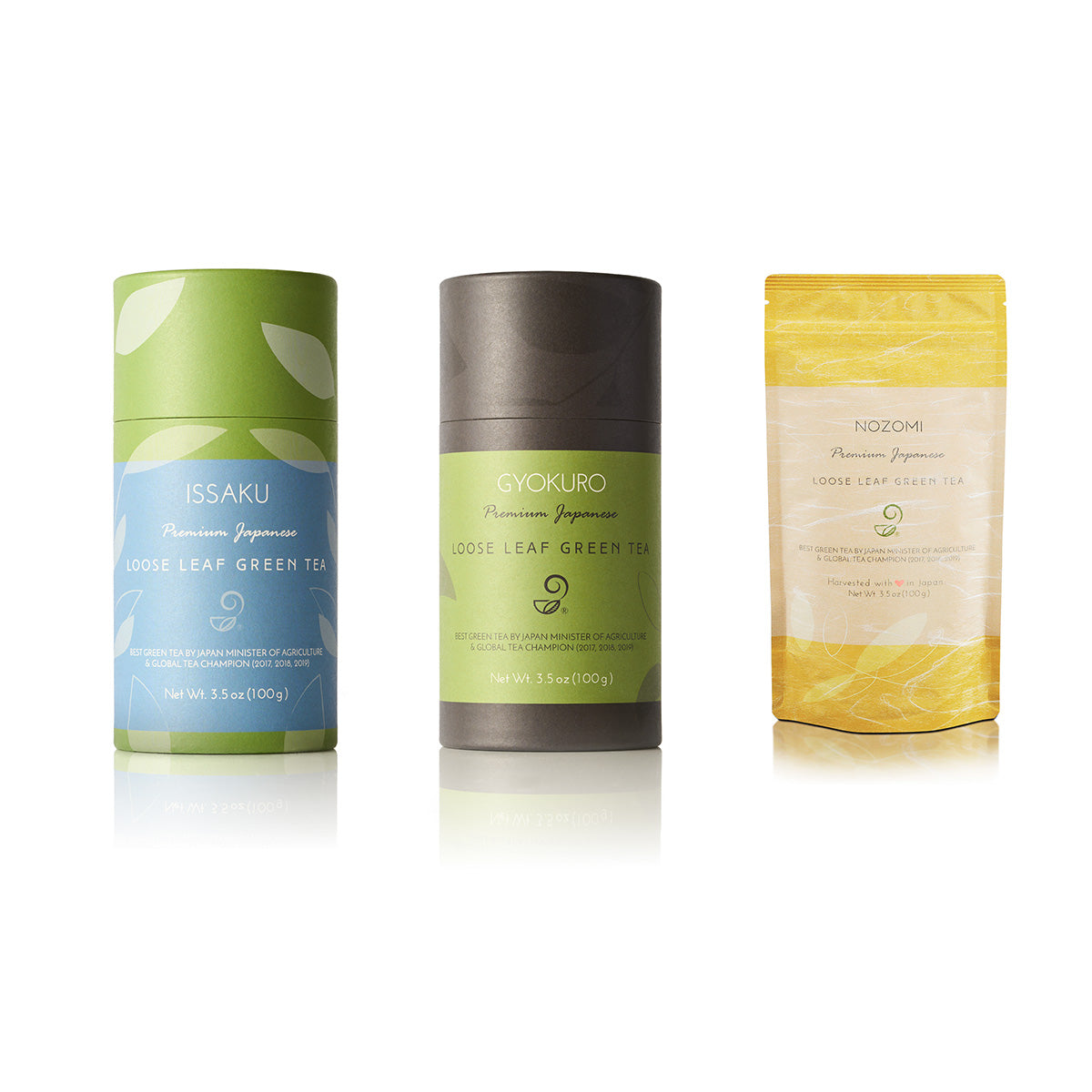
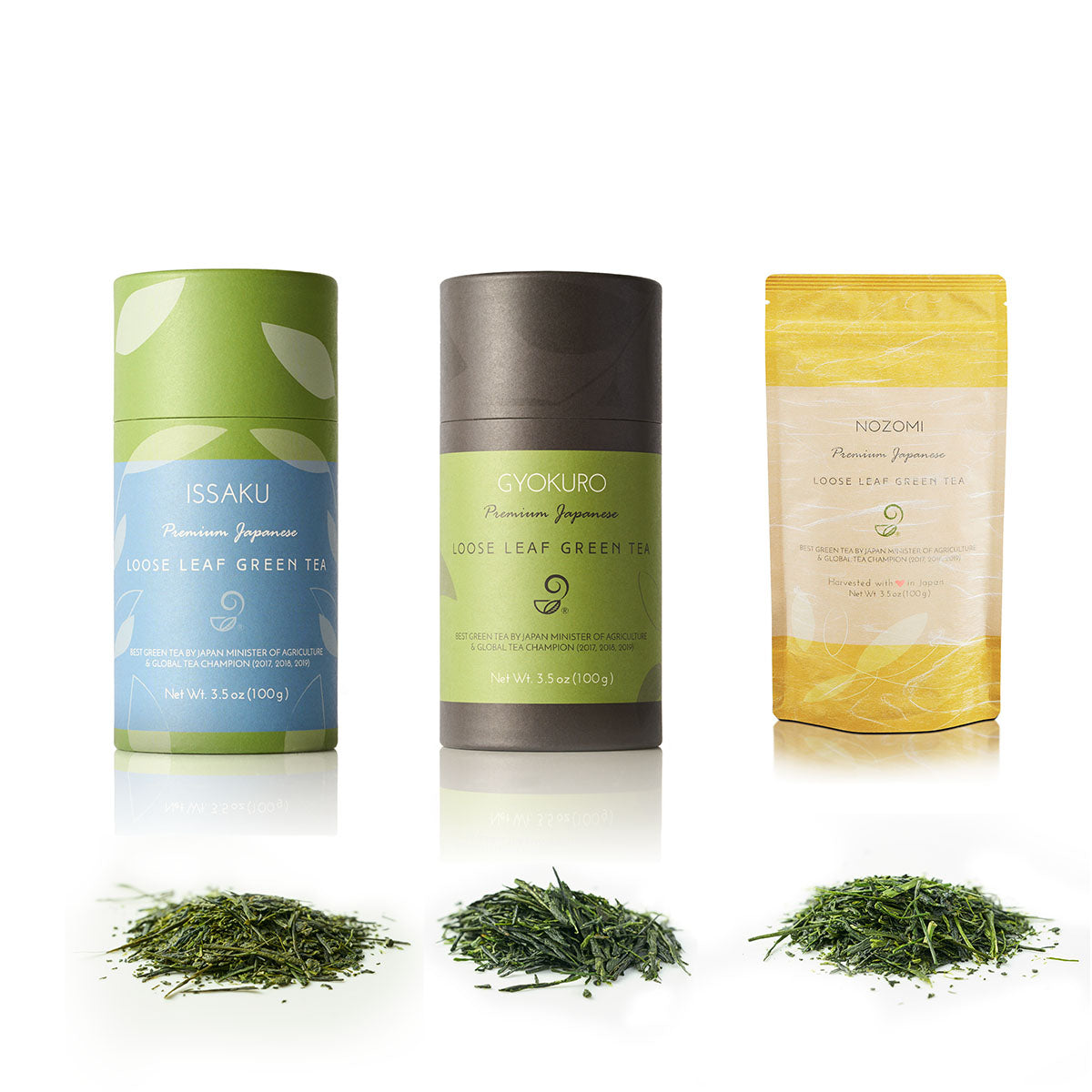
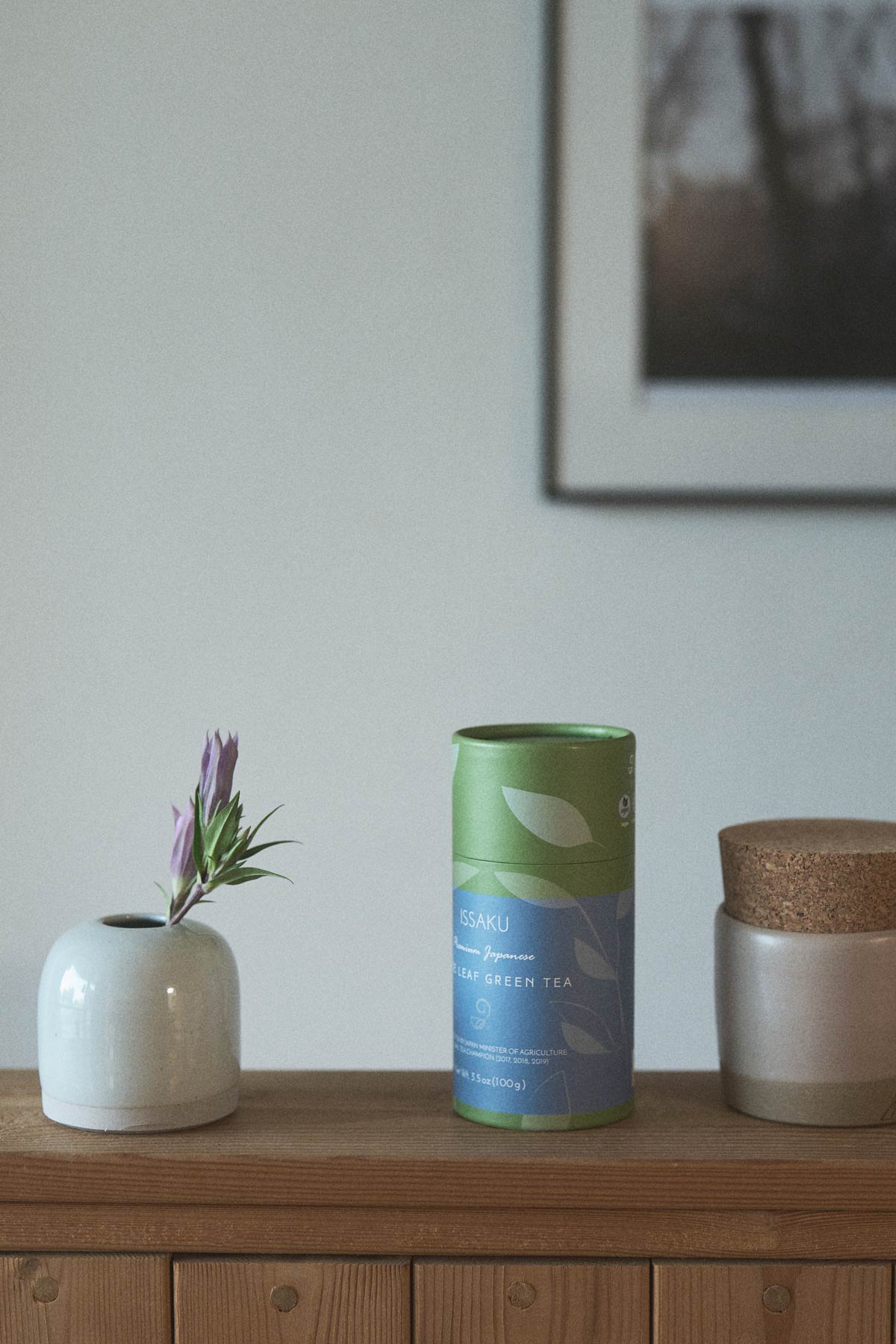
This tea set features three exceptional Japanese green teas, each crafted with care and traditional techniques. Issaku Reserve, a Global Tea Champion winner in 2017 and 2019, is a rare masterpiece created by Farm Master Mr. Arahata at Arahataen Green Tea Farm. Handpicked once a year from the first flush and processed with advanced methods, Issaku represents the highest-grade deep-steamed green tea, available only in limited quantities even in Japan.

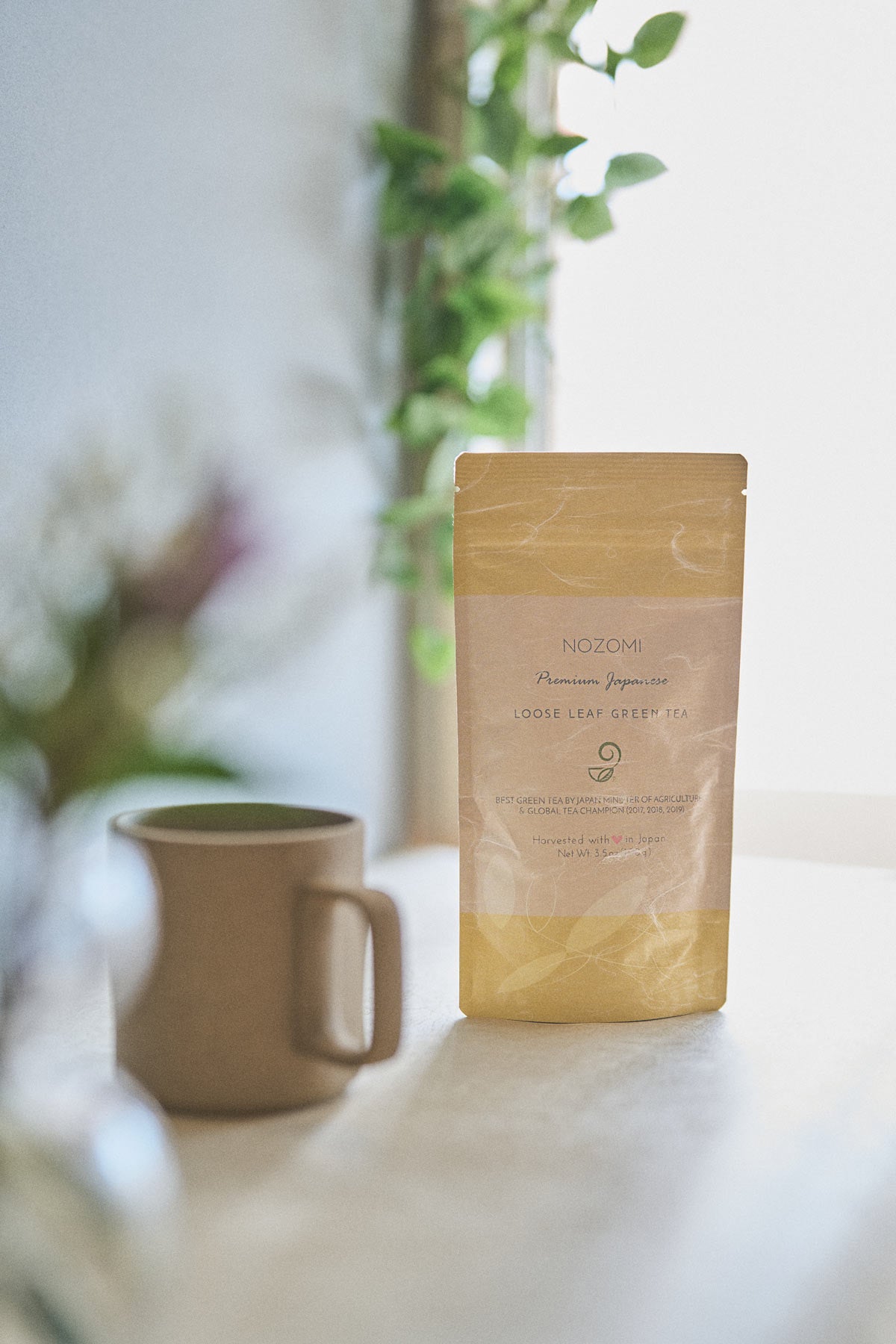
The set also includes Gyokuro, a premium shaded green tea known for its rich, sweet flavor and deep mossy green color. Grown under special mats for 20 days to increase caffeine and amino acid levels, Gyokuro offers a layered, smooth taste unlike any other. Completing the collection is Nozomi, a fine Kabuse-cha, or "Covered Green Tea," carefully grown under nets to gently shade the leaves just before new sprouts emerge, resulting in a soft, rich, and refined flavor profile.

97 reviews

Gyokuro - Shaded Imperial Premium Green Tea

$65.00
Quick view

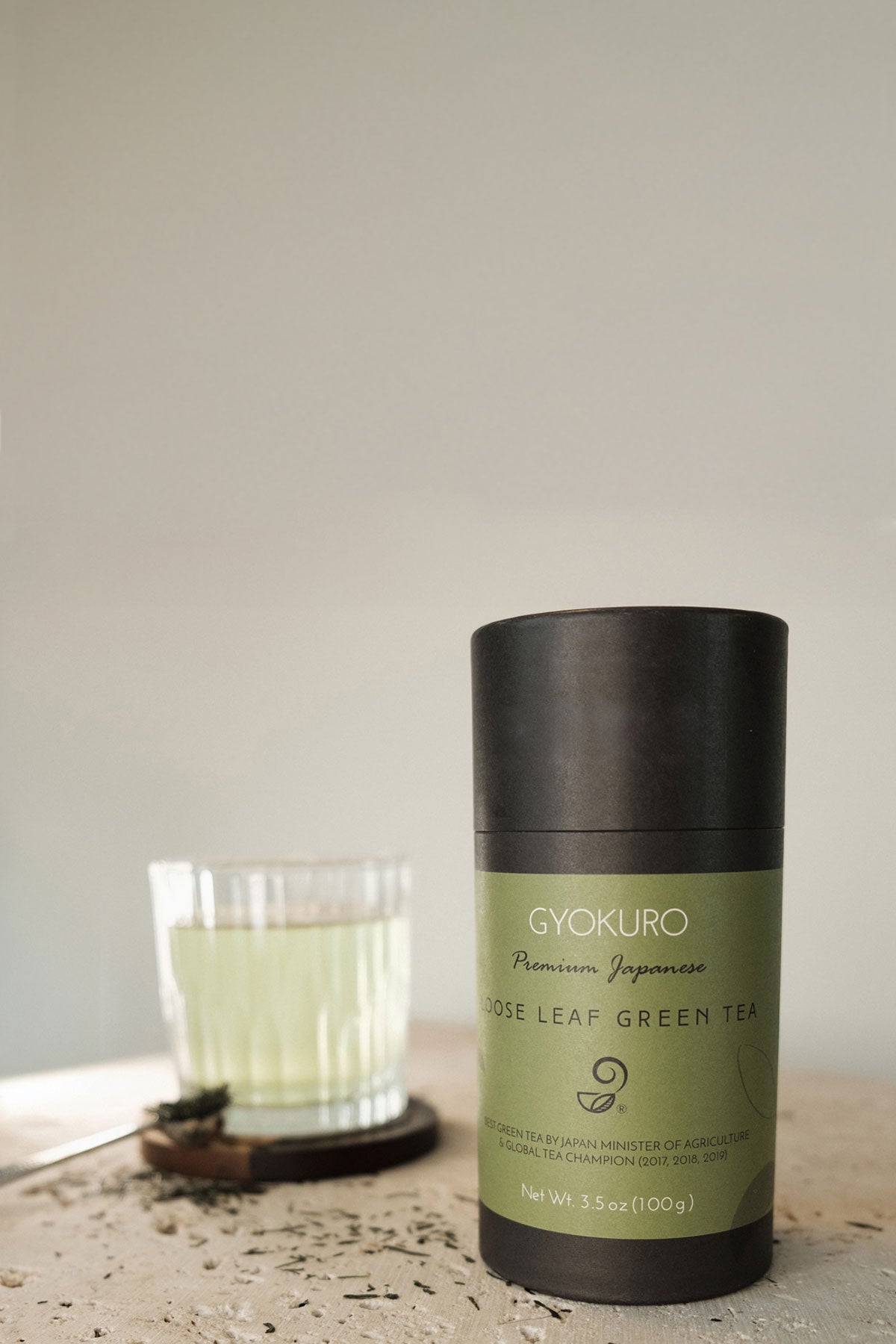
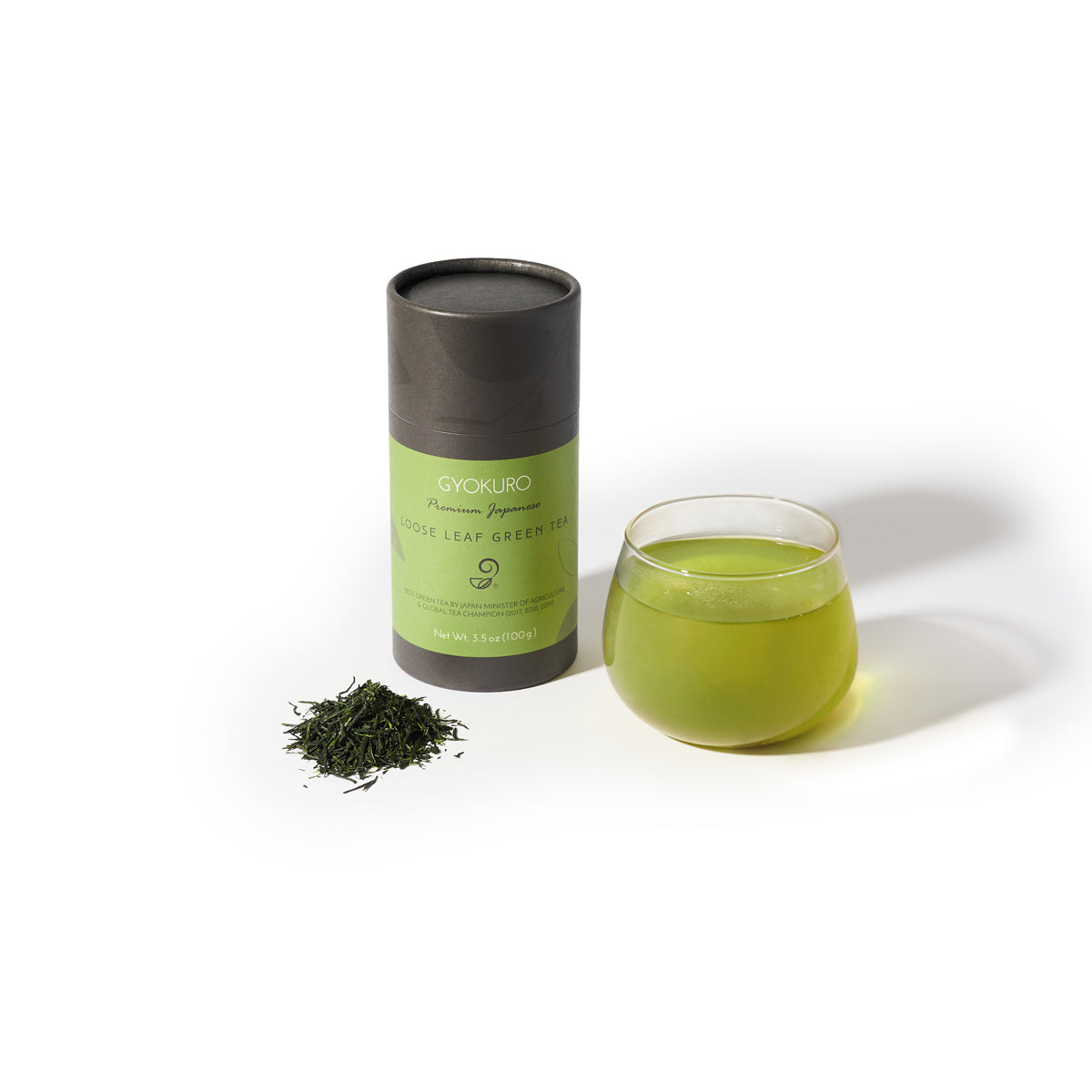
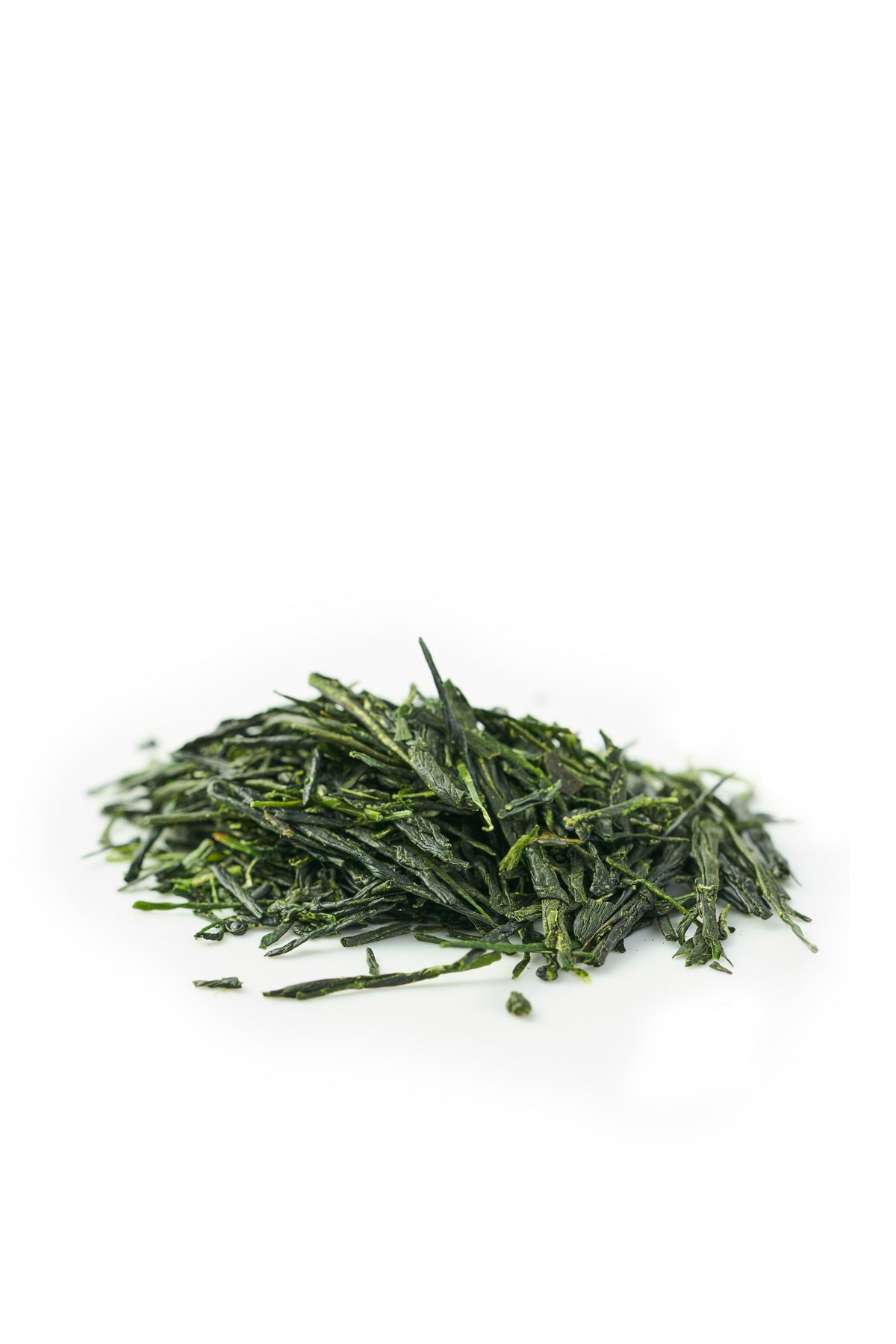
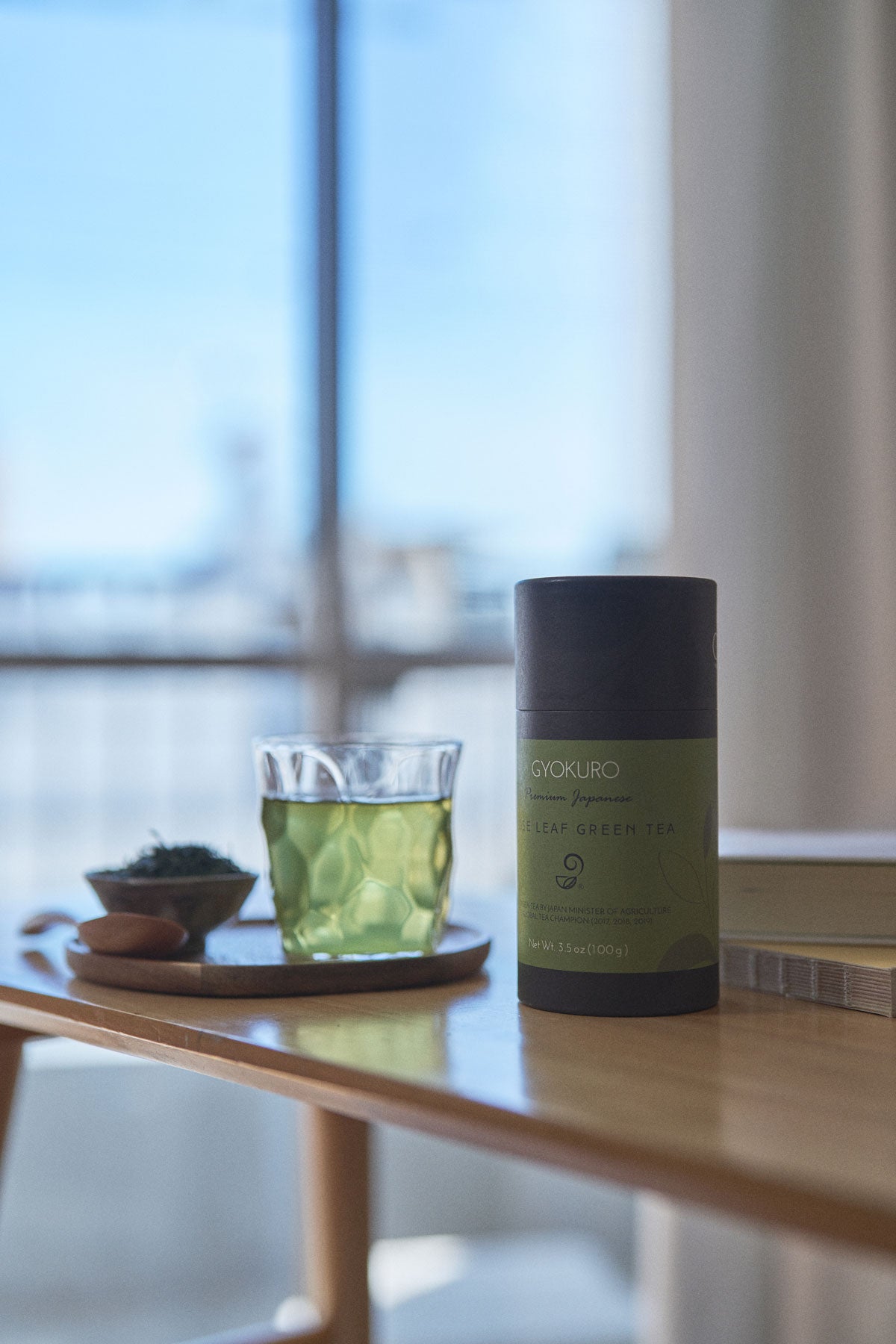
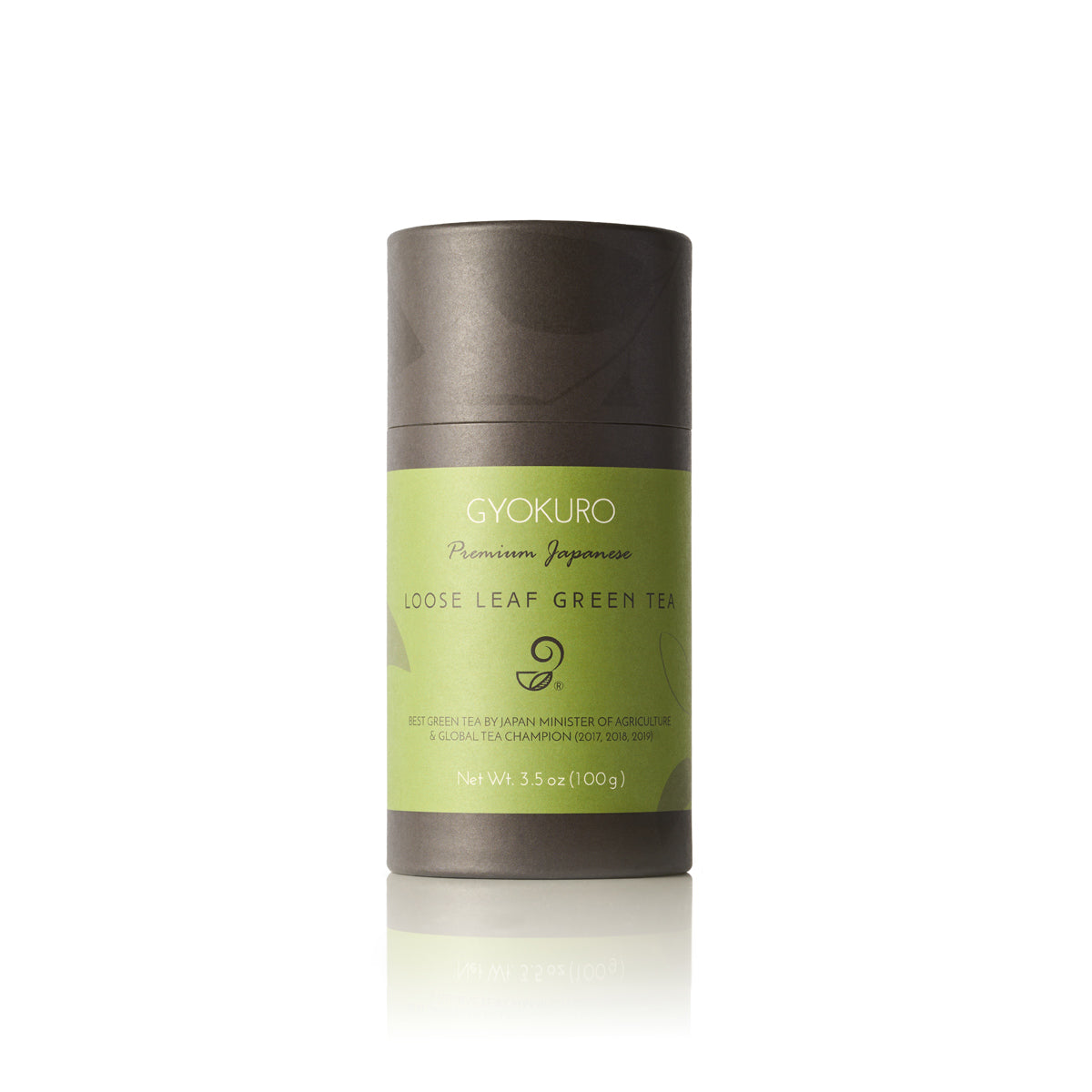
Gyokuro, also known as "jade dew" or "jewel dew tea," is a premium Japanese green tea shaded from the sun for 20 days using specially made mats, a method that boosts caffeine levels and strengthens amino acids to create a sweeter, richer flavor. This extended shading process results in dark, mossy green leaves with an unmistakable aroma and a complex taste that is layered yet balanced. Cultivated by the Chagusaba method in nutrient-rich sugarcane soil and made from the Yabukita cultivar, this loose-leaf authentic Gyokuro is offered in a high-quality, air-tight paper tube canister (chyazutsu) to preserve its exceptional freshness and flavor. Each 3.5 oz (100g) full-size package steeps 30–40 cups, and a convenient single-serve sample is also available.

45 reviews

Hojicha - Roasted Green Tea

$25.00
Quick view

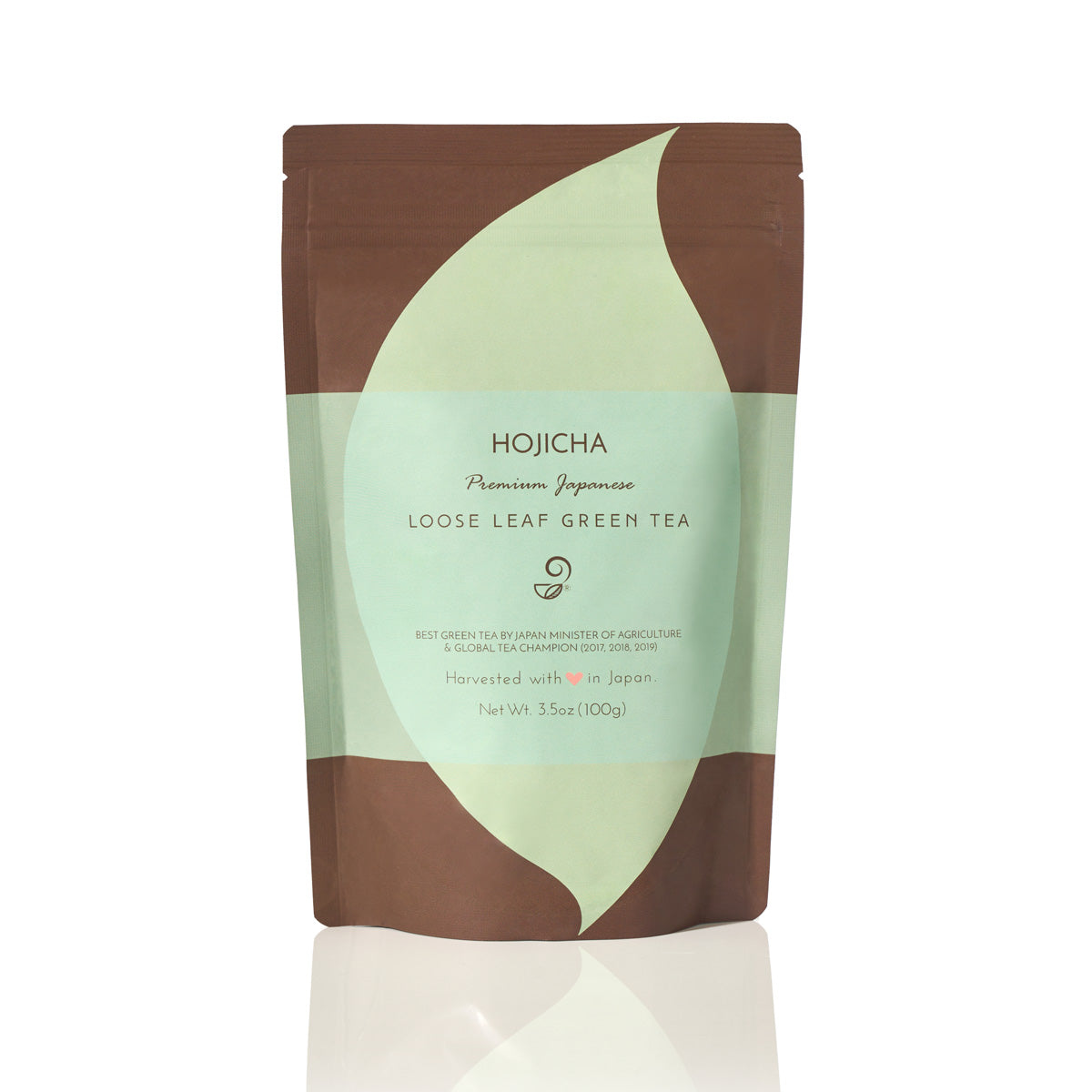
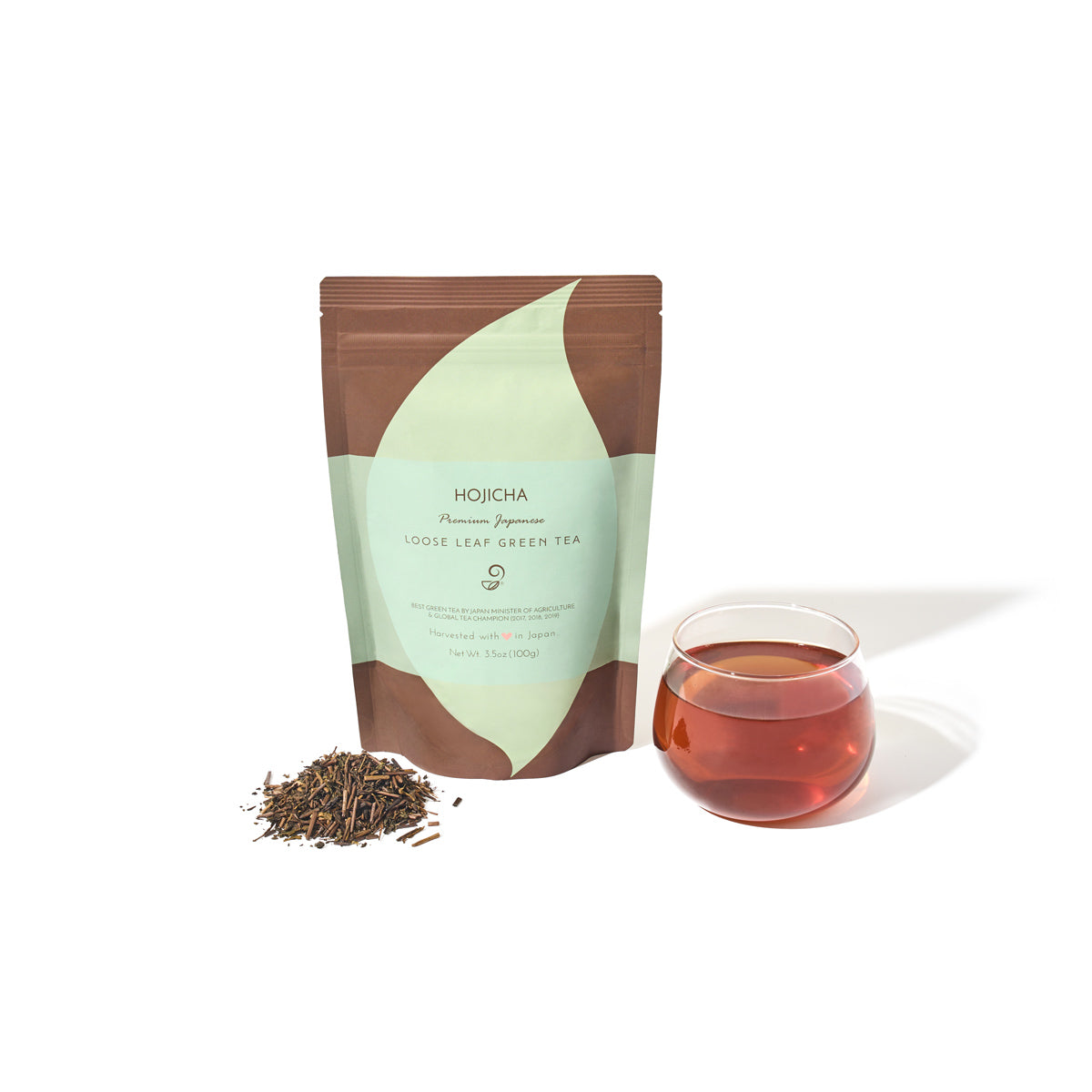
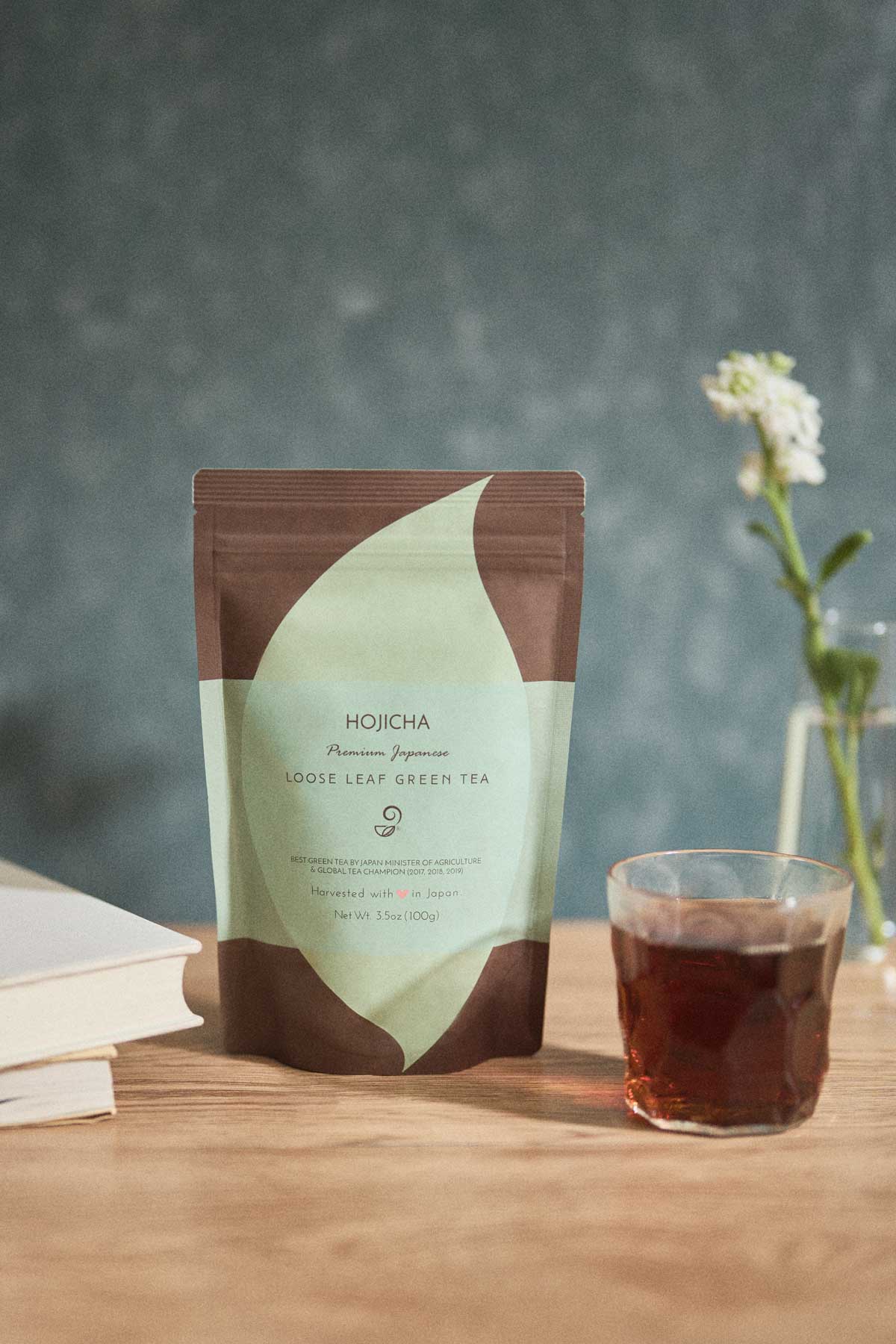
Our roasted green tea, known as hojicha (ほうじ茶), is crafted from freshly harvested premium green tea carefully roasted in porcelain over charcoal to maximize flavor while retaining more catechins than typical hojicha on the market. With lower caffeine and a smoother, less bitter taste compared to steamed green tea, it is an ideal choice for evening relaxation and is gentle enough for kids and pregnant women. Cultivated using the Chagusaba method in nutrient-rich sugarcane soil, this loose-leaf authentic Japanese roasted green tea, made from the Yabukita cultivar, also pairs beautifully with oily foods. Each eco-friendly resealable package contains 3.5 oz (100g) of tea, enough to steep 30–40 comforting cups.

80 reviews

Matcha - Ceremonial Japanese Powdered Green Tea

$39.00
Quick view

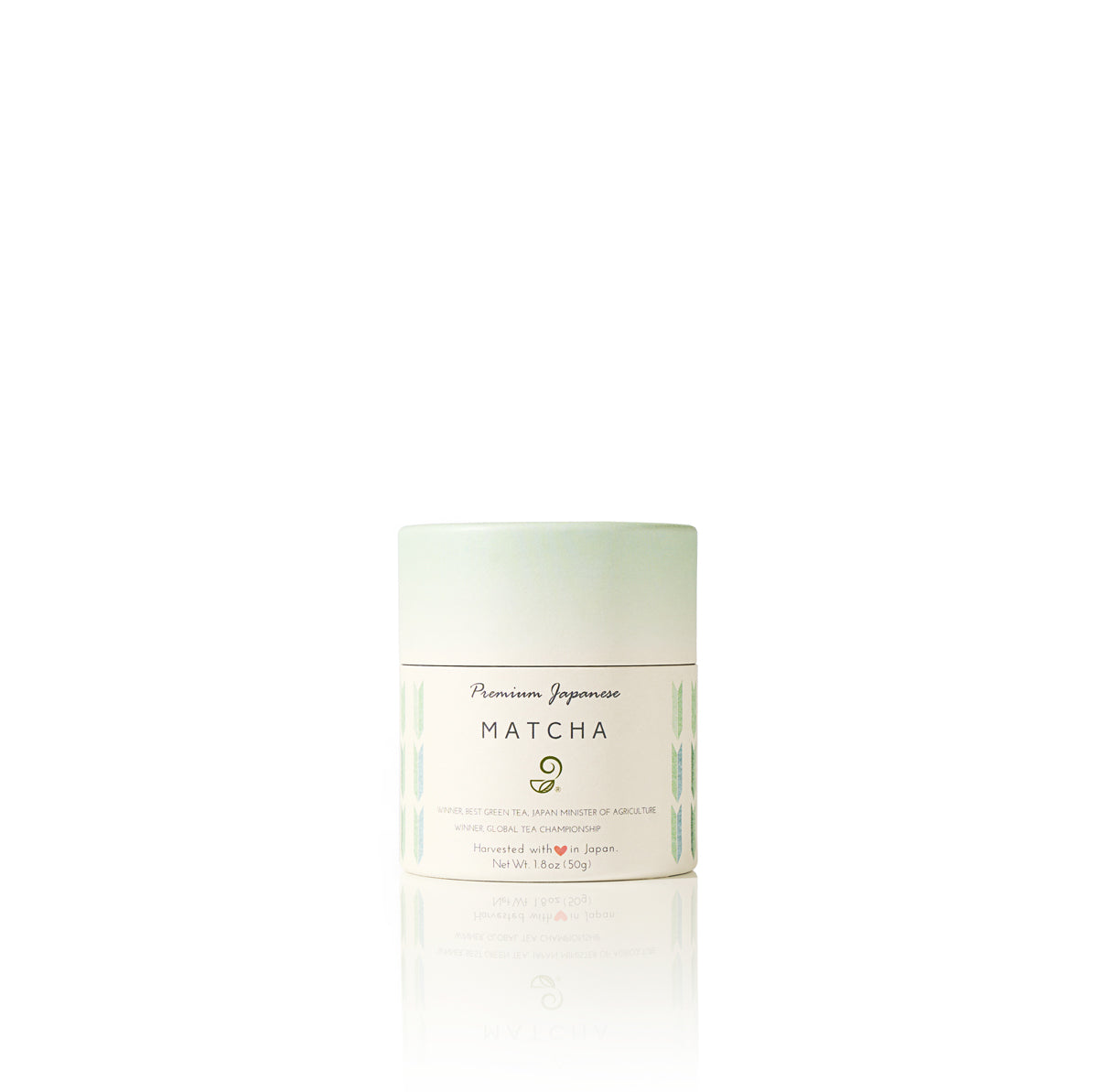
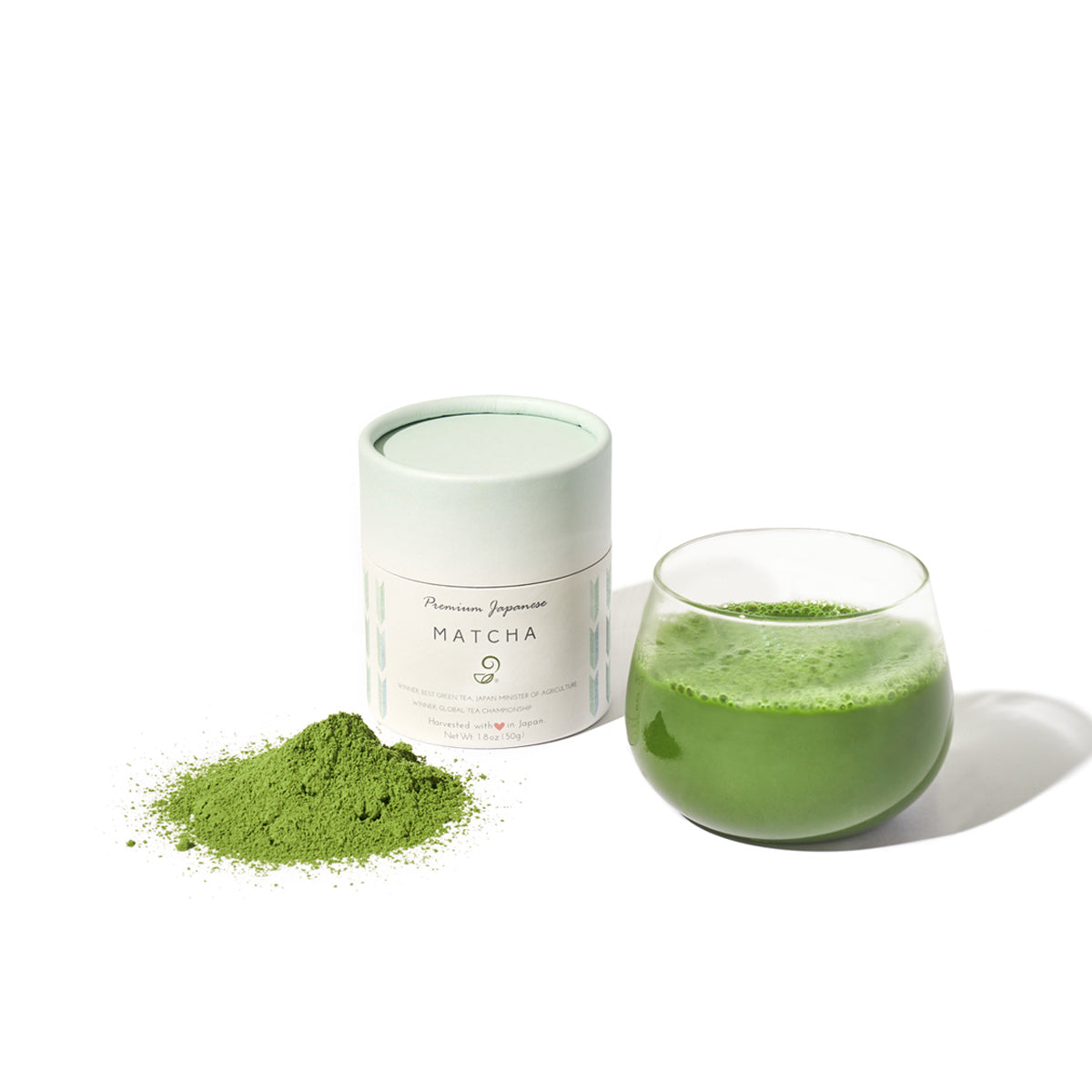
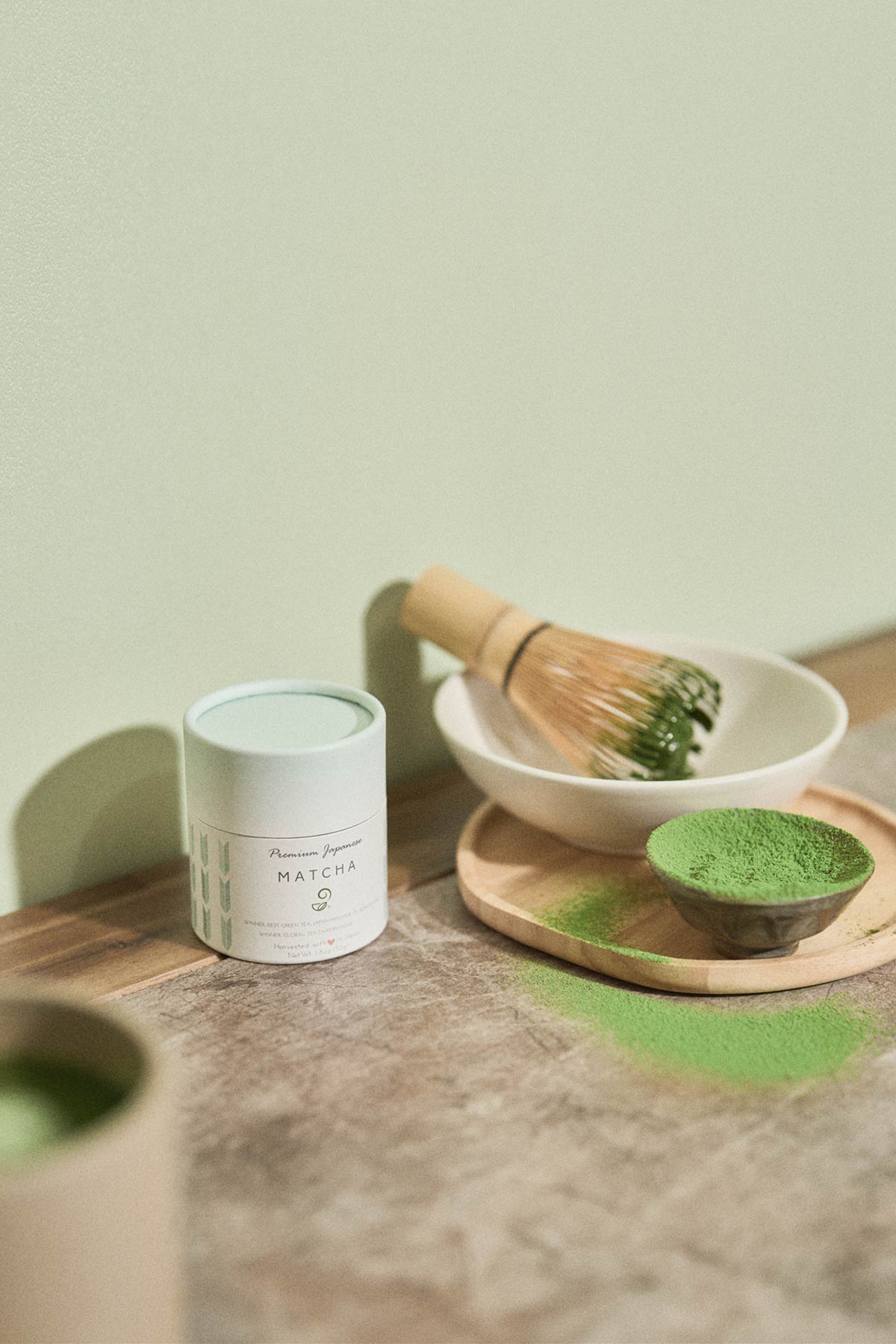
This ceremonial matcha is crafted from the finest Japanese green tea, grown in nutrient-rich soil enhanced with compostable grasses and sugarcane through the Chagusaba method, which gives the tea a natural sweetness and exceptional flavor. In collaboration with researchers from Shizuoka University, farmers ensure that the soil quality consistently produces tea of the highest standard.

Renowned among top Japanese chefs for its unmatched aroma, this matcha is made by carefully shading the plants before harvest to boost caffeine and amino acids, then meticulously drying, de-stemming, and grinding the leaves into a fine powder. Made from the Yabukita cultivar, this 1.8 oz (50g) matcha comes in a high-quality, air-tight paper tube canister, providing a luxurious and authentic Japanese tea experience.

42 reviews

Genmaicha - Green Tea with Roasted Brown Rice

$30.00
Quick view

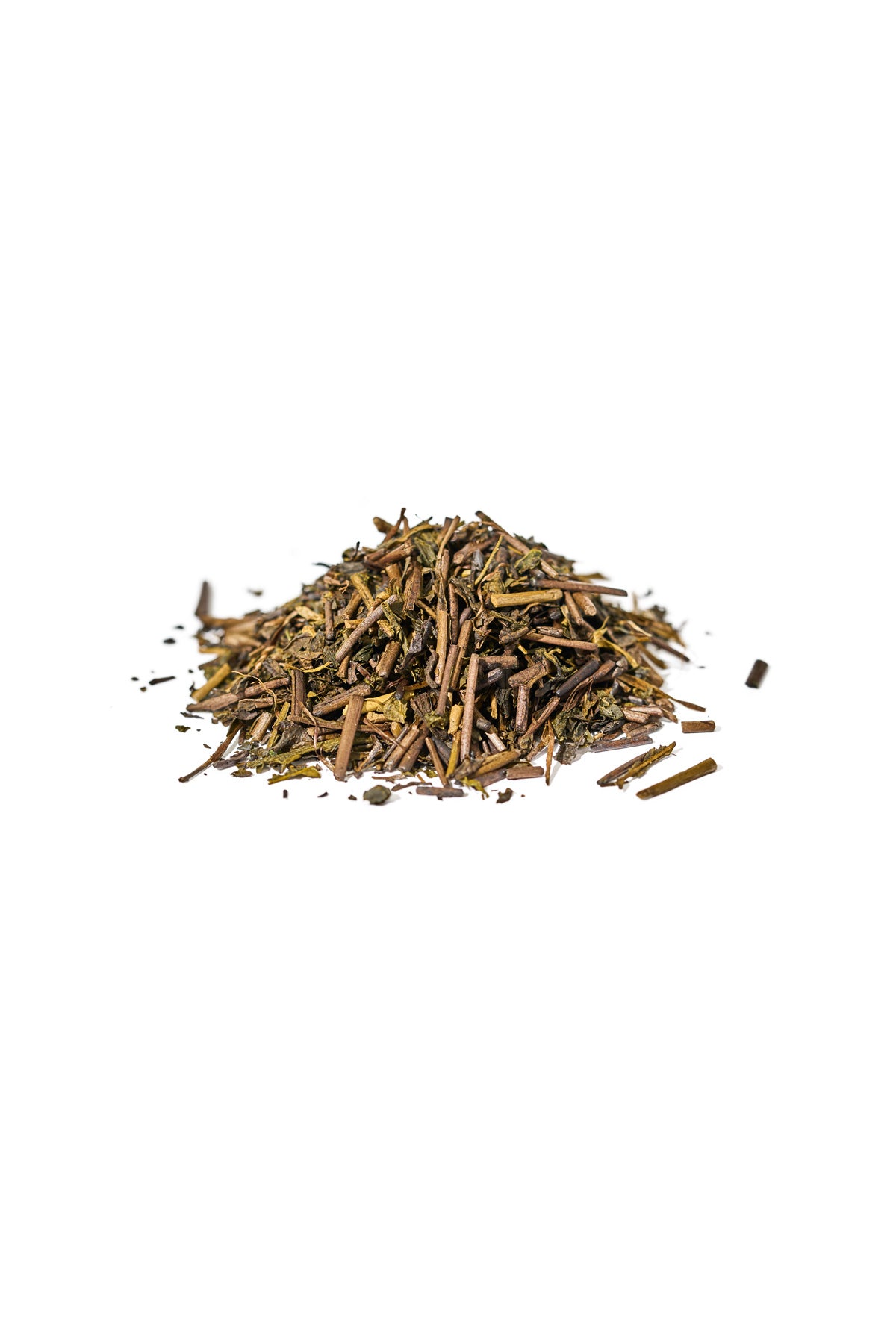
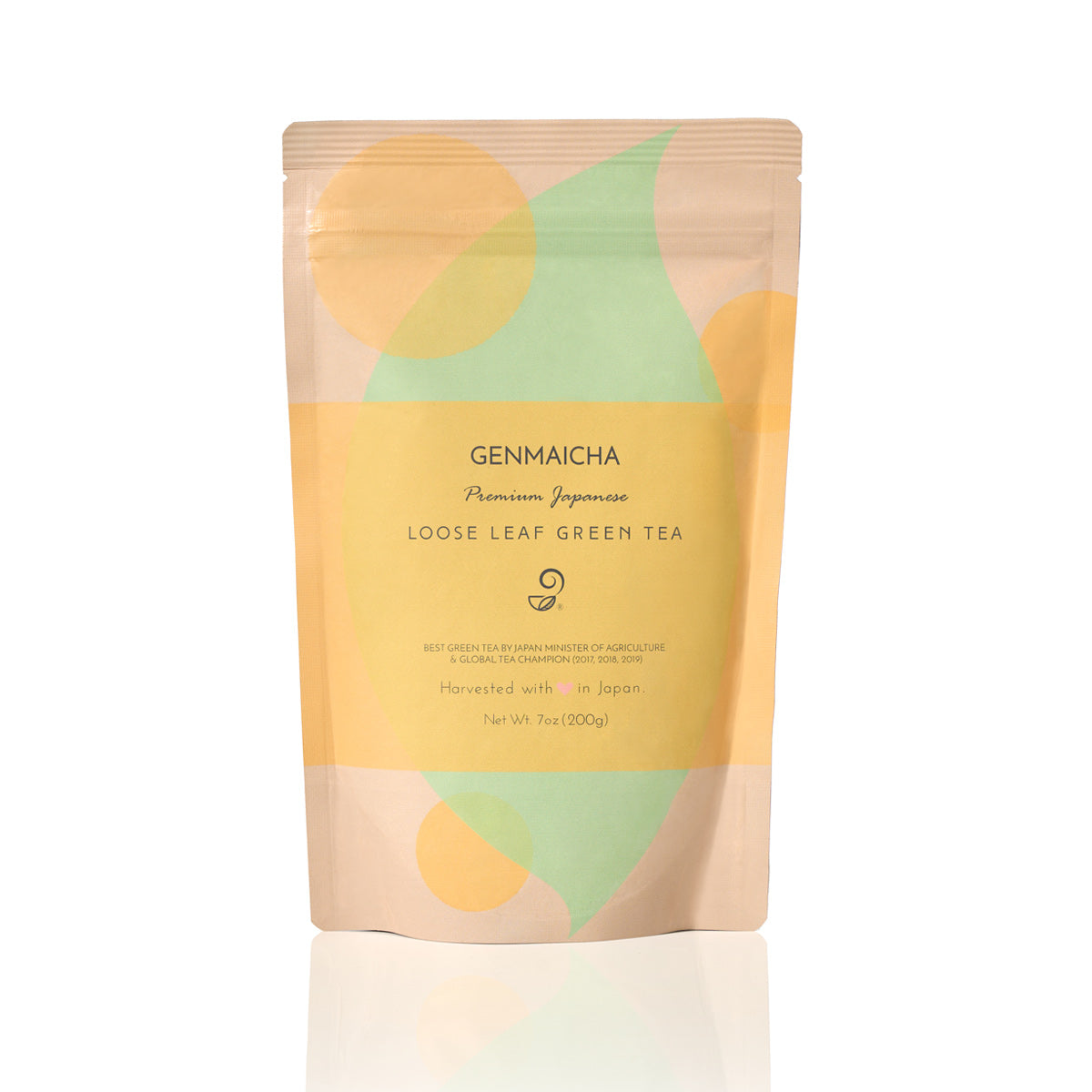
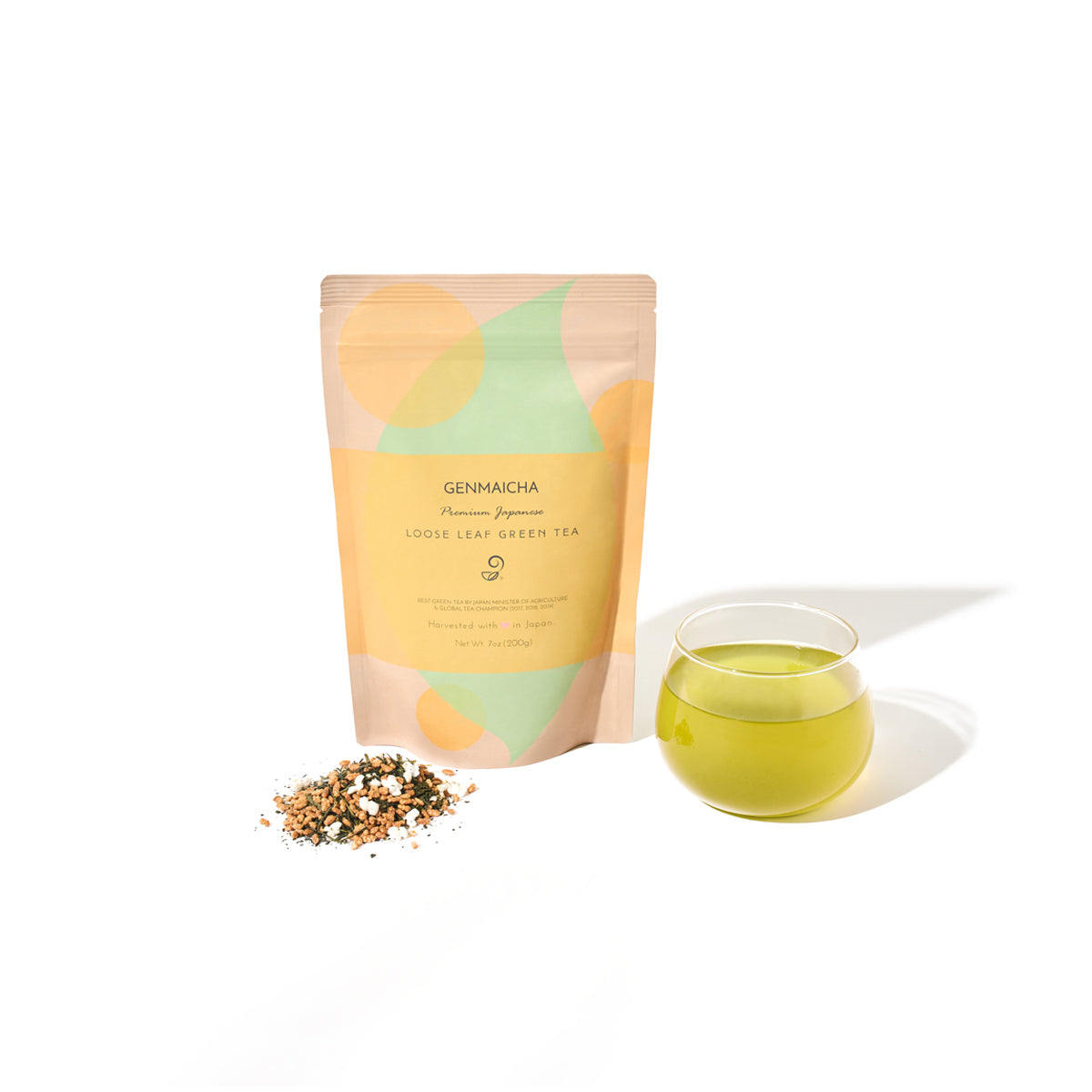
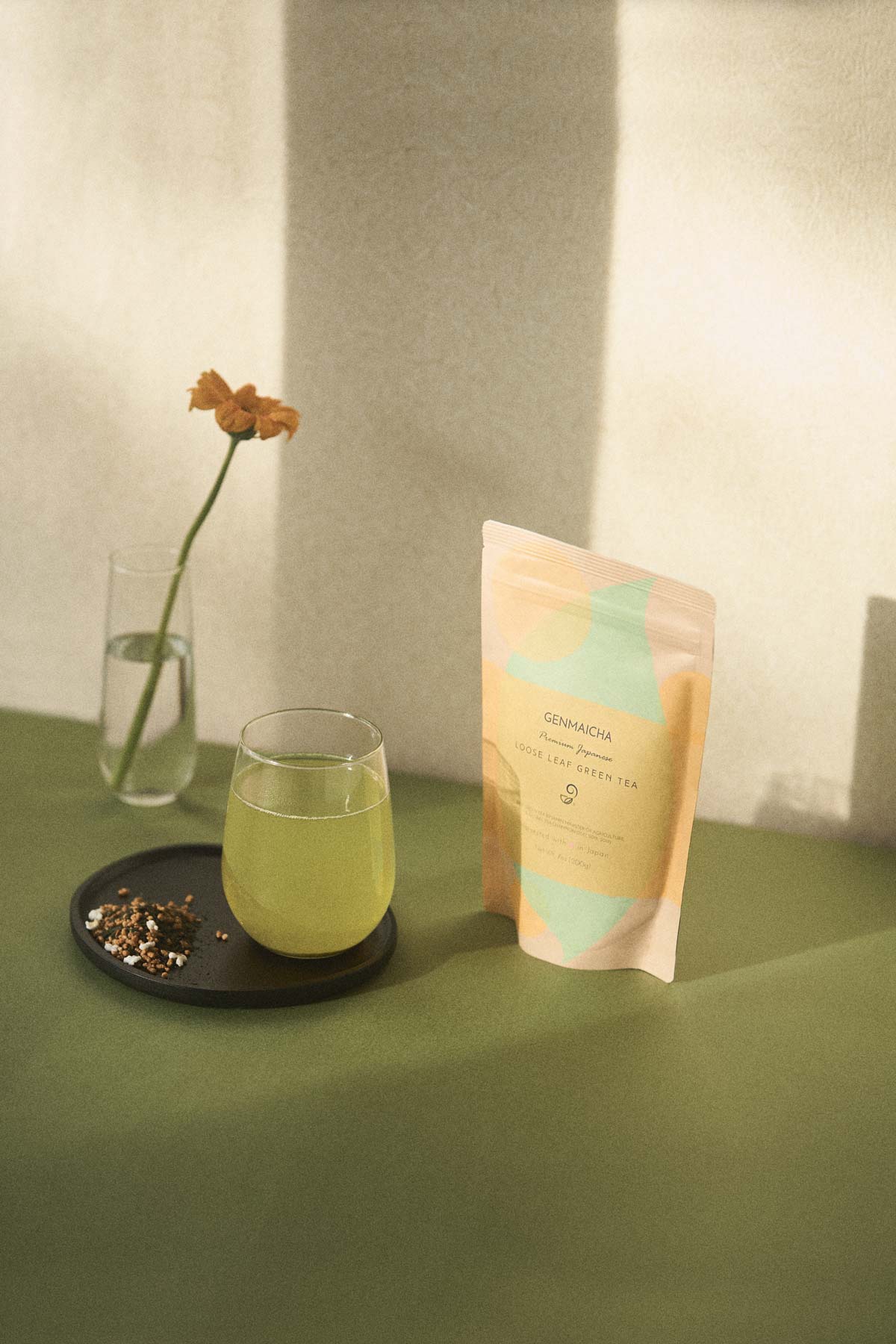
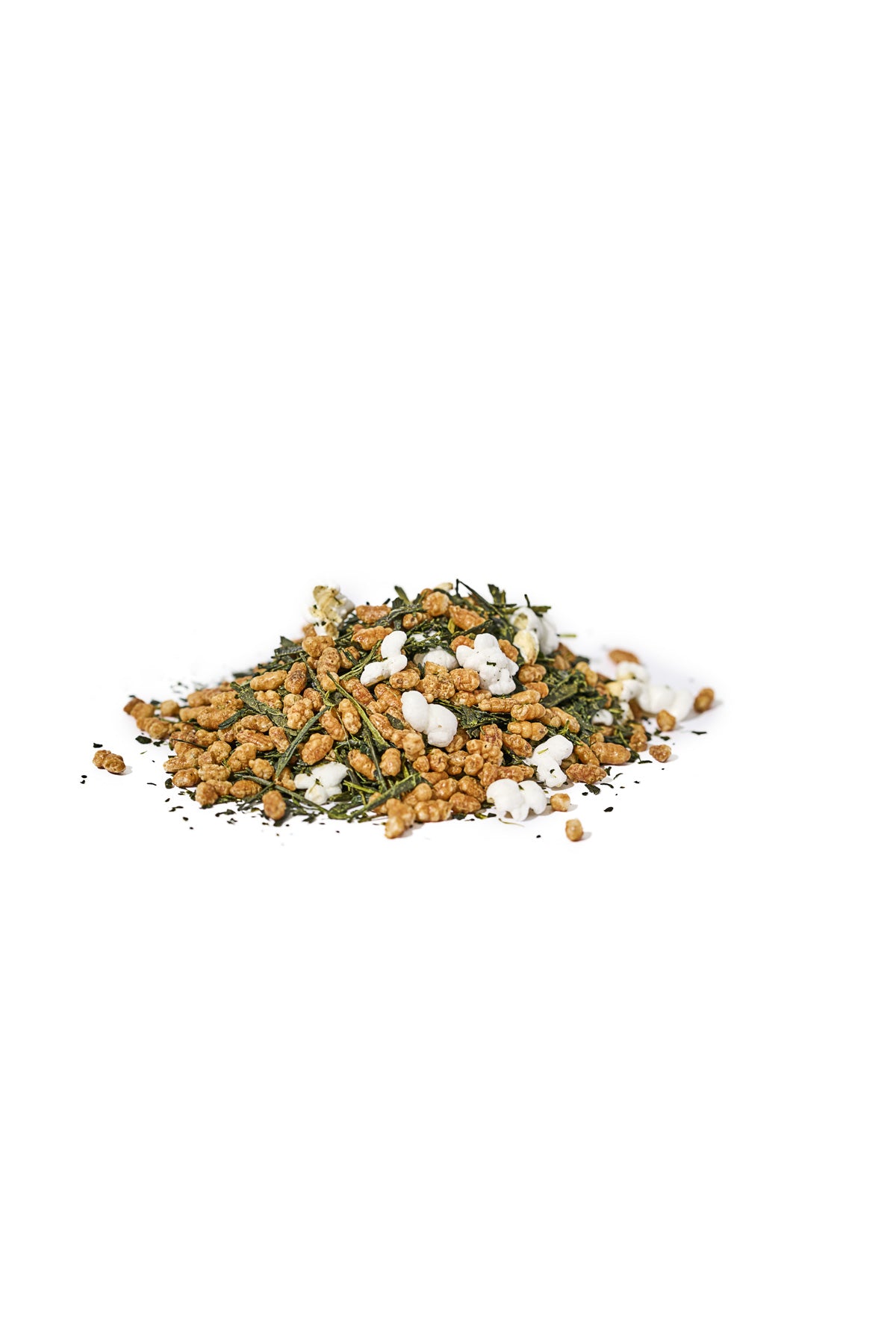
Our premium Japanese Genmaicha blends high-quality green tea with roasted popped brown rice (genmai 玄米), often nicknamed "popcorn tea" because the roasting process sounds like popcorn popping. Popular especially among the older generation in Japan for its mild flavor and lower caffeine content, this tea is easier on the stomach while still offering a rich, comforting taste. The brown rice used is premium Japanese mochi-gome (もち米) sticky rice, enhancing the tea’s nutty, aromatic profile. Made from Fukamushi Sencha and cultivated using the Chagusaba method in nutrient-rich sugarcane soil, this Genmaicha features the Yabukita cultivar and comes in a 7.0 oz (200g) eco-friendly resealable package, enough to steep 50–60 cups.


Related Articles You May Be Interested

What is Tea Ceremony? 10 Popular Types of Japanese Tea Ceremony - How many do you know? 17 Japanese Tea Ceremony Tools
Sen No Rikyu – The Tea Master that Changed Japanese Tea Culture Forever
10 Foods To Pair Green Tea With

Get Free Bonus Books

Join Green Tea Club

Sign up for free to the Green Tea Club to get advice and exclusive articles about how to choose Japanese Tea, and tips, tricks, and recipes for enjoying Japanese tea.

Unsubscribe anytime. It’s free!

About the author

Kei Nishida

Kei Nishida

Author, CEO Dream of Japan

info@japanesegreenteain.com

Certification: PMP, BS in Computer Science

Education: Western Washington University

Kei Nishida is a passionate Japanese green tea connoisseur, writer, and the founder and CEO of Japanese Green Tea Co., a Dream of Japan Company.

Driven by a deep desire to share the rich flavors of his homeland, he established the only company that sources premium tea grown in nutrient-rich sugarcane soil—earning multiple Global Tea Champion awards.

Expanding his mission of introducing Japan’s finest to the world, Kei pioneered the launch of the first-ever Sumiyaki charcoal-roasted coffee through Japanese Coffee Co. He also brought the artistry of traditional Japanese craftsmanship to the global market by making katana-style handmade knives—crafted by a renowned katana maker—available outside Japan for the first time through Japanese Knife Co.

Kei’s journey continues as he uncovers and shares Japan’s hidden treasures with the world.

Learn more about Kei Nishida

Related Posts

Behold: Balmuda's "The MoonKettle" — Where Boiling Water Becomes Art

We were privileged to be invited by Balmuda's Private MoonKettle Launch Event. Here are videos of it and everything you

Read More
OC Japan Fair April 2026 — Visit Us at Booth #A8!
OC Japan Fair Spring 2026 Recap (April 3 - 5 2026)

We were at OC Japan Fair again! April 3-5 2026 with new products, Miki Pon's art debut and more. Here is a recap video f

Read More
Super Mario and Japanese Green Tea

Super Mario and green tea share a hometown! Watch our Yoshi Matcha Cookies video recipe + discover how Nintendo and matc

Read More
Leave a comment

Your email address will not be published..

Cart

Your cart is currently empty.

Start Shopping

Select options