

More Detail About This Topic Below
There are few things cozier and more comforting than curling up in your favorite chair on a cold evening with a warm blanket and a hot cup of tea. But as bedtime approaches, you might not want that caffeine buzz keeping you up. If you reached for decaffeinated tea instead, would it impact its health benefits or even be unhealthy on its own?
We'll get to that, but first, let's start with the basics.
Decaffeinated tea has become a popular choice for those looking to enjoy the soothing ritual of tea without the stimulating effects of caffeine. Whether you're trying to cut back on your daily intake, manage caffeine sensitivity, or simply want a calming evening drink, decaf tea offers a convenient alternative. However, not all decaffeination methods are created equal, and understanding how your tea is processed can help you make healthier and more informed decisions.
First Of All, What Exactly Is Decaffeinated Tea?
Decaffeinated tea, or decaf tea, has had at least 97.5% of the natural caffeine of the tea removed through a process before it ends up in your hands to brew. However, it's important to note that decaf tea still contains trace amounts of caffeine. Additionally, the decaffeination process can reduce beneficial compounds like polyphenols and antioxidants, potentially affecting the quality and benefits of drinking tea.
(This isn’t the same as “caffeine-free” or “herbal teas.” Why? Those don’t actually contain tea leaves and typically never had any caffeine in them to remove in the first place.)
The caffeine is removed by soaking it in either liquid carbon dioxide or some other chemical solvent.
Understanding this distinction is crucial for tea drinkers who are mindful of both caffeine intake and the health benefits of tea. While decaf tea offers a gentler alternative for evening relaxation or those sensitive to stimulants, being informed about the process used can help you choose a decaf option that best aligns with your wellness goals. Some methods better preserve antioxidants and flavor, making them more desirable for regular consumption.

What Are The Methods Of The Decaffeination Process, And Which Are Healthiest?
All tea is soaked in something to decaffeinate it; the only difference is which liquid is used and the varying effects it has on the tea. Decaffeinated green tea, for instance, retains many of the health benefits of regular green tea, such as protecting against diseases, improving memory, and aiding in weight loss, but with reduced caffeine content. Studies have shown that decaffeinated green tea can positively impact fat oxidation, body composition, and cardio-metabolic health.
While all decaffeination methods aim to reduce caffeine, they vary in how well they preserve the natural qualities of the tea. Some techniques are better at maintaining the flavor profile, while others focus more on retaining antioxidants. Choosing decaf tea that uses gentle or non-chemical methods, such as CO2 or water processing, may provide a healthier, more balanced cup—especially for those who want the benefits of green tea without the stimulation.
Let’s discuss the four ways tea is decaffeinated and which one is optimal for taste and health purposes.
Methylene Chloride
When tea leaves are soaked in methylene chloride, the caffeine molecules bind to the solvent and then get eliminated.
For a long time, this method was the standard for preserving the taste of tea. But since methylene chloride is considered unsafe for human consumption by many countries, tea treated with it is sometimes barred from import. Still, this method remains common, and it's not very expensive compared to better, safer methods.
So, do your best to avoid tea decaffeinated this way.
In fact, methylene chloride has been restricted or banned in various food and beverage applications due to health concerns ranging from respiratory issues to potential links with cancer upon long-term exposure. While trace levels might be deemed acceptable in some regulations, many health-conscious consumers prefer to steer clear of this method altogether, especially when safer and more natural alternatives are available.
Ethyl Acetate
Often called "naturally decaffeinated" tea, this method is done the same as methylene chloride by soaking the leaves in the solvent to draw out the caffeine.
Ethyl acetate is naturally present in many fruits and other plants, but it's much harder to properly remove from tea leaves. As a result, many find their tea has a chemical taste when treated this way. Still, it's not any less healthy than unprocessed tea.
Because ethyl acetate occurs in nature—especially in bananas, apples, and sugarcane—some tea producers market this method as a more “natural” option. However, despite the source, the use of any solvent-based process still raises concerns for those who prioritize clean-label or minimally processed foods. Flavor alteration and potential residual solvent presence are key reasons why some tea drinkers opt for other decaffeination techniques like CO2 or water processing.
CO2
At very high pressures and temperatures, carbon dioxide becomes a liquid and is extremely effective at removing caffeine from tea.
It's forcefully passed through the tea, where it binds to the caffeine and removes it from the leaf as it exits. This is completely healthy and is generally regarded as the best way to preserve flavor without compromising safety when decaffeinating.
Because CO2 is a naturally occurring gas that leaves no chemical residue, this method is highly favored by both health-conscious consumers and premium tea brands. It not only maintains the tea's natural antioxidant levels but also keeps the original aroma and taste largely intact. As a result, CO2 decaffeination is often considered the gold standard for those seeking a balance of safety, purity, and flavor in their decaf tea.
Water
Using water, tea is essentially brewed once. Then, the caffeine is filtered out of the resulting brew before the water is returned to the leaves to be reabsorbed. This is a healthy way to make decaffeinated tea, but as you might expect, it lessens the flavor you’d expect from the tea.
This method, sometimes referred to as the “Swiss Water Process,” is chemical-free and relies solely on water and carbon filtration to extract caffeine. While it may sacrifice some of the tea’s aromatic richness and boldness, it’s often preferred by those who prioritize health and clean processing. Among all methods, this approach does the best job of retaining beneficial compounds like polyphenols and flavonoids, making it a solid choice for health-focused tea drinkers.
Does Decaffeinated Tea Have Fewer Health Benefits?
One reason tea is so treasured by its fans is the great supply of flavonoids it provides! The benefits of green tea, including boosting the immune system, reducing the risk of chronic diseases, and providing antioxidants and polyphenols, are well-known.
Decaf green tea benefits include easing headaches and offering potential health perks similar to regular green tea.
Flavonoid is a chemical often linked to numerous health benefits. Exact numbers are hard to come by, but it’s generally accepted that you’ll lose most of these beneficial chemicals during the decaffeination process. However, of the available methods, the water process is best for retaining as many of these polyphenols as possible, ensuring that decaf green tea retains many of the same health benefits as its caffeinated counterpart.
In addition to polyphenols, tea also contains amino acids like L-theanine, which contributes to relaxation and mental clarity. While some of these compounds may be reduced in decaf versions, many still remain in sufficient quantities to support wellness. For individuals with caffeine sensitivity or those seeking a gentler option, decaf tea can still offer a comforting and health-supportive alternative—especially when sourced from high-quality producers using gentle decaffeination techniques.

So, To Sum Up: Is Decaffeinated Tea Unhealthy?
With the possible exception of tea treated with methylene chloride, there’s nothing unhealthy about drinking decaffeinated tea.
Just keep in mind that you’re very likely to lose many of the health benefits you enjoy from drinking untreated green tea, making it more like a tasty drink than something you’d go to as part of a healthy lifestyle. However, decaf green tea extract has been discussed for its potential weight loss benefits, including boosting fat metabolism, promoting a feeling of fullness, and aiding in calorie burning, although larger-scale research is still needed to establish these correlations in humans.
If you’re hypersensitive to caffeine, it’s also important to know that no process removes all of it. You’ll always have about 2% caffeine when you brew your cup of tea.
But if you’re mostly looking to sleep a little better after your evening mug, you might find some benefit from drinking decaffeinated tea instead.
Ultimately, the choice to drink decaffeinated tea depends on your personal needs and preferences. If caffeine keeps you up at night or causes discomfort, decaf offers a great compromise. Just be sure to choose brands that use safer decaffeination methods like CO2 or water processing to maximize both taste and health benefits. And remember, even without the full strength of its natural compounds, a warm cup of decaf can still be a satisfying and comforting part of your wellness routine.
Are you interested in learning more about the health benefits of different teas? We talk about the power of Benifuuki tea for allergies and more in this post.
Buy Low-Caffeine Tea
8 reviews
$179.00
$159.99
/
Quick view
The Sencha Lover Gift Set - Premium Japanese Green Tea Set Package



Get Free Bonus Books

Sign up for free to the Green Tea Club to get advice and exclusive articles about how to choose Japanese Tea, and tips, tricks, and recipes for enjoying Japanese tea.
About the author

Kei Nishida
Author, CEO Dream of Japan
Certification: PMP, BS in Computer Science
Education: Western Washington University


Hi Diana, Thank you very much for your comment.
Brewed green tea has 20-29 mg of caffeine in an 8-ounce cup. Bancha green tea has a lower amount of caffeine compared to sencha green tea. That’s because bancha green teas use older leaves than sencha green tea. Bancha has about 10 mg of caffeine per eight-ounce cup.
Gyokuro and matcha green tea has more caffeine than other green teas.
To read a complete answer, you can visit this blog post.
https://www.japanesegreenteain.com/blogs/green-tea-and-health/green-tea-science-part-3-caffeine-everything-you-need-to-know-and-more-about-green-tea-and-caffeine#Caffeine16
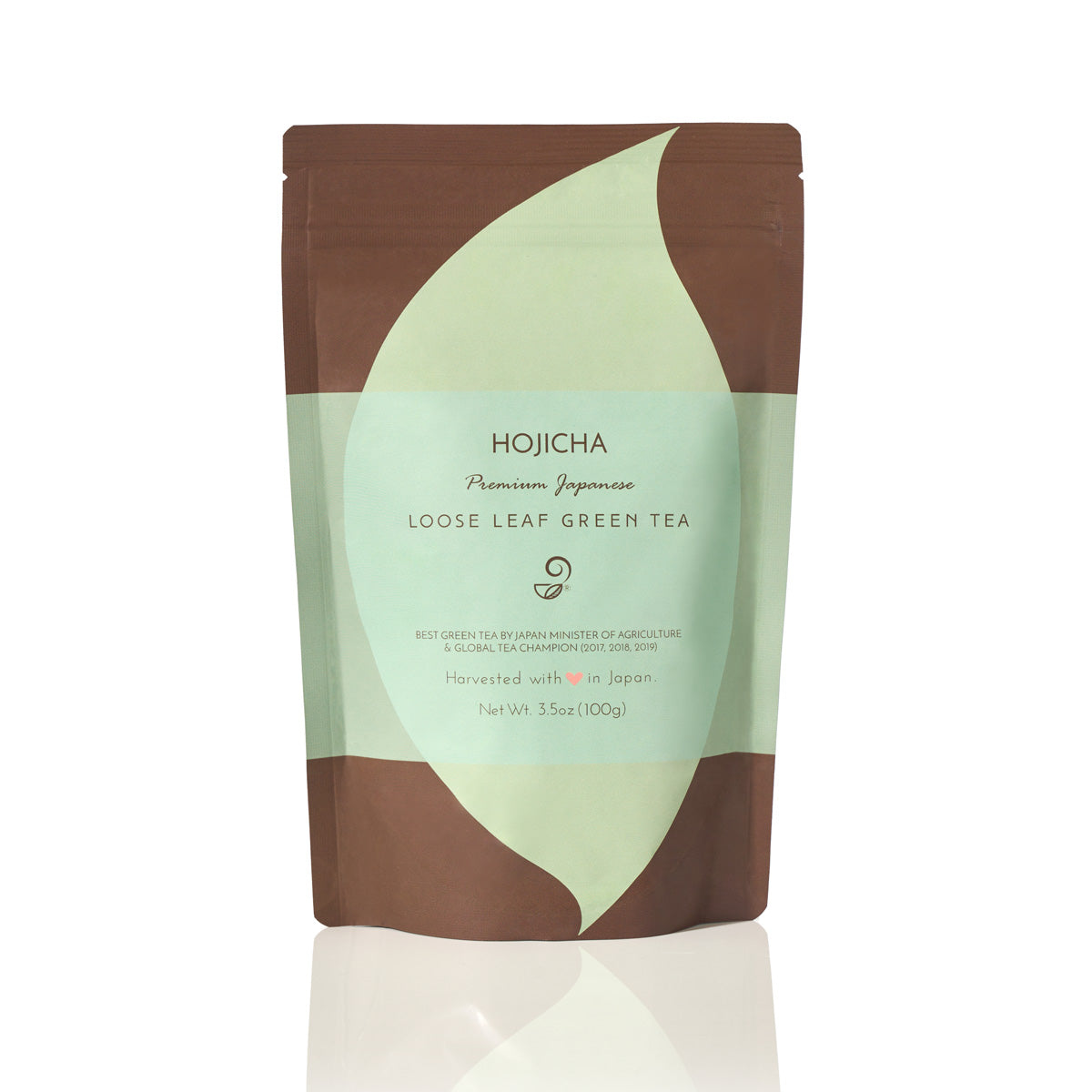
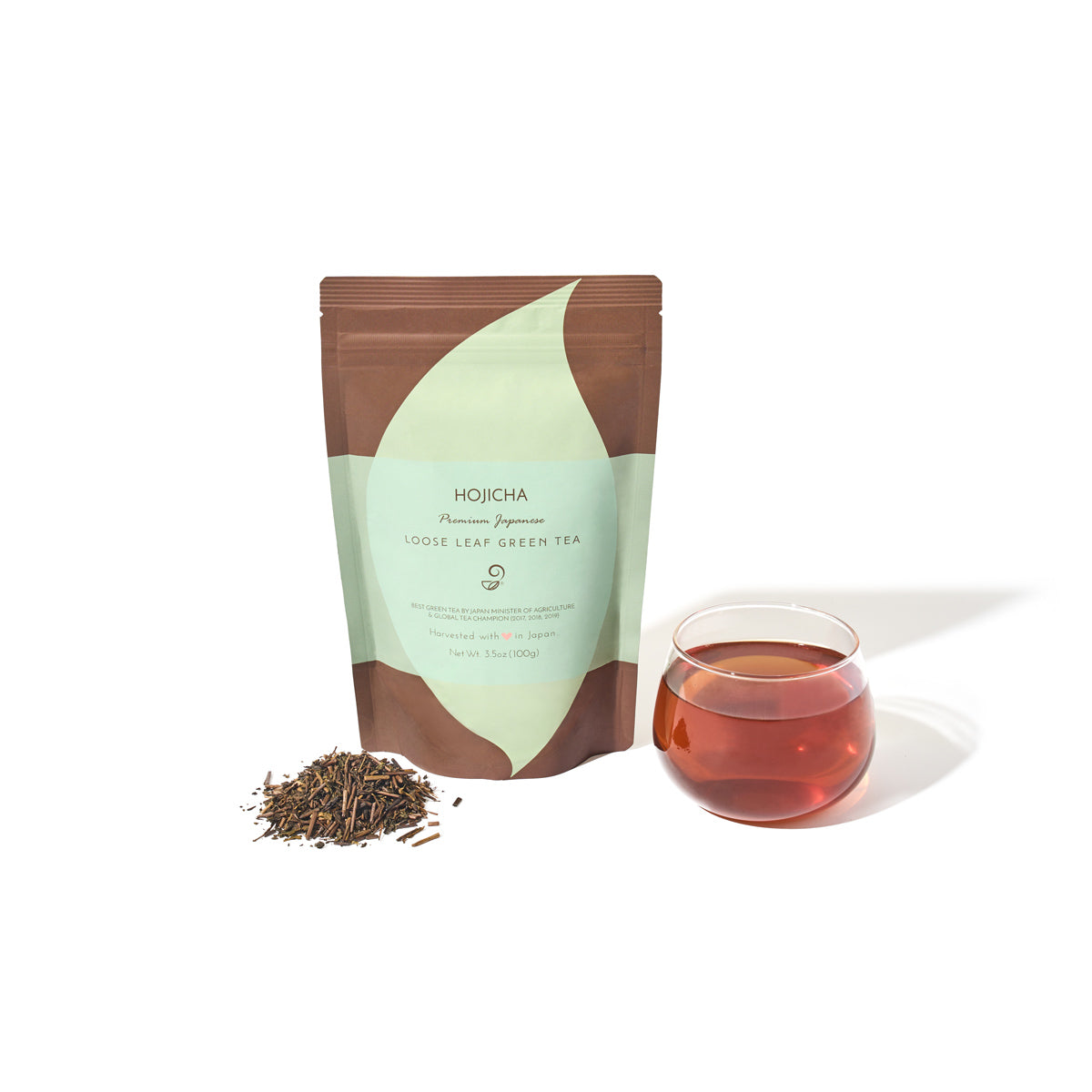
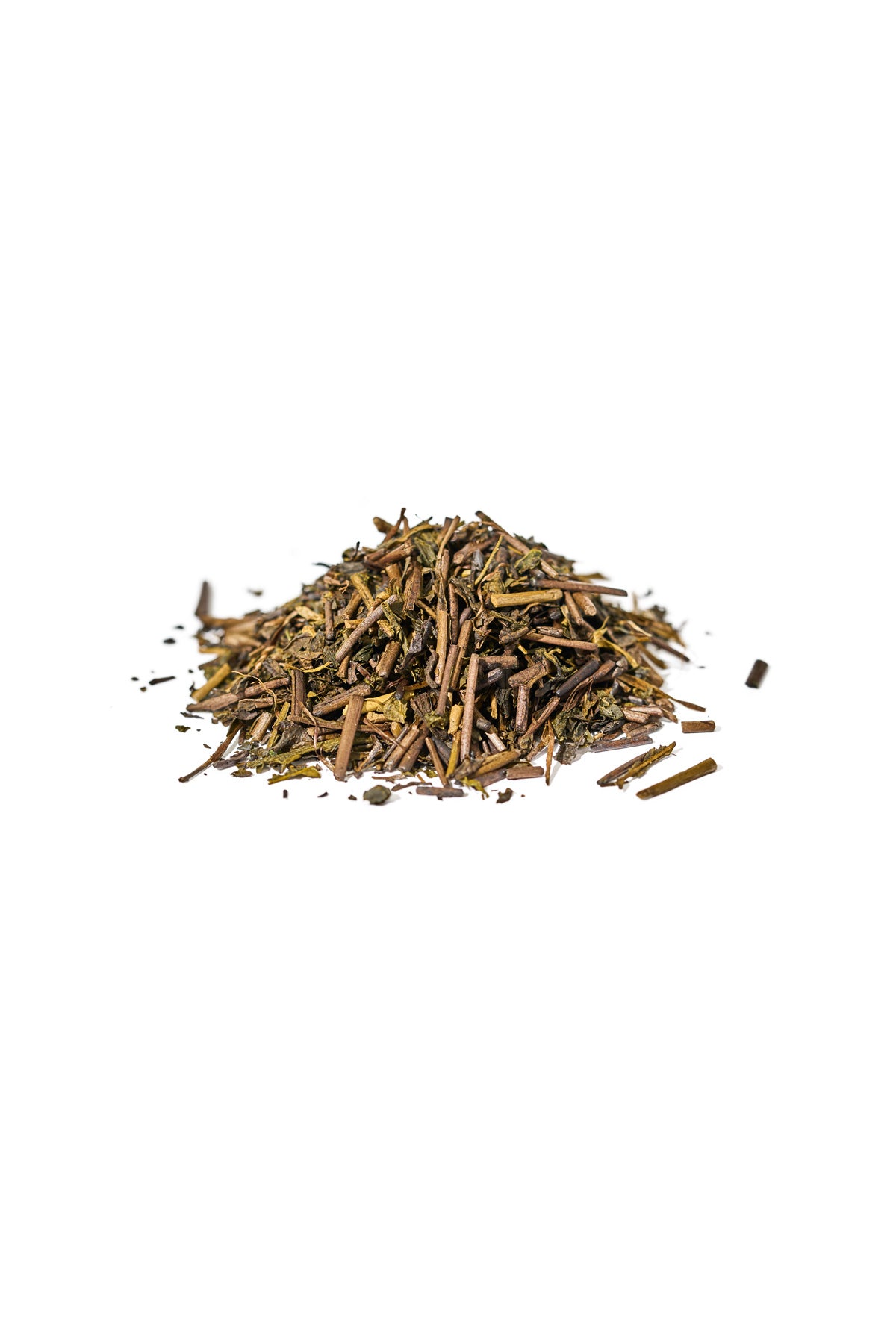
If you are looking for lower caffeine, you may also enjoy hojicha. Please see: https://www.japanesegreenteain.com/blogs/green-tea-and-health/everything-you-need-to-know-about-japanese-hojicha-tea
I read your article but I have also re read d many that say water processed or CO2 processed green tea still has ample polyphenols and health benefits. That it takes out as much as 1/3 but still has plenty. When you say it takes most if it out…what is most of it? How much caffiene does your organic green tea loose leaf have per cup?
I have osteoporosis and shouldn’t have caffiene but Houchi doesn’t have as much caffiene but also not much health benefits. What is your recommendations I’m perplexed. Please help.