Skip to content

Green Tea Science, Brewing Technique Book - 12 Scientifically Proven Techniques to Make Your Green Tea Taste Better and Healthier


Green Tea Science Brewing Technique Book - Green Tea Science, Brewing Technique Book - 12 Scientifically Proven Techniques to Make Your Green Tea Taste Better and Healthier


Green tea is celebrated worldwide for its remarkable health benefits — from boosting brain function to reducing the risk of heart disease. But let’s be honest: not everyone falls in love with its taste on the first sip. For many, it’s “too bitter” or feels like an “acquired taste.” The good news? That bitterness isn’t a requirement — it’s a result of improper brewing.

This guide’ll show you how to transform your green tea experience using 12 scientifically proven brewing techniques. Whether you’re new to tea or have been drinking it for years, these tips will help you make every cup tastier, smoother, and healthier. Say goodbye to harsh flavors — and hello to a refreshing ritual you’ll actually look forward to.

Think Green Tea Tastes Bitter? Let’s Change That

If you have ever thought that Green Tea is an "acquired taste" or that it is "too bitter" to enjoy, we’re here to change your mind! We want everyone to experience the health benefits of Green Tea and show you that this can be an amazing, refreshing, and delicious drink when made correctly. With just a few tips on how to brew this powerful leaf, we can change your mind about the taste and enjoyment of drinking Green Tea.

12 Scientifically Proven Techniques to Make Your Green Tea Taste Better

1. Use Cooler Water – 70–80°C (158–176°F)

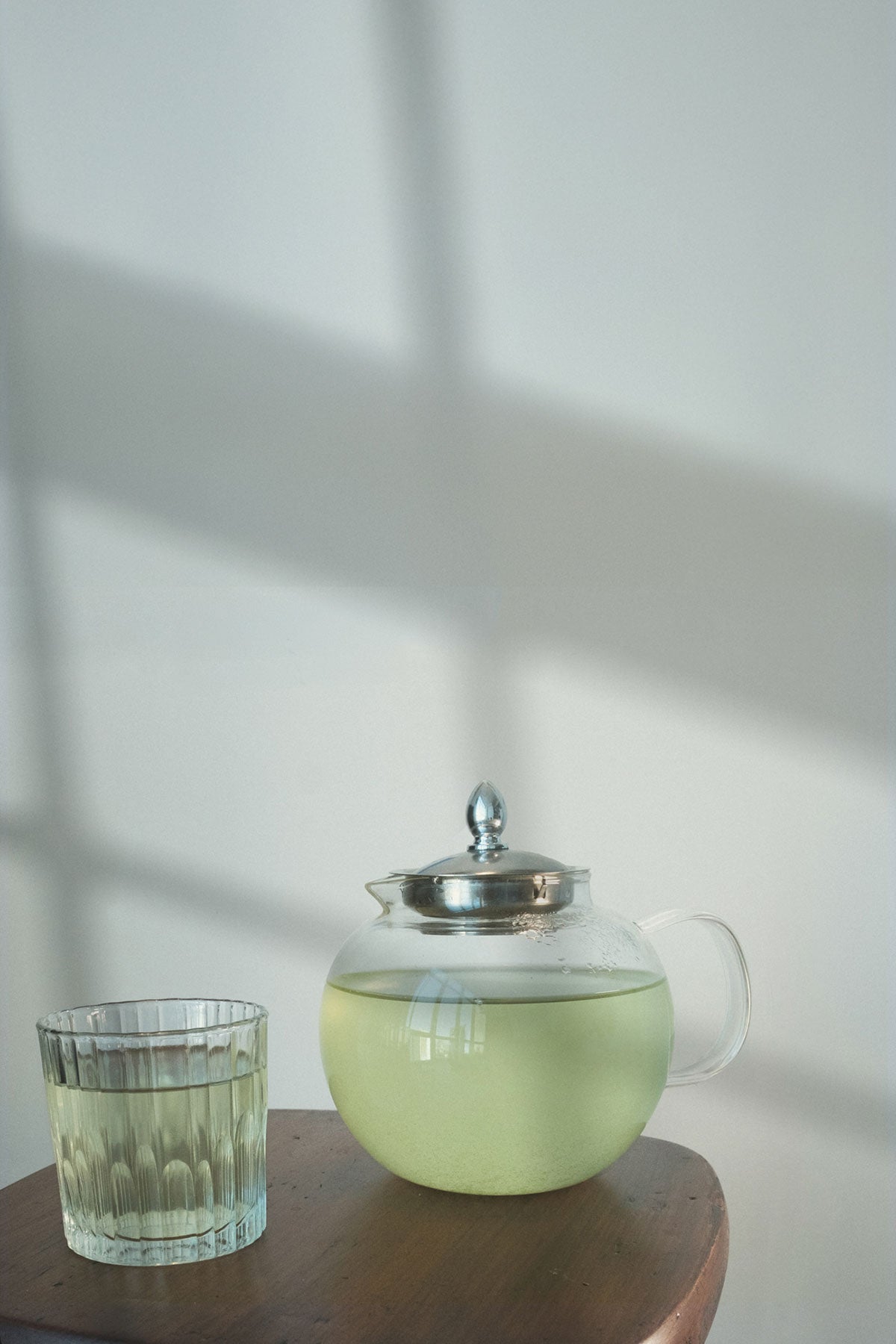
Boiling water scorches green tea leaves, causing a harsh, bitter taste. Let your water cool slightly before pouring to preserve antioxidants and achieve a smoother cup.

2. Brew for Just 1–2 Minutes

Over-steeping releases too many tannins, making the tea bitter and astringent. A short infusion brings out the natural sweetness and aroma.

3. Use Filtered or Soft Water

Minerals in hard water interfere with flavor and color. Clean, filtered water allows the tea’s delicate notes to shine through.

4. Measure the Right Amount of Tea

Too much tea makes it overpowering, too little makes it bland. Use about 1 teaspoon (2g) per cup for balanced flavor.

5. Pre-warm Your Teacup or Teapot

A warm teapot keeps the brewing temperature stable. Rinsing your teaware with hot water before brewing improves flavor consistency.

6. Avoid Metal or Plastic Containers

Brew in glass, ceramic, or clay. Plastic and metal can leach unwanted flavors and even alter the chemical makeup of the tea.

7. Store Tea in a Cool, Dark Place

Exposure to light, air, and humidity degrades tea quality. Use an airtight, opaque container to keep your leaves fresh and flavorful.

8. Try Cold Brewing for a Sweeter Taste

Steep your tea in cold water for 4–6 hours in the fridge. It results in a smoother, less bitter brew with a refreshing finish.

9. Use Fresh, High-Quality Leaves

Old or stale green tea loses aroma and potency. Always check the packaging date and buy in small batches for the best taste.

10. Rinse the Leaves Before Brewing

A quick 5–10 second rinse softens the leaves, removing dust and bitterness while allowing the tea to release more nuanced flavors.

11. Explore Different Types of Green Tea

Not all green teas are the same. Try Sencha, Gyokuro, Matcha, or Dragon Well to discover the style that matches your palate.

12. Add Natural Enhancers Like Lemon or Honey

Pairing with lemon, honey, or light snacks can balance bitterness. It also enhances the antioxidant absorption and makes sipping more enjoyable.

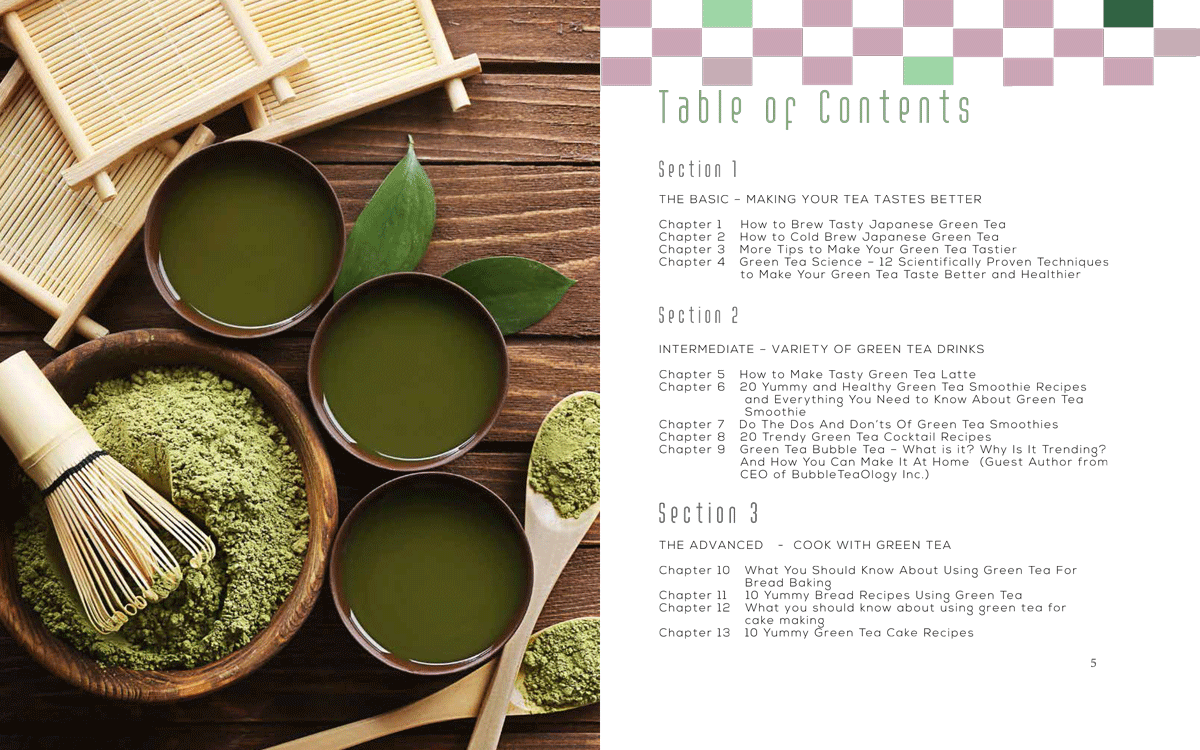
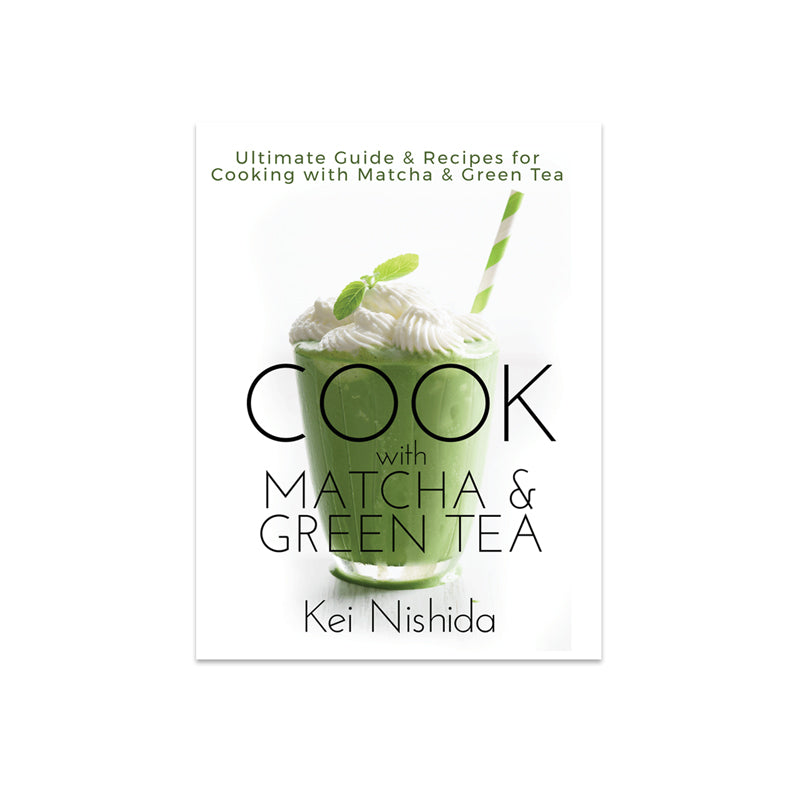
Download our Green Tea Science Brewing Technique Book to learn about 12 Scientific Tips for Brewing Green Tea to Taste Better.

Related products
18 reviews

Tokoname Yaki - Kyusu - 9 fl Oz (270cc) Teapot for Fukamushi tea

$130.00
Quick view

This high-quality teapot, handmade in Tokoname City, Japan, is specially designed for deep-steamed (Fukamushi) tea, featuring an ultra-fine mesh perfect for brewing fine tea leaves. It steeps 9 oz (270cc) and is thoughtfully crafted with a wide opening for easy cleaning, an easy-to-hold handle, and a broader surface area to enhance the tea’s flavor extraction. Made from natural red clay rich in iron, the unglazed interior absorbs some of the tea’s bitterness by pulling out excess catechins, creating a smoother and more pleasant-tasting green tea without sacrificing the health benefits of green tea’s powerful antioxidants. A Tokoname Yaki teapot offers the best of both worlds: a deliciously refined flavor and the full vitality of green tea’s natural goodness.

8 reviews

The Sencha Lover Gift Set - Premium Japanese Green Tea Set Package
$179.00 $159.99
Quick view

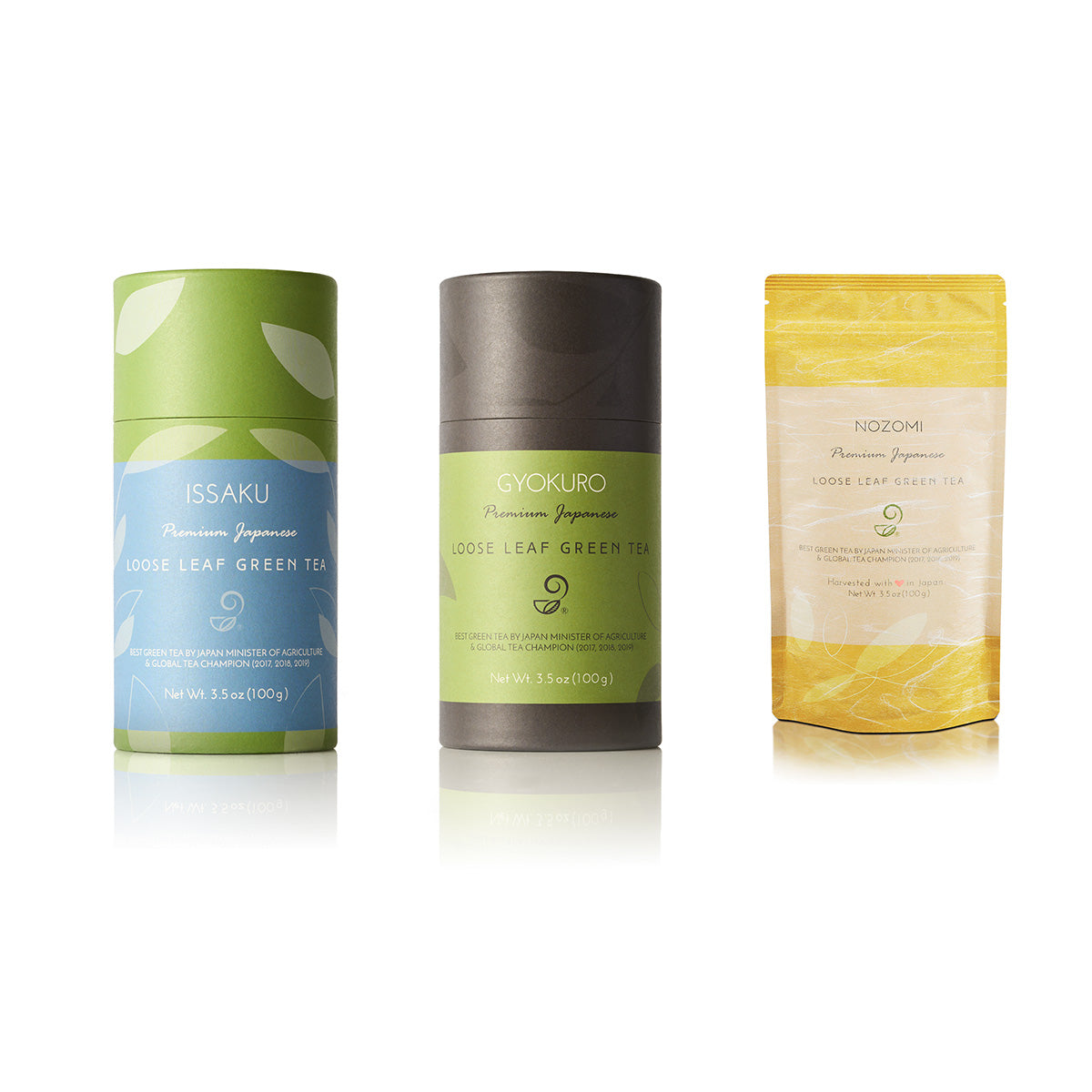
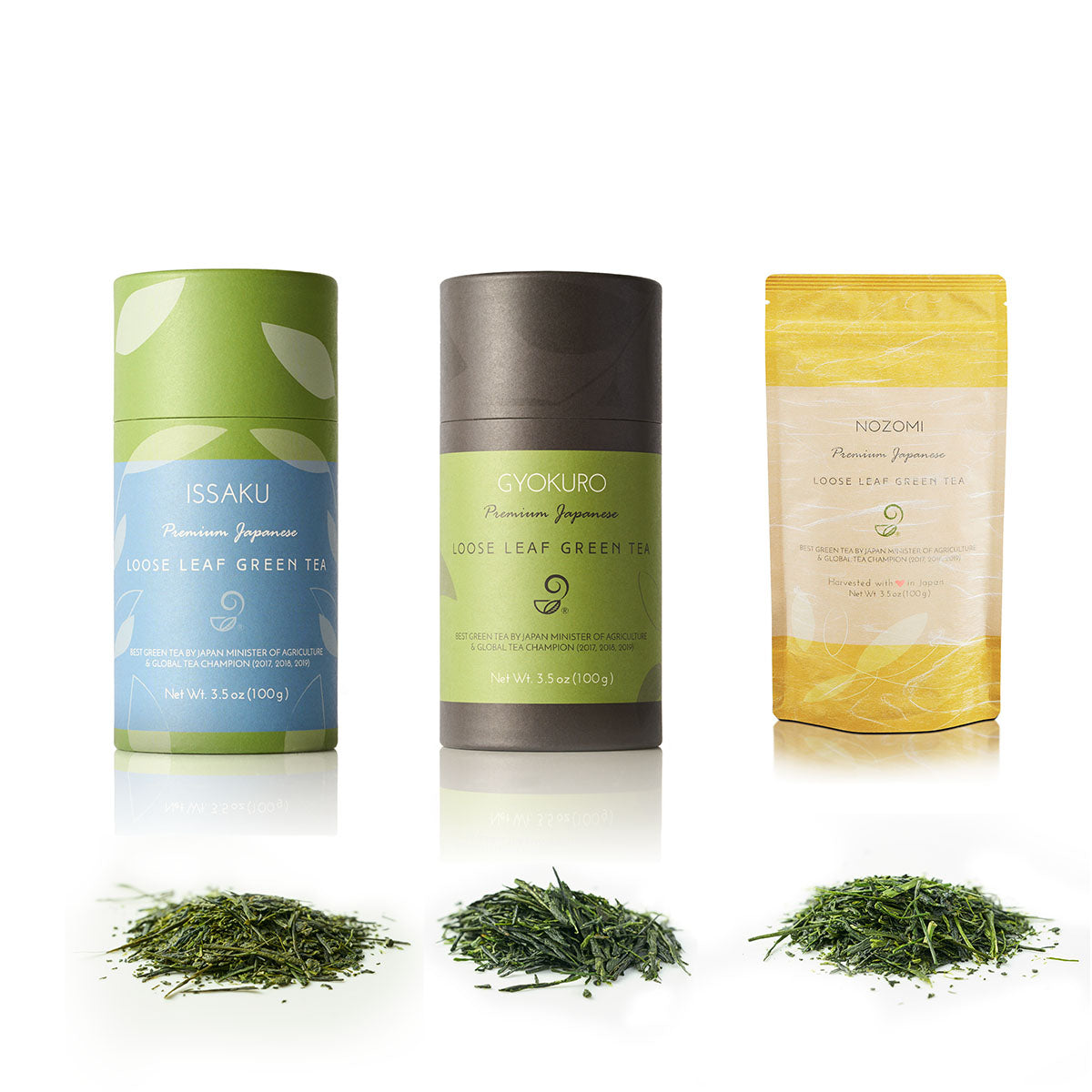
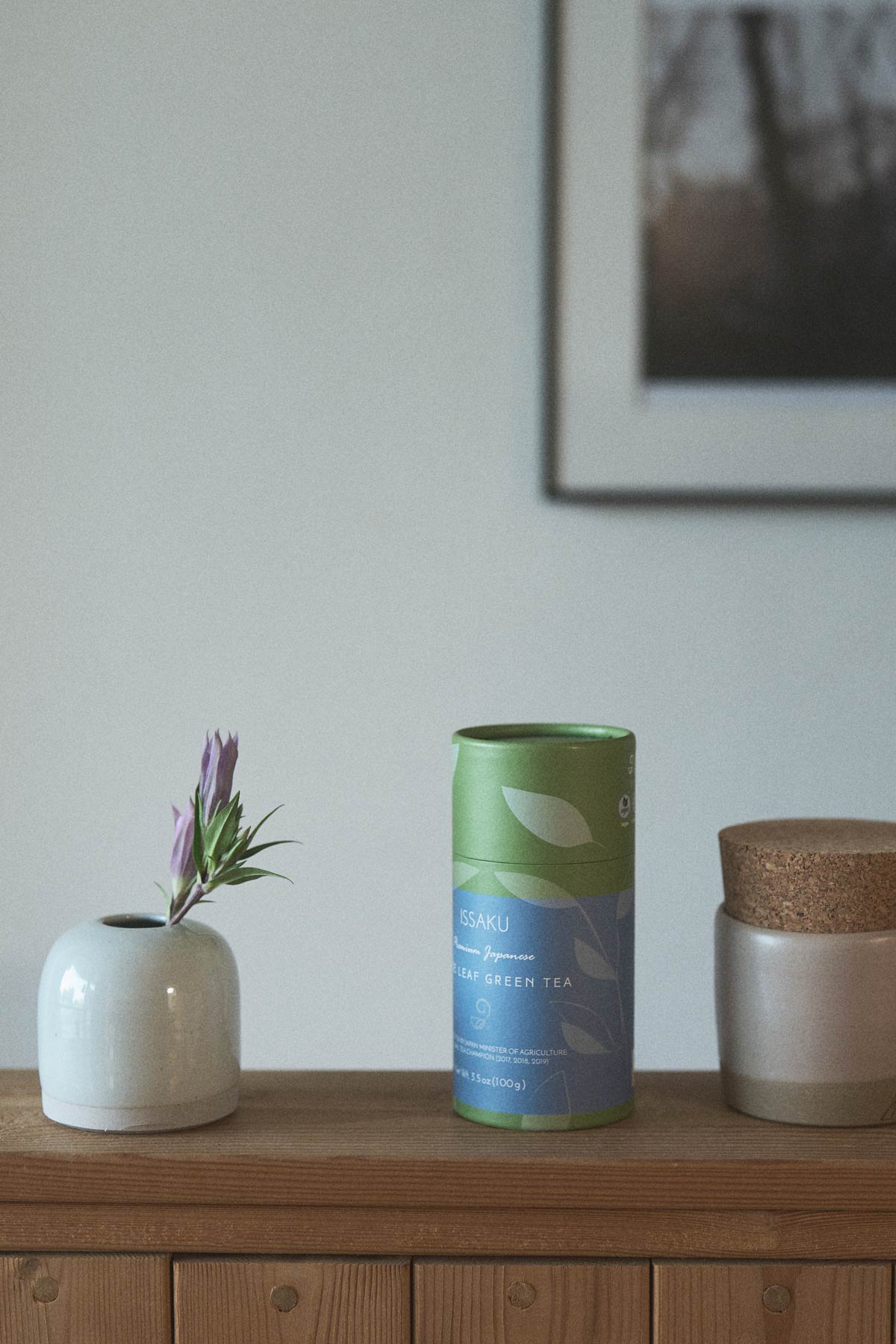
This tea set features three exceptional Japanese green teas, each crafted with care and traditional techniques. Issaku Reserve, a Global Tea Champion winner in 2017 and 2019, is a rare masterpiece created by Farm Master Mr. Arahata at Arahataen Green Tea Farm. Handpicked once a year from the first flush and processed with advanced methods, Issaku represents the highest-grade deep-steamed green tea, available only in limited quantities even in Japan.

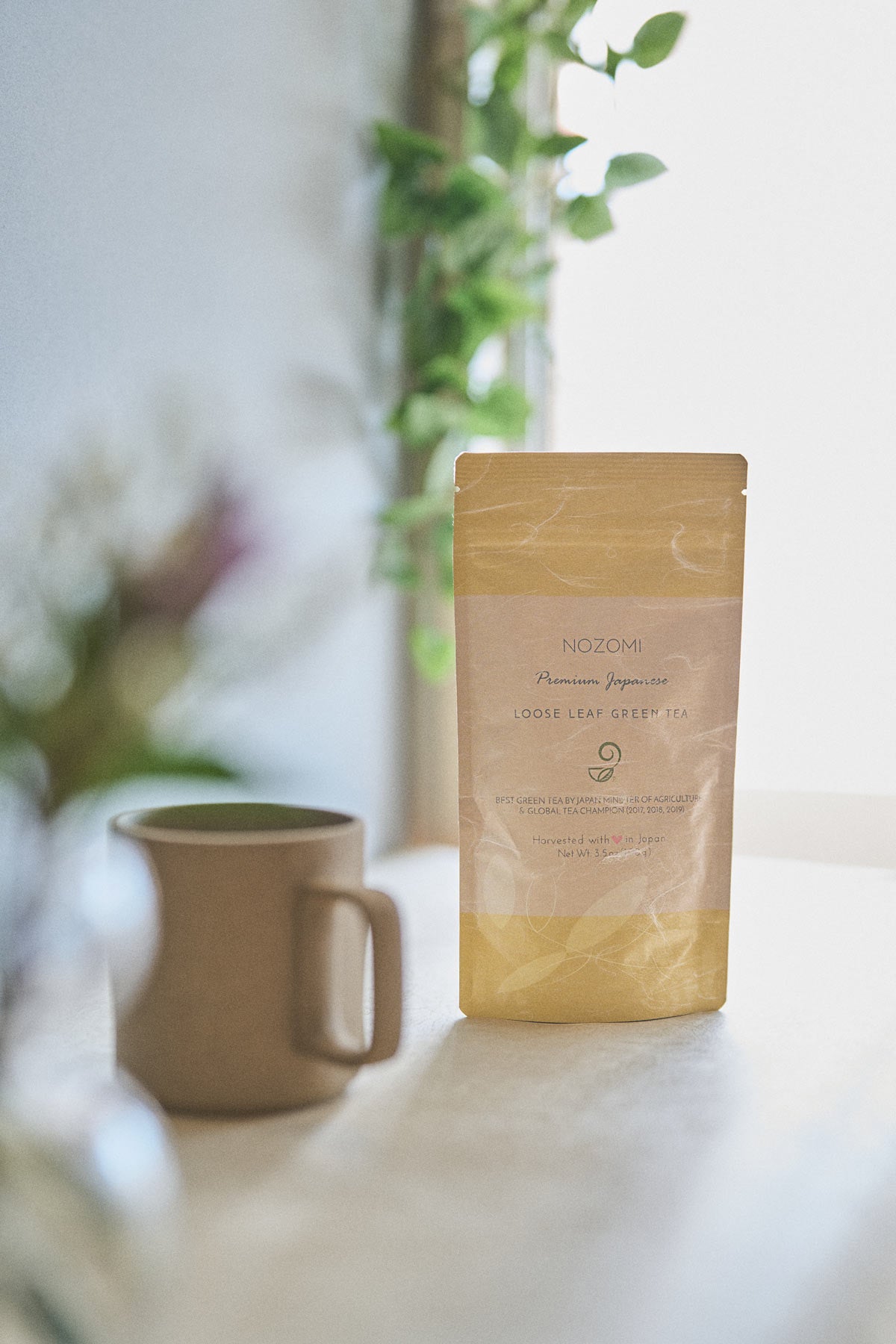
The set also includes Gyokuro, a premium shaded green tea known for its rich, sweet flavor and deep mossy green color. Grown under special mats for 20 days to increase caffeine and amino acid levels, Gyokuro offers a layered, smooth taste unlike any other. Completing the collection is Nozomi, a fine Kabuse-cha, or "Covered Green Tea," carefully grown under nets to gently shade the leaves just before new sprouts emerge, resulting in a soft, rich, and refined flavor profile.

97 reviews

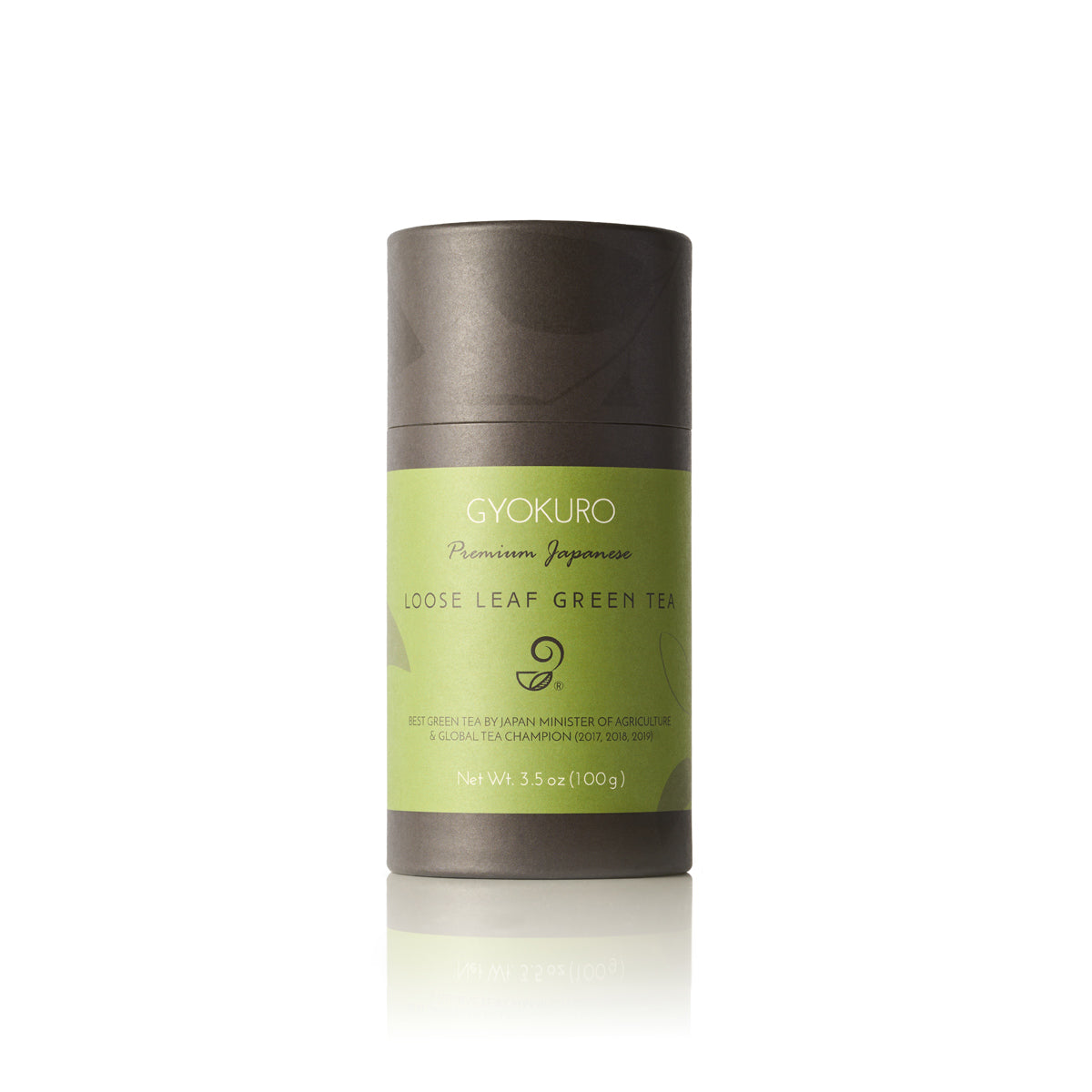
Gyokuro - Shaded Imperial Premium Green Tea

$65.00
Quick view

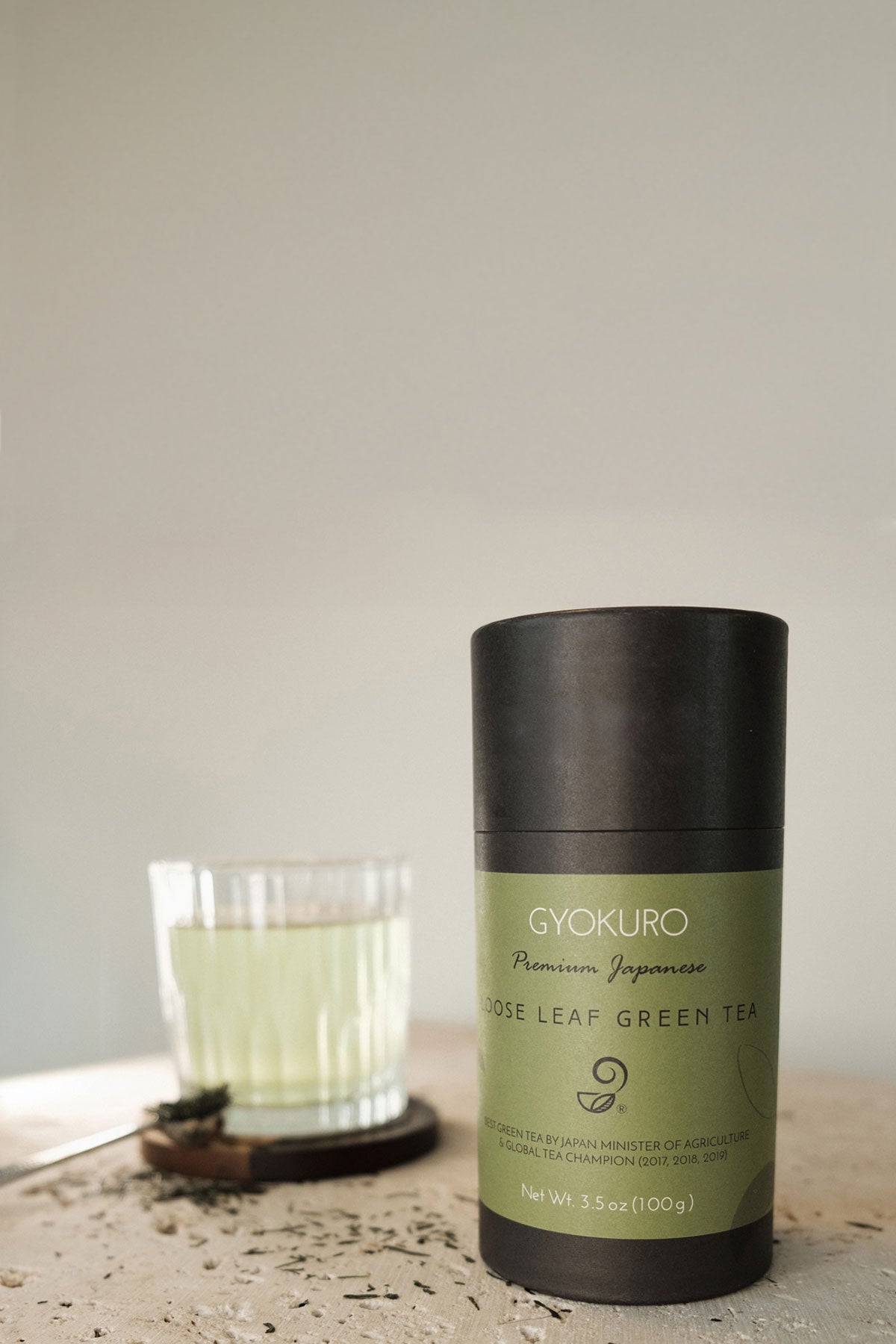
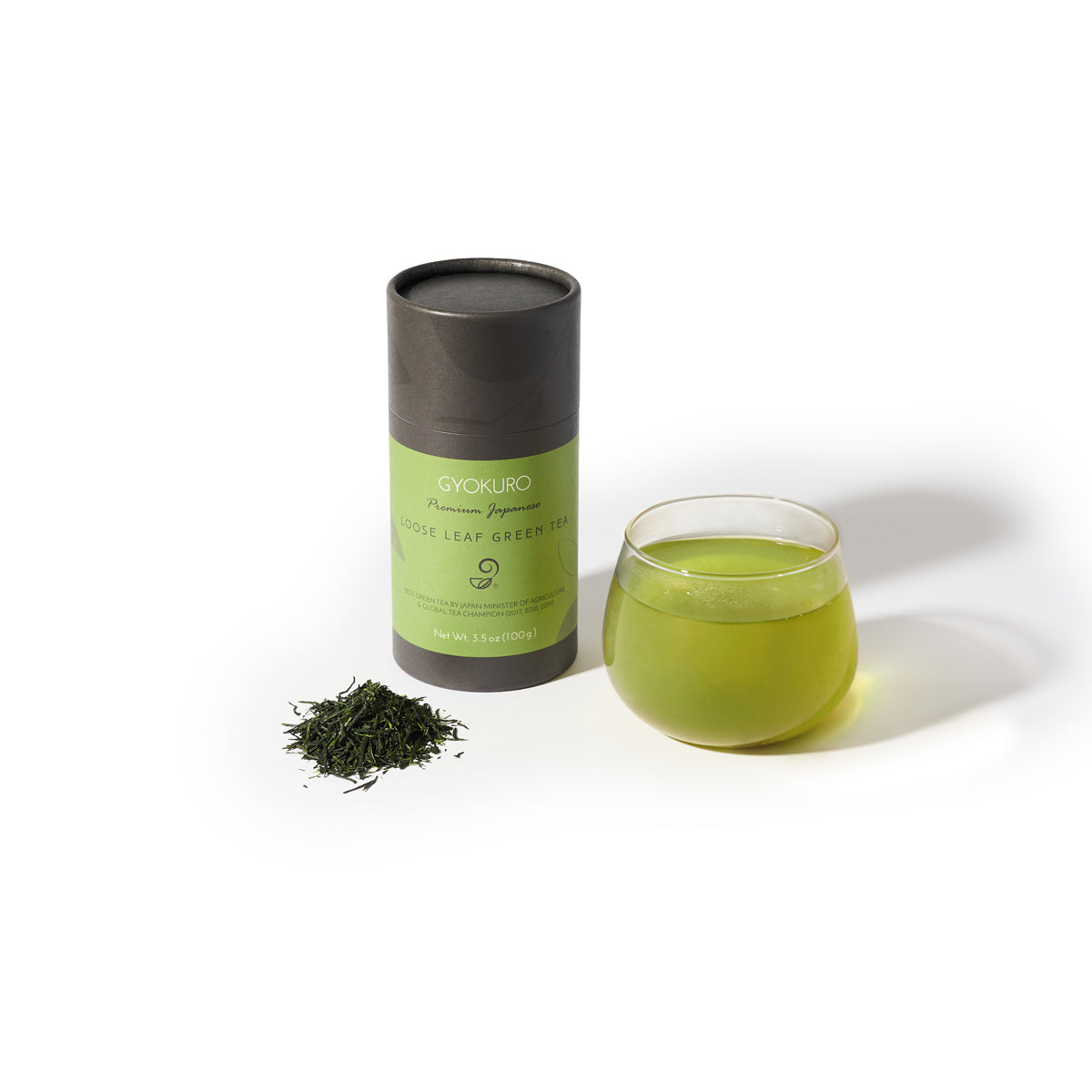
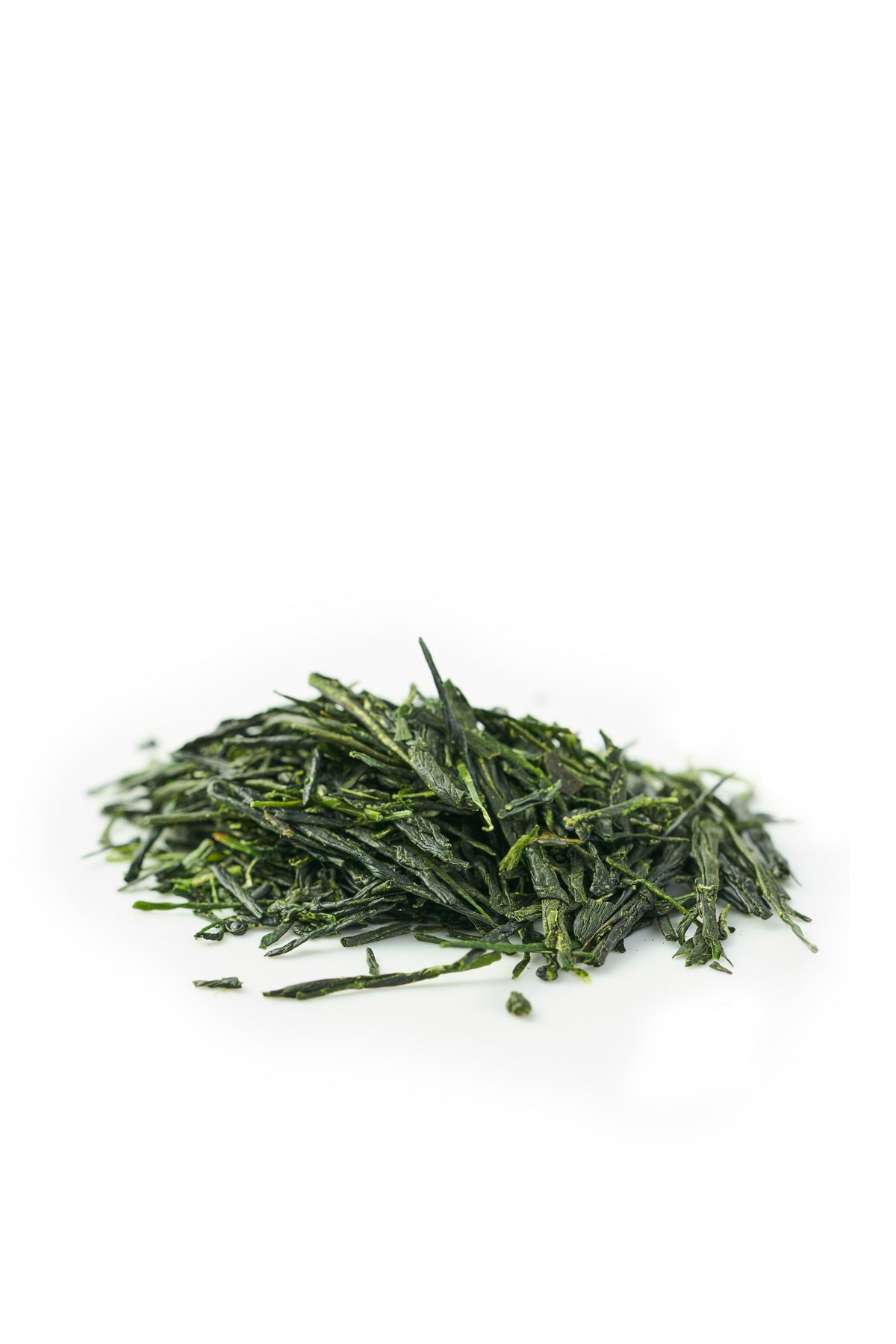
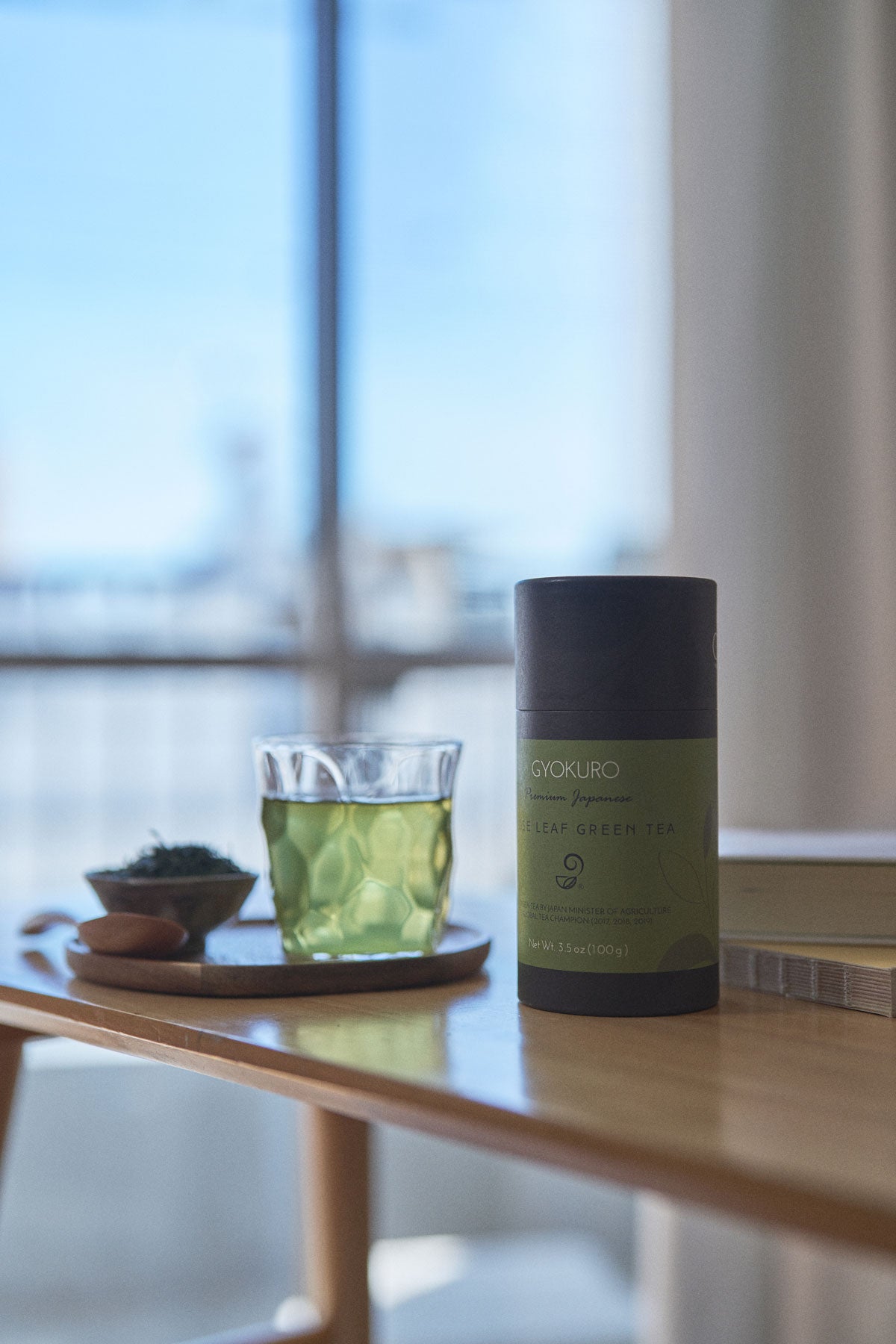
Gyokuro, also known as "jade dew" or "jewel dew tea," is a premium Japanese green tea shaded from the sun for 20 days using specially made mats, a method that boosts caffeine levels and strengthens amino acids to create a sweeter, richer flavor. This extended shading process results in dark, mossy green leaves with an unmistakable aroma and a complex taste that is layered yet balanced. Cultivated by the Chagusaba method in nutrient-rich sugarcane soil and made from the Yabukita cultivar, this loose-leaf authentic Gyokuro is offered in a high-quality, air-tight paper tube canister (chyazutsu) to preserve its exceptional freshness and flavor. Each 3.5 oz (100g) full-size package steeps 30–40 cups, and a convenient single-serve sample is also available.

45 reviews

Hojicha - Roasted Green Tea

$25.00
Quick view

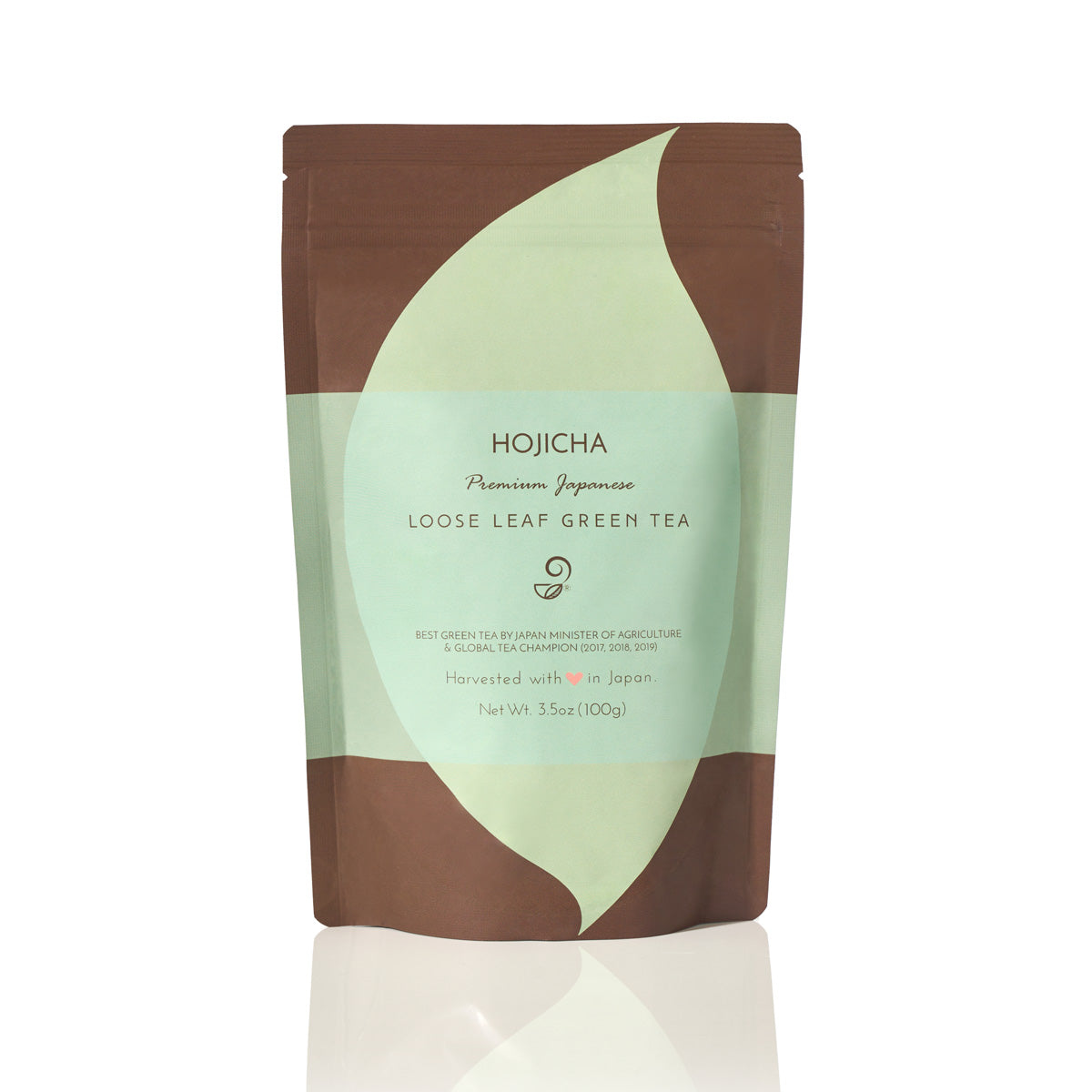
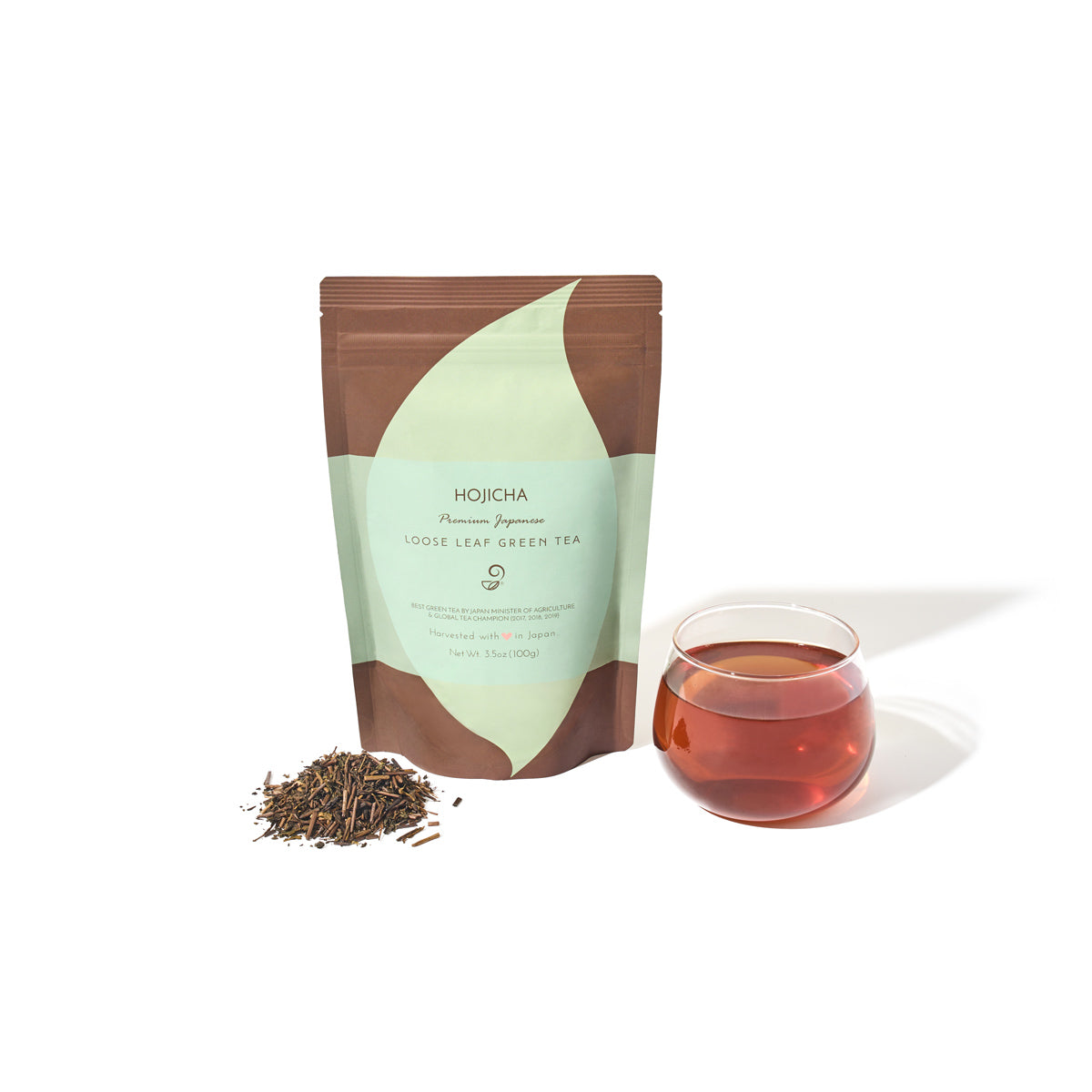
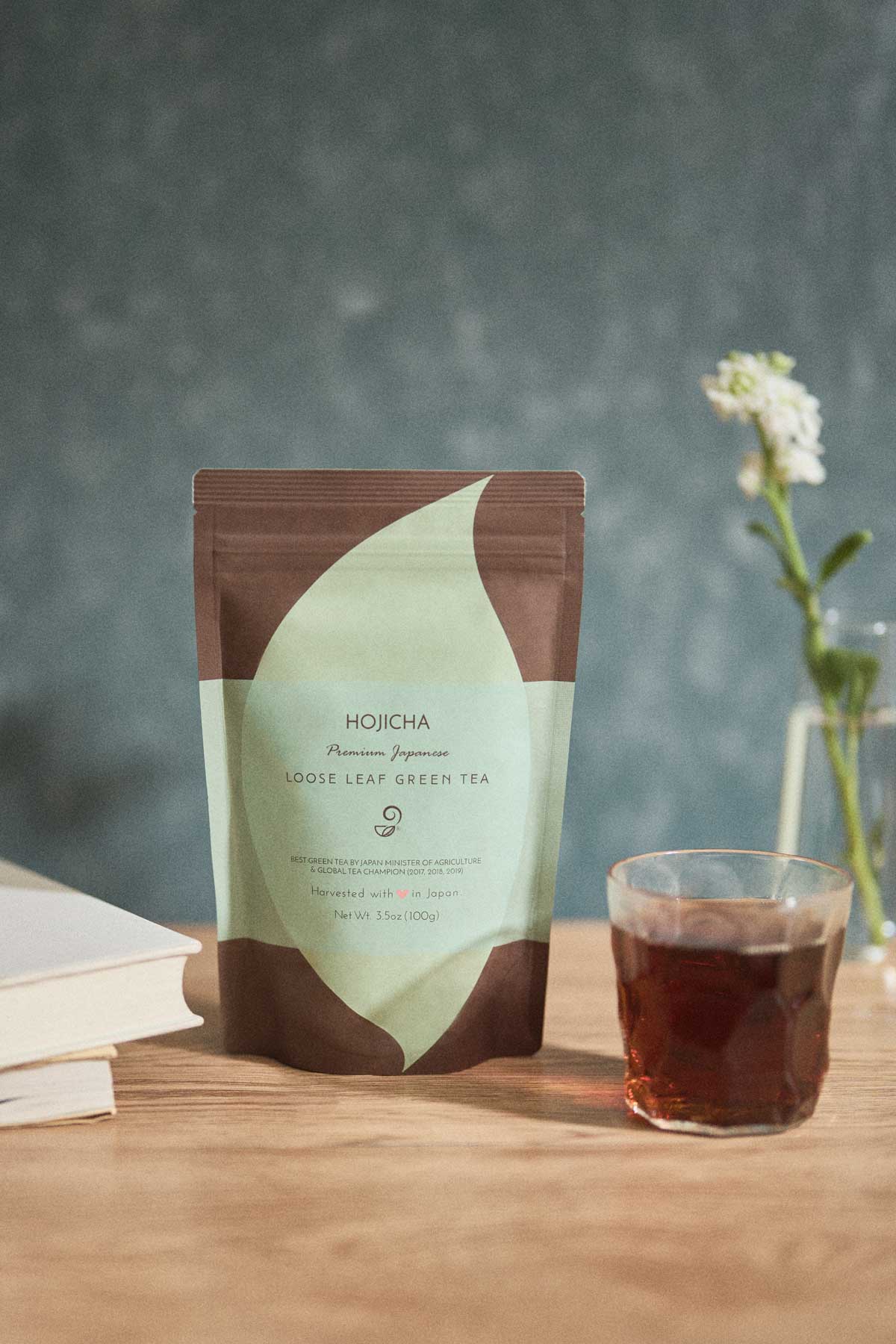
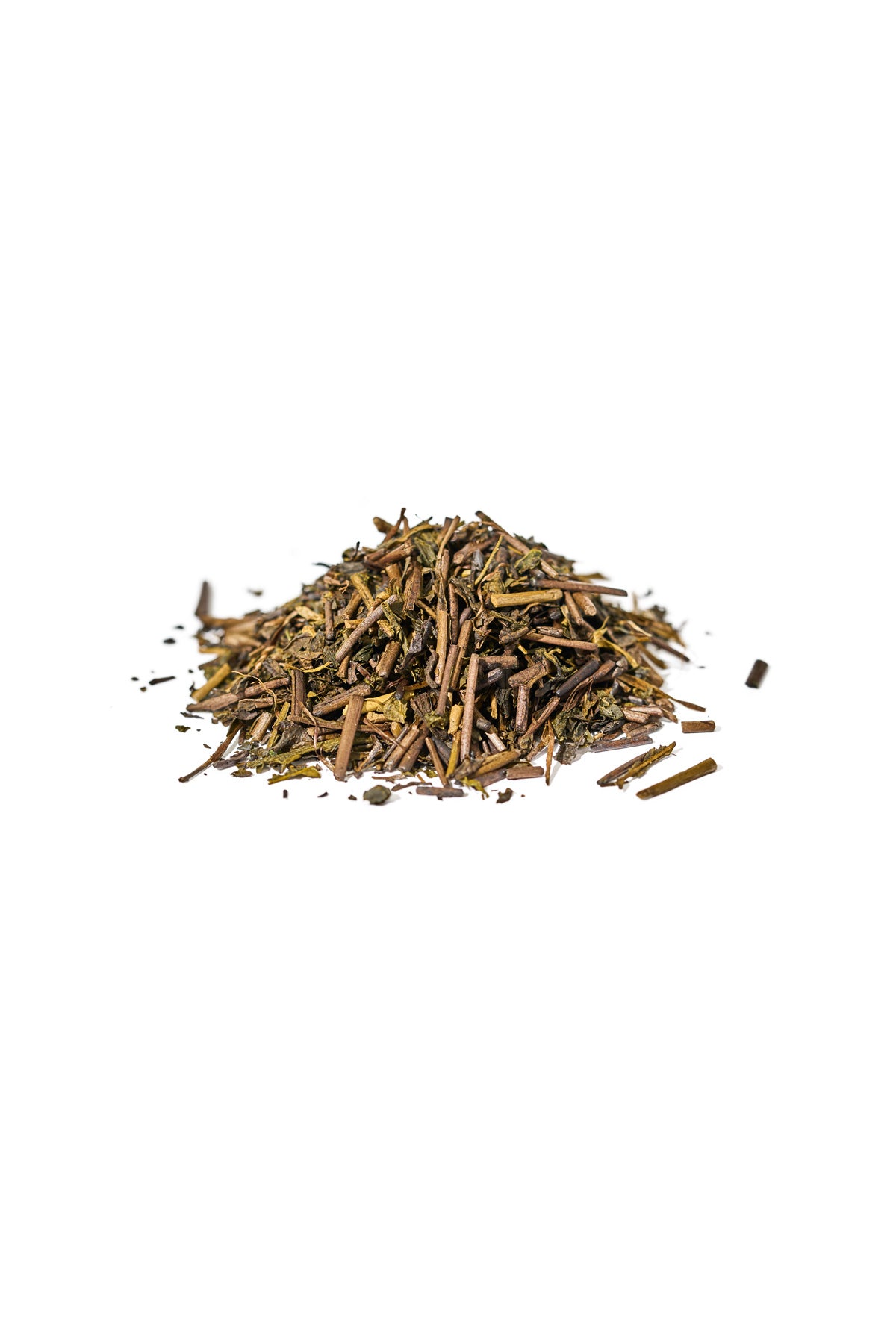
Our roasted green tea, known as hojicha (ほうじ茶), is crafted from freshly harvested premium green tea carefully roasted in porcelain over charcoal to maximize flavor while retaining more catechins than typical hojicha on the market. With lower caffeine and a smoother, less bitter taste compared to steamed green tea, it is an ideal choice for evening relaxation and is gentle enough for kids and pregnant women. Cultivated using the Chagusaba method in nutrient-rich sugarcane soil, this loose-leaf authentic Japanese roasted green tea, made from the Yabukita cultivar, also pairs beautifully with oily foods. Each eco-friendly resealable package contains 3.5 oz (100g) of tea, enough to steep 30–40 comforting cups.

Health Benefits of Tea

Don’t miss out on the health benefits of tea!

Improve health

Green tea is packed with powerful antioxidants like catechins and polyphenols that help your body fight inflammation, protect cells from damage, and support overall immunity. Regular consumption has been linked to improved liver function, better digestive health, and reduced oxidative stress — all of which contribute to a stronger, more resilient body. Whether you're looking to prevent chronic illness or simply feel more energized day to day, green tea offers a natural and effective boost to your health.

Increase brain function

Green tea contains a unique combination of caffeine and L-theanine, which work together to enhance brain function without the jittery effects of coffee. Caffeine improves alertness and reaction time, while L-theanine promotes relaxation and focus. This synergy helps boost memory, concentration, and mental clarity. Regular green tea drinkers often report feeling more calm yet alert — making it an ideal beverage for studying, working, or staying sharp throughout the day.

Regulate weight

Green tea has been shown to support weight regulation by boosting metabolism and enhancing fat oxidation, especially during exercise. The catechins in green tea — particularly EGCG — help the body burn calories more efficiently and may reduce abdominal fat over time. Additionally, green tea can naturally suppress appetite and improve insulin sensitivity, making it a powerful ally for those looking to manage their weight in a healthy, sustainable way.

Lower your risk of cancer

Green tea is rich in antioxidants, especially epigallocatechin gallate (EGCG), which has been extensively studied for its cancer-fighting properties. These compounds help neutralize free radicals that can damage cells and lead to cancerous growth. Research suggests that regular consumption of green tea may reduce the risk of certain cancers, including breast, prostate, and colorectal cancers. While it’s not a cure, incorporating green tea into your daily routine can be a proactive step in protecting your long-term health.

Reduce the risk of heart disease

Green tea supports heart health by improving cholesterol levels, reducing blood pressure, and enhancing blood vessel function. Its high concentration of antioxidants helps prevent the oxidation of LDL (bad) cholesterol, a key factor in the development of heart disease. Studies have shown that regular green tea drinkers tend to have a lower risk of heart attacks and strokes. By promoting better circulation and reducing inflammation, green tea acts as a natural protector of your cardiovascular system.

Lowers the risk of diabetes

Green tea has been shown to improve insulin sensitivity and help regulate blood sugar levels, both of which are crucial in preventing type 2 diabetes. The catechins in green tea slow down the absorption of glucose in the bloodstream and reduce insulin spikes after meals. Regular consumption may also support pancreatic health and reduce inflammation, lowering the overall risk of developing diabetes. For those managing or aiming to prevent blood sugar issues, green tea can be a smart and natural daily habit.

Join the Green Tea Club and Brew Like a Pro

We know that you will love these tips for brewing tea and getting the most flavor and elegance out of every cup. Sign up for the Free Green Tea Club and get this great, informative manual on brewing green tea. You will learn what it is that makes it one of the most popular beverages in the world.

The E-Book also includes a chapter from Kei Nishida's book, "Art of Brewing Japanese Green Tea" where he teaches you how to brew hot and cold Japanese Green Tea.

Conclusion

Green tea is more than just a drink — it’s a daily ritual that can nourish your body, sharpen your mind, and uplift your spirit. With the right brewing techniques, you can unlock its delicate flavors and powerful health benefits in every cup. Whether you're new to green tea or looking to refine your brew, the Green Tea Science Brewing Technique Book offers everything you need to transform your tea experience. Don’t settle for bitterness or blandness — join the Free Green Tea Club, download your guide, and start brewing green tea the way it was meant to be enjoyed: with precision, elegance, and joy.

FAQs about Japanese Green Tea Science and Brewing Technique Book

What does this Japanese green tea book actually cover?

The book is structured around 12 scientifically-supported health benefits of Japanese green tea, with a brewing-technique section integrated throughout. It explains what catechins, EGCG, L-theanine, and other key compounds actually do (with cited research), then walks through the brewing variables that affect how those compounds end up in your cup.

Most general tea books either focus on tasting and culture (like Okakura's "Book of Tea") or on health benefits without much brewing detail. This book sits in the gap — practical enough to change how you brew at home, scientific enough to back the claims with research rather than just tradition.

Useful especially for people who've started drinking Japanese green tea for health reasons and want to understand what they're actually drinking and how to maximize the benefits. Less useful if you're looking for tea-ceremony content or pure history; those are different books.

Who should read this kind of book — is it for beginners or experienced drinkers?

Most useful for intermediate drinkers — people who already drink Japanese green tea daily but haven't dug into the chemistry. Beginners can read it but might find some sections technical without context. Advanced drinkers who already understand catechin chemistry will find it confirming rather than revelatory.

The book also works as a gift for someone who's curious about "is green tea actually as healthy as people say?" — the science-cited approach answers that question with rigor. People who don't drink tea at all might find it useful as a foundation before deciding whether to take up the practice.

If you're a tea-school student or someone who's read deeply already, this book is more of a reinforcement than a new layer. Save it for newer drinkers who want practical-and-scientific rather than ceremonial-and-aesthetic.

"Green Tea: Health Benefits and Applications" by Yukihiko Hara (2001) is the most rigorous English-language reference for tea chemistry — denser and more academic, but the gold standard if you want primary-research depth. Hara is a tea-chemistry researcher who's published extensively, and this book is essentially a textbook.

"The True History of Tea" by Victor Mair and Erling Hoh combines history, science, and practice in moderate depth — broader scope but less focused on Japanese green tea specifically. Good companion read.

Most other "green tea health" books on the market are popular-press level and lighter on actual research citations. The combination of Hara's textbook + a practical brewing-and-science book covers the field reasonably well for non-academic readers.

Does the book actually change how I brew tea, or is it more theoretical?
Practical changes are real. Specific examples: the temperature recommendations (175°F for sencha, 140°F for gyokuro) are derived from extraction research showing how catechin and L-theanine ratios shift across temperature ranges. The steep-time guidance (60-90 seconds for first infusion) reflects the same research.

Many readers report that they switched from boiling-water brewing to controlled-temperature brewing after reading the science section, and the resulting flavor improvement was significant. Same leaves, better cup. The research-backed brewing protocol is the practical takeaway most readers find valuable.

If you've already optimized your brewing through trial and error, the book confirms what you've found rather than introducing new techniques. If you're still over-steeping at boiling temperatures, this book will measurably improve your daily tea.

What's the best way to read a tea-science book — front to back, or skip around?

Skip around. Most tea-science books (this one included) are organized by topic — catechins, then EGCG, then L-theanine, then specific health applications — and each section stands mostly on its own. Reading the catechin chapter doesn't require reading the L-theanine chapter first.

My suggested approach: skim the table of contents, identify the 2-3 sections that match your specific interest (anti-inflammatory effects, blood sugar, focus, whatever), read those carefully, and skim the rest. The brewing-technique section is worth reading regardless of which health topic drew you in.

Re-reading after 6 months of daily green tea practice often catches things that didn't land the first time. Many of the chemistry observations make more sense once you've spent time tasting different teas and noticing how brewing variables affect the cup. Build the experience first, then return to the book.


Related Articles You May Be Interested

Everything You Need to Know about Tea Plant
Everything You Need to Know About Different Types of Japanese tea
Everything You Need To Know About Sencha Green Tea
10 Things about Japanese Green Tea Harvesting You (Probably) Didn't Know
Benefits Of Steeping Green Tea Over Boiling Or Simmering

Get Free Bonus Books

Join Green Tea Club

Sign up for free to the Green Tea Club to get advice and exclusive articles about how to choose Japanese Tea, and tips, tricks, and recipes for enjoying Japanese tea.

Unsubscribe anytime. It’s free!

About the author

Kei Nishida

Kei Nishida

Author, CEO Dream of Japan

info@japanesegreenteain.com

Certification: PMP, BS in Computer Science

Education: Western Washington University

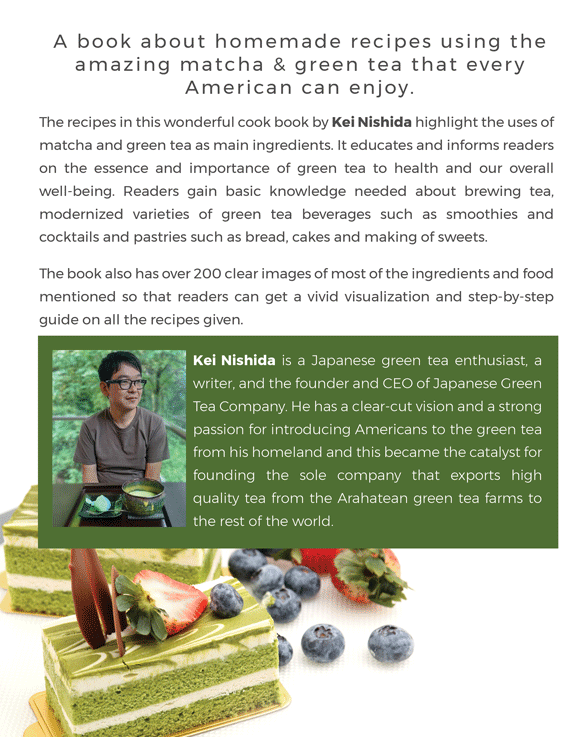
Kei Nishida is a passionate Japanese green tea connoisseur, writer, and the founder and CEO of Japanese Green Tea Co., a Dream of Japan Company.

Driven by a deep desire to share the rich flavors of his homeland, he established the only company that sources premium tea grown in nutrient-rich sugarcane soil—earning multiple Global Tea Champion awards.

Expanding his mission of introducing Japan’s finest to the world, Kei pioneered the launch of the first-ever Sumiyaki charcoal-roasted coffee through Japanese Coffee Co. He also brought the artistry of traditional Japanese craftsmanship to the global market by making katana-style handmade knives—crafted by a renowned katana maker—available outside Japan for the first time through Japanese Knife Co.

Kei’s journey continues as he uncovers and shares Japan’s hidden treasures with the world.

Learn more about Kei Nishida

Related Posts

OC Japan Fair April 2026 — Visit Us at Booth #A8!
OC Japan Fair Spring 2026 Recap (April 3 - 5 2026)

We were at OC Japan Fair again! April 3-5 2026 with new products, Miki Pon's art debut and more. Here is a recap video f

Read More
Super Mario and Japanese Green Tea

Super Mario and green tea share a hometown! Watch our Yoshi Matcha Cookies video recipe + discover how Nintendo and matc

Read More
Our Matcha Is Now at Pillow Talk Cafe in Pasadena — Master Japanese-Inspired Cake Makers

Our matcha is now at Pillow Talk Cafe Pasadena! Meet the cafe, try the Egg Heaven sando & Matchamisu, and see how th

Read More
Leave a comment

Your email address will not be published..

Cart

Your cart is currently empty.

Start Shopping

Select options