Skip to content

Costco's Green Teabags vs Japanese Greentea Co's Teabags - What are the differences? Q&A

Subscribe to Youtube See all videos

Green teabags between Costco's Itoen and Japanese Green Tea Company are quite different; in this video, Kei answers questions from a visitor at the International Virtual Tea Festival 2020.   

Video Script:

  • [Woman] So, what I drank predominantly is is Costco's Ito En.

    - Mm hmm, yep.

    - So is yours, I would assume, probably better than the Ito En and I guess, questions along that line and where is it grown?

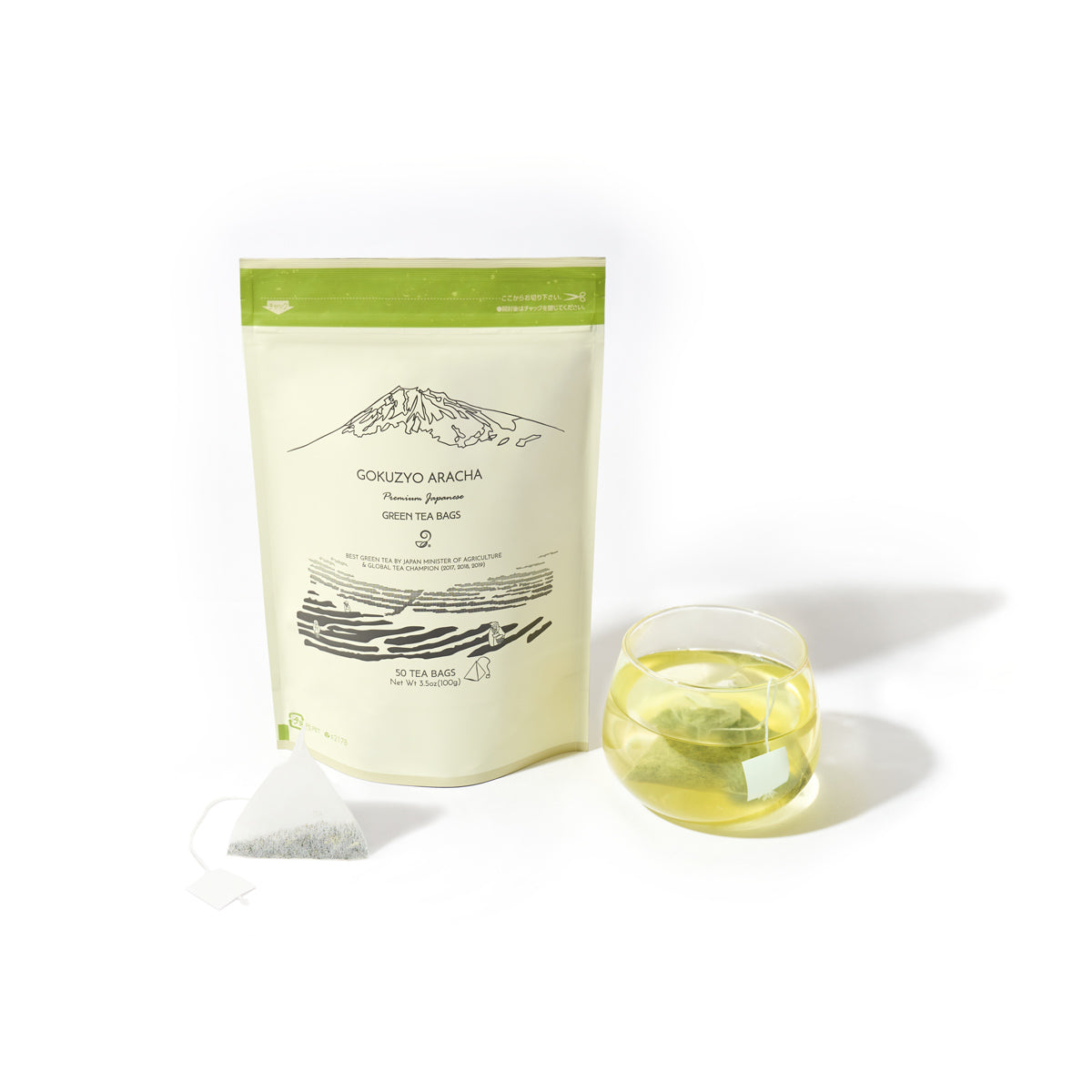
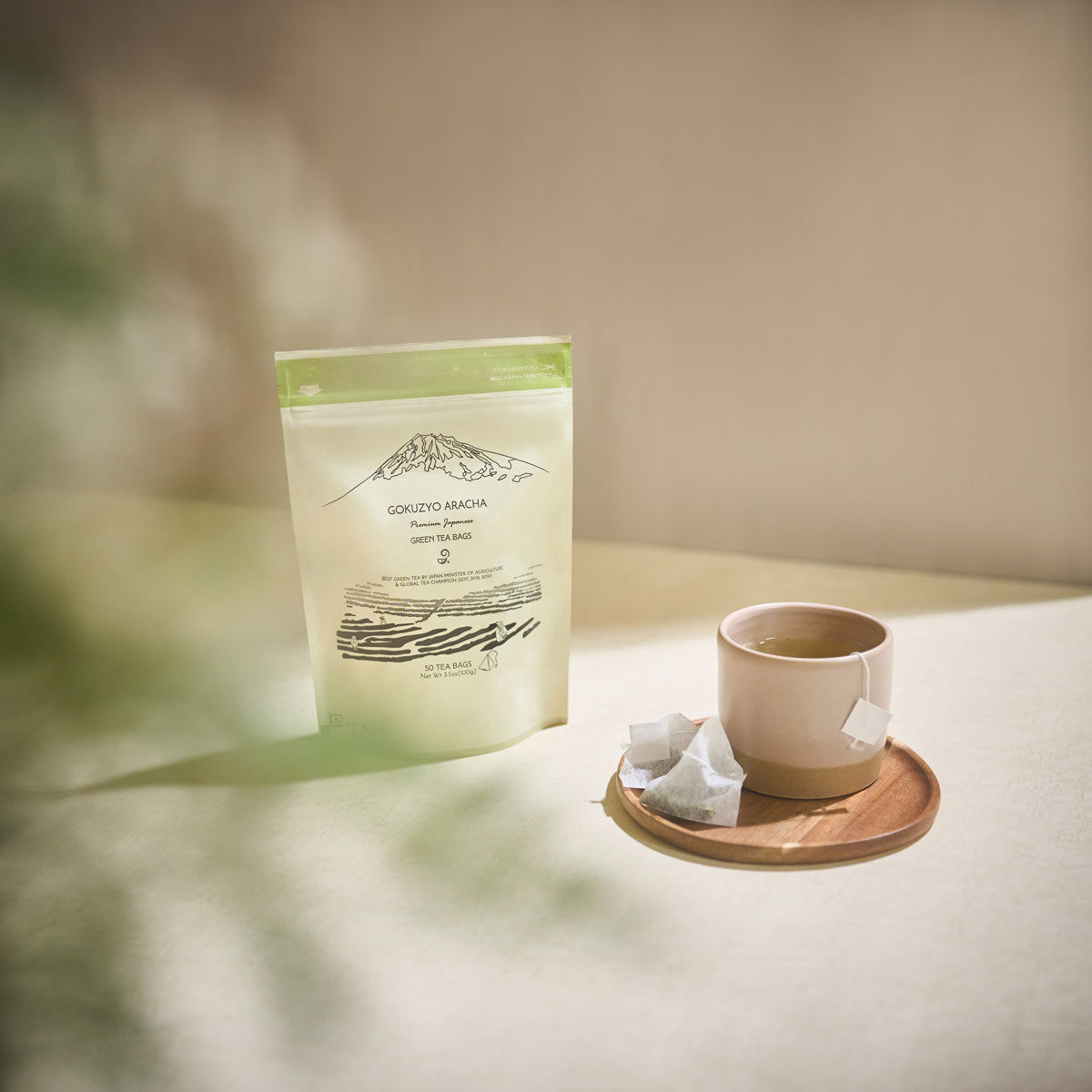
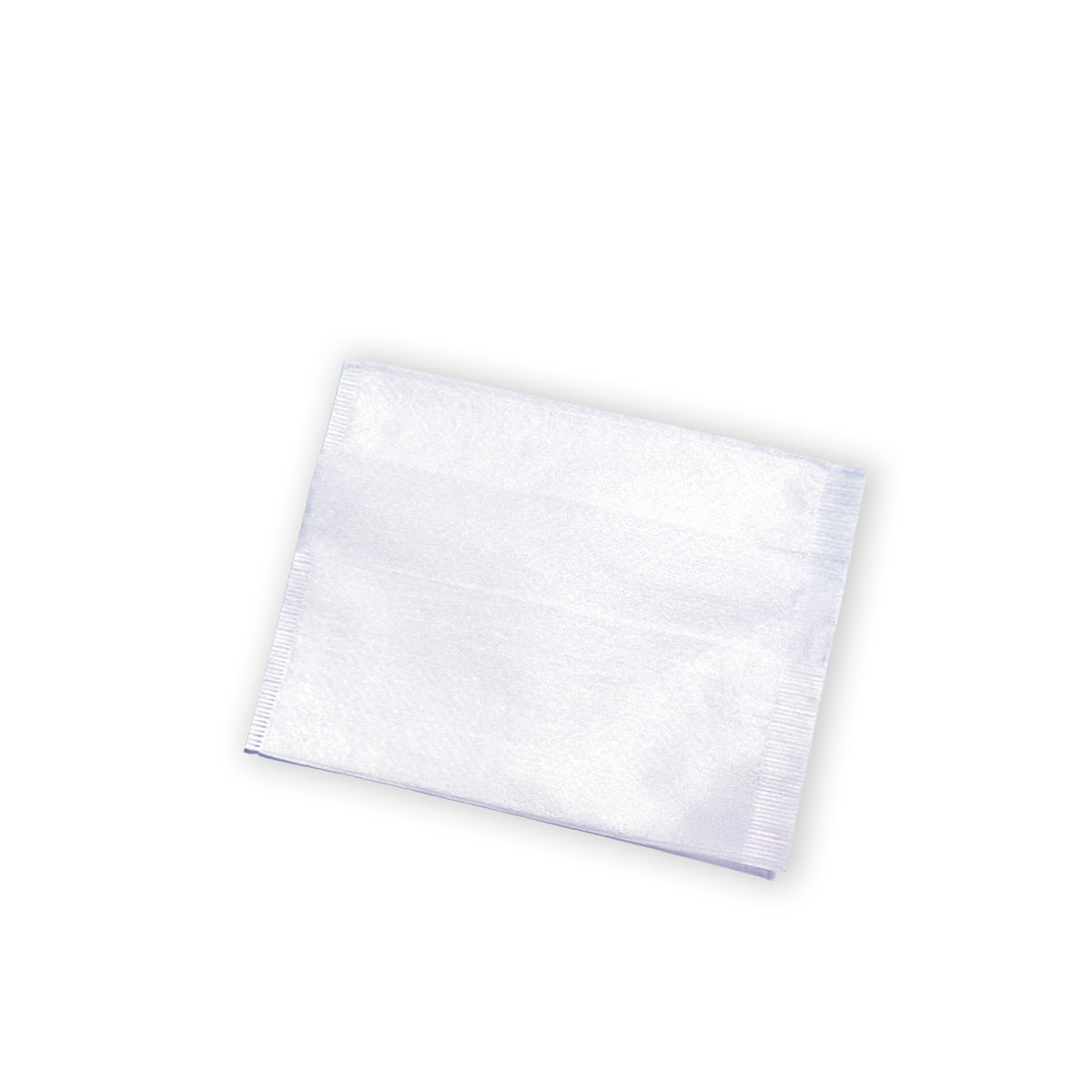
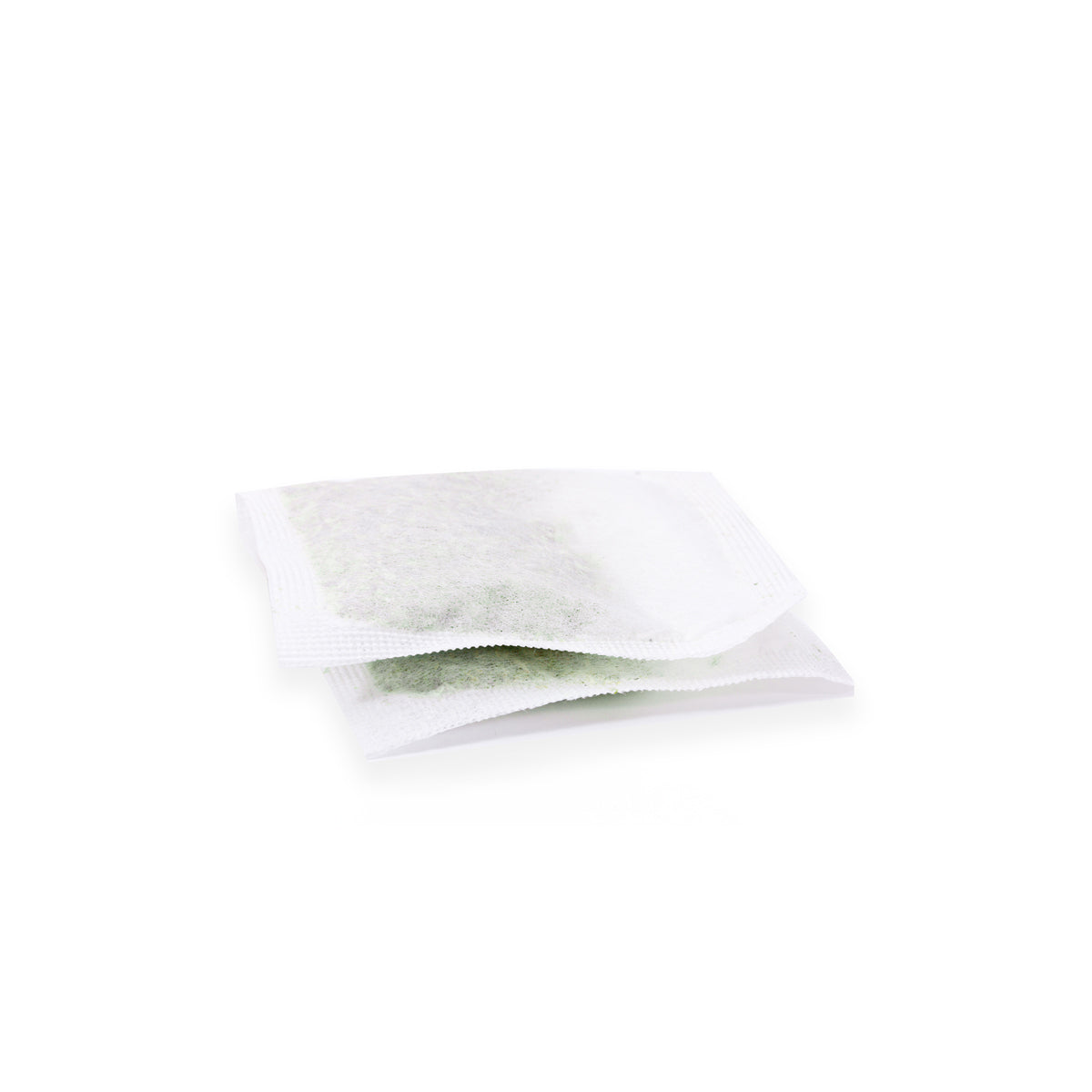
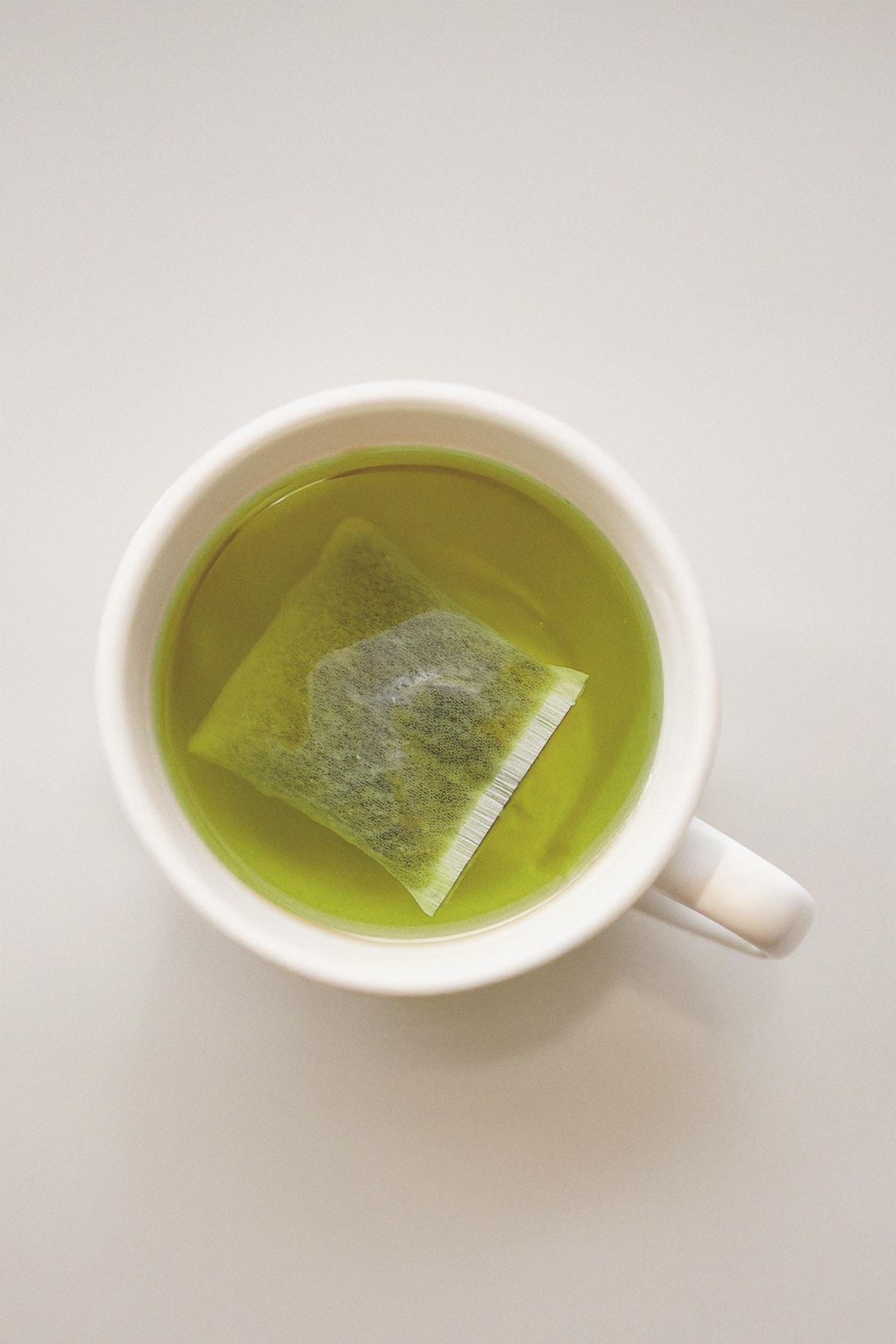
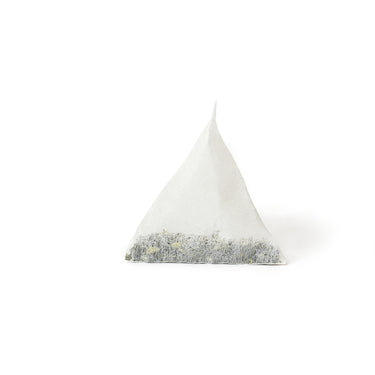
    - Yep. Costco one is not bad, actually. I used to drink them in the office in the past and Ito En is a mass production, and it is good, but you can try ours. Ours look, teabag looks kinda like this.  

    - [Woman] Mm hmm.

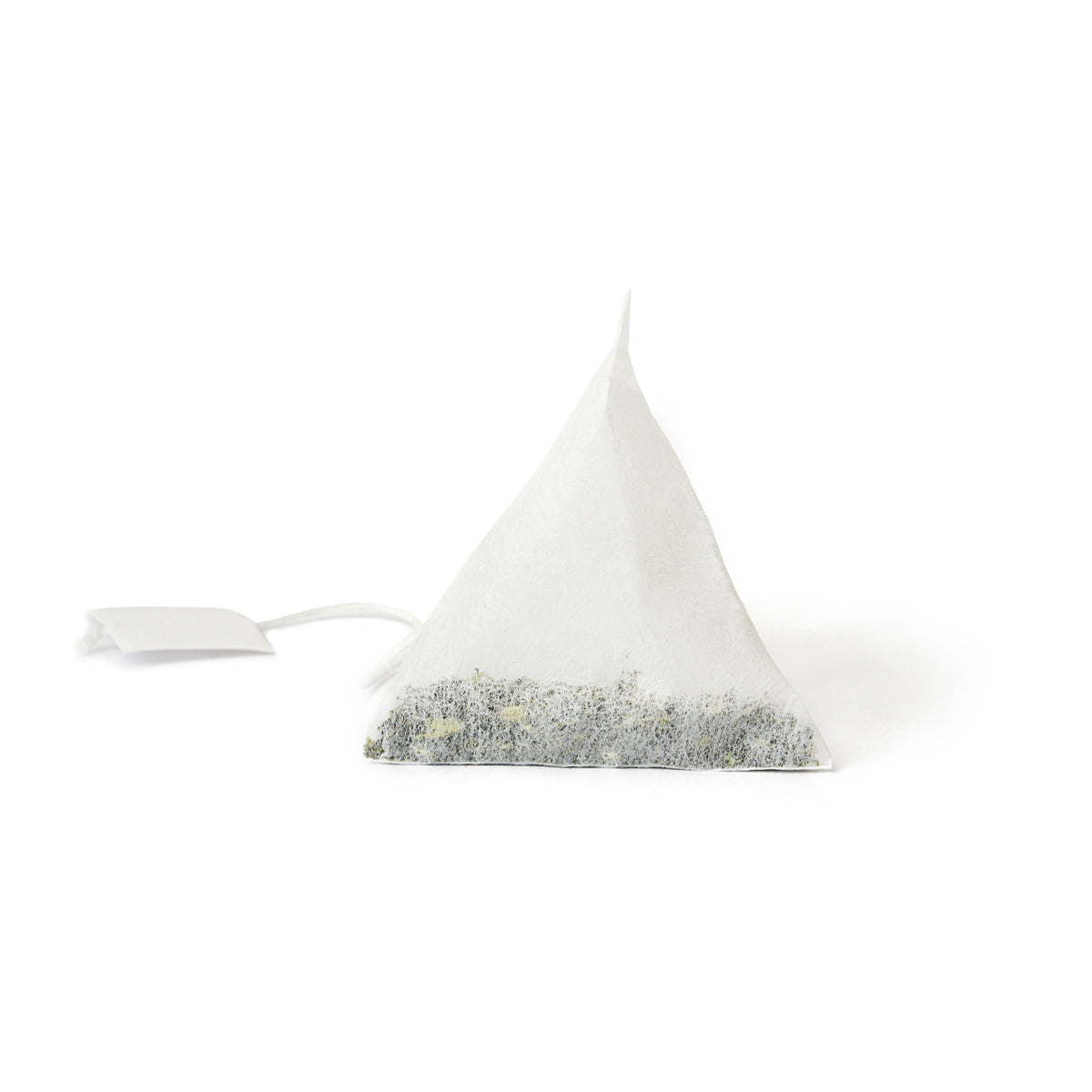
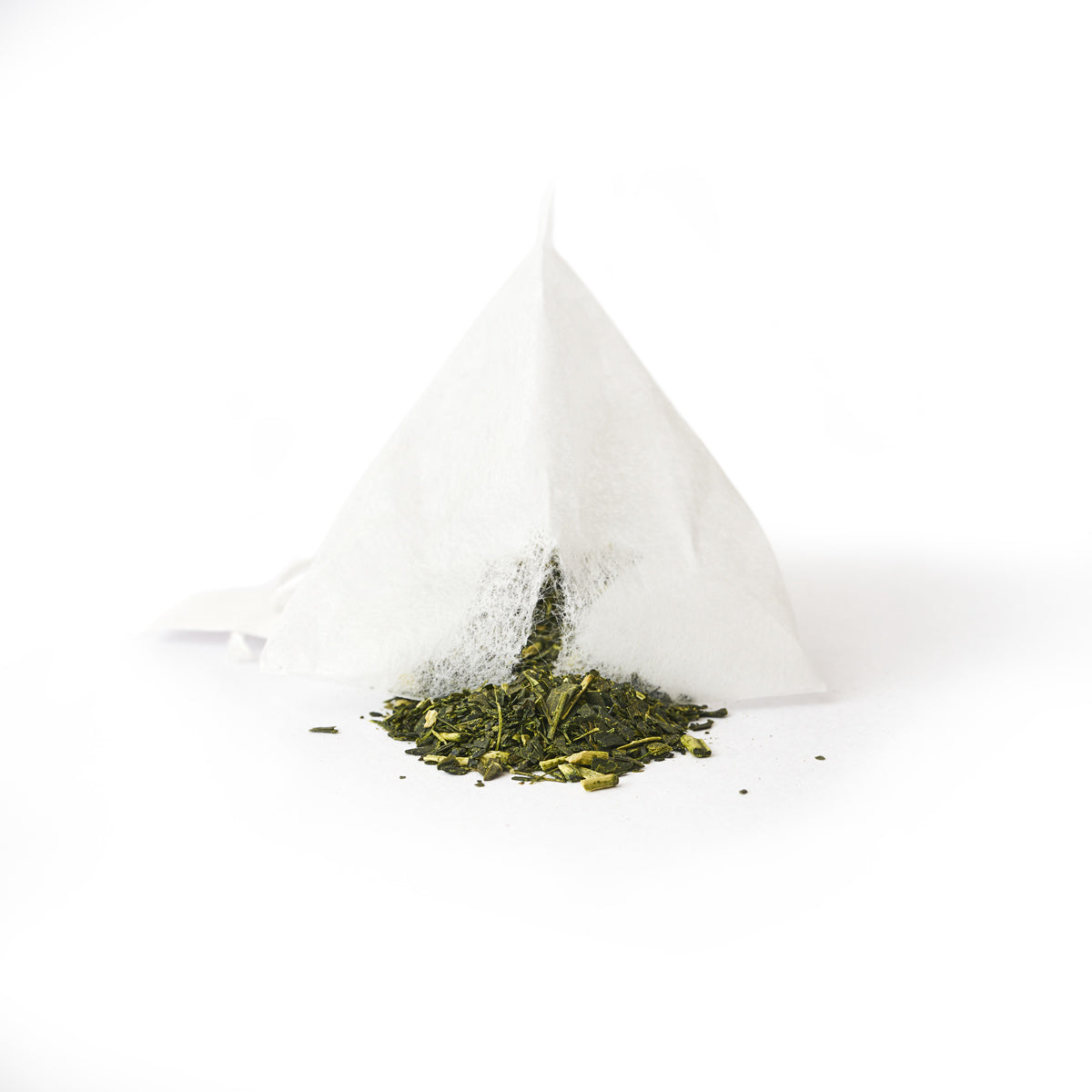
    - And each of the teabag looks exactly like the same, but the difference might be that, one of the reason why, this is the actual teabag, tea leaf, can you see it?

    - [Woman] Yes, yes.

    - The pyramid shape and Ito En, I think most of them are like a square shape. And the difference between that and this pyramid shape is that the tea opens up inside the bag better, right. Because it has a lot of bigger space, right.

    - [Woman] Sure.

    - So that makes it a lot tastier in general. And also the difference in terms of the mechanism is we use biodegradable material-

    - [Woman] Mm hmm.

    - Called SOILON whereas Ito En would be using a plastic one, which has a finer plastic, which is, some people don't like it and, yeah. That's a difference in terms of the teabag.

    - [Woman] Okay.

    - You can compare with the Costco Ito En. Inside the tea leaf, we only use the specific year's tea leaf and very high grade and our tea is from Shizuoka in Japan. Shizuoka is where the Mt. Fuji is in the background.

    - [Woman] Yes, yes.

    - Yeah, and we use sugarcane in soil. So what it is is that the tea is very sensitive to dirt. So whenever you put it in dirt, it sucks up very much, a lot of materials from the dirt, even in the tea itself, when you put the tea in like a refrigerator, it sucks up a lot of you know, like a odor from the refrigerator, because that's just a characteristic of tea. Now the dirt, when we grow them, we are very particular about what kind of dirt that we use. And we use sugarcane in the soil, which differentiate us from other tea.

    - [Woman] Oh, okay. So you're amending the soil then with, to change the flavor. Okay.

    - Mm hmm.

    - [Woman] Okay. Did not know that.

    - Yeah. And that is very unique, even in Japan. And that's one of reasons why we won the global tea championship three years in a row because of the taste. Japanese tea usually have the bitterness, but our tea has less bitterness and less astringency because of the soil and we collaborate with the Shizuoka University to study about the dirt as well. So every year we try a different type of dirt to see-

    - [Woman] Oh wow!

    - Does on the tea leaf, tea taste and tea health, and that is going on for the last 15 years. So we are constantly evolving our taste of the tea and the characteristic naturally, nothing is chemical-

    - [Woman] Wow!

    - No chemical there. So that is about our tea, what's inside the teabag.

    - [Woman] Oh, okay. I am going to have to try it. I've been, besides the Ito En, I've been also, well, used to now with not traveling a whole lot, going to Mitsuwa and buying the teas from Mitsuwa. Luckily, and we're in Texas, we do have a Mitsuwa nearby. I don't have to fly all the way to California anymore to do that.

    - Yep, mm hmm.

    - [Woman] But the one here is not as large and doesn't offer the selection that I was used to in California. So I'm looking forward to maybe ordering some tea and trying it out.

    - Sure, wonderful.

    - [Woman] And I think that's all I have. Thank you so much for your time.

    - Alright. Thank you very much. Have a good day.

    - [Woman] You too.

Buy Japanese Green Tea Co. Teabags (teabags mentioned in the video)

FAQs about Japanese Green Tea Co. vs Mass-Market Teabags

Why are Japanese Green Tea Co. teabags pyramid-shaped while Costco's Itoen bags are flat squares?

It's actually a meaningful difference, not just aesthetics. Flat square bags compress the leaves into a thin sheet, which means the tea can't fully expand when hot water hits it. The water mostly washes around the outside of the packed leaves rather than circulating through them. Pyramid bags give the leaves room — when the water hits, the leaves unfurl, rotate in the bag, and release their flavor more completely. You can taste it in a side-by-side: pyramid bags brew with more body and aroma at the same steep time.

This matters more for higher-grade leaf, which is why we use pyramid bags for our Gokuzyo Aracha tea bags. Mass-market teabags often contain dust and fannings (the small broken bits left from sorting whole leaves), which extract fast and don't need expansion space. Whole or larger-cut leaves do — they're slower to release flavor, and a pyramid bag respects that.

Are biodegradable Soilon teabags actually safer than the plastic mesh in mass-market brands?

There's a real safety difference, and it's been getting more attention. Many mass-market teabags — including Itoen, Lipton, and most supermarket brands — use a fine plastic mesh (often nylon or PET) as the bag material. When you steep these in near-boiling water, research from McGill University in 2019 showed that a single plastic teabag can release billions of microplastic and nanoplastic particles into your cup. The long-term health effects of consuming microplastics are still being studied, but most people would prefer not to drink them.

Soilon is a plant-based mesh (made from corn starch) that's industrially compostable and doesn't shed microplastics into hot water. It's also genuinely biodegradable — the bag breaks down in commercial compost, which traditional teabags don't. We pay more per bag for Soilon, but the trade-off feels right.

If you don't want to switch teabag brands, the alternative is loose leaf — even a generic stainless steel infuser sidesteps the plastic question entirely. We sell paper filter bags too if you want something disposable but plastic-free.

What does sugarcane soil actually do to green tea flavor?
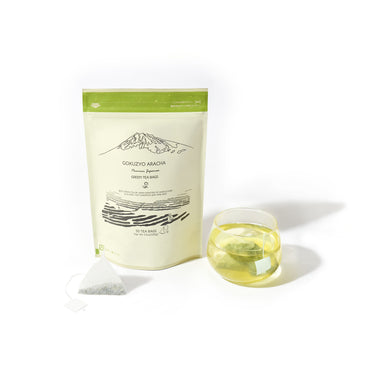
Tea is unusually sensitive to soil — the leaves absorb minerals and even subtle organic notes from the dirt they grow in. Most Japanese tea farms use standard fertilizer programs, which produces classic green tea flavor: vegetal, slightly bitter, astringent on the finish. Our farm in Shizuoka mixes sugarcane fiber into the soil instead. The sugarcane breaks down slowly and feeds the soil with a particular mineral profile that softens the bitterness and brings out a sweeter, rounder finish.

It's not a flavoring — there's no sweetness added to the tea. The plant just expresses differently when the soil under it is different. We've worked with Shizuoka University on the soil chemistry for over 15 years, and the team adjusts the mix every season based on what the data shows. The result is what we serve in our Gokuzyo Aracha tea bags — a noticeably less bitter, more rounded green tea than typical supermarket Japanese tea.

This soil approach is part of why we won the Global Tea Championship three years running. The flavor difference is subtle when you describe it, but obvious when you taste it next to a Costco Itoen.

Are Japanese Green Tea Co. teabags worth the price difference vs Costco's Itoen?
Honestly, it depends what you're using the tea for. If you drink green tea like coffee — fast, hot, just for the caffeine and antioxidants — Costco Itoen is fine. It's mass-produced from blended leaves across multiple farms and seasons, but it's clean tea and won't actively taste bad. We carried Itoen in our office for years before starting the company.

If you're someone who can taste the difference between a regional coffee bean and a generic supermarket grind, you'll taste the difference here too. Our 50-bag Gokuzyo Aracha pack is single-farm tea from Shizuoka, single-year harvest, sugarcane-fed soil, biodegradable Soilon mesh — none of which Itoen does. Per-bag, we cost more, but you're getting a different category of tea, not a marginally better version of the same one. For daily morning tea where you actually pay attention to what you're drinking, the upgrade is worth it. For volume drinking at the office, Costco might still be the right call.

If you go through a lot, the 100-bag pack brings the per-bag price down meaningfully. Many of our customers start with the 50-bag, decide they like it, and switch to the 100.

Can I reuse one of your teabags for a second cup, or should I throw it after one steep?

Yes, our teabags are designed to give a good second steep — and arguably a third for some people. Mass-market teabags can't really do this; the dust and fannings inside extract everything in the first 90 seconds, and any later cup is mostly hot water with a tea hint. Whole and larger-cut leaves like ours release flavor in waves, so the second steep tastes different from the first but still genuinely tea-like.

For the second steep, use slightly hotter water and steep about 1 minute longer than the first. The first cup is brighter and grassier; the second is mellower and a touch sweeter, since some of the astringency has already extracted out. A lot of Japanese drinkers actually prefer the second cup.

After the second cup, the bag is mostly spent. You can squeeze it gently for a third cup if you're committed, but the flavor falls off sharply by then. Put the leaves in your compost or sprinkle them onto plants — Japanese tea leaves are great soil amendments for camellias and gardenias.

Related products

74 reviews

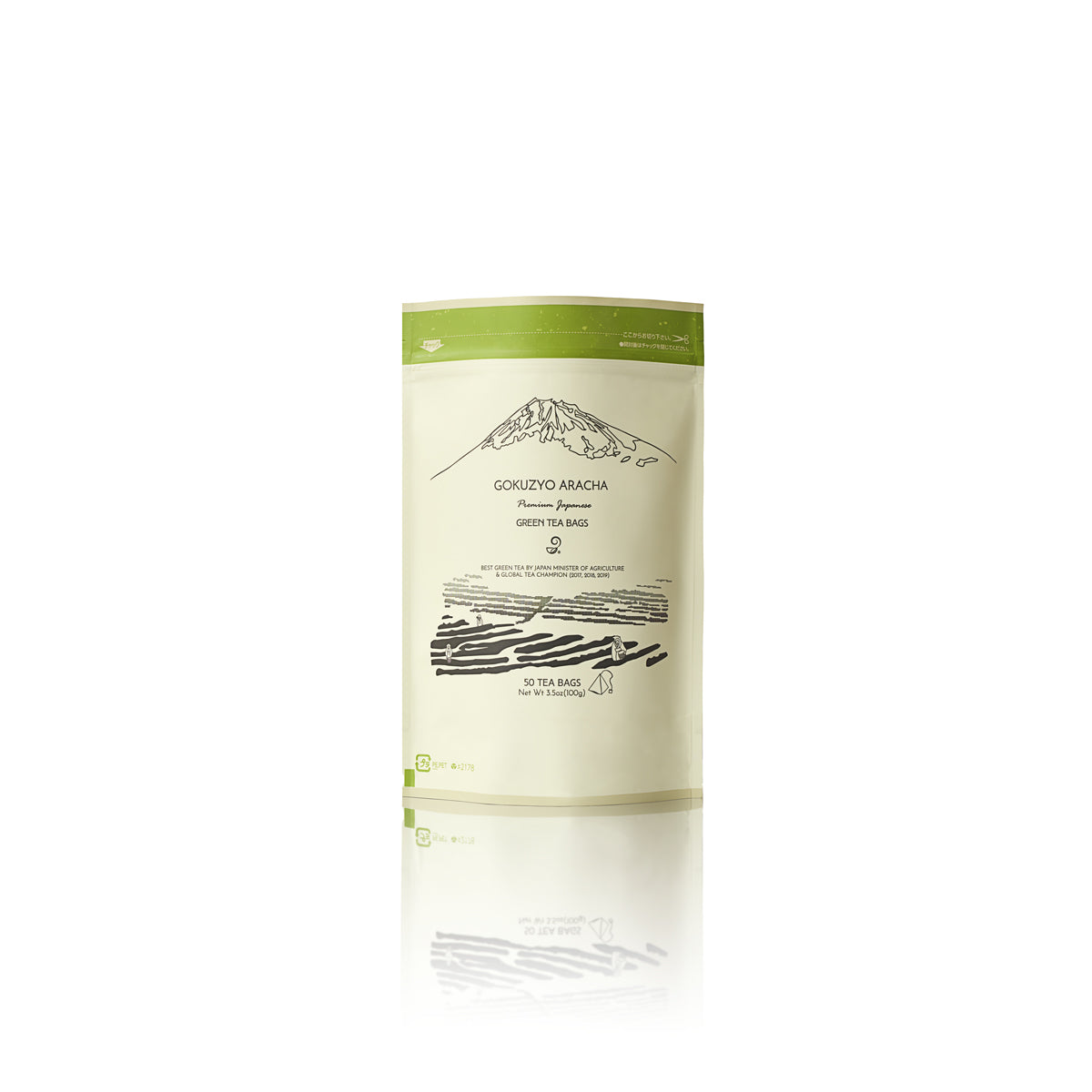
Tea Bag - High-Grade Unrefined Tea - Gokuzyo Aracha (50 tea bags)

$35.00
Quick view

Gokyuzyo 極上, meaning "The Highest Grade," brings the rustic charm of Aracha 荒茶, or "wild tea," into a convenient teabag form, offering a taste as close to freshly picked leaves as possible. Unlike fully processed green teas, this unrefined Fukamushi Sencha preserves its natural shape and texture, blending soft sprouts, twig tea, coarse leaves, and powdered tea for an intense aroma and rich, vibrant flavor. Cultivated by the Chagusaba method in nutrient-rich sugarcane soil and made from the Yabukita cultivar, this tea captures the traditional, nourishing quality enjoyed by generations of tea farmers. Available in a resealable aluminum bag with 50 pyramid-shaped teabags or as a single-serve sample, it is perfect for enjoying authentic Japanese green tea anytime, anywhere.

28 reviews

Loose Leaf Tea Filters | 144 or 504 Filter Bags

$15.00
Quick view

Enjoy brewing your favorite loose-leaf teas with these easy-to-use filter bags (お茶パック), designed for tea lovers who want a simple and effective way to get the most flavor from their tea. Each oversized bag allows tea leaves to fully expand, enhancing the release of rich flavors and aromas, while the widened bottom ensures thorough brewing.

Perfect not only for green tea but also for black tea, herbal blends, and even soups, these versatile pouches measure 3.5" x 2.8" (9cm x 7cm). Each pack includes 144 or 504 high-quality filters, proudly made in Japan.

8 reviews

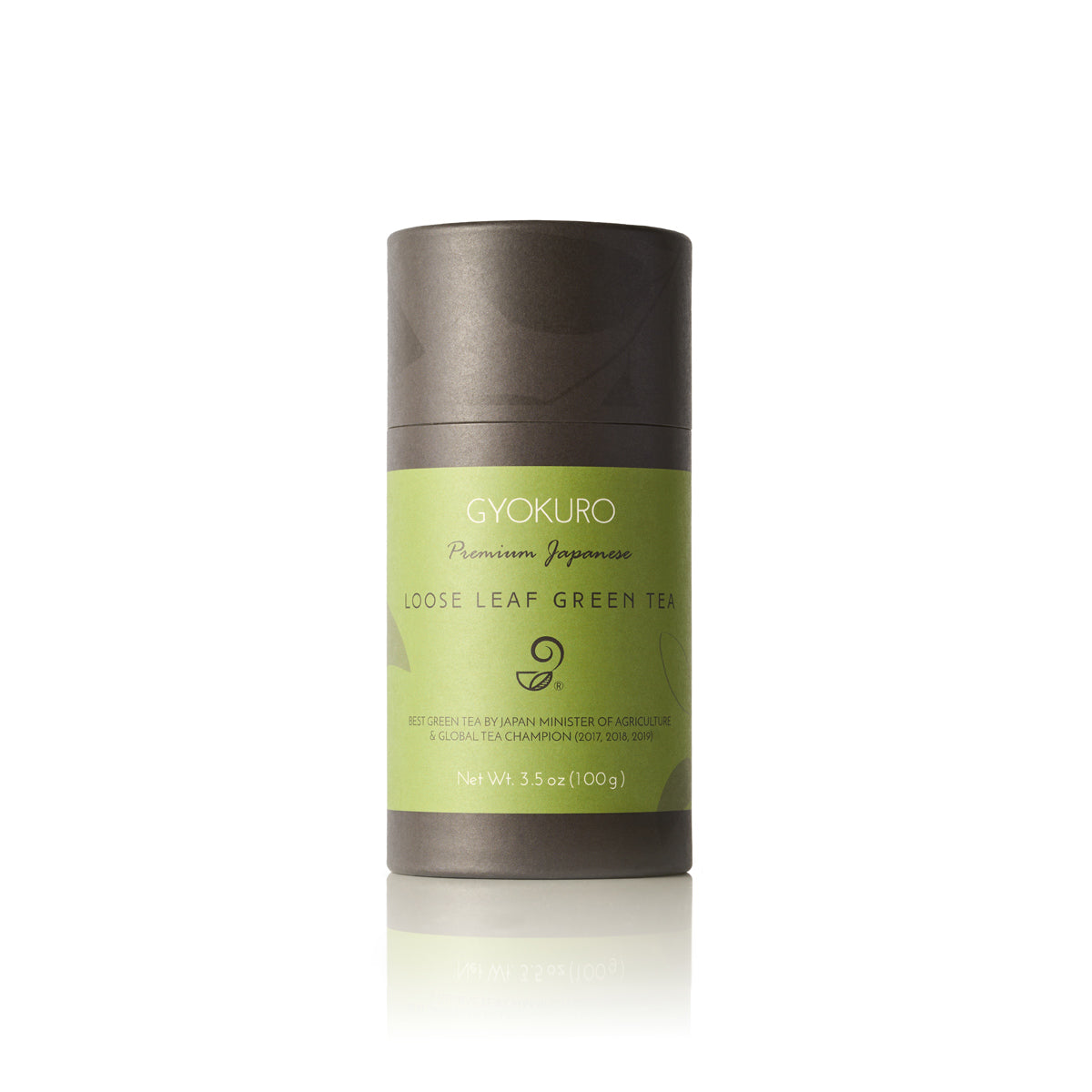
The Sencha Lover Gift Set - Premium Japanese Green Tea Set Package
$179.00 $159.99
Quick view

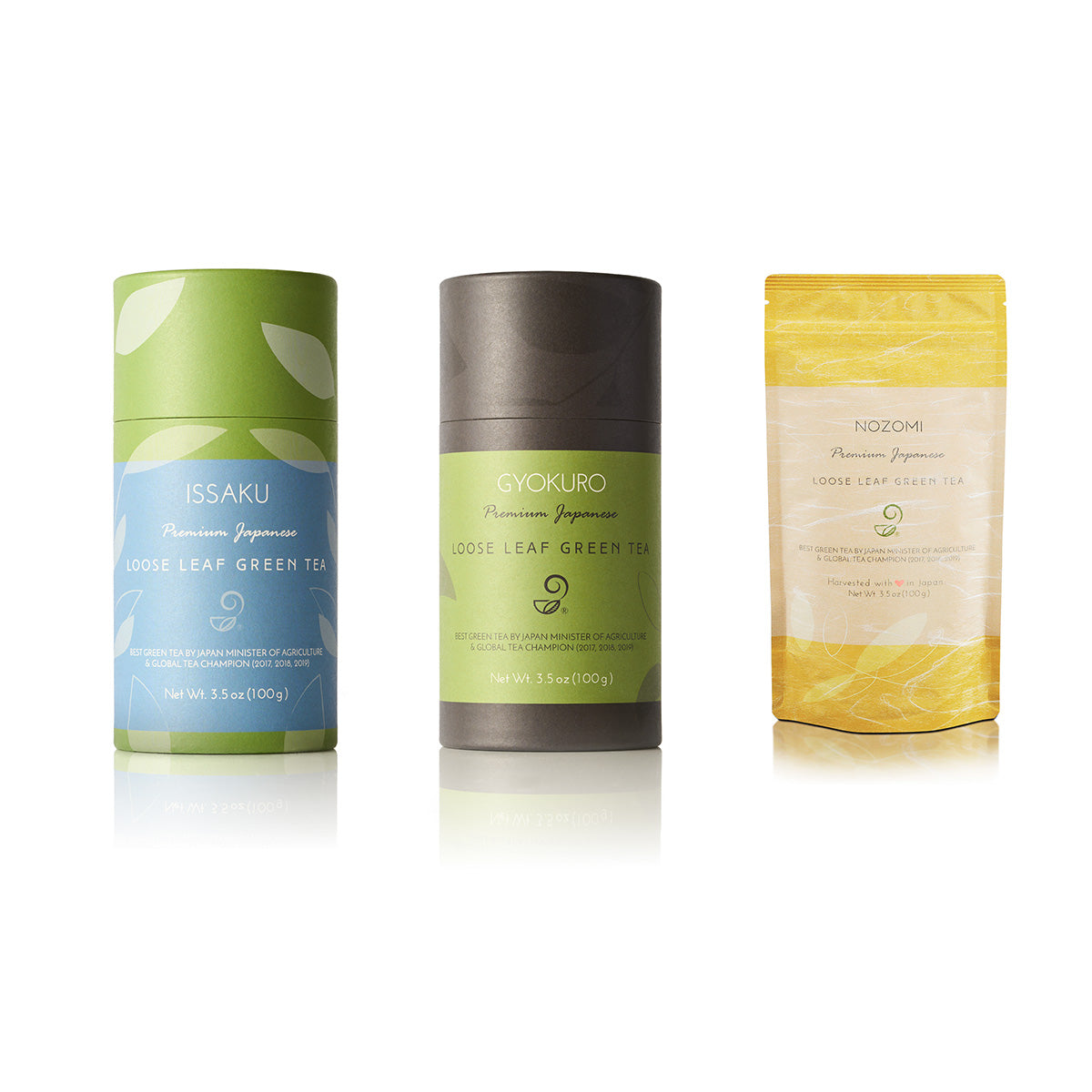
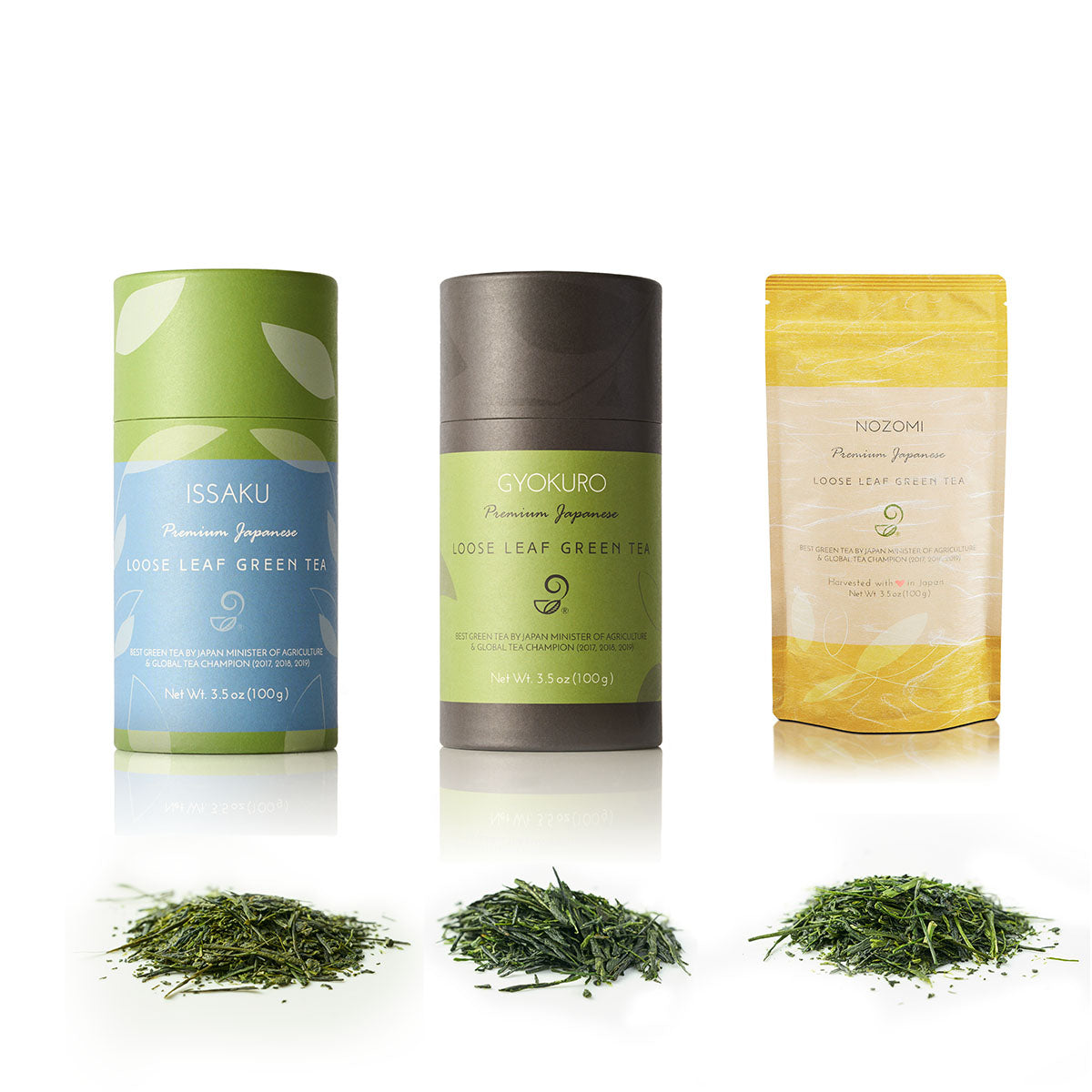
This tea set features three exceptional Japanese green teas, each crafted with care and traditional techniques. Issaku Reserve, a Global Tea Champion winner in 2017 and 2019, is a rare masterpiece created by Farm Master Mr. Arahata at Arahataen Green Tea Farm. Handpicked once a year from the first flush and processed with advanced methods, Issaku represents the highest-grade deep-steamed green tea, available only in limited quantities even in Japan.

The set also includes Gyokuro, a premium shaded green tea known for its rich, sweet flavor and deep mossy green color. Grown under special mats for 20 days to increase caffeine and amino acid levels, Gyokuro offers a layered, smooth taste unlike any other. Completing the collection is Nozomi, a fine Kabuse-cha, or "Covered Green Tea," carefully grown under nets to gently shade the leaves just before new sprouts emerge, resulting in a soft, rich, and refined flavor profile.

97 reviews

Gyokuro - Shaded Imperial Premium Green Tea

$65.00
Quick view

Gyokuro, also known as "jade dew" or "jewel dew tea," is a premium Japanese green tea shaded from the sun for 20 days using specially made mats, a method that boosts caffeine levels and strengthens amino acids to create a sweeter, richer flavor. This extended shading process results in dark, mossy green leaves with an unmistakable aroma and a complex taste that is layered yet balanced. Cultivated by the Chagusaba method in nutrient-rich sugarcane soil and made from the Yabukita cultivar, this loose-leaf authentic Gyokuro is offered in a high-quality, air-tight paper tube canister (chyazutsu) to preserve its exceptional freshness and flavor. Each 3.5 oz (100g) full-size package steeps 30–40 cups, and a convenient single-serve sample is also available.

45 reviews

Hojicha - Roasted Green Tea

$25.00
Quick view

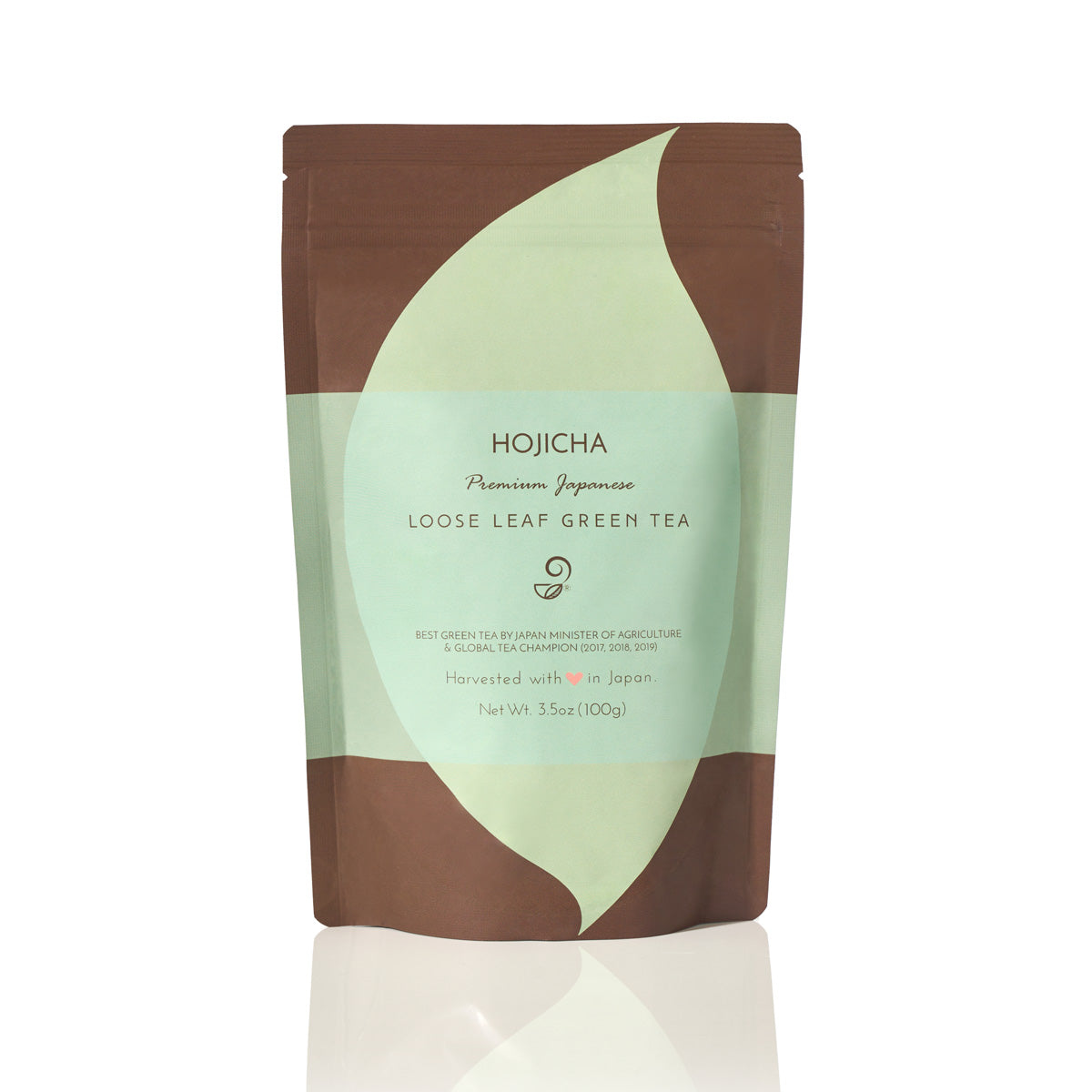
Our roasted green tea, known as hojicha (ほうじ茶), is crafted from freshly harvested premium green tea carefully roasted in porcelain over charcoal to maximize flavor while retaining more catechins than typical hojicha on the market. With lower caffeine and a smoother, less bitter taste compared to steamed green tea, it is an ideal choice for evening relaxation and is gentle enough for kids and pregnant women. Cultivated using the Chagusaba method in nutrient-rich sugarcane soil, this loose-leaf authentic Japanese roasted green tea, made from the Yabukita cultivar, also pairs beautifully with oily foods. Each eco-friendly resealable package contains 3.5 oz (100g) of tea, enough to steep 30–40 comforting cups.


Related Articles You May Be Interested

Why Pyramid-Shaped Tea Bags are Considered Better
Soilon: The Eco-Friendly, Biodegradable Tea Bag Revolution
10 Top Health Benefits Of Drinking Green Tea
Japanese Green Tea vs Chinese Green Tea - 10 battles you don't want to miss
Japanese Green Tea vs. Peruvian Tea

Get Free Bonus Books

Join Green Tea Club

Sign up for free to the Green Tea Club to get advice and exclusive articles about how to choose Japanese Tea, and tips, tricks, and recipes for enjoying Japanese tea.

Unsubscribe anytime. It’s free!

About the author

Kei Nishida

Kei Nishida

Author, CEO Dream of Japan

info@japanesegreenteain.com

Certification: PMP, BS in Computer Science

Education: Western Washington University

Kei Nishida is a passionate Japanese green tea connoisseur, writer, and the founder and CEO of Japanese Green Tea Co., a Dream of Japan Company.

Driven by a deep desire to share the rich flavors of his homeland, he established the only company that sources premium tea grown in nutrient-rich sugarcane soil—earning multiple Global Tea Champion awards.

Expanding his mission of introducing Japan’s finest to the world, Kei pioneered the launch of the first-ever Sumiyaki charcoal-roasted coffee through Japanese Coffee Co. He also brought the artistry of traditional Japanese craftsmanship to the global market by making katana-style handmade knives—crafted by a renowned katana maker—available outside Japan for the first time through Japanese Knife Co.

Kei’s journey continues as he uncovers and shares Japan’s hidden treasures with the world.

Learn more about Kei Nishida

Related Posts

OC Japan Fair April 2026 — Visit Us at Booth #A8!
OC Japan Fair Spring 2026 Recap (April 3 - 5 2026)

We were at OC Japan Fair again! April 3-5 2026 with new products, Miki Pon's art debut and more. Here is a recap video f

Read More
Super Mario and Japanese Green Tea

Super Mario and green tea share a hometown! Watch our Yoshi Matcha Cookies video recipe + discover how Nintendo and matc

Read More
Our Matcha Is Now at Pillow Talk Cafe in Pasadena — Master Japanese-Inspired Cake Makers

Our matcha is now at Pillow Talk Cafe Pasadena! Meet the cafe, try the Egg Heaven sando & Matchamisu, and see how th

Read More
Leave a comment

Your email address will not be published..

Cart

Your cart is currently empty.

Start Shopping

Select options