Skip to content

The Harmonious Blend: Exploring the Aesthetics of Green Tea and the Taste

Imagine delicate green tea leaves gracefully swaying in the breeze, their vibrant hues resembling nature's artwork. However, the allure extends beyond mere visuals. Enter a sensory wonderland where fragrances serenade your senses, and the gentle texture of tea leaves caresses your lips. The artful presentation elevates each sip, transforming the experience into a visual masterpiece.

Immerse yourself in the quaint Japanese green tea aesthetics world, where beauty and taste intertwine perfectly. Each sip transports you to a realm of tranquility, where the artistry of green tea becomes an experience to cherish.

In this article, we embark on a journey through the mesmerizing realm of Japanese green tea, where the harmony of aesthetics and taste takes center stage.

Visual Delights: Nature's Artwork and Serene Rituals

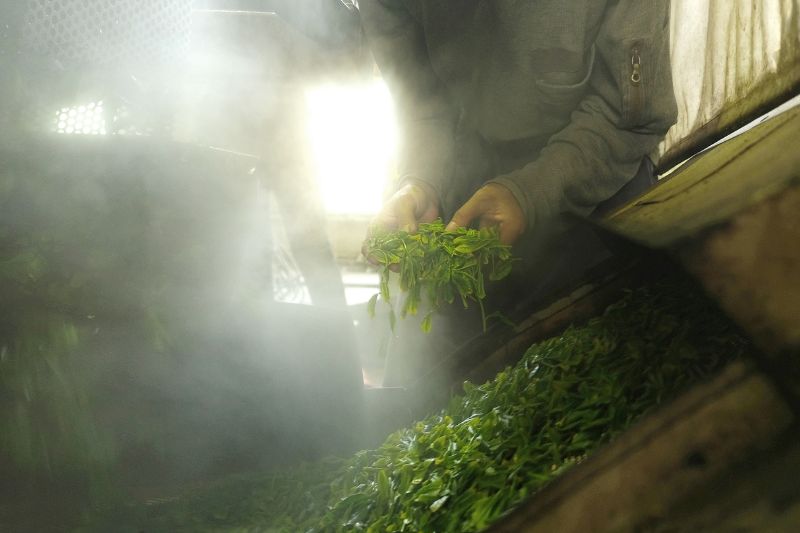
Indulge your senses in the extraordinary realm of Japanese green tea, where a visual feast of unparalleled beauty awaits. Deep dive into the captivating allure of lush tea gardens, meticulously cultivated with unwavering precision and respect for the environment. Picture the vibrant hues of green tea leaves, a mesmerizing palette ranging from delicate emeralds to deep jade. Each leaf is a testament to the devoted care of tea farmers, resulting in an awe-inspiring display that captures the essence of Japan's verdant beauty.

Japanese tea ceremony

The aesthetics of Japanese green tea truly flourish within the ethereal realm of tea ceremonies, unveiling a breathtaking fusion of artistry and unity. These time-honored rituals, steeped in centuries of tradition and grace, offer a mesmerizing glimpse into the soul of Japanese culture. Envision yourself immersed in a serene ambiance, where elegant tea utensils and seasonal flowers adorn the sacred space, creating an atmosphere brimming with tranquility and reverence. 

Yet, the enchantment of Japanese tea ceremonies extends beyond the realm of participants alone. With the transformative power of today’s technology, even observers can become captivated by the allure of these ancient rituals. This photo animation tool lets anyone bring every step to life with astonishing detail and fluid transitions. Each gesture, from the meticulous arrangement of utensils to the rhythmic whisking of Matcha, is meticulously depicted, allowing all to become fully immersed in the mesmerizing dance of tradition and beauty.

Sensory Wonders: Fragrance, Texture, and Presentation

Japanese green tea is a visual delight and a sensory journey that indulges the palate and envelops the senses. Close your eyes and inhale deeply as the fragrant aroma of freshly steeped green tea leaves permeates the air. The sweet and vegetal notes, often described as grassy or seaweed-like, evoke a connection to nature and awaken a sense of tranquility.

As you take a sip, savor the smooth and velvety texture of the tea, resulting from meticulous cultivation, processing, and brewing techniques. The infusion glides gently over the palate, offering a subtle dance of flavors that range from mild and delicate to bold and umami-rich. Japanese green tea varieties, such as delicate Sencha or vibrant Matcha, each carry unique characteristics, inviting exploration and discovery.

Accompanying the exquisite taste is the artful presentation that elevates the tea-drinking experience to new heights. Japanese tea masters pay meticulous attention to every detail, from the choice of teaware to the precise pouring technique. Delicate ceramics, adorned with intricate designs and glazes, create a visual feast that enhances the enjoyment of the tea. The play of light on translucent tea bowls and the carefully arranged seasonal motifs add an element of seasonal relevance and cultural richness to the experience.

matcha with bamboo whisk and bamboo spoon

Mastering the Tools: Elegance in Every Detail

The tools in Japanese green tea brewing reflect artistry and precision. Every Japanese household has a collection of necessary instruments to brew and serve tea. Below are the essential and exquisite items that elevate the brewing process to an extraordinary level:

  • Chawan (Tea Bowl): Each chawan is a masterpiece in its own right, crafted by skilled artisans. The bowl's shape, glaze, and size influence the aroma, temperature, and overall experience of the tea, bringing a sense of individuality and artistic expression to each brew.
  • Chasen (Bamboo Whisk): An actual work of craftsmanship, the chasen embodies the delicate balance between flexibility and strength. Its intricately carved tines allow for the perfect whisking motion, creating a frothy texture and ensuring the optimal infusion of flavors.
  • Chashaku (Tea Scoop): The chashaku, a slender bamboo scoop, measures the precise amount of powdered tea needed for each serving. Its elegant form and intricate carving pay homage to the beauty of simplicity and the mindful attention given to every aspect of tea preparation.
  • Hishaku (Water Ladle): The hishaku, a long-handled bamboo ladle, gracefully guides water flow into the tea bowl. Its purposeful design embodies the concord between the tea master, the tea itself, and the element of water, allowing for precise control and measured pouring.

Bottom Line

Japanese green tea weaves a captivating tapestry of aesthetics, taste, and, above all else, tradition, enchanting all who dare to indulge. Its vibrant hues and graceful rituals engage the senses, inviting us into a world of beauty and serenity. Each sip unveils a symphony of flavors delicately balanced and crafted with precision. Beyond its exquisite taste, Japanese green tea bestows an elixir of wellness, fortifying the body and soothing the soul. 

Embrace this enchanting journey, where each moment is an opportunity to explore the world where quietness and cultural richness converge. Raise your cup to celebrate the harmonious blend of aesthetics and taste, and may the allure of Japanese green tea continue to inspire, nourish, and ignite moments of pure bliss whenever we taste it.

FAQs about the Aesthetics of Green Tea Ceremony

What is wabi-sabi, and how does it relate to Japanese tea ceremony?

Wabi-sabi (侘寂) is the Japanese aesthetic concept of finding beauty in imperfection, transience, and incompleteness. In tea ceremony specifically, wabi-sabi manifests as preference for hand-thrown ceramics over machine-perfect ones, weathered wood over polished, asymmetric arrangements over symmetric. The aesthetic was crystallized by Sen no Rikyū in the 1500s as the foundational aesthetic of Japanese tea ceremony.

Functional implication: a chipped or imperfectly-glazed chawan isn't a flawed object; it's a more authentic one. The marks of human-making and the passage of time are valued rather than hidden. Modern Japanese tea-school students still seek out wabi-sabi-aligned utensils because the aesthetic carries the philosophical weight that defines tea practice.

This is opposite to most Western luxury aesthetics, which prize perfection and newness. The wabi-sabi shift is part of why Japanese tea practice feels foreign-but-compelling to many Western practitioners — it's a different relationship with material objects and time.

What makes a tea room aesthetically right?

Restraint. A traditional Japanese tea room emphasizes negative space, simplicity, and seasonal accents over decoration. The kakemono (hanging scroll) is usually the only visual artwork; flowers (chabana, 茶花) are usually a single sprig or small arrangement. Tatami floor, plain walls, minimal furniture. Everything is deliberate; nothing is just decorative.

Light matters. Traditional tea rooms have small high windows that produce soft diffused light rather than bright sun. The dim, even lighting allows the tea, the bowl, the host's gestures, and the seasonal accents to be seen without distraction. Modern adaptations work with controlled lamp lighting rather than overhead bright lights.

Sound and air also factor in. Tea rooms ideally have minimal ambient noise, slight scent of fresh tatami or burning incense, and air that feels clean. The full sensory environment supports the tea practice; one bad sensory element (loud street noise, perfumed candles) undermines the rest of the design.

How does seasonality factor into tea aesthetics?

Centrally. Each tea ceremony is curated for the specific season — sometimes specific weeks within a season. The kakemono changes seasonally (cherry-blossom-themed for spring, autumn-leaf phrases for fall), the flowers change with what's in bloom, even the tea utensils rotate (warmer-feeling pottery for winter, lighter porcelain for summer).

This isn't decoration for its own sake; it's the practice of presence with the specific moment of the year. The Japanese calendar has 72 micro-seasons (kō) of about 5 days each, and serious tea practitioners may attune their practice to that level of detail. "Tea for cherry-blossom season" isn't the same as "tea for plum-blossom season" two weeks earlier.

In modern tea practice (especially home practice or international tea-school students), the seasonal awareness can be lighter — just "spring tea" or "autumn tea" rather than micro-season precision. The principle is what matters: tea practice is part of being present with the season, not divorced from time and place.

Why is imperfection valued in tea aesthetics?

Three reasons. First, philosophical: imperfection is the natural state of all things, including humans. Pretending to perfection is dishonest; embracing imperfection is honest and aligned with reality. Second, aesthetic: hand-made objects with visible imperfections feel more alive than machine-made perfect ones. The marks of the maker connect the user to a person. Third, transience: cracks, weathering, and aging are reminders that nothing is permanent. Living with that awareness shapes how you spend time.

Practical example: kintsugi (金継ぎ) — the Japanese art of repairing broken ceramics with gold-dusted lacquer. The repair isn't hidden; it's celebrated. The repaired bowl is more beautiful and more valuable than the unbroken one. The philosophy: scars and recovery make objects (and people) more meaningful, not less.

This aesthetic translates to daily life beyond ceremony. Once you absorb wabi-sabi, you stop needing perfection in your morning routine, your home, your relationships. "Good enough" becomes "good" — not because of lowered standards, but because you see the beauty in what is rather than what should be.

Can I adapt these tea aesthetics for my own home?
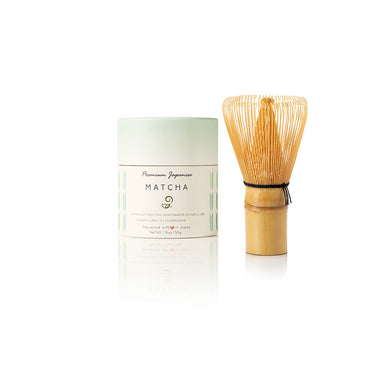
Yes, modestly. Pick one corner of your home and apply tea-aesthetic principles — minimal decoration, one quality object as focal point, seasonal accent that changes throughout the year. This doesn't have to be a full tea room; it can be a kitchen corner, a small reading nook, an entry table. The principles work at any scale. The matcha + chasen whisk set can serve as the focal aesthetic object even for non-ceremonial daily tea practice.

What this looks like in modern Western homes: a small wooden tray with a single chawan, a small ceramic vase with one seasonal sprig (cherry blossom in spring, pine in winter), maybe a small framed Japanese calligraphy phrase. Total cost: $50-200 depending on quality of objects. Total visual impact: meaningful daily reminder of presence and beauty.

Avoid: trying to make your whole home Japanese-styled if it's not naturally that. The contrast of one wabi-sabi corner against an otherwise Western home is more aesthetically powerful than committing to full Japanese styling. Restraint and selectivity over completion.

Related products

8 reviews

The Sencha Lover Gift Set - Premium Japanese Green Tea Set Package
$179.00 $159.99
Quick view

This tea set features three exceptional Japanese green teas, each crafted with care and traditional techniques. Issaku Reserve, a Global Tea Champion winner in 2017 and 2019, is a rare masterpiece created by Farm Master Mr. Arahata at Arahataen Green Tea Farm. Handpicked once a year from the first flush and processed with advanced methods, Issaku represents the highest-grade deep-steamed green tea, available only in limited quantities even in Japan.

The set also includes Gyokuro, a premium shaded green tea known for its rich, sweet flavor and deep mossy green color. Grown under special mats for 20 days to increase caffeine and amino acid levels, Gyokuro offers a layered, smooth taste unlike any other. Completing the collection is Nozomi, a fine Kabuse-cha, or "Covered Green Tea," carefully grown under nets to gently shade the leaves just before new sprouts emerge, resulting in a soft, rich, and refined flavor profile.

97 reviews

Gyokuro - Shaded Imperial Premium Green Tea

$65.00
Quick view

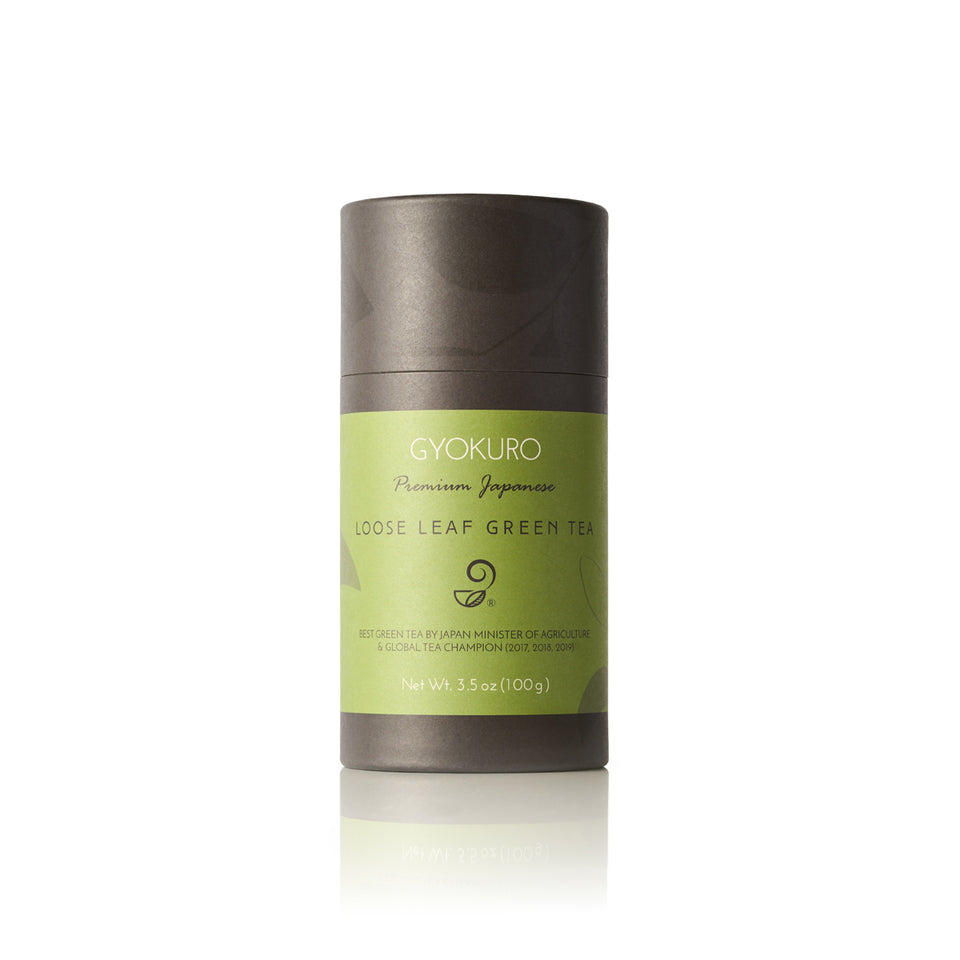
Gyokuro, also known as "jade dew" or "jewel dew tea," is a premium Japanese green tea shaded from the sun for 20 days using specially made mats, a method that boosts caffeine levels and strengthens amino acids to create a sweeter, richer flavor. This extended shading process results in dark, mossy green leaves with an unmistakable aroma and a complex taste that is layered yet balanced. Cultivated by the Chagusaba method in nutrient-rich sugarcane soil and made from the Yabukita cultivar, this loose-leaf authentic Gyokuro is offered in a high-quality, air-tight paper tube canister (chyazutsu) to preserve its exceptional freshness and flavor. Each 3.5 oz (100g) full-size package steeps 30–40 cups, and a convenient single-serve sample is also available.

45 reviews

Hojicha - Roasted Green Tea

$25.00
Quick view

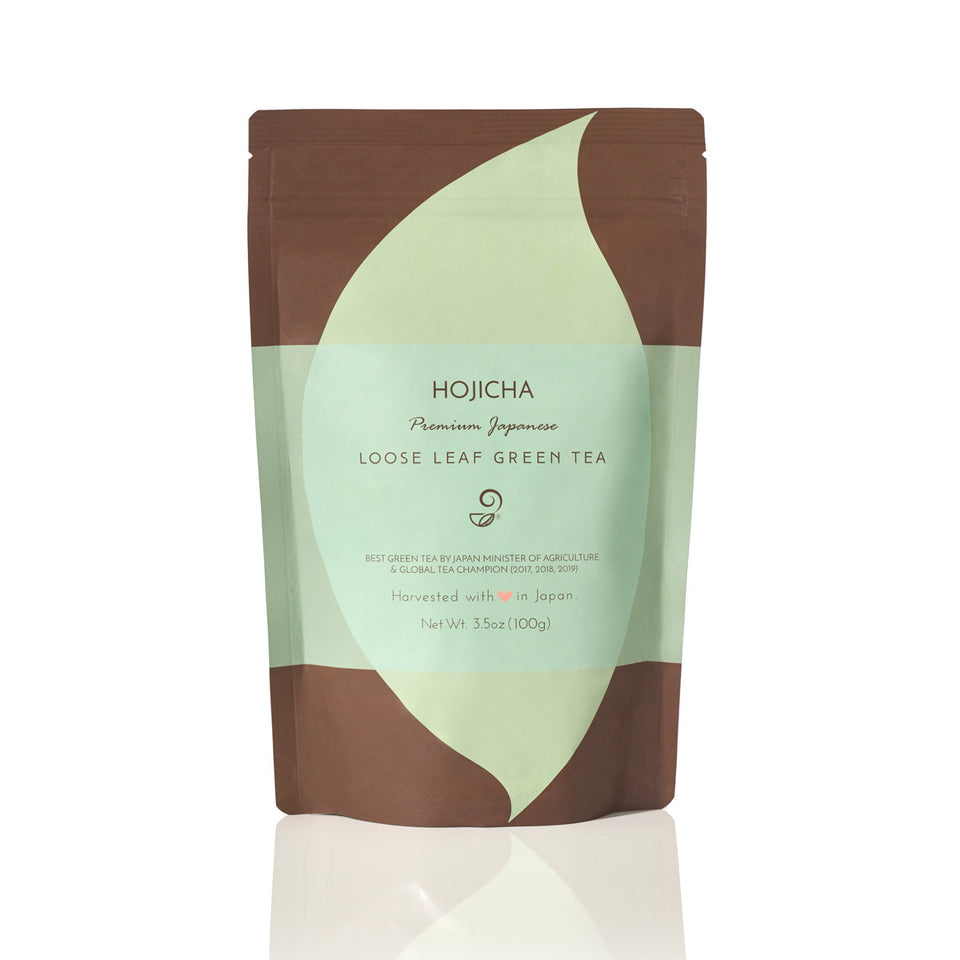
Our roasted green tea, known as hojicha (ほうじ茶), is crafted from freshly harvested premium green tea carefully roasted in porcelain over charcoal to maximize flavor while retaining more catechins than typical hojicha on the market. With lower caffeine and a smoother, less bitter taste compared to steamed green tea, it is an ideal choice for evening relaxation and is gentle enough for kids and pregnant women. Cultivated using the Chagusaba method in nutrient-rich sugarcane soil, this loose-leaf authentic Japanese roasted green tea, made from the Yabukita cultivar, also pairs beautifully with oily foods. Each eco-friendly resealable package contains 3.5 oz (100g) of tea, enough to steep 30–40 comforting cups.

80 reviews

Matcha - Ceremonial Japanese Powdered Green Tea

$39.00
Quick view

This ceremonial matcha is crafted from the finest Japanese green tea, grown in nutrient-rich soil enhanced with compostable grasses and sugarcane through the Chagusaba method, which gives the tea a natural sweetness and exceptional flavor. In collaboration with researchers from Shizuoka University, farmers ensure that the soil quality consistently produces tea of the highest standard.

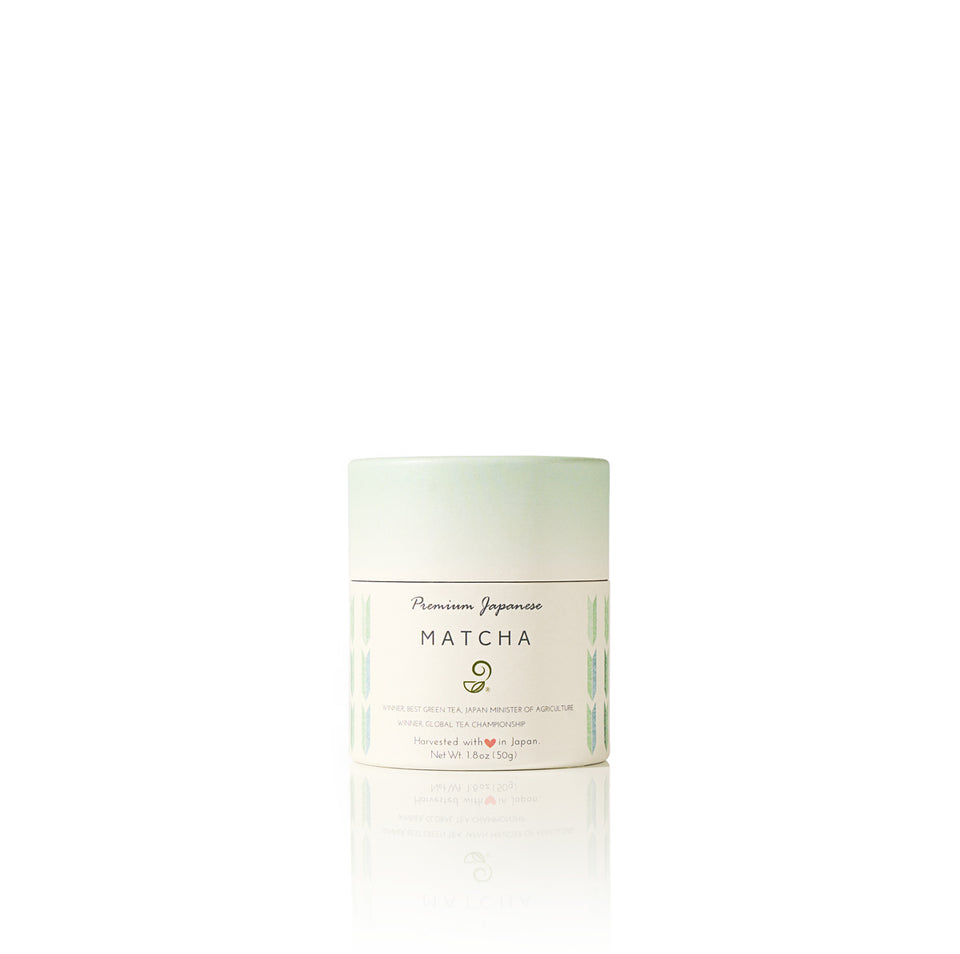
Renowned among top Japanese chefs for its unmatched aroma, this matcha is made by carefully shading the plants before harvest to boost caffeine and amino acids, then meticulously drying, de-stemming, and grinding the leaves into a fine powder. Made from the Yabukita cultivar, this 1.8 oz (50g) matcha comes in a high-quality, air-tight paper tube canister, providing a luxurious and authentic Japanese tea experience.

42 reviews

Genmaicha - Green Tea with Roasted Brown Rice

$30.00
Quick view

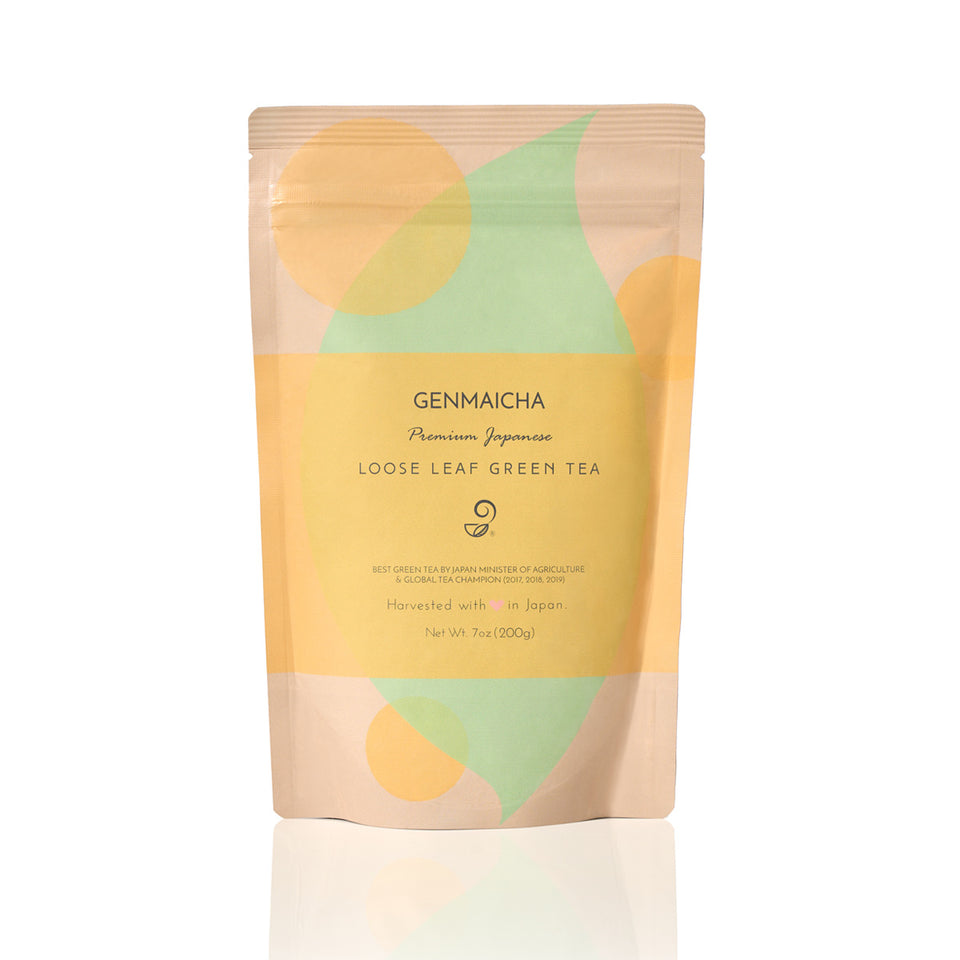
Our premium Japanese Genmaicha blends high-quality green tea with roasted popped brown rice (genmai 玄米), often nicknamed "popcorn tea" because the roasting process sounds like popcorn popping. Popular especially among the older generation in Japan for its mild flavor and lower caffeine content, this tea is easier on the stomach while still offering a rich, comforting taste. The brown rice used is premium Japanese mochi-gome (もち米) sticky rice, enhancing the tea’s nutty, aromatic profile. Made from Fukamushi Sencha and cultivated using the Chagusaba method in nutrient-rich sugarcane soil, this Genmaicha features the Yabukita cultivar and comes in a 7.0 oz (200g) eco-friendly resealable package, enough to steep 50–60 cups.


Related Articles You May Be Interested

17 Japanese Tea Ceremony Tools
Chasen - The Japanese Matcha Whisk
Everything you need to know about Matcha Chasyaku (茶杓)
What is the Green Tea Steaming Process?
Green Tea and Milk: 10 Ways to Enjoy It

Get Free Bonus Books

Join Green Tea Club

Sign up for free to the Green Tea Club to get advice and exclusive articles about how to choose Japanese Tea, and tips, tricks, and recipes for enjoying Japanese tea.

Unsubscribe anytime. It’s free!

About the author

Kei Nishida

Kei Nishida

Author, CEO Dream of Japan

info@japanesegreenteain.com

Certification: PMP, BS in Computer Science

Education: Western Washington University

Kei Nishida is a passionate Japanese green tea connoisseur, writer, and the founder and CEO of Japanese Green Tea Co., a Dream of Japan Company.

Driven by a deep desire to share the rich flavors of his homeland, he established the only company that sources premium tea grown in nutrient-rich sugarcane soil—earning multiple Global Tea Champion awards.

Expanding his mission of introducing Japan’s finest to the world, Kei pioneered the launch of the first-ever Sumiyaki charcoal-roasted coffee through Japanese Coffee Co. He also brought the artistry of traditional Japanese craftsmanship to the global market by making katana-style handmade knives—crafted by a renowned katana maker—available outside Japan for the first time through Japanese Knife Co.

Kei’s journey continues as he uncovers and shares Japan’s hidden treasures with the world.

Learn more about Kei Nishida

Related Posts

Simply Donabe — New Cookbook from TOIRO's Naoko-san Is Out!

Simply Donabe is here! We celebrated TOIRO's Naoko-san's new cookbook at a special dinner at Camélia in DTLA — see our p

Read More
Introducing New Product - Meet Hojicha Powder
Introducing A New Product - Meet Hojicha Powder

Discover the game-changing Hojicha powder your kitchen has been waiting for — richer flavor, easier recipes, and surpris

Read More
Yokohama Peach is offered as a regular menu at Okayama Kobo Cafe!
Yokohama Peach is offered as a regular menu at Okayama Kobo Cafe! + Recap Video of Pop-up on 2/8/2026 at Anaheim, CA

We are excited to announce that our Yokohama Peach is now available on the regular menu at the popular Japanese Bakery,

Read More
Leave a comment

Your email address will not be published..

Cart

Your cart is currently empty.

Start Shopping

Select options