Skip to content

Japanese Green Tea Co. introduces Japanese Knife Co. - Best Knives from Japan


I would like to announce something we have never done before and the biggest project we have ever done in our company's history.

We have been working on this since the middle of last year and are finally ready to share it with you today.

I am honestly nervous. But I hope and believe that it is something that benefits you and your lifestyle.

The drumroll, please…

It is…

Japanese Knife Co.


Yes!

I am not kidding.

You know, we started as Japanese Green Tea Co. and won the Global Tea Champion 3 times, putting us on the map of the tea world by introducing the highest quality tea made with sugarcane soil.

Then, in 2021, we introduced Japanese Coffee Co., the first company to introduce Japanese Sumiyaki charcoal-roasted coffee to the world.

Now we introduce the Japanese Knife Co.

Since we are known for "the best of the best" from Japan, we were very particular in discovering the products and worked very hard to find the best knife craftsmanship to partner with in Japan, and we did.

We carry two legendary knife makers with deep histories rooted in the Samurai sword-making tradition, and we are proud to partner with Mr. Ueta and Sugimoto Knife.

Ueta knife making

Mr. Ueta's expertise in making swords has made him a living legend and earned him recognition from Japan's Prime Minister's Office, USA PBS, and multiple national TV shows.   

Ueta san image

Sugimoto has 110 years of knife-making history and is respected and known as a company steeped in a rich history of blacksmithing and knife-making expertise.

Sugimoto sign

All our knives are handmade with the goal of crafting the best Knife in Japan and possibly the world.

The team and I had so much fun learning about Japanese Knives.

The history of Knife has a very deep history, like tea, and roots back to the era of the Samurai and their swords.

We worked hard and created over 40 blog posts about Japanese knives. We all worked very hard for this; it was so fun to learn about the Knife, and we feel we are all knife experts after doing it.

The New Blog is called "Japanese Knife Stories: A Blog About the Magic of Japanese Knife and Craftsmanship."
Japanese Green Tea Co. introduces Japanese Knife Co. - Best Knives from Japan

Last year, none of us had zero knowledge about Japanese knives.

The good part about this is that we see the topic from the point of view of a beginner who does not know anything about it. (and we did not!)

So we had fun bouncing ideas around about what to talk about and trying to be as beginner-friendly as possible.

Since we dug up the topic from a beginner's perspective, I hope it is easy for you to learn about this fabulous topic.

The topic is profound, trust me; I think we only touched the surface on this, and I look forward to creating more blog posts and videos as we do with tea and coffee.

As you know, when I learn things, I like to write a book about them. So I did, and I want to give it to you.

Ultimate Knife Guide book

If you are interested, please sign up for the brand-new Japanese Knife Club (Does the name sound familiar?) to get your free copy:

Please be the first to join the Japanese Knife Club and try out what we are proud to offer.

I hope you enjoy them as much as we did.

Stories continue.

Please join me in being part of this new story with us.

FAQs about Japanese Knife Co. and Premium Japanese Knives

Why would a Japanese tea company introduce a Japanese knife brand?

Same craft-and-quality philosophy across categories. Japanese kitchen knives represent the same commitment to traditional craftsmanship, multi-generation skill transmission, and material precision that defines premium Japanese tea. Customers who care about quality Japanese tea often care about quality Japanese kitchen tools too — the audiences overlap meaningfully.

Japanese Knife Co. (operating at dreamofjapan.com under the Japanese Knife Co. brand) functions as its own brand and product catalog while sharing some operational infrastructure with JPCo. The two brands are complementary rather than internally competing — a JPCo customer who also wants premium Japanese knives is a strong fit.

Practically: if you're already a JPCo customer who appreciates the supply-chain transparency, the documented Japanese sourcing, and the focus on traditional craft, Japanese Knife Co. operates by the same principles for a different product category. The brand-trust translates.

What makes Japanese kitchen knives meaningfully different from Western knives?

Three differences. First, steel composition: Japanese knives traditionally use harder steel (HRC 60-65) than Western knives (HRC 55-58), producing sharper edges that hold longer but are more prone to chipping if mistreated. Second, blade geometry: Japanese knives are often single-bevel (one side ground, one flat) for specific tasks, where Western knives are nearly always double-bevel. Third, weight balance: Japanese knives are typically lighter and forward-balanced, designed for precise cutting rather than rocking-chop technique.

The functional implications are real. A sharp Japanese gyuto (chef knife equivalent) cuts vegetables and proteins with less force, more precision, and cleaner cuts than a typical Western chef knife. The trade-off is more careful handling — Japanese knives don't tolerate cutting frozen foods or accidentally hitting bones the way Western knives do.

Whether the difference matters depends on how you cook. Serious home cooks who do a lot of vegetable prep notice immediate quality improvements with a Japanese chef knife. Casual cooks who occasionally chop vegetables may not see enough benefit to justify the higher cost and more careful maintenance.

Who should actually buy a premium Japanese kitchen knife?

Three good-fit audiences. First, serious home cooks who do daily vegetable prep and want the best tool. Second, professional cooks who need durable, precise knives for restaurant work. Third, gift recipients who would appreciate the craft regardless of how often they cook — a hand-forged Japanese knife is a meaningful object that holds its value over decades.

Less good-fit: people who use kitchen knives only occasionally, people who don't maintain knives carefully (Japanese knives need proper sharpening and storage), people who use the same knife for everything (Japanese knives are often task-specific). The premium price isn't worth it for casual use.

If you're considering a first Japanese knife, gyuto (chef knife equivalent) is the most versatile starting point. It handles 80% of kitchen tasks. After that, petty knife (paring/utility) and santoku (vegetable specialty) round out a basic Japanese knife rotation. Specialized knives (yanagi for sashimi, deba for fish breakdown) come after the basics.

How do I take care of a premium Japanese kitchen knife?

Five rules. First, hand-wash only — dishwashers ruin Japanese knives quickly. Second, hand-dry immediately after washing — water leads to rust on the harder Japanese steel. Third, sharpen regularly with proper Japanese whetstones (1000-grit for working edge, 5000-grit for polishing). Fourth, store in a knife block or magnetic strip rather than loose in a drawer. Fifth, use only on appropriate cutting surfaces (wood, soft plastic) — never glass or stone.

Sharpening is the part that intimidates newcomers. Either learn to sharpen on whetstones (takes practice but produces best results), use a quality professional sharpener every 6-12 months ($10-20 per knife), or send the knife back to the manufacturer for periodic factory sharpening (most premium Japanese knife brands offer this service). Don't use cheap knife sharpeners — they damage the precision edge.

If you're not willing to maintain a knife properly, don't buy a premium Japanese knife. The investment is wasted on someone who doesn't care for it. Stainless German knives are more forgiving for low-maintenance users and are still excellent kitchen tools at lower cost. Match the tool to the user.

Where do I learn more about Japanese kitchen knives?

Browse dreamofjapan.com (Japanese Knife Co.) or other premium Japanese knife retailers (Japanese Knife Imports, Korin, MTC Kitchen). The product pages and brand-specific content explain construction, steel types, and intended uses. Most premium retailers also publish blog content about knife selection, maintenance, and use.

YouTube has excellent Japanese knife content — Burrfection, Joshua Weissman, and several specialty knife channels review Japanese knives with depth. Watching demonstrations of how Japanese knives feel in actual cooking is more useful than reading specs alone.

If you have a Japan trip planned, visit Kappabashi (Tokyo's kitchen-supply district) for in-person knife shopping. Tsubaya Knife Shop, Kamata, and several other heritage shops have selections you can hold and test. The in-person buying experience is genuinely different from online shopping for knives.

Related products

8 reviews

The Sencha Lover Gift Set - Premium Japanese Green Tea Set Package
$179.00 $159.99
Quick view

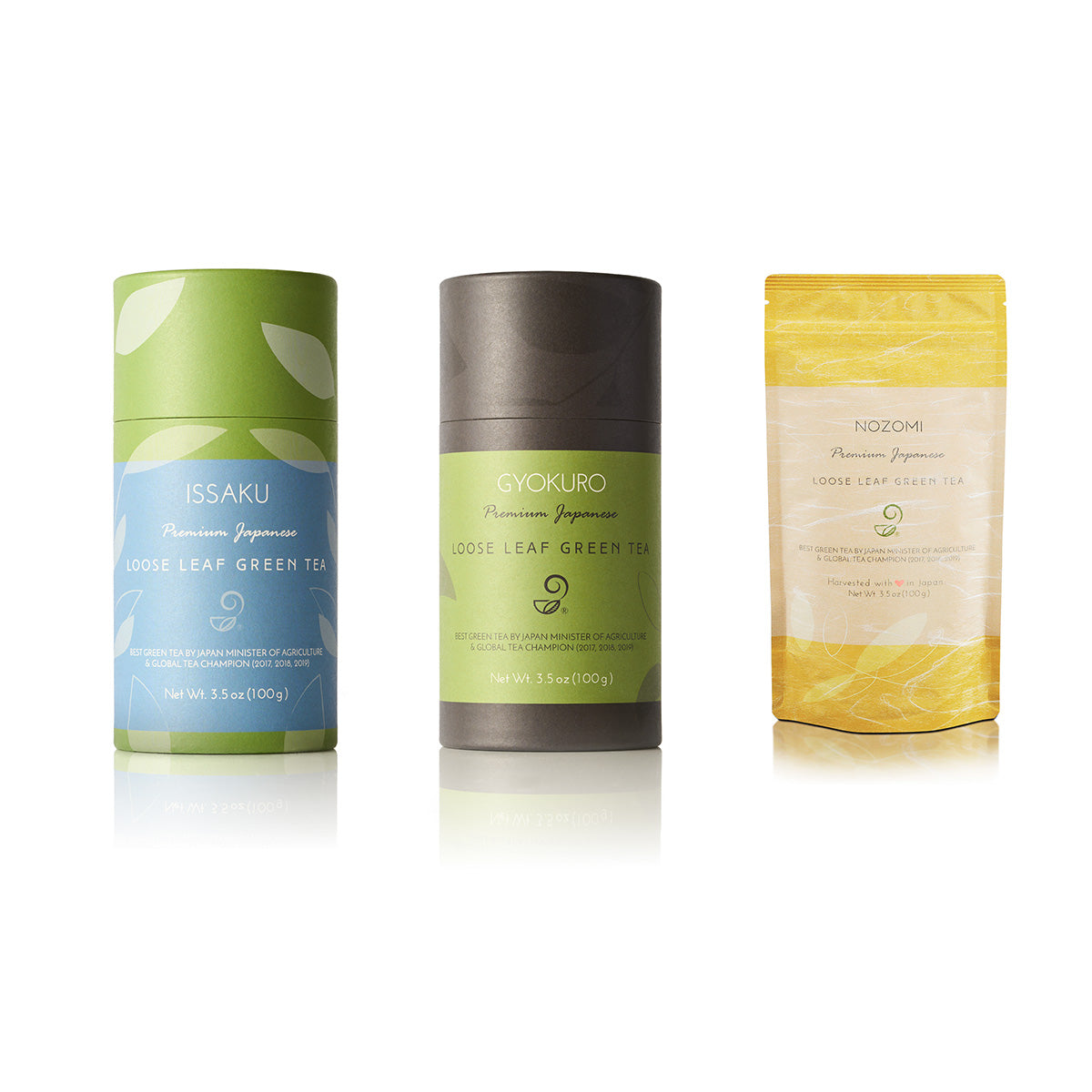
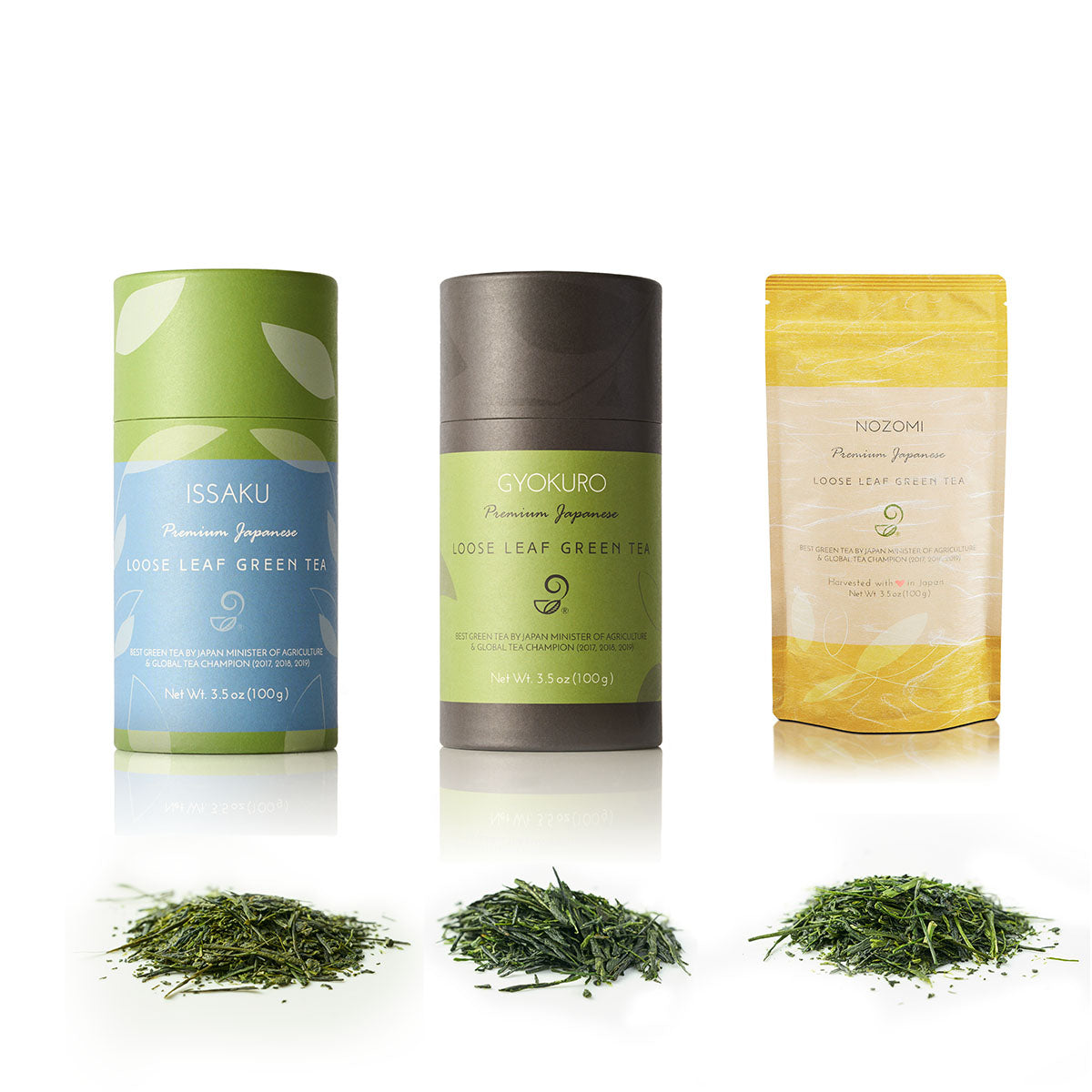
This tea set features three exceptional Japanese green teas, each crafted with care and traditional techniques. Issaku Reserve, a Global Tea Champion winner in 2017 and 2019, is a rare masterpiece created by Farm Master Mr. Arahata at Arahataen Green Tea Farm. Handpicked once a year from the first flush and processed with advanced methods, Issaku represents the highest-grade deep-steamed green tea, available only in limited quantities even in Japan.

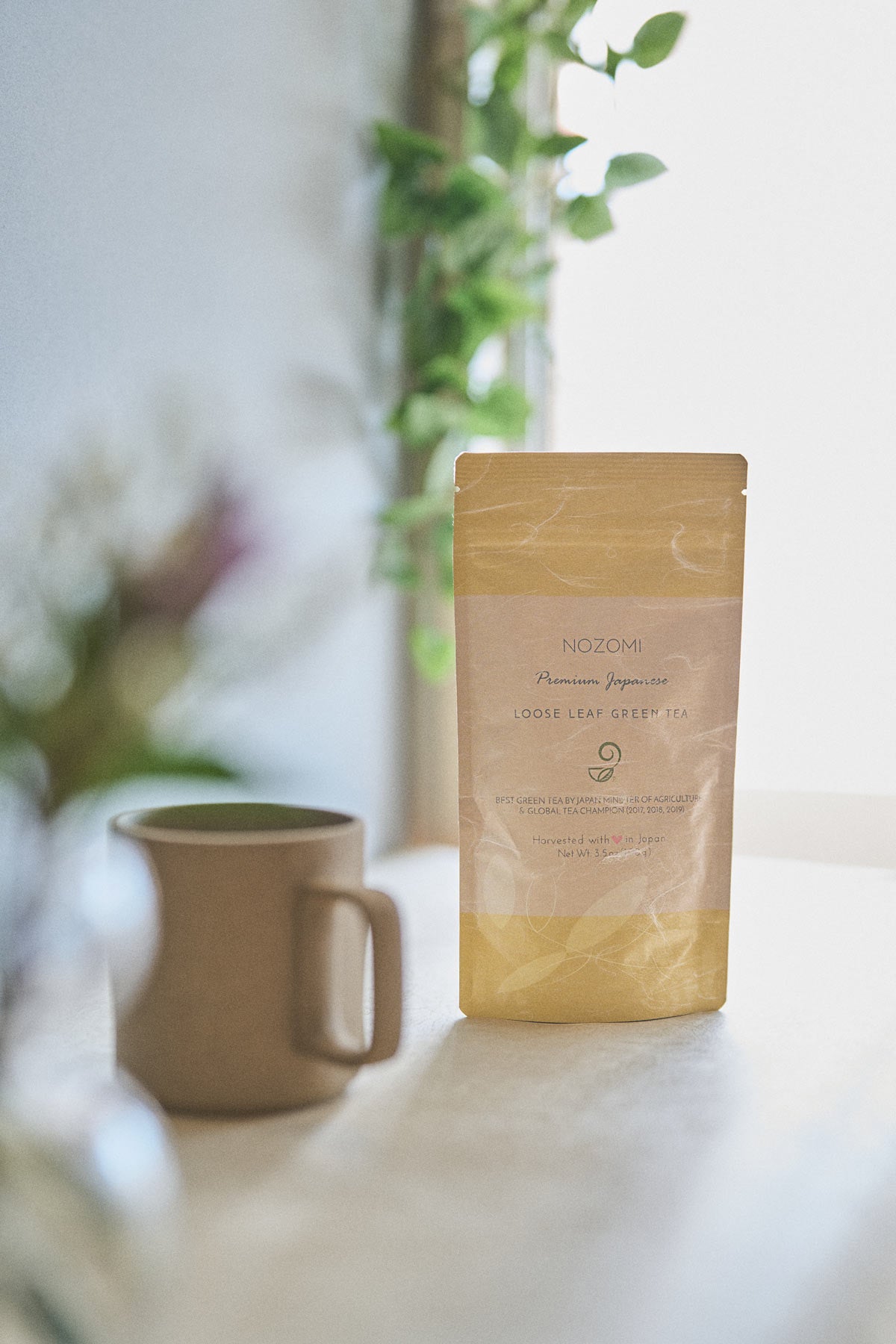
The set also includes Gyokuro, a premium shaded green tea known for its rich, sweet flavor and deep mossy green color. Grown under special mats for 20 days to increase caffeine and amino acid levels, Gyokuro offers a layered, smooth taste unlike any other. Completing the collection is Nozomi, a fine Kabuse-cha, or "Covered Green Tea," carefully grown under nets to gently shade the leaves just before new sprouts emerge, resulting in a soft, rich, and refined flavor profile.

97 reviews

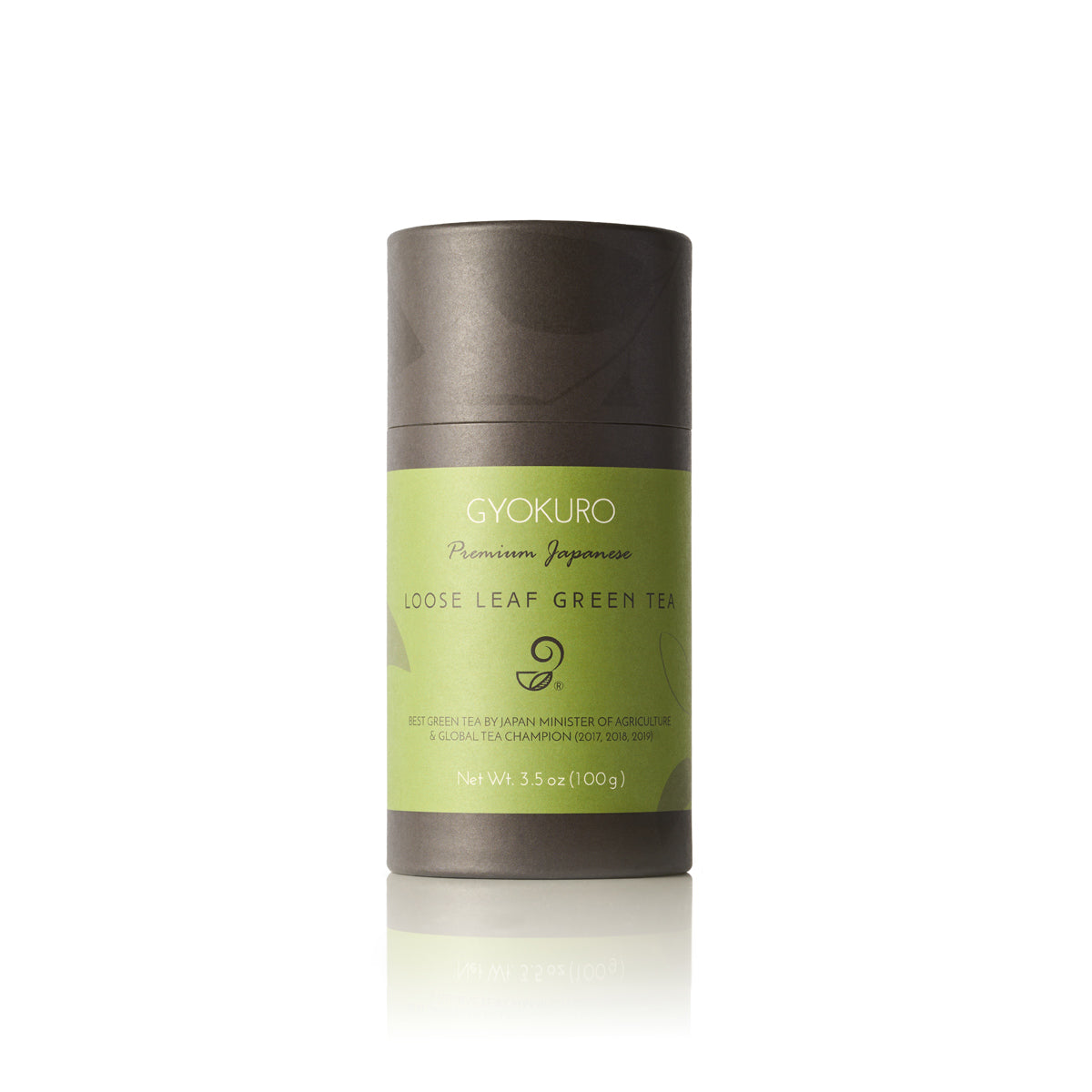
Gyokuro - Shaded Imperial Premium Green Tea

$65.00
Quick view

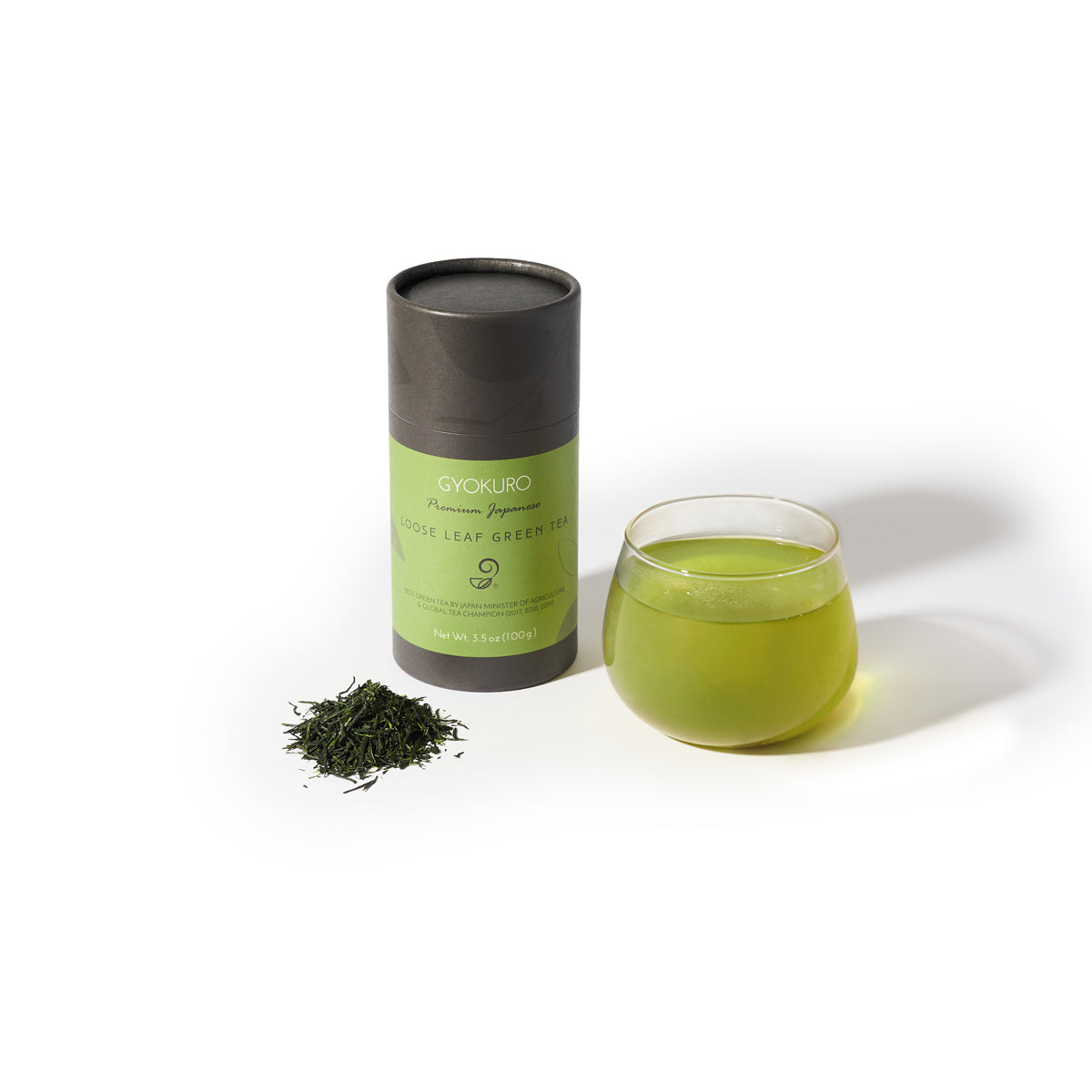
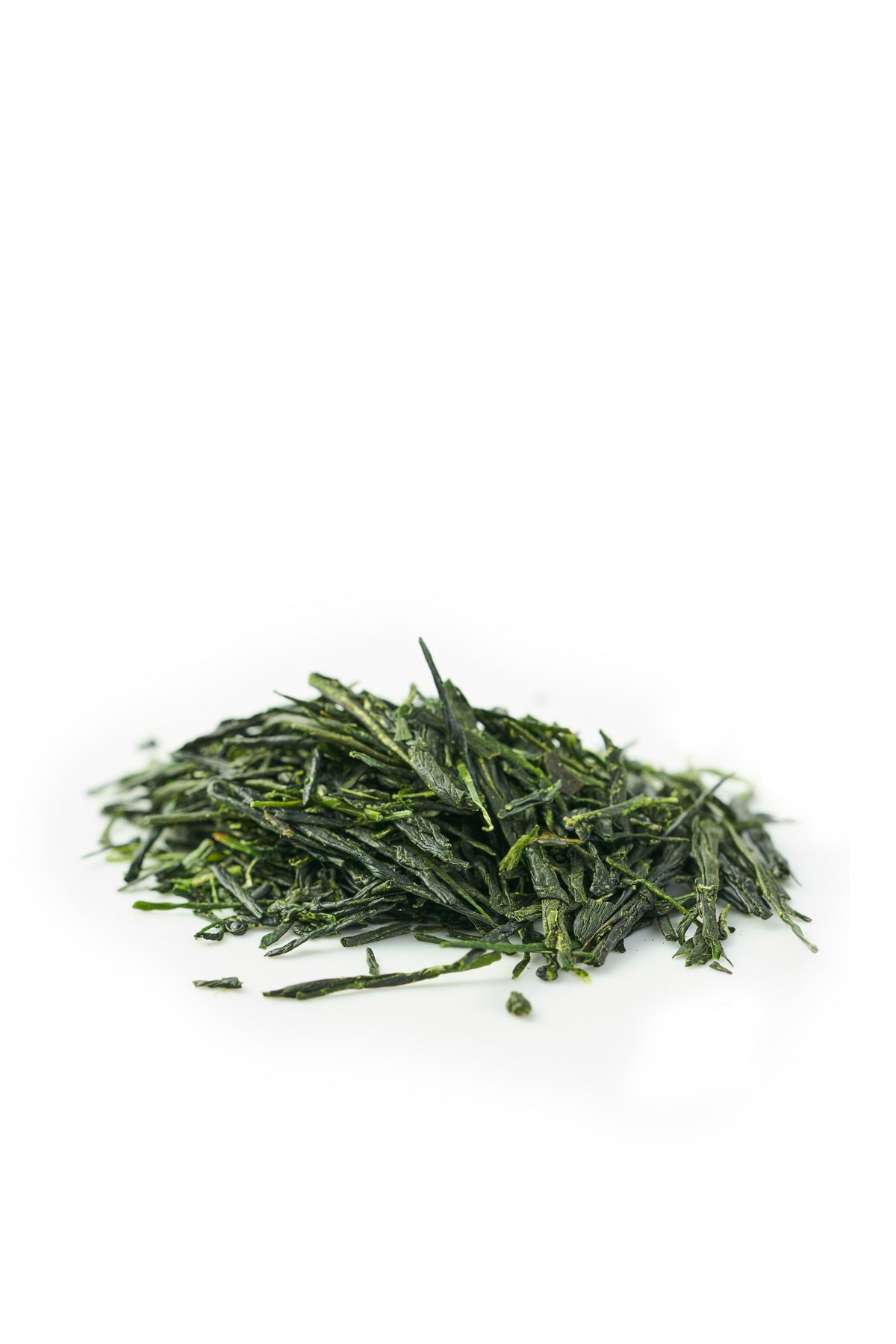
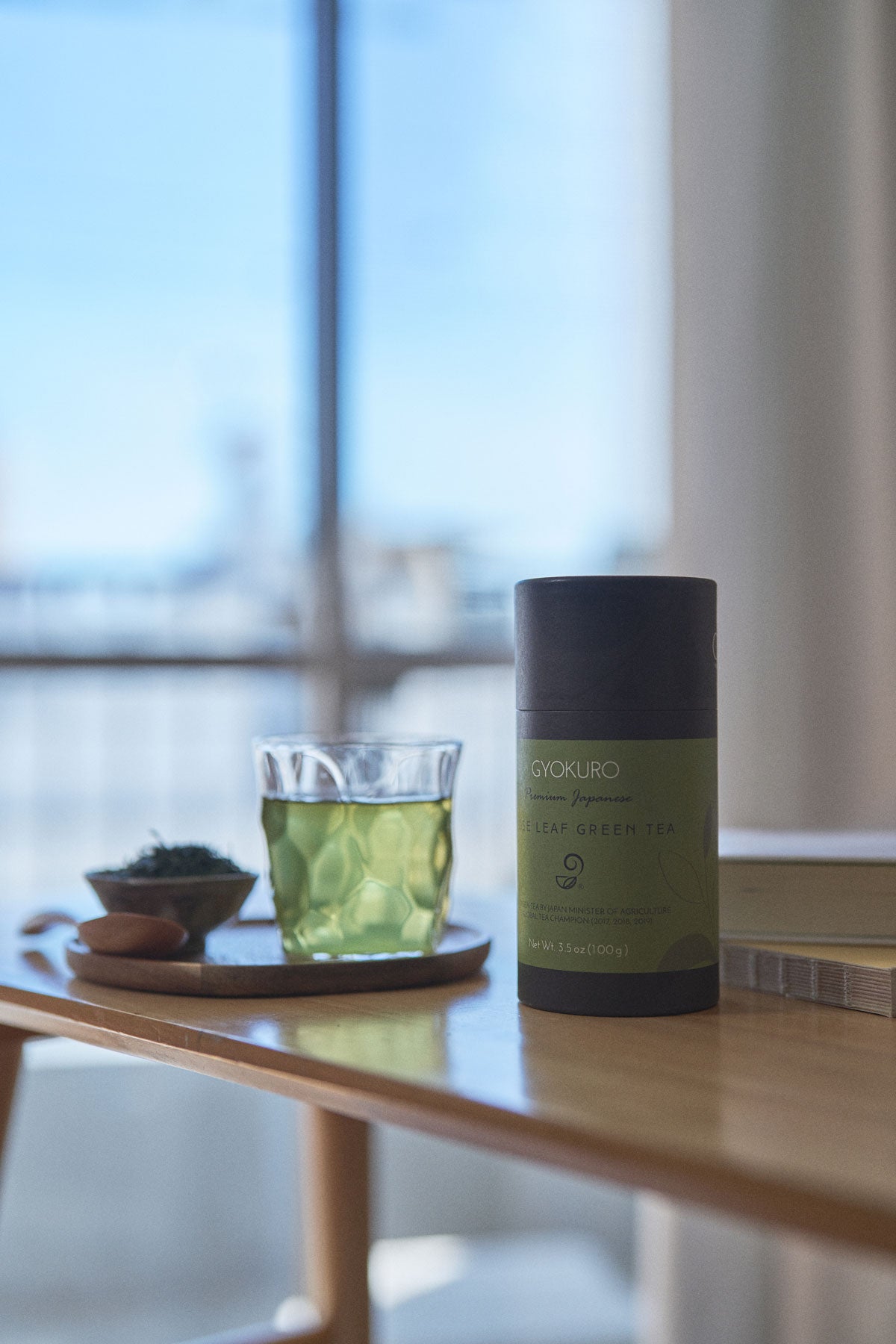
Gyokuro, also known as "jade dew" or "jewel dew tea," is a premium Japanese green tea shaded from the sun for 20 days using specially made mats, a method that boosts caffeine levels and strengthens amino acids to create a sweeter, richer flavor. This extended shading process results in dark, mossy green leaves with an unmistakable aroma and a complex taste that is layered yet balanced. Cultivated by the Chagusaba method in nutrient-rich sugarcane soil and made from the Yabukita cultivar, this loose-leaf authentic Gyokuro is offered in a high-quality, air-tight paper tube canister (chyazutsu) to preserve its exceptional freshness and flavor. Each 3.5 oz (100g) full-size package steeps 30–40 cups, and a convenient single-serve sample is also available.

45 reviews

Hojicha - Roasted Green Tea

$25.00
Quick view

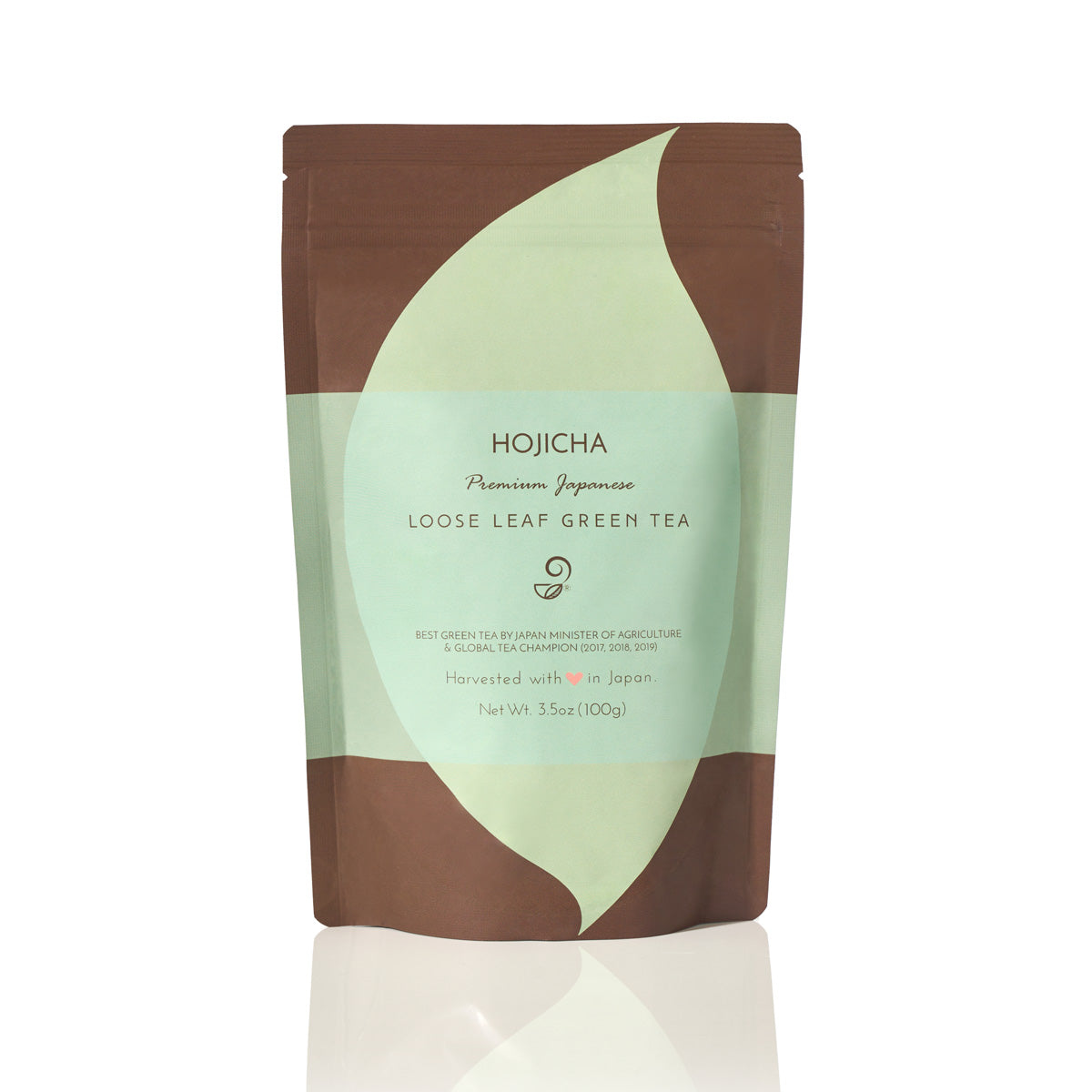
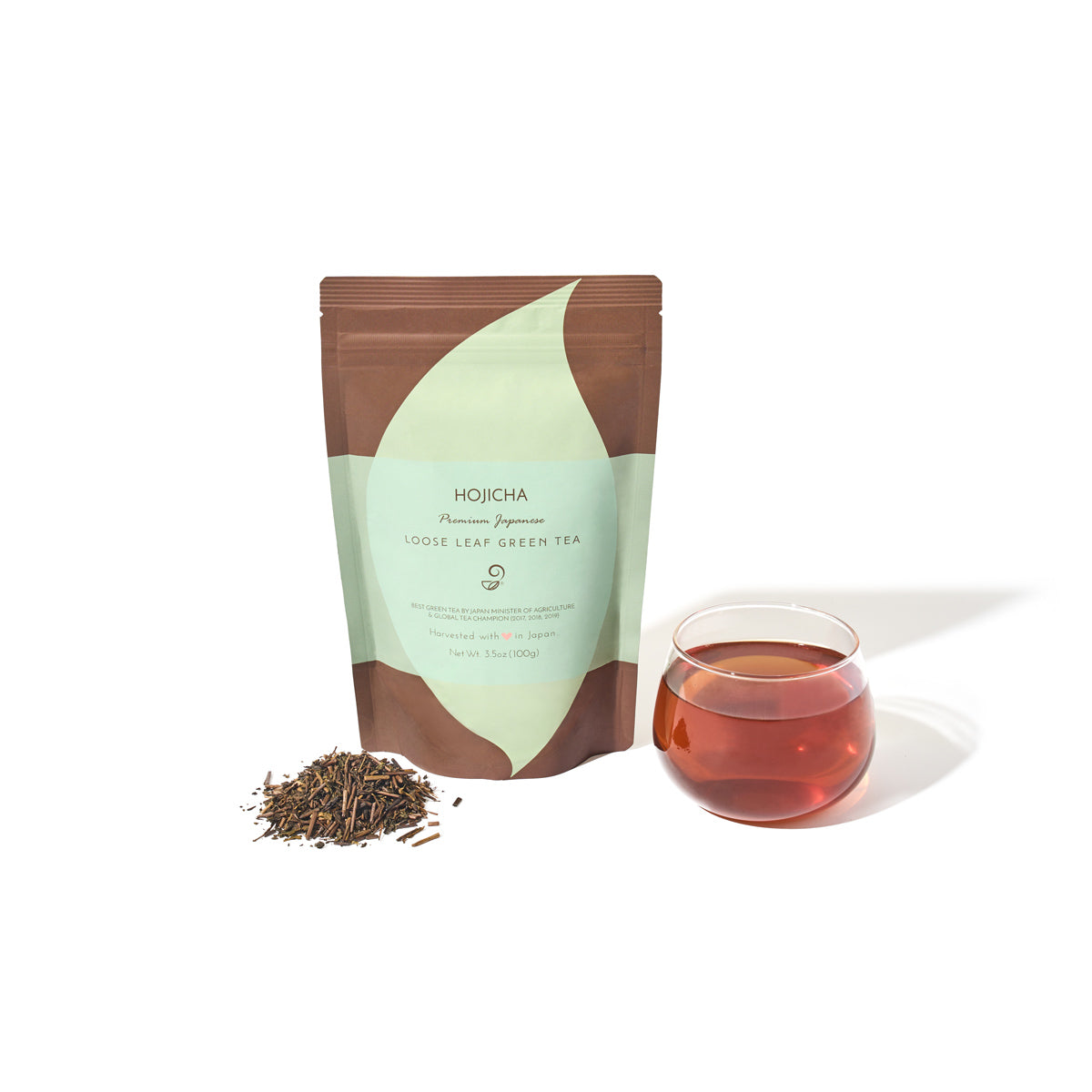
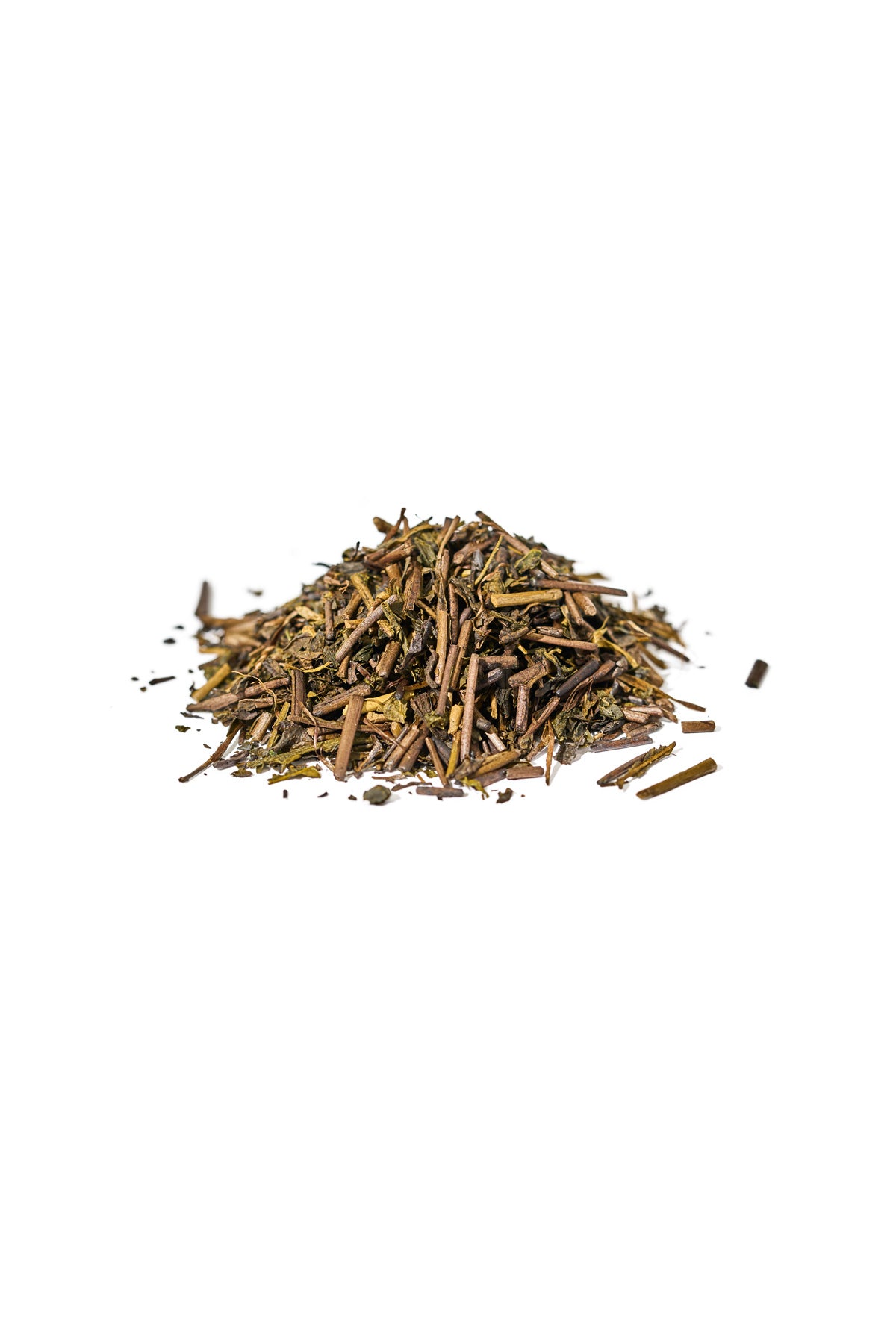
Our roasted green tea, known as hojicha (ほうじ茶), is crafted from freshly harvested premium green tea carefully roasted in porcelain over charcoal to maximize flavor while retaining more catechins than typical hojicha on the market. With lower caffeine and a smoother, less bitter taste compared to steamed green tea, it is an ideal choice for evening relaxation and is gentle enough for kids and pregnant women. Cultivated using the Chagusaba method in nutrient-rich sugarcane soil, this loose-leaf authentic Japanese roasted green tea, made from the Yabukita cultivar, also pairs beautifully with oily foods. Each eco-friendly resealable package contains 3.5 oz (100g) of tea, enough to steep 30–40 comforting cups.

80 reviews

Matcha - Ceremonial Japanese Powdered Green Tea

$39.00
Quick view

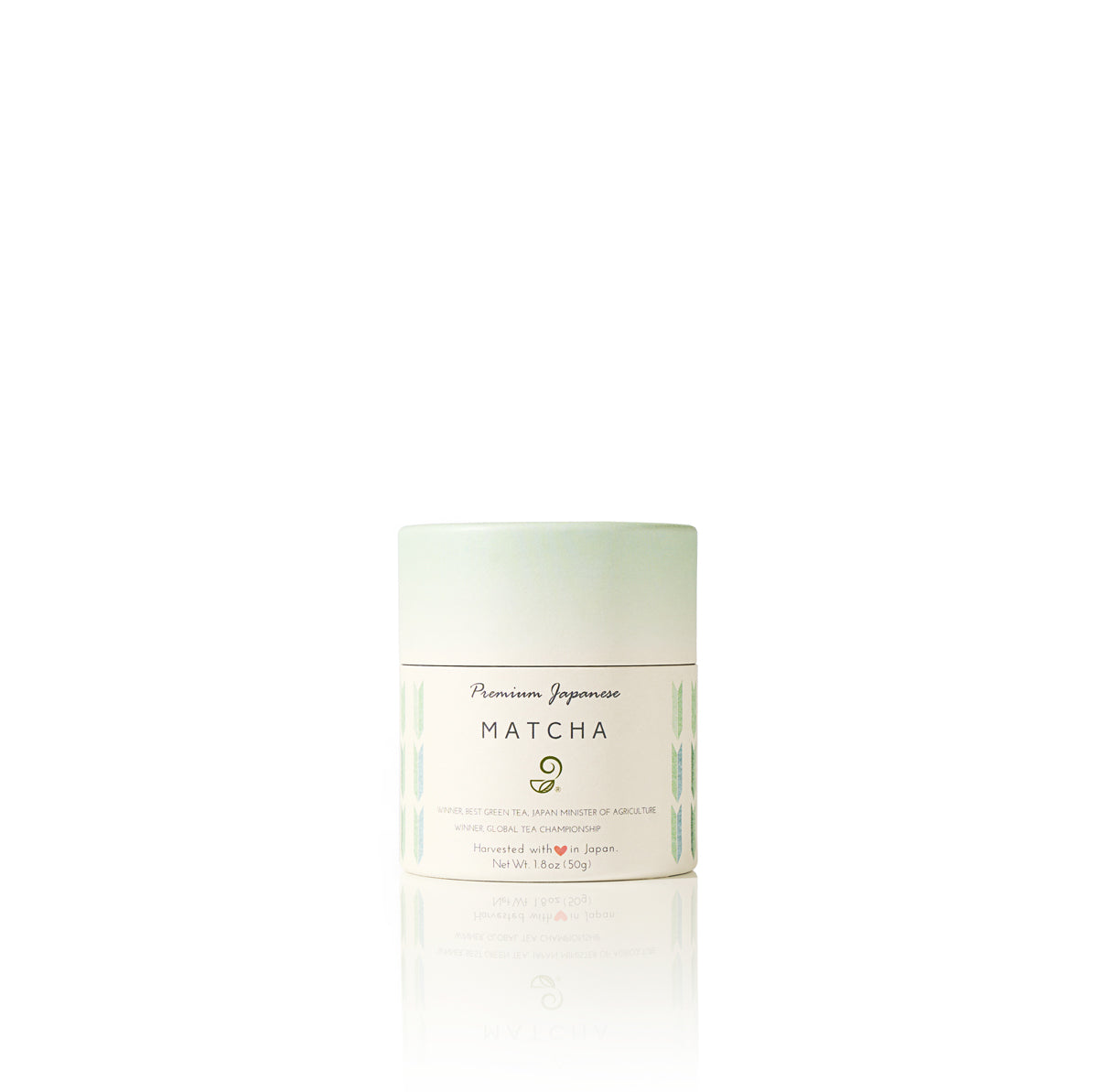
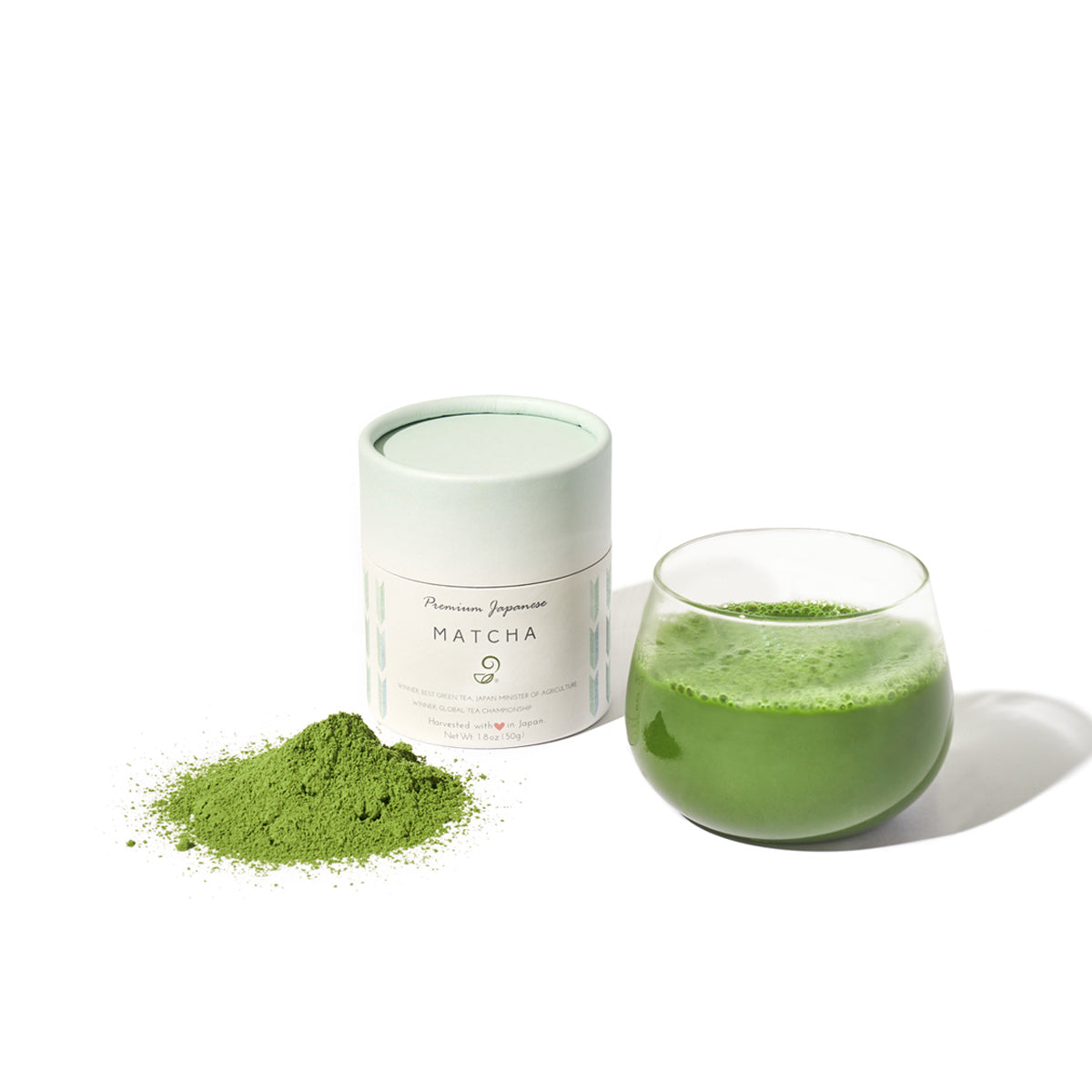
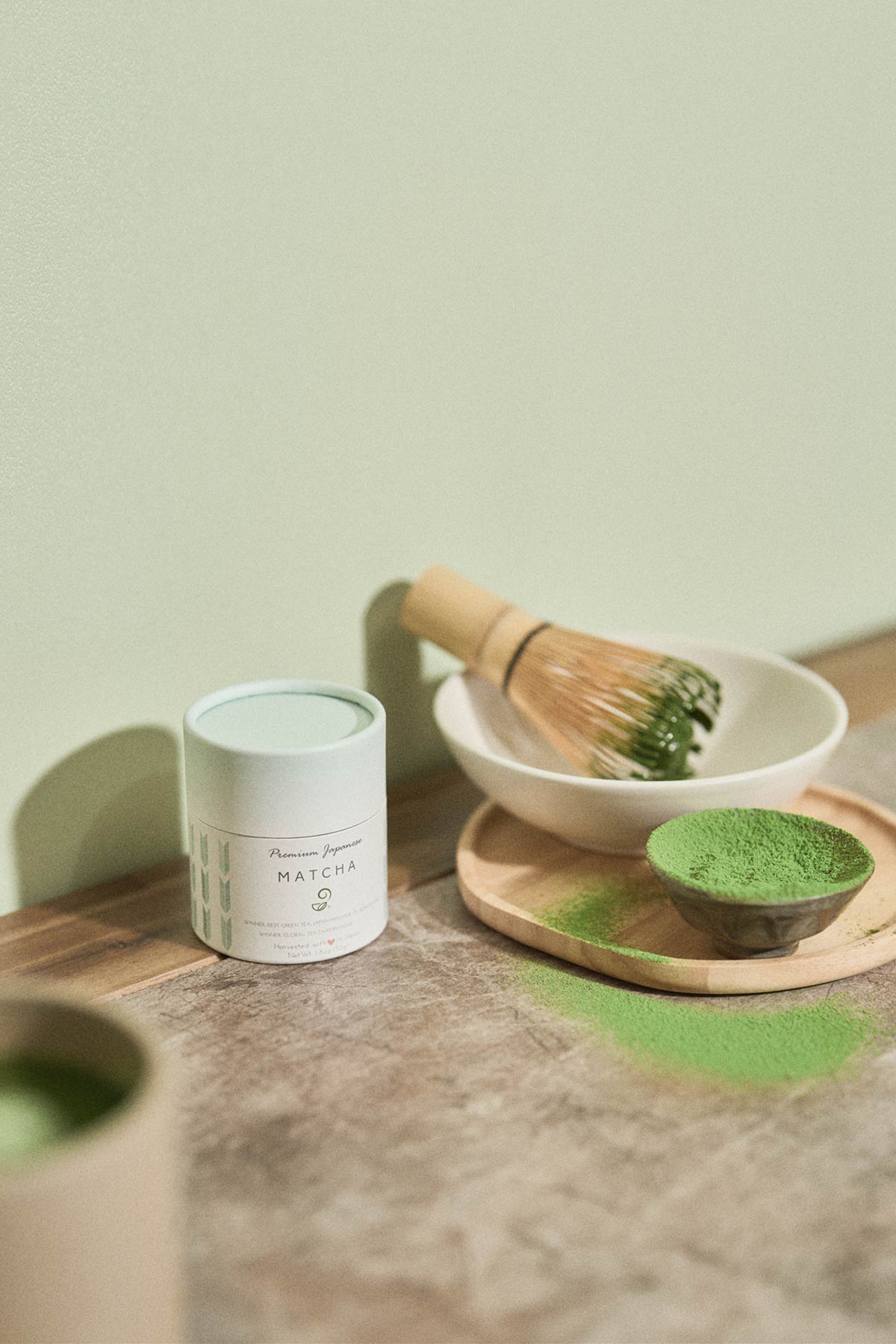
This ceremonial matcha is crafted from the finest Japanese green tea, grown in nutrient-rich soil enhanced with compostable grasses and sugarcane through the Chagusaba method, which gives the tea a natural sweetness and exceptional flavor. In collaboration with researchers from Shizuoka University, farmers ensure that the soil quality consistently produces tea of the highest standard.

Renowned among top Japanese chefs for its unmatched aroma, this matcha is made by carefully shading the plants before harvest to boost caffeine and amino acids, then meticulously drying, de-stemming, and grinding the leaves into a fine powder. Made from the Yabukita cultivar, this 1.8 oz (50g) matcha comes in a high-quality, air-tight paper tube canister, providing a luxurious and authentic Japanese tea experience.

42 reviews

Genmaicha - Green Tea with Roasted Brown Rice

$30.00
Quick view

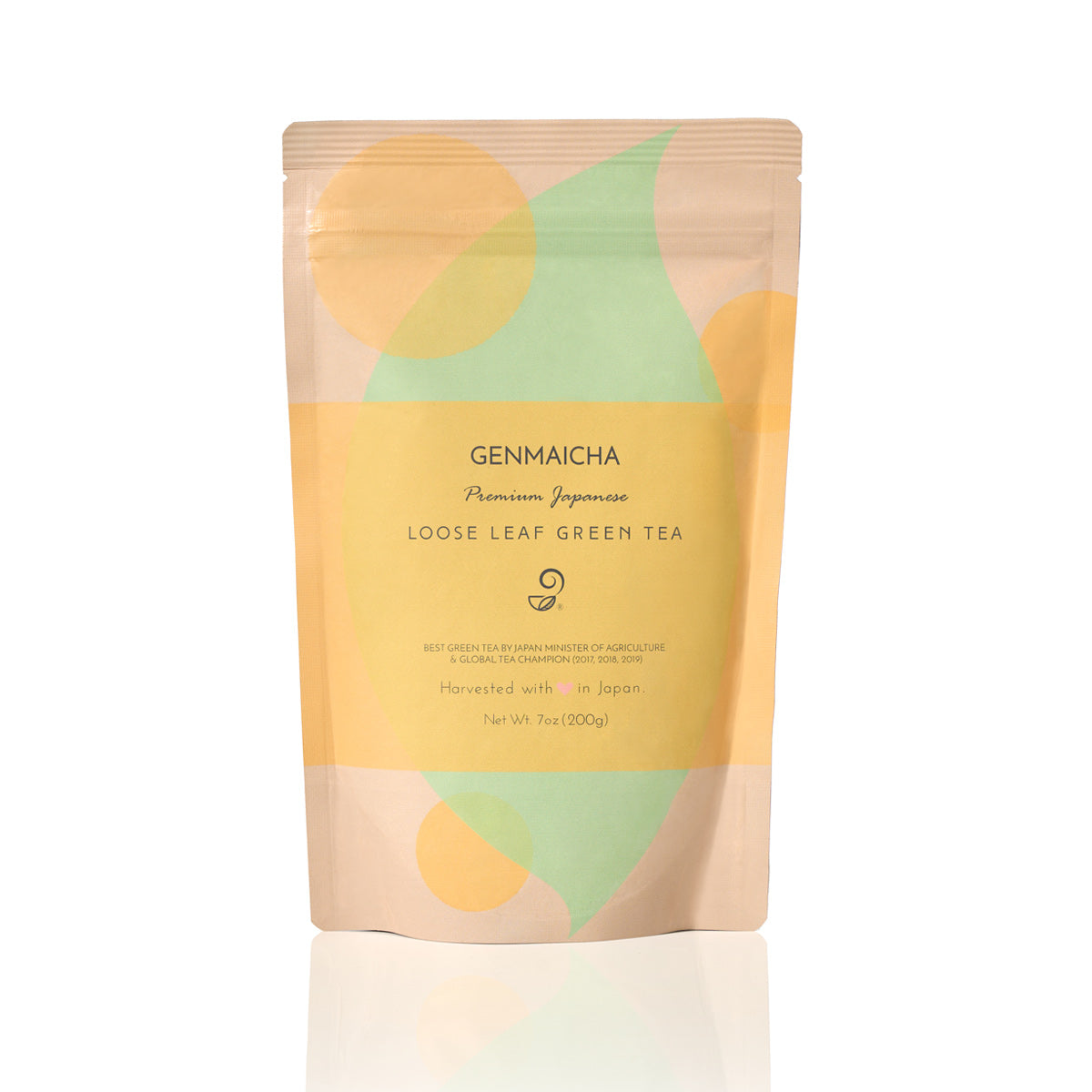
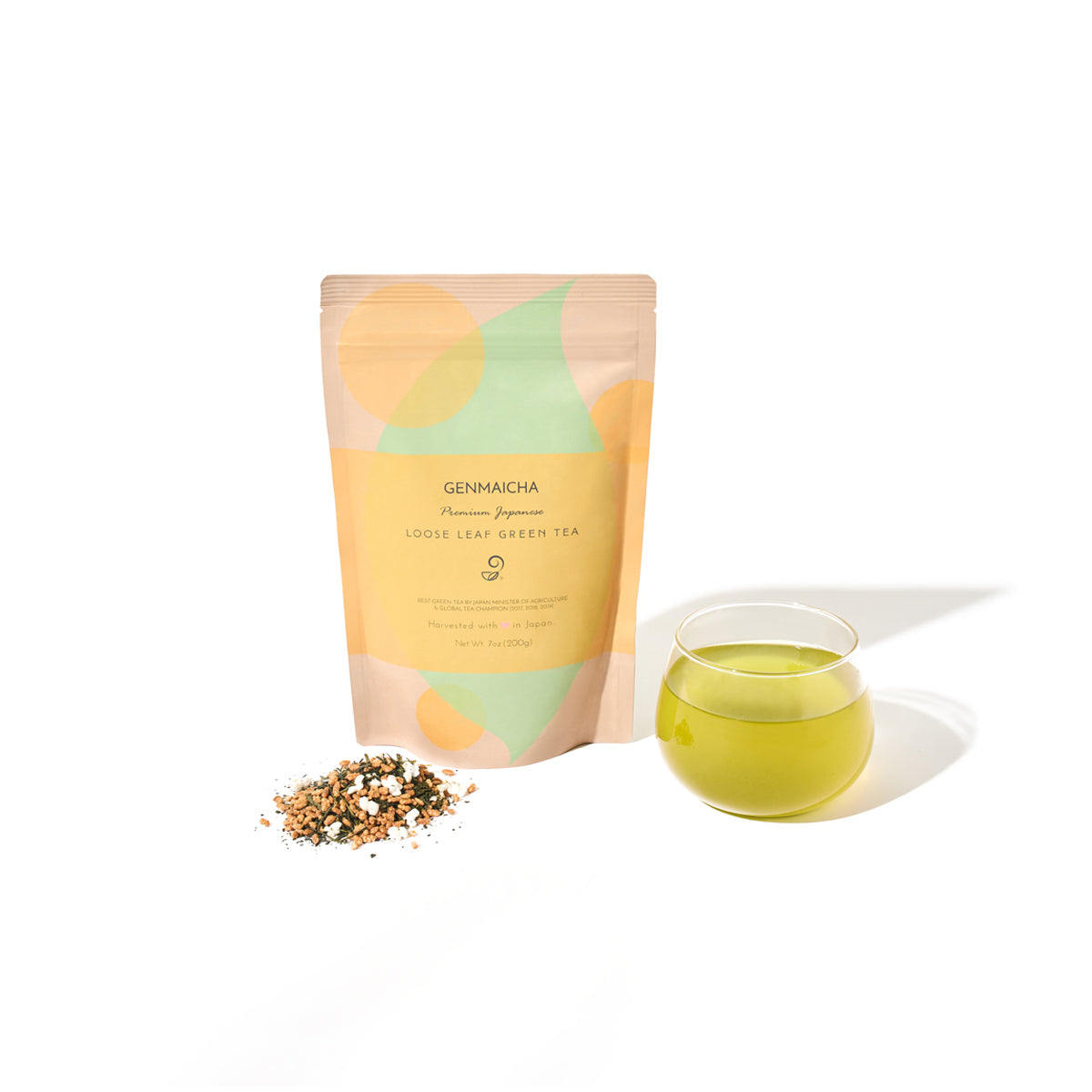
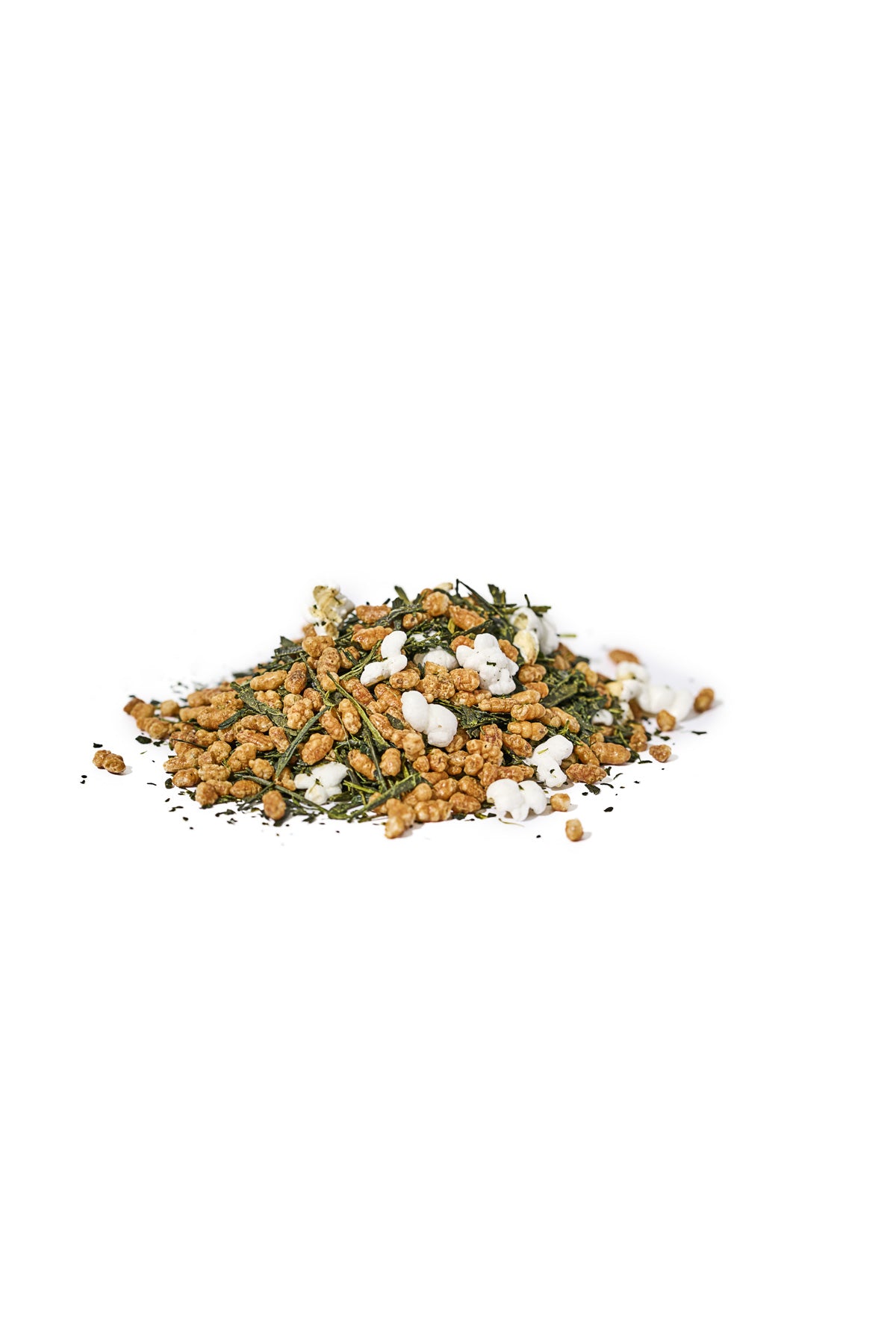
Our premium Japanese Genmaicha blends high-quality green tea with roasted popped brown rice (genmai 玄米), often nicknamed "popcorn tea" because the roasting process sounds like popcorn popping. Popular especially among the older generation in Japan for its mild flavor and lower caffeine content, this tea is easier on the stomach while still offering a rich, comforting taste. The brown rice used is premium Japanese mochi-gome (もち米) sticky rice, enhancing the tea’s nutty, aromatic profile. Made from Fukamushi Sencha and cultivated using the Chagusaba method in nutrient-rich sugarcane soil, this Genmaicha features the Yabukita cultivar and comes in a 7.0 oz (200g) eco-friendly resealable package, enough to steep 50–60 cups.


Related Articles You May Be Interested

Liquid error (snippets/blog-post-banner line 58): invalid url input

Get Free Bonus Books

Join Green Tea Club

Sign up for free to the Green Tea Club to get advice and exclusive articles about how to choose Japanese Tea, and tips, tricks, and recipes for enjoying Japanese tea.

Unsubscribe anytime. It’s free!

About the author

Kei Nishida

Kei Nishida

Author, CEO Dream of Japan

info@japanesegreenteain.com

Certification: PMP, BS in Computer Science

Education: Western Washington University

Kei Nishida is a passionate Japanese green tea connoisseur, writer, and the founder and CEO of Japanese Green Tea Co., a Dream of Japan Company.

Driven by a deep desire to share the rich flavors of his homeland, he established the only company that sources premium tea grown in nutrient-rich sugarcane soil—earning multiple Global Tea Champion awards.

Expanding his mission of introducing Japan’s finest to the world, Kei pioneered the launch of the first-ever Sumiyaki charcoal-roasted coffee through Japanese Coffee Co. He also brought the artistry of traditional Japanese craftsmanship to the global market by making katana-style handmade knives—crafted by a renowned katana maker—available outside Japan for the first time through Japanese Knife Co.

Kei’s journey continues as he uncovers and shares Japan’s hidden treasures with the world.

Learn more about Kei Nishida

Related Posts

Our Matcha Is Now at Pillow Talk Cafe in Pasadena — Master Japanese-Inspired Cake Makers

Our matcha is now at Pillow Talk Cafe Pasadena! Meet the cafe, try the Egg Heaven sando & Matchamisu, and see how th

Read More
Simply Donabe — New Cookbook from TOIRO's Naoko-san Is Out!

Simply Donabe is here! We celebrated TOIRO's Naoko-san's new cookbook at a special dinner at Camélia in DTLA — see our p

Read More
Introducing New Product - Meet Hojicha Powder
Introducing A New Product - Meet Hojicha Powder

Discover the game-changing Hojicha powder your kitchen has been waiting for — richer flavor, easier recipes, and surpris

Read More
Leave a comment

Your email address will not be published..

Cart

Your cart is currently empty.

Start Shopping

Select options