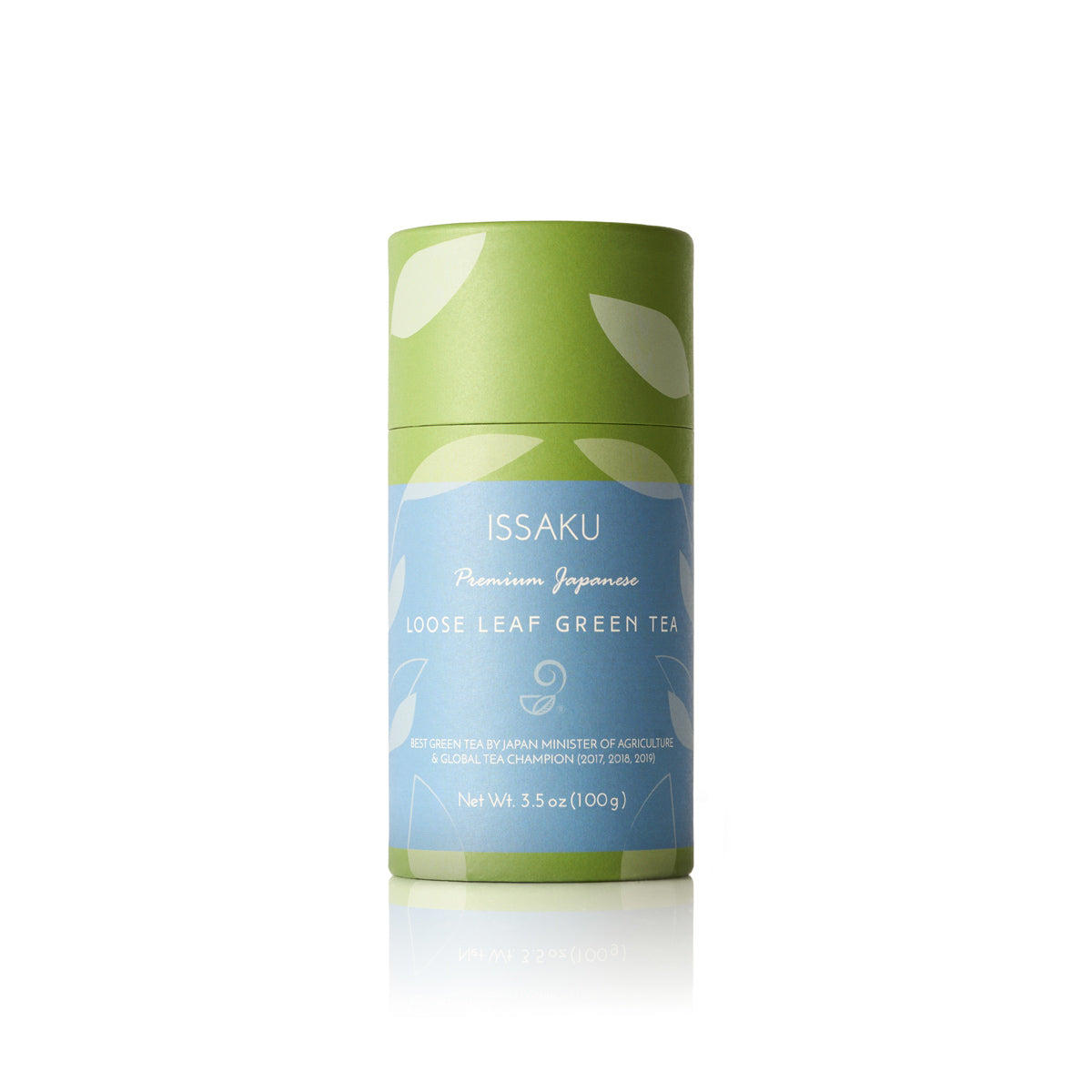
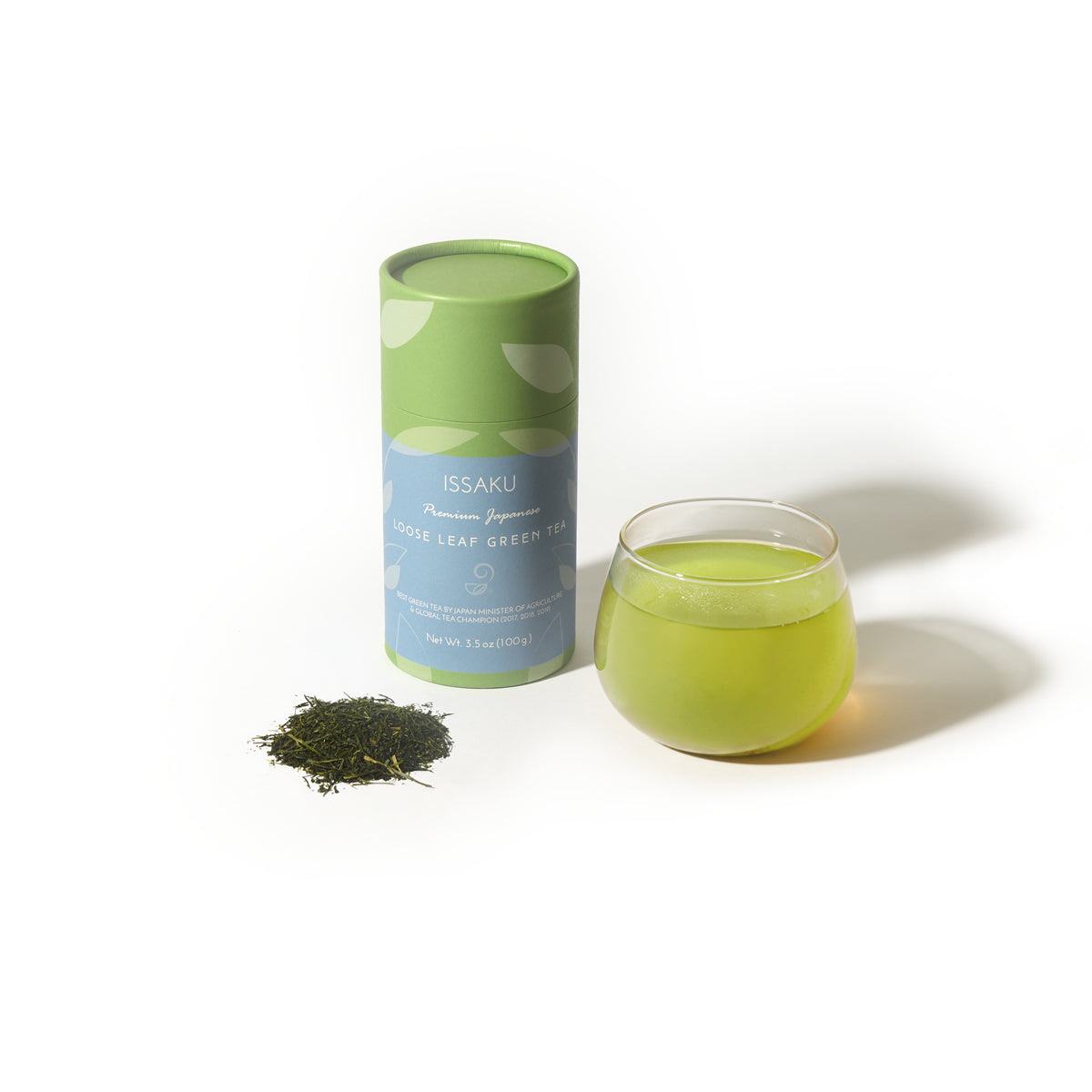
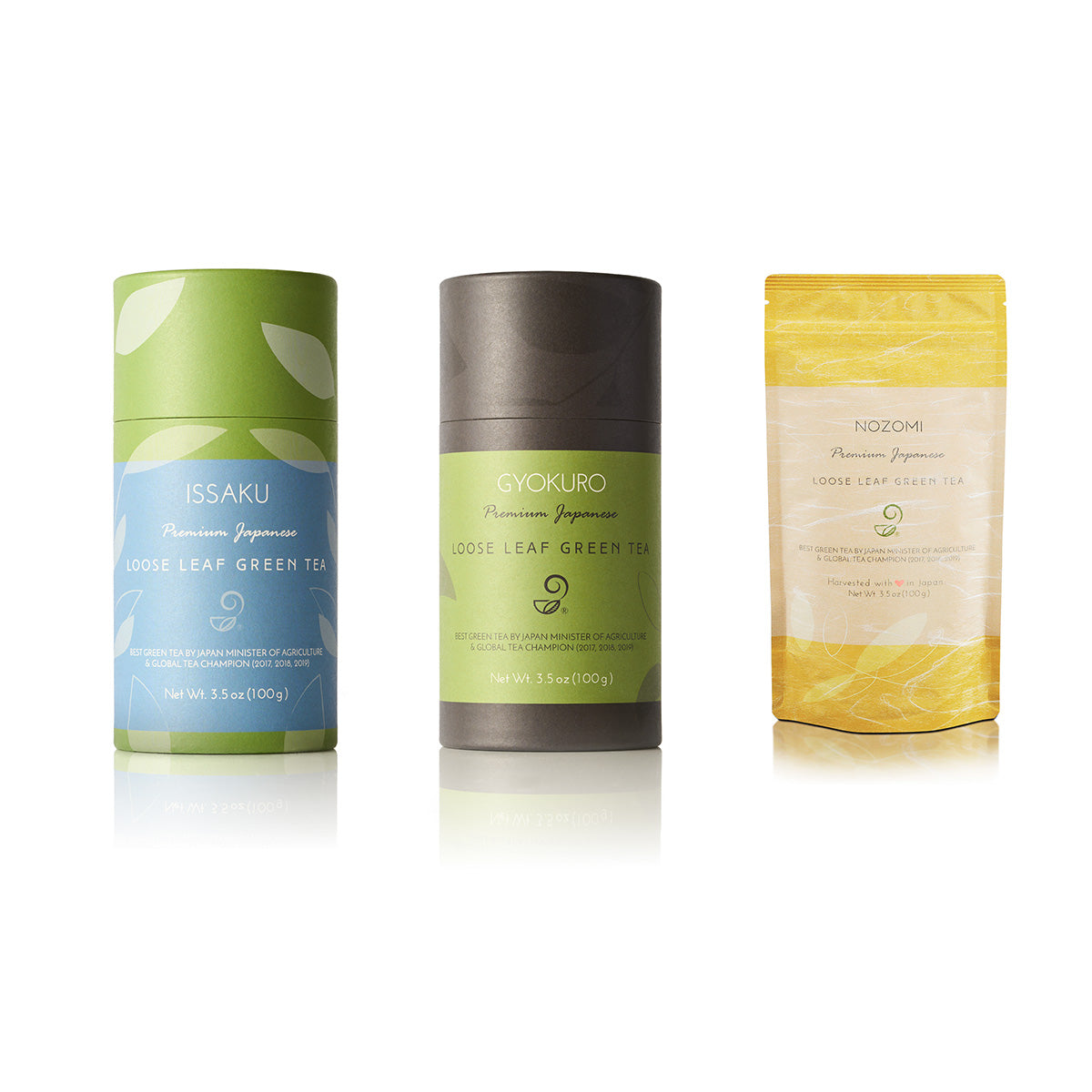
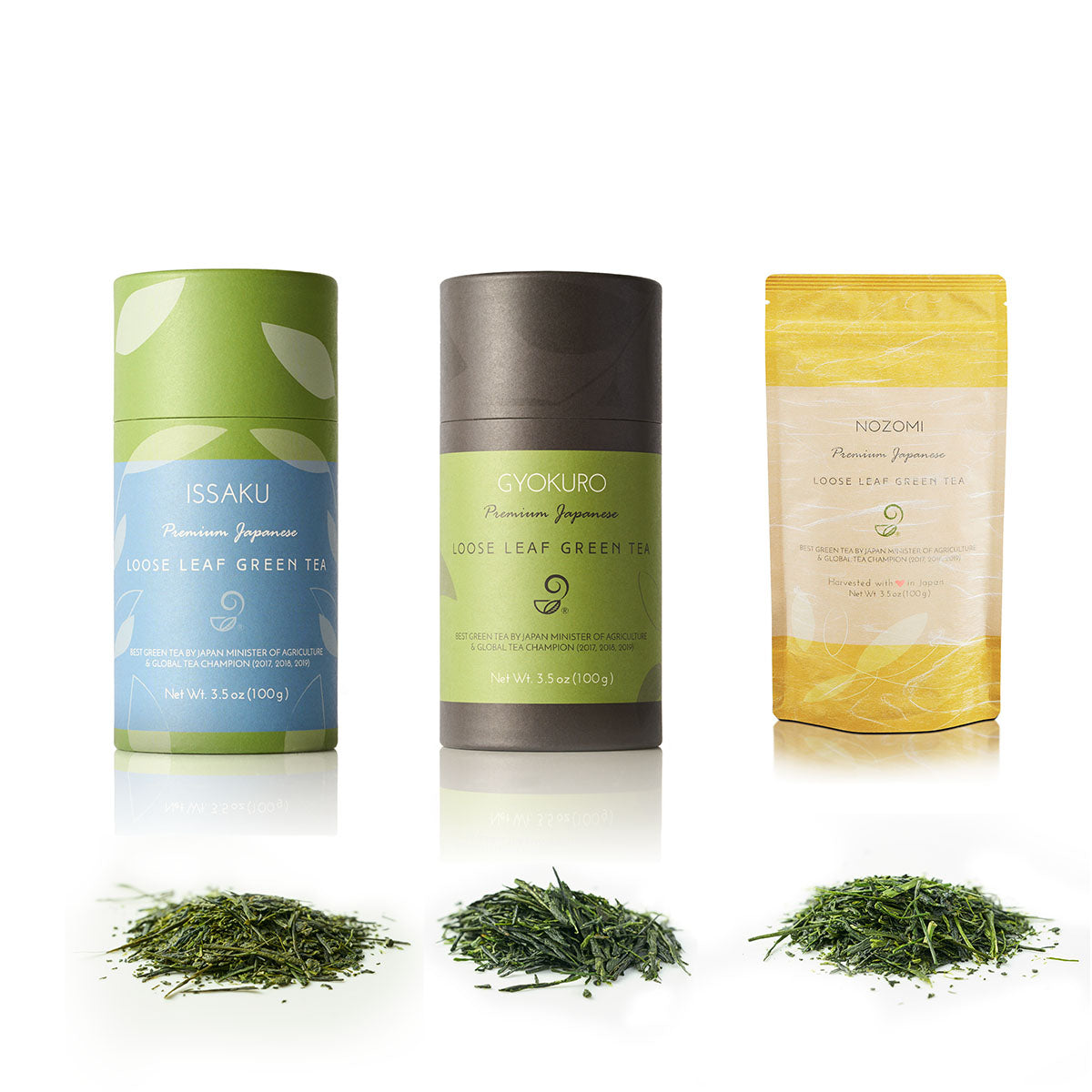
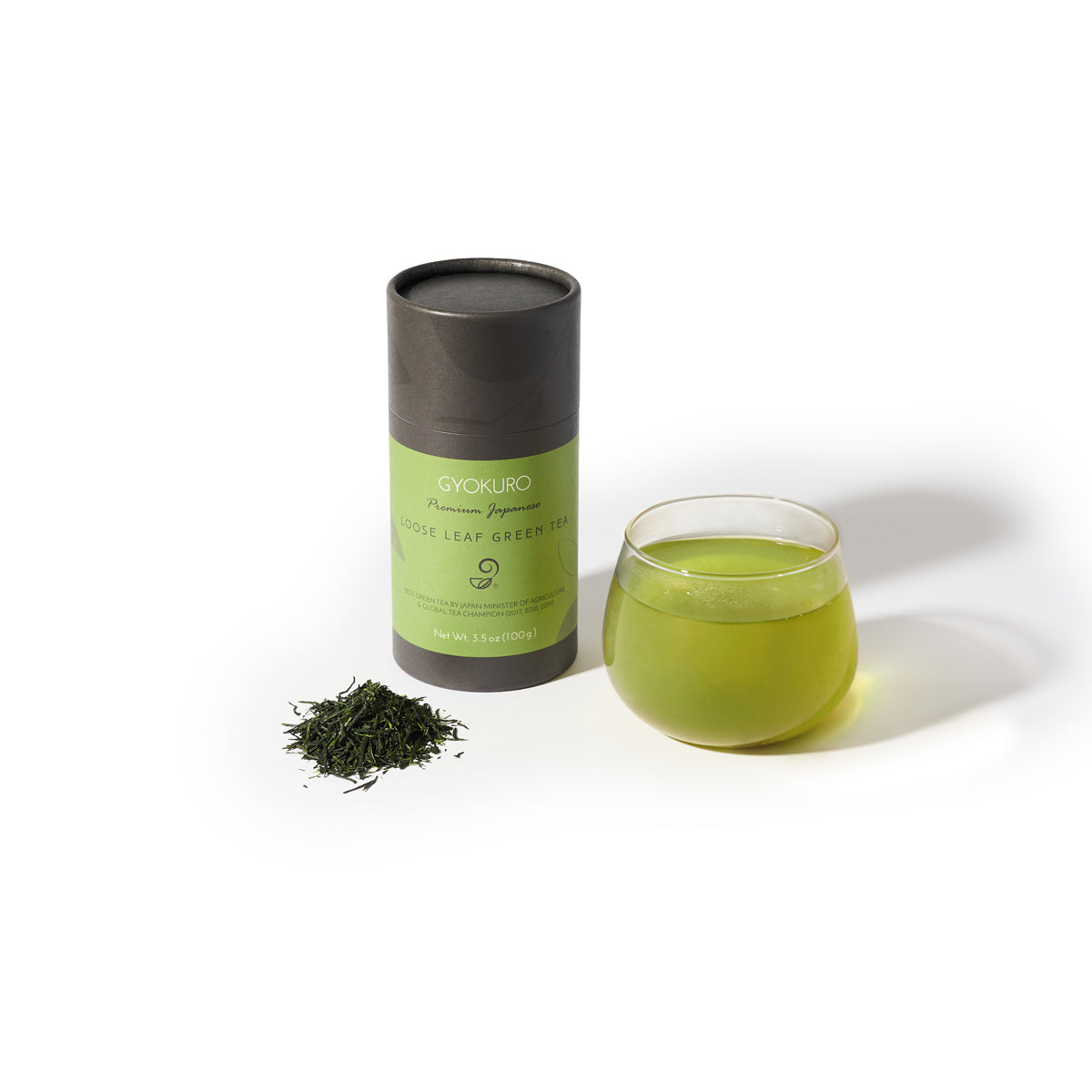
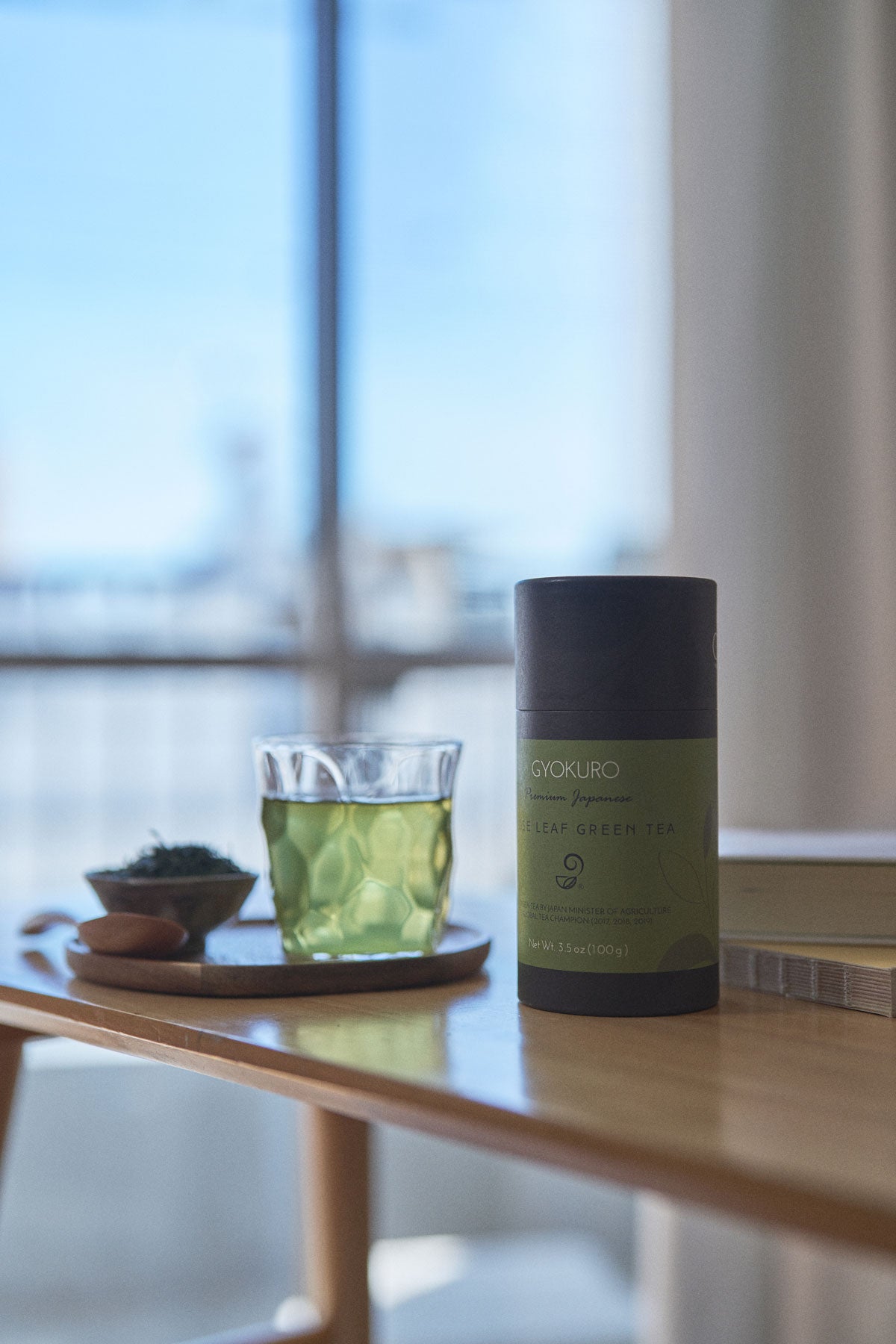
On October 8, 2019, the Global Tea Championship announced that the Japanese Green Tea Company won a Silver Medal for the Steamed Green Tea Category.
Issaku Sencha Green Tea, the signature product from the Japanese Green Tea Company, won the Global Tea Championship in 2017 as well, making this tea the second-time winner for the Global Tea Champion.
Last year, the Japanese Green Tea Company's Matcha won the Championship.
This makes the company the first to win the Championship three years in a row.
- 2019: Steamed Green Tea Category (Click here to view the winning product)
- 2018: Matcha Category (Click here to view the winning product)
- 2017: Steamed Green Tea Category (Click here to view the winning product)
The official result was published through World Tea News here.
The competition took place in Boulder, Colorado, USA, on September 28–29, 2019.
Official Judges' Comment
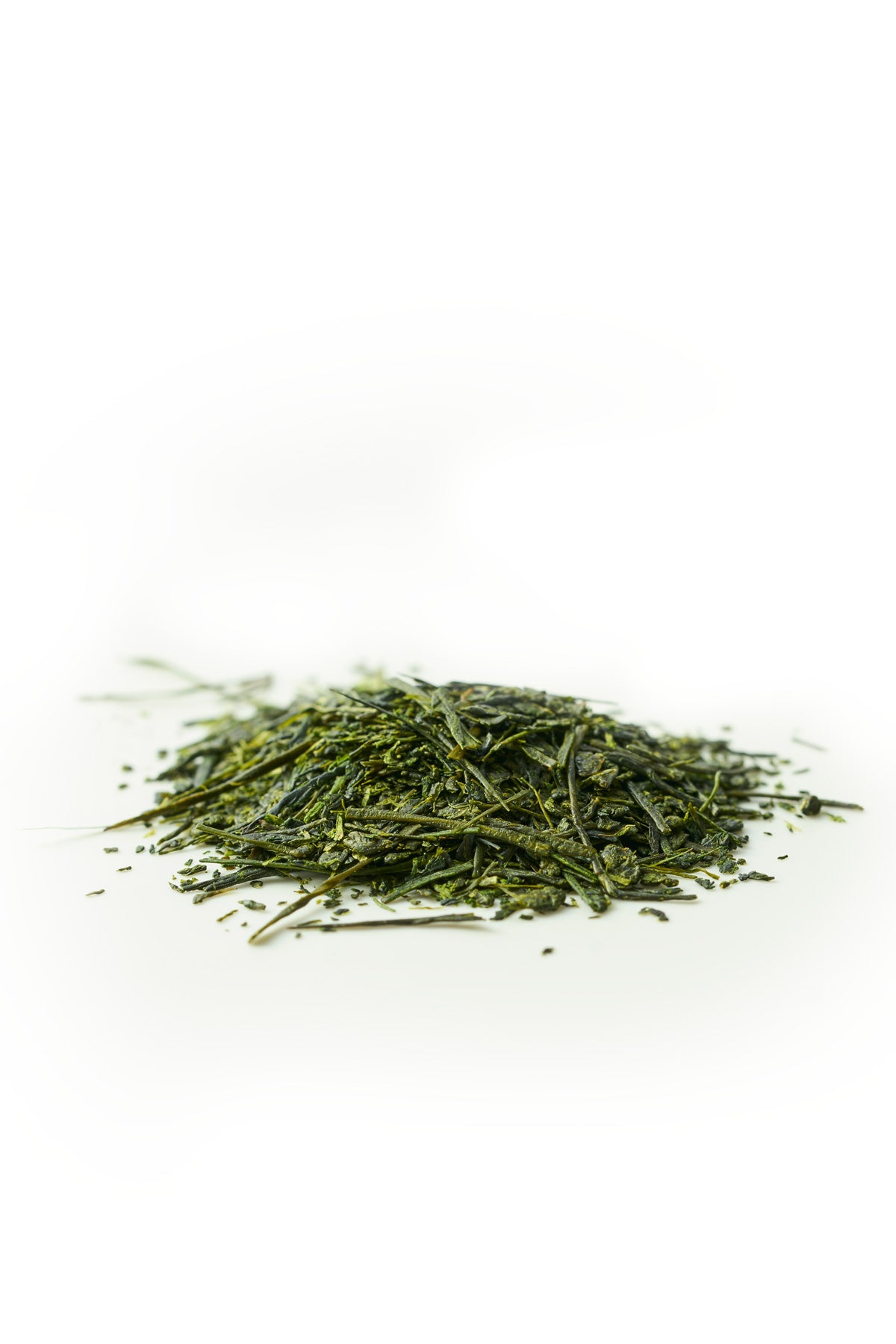
DRY LEAF:
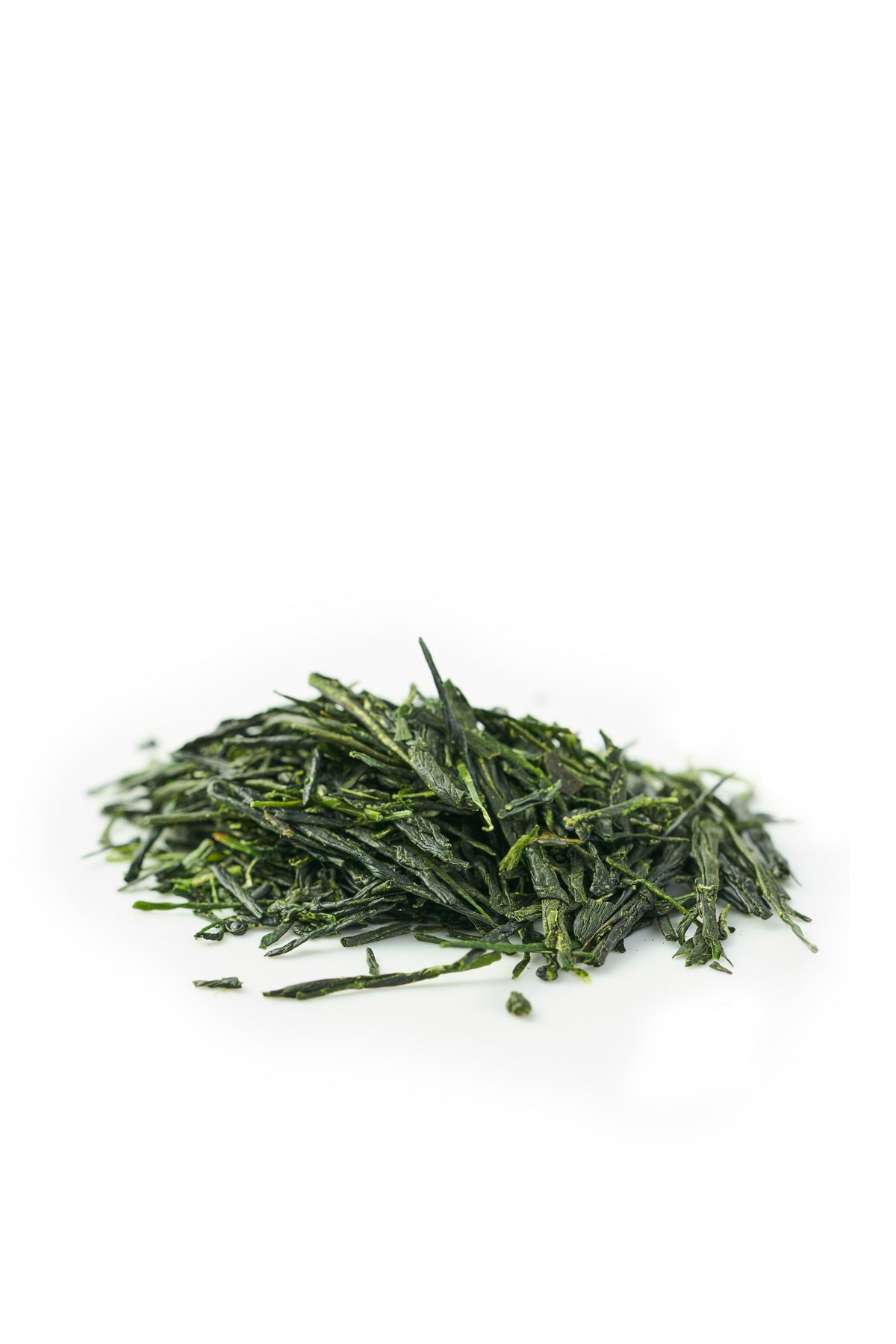
Judges’ Comments: Characteristic of Category-Clean/Neat
LIQUOR COLOR/CLARITY
Judges’ Comments: Characteristic of Category-Cloudy/Hazy-Bright
LIQUOR AROMA
Judges’ Comments: Exceptional
Characteristic of Category-Exceptional
LIQUOR FLAVOR
Judges’ Comments: Exceptional
Characteristic of Category-Juicy-Exceptional
LIQUOR MOUTHFEEL/BODY
Judges’ Comments: Smooth—Good Bodied
OVERALL HARMONY
Judges’ Comments: Balanced-Well Conceived
Would You Like to Try the 2-Time Winner Tea?
Following is the Japanese Company's 2-Time Winning Issaku Green Tea if you are interested in trying it out.
FAQs about Issaku Tea and Global Tea Championship Wins
Why does this kind of brand initiative matter for tea customers?
Issaku winning Global Tea Championship 2019 added to its multi-year record of competitive recognition. Multi-year award wins signal consistent quality rather than just specific judging panels. Brand initiatives like this — whether shipping expansions, retail availability, sustainability changes, or media presence — affect customer experience in ways that the underlying tea product doesn't. Operations matter alongside product quality.
For specialty tea brands serving international audiences, operational improvements (faster shipping, more accessible retail, sustainable packaging, refill programs) often have bigger customer-experience impact than incremental product changes. Most customers already love the tea; they want it delivered conveniently and sustainably.
Watching a brand's operational evolution over years tells you something about whether the company is investing in long-term customer relationships or just optimizing for short-term margins. Brands that consistently improve operations across years tend to be the ones worth committing to as a daily-tea source.
How do I find out about new initiatives or product launches from JPCo?
Email newsletter is the most reliable channel. JPCo sends periodic updates about new products, sustainability initiatives, retail-channel expansion, and content highlights. Subscribe through the website footer; unsubscribe is one-click anytime.
Social media (Instagram, Facebook, YouTube) covers some announcements but the algorithm-driven feeds mean you may miss specific updates. Email is more reliable for important brand news.
If you want to engage more deeply, the JPCo blog is updated several times per week with content beyond just announcements — articles about tea culture, brewing technique, recipe development. Following the blog is a way to stay in touch with the brand without needing to actively check social media.
What's the relationship between brand operations and tea quality?
Both matter; they're partly independent. A brand can have great tea but poor operations (slow shipping, limited availability, weak customer service) and lose customers despite the product. A brand can have good operations and mediocre tea and survive, but won't build deep customer loyalty.
The brands worth supporting long-term are those that get both right — quality product from real Japanese farms plus responsive customer service, fast shipping, and honest communication. The Sencha Lover Gift Set exemplifies this — premium tea from documented sources, delivered through reliable operations.
For customers, evaluating both dimensions when choosing a tea brand produces better long-term outcomes than focusing on either alone. Don't sacrifice quality for convenience; don't sacrifice convenience for purity.
How does specialty tea brand operations differ from mass-market tea?
Customer relationship vs. transactional. Specialty tea brands invest in customer relationships — newsletter content, educational material, customer service that knows the products in depth, sustainable packaging, transparent supply chains. Mass-market brands optimize for transaction efficiency — high-volume manufacturing, broad retail distribution, marketing-driven differentiation.
Both approaches are valid; they target different customer types. Customers who want to buy tea once a year and not think about it benefit from mass-market efficiency. Customers who want a daily relationship with their tea brand benefit from specialty operations.
Most committed daily tea drinkers eventually find their way to specialty brands because the relationship-driven operation matches the relationship-driven product. The transition often happens gradually — first a sample purchase, then a regular order, then becoming part of the email newsletter audience.
Can customer feedback actually influence specialty tea brand operations?
Yes, more than at mass-market brands. Specialty brands operate at smaller scale, which means individual customer feedback reaches decision-makers more directly. Customer service emails, social media comments, product reviews, and direct feedback to the brand all influence what products get launched, how packaging changes, what content gets created.
Practically: if you have a specific request (a particular tea cultivar, a packaging change, a content topic, a service improvement), emailing JPCo customer service is more effective than just hoping the brand notices broader patterns. Specific requests from real customers often get acted on within months.
This is part of why specialty tea brands grow through word-of-mouth — the operations are responsive to customer needs in ways that big brands aren't. Customer recommendations of specialty brands often emphasize the responsiveness as much as the product quality.
Related products
Issaku Reserve - Limited Premium Green Tea (Global Tea Champion 2017, 2019)
Issaku Reserve is a premium green tea masterpiece created by Mr. Arahata at Arahataen Green Tea Farm, offering a truly authentic and traditional Japanese tea experience. Handpicked once a year from new crops and crafted through a meticulous, complex process, Issaku Reserve is the farm’s highest-grade tea, produced in limited quantities and prized even in Japan. Winner of the Global Tea Championship in 2017 and 2019, this exceptional tea is made from the Yabukita cultivar and cultivated using the Chagusaba method in nutrient-rich sugarcane soil. It comes in a high-quality, air-tight paper tube canister containing 3.5 oz (100g), enough to steep 30–40 cups, with a single-serve 0.3 oz (10g) sample also available to preserve its rich flavor and outstanding freshness.
Matcha - Japanese Limited Reserve Ceremonial Green Tea - (Global Tea Champion 2018, 2025)
This Premium Ceremonial Grade Matcha is one of the most luxurious matcha teas available, crafted from carefully cultivated Japanese green tea grown in nutrient-rich sugarcane soil using the Chagusaba method. Traditionally reserved for high-end tea ceremonies in Japan and loved by many tea masters, this matcha was once unavailable outside of Japan and is now finally accessible to U.S. consumers. Every step of its production, from shading the tea plants to increase caffeine and amino acid levels to the meticulous removal of stems and veins before grinding into a fine powder, is handled with a blend of advanced technology and time-honored tradition. Made from the Yabukita cultivar, this 30g (1.05 oz) ceremonial matcha offers a vivid color, unforgettable aroma, and the highest standard of flavor, earning recognition as a Global Tea Champion in 2018 and 2025.
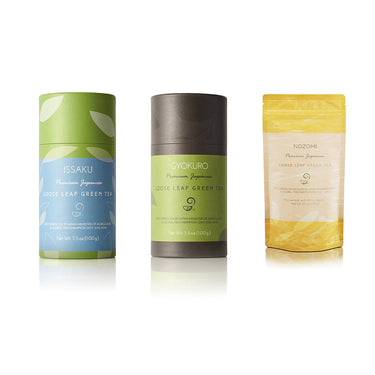
The Sencha Lover Gift Set - Premium Japanese Green Tea Set Package
This tea set features three exceptional Japanese green teas, each crafted with care and traditional techniques. Issaku Reserve, a Global Tea Champion winner in 2017 and 2019, is a rare masterpiece created by Farm Master Mr. Arahata at Arahataen Green Tea Farm. Handpicked once a year from the first flush and processed with advanced methods, Issaku represents the highest-grade deep-steamed green tea, available only in limited quantities even in Japan.
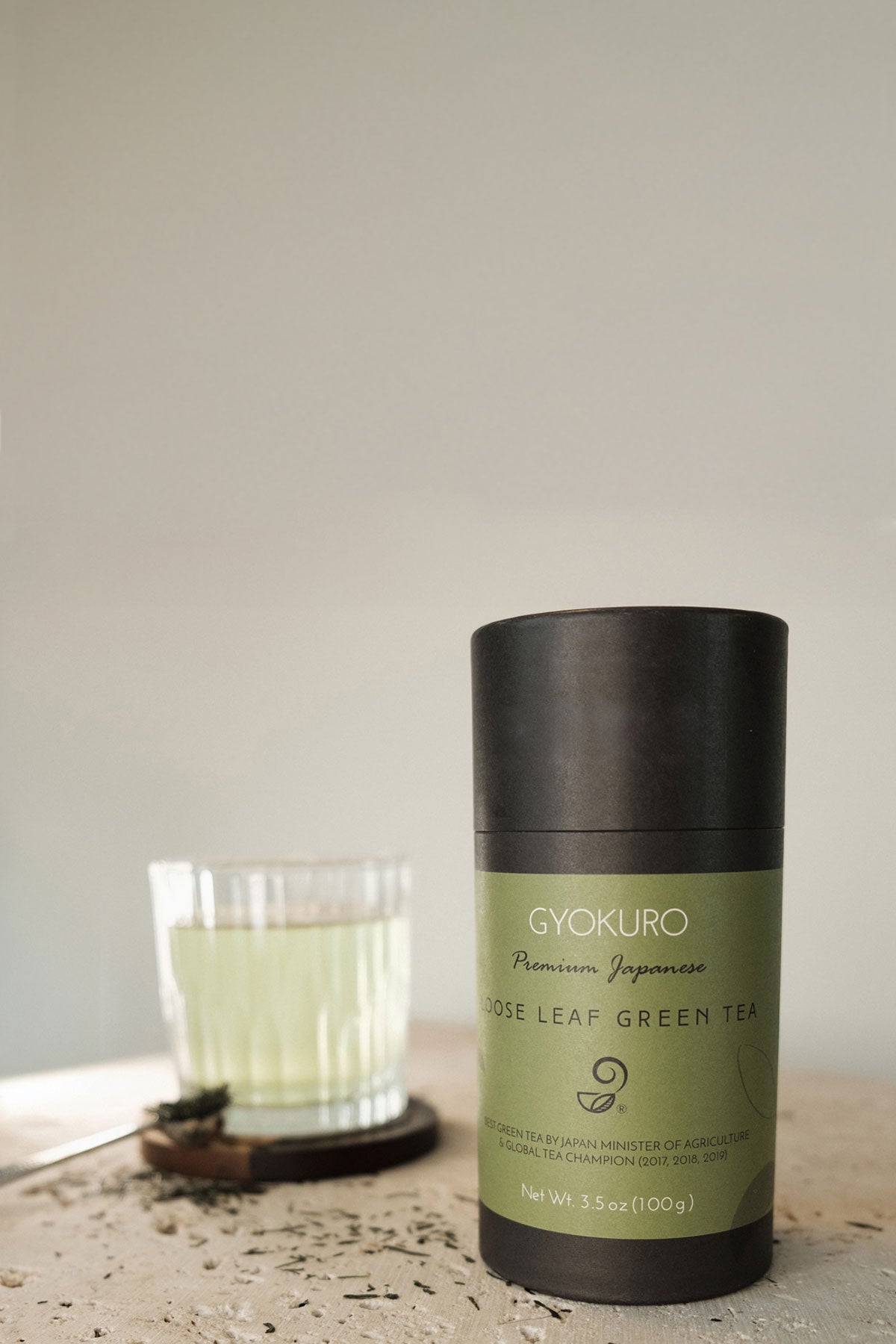
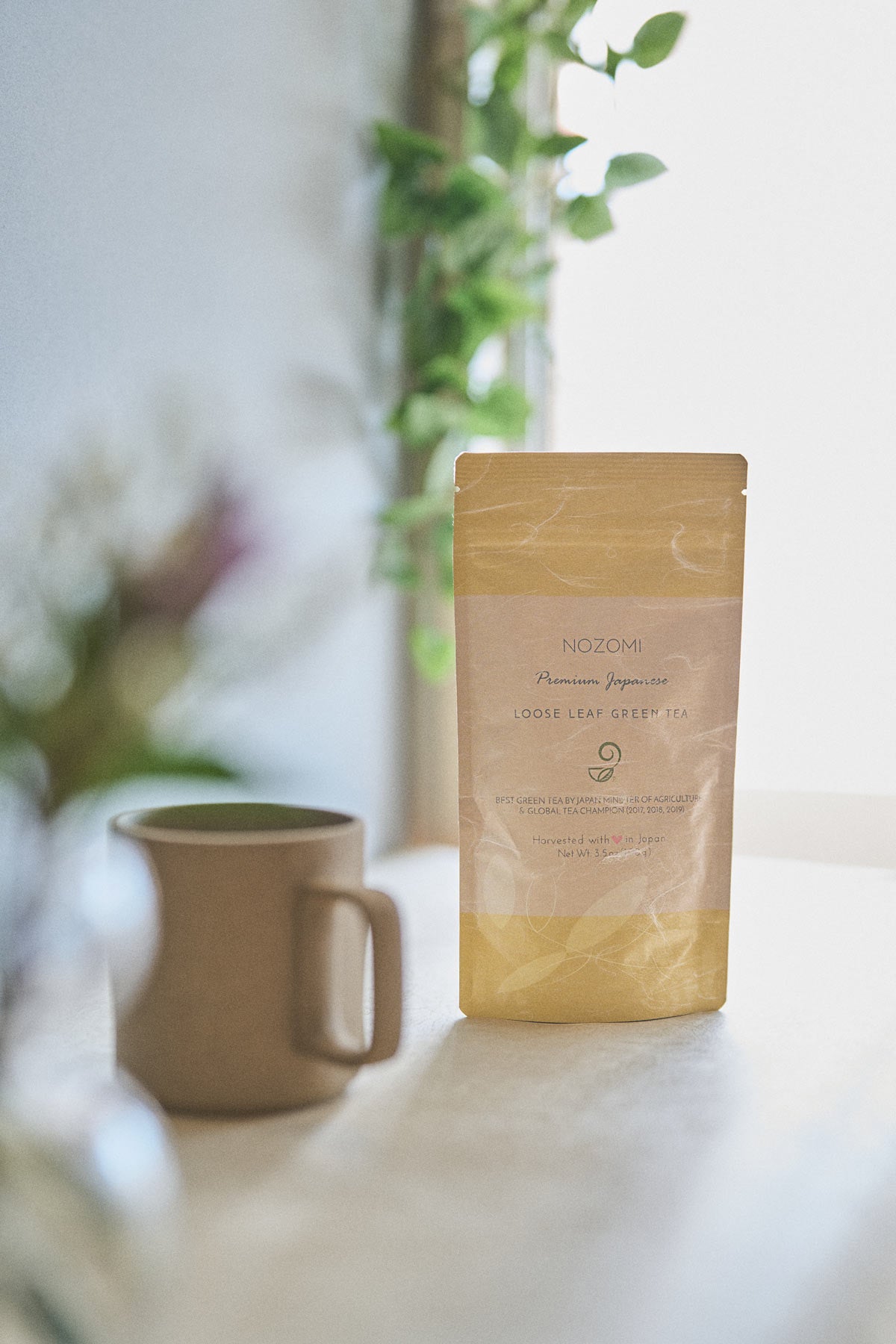
The set also includes Gyokuro, a premium shaded green tea known for its rich, sweet flavor and deep mossy green color. Grown under special mats for 20 days to increase caffeine and amino acid levels, Gyokuro offers a layered, smooth taste unlike any other. Completing the collection is Nozomi, a fine Kabuse-cha, or "Covered Green Tea," carefully grown under nets to gently shade the leaves just before new sprouts emerge, resulting in a soft, rich, and refined flavor profile.
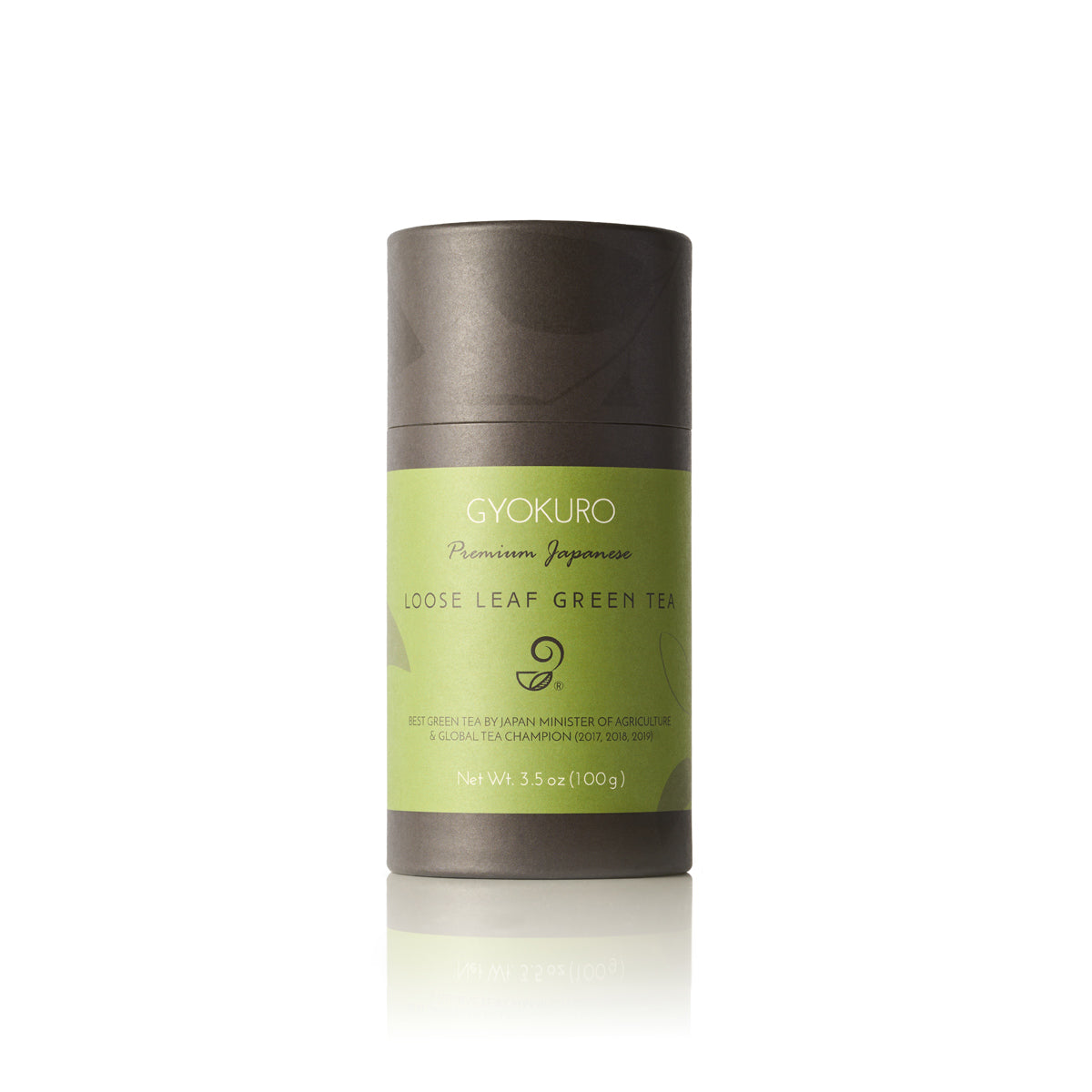
Gyokuro - Shaded Imperial Premium Green Tea
Gyokuro, also known as "jade dew" or "jewel dew tea," is a premium Japanese green tea shaded from the sun for 20 days using specially made mats, a method that boosts caffeine levels and strengthens amino acids to create a sweeter, richer flavor. This extended shading process results in dark, mossy green leaves with an unmistakable aroma and a complex taste that is layered yet balanced. Cultivated by the Chagusaba method in nutrient-rich sugarcane soil and made from the Yabukita cultivar, this loose-leaf authentic Gyokuro is offered in a high-quality, air-tight paper tube canister (chyazutsu) to preserve its exceptional freshness and flavor. Each 3.5 oz (100g) full-size package steeps 30–40 cups, and a convenient single-serve sample is also available.
Hojicha - Roasted Green Tea
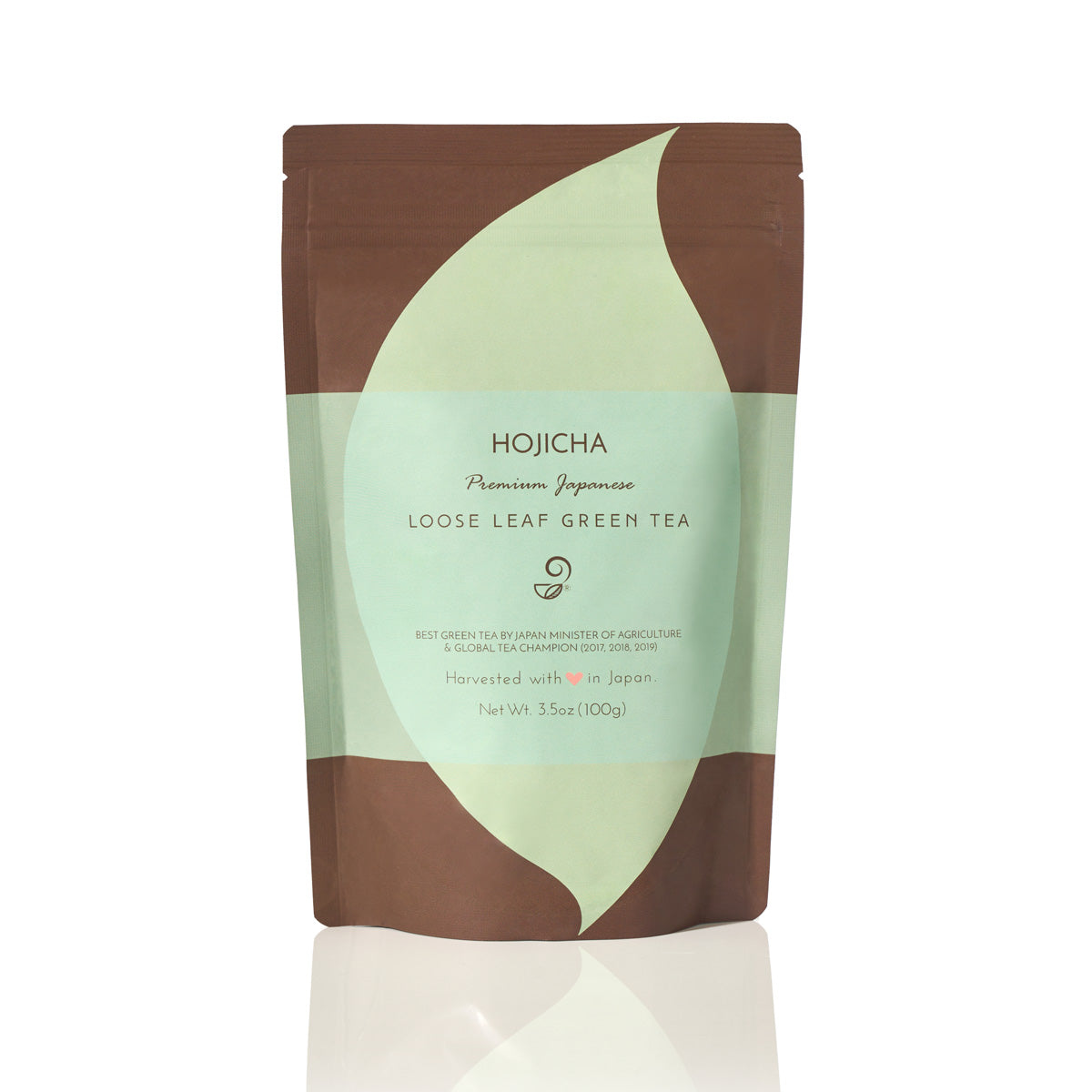
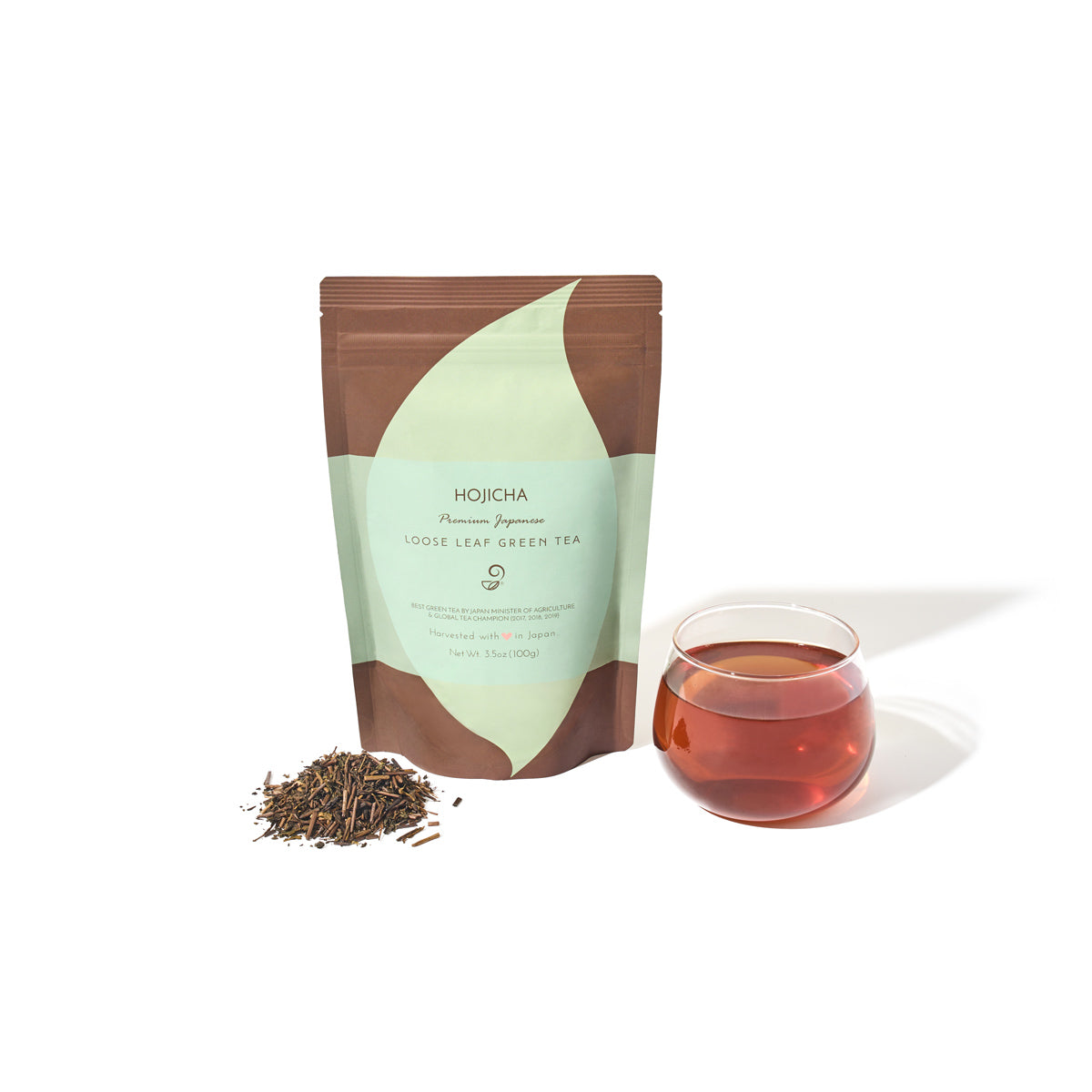
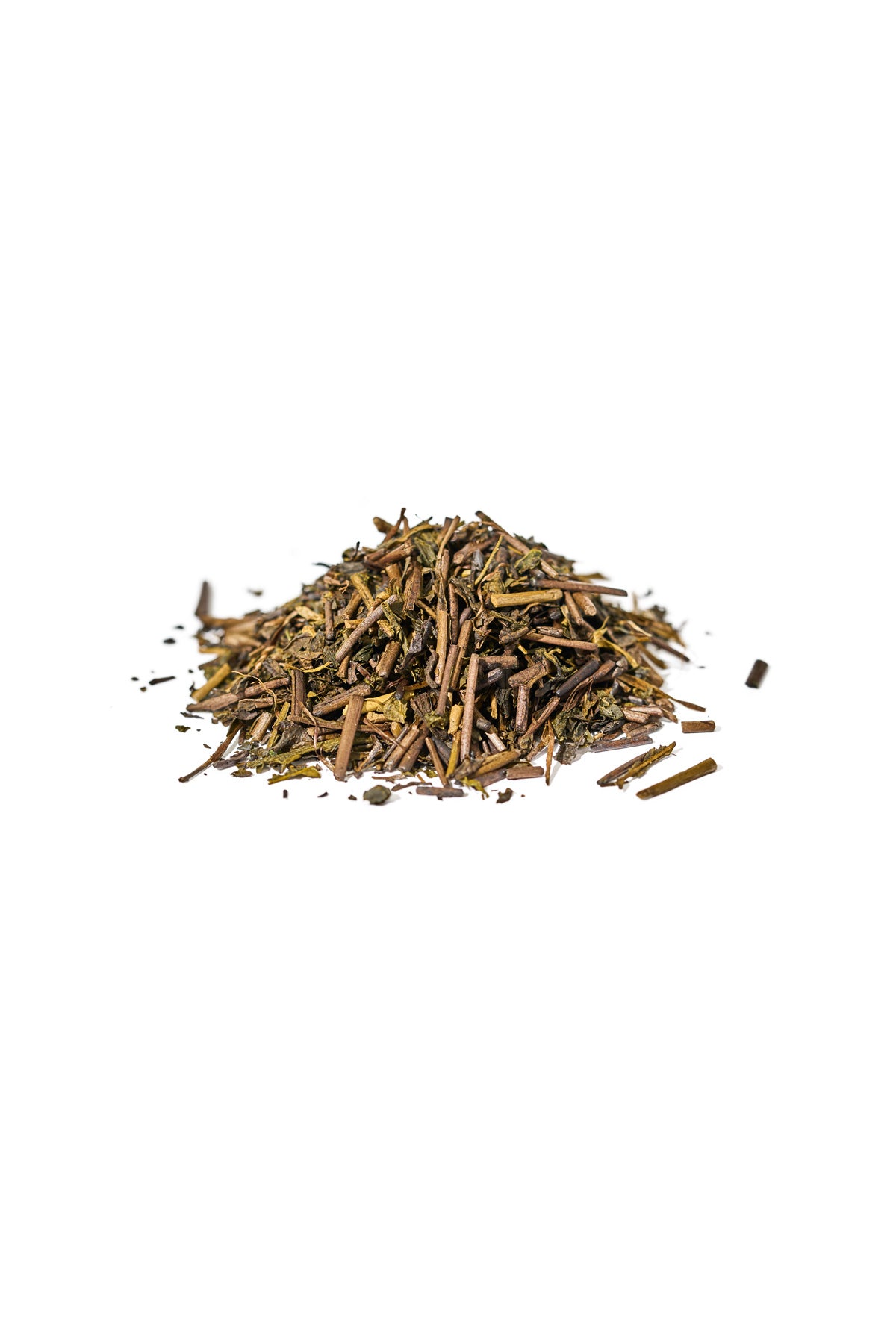
Our roasted green tea, known as hojicha (ほうじ茶), is crafted from freshly harvested premium green tea carefully roasted in porcelain over charcoal to maximize flavor while retaining more catechins than typical hojicha on the market. With lower caffeine and a smoother, less bitter taste compared to steamed green tea, it is an ideal choice for evening relaxation and is gentle enough for kids and pregnant women. Cultivated using the Chagusaba method in nutrient-rich sugarcane soil, this loose-leaf authentic Japanese roasted green tea, made from the Yabukita cultivar, also pairs beautifully with oily foods. Each eco-friendly resealable package contains 3.5 oz (100g) of tea, enough to steep 30–40 comforting cups.
Related Articles You May Be Interested
Get Free Bonus Books
Sign up for free to the Green Tea Club to get advice and exclusive articles about how to choose Japanese Tea, and tips, tricks, and recipes for enjoying Japanese tea.
Unsubscribe anytime. It’s free!
About the author
Kei Nishida
Author, CEO Dream of Japan
Certification: PMP, BS in Computer Science
Education: Western Washington University
Kei Nishida is a passionate Japanese green tea connoisseur, writer, and the founder and CEO of Japanese Green Tea Co., a Dream of Japan Company.
Driven by a deep desire to share the rich flavors of his homeland, he established the only company that sources premium tea grown in nutrient-rich sugarcane soil—earning multiple Global Tea Champion awards.
Expanding his mission of introducing Japan’s finest to the world, Kei pioneered the launch of the first-ever Sumiyaki charcoal-roasted coffee through Japanese Coffee Co. He also brought the artistry of traditional Japanese craftsmanship to the global market by making katana-style handmade knives—crafted by a renowned katana maker—available outside Japan for the first time through Japanese Knife Co.
Kei’s journey continues as he uncovers and shares Japan’s hidden treasures with the world.