Skip to content

Soilon: The Eco-Friendly, Biodegradable Tea Bag Revolution

Many brands use durable tea bags, but concerns about their environmental and health impacts are growing. 

Plastic-based tea bags often contain microplastics that don't decompose, polluting the environment. When exposed to hot water, they may also release microplastics into the tea, raising health concerns. Sustainable alternatives are needed.

Well, here comes a teabag that is both eco-friendly and safe for our bodies.

Meet the New Japanese Environmentally-friendly Tea Bag Invention – Soilon (ソイロン).

Soilon is what Japanese Green Tea Co. uses for all the teabags. 

None of Japanese Green Tea Co. uses plastic in its tea bags. 

Since we often get questions about what our teabags are, we decided to write this article.

Read on to learn about this new Japanese invention that Japanese Green Tea Co. uses.


What is Soilon Teabag?

Lets`s take a moment to inquire further about what makes "Soilon nonwoven fabric" different from the teabags; Soilon is a trademark name registered by Yamanaka Industry Company.

The general idea is that Soilon nowoven fabric is not only aimed at consumers who want to throw their tea bags in the garden or their organic waste bin but is now made for their health.

Soilon tea bags are organic and eco-friendly. These are now being used abroad and are popular with tea masters and manufacturers.


How Soilon Teabags Sustain the Ecosystem

Soilon teabags are compostable as they are made from plant-based starches, like cornstarch, which are polymerized to form the material.

When buried in soil, microorganisms decompose the teabag through hydrolysis, breaking it down completely into water and CO2.

Additionally, Soilon emits fewer harmful gases compared to plastics when burned and does not release toxins like dioxins, making it an environmentally friendly choice.


Soilon Teabags: A Biodegradable and Eco-Friendly Choice

Soilon nonwoven fabric teabags are more expensive than traditional options but are biodegradable, breaking down naturally with the help of microorganisms in your garden or compost.

If unsure, you can bury a teabag in the soil and check to see if it has decomposed after a few weeks. While safe for consumption, Soilon teabags are increasingly favored by tea drinkers looking for a quick, eco-friendly option.

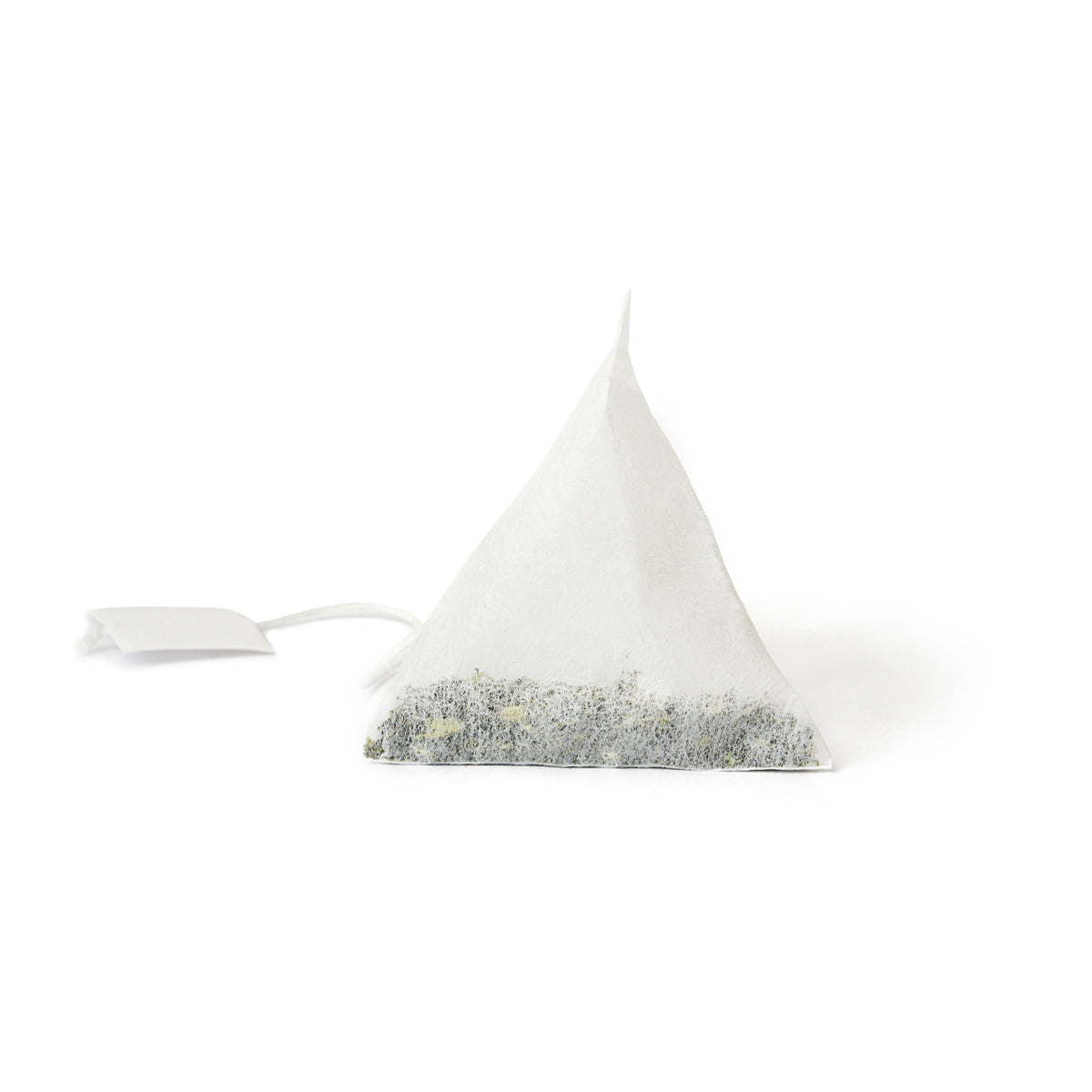
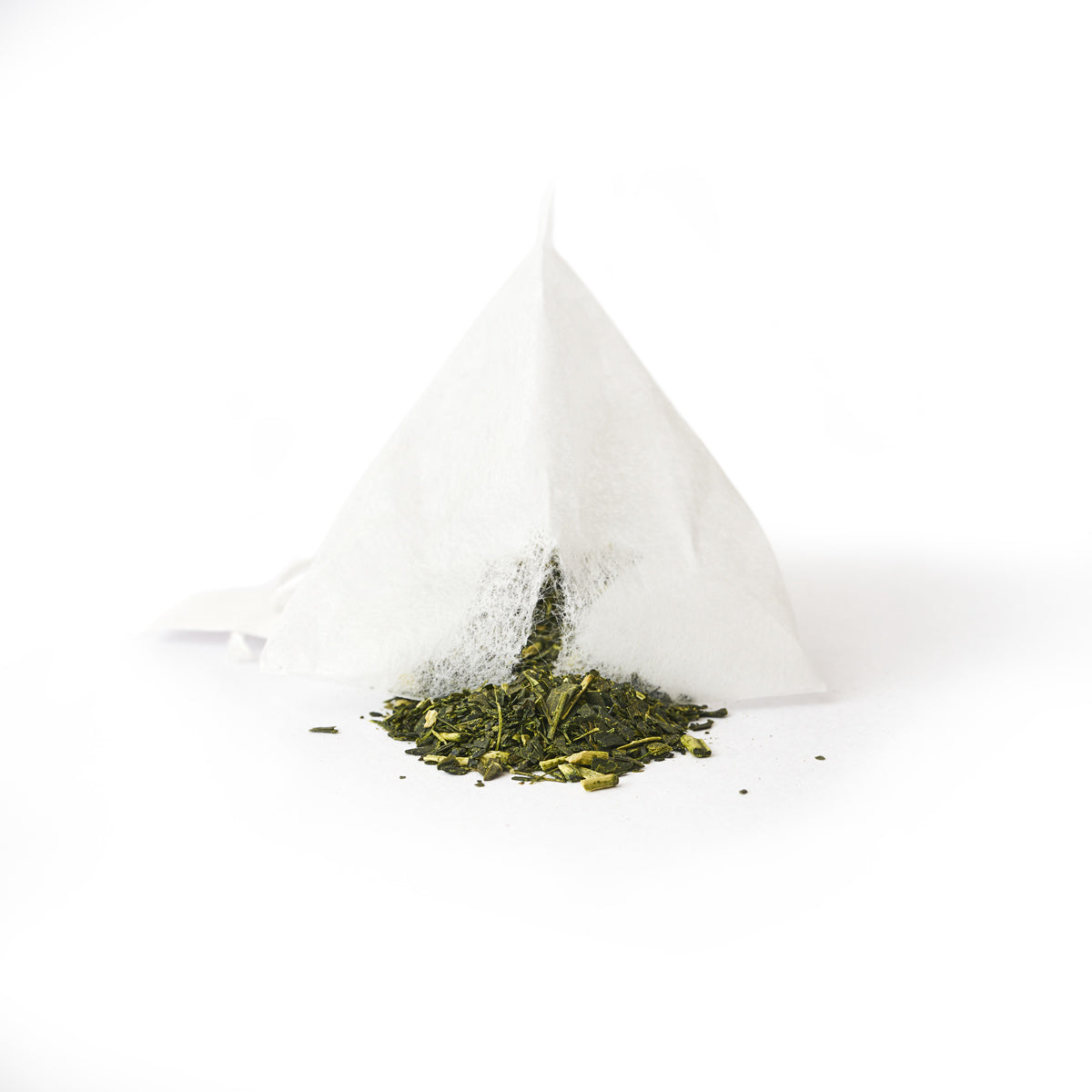
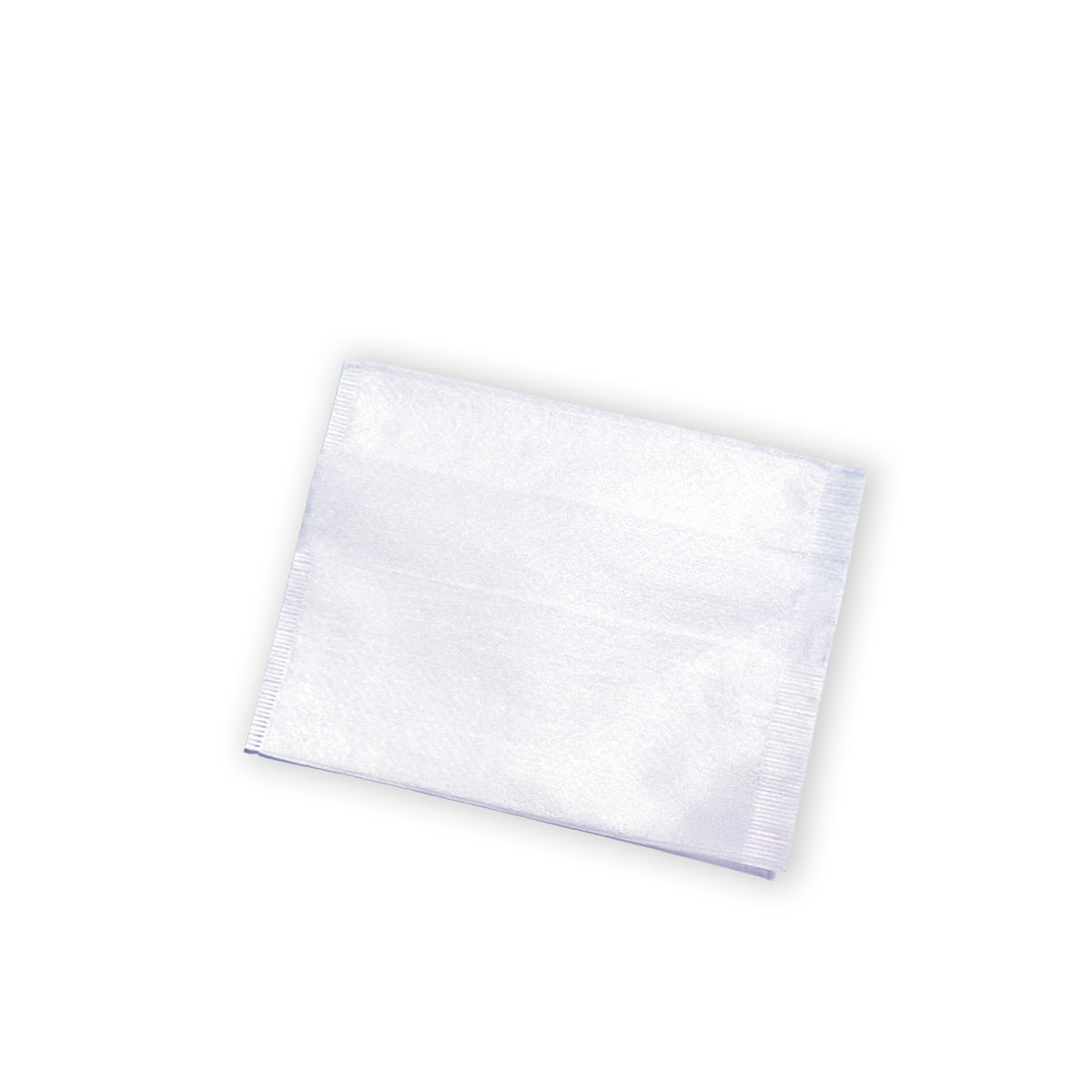
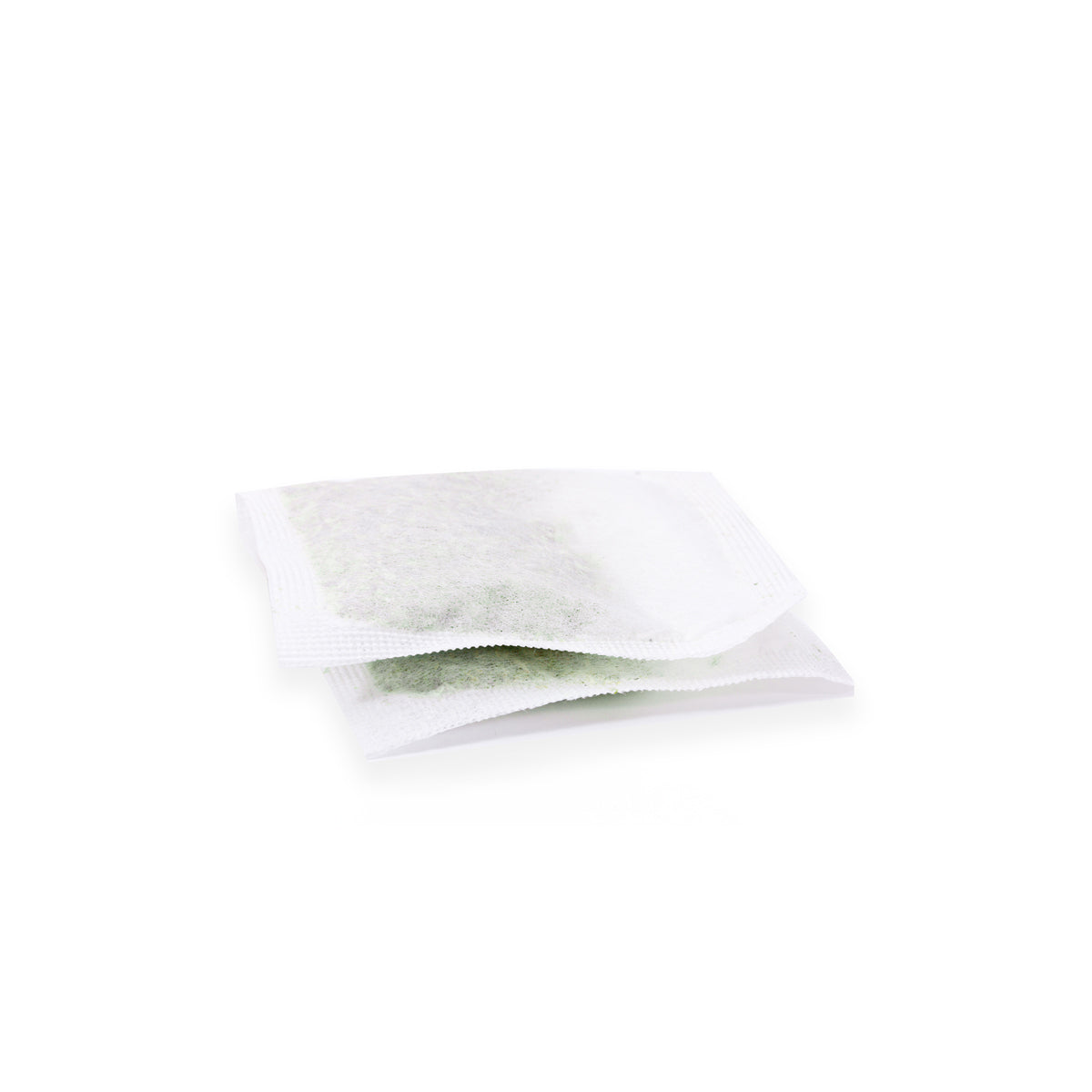
These teabags come in various shapes, such as square, rectangular, and circular (common with paper filter teabags), while pyramid shapes are typical for Soilon, similar to some silk teabags.

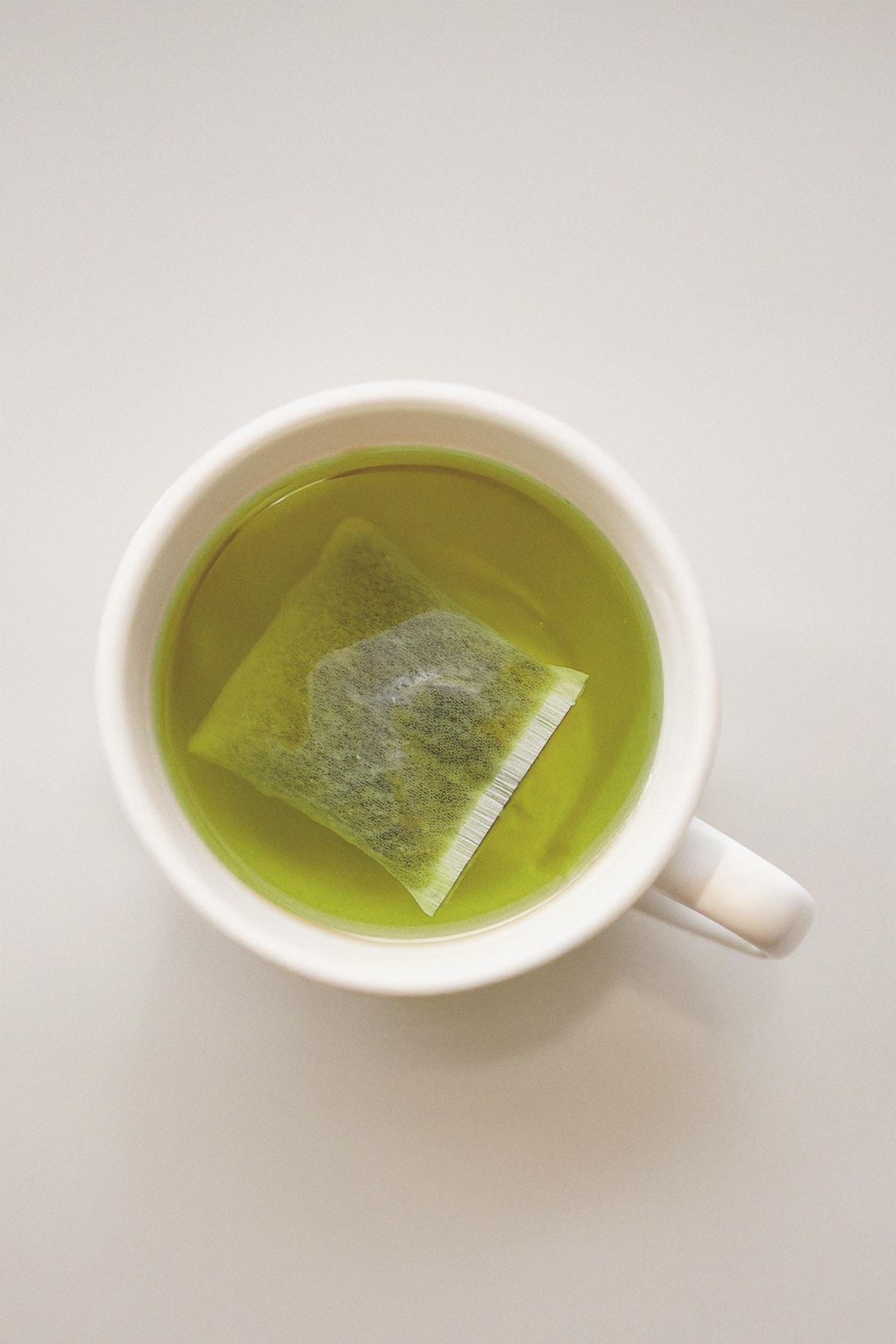
Japanese Green Tea Co. uses pyramid-shaped teabag.

About Pyramid-Shaped Teabags

Why did Japanese Green Tea Co. choose a pyramid-shaped teabag?

Pyramid teabags are better because their unique shape provides more room for tea leaves to expand, allowing for better water circulation and infusion.

This results in a richer, more flavorful cup of tea compared to traditional flat teabags, which can restrict the movement of the tea leaves and limit flavor extraction.


Looking For Tea With a Preferred Tea Bag

When shopping for quality tea, look for packaging that highlights eco-friendly features such as non-plastic, plant-based, compostable, or biodegradable tea bags. Some brands, including us, proudly use Soilon tea bags, a sustainable and environmentally conscious choice.

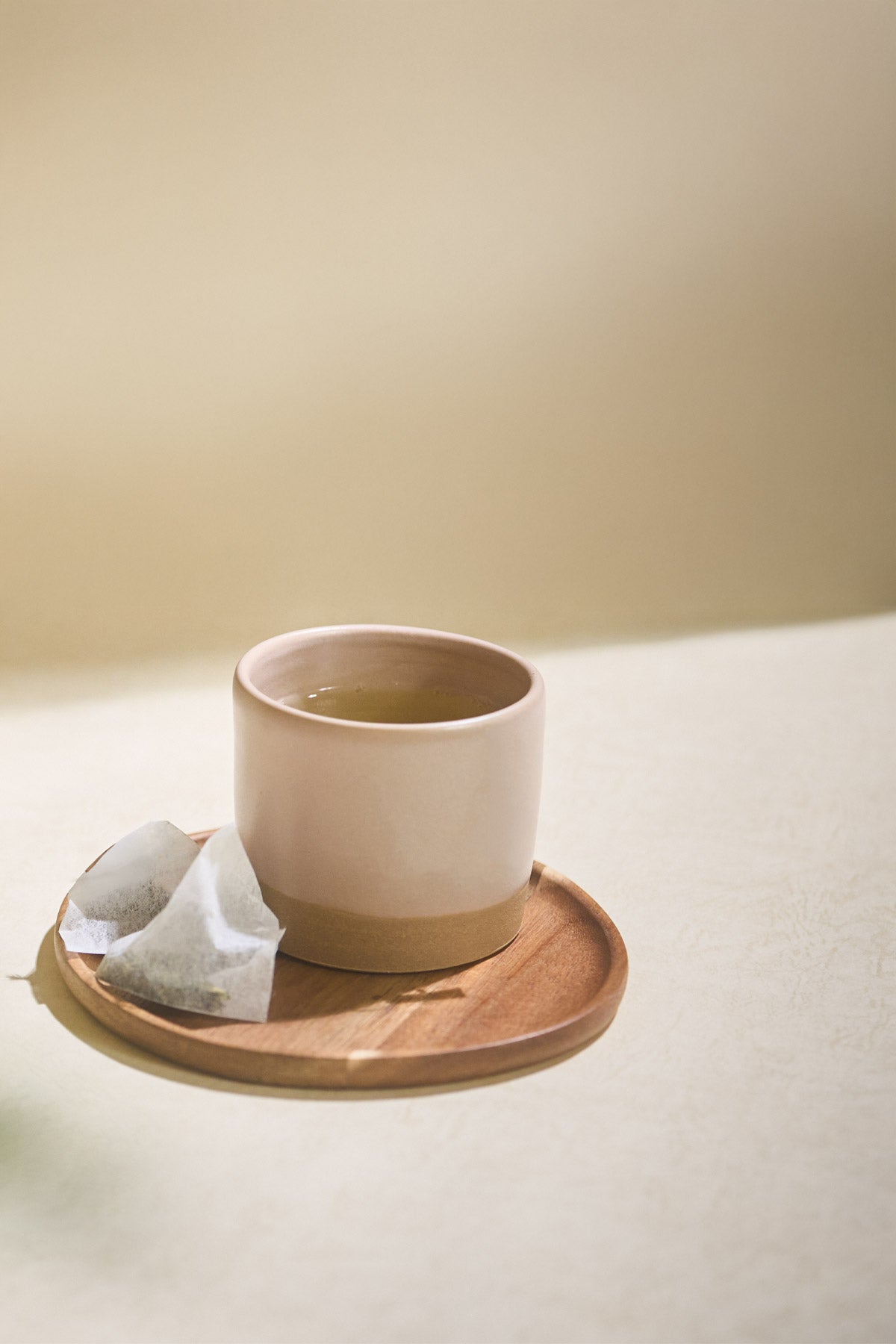
As passionate tea drinkers, we often consider how to make the most of our leftover tea. The good news is that choosing the right tea bags, like Soilon, makes it easy to contribute to composting or organic waste initiatives.

Tea compost is a natural way to nourish your plants and enhance soil health. By using compostable tea bags, you’re not only enjoying a great cup of tea but also taking a meaningful step toward a greener planet. Together, let’s savor every sip while caring for the environment.

Material Type

Cost

Extractability


Quality of Tea


Other

Paper

Low

Low

May be traces of smell from the fabric 

Used widely for its low costs

Gauze Cloth

Somewhat low

Somewhat high

No traces of fabric smell, able to enjoy the natural aroma of tea

Often used for black tea

Non-Woven Fabric

Low

Somewhat high

May be traces of fabric smell from the polypropylene in the fabric


Nylon Mesh

Somewhat high

High

May be traces of fabric smell of the teabag depending on water temperature 

Some environmental burden since it is derived from petroleum

Soilon Mesh

High

High

Lively aroma of the tea is present without any traces of fabric smell from the teabag

Environmental Friendly with its biodegradable quality

FAQs about Soilon Biodegradable Teabags

What is Soilon actually made from — is it really plastic-free?

Soilon (ソイロン) is a plant-based mesh made from polylactic acid (PLA) derived from corn starch. PLA is technically a bioplastic, but the distinction matters: it's not petroleum-based, it doesn't shed microplastics into your tea the way PET-mesh and nylon teabags do, and it breaks down into water and carbon dioxide under industrial composting conditions. It's the closest thing to a true plastic-free teabag mesh available at scale right now.

The reason most premium teabag brands have switched to Soilon over the last decade is the microplastic research. A 2019 McGill study found that nylon and PET pyramid teabags release billions of microplastic and nanoplastic particles into a single cup of tea at brewing temperature. Soilon doesn't have that release problem — its plant-derived structure stays stable in hot water.

If a tea brand's pyramid bag isn't labeled "Soilon" or "PLA" or "plant-based mesh," assume it's nylon or PET unless they tell you otherwise. "Silk-like" and "silken" usually mean petroleum-derived plastic, despite how natural they sound.

Does Soilon mesh affect the taste of tea differently than paper teabags?

Yes, in a positive way. Paper teabags are usually made from filter paper that contains a small amount of plastic (PVA or epichlorohydrin) for wet-strength, and that paper imparts a slight cardboard-like off-flavor especially in delicate green teas. Soilon mesh is neutral — no flavor of its own, no chemical migration into the cup.

The functional advantage is space. Soilon pyramid bags give the leaves room to expand, which matters more for green tea than most people realize — sencha leaves swell to roughly 5x their dry volume during steeping, and a flat compressed paper bag chokes that expansion. Soilon's pyramid shape and finer mesh mean the tea brews closer to how it would loose-leaf in a kyusu.

Cleanest test: compare the same tea in a paper teabag and a Soilon pyramid. The Soilon version tastes more open, fuller, less papery. The difference is subtle but consistent.

Is Soilon home-compostable, or do you need an industrial facility?

Industrial compost only, realistically. Soilon meets standards for industrial composting (60+°C, controlled humidity, 90+ days), but home compost piles rarely hit those temperatures consistently — you might see partial breakdown after a year, but not full disappearance. The marketing claim "compostable" is technically accurate but easy to misread as "throw it in your backyard pile."

If your municipality has a green-bin / commercial composting program, Soilon teabags can go there. If not, the practical move is to cut the bag open, dump the tea leaves into your home compost or directly onto soil (where they break down quickly and feed the bed), and put the empty Soilon mesh in regular trash. The leaves are 95% of the volume and 100% of the nutrient value anyway.

Compared to nylon and PET teabags — which never decompose — Soilon is still a meaningful environmental upgrade even if you can't compost it at home. Just don't let the "compostable" label fool you into thinking it'll vanish in your kitchen pile.

How long does Soilon take to break down compared to regular teabags?

In an industrial composter, Soilon breaks down in roughly 90–180 days — fast for a polymer. For comparison, nylon teabag mesh takes hundreds of years to break down (basically the same as plastic film), and conventional PET teabags are similar. Even "silk" teabags marketed as natural are usually petroleum-based and don't biodegrade meaningfully.

Paper teabags break down faster (60–90 days in compost) but, as mentioned, contain small amounts of plastic in the heat-seal seam. So they're better than nylon but worse than Soilon in net environmental terms.

If you want a fully zero-plastic option, loose-leaf in a kyusu or a reusable cotton tea sock is the only path that's truly free of polymer. Among teabag formats, Soilon is the cleanest choice currently on the market.

Are Japanese Green Tea Co's teabags Soilon? Where else can I find them?

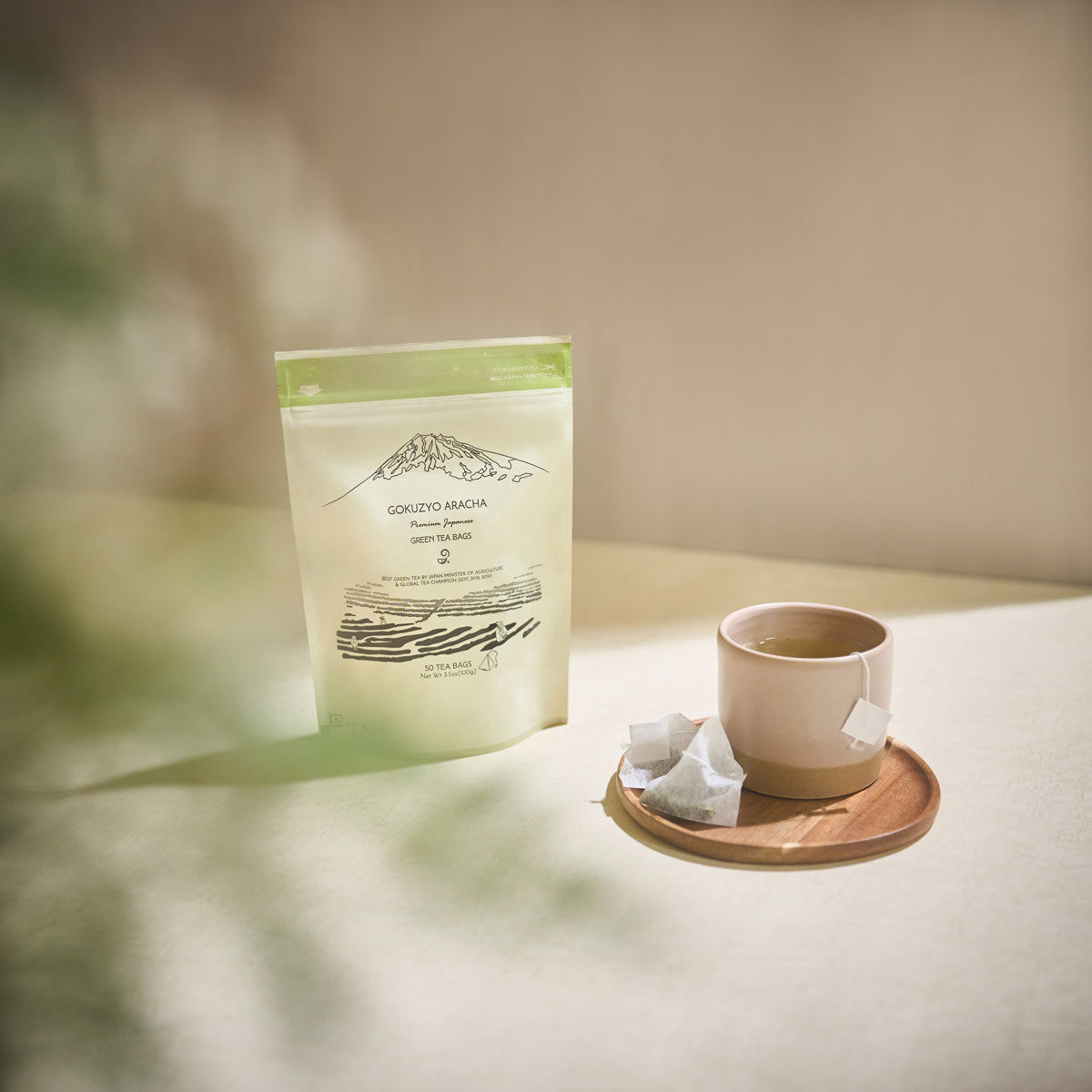
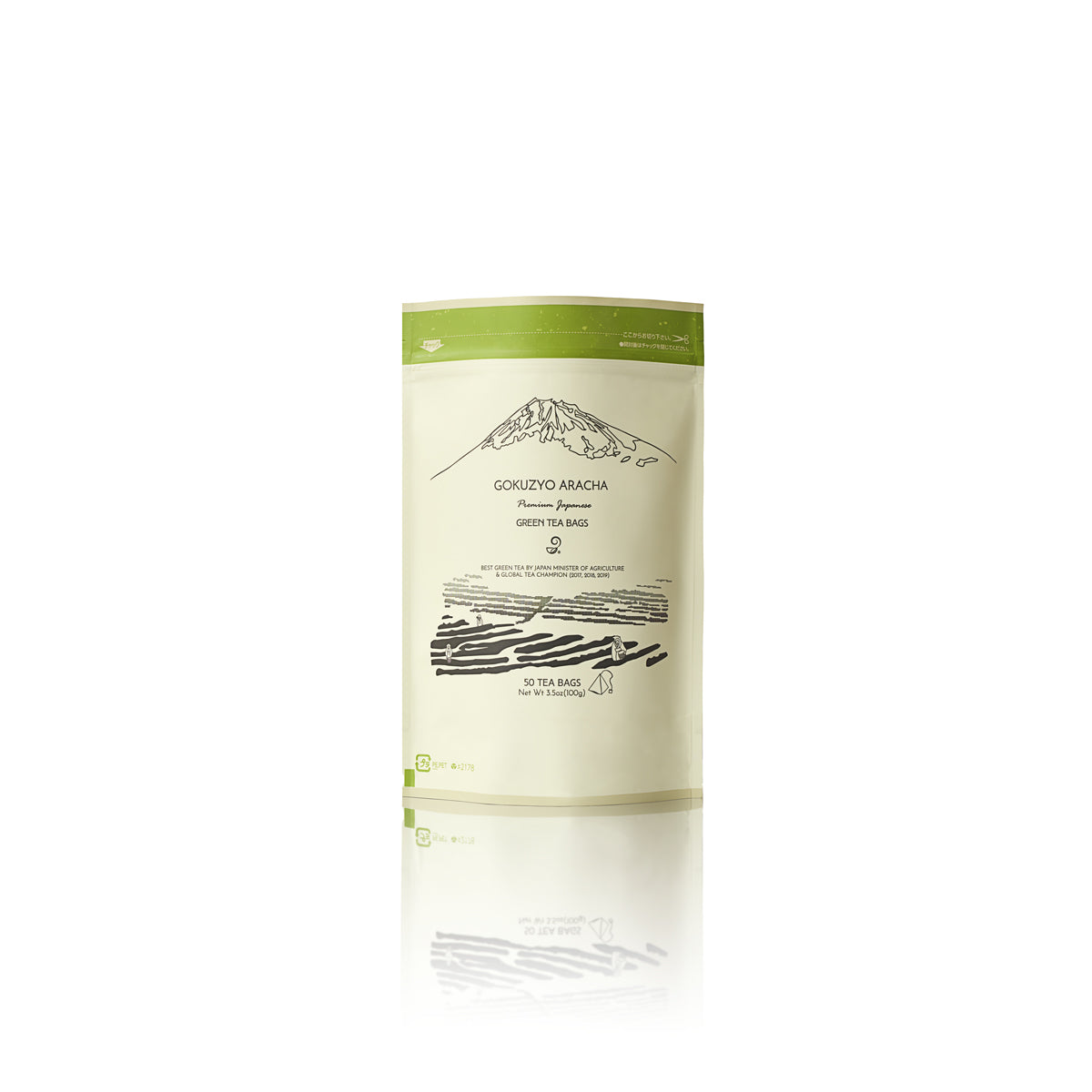
Yes — every JPCo teabag uses Soilon mesh. Our Gokuzyo Aracha 50-bag pack and the rest of our teabag lineup are all PLA-based pyramid bags, no nylon or PET in the chain. We made the switch when the microplastic research came out and haven't looked back.

Outside of JPCo, brands that use Soilon (or equivalent PLA mesh) include Tealyra, several premium Japanese exporters like Ippodo and Maeda-en, some American brands like Numi (their pyramid line), and most modern-built specialty tea companies launching after 2018. Older, mass-market brands often still use nylon — Lipton, Tetley, and Twinings pyramid bags are typically PET or nylon unless explicitly labeled otherwise.

If you're at a grocery store and not sure, the package will say "plant-based mesh," "PLA mesh," or "Soilon" if it's the good kind. "Silken" almost always means petroleum-based; assume the worst until the label says otherwise.

Related products

74 reviews

Tea Bag - High-Grade Unrefined Tea - Gokuzyo Aracha (50 tea bags)

$4.99
Quick view

Gokyuzyo 極上, meaning "The Highest Grade," brings the rustic charm of Aracha 荒茶, or "wild tea," into a convenient teabag form, offering a taste as close to freshly picked leaves as possible. Unlike fully processed green teas, this unrefined Fukamushi Sencha preserves its natural shape and texture, blending soft sprouts, twig tea, coarse leaves, and powdered tea for an intense aroma and rich, vibrant flavor. Cultivated by the Chagusaba method in nutrient-rich sugarcane soil and made from the Yabukita cultivar, this tea captures the traditional, nourishing quality enjoyed by generations of tea farmers. Available in a resealable aluminum bag with 50 pyramid-shaped teabags or as a single-serve sample, it is perfect for enjoying authentic Japanese green tea anytime, anywhere.

56 reviews

Benifuuki - Allergy Relief Japanese Green Tea Bags (30 tea bags)

$30.00
Quick view

Benifuuki green tea is highly regarded in Japan for its natural allergy-relief properties, helping with seasonal allergies, cedar allergies, hay fever, and even Mast Cell Activation Syndrome (MCAD). It is rich in Methylated Catechins, a potent form of EGCG that supports the inhibition of mast cell responses and reduces allergy symptoms.

This convenient teabag version uses an eco-friendly pyramid sachet and is made from authentic Japanese green tea cultivated by the Chagusaba method in nutrient-rich sugarcane soil. Featuring the Benifuki cultivar, each resealable aluminum package contains 30 tea bags, with each bag holding 3g of tea for a total of 90g (3.2 oz). A powder and candy version are also available.

28 reviews

Loose Leaf Tea Filters | 144 or 504 Filter Bags

$15.00
Quick view

Enjoy brewing your favorite loose-leaf teas with these easy-to-use filter bags (お茶パック), designed for tea lovers who want a simple and effective way to get the most flavor from their tea. Each oversized bag allows tea leaves to fully expand, enhancing the release of rich flavors and aromas, while the widened bottom ensures thorough brewing.

Perfect not only for green tea but also for black tea, herbal blends, and even soups, these versatile pouches measure 3.5" x 2.8" (9cm x 7cm). Each pack includes 144 or 504 high-quality filters, proudly made in Japan.

8 reviews

The Sencha Lover Gift Set - Premium Japanese Green Tea Set Package
$179.00 $159.99
Quick view

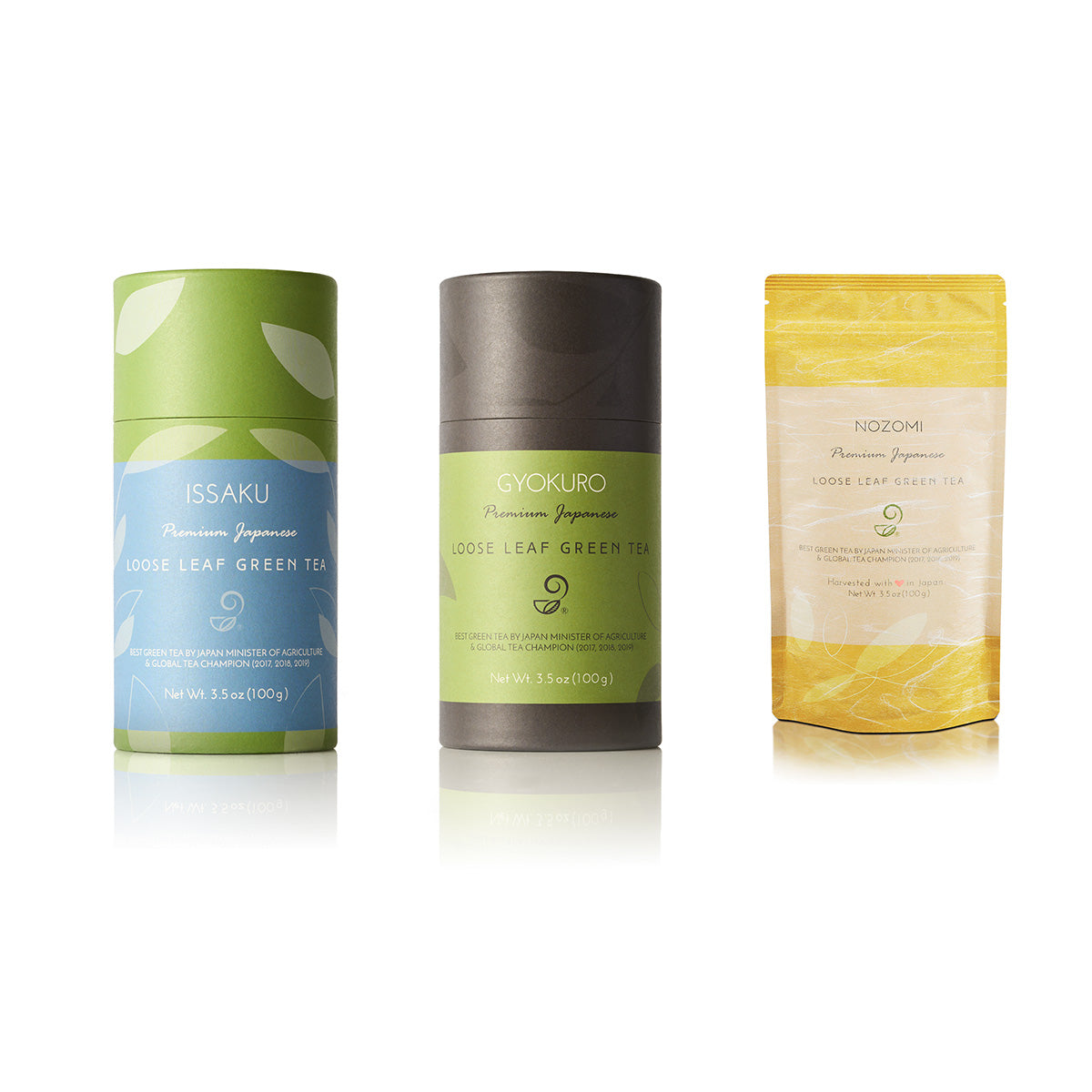
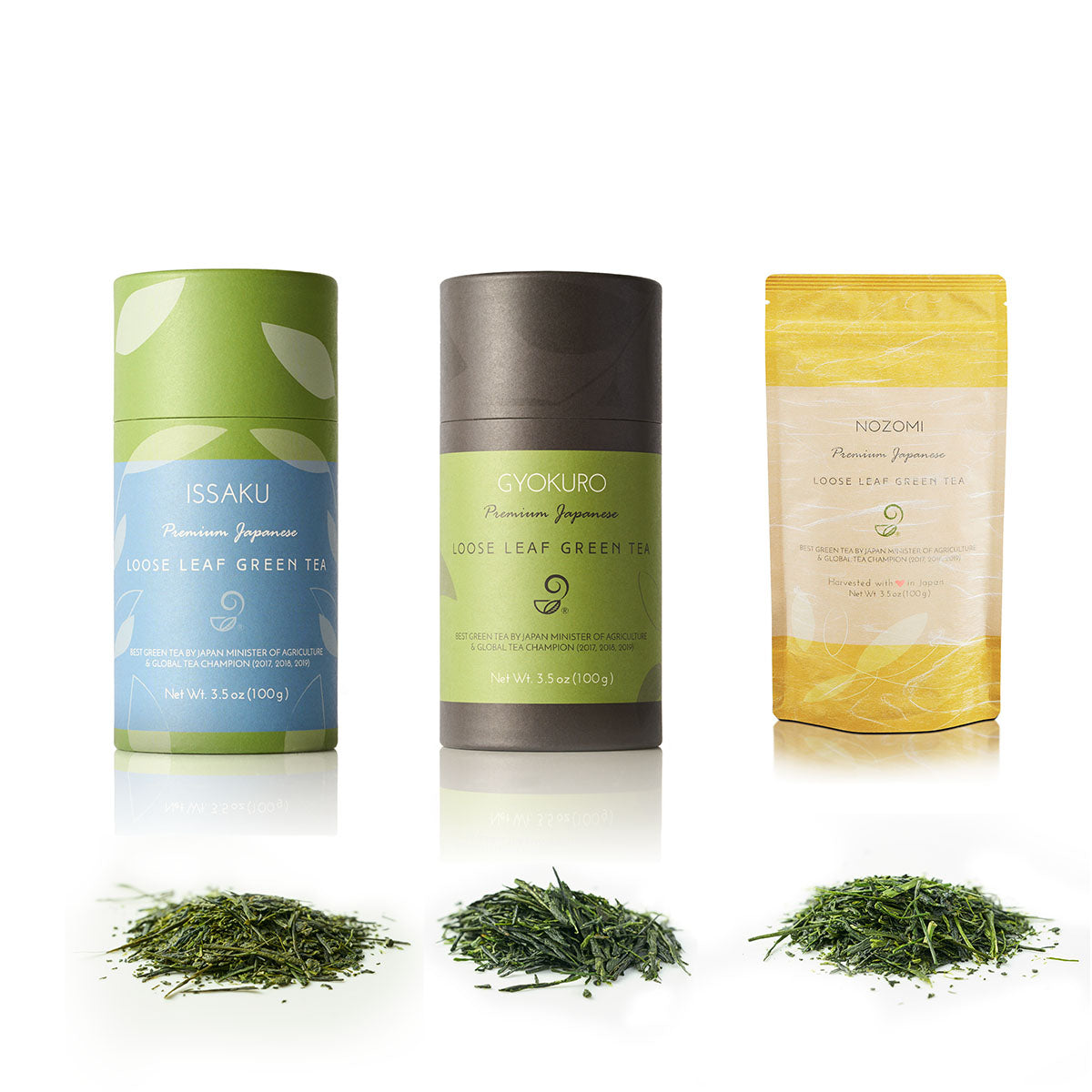
This tea set features three exceptional Japanese green teas, each crafted with care and traditional techniques. Issaku Reserve, a Global Tea Champion winner in 2017 and 2019, is a rare masterpiece created by Farm Master Mr. Arahata at Arahataen Green Tea Farm. Handpicked once a year from the first flush and processed with advanced methods, Issaku represents the highest-grade deep-steamed green tea, available only in limited quantities even in Japan.

The set also includes Gyokuro, a premium shaded green tea known for its rich, sweet flavor and deep mossy green color. Grown under special mats for 20 days to increase caffeine and amino acid levels, Gyokuro offers a layered, smooth taste unlike any other. Completing the collection is Nozomi, a fine Kabuse-cha, or "Covered Green Tea," carefully grown under nets to gently shade the leaves just before new sprouts emerge, resulting in a soft, rich, and refined flavor profile.

97 reviews

Gyokuro - Shaded Imperial Premium Green Tea

$65.00
Quick view

Gyokuro, also known as "jade dew" or "jewel dew tea," is a premium Japanese green tea shaded from the sun for 20 days using specially made mats, a method that boosts caffeine levels and strengthens amino acids to create a sweeter, richer flavor. This extended shading process results in dark, mossy green leaves with an unmistakable aroma and a complex taste that is layered yet balanced. Cultivated by the Chagusaba method in nutrient-rich sugarcane soil and made from the Yabukita cultivar, this loose-leaf authentic Gyokuro is offered in a high-quality, air-tight paper tube canister (chyazutsu) to preserve its exceptional freshness and flavor. Each 3.5 oz (100g) full-size package steeps 30–40 cups, and a convenient single-serve sample is also available.


Related Articles You May Be Interested

Why Pyramid-Shaped Tea Bags are Considered Better
Costco's Green Teabags vs Japanese Greentea Co's Teabags - What are the differences? Q&A
Is Tea Bag Tea Lower Quality Than Loose Leaf Tea? - Green Tea Quiz
Introducing A New Product - Meet Hojicha Powder
What to Do With Leftover Tea Leaves - 9 Ways to Use Leftover Tea Leaves and Powder

Get Free Bonus Books

Join Green Tea Club

Sign up for free to the Green Tea Club to get advice and exclusive articles about how to choose Japanese Tea, and tips, tricks, and recipes for enjoying Japanese tea.

Unsubscribe anytime. It’s free!

About the author

Kei Nishida

Kei Nishida

Author, CEO Dream of Japan

info@japanesegreenteain.com

Certification: PMP, BS in Computer Science

Education: Western Washington University

Kei Nishida is a passionate Japanese green tea connoisseur, writer, and the founder and CEO of Japanese Green Tea Co., a Dream of Japan Company.

Driven by a deep desire to share the rich flavors of his homeland, he established the only company that sources premium tea grown in nutrient-rich sugarcane soil—earning multiple Global Tea Champion awards.

Expanding his mission of introducing Japan’s finest to the world, Kei pioneered the launch of the first-ever Sumiyaki charcoal-roasted coffee through Japanese Coffee Co. He also brought the artistry of traditional Japanese craftsmanship to the global market by making katana-style handmade knives—crafted by a renowned katana maker—available outside Japan for the first time through Japanese Knife Co.

Kei’s journey continues as he uncovers and shares Japan’s hidden treasures with the world.

Learn more about Kei Nishida

Related Posts

OC Japan Fair April 2026 — Visit Us at Booth #A8!
OC Japan Fair Spring 2026 Recap (April 3 - 5 2026)

We were at OC Japan Fair again! April 3-5 2026 with new products, Miki Pon's art debut and more. Here is a recap video f

Read More
Super Mario and Japanese Green Tea

Super Mario and green tea share a hometown! Watch our Yoshi Matcha Cookies video recipe + discover how Nintendo and matc

Read More
Our Matcha Is Now at Pillow Talk Cafe in Pasadena — Master Japanese-Inspired Cake Makers

Our matcha is now at Pillow Talk Cafe Pasadena! Meet the cafe, try the Egg Heaven sando & Matchamisu, and see how th

Read More
5 comments on Soilon: The Eco-Friendly, Biodegradable Tea Bag Revolution
  • Anadey
    AnadeyMay 24, 2024

    The exploration of tea bag materials and their implications for organic waste disposal is both informative and thought-provoking. The distinction between traditional plastic tea bags and innovative options like Soilon highlights the importance of choosing eco-friendly alternatives. By opting for tea bags that decompose naturally and contribute positively to composting, we can make a tangible difference in reducing our environmental footprint.

  • Kei Nishida
    Kei NishidaApril 07, 2024

    The bags we used are not bleached.

  • Charlene Nalley
    Charlene Nalley April 07, 2024

    Are the tea bags bleached?
    Thank you

  • Tom
    TomAugust 28, 2020

    This is good.

  • Sunny
    SunnyAugust 28, 2020

    This is a nice blog post!

Leave a comment

Your email address will not be published..

Cart

Your cart is currently empty.

Start Shopping

Select options