

Green tea is prized for its health benefits, so wouldn’t an extract be even better? Green tea extract is a supplement derived from the green tea plant. The idea behind it is if you process and concentrate on a healthy substance like green tea, its positive effects will be boosted. But As the age-old adage goes -- more is not necessarily better. Green tea extract can, in fact, have negative effects on your health.
The popularity of green tea extract has surged due to its marketed benefits, such as enhanced weight loss, improved cognitive function, and stronger antioxidant protection. However, these concentrated forms often contain significantly higher levels of active compounds, like catechins and caffeine, than a typical cup of green tea. Without proper regulation or dosage guidelines, consumers may unknowingly expose themselves to risks that outweigh the benefits. Understanding the differences between whole green tea and its extract is crucial before incorporating such supplements into your routine.
Here are 10 reasons why green tea extract is bad for you:
1. The Concentrated Doses of Caffeine in Green Tea Extract Can be Very Dangerous
For decades, case reports have found that consuming large amounts of green tea extract is more likely to cause negative effects from caffeine than drinking green tea itself, according to the U.S. Pharmacopeia Dietary Supplement Information Expert Committee published findings in 2008 in “Drug Safety.” With taking any extract, you must keep in mind that concentrated doses are different than taking the substance in its original form and can have a dangerous amount of certain ingredients. Extracts always pose a risk.
The caffeine content in green tea extract can vary widely, often ranging from 100 to 300 milligrams per serving, compared to about 20 to 45 milligrams in a typical cup of green tea. This high concentration can lead to symptoms such as jitteriness, insomnia, increased heart rate, and, in severe cases, caffeine toxicity, which may cause seizures or cardiac arrhythmias. Unlike brewed green tea, where caffeine is diluted and consumed gradually, extracts deliver a rapid, potent dose that the body may struggle to process safely, especially for those sensitive to stimulants or with pre-existing health conditions.
2. Green Tea Extract Causes Liver Toxicity
We can appreciate the powerful antioxidant benefit of green tea, but you want to avoid too much of a good thing. Catechins, a type of polyphenols, target your vital mitochondria. This attack prevents them from helping your body metabolize food into energy and can lead to hepatitis or even liver failure. Twenty percent of drug-related injuries are currently caused by the widespread use of unregulated supplements, according to the National Institutes of Health. Herbert Bonkovsky, M.D., a gastroenterologist from the Carolinas HealthCare System recommends the complete avoidance of supplements with green tea extract as an ingredient. Time to clean out the medicine cabinet.
The risk of liver toxicity is particularly concerning because green tea extract can contain catechin levels, especially epigallocatechin gallate (EGCG), far exceeding those found in brewed green tea. A 2018 review in the Journal of Hepatology documented multiple cases of liver injury linked to green tea extract, with some patients requiring hospitalization due to elevated liver enzymes and jaundice.
These incidents often occurred in individuals taking high doses (800–1200 mg of EGCG daily) or using extracts for extended periods. Factors like fasting or genetic predispositions may exacerbate these risks, as they increase the liver’s exposure to concentrated catechins. Given the variability in supplement formulations and lack of mandatory safety testing, even moderate doses can pose unpredictable dangers, making it critical to prioritize whole green tea over extracts.
3. Taking Green Tea Extract can put Vital Organs at Risk
It’s not just your liver you need to be mindful of, other organs in your body can be negatively affected by green tea extract as well. According to an article in the journal Toxicologic Pathology in 2010, concentrations above 1000mg of green tea extract were lethal in mice. Although most of the deaths were caused by liver necrosis, the extract caused secondary effects on their noses, lymph nodes, and spleens.
The systemic impact of green tea extract stems from its high concentrations of bioactive compounds, particularly catechins like epigallocatechin gallate (EGCG), which can overwhelm the body’s metabolic pathways. In the 2010 study, mice exposed to excessive doses exhibited not only liver damage but also inflammation and cellular stress in lymphoid tissues and nasal passages, suggesting a broad toxicological effect.
While human studies are limited, a 2017 report from the European Food Safety Authority noted that high doses of EGCG (above 800 mg daily) could potentially harm the kidneys and gastrointestinal tract in susceptible individuals. These findings highlight the danger of assuming that concentrated extracts are safe, as their effects can extend beyond the liver to compromise multiple organ systems, especially when taken without medical oversight.
4. Don't Risk Scary Heart Issues by Taking Green Tea Extract
You know that uncomfortable feeling when your heart starts racing, and it can be scary. Otherwise known as heart palpitations, these uncomfortably fast heartbeat episodes are a common side effect of consuming too much caffeine. While the caffeine content in green tea is relatively low, things like green tea extracts or green tea energy drinks can have very high caffeine content. It’s best to sick drinking the actual tea -- the naturally occurring caffeine won’t be too much for your heart to handle.
The high caffeine levels in green tea extract, often ranging from 100 to 300 milligrams per dose, can overstimulate the cardiovascular system, leading to not only palpitations but also increased blood pressure and irregular heart rhythms. Unlike brewed green tea, which delivers caffeine gradually, extracts provide a sudden spike that can strain the heart, particularly in individuals with underlying conditions like hypertension or arrhythmias.
The lack of standardized labeling on supplements means consumers may not know the exact caffeine content, increasing the risk of unintentional overconsumption. Sticking to whole green tea ensures a safer, more balanced intake of caffeine, minimizing the potential for these unsettling and potentially dangerous cardiac effects.
5. There are NO Federal Regulations on What They put in Green Tea Extracts.
Think the FDA has got your back when it comes to supplements? Think again. The 1994 Dietary Supplement Health and Education Act did a major regulation haul on the supplement market. Unlike prescription and over-the-counter drugs, the FDA now does not require manufacturers of dietary supplements to register their products or get any type of approval before producing or selling supplements. This means that pretty much ANYTHING could be in those pills, in any amount. Green tea extract can have incredibly high amounts of caffeine or low amounts of health-benefiting antioxidants — it’s anyone’s guess. That’s a gamble you want to avoid.

This regulatory gap allows manufacturers to produce green tea extract supplements with little accountability for consistency or safety. Without mandatory oversight, the potency of active ingredients like caffeine or catechins can vary wildly between brands or even batches, potentially leading to unexpected side effects or diminished benefits. Some products might include unlisted additives, fillers, or even contaminants that could harm your health.
Consumers have no reliable way to verify what’s actually in the capsules, as labeling is often vague or misleading. Choosing whole green tea over extracts eliminates this uncertainty, as its natural composition offers a safer, more predictable way to enjoy its benefits without the risks of unregulated supplements.
6. Doctors Do Not Recommend Taking Green Tea Extracts
If you are one of most Americans who takes a prescription drug, you’ll want to avoid green tea extract. Their high doses of caffeine can have negative interactions with medications you are taking, or cause them to not work at all. Scary! Green tea extract’s high dose of vitamin K can make blood thinning medication such as warfarin or aspirin ineffective. When taken together with MAOIs, green tea extract can cause a severe increase in blood pressure. These are just a few of the possible drug interactions of green tea extract. Always consult your doctor before starting any dietary supplement – or better yet, just avoid them.
The potential for green tea extract to disrupt medication regimens extends beyond the examples above, as its concentrated compounds can affect a wide range of drugs. For instance, the caffeine in extracts may amplify the side effects of stimulants or interfere with sedatives, leading to issues like anxiety or disrupted sleep.
Additionally, the unpredictable levels of catechins in these supplements can alter how the body metabolizes certain medications, potentially reducing their efficacy or increasing toxicity. Doctors often caution against green tea extract because its unregulated nature makes it difficult to predict these interactions, especially for patients with complex health conditions. Sticking to brewed green tea, with its lower and more consistent levels of active compounds, is a safer choice to avoid these risky complications.
7. Industrially Processed Supplements are Bad for you and the Environment
Even though they are often called “natural,” almost all non-food supplements are processed with petroleum derivatives or hydrogenated sugars. Given that there is no FDA regulation on dietary supplements, it’s almost impossible to know how any green tea extra was processed. It’s always best to avoid the processed version of a good thing and stick to the basics – real green tea.
The industrial processing of green tea extract not only raises health concerns but also contributes to environmental harm. Manufacturing these supplements often involves energy-intensive methods and chemical solvents, which can generate significant waste and carbon emissions. The lack of transparency in the supplement industry means consumers are left in the dark about whether eco-friendly practices or harmful chemicals were used in production.
Furthermore, the extraction process can strip away some of the natural balance found in whole green tea, potentially reducing its overall health benefits while introducing questionable additives. By choosing brewed green tea, you support a more sustainable option that requires minimal processing and delivers its nutrients in a wholesome, environmentally friendlier form.
8. Taking too Many Polyphenols can Cause Iron Deficiency.
Polyphenols are powerful sources of antioxidants and do amazing things for our health. Some green tea extracts contain excessive amounts of polyphenols -- anywhere from 100-750mg per pill. According to the American Journal of Clinical Nutrition, large amounts of polyphenols could interfere with iron absorption, causing a potential iron deficiency in people who are borderline anemic. Polyphenols are readily available in healthy doses in a variety of natural foods like onion, berries, apples, and green tea. (Read more about Polyphenols on my other article.)
The high polyphenol content in green tea extracts, particularly catechins like epigallocatechin gallate (EGCG), can bind to dietary iron in the digestive tract, forming complexes that the body cannot absorb. This effect is especially concerning for individuals with low iron stores, such as vegetarians, menstruating women, or those with chronic illnesses, as it may lead to symptoms like fatigue, weakness, or worsened anemia over time.
Unlike whole green tea, which contains moderate polyphenol levels that are less likely to disrupt iron absorption significantly, extracts deliver a concentrated dose that can tip the balance toward harm. Consuming polyphenol-rich whole foods in moderation ensures you reap their antioxidant benefits without compromising essential nutrient absorption.
9. Green Tea Extract can Lower Testosterone Levels in Men.
It’s hard to imagine – but it’s true. Excessive amounts of green tea extract can lower levels of testosterone. One study found that excessive intake of green tea lowered the testosterone hormone in rats. Another study in India revealed high doses of green tea extract can cause functional impairment of the testis in rodents, thereby causing infertility issues. Keep your manhood safe and avoid this possibility by steering clear of extracts.
The potential for green tea extract to affect testosterone levels is linked to its high concentrations of catechins, which may disrupt hormonal balance when consumed in large amounts. These compounds can influence enzymes involved in testosterone production or metabolism, potentially leading to reduced levels or impaired reproductive function.
While human data is limited, the concentrated nature of extracts makes them more likely to cause such effects compared to drinking whole green tea, which contains lower, safer levels of these compounds. Men concerned about hormonal health or fertility should opt for brewed green tea to enjoy its benefits without risking unintended consequences from excessive catechin exposure.
10. Green Tea Extract Consumption has Been linked to Death
With the Plethora of negative side effects, green tea extract can cause, you may be thinking you've heard the worst. Wrong! Consumer Reports put green tea extract on a list of 15 supplements to avoid, citing reasons like dizziness and even death! When it comes to your health, you can never be too careful. Stick with whole, original versions of your favorite health substances, and you’ll have no need to worry about side effects from high concentrations and unknown ingredients.
The severe risks associated with green tea extract stem from its unregulated nature and the potential for extremely high doses of active compounds like catechins and caffeine. These can overwhelm the body’s ability to process them, leading to critical conditions such as liver failure or cardiovascular complications in rare but extreme cases.
The lack of standardized dosing and quality control in supplements heightens the danger, as consumers may unknowingly take amounts far beyond what’s safe. Choosing whole green tea ensures you benefit from its natural, balanced composition without the unpredictable and potentially life-threatening consequences of concentrated extracts.
Conclusion
While green tea is celebrated for its numerous health benefits, from antioxidant properties to gentle energy boosts, the same cannot be said for green tea extract. The concentrated nature of these supplements introduces a host of potential dangers, including liver toxicity, heart issues, drug interactions, and even severe outcomes like organ damage or death. The lack of federal regulation, unpredictable ingredient levels, and industrial processing further compound these risks, making green tea extract a gamble not worth taking.
For those seeking the wellness benefits of green tea, the safest and most effective choice is to stick with the whole, natural form—brewed green tea. By enjoying it in moderation, you can harness its goodness without exposing yourself to the hidden perils of extracts. Prioritize your health by choosing simplicity and steering clear of these risky supplements.
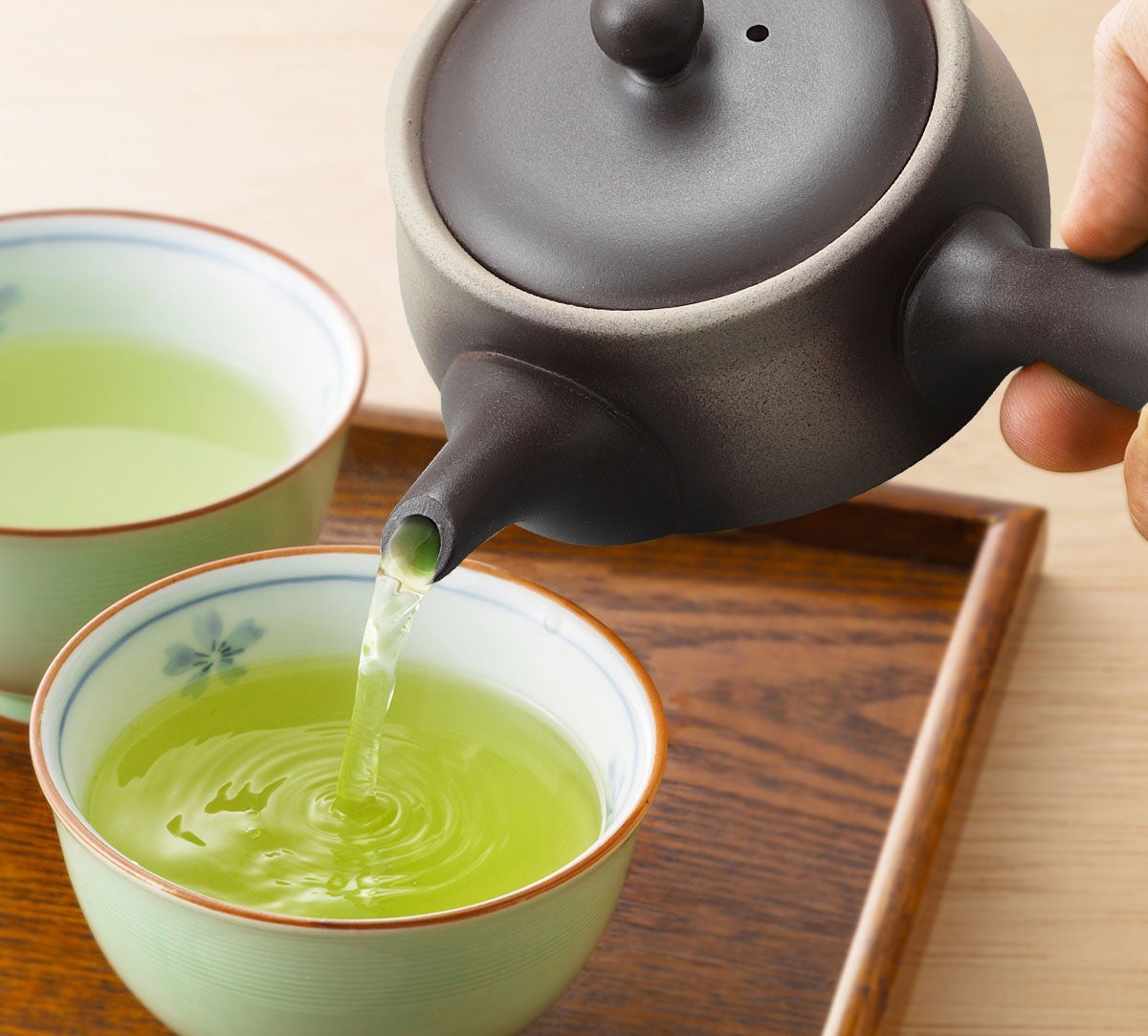
If you want the health benefits of green tea, stick to the actual tea. It’s delicious, better for you, and cheaper than expensive supplements. Your body will be glad you did. Cheers to your health!
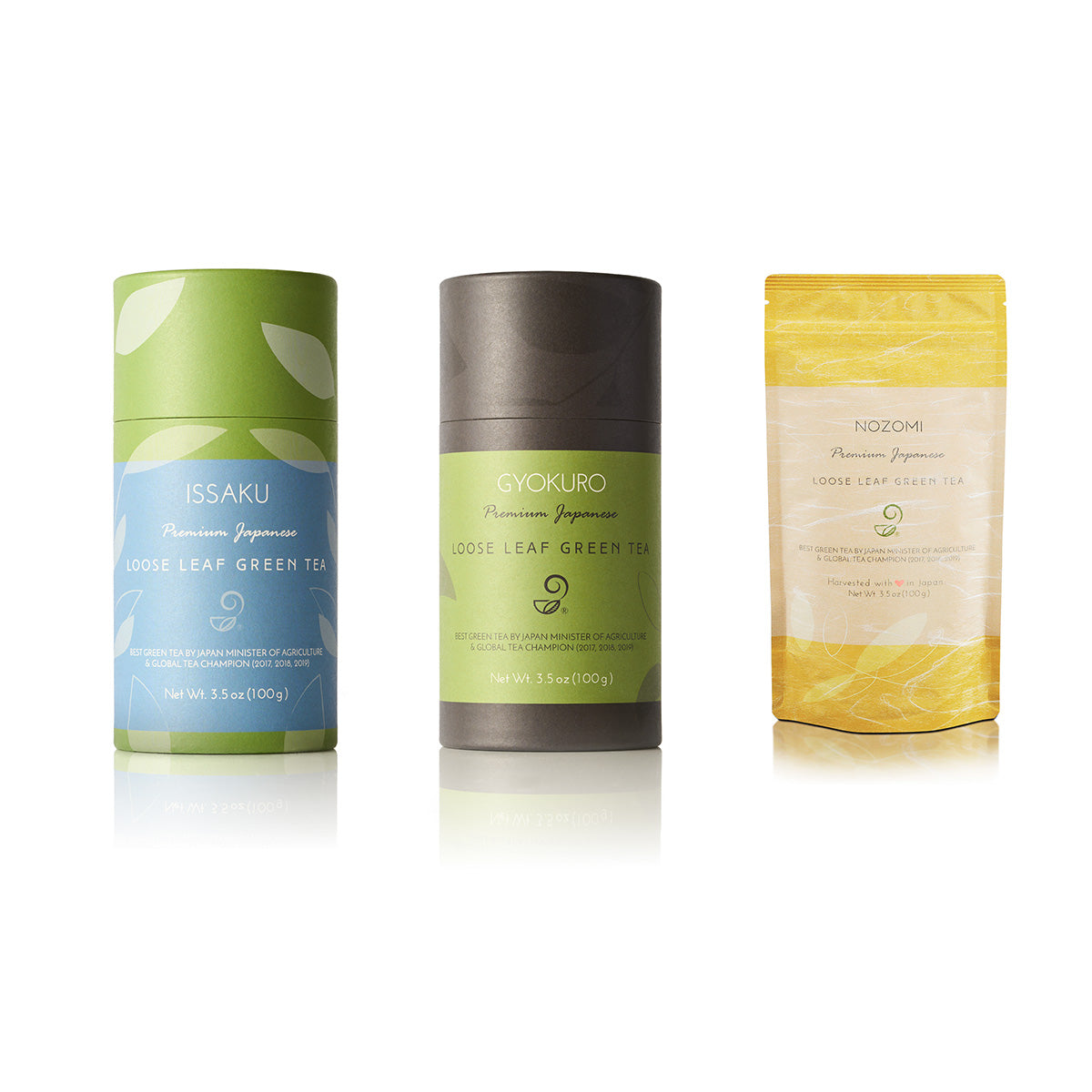
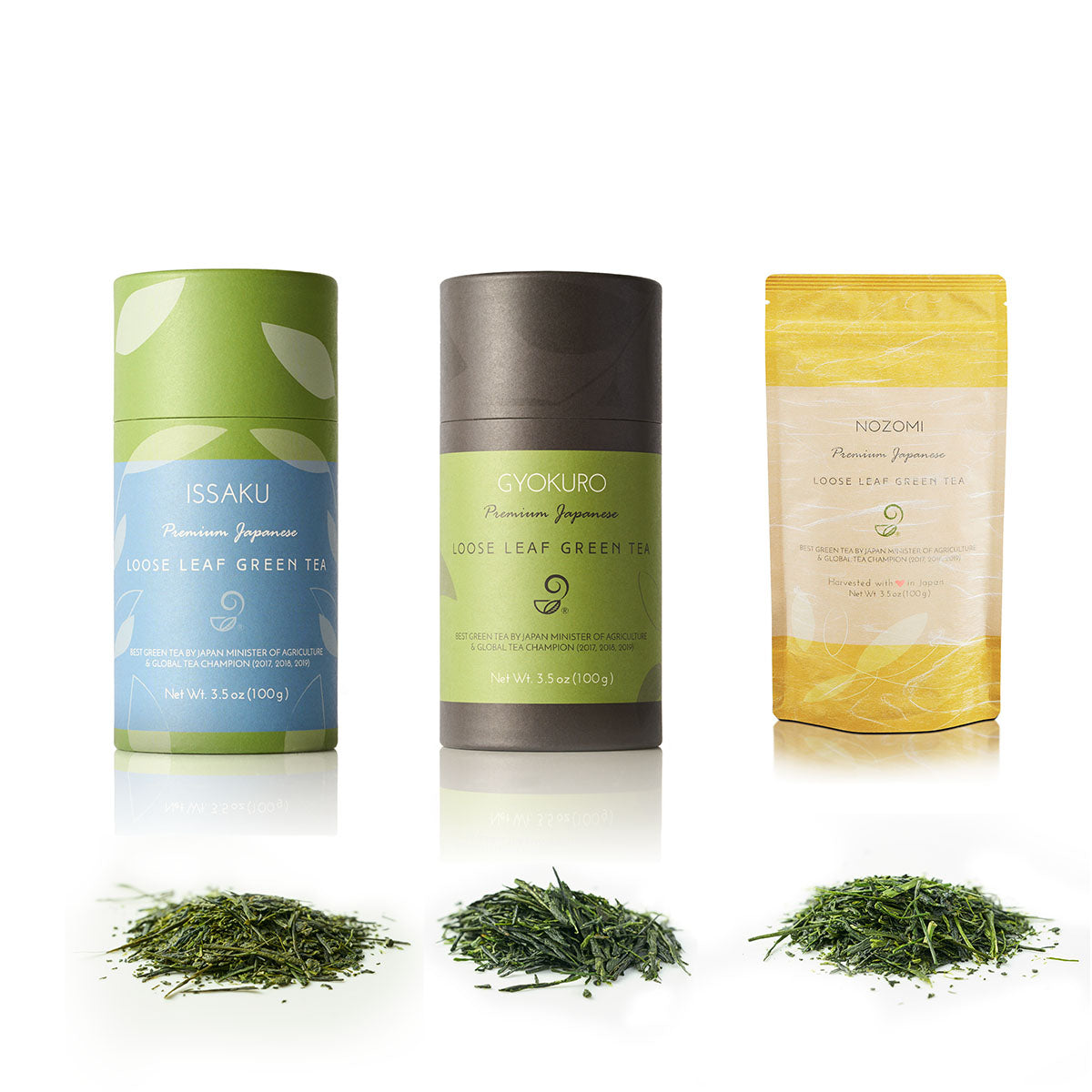
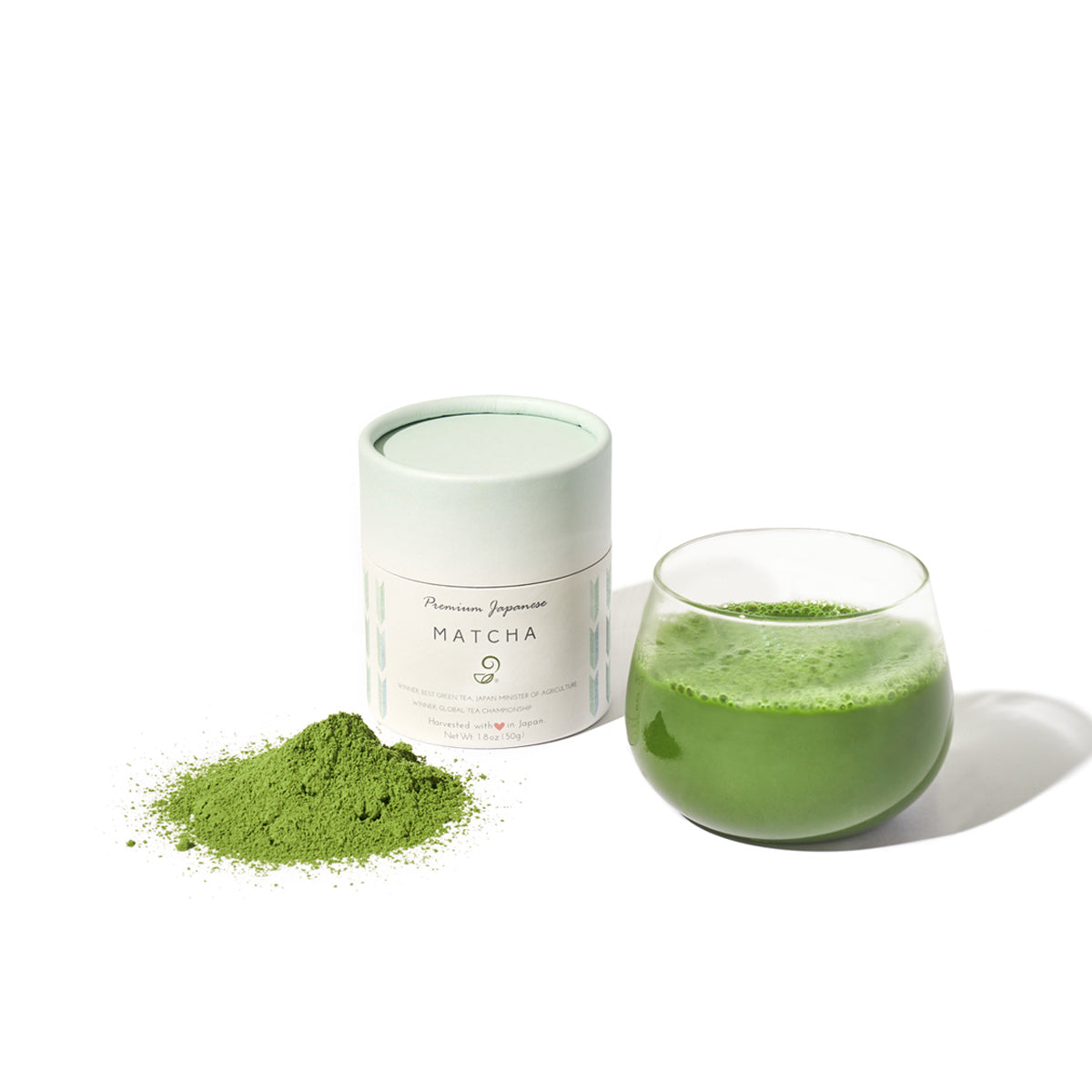
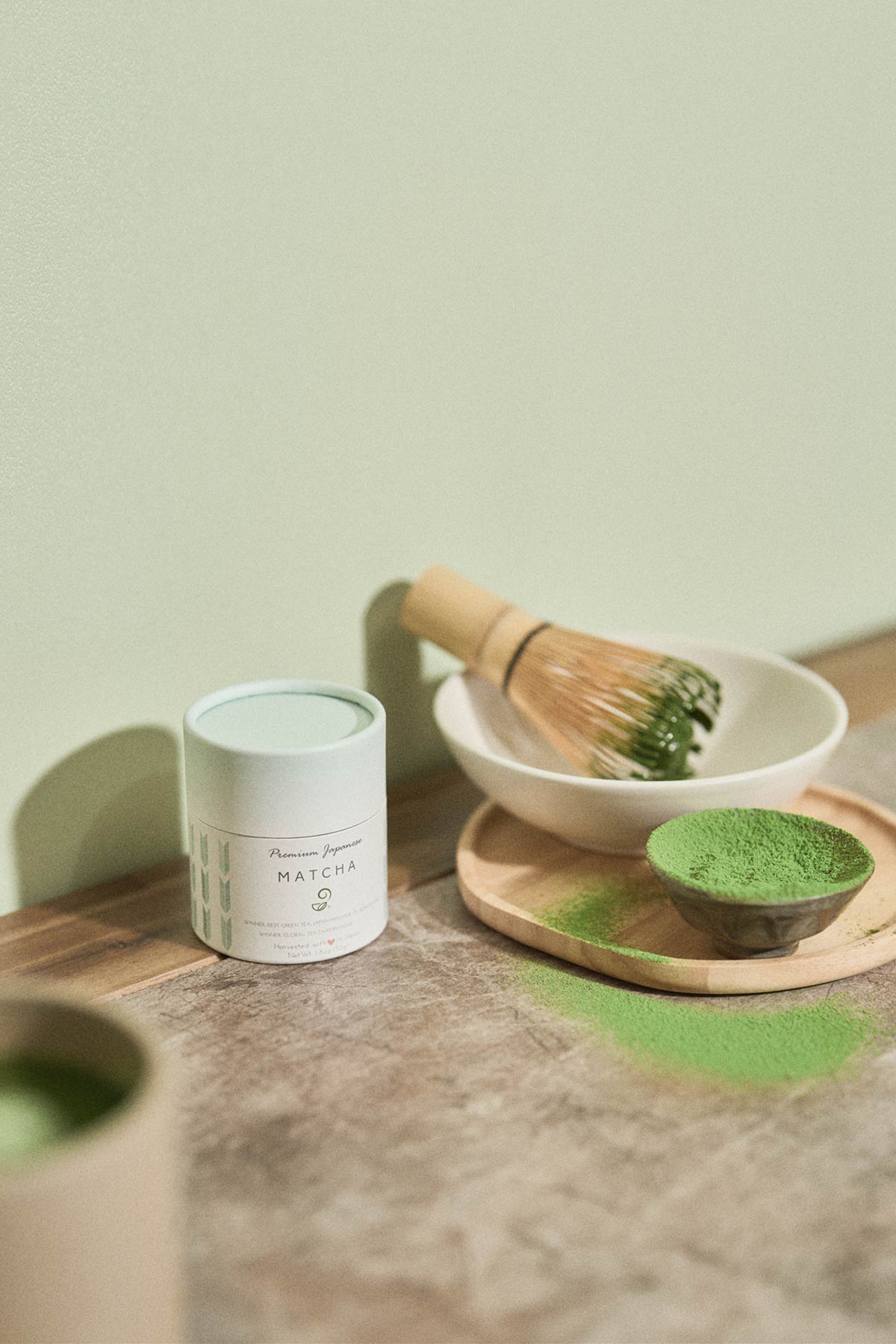
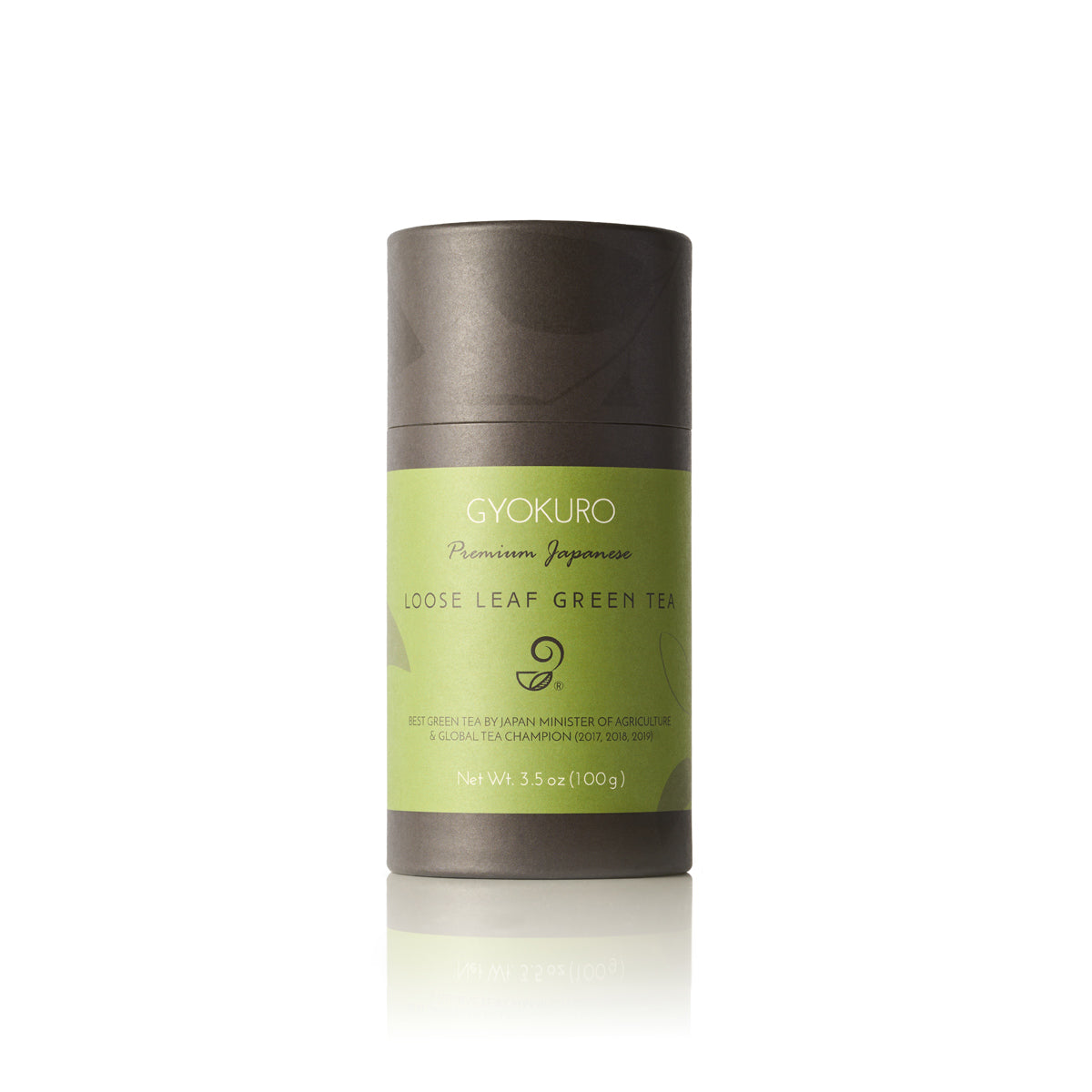
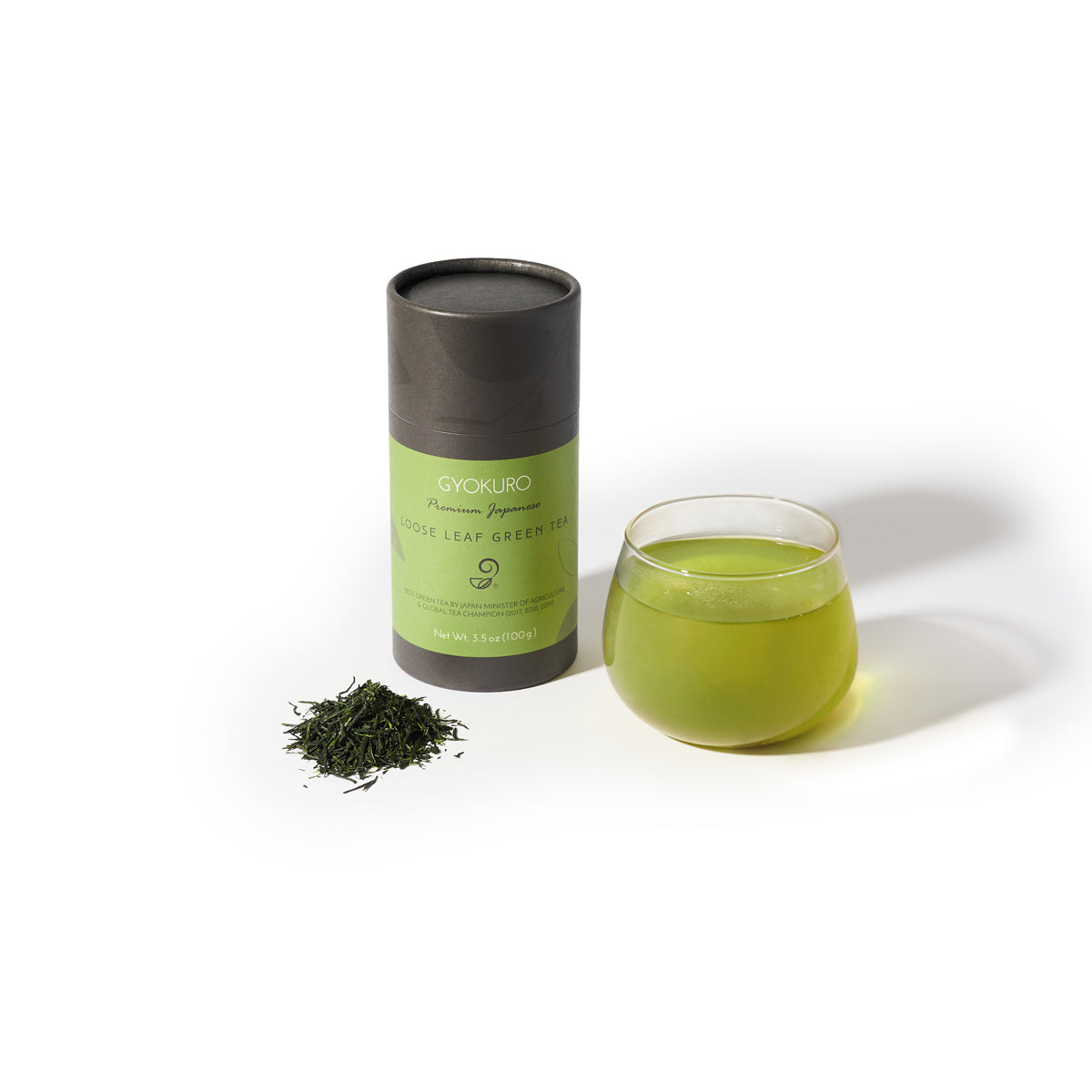
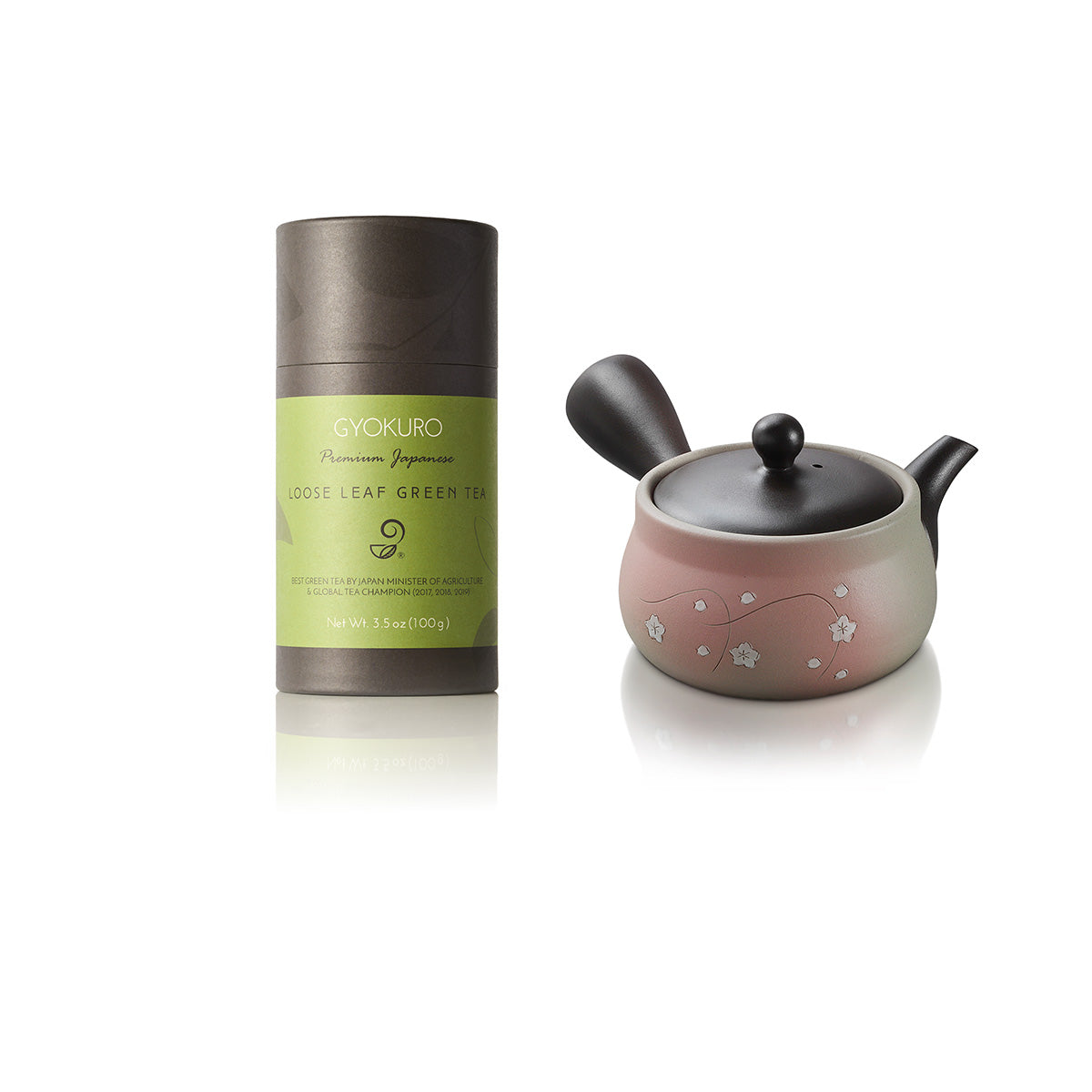
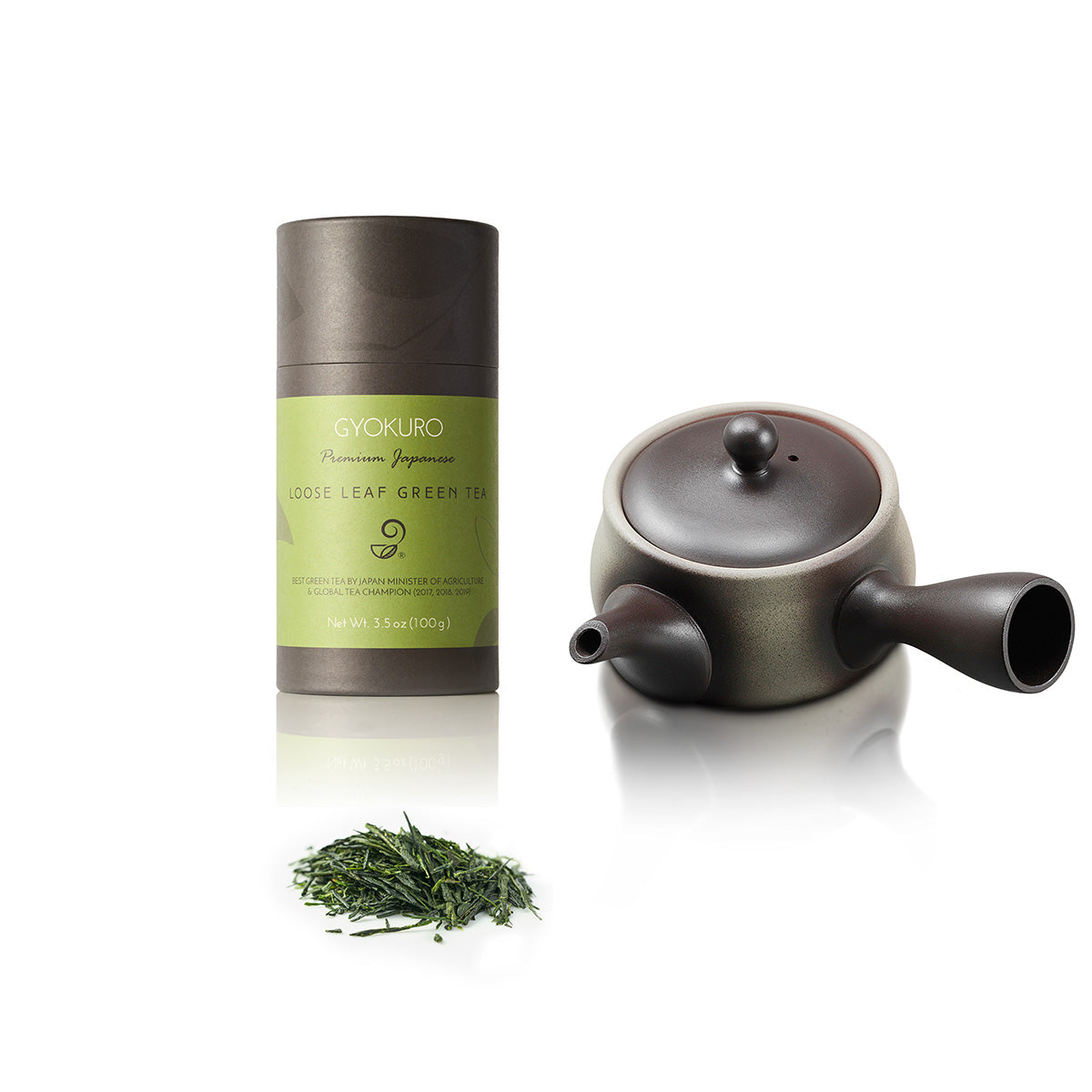
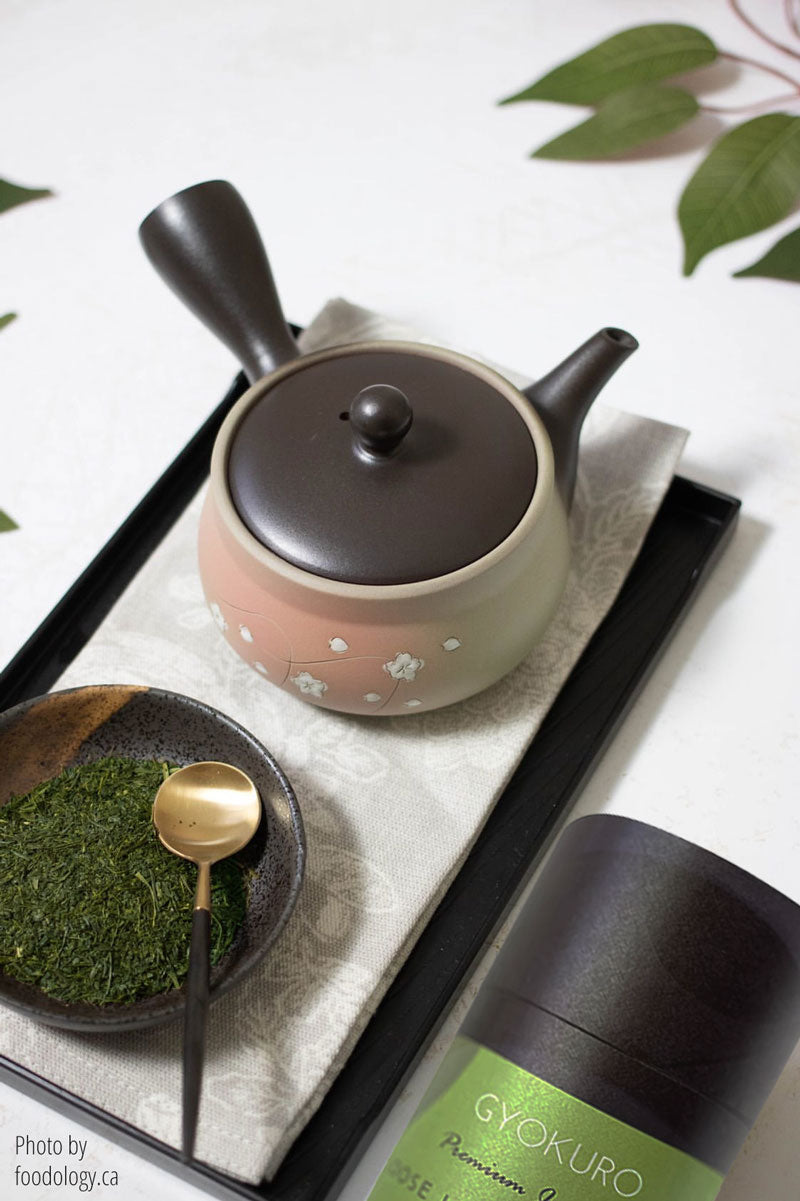
Following premium green tea provided by Japanese Green Tea Co. has high amounts of health benefit which are natural and tastes well.
FAQs about Green Tea Extract Safety
Is drinking brewed green tea also dangerous, or just the extract?

Can I get the same weight-loss benefits from drinking green tea as from extract?

Are matcha and green tea powders the same risk as extract supplements?

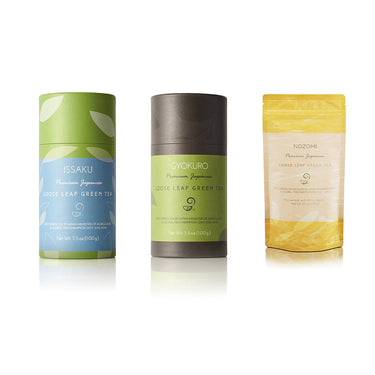
Get your green tea today instead of taking green tea extract
8 reviews
$179.00
$159.99
/
Quick view
The Sencha Lover Gift Set - Premium Japanese Green Tea Set Package


7 reviews
$195.00
$156.00
/
Quick view
The Beginner Gift Set - Premium Japanese Green Tea and Japanese Tokoname Kyusu Teapot


Get Free Bonus Books

Sign up for free to the Green Tea Club to get advice and exclusive articles about how to choose Japanese Tea, and tips, tricks, and recipes for enjoying Japanese tea.
About the author

Kei Nishida
Author, CEO Dream of Japan
Certification: PMP, BS in Computer Science
Education: Western Washington University


